Building Blocks
Sous-catégories appartenant à la catégorie "Building Blocks"
- Acides boroniques et dérivés de l'acide boronique(5.780 produits)
- Building Blocks Chiraux(1.241 produits)
- Building Blocks Hydrocarbonés(6.100 produits)
- Building Blocks organiques(61.024 produits)
205297 produits trouvés pour "Building Blocks"
Acenaphthene
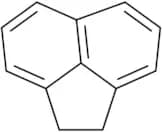
CAS :Acenaphthylene is a natural compound that has anti-inflammatory activity. It has been shown to inhibit the growth of skin cancer cells and wild-type strains of Escherichia coli. Acenaphthylene is synthesized by thermal degradation of acenaphthene and can be found in wastewater. Acenaphthylene can be extracted from these samples using solid phase microextraction (SPME). Acenaphthene can also be used as an indicator for the presence of other compounds in a reaction solution or analytical method. Acenaphthylene reacts with hydrogen peroxide to form a fluorescent derivative, which can be detected using UV light. The injection solution used for this reaction is acetone, methanol, and distilled water.
Formule :C12H10Degré de pureté :Min. 99 Area-%Couleur et forme :PowderMasse moléculaire :154.21 g/mol3-Bromofuran
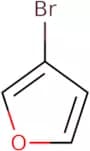
CAS :3-Bromofuran is a synthetic chemical that can be used to treat cancer, specifically as an anti-cancer agent. 3-Bromofuran has been shown to inhibit the growth of tumour cells in culture. It also selectively inhibits antigen expression and induces apoptosis in tumour cells. 3-Bromofuran is synthesized by a Sharpless asymmetric dihydroxylation of hippuric acid and efficiently undergoes cross coupling reactions with electron deficient polyatomic molecules such as organoaluminium compounds. The major metabolite of 3-bromofuran is 3,4-dihydroxybenzoic acid (3,4-DHBA), which has been found to have antiviral and antibacterial properties.
Formule :C4H3BrODegré de pureté :Min. 95%Couleur et forme :Clear LiquidMasse moléculaire :146.97 g/mol4-Chloro-3-iodoaniline
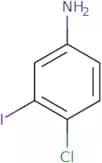
CAS :Versatile small molecule scaffold
Formule :C6H5ClINDegré de pureté :Min. 95%Masse moléculaire :253.47 g/mol3,5-Dihydroxycinnamic acid
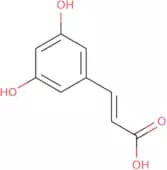
CAS :3,5-Dihydroxycinnamic acid is a metabolite of the amino acid tyrosine and an intermediate in the biosynthesis of phenylalanine. It has been shown to have anti-inflammatory properties that may be due to its ability to inhibit prostaglandin synthesis. 3,5-Dihydroxycinnamic acid has also been identified as a carcinogen and is associated with an increased risk of cancer in women. 3,5-Dihydroxycinnamic acid is found in urine samples at concentrations between 2 and 10 µmol/L.
Formule :C9H8O4Degré de pureté :Min. 98 Area-%Couleur et forme :PowderMasse moléculaire :180.16 g/molN4-Benzoylcytosine
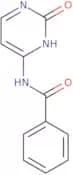
CAS :Building block in the synthesis of nucleoside antiviral agents
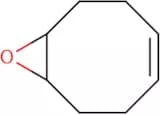
Formule :C11H9N3O2Degré de pureté :Min. 95%Couleur et forme :White PowderMasse moléculaire :215.21 g/mol1,2-Epoxy-5-cyclooctene
CAS :1,2-Epoxy-5-cyclooctene is a cyclic epoxide that undergoes ring opening with the addition of a nucleophile. This reaction is catalyzed by a bromonium ion, which acts as the electrophile. The product of this reaction is 2-hydroxy-1,2-epoxycyclohexane. 1,2-Epoxy-5-cyclooctene has been used in synthesizing various compounds such as monoepoxides and hydrosilanes. It can also be used to produce compounds that are difficult to access through other methods. 1,2-Epoxy-5-cyclooctene has been studied using x-ray crystallography and conformational analysis.
Formule :C8H12ODegré de pureté :Min. 98 Area-%Couleur et forme :Clear LiquidMasse moléculaire :124.18 g/mol2-Azido-ethanol
CAS :2-Azido-ethanol is a chemical compound that is used to synthesize ethylene diamine. It can be produced by reacting ethanol with sodium azide in the presence of an acid catalyst. 2-Azido-ethanol is stable under most conditions and has minimal toxicity, which makes it an attractive option for ethylene diamine production. The compound reacts with a variety of substrates, including diazido, amide, and β-unsaturated ketone compounds. Magnetic resonance spectroscopy (MRS) studies have shown that 2-azido-ethanol binds to water molecules at the site of its β-unsaturated ketone group and creates a new carbon source. This product also exhibits ft-ir spectroscopy properties, which can be used to measure the transport properties and photoelectron emission from the π* orbitals of its carbon atoms.
Formule :C2H5N3ODegré de pureté :Min. 95%Couleur et forme :Colorless Slightly Yellow Clear LiquidMasse moléculaire :87.08 g/molRef: 3D-FA07084
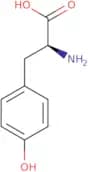
Produit arrêtéL-Tyrosine - non-animal origin
CAS :Amino acid; precursor to neurotransmitters, hormones, pigments, natural phenols
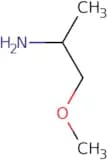
Formule :C9H11NO3Couleur et forme :White Off-White PowderMasse moléculaire :181.19 g/mol2-Amino-1-methoxypropane
CAS :2-Amino-1-methoxypropane (AMP) is a bifunctional amine that has been used as a diluent for lipase. It has been shown to have deprotective properties against metal surfaces and to be able to react with the nucleophilic group of an amine, which is useful in organic synthesis. The constant temperature of AMP, which is useful in organic synthesis, was obtained by recycling it through a constant temperature bath. This process also prevents the formation of unwanted products during the reaction.
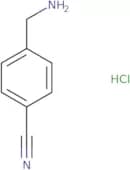
Formule :C4H11NODegré de pureté :Min. 95 Area-%Couleur et forme :Clear LiquidMasse moléculaire :89.14 g/mol4-Cyanobenzylamine HCl
CAS :4-Cyanobenzylamine HCl is a degradable polymer that has been shown to inhibit colonic adenocarcinoma in mice. This compound was synthesized by the reaction of 4-cyanobenzylamine with 3-mercaptopropionic acid and was characterized using IR, 1H NMR, and 13C NMR spectroscopy. It also showed an inhibitory effect on the proliferation of human colon cancer cells. The polymer was found to gel when mixed with different concentrations of acrylamide and methylene bisacrylamide. Gelation occurred at a lower concentration of acrylamide than the amount used in previous studies. This may be due to its functional groups and morphology, which could have contributed to the inhibition of cell growth.
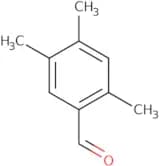
Formule :C8H8N2·HClDegré de pureté :Min. 95%Couleur et forme :PowderMasse moléculaire :168.62 g/mol2,4,5-Trimethylbenzaldehyde
CAS :2,4,5-Trimethylbenzaldehyde is a cell line that can be used to study the oxidation of α-pinene. It is a chemical compound that belongs to the group of aromatic compounds and has been shown to have high cytotoxicity. It has been found to oxidize other molecules in the body with an electron acceptor such as oxygen or another molecule. 2,4,5-Trimethylbenzaldehyde has also been shown to have biological properties. This product is being researched for its ability to inhibit fatty acid synthesis and reduce cholesterol production in the liver.
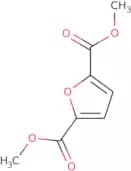
Formule :C10H12ODegré de pureté :Min. 95%Masse moléculaire :148.2 g/mol2,5-Furandicarboxylic acid dimethyl ester
CAS :2,5-Furandicarboxylic acid dimethyl ester is a structural analog of diacids. It has been synthesized by the reaction of 5-hydroxymethylfurfural with ethyl esters and phosphotungstic acid. The isolated yield was determined by gravimetric analysis. The structure of 2,5-furandicarboxylic acid dimethyl ester is shown in the following figure:
Formule :C8H8O5Degré de pureté :Min. 98 Area-%Couleur et forme :White Off-White PowderMasse moléculaire :184.15 g/mol3,4,5-Tribromobenzoic acid
CAS :3,4,5-Tribromobenzoic acid is a metabolite of 3-indoleacetic acid. It is excreted in the urine and has a phaseolus-like physiological activity. This compound has been found to reduce the number of internodes in plants and increase the number of subjacent nodes. In addition, it has been shown to inhibit abscission (the separation of plant parts) by inhibiting the release of auxin from the upper node. The structural properties of 3,4,5-tribromobenzoic acid are similar to those of benzoic acid and it can be found naturally in some plants. Diversity in this chemical has been found among different species: for example, 2,3,5-triiodobenzoic acid is only present in citrus fruits such as oranges and lemons.
Formule :C7H3Br3O2Degré de pureté :Min. 95%Couleur et forme :PowderMasse moléculaire :358.81 g/molRef: 3D-FT70417
Produit arrêté5-Chloro-2-methylaminobenzophenone
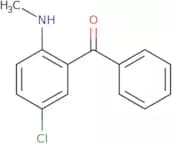
CAS :5-Chloro-2-methylaminobenzophenone is an intermediate in the synthesis of 2,4-dichlorophenoxyacetic acid. 5-Chloro-2-methylaminobenzophenone is a reactive intermediate that can be used for wastewater treatment and for the production of chemicals that are used in the manufacture of other substances. It is also a reaction intermediate in chemical ionization. It has been shown to have chronic toxicity as well as carcinogenic effects when it is present in urine samples or human serum. In addition, 5-Chloro-2-methylaminobenzophenone has been found to cause light sensitivity and skin irritation when it is exposed to UV light. This chemical reacts with hydrochloric acid and pyridoxine hydrochloride to form 2,4,-dichlorophenoxyacetic acid. The activation energies for this process are between 30 and 60 kJ/mol.
Formule :C14H12NOClDegré de pureté :Min. 95%Couleur et forme :PowderMasse moléculaire :245.7 g/mol4-Chloro-3-hydroxybenzoic acid
CAS :4-Chloro-3-hydroxybenzoic acid (4-CHB) is a reactive compound that can be used for the detection of bacteria. 4-CHB reacts with peroxyl radicals in solution to form a chlorobenzoic acid derivative, which emits light when excited by radiation. 4-CHB is also capable of dehalogenating chlorobenzene, and can be used as a bioluminescent probe for the detection of bacteria. The reactions are efficient at low concentrations and are detectable with an ultraviolet or visible spectrophotometer.
Formule :C7H5ClO3Degré de pureté :Min. 95%Couleur et forme :PowderMasse moléculaire :172.57 g/mol2-Amino-5-iodopyridine
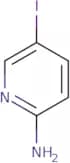
CAS :2-Amino-5-iodopyridine (2-AI) is a water molecule that has been shown to have vibrational and optical properties. 2-AI is an orange pigment that is found in methyl ketones, such as 2,4,6-trimethylheptanone and 3,4,5-trimethylhexanone. 2-AI has also been used as a dye for wool in the past. 2-AI is not found naturally but can be synthesized from an aryl halide and ammonia or ammonium hydroxide. The synthesis of this compound involves the reaction of an aromatic amine and nitrous acid or diazonium salt. 2-AI can be used as an antimicrobial agent against bacteria by interfering with the nicotinic acetylcholine receptor on the bacterial cell membrane. FTIR spectroscopy can be used to identify its chemical structure.
Formule :C5H5IN2Degré de pureté :Min. 98 Area-%Couleur et forme :White PowderMasse moléculaire :220.01 g/mol5-(2-Phenylethyl)-1H-1,2,3,4-tetrazole
CAS :Versatile small molecule scaffold
Formule :C9H10N4Degré de pureté :Min. 95%Couleur et forme :PowderMasse moléculaire :174.2 g/molRef: 3D-SHA50533
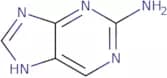
Produit arrêté2-Aminopurine
CAS :Purine analog; fluorescent probe; kinase inhibitor; mutagenic
Formule :C5H5N5Degré de pureté :Min. 95%Couleur et forme :White PowderMasse moléculaire :135.13 g/mol5-Carboxyvanillin
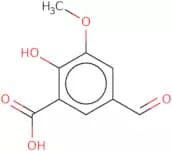
CAS :5-Carboxyvanillin is the oxidation product of isoeugenol and p-hydroxybenzoic acid. It can be produced by reacting these two compounds with a peroxide in an oxidizing reaction. The reaction products include 5-carboxyvanillic acid, which can be hydrolyzed to vanillin. 5-Carboxyvanillin is a white crystalline solid with a chemical nature similar to that of vanillin. It has been shown to have antimicrobial properties against tissues, such as guinea pig ileum and rat liver, but not against bacterial cultures. This compound may also be used in pulping processes for the production of paper or cellulose fibers.
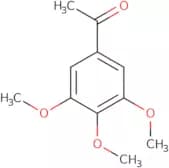
Formule :C9H8O5Degré de pureté :Min. 95%Couleur et forme :PowderMasse moléculaire :196.16 g/mol3,4,5-Trimethoxyacetophenone
CAS :3,4,5-Trimethoxyacetophenone is a natural product that has been shown to be an antimycotic. It has significant cytotoxicity against A549 cells and also inhibits the growth of cancer cells in culture. 3,4,5-Trimethoxyacetophenone has a low bioavailability due to its chemical properties and inhibitory effects on CYP3A4. This compound is metabolized by the liver into metabolites with inhibitory properties. 3,4,5-Trimethoxyacetophenone also binds to methoxy groups on proteins.
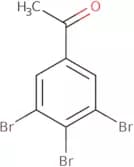
Formule :C11H14O4Degré de pureté :Min. 99 Area-%Couleur et forme :White PowderMasse moléculaire :210.23 g/mol3,4,5-Tribromoacetophenone
CAS :3,4,5-Tribromoacetophenone is a high quality and versatile chemical with many special applications. It is an important intermediate for the production of various chemicals, such as plastics and pharmaceuticals. This compound can be used as a starting material for the synthesis of more complex compounds by reacting with other chemicals. 3,4,5-Tribromoacetophenone also has a number of useful properties that make it ideal for research purposes.
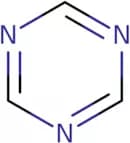
Formule :C8H5Br3ODegré de pureté :Min. 95%Couleur et forme :PowderMasse moléculaire :356.84 g/mol1,3,5-Triazine
CAS :1,3,5-Triazine is a nitrogen-containing heterocyclic compound that is used as a precursor for the synthesis of other compounds. It has been shown to inhibit the polymerase chain reaction and to bind to the enzyme DNA polymerase. This binding prevents the formation of an enzyme-substrate complex required for DNA replication. 1,3,5-Triazine also inhibits oxidative injury in experimental models and inhibits cellular physiology by decreasing the production of growth factor-β1. 1,3,5-Triazine has been shown to be a natural compound with inhibitory properties against growth factors and cell proliferation. This chemical also exhibits antioxidant effects by scavenging reactive oxygen species or inhibiting lipid peroxidation.END>
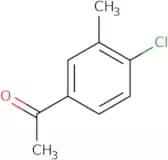
Formule :C3H3N3Degré de pureté :Min. 95%Couleur et forme :White PowderMasse moléculaire :81.08 g/mol4'-Chloro-3'-methylacetophenone, 75%
CAS :4'-Chloro-3'-methylacetophenone is a colorless liquid with a fruity odor. It belongs to the group of acetophenones and is used in the synthesis of triflates. This product may be toxic by inhalation, ingestion, or skin contact.
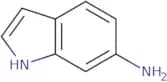
Formule :C9H9ClODegré de pureté :(%) Min. 75%Couleur et forme :Clear LiquidMasse moléculaire :168.62 g/mol6-Aminoindole
CAS :6-Aminoindole is a model complex that can be used for studying the interactions of primary amines with acidic molecules in bioinorganic chemistry. The molecule was synthesized by electropolymerization, which involves the oxidation of aniline with bifunctional oxidases. 6-Aminoindole has been shown to have protonation and salicylaldehyde properties. It reacts with metal surfaces to form a molecular target.
Formule :C8H8N2Degré de pureté :Min. 97 Area-%Couleur et forme :PowderMasse moléculaire :132.16 g/molRef: 3D-FA05536
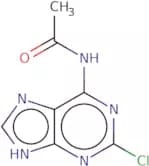
Produit arrêté2-Acetamido-6-chloropurine
CAS :2-Acetamido-6-chloropurine (2ACAP) is a nucleophilic agent that inhibits cancer cells by binding to the enzyme cholinesterase. It is used in the treatment of T-cell leukemia and herpes simplex virus. 2ACAP binds to the amine group of cholinesterase, which prevents it from breaking down acetylcholine. This inhibition leads to accumulation of acetylcholine, which has been shown to induce apoptosis in k562 cells. The molecular modeling study showed that 2ACAP binds to both chlorine atom and benzyl groups in the active site of cholinesterase. 2ACAP also has a potent inhibitory effect on cancer cell proliferation and can be used as an anti-cancer agent for many types of cancers including colon, breast, and prostate cancer.
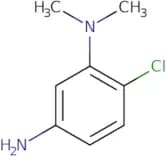
Formule :C7H6ClN5ODegré de pureté :Min. 97 Area-%Couleur et forme :Yellow PowderMasse moléculaire :211.61 g/mol6-Chloro-N1,N1-dimethylbenzene-1,3-diamine
CAS :6-Chloro-N1,N1-dimethylbenzene-1,3-diamine is a reagent that has been used as a building block in the synthesis of complex compounds and speciality chemicals. It is an intermediate that has been used in the synthesis of heterocycles and polymers. 6-Chloro-N1,N1-dimethylbenzene-1,3-diamine is also a versatile building block with many potential applications in organic chemistry. It can be used as a starting material for the synthesis of pharmaceuticals and other fine chemicals. In addition, this compound is also available for research purposes.
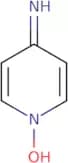
Formule :C8H11ClN2Degré de pureté :Min. 95%Couleur et forme :PowderMasse moléculaire :170.64 g/mol4-Aminopyridine N-oxide
CAS :4-Aminopyridine N-oxide is a white, crystalline solid that is soluble in water and alcohol. It has a molecular weight of 128.2 and formula weight of 135.2. 4-Aminopyridine N-oxide reacts with acid solutions to produce nitrous acid and ammonia gas. The rate of the reaction depends on the concentration of aminopyridine and aniline, as well as the pH of the solution. The acetylation, diazotisation, and kinetics have also been studied extensively for this compound. Nitrous acid can react with amides to form azulene, which can then react with amines to form a molecule containing nitrogen, oxygen, carbon, hydrogen and one other element or compound from each group (e.g., NHCOCH). This reaction is reversible when solvents are present.br> 4-Aminopyridine N-oxide may be used as a precursor for other organic
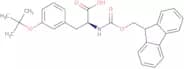
Formule :C5H6N2ODegré de pureté :Min. 95%Couleur et forme :Slightly Yellow PowderMasse moléculaire :110.11 g/molFmoc-L-m-Tyrosine(tBu)-OH
CAS :Fmoc-L-m-Tyrosine is a reagent that is used in organic synthesis. It is a complex compound that can be synthesized from m-tyrosine and t-butyl bromoacetate. Fmoc-L-m-Tyrosine is also a useful intermediate for the preparation of other compounds, such as pharmaceuticals and agrochemicals. It has been shown to be a fine chemical that has a wide range of applications in the field of biotechnology and pharmaceuticals. Fmoc-L-m Tyrosine is also a versatile building block with many possible reactions, making it an excellent candidate for research chemicals, including speciality chemicals. The CAS number for this compound is 204384-71-4 and it's molecular weight is 262.3 g/mol.br>
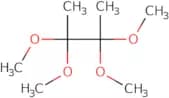
Formule :C28H29NO5Degré de pureté :Min. 97 Area-%Couleur et forme :Off-White PowderMasse moléculaire :459.53 g/mol2,2,3,3-Tetramethoxybutane
CAS :The butane analog with CAS 176798-33-7 is a useful research chemical used in organic synthesis.
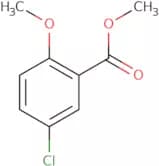
Formule :C8H18O4Degré de pureté :Min. 95%Couleur et forme :Colourless LiquidMasse moléculaire :178.23 g/mol5-Chloro-2-methoxybenzoic methyl ester
CAS :5-Chloro-2-methoxybenzoic methyl ester is a versatile building block commonly used in the synthesis of various compounds. It serves as an acid methyl ester, making it suitable for use in medicinal chemistry and other synthetic applications. This compound can be obtained through pyrolysis or by reacting 5-chloro-2-methoxybenzoic acid with methanol under appropriate conditions.Formule :C9H9ClO3Degré de pureté :Min. 95%Couleur et forme :PowderMasse moléculaire :200.62 g/molRef: 3D-FC71375
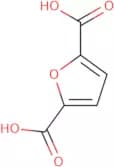
Produit arrêté2,5-Furandicarboxylic acid
CAS :Interest in renewable based polymers has led to 2,5-furandicarboxylic acid being proposed as a green, sustainable alternative to the widely used petroleum-based terephthalic acid in the synthesis of polyesters. 2,5-Furandicarboxylic acid is produced from oxidation of 5-hydroxymethylfurfural (HMF) which is obtained from the dehydration of bio-based sugars such as fructose.
Formule :C6H4O5Degré de pureté :Min. 98 Area-%Couleur et forme :White Clear LiquidMasse moléculaire :156.09 g/molThiamine pyrophosphate
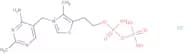
CAS :Thiamine derivative; coenzyme of transketolase
Formule :C12H19ClN4O7P2SDegré de pureté :Min. 93%Couleur et forme :White PowderMasse moléculaire :460.77 g/mol3,4-Difluoro-5-nitrobenzonitrile
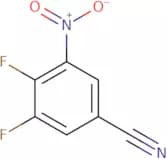
CAS :3,4-Difluoro-5-nitrobenzonitrile is a hepatotoxic compound that is found in the environment. It has been shown to cause cirrhosis and overgrowth of the liver. 3,4-Difluoro-5-nitrobenzonitrile also inhibits hepatic encephalopathy and may be used to treat liver disease. This toxicant has been detected in the bowel and duodenum of humans with nonalcoholic steatohepatitis, as well as in the jejunum and duodenum of mice with spontaneous steatohepatitis. It also causes nonalcoholic steatohepatitis when given orally to rats.
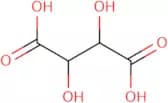
Formule :C7H2F2N2O2Degré de pureté :Min. 95%Couleur et forme :Yellow PowderMasse moléculaire :184.1 g/molDL-Tartaric acid
CAS :DL-Tartaric acid is a calcium salt of tartaric acid. It is used as a standard in the analysis of total calcium and tartaric acid content in beverages, wines, foodstuffs, and pharmaceuticals. DL-Tartaric acid can be used to prepare standard solutions for the determination of benzalkonium chloride and other natural compounds by chromatographic methods. The rate constants for the reaction between DL-tartaric acid and calcium pantothenate have been determined by electrochemical impedance spectroscopy. The fluorescence intensity of chemiluminescent reactions with DL-tartaric acid has been found to be proportional to the concentration of tartrate ions in solution. X-ray diffraction data confirm that DL-tartaric acid is an orthorhombic crystal system with space group P2/c.
Formule :C4H6O6Couleur et forme :White PowderMasse moléculaire :150.09 g/mol2,4,6-Trimethoxybenzoic acid
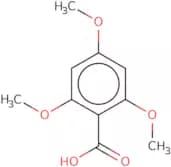
CAS :2,4,6-Trimethoxybenzoic acid (TMB) is a monomer that belongs to the class of organic compounds known as phenols. It can undergo dehydrogenation reactions with nitroethane in the presence of trifluoroacetic acid and catalytic amounts of hydrogen gas. TMB has been shown to interact with an allyl group in other molecules. The reaction system was studied under different flow rates and was found to be best described by an isotherm equation.
Formule :C10H12O5Degré de pureté :Min. 95%Couleur et forme :PowderMasse moléculaire :212.2 g/mol2',3',4'-Trihydroxyacetophenone
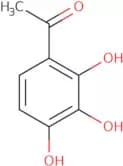
CAS :2',3',4'-Trihydroxyacetophenone is a polycarboxylic acid that has potent inhibitory activity against tyrosinase, an enzyme that catalyzes the conversion of tyrosine to DOPA. This compound can be used as a cross-linking agent for polymerization reactions and has been shown to have optimum inhibitory concentrations in the range of 0.01-1 mM. 2',3',4'-Trihydroxyacetophenone inhibits the production of melanin by inhibiting tyrosinase and can be used as a skin whitening agent. In addition, this compound can be used as a cox-2 inhibitor in food composition and may also be useful in preventing or treating inflammatory conditions such as asthma and arthritis.
Formule :C8H8O4Degré de pureté :Min. 95%Couleur et forme :Off-White PowderMasse moléculaire :168.15 g/mol2,4,6-Trimethoxybenzaldehyde
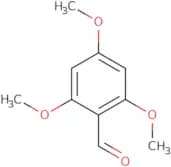
CAS :2,4,6-Trimethoxybenzaldehyde is a chemical compound that is used as an intermediate in organic chemistry. It has been shown to have antiviral effects on influenza A virus by inhibiting the enzyme neuraminidase. This inhibition prevents the release of viruses from infected cells and thus prevents viral replication. 2,4,6-Trimethoxybenzaldehyde also inhibits the growth of cancer cells in vitro and has minimal toxicity to normal cells. This chemical has been shown to inhibit the reaction mechanism of proton pumps in mammalian cells, which may be due to its ability to inhibit p2y receptors or nitrogen atoms. 2,4,6-Trimethoxybenzaldehyde can also be used as a solvent for pharmaceutical preparations and as a reagent in x-ray diffraction data analysis.
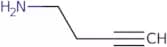
Formule :C10H12O4Degré de pureté :Min. 95%Couleur et forme :PowderMasse moléculaire :196.2 g/mol1-Amino-3-butyne
CAS :Bifunctional linker
Formule :C4H7NDegré de pureté :Min. 84%Couleur et forme :Clear LiquidMasse moléculaire :69.11 g/molAMP
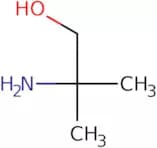
CAS :AMP, also known as 2-Amino-2-methyl-1-propanol, is a buffering agent with an optimal pH range of 9.0-10.5 and a pKa of 9.7. It is used in biochemical assays, enzyme activity tests, and cosmetic formulations.
Formule :C4H11NODegré de pureté :Min. 95%Couleur et forme :Colorless Clear LiquidMasse moléculaire :89.14 g/mol4,4'-Dipyridyl - 98%
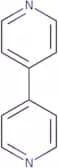
CAS :4,4'-Dipyridyl is a cyclic peptide with a basic structure. It has been found to have inhibitory effects against the growth of bacteria in human serum and group P2. The x-ray crystal structures reveal that it has strong intermolecular hydrogen bonding interactions. Experimental solubility data and coordination models show that 4,4'-dipyridyl is soluble in anhydrous sodium. Structural analysis and kinetic energy calculations indicate that the inhibitor binding site is located on the hydroxyl groups of the backbone of the molecule. This ligand also binds to metal ions such as copper or zinc.
Formule :C10H8N2Couleur et forme :Off-White PowderMasse moléculaire :156.19 g/molN-Boc-4-piperidinemethanol
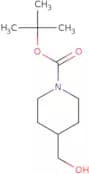
CAS :N-Boc-4-piperidinemethanol is a curcumin analogue that binds to the epidermal growth factor receptor (EGFR) and prevents the binding of ligands. In vitro studies have shown that N-Boc-4-piperidinemethanol can inhibit tumor growth and induce apoptosis in cancer cells. The drug is also capable of inhibiting the proliferation of normal cells, which may be due to its ability to recruit EGFR from outside the cell membrane. This process triggers signaling events that lead to cell death.
Formule :C11H21NO3Degré de pureté :Min. 98 Area-%Couleur et forme :PowderMasse moléculaire :215.29 g/molPivalonitrile
CAS :Solvent and labile ligand in coordination chemistry
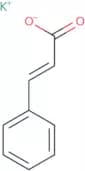
Formule :C5H9NDegré de pureté :Min. 98 Area-%Couleur et forme :Clear LiquidMasse moléculaire :83.13 g/molPotassium cinnamate
CAS :Potassium cinnamate is a white crystalline solid that is soluble in water, ethanol and acetone. It has been shown to be effective for wastewater treatment and can be used as a reducing agent. Potassium cinnamate has been shown to have high values of hydroxide solution, which are often used in the manufacturing of polymers. Potassium cinnamate also exhibits enzyme activities, such as being able to catalyze the oxidation of propionate. This product has been shown to have anti-oxidant properties and can be used for radiation protection. The polymerization of potassium cinnamate leads to polymaleic acid, which is used in the production of plastics.
Formule :C9H7KO2Degré de pureté :Min. 98 Area-%Couleur et forme :White PowderMasse moléculaire :186.25 g/mol4-Bromo-2-fluoropyridine
CAS :4-Bromo-2-fluoropyridine is a heterocyclic amine that belongs to the class of cannabinoid type. It has been shown to be stereoselective, and can be used as a sulfamidate in biomolecular studies. 4-Bromo-2-fluoropyridine is activated by chloride and nucleophilic, which are properties that make it useful for functional groups. The fluorine atom on this molecule also makes it reactive, making it possible to use the substance as an enantiopure catalyst for organic reactions.
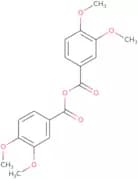
Formule :C5H3BrFNDegré de pureté :Min. 98 Area-%Couleur et forme :Colorless Clear LiquidMasse moléculaire :175.99 g/mol3,4-Dimethoxybenzoic acid anhydride
CAS :3,4-Dimethoxybenzoic acid anhydride is a synthetic compound that can be used for the synthesis of other natural products. It has been shown to inhibit the demethylation of flavones and to activate the mitogen-activated protein kinase (MAPK) pathway in cells. 3,4-Dimethoxybenzoic acid anhydride has also been shown to have anti-inflammatory effects by inhibiting prostaglandin synthesis.
Formule :C18H18O7Degré de pureté :Min. 95%Couleur et forme :White PowderMasse moléculaire :346.33 g/mol[2-(Cyclopropylmethoxy)ethyl](methyl)amine
CAS :Versatile small molecule scaffold
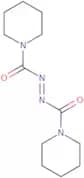
Formule :C7H15NODegré de pureté :Min. 80%Couleur et forme :Clear LiquidMasse moléculaire :129.2 g/mol1,1'-(Azodicarbonyl)dipiperidine
CAS :1,1'-(Azodicarbonyl)dipiperidine is an organic compound that has been shown to be a radiosensitizing agent. It is used in the treatment of ovarian cancer and inhibits cell growth by inducing apoptosis. 1,1'-(Azodicarbonyl)dipiperidine modifies the cellular response to ionizing radiation by sensitizing cells to radiation and increasing the amount of DNA damage caused by radiation. This compound was found to increase the radiosensitivity of cells in vitro; however, it does not induce apoptosis in non-malignant cells. The effects are observed at low doses and are more pronounced when combined with other agents such as 3-aminobenzamide (3AB).
Formule :C12H20N4O2Degré de pureté :Min. 95%Couleur et forme :Yellow PowderMasse moléculaire :252.31 g/mol6-Formyl-2-methyl-4H-thieno[3,2-b]pyrrole-5-carboxylic acid
CAS :Versatile small molecule scaffold
Formule :C9H7NO3SDegré de pureté :Min. 95%Masse moléculaire :209.22 g/mol4-Vinylpyridine, stabilized with 100ppm Hydroquinone
CAS :4-Vinylpyridine, stabilized with 100ppm Hydroquinone is a chemical compound that belongs to the class of pyridines. It has been shown to be stable in aqueous solution and to have a high water permeability. The reaction mechanism is not known, but it is thought that the quaternization of the vinyl group may be involved. 4-Vinylpyridine has been used as a component for the synthesis of polymers and can also be used in palladium-catalyzed coupling reactions.
Formule :C7H7NDegré de pureté :Min. 97 Area-%Couleur et forme :Colorless Clear LiquidMasse moléculaire :105.14 g/mol1,4,5-Oxadiazepane hydrochloride
CAS :1,4,5-Oxadiazepane hydrochloride is a high quality reagent with a CAS number of 329704-29-2. It is used as a complex compound and useful intermediate in the production of fine chemicals. This chemical has been found to be useful as a scaffold or building block in the synthesis of many different compounds. It is also versatile enough to be used as a reaction component for the production of research chemicals.
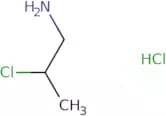
Formule :C4H11ClN2ODegré de pureté :Min. 95%Couleur et forme :PowderMasse moléculaire :138.59 g/mol2-Chloropropan-1-amine hydrochloride
CAS :2-Chloropropan-1-amine hydrochloride is a chlorinating agent that is used to produce 1-naphthaldehyde. It is used in the production of acrylamides, polyacrylamides, and other chemicals. 2-Chloropropan-1-amine hydrochloride has been shown to react with 1-naphthaldehyde in an aerobic reaction at room temperature to produce aziridine, which can be cyclized to form a cyclic compound. This compound can then be alkylated to form a fluxional compound with potentiation properties.
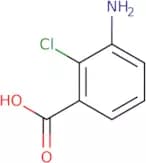
Formule :C3H8ClN•HClDegré de pureté :Min. 95%Couleur et forme :PowderMasse moléculaire :130.01 g/mol3-Amino-2-chlorobenzoic acid
CAS :3-Amino-2-chlorobenzoic acid is a molecule that belongs to the group of acidic compounds. It has been shown to induce apoptosis and inhibit cell proliferation in human immunodeficient virus (HIV) cells, as well as inhibit the growth of cancer cells. 3-Amino-2-chlorobenzoic acid also inhibits histone deacetylase, which is an enzyme that controls gene expression by removing acetyl groups from lysine residues on the N-terminal tails of histones. This inhibition may be responsible for its anticancer activity. 3-Amino-2-chlorobenzoic acid is metabolized by oxidation to chlorinated derivatives and excreted via the kidneys. It has been shown to have a pharmacokinetic profile in rats similar to that observed with other triazines such as atrazine and simazine. The elimination half-life of 3-amino-2-chlorob
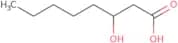
Formule :C7H6ClNO2Degré de pureté :Min. 95%Couleur et forme :Off-White PowderMasse moléculaire :171.58 g/mol3-Hydroxyoctanoic acid
CAS :3-Hydroxyoctanoic acid is an activated fatty acid that belongs to the group of short-chain fatty acids. It is a hydroxylated derivative of octanoic acid. 3-Hydroxyoctanoic acid has been shown to have antibiotic-resistant properties in human macrophages, which may be due to its ability to inhibit the enzyme activities of beta-lactamases and penicillinase. 3-Hydroxyoctanoic acid also has a nutrient effect on bacteria, preventing the formation of ester linkages between fatty acids and alkanoic acids. This activity may be due to its effects on energy metabolism in bacteria, which may be caused by its ability to inhibit cyclic lipopeptide synthesis and its effects on the citrate cycle.
Formule :C8H16O3Degré de pureté :Min. 95%Masse moléculaire :160.21 g/molD-Valine
CAS :D-Valine is a non-essential amino acid that is synthesized from 2-oxoglutarate and glutamine. D-Valine has been shown to be an intermediate in microbial metabolism, where it is converted to L-valine by the enzyme d-amino acid oxidase. It has also been shown to have antihypertensive properties in rat models of hypertension. The synthesis of D-valine from glucose can occur through two different pathways: one involves the conversion of L-glutamic acid to L-alanine then to pyruvic acid, which is then converted to L-lactate and then d-malic acid; the other pathway involves the conversion of L-glutamate to citric acid, which can then be converted into succinic acid and eventually d-malic acid. Structural analysis has revealed that D-valine contains a hydrogen bond between its carboxyl group and nitrogen atom in a neighboring molecule. This hydrogen
Formule :C5H11NO2Degré de pureté :Min. 95%Couleur et forme :White PowderMasse moléculaire :117.15 g/molL-Valine
CAS :Amino acid
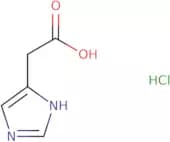
Formule :C5H11NO2Degré de pureté :min 98%Couleur et forme :White PowderMasse moléculaire :117.15 g/mol4-Imidazoleacetic acid HCl
CAS :4-Imidazoleacetic acid HCl is a fluorescent probe that binds to the α1 subunit of the dinucleotide phosphate (NADH) oxidoreductase. It has been shown to inhibit mitochondrial functions, which may be due to its ability to inhibit the pentose phosphate pathway and reduce reactive oxygen species levels. 4-Imidazoleacetic acid HCl has also shown inhibitory properties against congestive heart failure by acting on the mitochondria and inhibiting energy metabolism. It can also be used as a chemical biology tool for studying protein interactions with NADH dehydrogenase. The x-ray crystal structures have revealed that 4-imidazoleacetic acid HCl binds to the active site of NADH oxidoreductase with an orientation that mimics a substrate molecule. This allows it to bind tightly and disrupt enzyme activity.
Formule :C5H6N2O2·HClDegré de pureté :Min. 95%Couleur et forme :PowderMasse moléculaire :162.57 g/mol7-Octyn-1-amine hydrochloride
CAS :7-Octyn-1-amine hydrochloride is a chemical that can be used as an intermediate in the synthesis of other compounds. It has a high quality and is a versatile building block for numerous chemical reactions. 7-Octyn-1-amine hydrochloride can be used as an intermediate in the synthesis of complex compounds. It is also useful as a reagent and reaction component, as well as being a useful scaffold for research chemicals.
Formule :C8H15N•HClDegré de pureté :Min. 90%Masse moléculaire :161.67 g/mol7-Bromo-5-methoxyindole-3-carboxylic acid
CAS :Please enquire for more information about 7-Bromo-5-methoxyindole-3-carboxylic acid including the price, delivery time and more detailed product information at the technical inquiry form on this page
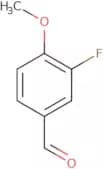
Formule :C10H8BrNO3Degré de pureté :Min. 95%Couleur et forme :PowderMasse moléculaire :270.09 g/mol3-Fluoro-4-methoxybenzaldehyde
CAS :3-Fluoro-4-methoxybenzaldehyde is a chemical compound that is used in the synthesis of natural products. It has been shown to have inhibitory properties against cancer cells, and has been synthesized as an analog of 3-fluoro-4-hydroxybenzaldehyde. The biological function of 3-fluoro-4-methoxybenzaldehyde is not yet known. Hydrochloric acid may be used to react with 3-fluoro-4-methoxybenzaldehyde to form a salt. This chemical also has anti-tumor effects and can be synthesized using cryogenic techniques.
Formule :C8H7FO2Degré de pureté :Min. 95%Couleur et forme :Slightly Yellow PowderMasse moléculaire :154.14 g/mol3-Nitrobenzamide
CAS :3-Nitrobenzamide is a substance that inhibits the replication of some viruses. It has been shown to inhibit the polymerase chain reaction and to be active against hepatitis B virus. 3-Nitrobenzamide was also observed to have inhibitory properties against herpes simplex virus type 1 (HSV-1) and HSV-2. The solid form of this compound is stable at room temperature, but may undergo hydrolysis in solution. 3-Nitrobenzamide reacts with water to form nitrous acid, which may cause corrosion of metal surfaces.
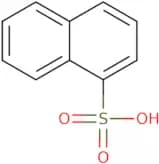
Formule :C7H6N2O3Degré de pureté :Min. 95%Couleur et forme :PowderMasse moléculaire :166.13 g/mol1-Naphthalenesulfonic acid
CAS :1-Naphthalenesulfonic acid (1NS) is a sulfonated organic compound. It is an inhibitor of human serum albumin, with a high affinity for the hydroxyl group on the protein's surface. 1NS has been shown to have anti-cancer activity against malignant brain tumors in mice, and also inhibits HIV replication by inhibiting the function of the enzyme reverse transcriptase. 1NS has been shown to inhibit toll-like receptor 4 (TLR4), which may be related to its immunomodulatory effects.
Formule :C10H8O3SDegré de pureté :Min. 50.0 Area-%Couleur et forme :White Beige Slightly Brown PowderMasse moléculaire :208.23 g/mol5-Iodoindole
CAS :5-Iodoindole is an organic compound that is used as a nematicide. It has been shown to have cytostatic effects on the growth of human pathogens, juveniles, and model systems. 5-Iodoindole inhibits the production of reactive amines and pyridine in vivo. It also inhibits glutamine metabolism by competitive inhibition at the glutamate dehydrogenase enzyme. 5-Iodoindole also has hemolytic activity and is able to induce transcriptomic changes in P. aeruginosa cells.
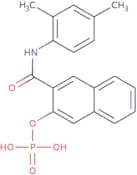
Formule :C8H6NIDegré de pureté :Min. 95%Couleur et forme :PowderMasse moléculaire :243.04 g/molNaphthol AS-MX phosphate
CAS :Naphthol AS-MX phosphate is a synthetic naphthol dye that is used in the diagnosis of infectious diseases, such as Klebsiella aerogenes. It binds to human serum albumin and can be visualized by light microscopy. Naphthol AS-MX phosphate acts as an immunological adjuvant and has been shown to stimulate antibody production and enhance the immune response. This drug also has antidiabetic properties, which may be due to its ability to increase adipose tissue lipolysis.
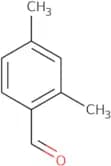
Formule :C19H18NO5PDegré de pureté :Min. 95%Couleur et forme :PowderMasse moléculaire :371.32 g/mol2,4-Dimethylbenzaldehyde
CAS :2,4-Dimethylbenzaldehyde is used in the diagnosis of cancer. It reacts with acetaldehyde to form a compound that binds to hemoglobin and is excreted in the urine, leading to a diagnostic test for cancer. 2,4-Dimethylbenzaldehyde has been shown to be genotoxic in both in vitro and in vivo studies. This aromatic hydrocarbon has been shown to cause DNA strand breaks in the target cells through a reaction mechanism involving radical formation from acetaldehyde. In addition, 2,4-Dimethylbenzaldehyde has been shown to have genotoxic effects on mice exposed by inhalation or injection.
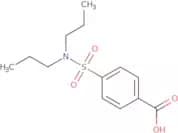
Formule :C9H10ODegré de pureté :Min. 90 Area-%Couleur et forme :Colorless Clear LiquidMasse moléculaire :134.18 g/molProbenecid
CAS :Produit contrôléOrganic anion transporter inhibitor; pannexin 1 channel inhibitor
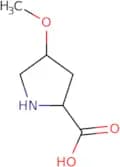
Formule :C13H19NO4SDegré de pureté :Min. 97.5 Area-%Couleur et forme :White PowderMasse moléculaire :285.36 g/mol(2S,4S)-4-Methoxypyrrolidine-2-carboxylic acid
CAS :Versatile small molecule scaffold
Formule :C6H11NO3Degré de pureté :Min. 95%Masse moléculaire :145.16 g/molRef: 3D-ADA17622
Produit arrêté2,6-Dimethylbenzoic acid
CAS :2,6-Dimethylbenzoic acid is a colorless solid that has a molecular weight of 162.2 g/mol and an empirical formula of C7H8O2. It has a melting point of about 82 degrees Celsius and a boiling point of about 315 degrees Celsius. 2,6-Dimethylbenzoic acid is soluble in water at 100 degrees Celsius. It has been shown to act as a potent antagonist for the muscarinic acetylcholine receptors. This compound also has basic properties due to its hydrogen bonding interactions with proteins and other molecules. 2,6-Dimethylbenzoic acid has been shown to be efficient in supramolecular chemistry because it is electron deficient and contains thermodynamic functional groups such as carboxylic acids and alcohols.
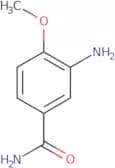
Formule :C9H10O2Degré de pureté :Min. 95%Couleur et forme :PowderMasse moléculaire :150.17 g/mol3-Amino-4-methoxybenzamide
CAS :3-Amino-4-methoxybenzamide (3AMB) is a transcriptional regulator that inhibits the expression of genes encoding for the synthesis of aminoglycoside antibiotics. 3AMB binds to DNA, forming a heteromer with the transcription factor HANATX, which prevents RNA polymerase from binding to DNA. This in turn inhibits gene expression and bacterial growth. 3AMB has been shown to trigger diabetic neuropathy by inhibiting xylitol dehydrogenase, an enzyme required for neuron protection against oxidative stress. The drug also has a high affinity for nucleophiles and can bind to various substrates such as sulfhydryl groups or hydroxyl groups.
Formule :C8H10N2O2Degré de pureté :Min. 98%Couleur et forme :Off-White PowderMasse moléculaire :166.18 g/mol5,6,7,8-Tetrahydroimidazo[1,2-a]pyridine
CAS :5,6,7,8-Tetrahydroimidazo[1,2-a]pyridine is a nucleophilic imidazole derivative that has antifungal activity. It is synthesized by reacting 2-chloro-5-nitropyridine with 2-chloroimidazole in the presence of a base. The compound was also found to be active against Candida glabrata and Candida krusei. 5,6,7,8-Tetrahydroimidazo[1,2-a]pyridine binds to the pyridine ring of DNA and inhibits the synthesis of RNA and protein. It also has photophysical properties that can be used in assays for chemical structures.
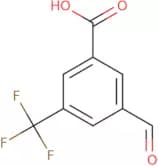
Formule :C7H10N2Degré de pureté :Min. 95%Masse moléculaire :122.17 g/mol3-formyl-5-(trifluoromethyl)benzoic acid
CAS :3-formyl-5-(trifluoromethyl)benzoic acid is a reagent, complex compound with CAS No. 604001-03-8. It is a useful intermediate, fine chemical and speciality chemical that can be used as a reaction component in organic synthesis. 3-Formyl-5-(trifluoromethyl)benzoic acid also has versatile uses as a building block in the synthesis of other complex compounds, such as pharmaceuticals and pesticides.
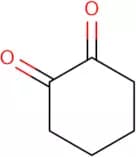
Formule :C9H5F3O3Degré de pureté :Min. 95%Couleur et forme :PowderMasse moléculaire :218.1 g/molCyclohexane-1,2-dione
CAS :Cyclohexane-1,2-dione is a natural compound that can be found in kidney beans and other plants. It has been shown to inhibit the growth of tumor cells in vitro. Cyclohexane-1,2-dione binds to DNA polymerase, preventing replication and transcription. This reaction mechanism is similar to that of the rifamycins. Cyclohexane-1,2-dione has also been shown to bind enzymes such as nitrite ion reductase with high affinity and inhibit their activity. Cyclohexane-1,2-dione is chemically stable and does not react with metal ions or form stable complexes with biological molecules. The redox potentials for this molecule are -0.42 V (5/6) under aerobic conditions and -0.52 V (5/6) under anaerobic conditions.
Formule :C6H8O2Degré de pureté :Min. 96.5%Couleur et forme :PowderMasse moléculaire :112.13 g/mol[(1H-Indol-6-yl)methyl](methyl)amine
CAS :Versatile small molecule scaffold
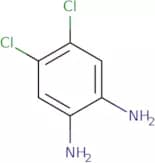
Formule :C10H12N2Degré de pureté :Min. 95%Masse moléculaire :160.22 g/mol4,5-Dichloro-1,2-phenylenediamine
CAS :4,5-Dichloro-1,2-phenylenediamine is a cytotoxic agent that can inhibit the enzymes urea amidolyase and fatty acid synthase in tissue culture. This compound also inhibits the production of urea nitrogen and fatty acids in human serum. 4,5-Dichloro-1,2-phenylenediamine may be useful as a cancer treatment because it has been shown to cause leukemia cell death as well as inhibition of t-cell proliferation. The drug may also induce apoptosis by inhibiting DNA synthesis through its reaction with benzimidazole compounds. The basic structure of 4,5-Dichloro-1,2-phenylenediamine is similar to protocatechuic acid and malignant brain tumor cells.
Formule :C6H6Cl2N2Degré de pureté :Min. 95%Couleur et forme :PowderMasse moléculaire :177.03 g/mol4-Amino-1-adamantanecarboxylic acid
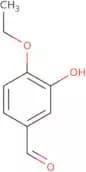
CAS :4-Amino-1-adamantanecarboxylic acid is a useful building block for the synthesis of 4-aminopyridine and 4-aminopyrimidine derivatives. It is an important intermediate in the production of speciality chemicals and has been used as a reaction component in organic synthesis. This compound is also used as a reagent for chemical reactions.Formule :C12H19NO2Degré de pureté :Min. 95%Couleur et forme :White PowderMasse moléculaire :209.28 g/mol4-Ethoxy-3-hydroxybenzaldehyde
CAS :4-Ethoxy-3-hydroxybenzaldehyde (4EHB) is a thioacetal that has been shown to be an effective precursor for the synthesis of many other molecules, such as combretastatin a-4. It is prepared by reaction of ethylmagnesium bromide and acetone. 4EHB has been shown to have antifungal properties in vitro, and can be used in the treatment of cancer cells. This compound is volatile and can be easily detected with headspace techniques. The functional group of this molecule is an alcohol group, which is found on the ring structure. Spectroscopic analysis shows that it has a carbonyl group with an OH group attached to it.
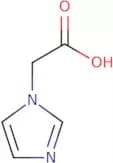
Formule :C9H10O3Degré de pureté :Min. 95%Couleur et forme :Colorless PowderMasse moléculaire :166.17 g/molH-Imidazoleacetic acid
CAS :H-Imidazoleacetic acid is a synthetic compound that can be used to produce other compounds. It is soluble in water and has a hydrophilic interaction with calcium carbonate. H-Imidazoleacetic acid may be recycled, as it is easily synthesized from ethyl bromoacetate by reaction with hydrochloric acid. This substance has shown anticancer activity and may be used to treat blood pressure. The chromatographic method for H-Imidazoleacetic acid involves the use of extracellular medium to remove the organic solvent, followed by reversed phase chromatography on an ion exchange column. H-Imidazoleacetic acid is soluble in water and has a hydrophilic interaction with calcium carbonate. It may be recycled, as it is easily synthesized from ethyl bromoacetate by reaction with hydrochloric acid. This substance has shown anticancer activity and may be used to treat blood pressure. The
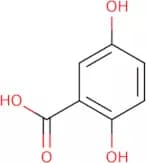
Formule :C5H6N2O2Degré de pureté :Min. 95%Couleur et forme :PowderMasse moléculaire :126.11 g/mol2,5-Dihydroxybenzoic acid
CAS :2,5-Dihydroxybenzoic acid is a natural compound that has been shown to inhibit the matrix metalloproteinase enzyme activity of α1-acid glycoprotein. The 2,5-dihydroxybenzoic acid structure is similar to p-hydroxybenzoic acid and gentisic acid. It is also an inhibitor of xanthine oxidase and caffeic acid oxidase. 2,5-Dihydroxybenzoic acid has a number of potential uses in analytical chemistry as it can be used to measure the concentrations of caffeic acids and other related compounds in biological samples.
Formule :C7H6O4Degré de pureté :(%) Min. 98%Couleur et forme :White PowderMasse moléculaire :154.12 g/mol3-Methoxy-2-nitrobenzaldehyde
CAS :3-Methoxy-2-nitrobenzaldehyde is a synthetic compound that has been used in the industrial process of synthesizing other compounds. It is a nucleophilic compound, which means it can react with electrophiles to form new bonds. 3-Methoxy-2-nitrobenzaldehyde is also an oriented molecule, meaning that when it reacts with an electrophile, the resulting product can be determined by the orientation of the molecules. The rate of this reaction depends on how many functional groups are present and the presence of catalysts. 3-Methoxy-2-nitrobenzaldehyde is fluorescent, so it will emit light in a spectroscopic experiment. It has six functional groups which are all nucleophilic and capable of participating in reactions with other molecules. Catalytic rates for this reaction depend on concentration and temperature, as well as the number of chlorine atoms and polydentate ligands present in solution.
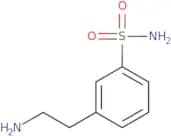
Formule :C8H7NO4Degré de pureté :Min. 95%Couleur et forme :Slightly Yellow PowderMasse moléculaire :181.15 g/mol3-(2-Aminoethyl)benzenesulfonamide
CAS :3-(2-Aminoethyl)benzenesulfonamide (AEEBS) is a pyridine derivative that can be used as a reagent, speciality chemical, or in the synthesis of other compounds. AEEBS is an amine building block and has been used in the preparation of a variety of complex organic compounds, such as pharmaceuticals. This product is also useful for research purposes and can be used to synthesize different organic compounds.
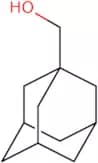
Formule :C8H12N2O2SDegré de pureté :Min. 95%Couleur et forme :PowderMasse moléculaire :200.26 g/mol1-Adamantanemethanol
CAS :Adamantanemethanol is a molecule used in the process of translation. It is structurally analyzed by trifluoromethanesulfonic acid, which is a cavity. The pharmacokinetic properties of adamantanemethanol are determined by its acyl chain. Adamantanemethanol has been studied in clinical trials, and the minimal inhibitory concentration for this drug is determined by chloride. This molecule also forms hydrogen bonds with hydroxyl groups and functional groups. Adamantanemethanol has been shown to be an effective antimicrobial agent against bacterial replication in cell culture and has optical properties that can be used to identify it.
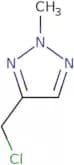
Formule :C11H18ODegré de pureté :Min. 95%Couleur et forme :White PowderMasse moléculaire :166.26 g/mol4-(Chloromethyl)-2-methyl-2H-1,2,3-triazole
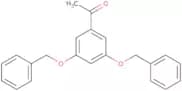
CAS :4-(Chloromethyl)-2-methyl-2H-1,2,3-triazole is a useful intermediate and building block in organic synthesis. It is also used as a reagent for the synthesis of other compounds. 4-(Chloromethyl)-2-methyl-2H-1,2,3-triazole has been reported to be an effective inhibitor of protein tyrosine phosphatase 1B (PTP1B), which is involved in insulin signal transduction. This compound has been shown to inhibit the activity of PTP1B with an IC50 value of 5 μM. 4-(Chloromethyl)-2-methyl-2H-1,2,3-triazole can also be used as an additive in pharmaceutical preparations for its ability to prevent aggregation of proteins.Formule :C4H6ClN3Degré de pureté :Min. 95%Couleur et forme :Clear LiquidMasse moléculaire :131.56 g/mol3',5'-Dibenzyloxyacetophenone
CAS :3',5'-Dibenzyloxyacetophenone is a synthetic intermediate that can be used in the synthesis of 3-hydroxy-2-phenylpropionic acid. It can also be used to synthesize carbonyl reduction products, such as 3,5-dibenzyloxybenzoic acid and 2,3-dibenzyloxybenzoic acid. The carbonyl reduction reaction mechanism involves the addition of ethylene to the carbonyl group (C=O) and hydrogenation of the double bond between carbon atoms 1 and 2. This process may result in a mixture of products that are degradable or non-degradable and contain impurities.
Formule :C22H20O3Degré de pureté :Min. 95%Couleur et forme :Beige PowderMasse moléculaire :332.39 g/mol2,4-Diiodo-6-{[methyl(1-methylpiperidin-4-yl)amino]methyl}phenol oxalate
CAS :2,4-Diiodo-6-[(methyl(1-methylpiperidin-4-yl)amino]methyl}phenol oxalate is a high quality chemical reagent. It is a useful intermediate for the preparation of complex compounds and has been used as a fine chemical. 2,4-Diiodo-6-[(methyl(1-methylpiperidin-4-yl)amino]methyl}phenol oxalate can be used as a building block for the synthesis of speciality chemicals. This compound can also be used as a reaction component in the synthesis of versatile chemicals.
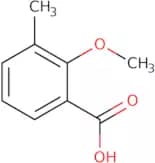
Formule :C14H20I2N2O•C2H2O4Degré de pureté :Min. 95%Couleur et forme :PowderMasse moléculaire :574.16 g/mol2-Methoxy-3-methylbenzoic acid
CAS :2-Methoxy-3-methylbenzoic acid is a methoxy methyl, benzyl, methyl ether that can be used as a reagent in organic chemistry. It is an intermediate in the synthesis of phthalic anhydride and in the production of esters and quinones. 2-Methoxy-3-methylbenzoic acid is also used to produce potassium t-butoxide, which can be used for the synthesis of new types of reagents for organic synthesis. The chemical reacts with potassium hydroxide or potassium t-butoxide to form potassium 2-methoxy 3-methyl benzoate, which is soluble in water. This compound can also be produced from methoxy methyl benzyl chloride by reacting it with either potassium or sodium hydroxide.
Formule :C9H10O3Degré de pureté :Min. 95%Couleur et forme :White PowderMasse moléculaire :166.17 g/mol4,5-Dimethoxy-2-nitrobenzoic acid - Technical
CAS :4,5-Dimethoxy-2-nitrobenzoic acid is a versatile building block and reagent that can be used in research and development as well as for the production of fine chemicals. This compound has been shown to react with amines using the nitration reaction to produce a variety of useful compounds. The synthesis of this compound is not difficult, but requires care and some speciality chemicals. 4,5-Dimethoxy-2-nitrobenzoic acid is also a useful scaffold for complex compounds. It reacts readily with other building blocks to form nitrogen heterocycles and is used in the production of pharmaceuticals and pesticides.
Formule :C9H9NO6Degré de pureté :Min. 95%Masse moléculaire :227.17 g/mol2-[4-(Aminomethyl)phenyl]ethan-1-ol
CAS :Versatile small molecule scaffold
Formule :C9H13NODegré de pureté :Min. 95%Masse moléculaire :151.21 g/mol2,5-Diamino-4,6-dichloropyrimidine
CAS :2,5-Diamino-4,6-dichloropyrimidine is a biomolecule that is made of carbon, hydrogen, nitrogen, and chloride. It has been shown to inhibit cell growth in culture by reacting with malonic acid to form an oxidation product. This product can then react with trifluoroacetic acid to form a chlorinating agent which reacts reversibly with amine groups on the nucleobases in DNA. The reaction mechanism may be due to the ability of 2,5-Diamino-4,6-dichloropyrimidine to react with amino function and amide groups on nucleobases in DNA. 2,5-Diamino-4,6-dichloropyrimidine has also been shown to have anti-cancer activity against leukemia cells.
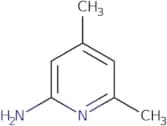
Formule :C4H4N4Cl2Degré de pureté :Min. 95%Couleur et forme :PowderMasse moléculaire :179.01 g/mol2-Amino-4,6-dimethylpyridine
CAS :2-Amino-4,6-dimethylpyridine is a nonsteroidal anti-inflammatory drug that inhibits the production of prostaglandins and leukotrienes. 2-Amino-4,6-dimethylpyridine binds to the cyclooxygenase enzyme and blocks its conversion of arachidonic acid to prostaglandin H2. This compound has been shown to have potent inhibitory effects against Leishmania, with high values in reactive compounds. The molecular modeling of this compound shows that it has an unpaired amino function and an amide.
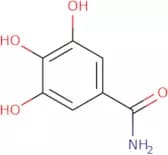
Formule :C7H10N2Degré de pureté :Min. 97%Couleur et forme :PowderMasse moléculaire :122.17 g/mol3,4,5-Trihydroxybenzamide
CAS :3,4,5-Trihydroxybenzamide (THB) is an active agent that inhibits the synthesis of prostaglandin J2. It has been shown to inhibit the uptake of fatty acids in rat liver cells by blocking fatty acid binding proteins. THB has also been shown to inhibit the chemical structures of nitro and epidermal growth factor. 3,4,5-Trihydroxybenzamide can be used as a cancer treatment by inhibiting the growth and spread of cancer cells. This drug is also believed to have a protective effect on the skin by reducing inflammation and increasing cell proliferation.
THB is currently being researched for its ability to suppress histone proteins and growth factors such as HGF or EGF in human HL60 cells.Formule :C7H7NO4Degré de pureté :Min. 98 Area-%Couleur et forme :Off-White PowderMasse moléculaire :169.13 g/mol3-Chlorobenzoic acid
CAS :3-Chlorobenzoic acid is a compound that has been shown to have potent antibacterial activity against Pseudomonas aeruginosa and other bacteria. It has been shown to inhibit the ATP-binding cassette transporter, which is a protein that transports various molecules across cell membranes. 3-Chlorobenzoic acid also inhibits the growth of bacteria by lysing cells and interfering with DNA synthesis. This compound is an effective inhibitor of wild-type strains of E. coli, but not mutants resistant to 2,4-dichlorobenzoic acid. 3-Chlorobenzoic acid reacts with benzoate to form a crystal structure at room temperature and pressure. Further studies are needed to determine the coordination geometry and thermodynamic data for this reaction.
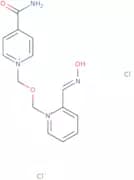
Formule :C7H5ClO2Degré de pureté :Min. 95%Couleur et forme :PowderMasse moléculaire :156.57 g/molAsoxime chloride
CAS :A Hagedorn oxime used in the treatment of organophosphate poisoning.
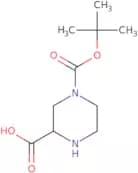
Formule :C14H16Cl2N4O3Degré de pureté :Min. 95%Couleur et forme :PowderMasse moléculaire :359.21 g/molN-4-Boc-2-piperazine carboxylic acid
CAS :N-4-Boc-2-piperazine carboxylic acid is an organic acid that functions in the metabolism of purine and bile acids. It is also involved in the metabolic pathway of the kidney, which is important for the elimination of waste products from the body. N-4-Boc-2-piperazine carboxylic acid has been shown to be useful as a marker for distinguishing between different types of kidney disease. It is a metabolite found in urine and can be used as an analytical tool for detecting renal function. This compound has also been shown to have long term effects on bile acid metabolism.
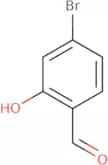
Formule :C10H18N2O4Degré de pureté :Min. 95%Couleur et forme :White PowderMasse moléculaire :230.26 g/mol4-Bromo-2-hydroxybenzaldehyde
CAS :4-Bromo-2-hydroxybenzaldehyde is a chemical compound that is used in the synthesis of azides. It has a molecular formula of C6H5BrO, a diameter of 197.037 pm, and a structural formula of CHBrO. 4-Bromo-2-hydroxybenzaldehyde can be prepared by reacting bromine with hydroxybenzaldehyde in the presence of an amine catalyst. This product has been shown to have synergistic effects when used in combination with other anticancer agents such as aminopyrimidines, coumarin derivatives, or 2-(4'-hydroxyphenyl) benzoxazole. The photophysical properties of 4-bromo-2-hydroxybenzaldehyde are characterized by its fluorescence emission at 272 nm and its absorption at 270 nm. This product also shows low detection levels in human liver tissue samples, which may be due to its high water sol
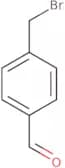
Formule :C7H5BrO2Degré de pureté :Min. 95%Couleur et forme :White PowderMasse moléculaire :201.02 g/mol4-(Bromomethyl)benzaldehyde
CAS :4-(Bromomethyl)benzaldehyde is a chemical compound that can be synthesized by the reaction of benzaldehyde with bromine in the presence of a base. This compound has been shown to bind to human immunoglobulin G, formyl group and photophysical properties. 4-(Bromomethyl)benzaldehyde has also been used as a model for cancer studies because it binds to DNA and forms an imine bond with thymine. It has been used as a reagent for analytical methods such as phosphotungstic acid, which is a reagent used to detect proteins. The mechanism of this compound is not yet fully understood, but it may involve the formation of an imine bond with thymine in DNA.
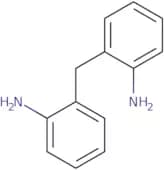
Formule :C8H7BrODegré de pureté :Min. 95%Couleur et forme :PowderMasse moléculaire :199.04 g/mol2,2'-Methylenedianiline
CAS :2,2'-Methylenedianiline is a quinoline derivative that is used in the synthesis of herbicides and insecticides. It is classified as a biodegradable substance and has been shown to be rapidly mineralized by arthropods. 2,2'-Methylenedianiline is also water soluble and can be degraded by microorganisms in wastewater treatment plants. 2,2'-Methylenedianiline has been shown to inhibit the growth of bacteria and fungi, but it does not have any effect on algae or protozoa. The degradation of 2,2'-methylenedianiline occurs mainly through hydrolysis with amines reacting with the methyl group to form methyl amides.
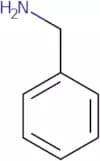
Formule :C13H14N2Degré de pureté :Min. 95 Area-%Couleur et forme :Off-White PowderMasse moléculaire :198.26 g/molBenzylamine
CAS :Substrate of benzylamine oxidase and monoamine oxidase B
Formule :C7H9NDegré de pureté :Min. 98.0 Area-%Couleur et forme :Colorless Slightly Yellow Clear LiquidMasse moléculaire :107.15 g/mol5-Benzylthio-1H-tetrazole
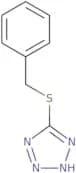
CAS :5-Benzylthio-1H-tetrazole is a tetrazole derivative that is used as a reactant in bioconjugate chemistry. This compound reacts with nucleophiles to form covalent bonds and can be immobilized on solid supports for use in stepwise synthesis of peptides or other molecules. 5-Benzylthio-1H-tetrazole also has the ability to bind to DNA and RNA, which makes it useful in the study of hydrogen bonding interactions. In addition, this molecule has been shown to enhance the sensitivity of uv absorption measurements. Other uses include the development of model systems for chemical biology and the study of cellular processes.
Formule :C8H8N4SDegré de pureté :Min. 98 Area-%Couleur et forme :White PowderMasse moléculaire :192.24 g/mol4-Vinylbenzoic acid
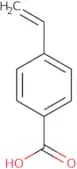
CAS :4-Vinylbenzoic acid is a water-insoluble polymer that has been shown to have bacteriostatic and fungistatic properties. 4-Vinylbenzoic acid inhibits bacterial growth by binding to the enzyme diphenolase, which is involved in the synthesis of cell wall precursors. This polymer also binds to cationic surfactants and is soluble in organic solvents such as ethanol and acetone. The mechanism of inhibition of fungal growth is not known, but it may be due to hydrogen bonding interactions with the cell membrane.
4-Vinylbenzoic acid has been shown to be effective against human serum, although it does not inhibit bacterial growth in this medium.Formule :C9H8O2Degré de pureté :Min. 95%Couleur et forme :White PowderMasse moléculaire :148.16 g/mol10-Undecen-1-ol
CAS :10-Undecen-1-ol is a fatty acid with a hydroxyl group at the 10th position. It has strong intermolecular hydrogen bonding and reacts to form esters and ethers. 10-Undecen-1-ol is used as a multi-walled carbon for wastewater treatment, which removes organic contaminants. This compound also has a high degree of chemical stability, which makes it suitable for use in anhydrous sodium synthesis methods.
Formule :C11H22ODegré de pureté :Min. 98%Couleur et forme :Colorless Clear LiquidMasse moléculaire :170.29 g/molMethyl 3,4-diaminobenzoate
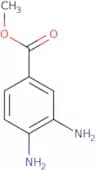
CAS :Methyl 3,4-diaminobenzoate is a molecule that has been shown to inhibit nitrite reductase. It also binds to the receptor binding domain of the growth factor and to quinoxalines, which are antimicrobial peptides. In vitro assays have revealed that methyl 3,4-diaminobenzoate has antimicrobial properties against bacteria such as Enterococcus faecalis, Pseudomonas aeruginosa, Staphylococcus aureus, and Bacillus cereus. The mechanism of action for these activities is not well understood. Methyl 3,4-diaminobenzoate has been shown to be an inhibitor of tryptophan fluorescence in vitro and may act as a competitive inhibitor of the enzyme tryptophan fluorescence decarboxylase.
Formule :C8H10N2O2Degré de pureté :Min. 95%Couleur et forme :White PowderMasse moléculaire :166.18 g/mol







amine](/_next/image/?url=https%3A%2Fstatic.cymitquimica.com%2Fproducts%2F3D%2Fthumb-webp%2FIKB52698.webp&w=3840&q=75)
![6-Formyl-2-methyl-4H-thieno[3,2-b]pyrrole-5-carboxylic acid](/_next/image/?url=https%3A%2Fstatic.cymitquimica.com%2Fproducts%2F3D%2Fthumb-webp%2FSIB11266.webp&w=3840&q=75)









![5,6,7,8-Tetrahydroimidazo[1,2-a]pyridine](/_next/image/?url=https%3A%2Fstatic.cymitquimica.com%2Fproducts%2F3D%2Fthumb-webp%2FJBA16766.webp&w=3840&q=75)
amine](/_next/image/?url=https%3A%2Fstatic.cymitquimica.com%2Fproducts%2F3D%2Fthumb-webp%2FDAA46821.webp&w=3840&q=75)


![2,4-Diiodo-6-{[methyl(1-methylpiperidin-4-yl)amino]methyl}phenol oxalate](/_next/image/?url=https%3A%2Fstatic.cymitquimica.com%2Fproducts%2F3D%2Fthumb-webp%2FFD181210.webp&w=3840&q=75)

![2-[4-(Aminomethyl)phenyl]ethan-1-ol](/_next/image/?url=https%3A%2Fstatic.cymitquimica.com%2Fproducts%2F3D%2Fthumb-webp%2FLFA08118.webp&w=3840&q=75)