Building Blocks
Sous-catégories appartenant à la catégorie "Building Blocks"
- Acides boroniques et dérivés de l'acide boronique(5.774 produits)
- Building Blocks Chiraux(1.237 produits)
- Building Blocks Hydrocarbonés(6.098 produits)
- Building Blocks organiques(60.969 produits)
205134 produits trouvés pour "Building Blocks"
2-Bromo-1,3-diethylbenzene
CAS :2-Bromo-1,3-diethylbenzene is a reactive intermediate that can be used for the synthesis of styrene derivatives. It is also used as an anesthetic agent and has been shown to have cognition-enhancing properties. This compound reacts with electrophiles to form monoadducts, which are useful for protein targetting. The pharmacophore of 2-bromo-1,3-diethylbenzene consists of vinyl groups and halides. Radiation induces substitution reactions on the vinyl groups. Pharmacophores are important in drug design because they help identify specific chemical features that are necessary for binding to a particular protein target or protein targets.
Formule :C10H13BrDegré de pureté :Min. 95%Couleur et forme :Clear LiquidMasse moléculaire :213.11 g/molN-Nitrosodibenzylamine
CAS :N-Nitrosodibenzylamine is a chemical compound that has genotoxic effects. It is used as an analytical method to identify the presence of amines and to measure their concentration, as well as in the preparation of sodium salts. N-Nitrosodibenzylamine was found to cause damage to DNA in animals and cells in culture. The matrix effect, which is the difference in response between a sample contained in an organic solvent and one contained in water, was investigated using multi-walled carbon nanotubes (MWCNTs). The results showed that MWCNTs produce a significant matrix effect when compared with other solvents. This study also showed that MWNTs have a higher capacity for nitrosamine adsorption than do other solvents.
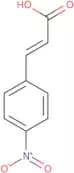
Formule :C14H14N2ODegré de pureté :Min. 96 Area-%Couleur et forme :Off-White PowderMasse moléculaire :226.27 g/moltrans-4-Nitrocinnamic acid
CAS :Trans-4-nitrocinnamic acid is an organic compound that is synthesized from 4-hydroxycinnamic acid by nitration with aqueous or alcoholic nitric acid. Trans-4-Nitrocinnamic acid has been shown to inhibit tyrosinase activity in the presence of metal hydroxides, such as copper, zinc, and iron. The reaction mechanism is unclear but may involve an initial protonation of the phenolic group followed by an electron transfer to the nitro group. This reaction results in an irreversible inhibition of tyrosinase activity. Trans-4-Nitrocinnamic acid also reacts with hydrochloric acid to produce a carboxylate salt that can be used for sample preparation.
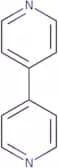
Formule :C9H7NO4Degré de pureté :Min. 95%Couleur et forme :PowderMasse moléculaire :193.16 g/mol4,4'-Dipyridyl - 98%
CAS :4,4'-Dipyridyl is a cyclic peptide with a basic structure. It has been found to have inhibitory effects against the growth of bacteria in human serum and group P2. The x-ray crystal structures reveal that it has strong intermolecular hydrogen bonding interactions. Experimental solubility data and coordination models show that 4,4'-dipyridyl is soluble in anhydrous sodium. Structural analysis and kinetic energy calculations indicate that the inhibitor binding site is located on the hydroxyl groups of the backbone of the molecule. This ligand also binds to metal ions such as copper or zinc.
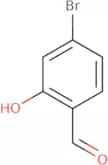
Formule :C10H8N2Couleur et forme :Off-White PowderMasse moléculaire :156.19 g/mol4-Bromo-2-hydroxybenzaldehyde
CAS :4-Bromo-2-hydroxybenzaldehyde is a chemical compound that is used in the synthesis of azides. It has a molecular formula of C6H5BrO, a diameter of 197.037 pm, and a structural formula of CHBrO. 4-Bromo-2-hydroxybenzaldehyde can be prepared by reacting bromine with hydroxybenzaldehyde in the presence of an amine catalyst. This product has been shown to have synergistic effects when used in combination with other anticancer agents such as aminopyrimidines, coumarin derivatives, or 2-(4'-hydroxyphenyl) benzoxazole. The photophysical properties of 4-bromo-2-hydroxybenzaldehyde are characterized by its fluorescence emission at 272 nm and its absorption at 270 nm. This product also shows low detection levels in human liver tissue samples, which may be due to its high water sol
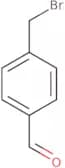
Formule :C7H5BrO2Degré de pureté :Min. 95%Couleur et forme :White PowderMasse moléculaire :201.02 g/mol4-(Bromomethyl)benzaldehyde
CAS :4-(Bromomethyl)benzaldehyde is a chemical compound that can be synthesized by the reaction of benzaldehyde with bromine in the presence of a base. This compound has been shown to bind to human immunoglobulin G, formyl group and photophysical properties. 4-(Bromomethyl)benzaldehyde has also been used as a model for cancer studies because it binds to DNA and forms an imine bond with thymine. It has been used as a reagent for analytical methods such as phosphotungstic acid, which is a reagent used to detect proteins. The mechanism of this compound is not yet fully understood, but it may involve the formation of an imine bond with thymine in DNA.
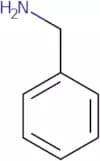
Formule :C8H7BrODegré de pureté :Min. 95%Couleur et forme :PowderMasse moléculaire :199.04 g/molBenzylamine
CAS :Substrate of benzylamine oxidase and monoamine oxidase B
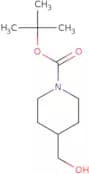
Formule :C7H9NDegré de pureté :Min. 98.0 Area-%Couleur et forme :Colorless Slightly Yellow Clear LiquidMasse moléculaire :107.15 g/molN-Boc-4-piperidinemethanol
CAS :N-Boc-4-piperidinemethanol is a curcumin analogue that binds to the epidermal growth factor receptor (EGFR) and prevents the binding of ligands. In vitro studies have shown that N-Boc-4-piperidinemethanol can inhibit tumor growth and induce apoptosis in cancer cells. The drug is also capable of inhibiting the proliferation of normal cells, which may be due to its ability to recruit EGFR from outside the cell membrane. This process triggers signaling events that lead to cell death.
Formule :C11H21NO3Degré de pureté :Min. 98 Area-%Couleur et forme :PowderMasse moléculaire :215.29 g/mol4-Bromo-2-fluoropyridine
CAS :4-Bromo-2-fluoropyridine is a heterocyclic amine that belongs to the class of cannabinoid type. It has been shown to be stereoselective, and can be used as a sulfamidate in biomolecular studies. 4-Bromo-2-fluoropyridine is activated by chloride and nucleophilic, which are properties that make it useful for functional groups. The fluorine atom on this molecule also makes it reactive, making it possible to use the substance as an enantiopure catalyst for organic reactions.
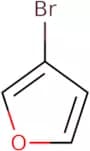
Formule :C5H3BrFNDegré de pureté :Min. 98 Area-%Couleur et forme :Colorless Clear LiquidMasse moléculaire :175.99 g/mol3-Bromofuran
CAS :3-Bromofuran is a synthetic chemical that can be used to treat cancer, specifically as an anti-cancer agent. 3-Bromofuran has been shown to inhibit the growth of tumour cells in culture. It also selectively inhibits antigen expression and induces apoptosis in tumour cells. 3-Bromofuran is synthesized by a Sharpless asymmetric dihydroxylation of hippuric acid and efficiently undergoes cross coupling reactions with electron deficient polyatomic molecules such as organoaluminium compounds. The major metabolite of 3-bromofuran is 3,4-dihydroxybenzoic acid (3,4-DHBA), which has been found to have antiviral and antibacterial properties.
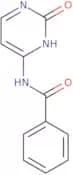
Formule :C4H3BrODegré de pureté :Min. 95%Couleur et forme :Clear LiquidMasse moléculaire :146.97 g/molN4-Benzoylcytosine
CAS :Building block in the synthesis of nucleoside antiviral agents
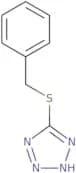
Formule :C11H9N3O2Degré de pureté :Min. 95%Couleur et forme :White PowderMasse moléculaire :215.21 g/mol5-Benzylthio-1H-tetrazole
CAS :5-Benzylthio-1H-tetrazole is a tetrazole derivative that is used as a reactant in bioconjugate chemistry. This compound reacts with nucleophiles to form covalent bonds and can be immobilized on solid supports for use in stepwise synthesis of peptides or other molecules. 5-Benzylthio-1H-tetrazole also has the ability to bind to DNA and RNA, which makes it useful in the study of hydrogen bonding interactions. In addition, this molecule has been shown to enhance the sensitivity of uv absorption measurements. Other uses include the development of model systems for chemical biology and the study of cellular processes.
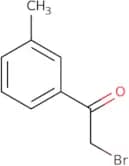
Formule :C8H8N4SDegré de pureté :Min. 98 Area-%Couleur et forme :White PowderMasse moléculaire :192.24 g/mol2-Bromo-1-(m-tolyl)ethanone
CAS :2-Bromo-1-(m-tolyl)ethanone is a ketone that can be used as an oxidant. It is synthesized by the reaction of 2-bromoethanol and m-tolylmagnesium bromide in ether. The bromoethane reacts with the magnesium to form a Grignard reagent, which then reacts with the alcohol to produce the ketone. This chemical can also be used as a reagent for synthesizing biomolecules such as alkenes or solvents. 2-Bromo-1-(m-tolyl)ethanone is soluble in nonpolar solvents, making it an ideal solvent for reactions involving alkenes and other unsaturated compounds. The sequence of the synthesis involves:
Formule :C9H9BrODegré de pureté :Min. 95%Couleur et forme :PowderMasse moléculaire :213.07 g/mol2-Nitrobenzoic acid - Technical
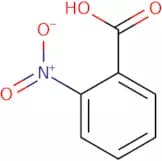
CAS :2-Nitrobenzoic acid is an organic compound that is used as a reagent in the preparation of aldehydes, esters, and amides. It has been shown to be a potent inhibitor of the MCL-1 protein. This protein is an important regulator of mitochondrial permeability transition pore (MPTP) opening and apoptosis induction. The inhibition of the MPTP by 2-nitrobenzoic acid may be due to its ability to react with nitric oxide (NO) to form peroxynitrite, which reacts with MPTP proteins in the mitochondria. The use of 2-nitrobenzoic acid has been found to be effective in treating infectious diseases such as HIV, as well as autoimmune diseases such as psoriasis.
Formule :C7H5NO4Degré de pureté :Min. 95%Couleur et forme :PowderMasse moléculaire :167.12 g/molRef: 3D-FN172456
Produit arrêté1,2-Naphthoquinone-4-sulfonic acid potassium salt
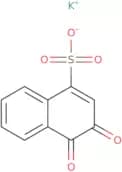
CAS :1,2-Naphthoquinone-4-sulfonic acid potassium salt is a pesticide that has been shown to be active against many types of insects. It is used as an insecticide and acaricide in agriculture, horticulture, and forestry. The compound is stable and does not hydrolyze in water, making it easy to handle. This product is also a natural product that can be synthesized from cyanamide and amines, which are both commercially available. 1,2-Naphthoquinone-4-sulfonic acid potassium salt has been found to be effective at killing insects when injected into their bodies with the use of a syringe or when sprayed on the surface where they live. GC–MS analysis has shown that this compound contains no reactive functional groups or substances that would cause harm to humans or animals. Research has shown this product to be safe for use in food crops and animal feed.
Formule :C10H5O5SKDegré de pureté :Min. 98 Area-%Couleur et forme :Orange PowderMasse moléculaire :276.31 g/molN-Nitroso-3-azabicyclo[3.3.0]octane
CAS :N-Nitroso-3-azabicyclo[3.3.0]octane is a nitrosating agent that can be used for the determination of gliclazide in pharmaceuticals and other applications. It is synthesized by reacting 3-azabicyclo[3.3.0]octane with sodium nitrite in an alkaline environment, followed by hydrolysis with hydrochloric acid. Nitrosation reactions are usually slow, but N-nitroso-3-azabicyclo[3.3.0]octane has been shown to have a fast reaction kinetics, which makes it useful for the determination of gliclazide in pharmaceuticals and other applications. The product is analyzed using chromatographic techniques such as high performance liquid chromatography (HPLC) or gas chromatography/mass spectrometry (GC/MS). The product was found to be linear over the range of 0–
Formule :C7H12N2ODegré de pureté :Min. 95%Couleur et forme :Colorless PowderMasse moléculaire :140.18 g/mol(R)-3-Amino-2-methylpropanoic acid hydrochloride
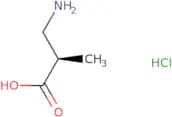
CAS :(R)-3-Amino-2-methylpropanoic acid hydrochloride is a versatile building block that can be used in the synthesis of complex compounds and research chemicals. This chemical is used to produce a wide range of products, including pharmaceuticals, agrochemicals, flavors, fragrances, dyes and pigments. (R)-3-Amino-2-methylpropanoic acid hydrochloride is also an important reagent for research in organic chemistry. It has been used as a building block in the synthesis of new chemical entities with interesting biological properties. The compound is also useful as a scaffold for the development of new drugs or other chemical compounds.Formule :C4H9NO2·HClDegré de pureté :Min. 95%Couleur et forme :PowderMasse moléculaire :139.58 g/mol2-Naphthalenemethanol
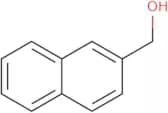
CAS :2-Naphthalenemethanol is a chemical compound that belongs to the group of organic compounds. It is one of the simplest aromatic alcohols and has been used as a model for the study of other more complex molecules. 2-Naphthalenemethanol is synthesized by reacting sodium salts with borane-tetrahydrofuran complex in dry diethyl ether. The reaction mechanism involves the formation of an ester linkage between the two naphthalenes, which can then undergo hydrolysis to form an alcohol. 2-Naphthalenemethanol can be converted into its structural analog, naphthalene, via condensation reactions with formaldehyde or ethylene glycol. The chemical properties of 2-naphthalenemethanol have been studied using nuclear magnetic resonance spectroscopy (NMR) and x-ray crystallography, which revealed that it exists as a zwitterion consisting of two covalently
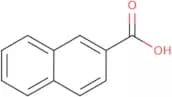
Formule :C11H10ODegré de pureté :Min. 98 Area-%Couleur et forme :PowderMasse moléculaire :158.2 g/mol2-Naphthoic acid
CAS :2-Naphthoic acid is a chemical compound that belongs to the group of aromatic compounds. It can be found in many natural products, such as plants and animals. 2-Naphthoic acid has been shown to inhibit the activity of G protein-coupled receptors, which are involved in signal transduction. The crystal structure of 2-naphthoic acid is polymorphic and there are two possible structures: p1 and p2. Each form has different chemical properties, including reactivity with hydrogen bonds, which may lead to different biological effects.
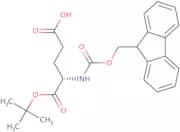
Formule :C11H8O2Degré de pureté :Min. 95%Couleur et forme :PowderMasse moléculaire :172.18 g/molFmoc-L-Glu-OtBu
CAS :Fmoc-L-Glu-OtBu is a synthetic ligand that is used as a fluorescent probe in vivo. It has been shown to bind to semaglutide with high affinity, and it can be used to study the function of semaglutide in the cell. Fmoc-L-Glu-OtBu has also been found to have an inhibitory effect on cancer cells. This ligand can be synthesized by solid-phase synthesis and purified by column chromatography. The purity of Fmoc-L-Glu-OtBu is confirmed by elemental analysis, and its impurities are determined by fluorescence spectroscopy. The carboxylate group of Fmoc-L-Glu-OtBu is activated with sulfuric acid to form the corresponding active ester, which can then be conjugated with other molecules.
Formule :C24H27NO6Degré de pureté :Min. 95%Couleur et forme :White PowderMasse moléculaire :425.47 g/mol3-Methoxy-2-nitrobenzaldehyde
CAS :3-Methoxy-2-nitrobenzaldehyde is a synthetic compound that has been used in the industrial process of synthesizing other compounds. It is a nucleophilic compound, which means it can react with electrophiles to form new bonds. 3-Methoxy-2-nitrobenzaldehyde is also an oriented molecule, meaning that when it reacts with an electrophile, the resulting product can be determined by the orientation of the molecules. The rate of this reaction depends on how many functional groups are present and the presence of catalysts. 3-Methoxy-2-nitrobenzaldehyde is fluorescent, so it will emit light in a spectroscopic experiment. It has six functional groups which are all nucleophilic and capable of participating in reactions with other molecules. Catalytic rates for this reaction depend on concentration and temperature, as well as the number of chlorine atoms and polydentate ligands present in solution.
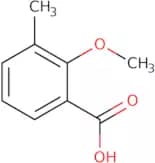
Formule :C8H7NO4Degré de pureté :Min. 95%Couleur et forme :Slightly Yellow PowderMasse moléculaire :181.15 g/mol2-Methoxy-3-methylbenzoic acid
CAS :2-Methoxy-3-methylbenzoic acid is a methoxy methyl, benzyl, methyl ether that can be used as a reagent in organic chemistry. It is an intermediate in the synthesis of phthalic anhydride and in the production of esters and quinones. 2-Methoxy-3-methylbenzoic acid is also used to produce potassium t-butoxide, which can be used for the synthesis of new types of reagents for organic synthesis. The chemical reacts with potassium hydroxide or potassium t-butoxide to form potassium 2-methoxy 3-methyl benzoate, which is soluble in water. This compound can also be produced from methoxy methyl benzyl chloride by reacting it with either potassium or sodium hydroxide.
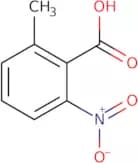
Formule :C9H10O3Degré de pureté :Min. 95%Couleur et forme :White PowderMasse moléculaire :166.17 g/mol2-Methyl-6-nitrobenzoic acid
CAS :2-Methyl-6-nitrobenzoic acid is a yellow needle solid that is soluble in organic solvents. It is used as a reagent to prepare other chemicals and has been shown to react with sodium hydrogen sulfate, chloride, and sulfuric acid to form 2-methyl-6-nitrobenzenesulfonic acid. The mixture of 2-methyl-6-nitrobenzoic acid and sodium hydrogen sulfate reacts violently with chlorine gas or argon. This reaction solution can be evaporated by heating at atmospheric pressure or under vacuum, leaving 2-methyl-6-nitrobenzenesulfonic acid behind. 2MBA can also be purified by filtration or recrystallization from a suitable solvent such as chloroform or ether.
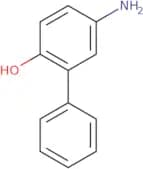
Formule :C8H7NO4Degré de pureté :Min. 95%Couleur et forme :Slightly Yellow PowderMasse moléculaire :181.15 g/mol4-Amino-2-phenylphenol
CAS :Versatile small molecule scaffold
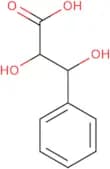
Formule :C12H11NODegré de pureté :Min. 95%Couleur et forme :PowderMasse moléculaire :185.22 g/mol2,3-Dihydroxy-3-phenylpropanoic acid
CAS :2,3-Dihydroxy-3-phenylpropanoic acid is a monocarboxylic acid and a benzenes. It has been shown to have antimicrobial properties against bacteria such as Staphylococcus aureus, Proteus vulgaris, and Klebsiella pneumoniae. The monocarboxylic acid inhibits bacterial growth by binding to the beta subunit of the enzyme DNA gyrase, which is necessary for DNA replication. 2,3-Dihydroxy-3-phenylpropanoic acid also binds to the beta subunit of the enzyme RNA polymerase and prevents mRNA synthesis, thus inhibiting protein synthesis in bacteria. !-- --> !-- --> !-- --> !-- --> !-- --> !-- --> !-- -->
Formule :C9H10O4Degré de pureté :Min. 95%Couleur et forme :PowderMasse moléculaire :182.17 g/molRef: 3D-FAA69595
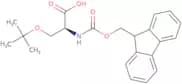
Produit arrêtéFmoc-Ser(tBu)-OH
CAS :Fmoc-Ser(tBu)-OH is a synthetic amino acid that is used in the synthesis of degarelix acetate, an amide ester of the vasodilator, prostaglandin F2α. Degarelix acetate binds to the fibrinogen receptor on the surface of cells and inhibits platelet aggregation. This drug has been shown to be effective in treating prostate cancer by inhibiting epidermal growth factor receptor signaling. It also has immune modulating effects by binding to monoclonal antibodies and altering antibody responses. Fmoc-Ser(tBu)-OH is synthesized from the amino acid serine and t-butyl alcohol, which are combined with trifluoroacetic acid (TFA) and hydroxyl group. The resulting product is then reacted with dansyl chloride or benzoyl chloride (BzCl), which cleaves off one carboxylic acid group from serine, forming an
Formule :C22H25NO5Degré de pureté :Min. 98 Area-%Couleur et forme :White Off-White PowderMasse moléculaire :383.44 g/mol[(1H-Indol-6-yl)methyl](methyl)amine
CAS :Versatile small molecule scaffold
Formule :C10H12N2Degré de pureté :Min. 95%Masse moléculaire :160.22 g/molPutrescine dihydrochloride
CAS :Putrescine is a polyamine plant growth regulator affecting the synthesis of macromolecules. Promotes adventitious root formation. Precursor of spermidine.
Formule :C4H14Cl2N2Degré de pureté :Min. 98.0 Area-%Masse moléculaire :161.08 g/molRef: 3D-P-8000
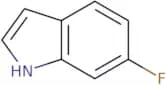
Produit arrêté6-Fluoroindole
CAS :6-Fluoroindole is an aromatic organic compound that has been shown to have anti-inflammatory and antioxidant properties in vitro and in vivo. 6-Fluoroindole is a 5-methoxyindole and can be synthesized from the amino acid tryptophan, which is a precursor of serotonin. 6-Fluoroindole has also been shown to be active against plant pathogens, human protein, and human pathogens. It can produce hemolytic activity at high concentrations and its chemical stability was tested by incubating it with various acids such as hydrochloric acid or acetic acid. 6-Fluoroindole showed no reaction with either of these acids. The vibrational spectra of 6-fluoroindole was measured using dipolar coupling constants and found to have a dipole moment of 0.01 D for the molecule.
Formule :C8H6FNDegré de pureté :Min. 98 Area-%Couleur et forme :White Yellow PowderMasse moléculaire :135.14 g/mol3,3',5,5'-Tetramethylbenzidine, free base
CAS :Please enquire for more information about 3,3',5,5'-Tetramethylbenzidine, free base including the price, delivery time and more detailed product information at the technical inquiry form on this page
Formule :C16H20N2Degré de pureté :Min. 99.0 Area-%Masse moléculaire :240.35 g/mol3,3',5,5'-Tetramethylbenzidine, free base
CAS :3,3',5,5'-Tetramethylbenzidine is a high quality chemical that has been used as a research chemical and in the synthesis of other chemicals. It is also used as an intermediate in the synthesis of various building blocks such as benzylidene-p-dioxanone, 3-chloro-2-methylbenzoyl chloride, and 3-phenylpropionitrile. The compound can be used to synthesize a wide range of compounds including pharmaceuticals, pesticides, dyes, and perfumes. It is also useful for the production of drugs such as haloperidol and chloroquine phosphate.
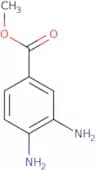
Formule :C16H20N2Masse moléculaire :240.35 g/molMethyl 3,4-diaminobenzoate
CAS :Methyl 3,4-diaminobenzoate is a molecule that has been shown to inhibit nitrite reductase. It also binds to the receptor binding domain of the growth factor and to quinoxalines, which are antimicrobial peptides. In vitro assays have revealed that methyl 3,4-diaminobenzoate has antimicrobial properties against bacteria such as Enterococcus faecalis, Pseudomonas aeruginosa, Staphylococcus aureus, and Bacillus cereus. The mechanism of action for these activities is not well understood. Methyl 3,4-diaminobenzoate has been shown to be an inhibitor of tryptophan fluorescence in vitro and may act as a competitive inhibitor of the enzyme tryptophan fluorescence decarboxylase.
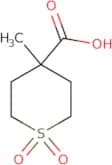
Formule :C8H10N2O2Degré de pureté :Min. 95%Couleur et forme :White PowderMasse moléculaire :166.18 g/molTetrahydro-4-methyl-2H-thiopyran-4-carboxylic acid 1,1-dioxide
CAS :Tetrahydro-4-methyl-2H-thiopyran-4-carboxylic acid 1,1-dioxide (THTPD) is a useful scaffold that can be used as a building block in organic synthesis. It is also a versatile intermediate and research chemical that can be used as a reaction component in the synthesis of complex compounds. THTPD has been shown to have high purity and quality. Tetrahydro-4-methyl-2H-thiopyran-4-carboxylic acid 1,1 - dioxide can be used as a reagent for the preparation of other compounds. CAS No.: 1713163-23-5.
Formule :C7H12O4SDegré de pureté :Min. 95%Couleur et forme :PowderMasse moléculaire :192.24 g/mol[2-(Cyclopropylmethoxy)ethyl](methyl)amine
CAS :Versatile small molecule scaffold
Formule :C7H15NODegré de pureté :Min. 80%Couleur et forme :Clear LiquidMasse moléculaire :129.2 g/molMethyl 9-Oxononanoate
CAS :Methyl 9-oxononanoate is a monomer that is used as a biodiesel fuel additive. It is a peroxide decomposition product of α-tocopherol, which is often used as an antioxidant in biodiesel fuels. Methyl 9-oxononanoate can be produced by the reaction of fatty acid and alkoxy radical, or by the thermal decomposition of pentane fatty esters. This compound can also be obtained by cleavage of fatty acids with phosphotungstic acid, producing methyl 9-oxohexadecanoate and methyl 9-oxodecanoate. The two compounds are isomers that have different physical properties and boiling points. The methyl 9-oxohexadecanoate has a higher boiling point than the methyl 9-oxodecanoate.
Formule :C10H18O3Degré de pureté :Min. 95%Couleur et forme :Clear LiquidMasse moléculaire :186.25 g/molRef: 3D-BAA93163
Produit arrêté4-Aminobutylphosphonic acid
CAS :4-Aminobutylphosphonic acid is a potent antagonist of the ganglion cell nicotinic acetylcholine receptors. It has been shown to produce irreversible oxidation of the ganglion cell membrane by inhibiting the enzyme catalase, which is responsible for the removal of hydrogen peroxide produced by cells. 4-Aminobutylphosphonic acid also inhibits gamma-aminobutyric acid (GABA) synthesis and increases locomotor activity in frogs. This drug also binds to functional groups on the frog’s muscle cells and stimulates a nerve impulse that causes muscle contraction. The molecule has been shown to be an effective inhibitor of x-ray diffraction data from calf thymus DNA, vinyl alcohol, and glass slides.
Formule :C4H12NO3PDegré de pureté :Min. 95%Couleur et forme :PowderMasse moléculaire :153.12 g/mol1-[4-(2-Methoxyethyl)phenoxy]propan-2-one
CAS :1-[4-(2-Methoxyethyl)phenoxy]propan-2-one is a useful scaffold for organic synthesis. It is a versatile building block that can be used as an intermediate in the synthesis of complex compounds with pharmaceutical, agrochemical and other applications.1-[4-(2-Methoxyethyl)phenoxy]propan-2-one is also a reagent in chemical reactions, and has been used to synthesize other compounds such as 1-[4-(2-Methoxyethyl)phenoxy]propan-2-ol (CAS No. 1155083-54-7). This compound has been shown to have good reactivity and high quality, making it an excellent research chemical.
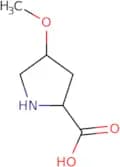
Formule :C12H16O3Degré de pureté :Min. 95%Masse moléculaire :208.25 g/mol(2S,4S)-4-Methoxypyrrolidine-2-carboxylic acid
CAS :Versatile small molecule scaffold
Formule :C6H11NO3Degré de pureté :Min. 95%Masse moléculaire :145.16 g/molRef: 3D-ADA17622
Produit arrêté2-Methoxy-1-((2-(trimethylsilyl)ethoxy)methyl)-1H-imidazole-5-carbaldehyde
Please enquire for more information about 2-Methoxy-1-((2-(trimethylsilyl)ethoxy)methyl)-1H-imidazole-5-carbaldehyde including the price, delivery time and more detailed product information at the technical inquiry form on this page
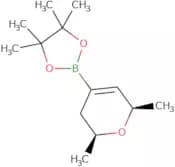
Formule :C11H20N2O3SiDegré de pureté :Min. 95%Couleur et forme :PowderMasse moléculaire :256.37 g/mol2-(2,6-dimethyl-3,6-dihydro-2H-pyran-4-yl)-4,4,5,5-tetramethyl-1,3,2-dioxaborolane
CAS :2-(2,6-dimethyl-3,6-dihydro-2H-pyran-4-yl)-4,4,5,5-tetramethyl-1,3,2-dioxaborolane is a reagent that is used in the synthesis of other compounds. It is a high quality research chemical and useful scaffold for the preparation of fine chemicals. This versatile building block is also used as an intermediate or building block in the synthesis of complex compounds.
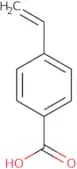
Formule :C13H23BO3Degré de pureté :(%) Min. 95%Couleur et forme :Clear Viscous LiquidMasse moléculaire :238.13 g/mol4-Vinylbenzoic acid
CAS :4-Vinylbenzoic acid is a water-insoluble polymer that has been shown to have bacteriostatic and fungistatic properties. 4-Vinylbenzoic acid inhibits bacterial growth by binding to the enzyme diphenolase, which is involved in the synthesis of cell wall precursors. This polymer also binds to cationic surfactants and is soluble in organic solvents such as ethanol and acetone. The mechanism of inhibition of fungal growth is not known, but it may be due to hydrogen bonding interactions with the cell membrane.
4-Vinylbenzoic acid has been shown to be effective against human serum, although it does not inhibit bacterial growth in this medium.Formule :C9H8O2Degré de pureté :Min. 95%Couleur et forme :White PowderMasse moléculaire :148.16 g/mol5,6,7,8-Tetrahydroimidazo[1,2-a]pyridine
CAS :5,6,7,8-Tetrahydroimidazo[1,2-a]pyridine is a nucleophilic imidazole derivative that has antifungal activity. It is synthesized by reacting 2-chloro-5-nitropyridine with 2-chloroimidazole in the presence of a base. The compound was also found to be active against Candida glabrata and Candida krusei. 5,6,7,8-Tetrahydroimidazo[1,2-a]pyridine binds to the pyridine ring of DNA and inhibits the synthesis of RNA and protein. It also has photophysical properties that can be used in assays for chemical structures.
Formule :C7H10N2Degré de pureté :Min. 95%Masse moléculaire :122.17 g/molUracil
CAS :Pyrimidine nucleobase; allosteric regulator and coenzyme for reactions
Formule :C4H4N2O2Degré de pureté :Min. 98 Area-%Couleur et forme :White Off-White PowderMasse moléculaire :112.09 g/molRef: 3D-FU01843
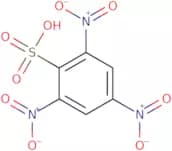
Produit arrêté2,4,6-Trinitrobenzenesulfonic acid - 5% Aqueous solution
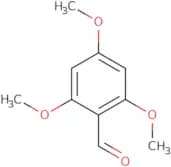
CAS :2,4,6-Trinitrobenzenesulfonic acid (also known as TNBS, TNSBA or picrylsulfonic acid) is a strongly oxidising organic acid that has long been used as a reagent to determine the presence of free primary amine groups. TNBS reacts rapidly with primary amines to form highly coloured N-trinitrophenyl acid products which can then be analysed by colorimetry. The amine can be regenerated by treatment with hydrazine. This analytical technique can also be applied to thiols and hydrazides. As is common with nitrated aromatic compounds, there is a risk of explosion and TNBS is typically commercially available as a solution. We also supply the 1% solution in DMF.Formule :C6H3N3O9SCouleur et forme :Colorless Yellow Clear LiquidMasse moléculaire :293.17 g/mol2,4,6-Trimethoxybenzaldehyde
CAS :2,4,6-Trimethoxybenzaldehyde is a chemical compound that is used as an intermediate in organic chemistry. It has been shown to have antiviral effects on influenza A virus by inhibiting the enzyme neuraminidase. This inhibition prevents the release of viruses from infected cells and thus prevents viral replication. 2,4,6-Trimethoxybenzaldehyde also inhibits the growth of cancer cells in vitro and has minimal toxicity to normal cells. This chemical has been shown to inhibit the reaction mechanism of proton pumps in mammalian cells, which may be due to its ability to inhibit p2y receptors or nitrogen atoms. 2,4,6-Trimethoxybenzaldehyde can also be used as a solvent for pharmaceutical preparations and as a reagent in x-ray diffraction data analysis.
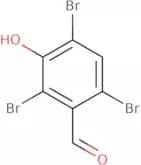
Formule :C10H12O4Degré de pureté :Min. 95%Couleur et forme :PowderMasse moléculaire :196.2 g/mol2,4,6-Tribromo-3-hydroxybenzaldehyde
CAS :2,4,6-Tribromo-3-hydroxybenzaldehyde (2,4,6-TBHB) is an aldehyde that is synthesized from the reaction of 2,4,6-trichlorobenzaldehyde and bromine. It has been shown to be cytotoxic in tumour cell lines in vitro. This compound binds to DNA by covalent binding and inhibits the synthesis of proteins. 2,4,6-TBHB also inhibits cellular uptake of halides such as chloride and bromide ions. This aldehyde has been shown to induce cell death in human lung cancer cells in a concentration dependent manner.
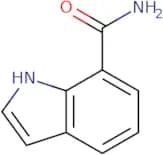
Formule :C7H3Br3O2Degré de pureté :Min. 95%Couleur et forme :PowderMasse moléculaire :358.81 g/mol1H-Indole-7-carboxamide
CAS :Rauwolscine is a pharmacological agent that acts as an alpha-2 adrenergic receptor agonist. It is used to treat eye disease, such as glaucoma and iritis, and also has been used for the treatment of disorders of the urogenital system, such as prostatic hypertrophy. Rauwolscine is metabolized by oxidation at the nitrogen atom to form active metabolites with similar effects. This drug has been shown to be effective for the treatment of cancer, although it does not have any significant effect on muscle tissue. The major route of elimination for this drug is through urine and it may accumulate in tissues with renal disease.
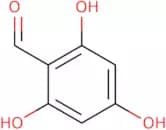
Formule :C9H8N2ODegré de pureté :90%MinCouleur et forme :PowderMasse moléculaire :160.18 g/mol2,4,6-Trihydroxybenzaldehyde
CAS :2,4,6-Trihydroxybenzaldehyde is a polymerase chain inhibitor that blocks the synthesis of DNA and RNA. It has been shown to have significant cytotoxicity in vitro and has been used as an antimicrobial agent to inhibit the growth of bacteria. 2,4,6-Trihydroxybenzaldehyde also inhibits tetracycline resistance in Mycobacterium tuberculosis (Mtb) by inhibiting the production of proteins vital for bacterial cell division. This compound is structurally related to naturally occurring compounds such as anthocyanins and it has been shown to have inhibitory properties on mitochondrial membrane potential, which may be due to its ability to inhibit protein synthesis and induce apoptosis. The analytical methods used for this compound are thin layer chromatography and high performance liquid chromatography.
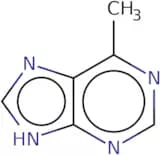
Formule :C7H6O4Degré de pureté :Min. 98 Area-%Couleur et forme :PowderMasse moléculaire :154.12 g/mol6-Methylpurine
CAS :6-Methylpurine is a product of the nucleotide metabolism in E. coli, which is a model organism for protein synthesis. 6-Methylpurine inhibits protein synthesis and exerts significant cytotoxicity. It has been shown to inhibit the enzyme activities of DNA polymerase alpha, DNA ligase, and RNA polymerase, as well as other enzymes involved in nitrogen metabolism. 6-Methylpurine has been shown to be an analog of adenine and has a similar reaction mechanism. The uptake of 6-methyl purine by cells is mediated by hydrogen bonds with amino acid residues on the cell membrane surface. This molecule also forms glycosidic bonds with ribose sugar groups on cellular surfaces. 6-Methylpurine plays an important role in energy metabolism through its incorporation into glucose and glycogen molecules.
Formule :C6H6N4Degré de pureté :Min. 98 Area-%Couleur et forme :White PowderMasse moléculaire :134.14 g/mol2-Acetoxybenzonitrile
CAS :2-Acetoxybenzonitrile is an atypical, acidic organic compound with a molecular weight of 136.06 g/mol. It has a melting point of -5.5 °C and decomposes spontaneously at high temperatures to form benzonitrile, carbon dioxide, and water. 2-Acetoxybenzonitrile is able to act as a competitive inhibitor of acetylsalicylic acid (ASA) in the kinetic determination of ASA using acetylation as the rate-determining step. In this experiment, 2-acetoxybenzonitrile was found to be an effective inhibitor of acetylation with a KI value of 1.8 x 10 M. The spectrometer can be used to determine the molecular weight and purity of 2-acetoxybenzonitrile by measuring its absorbance in the ultraviolet region.
2-Acetoxybenzonitrile binds metal cations such as Cu(II), Fe(Formule :C9H7NO2Degré de pureté :Min. 95%Couleur et forme :Clear LiquidMasse moléculaire :161.16 g/mol1-Anilinonaphthalene-8-sulphonic acid magnesium
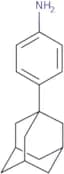
CAS :Trifluoroacetic acid is a hydrophobic molecule that has been used in the synthesis of 1-anilinonaphthalene-8-sulphonic acid magnesium. The magnesium salt of this compound is soluble in water and can be obtained as a white solid. Trifluoroacetic acid has been shown to have anti-inflammatory effects by binding to chloride ions, which are present in high concentrations on the surface of inflamed cells. Trifluoroacetic acid also has a surfactant property, which may be due to its ability to form micelles with fatty acids. This property is important for drug absorption because it helps solubilize lipophilic drugs and improve their bioavailability.Formule :(C16H13NO3S)2•MgDegré de pureté :Min. 95%Couleur et forme :PowderMasse moléculaire :623 g/mol4-(1-Adamantyl)aniline
CAS :4-(1-Adamantyl)aniline is a monomer with electron-deficient properties. It can be synthesized from 1-adamantanol and trifluoroacetic acid, followed by hydrolysis to remove the trifluoromethyl group. 4-(1-Adamantyl)aniline has been shown to have high cytotoxicity against tumor cells in vitro. This compound also inhibits the production of necrosis factor, an inflammatory cytokine that plays an important role in many pathological processes, such as septic shock and acute respiratory distress syndrome.
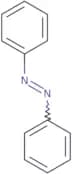
Formule :C16H21NDegré de pureté :Min. 95%Couleur et forme :White PowderMasse moléculaire :227.34 g/molAzobenzene
CAS :Azobenzene is an azobenzene that binds to the actin filaments and inhibits their polymerization. It has been shown to inhibit the polymerization of actin filaments in human serum, which may be due to its ability to react with the nitrogen atoms in actin. Azobenzene has also been shown to have a thermal expansion coefficient of 0.015x10⁻⁵/°C, which is much larger than that of most other compounds. The molecular geometry of azobenzene is planar and symmetrical, with two hydrogen atoms on each nitrogen atom on both sides of the molecule. This symmetry leads to a low intramolecular hydrogen bonding energy. The molecule’s photochemical properties are also interesting because it has a long lifetime and can be excited by wavelengths between 400-500 nm.
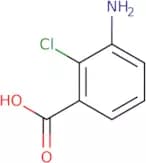
Formule :C12H10N2Degré de pureté :Min. 97.5 Area-%Couleur et forme :PowderMasse moléculaire :182.22 g/mol3-Amino-2-chlorobenzoic acid
CAS :3-Amino-2-chlorobenzoic acid is a molecule that belongs to the group of acidic compounds. It has been shown to induce apoptosis and inhibit cell proliferation in human immunodeficient virus (HIV) cells, as well as inhibit the growth of cancer cells. 3-Amino-2-chlorobenzoic acid also inhibits histone deacetylase, which is an enzyme that controls gene expression by removing acetyl groups from lysine residues on the N-terminal tails of histones. This inhibition may be responsible for its anticancer activity. 3-Amino-2-chlorobenzoic acid is metabolized by oxidation to chlorinated derivatives and excreted via the kidneys. It has been shown to have a pharmacokinetic profile in rats similar to that observed with other triazines such as atrazine and simazine. The elimination half-life of 3-amino-2-chlorob
Formule :C7H6ClNO2Degré de pureté :Min. 95%Couleur et forme :Off-White PowderMasse moléculaire :171.58 g/mol2-Aminoethanethiol
CAS :2-Aminoethanethiol is a bitartrate salt of cysteamine. It inhibits the growth of bacteria by inhibiting the synthesis of the bacterial cell wall, which is required for bacterial replication and division. 2-Aminoethanethiol has been shown to be effective in experimental models of cystinosis and cystamine. 2-Aminoethanethiol has also been used as an antidote to cyanide poisoning.
Formule :C2H7NSCouleur et forme :White Off-White PowderMasse moléculaire :77.15 g/molRef: 3D-FA52311
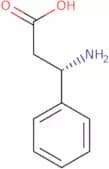
Produit arrêté(S)-3-Amino-3-phenylpropionic acid
CAS :3-Amino-3-phenylpropionic acid is a β-amino acid that is used in the industrial production of acrylate esters. The acylation reaction of the carboxylic acid group with an alcohol, usually naphthalene or phenol, yields an ester hydrochloride. This is then hydrolyzed to the corresponding amide, which can be further reacted to produce a variety of other compounds. 3-Amino-3-phenylpropionic acid has pharmacokinetic properties that are similar to those of glycine and alanine, but it does not undergo transamination. It also has a very high chloride content and is often used as a reagent for the synthesis of organic chloride salts.
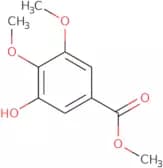
Formule :C9H11NO2Degré de pureté :Min. 95%Couleur et forme :White PowderMasse moléculaire :165.19 g/molMethyl 4,5-dimethoxy-3-hydroxybenzoate
CAS :Methyl 4,5-dimethoxy-3-hydroxybenzoate is a synthetic chemical that inhibits the enzyme tectorigenin reductase. Tectorigenin reductase is responsible for the production of tectorigenin, a phytoestrogen found in plants such as china. Methyl 4,5-dimethoxy-3-hydroxybenzoate was shown to inhibit the activity of platelets from human blood and has been studied for its pharmacological properties. The thermodynamic and kinetic parameters of methyl 4,5-dimethoxy-3-hydroxybenzoate have been determined using gas chromatography - mass spectrometry (GC–MS) and nuclear magnetic resonance (NMR) spectroscopy. It exists as both an enantiomeric mixture and racemic mixture.
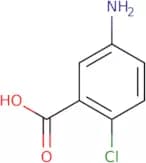
Formule :C10H12O5Degré de pureté :Min. 95%Couleur et forme :PowderMasse moléculaire :212.2 g/mol5-Amino-2-chlorobenzoic acid
CAS :5-Amino-2-chlorobenzoic acid is a carboxylate that has antiproliferative effects. It is synthesized through the reaction of morpholine and malonic acid. 5-Amino-2-chlorobenzoic acid has been shown to have an optimal reaction with UV light, which may be due to its structure activity relationship with other carboxylates. It also has a high affinity for metal ions such as magnesium and chloride, which are thought to be important in cancer cell proliferation. 5-Amino-2-chlorobenzoic acid can be used in analytical methods because it is soluble in water and can be obtained through gravimetric analysis.
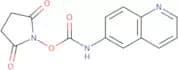
Formule :C7H6ClNO2Couleur et forme :PowderMasse moléculaire :171.58 g/mol6-Aminoquinolyl-N-hydroxysuccinimidylcarbamate
CAS :6-Aminoquinolyl-N-hydroxysuccinimidylcarbamate reacts rapidly with amino acids to form stable urea derivatives. The use of fluorescence detection techniques allows quantification of amines at pmol levels. 6-Aminoquinolyl-N-hydroxysuccinimidylcarbamate was used in a study to derivatize glycated amino acids with the purpose of developing chromatographic assays for their quantification. Glycation of proteins initially gives rise to early glycation adducts, then progresses to advanced glycation end-products, which are markers for conditions such as diabetes, cataracts, uraemia and Alzheimer's disease. We also offer the product FA172347 with a particle size < 0.25 mm.Formule :C14H11N3O4Degré de pureté :(Q-1H Nmr) Min 83%Couleur et forme :PowderMasse moléculaire :285.25 g/molRef: 3D-FA36291
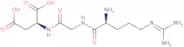
Produit arrêtéArg-Gly-Asp
CAS :Arg-Gly-Asp is a peptide with inhibitory properties against tumor growth. It binds to the integrin receptor and blocks the angiogenic process by inhibiting the expression of vascular endothelial growth factor (VEGF) and transforming growth factor beta (TGF-β). Arg-Gly-Asp also inhibits the proliferation of pluripotent cells, which are cells that can differentiate into any type of cell in the body, and prevents the formation of new blood vessels. This peptide has been shown to have inhibitory properties against leukemia inhibitory factor (LIF), which is a cytokine that regulates cell growth.
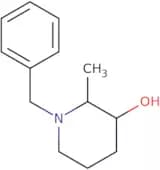
Formule :C12H22N6O6Degré de pureté :Min. 98 Area-%Couleur et forme :PowderMasse moléculaire :346.34 g/mol1-Benzyl-2-methylpiperidin-3-ol
CAS :Versatile small molecule scaffold
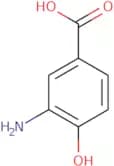
Formule :C13H19NODegré de pureté :Min. 95%Couleur et forme :PowderMasse moléculaire :205.3 g/mol3-Amino-4-hydroxybenzoic acid
CAS :3-Amino-4-hydroxybenzoic acid is a type of phenolic compound that can be found in human serum. It is also used as a chemical building block for the synthesis of coumarin derivatives, which are important compounds in biochemistry, pharmacology and medical research. 3-Amino-4-hydroxybenzoic acid has been shown to have diphenolase activity, which is an enzyme that cleaves two molecules of phenol from one molecule of diphenol. The light emission is likely due to a metal ion in the active site that acts as a catalyst. The high values seen in the experiments were most likely due to the presence of corynebacterium glutamicum, which is an organism with high levels of 3-amino-4-hydroxybenzoic acid production. This study also found that 3-amino-4-hydoxybenzoic acid may be an antimicrobial agent against HIV
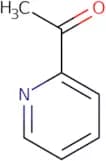
Formule :C7H7NO3Degré de pureté :Min. 95%Couleur et forme :Off-White PowderMasse moléculaire :153.14 g/mol2-Acetylpyridine
CAS :2-Acetylpyridine is a compound that can be used to study the biological properties of molybdenum. It has been shown to have redox potentials that are similar to the corresponding pyridine compounds. The compound has been shown to be an antimicrobial agent that is active against bacteria and fungi, and it also has antioxidative properties. 2-Acetylpyridine binds to dinucleotide phosphate by hydrogen bonding interactions in human serum, which may be related to its ability as an oxidant. This chemical also has a high surface area and can be used for surface methodology experiments as well as x-ray crystal structures.
Formule :C7H7NODegré de pureté :Min. 95%Couleur et forme :PowderMasse moléculaire :121.14 g/mol1-Acetyl-3-indolecarboxaldehyde
CAS :1-Acetyl-3-indolecarboxaldehyde is a ligand that binds to the cannabinoid receptor 1 (CB1). It has been shown to bind to the CB1 receptor with high affinity and selectivity. In addition, it has been demonstrated to inhibit the proliferation of human breast cancer cells in vitro. The compound is used as a fluorescent probe for cb1 receptor binding. Data obtained from molecular modelling studies have suggested that the hydroxyl group might be involved in binding to the CB1 receptor. 1-Acetyl-3-indolecarboxaldehyde also binds carotenoids, which are molecules responsible for giving plants and other photosynthetic organisms their coloration. This compound can be found in many different plants, such as carrots and bananas, where it acts as an antioxidant.
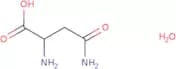
Formule :C11H9NO2Degré de pureté :Min. 95%Couleur et forme :PowderMasse moléculaire :187.19 g/molDL-Asparagine monohydrate
CAS :DL-Asparagine monohydrate is a low potency amino acid that can be used as a biomarker for wastewater treatment. It has been shown to inhibit the activity of enzymes such as guanine nucleotide-binding proteins, toll-like receptors, and response elements. Asparagine also has inhibitory properties against tumour cells in solid tumours.
Formule :C4H10N2O4Couleur et forme :PowderMasse moléculaire :150.14 g/molRef: 3D-FA29369
Produit arrêté1,6-Anhydrochitobiose hydrochloride
Please enquire for more information about 1,6-Anhydrochitobiose hydrochloride including the price, delivery time and more detailed product information at the technical inquiry form on this page
Formule :C12H22N2O8•(HCl)xDegré de pureté :Min. 95%Couleur et forme :PowderMasse moléculaire :322.31 g/molEthyl (E)-cinnamate
CAS :Ethyl (E)-cinnamate is a cinnamic acid derivative that belongs to the class of phenylpropenoids. It has been shown to have biological properties, such as enzyme activities and antioxidative properties. Ethyl (E)-cinnamate has also been shown to be a potent photosynthetic activator in vitro. This compound can be used as a precursor for the synthesis of cinnamic acid, which is important in the metabolism of energy production and locomotor activity.
Formule :C11H12O2Degré de pureté :Min. 95%Couleur et forme :Clear LiquidMasse moléculaire :176.21 g/mol1-[(tert-Butoxy)carbonyl]-3-ethylpyrrolidine-2-carboxylic acid
CAS :1-[(tert-Butoxy)carbonyl]-3-ethylpyrrolidine-2-carboxylic acid is a versatile building block for research chemicals and reagents. It is useful as a starting material for the synthesis of complex compounds and can be used as an intermediate in a variety of chemical reactions. CAS No. 361442-24-2
Formule :C12H21NO4Degré de pureté :Min. 95%Masse moléculaire :243.3 g/molRef: 3D-LPA44224
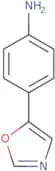
Produit arrêté4-(1,3-Oxazol-5-yl)aniline
CAS :Versatile small molecule scaffold
Formule :C9H8N2ODegré de pureté :Min. 95%Masse moléculaire :160.17 g/mol4-(Pyrrolidin-1-yl)phenol
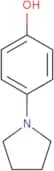
CAS :Versatile small molecule scaffold
Formule :C10H13NODegré de pureté :Min. 95%Couleur et forme :PowderMasse moléculaire :163.22 g/molMethyl 2-(1,1-dioxothiolan-3-yl)acetate
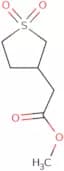
CAS :Versatile small molecule scaffold
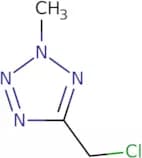
Formule :C7H12O4SDegré de pureté :Min. 95%Couleur et forme :PowderMasse moléculaire :192.23 g/mol5-(Chloromethyl)-2-methyl-2H-1,2,3,4-tetrazole
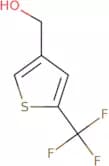
CAS :5-(Chloromethyl)-2-methyl-2H-1,2,3,4-tetrazole is a fine chemical that is used as a versatile building block for research and industrial purposes. It is an intermediate in the synthesis of other compounds and is also used as a reaction component. The quality of this compound is high and it has been shown to be useful in the synthesis of various complex compounds. 5-(Chloromethyl)-2-methyl-2H-1,2,3,4-tetrazole can be used as a reagent for research or manufacturing purposes due to its versatility.Formule :C3H5ClN4Degré de pureté :Min. 95%Couleur et forme :PowderMasse moléculaire :132.55 g/mol(5-Trifluoromethyl-thiophen-3-yl)-methanol
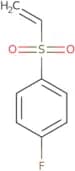
CAS :(5-Trifluoromethyl-thiophen-3-yl)-methanol is a fine chemical that is used as a building block for research chemicals, reagents, and specialty chemicals. It can be used in the synthesis of various complex compounds and is a versatile building block for organic reactions. (5-Trifluoromethyl-thiophen-3-yl)-methanol is an intermediate that can serve as a scaffold for the synthesis of more complex molecules. This compound has CAS No. 1447913-56-5 and has a high quality.Formule :C6H5F3OSDegré de pureté :Min. 95%Couleur et forme :Clear LiquidMasse moléculaire :182.16 g/mol1-(Ethenesulfonyl)-4-fluorobenzene
CAS :1-(Ethenesulfonyl)-4-fluorobenzene is a versatile chemical that can be used as a building block for the synthesis of complex compounds. It is also a reagent and speciality chemical with many applications in research. 1-(Ethenesulfonyl)-4-fluorobenzene is an excellent starting material for the synthesis of useful scaffolds and it has shown to have high quality.
Formule :C8H7FO2SDegré de pureté :Min. 95%Masse moléculaire :186.21 g/molRef: 3D-DBA12214
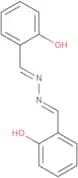
Produit arrêtéSalicylaldehyde azine
CAS :Salicylaldehyde azine (SAZ) is a polymerized compound that has been shown to inhibit tyrosinase, an enzyme that catalyzes the oxidation of L-tyrosine to DOPA and dopaquinone. It can be used as a fluorescent probe for metal ions and has been used in the preparation of aluminium salts. The interaction of SAZ with protonated functional groups on tyrosinase leads to inhibition by blocking the active site. This inhibition is reversible and can be reversed by adding a reducing agent such as sodium dithionite.
Formule :C14H12N2O2Degré de pureté :Min. 95%Couleur et forme :PowderMasse moléculaire :240.26 g/molSodium methanethiolate
CAS :Methanethiol is a compound that occurs naturally in the environment. It is used as a fungicide, insecticide and herbicide. Methanethiol inhibits the growth of microorganisms by binding to metal ions on the surface of cells. This prevents DNA replication and protein synthesis, leading to cell death. Methanethiol also has anti-inflammatory properties which may be due to its ability to inhibit adenosine A1 receptor activity in humans.
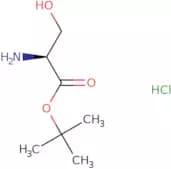
Formule :CH3NaSDegré de pureté :Min. 95%Couleur et forme :White PowderMasse moléculaire :70.09 g/molL-Serine tert-butyl ester hydrochloride
CAS :L-Serine tert-butyl ester hydrochloride is a conditionally catalytic reagent that is used to synthesize aromatic compounds. It is an effective catalyst for toluene hydroxylation, and can be used in the synthesis of L-serine from serine. The tert-butyl group on the molecule prevents side reactions by sterically hindering other molecules from reacting with the reagent.
Formule :C7H15O3N·HClDegré de pureté :Area-% Min. 95 Area-%Couleur et forme :White PowderMasse moléculaire :197.66 g/mol2-[4-(Aminomethyl)phenyl]acetonitrile
CAS :Versatile small molecule scaffold
Formule :C9H10N2Degré de pureté :Min. 95%Couleur et forme :PowderMasse moléculaire :146.19 g/molRef: 3D-JWC78525
Produit arrêté5H,6H,7H-Cyclopenta[b]pyridin-2-amine
CAS :5H,6H,7H-Cyclopenta[b]pyridin-2-amine is a fine chemical that can be used as a building block in organic synthesis. It is also useful as a reagent and speciality chemical. 5H,6H,7H-Cyclopenta[b]pyridin-2-amine has been shown to be an effective intermediate for the production of complex compounds with versatile scaffolds. This compound is also a useful reactant in organic reactions. 5H,6H,7H-Cyclopenta[b]pyridin-2-amine has a molecular weight of 200.28 g/mol and CAS number 146331-19-3.
Formule :C8H10N2Degré de pureté :Min. 95%Couleur et forme :PowderMasse moléculaire :134.18 g/molRef: 3D-WFA33119
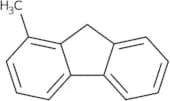
Produit arrêté1-Methylfluorene
CAS :1-Methylfluorene is a colorless liquid that is soluble in water and alcohols. It is used as a monomer to produce polymers, such as poly(vinylidene fluoride) or poly(chlorotrifluoroethylene). 1-Methylfluorene is also used to prepare perfluorocarbon emulsions for use in water vapor permeable membranes which are used in wastewater treatment. 1-Methylfluorene has shown to be an effective inhibitor of human monocytic cells, thp-1 cells. It also binds to the receptor site on the cell membrane, inhibiting the influx of cations and water molecules. This can result in apoptosis, or programmed cell death. The sample preparation for 1-Methylfluorene includes extraction with petroleum ether followed by purification using column chromatography with silica gel and elution with hydrogen chloride acidified methanol.
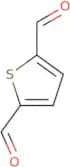
Formule :C14H12Degré de pureté :Min. 95%Couleur et forme :PowderMasse moléculaire :180.25 g/mol2,5-Thiophenedicarboxaldehyde
CAS :2,5-Thiophenedicarboxaldehyde (2,5-TDA) is a macrocyclic nitrogen heterocycle that activates the protein kinase cAMP-dependent protein kinase A. This activation leads to increased transcription of genes controlled by this pathway and may be involved in tumor treatment. 2,5-TDA has been shown to be toxic to amines and can be used as an analytical chemistry reagent. It is also used as a starting material for the synthesis of other compounds. 2,5-TDA is prepared by oxidation of thiophene with hydrochloric acid or trifluoroacetic acid. The reaction results in an irreversible oxidation that proceeds via a radical mechanism. The isolated yield is low because 2,5-TDA is thermodynamically unstable and decomposes at higher temperatures.
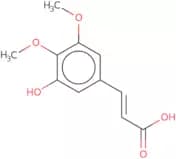
Formule :C6H4O2SDegré de pureté :Min. 95%Couleur et forme :PowderMasse moléculaire :140.16 g/mol3,4-Dimethoxy-5-hydroxycinnamic acid
CAS :3,4-Dimethoxy-5-hydroxycinnamic acid is a monoterpenoid indole alkaloid that belongs to the class of biochemical compounds. It is a promiscuous compound and can be found in many plants, such as coffee beans, black pepper, cinnamon, and thyme. 3,4-Dimethoxy-5-hydroxycinnamic acid has been shown to have antimicrobial properties against bacteria and fungi. The metabolomics study showed that this compound may also have anti-inflammatory effects. 3,4-Dimethoxy-5-hydroxycinnamic acid was shown to enhance the transcription of ferulic acid in E. coli cells. This compound was also shown to decrease the levels of transcripts for genes involved in lipid metabolism and fatty acid biosynthesis in human liver cells.
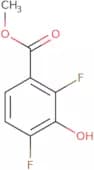
Formule :C11H12O5Degré de pureté :Min. 98 Area-%Couleur et forme :PowderMasse moléculaire :224.21 g/mol2,4-Difluoro-3-hydroxybenzoic acid methyl ester
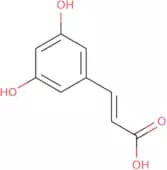
CAS :2,4-Difluoro-3-hydroxybenzoic acid methyl ester is a fine chemical that is used as a versatile building block for research chemicals and other complex compounds. It can be used as a reaction component in the synthesis of new chemical entities or as a reagent for organic chemistry reactions. 2,4-Difluoro-3-hydroxybenzoic acid methyl ester has CAS No. 194804-80-3 and is available in high quality.Formule :C8H6F2O3Degré de pureté :Min. 95%Couleur et forme :PowderMasse moléculaire :188.13 g/mol3,5-Dihydroxycinnamic acid
CAS :3,5-Dihydroxycinnamic acid is a metabolite of the amino acid tyrosine and an intermediate in the biosynthesis of phenylalanine. It has been shown to have anti-inflammatory properties that may be due to its ability to inhibit prostaglandin synthesis. 3,5-Dihydroxycinnamic acid has also been identified as a carcinogen and is associated with an increased risk of cancer in women. 3,5-Dihydroxycinnamic acid is found in urine samples at concentrations between 2 and 10 µmol/L.
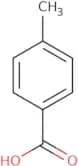
Formule :C9H8O4Degré de pureté :Min. 98 Area-%Couleur et forme :PowderMasse moléculaire :180.16 g/mol4-Toluic acid
CAS :4-Toluic acid is a chemical compound with the molecular formula CH3C6H2O2. It is a white solid that is soluble in water and alcohol. 4-Toluic acid can be produced by oxidation of benzoate, which is a reaction catalyzed by light or by using a catalyst such as trifluoroacetic acid. The reaction mechanism begins with the formation of the intramolecular hydrogen and subsequent oxidation to form an organic radical. This organic radical then reacts with oxygen to produce 4-toluic acid. 4-Toluic acid has been shown to have biochemical properties such as enzyme inhibition, DNA cleavage, and protein denaturation. The coordination geometry for this molecule is octahedral, and its redox potentials are -0.27 V (in acidic solution) and -1.06 V (in alkaline solution).
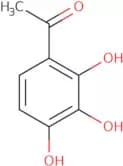
Formule :C8H8O2Degré de pureté :Min. 98 Area-%Couleur et forme :White PowderMasse moléculaire :136.15 g/mol2',3',4'-Trihydroxyacetophenone
CAS :2',3',4'-Trihydroxyacetophenone is a polycarboxylic acid that has potent inhibitory activity against tyrosinase, an enzyme that catalyzes the conversion of tyrosine to DOPA. This compound can be used as a cross-linking agent for polymerization reactions and has been shown to have optimum inhibitory concentrations in the range of 0.01-1 mM. 2',3',4'-Trihydroxyacetophenone inhibits the production of melanin by inhibiting tyrosinase and can be used as a skin whitening agent. In addition, this compound can be used as a cox-2 inhibitor in food composition and may also be useful in preventing or treating inflammatory conditions such as asthma and arthritis.
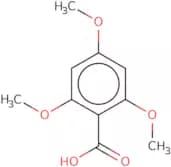
Formule :C8H8O4Degré de pureté :Min. 95%Couleur et forme :Off-White PowderMasse moléculaire :168.15 g/mol2,4,6-Trimethoxybenzoic acid
CAS :2,4,6-Trimethoxybenzoic acid (TMB) is a monomer that belongs to the class of organic compounds known as phenols. It can undergo dehydrogenation reactions with nitroethane in the presence of trifluoroacetic acid and catalytic amounts of hydrogen gas. TMB has been shown to interact with an allyl group in other molecules. The reaction system was studied under different flow rates and was found to be best described by an isotherm equation.
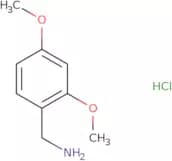
Formule :C10H12O5Degré de pureté :Min. 95%Couleur et forme :PowderMasse moléculaire :212.2 g/mol2,4-Dimethoxybenzylamine hydrochloride
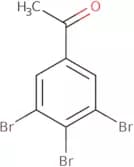
CAS :2,4-Dimethoxybenzylamine hydrochloride is a substrate for glutathione reductase and a competitive inhibitor of dithioerythritol. The reaction mechanism is the same as that of triflic acid, which is generated by the reaction between triflic acid and glutathione. The inhibitory effect of 2,4-dimethoxybenzylamine hydrochloride on glutathione reductase has been studied computationally using molecular docking simulations. It was found that 2,4-dimethoxybenzylamine hydrochloride binds to the active site of glutathione reductase with an affinity comparable to that of triflic acid. This computational study also revealed that 2,4-dimethoxybenzylamine hydrochloride can be converted into triflic acid in vivo.Formule :C9H13NO2HClDegré de pureté :Min. 95%Couleur et forme :PowderMasse moléculaire :203.67 g/mol3,4,5-Tribromoacetophenone
CAS :3,4,5-Tribromoacetophenone is a high quality and versatile chemical with many special applications. It is an important intermediate for the production of various chemicals, such as plastics and pharmaceuticals. This compound can be used as a starting material for the synthesis of more complex compounds by reacting with other chemicals. 3,4,5-Tribromoacetophenone also has a number of useful properties that make it ideal for research purposes.
Formule :C8H5Br3ODegré de pureté :Min. 95%Couleur et forme :PowderMasse moléculaire :356.84 g/mol3,4,5-Tribromobenzoic acid
CAS :3,4,5-Tribromobenzoic acid is a metabolite of 3-indoleacetic acid. It is excreted in the urine and has a phaseolus-like physiological activity. This compound has been found to reduce the number of internodes in plants and increase the number of subjacent nodes. In addition, it has been shown to inhibit abscission (the separation of plant parts) by inhibiting the release of auxin from the upper node. The structural properties of 3,4,5-tribromobenzoic acid are similar to those of benzoic acid and it can be found naturally in some plants. Diversity in this chemical has been found among different species: for example, 2,3,5-triiodobenzoic acid is only present in citrus fruits such as oranges and lemons.
Formule :C7H3Br3O2Degré de pureté :Min. 95%Couleur et forme :PowderMasse moléculaire :358.81 g/molRef: 3D-FT70417
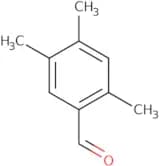
Produit arrêté2,4,5-Trimethylbenzaldehyde
CAS :2,4,5-Trimethylbenzaldehyde is a cell line that can be used to study the oxidation of α-pinene. It is a chemical compound that belongs to the group of aromatic compounds and has been shown to have high cytotoxicity. It has been found to oxidize other molecules in the body with an electron acceptor such as oxygen or another molecule. 2,4,5-Trimethylbenzaldehyde has also been shown to have biological properties. This product is being researched for its ability to inhibit fatty acid synthesis and reduce cholesterol production in the liver.
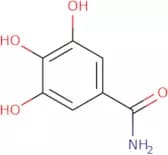
Formule :C10H12ODegré de pureté :Min. 95%Masse moléculaire :148.2 g/mol3,4,5-Trihydroxybenzamide
CAS :3,4,5-Trihydroxybenzamide (THB) is an active agent that inhibits the synthesis of prostaglandin J2. It has been shown to inhibit the uptake of fatty acids in rat liver cells by blocking fatty acid binding proteins. THB has also been shown to inhibit the chemical structures of nitro and epidermal growth factor. 3,4,5-Trihydroxybenzamide can be used as a cancer treatment by inhibiting the growth and spread of cancer cells. This drug is also believed to have a protective effect on the skin by reducing inflammation and increasing cell proliferation.
THB is currently being researched for its ability to suppress histone proteins and growth factors such as HGF or EGF in human HL60 cells.Formule :C7H7NO4Degré de pureté :Min. 98 Area-%Couleur et forme :Off-White PowderMasse moléculaire :169.13 g/mol10-Undecen-1-ol
CAS :10-Undecen-1-ol is a fatty acid with a hydroxyl group at the 10th position. It has strong intermolecular hydrogen bonding and reacts to form esters and ethers. 10-Undecen-1-ol is used as a multi-walled carbon for wastewater treatment, which removes organic contaminants. This compound also has a high degree of chemical stability, which makes it suitable for use in anhydrous sodium synthesis methods.
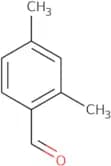
Formule :C11H22ODegré de pureté :Min. 98%Couleur et forme :Colorless Clear LiquidMasse moléculaire :170.29 g/mol2,4-Dimethylbenzaldehyde
CAS :2,4-Dimethylbenzaldehyde is used in the diagnosis of cancer. It reacts with acetaldehyde to form a compound that binds to hemoglobin and is excreted in the urine, leading to a diagnostic test for cancer. 2,4-Dimethylbenzaldehyde has been shown to be genotoxic in both in vitro and in vivo studies. This aromatic hydrocarbon has been shown to cause DNA strand breaks in the target cells through a reaction mechanism involving radical formation from acetaldehyde. In addition, 2,4-Dimethylbenzaldehyde has been shown to have genotoxic effects on mice exposed by inhalation or injection.
Formule :C9H10ODegré de pureté :Min. 90 Area-%Couleur et forme :Colorless Clear LiquidMasse moléculaire :134.18 g/molProbenecid
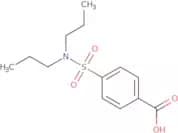
CAS :Produit contrôléOrganic anion transporter inhibitor; pannexin 1 channel inhibitor
Formule :C13H19NO4SDegré de pureté :Min. 97.5 Area-%Couleur et forme :White PowderMasse moléculaire :285.36 g/mol2,6-Dimethylbenzoic acid
CAS :2,6-Dimethylbenzoic acid is a colorless solid that has a molecular weight of 162.2 g/mol and an empirical formula of C7H8O2. It has a melting point of about 82 degrees Celsius and a boiling point of about 315 degrees Celsius. 2,6-Dimethylbenzoic acid is soluble in water at 100 degrees Celsius. It has been shown to act as a potent antagonist for the muscarinic acetylcholine receptors. This compound also has basic properties due to its hydrogen bonding interactions with proteins and other molecules. 2,6-Dimethylbenzoic acid has been shown to be efficient in supramolecular chemistry because it is electron deficient and contains thermodynamic functional groups such as carboxylic acids and alcohols.
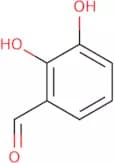
Formule :C9H10O2Degré de pureté :Min. 95%Couleur et forme :PowderMasse moléculaire :150.17 g/mol2,3-Dihydroxybenzaldehyde
CAS :2,3-Dihydroxybenzaldehyde is a chemical compound that has been shown to have antimicrobial properties. It inhibits bacterial growth by binding to the ribosome and preventing mRNA synthesis. 2,3-Dihydroxybenzaldehyde binds to the 50S ribosomal subunit and prevents protein synthesis by inhibiting the transfer mechanism of tRNA from the A site to the P site on the ribosome. The drug also inhibits mitochondrial superoxide production in V79 cells and human serum.
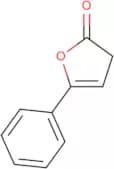
2,3-Dihydroxybenzaldehyde has been shown to be effective against methicillin resistant S. aureus (MRSA) strains but not against Group P2 Staphylococcus aureus (GPA). It is also active against Gram-positive bacteria such as Bacillus subtilis but not against Gram-negative bacteria like Escherichia coli or Pseudomonas aeruginosa.Formule :C7H6O3Degré de pureté :Min. 96 Area-%Couleur et forme :Slightly Yellow PowderMasse moléculaire :138.12 g/mol5-Phenyl-3H-furan-2-one
CAS :5-Phenyl-3H-furan-2-one is an antiviral agent that belongs to the group of aldehydes. It is used as an active ingredient in influenza vaccines. The virus is inactivated by 5-phenyl-3H-furan-2-one and produces a recemic product that can be detected with a branched chain profile after chemical hydrolysis.
Formule :C10H8O2Degré de pureté :Min. 95%Couleur et forme :PowderMasse moléculaire :160.17 g/molRef: 3D-BAA95539
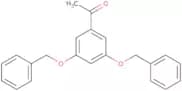
Produit arrêté3',5'-Dibenzyloxyacetophenone
CAS :3',5'-Dibenzyloxyacetophenone is a synthetic intermediate that can be used in the synthesis of 3-hydroxy-2-phenylpropionic acid. It can also be used to synthesize carbonyl reduction products, such as 3,5-dibenzyloxybenzoic acid and 2,3-dibenzyloxybenzoic acid. The carbonyl reduction reaction mechanism involves the addition of ethylene to the carbonyl group (C=O) and hydrogenation of the double bond between carbon atoms 1 and 2. This process may result in a mixture of products that are degradable or non-degradable and contain impurities.
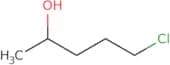
Formule :C22H20O3Degré de pureté :Min. 95%Couleur et forme :Beige PowderMasse moléculaire :332.39 g/mol5-Chloropentan-2-ol
CAS :5-Chloropentan-2-ol is a chemical compound that is found in the leaves of the tobacco plant, Nicotiana tabacum. It is an organic compound that belongs to the group of furans and has been classified as a dye sensitizer. 5-Chloropentan-2-ol is found in small quantities in the leaves of Nicotiana tabacum and has been shown to be responsible for some of the flavour and organoleptic properties of tobacco. The chemical structure of 5-chloropentan-2-ol consists of a 5 carbon chain with two hydroxyl groups on carbons 1 and 2. It has been shown to have high levels of mutagenicity when tested on bacteria, but does not affect animal cells.
Formule :C5H11ClODegré de pureté :Min. 85%Masse moléculaire :122.59 g/mol



![N-Nitroso-3-azabicyclo[3.3.0]octane](/_next/image/?url=https%3A%2Fstatic.cymitquimica.com%2Fproducts%2F3D%2Fthumb-webp%2FFN166610.webp&w=3840&q=75)

amine](/_next/image/?url=https%3A%2Fstatic.cymitquimica.com%2Fproducts%2F3D%2Fthumb-webp%2FDAA46821.webp&w=3840&q=75)



amine](/_next/image/?url=https%3A%2Fstatic.cymitquimica.com%2Fproducts%2F3D%2Fthumb-webp%2FIKB52698.webp&w=3840&q=75)


![1-[4-(2-Methoxyethyl)phenoxy]propan-2-one](/_next/image/?url=https%3A%2Fstatic.cymitquimica.com%2Fproducts%2F3D%2Fthumb-webp%2FFWB08353.webp&w=3840&q=75)
![5,6,7,8-Tetrahydroimidazo[1,2-a]pyridine](/_next/image/?url=https%3A%2Fstatic.cymitquimica.com%2Fproducts%2F3D%2Fthumb-webp%2FJBA16766.webp&w=3840&q=75)






![1-[(tert-Butoxy)carbonyl]-3-ethylpyrrolidine-2-carboxylic acid](/_next/image/?url=https%3A%2Fstatic.cymitquimica.com%2Fproducts%2F3D%2Fthumb-webp%2FLPA44224.webp&w=3840&q=75)

![2-[4-(Aminomethyl)phenyl]acetonitrile](/_next/image/?url=https%3A%2Fstatic.cymitquimica.com%2Fproducts%2F3D%2Fthumb-webp%2FJWC78525.webp&w=3840&q=75)
![5H,6H,7H-Cyclopenta[b]pyridin-2-amine](/_next/image/?url=https%3A%2Fstatic.cymitquimica.com%2Fproducts%2F3D%2Fthumb-webp%2FWFA33119.webp&w=3840&q=75)