Building Blocks
Cette section contient des produits fondamentaux pour la synthèse de composés organiques et biologiques. Building blocks sont les matériaux de départ essentiels utilisés pour construire des molécules complexes à travers diverses réactions chimiques. Ils jouent un rôle crucial dans la découverte de médicaments, la science des matériaux et la recherche chimique. Chez CymitQuimica, nous offrons une gamme diversifiée de building blocks de haute qualité pour soutenir vos recherches innovantes et projets industriels, en vous assurant de disposer des composants essentiels pour une synthèse réussie.
Sous-catégories appartenant à la catégorie "Building Blocks"
- Acides boroniques et dérivés de l'acide boronique(5.778 produits)
- Building Blocks Chiraux(1.243 produits)
- Building Blocks Hydrocarbonés(6.097 produits)
- Building Blocks organiques(61.048 produits)
203115 produits trouvés pour "Building Blocks"
Trier par
Degré de pureté (%)
0
100
|
0
|
50
|
90
|
95
|
100
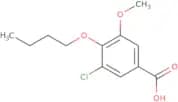
4-Butoxy-3-chloro-5-methoxybenzoic acid
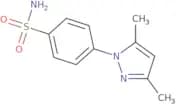
CAS :<p>Versatile small molecule scaffold</p>Formule :C12H15ClO4Degré de pureté :Min. 95%Masse moléculaire :258.7 g/mol4-(3,5-Dimethyl-1H-pyrazol-1-yl)benzene-1-sulfonamide
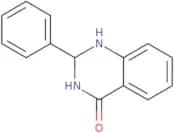
CAS :4-(3,5-Dimethyl-1H-pyrazol-1-yl)benzenesulfonamide is a centrosymmetric molecule with a dimer in the central position. It has hydrogen bonds that form between two molecules of the same type. The molecule has two hydrogen atoms bonded to each oxygen atom on the sulfonamide group and one hydrogen atom bonded to each carbon atom on the benzene ring. This molecule also has coordinated bonds, which are formed when an electron is shared by two atoms. This molecule also has symmetry in its molecular structure and can be found in nature as a component of some enzymes.Formule :C11H13N3O2SDegré de pureté :Min. 95%Masse moléculaire :251.31 g/mol2-Phenyl-2,3-dihydroquinazolin-4(1H)-one
CAS :<p>2-Phenyl-2,3-dihydroquinazolin-4(1H)-one (2PDQ) is a heterocyclic compound that has been used as a building block for the synthesis of other heterocycles. 2PDQ is an efficient catalyst for the condensation reaction between benzaldehyde and anthranilamide, which produces a mixture of products. This mixture can be purified using column chromatography. The optimal conditions for this reaction are pH 8 and temperature 80°C. 2PDQ can also be used to catalyze the condensation of glycols with aldehydes to produce polyethylene glycol (PEG) oligomers. In addition, it can be used in supramolecular systems by binding β-cyclodextrin, which stabilizes the molecules involved in these systems.</p>Formule :C14H12N2ODegré de pureté :Min. 95%Masse moléculaire :224.26 g/mol4-Phenylbicyclo[2.2.2]octane-1-carboxylic acid ee
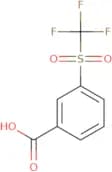
CAS :Versatile small molecule scaffoldFormule :C15H18O2Degré de pureté :Min. 95%Masse moléculaire :230.3 g/mol3-(Trifluoromethylsulphonyl)benzoic acid
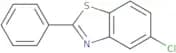
CAS :Versatile small molecule scaffoldFormule :C8H5F3O4SDegré de pureté :Min. 95%Masse moléculaire :254.18 g/mol5-Chloro-2-phenyl-1,3-benzothiazole
CAS :<p>5-Chloro-2-phenyl-1,3-benzothiazole is a benzothiazole with a phenyl ring and a phenyl group. It has two dihedral angles: one at the center of the ring system, and the other at the junction of the phenyl and benzene rings. The molecule has a molecular weight of 229.5 g/mol and a melting point of 243°C. 5-Chloro-2-phenyl-1,3-benzothiazole is used as an intermediate in chemical synthesis.</p>Formule :C13H8ClNSDegré de pureté :Min. 95%Masse moléculaire :245.73 g/mol2,3-Dimethoxy-6,7,8,9-tetrahydro-5H-benzo[7]annulen-5-one
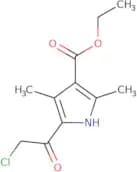
CAS :Versatile small molecule scaffoldFormule :C13H16O3Degré de pureté :Min. 95%Masse moléculaire :220.3 g/molEthyl 5-(2-chloroacetyl)-2,4-dimethyl-1H-pyrrole-3-carboxylate
CAS :Versatile small molecule scaffoldFormule :C11H14ClNO3Degré de pureté :Min. 95%Masse moléculaire :243.68 g/mol3',4'-Dihydro-1'H-spiro[cyclohexane-1,2'-quinazoline]-4'-one
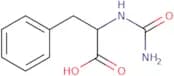
CAS :Versatile small molecule scaffoldFormule :C13H16N2ODegré de pureté :Min. 95%Masse moléculaire :216.28 g/mol(2S)-2-(Carbamoylamino)-3-phenylpropanoic acid
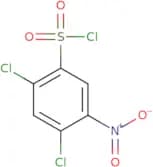
CAS :(2S)-2-(Carbamoylamino)-3-phenylpropanoic acid is a nutritional supplement that is used as a transcriptional regulator. It binds to the hydroxyl group of DNA and alters gene expression. (2S)-2-(Carbamoylamino)-3-phenylpropanoic acid has been shown to suppress the expression of chronic kidney disease genes in mice, which may be due to its ability to inhibit hydrogenated protein synthesis. This drug also inhibits monoamine reuptake and cross-links dna strands. (2S)-2-(Carbamoylamino)-3-phenylpropanoic acid is also an inhibitor of dna replication and has been shown to bind to monoclonal antibodies that recognize specific bacterial strains, including Mycobacterium tuberculosis.Formule :C10H12N2O3Degré de pureté :Min. 95%Masse moléculaire :208.21 g/mol2,4-Dichloro-5-nitrobenzene-1-sulfonyl chloride
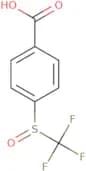
CAS :Versatile small molecule scaffoldFormule :C6H2Cl3NO4SDegré de pureté :Min. 95%Masse moléculaire :290.5 g/mol4-Trifluoromethanesulfinylbenzoic acid
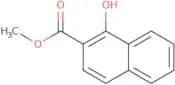
CAS :Versatile small molecule scaffoldFormule :C8H5F3O3SDegré de pureté :Min. 95%Masse moléculaire :238.19 g/molMethyl 1-hydroxy-2-naphthoate
CAS :<p>Methyl 1-hydroxy-2-naphthoate is a wittig reaction product of hexane and chlorides. It is an alkyl ester that can be isolated as a colorless liquid with a boiling point of 87°C. The molecule has two tautomers, one of which is the 1-hydroxy-2-acetonaphthone and the other is the 1,2,3,4-tetrahydronapthalene. The hydroxynaphthoate group can undergo photostability to form the 1-hydroxy-2-acetonaphthone tautomer.</p>Formule :C12H10O3Degré de pureté :Min. 95%Masse moléculaire :202.21 g/mol2-Methoxy-1-naphthoic Acid
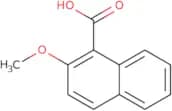
CAS :<p>2-Methoxy-1-naphthoic Acid is a molecule with two methoxy groups and one naphthalene ring. It has been shown to induce DNA adducts in the human epidermoid carcinoma cells, which may be due to its covalent binding to nucleic acids. The frequency of this compound has been shown to shift when it interacts with murine leukemia cells, which may be due to the formation of intramolecular hydrogen bonds. 2-Methoxy-1-naphthoic Acid also has the ability to form hydrogen bonds with other molecules, such as with the chelate ring of metal ions and other organic compounds. This property can be used for techniques such as nuclear magnetic resonance (NMR) spectroscopy and X-ray crystallography.</p>Formule :C12H10O3Degré de pureté :Min. 95%Masse moléculaire :202.21 g/molBenzyl phenyl ether
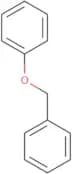
CAS :<p>Benzyl phenyl ether is a catalyst that is used in the synthesis of amide compounds for pharmaceuticals, insecticides, and other organic compounds. It has been shown to inhibit the growth of infectious diseases by inhibiting the transfer reactions that are required for the production of amides from amino acids. Benzyl phenyl ether also inhibits autoimmune diseases by blocking the reaction between amines and nitrosamines. It also reacts with lignin which is found in plant cell walls and can be used as a catalyst in the manufacture of phenol and phenolic resins.</p>Formule :C13H12ODegré de pureté :Min. 95%Masse moléculaire :184.23 g/mol2-Hydroxy-5-nitrobenzohydrazide
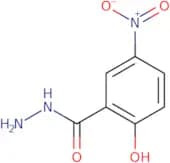
CAS :<p>2-Hydroxy-5-nitrobenzohydrazide is an antibacterial agent that binds to the hydroxylase domain of bacterial 7-ethoxycoumarin hydroxylase, a key enzyme in the synthesis of tetranuclear cofactors. It forms a coordination geometry with the metal ions that are required for this enzyme, thereby blocking its activity. 2-Hydroxy-5-nitrobenzohydrazide has been shown to be effective against bacteria such as Staphylococcus aureus, Escherichia coli, and Pseudomonas aeruginosa. This compound also has a specific affinity for mononuclear bacteria such as Proteus mirabilis and Klebsiella pneumoniae.<br>2-Hydroxy-5-nitrobenzohydrazide is not active against Gram positive bacteria due to its lack of binding affinity for the epoxide hydrolase domain of bacterial 7-ethoxycou</p>Formule :C7H7N3O4Degré de pureté :Min. 95%Masse moléculaire :197.15 g/molN-(1,2,3,4-Tetrahydroquinolin-3-yl)acetamide
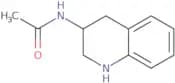
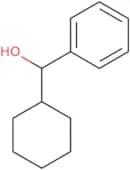
CAS :Versatile small molecule scaffoldFormule :C11H14N2ODegré de pureté :Min. 95%Masse moléculaire :190.24 g/molCyclohexyl(phenyl)methanol
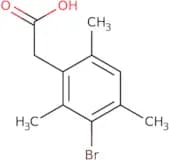
CAS :<p>Cyclohexyl(phenyl)methanol (CHPM) is a biphenyl derivative that has been shown to bind to the benzodiazepine receptor. The binding of CHPM to the benzodiazepine receptor was determined using kinetic and vitro assays. The binding affinity of CHPM was determined using a competitive binding assay with 3H-flumazenil. The molecular structure of CHPM contains two phenyl groups, which may contribute to its ability to act as an antagonist at the benzodiazepine receptor. This compound has been shown to be able to react with atmospheric oxygen, water and heat in a supercritical environment, producing particle products that can be used for therapy. The optimal reaction conditions for this chemical are found between 50 and 70 degrees Celsius and 10 bar pressure, yielding an 89% yield of product.</p>Formule :C13H18ODegré de pureté :Min. 95%Masse moléculaire :190.28 g/mol2-(3-Bromo-2,4,6-trimethylphenyl)acetic acid
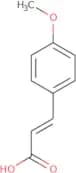
CAS :Versatile small molecule scaffoldFormule :C11H13BrO2Degré de pureté :Min. 95%Masse moléculaire :257.12 g/mol4-Methoxycinnamic acid
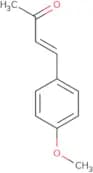
CAS :<p>4-Methoxycinnamic acid is a compound that is found in plants, such as coffee beans and tea leaves. It has been used to treat wastewater and light-exposed plastics. 4-Methoxycinnamic acid can act as a hydrogen bond donor, which may help break up aggregates of organic contaminants in water. In addition, it has been shown to have genotoxic effects on bacteria when exposed to ultraviolet radiation. 4-Methoxycinnamic acid also has the ability to activate chlorogenic acids from plant material, which are thought to be the major contributor to its protective effect against colon cancer. 4-Methoxycinnamic acid can also inhibit diphenolase activity in certain cells, leading to the accumulation of protocatechuic acid and skin cancer.</p>Formule :C10H10O3Degré de pureté :Min. 95%Masse moléculaire :178.18 g/mol4-(4-Methoxyphenyl)-3-buten-2-one
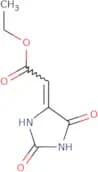
CAS :<p>4-(4-Methoxyphenyl)-3-buten-2-one is a compound that has been used as a model for the study of immobilization strategies. It is used to measure the diameter of mammalian cells and to study sugar transport. This compound also has hydroxide groups, which are capable of reacting with malonic acid or an aldehyde group, forming a covalent bond. The presence of these groups makes 4-(4-Methoxyphenyl)-3-buten-2-one an ideal candidate for immobilization purposes. The optical properties of this molecule are due to its β-unsaturated ketones and methyl ethyl group.</p>Formule :C11H12O2Degré de pureté :Min. 95%Masse moléculaire :176.22 g/molEthyl 2-(2,5-dioxoimidazolidin-4-ylidene)acetate
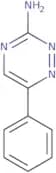
CAS :Versatile small molecule scaffoldFormule :C7H8N2O4Degré de pureté :Min. 95%Masse moléculaire :184.1 g/mol6-Phenyl-1,2,4-triazin-3-amine
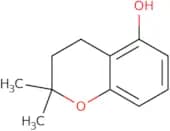
CAS :Versatile small molecule scaffoldFormule :C9H8N4Degré de pureté :Min. 95%Masse moléculaire :172.19 g/mol2,2-Dimethyl-3,4-dihydro-2H-1-benzopyran-5-ol
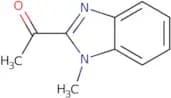
CAS :2,2-Dimethyl-3,4-dihydro-2H-1-benzopyran-5-ol is a β-unsaturated chromanone that can be synthesized from the reaction of benzaldehyde with 2,3,4,5-tetrahydrobenzo[b]thiophene. It is a white solid with a melting point of 110°C. The compound has been found to have antiinflammatory and analgesic properties.Formule :C11H14O2Degré de pureté :Min. 95%Masse moléculaire :178.23 g/mol1-(1-Methyl-1H-benzimidazol-2-yl)ethanone
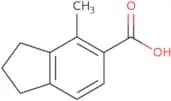
CAS :Produit contrôlé1-(1-Methyl-1H-benzimidazol-2-yl)ethanone (1MBZ) is a chemical compound that has been shown to have anti-cancer properties. It inhibits the growth of renal cells in vitro and induces cytotoxicity in breast cancer cells. 1MBZ is an alkylating agent, which has the ability to bind to cellular nucleophiles such as lysine and cysteine. This binding results in the inhibition of DNA synthesis and protein synthesis. 1MBZ also binds to DNA via intercalation with high selectivity for double helix sites, making it a potential candidate for anti-HIV agents.Formule :C10H10N2ODegré de pureté :Min. 95%Masse moléculaire :174.2 g/mol4-Methyl-2,3-dihydro-1H-indene-5-carboxylic acid
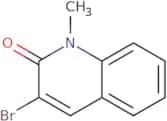
CAS :Versatile small molecule scaffoldFormule :C11H12O2Degré de pureté :Min. 95%Masse moléculaire :176.2 g/mol3-Bromo-1-methyl-1H-quinolin-2-one
CAS :<p>Versatile small molecule scaffold</p>Formule :C10H8BrNODegré de pureté :Min. 95%Masse moléculaire :238.08 g/molBenzo[D]thiazole-2-sulfonic acid
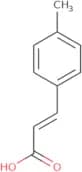
CAS :<p>The Benzo[D]thiazole-2-sulfonic acid antigen is a low molecular weight, water-soluble chemical compound. It can be found in the wastewater of industrial facilities that produce it as a byproduct. The antigen has been used to develop an assay for detecting influenza virus in human sera and has also been shown to be effective against avian influenza virus.</p>Formule :C7H5NO3S2Degré de pureté :Min. 95%Couleur et forme :PowderMasse moléculaire :215.3 g/mol(E)-3-(4-Methylphenyl)-2-propenoic acid
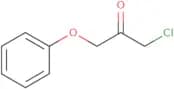
CAS :<p>(E)-3-(4-Methylphenyl)-2-propenoic acid is a chlorinated cinnamic acid derivative that inhibits the formation of (E)-3-(4-methylphenyl)-2-propenoic acid. The rate of formation of (E)-3-(4-methylphenyl)-2-propenoic acid is inhibited by the presence of phosphorus pentachloride. It is also possible to synthesize 4-hydroxycinnamic acid, which has a similar inhibitory effect on the formation of (E)-3-(4-methylphenyl)-2-propenoic acid. This inhibition may be due to the polarizability and molecule size of (E)-3-(4-methylphenyl)-2-propenoic acid. The chloride ion can also affect this reaction through hydrogen bonding interactions with the fatty acids in (E)-3-(4-methylphenyl)-2-propenoic</p>Formule :C10H10O2Degré de pureté :Min. 95%Masse moléculaire :162.19 g/mol1-chloro-3-phenoxypropan-2-one
CAS :<p>1-Chloro-3-phenoxypropan-2-one (1CPP) is a chemical that belongs to the group of ketones. It is a colorless liquid with a sweet, acetone odor. 1CPP is used as an intermediate in organic synthesis, mainly for the preparation of acetylcholinesterase inhibitors. This compound has been found to be a potent inhibitor of acetylcholinesterase and shows irreversible inhibition. 1CPP also reacts with epoxide, dehalogenases, and transition metals to form epoxides.</p>Formule :C9H9ClO2Degré de pureté :Min. 95%Masse moléculaire :184.62 g/mol1-(Ethenyloxy)-4-nitrobenzene
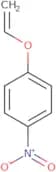
CAS :<p>1-Ethoxy-4-nitrobenzene (ENB) is a glycolaldehyde that is used as a food additive and has been shown to have tumorigenic properties. ENB has been found to interact with the enzyme activities of copper salt, which can lead to the formation of epoxides. This chemical has also been shown to induce skin tumors in mice. In addition, ENB can react with chloride ions to form polymers, which are known carcinogens. Furthermore, 1-Ethoxy-4-nitrobenzene reacts with hydroxylamine and methane monooxygenase, leading to the production of ethyl nitrite and ethyl nitrate respectively. These compounds are known skin tumor promoters in rats.</p>Formule :C8H7NO3Degré de pureté :Min. 95%Masse moléculaire :165.15 g/mol2-Bromo-1-(bromomethyl)-4-nitrobenzene
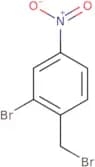
CAS :<p>Versatile small molecule scaffold</p>Formule :C7H5Br2NO2Degré de pureté :Min. 95%Masse moléculaire :294.93 g/mol(E)-3-(2-Chlorophenyl)acrylic acid
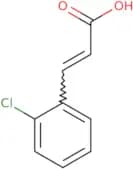
CAS :(E)-3-(2-Chlorophenyl)acrylic acid is a byproduct of the reaction between 2-chlorocinnamic acid and dioxane. It is a reactive compound that reacts with cellulose acetate to form a cinnamic acid derivative. The chloride ion in this compound can be removed by filtration, which leaves behind decarboxylated (E)-3-(2-chlorophenyl)acrylic acid. Decarboxylation of (E)-3-(2-chlorophenyl)acrylic acid yields caffeic acid. This compound also thermally decomposes into cinnamic acid derivatives, which are also reactive compounds.Formule :C9H7ClO2Degré de pureté :Min. 95%Masse moléculaire :182.6 g/mol(E)-3-(o-Tolyl)acrylic acid
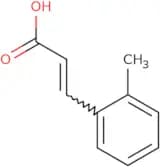
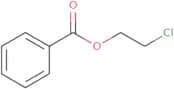
CAS :<p>(E)-3-(o-Tolyl)acrylic acid is a boronic acid with the chemical structure of an ester. Boronic acids are electron-deficient, which makes them good ligands for metal ions such as ruthenium. In this case, the boronic acid is used to form a ruthenium complex. The compound can be used in a Suzuki coupling reaction to form C–H bonds. It also has acidic properties and hydrogenations that make it useful for synthetic purposes. (E)-3-(o-Tolyl)acrylic acid is able to bind to prostanoid receptors, which are a type of ligand in the body that interacts with prostanoids (hormones). This makes it useful as a synthetic ligand for radioligands or radioactive isotopes.</p>Formule :C10H10O2Degré de pureté :Min. 95%Masse moléculaire :162.18 g/mol2-Chloroethyl Benzoate
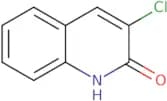
CAS :<p>2-Chloroethyl benzoate is a monocarboxylic acid that is used as an industrial chemical, pharmaceutical intermediate, and food additive. It is produced by the catalytic hydrogenation of hippuric acid with hydrogen chloride in the presence of p-hydroxybenzoic acid. 2-Chloroethyl benzoate has been shown to be effective in treating bowel disease, congestive heart failure, and inflammatory bowel disease. This compound can be synthesized by reacting piperazine with benzoic acid and chloroethyl chloride. The resulting product can be purified using solid catalyst.</p>Formule :C9H9ClO2Degré de pureté :Min. 95%Masse moléculaire :184.62 g/mol3-Chloroquinolin-2(1H)-one
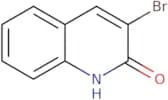
CAS :<p>3-Chloroquinolin-2(1H)-one is an antimicrobial agent that contains a chlorine atom. It is used in the treatment of cancer, and has been shown to inhibit the replication of DNA by binding to the nitrogen atoms in DNA. 3-Chloroquinolin-2(1H)-one is also used as an anti-infective agent and has been shown to have inhibitory activities against Gram positive bacteria, such as Staphylococcus aureus, and Gram negative bacteria, such as Escherichia coli. 3-Chloroquinolin-2(1H)-one binds to the chloride ion on the bacterial cell wall membrane, which prevents the transport of essential nutrients into the cell and leads to cell death. The chemical structure of 3-chloroquinein-2(1H)-one consists of two enantiomers (mirror images), one being more active than the other. The less active form can be converted</p>Formule :C9H6ClNODegré de pureté :Min. 95%Masse moléculaire :179.6 g/mol3-Bromoquinolin-2(1H)-one
CAS :<p>3-Bromoquinolin-2(1H)-one is a linker that can be used in the synthesis of organic compounds. It is a synthetic compound and has been shown to inhibit cancer cell growth by binding to receptor ligands, such as epidermal growth factor receptor (EGFR) and vascular endothelial growth factor receptor 2 (VEGFR2). 3-Bromoquinolin-2(1H)-one has also been shown to inhibit the activity of EGFR ligand inhibitors, such as erlotinib and gefitinib. This linker can be used in bifunctional molecules with amide or hydroxy groups. It is resistant to bacteria, making it ideal for use in conjugates with proteins or peptides.</p>Formule :C9H6BrNODegré de pureté :Min. 95%Masse moléculaire :224.05 g/mol5-pyridin-4-yl-2,4-dihydro-[1,2,4]triazol-3-one
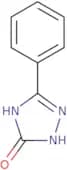
CAS :Versatile small molecule scaffoldFormule :C7H6N4ODegré de pureté :Min. 95%Masse moléculaire :162.14 g/mol3-Phenyl-4,5-dihydro-1H-1,2,4-triazol-5-one
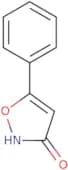
CAS :Versatile small molecule scaffoldFormule :C8H7N3ODegré de pureté :Min. 95%Masse moléculaire :161.16 g/mol5-Phenyl-1,2-oxazol-3-ol
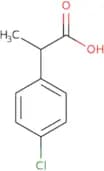
CAS :5-Phenyl-1,2-oxazol-3-ol is an organophosphorus insecticide that binds to acetylcholine receptors in the neuromuscular junction. It is a synthetic substance that has been shown to have carcinogenic effects on animal tissue. It is metabolized by hydrolysis of the ammonium group, and then undergoes methylation and oxidation. The metabolites are excreted through the urine or bile. 5-Phenyl-1,2-oxazol-3-ol can be used as a binding agent for isolating proteins from cellular extracts.Formule :C9H7NO2Degré de pureté :Min. 95%Masse moléculaire :161.16 g/mol2-(4-Chlorophenyl)propanoic acid
CAS :2-(4-Chlorophenyl)propanoic acid is a chiral compound that can be used as a chiral selector. The compound has been investigated for its use in the separation of enantiomers and racemates by enantioseparation. It has also been investigated as a potential benzene ring substituent in research. Countercurrent chromatography was used to investigate the enantiomer properties of 2-(4-chlorophenyl)propanoic acid. The compound is not suitable for the separation of β-cyclodextrin or other cyclodextrins due to its hydrophobic nature.Formule :C9H9ClO2Degré de pureté :Min. 95%Masse moléculaire :184.62 g/mol1-(3-chloro-2-hydroxyphenyl)propan-1-one
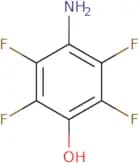
CAS :Versatile small molecule scaffoldFormule :C9H9O2ClDegré de pureté :Min. 95%Masse moléculaire :184.61 g/mol4-Amino-2,3,5,6-tetrafluorophenol
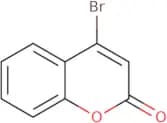
CAS :<p>4-Amino-2,3,5,6-tetrafluorophenol is a hydrolyzing agent that is used in the production of nitrides. It hydrolyzes to form an amino group and a tetrafluorohydroxyl group. The industrial applications of 4-amino-2,3,5,6-tetrafluorophenol include its use as a target compound for the determination of the rate constant for hydrolysis. In addition to this application, it is also used as a reagent in organic synthesis.</p>Formule :C6H3F4NODegré de pureté :Min. 95%Masse moléculaire :181.09 g/mol4-Bromo-2H-chromen-2-one
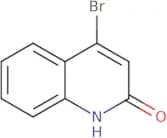
CAS :<p>4-Bromo-2H-chromen-2-one is a coumaryl derivative that can be synthesized by the coupling of an aryl boronic acid with a chlorocoumarin. Coumarin derivatives are important for their vibrational, stereoselective, and synthetic properties. Coumarin derivatives have been used to synthesize arylboronates and palladium catalyzed cross couplings. They also inhibit the activity of soybean lipoxygenase in vitro and are used as anti-inflammatory agents. Coumarin derivatives are often found in natural products such as plants and animals. They can be differentiated from other aromatic compounds due to their functional groups, halides, or palladium catalyzed coupling reactions.</p>Formule :C9H5BrO2Degré de pureté :Min. 95%Masse moléculaire :225.04 g/mol4-Bromoquinolin-2-one
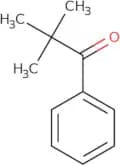
CAS :<p>Versatile small molecule scaffold</p>Formule :C9H6BrNODegré de pureté :Min. 95%Masse moléculaire :224.06 g/mol2,2-dimethyl-1-phenylpropan-1-one
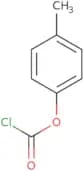
CAS :<p>2,2-dimethyl-1-phenylpropan-1-one is a reactive chemical that reacts with phosphorus pentachloride to form 2,2-dimethyloxirane. This compound has been shown to react with methoxy groups to form the oxirane ring. The UV absorption spectrum of this compound shows two bands at 222 nm and 246 nm. This reaction can be performed in a lab by combining the reactants in a hydroxide solution or sodium hydroxide solution. The transfer reactions can be performed using a solid catalyst such as silica gel, aluminum chloride, or titanium tetrachloride.<br>The reaction mechanism for this compound is a free radical addition of the methyl group to the phosphorus pentachloride molecule. The activation energies for this reaction are low because there are relatively few steps involved.</p>Formule :C11H14ODegré de pureté :Min. 95%Masse moléculaire :162.23 g/molp-Tolyl chloroformate
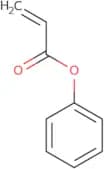
CAS :<p>The p-tolyl chloroformate (PCOCl) is a reactive organic compound that belongs to the group of pharmaceutical preparations. It has a functional group of hydroxy group, which is eliminated by reaction with chlorine in the presence of base. PCOCl is also used as a precursor for the synthesis of other compounds. The pharmacokinetic properties and cardiovascular effects have been studied in animals. This compound has been shown to have natriuretic properties and can be used for the treatment of inflammatory diseases.</p>Formule :C8H7ClO2Degré de pureté :Min. 95%Couleur et forme :Clear LiquidMasse moléculaire :170.59 g/molPhenyl acrylate
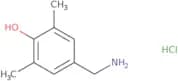
CAS :<p>Phenyl acrylate is a molecule that belongs to the class of aliphatic hydrocarbons. It is a boron nitride-based film-forming polymer and has been shown to have potential as a coating material for radiation protection. Phenyl acrylate is able to form films that are resistant to chloride erosion and can be used in nuclear power plants, where it can be used as an efficient method for preventing the release of radioactive materials.</p>Formule :C9H8O2Degré de pureté :Min. 95%Masse moléculaire :148.16 g/mol4-(Aminomethyl)-2,6-dimethylphenol hydrochloride
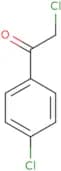
CAS :Versatile small molecule scaffoldFormule :C9H14ClNODegré de pureté :Min. 95%Masse moléculaire :187.66 g/mol2-Chloro-1-(4-chlorophenyl)ethanone
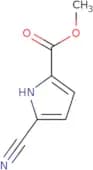
CAS :<p>2-Chloro-1-(4-chlorophenyl)ethanone is a pyrazole derivative that inhibits the production of proinflammatory cytokines, such as tumor necrosis factor-α (TNF-α), interleukin 1β (IL-1β), and IL-6. It also exhibits significant anti-inflammatory activity. 2-Chloro-1-(4-chlorophenyl)ethanone is synthesized from the Grignard reagent and chloroacetaldehyde. The synthesis proceeds in two steps: first, the Grignard reagent is added to chloroacetaldehyde in DMF at -78°C to form an organometallic intermediate; second, the organometallic intermediate reacts with an acid chloride to produce the desired product. This reaction can be catalyzed by aluminium chloride or zinc chloride. 2CPAE has a high solubility in organic solvents and surfactants such as sodium dodecyl</p>Formule :C8H6Cl2ODegré de pureté :Min. 95%Masse moléculaire :189.04 g/molMethyl 5-cyano-1H-pyrrole-2-carboxylate
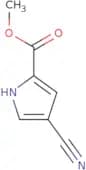
CAS :Methyl 5-cyano-1H-pyrrole-2-carboxylate is a chiral, intramolecular catalysis inhibitor of the enzyme acetylcholinesterase. It is a potent compound that inhibits the activity of this enzyme and prevents the breakdown of acetylcholine in the brain. Methyl 5-cyano-1H-pyrrole-2-carboxylate binds to the active site with an axial orientation and has been shown to be selective for parp-1. This molecule also inhibits other enzymes that are involved in protein synthesis and cell signaling, such as alkenes and alkaloids. Methyl 5-cyano-1H-pyrrole-2-carboxylate may have therapeutic value as a treatment for Alzheimer's disease due to its ability to inhibit acetylcholinesterase activity.Formule :C7H6N2O2Degré de pureté :Min. 95%Masse moléculaire :150.13 g/molMethyl 4-cyano-1H-pyrrole-2-carboxylate
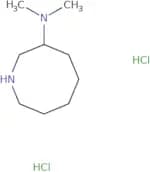
CAS :Versatile small molecule scaffoldFormule :C7H6N2O2Degré de pureté :Min. 95%Masse moléculaire :150.13 g/molN,N-Dimethylazocan-3-amine dihydrochloride
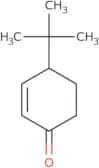
CAS :<p>Versatile small molecule scaffold</p>Formule :C9H22Cl2N2Degré de pureté :Min. 95%Masse moléculaire :229.2 g/mol4-tert-Butylcyclohex-2-en-1-one
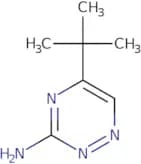
CAS :<p>Versatile small molecule scaffold</p>Formule :C10H16ODegré de pureté :Min. 95%Masse moléculaire :152.23 g/mol5-tert-Butyl-1,2,4-triazin-3-amine
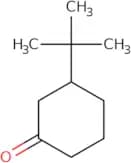
CAS :<p>Versatile small molecule scaffold</p>Formule :C7H12N4Degré de pureté :Min. 95%Masse moléculaire :152.2 g/mol3-tert-Butylcyclohexan-1-one
CAS :<p>3-tert-Butylcyclohexan-1-one is a compound that belongs to the family of solutes. It has been shown to inhibit cancer cells in xenopus oocytes and rat liver cells. 3-tert-Butylcyclohexan-1-one induces apoptosis by inhibiting the synthesis of proteins, which are vital for cell division. In addition, it inhibits the activity of gamma-aminobutyric acid (GABA) by binding to its receptor and acts as a competitive inhibitor of the GABA receptor. This compound also has allosteric modulating effects on alpha 2A adrenergic receptors.br>br><br>3-tert-Butylcyclohexan-1-one is not toxic at nontoxic doses and does not cause any adverse side effects such as kidney damage or liver toxicity.</p>Formule :C10H18ODegré de pureté :Min. 95%Couleur et forme :Clear LiquidMasse moléculaire :154.25 g/molrac-[(1R,2R)-2-Phenylcyclopropyl]methanamine hydrochloride
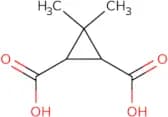
CAS :Versatile small molecule scaffoldFormule :C10H14ClNDegré de pureté :Min. 95%Masse moléculaire :183.7 g/mol(1R,2S)-3,3-Dimethylcyclopropane-1,2-dicarboxylic acid
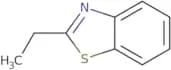
CAS :(1R,2S)-3,3-Dimethylcyclopropane-1,2-dicarboxylic acid is an oxidation product of 1,2-cyclohexanedione. It is a colorless crystalline solid that can be extracted from the oxidation of cyclopentanone with permanganate. The oxidizing properties of (1R,2S)-3,3-dimethylcyclopropane-1,2-dicarboxylic acid are due to its ability to react with hydrogen peroxide and water to form hydroxyacetic acid. This compound has been used in the synthesis of other chemicals and pharmaceuticals.Formule :C7H10O4Degré de pureté :Min. 95%Masse moléculaire :158.15 g/mol2-Ethyl-1,3-benzothiazole
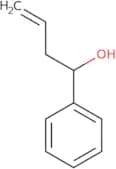
CAS :<p>2-Ethyl-1,3-benzothiazole is a diagnostic agent that is used in the diagnosis of cancer. It can be used to detect the presence of epidermal growth factor (EGF) in body fluids or tissues. 2-Ethyl-1,3-benzothiazole has been shown to bind to EGFR and stimulate its receptor activity. This results in increased EGF production and proliferation of cells. 2-Ethyl-1,3-benzothiazole has also been shown to have antimicrobial properties and may be useful for the treatment of microbial infections.</p>Formule :C9H9NSDegré de pureté :Min. 95%Masse moléculaire :163.24 g/mol1-Phenyl-3-buten-1-ol
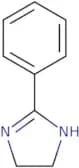
CAS :<p>1-Phenyl-3-buten-1-ol is an organometallic compound that is synthesized by the reaction of zinc powder and allyl bromide in a hydrochloric acid solution. This reaction system is acidic, which can be controlled using a base. The reaction mechanism for this process has been studied using functional theory and was found to be a concerted type of radical addition. The immobilization of 1-phenyl-3-buten-1-ol on mesoporous silica particles enhances its photocatalytic activity.</p>Formule :C10H12ODegré de pureté :Min. 95%Masse moléculaire :148.21 g/mol2-Phenyl-2-imidazoline
CAS :<p>2-Phenyl-2-imidazoline is a monolayer that is used as an inhibitor. It has been shown to inhibit the activity of a variety of enzymes, including oxidoreductases, hydrolases, esterases, and transferases. 2-Phenyl-2-imidazoline forms crosslinks between polycarboxylic acid chains and inhibits the formation of biofilms by attaching to the surface of bacteria. It is also used as a redox potential probe in Langmuir adsorption isotherm studies.</p>Formule :C9H10N2Degré de pureté :Min. 95%Masse moléculaire :146.19 g/mol5-Phenyl-4,5-dihydro-1H-pyrazole
CAS :5-Phenyl-4,5-dihydro-1H-pyrazole is a functional theory that was developed to explain the relationship between the electron and phosphor spectra of pyrazoles. The experimental population is composed of four different five-membered pyrazoles that were synthesized for this study. Theory has been used to predict the possible electron and phosphor spectra for these compounds. Fluorescence has also been studied in order to determine the number of hydrogens present on the benzene ring. Diffraction data has been collected for 5-phenyl-4,5-dihydro-1H-pyrazole crystal structure. The introduction of ethylene will be discussed in depth in Chapter 7.Formule :C9H10N2Degré de pureté :Min. 95%Masse moléculaire :146.19 g/mol(1-Chloro-2-methylpropyl)benzene
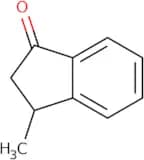
CAS :<p>1-Chloro-2-methylpropylbenzene is a medicine that has been used in the treatment of cancer. It is an alkylating agent and a chloride channel blocker. It interferes with the production of proteins by disrupting DNA and RNA synthesis, leading to cancer cell death. The reaction time for 1-chloro-2-methylpropylbenzene is constant at pH 7.4 and 37°C, due to its high reactivity. This alkylating agent also inhibits the activity of hydroxylase enzymes in fungi and nitroreductase enzymes in bacteria, which are responsible for the synthesis of nitric oxide (NO).</p>Formule :C10H13ClDegré de pureté :Min. 95%Masse moléculaire :168.66 g/mol(3S)-3-Methyl-2,3-dihydro-1H-inden-1-one
CAS :Versatile small molecule scaffoldFormule :C10H10ODegré de pureté :Min. 95%Masse moléculaire :146.19 g/mol1H-Pyrrole-3,4-dicarboxylic acid
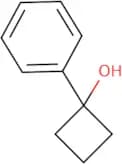
CAS :<p>1H-Pyrrole-3,4-dicarboxylic acid is a benzyl substituted derivative of pyrrole that exhibits photophysical properties in the visible region of the spectrum. The crystal structure is composed of a hexagonal unit cell with a lattice parameter of 2.914 Å, containing one molecule in the asymmetric unit. It has been shown to undergo cycloaddition reactions with azomethine ylides to form 1,3-dipolar adducts. Substituent effects on the reactivity and photophysical properties have been evaluated by comparing 1H-pyrrole-3,4-dicarboxylic acid with its diethyl ester and sterically hindered carboxy analogues.</p>Formule :C6H5NO4Degré de pureté :Min. 95%Masse moléculaire :155.11 g/mol1-Phenylcyclobutan-1-ol
CAS :1-Phenylcyclobutan-1-ol is a functional group that is used in the production of cyclopentyl and cyclobutanol. It has been shown to be an alkylating agent that can react with the -OH group on another molecule, forming a C-O bond between them. This type of reaction is called a ring opening, which can lead to stabilization of the molecule. 1-Phenylcyclobutan-1-ol also reacts with ammonium nitrate in an elimination reaction to form an aldimine, which can then dissociate into two molecules of ammonia and one molecule of water. The end result is the formation of ammonia and water.Formule :C10H12ODegré de pureté :Min. 95%Masse moléculaire :148.2 g/molω-Octalactam
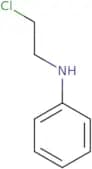
CAS :ω-Octalactam is a lactam compound, which is an eight-membered lactam ring structure. It is derived from caprolactam, which is predominantly obtained through the chemical cyclization of 6-aminocaproic acid or by Beckmann rearrangement of cyclohexanone oxime. The mode of action involves the polymerization process, where ω-Octalactam acts as a monomer that can undergo ring-opening polymerization. This process is facilitated by specific catalysts that activate the lactam ring, allowing it to polymerize into longer chains, which is a crucial step in forming polyamides.Formule :C8H15NODegré de pureté :Min. 95%Masse moléculaire :141.21 g/molN-(2-Chloroethyl)aniline
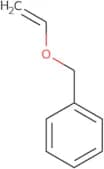
CAS :N-(2-Chloroethyl)aniline is a chemical compound that contains the functional groups of aniline and chloroethane. The reaction rate of N-(2-chloroethyl)aniline with DNA is damaging, which may lead to covalent adducts. This chemical can also form bifunctional molecules with DNA, which can be toxic to cells. Furthermore, this molecule has shown antitumour activity and has been used in chemotherapy for patients with cancer. It has also been shown to activate receptor α and induce cell apoptosis. N-(2-Chloroethyl)aniline can be conjugated with fk506 or other drugs to produce reactive derivatives that have a more selective action on tumour cells than on normal cells.Formule :C8H10ClNDegré de pureté :Min. 95%Masse moléculaire :155.62 g/mol(Vinyloxymethyl)benzene
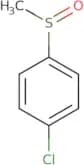
CAS :Vinyloxymethylbenzene is a reactive compound that can be used to produce polyvinyl ethers with cationic polymerization. Vinyloxymethylbenzene reacts with hydrogen fluoride and hydrochloric acid to form the vinyl ether. The vinyl ether is formed by the reaction of a benzyl group with an inorganic acid, such as sulfuric acid or phosphoric acid. Hydroxyl groups are also present on the molecule, which can react with inorganic acids and form ester linkages.Formule :C9H10ODegré de pureté :Min. 95%Masse moléculaire :134.18 g/mol1-Chloro-4-(methylsulfinyl)benzene
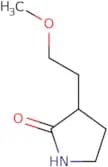
CAS :<p>1-Chloro-4-(methylsulfinyl)benzene (MSMB) is a sulfoxide that is used as a regulatory agent. The toxicity of MSMB has been studied in several species, including the rat, mouse, and rabbit. Growth factor levels have been shown to be reduced with dietary concentrations of up to 100 ppm in rats. Depression was observed in both sexes at doses as low as 10 ppm. MSMB is metabolized by the liver and excreted primarily in the urine. It exhibits pharmacokinetic properties that are similar to those of other sulfoxides, including rapid absorption, high bioavailability, and rapid elimination.</p>Formule :C7H7ClOSDegré de pureté :Min. 95%Masse moléculaire :174.65 g/mol3-(2-Methoxyethyl)pyrrolidin-2-one
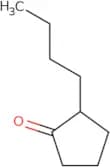
CAS :<p>Versatile small molecule scaffold</p>Formule :C7H13NO2Degré de pureté :Min. 95%Masse moléculaire :143.18 g/mol2-Butylcyclopentanone
CAS :<p>2-Butylcyclopentanone is a protonated molecule that can be used in the kinetic protonation of alkyl halides. It has been shown to catalyze the formation of chiral carbanions from enolates and to form stereoisomers by kinetic asymmetric addition. The homologous series of 2-butylcyclopentanones has been studied extensively, as these molecules have been shown to have a wide range of uses, including as catalysts and reagents in organic synthesis. <br>The mechanistic studies on this molecule have revealed that it is an electrophilic alkylation agent that reacts with nucleophiles at the protonated carbon atom. The selectivity of this reaction depends on the reactivity of the nucleophile, with more reactive nucleophiles leading to higher levels of selectivity. Protonation and alkylation are reversible processes and equilibrium constants for these reactions can be determined experimentally by measuring rates for both forward and</p>Formule :C9H16ODegré de pureté :Min. 95%Masse moléculaire :140.22 g/mol3-Methyl-1-(propan-2-yl)-4,5-dihydro-1H-pyrazol-5-one
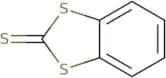
CAS :Versatile small molecule scaffoldFormule :C7H12N2ODegré de pureté :Min. 95%Masse moléculaire :140.18 g/mol2H-1,3-Benzodithiole-2-thione
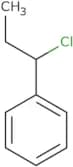
CAS :<p>2H-1,3-Benzodithiole-2-thione is a naturally occurring thiocarbamate found in urine samples of humans and Chinese medicinal herbs. It has been shown to have cancer chemopreventive effects as well as being able to inhibit the growth of human colon cancer cells in vitro. 2H-1,3-Benzodithiole-2-thione inhibits the transcriptional regulation of genes involved in cellular uptake and detoxification of xenobiotics by binding to the glutathione S transferase GSTP1. This compound also inhibits the synthesis of glucosinolates in plants, which are known for their antioxidant properties. 2H-1,3-Benzodithiole-2-thione can be synthesized from hydrogen chloride and benzyl mercaptan using an efficient method that does not require expensive reagents or solvents.</p>Formule :C7H4S3Degré de pureté :Min. 95%Masse moléculaire :184.3 g/mol(1-Chloro-propyl)-benzene
CAS :<p>Propiophenone is a chemical compound with the molecular formula CHClO. It is a chlorinated derivative of phenol. Propiophenone is produced by reacting hexamethylenetetramine with chlorine in the presence of a catalyst, such as iron chloride, and an acid, such as hydrochloric acid. The reaction produces two products: (1) 1-chloro-2-methylpropene and (2) propiophenone. The yield of propiophenone can be increased by adding methylcyclohexane to the reaction mixture. This addition increases the rate at which hexamethylenetetramine reacts with chlorine, increasing the amount of 1-chloro-2-methylpropene formed and reducing the formation of other products from hexamethylenetetramine. Propiophenone can be prepared from chloromethylation of benzene followed by hydrolysis or from conversion of propionaldehyde to propiol</p>Formule :C9H11ClDegré de pureté :Min. 95%Masse moléculaire :154.64 g/mol2-Cyclopentylglycine
CAS :2-Cyclopentylglycine is an analog of the amino acid 2-cyclohexen-1-ylglycine. It is a competitive inhibitor of S-adenosylmethionine synthetase, which inhibits bacterial growth. The synthesis of 2-cyclopentylglycine was achieved through the reaction of alicyclic and cycloleucine with l-threonine in the presence of sodium hydride, followed by hydrolysis with hydrochloric acid. This analog has inhibitory properties on bacteria, which may be due to its ability to inhibit complementarity and biosynthesis. 2-Cyclopentylglycine also inhibits biological activities such as protein synthesis and DNA replication.Formule :C7H13NO2Degré de pureté :Min. 95%Masse moléculaire :143.18 g/molMethyl 1-methylpyrrolidine-2-carboxylate
CAS :<p>Methyl 1-methylpyrrolidine-2-carboxylate (MPCA) is a ligand that binds to the dopamine receptors, which are located in the central nervous system. MPCA also has agonistic activity and it inhibits the release of dopamine. This compound has been shown to bind to the oxadiazole derivatives, which are ligands for dopamine receptors. The biological activity of MPCA has been demonstrated using a result from a neurotoxicity study in mice. MPCA is chemically similar to oxadiazole analogues, which have been shown to inhibit blood-brain barrier permeability.</p>Formule :C7H13NO2Degré de pureté :Min. 95%Masse moléculaire :143.18 g/mol5-Bromo-1-methyl-4-nitro-1H-imidazole
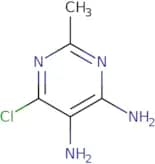
CAS :<p>5-Bromo-1-methyl-4-nitro-1H-imidazole is a nitroimidazole compound that has been shown to have antibacterial activity against gram-positive and gram-negative bacteria. The mechanism of action of this drug is not fully understood, but it is thought to be due to the ability of the drug to act as a substrate for bacterial nitroreductase enzymes, which are involved in nitrogen metabolism. 5BrNMI also inhibits DNA gyrase and topoisomerase IV and may inhibit cell wall synthesis. 5BrNMI can be used as an alternative treatment for infections caused by staphylococci or epidermidis.</p>Formule :C4H4BrN3O2Degré de pureté :Min. 95%Masse moléculaire :206 g/mol6-Chloro-2-methylpyrimidine-4,5-diamine
CAS :<p>Versatile small molecule scaffold</p>Formule :C5H7ClN4Degré de pureté :Min. 95%Masse moléculaire :158.59 g/molcis-3,3,5-Trimethylcyclohexanol
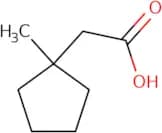
CAS :<p>cis-3,3,5-Trimethylcyclohexanol is an organic compound that is the result of an epimerization reaction. This reaction involves the conversion of 3,3-dimethylcyclohexanone to cis-3,3,5-trimethylcyclohexanol. The production of this compound has been shown to be dependent on the use of a solvent and acid catalyst. cis-3,3,5-Trimethylcyclohexanol is also known by its synonym 2(1H)-pyridinone. It has been shown that this chemical can be synthesized in a supercritical fluid at a rate of about 100 milliliters per hour. This chemical has been studied for its pharmacokinetic properties and has been found to have a half life in rats of about 150 minutes.</p>Formule :C9H18ODegré de pureté :Min. 95%Masse moléculaire :142.24 g/mol2-(1-Methylcyclopentyl)acetic acid
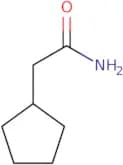
CAS :<p>Versatile small molecule scaffold</p>Formule :C8H14O2Degré de pureté :Min. 95%Masse moléculaire :142.2 g/mol2-Cyclopentylacetamide
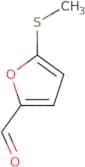
CAS :<p>2-Cyclopentylacetamide is a drug that has been used in the treatment of metabolic disorders and infectious diseases. It has been shown to be effective in treating hepatitis, degenerative diseases, and autoimmune diseases. 2-Cyclopentylacetamide is also used as a cancer chemotherapeutic agent. This drug inhibits cell proliferation by interacting with the glut1 receptor, which is an enzyme that catalyzes glucose uptake into cells. The inhibition of this enzyme prevents cells from taking up glucose to produce energy and leads to cell death. 2-Cyclopentylacetamide also inhibits the activity of hydrogen bond formation between two molecules of the same type. This drug binds to intramolecular hydrogen bonds and prevents them from forming between two different types of molecules.</p>Formule :C7H13NODegré de pureté :Min. 95%Masse moléculaire :127.18 g/mol5-(Methylsulfanyl)furan-2-carbaldehyde
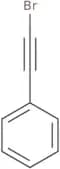
CAS :<p>Versatile small molecule scaffold</p>Formule :C6H6O2SDegré de pureté :Min. 95%Masse moléculaire :142.18 g/mol(Bromoethynyl)benzene
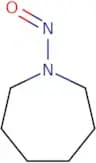
CAS :<p>Bromoethynylbenzene is a chemical compound that contains an amine group and a hydroxyl group. It is a nucleophilic reagent that can be used in cross-coupling reactions with sodium trifluoroacetate to produce 2,6-dihydroxypyridine from 2-aminoethanol. Bromoethynylbenzene has been shown to have therapeutic effects in degenerative diseases such as bowel disease. The mechanism of this drug's function is not well understood, but it has been shown to have anti-inflammatory effects and inhibit the production of inflammatory cytokines, which may lead to its therapeutic effects.</p>Formule :C8H5BrDegré de pureté :Min. 95%Masse moléculaire :181.03 g/mol1-Nitrosoazepane
CAS :<p>1-Nitrosoazepane is a cytotoxic agent that is used in the treatment of severe forms of cancer. It has been shown to cause cervical and vaginal cancers in rats, but not in mice. 1-Nitrosoazepane is also known to be teratogenic, causing birth defects in rat fetuses and hamsters. This drug binds to DNA and activates the cellular enzyme hydroxylase, which converts it into a reactive form that causes DNA damage. The cytotoxic activity of 1-nitrosoazepane is due to its ability to react with DNA and other macromolecules. This reactive form can be further oxidized by radiation or hydrogen peroxide, leading to cell death by apoptosis.</p>Formule :C6H12N2ODegré de pureté :Min. 95%Masse moléculaire :128.17 g/mol5-Isopropyl-2,4-dihydro-[1,2,4]triazol-3-one
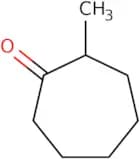
CAS :Versatile small molecule scaffoldFormule :C5H9N3ODegré de pureté :Min. 95%Masse moléculaire :127.14 g/mol2-Methylcycloheptan-1-one
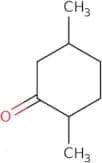
CAS :<p>2-Methylcycloheptan-1-one is a molecule that belongs to the group of unsaturated ketones. It has been synthesized by an alkylation reaction with trifluoroacetic acid, followed by imine formation and cyclization. The compound was identified as a stereoselective molecule with a molecular ion at m/z = 166. The mass spectrum also revealed the presence of isomeric forms of this molecule.</p>Formule :C8H14ODegré de pureté :Min. 95%Masse moléculaire :126.2 g/mol2,5-Dimethylcyclohexanone
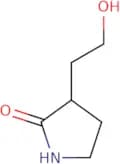
CAS :<p>2,5-Dimethylcyclohexanone is a reactive methyl ketone that can be used to synthesize organic molecules. It has been shown to react with alkyl lithium reagents such as organolithium and allyllithium. This reaction can be used to generate alcohols, amines, and other compounds. The product of the reaction depends on the type of R group on the 2,5-dimethylcyclohexanone molecule. For example, when R is an electron-withdrawing group such as a phenyl group or trans-stilbene, the product is an α-alkylated β-unsaturated ketone. When R is a hydrogen atom or methyl group, the product is an alkanol or amine respectively.<br>2,5-Dimethylcyclohexanone can also be used as an acceptor in conformational equilibration reactions because it has two methyl groups that are orthogonal to each other</p>Formule :C8H14ODegré de pureté :Min. 95%Masse moléculaire :126.2 g/mol3-(2-Hydroxyethyl)pyrrolidin-2-one
CAS :3-(2-Hydroxyethyl)pyrrolidin-2-one is a lactone that is synthesized from vinyl ethers and cyclopentadiene. It has been used as an intermediate for the synthesis of lactams, cyclopentadiene, pyrrolidones, ethers, vinyl ether adducts, dienes and condensation products. 3-(2-Hydroxyethyl)pyrrolidin-2-one can also be used to produce caprolactam by the dimerization of hexachlorocyclopentadiene.Formule :C6H11NO2Degré de pureté :Min. 95%Masse moléculaire :129.16 g/mol3-(2-Chloroethyl)pyrrolidin-2-one
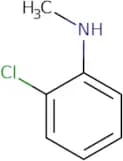
CAS :<p>Versatile small molecule scaffold</p>Formule :C6H10ClNODegré de pureté :Min. 95%Masse moléculaire :147.6 g/mol2-Chloro-N-methylaniline
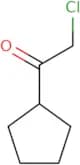
CAS :<p>2-Chloro-N-methylaniline (2CMA) is an amine that has two functional groups, the amino group and the chloro group. The amino group is a nucleophile and can form hydrogen bonds with other molecules. 2CMA has been shown to have a ring opening reaction with selenium compounds, which may be due to its electron withdrawing properties. This amine also has surface properties that make it useful for cleaning purposes. It has been shown to have a mitochondrial membrane potential, which may be due to its ability to bind with proteins in the mitochondrial membrane. 2CMA also binds with proteins on the outside of the mitochondria and can change the membrane potential by opening or closing pores.</p>Formule :C7H8ClNDegré de pureté :Min. 95%Masse moléculaire :141.6 g/mol2-Chloro-1-cyclopentylethan-1-one
CAS :<p>2-Chloro-1-cyclopentylethan-1-one is an affinity agent that binds to the gastrin receptor, which is a G protein coupled receptor. It also has high affinity for cck-a and heterocyclic group. 2-Chloro-1-cyclopentylethan-1-one is used in the treatment of peptic ulcer disease, Zollinger Ellison syndrome, and dyspepsia. It is also used as an anxiolytic and a sedative drug. 2CPCEO has been shown to be a benzodiazepine with a hydrogen atom. This benzodiazepine has an alkoxycarbonyl group at the end of its structure.</p>Formule :C7H11ClODegré de pureté :Min. 95%Masse moléculaire :146.61 g/mol2-Chlorocyclohexane-1,3-dione
CAS :<p>Versatile small molecule scaffold</p>Formule :C6H7ClO2Degré de pureté :Min. 95%Masse moléculaire :146.57 g/mol2-Acetyl-1-methylpyrrole
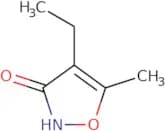
CAS :<p>2-Acetyl-1-methylpyrrole is a reactive compound that has been shown to react with palladium complexes. It also reacts with methyl ketones, forming acetate extract and quinoline derivatives. The reaction products of 2-acetyl-1-methylpyrrole have been studied by means of NMR spectroscopy and X-ray crystal structures. Kinetic studies show that hepg2 cells catalyze the reaction between 2-acetyl-1-methylpyrrole and hydrochloric acid.</p>Formule :C7H9NODegré de pureté :Min. 95%Masse moléculaire :123.16 g/mol4-Ethyl-5-methyl-1,2-oxazol-3-ol
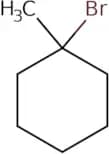
CAS :<p>Versatile small molecule scaffold</p>Formule :C6H9NO2Degré de pureté :Min. 95%Masse moléculaire :127.14 g/mol1-Bromo-1-methylcyclohexane
CAS :<p>1-Bromo-1-methylcyclohexane is a monomolecular gas that is used as an intermediate in organic synthesis. It reacts with halides to form cyclopentyl derivatives. This reaction has been shown to be faster than the corresponding reaction of 1-bromocyclohexane with chlorides or bromides. The rate of this reaction may be due to the polarizability and conformational changes of the molecule upon substitution by a methyl group. 1-Bromo-1-methylcyclohexane is also an ionizing reagent, which means it can cause electrophilic reactions to occur on other molecules. It has been found that the solvent effect on this product can affect its reactivity, with solvents such as water having more of an effect than solvents such as benzene. 1-Bromo-1-methylcyclohexane has been shown to interact with other compounds in both transfer and complex</p>Formule :C7H13BrDegré de pureté :Min. 95%Masse moléculaire :177.08 g/mol2-Methoxypyrimidine
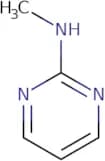
CAS :<p>2-Methoxypyrimidine is an organic compound that is a member of the heterocyclic class of compounds. It has been shown to have an inhibitory effect on serine proteases, which are enzymes that help regulate processes such as blood pressure and inflammation. 2-Methoxypyrimidine has also been investigated for use in cancer therapy, specifically targeting lymphatic vessels and caco-2 cells. The drug's potential use may be due to its ability to bind to the carbonyl group on cancer targets. 2-Methoxypyrimidine has two tautomers: enol and keto. It is currently unclear if these tautomers have different effects on the human body.</p>Formule :C5H6N2ODegré de pureté :Min. 95%Masse moléculaire :110.11 g/mol2-Methylaminopyrimidine
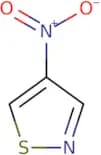
CAS :<p>2-Methylaminopyrimidine is a purine derivative that has been studied for its possible use in the treatment of chronic arthritis and bowel disease. In vitro studies have shown that this drug inhibits glycogen synthase kinase-3 (GSK-3), which is an enzyme involved in the inflammatory response. The drug may also be useful as a conditioning agent before radiation therapy. 2-Methylaminopyrimidine is also an amide, which means it can react with biological samples such as proteins, nucleic acids, and lipids. It has been used as a biochemical probe to study the eye disorder retinal degeneration. This drug is also used to study inflammatory diseases and to produce tautomers by reacting with oxygen molecules.</p>Formule :C5H7N3Degré de pureté :Min. 95%Masse moléculaire :109.13 g/mol4-Nitroisothiazole
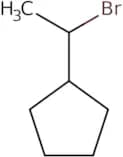
CAS :<p>4-Nitroisothiazole is a nitro derivative of isothiazole that has been shown to have inhibitory effects on bacterial growth. It has been shown to be active against the gram-positive bacterium, Staphylococcus aureus, and the gram-negative bacterium Escherichia coli. 4-Nitroisothiazole inhibits the growth of bacteria by binding to the cytoplasmic membrane, leading to an increase in the redox potential and preventing electron transport. 4-Nitroisothiazole also inhibits cellular respiration and protein synthesis, which leads to cell death.</p>Formule :C3H2N2O2SDegré de pureté :Min. 95%Masse moléculaire :130.13 g/mol(1-Bromoethyl)cyclopentane
CAS :<p>Versatile small molecule scaffold</p>Formule :C7H13BrDegré de pureté :Min. 95%Masse moléculaire :177.08 g/mol

![4-Phenylbicyclo[2.2.2]octane-1-carboxylic acid ee](/_next/image/?url=https%3A%2Fstatic.cymitquimica.com%2Fproducts%2F3D%2Fthumb-webp%2FAAA95369.webp&w=3840&q=75)
![2,3-Dimethoxy-6,7,8,9-tetrahydro-5H-benzo[7]annulen-5-one](/_next/image/?url=https%3A%2Fstatic.cymitquimica.com%2Fproducts%2F3D%2Fthumb-webp%2FAAA95199.webp&w=3840&q=75)
![3',4'-Dihydro-1'H-spiro[cyclohexane-1,2'-quinazoline]-4'-one](/_next/image/?url=https%3A%2Fstatic.cymitquimica.com%2Fproducts%2F3D%2Fthumb-webp%2FAAA95031.webp&w=3840&q=75)
![Benzo[D]thiazole-2-sulfonic acid](/_next/image/?url=https%3A%2Fstatic.cymitquimica.com%2Fproducts%2F3D%2Fthumb-webp%2FAAA94157.webp&w=3840&q=75)
![5-pyridin-4-yl-2,4-dihydro-[1,2,4]triazol-3-one](/_next/image/?url=https%3A%2Fstatic.cymitquimica.com%2Fproducts%2F3D%2Fthumb-webp%2FAAA93908.webp&w=3840&q=75)

![rac-[(1R,2R)-2-Phenylcyclopropyl]methanamine hydrochloride](/_next/image/?url=https%3A%2Fstatic.cymitquimica.com%2Fproducts%2F3D%2Fthumb-webp%2FAAA93697.webp&w=3840&q=75)







![5-Isopropyl-2,4-dihydro-[1,2,4]triazol-3-one](/_next/image/?url=https%3A%2Fstatic.cymitquimica.com%2Fproducts%2F3D%2Fthumb-webp%2FAAA93263.webp&w=3840&q=75)