Building Blocks
Sous-catégories appartenant à la catégorie "Building Blocks"
- Acides boroniques et dérivés de l'acide boronique(5.778 produits)
- Building Blocks Chiraux(1.243 produits)
- Building Blocks Hydrocarbonés(6.098 produits)
- Building Blocks organiques(61.042 produits)
204339 produits trouvés pour "Building Blocks"
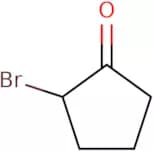
2-Bromocyclopentanone
CAS :2-Bromocyclopentanone is an organic molecule that is used in the synthesis of epoxides. It is also a potential precursor for the synthesis of polymers, dyes, and pharmaceuticals. 2-Bromocyclopentanone has been shown to undergo photolysis when irradiated with ultraviolet light or through chemical reaction with acetonitrile. This product has two conformers with different rotational barriers and corresponding spectral properties. The two conformers can be distinguished by their ultraviolet spectra. The synthetic methods for 2-bromocyclopentanone involve halogenation followed by hydrolysis to yield bromoacetic acid, which is then converted to the desired product by acylation or alkylation.
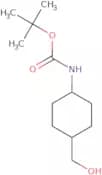
Formule :C5H7BrODegré de pureté :Min. 95%Masse moléculaire :163.01 g/moltert-Butyl trans-4-(hydroxymethyl)cyclohexylcarbamate
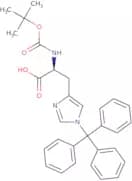
CAS :Please enquire for more information about tert-Butyl trans-4-(hydroxymethyl)cyclohexylcarbamate including the price, delivery time and more detailed product information at the technical inquiry form on this pageFormule :C12H23NO3Degré de pureté :Min. 95%Masse moléculaire :229.32 g/molBoc-His(Trt)-OH
CAS :Boc-His(Trt)-OH is a chemical compound that has been used in the laboratory to study uptake and binding of compounds. It is stable in complex with albumin, which has led to its use as a model system for studying hepatic steatosis. This chemical can be synthesized by solid-phase synthesis with trifluoroacetic acid and polypeptide synthesis. FT-IR spectroscopy has been used to characterize Boc-His(Trt)-OH, revealing its chemical diversity.
Formule :C30H31N3O4Degré de pureté :Min. 95%Couleur et forme :PowderMasse moléculaire :497.58 g/mol(Ir[dF(CF3)ppy]2(dtbpy))PF6
CAS :Ir(dF(CF3)ppy)2 (dtbpy)PF6 is a photosensitizer that can be used in cycloaddition reactions. It is soluble in nonpolar solvents and can be used as a catalyst for cycloadditions involving uncharged substrates. Ir(dF(CF3)ppy)2 (dtbpy)PF6 has been shown to catalyze the transfer of an electron from a donor molecule to an acceptor molecule, which generates energy that can be transferred to the environment. This process is called "energy transfer."Formule :C42H34F16IrN4PDegré de pureté :Min. 95%Masse moléculaire :1,121.91 g/molBoc-Tyr(tBu)-OH
CAS :Boc-Tyr(tBu)-OH is a chemical compound that is part of the class of lactams. It has been shown to have antitumor activity in vitro and in vivo, but it has not yet been tested for its cytotoxicity. This compound is synthesized by solid-phase synthesis and contains a disulfide bond, which may contribute to its cytotoxicity. Boc-Tyr(tBu)-OH has also been shown to have high affinity for the alpha 2A adrenergic receptor subtype and other receptors with an isosteric carbonyl group.Formule :C18H27NO5Degré de pureté :Min. 95%Couleur et forme :PowderMasse moléculaire :337.41 g/molMethyl 3-formyl-4-methoxybenzoate
CAS :Versatile small molecule scaffold
Formule :C10H10O4Degré de pureté :Min. 95%Masse moléculaire :194.19 g/mol8-Boc-3,8-diaza-bicyclo[3.2.1]octane
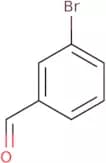
CAS :8-Boc-3,8-diaza-bicyclo[3.2.1]octane is a functional group that can be used in the preparation of pharmaceutical preparations. It is insoluble in water and soluble in organic solvents. This compound has been shown to be effective in the treatment of neurodegenerative diseases such as Alzheimer's disease and Parkinson's disease. 8-Boc-3,8-diaza-bicyclo[3.2.1]octane has also been shown to have protective effects against sae-cd induced cytotoxicity by upregulating the expression of antiapoptotic proteins Bcl2 and Bclxl, which are important for neuronal cell survival.Formule :C11H20N2O2Degré de pureté :Min. 95%Masse moléculaire :212.29 g/mol3-Bromobenzaldehyde
CAS :3-Bromobenzaldehyde is an organic compound with the formula CHBrCHO. It is a colorless liquid that is soluble in many organic solvents. 3-Bromobenzaldehyde can be synthesized by the reaction of ethyl acetoacetate and anhydrous sodium in methanol, and can be purified by distillation or recrystallization from ethanol. This compound has been used as a solvent for analytical methods, such as GC-MS analysis, due to its high boiling point and low volatility. 3-Bromobenzaldehyde also reacts with hydrogen chloride to form benzoyl chloride, which can then be reacted with alcohols to produce esters. 3-Bromobenzaldehyde has been shown to react with chalcones to form optical active compounds, such as curcumin analogues. These reactions are typically carried out in solution using acetic acid or sulfuric acid as a catalyst.br>br>Formule :C7H5BrODegré de pureté :Min. 95%Masse moléculaire :185.02 g/molN-Boc-glycine
CAS :N-Boc-glycine is a chemical compound used in the synthesis of cyclic peptides. N-Boc-glycine is synthesized by the reaction of glycine with methanol and hydrochloric acid in the presence of an activated form of carbon monoxide. The pharmacokinetic properties of N-Boc-glycine are similar to those for human immunoglobulin, and it can be used as a reference compound for preparative high performance liquid chromatography (HPLC). It has been shown that the nitrogen atoms in N-Boc-glycine are chemically stable, which makes it suitable for asymmetric synthesis. N-Boc-glycine also has potent antagonist effects on biochemical properties such as calcium channel blockade, inhibition of platelet aggregation, and inhibition of neutrophil chemotaxis.Formule :C7H13NO4Degré de pureté :Min. 95%Couleur et forme :White PowderMasse moléculaire :175.18 g/mol1H-Indol-2-ylmethanol
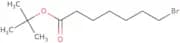
CAS :1H-Indol-2-ylmethanol is a model compound for the synthesis of bioactive molecules. It is used in biological studies as an inhibitor of chronic lymphocytic leukemia, heart disease, and inflammatory pain. The nitro group on 1H-Indol-2-ylmethanol has been shown to activate various enzymes involved in the inflammatory response. The hydroxy group on 1H-Indol-2-ylmethanol has been shown to inhibit cyclooxygenase (COX) enzymes, which are responsible for the production of prostaglandins that cause inflammation.Formule :C9H9NODegré de pureté :Min. 95%Couleur et forme :PowderMasse moléculaire :147.17 g/moltert-Butyl 7-bromoheptanoate
CAS :Versatile small molecule scaffold
Formule :C11H21BrO2Degré de pureté :Min. 95%Masse moléculaire :265.19 g/moltert-butyl (2-amino-2-methylpropyl)carbamate
CAS :Versatile small molecule scaffoldFormule :C9H20N2O2Degré de pureté :Min. 95%Masse moléculaire :188.27 g/mol2-Methylthiazole-4-carboxaldehyde
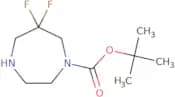
CAS :2-Methylthiazole-4-carboxaldehyde is an aldehyde that is the product of the condensation of 2,4-dibenzoylacetone and acetone in the presence of diazomethane. It has been used as a precursor to other compounds such as benzoyl chloride, glyoxal, and aldehydes. 2-Methylthiazole-4-carboxaldehyde can be synthesized using acetylation or nitration of thiols or with glyoxal or aldehyde. The reactivity of this compound is high and can be carried out in high yield.Formule :C5H5NOSDegré de pureté :Min. 95%Masse moléculaire :127.16 g/moltert-butyl 6,6-difluoro-1,4-diazepane-1-carboxylate
CAS :Versatile small molecule scaffoldFormule :C10H18F2N2O2Degré de pureté :Min. 95%Masse moléculaire :236.3 g/mol6-Hydroxy-1-naphthoic acid
CAS :6-Hydroxy-1-naphthoic acid is a synthetic carboxylate compound with an analog structure that has been shown to be cytotoxic to cancer cells. It inhibits the activity of protein kinases by binding to ATP, which blocks the phosphorylation of tyrosine residues on proteins. 6-Hydroxy-1-naphthoic acid has been shown to inhibit growth factor receptors and induce apoptosis in tumor cells. The mechanism of action for this drug is believed to be through ring opening and hydrolysis of the naphthalene ring, followed by reaction with p-hydroxybenzoic acid. This results in inhibition of histone deacetylase activity, leading to decreased expression of genes involved in cell proliferation.Formule :C11H8O3Degré de pureté :Min. 95%Couleur et forme :PowderMasse moléculaire :188.18 g/mol4-Bromo-1-methyl-1H-pyrazolo[4,3-c]pyridine-6-carboxylic acid
CAS :Please enquire for more information about 4-Bromo-1-methyl-1H-pyrazolo[4,3-c]pyridine-6-carboxylic acid including the price, delivery time and more detailed product information at the technical inquiry form on this pageFormule :C8H6BrN3O2Degré de pureté :Min. 95%Masse moléculaire :256.06 g/mol4-Bromo-3-(trifluoromethoxy)pyridine hydrobromide
CAS :Please enquire for more information about 4-Bromo-3-(trifluoromethoxy)pyridine hydrobromide including the price, delivery time and more detailed product information at the technical inquiry form on this pageFormule :C6H3BrF3NO•BrHDegré de pureté :Min. 95%Masse moléculaire :322.91 g/mol2-Bromo-5-hydroxypyridine
CAS :2-Bromo-5-hydroxypyridine is an aromatic compound that is used in the synthesis of a variety of pharmaceuticals and other organic compounds. It can be synthesized by the Suzuki coupling reaction from 2-bromobenzaldehyde and 5-aminopyridine. 2-Bromo-5-hydroxypyridine has been shown to be a hepatotoxin in humans, with possible carcinogenic activity. It also has cholinergic properties, as well as being able to cause fluorescence when exposed to halogens. The carbon next to the hydroxyl group is a stereocenter, so there are two different configurations for this molecule. The configuration shown above (R) is the more stable form of this molecule due to its electron withdrawing power on the neighboring oxygen atom.Formule :C5H4BrNODegré de pureté :Min. 95%Couleur et forme :White PowderMasse moléculaire :174 g/mol3-Methoxy-benzenesulfonic acid
CAS :Versatile small molecule scaffold
Formule :C7H8O4SDegré de pureté :Min. 95%Masse moléculaire :188.2 g/mol2-(4-Carboxy-phenyl)-pyrrolidine-1-carboxylic acid tert-butyl ester
CAS :Versatile small molecule scaffoldFormule :C16H21NO4Degré de pureté :Min. 95%Masse moléculaire :291.34 g/molSodium 4-hydroxybenzenesulfonate dihydrate
CAS :Sodium 4-hydroxybenzenesulfonate dihydrate is a hydrogenated compound with reactive properties. It is used in the production of optical materials and is used to produce hydrogen peroxide, which is a strong oxidizing agent. Sodium 4-hydroxybenzenesulfonate dihydrate has been shown to react with calcium ions to form calcium sulfinates. The luminescence property of this compound can be enhanced by mixing it with other compounds such as x-ray diffraction study, functional groups, or hydrogen peroxide. The reaction time for the formation of sodium 4-hydroxybenzenesulfonate dihydrate can be shortened by adding anions such as sulfamic acid.Formule :C6H5NaO4S·2H2ODegré de pureté :Min. 95%Couleur et forme :White To Off-White SolidMasse moléculaire :232.19 g/mol4-(4-Methylpiperazin-1-yl)-2-(trifluoromethyl)aniline
CAS :Versatile small molecule scaffold
Formule :C12H16N3F3Degré de pureté :Min. 95%Masse moléculaire :259.27 g/mol1,5,6,7-Tetrahydro-2H-cyclopenta[b]pyridin-2-one
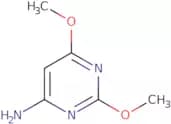
CAS :Versatile small molecule scaffoldFormule :C8H9NODegré de pureté :Min. 95%Masse moléculaire :135.17 g/mol4-Amino-2,6-dimethoxypyrimidine
CAS :4-Amino-2,6-dimethoxypyrimidine is an organic compound that has been shown to be a methylating agent. It reacts with the hydrogen chloride present in seawater to form methyl chloride and hydrochloric acid. 4-Amino-2,6-dimethoxypyrimidine also interacts with hydrogen bonds and forms hydrogen bonds with other molecules. The molecular modeling study revealed that this compound is soluble in mineral acids such as sulfuric acid and hydrochloric acid. The solubility data also showed that 4-amino-2,6-dimethoxypyrimidine is soluble in water but not in chlorinated water. This drug has shown significant antifungal activity against Cryptococcus neoformans and Gram-negative organisms such as Escherichia coli, Salmonella typhi, Pseudomonas aeruginosa, Klebsiella pneumoniae, Proteus mirabilis, Enterobacter
Formule :C6H9N3O2Degré de pureté :Min. 95%Masse moléculaire :155.15 g/mol5-(Methylamino)nicotinic acid
CAS :Versatile small molecule scaffoldFormule :C7H8N2O2Degré de pureté :Min. 95%Masse moléculaire :152.15 g/molN-(4-Aminophenyl)-N-methyl-2-(4-methylpiperazin-1-yl)acetamide
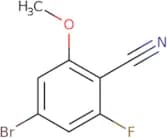
CAS :N-(4-Aminophenyl)-N-methyl-2-(4-methylpiperazin-1-yl)acetamide is an environmental and industrial chemical that is used as a formate, benzoate, and methyl benzoate intermediate. It reacts with nitric acid to form N-(4-aminophenyl)-N-methyl-2-(4-nitrophenoxy)acetamide (NPA). NPA has been shown to have antiangiogenic properties. NPA inhibits the proliferation of endothelial cells by interfering with the cell cycle and inducing apoptosis.Formule :C14H22N4ODegré de pureté :Min. 95%Masse moléculaire :262.35 g/mol4-Bromo-2-fluoro-6-methoxybenzonitrile
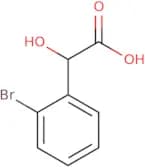
CAS :Versatile small molecule scaffoldFormule :C8H5NOFBrDegré de pureté :Min. 95%Masse moléculaire :230.03 g/mol2-(2-Bromophenyl)-2-hydroxyacetic acid
CAS :2-Bromophenyl-2-hydroxyacetic acid is a ligand that binds to the ethylene receptor in plants and can be used as a monomer for the polymerization of polyethylene. It has been shown that 2-bromophenyl-2-hydroxyacetic acid can also be used as an initiator for the polymerization of β-cyclodextrin. This compound has also been shown to be an analyte in gas chromatography, which is used to separate compounds based on their chemical properties. The use of this compound as a tethering agent has also been investigated with copolymerization reactions in order to create more stable polymers. 2-Bromophenyl-2-hydroxyacetic acid has been found to inhibit nonsteroidal antiinflammatory drugs and may have potential applications for chiral synthesis, such as mandelic acid production.
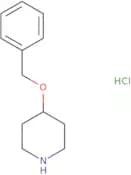
Formule :C8H7BrO3Degré de pureté :Min. 95%Masse moléculaire :231.04 g/mol4-(Benzyloxy)piperidine HCl
CAS :4-(Benzyloxy)piperidine HCl is a versatile building block that is used in the synthesis of complex compounds such as research chemicals, reagents and speciality chemicals. 4-(Benzyloxy)piperidine HCl is also a useful intermediate in organic synthesis and can be used as a reaction component. 4-(Benzyloxy)piperidine HCl has CAS number 81151-68-0 and is a useful scaffold for chemical syntheses.Formule :C12H17NOHClDegré de pureté :Min. 95%Couleur et forme :White PowderMasse moléculaire :227.73 g/mol8-chloro-3H,4H-pyrido[3,4-d]pyrimidin-4-one
CAS :Versatile small molecule scaffold
Formule :C7H4N3OClDegré de pureté :Min. 95%Masse moléculaire :181.57 g/mol(Chloromethyl)cyclohexane
CAS :(Chloromethyl)cyclohexane is a synthase gene that is responsible for synthesizing the enzyme chloromethyl cyclohexane, which is used as a solid catalyst. The synthesis of (chloromethyl)cyclohexane from phenyl groups and liquid crystal composition has been demonstrated using expression plasmids and active oxygen. The compound inhibits inflammatory diseases by preventing the production of arachidonic acid, which is an inflammatory agent. This compound also inhibits the production of prostaglandins, which are involved in the release of histamine from mast cells. Pharmaceutical preparations that contain this compound are primarily used to treat rheumatoid arthritis and other inflammatory diseases.
Formule :C7H13ClDegré de pureté :Min. 95%Masse moléculaire :132.63 g/mol4-(Methylamino)benzene-1-sulfonamide
CAS :Versatile small molecule scaffold
Formule :C7H10N2O2SDegré de pureté :Min. 95%Masse moléculaire :186.23 g/mol(R)-tert-Butyl 2-methylpiperazine-1-carboxylate
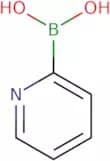
CAS :(R)-tert-Butyl 2-methylpiperazine-1-carboxylate is a versatile building block that can be used for the synthesis of complex compounds. The compound is a reagent, speciality chemical, and useful building block in research. It can be used as a reaction component or scaffold in synthesis. (R)-tert-Butyl 2-methylpiperazine-1-carboxylate has been shown to react with nucleophiles such as amines and alcohols to form stable products. This product has high quality and is useful for chemical reactions involving carbonyl groups.Formule :C10H20N2O2Degré de pureté :Min. 95%Couleur et forme :White PowderMasse moléculaire :200.28 g/mol2-Pyridineboronic acid
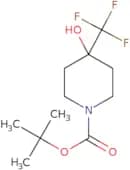
CAS :2-Pyridineboronic acid is a chemical compound that belongs to the group of quinoline derivatives. It is used in pharmaceutical preparations, including as an intermediate for the synthesis of other compounds. 2-Pyridineboronic acid has been shown to have antiproliferative effects on cancer cells and has been found to be active against nicotinic acetylcholine receptors (NAR). The compound also inhibits lipid kinase activity, which is involved in the production of phosphatidylcholine and phosphatidylethanolamine from phosphatidylserine. 2-Pyridineboronic acid can react with hydrochloric acid and electrochemical impedance spectroscopy to produce a solution that has a detection time of about 10 minutes.Formule :C5H6BNO2Degré de pureté :Min. 95%Masse moléculaire :122.92 g/moltert-Butyl 4-hydroxy-4-(trifluoromethyl)piperidine-1-carboxylate
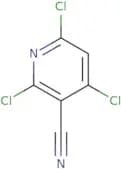
CAS :Versatile small molecule scaffoldFormule :C11H18F3NO3Degré de pureté :Min. 95%Masse moléculaire :269.26 g/mol2,4,6-trichloropyridine-3-carbonitrile
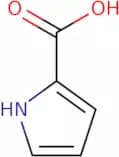
CAS :Versatile small molecule scaffoldFormule :C6HCl3N2Degré de pureté :Min. 95%Masse moléculaire :207.4 g/molPyrrole-2-carboxylic acid
CAS :Pyrrole-2-carboxylic acid is a polycyclic aromatic compound that can be found in coal tar. It has been shown to have anti-inflammatory, antiallergic, and antifungal properties. Pyrrole-2-carboxylic acid is produced by the human body as an intermediate in the metabolism of tryptophan. This compound can also be synthesized and used to treat chronic bronchitis, which is caused by excessive mucus production and inflammation of the airways. The reaction mechanism for pyrrole-2-carboxylic acid is similar to that of other drugs that are used in respiratory therapy, such as aminophylline or acetylcysteine.
Formule :C5H5NO2Degré de pureté :Min. 95%Masse moléculaire :111.1 g/mol5-Boc-4H,5H,6H,7H,8H-pyrazolo[1,5-a][1,4]diazepine-2-carboxylic acid
CAS :Versatile small molecule scaffoldFormule :C13H19N3O4Degré de pureté :Min. 95%Masse moléculaire :281.31 g/molMethyl 1-methyl-4-oxocyclohexanecarboxylate
CAS :Versatile small molecule scaffoldFormule :C9H14O3Degré de pureté :Min. 95%Masse moléculaire :170.21 g/molMethyl 4-chlorobenzenesulfonate
CAS :Versatile small molecule scaffold
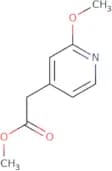
Formule :C7H7ClO3SDegré de pureté :Min. 95%Masse moléculaire :206.65 g/molMethyl 2-(2-methoxypyridin-4-yl)acetate
CAS :Versatile small molecule scaffold
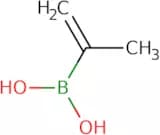
Formule :C9H11NO3Degré de pureté :Min. 95%Masse moléculaire :181.19 g/molProp-1-en-2-ylboronic acid
CAS :Prop-1-en-2-ylboronic acid is a chemical compound that belongs to the group of aromatic hydrocarbons. It is used in pharmaceutical preparations as a monomer and as a chiral building block for the synthesis of oxazolidinones, which are used in medicinal chemistry as protein inhibitors against cancers. Prop-1-en-2-ylboronic acid is also used as a reagent in preparative high performance liquid chromatography. This chemical has shown maximal response against colorectal carcinoma cells and has been shown to be an inhibitor of cholesterol ester transfer.Formule :C3H7BO2Degré de pureté :90%MinMasse moléculaire :85.9 g/mol8-Quinolinesulfonyl chloride
CAS :8-Quinolinesulfonyl chloride (8QSC) is a quinoline derivative that has been shown to have anticancer activity. 8QSC binds to the receptor site of cells and inhibits the production of amines, which are important for cell growth and proliferation. It also binds to hydrogen bonds, which may be involved in the cytotoxicity observed in pancreatic cancer cells. 8QSC shows significant cytotoxicity against Panc-1 cells, but not against NIH 3T3 cells. This may be due to its ability to form supramolecular aggregates with copper ions and quinoline derivatives.Degré de pureté :Min. 95%2,4-Dichloro-6-(propan-2-yl)pyrimidine
CAS :Versatile small molecule scaffold
Formule :C7H8Cl2N2Degré de pureté :Min. 95%Masse moléculaire :191.05 g/mol2,2-Difluorobenzo[d][1,3]dioxol-5-ol
CAS :Versatile small molecule scaffoldFormule :C7H4F2O3Degré de pureté :Min. 95%Masse moléculaire :174.1 g/mol4-Formylbenzoic acid
CAS :4-Formylbenzoic acid is an organic compound with the molecular formula CH2=C(O)CH=CHCO2H. It is a white solid that is soluble in water and has a strong, unpleasant odor. 4-Formylbenzoic acid has been shown to have affinity for binding to odorous molecules such as sulfur compounds, amines, and mercaptans. The binding of these molecules to the 4-formylbenzoic acid leads to a decrease in their odor concentration. This process can be done using electrochemical impedance spectroscopy or optical sensors. The oxidation of 4-formylbenzoic acid by trifluoroacetic acid produces 2-formylphenol and formaldehyde, which are themselves volatile compounds with an unpleasant odor. These reactions may be used as wastewater treatment methods. Langmuir adsorption isotherm may be used as an analytical method for measuring the concentration of 4-formylbenzoic acid
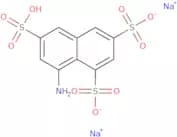
Formule :C8H6O3Degré de pureté :Min. 98 Area-%Couleur et forme :White Yellow PowderMasse moléculaire :150.13 g/molDisodium 8-amino-1,3,6-naphthalenetrisulfonate
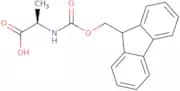
CAS :Disodium 8-amino-1,3,6-naphthalenetrisulfonate is a fluorescent sensor that can detect albumin in human serum. Disodium 8-amino-1,3,6-naphthalenetrisulfonate selectively detects the molecule albumin in blood with a sensitivity of approximately 1.5 nmol/L and a selectivity of nearly 100%. The fluorescent sensor consists of an immobilized nanometer sized molecule of 8-aminonaphthalene trisulfonic acid on hydrotalcite. The sensor has been shown to be selective for albumin and does not react with other serum proteins such as immunoglobulins or fibrinogen.Formule :C10H9NO9S3•Na2Degré de pureté :Min. 98 Area-%Couleur et forme :White PowderMasse moléculaire :429.36 g/molFmoc-D-Ala-OH
CAS :Fmoc-D-Ala-OH is a synthetic cyclic peptide that has been shown to have anticancer properties. This compound was synthesized by solid-phase chemistry and exhibits an inhibitory effect on cancer cells. Fmoc-D-Ala-OH blocks the synthesis of proteins in cancer cells, leading to cell death. It also inhibits the activity of serine proteases such as degarelix acetate, which are important for cancer cell growth and metastasis.Formule :C18H17NO4Degré de pureté :Min. 95%Couleur et forme :PowderMasse moléculaire :311.33 g/mol2-Aminoimidazole sulfate
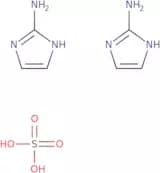
CAS :2-Aminoimidazole sulfate is a chemical compound that is used as a transfection reagent. It has been shown to have high transfection efficiency with low cytotoxicity. The diameter of the molecule is in the range of 2 - 3 nm, which allows it to be taken up by cells and thus be active in them. This chemical can be dehydrogenated to form imidazole-2-sulfonic acid, which may interact with other molecules. There have been many advances in this area, including modifications and gaseous forms of the molecule. Research into the interactions of this compound with other chemicals and their effects on cellular uptake are ongoing.
Formule :C3H5N3•(H2O4S)0Degré de pureté :Min. 95%Couleur et forme :Off-White PowderMasse moléculaire :264.26 g/mol2-Amino-6-chloropurine
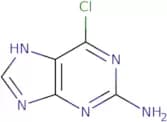
CAS :2-Amino-6-chloropurine is a nucleophilic substituent that is used in the synthesis of 2-amino-6-chloropurine. It reacts with hydroxyl groups to form a palladium-catalyzed coupling reaction solution, which is then treated with hydrochloric acid and trifluoroacetic acid. The product is purified by crystallization and recrystallization. This compound has potent antitumor activity against carcinoma cell lines, but it has not been shown to have any effect against Mycobacterium tuberculosis.
Formule :C5H4ClN5Degré de pureté :Min. 95%Couleur et forme :Off-White PowderMasse moléculaire :169.57 g/mol3-Bromo-4-nitropyridine
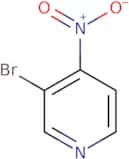
CAS :3-Bromo-4-nitropyridine is a pyridine compound that has been identified as an environmental contaminant. It is used to synthesize other compounds, such as 4-(3-bromopyridin-2-yl)morpholine, which is used in the synthesis of acetonitrile. 3-Bromo-4-nitropyridine undergoes nucleophilic substitution reactions with amines, leading to homoconjugation and bond cleavage. This reaction may be followed by nitration to give 3-(3'-nitro)pyridine. 3-Bromo-4-nitropyridine can be converted into its n-oxide form or into the ionic form by treatment with acetonitrile.Formule :C5H3BrN2O2Degré de pureté :Min. 95%Couleur et forme :Yellow PowderMasse moléculaire :202.99 g/molBenzophenone-4-carboxylic acid
CAS :Organic intermediate
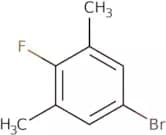
Formule :C14H10O3Degré de pureté :Min. 98 Area-%Couleur et forme :White PowderMasse moléculaire :226.23 g/mol5-Bromo-2-fluoro-1,3-dimethylbenzene
CAS :Please enquire for more information about 5-Bromo-2-fluoro-1,3-dimethylbenzene including the price, delivery time and more detailed product information at the technical inquiry form on this pageFormule :C8H8BrFDegré de pureté :Min. 95%Couleur et forme :Clear Colourless To Yellow LiquidMasse moléculaire :203.05 g/mol2-Bromo-6-fluoro-3-methylpyridine
CAS :Versatile small molecule scaffoldFormule :C6H5BrFNDegré de pureté :Min. 95%Masse moléculaire :190.02 g/mol3-Bromo-2-fluoro-6-methylpyridine
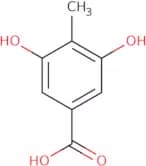
CAS :Please enquire for more information about 3-Bromo-2-fluoro-6-methylpyridine including the price, delivery time and more detailed product information at the technical inquiry form on this pageFormule :C6H5BrFNDegré de pureté :Min. 95%Masse moléculaire :190.01 g/mol3,5-Dihydroxy-4-methylbenzoic acid
CAS :3,5-Dihydroxy-4-methylbenzoic acid is an efficient synthesis of the natural product lucidin. It is a quinone that is found in citrifolia and morindone, compounds which are used as analgesics and antipyretics. This compound has been shown to inhibit the growth of fungi by inhibition of protein synthesis. 3,5-Dihydroxy-4-methylbenzoic acid also inhibits the production of citric acid cycle intermediates such as succinic acid and fumaric acid.Formule :C8H8O4Degré de pureté :Min. 80%Couleur et forme :PowderMasse moléculaire :168.15 g/molL-Arginine-7-amido-4-methylcoumarin hydrochloride
CAS :Please enquire for more information about L-Arginine-7-amido-4-methylcoumarin hydrochloride including the price, delivery time and more detailed product information at the technical inquiry form on this page
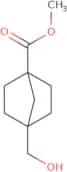
Formule :C16H21N5O3•HClDegré de pureté :Min. 95%Masse moléculaire :367.83 g/molMethyl 4-(hydroxymethyl)norbornane-1-carboxylate
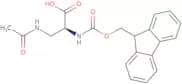
CAS :Versatile small molecule scaffoldFormule :C10H16O3Degré de pureté :Min. 95%Masse moléculaire :184.23 g/molFmoc-Dap(Ac)-OH
CAS :Fmoc-Dap(Ac)-OH is a fine chemical that is used as a building block in the synthesis of complex compounds. It reacts with various nucleophiles to form an amide bond, and has been shown to be useful for both research and industrial applications. Fmoc-Dap(Ac)-OH can also be used as a reagent to synthesize peptides, which are biologically active compounds that form the basis of many drugs. This versatile intermediate is also used as a scaffold in the construction of more complex molecules. Fmoc-Dap(Ac)-OH has CAS No. 181952-29-4 and is classified as a speciality chemical by the International Union of Pure and Applied Chemistry (IUPAC).Formule :C20H20N2O5Degré de pureté :Min. 95%Couleur et forme :PowderMasse moléculaire :368.38 g/mol(1S,4S)-tert-Butyl 2,5-diazabicyclo[2.2.1]heptane-2-carboxylate
CAS :Please enquire for more information about (1S,4S)-tert-Butyl 2,5-diazabicyclo[2.2.1]heptane-2-carboxylate including the price, delivery time and more detailed product information at the technical inquiry form on this pageDegré de pureté :Min. 95%(2,3-Dihydrobenzo[b][1,4]dioxin-5-yl)boronic acid
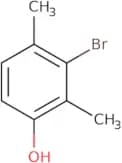
CAS :Versatile small molecule scaffoldFormule :C8H9BO4Degré de pureté :Min. 95%Masse moléculaire :179.97 g/mol3-bromo-2,4-dimethylphenol
CAS :Versatile small molecule scaffoldFormule :C8H9BrODegré de pureté :Min. 95%Masse moléculaire :201.06 g/mol6-Bromo-1-methylpyridin-2(1H)-one
CAS :Versatile small molecule scaffold
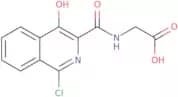
Formule :C6H6BrNODegré de pureté :Min. 95%Masse moléculaire :188.02 g/molFG-2216
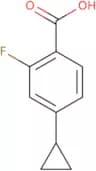
CAS :FG-2216 is a peptide that activates the G protein-coupled receptor, leading to increased intracellular calcium. FG-2216 is a potent agonist of the GPRC6A receptor and has been shown to inhibit pain perception in animal models. FG-2216 has been shown to have no effect on ion channels and does not affect cellular proliferation or migration. FG-2216 may be useful as a research tool for studying the function of the GPRC6A receptor in animal models.Formule :C12H9ClN2O4Degré de pureté :Min. 95%Masse moléculaire :280.66 g/mol4-cyclopropyl-2-fluorobenzoic acid
CAS :Versatile small molecule scaffoldFormule :C10H9FO2Degré de pureté :Min. 95%Masse moléculaire :180.17 g/mol5-Methyl-4-[(pyrrolidin-1-yl)methyl]-1,2-oxazole-3-carboxylic acid hydrochloride
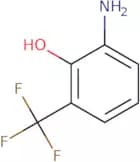
CAS :Versatile small molecule scaffoldFormule :C10H15ClN2O3Degré de pureté :Min. 95%Masse moléculaire :246.69 g/mol2-Amino-6-(trifluoromethyl)phenol
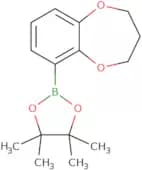
CAS :Versatile small molecule scaffoldFormule :C7H6F3NODegré de pureté :Min. 95%Masse moléculaire :177.12 g/mol2-(3,4-Dihydro-2H-1,5-benzodioxepin-6-yl)-4,4,5,5-tetramethyl-1,3,2-dioxaborolane
CAS :Versatile small molecule scaffold
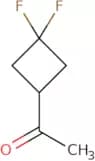
Formule :C15H21BO4Degré de pureté :Min. 95%Masse moléculaire :276.14 g/mol1-(3,3-Difluorocyclobutyl)ethan-1-one
CAS :Versatile small molecule scaffold
Formule :C6H8F2ODegré de pureté :Min. 95%Masse moléculaire :134.13 g/mol4-bromo-3-fluoro-1h-pyrazole
CAS :Versatile small molecule scaffold
Formule :C3H2BrFN2Degré de pureté :Min. 95%Masse moléculaire :164.97 g/mol2-Imidazolidone-4-carboxylic acid
CAS :2-Imidazolidone-4-carboxylic acid is a potent inhibitor of matrix metalloproteinases, which are enzymes that break down proteins in the extracellular matrix. 2-Imidazolidone-4-carboxylic acid inhibits the activity of both serine protease and matrix metalloproteinase, two enzymes involved in the inflammation process. 2-Imidazolidone-4-carboxylic acid has been shown to inhibit the transport of amino acids, leading to decreased protein synthesis and cell growth. It also inhibits cancer cells by disrupting their ability to grow new blood vessels and invade other tissues.Formule :C4H6N2O3Degré de pureté :Min. 95%Masse moléculaire :130.1 g/molPiperidine-3-sulfonamide hydrochloride
CAS :Versatile small molecule scaffoldFormule :C5H13ClN2O2SDegré de pureté :Min. 95%Masse moléculaire :200.69 g/molN-(2,6-Dimethylphenyl)-2-({[(2,6-dimethylphenyl)carbamoyl]methyl}amino)acetamide
CAS :2,6-Dimethylphenylacetic acid is a hydrogen phosphate that is soluble in solvents such as acetonitrile. It has been used in the synthesis of lidocaine with high sensitivity and specificity. It can be used to detect phosphoric compounds, which are often present in pharmaceuticals and food supplements. This compound has also been shown to have a solvent effect on the conditions of the reaction, making it a useful additive for optimizing processes. The main impurities of this compound are 2-methylbenzoic acid and benzoic acid.
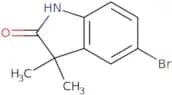
Formule :C20H25N3O2Degré de pureté :Min. 95%Masse moléculaire :339.4 g/mol5-Bromo-3,3-dimethyl-2,3-dihydro-1H-indol-2-one
CAS :Versatile small molecule scaffoldFormule :C10H10NOBrDegré de pureté :Min. 95%Masse moléculaire :240.09 g/mol4-Chloro-1H-pyrazolo[3,4-b]pyridine-3-carboxylic acid
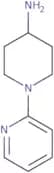
CAS :Versatile small molecule scaffoldFormule :C7H4ClN3O2Degré de pureté :Min. 95%Masse moléculaire :197.58 g/mol(1-Pyridin-2-yl)piperidin-4-amine
CAS :(1-Pyridin-2-yl)piperidin-4-amine is a drug that acts as an anorexiant. It binds to the serotonin 5HT3 receptor, which is involved in the regulation of appetite and mood. It also blocks the action of serotonin at the 5HT4 receptor, which is involved in mediating intestinal motility. This agent has been shown to have a potent antagonist effect on the 1-4c alkyl group of serotonin receptors. The phenoxy group and methyl group are also responsible for binding with serotonin receptors and blocking their activity.Formule :C10H15N3Degré de pureté :Min. 95%Masse moléculaire :177.25 g/mol2,4,6-Trichloronicotinic acid
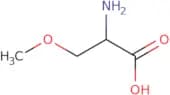
CAS :Versatile small molecule scaffoldFormule :C6H2Cl3NO2Degré de pureté :Min. 95%Masse moléculaire :226.44 g/mol2-Amino-3-methoxypropanoic acid hydrochloride
CAS :2-Amino-3-methoxypropanoic acid hydrochloride is a mitochondrial enzyme inhibitor that is used as a research tool to study protein synthesis. It binds to the cytochrome b2 subunit of the mitochondrial respiratory chain, inhibiting the oxidation of pyruvate and affecting the production of ATP. 2-Amino-3-methoxypropanoic acid hydrochloride has been shown to induce apoptosis in human liver cells by triggering caspase 3, which is an important enzyme in the apoptotic pathway. 2-Amino-3-methoxypropanoic acid hydrochloride also has a number of chemical properties that make it useful for analytical chemistry. For example, 2-amino-3-methoxypropanoic acid hydrochloride can be used to measure carboxylic acids, acetylation reactions, hydrogen bonds and hydroxyl groups. It can also be used as a nucle
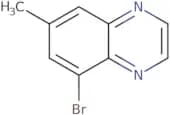
Formule :C4H10ClNO3Degré de pureté :Min. 95%Masse moléculaire :155.58 g/mol5-Bromo-7-methylquinoxaline
CAS :Versatile small molecule scaffold
Formule :C9H7BrN2Degré de pureté :Min. 95%Masse moléculaire :223.07 g/mol1-tert-butyl 2-methyl (2R,4S)-4-aminopyrrolidine-1,2-dicarboxylate hydrochloride
CAS :Versatile small molecule scaffoldFormule :C11H21ClN2O4Degré de pureté :Min. 95%Masse moléculaire :280.7 g/mol2,7-Naphthyridin-1(2H)-one
CAS :Cabozantinib is a small molecule that is the first to target VEGFR-2, which is a receptor tyrosine kinase involved in the development of fibrosis. Cabozantinib inhibits the activity of VEGFR-2 by binding to its ATP-binding site and blocking the phosphorylation of downstream signaling pathways. Cabozantinib has been shown to have antifibrotic properties in both preclinical and clinical models. The drug candidate has been shown to reduce kidney fibrosis in animal models. The standard dose for cabozantinib was found to be 5 mg/kg, with a maximum tolerated dose of 20 mg/kg. In vitro studies have indicated that cabozantinib binds with high affinity to the ATP-binding pocket of VEGFR-2, exhibiting competitive inhibition against other kinases such as PDGFR-beta and cKit, as well as diaryliodonium (a specific inhibitor). Caboz
Formule :C8H6N2ODegré de pureté :Min. 95%Masse moléculaire :146.14 g/mol6-Bromo-3-methyl-2,3-dihydro-1,3-benzoxazol-2-one
CAS :Versatile small molecule scaffold
Formule :C8H6BrNO2Degré de pureté :Min. 95%Masse moléculaire :228.04 g/mol(3-Aminopropyl)(3-phenylpropyl)amine
CAS :Versatile small molecule scaffold
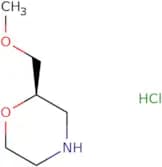
Formule :C12H20N2Degré de pureté :Min. 95%Masse moléculaire :192.3 g/mol(R)-2-(Methoxymethyl)-morpholine hydrochloride
CAS :Versatile small molecule scaffoldFormule :C6H14ClNO2Degré de pureté :Min. 95%Masse moléculaire :167.63 g/molMethyl amino(2-chlorophenyl)acetate hydrochloride
CAS :Versatile small molecule scaffold
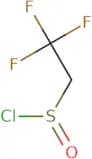
Formule :C9H11Cl2NO2Degré de pureté :Min. 95%Masse moléculaire :236.1 g/mol2,2,2-Trifluoroethanesulfinyl chloride
CAS :Please enquire for more information about 2,2,2-Trifluoroethanesulfinyl chloride including the price, delivery time and more detailed product information at the technical inquiry form on this page
Formule :C2H2ClF3OSDegré de pureté :Min. 95%Couleur et forme :Clear LiquidMasse moléculaire :166.55 g/mol(2S)-3-Hydroxy-2-phenylpropanoic acid
CAS :(2S)-3-Hydroxy-2-phenylpropanoic acid is an unlabelled, naturally occurring compound. It is the citric acid analog of L-phenylalanine. The structure of (2S)-3-Hydroxy-2-phenylpropanoic acid is a skeleton that consists of one hydroxyl group and one carboxylic acid group. The carboxylic acid group has a double bond in the alpha position to the carboxyl carbon, which gives this molecule an acidic character. The chloride ion is also present in this structure. This molecule can be synthesized by a kinetic reaction that involves fatty acids and brugmansia as catalysts. It can also be synthesized through a catalysed reaction using thionyl chloride as a catalyst.
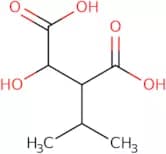
Formule :C9H10O3Degré de pureté :Min. 95%Masse moléculaire :166.17 g/mol2-Hydroxy-3-(1-methylethyl)-butanedioic acid
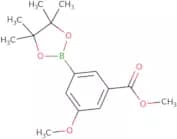
CAS :2-Hydroxy-3-(1-methylethyl)-butanedioic acid is an organic compound that is a metabolite of the amino acid methionine. It is formed by the oxidation of the methyl group on the 2 position in methionine. The protein subunits are expressed in liver cells and it has been shown to have antioxidant properties. The analytical methods used for this compound include LC-MS/MS, which separates it into its individual isomers. This method can be used to determine the purity of 2-hydroxy-3-(1-methylethyl)-butanedioic acid. The carbonyl group in this molecule makes it susceptible to steric interactions with other molecules, which may lead to it being oxidized or reduced. It has been found that 2-hydroxy-3-(1-methylethyl)-butanedioic acid shows thermophilic and enterocolitic properties.Formule :C7H12O5Degré de pureté :Min. 95%Masse moléculaire :176.17 g/mol3-Methoxy-5-(methoxycarbonyl)phenylboronic acid pinacol ester
CAS :Versatile small molecule scaffoldFormule :C15H21BO5Degré de pureté :Min. 95%Masse moléculaire :292.14 g/mol(1R)-2-Chloro-1-(2,4-dichlorophenyl)ethan-1-ol
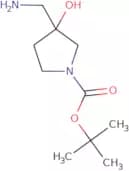
CAS :(1R)-2-Chloro-1-(2,4-dichlorophenyl)ethan-1-ol is a substrate for acetylation that is used in the synthesis of enantiopure alcohols. It has been shown to be an inhibitor of alcohol dehydrogenases and hydrophobic alcohols. (1R)-2-Chloro-1-(2,4-dichlorophenyl)ethan-1-ol has also been found to be active against fungi such as Penicillium chrysogenum and Cryptococcus neoformans. This compound is stereoselective when used as an antifungal agent, which means it will only inhibit one enantiomer of a molecule.Formule :C8H7OCl3Degré de pureté :Min. 95%Masse moléculaire :225.49 g/moltert-butyl 3-(aminomethyl)-3-hydroxypyrrolidine-1-carboxylate
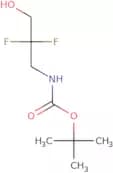
CAS :Versatile small molecule scaffoldFormule :C10H20N2O3Degré de pureté :Min. 95%Masse moléculaire :216.3 g/moltert-Butyl (2,2-difluoro-3-hydroxypropyl)carbamate
CAS :Versatile small molecule scaffoldFormule :C10H13NO4Degré de pureté :Min. 95%Masse moléculaire :211.21 g/mol1-(But-3-yn-1-yl)piperidine
CAS :1-(But-3-yn-1-yl)piperidine is a chiral compound that inhibits the reuptake of serotonin. It has been shown to be an effective inhibitor of the serotonin transporter and to cause an increase in extracellular serotonin levels. 1-(But-3-yn-1-yl)piperidine also has affinity for the dopamine transporter, which may account for its antidepressant effects.
Formule :C9H15NDegré de pureté :Min. 95%Masse moléculaire :137.22 g/mol3-Phenylisothiazol-5-amine
CAS :Versatile small molecule scaffold
Formule :C9H8N2SDegré de pureté :Min. 95%Masse moléculaire :176.24 g/molMethyl 6-oxospiro[3.3]heptane-2-carboxylate
CAS :Versatile small molecule scaffoldFormule :C9H12O3Degré de pureté :Min. 95%Masse moléculaire :168.19 g/mol4-[1-(tert-Butoxy)-2-methyl-1-oxopropan-2-yl]benzoic acid
CAS :Versatile small molecule scaffold
Formule :C15H20O4Degré de pureté :Min. 95%Masse moléculaire :264.32 g/molcis-6-Boc-octahydropyrrolo[3,4-b]morpholine
CAS :Versatile small molecule scaffold
Formule :C11H20N2O3Degré de pureté :Min. 95%Masse moléculaire :228.29 g/molOctacalcium phosphate
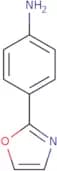
CAS :Octacalcium phosphate is a calcium salt with a molecular formula of Ca8(PO4)6. It is used as a supplement in animal feed, as an emulsifier, and as an ingredient in the production of toothpaste and other dental hygiene products. Octacalcium phosphate has been shown to have biological properties that are due to its carotenoid content. This compound has been shown to be stable in vitro and in vivo, even after exposure to plasma mass spectrometry or tissue culture. Octacalcium phosphate also has strong chemical stability under acidic conditions, which makes it suitable for use as a reaction solution for polymerase chain reactions (PCRs). The crystal structure of octacalcium phosphate was determined by X-ray crystallography and the structural analysis revealed that octacalcium phosphate has an orthorhombic unit cell with a lattice spacing of 12.7 Å. The crystal structure consists of two different types of calcium ions: Ca2Formule :Ca4•(H3PO4)3Degré de pureté :Min. 95%Couleur et forme :PowderMasse moléculaire :454.3 g/mol4-(Oxazol-2-yl)aniline
CAS :Versatile small molecule scaffold
Formule :C9H8N2ODegré de pureté :Min. 95%Masse moléculaire :160.17 g/moltert-Butyl 6-(4,4,5,5-tetramethyl-1,3,2-dioxaborolan-2-yl)-3,4-dihydroquinoline-1(2H)-carboxylate 97
CAS :Versatile small molecule scaffold
Formule :C20H30BNO4Degré de pureté :Min. 95%Masse moléculaire :359.27 g/mol

![(Ir[dF(CF3)ppy]2(dtbpy))PF6](/_next/image/?url=https%3A%2Fstatic.cymitquimica.com%2Fproducts%2F3D%2Fthumb-webp%2FVJB98763.webp&w=3840&q=75)


![8-Boc-3,8-diaza-bicyclo[3.2.1]octane](/_next/image/?url=https%3A%2Fstatic.cymitquimica.com%2Fproducts%2F3D%2Fthumb-webp%2FFB29382.webp&w=3840&q=75)





![4-Bromo-1-methyl-1H-pyrazolo[4,3-c]pyridine-6-carboxylic acid](/_next/image/?url=https%3A%2Fstatic.cymitquimica.com%2Fproducts%2F3D%2Fthumb-webp%2FFB183353.webp&w=3840&q=75)


![1,5,6,7-Tetrahydro-2H-cyclopenta[b]pyridin-2-one](/_next/image/?url=https%3A%2Fstatic.cymitquimica.com%2Fproducts%2F3D%2Fthumb-webp%2FNDA49985.webp&w=3840&q=75)


![8-chloro-3H,4H-pyrido[3,4-d]pyrimidin-4-one](/_next/image/?url=https%3A%2Fstatic.cymitquimica.com%2Fproducts%2F3D%2Fthumb-webp%2FJDA34113.webp&w=3840&q=75)


![5-Boc-4H,5H,6H,7H,8H-pyrazolo[1,5-a][1,4]diazepine-2-carboxylic acid](/_next/image/?url=https%3A%2Fstatic.cymitquimica.com%2Fproducts%2F3D%2Fthumb-webp%2FFEC17097.webp&w=3840&q=75)




![2,2-Difluorobenzo[d][1,3]dioxol-5-ol](/_next/image/?url=https%3A%2Fstatic.cymitquimica.com%2Fproducts%2F3D%2Fthumb-webp%2FLYB53982.webp&w=3840&q=75)




![(1S,4S)-tert-Butyl 2,5-diazabicyclo[2.2.1]heptane-2-carboxylate](/_next/image/?url=https%3A%2Fstatic.cymitquimica.com%2Fproducts%2F3D%2Fthumb-webp%2FFB45380.webp&w=3840&q=75)
![(2,3-Dihydrobenzo[b][1,4]dioxin-5-yl)boronic acid](/_next/image/?url=https%3A%2Fstatic.cymitquimica.com%2Fproducts%2F3D%2Fthumb-webp%2FZUA76988.webp&w=3840&q=75)

![5-Methyl-4-[(pyrrolidin-1-yl)methyl]-1,2-oxazole-3-carboxylic acid hydrochloride](/_next/image/?url=https%3A%2Fstatic.cymitquimica.com%2Fproducts%2F3D%2Fthumb-webp%2FXWB84700.webp&w=3840&q=75)


![N-(2,6-Dimethylphenyl)-2-({[(2,6-dimethylphenyl)carbamoyl]methyl}amino)acetamide](/_next/image/?url=https%3A%2Fstatic.cymitquimica.com%2Fproducts%2F3D%2Fthumb-webp%2FVEB79807.webp&w=3840&q=75)
![4-Chloro-1H-pyrazolo[3,4-b]pyridine-3-carboxylic acid](/_next/image/?url=https%3A%2Fstatic.cymitquimica.com%2Fproducts%2F3D%2Fthumb-webp%2FULD13261.webp&w=3840&q=75)








![Methyl 6-oxospiro[3.3]heptane-2-carboxylate](/_next/image/?url=https%3A%2Fstatic.cymitquimica.com%2Fproducts%2F3D%2Fthumb-webp%2FNVB48098.webp&w=3840&q=75)
![4-[1-(tert-Butoxy)-2-methyl-1-oxopropan-2-yl]benzoic acid](/_next/image/?url=https%3A%2Fstatic.cymitquimica.com%2Fproducts%2F3D%2Fthumb-webp%2FNKD15780.webp&w=3840&q=75)
![cis-6-Boc-octahydropyrrolo[3,4-b]morpholine](/_next/image/?url=https%3A%2Fstatic.cymitquimica.com%2Fproducts%2F3D%2Fthumb-webp%2FNFA02702.webp&w=3840&q=75)