


Building Blocks
Sous-catégories appartenant à la catégorie "Building Blocks"
- Acides boroniques et dérivés de l'acide boronique(5.778 produits)
- Building Blocks Chiraux(1.243 produits)
- Building Blocks Hydrocarbonés(6.099 produits)
- Building Blocks organiques(61.038 produits)
205376 produits trouvés pour "Building Blocks"
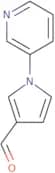
1-(Pyridin-3-yl)-1H-pyrrole-3-carbaldehyde
CAS :Versatile small molecule scaffold
Formule :C10H8N2ODegré de pureté :Min. 95%Masse moléculaire :172.18 g/mol1-[(2-Methoxyphenyl)methyl]piperidin-4-amine
CAS :Versatile small molecule scaffoldFormule :C13H20N2ODegré de pureté :Min. 95%Masse moléculaire :220.31 g/molRef: 3D-SNA89455
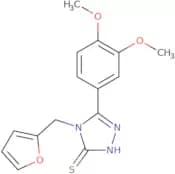
Produit arrêté5-(3,4-Dimethoxyphenyl)-4-(furan-2-ylmethyl)-4H-1,2,4-triazole-3-thiol
CAS :Versatile small molecule scaffold
Formule :C15H15N3O3SDegré de pureté :Min. 95%Masse moléculaire :317.4 g/molMethyl 4-chloro-1-ethyl-1H-pyrazole-5-carboxylate
CAS :Versatile small molecule scaffold
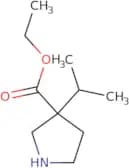
Formule :C7H9ClN2O2Degré de pureté :Min. 95%Masse moléculaire :188.61 g/molEthyl 3-(propan-2-yl)pyrrolidine-3-carboxylate
CAS :Versatile small molecule scaffold
Formule :C10H19NO2Degré de pureté :Min. 95%Masse moléculaire :185.26 g/mol(2R,3S)-3-(3-Cyclopropyl-1,2,4-oxadiazol-5-yl)-2-methylmorpholine hydrochloride
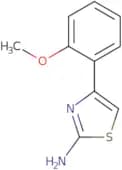
CAS :Versatile small molecule scaffoldFormule :C10H16ClN3O2Degré de pureté :Min. 95%Masse moléculaire :245.7 g/mol4-(2-Methoxy-phenyl)-thiazol-2-ylamine
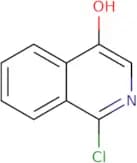
CAS :4-(2-Methoxy-phenyl)-thiazol-2-ylamine is a flavonoid that is synthesized by the condensation of luteolin with salicylaldehyde. It has been shown to have antibacterial activity against strains of P. aeruginosa and S. aureus, with MIC values of 12.5 µg/mL and 25 µg/mL, respectively. The MIC value for 4-(2-Methoxy-phenyl)-thiazol-2-ylamine against E. coli was found to be 100 µg/mL. 4-(2-Methoxy-phenyl)-thiazol-2-ylamine has been shown to inhibit the growth of organisms such as Escherichia coli, Streptococcus pneumoniae and Staphylococcus aureus in vitro. This compound is not active against Gram positive bacteria such as Bacillus subtilis or GramFormule :C10H10N2OSDegré de pureté :Min. 95%Masse moléculaire :206.27 g/mol1-Chloroisoquinolin-4-ol
CAS :1-Chloroisoquinolin-4-ol is a phenylpyrimidine with anti-inflammatory properties. It is used in the treatment of sensitivity and mediated diseases, such as osteoarthritis, rheumatoid arthritis, and ankylosing spondylitis. 1-Chloroisoquinolin-4-ol inhibits the enzymatic activity of matrix metalloproteinases (MMPs), which are enzymes that break down collagen and other proteins in the body. The inhibition of MMPs by 1-chloroisoquinolin-4-ol leads to reduced inflammation and pain. This compound is also an effective inhibitor of the activities of chloride channels involved in acid secretion by cells in the stomach lining, thus inhibiting acid production. 1-Chloroisoquinolin-4-ol has been shown to have anticholesterolemic effects on liver cells due to its ability to inhibit cholesterol synthesis through inhibition of HMG CoA
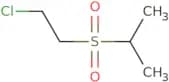
Formule :C9H6ClNODegré de pureté :Min. 95%Masse moléculaire :179.6 g/mol2-(2-Chloroethanesulfonyl)propane
CAS :Versatile small molecule scaffold
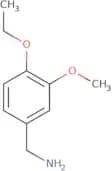
Formule :C5H11ClO2SDegré de pureté :Min. 95%Masse moléculaire :170.66 g/mol(4-Ethoxy-3-methoxybenzyl)amine
CAS :Research has shown that (4-Ethoxy-3-methoxybenzyl)amine (EMBA) is a potent inhibitor of bacterial growth. The alkylation of EMBA with methylamine and benzene leads to the formation of aureus, which is an antibiotic that can be used to treat staphylococcus infections. In addition, EMBA can also be methylated with hydroxylamine to form benzylamine, a compound that inhibits the synthesis of the cell wall in bacteria. These properties make EMBA an effective antimicrobial agent.
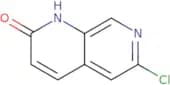
Formule :C10H15NO2Degré de pureté :Min. 95%Masse moléculaire :181.23 g/mol6-Chloro-1,2-dihydro-1,7-naphthyridin-2-one
CAS :Versatile small molecule scaffold
Formule :C8H5ClN2ODegré de pureté :Min. 95%Masse moléculaire :180.59 g/mol1-(6-Chloro-4-pyrimidinyl)indoline
CAS :Versatile small molecule scaffold
Formule :C12H10ClN3Degré de pureté :Min. 95%Masse moléculaire :231.69 g/molPB-22 3-carboxyindole metabolite solution
CAS :Produit contrôléPB-22 is a synthetic cannabinoid, which can be classified as a CB1 receptor agonist. It is one of the many cannabinoids that have been created in an attempt to circumvent drug laws by creating compounds that are similar to those found in cannabis but have different chemical structures. PB-22 has shown to increase locomotor activity and stimulate the cb1 receptor in mice. Magnetic resonance spectroscopy (MRS) and assays were used to determine the binding affinity of PB-22 for the CB1 receptor. The MRS data showed that PB-22 bound with high affinity to the CB1 receptor and had a lower affinity for CB2 receptors. This suggests that PB-22 may be more potent than other synthetic cannabinoids, such as JWH-018 and CP 55,940, which bind better with CB2 receptors than CB1 receptors.
PB-22 is an analog of JWH-073 and has been shown to have a stronger effect on locomotor activity than JWHFormule :C14H17NO2Degré de pureté :Min. 95%Masse moléculaire :231.29 g/molRef: 3D-CEB42173
Produit arrêté[4-(2-Methoxyethoxy)phenyl]methanamine
CAS :Versatile small molecule scaffold
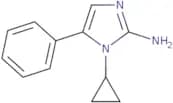
Formule :C10H15NO2Degré de pureté :Min. 95%Masse moléculaire :181.23 g/mol1-Cyclopropyl-5-phenyl-1H-imidazol-2-amine
CAS :Versatile small molecule scaffold
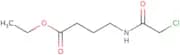
Formule :C12H13N3Degré de pureté :Min. 95%Masse moléculaire :199.25 g/molEthyl 4-(2-chloroacetamido)butanoate
CAS :Versatile small molecule scaffold
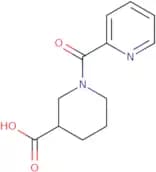
Formule :C8H14ClNO3Degré de pureté :Min. 95%Masse moléculaire :207.65 g/mol1-(Pyridine-2-carbonyl)piperidine-3-carboxylic acid
CAS :Versatile small molecule scaffold
Formule :C12H14N2O3Degré de pureté :Min. 95%Masse moléculaire :234.25 g/mol1-(1H-Imidazol-2-yl)propan-2-ol hydrochloride
CAS :Versatile small molecule scaffoldFormule :C6H11ClN2ODegré de pureté :Min. 95%Masse moléculaire :162.62 g/mol2-[Benzyl(methyl)ao]propanoic acid
CAS :2-[Benzyl(methyl)ao]propanoic acid is a glycine analogue that has been synthesized and characterized. It is an α-amino acid with the chemical formula C5H11NO2. The molecule has a chiral carbon atom at the center of the propanoic acid group and contains two asymmetric carbon atoms on the benzene ring, which enable it to exist in two stereoisomers. The compound has been shown to exhibit interligand interactions with copper as well as stereoselectivity in its interactions with l-amino acids. 2-[Benzyl(methyl)ao]propanoic acid also exhibits dichroism spectra, which are unique to these types of molecules.
Formule :C11H15NO2Degré de pureté :Min. 95%Masse moléculaire :193.24 g/mol4-Acetylmorpholine
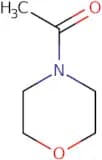
CAS :4-Acetylmorpholine is a recycled amide that is synthesized from an alkanolamine and an acylation reaction. It has been used in the dehydrating of organic compounds, such as reaction solution, and for the preparation of acrylamide. 4-Acetylmorpholine is also used as a viscosity control agent in the extraction of aromatic hydrocarbons. Its chemical structure consists of a carbonyl group and an aromatic hydrocarbon. 4-Acetylmorpholine can be synthesized by reacting acetaldehyde with ammonia or thiourea with methyl chloride or ethylene oxide.
Formule :C6H3D8NO2Degré de pureté :Min. 95%Masse moléculaire :137.21 g/molRef: 3D-BAA69620
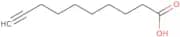
Produit arrêtéDec-9-ynoic acid
CAS :Dec-9-ynoic acid is a synthetic fatty acid that is a precursor to several biologically important substances. It is labile and easily oxidized by air, light, or heat. Dec-9-ynoic acid has been shown to be a central metabolic intermediate for the biosynthesis of polyunsaturated fatty acids. It can also be converted into linolenic acid, which is an essential fatty acid that cannot be synthesized by humans. Dec-9-ynoic acid exists in two geometric isomers: cis and trans. The cis form exhibits kinetic properties that are different from the trans form. Dec-9-ynoic acid has been studied as a potential treatment for human diseases such as diabetes mellitus type 2, Parkinson's disease, Alzheimer's disease, schizophrenia, and depression.
Formule :C10H16O2Degré de pureté :Min. 95%Masse moléculaire :168.23 g/molRef: 3D-BAA64249
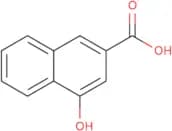
Produit arrêté4-Hydroxy-2-naphthoic acid
CAS :4-Hydroxy-2-naphthoic acid is a hydrocarbon with a carboxylic acid group. It can act as an antagonist to the hydrocarbon receptor (HCR). 4-Hydroxy-2-naphthoic acid has been shown to be effective in treating colon cancer cells in vitro, and has been shown to inhibit the growth of cancer cells in vivo. This compound is also effective at inhibiting the proliferation of human colon cancer cells (Caco2) that have been exposed to benzo(a)pyrene, an aromatic hydrocarbon found in cigarette smoke. The mechanism by which this drug inhibits cell proliferation is not fully understood but may involve inhibition of cytochrome P450 1A1 (CYP1A1), which metabolizes benzo(a)pyrene into carcinogenic intermediates. 4-Hydroxy-2-naphthoic acid has also been shown to be anisotropic and microreactor, meaning
Formule :C11H8O3Degré de pureté :Min. 95%Masse moléculaire :188.17 g/molRef: 3D-BAA57391
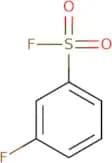
Produit arrêté3-Fluorobenzene-1-sulfonyl fluoride
CAS :3-Fluorobenzene-1-sulfonyl fluoride is a chemical compound that can be used as a catalyst to synthesize organic compounds. It is a colorless liquid, which is soluble in water and organic solvents. This catalyst has been shown to be more efficient than the traditional catalysts, such as tetraphenylphosphonium chloride, potassium fluoride or sodium borohydride. 3-Fluorobenzene-1-sulfonyl fluoride also reacts with nitro groups to produce dinitro compounds, which are valuable synthetic intermediates for the production of dyes and pharmaceuticals. The synthesis of this compound can be carried out in high yields with stoichiometric amounts of reactants.
Formule :C6H4F2O2SDegré de pureté :Min. 95%Masse moléculaire :178.16 g/molMethyl[2-(prop-2-yn-1-yloxy)ethyl]amine hydrochloride
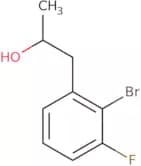
CAS :Versatile small molecule scaffoldFormule :C6H12ClNODegré de pureté :Min. 95%Masse moléculaire :149.62 g/mol1-(2-Bromo-3-fluorophenyl)propan-2-ol
CAS :Versatile small molecule scaffoldFormule :C9H10BrFODegré de pureté :Min. 95%Masse moléculaire :233.08 g/mol4H,5H-Pyrazolo[1,5-a]quinazolin-5-one
CAS :4H,5H-Pyrazolo[1,5-a]quinazolin-5-one is a class of heterocyclic compounds that inhibit the parp-1 and parp proteins. These inhibitors are low nanomolar to nanomolar in potency and have been synthesized from chloride and amides. They have been shown to be potent inhibitors of the growth of cancer cells.
Formule :C10H7N3ODegré de pureté :Min. 95%Masse moléculaire :185.18 g/molRef: 3D-UJC66912
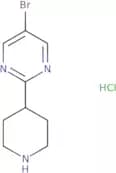
Produit arrêté5-Bromo-2-(piperidin-4-yl)pyrimidine hydrochloride
CAS :Versatile small molecule scaffold
Formule :C9H13BrClN3Degré de pureté :Min. 95%Masse moléculaire :278.58 g/mol1-Ethyl-2-ethynylbenzene
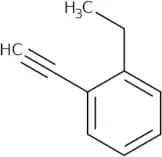
CAS :1-Ethyl-2-ethynylbenzene is an indene that can be synthesized by the reaction of 1-ethylbenzene with ethynylmagnesium bromide and trifluoroacetyl chloride. 1-Ethyl-2-ethynylbenzene reacts as a nucleophile with electrophiles, such as phenylsulfonyl and acetylene compounds, to form sulfones and acetylenes. It can also react with tetrafluoroborates to form indenes.
Formule :C10H10Degré de pureté :Min. 95%Masse moléculaire :130.19 g/mol2-[(tert-Butoxy)carbonyl]-2-azaspiro[4.4]nonane-1-carboxylic acid
CAS :Versatile small molecule scaffold
Formule :C14H23NO4Degré de pureté :Min. 95%Masse moléculaire :269.3 g/molAmyl Acetate
CAS :Amyl acetate is a reactive, volatile organic compound that is used in the manufacture of plasticizers, resins, and synthetic rubber. It is also used as a solvent for dyes and pigments, as well as a flavoring agent in food processing. Amyl acetate has been shown to have antimicrobial properties against human pathogens such as methicillin-resistant Staphylococcus aureus (MRSA), Escherichia coli, and Salmonella enterica. The antimicrobial activity of this molecule may be due to its ability to react with cellular components such as proteins and lipids. Amyl acetate also inhibits the growth of microorganisms by inhibiting their synthesis of essential biomolecules like amino acids and nucleic acids.
Formule :C7H14O2Degré de pureté :Min. 95%Masse moléculaire :130.19 g/molRef: 3D-AAA62863
Produit arrêté5-Ethenyl-2-methoxyphenol
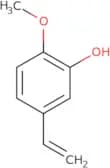
CAS :5-Ethenyl-2-methoxyphenol is a volatile compound that has been isolated from the bark of the cinnamon tree. It has shown anticancer activities "in vitro" and "in vivo". 5-Ethenyl-2-methoxyphenol has been shown to be demethylated by cytochrome P450 enzymes, which may result in its antitumor activity. This active compound can also be detected in postharvested fruit and vegetables as well as processed foods such as apple juice, tomato sauce, and dried fruits. 5-Ethenyl-2-methoxyphenol is responsible for the characteristic flavor of cinnamon, so it is often used as a flavoring agent in food processing.
Formule :C9H10O2Degré de pureté :Min. 95%Couleur et forme :PowderMasse moléculaire :150.17 g/molRef: 3D-AAA62158
Produit arrêté6-Methyl-4-azaspiro[2.5]octane hydrochloride
CAS :Versatile small molecule scaffoldFormule :C8H16ClNDegré de pureté :Min. 95%Masse moléculaire :161.7 g/molAcetic acid, dibromo-, ethyl ester
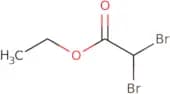
CAS :Acetic acid, dibromo-, ethyl ester is a reactive molecule that can be used as a nucleophilic substituent. It has hydroxyl group and ruthenium complex. It is a particle that can be used in the production of monoclonal antibodies. Acetic acid, dibromo-, ethyl ester also has viscosity and polycarboxylic acid. This chemical reacts with β-unsaturated ketones to form polymerization initiator. Acetic acid, dibromo-, ethyl ester also has carbonyl group and monoclonal antibodies. Acetic acid, dibromo-, ethyl ester can be conjugated with ethyl bromoacetate to produce conjugates.
Formule :C4H6Br2O2Degré de pureté :Min. 95%Masse moléculaire :245.9 g/mol2-[(3-Nitrophenyl)formamido]acetic acid
CAS :2-[(3-Nitrophenyl)formamido]acetic acid (2NPA) is a modifying agent that has been used in the modification of carboxyl groups. It can react with nucleophiles to form adducts and with carbodiimides to form ureas. 2NPA reacts with amino acids, peptides, and other nitrogenous compounds at their carboxyl groups to form ester or amide bonds. The nature of the residues after modification varies depending on the nature of the carboxyl group that was modified.
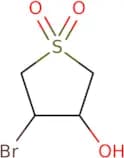
Formule :C9H8N2O5Degré de pureté :Min. 95%Masse moléculaire :224.17 g/mol(3R,4S)-rel-4-Bromotetrahydro-thiophene-3-ol 1,1-dioxide
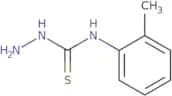
CAS :Versatile small molecule scaffoldFormule :C4H7BrO3SDegré de pureté :Min. 95%Masse moléculaire :215.07 g/mol4-(2-Methylphenyl)-3-thiosemicarbazide
CAS :4-(2-Methylphenyl)-3-thiosemicarbazide is a crystalline solid that belongs to the group of benzoic acid derivatives. It has an orthorhombic crystal structure, with a yellow color. The crystals are measured at room temperature, and it has an atomic weight of 197.11 g/mol. 4-(2-Methylphenyl)-3-thiosemicarbazide is stable in air and in solution, but decomposes at temperatures above 250°C. This compound has been studied by using X-ray diffraction measurements and Bruker parameters. Its isotropic radiation is recorded at the following wavelength: 1.5418 Å (1).
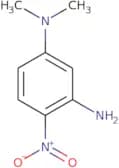
Formule :C8H11N3SDegré de pureté :Min. 95%Masse moléculaire :181.26 g/mol3-Amino-N,N-dimethyl-4-nitroaniline
CAS :Versatile small molecule scaffold
Formule :C8H11N3O2Degré de pureté :Min. 95%Masse moléculaire :181.19 g/molRef: 3D-VAA69171
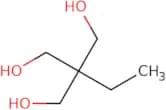
Produit arrêté1,1,1-Tris(hydroxymethyl)propane
CAS :Tris(hydroxymethyl)propane is a diphenyl ether that has been shown to have an electrochemical impedance spectroscopy (EIS) spectrum in the human serum that is similar to those of other known antioxidants. Tris(hydroxymethyl)propane has been shown to protect against light-induced damage in human skin cells, and it also has radiation protective effects. Tris(hydroxymethyl)propane has also been shown to interact with trimethylolpropane, which is another antioxidant, and this interaction may affect the effectiveness of each agent. Tris(hydroxymethyl)propane inhibits lipid peroxidation by inhibiting the oxidation of fatty acids and hydroxyl groups on proteins.
Formule :C6H14O3Degré de pureté :Min. 95%Masse moléculaire :134.17 g/molRef: 3D-AAA07799
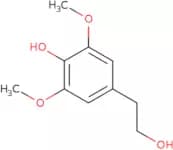
Produit arrêté4-(2-Hydroxyethyl)-2,6-dimethoxyphenol
CAS :Produit contrôlé4-(2-Hydroxyethyl)-2,6-dimethoxyphenol is a phenolic compound that can be extracted from the bark of the Indian tree Terminalia arjuna. The extract has been used in traditional medicine for centuries to treat diabetes and cancer. In vitro studies have shown that this extract inhibits the activity of viruses, including HIV, with a mechanism of action similar to that of indinavir. 4-(2-Hydroxyethyl)-2,6-dimethoxyphenol also has an antioxidant effect and stimulates the production of glutathione reductase and superoxide dismutase by cells in culture. 4-(2-Hydroxyethyl)-2,6-dimethoxyphenol is used as an herbal drug in India and research has found it to be hepatoprotective when administered orally to rats.
Formule :C10H14O4Degré de pureté :Min. 95%Couleur et forme :PowderMasse moléculaire :198.22 g/molRef: 3D-VAA82445
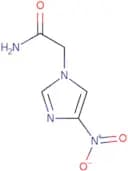
Produit arrêté2-(4-Nitro-1H-imidazol-1-yl)acetamide
CAS :Versatile small molecule scaffold
Formule :C5H6N4O3Degré de pureté :Min. 95%Masse moléculaire :170.13 g/molRef: 3D-VEA39900
Produit arrêté4,5-Dibromo-3-methoxythiophene-2-carboxylic acid
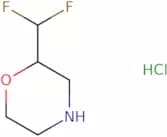
CAS :Versatile small molecule scaffoldFormule :C6H4Br2O3SDegré de pureté :Min. 95%Masse moléculaire :315.97 g/mol2-(Difluoromethyl)morpholine hydrochloride
CAS :Versatile small molecule scaffoldFormule :C5H10ClF2NODegré de pureté :Min. 95%Masse moléculaire :173.59 g/molRef: 3D-VID40894
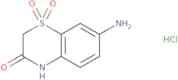
Produit arrêté7-amino-2H-1,4-benzothiazin-3(4H)-one 1,1-dioxide hydrochloride
CAS :Versatile small molecule scaffold
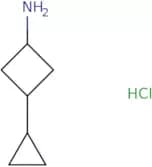
Formule :C8H9ClN2O3SDegré de pureté :Min. 95%Masse moléculaire :248.69 g/mol3-Cyclopropylcyclobutan-1-amine hydrochloride, somers
CAS :Versatile small molecule scaffold
Formule :C7H14ClNDegré de pureté :Min. 95%Masse moléculaire :147.64 g/molRef: 3D-VID40974
Produit arrêté(4-Hydroxy-5-methoxypent-1-yn-1-yl)trimethylsilane
CAS :Versatile small molecule scaffoldFormule :C9H18O2SiDegré de pureté :Min. 95%Masse moléculaire :186.32 g/mol(1,2-Thiazol-5-yl)methanamine hydrochloride
CAS :Versatile small molecule scaffold
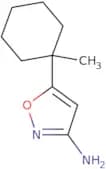
Formule :C4H7ClN2SDegré de pureté :Min. 95%Masse moléculaire :150.63 g/mol5-(1-Methylcyclohexyl)-1,2-oxazol-3-amine
CAS :Versatile small molecule scaffoldFormule :C10H16N2ODegré de pureté :Min. 95%Masse moléculaire :180.2 g/mol5-Methyl-2-[(2,2,2-trifluoroethyl)sulfanyl]aniline
CAS :Versatile small molecule scaffold
Formule :C9H10F3NSDegré de pureté :Min. 95%Masse moléculaire :221.24 g/mol2-[(1H-Indazol-5-yl)formamido]propanoic acid
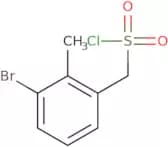
CAS :Versatile small molecule scaffoldFormule :C11H11N3O3Degré de pureté :Min. 95%Masse moléculaire :233.22 g/mol(3-Bromo-2-methylphenyl)methanesulfonyl chloride
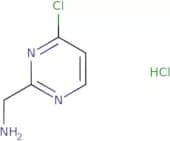
CAS :Versatile small molecule scaffoldFormule :C8H8BrClO2SDegré de pureté :Min. 95%Masse moléculaire :283.57 g/mol2-(Aminomethyl)-4-chloropyrimidine HCl
CAS :Versatile small molecule scaffold
Formule :C5H7Cl2N3Degré de pureté :Min. 95%Masse moléculaire :180.04 g/molRef: 3D-WQC55693
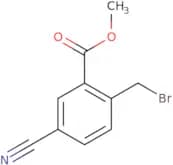
Produit arrêtéMethyl 2-(bromomethyl)-5-cyanobenzoate
CAS :Versatile small molecule scaffold
Formule :C10H8BrNO2Degré de pureté :Min. 95%Masse moléculaire :254.08 g/molRef: 3D-WRA55182
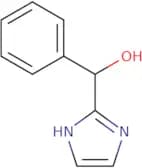
Produit arrêté1H-Imidazol-2-yl(phenyl)methanol
CAS :Versatile small molecule scaffold
Formule :C10H10N2ODegré de pureté :Min. 95%Masse moléculaire :174.2 g/molRef: 3D-XAA09862
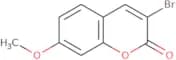
Produit arrêté3-Bromo-7-methoxy-2H-1-benzopyran-2-one
CAS :3-Bromo-7-methoxy-2H-1-benzopyran-2-one is a coumarin derivative that has been shown to cause liver lesions in rats. The compound can also inhibit locomotor activity, as well as have a significant effect on the levels of serum prolactin. 3-Bromo-7-methoxy-2H-1-benzopyran-2-one is a ligand for the 5HT2 receptor, and it has been suggested that this may be due to its coordination geometry. In addition, 3BMOP binds to DNA with high affinity and specificity, which suggests that it could be used as an antitumor agent.
Formule :C10H7BrO3Degré de pureté :Min. 95%Masse moléculaire :255.06 g/molN-[(4-Chlorophenyl)methyl]-4,5-dihydro-1,3-thiazol-2-amine
CAS :Versatile small molecule scaffold
Formule :C10H11ClN2SDegré de pureté :Min. 95%Masse moléculaire :226.73 g/mol(9R)-9-Hydroxy-5H,6H,7H,8H,9H-cyclohepta[b]pyridin-5-one hydrochloride
CAS :Versatile small molecule scaffoldFormule :C10H12ClNO2Degré de pureté :Min. 95%Masse moléculaire :213.7 g/molRef: 3D-XFC52622
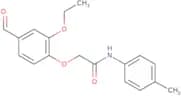
Produit arrêté2-(2-Ethoxy-4-formylphenoxy)-N-(p-tolyl)acetamide
CAS :Versatile small molecule scaffold
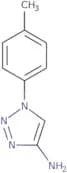
Formule :C18H19NO4Degré de pureté :Min. 95%Masse moléculaire :313.35 g/mol1-(4-Methylphenyl)-1H-1,2,3-triazol-4-amine
CAS :Versatile small molecule scaffoldFormule :C9H10N4Degré de pureté :Min. 95%Masse moléculaire :174.2 g/mol2-(2-Methyl-1,3-thiazol-4-yl)-2-oxoacetic acid
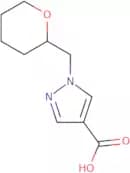
CAS :Versatile small molecule scaffoldFormule :C6H5NO3SDegré de pureté :Min. 95%Masse moléculaire :171.2 g/mol1-((Tetrahydro-2H-pyran-2-yl)methyl)-1H-pyrazole-4-carboxylic acid
CAS :Versatile small molecule scaffold
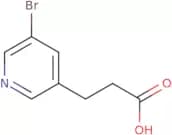
Formule :C10H14N2O3Degré de pureté :Min. 95%Masse moléculaire :210.23 g/mol3-(5-Bromopyridin-3-yl)propanoic acid
CAS :Versatile small molecule scaffold
Formule :C8H8BrNO2Degré de pureté :Min. 95%Masse moléculaire :230.06 g/mol5-Fluoropyridine-3-sulfonamide
CAS :Versatile small molecule scaffold
Formule :C5H5FN2O2SDegré de pureté :Min. 95%Masse moléculaire :176.17 g/mol1-[4-Methyl-2-(4-methylphenyl)-1,3-thiazol-5-yl]ethan-1-ol
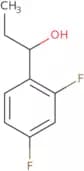
CAS :Versatile small molecule scaffoldFormule :C13H15NOSDegré de pureté :Min. 95%Masse moléculaire :233.33 g/mol1-(2,4-Difluorophenyl)propan-1-ol
CAS :Versatile small molecule scaffold
Formule :C9H10F2ODegré de pureté :Min. 95%Masse moléculaire :172.17 g/mol2-(5-Chloro-1-methyl-1H-imidazol-2-yl)-2,2-difluoroacetic acid hydrochloride
CAS :Versatile small molecule scaffoldFormule :C6H6Cl2F2N2O2Degré de pureté :Min. 95%Masse moléculaire :247 g/mol4-Acetyl-5-methyl-3-(propan-2-yl)-1H-pyrrole-2-carboxylic acid
CAS :Versatile small molecule scaffold
Formule :C11H15NO3Degré de pureté :Min. 95%Masse moléculaire :209.24 g/mol3-[(Pyridin-4-yl)methyl]-1,2,4-oxadiazol-5-amine
CAS :Versatile small molecule scaffold
Formule :C8H8N4ODegré de pureté :Min. 95%Masse moléculaire :176.18 g/mol2-Bromo-3,3,3-trifluoro-1-propene
CAS :Produit contrôlé2-Bromo-3,3,3-trifluoro-1-propene is a chemical compound that has been synthesized in an asymmetric reaction. The reactant is bromopropane and the product is 2,2,2-trifluoropropene. The methylene group on the propene molecule is activated by the nucleophilic attack of a fluoride ion from hydrogen fluoride to form a cavity with a highly strained bond. The kinetic study of this reaction revealed that the activation energy for the reaction is 42 kJ/mol. Palladium-catalyzed coupling reactions are catalyzed by palladium and require nonpolar solvents such as toluene or dichloromethane. This type of reaction has been shown to be exothermic with an isolated yield of 1%.
Formule :C3H2BrF3Degré de pureté :Min. 95%Couleur et forme :Colorless PowderMasse moléculaire :174.95 g/molRef: 3D-FB11073
Produit arrêté4-Chloro-2-hydroxy-6-methylphenylboronic acid
CAS :Versatile small molecule scaffoldFormule :C7H8BClO3Degré de pureté :Min. 95%Masse moléculaire :186.4 g/molRef: 3D-HYB96150
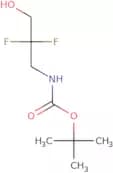
Produit arrêtétert-Butyl (2,2-difluoro-3-hydroxypropyl)carbamate
CAS :Versatile small molecule scaffoldFormule :C10H13NO4Degré de pureté :Min. 95%Masse moléculaire :211.21 g/molRef: 3D-PCC39821
Produit arrêté8-Bromo-2-methylimidazo[1,2-a]pyridine
CAS :Versatile small molecule scaffold
Formule :C8H7N2BrDegré de pureté :Min. 95%Masse moléculaire :211.05 g/mol4,5-Dihydro-1H-imidazol-2-amine hydrochloride
CAS :Please enquire for more information about 4,5-Dihydro-1H-imidazol-2-amine hydrochloride including the price, delivery time and more detailed product information at the technical inquiry form on this page
Formule :C3H7N3•HClDegré de pureté :Min. 95%Masse moléculaire :121.57 g/mol3-Hydroxy-5-methylpyridine
CAS :3-Hydroxy-5-methylpyridine (3HMP) is a chemical substance that has been classified as an amine. It is a product of the metabolism of purines, which are nitrogenous bases found in DNA and RNA. 3HMP is produced by aerogenic bacteria (such as Enterobacter), and can be used to estimate the number of these bacteria present in water samples. 3HMP has been shown to have antiviral properties against influenza virus, and can be used as a biomarker for the presence of other viruses in animals. 3HMP also has mineralization properties, which have been studied extensively, particularly with regards to pancreatic disease.
Formule :C6H7NODegré de pureté :Min. 95%Couleur et forme :PowderMasse moléculaire :109.13 g/mol1-Hydroxycyclopentane-1-carbonitrile
CAS :1-Hydroxycyclopentane-1-carbonitrile is a monomer that is hydrolyzed to form benzoin and cyanohydrins. It can be used in the production of scifinder as a monomer or dimerizer.
Formule :C6H9NODegré de pureté :Min. 95%Masse moléculaire :111.14 g/mol4,5-Dihydroxy-2,3-Pentanedione
CAS :4,5-Dihydroxy-2,3-pentanedione is a carbonyl compound that is the product of the oxidation of ascorbic acid. It is used in wastewater treatment and has antimicrobial properties against infectious diseases. This compound has been shown to inhibit protein synthesis by binding to the ribosome and preventing the formation of peptide bonds between amino acids. 4,5-Dihydroxy-2,3-pentanedione has also been shown to bind to plasma proteins, which may be due to its acyl chain structure. 4,5-Dihydroxy-2,3-pentanedione can be synthesized in a catalytic mechanism that involves dehydroascorbic acid and molecular oxygen.
Formule :C5H8O4Degré de pureté :Min. 95%Couleur et forme :PowderMasse moléculaire :132.11 g/molPiperyline
CAS :Piperyline is an alkanoic acid that has shown to be effective against skin cancer. It also has antimicrobial properties, which may be due to its ability to bind metal ions and form polymeric compounds. Piperyline inhibits microbial growth by inhibiting the synthesis of proteins and nucleic acids. The antimicrobial activity is related to its cationic polymerization with hydroxyl groups, which forms a structure that can inhibit microbial enzymes and disrupt microbial cell membranes. This compound also interacts with the skin's natural lipids, making it difficult for microorganisms to attach and grow on the skin. Piperyline is synthesized in organic chemistry laboratories as an amide precursor of other pharmaceuticals such as penicillin.
Formule :C16H17NO3Degré de pureté :Min. 95%Masse moléculaire :271.31 g/mol

![1-[(2-Methoxyphenyl)methyl]piperidin-4-amine](/_next/image/?url=https%3A%2Fstatic.cymitquimica.com%2Fproducts%2F3D%2Fthumb-webp%2FSNA89455.webp&w=3840&q=75)




![[4-(2-Methoxyethoxy)phenyl]methanamine](/_next/image/?url=https%3A%2Fstatic.cymitquimica.com%2Fproducts%2F3D%2Fthumb-webp%2FCEA19620.webp&w=3840&q=75)

![2-[Benzyl(methyl)ao]propanoic acid](/_next/image/?url=https%3A%2Fstatic.cymitquimica.com%2Fproducts%2F3D%2Fthumb-webp%2FBEA69294.webp&w=3840&q=75)
![Methyl[2-(prop-2-yn-1-yloxy)ethyl]amine hydrochloride](/_next/image/?url=https%3A%2Fstatic.cymitquimica.com%2Fproducts%2F3D%2Fthumb-webp%2FUFC04155.webp&w=3840&q=75)
![4H,5H-Pyrazolo[1,5-a]quinazolin-5-one](/_next/image/?url=https%3A%2Fstatic.cymitquimica.com%2Fproducts%2F3D%2Fthumb-webp%2FUJC66912.webp&w=3840&q=75)
![2-[(tert-Butoxy)carbonyl]-2-azaspiro[4.4]nonane-1-carboxylic acid](/_next/image/?url=https%3A%2Fstatic.cymitquimica.com%2Fproducts%2F3D%2Fthumb-webp%2FUTD67923.webp&w=3840&q=75)

![6-Methyl-4-azaspiro[2.5]octane hydrochloride](/_next/image/?url=https%3A%2Fstatic.cymitquimica.com%2Fproducts%2F3D%2Fthumb-webp%2FUTD67939.webp&w=3840&q=75)
![2-[(3-Nitrophenyl)formamido]acetic acid](/_next/image/?url=https%3A%2Fstatic.cymitquimica.com%2Fproducts%2F3D%2Fthumb-webp%2FAAA61710.webp&w=3840&q=75)


![5-Methyl-2-[(2,2,2-trifluoroethyl)sulfanyl]aniline](/_next/image/?url=https%3A%2Fstatic.cymitquimica.com%2Fproducts%2F3D%2Fthumb-webp%2FVTB62431.webp&w=3840&q=75)
![2-[(1H-Indazol-5-yl)formamido]propanoic acid](/_next/image/?url=https%3A%2Fstatic.cymitquimica.com%2Fproducts%2F3D%2Fthumb-webp%2FWFC97336.webp&w=3840&q=75)
![N-[(4-Chlorophenyl)methyl]-4,5-dihydro-1,3-thiazol-2-amine](/_next/image/?url=https%3A%2Fstatic.cymitquimica.com%2Fproducts%2F3D%2Fthumb-webp%2FXCA23929.webp&w=3840&q=75)
![(9R)-9-Hydroxy-5H,6H,7H,8H,9H-cyclohepta[b]pyridin-5-one hydrochloride](/_next/image/?url=https%3A%2Fstatic.cymitquimica.com%2Fproducts%2F3D%2Fthumb-webp%2FXFC52622.webp&w=3840&q=75)

![1-[4-Methyl-2-(4-methylphenyl)-1,3-thiazol-5-yl]ethan-1-ol](/_next/image/?url=https%3A%2Fstatic.cymitquimica.com%2Fproducts%2F3D%2Fthumb-webp%2FXZB72183.webp&w=3840&q=75)

![3-[(Pyridin-4-yl)methyl]-1,2,4-oxadiazol-5-amine](/_next/image/?url=https%3A%2Fstatic.cymitquimica.com%2Fproducts%2F3D%2Fthumb-webp%2FYZB21426.webp&w=3840&q=75)


![8-Bromo-2-methylimidazo[1,2-a]pyridine](/_next/image/?url=https%3A%2Fstatic.cymitquimica.com%2Fproducts%2F3D%2Fthumb-webp%2FUXB37475.webp&w=3840&q=75)




