


Building Blocks
Sous-catégories appartenant à la catégorie "Building Blocks"
- Acides boroniques et dérivés de l'acide boronique(5.778 produits)
- Building Blocks Chiraux(1.243 produits)
- Building Blocks Hydrocarbonés(6.099 produits)
- Building Blocks organiques(61.038 produits)
205376 produits trouvés pour "Building Blocks"
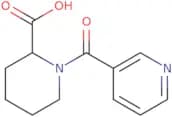
1-(Pyridine-3-carbonyl)piperidine-2-carboxylic acid
CAS :Versatile small molecule scaffold
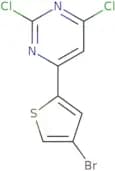
Formule :C12H14N2O3Degré de pureté :Min. 95%Masse moléculaire :234.25 g/mol4-(4-Bromothiophen-2-yl)-2,6-dichloropyrimidine
CAS :Versatile small molecule scaffold
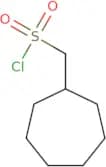
Formule :C8H3BrCl2N2SDegré de pureté :Min. 95%Masse moléculaire :310 g/molCycloheptylmethanesulfonyl chloride
CAS :Cycloheptylmethanesulfonyl chloride is a heterocyclic compound that has been shown to cause neurotoxicity, or nerve damage. It inhibits the activity of two enzymes, acetylcholinesterase and butyrylcholinesterase, which are responsible for regulating the production of the neurotransmitter acetylcholine in the brain. Cycloheptylmethanesulfonyl chloride also inhibits other enzymes involved in the synthesis of proteins in neurons, leading to neuronal damage. Cycloheptylmethanesulfonyl chloride has been shown to be effective against neurological disorders such as neurodegenerative diseases and nerve damage.Formule :C8H15ClO2SDegré de pureté :Min. 95%Masse moléculaire :210.72 g/molPiperazine-1-sulfonamide
CAS :Piperazine-1-sulfonamide is a protein inhibitor that belongs to the group of regulatory agents. It is used to regulate the growth of various types of cells, including immune cells and smooth muscle cells. Piperazine-1-sulfonamide has been shown to inhibit chemokine receptor activity in inflammatory bowel disease, which may be due to its ability to inhibit CXCR4 and CCR5 receptors. This drug also inhibits dpp-iv, an enzyme involved in protein degradation. The pharmacokinetic properties of this agent are not well studied, but it does show toxicity studies in rats at higher doses. Piperazine-1-sulfonamide can cause congestive heart failure and liver damage at high doses, so it should not be used for prolonged periods of time.
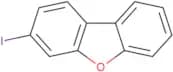
Formule :C4H11N3O2SDegré de pureté :Min. 95%Masse moléculaire :165.21 g/mol3-Iododibenzofuran
CAS :3-Iododibenzofuran is a fluorescent compound that has been used as a probe for the study of neutral endopeptidase activity. The compound is characterized by a high degree of thermal stability and an inhibitory potency at pH 7.0 that is approximately 3 orders of magnitude greater than that of the active site inhibitor, anthracene. 3-Iododibenzofuran can be synthesized using chemoenzymatic methods, with efficiencies and profiles that are similar to those obtained in the conventional method. This probe can also be used to investigate the functional role of proteins in living cells or tissues.
3-Iodobenzofuran has been shown to have pressor effects in rats and can cause tetrazole (a type of explosive) to detonate when heated, which makes it unsuitable for use in devices such as explosives or pyrotechnics.Formule :C12H7IODegré de pureté :Min. 95%Masse moléculaire :294.09 g/molN-(2-{[(2,4-Dichlorophenyl)methyl]amino}ethyl)acetamide
CAS :Versatile small molecule scaffold
Formule :C11H14Cl2N2ODegré de pureté :Min. 95%Masse moléculaire :261.14 g/molRef: 3D-SRB62406
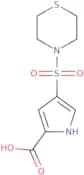
Produit arrêté4-(Thiomorpholine-4-sulfonyl)-1H-pyrrole-2-carboxylic acid
CAS :Produit contrôlé4-(Thiomorpholine-4-sulfonyl)-1H-pyrrole-2-carboxylic acid is a peptide that belongs to the class of sulfonamides. It is an activator of ion channels and receptors, which may be useful in the study of life sciences and pharmacology. This compound has been shown to inhibit protein interactions by binding to receptor sites on cells and ligand sites on proteins. 4-(Thiomorpholine-4-sulfonyl)-1H-pyrrole-2-carboxylic acid also binds to the antibody, which enhances the immune response in animals by increasing the production of antibodies against bacterial antigens.
Formule :C9H12N2O4S2Degré de pureté :Min. 95%Masse moléculaire :276.3 g/molRef: 3D-SRB64964
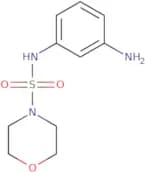
Produit arrêtéN-(3-Aminophenyl)morpholine-4-sulfonamide
CAS :Versatile small molecule scaffold
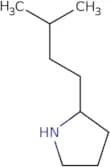
Formule :C10H15N3O3SDegré de pureté :Min. 95%Masse moléculaire :257.31 g/mol2-(3-Methylbutyl)pyrrolidine
CAS :Versatile small molecule scaffold
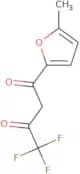
Formule :C9H19NDegré de pureté :Min. 95%Masse moléculaire :141.25 g/mol4,4,4-Trifluoro-1-(5-methylfuran-2-yl)butane-1,3-dione
CAS :Versatile small molecule scaffold
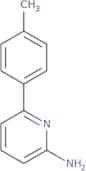
Formule :C9H7F3O3Degré de pureté :Min. 95%Masse moléculaire :220.14 g/mol6-(p-Tolyl)pyridin-2-amine
CAS :Versatile small molecule scaffold
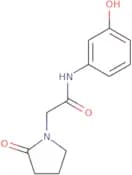
Formule :C12H12N2Degré de pureté :Min. 95%Masse moléculaire :184.24 g/molN-(3-Hydroxyphenyl)-2-(2-oxopyrrolidin-1-yl)acetamide
CAS :Produit contrôléN-(3-Hydroxyphenyl)-2-(2-oxopyrrolidin-1-yl)acetamide is a research tool that is used as an activator or ligand to study the function of receptors, ion channels and other proteins. It binds to cell surface receptors and activates them by mimicking the endogenous ligands. This compound has been shown to be a high purity reagent with protein interactions.Formule :C12H14N2O3Degré de pureté :Min. 95%Masse moléculaire :234.25 g/molRef: 3D-SRB80883
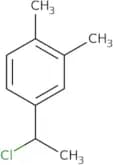
Produit arrêté3,4-Dimethyl-1-(1-chloroethyl)benzene
CAS :Versatile small molecule scaffold
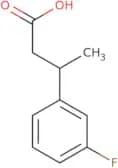
Formule :C10H13ClDegré de pureté :Min. 95%Masse moléculaire :168.66 g/mol3-(3-Fluorophenyl)butanoic acid
CAS :Versatile small molecule scaffold
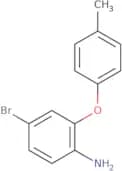
Formule :C10H11FO2Degré de pureté :Min. 95%Masse moléculaire :182.19 g/mol4-Bromo-2-(4-methylphenoxy)aniline
CAS :Versatile small molecule scaffold
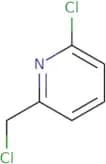
Formule :C13H12BrNODegré de pureté :Min. 95%Masse moléculaire :278.14 g/mol2-Chloro-6-(chloromethyl)pyridine
CAS :2-Chloro-6-(chloromethyl)pyridine (2C6CP) is a chloride precursor that can be used for the synthesis of metal chlorides, such as copper chlorides. 2C6CP is synthesized by reacting thionyl chloride with the substituted pyridine under anhydrous conditions at -78°C. The resultant 2C6CP is then hydrolyzed to produce the desired chloride.
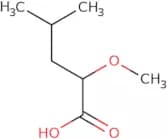
2C6CP has been shown to act as a ligand in coordination chemistry. It was first synthesized by reacting 3-chloropyridine with thionyl chloride and then hydrolyzing it to 2-chloropyridine. This method was later modified to use 4-chlorobenzoyl chloride instead of 3-chloropyridine, producing 2,4-dichloropyridine.Formule :C6H5Cl2NDegré de pureté :Min. 95%Masse moléculaire :162.02 g/mol2-Methoxy-4-methylpentanoic acid
CAS :Versatile small molecule scaffold
Formule :C7H14O3Degré de pureté :Min. 95%Masse moléculaire :146.18 g/molN-Methyl-7h-pyrrolo[2,3-d]pyrimidin-4-amine
CAS :Versatile small molecule scaffold
Formule :C7H8N4Degré de pureté :Min. 95%Masse moléculaire :148.17 g/molRef: 3D-DDA72716
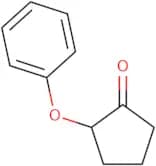
Produit arrêté2-Phenoxycyclopentan-1-one
CAS :Versatile small molecule scaffold
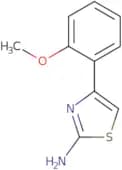
Formule :C11H12O2Degré de pureté :Min. 95%Masse moléculaire :176.21 g/mol4-(2-Methoxy-phenyl)-thiazol-2-ylamine
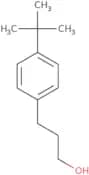
CAS :4-(2-Methoxy-phenyl)-thiazol-2-ylamine is a flavonoid that is synthesized by the condensation of luteolin with salicylaldehyde. It has been shown to have antibacterial activity against strains of P. aeruginosa and S. aureus, with MIC values of 12.5 µg/mL and 25 µg/mL, respectively. The MIC value for 4-(2-Methoxy-phenyl)-thiazol-2-ylamine against E. coli was found to be 100 µg/mL. 4-(2-Methoxy-phenyl)-thiazol-2-ylamine has been shown to inhibit the growth of organisms such as Escherichia coli, Streptococcus pneumoniae and Staphylococcus aureus in vitro. This compound is not active against Gram positive bacteria such as Bacillus subtilis or GramFormule :C10H10N2OSDegré de pureté :Min. 95%Masse moléculaire :206.27 g/mol3-(4-tert-Butylphenyl)propan-1-ol
CAS :Versatile small molecule scaffold
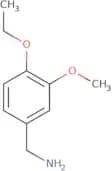
Formule :C13H20ODegré de pureté :Min. 95%Masse moléculaire :192.3 g/mol(4-Ethoxy-3-methoxybenzyl)amine
CAS :Research has shown that (4-Ethoxy-3-methoxybenzyl)amine (EMBA) is a potent inhibitor of bacterial growth. The alkylation of EMBA with methylamine and benzene leads to the formation of aureus, which is an antibiotic that can be used to treat staphylococcus infections. In addition, EMBA can also be methylated with hydroxylamine to form benzylamine, a compound that inhibits the synthesis of the cell wall in bacteria. These properties make EMBA an effective antimicrobial agent.
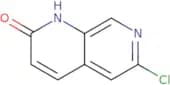
Formule :C10H15NO2Degré de pureté :Min. 95%Masse moléculaire :181.23 g/mol6-Chloro-1,2-dihydro-1,7-naphthyridin-2-one
CAS :Versatile small molecule scaffold
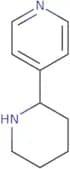
Formule :C8H5ClN2ODegré de pureté :Min. 95%Masse moléculaire :180.59 g/mol4-(Piperidin-2-yl)pyridine
CAS :Versatile small molecule scaffold
Formule :C10H14N2Degré de pureté :Min. 95%Masse moléculaire :162.23 g/mol2-(5,6-Difluoro-1H-indol-3-yl)ethan-1-amine hydrochloride
CAS :Produit contrôléVersatile small molecule scaffoldFormule :C10H11ClF2N2Degré de pureté :Min. 95%Masse moléculaire :232.66 g/molRef: 3D-UGD71390
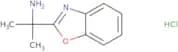
Produit arrêté2-(1,3-Benzoxazol-2-yl)propan-2-amine hydrochloride
CAS :Versatile small molecule scaffoldFormule :C10H13ClN2ODegré de pureté :Min. 95%Masse moléculaire :212.67 g/mol[1-(2-Methylphenyl)ethyl](2-methylpropyl)amine
CAS :Versatile small molecule scaffold
Formule :C13H21NDegré de pureté :Min. 95%Masse moléculaire :191.31 g/molRef: 3D-UQB57925
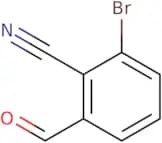
Produit arrêté2-Bromo-6-formylbenzonitrile
CAS :Versatile small molecule scaffold
Formule :C8H4BrNODegré de pureté :Min. 95%Masse moléculaire :210.03 g/molRef: 3D-CDA53287
Produit arrêté1-Benzothiophene-5-carbonitrile
CAS :1-Benzothiophene-5-carbonitrile is a heterocyclic compound that is formed by condensation of ethyl azidoacetate with indole under catalysis. It can be used in the synthesis of heterocycles. The yield of 1-benzothiophene-5-carbonitrile is about 56%.
Formule :C9H5NSDegré de pureté :Min. 95%Masse moléculaire :159.21 g/molRef: 3D-CAA06063
Produit arrêté1-[2-Fluoro-6-(1-phenylethoxy)phenyl]ethan-1-one
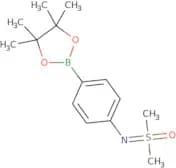
CAS :Versatile small molecule scaffoldFormule :C16H15FO2Degré de pureté :Min. 95%Masse moléculaire :258.29 g/molN-(dimethyloxido-λ4-sulfanylidene)-4-(4,4,5,5-tetramethyl-1,3,2-dioxaborolan-2-yl)-benzenamine
CAS :Versatile small molecule scaffold
Formule :C14H22BNO3SDegré de pureté :Min. 95%Masse moléculaire :295.2 g/mol2-[(4-Fluorophenyl)sulfanyl]cyclohexan-1-one
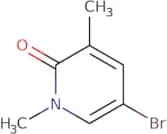
CAS :Versatile small molecule scaffoldFormule :C12H13FOSDegré de pureté :Min. 95%Masse moléculaire :224.3 g/mol5-Bromo-1,3-dimethylpyridin-2(1H)-one
CAS :Benzyne is a reactive intermediate that is formed by the tautomerization of 5-bromo-1,3-dimethylpyridin-2(1H)-one. It is an adduct between a bromine atom and a benzene ring. This compound has been shown to react with electron-rich olefins to form bicyclic compounds called diels-alder adducts. These reactions are often catalyzed by metals, such as palladium or nickel. Benzyne also reacts with triple bonds or other electron rich centers to form benzyne adducts, which are highly reactive and can be used as chemical probes for electron density in molecules.
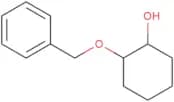
Formule :C7H8BrNODegré de pureté :Min. 95%Masse moléculaire :202.05 g/molrac-(1R,2R)-2-(Benzyloxy)cyclohexan-1-ol
CAS :Versatile small molecule scaffold
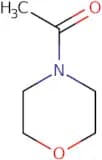
Formule :C13H18O2Degré de pureté :Min. 95%Masse moléculaire :206.28 g/mol4-Acetylmorpholine
CAS :4-Acetylmorpholine is a recycled amide that is synthesized from an alkanolamine and an acylation reaction. It has been used in the dehydrating of organic compounds, such as reaction solution, and for the preparation of acrylamide. 4-Acetylmorpholine is also used as a viscosity control agent in the extraction of aromatic hydrocarbons. Its chemical structure consists of a carbonyl group and an aromatic hydrocarbon. 4-Acetylmorpholine can be synthesized by reacting acetaldehyde with ammonia or thiourea with methyl chloride or ethylene oxide.
Formule :C6H3D8NO2Degré de pureté :Min. 95%Masse moléculaire :137.21 g/molRef: 3D-BAA69620
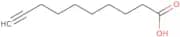
Produit arrêtéDec-9-ynoic acid
CAS :Dec-9-ynoic acid is a synthetic fatty acid that is a precursor to several biologically important substances. It is labile and easily oxidized by air, light, or heat. Dec-9-ynoic acid has been shown to be a central metabolic intermediate for the biosynthesis of polyunsaturated fatty acids. It can also be converted into linolenic acid, which is an essential fatty acid that cannot be synthesized by humans. Dec-9-ynoic acid exists in two geometric isomers: cis and trans. The cis form exhibits kinetic properties that are different from the trans form. Dec-9-ynoic acid has been studied as a potential treatment for human diseases such as diabetes mellitus type 2, Parkinson's disease, Alzheimer's disease, schizophrenia, and depression.
Formule :C10H16O2Degré de pureté :Min. 95%Masse moléculaire :168.23 g/molRef: 3D-BAA64249
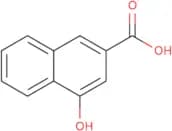
Produit arrêté4-Hydroxy-2-naphthoic acid
CAS :4-Hydroxy-2-naphthoic acid is a hydrocarbon with a carboxylic acid group. It can act as an antagonist to the hydrocarbon receptor (HCR). 4-Hydroxy-2-naphthoic acid has been shown to be effective in treating colon cancer cells in vitro, and has been shown to inhibit the growth of cancer cells in vivo. This compound is also effective at inhibiting the proliferation of human colon cancer cells (Caco2) that have been exposed to benzo(a)pyrene, an aromatic hydrocarbon found in cigarette smoke. The mechanism by which this drug inhibits cell proliferation is not fully understood but may involve inhibition of cytochrome P450 1A1 (CYP1A1), which metabolizes benzo(a)pyrene into carcinogenic intermediates. 4-Hydroxy-2-naphthoic acid has also been shown to be anisotropic and microreactor, meaning
Formule :C11H8O3Degré de pureté :Min. 95%Masse moléculaire :188.17 g/molRef: 3D-BAA57391
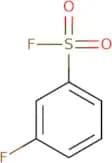
Produit arrêté3-Fluorobenzene-1-sulfonyl fluoride
CAS :3-Fluorobenzene-1-sulfonyl fluoride is a chemical compound that can be used as a catalyst to synthesize organic compounds. It is a colorless liquid, which is soluble in water and organic solvents. This catalyst has been shown to be more efficient than the traditional catalysts, such as tetraphenylphosphonium chloride, potassium fluoride or sodium borohydride. 3-Fluorobenzene-1-sulfonyl fluoride also reacts with nitro groups to produce dinitro compounds, which are valuable synthetic intermediates for the production of dyes and pharmaceuticals. The synthesis of this compound can be carried out in high yields with stoichiometric amounts of reactants.
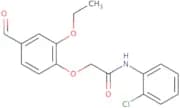
Formule :C6H4F2O2SDegré de pureté :Min. 95%Masse moléculaire :178.16 g/molN-(2-Chlorophenyl)-2-(2-ethoxy-4-formylphenoxy)acetamide
CAS :Versatile small molecule scaffold
Formule :C17H16ClNO4Degré de pureté :Min. 95%Masse moléculaire :333.8 g/molRef: 3D-AYA49901
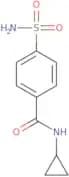
Produit arrêtéN-Cyclopropyl-4-sulfamoylbenzamide
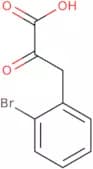
CAS :N-Cyclopropyl-4-sulfamoylbenzamide is a sulfonamide antibiotic that inhibits the growth of bacteria by blocking the synthesis of folic acid. It has been shown to be effective against Escherichia coli, Salmonella enterica, and Staphylococcus aureus. N-Cyclopropyl-4-sulfamoylbenzamide is metabolized in the liver by cytochrome P450 enzymes and excreted in the urine. The rate of metabolism is determined by mutant enzyme activity. This drug has been shown to inhibit detoxification enzymes such as Triticum aestivum desmethylase and acetolactate synthase, which may be responsible for its toxic effects on plants.Formule :C10H12N2O3SDegré de pureté :Min. 95%Masse moléculaire :240.28 g/mol3-(2-Bromophenyl)-2-oxopropanoic acid
CAS :Versatile small molecule scaffold
Formule :C9H7BrO3Degré de pureté :Min. 95%Masse moléculaire :243.05 g/mol3-(Methylsulfonyl)benzyl alcohol
CAS :3-(Methylsulfonyl)benzyl alcohol is a ketone that inhibits the catalytic hydrogenation of benzyl groups. It also has been shown to be an antagonist of β-adrenergic receptors. 3-(Methylsulfonyl)benzyl alcohol is used as a catalyst in catalytic bromination and has also been shown to have anti-inflammatory properties.
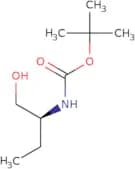
Formule :C8H10O3SDegré de pureté :Min. 95%Masse moléculaire :186.23 g/molN-Boc-(S)-(ˆ’)-2-amino-1-butanol
CAS :Versatile small molecule scaffold
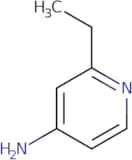
Formule :C9H19NO3Degré de pureté :Min. 95%Masse moléculaire :189.25 g/mol2-Ethylpyridin-4-amine
CAS :2-Ethylpyridin-4-amine is a pyridine that can be synthesized from the amination of 4-nitrophenol. It can also be synthesized by acylation of 2-ethylpyridine with ethyl chloroformate followed by cyclization. This compound has shown to have high yields in reactions involving pyridines and it is often used as a precursor for other compounds.
Formule :C7H10N2Degré de pureté :Min. 95%Masse moléculaire :122.17 g/molRef: 3D-ACA82664
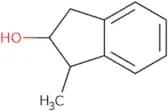
Produit arrêté1-Methyl-2,3-dihydro-1H-inden-2-ol
CAS :Versatile small molecule scaffold
Formule :C10H12ODegré de pureté :Min. 95%Masse moléculaire :148.2 g/mol[2-(2-Ethoxyethoxy)ethyl](methyl)amine
CAS :Versatile small molecule scaffold
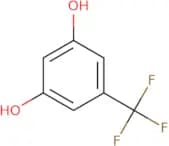
Formule :C7H17NO2Degré de pureté :Min. 95%Masse moléculaire :147.22 g/mol5-(Trifluoromethyl)benzene-1,3-diol
CAS :Versatile small molecule scaffold
Formule :C7H5F3O2Degré de pureté :Min. 95%Masse moléculaire :178.11 g/molRef: 3D-AAA45468
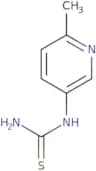
Produit arrêté(6-Methylpyridin-3-yl)thiourea
CAS :Versatile small molecule scaffold
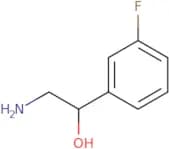
Formule :C7H9N3SDegré de pureté :Min. 95%Masse moléculaire :167.23 g/mol2-Amino-1-(3-fluorophenyl)ethanol
CAS :Versatile small molecule scaffold
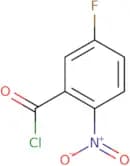
Formule :C8H10FNODegré de pureté :Min. 95%Masse moléculaire :155.17 g/mol5-Fluoro-2-nitrobenzoyl chloride
CAS :5-Fluoro-2-nitrobenzoyl chloride is a conformationally locked macrocyclic compound that has been synthesized by solid phase synthesis. It is found in two conformational states and can be made to switch between these two states by applying a force to the molecule. This conformation can be controlled by changing the side chain of 5-fluoro-2-nitrobenzoyl chloride, which can be done experimentally. The conformational behavior of this macrocycle was studied using molecular dynamics simulations and it was found that there are four possible conformations for the molecule. The conformations with different side chains were found to have different energies, which could be used as a measure of their relative stability.
Formule :C7H3ClFNO3Degré de pureté :Min. 95%Masse moléculaire :203.55 g/molRef: 3D-AAA39402
Produit arrêté4-[(4-Methylpyrimidin-2-yl)oxy]aniline
CAS :Versatile small molecule scaffold
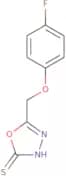
Formule :C11H11N3ODegré de pureté :Min. 95%Masse moléculaire :201.22 g/mol5-(4-Fluorophenoxymethyl)-1,3,4-oxadiazole-2-thiol
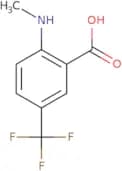
CAS :Versatile small molecule scaffoldFormule :C9H7FN2O2SDegré de pureté :Min. 95%Masse moléculaire :226.23 g/mol2-(Methylamino)-5-(trifluoromethyl)benzoic acid
CAS :Versatile small molecule scaffold
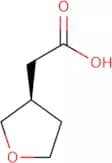
Formule :C9H8F3NO2Degré de pureté :Min. 95%Masse moléculaire :219.16 g/mol(R)-2-(Tetrahydrofuran-3-yl)acetic Acid
CAS :Versatile small molecule scaffold
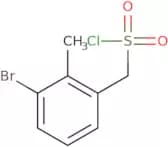
Formule :C6H10O3Degré de pureté :Min. 95%Masse moléculaire :130.14 g/mol(3-Bromo-2-methylphenyl)methanesulfonyl chloride
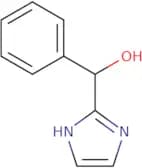
CAS :Versatile small molecule scaffoldFormule :C8H8BrClO2SDegré de pureté :Min. 95%Masse moléculaire :283.57 g/mol1H-Imidazol-2-yl(phenyl)methanol
CAS :Versatile small molecule scaffold
Formule :C10H10N2ODegré de pureté :Min. 95%Masse moléculaire :174.2 g/molRef: 3D-XAA09862
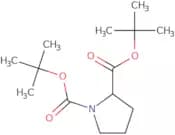
Produit arrêté1,2-Di-tert-butyl pyrrolidine-1,2-dicarboxylate
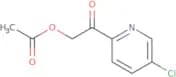
CAS :Versatile small molecule scaffoldFormule :C14H25NO4Degré de pureté :Min. 95%Masse moléculaire :271.35 g/mol2-(5-Chloropyridin-2-yl)-2-oxoethyl acetate
CAS :Versatile small molecule scaffold
Formule :C9H8ClNO3Degré de pureté :Min. 95%Masse moléculaire :213.62 g/moltert-Butyl N-[1-cyano-3-(propan-2-yloxy)propyl]carbamate
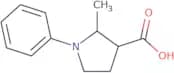
CAS :Versatile small molecule scaffoldFormule :C12H22N2O3Degré de pureté :Min. 95%Masse moléculaire :242.31 g/mol2-Methyl-1-phenylpyrrolidine-3-carboxylic acid
CAS :Versatile small molecule scaffold
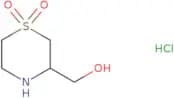
Formule :C12H15NO2Degré de pureté :Min. 95%Masse moléculaire :205.25 g/mol(S)-3-(Hydroxymethyl)thiomorpholine 1,1-dioxide hydrochloride
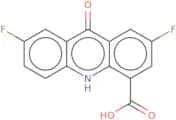
CAS :Versatile small molecule scaffoldFormule :C5H12ClNO3SDegré de pureté :Min. 95%Masse moléculaire :201.67 g/mol2,7-Difluoro-9-oxo-9,10-dihydroacridine-4-carboxylic acid
CAS :Versatile small molecule scaffold
Formule :C14H7F2NO3Degré de pureté :Min. 95%Masse moléculaire :275.2 g/mol2-(Benzylamino)-1-[3-(difluoromethoxy)phenyl]ethan-1-ol
CAS :Versatile small molecule scaffoldFormule :C16H17F2NO2Degré de pureté :Min. 95%Masse moléculaire :293.31 g/mol2-{2H,3H-Imidazo[2,1-b][1,3]thiazol-6-yl}ethan-1-amine hydrochloride
CAS :Versatile small molecule scaffold
Formule :C7H12ClN3SDegré de pureté :Min. 95%Masse moléculaire :205.71 g/mol5-(Chloromethyl)-3-methyl-1-phenyl-1H-pyrazole-4-carbonitrile
CAS :Versatile small molecule scaffold
Formule :C12H10ClN3Degré de pureté :Min. 95%Masse moléculaire :231.68 g/molRef: 3D-YCB36700
Produit arrêté3-{[3-(Thiophen-3-yl)-1,2,4-oxadiazol-5-yl]methyl}thiomorpholine hydrochloride
CAS :Versatile small molecule scaffold
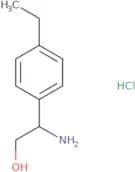
Formule :C11H14ClN3OS2Degré de pureté :Min. 95%Masse moléculaire :303.8 g/mol2-Amino-2-(4-ethylphenyl)ethan-1-ol hydrochloride
CAS :Versatile small molecule scaffold
Formule :C10H16ClNODegré de pureté :Min. 95%Masse moléculaire :201.69 g/mol3-Hydroxy-5-methylpyridine
CAS :3-Hydroxy-5-methylpyridine (3HMP) is a chemical substance that has been classified as an amine. It is a product of the metabolism of purines, which are nitrogenous bases found in DNA and RNA. 3HMP is produced by aerogenic bacteria (such as Enterobacter), and can be used to estimate the number of these bacteria present in water samples. 3HMP has been shown to have antiviral properties against influenza virus, and can be used as a biomarker for the presence of other viruses in animals. 3HMP also has mineralization properties, which have been studied extensively, particularly with regards to pancreatic disease.
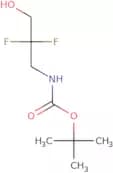
Formule :C6H7NODegré de pureté :Min. 95%Couleur et forme :PowderMasse moléculaire :109.13 g/moltert-Butyl (2,2-difluoro-3-hydroxypropyl)carbamate
CAS :Versatile small molecule scaffoldFormule :C10H13NO4Degré de pureté :Min. 95%Masse moléculaire :211.21 g/molRef: 3D-PCC39821
Produit arrêté4-Chloro-2-hydroxy-6-methylphenylboronic acid
CAS :Versatile small molecule scaffoldFormule :C7H8BClO3Degré de pureté :Min. 95%Masse moléculaire :186.4 g/molRef: 3D-HYB96150
Produit arrêté2-Bromo-3,3,3-trifluoro-1-propene
CAS :Produit contrôlé2-Bromo-3,3,3-trifluoro-1-propene is a chemical compound that has been synthesized in an asymmetric reaction. The reactant is bromopropane and the product is 2,2,2-trifluoropropene. The methylene group on the propene molecule is activated by the nucleophilic attack of a fluoride ion from hydrogen fluoride to form a cavity with a highly strained bond. The kinetic study of this reaction revealed that the activation energy for the reaction is 42 kJ/mol. Palladium-catalyzed coupling reactions are catalyzed by palladium and require nonpolar solvents such as toluene or dichloromethane. This type of reaction has been shown to be exothermic with an isolated yield of 1%.
Formule :C3H2BrF3Degré de pureté :Min. 95%Couleur et forme :Colorless PowderMasse moléculaire :174.95 g/molRef: 3D-FB11073
Produit arrêté1-Hydroxycyclopentane-1-carbonitrile
CAS :1-Hydroxycyclopentane-1-carbonitrile is a monomer that is hydrolyzed to form benzoin and cyanohydrins. It can be used in the production of scifinder as a monomer or dimerizer.
Formule :C6H9NODegré de pureté :Min. 95%Masse moléculaire :111.14 g/mol4,5-Dihydro-1H-imidazol-2-amine hydrochloride
CAS :Please enquire for more information about 4,5-Dihydro-1H-imidazol-2-amine hydrochloride including the price, delivery time and more detailed product information at the technical inquiry form on this page
Formule :C3H7N3•HClDegré de pureté :Min. 95%Masse moléculaire :121.57 g/mol8-Bromo-2-methylimidazo[1,2-a]pyridine
CAS :Versatile small molecule scaffold
Formule :C8H7N2BrDegré de pureté :Min. 95%Masse moléculaire :211.05 g/mol4,5-Dihydroxy-2,3-Pentanedione
CAS :4,5-Dihydroxy-2,3-pentanedione is a carbonyl compound that is the product of the oxidation of ascorbic acid. It is used in wastewater treatment and has antimicrobial properties against infectious diseases. This compound has been shown to inhibit protein synthesis by binding to the ribosome and preventing the formation of peptide bonds between amino acids. 4,5-Dihydroxy-2,3-pentanedione has also been shown to bind to plasma proteins, which may be due to its acyl chain structure. 4,5-Dihydroxy-2,3-pentanedione can be synthesized in a catalytic mechanism that involves dehydroascorbic acid and molecular oxygen.
Formule :C5H8O4Degré de pureté :Min. 95%Couleur et forme :PowderMasse moléculaire :132.11 g/molPiperyline
CAS :Piperyline is an alkanoic acid that has shown to be effective against skin cancer. It also has antimicrobial properties, which may be due to its ability to bind metal ions and form polymeric compounds. Piperyline inhibits microbial growth by inhibiting the synthesis of proteins and nucleic acids. The antimicrobial activity is related to its cationic polymerization with hydroxyl groups, which forms a structure that can inhibit microbial enzymes and disrupt microbial cell membranes. This compound also interacts with the skin's natural lipids, making it difficult for microorganisms to attach and grow on the skin. Piperyline is synthesized in organic chemistry laboratories as an amide precursor of other pharmaceuticals such as penicillin.
Formule :C16H17NO3Degré de pureté :Min. 95%Masse moléculaire :271.31 g/mol


![N-(2-{[(2,4-Dichlorophenyl)methyl]amino}ethyl)acetamide](/_next/image/?url=https%3A%2Fstatic.cymitquimica.com%2Fproducts%2F3D%2Fthumb-webp%2FSRB62406.webp&w=3840&q=75)
![N-Methyl-7h-pyrrolo[2,3-d]pyrimidin-4-amine](/_next/image/?url=https%3A%2Fstatic.cymitquimica.com%2Fproducts%2F3D%2Fthumb-webp%2FDDA72716.webp&w=3840&q=75)

amine](/_next/image/?url=https%3A%2Fstatic.cymitquimica.com%2Fproducts%2F3D%2Fthumb-webp%2FUQB57925.webp&w=3840&q=75)

![1-[2-Fluoro-6-(1-phenylethoxy)phenyl]ethan-1-one](/_next/image/?url=https%3A%2Fstatic.cymitquimica.com%2Fproducts%2F3D%2Fthumb-webp%2FUQB62498.webp&w=3840&q=75)
![2-[(4-Fluorophenyl)sulfanyl]cyclohexan-1-one](/_next/image/?url=https%3A%2Fstatic.cymitquimica.com%2Fproducts%2F3D%2Fthumb-webp%2FURB04941.webp&w=3840&q=75)

amine](/_next/image/?url=https%3A%2Fstatic.cymitquimica.com%2Fproducts%2F3D%2Fthumb-webp%2FAAC06291.webp&w=3840&q=75)
![4-[(4-Methylpyrimidin-2-yl)oxy]aniline](/_next/image/?url=https%3A%2Fstatic.cymitquimica.com%2Fproducts%2F3D%2Fthumb-webp%2FZAC86467.webp&w=3840&q=75)
![tert-Butyl N-[1-cyano-3-(propan-2-yloxy)propyl]carbamate](/_next/image/?url=https%3A%2Fstatic.cymitquimica.com%2Fproducts%2F3D%2Fthumb-webp%2FXWC38667.webp&w=3840&q=75)
![2-(Benzylamino)-1-[3-(difluoromethoxy)phenyl]ethan-1-ol](/_next/image/?url=https%3A%2Fstatic.cymitquimica.com%2Fproducts%2F3D%2Fthumb-webp%2FXWC80204.webp&w=3840&q=75)
![2-{2H,3H-Imidazo[2,1-b][1,3]thiazol-6-yl}ethan-1-amine hydrochloride](/_next/image/?url=https%3A%2Fstatic.cymitquimica.com%2Fproducts%2F3D%2Fthumb-webp%2FXWC94114.webp&w=3840&q=75)

![3-{[3-(Thiophen-3-yl)-1,2,4-oxadiazol-5-yl]methyl}thiomorpholine hydrochloride](/_next/image/?url=https%3A%2Fstatic.cymitquimica.com%2Fproducts%2F3D%2Fthumb-webp%2FYGC02770.webp&w=3840&q=75)



![8-Bromo-2-methylimidazo[1,2-a]pyridine](/_next/image/?url=https%3A%2Fstatic.cymitquimica.com%2Fproducts%2F3D%2Fthumb-webp%2FUXB37475.webp&w=3840&q=75)

