Building Blocks
Sous-catégories appartenant à la catégorie "Building Blocks"
- Acides boroniques et dérivés de l'acide boronique(5.774 produits)
- Building Blocks Chiraux(1.237 produits)
- Building Blocks Hydrocarbonés(6.098 produits)
- Building Blocks organiques(60.980 produits)
205158 produits trouvés pour "Building Blocks"
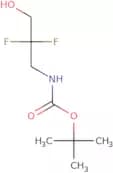
tert-Butyl (2,2-difluoro-3-hydroxypropyl)carbamate
CAS :Versatile small molecule scaffoldFormule :C10H13NO4Degré de pureté :Min. 95%Masse moléculaire :211.21 g/molRef: 3D-PCC39821
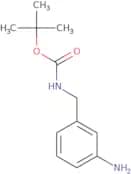
Produit arrêté(3-Aminobenzyl)carbamic acid tert-butyl ester
CAS :Versatile small molecule scaffold
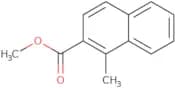
Formule :C12H18N2O2Degré de pureté :Min. 95%Masse moléculaire :222.28 g/molMethyl 1-methylnaphthalene-2-carboxylate
CAS :Versatile small molecule scaffold
Formule :C13H12O2Degré de pureté :Min. 95%Masse moléculaire :200.23 g/molRef: 3D-YCA72117
Produit arrêté4-Bromo-2,6-dimethoxybenzaldehyde
CAS :Versatile small molecule scaffold
Formule :C9H9BrO3Degré de pureté :Min. 95%Masse moléculaire :245.07 g/molRef: 3D-EEC05038
Produit arrêté6-Bromo-1-methylpyridin-2(1H)-one
CAS :Versatile small molecule scaffold
Formule :C6H6BrNODegré de pureté :Min. 95%Masse moléculaire :188.02 g/molRef: 3D-YJB38311
Produit arrêté2-Furanamine hydrochloride
CAS :Please enquire for more information about 2-Furanamine hydrochloride including the price, delivery time and more detailed product information at the technical inquiry form on this page
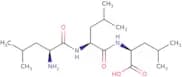
Formule :C4H5NO•HClDegré de pureté :Min. 95%Couleur et forme :PowderMasse moléculaire :119.55 g/molLeu-Leu-Leu-OH
CAS :Leu-Leu-Leu-OH is a pentapeptide that is used in cancer treatment to inhibit the growth of cancer cells. It prevents the production of proteins and, as a result, cell division. Leu-Leu-Leu-OH has been shown to be effective against tumor cells with an antibody that binds to the surface of cells. The monoclonal antibody is taken up by the cancer cells through receptor mediated endocytosis, which leads to inhibition of protein synthesis and cell death.
Formule :C18H35N3O4Degré de pureté :Min. 95%Couleur et forme :White PowderMasse moléculaire :357.49 g/molRef: 3D-FL49327
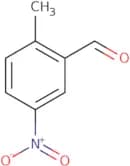
Produit arrêté2-Methyl-5-nitrobenzaldehyde
CAS :2-Methyl-5-nitrobenzaldehyde is a nitro compound that is used in the synthesis of dobutamine. It has been shown to undergo rearrangements, with the formation of 2-methyl-5-nitrophenol. Kinetic studies have shown that chlorine can be substituted for hydrogen at the 2 position, and this substitution leads to an increase in reactivity. 2-methyl-5-nitrobenzaldehyde also reacts with dopamine to form a ketone. The hydroxy group on this molecule is nucleophilic and can attack electrophiles, making it useful as an active site for synthetic reactions. This compound is also pyrophoric, which means it will spontaneously ignite in air and burn until all its fuel is consumed.
Formule :C8H7NO3Degré de pureté :Min. 95%Couleur et forme :Off-White PowderMasse moléculaire :165.15 g/molPolycarbosilane
CAS :Polycarbosilane is a cross-linking agent that can be used to modify the surface properties of polymers. It reacts with the hydroxyl groups on the polymer to form carbosilane bonds, which lead to a change in the viscosity and other physical properties of the material. Polycarbosilane is insoluble in water and has an absorption peak at 350 nm. When reacted with argon gas, polycarbosilane reacts with oxygen or nitrogen to produce carbonyls or amines, respectively. Polycarbosilane can react with x-rays or magnetic resonance spectroscopy to produce elemental analysis data for a variety of elements. This chemical also has optical properties that make it useful as an organic solution for optical devices such as lenses and mirrors. Polycarbosilane is stable under most conditions and can be used as an efficient method for environmental pollution control by removing heavy metals from wastewater streams.
Formule :(C2H6Si)nDegré de pureté :Min. 95%Couleur et forme :PowderRef: 3D-FP180056
Produit arrêté2-(4-Amino-1h-pyrazol-1-yl)ethanol
CAS :Versatile small molecule scaffold
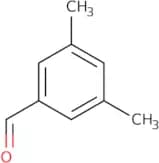
Formule :C5H9N3ODegré de pureté :Min. 95%Masse moléculaire :127.15 g/mol3,5-Dimethylbenzaldehyde
CAS :3,5-Dimethylbenzaldehyde is an organic compound that is a colorless liquid. It has a chemical formula of C9H12O2 and is classified as an aldehyde. 3,5-Dimethylbenzaldehyde can be synthesized by the reaction of isopropyl palmitate with xylene in the presence of carbon as a source. The reaction time required for this synthesis is approximately one day. The major products of this reaction are 3,5-dimethylbenzaldehyde and 2-methylbutanal. This reaction mechanism can also be used to determine the concentration of urinary metabolites in human urine samples. Analysis of these samples requires an organic solvent such as hexane or dichloromethane. Kinetic data was collected from the rate at which zinc powder reacts with 3,5-dimethylbenzaldehyde over time at different concentrations. A kinetic experiment was conducted using c–h bond activation to produce 3,5-dimethoxy
Formule :C9H10ODegré de pureté :Min. 95%Couleur et forme :Colorless Clear LiquidMasse moléculaire :134.18 g/mol4-Bromo-2-fluoropyrimidine
CAS :Versatile small molecule scaffold
Formule :C4H2BrFN2Degré de pureté :Min. 95%Masse moléculaire :176.97 g/molRef: 3D-JYB45822
Produit arrêté2,4,6-Trichloronicotinaldehyde
CAS :Versatile small molecule scaffold
Formule :C6H2Cl3NODegré de pureté :Min. 95%Masse moléculaire :210.45 g/molRef: 3D-LAC26966
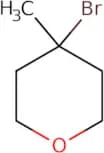
Produit arrêté4-Bromo-4-methyltetrahydropyran
CAS :Versatile small molecule scaffold
Formule :C6H11BrODegré de pureté :Min. 95%Masse moléculaire :179.06 g/molRef: 3D-RCA29988
Produit arrêtéMethyl 3-bromopyrrole-2-carboxylate
CAS :Versatile small molecule scaffoldFormule :C6H6BrNO2Degré de pureté :Min. 95%Masse moléculaire :204.02 g/molRef: 3D-RMB71457
Produit arrêté2,7-Naphthyridin-1(2H)-one
CAS :Cabozantinib is a small molecule that is the first to target VEGFR-2, which is a receptor tyrosine kinase involved in the development of fibrosis. Cabozantinib inhibits the activity of VEGFR-2 by binding to its ATP-binding site and blocking the phosphorylation of downstream signaling pathways. Cabozantinib has been shown to have antifibrotic properties in both preclinical and clinical models. The drug candidate has been shown to reduce kidney fibrosis in animal models. The standard dose for cabozantinib was found to be 5 mg/kg, with a maximum tolerated dose of 20 mg/kg. In vitro studies have indicated that cabozantinib binds with high affinity to the ATP-binding pocket of VEGFR-2, exhibiting competitive inhibition against other kinases such as PDGFR-beta and cKit, as well as diaryliodonium (a specific inhibitor). Caboz
Formule :C8H6N2ODegré de pureté :Min. 95%Masse moléculaire :146.14 g/molRef: 3D-SCA98850
Produit arrêté3-bromo-6,7-dihydro-5h-pyrrolo[3,4-b]pyridine hcl
CAS :Versatile small molecule scaffold
Formule :C7H8BrClN2Degré de pureté :Min. 95%Masse moléculaire :235.51 g/molRef: 3D-UFC11724
Produit arrêté2,4,6-Triphenylpyridine
CAS :2,4,6-Triphenylpyridine is an aromatic heterocycle with a benzyl group and trifluoroacetic acid at the 2-, 4-, and 6-positions. It is a colorless solid that has a melting point of 183 °C. In the gas phase, it exists as three anion radicals (2-, 4-, and 6-). These radicals are responsible for its optical properties. The 2-anion radical has a blue emission spectrum while the 4- and 6-anion radicals have red emission spectra. 2,4,6-Triphenylpyridine can be used as an indicator for trifluoroacetic acid or benzonitrile. It is soluble in primary alcohols such as methanol and ethanol at lower temperatures, but becomes insoluble at higher temperatures. 2,4,6-Triphenylpyridine also has functional theory applications due to its ability to
Formule :C23H17NDegré de pureté :Min. 95%Masse moléculaire :307.4 g/molRef: 3D-AAA58035
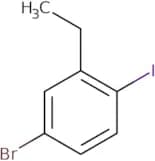
Produit arrêté4-Bromo-2-ethyliodobenzene
CAS :Versatile small molecule scaffold
Formule :C8H8BrIDegré de pureté :Min. 95%Masse moléculaire :310.96 g/mol3,6-Dichloropicolinonitrile
CAS :3,6-Dichloropicolinonitrile is a peroxide that is used in the synthesis of organic compounds. It is produced by the reaction of sodium carbonate and hydrochloric acid with nitric acid as a catalyst. 3,6-Dichloropicolinonitrile has been shown to be more selective than other oxidizing agents such as hydrogen peroxide and potassium permanganate. The product can then be purified by adding diacetate, which selectively reacts with the chlorine to form acetyl chloride and glycolic acid. The resulting mixture can then be distilled to produce 3,6-dichloropicolinonitrile in high purity. 3,6-Dichloropicolinonitrile can also be used in electrochemical methods for the synthesis of cyanides or biochemically for virulent products such as pesticides and organic solvents.
Formule :C6H2Cl2N2Degré de pureté :Min. 95%Masse moléculaire :173 g/molRef: 3D-BAA70218
Produit arrêté2-Bromo-5-fluoro-4-nitroaniline
CAS :2-Bromo-5-fluoro-4-nitroaniline can be synthesized in a reaction system of ammonium chloride, hydrochloric acid, and water vapor. The reaction is carried out at a temperature of 190°C under reflux. The efficiency of this synthesis is high, and the chemical yield is about 90%.
Formule :C6H4BrFN2O2Degré de pureté :Min. 95%Masse moléculaire :235.01 g/molRef: 3D-CNB66469
Produit arrêtéPotassium tert-butyl N-[3-(trifluoroboranuidyl)propyl]carbamate
CAS :Versatile small molecule scaffold
Formule :C8H16BF3KNO2Degré de pureté :Min. 95%Masse moléculaire :265.13 g/molRef: 3D-CNC28926
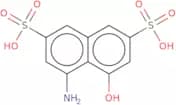
Produit arrêté4-Amino-5-hydroxy-2,7-naphthalenedisulfonic acid
CAS :4-Amino-5-hydroxy-2,7-naphthalenedisulfonic acid (4-AHNDS) is a hydroxyl group and nitrogen containing molecule. It is a reactive compound that can be used to extract anions from water. 4-AHNDS has been shown to react with sodium ions in the presence of water, forming a salt that is soluble in water. This chemical also reacts with organic molecules and forms stable complexes. The reaction mechanism of 4-AHNDS has been studied by kinetic analysis and surface methodology measurements.Formule :C10H9NO7S2Degré de pureté :Min. 95%Couleur et forme :PowderMasse moléculaire :319.31 g/molRef: 3D-FA40913
Produit arrêté2-Bromo-3,3,3-trifluoro-1-propene
CAS :Produit contrôlé2-Bromo-3,3,3-trifluoro-1-propene is a chemical compound that has been synthesized in an asymmetric reaction. The reactant is bromopropane and the product is 2,2,2-trifluoropropene. The methylene group on the propene molecule is activated by the nucleophilic attack of a fluoride ion from hydrogen fluoride to form a cavity with a highly strained bond. The kinetic study of this reaction revealed that the activation energy for the reaction is 42 kJ/mol. Palladium-catalyzed coupling reactions are catalyzed by palladium and require nonpolar solvents such as toluene or dichloromethane. This type of reaction has been shown to be exothermic with an isolated yield of 1%.
Formule :C3H2BrF3Degré de pureté :Min. 95%Couleur et forme :Colorless PowderMasse moléculaire :174.95 g/molRef: 3D-FB11073
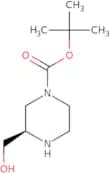
Produit arrêté(R)-4-N-Boc-2-hydroxymethyl-piperazine
CAS :Please enquire for more information about (R)-4-N-Boc-2-hydroxymethyl-piperazine including the price, delivery time and more detailed product information at the technical inquiry form on this page
Formule :C10H20N2O3Degré de pureté :Min. 95%Masse moléculaire :216.28 g/molRef: 3D-FB151258
Produit arrêté1,2-Bis(chlorodimethylsilyl)ethane
CAS :1,2-Bis(chlorodimethylsilyl)ethane is a reactive chemical that is synthesized from hydroxychloroformates and hydrogen chloride. It reacts with silicon to form chlorosilanes, which are then used in the polymerization of siloxanes. 1,2-Bis(chlorodimethylsilyl)ethane has been shown to be an effective initiator for the polymerization of methyl methacrylate and ethylene glycol dimethacrylate. 1,2-Bis(chlorodimethylsilyl)ethane is also used as a hydroxyl group donor in organic reactions.
Formule :C6H16Cl2Si2Degré de pureté :Min. 95 Area-%Couleur et forme :PowderMasse moléculaire :215.27 g/molChlorpheniramine N-oxide
CAS :Please enquire for more information about Chlorpheniramine N-oxide including the price, delivery time and more detailed product information at the technical inquiry form on this page
Formule :C16H19ClN2ODegré de pureté :Min. 95%Masse moléculaire :290.79 g/molCoproporphyrin III
CAS :Please enquire for more information about Coproporphyrin III including the price, delivery time and more detailed product information at the technical inquiry form on this page
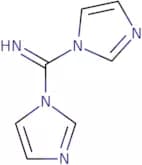
Formule :C36H38N4O8Degré de pureté :Min. 95%Masse moléculaire :654.71 g/mol1,1'-Carbonimidoylbis-1H-imidazole
CAS :1,1'-Carbonimidoylbis-1H-imidazole is a ligand that binds to amines and isosteres. It can be activated with electrophilic reagents to form an activated linker. This ligand has been shown to inhibit the growth of xenograft tumor cells in mice by binding to functional groups on the cell surface. This drug also has been shown to bind to the receptor for advanced glycation end products (RAGE) and inhibit its function. 1,1'-Carbonimidoylbis-1H-imidazole has also been evaluated as a cancer therapeutic agent in animal models.
Formule :C7H7N5Degré de pureté :Min. 95%Couleur et forme :White PowderMasse moléculaire :161.16 g/molRef: 3D-FC45505
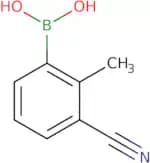
Produit arrêté3-Cyano-2-methylphenylboronic acid
CAS :3-Cyano-2-methylphenylboronic acid is a high quality compound that can be used as a reagent, intermediate, or building block in the synthesis of complex compounds. This chemical is also useful as a speciality chemical and research chemical. 3-Cyano-2-methylphenylboronic acid has versatile uses in organic synthesis due to its versatility in reactions and building blocks.
Formule :C8H8BNO2Degré de pureté :Min. 95%Couleur et forme :PowderMasse moléculaire :160.97 g/mol2,4-Dichloropyrido [2,3-D] pyrimidine
CAS :2,4-Dichloropyrido [2,3-D] pyrimidine is a regioselective chlorination agent that can be used for the synthesis of various organic compounds. It is often used in cross-coupling reactions to form carbon-carbon bonds. 2,4-Dichloropyrido [2,3-D] pyrimidine has been shown to give high yields and is selective for disubstituted or monosubstituted substrates. This compound is also useful for the functionalization of C-H bonds via palladium-catalyzed coupling reactions.
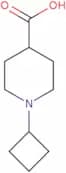
Formule :C7H3Cl2N3Degré de pureté :Min. 95%Couleur et forme :White PowderMasse moléculaire :200.02 g/mol1-Cyclobutylpiperidine-4-carboxylic acid
CAS :Versatile small molecule scaffold
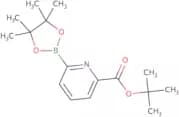
Formule :C10H17NO2Degré de pureté :Min. 95%Masse moléculaire :183.25 g/moltert-Butyl 6-(4,4,5,5-tetramethyl-1,3,2-dioxaborolan-2-yl)picolinate
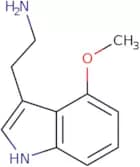
CAS :Versatile small molecule scaffoldFormule :C16H24BNO4Degré de pureté :Min. 95%Masse moléculaire :305.2 g/mol2-(4-Methoxy-1H-indol-3-yl)ethan-1-amine
CAS :Produit contrôlé2-(4-Methoxy-1H-indol-3-yl)ethan-1-amine is a synthetic compound that belongs to the class of organocatalysts. It is a serotonin receptor agonist, and has been shown to act as an antagonist at the 5HT2AR. This drug has been shown to have stereoselective effects in vitro, with high affinity for the S form of 5HT2AR. 2-(4-Methoxy-1H-indol-3-yl)ethan-1-amine also has some activity against dopamine receptors, but not as much as other compounds in its class. !--[if !supportLists]-->· !--[endif]-->This drug binds to speciogynine and alstovenine receptors, which are part of the opioid system.!--[if !supportLists]-->· !--[endif]-->Modelling studies suggest that 2-(4-M
Formule :C11H14N2ODegré de pureté :Min. 95%Couleur et forme :PowderMasse moléculaire :190.24 g/molTripropylphosphine
CAS :Tripropylphosphine is a fatty acid that can be synthesized by reacting tripropyl alcohol with phosphorus trichloride. Tripropylphosphine is soluble in organic solvents, and has an optical rotation of +58°. It has been shown to have cancer-inhibiting properties, as well as the ability to inhibit tumor growth and induce apoptosis in cancer cells. This compound may also be used as a growth regulator, since it inhibits the synthesis of certain proteins and enzymes.
Formule :C9H21PDegré de pureté :Min. 95%Masse moléculaire :160.24 g/molRef: 3D-FT155680
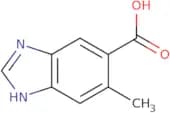
Produit arrêté6-Methylbenzimidazole-5-carboxylic acid
CAS :Versatile small molecule scaffold
Formule :C9H8N2O2Degré de pureté :Min. 95%Masse moléculaire :176.17 g/molRef: 3D-KAA35176
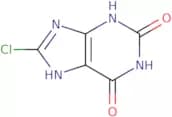
Produit arrêté8-Chloro-3,7-dihydro-1H-purine-2,6-dione
CAS :8-Chloro-3,7-dihydro-1H-purine-2,6-dione is a reactive molecule that binds to the active site of bacterial cyclic nucleotide phosphodiesterases and inhibits their activity. This inhibition prevents the breakdown of cAMP and cGMP, which are important second messengers in eukaryotic cells. 8-Chloro-3,7-dihydro-1H-purine-2,6-dione is also a potent inhibitor of protein synthesis and has been used in research studies on wheat leaves.
Formule :C5H3N4O2ClDegré de pureté :Min. 95%Couleur et forme :PowderMasse moléculaire :186.56 g/mol4,5-Dihydroxy-2,3-Pentanedione
CAS :4,5-Dihydroxy-2,3-pentanedione is a carbonyl compound that is the product of the oxidation of ascorbic acid. It is used in wastewater treatment and has antimicrobial properties against infectious diseases. This compound has been shown to inhibit protein synthesis by binding to the ribosome and preventing the formation of peptide bonds between amino acids. 4,5-Dihydroxy-2,3-pentanedione has also been shown to bind to plasma proteins, which may be due to its acyl chain structure. 4,5-Dihydroxy-2,3-pentanedione can be synthesized in a catalytic mechanism that involves dehydroascorbic acid and molecular oxygen.
Formule :C5H8O4Degré de pureté :Min. 95%Couleur et forme :PowderMasse moléculaire :132.11 g/mol5-Chloro-3-methylpyridazine hydrochloride
CAS :Versatile small molecule scaffoldFormule :C5H6Cl2N2Degré de pureté :Min. 95%Masse moléculaire :165 g/molRef: 3D-DLD47296
Produit arrêtéPoly(dioxanone)
CAS :Poly(dioxanone) is a biocompatible polymer that has been shown to promote bone growth in animal models. It is a cross-linking agent and can be used as an alternative to copper chromite, which is the most common cross-linking agent used in tissue engineering. Poly(dioxanone) has been shown to promote bone growth by stimulating the production of growth factors and increasing the activity of osteoblasts, cells that produce new bone. The material also promotes matrix deposition and remodeling, leading to increased bone density.
Formule :(C4H6O3)nDegré de pureté :Min. 95%Couleur et forme :PowderRef: 3D-FP34560
Produit arrêté1-(4-Ethylphenyl)-2,2,2-trifluoroethan-1-ol
CAS :Versatile small molecule scaffold
Formule :C10H11F3ODegré de pureté :Min. 95%Masse moléculaire :204.19 g/molRef: 3D-GFA25225
Produit arrêtéH-Ala-Ala-Pro-OH trifluoroacetate
CAS :Please enquire for more information about H-Ala-Ala-Pro-OH trifluoroacetate including the price, delivery time and more detailed product information at the technical inquiry form on this page
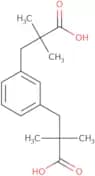
Formule :C11H19N3O4•C2HF3O2Degré de pureté :Min. 95%Masse moléculaire :371.31 g/mol±,±,±²,±²-Tetramethyl-1,3-benzenedipropionic acid
CAS :Versatile small molecule scaffold
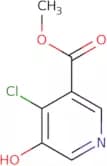
Formule :C16H22O4Degré de pureté :Min. 95%Masse moléculaire :278.34 g/molMethyl 4-chloro-5-hydroxy-3-pyridinecarboxylate
CAS :Versatile small molecule scaffold
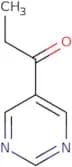
Formule :C7H6ClNO3Degré de pureté :Min. 95%Masse moléculaire :187.58 g/mol1-(Pyrimidin-5-yl)propan-1-one
CAS :Versatile small molecule scaffold
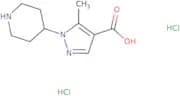
Formule :C7H8N2ODegré de pureté :Min. 95%Masse moléculaire :136.15 g/mol5-Methyl-1-(piperidin-4-yl)-1H-pyrazole-4-carboxylic acid dihydrochloride
CAS :Versatile small molecule scaffoldFormule :C10H17Cl2N3O2Degré de pureté :Min. 95%Masse moléculaire :282.16 g/molRef: 3D-DXC56745
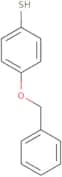
Produit arrêté4-(Benzyloxy)thiophenol
CAS :Versatile small molecule scaffold
Formule :C13H12OSDegré de pureté :Min. 95%Masse moléculaire :216.3 g/molRef: 3D-PPA33959
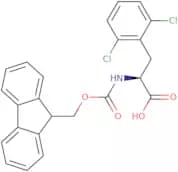
Produit arrêtéFmoc-2,6-dichloro-L-phenylalanine
CAS :Please enquire for more information about Fmoc-2,6-dichloro-L-phenylalanine including the price, delivery time and more detailed product information at the technical inquiry form on this page
Formule :C24H19Cl2NO4Degré de pureté :Min. 95%Masse moléculaire :456.32 g/molN-(2-Methyl-6-benzoxazolyl)-2-propenamide
CAS :Please enquire for more information about N-(2-Methyl-6-benzoxazolyl)-2-propenamide including the price, delivery time and more detailed product information at the technical inquiry form on this page
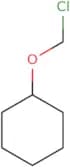
Formule :C11H10N2O2Degré de pureté :Min. 95%Masse moléculaire :202.21 g/molChloromethyl cyclohexyl ether
CAS :Chloromethyl cyclohexyl ether is a light-sensitive cross-linking agent that can be activated by light. It has two functional groups, a hydroxyl group and a chlorine atom. The skeleton of chloromethyl cyclohexyl ether is composed of an alicyclic hydrocarbon with six carbons and the molecule contains two divalent hydrocarbons, one of which is a trifluoromethyl group. Chloromethyl cyclohexyl ether has been used as a solid catalyst in the synthesis of amides and is also used in hyperproliferative diseases such as cancer.
Formule :C7H13ClODegré de pureté :Min. 95%Masse moléculaire :148.63 g/molPiperyline
CAS :Piperyline is an alkanoic acid that has shown to be effective against skin cancer. It also has antimicrobial properties, which may be due to its ability to bind metal ions and form polymeric compounds. Piperyline inhibits microbial growth by inhibiting the synthesis of proteins and nucleic acids. The antimicrobial activity is related to its cationic polymerization with hydroxyl groups, which forms a structure that can inhibit microbial enzymes and disrupt microbial cell membranes. This compound also interacts with the skin's natural lipids, making it difficult for microorganisms to attach and grow on the skin. Piperyline is synthesized in organic chemistry laboratories as an amide precursor of other pharmaceuticals such as penicillin.
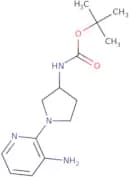
Formule :C16H17NO3Degré de pureté :Min. 95%Masse moléculaire :271.31 g/mol(R)-tert-Butyl 1-(3-aminopyridin-2-yl)pyrrolidin-3-ylcarbamate
CAS :Versatile small molecule scaffoldFormule :C14H22N4O2Degré de pureté :Min. 95%Masse moléculaire :278.35 g/mol2-[(tert-Butoxy)carbonyl]-2-azabicyclo[3.1.0]hexane-5-carboxylic acid
CAS :Versatile small molecule scaffold
Formule :C11H17NO4Degré de pureté :Min. 95%Masse moléculaire :227.26 g/molRef: 3D-BAC00454
Produit arrêté1-(3-Amino-1H-pyrazol-1-yl)-2-methylpropan-2-ol
CAS :Versatile small molecule scaffold
Formule :C7H13N3ODegré de pureté :Min. 95%Masse moléculaire :155.2 g/molRef: 3D-DQB01347
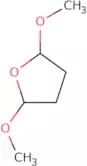
Produit arrêté2,5-Dimethoxytetrahydrofuran
CAS :2,5-Dimethoxytetrahydrofuran is an organic compound that can be synthesized from 2,5-dimethoxybenzaldehyde and tetrahydrofuran. The asymmetric synthesis of this compound was first reported in 1968. The nmr spectrum of 2,5-dimethoxytetrahydrofuran shows two signals at δ 5.89 and δ 7.03 ppm. This compound is soluble in water and organic solvents such as dichloromethane, benzene, toluene, chloroform, and methanol. 2,5-Dimethoxytetrahydrofuran has been shown to have pain-relieving effects using the formalin test in mice and rats. It also has antineoplastic properties when used with other quinoline derivatives.br>br> 2,5-Dimethoxytetrahydrofuran is a white solid
Formule :C6H12O3Degré de pureté :Min. 95%Couleur et forme :PowderMasse moléculaire :132.16 g/molMacaridine
CAS :Please enquire for more information about Macaridine including the price, delivery time and more detailed product information at the technical inquiry form on this page
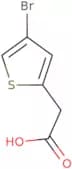
Formule :C13H13NO2Degré de pureté :Min. 95%Masse moléculaire :215.25 g/mol4-Bromothiophene-2-acetic acid
CAS :Versatile small molecule scaffold
Formule :C6H5BrO2SDegré de pureté :Min. 95%Masse moléculaire :221.07 g/molRef: 3D-LGA94289
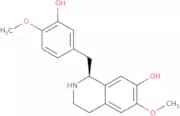
Produit arrêtéNor reticuline
CAS :Norreticuline is a virus-induced gene that is primarily found in the opium poppy, Papaver somniferum. Norreticuline has been shown to be biosynthesized from reticuline by a series of enzymatic reactions. It is also involved in the metabolic pathway of papaverine, which is an alkaloid that has been used as a vasodilator and anti-hypertensive drug. The optimum pH for norreticuline production is between 6 and 7. Norreticuline has demonstrated anticancer activity against various tumor cells, such as breast cancer cells and colon cancer cells. Norreticuline may also have antiviral properties due to its ability to inhibit viral DNA replication and synthesis of viral proteins.
Formule :C18H21NO4Degré de pureté :Min. 95%Masse moléculaire :315.36 g/mol









![3-bromo-6,7-dihydro-5h-pyrrolo[3,4-b]pyridine hcl](/_next/image/?url=https%3A%2Fstatic.cymitquimica.com%2Fproducts%2F3D%2Fthumb-webp%2FUFC11724.webp&w=3840&q=75)



![Potassium tert-butyl N-[3-(trifluoroboranuidyl)propyl]carbamate](/_next/image/?url=https%3A%2Fstatic.cymitquimica.com%2Fproducts%2F3D%2Fthumb-webp%2FCNC28926.webp&w=3840&q=75)



![2,4-Dichloropyrido [2,3-D] pyrimidine](/_next/image/?url=https%3A%2Fstatic.cymitquimica.com%2Fproducts%2F3D%2Fthumb-webp%2FFD31600.webp&w=3840&q=75)





![2-[(tert-Butoxy)carbonyl]-2-azabicyclo[3.1.0]hexane-5-carboxylic acid](/_next/image/?url=https%3A%2Fstatic.cymitquimica.com%2Fproducts%2F3D%2Fthumb-webp%2FBAC00454.webp&w=3840&q=75)