


Building Blocks
Sous-catégories appartenant à la catégorie "Building Blocks"
- Acides boroniques et dérivés de l'acide boronique(5.778 produits)
- Building Blocks Chiraux(1.243 produits)
- Building Blocks Hydrocarbonés(6.099 produits)
- Building Blocks organiques(61.038 produits)
205376 produits trouvés pour "Building Blocks"
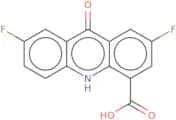
2,7-Difluoro-9-oxo-9,10-dihydroacridine-4-carboxylic acid
CAS :Versatile small molecule scaffold
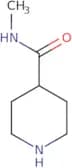
Formule :C14H7F2NO3Degré de pureté :Min. 95%Masse moléculaire :275.2 g/molN-Methylpiperidine-4-carboxamide
CAS :Versatile small molecule scaffold
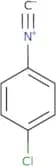
Formule :C7H14N2ODegré de pureté :Min. 95%Masse moléculaire :142.2 g/mol1-Chloro-4-isocyanobenzene
CAS :1-Chloro-4-isocyanobenzene (1CI) is an organic compound that has been used as a chemical probe for the detection of amines and other molecules on metal surfaces. The frequency shift in Raman spectra, which is observed after the addition of 1CI to the metal surface, is used to detect amines. 1CI has also been shown to be a potent inhibitor of mitochondrial function. This molecule binds to nucleophilic sites on metal surfaces and forms covalent bonds with them, leading to a high degree of inhibition.
1CI can be synthesized in three steps from commercially available starting materials and is relatively easy to purify.Formule :C7H4ClNDegré de pureté :Min. 95%Masse moléculaire :137.56 g/mol2-[3-(Propan-2-yl)phenoxy]acetic acid
CAS :2-[3-(Propan-2-yl)phenoxy]acetic acid is a chemical compound that is used as an additive in benzene, and is a phytotoxic chemical. It prevents the formation of chlorophyll by blocking electron transport and inhibiting photosynthesis. 2-[3-(Propan-2-yl)phenoxy]acetic acid is used to induce callus tissue from lettuce, radish, and other plants. This compound also inhibits the growth of various bacteria including Escherichia coli and Pseudomonas aeruginosa.
Formule :C11H14O3Degré de pureté :Min. 95%Masse moléculaire :194.23 g/molDi-n-octylamine
CAS :Di-n-octylamine is a reactive chemical that is chemically stable in the presence of nitrogen. It is used in chemical biology as a transport agent for amines and other organic compounds. Di-n-octylamine has been shown to have optimum solubility in glycol ethers, magnesium salts, and trifluoroacetic acid. This compound reacts with fatty acids to form hydroxyl groups and can be used as an extractant for glycol ethers. The mechanism of this reaction involves intramolecular hydrogen transfer from the hydroxyl group on the fatty acid to the n-octyl amine molecule.
Formule :C16H35NDegré de pureté :Min. 95%Masse moléculaire :241.46 g/molRef: 3D-BAA12048
Produit arrêté3-Azaspiro[5.6]dodecane-2,4-dione
CAS :Versatile small molecule scaffold
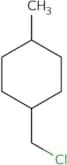
Formule :C11H17NO2Degré de pureté :Min. 95%Masse moléculaire :195.26 g/mol1-(Chloromethyl)-4-methylcyclohexane
CAS :Versatile small molecule scaffold
Formule :C8H15ClDegré de pureté :Min. 95%Masse moléculaire :146.66 g/mol2-(Benzylamino)-1-[3-(difluoromethoxy)phenyl]ethan-1-ol
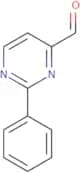
CAS :Versatile small molecule scaffoldFormule :C16H17F2NO2Degré de pureté :Min. 95%Masse moléculaire :293.31 g/mol2-Phenylpyrimidine-4-carbaldehyde
CAS :Versatile small molecule scaffold
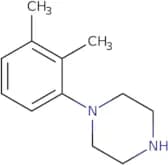
Formule :C11H8N2ODegré de pureté :Min. 95%Masse moléculaire :184.19 g/mol1-(2,3-Dimethylphenyl)piperazine
CAS :Produit contrôlé1-(2,3-Dimethylphenyl)piperazine is a piperidine derivative that has been shown to have antidepressant activity in both in vitro and in vivo studies. It acts as an antagonist at the 5-HT1A receptor and as an agonist at the 5-HT2A receptor. 1-(2,3-Dimethylphenyl)piperazine has been shown to inhibit the production of dopamine, serotonin, and citric acid by inhibiting the enzyme citrate synthase. This drug also increases the concentration of chloride ions in cells. 1-(2,3-Dimethylphenyl)piperazine is used to treat depression, anxiety disorders, and other conditions that may be related to chemical imbalances of serotonin.
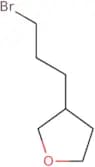
Formule :C12H18N2Degré de pureté :Min. 95%Masse moléculaire :190.29 g/mol3-(3-Bromopropyl)oxolane
CAS :Versatile small molecule scaffold
Formule :C7H13BrODegré de pureté :Min. 95%Masse moléculaire :193.08 g/mol2-{2H,3H-Imidazo[2,1-b][1,3]thiazol-6-yl}ethan-1-amine hydrochloride
CAS :Versatile small molecule scaffold
Formule :C7H12ClN3SDegré de pureté :Min. 95%Masse moléculaire :205.71 g/mol2-[(3,5-Dimethylphenyl)formamido]acetic acid
CAS :2-[(3,5-Dimethylphenyl)formamido]acetic acid is a compound with diverse applications and characteristics. It is a diphenyl ether that can be used as an electrode material in various electronic devices. Additionally, it has cholinergic properties, meaning it affects the neurotransmitter acetylcholine in the nervous system.
Formule :C11H13NO3Degré de pureté :Min. 95%Masse moléculaire :207.23 g/mol2-isopropyltetrahydro-4H-pyran-4-one
CAS :Versatile small molecule scaffoldFormule :C8H14O2Degré de pureté :Min. 95%Masse moléculaire :142.19 g/molRef: 3D-YAA65945
Produit arrêté(2S)-2-Amino-4-(aminooxy)butanoic acid dihydrochloride
CAS :Versatile small molecule scaffold
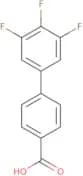
Formule :C4H12Cl2N2O3Degré de pureté :Min. 95%Masse moléculaire :207.1 g/mol4-(3,4,5-Trifluorophenyl)benzoic acid
CAS :Versatile small molecule scaffold
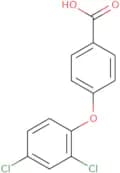
Formule :C13H7F3O2Degré de pureté :Min. 95%Masse moléculaire :252.19 g/mol4-(2,4-Dichlorophenoxy)benzoic acid
CAS :Versatile small molecule scaffold
Formule :C13H8Cl2O3Degré de pureté :Min. 95%Masse moléculaire :283.1 g/molRef: 3D-AMB00504
Produit arrêté4-[2-(4-Iodophenyl)ethyl]morpholine
CAS :Versatile small molecule scaffold
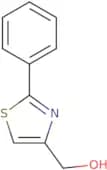
Formule :C12H16INODegré de pureté :Min. 95%Masse moléculaire :317.17 g/mol4-(Hydroxymethyl)-2-phenyl-1,3-thiazole
CAS :4-(Hydroxymethyl)-2-phenyl-1,3-thiazole is a versatile compound that has various applications in research and chemical synthesis. It is commonly used as a building block for the synthesis of organic compounds, including antibodies and research chemicals. This compound has been found to exhibit potent antiangiogenic properties, making it valuable in the field of cancer research. Additionally, 4-(Hydroxymethyl)-2-phenyl-1,3-thiazole can be used as a precursor in the synthesis of important pharmaceuticals such as cephalosporins and taxol. Its unique structure allows for diverse chemical reactions, making it an essential tool for chemists and researchers alike. Whether you're working on developing new drugs or exploring novel chemical reactions, 4-(Hydroxymethyl)-2-phenyl-1,3-thiazole is an indispensable compound that will help drive your scientific endeavors forward.
Formule :C10H9NOSDegré de pureté :Min. 95%Masse moléculaire :191.25 g/molRef: 3D-YAA78013
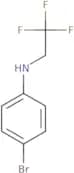
Produit arrêté4-bromo-N-(2,2,2-trifluoroethyl)aniline
CAS :Versatile small molecule scaffold
Formule :C8H7BrF3NDegré de pureté :Min. 95%Masse moléculaire :254 g/molRef: 3D-ACA88529
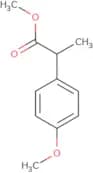
Produit arrêtéMethyl 2-(4-methoxyphenyl)propanoate
CAS :Versatile small molecule scaffold
Formule :C11H14O3Degré de pureté :Min. 95%Masse moléculaire :194.23 g/molRef: 3D-ACA41573
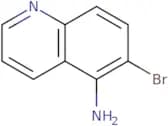
Produit arrêté5-Amino-6-bromoquinoline
CAS :Versatile small molecule scaffold
Formule :C9H7BrN2Degré de pureté :Min. 95%Masse moléculaire :223.07 g/molRef: 3D-ACA35839
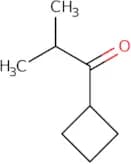
Produit arrêté1-Cyclobutyl-2-methylpropan-1-one
CAS :Versatile small molecule scaffold
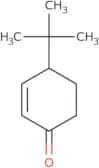
Formule :C8H14ODegré de pureté :Min. 95%Masse moléculaire :126.2 g/mol4-tert-Butylcyclohex-2-en-1-one
CAS :Versatile small molecule scaffold
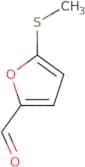
Formule :C10H16ODegré de pureté :Min. 95%Masse moléculaire :152.23 g/mol5-(Methylsulfanyl)furan-2-carbaldehyde
CAS :Versatile small molecule scaffold
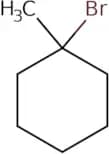
Formule :C6H6O2SDegré de pureté :Min. 95%Masse moléculaire :142.18 g/mol1-Bromo-1-methylcyclohexane
CAS :1-Bromo-1-methylcyclohexane is a monomolecular gas that is used as an intermediate in organic synthesis. It reacts with halides to form cyclopentyl derivatives. This reaction has been shown to be faster than the corresponding reaction of 1-bromocyclohexane with chlorides or bromides. The rate of this reaction may be due to the polarizability and conformational changes of the molecule upon substitution by a methyl group. 1-Bromo-1-methylcyclohexane is also an ionizing reagent, which means it can cause electrophilic reactions to occur on other molecules. It has been found that the solvent effect on this product can affect its reactivity, with solvents such as water having more of an effect than solvents such as benzene. 1-Bromo-1-methylcyclohexane has been shown to interact with other compounds in both transfer and complex
Formule :C7H13BrDegré de pureté :Min. 95%Masse moléculaire :177.08 g/mol5-Amino-1-methyl-1,2,3,4-tetrahydropyrimidine-2,4-dione
CAS :Versatile small molecule scaffoldFormule :C5H7N3O2Degré de pureté :Min. 95%Masse moléculaire :141.13 g/molRef: 3D-YAA89979
Produit arrêtéN-[Carbamothioyl(phenyl)methyl]benzamide
CAS :Versatile small molecule scaffold
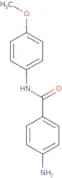
Formule :C15H14N2OSDegré de pureté :Min. 95%Masse moléculaire :270.3 g/mol4-Amino-n-(4-methoxyphenyl)benzamide
CAS :4-Amino-N-(4-methoxyphenyl)benzamide is a catalytic sulfamate that has been optimized for use in the synthesis of benzimidazole derivatives. 4-Amino-N-(4-methoxyphenyl)benzamide is used as a reagent for the preparation of aldehydes from sulfamic acid and various types of carboxylic acids. The reaction mechanism involves nucleophilic attack by the hydroxyl group from the sulfamate on the carbonyl carbon atom to form an intermediate, which then reacts with water to release hydrogen sulfate and form a new double bond.
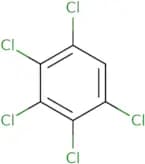
Formule :C14H14N2O2Degré de pureté :Min. 95%Masse moléculaire :242.27 g/mol1,2,3,4,5-Pentachlorobenzene
CAS :1,2,3,4,5-Pentachlorobenzene is a chlorinated hydrocarbon that is used in the production of pesticides and herbicides. It is an ingredient in the manufacturing of pentachlorophenol and pentachloronitrobenzene. 1,2,3,4,5-Pentachlorobenzene has been used as a chemical intermediate or solvent for the production of other chemicals. The emissions from this chemical can be harmful to humans and animals because it has been shown to affect enzyme activities at sublethal doses. It also affects rat liver microsomes and causes DNA damage that can lead to cancer.
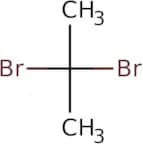
Formule :C6HCl5Degré de pureté :Min. 95%Masse moléculaire :250.34 g/mol2,2-Dibromopropane
CAS :2,2-Dibromopropane is a synthetic chemical that has been used as a precursor in the production of nylon. It is an activator that can be used to form covalent bonds with reactive groups on other molecules. The activation energy for the reaction with piperazine is between 104 and 106 kJ/mol. 2,2-Dibromopropane undergoes acylation reactions under certain conditions, forming reaction products such as 2,2-dibromoethyl acetate and 2,2-dibromoethanol. The molecular weight of 2,2-dibromopropane is 192.19 g/mol and its structural formula is CHBrCHBrCHBrCHBrC≡C≡C≡C≡C≡C≡CC(O)OH.
Formule :C3H6Br2Degré de pureté :Min. 95%Masse moléculaire :201.89 g/molRef: 3D-AAA59416
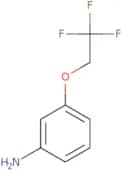
Produit arrêté3-(2,2,2-Trifluoroethoxy)aniline
CAS :Versatile small molecule scaffold
Formule :C8H8F3NODegré de pureté :Min. 95%Masse moléculaire :191.15 g/molRef: 3D-YEA20761
Produit arrêtérac-(2R,4S)-1-[(tert-Butoxy)carbonyl]-4-ethylpiperidine-2-carboxylic acid
CAS :Versatile small molecule scaffoldFormule :C13H23NO4Degré de pureté :Min. 95%Masse moléculaire :257.33 g/mol2-(5-Chloro-1-methyl-1H-imidazol-2-yl)-2,2-difluoroacetic acid hydrochloride
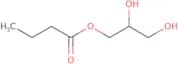
CAS :Versatile small molecule scaffoldFormule :C6H6Cl2F2N2O2Degré de pureté :Min. 95%Masse moléculaire :247 g/mol1-Monotetranoin
CAS :1-Monotetranoin is a fatty ester that is involved in the process of lipolysis, which is the breakdown of fat cells. Lipolysis occurs when an enzyme called lipase hydrolyzes triglycerides into glycerol and three fatty acids. 1-Monotetranoin has been shown to be a potent stimulator of growth factor production and cell proliferation in vivo models. It has also been shown to be effective at inhibiting angiogenic processes in vitro, including the release of growth factors from fat cells. The neutral pH optimum for 1-monotetranoin is between 7 and 8, which may be due to its hydrophobic nature.
Formule :C7H14O4Degré de pureté :Min. 95%Masse moléculaire :162.18 g/mol4-Acetyl-5-methyl-3-(propan-2-yl)-1H-pyrrole-2-carboxylic acid
CAS :Versatile small molecule scaffold
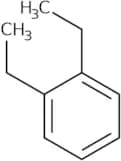
Formule :C11H15NO3Degré de pureté :Min. 95%Masse moléculaire :209.24 g/mol1,2-Diethylbenzene
CAS :1,2-Diethylbenzene is a trifluoroacetic acid derivative that is used as an acylation agent and a solid catalyst. 1,2-Diethylbenzene has been shown to increase the energy metabolism in cultured human cells. It also influences fatty acid synthesis and nmr spectra of plant families. 1,2-Diethylbenzene was found to be safe for use in sciatic nerve regeneration in Sprague-Dawley rats with axonopathy. This chemical can also be used as an analytical reagent for the separation of urine samples by liquid chromatography methods.
Formule :C10H14Degré de pureté :Min. 95%Masse moléculaire :134.22 g/molRef: 3D-AAA13501
Produit arrêté1-(3-Methoxyphenyl)-2-methylpropan-2-amine
CAS :Produit contrôléVersatile small molecule scaffold
Formule :C11H17NODegré de pureté :Min. 95%Masse moléculaire :179.26 g/molRef: 3D-YHA22666
Produit arrêté1-(1-Methylpiperidin-4-yl)-1H-pyrazol-4-amine hydrochloride
CAS :Versatile small molecule scaffold
Formule :C9H17ClN4Degré de pureté :Min. 95%Masse moléculaire :216.71 g/mol3-[(Pyridin-4-yl)methyl]-1,2,4-oxadiazol-5-amine
CAS :Versatile small molecule scaffold
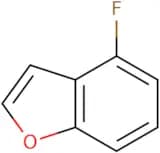
Formule :C8H8N4ODegré de pureté :Min. 95%Masse moléculaire :176.18 g/mol4-Fluorobenzofuran
CAS :Versatile small molecule scaffold
Formule :C8H5FODegré de pureté :Min. 95%Masse moléculaire :136.12 g/mol2-(3-Chloro-1-benzothiophen-2-yl)-6H,7H-[1,3]oxazolo[5,4-d]pyrimidin-7-one
CAS :Versatile small molecule scaffoldFormule :C13H6ClN3O2SDegré de pureté :Min. 95%Masse moléculaire :303.72 g/mol1-[(4-Chlorophenyl)methyl]-3,6-dimethyl-1H-pyrazolo[3,4-b]pyridine-4-carboxylic acid
CAS :Versatile small molecule scaffold
Formule :C16H14ClN3O2Degré de pureté :Min. 95%Masse moléculaire :315.75 g/molRef: 3D-MMB59774
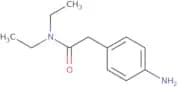
Produit arrêté2-(4-Aminophenyl)-N,N-diethylacetamide
CAS :Versatile small molecule scaffoldFormule :C12H18N2ODegré de pureté :Min. 95%Masse moléculaire :206.28 g/molRef: 3D-MKB47945
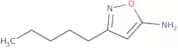
Produit arrêté3-Pentyl-1,2-oxazol-5-amine
CAS :Versatile small molecule scaffold
Formule :C8H14N2ODegré de pureté :Min. 95%Masse moléculaire :154.21 g/mol{6-[(2-Fluorophenyl)methoxy]pyridin-3-yl}methanol
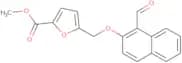
CAS :Versatile small molecule scaffoldFormule :C13H12FNO2Degré de pureté :Min. 95%Masse moléculaire :233.24 g/mol5-(1-Formyl-naphthalen-2-yloxymethyl)-furan-2-carboxylic acid methyl ester
CAS :Versatile small molecule scaffold
Formule :C18H14O5Degré de pureté :Min. 95%Masse moléculaire :310.3 g/molRef: 3D-NSA22105
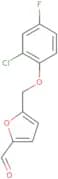
Produit arrêté5-(2-Chloro-4-fluorophenoxymethyl)furan-2-carbaldehyde
CAS :Versatile small molecule scaffold
Formule :C12H8ClFO3Degré de pureté :Min. 95%Masse moléculaire :254.64 g/mol3-[(2,2,3,3-Tetrafluoropropoxy)methyl]benzoic acid
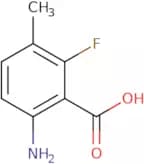
CAS :Versatile small molecule scaffoldFormule :C11H10F4O3Degré de pureté :Min. 95%Masse moléculaire :266.19 g/mol6-Amino-2-fluoro-3-methylbenzoic acid
CAS :Versatile small molecule scaffold
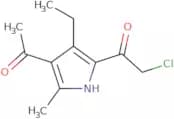
Formule :C8H8FNO2Degré de pureté :Min. 95%Masse moléculaire :169.15 g/mol1-(4-Acetyl-3-ethyl-5-methyl-1H-pyrrol-2-yl)-2-chloroethan-1-one
CAS :Versatile small molecule scaffold
Formule :C11H14ClNO2Degré de pureté :Min. 95%Masse moléculaire :227.69 g/molRef: 3D-LYB36238
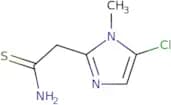
Produit arrêté2-(5-Chloro-1-methyl-1H-imidazol-2-yl)ethanethioamide
CAS :Versatile small molecule scaffoldFormule :C6H8ClN3SDegré de pureté :Min. 95%Masse moléculaire :189.67 g/mol3-(Chloromethyl)-5-phenylisoxazole
CAS :3-(Chloromethyl)-5-phenylisoxazole is a water soluble moiety that is used in the synthesis of conjugates with antitumor activity. 3-(Chloromethyl)-5-phenylisoxazole has been shown to inhibit the growth of brain tumors by binding to DNA, inhibiting transcription and replication. The drug also inhibits protein synthesis and cell division. This compound can be esterified and isothiazole substituted to form an antitumor drug that has a strong antiproliferative effect on human leukemia cells. The biological activity of 3-(chloromethyl)-5-phenylisoxazole can be enhanced by catalytic hydrogenation with methanol in acidic conditions.
Formule :C10H8ClNODegré de pureté :Min. 95%Masse moléculaire :193.63 g/mol3-[(5-Bromopyrimidin-2-yl)oxy]benzoic acid
CAS :Versatile small molecule scaffold
Formule :C11H7BrN2O3Degré de pureté :Min. 95%Masse moléculaire :295.09 g/moltert-Butyl 3-azabicyclo[3.1.0]hexane-3-carboxylate
CAS :Versatile small molecule scaffold
Formule :C10H17NO2Degré de pureté :Min. 95%Masse moléculaire :183.25 g/molRef: 3D-LMB55150
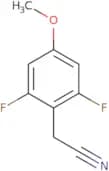
Produit arrêté2,6-Difluoro-4-methoxyphenylacetonitrile
CAS :Versatile small molecule scaffold
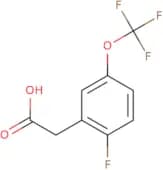
Formule :C9H7F2NODegré de pureté :Min. 95%Masse moléculaire :183.16 g/mol2-Fluoro-5-(trifluoromethoxy)phenylacetic acid
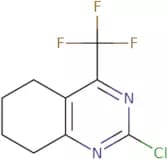
CAS :Versatile small molecule scaffoldFormule :C9H6F4O3Degré de pureté :Min. 95%Masse moléculaire :238.14 g/mol2-Chloro-4-trifluoromethyl-5,6,7,8-tetrahydro-quinazoline
CAS :Versatile small molecule scaffoldFormule :C9H8ClF3N2Degré de pureté :Min. 95%Masse moléculaire :236.62 g/molEthyl 2-[(4-amino-5-cyanopyrimidin-2-yl)sulfanyl]acetate
CAS :Versatile small molecule scaffoldFormule :C9H10N4O2SDegré de pureté :Min. 95%Masse moléculaire :238.27 g/molRef: 3D-MMB60132
Produit arrêté4-{3-Methyl-1H-pyrazolo[3,4-b]pyridin-1-yl}benzoic acid
CAS :Versatile small molecule scaffoldFormule :C14H11N3O2Degré de pureté :Min. 95%Masse moléculaire :253.26 g/molRef: 3D-MMB60004
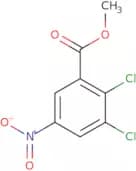
Produit arrêtéMethyl 2,3-dichloro-5-nitrobenzoate
CAS :Versatile small molecule scaffold
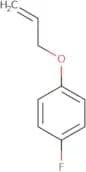
Formule :C8H5Cl2NO4Degré de pureté :Min. 95%Masse moléculaire :250.03 g/mol1-Fluoro-4-(prop-2-en-1-yloxy)benzene
CAS :Versatile small molecule scaffold
Formule :C9H9FODegré de pureté :Min. 95%Masse moléculaire :152.16 g/molPyrrolo[1,2-b]pyridazin-4(1H)-one
CAS :Versatile small molecule scaffold
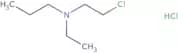
Formule :C7H6N2ODegré de pureté :Min. 95%Masse moléculaire :134.14 g/molN-(2-Chloroethyl)-N-ethylpropan-1-amine hydrochloride
CAS :Produit contrôléVersatile small molecule scaffold
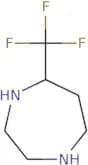
Formule :C7H17Cl2NDegré de pureté :Min. 95%Masse moléculaire :186.12 g/mol5-(Trifluoromethyl)-1,4-diazepane
CAS :Versatile small molecule scaffold
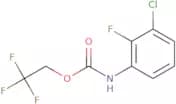
Formule :C6H11F3N2Degré de pureté :Min. 95%Masse moléculaire :168.16 g/mol2,2,2-Trifluoroethyl N-(3-chloro-2-fluorophenyl)carbamate
CAS :Versatile small molecule scaffold
Formule :C9H6ClF4NO2Degré de pureté :Min. 95%Masse moléculaire :271.59 g/mol2-({[(9H-Fluoren-9-yl)methoxy]carbonyl}(3-methoxyphenyl)amino)acetic acid
CAS :Versatile small molecule scaffoldFormule :C24H21NO5Degré de pureté :Min. 95%Masse moléculaire :403.4 g/mol3-Hydroxy-5-methylpyridine
CAS :3-Hydroxy-5-methylpyridine (3HMP) is a chemical substance that has been classified as an amine. It is a product of the metabolism of purines, which are nitrogenous bases found in DNA and RNA. 3HMP is produced by aerogenic bacteria (such as Enterobacter), and can be used to estimate the number of these bacteria present in water samples. 3HMP has been shown to have antiviral properties against influenza virus, and can be used as a biomarker for the presence of other viruses in animals. 3HMP also has mineralization properties, which have been studied extensively, particularly with regards to pancreatic disease.
Formule :C6H7NODegré de pureté :Min. 95%Couleur et forme :PowderMasse moléculaire :109.13 g/mol8-Bromo-2-methylimidazo[1,2-a]pyridine
CAS :Versatile small molecule scaffold
Formule :C8H7N2BrDegré de pureté :Min. 95%Masse moléculaire :211.05 g/mol4-Chloro-2-hydroxy-6-methylphenylboronic acid
CAS :Versatile small molecule scaffoldFormule :C7H8BClO3Degré de pureté :Min. 95%Masse moléculaire :186.4 g/molRef: 3D-HYB96150
Produit arrêtétert-Butyl (2,2-difluoro-3-hydroxypropyl)carbamate
CAS :Versatile small molecule scaffoldFormule :C10H13NO4Degré de pureté :Min. 95%Masse moléculaire :211.21 g/molRef: 3D-PCC39821
Produit arrêté4,5-Dihydro-1H-imidazol-2-amine hydrochloride
CAS :Please enquire for more information about 4,5-Dihydro-1H-imidazol-2-amine hydrochloride including the price, delivery time and more detailed product information at the technical inquiry form on this page
Formule :C3H7N3•HClDegré de pureté :Min. 95%Masse moléculaire :121.57 g/mol2-Bromo-3,3,3-trifluoro-1-propene
CAS :Produit contrôlé2-Bromo-3,3,3-trifluoro-1-propene is a chemical compound that has been synthesized in an asymmetric reaction. The reactant is bromopropane and the product is 2,2,2-trifluoropropene. The methylene group on the propene molecule is activated by the nucleophilic attack of a fluoride ion from hydrogen fluoride to form a cavity with a highly strained bond. The kinetic study of this reaction revealed that the activation energy for the reaction is 42 kJ/mol. Palladium-catalyzed coupling reactions are catalyzed by palladium and require nonpolar solvents such as toluene or dichloromethane. This type of reaction has been shown to be exothermic with an isolated yield of 1%.
Formule :C3H2BrF3Degré de pureté :Min. 95%Couleur et forme :Colorless PowderMasse moléculaire :174.95 g/molRef: 3D-FB11073
Produit arrêté1-Hydroxycyclopentane-1-carbonitrile
CAS :1-Hydroxycyclopentane-1-carbonitrile is a monomer that is hydrolyzed to form benzoin and cyanohydrins. It can be used in the production of scifinder as a monomer or dimerizer.
Formule :C6H9NODegré de pureté :Min. 95%Masse moléculaire :111.14 g/mol4,5-Dihydroxy-2,3-Pentanedione
CAS :4,5-Dihydroxy-2,3-pentanedione is a carbonyl compound that is the product of the oxidation of ascorbic acid. It is used in wastewater treatment and has antimicrobial properties against infectious diseases. This compound has been shown to inhibit protein synthesis by binding to the ribosome and preventing the formation of peptide bonds between amino acids. 4,5-Dihydroxy-2,3-pentanedione has also been shown to bind to plasma proteins, which may be due to its acyl chain structure. 4,5-Dihydroxy-2,3-pentanedione can be synthesized in a catalytic mechanism that involves dehydroascorbic acid and molecular oxygen.
Formule :C5H8O4Degré de pureté :Min. 95%Couleur et forme :PowderMasse moléculaire :132.11 g/molPiperyline
CAS :Piperyline is an alkanoic acid that has shown to be effective against skin cancer. It also has antimicrobial properties, which may be due to its ability to bind metal ions and form polymeric compounds. Piperyline inhibits microbial growth by inhibiting the synthesis of proteins and nucleic acids. The antimicrobial activity is related to its cationic polymerization with hydroxyl groups, which forms a structure that can inhibit microbial enzymes and disrupt microbial cell membranes. This compound also interacts with the skin's natural lipids, making it difficult for microorganisms to attach and grow on the skin. Piperyline is synthesized in organic chemistry laboratories as an amide precursor of other pharmaceuticals such as penicillin.
Formule :C16H17NO3Degré de pureté :Min. 95%Masse moléculaire :271.31 g/mol

![2-[3-(Propan-2-yl)phenoxy]acetic acid](/_next/image/?url=https%3A%2Fstatic.cymitquimica.com%2Fproducts%2F3D%2Fthumb-webp%2FBAA87852.webp&w=3840&q=75)

![3-Azaspiro[5.6]dodecane-2,4-dione](/_next/image/?url=https%3A%2Fstatic.cymitquimica.com%2Fproducts%2F3D%2Fthumb-webp%2FBAA07889.webp&w=3840&q=75)
![2-(Benzylamino)-1-[3-(difluoromethoxy)phenyl]ethan-1-ol](/_next/image/?url=https%3A%2Fstatic.cymitquimica.com%2Fproducts%2F3D%2Fthumb-webp%2FXWC80204.webp&w=3840&q=75)
![2-{2H,3H-Imidazo[2,1-b][1,3]thiazol-6-yl}ethan-1-amine hydrochloride](/_next/image/?url=https%3A%2Fstatic.cymitquimica.com%2Fproducts%2F3D%2Fthumb-webp%2FXWC94114.webp&w=3840&q=75)
![2-[(3,5-Dimethylphenyl)formamido]acetic acid](/_next/image/?url=https%3A%2Fstatic.cymitquimica.com%2Fproducts%2F3D%2Fthumb-webp%2FYAA08214.webp&w=3840&q=75)
![4-[2-(4-Iodophenyl)ethyl]morpholine](/_next/image/?url=https%3A%2Fstatic.cymitquimica.com%2Fproducts%2F3D%2Fthumb-webp%2FAEA83946.webp&w=3840&q=75)
![N-[Carbamothioyl(phenyl)methyl]benzamide](/_next/image/?url=https%3A%2Fstatic.cymitquimica.com%2Fproducts%2F3D%2Fthumb-webp%2FAAA89278.webp&w=3840&q=75)
![rac-(2R,4S)-1-[(tert-Butoxy)carbonyl]-4-ethylpiperidine-2-carboxylic acid](/_next/image/?url=https%3A%2Fstatic.cymitquimica.com%2Fproducts%2F3D%2Fthumb-webp%2FYEA81184.webp&w=3840&q=75)

![3-[(Pyridin-4-yl)methyl]-1,2,4-oxadiazol-5-amine](/_next/image/?url=https%3A%2Fstatic.cymitquimica.com%2Fproducts%2F3D%2Fthumb-webp%2FYZB21426.webp&w=3840&q=75)
![2-(3-Chloro-1-benzothiophen-2-yl)-6H,7H-[1,3]oxazolo[5,4-d]pyrimidin-7-one](/_next/image/?url=https%3A%2Fstatic.cymitquimica.com%2Fproducts%2F3D%2Fthumb-webp%2FMMB60048.webp&w=3840&q=75)
![1-[(4-Chlorophenyl)methyl]-3,6-dimethyl-1H-pyrazolo[3,4-b]pyridine-4-carboxylic acid](/_next/image/?url=https%3A%2Fstatic.cymitquimica.com%2Fproducts%2F3D%2Fthumb-webp%2FMMB59774.webp&w=3840&q=75)
![{6-[(2-Fluorophenyl)methoxy]pyridin-3-yl}methanol](/_next/image/?url=https%3A%2Fstatic.cymitquimica.com%2Fproducts%2F3D%2Fthumb-webp%2FNSA04964.webp&w=3840&q=75)
![3-[(2,2,3,3-Tetrafluoropropoxy)methyl]benzoic acid](/_next/image/?url=https%3A%2Fstatic.cymitquimica.com%2Fproducts%2F3D%2Fthumb-webp%2FNSA46600.webp&w=3840&q=75)

![3-[(5-Bromopyrimidin-2-yl)oxy]benzoic acid](/_next/image/?url=https%3A%2Fstatic.cymitquimica.com%2Fproducts%2F3D%2Fthumb-webp%2FLTB37959.webp&w=3840&q=75)
![tert-Butyl 3-azabicyclo[3.1.0]hexane-3-carboxylate](/_next/image/?url=https%3A%2Fstatic.cymitquimica.com%2Fproducts%2F3D%2Fthumb-webp%2FLMB55150.webp&w=3840&q=75)
![Ethyl 2-[(4-amino-5-cyanopyrimidin-2-yl)sulfanyl]acetate](/_next/image/?url=https%3A%2Fstatic.cymitquimica.com%2Fproducts%2F3D%2Fthumb-webp%2FMMB60132.webp&w=3840&q=75)
![4-{3-Methyl-1H-pyrazolo[3,4-b]pyridin-1-yl}benzoic acid](/_next/image/?url=https%3A%2Fstatic.cymitquimica.com%2Fproducts%2F3D%2Fthumb-webp%2FMMB60004.webp&w=3840&q=75)
![Pyrrolo[1,2-b]pyridazin-4(1H)-one](/_next/image/?url=https%3A%2Fstatic.cymitquimica.com%2Fproducts%2F3D%2Fthumb-webp%2FNKB72026.webp&w=3840&q=75)
![2-({[(9H-Fluoren-9-yl)methoxy]carbonyl}(3-methoxyphenyl)amino)acetic acid](/_next/image/?url=https%3A%2Fstatic.cymitquimica.com%2Fproducts%2F3D%2Fthumb-webp%2FNKD54880.webp&w=3840&q=75)

![8-Bromo-2-methylimidazo[1,2-a]pyridine](/_next/image/?url=https%3A%2Fstatic.cymitquimica.com%2Fproducts%2F3D%2Fthumb-webp%2FUXB37475.webp&w=3840&q=75)






