Building Blocks
Sous-catégories appartenant à la catégorie "Building Blocks"
- Acides boroniques et dérivés de l'acide boronique(5.783 produits)
- Building Blocks Chiraux(1.242 produits)
- Building Blocks Hydrocarbonés(6.105 produits)
- Building Blocks organiques(61.055 produits)
205383 produits trouvés pour "Building Blocks"
Inosine 5'-monophosphate disodium hydrate
CAS :Please enquire for more information about Inosine 5'-monophosphate disodium hydrate including the price, delivery time and more detailed product information at the technical inquiry form on this page
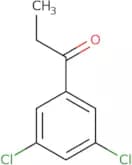
Formule :C10H13N4O8P•Na2•(H2O)xDegré de pureté :Min. 95%1-(3,5-Dichloro-phenyl)-propan-1-one
CAS :Versatile small molecule scaffold
Formule :C9H8Cl2ODegré de pureté :Min. 95%Masse moléculaire :203.07 g/molRef: 3D-SDA82192
Produit arrêté3-bromo-6,7-dihydro-5h-pyrrolo[3,4-b]pyridine hcl
CAS :Versatile small molecule scaffold
Formule :C7H8BrClN2Degré de pureté :Min. 95%Masse moléculaire :235.51 g/molRef: 3D-UFC11724
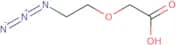
Produit arrêté2-(2-Azidoethoxy)acetic Acid
CAS :2-(2-Azidoethoxy)acetic Acid is a hydrophobic antibacterial agent that can be used to inhibit bacterial growth by disrupting the cell membrane. It has been shown to inhibit the growth of Staphylococcus aureus and Escherichia coli, which may be due to its ability to bind to the glutathione moiety in the bacterial cell membrane. 2-(2-Azidoethoxy)acetic Acid has been shown to have antimicrobial activity against both Gram-positive and Gram-negative bacteria in vitro. This compound is also able to cross the cell membrane, inhibiting bacterial replication in vivo.
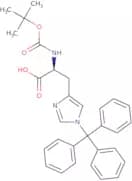
Formule :C4H7N3O3Degré de pureté :Min. 95%Masse moléculaire :145.12 g/molBoc-His(Trt)-OH
CAS :Boc-His(Trt)-OH is a chemical compound that has been used in the laboratory to study uptake and binding of compounds. It is stable in complex with albumin, which has led to its use as a model system for studying hepatic steatosis. This chemical can be synthesized by solid-phase synthesis with trifluoroacetic acid and polypeptide synthesis. FT-IR spectroscopy has been used to characterize Boc-His(Trt)-OH, revealing its chemical diversity.
Formule :C30H31N3O4Degré de pureté :Min. 95%Couleur et forme :PowderMasse moléculaire :497.58 g/mol(-)-Corey lactone diol
CAS :(-)-Corey lactone diol is a synthetic compound that is soluble in organic solvents. It is used for the synthesis of carbocyclic nucleosides, which are analogs of pyrimidine nucleosides. (-)-Corey lactone diol has been shown to inhibit cholesterol synthesis and the synthesis of alkene. (-)-Corey lactone diol also shows anti-inflammatory properties, which may be due to its inhibition of prostaglandin synthesis.
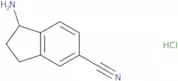
Formule :C8H12O4Degré de pureté :Min. 95%Masse moléculaire :172.18 g/mol1-Amino-2,3-dihydro-1H-indene-5-carbonitrile hydrochloride
CAS :Versatile small molecule scaffoldFormule :C10H11ClN2Degré de pureté :Min. 95%Masse moléculaire :194.66 g/molRef: 3D-DLB55597
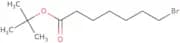
Produit arrêtétert-Butyl 7-bromoheptanoate
CAS :Versatile small molecule scaffold
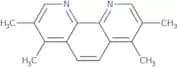
Formule :C11H21BrO2Degré de pureté :Min. 95%Masse moléculaire :265.19 g/mol3,4,7,8-Tetramethyl-1,10-phenanthroline
CAS :Metal-chelating agent
Formule :C16H16N2Degré de pureté :Min. 98 Area-%Couleur et forme :White PowderMasse moléculaire :236.31 g/mol4-Chloro-2-hydroxy-6-methylphenylboronic acid
CAS :Versatile small molecule scaffoldFormule :C7H8BClO3Degré de pureté :Min. 95%Masse moléculaire :186.4 g/molRef: 3D-HYB96150
Produit arrêté(Chloromethyl)cyclohexane
CAS :(Chloromethyl)cyclohexane is a synthase gene that is responsible for synthesizing the enzyme chloromethyl cyclohexane, which is used as a solid catalyst. The synthesis of (chloromethyl)cyclohexane from phenyl groups and liquid crystal composition has been demonstrated using expression plasmids and active oxygen. The compound inhibits inflammatory diseases by preventing the production of arachidonic acid, which is an inflammatory agent. This compound also inhibits the production of prostaglandins, which are involved in the release of histamine from mast cells. Pharmaceutical preparations that contain this compound are primarily used to treat rheumatoid arthritis and other inflammatory diseases.
Formule :C7H13ClDegré de pureté :Min. 95%Masse moléculaire :132.63 g/mol3-Phenylisothiazol-5-amine
CAS :Versatile small molecule scaffold
Formule :C9H8N2SDegré de pureté :Min. 95%Masse moléculaire :176.24 g/mol1-(But-3-yn-1-yl)piperidine
CAS :1-(But-3-yn-1-yl)piperidine is a chiral compound that inhibits the reuptake of serotonin. It has been shown to be an effective inhibitor of the serotonin transporter and to cause an increase in extracellular serotonin levels. 1-(But-3-yn-1-yl)piperidine also has affinity for the dopamine transporter, which may account for its antidepressant effects.
Formule :C9H15NDegré de pureté :Min. 95%Masse moléculaire :137.22 g/molRef: 3D-PAA25674
Produit arrêtéethyl 6-benzyl-2-oxa-6-azaspiro[3.4]octane-8-carboxylate
CAS :Versatile small molecule scaffold
Formule :C16H21NO3Degré de pureté :Min. 95%Masse moléculaire :275.35 g/molRef: 3D-LBC69289
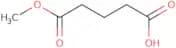
Produit arrêtéMonomethyl Glutarate
CAS :Monomethyl glutarate is a monomer for the synthesis of polymers. It has been used in the past as a precursor for the production of polyacrylic acid and its copolymers. Monomethyl glutarate is synthesized by the reaction of hydrochloric acid, high salt, and an expression plasmid containing glutarate dehydrogenase. This compound is also used as a reagent in kinetic studies of fatty acids and glutaric acid. Monomethyl glutarate is an acidic compound with a pKa value of 3.5 at 25°C. It is rapidly hydrolyzed in water to form monomethyl glutarate acid, which has a pKa value of 2.4 at 25°C. Monomethyl glutarate can be ingested orally or applied topically due to its low energy requirements for hydrolysis in water.
Formule :C6H10O4Degré de pureté :Min. 95%Masse moléculaire :146.14 g/molRef: 3D-BAA50127
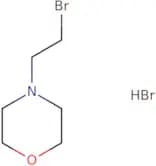
Produit arrêté4-(2-Bromoethyl)morpholine hydrobromide
CAS :4-(2-Bromoethyl)morpholine hydrobromide is a solvent that is used as an agent in the production of other chemicals. It is a colorless, crystalline solid with a constant melting point of 130 to 131 degrees Celsius. 4-(2-Bromoethyl)morpholine hydrobromide is soluble in acetone, ethanol, ether, and water. This chemical has been shown to be toxic and should be handled with care.
Formule :C6H13Br2NODegré de pureté :Min. 95%Masse moléculaire :274.98 g/molRef: 3D-SBA80294
Produit arrêté3-Hydroxy-5-methylpyridine
CAS :3-Hydroxy-5-methylpyridine (3HMP) is a chemical substance that has been classified as an amine. It is a product of the metabolism of purines, which are nitrogenous bases found in DNA and RNA. 3HMP is produced by aerogenic bacteria (such as Enterobacter), and can be used to estimate the number of these bacteria present in water samples. 3HMP has been shown to have antiviral properties against influenza virus, and can be used as a biomarker for the presence of other viruses in animals. 3HMP also has mineralization properties, which have been studied extensively, particularly with regards to pancreatic disease.
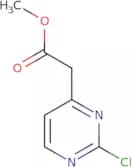
Formule :C6H7NODegré de pureté :Min. 95%Couleur et forme :PowderMasse moléculaire :109.13 g/molMethyl 2-(2-chloropyrimidin-4-yl)acetate
CAS :Versatile small molecule scaffold
Formule :C7H7ClN2O2Degré de pureté :Min. 95%Masse moléculaire :186.59 g/molRef: 3D-RYB12971
Produit arrêté4-Bromo-2-chloro-6-fluorobenzaldehyde
CAS :Versatile small molecule scaffoldFormule :C7H3BrClFODegré de pureté :Min. 95%Masse moléculaire :237.45 g/molRef: 3D-EMB62133
Produit arrêté4-Bromo-2-fluoropyrimidine
CAS :Versatile small molecule scaffold
Formule :C4H2BrFN2Degré de pureté :Min. 95%Masse moléculaire :176.97 g/molRef: 3D-JYB45822
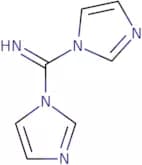
Produit arrêté1,1'-Carbonimidoylbis-1H-imidazole
CAS :1,1'-Carbonimidoylbis-1H-imidazole is a ligand that binds to amines and isosteres. It can be activated with electrophilic reagents to form an activated linker. This ligand has been shown to inhibit the growth of xenograft tumor cells in mice by binding to functional groups on the cell surface. This drug also has been shown to bind to the receptor for advanced glycation end products (RAGE) and inhibit its function. 1,1'-Carbonimidoylbis-1H-imidazole has also been evaluated as a cancer therapeutic agent in animal models.
Formule :C7H7N5Degré de pureté :Min. 95%Couleur et forme :White PowderMasse moléculaire :161.16 g/molRef: 3D-FC45505
Produit arrêté4-Bromopyridine hydrochloride
CAS :4-Bromopyridine HCl is a chemical compound with the molecular formula C6H5BrN. It is an aromatic heterocycle and is used in organic synthesis as a coupling partner in cross-coupling reactions. The bromine atom of 4-bromopyridine is replaced by chloride, resulting in 4-chloropyridine. The chlorination reaction can be conducted using either hydrochloric acid or thionyl chloride. This process can be done on an industrial scale and the chlorinated product has been used in the manufacture of pharmaceuticals, dyes, and pesticides. The reaction mechanism for this substitution reaction involves a nucleophilic attack by chlorine on the pyridine ring at carbon atom 2 followed by displacement of hydrogen from the adjacent position on nitrogen atom 3. Acylation reactions are oxidation processes that involve conversion of carboxylic acids to acyl halides or acyl chlorides through treatment with acidified halogenating agents such
Formule :C5H4BrN•HClDegré de pureté :Min. 95%Couleur et forme :White PowderMasse moléculaire :194.46 g/molRef: 3D-FB05483
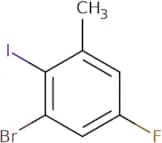
Produit arrêté3-Bromo-5-fluoro-2-iodotoluene
CAS :Versatile small molecule scaffold
Formule :C7H5BrFIDegré de pureté :Min. 95%Masse moléculaire :314.92 g/mol2,4,6-Trichloronicotinaldehyde
CAS :Versatile small molecule scaffold
Formule :C6H2Cl3NODegré de pureté :Min. 95%Masse moléculaire :210.45 g/molRef: 3D-LAC26966
Produit arrêté1-Hydroxycyclopentane-1-carbonitrile
CAS :1-Hydroxycyclopentane-1-carbonitrile is a monomer that is hydrolyzed to form benzoin and cyanohydrins. It can be used in the production of scifinder as a monomer or dimerizer.
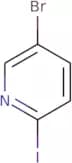
Formule :C6H9NODegré de pureté :Min. 95%Masse moléculaire :111.14 g/mol5-Bromo-2-iodopyridine
CAS :5-Bromo-2-iodopyridine is an antibiotic that is used to treat bacterial infections. It has been shown to inhibit the growth of bacteria by binding to the 50S ribosomal subunit. This drug also has a toxic effect on respiratory system cells, which may be due to its ability to induce apoptosis. 5-Bromo-2-iodopyridine interacts with DNA in a triazine ring and inhibits bacterial growth by inhibiting protein synthesis. The drug binds to the 50S ribosomal subunit at a site that is different from that of rifampin and other antibiotics. The reaction is catalyzed by palladium at high temperatures and takes place in organic solvents such as chloroform or benzene. This synthetic process can be made more efficient by using inexpensive starting materials, such as bromine, iodine, and acetone, rather than expensive starting materials like platinum or gold salts.
Formule :C5H3BrINDegré de pureté :Min. 95%Couleur et forme :Slightly Yellow PowderMasse moléculaire :283.89 g/molRef: 3D-FB07067
Produit arrêté1-[4-(Propan-2-yl)phenyl]ethan-1-ol
CAS :Versatile small molecule scaffold
Formule :C11H16ODegré de pureté :Min. 95%Masse moléculaire :164.24 g/molRef: 3D-BAA47510
Produit arrêté2,5-Diethoxyterephthalohydrazide
CAS :2,5-Diethoxyterephthalohydrazide is an organic compound that has been used for the synthesis of linkers with various functional groups. It is a reactive intermediate in the synthesis of amines and compounds containing amine functional groups. 2,5-Diethoxyterephthalohydrazide has been shown to be stable under environmental conditions and can be used as a linker in organic solvents such as amines, alcohols or esters. This compound has also been shown to exhibit photocatalytic activity when irradiated by UV light. Techniques such as analytical chemistry and techniques can be used to characterize this compound's reactivity and stability.
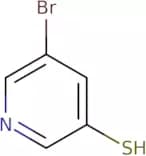
Formule :C12H18N4O4Degré de pureté :Min. 95%Masse moléculaire :282.3 g/mol5-Bromopyridine-3-thiol
CAS :Versatile small molecule scaffold
Formule :C5H4BrNSDegré de pureté :Min. 95%Masse moléculaire :190.06 g/molRef: 3D-CXA33185
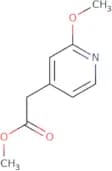
Produit arrêtéMethyl 2-(2-methoxypyridin-4-yl)acetate
CAS :Versatile small molecule scaffold
Formule :C9H11NO3Degré de pureté :Min. 95%Masse moléculaire :181.19 g/molRef: 3D-PTA15237
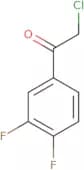
Produit arrêté2-Chloro-1-(3,4-difluoro-phenyl)-ethanone
CAS :2-Chloro-1-(3,4-difluoro-phenyl)-ethanone (2CFP) is an organic compound that is used as a choline precursor in the synthesis of acetylcholine. It has been shown to have escherichia coli inhibitory activity and can be used for process optimization in the synthesis of 2-chloroacetaldehyde from choline. The enzyme activities are specific to the concentration of substrate and the molecule's ability to permeate through cell membranes. 2CFP is synthesized by reduction of chloride ions with catalytic amounts of copper metal at an acceptor such as ticagrelor.Formule :C8H5ClF2ODegré de pureté :Min. 95%Masse moléculaire :190.57 g/molRef: 3D-FC86221
Produit arrêté2,4,6-Triphenylpyridine
CAS :2,4,6-Triphenylpyridine is an aromatic heterocycle with a benzyl group and trifluoroacetic acid at the 2-, 4-, and 6-positions. It is a colorless solid that has a melting point of 183 °C. In the gas phase, it exists as three anion radicals (2-, 4-, and 6-). These radicals are responsible for its optical properties. The 2-anion radical has a blue emission spectrum while the 4- and 6-anion radicals have red emission spectra. 2,4,6-Triphenylpyridine can be used as an indicator for trifluoroacetic acid or benzonitrile. It is soluble in primary alcohols such as methanol and ethanol at lower temperatures, but becomes insoluble at higher temperatures. 2,4,6-Triphenylpyridine also has functional theory applications due to its ability to
Formule :C23H17NDegré de pureté :Min. 95%Masse moléculaire :307.4 g/molRef: 3D-AAA58035
Produit arrêté4-Chloro-8-quinolinol
CAS :4-Chloro-8-quinolinol is a quinoline derivative that has been shown to have pharmacological effects. It is used in the synthesis of other compounds, such as 5-chloro-8-hydroxyquinoline, which is used in the treatment of cancer. 4-Chloro-8-quinolinol can also be prepared by oxidizing 5,6,7,8 tetrachloroquinoline with chlorine and ammonia. The photophysical properties of this compound are analogous to those of benzothiazole derivatives. The fluorescence emission spectrum ranges from 360 nm to 450 nm with a maximum at 390 nm and emission intensity at 350 nm. This compound exhibits fungitoxicity against Penicillium notatum and Aspergillus fumigatus.
Formule :C9H6ClNODegré de pureté :Min. 95%Masse moléculaire :179.6 g/molDiethyl Acetylphosphonate
CAS :Diethyl Acetylphosphonate is a synthetic chemical that is used in the production of ethyl esters, which are used as intermediates for the production of epoxides. It has shown to be a bidentate ligand and reacts with primary amines. Diethyl Acetylphosphonate can be made by reacting phosphorus pentachloride with ethyl acetate and hydrochloric acid. The reaction mechanism is similar to that of other organophosphorus compounds, in which a phosphine oxide intermediate reacts with an organic halide. Diethyl Acetylphosphonate has shown to be effective in detergent compositions and triethyl orthoformate, as well as alkanoic acid.
Formule :C6H13O4PDegré de pureté :Min. 95%Masse moléculaire :180.14 g/mol(S)-2-(N-Boc-aminomethyl)morpholine
CAS :Versatile small molecule scaffold
Formule :C10H20N2O3Degré de pureté :Min. 95%Masse moléculaire :216.27 g/molRef: 3D-AKB55159
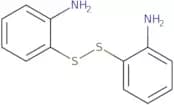
Produit arrêté2,2'-Dithiodianiline
CAS :2,2'-Dithiodianiline is a redox-active molecule with a redox potential of -0.08 V. It has been shown to inhibit the polymerase chain reaction by binding to DNA and inhibiting the enzyme DNA polymerase. 2,2'-Dithiodianiline is a potent inhibitor of bacterial growth in vitro, and has been shown to be cytotoxic in vivo. 2,2'-Dithiodianiline inhibits the growth of resistant mutants that are resistant to other antibiotics such as penicillin and ampicillin. This compound binds to molybdenum at an optimum concentration of 0.5 mM and coordinates through electrostatic interactions with the molybdenum atom. Structural analysis reveals that 2,2'-dithiodianiline forms hydrogen bonds with adenine residues in DNA and interacts with guanine residues in RNA through π-π stacking interactions. This interaction prevents transcription by blocking the binding
Formule :C12H12N2S2Degré de pureté :Min. 98 Area-%Couleur et forme :PowderMasse moléculaire :248.37 g/mol2,4-Dichloropyrido [2,3-D] pyrimidine
CAS :2,4-Dichloropyrido [2,3-D] pyrimidine is a regioselective chlorination agent that can be used for the synthesis of various organic compounds. It is often used in cross-coupling reactions to form carbon-carbon bonds. 2,4-Dichloropyrido [2,3-D] pyrimidine has been shown to give high yields and is selective for disubstituted or monosubstituted substrates. This compound is also useful for the functionalization of C-H bonds via palladium-catalyzed coupling reactions.
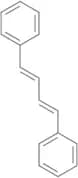
Formule :C7H3Cl2N3Degré de pureté :Min. 95%Couleur et forme :White PowderMasse moléculaire :200.02 g/moltrans,trans-1,4-Diphenyl-1,3-butadiene
CAS :Used in the preparation of metal-diene reagents (e.g. for carbocyclization)
Formule :C16H14Degré de pureté :Min. 95%Masse moléculaire :206.28 g/mol2-Methoxy-benzenesulfonic acid
CAS :2-Methoxy-benzenesulfonic acid is a synthetic chemical compound that is used in the production of polymers and other ester compounds. It can be produced by reacting benzenesulfonyl chloride with methanol in the presence of a strong acid catalyst. 2-Methoxy-benzenesulfonic acid reacts with radiation to produce reactive oxygen species that are capable of damaging cellular structures. The molecule contains an intramolecular hydrogen bond, which stabilizes the structure and helps to form hydrogen bonds with other molecules. 2-Methoxy-benzenesulfonic acid also has a hydroxyl group, which allows it to function as an acidic compound that can react with water and cause inflammation. This functional group also makes it soluble in water, allowing it to penetrate tissue structures.
Formule :C7H8O4SDegré de pureté :Min. 95%Masse moléculaire :188.2 g/mol3-Methoxy-benzenesulfonic acid
CAS :Versatile small molecule scaffold
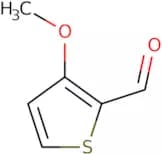
Formule :C7H8O4SDegré de pureté :Min. 95%Masse moléculaire :188.2 g/mol3-Methoxythiophene-2-carbaldehyde
CAS :3-Methoxythiophene-2-carbaldehyde is a ligand that has been shown to form a stable complex with potassium chloride. This compound is also reactive, and can be stabilized in the reaction vessel. In the presence of sulfate ions, 3-methoxythiophene-2-carbaldehyde will react to form a phosphotungstic acid precipitate. The dehydrated salt can be recrystallized by adding phosphotungstic acid, which stabilizes the product.
Formule :C6H6O2SDegré de pureté :Min. 95%Masse moléculaire :142.18 g/molMethyl 4-chlorobenzenesulfonate
CAS :Versatile small molecule scaffold
Formule :C7H7ClO3SDegré de pureté :Min. 95%Masse moléculaire :206.65 g/molRef: 3D-QAA48145
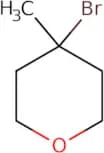
Produit arrêté4-Bromo-4-methyltetrahydropyran
CAS :Versatile small molecule scaffold
Formule :C6H11BrODegré de pureté :Min. 95%Masse moléculaire :179.06 g/molRef: 3D-RCA29988
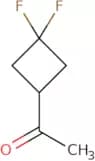
Produit arrêté1-(3,3-Difluorocyclobutyl)ethan-1-one
CAS :Versatile small molecule scaffold
Formule :C6H8F2ODegré de pureté :Min. 95%Masse moléculaire :134.13 g/molRef: 3D-WPC22357
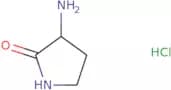
Produit arrêté3-aminopyrrolidin-2-one hcl
CAS :3-Aminopyrrolidin-2-one hcl is an antibiotic that is used to treat tuberculosis. It inhibits the enzyme transacylase, which catalyses the conversion of L-lysine into L-pipecolic acid in bacteria. This antibiotic has been shown to be effective against Mycobacterium tuberculosis and Mycobacterium avium complex. 3-Aminopyrrolidin-2-one hcl has a broad spectrum of activity against gram positive and gram negative bacteria, but it is not active against acid-fast bacteria.
Formule :C4H9ClN2ODegré de pureté :Min. 95%Masse moléculaire :136.58 g/molRef: 3D-SEA87949
Produit arrêté3,6-Dichloropicolinonitrile
CAS :3,6-Dichloropicolinonitrile is a peroxide that is used in the synthesis of organic compounds. It is produced by the reaction of sodium carbonate and hydrochloric acid with nitric acid as a catalyst. 3,6-Dichloropicolinonitrile has been shown to be more selective than other oxidizing agents such as hydrogen peroxide and potassium permanganate. The product can then be purified by adding diacetate, which selectively reacts with the chlorine to form acetyl chloride and glycolic acid. The resulting mixture can then be distilled to produce 3,6-dichloropicolinonitrile in high purity. 3,6-Dichloropicolinonitrile can also be used in electrochemical methods for the synthesis of cyanides or biochemically for virulent products such as pesticides and organic solvents.
Formule :C6H2Cl2N2Degré de pureté :Min. 95%Masse moléculaire :173 g/molRef: 3D-BAA70218
Produit arrêtéCASIN
CAS :CASIN is a lysine-derived antimicrobial agent that inhibits the growth of bacteria by binding to the peptide chains of collagen, which are found in skin and mucous membranes. CASIN has been shown to inhibit the growth of many bacterial species, including those that are resistant to other antibiotics. CASIN can be used for the treatment of infectious diseases caused by bacteria, such as bacterial vaginosis or chlamydia. CASIN has also been shown to reduce body mass index in animal models. The mechanism of action is not known but may involve interference with an enzyme that controls the biosynthesis of fatty acids. The use of CASIN in humans is limited due to its toxicity on human cells and potential safety concerns.
Formule :C20H22N2ODegré de pureté :Min. 95%Masse moléculaire :306.4 g/mol3-(iodomethyl)oxetane
CAS :Versatile small molecule scaffold
Formule :C4H7IODegré de pureté :Min. 95%Masse moléculaire :198 g/molRef: 3D-DQB01377
Produit arrêtéChlorpheniramine N-oxide
CAS :Please enquire for more information about Chlorpheniramine N-oxide including the price, delivery time and more detailed product information at the technical inquiry form on this page
Formule :C16H19ClN2ODegré de pureté :Min. 95%Masse moléculaire :290.79 g/molCoproporphyrin III
CAS :Please enquire for more information about Coproporphyrin III including the price, delivery time and more detailed product information at the technical inquiry form on this page
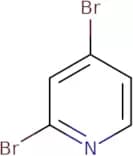
Formule :C36H38N4O8Degré de pureté :Min. 95%Masse moléculaire :654.71 g/mol2,4-Dibromopyridine
CAS :2,4-Dibromopyridine is a brominated derivative of pyridine. It is synthesized through the substitution of two bromine atoms for two hydrogens on the pyridine ring. This synthesis can be achieved by disubstitution or cross-coupling reactions. The reaction products are nucleophilic and react with electrophiles to produce substitution products. The reaction mechanism is thought to involve a six-membered transition state, which has been observed using X-ray absorption spectroscopy.
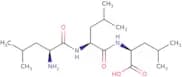
Formule :C5H3Br2NDegré de pureté :Min. 95%Couleur et forme :White To Off-White SolidMasse moléculaire :236.89 g/molLeu-Leu-Leu-OH
CAS :Leu-Leu-Leu-OH is a pentapeptide that is used in cancer treatment to inhibit the growth of cancer cells. It prevents the production of proteins and, as a result, cell division. Leu-Leu-Leu-OH has been shown to be effective against tumor cells with an antibody that binds to the surface of cells. The monoclonal antibody is taken up by the cancer cells through receptor mediated endocytosis, which leads to inhibition of protein synthesis and cell death.
Formule :C18H35N3O4Degré de pureté :Min. 95%Couleur et forme :White PowderMasse moléculaire :357.49 g/molRef: 3D-FL49327
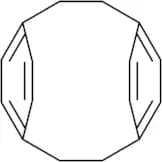
Produit arrêté2,2-Paracyclophane
CAS :2,2-Paracyclophane is a high-sensitivity c-reactive protein (hsCRP) that has been isolated from the fungus Cryptococcus neoformans. This compound has shown to have anti-cancer properties in animal studies. 2,2-Paracyclophane binds to fatty acids and is soluble in water, which may be due to its hydrogen bonding with the hydroxyl group at C1. The crystal structure of this compound reveals that it has a cyclohexane ring and two fatty acids. The thermal expansion coefficient of this molecule is also high, which suggests that it may be suitable for use as a solid lubricant.
Formule :C16H16Degré de pureté :Min. 98.5 Area-%Couleur et forme :White PowderMasse moléculaire :208.3 g/mol7-Bromo-1-methylnaphthalene
CAS :7-Bromo-1-methylnaphthalene is a fluorescent dye that can be used to measure the concentration of DNA, RNA, and proteins. This compound is an intercalator, which means that it can bind to double stranded DNA or RNA near the center of the molecule where there is a space for binding. It has been used in the study of the thymic gland because it binds to DNA and RNA in cells from this organ. 7-Bromo-1-methylnaphthalene has also been used as a skeleton for organic compounds, such as dimethylammonium. The bromine atom in this compound can be replaced with other atoms like iodine or chlorine to make different colored dyes.
Formule :C11H9BrDegré de pureté :Min. 95%Masse moléculaire :221.09 g/mol2,4-Dichloro-6-(propan-2-yl)pyrimidine
CAS :Versatile small molecule scaffold
Formule :C7H8Cl2N2Degré de pureté :Min. 95%Masse moléculaire :191.05 g/molRef: 3D-PDA93805
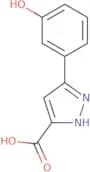
Produit arrêté5-(3-Hydroxyphenyl)-1H-pyrazole-3-carboxylic acid
CAS :Versatile small molecule scaffold
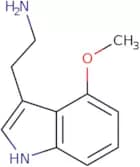
Formule :C10H8N2O3Degré de pureté :Min. 95%Masse moléculaire :204.18 g/mol2-(4-Methoxy-1H-indol-3-yl)ethan-1-amine
CAS :Produit contrôlé2-(4-Methoxy-1H-indol-3-yl)ethan-1-amine is a synthetic compound that belongs to the class of organocatalysts. It is a serotonin receptor agonist, and has been shown to act as an antagonist at the 5HT2AR. This drug has been shown to have stereoselective effects in vitro, with high affinity for the S form of 5HT2AR. 2-(4-Methoxy-1H-indol-3-yl)ethan-1-amine also has some activity against dopamine receptors, but not as much as other compounds in its class. !--[if !supportLists]-->· !--[endif]-->This drug binds to speciogynine and alstovenine receptors, which are part of the opioid system.!--[if !supportLists]-->· !--[endif]-->Modelling studies suggest that 2-(4-M
Formule :C11H14N2ODegré de pureté :Min. 95%Couleur et forme :PowderMasse moléculaire :190.24 g/molH-Ala-Ala-Pro-OH trifluoroacetate
CAS :Please enquire for more information about H-Ala-Ala-Pro-OH trifluoroacetate including the price, delivery time and more detailed product information at the technical inquiry form on this page
Formule :C11H19N3O4•C2HF3O2Degré de pureté :Min. 95%Masse moléculaire :371.31 g/mol1-(4-Ethylphenyl)-2,2,2-trifluoroethan-1-ol
CAS :Versatile small molecule scaffold
Formule :C10H11F3ODegré de pureté :Min. 95%Masse moléculaire :204.19 g/molRef: 3D-GFA25225
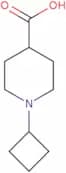
Produit arrêté1-Cyclobutylpiperidine-4-carboxylic acid
CAS :Versatile small molecule scaffold
Formule :C10H17NO2Degré de pureté :Min. 95%Masse moléculaire :183.25 g/mol4,5-Dihydroxy-2,3-Pentanedione
CAS :4,5-Dihydroxy-2,3-pentanedione is a carbonyl compound that is the product of the oxidation of ascorbic acid. It is used in wastewater treatment and has antimicrobial properties against infectious diseases. This compound has been shown to inhibit protein synthesis by binding to the ribosome and preventing the formation of peptide bonds between amino acids. 4,5-Dihydroxy-2,3-pentanedione has also been shown to bind to plasma proteins, which may be due to its acyl chain structure. 4,5-Dihydroxy-2,3-pentanedione can be synthesized in a catalytic mechanism that involves dehydroascorbic acid and molecular oxygen.
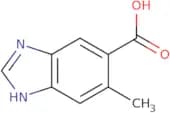
Formule :C5H8O4Degré de pureté :Min. 95%Couleur et forme :PowderMasse moléculaire :132.11 g/mol6-Methylbenzimidazole-5-carboxylic acid
CAS :Versatile small molecule scaffold
Formule :C9H8N2O2Degré de pureté :Min. 95%Masse moléculaire :176.17 g/molRef: 3D-KAA35176
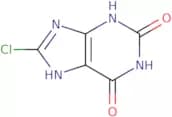
Produit arrêté8-Chloro-3,7-dihydro-1H-purine-2,6-dione
CAS :8-Chloro-3,7-dihydro-1H-purine-2,6-dione is a reactive molecule that binds to the active site of bacterial cyclic nucleotide phosphodiesterases and inhibits their activity. This inhibition prevents the breakdown of cAMP and cGMP, which are important second messengers in eukaryotic cells. 8-Chloro-3,7-dihydro-1H-purine-2,6-dione is also a potent inhibitor of protein synthesis and has been used in research studies on wheat leaves.
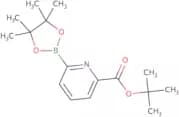
Formule :C5H3N4O2ClDegré de pureté :Min. 95%Couleur et forme :PowderMasse moléculaire :186.56 g/moltert-Butyl 6-(4,4,5,5-tetramethyl-1,3,2-dioxaborolan-2-yl)picolinate
CAS :Versatile small molecule scaffoldFormule :C16H24BNO4Degré de pureté :Min. 95%Masse moléculaire :305.2 g/molTripropylphosphine
CAS :Tripropylphosphine is a fatty acid that can be synthesized by reacting tripropyl alcohol with phosphorus trichloride. Tripropylphosphine is soluble in organic solvents, and has an optical rotation of +58°. It has been shown to have cancer-inhibiting properties, as well as the ability to inhibit tumor growth and induce apoptosis in cancer cells. This compound may also be used as a growth regulator, since it inhibits the synthesis of certain proteins and enzymes.
Formule :C9H21PDegré de pureté :Min. 95%Masse moléculaire :160.24 g/molRef: 3D-FT155680
Produit arrêté5-Chloro-3-methylpyridazine hydrochloride
CAS :Versatile small molecule scaffoldFormule :C5H6Cl2N2Degré de pureté :Min. 95%Masse moléculaire :165 g/molRef: 3D-DLD47296
Produit arrêtéPoly(dioxanone)
CAS :Poly(dioxanone) is a biocompatible polymer that has been shown to promote bone growth in animal models. It is a cross-linking agent and can be used as an alternative to copper chromite, which is the most common cross-linking agent used in tissue engineering. Poly(dioxanone) has been shown to promote bone growth by stimulating the production of growth factors and increasing the activity of osteoblasts, cells that produce new bone. The material also promotes matrix deposition and remodeling, leading to increased bone density.
Formule :(C4H6O3)nDegré de pureté :Min. 95%Couleur et forme :PowderRef: 3D-FP34560
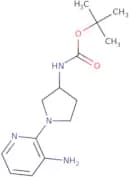
Produit arrêté(R)-tert-Butyl 1-(3-aminopyridin-2-yl)pyrrolidin-3-ylcarbamate
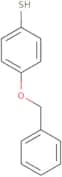
CAS :Versatile small molecule scaffoldFormule :C14H22N4O2Degré de pureté :Min. 95%Masse moléculaire :278.35 g/mol4-(Benzyloxy)thiophenol
CAS :Versatile small molecule scaffold
Formule :C13H12OSDegré de pureté :Min. 95%Masse moléculaire :216.3 g/molRef: 3D-PPA33959
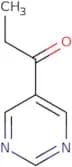
Produit arrêté1-(Pyrimidin-5-yl)propan-1-one
CAS :Versatile small molecule scaffold
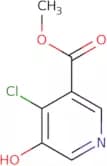
Formule :C7H8N2ODegré de pureté :Min. 95%Masse moléculaire :136.15 g/molMethyl 4-chloro-5-hydroxy-3-pyridinecarboxylate
CAS :Versatile small molecule scaffold
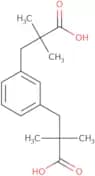
Formule :C7H6ClNO3Degré de pureté :Min. 95%Masse moléculaire :187.58 g/mol±,±,±²,±²-Tetramethyl-1,3-benzenedipropionic acid
CAS :Versatile small molecule scaffold
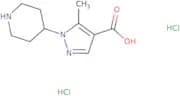
Formule :C16H22O4Degré de pureté :Min. 95%Masse moléculaire :278.34 g/mol5-Methyl-1-(piperidin-4-yl)-1H-pyrazole-4-carboxylic acid dihydrochloride
CAS :Versatile small molecule scaffoldFormule :C10H17Cl2N3O2Degré de pureté :Min. 95%Masse moléculaire :282.16 g/molRef: 3D-DXC56745
Produit arrêtéPiperyline
CAS :Piperyline is an alkanoic acid that has shown to be effective against skin cancer. It also has antimicrobial properties, which may be due to its ability to bind metal ions and form polymeric compounds. Piperyline inhibits microbial growth by inhibiting the synthesis of proteins and nucleic acids. The antimicrobial activity is related to its cationic polymerization with hydroxyl groups, which forms a structure that can inhibit microbial enzymes and disrupt microbial cell membranes. This compound also interacts with the skin's natural lipids, making it difficult for microorganisms to attach and grow on the skin. Piperyline is synthesized in organic chemistry laboratories as an amide precursor of other pharmaceuticals such as penicillin.
Formule :C16H17NO3Degré de pureté :Min. 95%Masse moléculaire :271.31 g/molN-(2-Methyl-6-benzoxazolyl)-2-propenamide
CAS :Please enquire for more information about N-(2-Methyl-6-benzoxazolyl)-2-propenamide including the price, delivery time and more detailed product information at the technical inquiry form on this page
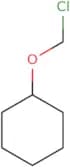
Formule :C11H10N2O2Degré de pureté :Min. 95%Masse moléculaire :202.21 g/molChloromethyl cyclohexyl ether
CAS :Chloromethyl cyclohexyl ether is a light-sensitive cross-linking agent that can be activated by light. It has two functional groups, a hydroxyl group and a chlorine atom. The skeleton of chloromethyl cyclohexyl ether is composed of an alicyclic hydrocarbon with six carbons and the molecule contains two divalent hydrocarbons, one of which is a trifluoromethyl group. Chloromethyl cyclohexyl ether has been used as a solid catalyst in the synthesis of amides and is also used in hyperproliferative diseases such as cancer.
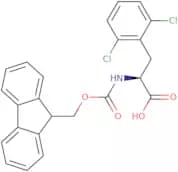
Formule :C7H13ClODegré de pureté :Min. 95%Masse moléculaire :148.63 g/molFmoc-2,6-dichloro-L-phenylalanine
CAS :Please enquire for more information about Fmoc-2,6-dichloro-L-phenylalanine including the price, delivery time and more detailed product information at the technical inquiry form on this page
Formule :C24H19Cl2NO4Degré de pureté :Min. 95%Masse moléculaire :456.32 g/mol1-(3-Amino-1H-pyrazol-1-yl)-2-methylpropan-2-ol
CAS :Versatile small molecule scaffold
Formule :C7H13N3ODegré de pureté :Min. 95%Masse moléculaire :155.2 g/molRef: 3D-DQB01347
Produit arrêté2-[(tert-Butoxy)carbonyl]-2-azabicyclo[3.1.0]hexane-5-carboxylic acid
CAS :Versatile small molecule scaffold
Formule :C11H17NO4Degré de pureté :Min. 95%Masse moléculaire :227.26 g/molRef: 3D-BAC00454
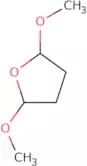
Produit arrêté2,5-Dimethoxytetrahydrofuran
CAS :2,5-Dimethoxytetrahydrofuran is an organic compound that can be synthesized from 2,5-dimethoxybenzaldehyde and tetrahydrofuran. The asymmetric synthesis of this compound was first reported in 1968. The nmr spectrum of 2,5-dimethoxytetrahydrofuran shows two signals at δ 5.89 and δ 7.03 ppm. This compound is soluble in water and organic solvents such as dichloromethane, benzene, toluene, chloroform, and methanol. 2,5-Dimethoxytetrahydrofuran has been shown to have pain-relieving effects using the formalin test in mice and rats. It also has antineoplastic properties when used with other quinoline derivatives.br>br> 2,5-Dimethoxytetrahydrofuran is a white solid
Formule :C6H12O3Degré de pureté :Min. 95%Couleur et forme :PowderMasse moléculaire :132.16 g/molMacaridine
CAS :Please enquire for more information about Macaridine including the price, delivery time and more detailed product information at the technical inquiry form on this page
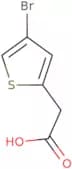
Formule :C13H13NO2Degré de pureté :Min. 95%Masse moléculaire :215.25 g/mol4-Bromothiophene-2-acetic acid
CAS :Versatile small molecule scaffold
Formule :C6H5BrO2SDegré de pureté :Min. 95%Masse moléculaire :221.07 g/molRef: 3D-LGA94289
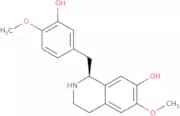
Produit arrêtéNor reticuline
CAS :Norreticuline is a virus-induced gene that is primarily found in the opium poppy, Papaver somniferum. Norreticuline has been shown to be biosynthesized from reticuline by a series of enzymatic reactions. It is also involved in the metabolic pathway of papaverine, which is an alkaloid that has been used as a vasodilator and anti-hypertensive drug. The optimum pH for norreticuline production is between 6 and 7. Norreticuline has demonstrated anticancer activity against various tumor cells, such as breast cancer cells and colon cancer cells. Norreticuline may also have antiviral properties due to its ability to inhibit viral DNA replication and synthesis of viral proteins.
Formule :C18H21NO4Degré de pureté :Min. 95%Masse moléculaire :315.36 g/mol

![3-bromo-6,7-dihydro-5h-pyrrolo[3,4-b]pyridine hcl](/_next/image/?url=https%3A%2Fstatic.cymitquimica.com%2Fproducts%2F3D%2Fthumb-webp%2FUFC11724.webp&w=3840&q=75)



![ethyl 6-benzyl-2-oxa-6-azaspiro[3.4]octane-8-carboxylate](/_next/image/?url=https%3A%2Fstatic.cymitquimica.com%2Fproducts%2F3D%2Fthumb-webp%2FLBC69289.webp&w=3840&q=75)






![1-[4-(Propan-2-yl)phenyl]ethan-1-ol](/_next/image/?url=https%3A%2Fstatic.cymitquimica.com%2Fproducts%2F3D%2Fthumb-webp%2FBAA47510.webp&w=3840&q=75)



![2,4-Dichloropyrido [2,3-D] pyrimidine](/_next/image/?url=https%3A%2Fstatic.cymitquimica.com%2Fproducts%2F3D%2Fthumb-webp%2FFD31600.webp&w=3840&q=75)















![2-[(tert-Butoxy)carbonyl]-2-azabicyclo[3.1.0]hexane-5-carboxylic acid](/_next/image/?url=https%3A%2Fstatic.cymitquimica.com%2Fproducts%2F3D%2Fthumb-webp%2FBAC00454.webp&w=3840&q=75)