


Building Blocks
Sous-catégories appartenant à la catégorie "Building Blocks"
- Acides boroniques et dérivés de l'acide boronique(5.778 produits)
- Building Blocks Chiraux(1.243 produits)
- Building Blocks Hydrocarbonés(6.099 produits)
- Building Blocks organiques(61.038 produits)
205376 produits trouvés pour "Building Blocks"
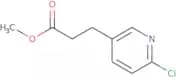
Methyl 3-(6-chloropyridin-3-yl)propanoate
CAS :Versatile small molecule scaffold
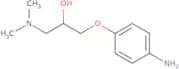
Formule :C9H10ClNO2Degré de pureté :Min. 95%Masse moléculaire :199.63 g/mol1-(4-Aminophenoxy)-3-(dimethylamino)propan-2-ol
CAS :Versatile small molecule scaffold
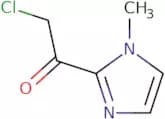
Formule :C11H18N2O2Degré de pureté :Min. 95%Masse moléculaire :210.27 g/mol2-Chloro-1-(1-methyl-1H-imidazol-2-yl)ethan-1-one
CAS :Versatile small molecule scaffold
Formule :C6H7ClN2ODegré de pureté :Min. 95%Masse moléculaire :158.58 g/molRef: 3D-KJB77272
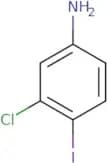
Produit arrêté3-Chloro-4-iodoaniline
CAS :3-Chloro-4-iodoaniline is an activated, synthetic chemical that is used in the preparation of a variety of chemicals. 3-Chloro-4-iodoaniline can be prepared by the reaction of chloroacetic acid with nitrobenzene and hydrochloric acid. The compound may be purified by vacuum filtration and recrystallization from water. It is also a precursor to other chemicals that are used in the production of polyhalogenated aromatic compounds. 3-Chloro-4-iodoaniline has been found to react with amines and form the corresponding amides, which may be useful for chemical synthesis.
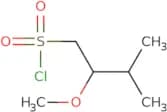
Formule :C6H5ClINDegré de pureté :Min. 95%Masse moléculaire :253.47 g/mol2-Methoxy-3-methylbutane-1-sulfonyl chloride
CAS :Versatile small molecule scaffold
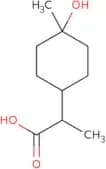
Formule :C6H13ClO3SDegré de pureté :Min. 95%Masse moléculaire :200.68 g/mol2-(4-Hydroxy-4-methylcyclohexyl)propanoic acid
CAS :Versatile small molecule scaffold
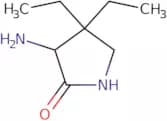
Formule :C10H18O3Degré de pureté :Min. 95%Masse moléculaire :186.25 g/mol3-Amino-4,4-diethylpyrrolidin-2-one
CAS :Versatile small molecule scaffoldFormule :C8H16N2ODegré de pureté :Min. 95%Masse moléculaire :156.23 g/molrac-(3R,4R)-3-Hydroxy-4-[(2-phenylethyl)amino]-1lambda6-thiolane-1,1-dione
CAS :Versatile small molecule scaffold
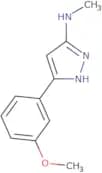
Formule :C12H17NO3SDegré de pureté :Min. 95%Masse moléculaire :255.34 g/mol5-(3-Methoxyphenyl)-N-methyl-1H-pyrazol-3-amine
CAS :Versatile small molecule scaffoldFormule :C11H13N3ODegré de pureté :Min. 95%Masse moléculaire :203.24 g/mol1-(4-bromo-2-methylphenyl)propan-1-one
CAS :Versatile small molecule scaffold
Formule :C10H11BrODegré de pureté :Min. 95%Masse moléculaire :227.1 g/mol2-Chloro-4-methoxy-7-methyl-7H-pyrrolo[2,3-d]pyrimidine
CAS :Versatile small molecule scaffold
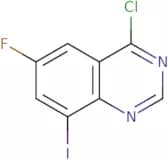
Formule :C8H8ClN3ODegré de pureté :Min. 95%Masse moléculaire :197.62 g/mol4-Chloro-6-fluoro-8-iodoquinazoline
CAS :Versatile small molecule scaffold
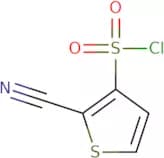
Formule :C8H3ClFIN2Degré de pureté :Min. 95%Masse moléculaire :308.48 g/mol2-Cyanothiophene-3-sulfonyl chloride
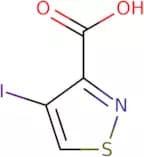
CAS :Versatile small molecule scaffoldFormule :C5H2ClNO2S2Degré de pureté :Min. 95%Masse moléculaire :207.7 g/mol4-Iodo-1,2-thiazole-3-carboxylic acid
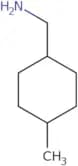
CAS :Versatile small molecule scaffoldFormule :C4H2INO2SDegré de pureté :Min. 95%Masse moléculaire :255.04 g/mol4-Methyl-cyclohexanemethanamine
CAS :Versatile small molecule scaffold
Formule :C8H17NDegré de pureté :Min. 95%Masse moléculaire :127.23 g/molRef: 3D-JBA14756
Produit arrêté4-Bromomethyl-4'-methyl-2,2'-bipyridine
CAS :Please enquire for more information about 4-Bromomethyl-4'-methyl-2,2'-bipyridine including the price, delivery time and more detailed product information at the technical inquiry form on this page
Formule :C12H11BrN2Degré de pureté :Min. 91.0 Area-%Masse moléculaire :263.14 g/molRef: 3D-J-400569
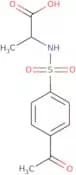
Produit arrêté2-(4-Acetylbenzenesulfonamido)propanoic acid
CAS :Versatile small molecule scaffoldFormule :C11H13NO5SDegré de pureté :Min. 95%Masse moléculaire :271.29 g/mol1-[(3-Phenyl-1,2-oxazol-5-yl)methyl]piperazine dihydrochloride
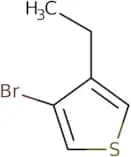
CAS :Versatile small molecule scaffoldFormule :C14H19Cl2N3ODegré de pureté :Min. 95%Masse moléculaire :316.2 g/mol3-Bromo-4-ethylthiophene
CAS :Versatile small molecule scaffold
Formule :C6H7BrSDegré de pureté :Min. 95%Masse moléculaire :191.09 g/mol(4-Amino-phenyl)-acetic acid methyl ester hydrochloride
CAS :Versatile small molecule scaffold
Formule :C9H12ClNO2Degré de pureté :Min. 95%Masse moléculaire :201.65 g/mol3-Bromo-2-methyl-furan
CAS :3-Bromo-2-methyl-furan is a substituted quinoline. It is a synthetic reagent that can be used for the synthesis of bromofuran derivatives. The methyl group on the 3rd carbon atom in 3-bromo-2-methyl-furan is a substituent that can be exchanged with other substituents, such as alkylation, to produce a variety of products.
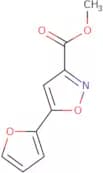
3-Bromo-2-methyl furan has been shown to be able to extract metal ions from their complexes and form stable complexes. This property makes it an ideal reagent for metalation reactions.Formule :C5H5BrODegré de pureté :Min. 95%Masse moléculaire :161 g/molMethyl 5-(2-furyl)isoxazole-3-carboxylate
CAS :Versatile small molecule scaffold
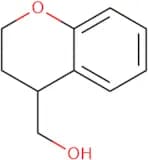
Formule :C9H7NO4Degré de pureté :Min. 95%Masse moléculaire :193.16 g/mol3,4-Dihydro-2H-1-benzopyran-4-ylmethanol
CAS :Versatile small molecule scaffold
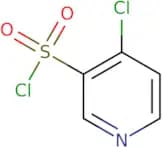
Formule :C10H12O2Degré de pureté :Min. 95%Masse moléculaire :164.2 g/mol4-chloropyridine-3-sulfonyl chloride
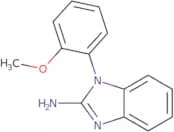
CAS :4-Chloropyridine-3-sulfonyl chloride is a thrombin inhibitor that has been discovered through the use of in vitro screening methods. It is a small molecule with lipophilic properties and oral bioavailability. This compound inhibits thrombin by binding to the active site of the enzyme, which prevents the formation of an enzyme-thrombin complex. The discovery was made using a pharmacophore-based approach and further modifications were made to improve its potency and increase its lipophilicity. This compound also exhibits an acceptable level of bioavailability in vivo, which may be due to its high solubility in water.Formule :C5H3Cl2NO2SDegré de pureté :Min. 95%Masse moléculaire :212.1 g/mol1-(2-Methoxyphenyl)-1H-1,3-benzodiazol-2-amine
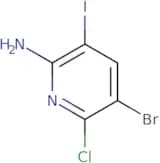
CAS :Versatile small molecule scaffoldFormule :C14H13N3ODegré de pureté :Min. 95%Masse moléculaire :239.27 g/mol5-Bromo-6-chloro-3-iodopyridin-2-amine
CAS :Versatile small molecule scaffold
Formule :C5H3BrClIN2Degré de pureté :Min. 95%Masse moléculaire :333.35 g/molRef: 3D-HYB62523
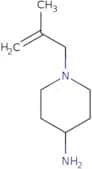
Produit arrêté1-(2-Methylprop-2-en-1-yl)piperidin-4-amine
CAS :1-(2-Methylprop-2-en-1-yl)piperidin-4-amine is an inhibitor that blocks the activity of ion channels. It is a competitive antagonist at the NMDA receptor and has been shown to inhibit the binding of glutamate, which is a neurotransmitter involved in synaptic transmission. 1-(2-Methylprop-2-en-1-yl)piperidin-4-amine also inhibits β 2 -adrenergic receptors and has been shown to be a potent activator of G protein coupled receptors. This chemical may also be used as a research tool for studying the effects of ligands on cell biology, peptides, pharmacology, or life science. It has high purity and CAS No. 1082454-34-9.
Formule :C9H18N2Degré de pureté :Min. 95%Masse moléculaire :154.25 g/molRef: 3D-HTB45434
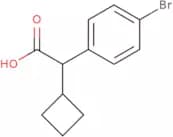
Produit arrêté(4-Bromo-phenyl)-cyclobutyl-acetic acid
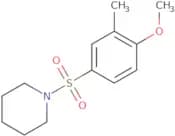
CAS :Versatile small molecule scaffoldFormule :C12H13BrO2Degré de pureté :Min. 95%Masse moléculaire :269.13 g/molOpn4 Antagonist
CAS :The Opn4 antagonist is a chemical that blocks the activity of the protein melanopsin, which is involved in regulating circadian rhythms. It has been shown to inhibit melatonin synthesis and muscle fiber contraction when applied intravitreally. These effects may be mediated by membrane channels that are activated by chloride ions. The effect of the Opn4 antagonist on photoreceptor cells is not yet known.
Formule :C13H19NO3SDegré de pureté :Min. 95%Masse moléculaire :269.36 g/molRef: 3D-HTA96134
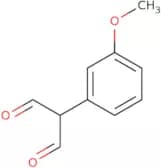
Produit arrêté2-(3-Methoxyphenyl)malondialdehyde
CAS :Versatile small molecule scaffold
Formule :C10H10O3Degré de pureté :Min. 95%Masse moléculaire :178.18 g/molEthyl 2-[(1E)-2-phenylethenyl]-1,3-oxazole-4-carboxylate
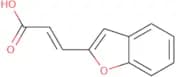
CAS :Versatile small molecule scaffoldFormule :C14H13NO3Degré de pureté :Min. 95%Masse moléculaire :243.26 g/mol(2E)-3-(1-benzofuran-2-yl)prop-2-enoic acid
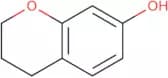
CAS :(2E)-3-(1-benzofuran-2-yl)prop-2-enoic acid is a white solid that has the chemical formula CHClO. It is soluble in chloroform, ether, and benzene. When heated to 105°C in the presence of air, it decomposes to release oxygen and carbon dioxide. (2E)-3-(1-benzofuran-2-yl)prop-2-enoic acid is used as an intermediate for organic synthesis reactions such as alkylation reactions and Friedel - Crafts reactions. Thermal analysis of this compound indicates that it has a high thermal stability with respect to thermal decomposition. (2E)-3-(1-benzofuran-2-yl)prop-2-enoic acid can be reacted with azide or diphenyl ether to form a coordination complex. This compound also reacts with potassium or phosphorus oxychloride to form oxychlorides.Formule :C11H8O3Degré de pureté :Min. 95%Masse moléculaire :188.18 g/mol3,4-dihydro-2H-1-benzopyran-7-ol
CAS :3,4-Dihydro-2H-1-benzopyran-7-ol is a monomer that is used to synthesize medicines. It has the formula CH3COCH=CH(OH)CH3 and belongs to the group of flavonoids. 3,4-Dihydro-2H-1-benzopyran-7-ol has acidic properties, which are due to its isoflavones. It can be used as an acid catalyst in organic synthesis reactions and is a reaction product of chloropropane. 3,4-Dihydro-2H-1-benzopyran-7-ol also has high yield and can act as a bioisostere for other compounds such as chromene.
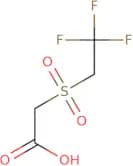
Formule :C9H10O2Degré de pureté :Min. 95%Masse moléculaire :150.18 g/mol2-(2,2,2-Trifluoroethanesulfonyl)acetic acid
CAS :Trifloxacin is a broad-spectrum antibacterial drug that belongs to the class of formyloxy compounds and the cephalosporin family. It has been shown to be active against both Gram-positive and Gram-negative bacteria, with activity against strains resistant to penicillin, ampicillin, erythromycin, and chloramphenicol. Trifloxacin binds to the bacterial ribosome by displacement of a pyridyl group in the ribosomal RNA, inhibiting protein synthesis. This binding inhibits cell growth by preventing the production of proteins that are vital for cell division.
br>
Trifloxacin has also been found to inhibit DNA gyrase and topoisomerase IV in vitro. Trifloxacin's mechanism of action is similar to that of other quinolones such as norfloxacin and ciprofloxacin.Formule :C4H5F3O4SDegré de pureté :Min. 95%Masse moléculaire :206.14 g/mol3-Azabicyclo[3.2.1]octan-6-ol hydrochlorides
CAS :Versatile small molecule scaffoldFormule :C7H14ClNODegré de pureté :Min. 95%Masse moléculaire :163.6 g/mol1,5,5-Trimethylpyrrolidin-3-amine dihydrochloride
CAS :Versatile small molecule scaffoldFormule :C7H18Cl2N2Degré de pureté :Min. 95%Masse moléculaire :201.1 g/mol5-Methoxybicyclo[2.2.1]heptan-2-amine hydrochloride
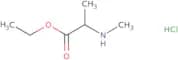
CAS :Versatile small molecule scaffoldFormule :C8H16ClNODegré de pureté :Min. 95%Masse moléculaire :177.7 g/molEthyl (2R)-2-(methylamino)propanoate hydrochloride
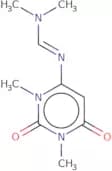
CAS :Versatile small molecule scaffoldFormule :C6H14ClNO2Degré de pureté :Min. 95%Masse moléculaire :167.6 g/mol(E)-N'-(1,3-Dimethyl-2,6-dioxo-1,2,3,6-tetrahydropyrimidin-4-yl)-N,N-dimethylmethanimidamide
CAS :Versatile small molecule scaffoldFormule :C9H14N4O2Degré de pureté :Min. 95%Masse moléculaire :210.2 g/mol5-Aminohexanoic acid hydrochloride
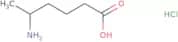
CAS :Versatile small molecule scaffold
Formule :C6H14ClNO2Degré de pureté :Min. 95%Masse moléculaire :167.63 g/mol2-Cyanobenzaldehyde
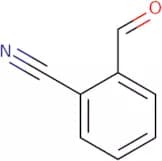
CAS :2-Cyanobenzaldehyde is an aldehyde that reacts with nucleophiles such as trifluoromethanesulfonic acid to form a molecule. 2-Cyanobenzaldehyde has potent inhibitory activity against the kinase glycogen synthase kinase 3 (GSK3) and can be used to treat autoimmune diseases. It also reacts with hydrochloric acid in solution to form an intermediate, which is then reacted with glycine and ATP to produce a chiral compound. The product of this reaction has been shown to be active methylene, which was synthesized by asymmetric synthesis.
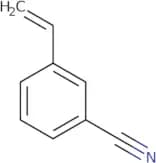
Formule :C8H5NODegré de pureté :Min. 95%Couleur et forme :PowderMasse moléculaire :131.13 g/mol3-Ethenylbenzonitrile
CAS :3-Ethenylbenzonitrile is an organic compound that can be prepared by photolysis of 2-bromobenzonitrile in the presence of a nonpolar solvent. It is also synthesized by laser induced exciplex reaction between benzene and ethylene. 3-Ethenylbenzonitrile has a conformation that is dependent on the polarity of the solvent. In polar solvents, it adopts a bent structure while in nonpolar solvents, it adopts a linear structure. The molecule undergoes cyclobutane formation and then reacts with electron acceptors such as cations to form intermediates. These intermediates react with other molecules to form products.
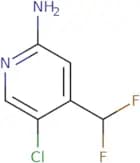
Formule :C9H7NDegré de pureté :Min. 95%Masse moléculaire :129.16 g/mol5-Chloro-4-(difluoromethyl)pyridin-2-amine
CAS :Versatile small molecule scaffold
Formule :C6H5ClF2N2Degré de pureté :Min. 95%Masse moléculaire :178.57 g/mol5-Benzo[1,3]dioxol-5-yl-2H-pyrazole-3-carboxylic acid methyl ester
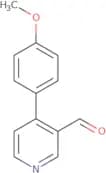
CAS :Versatile small molecule scaffoldFormule :C12H10N2O4Degré de pureté :Min. 95%Masse moléculaire :246.22 g/mol4-(4-Methoxyphenyl)pyridine-3-carbaldehyde
CAS :Versatile small molecule scaffold
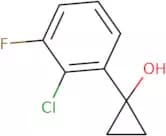
Formule :C13H11NO2Degré de pureté :Min. 95%Masse moléculaire :213.23 g/mol1-(2-Chloro-3-fluorophenyl)cyclopropan-1-ol
CAS :Versatile small molecule scaffold
Formule :C9H8ClFODegré de pureté :Min. 95%Masse moléculaire :186.61 g/mol2-Bromo-7-chloro-[1,2,4]triazolo[1,5-a]pyridine
CAS :Versatile small molecule scaffold
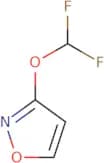
Formule :C6H3BrClN3Degré de pureté :Min. 95%Masse moléculaire :232.46 g/mol3-(Difluoromethoxy)-1,2-oxazole
CAS :Versatile small molecule scaffold
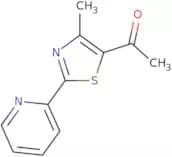
Formule :C4H3F2NO2Degré de pureté :Min. 95%Masse moléculaire :135.07 g/mol1-(4-Methyl-2-pyridin-2-yl-1,3-thiazol-5-yl)ethanone
CAS :Versatile small molecule scaffold
Formule :C11H10N2OSDegré de pureté :Min. 95%Masse moléculaire :218.28 g/mol2,6-Dichloropyridine-3-sulfonamide
CAS :Versatile small molecule scaffold
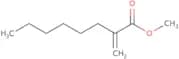
Formule :C5H4Cl2N2O2SDegré de pureté :Min. 95%Masse moléculaire :227.07 g/molMethyl 2-methylideneoctanoate
CAS :Versatile small molecule scaffold
Formule :C10H18O2Degré de pureté :Min. 95%Masse moléculaire :170.25 g/mol2-(5-Methyl-1H-pyrazol-1-yl)aniline
CAS :Versatile small molecule scaffold
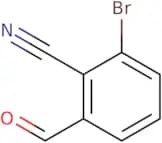
Formule :C10H11N3Degré de pureté :Min. 95%Masse moléculaire :173.21 g/mol2-Bromo-6-formylbenzonitrile
CAS :Versatile small molecule scaffold
Formule :C8H4BrNODegré de pureté :Min. 95%Masse moléculaire :210.03 g/molRef: 3D-CDA53287
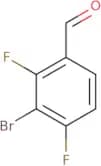
Produit arrêté3-Bromo-2,4-difluorobenzaldehyde
CAS :Versatile small molecule scaffold
Formule :C7H3BrF2ODegré de pureté :Min. 95%Masse moléculaire :219.93 g/molRef: 3D-BDC71493
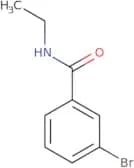
Produit arrêté3-Bromo-N-ethylbenzamide
CAS :Versatile small molecule scaffold
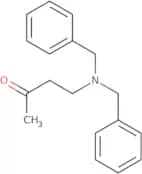
Formule :C9H10BrNODegré de pureté :Min. 95%Masse moléculaire :228.09 g/mol4-(dibenzylamino)butan-2-one
CAS :Versatile small molecule scaffold
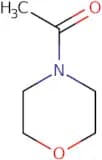
Formule :C18H21NODegré de pureté :Min. 95%Masse moléculaire :267.37 g/mol4-Acetylmorpholine
CAS :4-Acetylmorpholine is a recycled amide that is synthesized from an alkanolamine and an acylation reaction. It has been used in the dehydrating of organic compounds, such as reaction solution, and for the preparation of acrylamide. 4-Acetylmorpholine is also used as a viscosity control agent in the extraction of aromatic hydrocarbons. Its chemical structure consists of a carbonyl group and an aromatic hydrocarbon. 4-Acetylmorpholine can be synthesized by reacting acetaldehyde with ammonia or thiourea with methyl chloride or ethylene oxide.
Formule :C6H3D8NO2Degré de pureté :Min. 95%Masse moléculaire :137.21 g/molRef: 3D-BAA69620
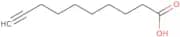
Produit arrêtéDec-9-ynoic acid
CAS :Dec-9-ynoic acid is a synthetic fatty acid that is a precursor to several biologically important substances. It is labile and easily oxidized by air, light, or heat. Dec-9-ynoic acid has been shown to be a central metabolic intermediate for the biosynthesis of polyunsaturated fatty acids. It can also be converted into linolenic acid, which is an essential fatty acid that cannot be synthesized by humans. Dec-9-ynoic acid exists in two geometric isomers: cis and trans. The cis form exhibits kinetic properties that are different from the trans form. Dec-9-ynoic acid has been studied as a potential treatment for human diseases such as diabetes mellitus type 2, Parkinson's disease, Alzheimer's disease, schizophrenia, and depression.
Formule :C10H16O2Degré de pureté :Min. 95%Masse moléculaire :168.23 g/molRef: 3D-BAA64249
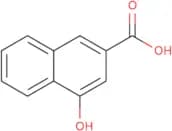
Produit arrêté4-Hydroxy-2-naphthoic acid
CAS :4-Hydroxy-2-naphthoic acid is a hydrocarbon with a carboxylic acid group. It can act as an antagonist to the hydrocarbon receptor (HCR). 4-Hydroxy-2-naphthoic acid has been shown to be effective in treating colon cancer cells in vitro, and has been shown to inhibit the growth of cancer cells in vivo. This compound is also effective at inhibiting the proliferation of human colon cancer cells (Caco2) that have been exposed to benzo(a)pyrene, an aromatic hydrocarbon found in cigarette smoke. The mechanism by which this drug inhibits cell proliferation is not fully understood but may involve inhibition of cytochrome P450 1A1 (CYP1A1), which metabolizes benzo(a)pyrene into carcinogenic intermediates. 4-Hydroxy-2-naphthoic acid has also been shown to be anisotropic and microreactor, meaning
Formule :C11H8O3Degré de pureté :Min. 95%Masse moléculaire :188.17 g/molRef: 3D-BAA57391
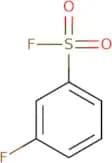
Produit arrêté3-Fluorobenzene-1-sulfonyl fluoride
CAS :3-Fluorobenzene-1-sulfonyl fluoride is a chemical compound that can be used as a catalyst to synthesize organic compounds. It is a colorless liquid, which is soluble in water and organic solvents. This catalyst has been shown to be more efficient than the traditional catalysts, such as tetraphenylphosphonium chloride, potassium fluoride or sodium borohydride. 3-Fluorobenzene-1-sulfonyl fluoride also reacts with nitro groups to produce dinitro compounds, which are valuable synthetic intermediates for the production of dyes and pharmaceuticals. The synthesis of this compound can be carried out in high yields with stoichiometric amounts of reactants.
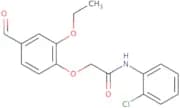
Formule :C6H4F2O2SDegré de pureté :Min. 95%Masse moléculaire :178.16 g/molN-(2-Chlorophenyl)-2-(2-ethoxy-4-formylphenoxy)acetamide
CAS :Versatile small molecule scaffold
Formule :C17H16ClNO4Degré de pureté :Min. 95%Masse moléculaire :333.8 g/molRef: 3D-AYA49901
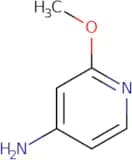
Produit arrêté(4-Aminopyridin-2-yl)methanol
CAS :Versatile small molecule scaffold
Formule :C6H8N2ODegré de pureté :Min. 95%Masse moléculaire :124.14 g/molRef: 3D-AEA11458
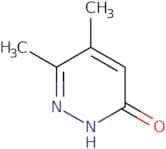
Produit arrêté5,6-Dimethylpyridazin-3(2H)-one
CAS :Versatile small molecule scaffold
Formule :C6H8N2ODegré de pureté :Min. 95%Masse moléculaire :124.14 g/molRef: 3D-AEA11419
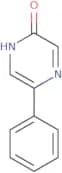
Produit arrêté5-Phenyl-1H-pyrazin-2-one
CAS :5-Phenyl-1H-pyrazin-2-one is a potent inhibitor of tyrosine kinase, which is an enzyme that regulates the activity of cells by transferring phosphate groups from ATP to tyrosine residues. This drug binds to the ATP binding site, resulting in inhibition of the enzyme's activity and reduced cell proliferation. 5-Phenyl-1H-pyrazin-2-one has been shown to be effective in treating rheumatoid arthritis and other autoimmune diseases, with no adverse effects on bone metabolism or blood pressure. It also has no effect on platelet aggregation or erythrocytes.
Formule :C10H8N2ODegré de pureté :Min. 95%Masse moléculaire :172.18 g/molRef: 3D-ABA84472
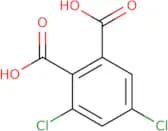
Produit arrêté3,5-Dichlorophthalic acid
CAS :3,5-Dichlorophthalic acid is a divalent organic acid that is used as an intermediate in the production of other chemicals. 3,5-Dichlorophthalic acid is used as a regulator of plant growth and development. It can also be used to make different n-substituted compounds, such as naphthalene, phthalic anhydride, and 2,6-dichloro-pyridine.
Formule :C8H4Cl2O4Degré de pureté :Min. 95%Masse moléculaire :235.02 g/mol1,3-Diazaspiro[4.4]nonane-2,4-dione
CAS :1,3-Diazaspiro[4.4]nonane-2,4-dione (1) is a new fungicide that was shown to have fungicidal activity in vitro against the grapevine pathogens Plasmopara viticola and Plasmopara obducens. This compound has been isolated from the plant Express erythroxylum coca (Erythroxylum coca). The compound belongs to the class of diaza spiro compounds and is a member of a family of diaza spiro compounds with antifungal activity. One possible mode of action for 1 is that it inhibits the synthesis of DNA by binding to bacterial DNA gyrase.
Formule :C7H10N2O2Degré de pureté :Min. 95%Masse moléculaire :154.17 g/molRef: 3D-AAA69951
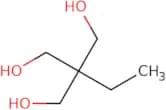
Produit arrêté1,1,1-Tris(hydroxymethyl)propane
CAS :Tris(hydroxymethyl)propane is a diphenyl ether that has been shown to have an electrochemical impedance spectroscopy (EIS) spectrum in the human serum that is similar to those of other known antioxidants. Tris(hydroxymethyl)propane has been shown to protect against light-induced damage in human skin cells, and it also has radiation protective effects. Tris(hydroxymethyl)propane has also been shown to interact with trimethylolpropane, which is another antioxidant, and this interaction may affect the effectiveness of each agent. Tris(hydroxymethyl)propane inhibits lipid peroxidation by inhibiting the oxidation of fatty acids and hydroxyl groups on proteins.
Formule :C6H14O3Degré de pureté :Min. 95%Masse moléculaire :134.17 g/molRef: 3D-AAA07799
Produit arrêté4-Chloro-2-hydroxy-6-methylphenylboronic acid
CAS :Versatile small molecule scaffoldFormule :C7H8BClO3Degré de pureté :Min. 95%Masse moléculaire :186.4 g/molRef: 3D-HYB96150
Produit arrêté2-Bromo-3,3,3-trifluoro-1-propene
CAS :Produit contrôlé2-Bromo-3,3,3-trifluoro-1-propene is a chemical compound that has been synthesized in an asymmetric reaction. The reactant is bromopropane and the product is 2,2,2-trifluoropropene. The methylene group on the propene molecule is activated by the nucleophilic attack of a fluoride ion from hydrogen fluoride to form a cavity with a highly strained bond. The kinetic study of this reaction revealed that the activation energy for the reaction is 42 kJ/mol. Palladium-catalyzed coupling reactions are catalyzed by palladium and require nonpolar solvents such as toluene or dichloromethane. This type of reaction has been shown to be exothermic with an isolated yield of 1%.
Formule :C3H2BrF3Degré de pureté :Min. 95%Couleur et forme :Colorless PowderMasse moléculaire :174.95 g/molRef: 3D-FB11073
Produit arrêté3-Hydroxy-5-methylpyridine
CAS :3-Hydroxy-5-methylpyridine (3HMP) is a chemical substance that has been classified as an amine. It is a product of the metabolism of purines, which are nitrogenous bases found in DNA and RNA. 3HMP is produced by aerogenic bacteria (such as Enterobacter), and can be used to estimate the number of these bacteria present in water samples. 3HMP has been shown to have antiviral properties against influenza virus, and can be used as a biomarker for the presence of other viruses in animals. 3HMP also has mineralization properties, which have been studied extensively, particularly with regards to pancreatic disease.
Formule :C6H7NODegré de pureté :Min. 95%Couleur et forme :PowderMasse moléculaire :109.13 g/mol1-Hydroxycyclopentane-1-carbonitrile
CAS :1-Hydroxycyclopentane-1-carbonitrile is a monomer that is hydrolyzed to form benzoin and cyanohydrins. It can be used in the production of scifinder as a monomer or dimerizer.
Formule :C6H9NODegré de pureté :Min. 95%Masse moléculaire :111.14 g/mol8-Bromo-2-methylimidazo[1,2-a]pyridine
CAS :Versatile small molecule scaffold
Formule :C8H7N2BrDegré de pureté :Min. 95%Masse moléculaire :211.05 g/moltert-Butyl (2,2-difluoro-3-hydroxypropyl)carbamate
CAS :Versatile small molecule scaffoldFormule :C10H13NO4Degré de pureté :Min. 95%Masse moléculaire :211.21 g/molRef: 3D-PCC39821
Produit arrêté4,5-Dihydro-1H-imidazol-2-amine hydrochloride
CAS :Please enquire for more information about 4,5-Dihydro-1H-imidazol-2-amine hydrochloride including the price, delivery time and more detailed product information at the technical inquiry form on this page
Formule :C3H7N3•HClDegré de pureté :Min. 95%Masse moléculaire :121.57 g/mol4,5-Dihydroxy-2,3-Pentanedione
CAS :4,5-Dihydroxy-2,3-pentanedione is a carbonyl compound that is the product of the oxidation of ascorbic acid. It is used in wastewater treatment and has antimicrobial properties against infectious diseases. This compound has been shown to inhibit protein synthesis by binding to the ribosome and preventing the formation of peptide bonds between amino acids. 4,5-Dihydroxy-2,3-pentanedione has also been shown to bind to plasma proteins, which may be due to its acyl chain structure. 4,5-Dihydroxy-2,3-pentanedione can be synthesized in a catalytic mechanism that involves dehydroascorbic acid and molecular oxygen.
Formule :C5H8O4Degré de pureté :Min. 95%Couleur et forme :PowderMasse moléculaire :132.11 g/molPiperyline
CAS :Piperyline is an alkanoic acid that has shown to be effective against skin cancer. It also has antimicrobial properties, which may be due to its ability to bind metal ions and form polymeric compounds. Piperyline inhibits microbial growth by inhibiting the synthesis of proteins and nucleic acids. The antimicrobial activity is related to its cationic polymerization with hydroxyl groups, which forms a structure that can inhibit microbial enzymes and disrupt microbial cell membranes. This compound also interacts with the skin's natural lipids, making it difficult for microorganisms to attach and grow on the skin. Piperyline is synthesized in organic chemistry laboratories as an amide precursor of other pharmaceuticals such as penicillin.
Formule :C16H17NO3Degré de pureté :Min. 95%Masse moléculaire :271.31 g/mol

![rac-(3R,4R)-3-Hydroxy-4-[(2-phenylethyl)amino]-1lambda6-thiolane-1,1-dione](/_next/image/?url=https%3A%2Fstatic.cymitquimica.com%2Fproducts%2F3D%2Fthumb-webp%2FJHD90934.webp&w=3840&q=75)
![2-Chloro-4-methoxy-7-methyl-7H-pyrrolo[2,3-d]pyrimidine](/_next/image/?url=https%3A%2Fstatic.cymitquimica.com%2Fproducts%2F3D%2Fthumb-webp%2FJDA95534.webp&w=3840&q=75)

![1-[(3-Phenyl-1,2-oxazol-5-yl)methyl]piperazine dihydrochloride](/_next/image/?url=https%3A%2Fstatic.cymitquimica.com%2Fproducts%2F3D%2Fthumb-webp%2FIQB77463.webp&w=3840&q=75)


![Ethyl 2-[(1E)-2-phenylethenyl]-1,3-oxazole-4-carboxylate](/_next/image/?url=https%3A%2Fstatic.cymitquimica.com%2Fproducts%2F3D%2Fthumb-webp%2FHFA62937.webp&w=3840&q=75)
![3-Azabicyclo[3.2.1]octan-6-ol hydrochlorides](/_next/image/?url=https%3A%2Fstatic.cymitquimica.com%2Fproducts%2F3D%2Fthumb-webp%2FFSD25297.webp&w=3840&q=75)
![5-Methoxybicyclo[2.2.1]heptan-2-amine hydrochloride](/_next/image/?url=https%3A%2Fstatic.cymitquimica.com%2Fproducts%2F3D%2Fthumb-webp%2FFSD25240.webp&w=3840&q=75)
![5-Benzo[1,3]dioxol-5-yl-2H-pyrazole-3-carboxylic acid methyl ester](/_next/image/?url=https%3A%2Fstatic.cymitquimica.com%2Fproducts%2F3D%2Fthumb-webp%2FERB10454.webp&w=3840&q=75)
![2-Bromo-7-chloro-[1,2,4]triazolo[1,5-a]pyridine](/_next/image/?url=https%3A%2Fstatic.cymitquimica.com%2Fproducts%2F3D%2Fthumb-webp%2FEKC58111.webp&w=3840&q=75)


![1,3-Diazaspiro[4.4]nonane-2,4-dione](/_next/image/?url=https%3A%2Fstatic.cymitquimica.com%2Fproducts%2F3D%2Fthumb-webp%2FAAA69951.webp&w=3840&q=75)




![8-Bromo-2-methylimidazo[1,2-a]pyridine](/_next/image/?url=https%3A%2Fstatic.cymitquimica.com%2Fproducts%2F3D%2Fthumb-webp%2FUXB37475.webp&w=3840&q=75)



