Building Blocks
Cette section contient des produits fondamentaux pour la synthèse de composés organiques et biologiques. Building blocks sont les matériaux de départ essentiels utilisés pour construire des molécules complexes à travers diverses réactions chimiques. Ils jouent un rôle crucial dans la découverte de médicaments, la science des matériaux et la recherche chimique. Chez CymitQuimica, nous offrons une gamme diversifiée de building blocks de haute qualité pour soutenir vos recherches innovantes et projets industriels, en vous assurant de disposer des composants essentiels pour une synthèse réussie.
Sous-catégories appartenant à la catégorie "Building Blocks"
- Acides boroniques et dérivés de l'acide boronique(5.756 produits)
- Building Blocks Chiraux(1.242 produits)
- Building Blocks Hydrocarbonés(6.095 produits)
- Building Blocks organiques(61.051 produits)
199813 produits trouvés pour "Building Blocks"
Trier par
Degré de pureté (%)
0
100
|
0
|
50
|
90
|
95
|
100
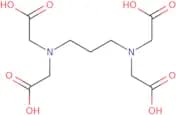
1,3-Diaminopropane-N,N,N²,N²-tetraacetic acid
CAS :1,3-Diaminopropane-N,N,N²,N²-tetraacetic acid (1,3-DAPTA) is a carboxylate that can form chelate complexes with palladium. It is a weak acid that has been shown to have the ability to act as an efficient water scavenger. 1,3-DAPTA is a white crystalline solid with a melting point of 69°C and shows no evidence of kinetic isotope effects. The crystal structure of 1,3-DAPTA consists of two molecules in the asymmetric unit. The nitrogen atoms are coordinated by four oxygen atoms from two neighboring water molecules and one hydrogen atom from the carboxylate group.Formule :C11H18N2O8Degré de pureté :Min. 95%Masse moléculaire :306.27 g/mol6-(Dimethylamino)hexylamine
CAS :<p>Dimethylaminohexylamine is a petrochemical that is synthesized from xylene. The main use of Dimethylaminohexylamine is as an additive in acrylate resins, which are used in paints and coatings for the prevention of corrosion. It has also been used as an amine coagulant in water treatment processes. Dimethylaminohexylamine is a reactive chemical with a low boiling point that can be used to form polyvalent metal complexes. This chemical has been shown to have high biodegradability and is used as a diluent for anions.</p>Formule :C8H20N2Degré de pureté :Min. 95%Masse moléculaire :144.26 g/mol3-(4-Nitrophenyl)-1-phenylurea
CAS :<p>Versatile small molecule scaffold</p>Formule :C13H11N3O3Degré de pureté :Min. 95%Masse moléculaire :257.24 g/molrac-[(1R,2R)-1-Amino-2,3-dihydro-1H-inden-2-yl]methanol
CAS :<p>Versatile small molecule scaffold</p>Formule :C10H13NODegré de pureté :Min. 95%Masse moléculaire :163.22 g/mol1-[(Propan-2-yl)amino]propan-2-one hydrochloride
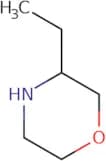
CAS :<p>Versatile small molecule scaffold</p>Formule :C6H14ClNODegré de pureté :Min. 95%Masse moléculaire :151.63 g/mol3-Ethylmorpholine hydrochloride
CAS :<p>3-Ethylmorpholine hydrochloride is a tryptic that is used to detect fingerprints, viruses, and tissue. It reacts with amines to form a product that can be detected by chromatography. 3-Ethylmorpholine hydrochloride has been shown to react with the transition state of the enzyme trypsin and inhibit its activity. 3-Ethylmorpholine hydrochloride is also reactive towards benzene, which may be due to its ability to form sulphone or primary amine intermediates. This would allow 3-Ethylmorpholine hydrochloride to undergo reactions with other solvents in the environment, such as cellular proteins in host cells.</p>Formule :C6H14ClNODegré de pureté :Min. 95%Masse moléculaire :151.63 g/mol3-Benzylcyclobutanone
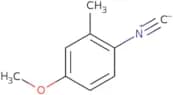
CAS :<p>3-Benzylcyclobutanone is a chiral, cyclic, sulfoxide that is synthesized via the asymmetric synthesis of 3-benzoylcyclobutanone and benzaldehyde. It can be used in the preparation of oxazolidinones, which are synthetic drugs with anti-inflammatory, analgesic and antipyretic properties. The optical purity of 3-benzylcyclobutanone has been shown to be greater than 99% by chiral GC analysis. This compound has also been synthesized using a preparative yield of 92%.</p>Formule :C11H12ODegré de pureté :Min. 95%Masse moléculaire :160.22 g/mol1-Isocyano-4-methoxy-2-methylbenzene
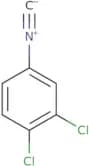
CAS :<p>1-Isocyano-4-methoxy-2-methylbenzene is an efficient and selective catalyst for the synthesis of imidoyl cations from N-alkyl isocyanides. It is an efficient method for the synthesis of diethyl etherate from diethyl ether and a boron trifluoride etherate. This catalyst has been used to synthesize <br>imidoyl cations from N-alkyl isocyanides with high efficiency and selectivity, as well as to synthesize diethyl etherate from diethyl ether and a boron trifluoride etherate.</p>Formule :C9H9NODegré de pureté :Min. 95%Masse moléculaire :147.17 g/mol1,2-Dichloro-4-isocyanobenzene
CAS :<p>Versatile small molecule scaffold</p>Formule :C7H3Cl2NDegré de pureté :Min. 95%Masse moléculaire :172.01 g/mol1-Chloro-3-isocyano-2-methylbenzene
CAS :<p>Versatile small molecule scaffold</p>Formule :C8H6ClNDegré de pureté :Min. 95%Masse moléculaire :151.59 g/molN-Phenylfuran-2-carboxamide
CAS :<p>N-Phenylfuran-2-carboxamide is an oxadiazole with a heterobicyclic structure. This compound has been shown to be a potent microbicide in the form of microcapsules, providing protection against fungi and bacteria. It can be used as a biocide in agrochemical formulations and as a control agent for fatty acids. The carboxamide group is susceptible to bond cleavage under acidic conditions, which can lead to the formation of hydrogen bonds between the amide and target pest. The mechanism of action for this compound is not fully understood, but it is thought that it may inhibit glycosidase enzymes by disrupting hydrogen bonds between the enzyme's active site and its substrate.</p>Formule :C11H9NO2Degré de pureté :Min. 95%Masse moléculaire :187.19 g/mol3-(3-Aminopropyl)phenol hydrochloride
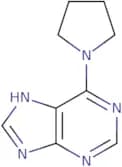
CAS :<p>Versatile small molecule scaffold</p>Formule :C9H14ClNODegré de pureté :Min. 95%Masse moléculaire :187.66 g/mol6-(Pyrrolidin-1-yl)-9H-purine
CAS :<p>6-(Pyrrolidin-1-yl)-9H-purine is an inhibitor of lipid peroxidation. It has been shown to scavenge free radicals and prevent the formation of reactive oxygen species (ROS) by inhibiting the lipoxygenase enzyme. This compound also inhibits superoxide, a ROS that is produced in large quantities during irradiation, and thrombin activity. 6-(Pyrrolidin-1-yl)-9H-purine has a stable anion that interacts with other compounds and can be used as an antithrombotic agent.</p>Formule :C9H11N5Degré de pureté :Min. 95%Masse moléculaire :189.22 g/molN-Methyl-N-(2-phenylethyl)carbamoyl chloride
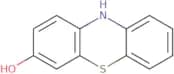
CAS :Versatile small molecule scaffoldFormule :C10H12ClNODegré de pureté :Min. 95%Masse moléculaire :197.66 g/molLeucophenothiazone
CAS :<p>Leucophenothaizone is an insecticide that belongs to the group of phenoxazine. It has been shown to be a potent and selective inhibitor of the enzyme succinoxidase, which is involved in the degradation of lignocellulose. Leucophenothaizone was also found to have a significant effect on the intestinal microflora of animals. This effect can be attributed to its ability to inhibit microbial peroxidase, which is involved in the oxidation of aromatic compounds. Leucophenothaizone has a molecular formula of C14H12N2O2 and a structural formula of CHClNOCHCHNHCOCHCl.</p>Formule :C12H9NOSDegré de pureté :Min. 95%Masse moléculaire :215.27 g/mol(5-Ethylpyridin-2-yl)methanamine
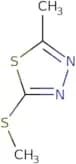
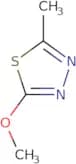
CAS :<p>Versatile small molecule scaffold</p>Formule :C8H12N2Degré de pureté :Min. 95%Masse moléculaire :136.19 g/mol2-Methyl-5-(methylsulfanyl)-1,3,4-thiadiazole
CAS :<p>Versatile small molecule scaffold</p>Formule :C4H6N2S2Degré de pureté :Min. 95%Masse moléculaire :146.2 g/mol2-Methoxy-5-methyl-1,3,4-thiadiazole
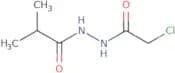
CAS :<p>Versatile small molecule scaffold</p>Formule :C4H6N2OSDegré de pureté :Min. 95%Masse moléculaire :130.17 g/molN'-(2-Chloroacetyl)-2-methylpropanehydrazide
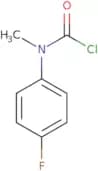
CAS :<p>Versatile small molecule scaffold</p>Formule :C6H11ClN2O2Degré de pureté :Min. 95%Masse moléculaire :178.62 g/molN-(4-Fluorophenyl)-N-methylcarbamoyl chloride
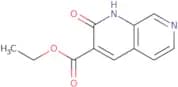
CAS :Versatile small molecule scaffoldFormule :C8H7ClFNODegré de pureté :Min. 95%Masse moléculaire :187.6 g/molEthyl 2-oxo-1,2-dihydro-1,7-naphthyridine-3-carboxylate
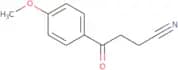
CAS :Versatile small molecule scaffoldFormule :C11H10N2O3Degré de pureté :Min. 95%Masse moléculaire :218.21 g/mol4-(4-Methoxyphenyl)-4-oxobutanenitrile
CAS :<p>Versatile small molecule scaffold</p>Formule :C11H11NO2Degré de pureté :Min. 95%Masse moléculaire :189.21 g/mol2-Vinylthiophene
CAS :<p>2-Vinylthiophene is a reactive, low energy electron donor that reacts with sodium carbonate in the presence of UV light to produce poly(2-vinylthiophene) (PVT). The UV absorption spectrum and uv/vis spectra of PVT are unique, showing only one peak in the visible region. The cationic polymerization reaction is initiated by the photolysis of 2-vinylthiophene with triethylamine. This reaction produces a soluble polymer that can be collected and purified by precipitation with acetone. The insoluble polymer product is obtained by reacting 2-vinylthiophene with sodium carbonate in the absence of UV light. The use of this synthetic substrate allows for the production of polymers that are stable to air and moisture, resistant to oxidation, and soluble in organic solvents.</p>Formule :C6H6SDegré de pureté :Min. 95%Masse moléculaire :110.18 g/molPropachlor
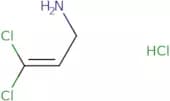
CAS :<p>Propachlor is a chloroacetanilide herbicide that inhibits the production of new cells by disrupting the synthesis of DNA. It has been shown to be an effective inhibitor of prostate cancer cells in vitro, but has not yet been tested in vivo. Propachlor can be used as a sample preparation agent for determining kinetic data on the inhibition of bacterial growth or chloroacetanilide metabolism. The optimum pH for propachlor is 7-8. Propachlor binds to microbial proteins through hydrogen bonding interactions, and is metabolized to pyridinium metabolites by bacteria, although there is no specific antidote against propachlor.</p>Formule :C11H14ClNODegré de pureté :Min. 95%Masse moléculaire :211.69 g/mol3,3-Dichloroprop-2-en-1-amine hydrochloride
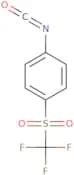
CAS :Versatile small molecule scaffoldFormule :C3H6Cl3NDegré de pureté :Min. 95%Masse moléculaire :162.44 g/mol4-(Trifluoromethylsulfonyl)phenylisocyanate
CAS :<p>Versatile small molecule scaffold</p>Formule :C8H4F3NO3SDegré de pureté :Min. 95%Masse moléculaire :251.18 g/mol5-Methoxymethyl-furan-2-carboxylic acid
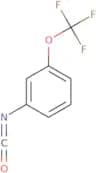
CAS :<p>5-Methoxymethyl-furan-2-carboxylic acid is a heterocycle that is sensitive to light, heat, and moisture. It reacts with chlorides and forms a yellow precipitate. This chemical also has an organic acid nature, a constant of 4.03 g/mol, and phosphonates interactions. 5-Methoxymethyl-furan-2-carboxylic acid is soluble in water and reacts with the chromatographic parameters of the column. The compound can be identified by its chromatogram peaks at 0.7 minutes on the time axis and at 2.8 minutes on the time axis.</p>Formule :C7H8O4Degré de pureté :Min. 95%Masse moléculaire :156.14 g/mol1-Isocyanato-3-(trifluoromethoxy)benzene
CAS :<p>Versatile small molecule scaffold</p>Formule :C8H4F3NO2Degré de pureté :Min. 95%Masse moléculaire :203.12 g/mol3-(2-Bromophenyl)-2-[(2-bromophenyl)methyl]propanoic acid
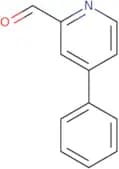
CAS :<p>Versatile small molecule scaffold</p>Formule :C16H14Br2O2Degré de pureté :Min. 95%Masse moléculaire :398.09 g/mol4-Phenylpyridine-2-carboxaldehyde
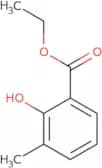
CAS :<p>4-Phenylpyridine-2-carboxaldehyde (4PA) is a crystalline compound with a molecular weight of 198.3. It has been shown to have intramolecular hydrogen bonds and intermolecular hydrogen bonds, which are responsible for the formation of the crystal structure. 4PA is most commonly found in acetone, thiourea, and other organic solvents. The diffraction data for this molecule were obtained using x-ray diffraction methods.</p>Formule :C12H9NODegré de pureté :Min. 95%Masse moléculaire :183.21 g/molEthyl 2-hydroxy-3-methylbenzoate
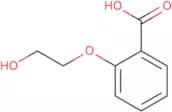
CAS :<p>Ethyl 2-hydroxy-3-methylbenzoate is an organic compound with the chemical formula CH3COCH2CH(OH)COOH. It is a colorless liquid that is soluble in alcohol, ether, and chloroform. It has been used as a precursor to salicylic acid and other compounds with similar function. This product can be synthesized by cyclization of enol ethers with acid derivatives or by cyclization of alkyl phenols with anhydrides. Cyclization reactions are efficient, requiring only a few steps and high temperatures. Salicylic acid can also be obtained from ethyl 2-hydroxy-3-methylbenzoate via hydrolysis of the ester group, which then undergoes decarboxylation to form salicylic acid.</p>Formule :C10H12O3Degré de pureté :Min. 95%Masse moléculaire :180.2 g/mol2-(2-Hydroxy-ethoxy)-benzoic acid
CAS :<p>2-(2-Hydroxy-ethoxy)-benzoic acid is a semicrystalline solid with a melting point at about 220°C. It has a concentration range of 0.5 to 10% and a molecular weight of 192.2 g/mol. 2-(2-Hydroxy-ethoxy)-benzoic acid has been used as an additive in polymers and copolymers, lowering the transition temperature of the polymer or copolymer. The compound has also been used as an intermediate in the synthesis of other compounds such as amorphous polymers, polycaprolactone, and polyesters. 2-(2-Hydroxy-ethoxy)-benzoic acid is an organic compound that belongs to the group of benzoic acids and can be synthesized by reacting ethylene glycol with phthalic anhydride.</p>Formule :C9H10O4Degré de pureté :Min. 95%Masse moléculaire :182.17 g/mol6-Methyl-1H,2H,3H-pyrazolo[1,5-a]imidazole
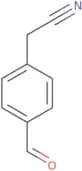
CAS :<p>Versatile small molecule scaffold</p>Formule :C6H9N3Degré de pureté :Min. 95%Masse moléculaire :123.16 g/mol2-(4-Formylphenyl)acetonitrile
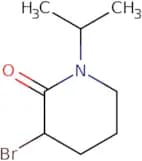
CAS :<p>2-(4-Formylphenyl)acetonitrile is a nucleophilic solvent that can react with benzyl alcohol in the liquid phase. It is used to produce benzaldehyde and toluene by hydrogenating benzyl alcohol. 2-(4-Formylphenyl)acetonitrile has a constant boiling point, which makes it useful for adsorption. It also reacts with hydrogen in the presence of a catalyst to produce benzylamine and hydrogen gas. The kinetic study of this reaction has shown that it follows first order kinetics.</p>Formule :C9H7NODegré de pureté :Min. 95%Masse moléculaire :145.16 g/mol3-Bromo-1-(propan-2-yl)piperidin-2-one
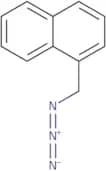
CAS :Versatile small molecule scaffoldFormule :C8H14BrNODegré de pureté :Min. 95%Masse moléculaire :220.11 g/mol1-(Azidomethyl)naphthalene
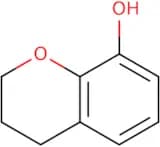
CAS :<p>Versatile small molecule scaffold</p>Formule :C11H9N3Degré de pureté :Min. 95%Masse moléculaire :183.21 g/mol3,4-Dihydro-2H-1-benzopyran-8-ol
CAS :<p>Silver salts are used in photography to form images on photographic film or other material. Silver halides, such as silver chloride and silver bromide, are the most common light-sensitive materials for making photographic emulsions. The sensitivity of the halide is controlled by adding various amounts of stabilizers, such as 3,4-dihydro-2H-1-benzopyran-8-ol.</p>Formule :C9H10O2Degré de pureté :Min. 95%Masse moléculaire :150.17 g/mol2-(1H-Pyrrolo[2,3-b]pyridin-3-yl)acetic acid
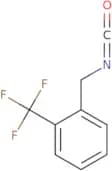
CAS :<p>2-(1H-Pyrrolo[2,3-b]pyridin-3-yl)acetic acid (2HPAPA) is a molecule that has been optimised for fluorescence. It is being developed as a potential treatment for cancer. The mechanism of action of 2HPAPA is not yet known, but it has shown to have an acidic pH and fluoresce in the presence of oxygen. 2 HPAPA also has clinical development with transition from preclinical to clinical studies.</p>Formule :C9H8N2O2Degré de pureté :Min. 95%Masse moléculaire :176.18 g/mol1-(Isocyanatomethyl)-2-(trifluoromethyl)benzene
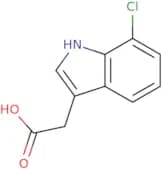
CAS :<p>Versatile small molecule scaffold</p>Formule :C9H6F3NODegré de pureté :Min. 95%Masse moléculaire :201.14 g/mol7-Chloro-1H-indole-3-acetic Acid
CAS :<p>7-Chloro-1H-indole-3-acetic Acid is a microbial metabolite that is the product of the anthranilic acid pathway. This compound has been found to be synthesized by some strains of organisms and can be used as a substrate for the synthesis of other compounds, such as kynurenine. The racemase enzyme converts this compound into its biologically active form, which is then converted into a fluorescent molecule by an unknown biological mechanism.</p>Formule :C10H8ClNO2Degré de pureté :Min. 95%Masse moléculaire :209.63 g/molMethyl ethanesulfonate
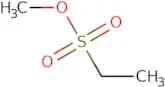
CAS :<p>Methyl ethanesulfonate is a chemical that is used in the methylation of serine protease. It inhibits the activity of serine protease by reacting with the nucleophilic sulfur atom in the enzyme's active site. This reaction results in a change in the shape of the enzyme's active site, which prevents access to substrate and reduces its affinity for substrate. Methyl ethanesulfonate has been shown to be effective against inflammatory bowel disease (IBD) and other inflammatory diseases.<br>Methyl ethanesulfonate has low toxicity, however it can cause liver damage if an individual is exposed to high doses over a long period of time as a result of its aliphatic hydrocarbon group.</p>Formule :C2H5SO3CH3Degré de pureté :Min. 95%Masse moléculaire :124.16 g/molEthyl 2-(3-cyanophenoxy)acetate
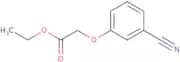
CAS :<p>Versatile small molecule scaffold</p>Formule :C11H11NO3Degré de pureté :Min. 95%Masse moléculaire :205.21 g/mol5-Phenyl-6H-1,3,4-thiadiazin-2-amine
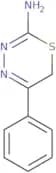
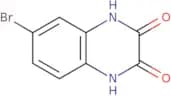
CAS :<p>Phenyl-6H-1,3,4-thiadiazin-2-amine is a bidentate ligand that has been used in analyses to study the binding of various substances. It is a phenolic compound with an azomethine group and nitrogen atoms. Phenyl-6H-1,3,4-thiadiazin-2-amine can be synthesized by reacting 1,5-diaminonaphthalene with 2,6-dihydroxyphenol. This reaction can be followed by elemental analysis and elemental identification. Phenyl-6H-1,3,4-thiadiazin-2 amine also has magnetic properties and phenolic oxygen. It displays thermogravimetric properties that can be analyzed using a TGA instrument. The electronic spectra of this substance can also be analyzed using UV/Vis spectroscopy or NMR spectroscopy. Phenyl-[H]-</p>Formule :C9H9N3SDegré de pureté :Min. 95%Masse moléculaire :191.26 g/mol6-Bromoquinoxaline-2,3(1h,4h)-dione
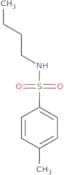
CAS :<p>Versatile small molecule scaffold</p>Formule :C8H5BrN2O2Degré de pureté :Min. 95%Masse moléculaire :241.04 g/molN-Butyltoluene-4-sulfonamide
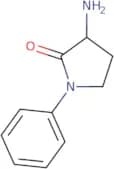
CAS :<p>N-Butyltoluene-4-sulfonamide is an alkylating agent that is used in the synthesis of pharmaceutical drugs. The chemical species of the molecule are amines, acidic, and anions. It is activated by light emission and reacts with a variety of chemical substrates. N-Butyltoluene-4-sulfonamide has a synthetic reaction time of 12 hours at room temperature and can be synthesized from toluene, sulfuric acid, and ammonium chloride. This molecule can react with various biomolecules such as DNA, RNA, proteins, carbohydrates, and lipids.</p>Formule :C11H17NO2SDegré de pureté :Min. 95%Masse moléculaire :227.32 g/mol3-Amino-1-phenylpyrrolidin-2-one
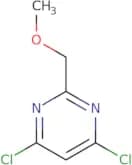
CAS :<p>Versatile small molecule scaffold</p>Formule :C10H12N2ODegré de pureté :Min. 95%Masse moléculaire :176.21 g/mol4,6-dichloro-2-(methoxymethyl)pyrimidine
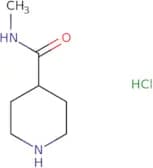
CAS :<p>Versatile small molecule scaffold</p>Formule :C6H6Cl2N2ODegré de pureté :Min. 95%Masse moléculaire :193 g/molN-Methylpiperidine-4-carboxamide hydrochloride
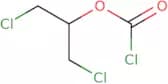
CAS :<p>Versatile small molecule scaffold</p>Formule :C7H15ClN2ODegré de pureté :Min. 95%Masse moléculaire :178.66 g/mol1,3-Dichloropropan-2-yl chloroformate
CAS :<p>Versatile small molecule scaffold</p>Formule :C4H5Cl3O2Degré de pureté :Min. 95%Masse moléculaire :191.44 g/mol2-Bromo-3,4-dimethoxybenzaldehyde
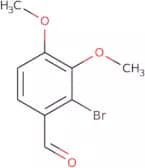
CAS :2-Bromo-3,4-dimethoxybenzaldehyde (BDMB) is a fluorescent aldehyde that can be used as an analog for 2,4-dinitrofluorobenzene. It has been shown to have cytotoxic effects on cancer cells. BDMB binds to microtubules and inhibits their polymerization and depolymerization, preventing the formation of the cytoskeleton in the cell. This leads to cell death by apoptosis. The affinity of BDMB for microtubules is much higher than its affinity for other cellular components. BDMB also has been shown to inhibit DNA synthesis in cancer cells through inhibition of RNA polymerase II transcription.Formule :C9H9BrO3Degré de pureté :Min. 95%Masse moléculaire :245.07 g/molN-Methylpiperidine-4-carboxamide
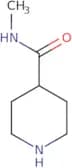
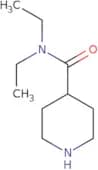
CAS :<p>Versatile small molecule scaffold</p>Formule :C7H14N2ODegré de pureté :Min. 95%Masse moléculaire :142.2 g/molN,N-Diethylpiperidine-4-carboxamide
CAS :<p>Versatile small molecule scaffold</p>Formule :C10H20N2ODegré de pureté :Min. 95%Masse moléculaire :184.28 g/mol5-Methyl-5-hexenoic acid
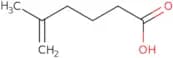
CAS :<p>5-Methyl-5-hexenoic acid is a synthetic chemical that can be used as a marker for biochemical pathways. It is synthesized from hydrochloric acid and boron trifluoride etherate, which are heated together at 130°C until all the HCI has been evaporated. 5-Methyl-5-hexenoic acid is then reacted with an amide to produce a fatty acid. Oxazolidinones are often used to synthesize this compound, although it can also be made through dehydrating and anhydrous sodium chloride. The product contains impurities and diastereomers that must be removed before it can be used in the manufacture of pharmaceuticals.</p>Formule :C7H12O2Degré de pureté :Min. 95%Masse moléculaire :128.17 g/molN-Ethylpiperidine-4-carboxamide
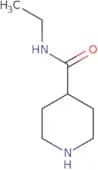
CAS :<p>Versatile small molecule scaffold</p>Formule :C8H16N2ODegré de pureté :Min. 95%Masse moléculaire :156.23 g/mol2-Cyclopentylideneacetic acid
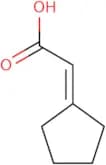
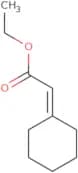
CAS :<p>2-Cyclopentylideneacetic acid is a growth factor that is structurally similar to epidermal growth factor (EGF) and has been shown to have an inhibitory effect on the EGF receptor. It is used in the manufacture of pharmaceuticals, such as antidiabetic agents, and cosmetics. 2-Cyclopentylideneacetic acid is also used as a synthetic intermediate in the manufacture of other drugs, such as peptide hormones. The two possible tautomers of 2-cyclopentylideneacetic acid are alpha-cyclohexenylacetic acid and beta-cyclohexenylacetic acid. The most stable form of these tautomers is alpha-cyclohexenylacetic acid. 2-Cyclopentylideneacetic acid can be used in the synthesis of epinephrine, norepinephrine, and dopamine.<br>2-cyclopentylideneac</p>Formule :C7H10O2Degré de pureté :Min. 95%Masse moléculaire :126.15 g/molCycloheptylidene-acetic acid ethyl ester
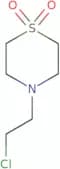
CAS :<p>Versatile small molecule scaffold</p>Formule :C11H18O2Degré de pureté :Min. 95%Masse moléculaire :182.26 g/mol4-(2-Chloroethyl)thiomorpholine 1,1-dioxide
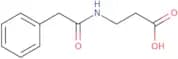
CAS :<p>Versatile small molecule scaffold</p>Formule :C6H12ClNO2SDegré de pureté :Min. 95%Masse moléculaire :197.68 g/mol3-(2-Phenylacetamido)propanoic acid
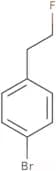
CAS :<p>Versatile small molecule scaffold</p>Formule :C11H13NO3Degré de pureté :Min. 95%Masse moléculaire :207.23 g/mol1-Bromo-4-(2-fluoroethyl)benzene
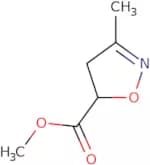
CAS :<p>Versatile small molecule scaffold</p>Formule :C8H8BrFDegré de pureté :Min. 95%Masse moléculaire :203.05 g/molMethyl 3-methyl-4,5-dihydro-1,2-oxazole-5-carboxylate
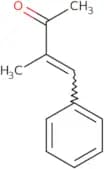
CAS :<p>Methyl 3-methyl-4,5-dihydro-1,2-oxazole-5-carboxylate (MMDC) is a heterocyclic compound that is used as a raw material for the production of various chemicals. It can be used to produce aniline and acetaldehyde. MMDC is also used in the synthesis of other heterocyclic compounds, such as methyl 2-(3,4-dimethoxybenzoyl)-1H-imidazole-5-carboxylate. This chemical has been found to be an effective inhibitor of bacterial nitrite reductase activity.</p>Formule :C6H9NO3Degré de pureté :Min. 95%Masse moléculaire :143.14 g/mol3-Methyl-4-phenylbut-3-en-2-one
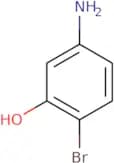
CAS :<p>Versatile small molecule scaffold</p>Formule :C11H12ODegré de pureté :Min. 95%Masse moléculaire :160.21 g/mol5-Amino-2-bromophenol
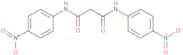
CAS :<p>Versatile small molecule scaffold</p>Formule :C6H6BrNODegré de pureté :Min. 95%Masse moléculaire :188.02 g/molN,N'-Bis(4-nitrophenyl)propanediamide
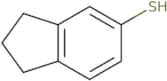
CAS :<p>Versatile small molecule scaffold</p>Formule :C15H12N4O6Degré de pureté :Min. 95%Masse moléculaire :344.28 g/mol2,3-Dihydro-1H-indene-5-thiol
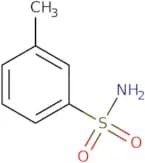
CAS :<p>Versatile small molecule scaffold</p>Formule :C9H10SDegré de pureté :Min. 95%Masse moléculaire :150.24 g/mol3-methylbenzenesulfonamide
CAS :<p>3-methylbenzenesulfonamide is a dispersive, amide chemical structure that has antibacterial and antineoplastic properties. 3-methylbenzenesulfonamide is soluble in water and has a molecular weight of 198.33 g/mol. It is an experimental solubility data for this compound that it is less soluble than other compounds with the same molecular weight. 3-methylbenzenesulfonamide is a ligand and a coordination complex that has pharmacological agents, strategies, and experimental solubility data for the compound. The drug pharmacokinetics for this chemical are not well understood because it does not have an FDA classification and there are no pharmacokinetic studies available to date.</p>Formule :C7H9NO2SDegré de pureté :Min. 95%Masse moléculaire :171.22 g/molPyrido[3',2':4,5]thieno[3,2-d]pyrimidin-4(3H)-one
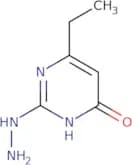
CAS :<p>Versatile small molecule scaffold</p>Formule :C9H5N3OSDegré de pureté :Min. 95%Masse moléculaire :203.22 g/mol6-Ethyl-2-hydrazinyl-3,4-dihydropyrimidin-4-one
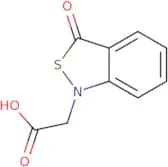
CAS :Versatile small molecule scaffoldFormule :C6H10N4ODegré de pureté :Min. 95%Masse moléculaire :154.17 g/mol2-(3-Oxo-1,3-dihydro-2,1-benzothiazol-1-yl)acetic acid
CAS :<p>Versatile small molecule scaffold</p>Formule :C9H7NO3SDegré de pureté :Min. 95%Masse moléculaire :209.22 g/mol2-[(4-Bromophenyl)amino]ethan-1-ol
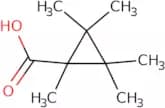
CAS :<p>Versatile small molecule scaffold</p>Formule :C8H10BrNODegré de pureté :Min. 95%Masse moléculaire :216.07 g/molPentamethylcyclopropane-1-carboxylic acid
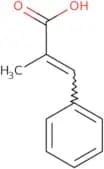
CAS :<p>Versatile small molecule scaffold</p>Formule :C9H16O2Degré de pureté :Min. 95%Masse moléculaire :156.22 g/mol(E)-α-Methylcinnamic acid
CAS :<p>The compound (E)-α-methylcinnamic acid is a methyl ketone that reacts with deionized water to form the ionic compound. This reaction is an example of Friedel-Crafts alkylation. The compound has been shown to be carcinogenic in animal studies, but not in human studies. It can also be used as a pressor and chloride channel blocker, and has been shown to have ferroelectric properties. The compound has been shown to react with fatty acids at high temperatures, yielding a reaction yield of 82%.</p>Formule :C10H10O2Degré de pureté :Min. 95%Masse moléculaire :162.18 g/mol2-Chloro-1-cyclohexylethan-1-one
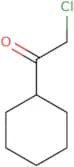
CAS :<p>2-Chloro-1-cyclohexylethan-1-one is an enantiopure epoxide that can be synthesized from chloroketones and amines. It is used in the synthesis of chlorinating agents, such as chloramines and chlorocarbons, as well as in the preparation of carbamates. 2-Chloro-1-cyclohexylethan-1-one also has a kinetic effect on dehalogenase enzymes, which are involved in halogen metabolism. The chemical's chlorine atom can react with hydrogen chloride to form hydrogen chloride gas and hydrochloric acid. 2-Chloro-1-cyclohexylethan-1-one has been shown to be effective against nematodes, limiting their growth by inhibiting the synthesis of essential proteins needed for cell division. This chemical also reacts with chloride ions to form polymers that act as a protective barrier against insects.<br>2CCHE is a</p>Formule :C8H13ClODegré de pureté :Min. 95%Masse moléculaire :160.64 g/mol4-Chloro-2-ethyl-6-methylpyrimidine
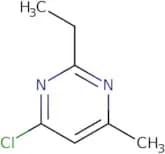
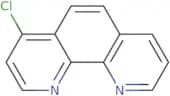
CAS :<p>Versatile small molecule scaffold</p>Formule :C7H9ClN2Degré de pureté :Min. 95%Masse moléculaire :156.61 g/mol4-Chloro-1,10-phenanthroline
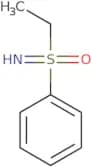
CAS :<p>Versatile small molecule scaffold</p>Formule :C12H7ClN2Degré de pureté :Min. 95%Masse moléculaire :214.65 g/molS-Ethyl-S-phenyl sulfoximine
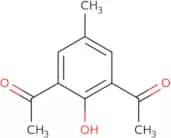
CAS :<p>Versatile small molecule scaffold</p>Formule :C8H11NOSDegré de pureté :Min. 95%Masse moléculaire :169.25 g/mol1,1'-(2-Hydroxy-5-methyl-1,3-phenylene)diethanone
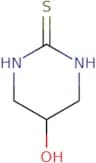
CAS :<p>1,1'-(2-Hydroxy-5-methyl-1,3-phenylene)diethanone is a dioxime ligand that binds to metal ions in a stereochemical fashion. This compound has been shown to bind to the Fe ion and to undergo an intramolecular hydrogen transfer reaction. 1,1'-(2-Hydroxy-5-methyl-1,3-phenylene)diethanone has also been used as a macrocycle that can be assembled into supramolecular structures with metal ions. This molecule is magnetic and its magnetic properties have been studied by electrochemical methods.</p>Formule :C11H12O3Degré de pureté :Min. 95%Masse moléculaire :192.21 g/mol5-Hydroxy-1,3-diazinane-2-thione
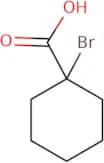
CAS :<p>Versatile small molecule scaffold</p>Formule :C4H8N2OSDegré de pureté :Min. 95%Masse moléculaire :132.19 g/mol1-Bromocyclohexanecarboxylic acid
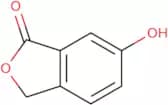
CAS :<p>1-Bromocyclohexanecarboxylic acid is a member of the class of organic compounds known as carboxylic acids. It is an oxygenated compound that contains the carboxyl group (-COOH). It has been used to synthesize a number of other organic compounds. 1-Bromocyclohexanecarboxylic acid also reacts with metal salt to form phosphine, which can be used as a reducing agent in organic reactions. The conformation and reactivity of 1-bromocyclohexane can be predicted using theory and calculations. Hydrocarbon groups are added by diisocyanate, which react with hydrocarbon catalytically to produce benzene. This reaction can be used for analgesic or carbamate production.</p>Formule :C7H11BrO2Degré de pureté :Min. 95%Masse moléculaire :207.06 g/mol6-Hydroxy-1,3-dihydro-2-benzofuran-1-one
CAS :<p>Versatile small molecule scaffold</p>Formule :C8H6O3Degré de pureté :Min. 95%Masse moléculaire :150.13 g/molBenzyl[(4-bromophenyl)methyl]amine
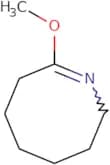
CAS :<p>Versatile small molecule scaffold</p>Formule :C14H14BrNDegré de pureté :Min. 95%Masse moléculaire :276.17 g/mol8-Methoxy-2,3,4,5,6,7-hexahydroazocine
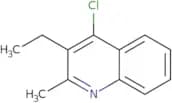
CAS :<p>Versatile small molecule scaffold</p>Formule :C8H15NODegré de pureté :Min. 95%Masse moléculaire :141.21 g/mol4-Chloro-3-ethyl-2-methylquinoline
CAS :<p>Versatile small molecule scaffold</p>Formule :C12H12ClNDegré de pureté :Min. 95%Masse moléculaire :205.68 g/molBenzyl[(4-methylphenyl)methyl]amine
CAS :<p>Versatile small molecule scaffold</p>Formule :C15H17NDegré de pureté :Min. 95%Masse moléculaire :211.3 g/mol4-[(Benzylamino)methyl]-N,N-dimethylaniline
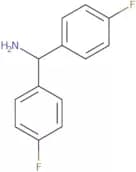
CAS :<p>Versatile small molecule scaffold</p>Formule :C16H20N2Degré de pureté :Min. 95%Masse moléculaire :240.34 g/molBis(4-fluorophenyl)methanamine
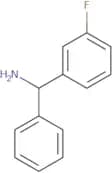
CAS :<p>Versatile small molecule scaffold</p>Formule :C13H11F2NDegré de pureté :Min. 95%Masse moléculaire :219.23 g/mol(3-Fluorophenyl)(phenyl)methanamine
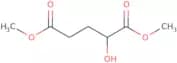
CAS :<p>Versatile small molecule scaffold</p>Formule :C13H12FNDegré de pureté :Min. 95%Masse moléculaire :201.24 g/mol1,5-Dimethyl (2S)-2-hydroxypentanedioate
CAS :<p>Versatile small molecule scaffold</p>Formule :C7H12O5Degré de pureté :Min. 95%Masse moléculaire :176.17 g/mol[1-(3,4-Dimethoxyphenyl)cyclohexyl]methanamine
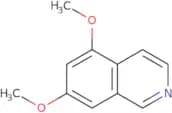
CAS :<p>Versatile small molecule scaffold</p>Formule :C15H23NO2Degré de pureté :Min. 95%Masse moléculaire :249.35 g/mol5,7-Dimethoxyisoquinoline
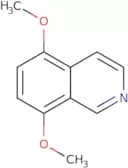
CAS :<p>Versatile small molecule scaffold</p>Formule :C11H11NO2Degré de pureté :Min. 95%Masse moléculaire :189.21 g/mol5,8-Dimethoxyisoquinoline
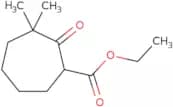
CAS :Versatile small molecule scaffoldFormule :C11H11NO2Degré de pureté :Min. 95%Masse moléculaire :189.21 g/molEthyl 3,3-dimethyl-2-oxocycloheptane-1-carboxylate
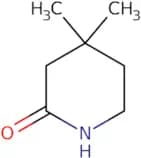
CAS :<p>Versatile small molecule scaffold</p>Formule :C12H20O3Degré de pureté :Min. 95%Masse moléculaire :212.28 g/mol4,4-Dimethylpiperidin-2-one
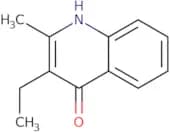
CAS :<p>Versatile small molecule scaffold</p>Formule :C7H13NODegré de pureté :Min. 95%Masse moléculaire :127.18 g/mol3-Ethyl-2-methylquinolin-4-ol
CAS :<p>Versatile small molecule scaffold</p>Formule :C12H13NODegré de pureté :Min. 95%Masse moléculaire :187.24 g/mol4-Chloro-thieno[3,2-c]pyridine-7-carboxamide
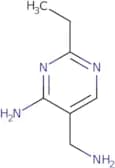
CAS :<p>Versatile small molecule scaffold</p>Formule :C8H5ClN2OSDegré de pureté :Min. 95%Masse moléculaire :212.66 g/mol(2-Ethyl-4-imino-1,4-dihydropyrimidin-5-yl)methanamine
CAS :Versatile small molecule scaffoldFormule :C7H12N4Degré de pureté :Min. 95%Masse moléculaire :152.2 g/mol1-Chloro-4-isocyanobenzene
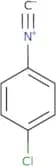
CAS :<p>1-Chloro-4-isocyanobenzene (1CI) is an organic compound that has been used as a chemical probe for the detection of amines and other molecules on metal surfaces. The frequency shift in Raman spectra, which is observed after the addition of 1CI to the metal surface, is used to detect amines. 1CI has also been shown to be a potent inhibitor of mitochondrial function. This molecule binds to nucleophilic sites on metal surfaces and forms covalent bonds with them, leading to a high degree of inhibition.<br>1CI can be synthesized in three steps from commercially available starting materials and is relatively easy to purify.</p>Formule :C7H4ClNDegré de pureté :Min. 95%Masse moléculaire :137.56 g/mol4-Chlorothieno[3,2-c]pyridine-7-carboxylic acid
CAS :<p>Versatile small molecule scaffold</p>Formule :C8H4ClNO2SDegré de pureté :Min. 95%Masse moléculaire :213.64 g/mol2-[(Quinazolin-4-yl)amino]acetamide
CAS :<p>Versatile small molecule scaffold</p>Formule :C10H10N4ODegré de pureté :Min. 95%Masse moléculaire :202.21 g/mol2-[(Quinazolin-4-yl)amino]acetic acid
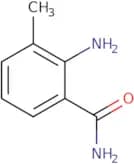
CAS :<p>Versatile small molecule scaffold</p>Formule :C10H9N3O2Degré de pureté :Min. 95%Masse moléculaire :203.2 g/mol2-Amino-3-methylbenzamide
CAS :<p>Chlorantraniliprole is a fungicide that inhibits the function of the ryanodine receptor and blocks the release of calcium from intracellular stores. It has been shown to be effective against bacteria such as E. coli, Klebsiella pneumoniae and Salmonella typhimurium in vitro. Chlorantraniliprole was also shown to inhibit bacterial growth in vivo in a mouse model. This drug has demonstrated statistically significant antibacterial activity against gram-positive bacteria such as Staphylococcus aureus, Bacillus subtilis, and Streptococcus pyogenes. Chlorantraniliprole is an amide with a trifluoromethyl group attached to the nitrogen atom on the pyrazole ring. The chlorantraniliprole molecule contains an anthranilic linker between the chlorantranilic acid and 2-amino-3-methylbenzamide rings.</p>Formule :C8H10N2ODegré de pureté :Min. 95%Masse moléculaire :150.18 g/mol


![rac-[(1R,2R)-1-Amino-2,3-dihydro-1H-inden-2-yl]methanol](/_next/image/?url=https%3A%2Fstatic.cymitquimica.com%2Fproducts%2F3D%2Fthumb-webp%2FFCA27004.webp&w=3840&q=75)
![1-[(Propan-2-yl)amino]propan-2-one hydrochloride](/_next/image/?url=https%3A%2Fstatic.cymitquimica.com%2Fproducts%2F3D%2Fthumb-webp%2FFCA26840.webp&w=3840&q=75)








![3-(2-Bromophenyl)-2-[(2-bromophenyl)methyl]propanoic acid](/_next/image/?url=https%3A%2Fstatic.cymitquimica.com%2Fproducts%2F3D%2Fthumb-webp%2FFCA22323.webp&w=3840&q=75)
![6-Methyl-1H,2H,3H-pyrazolo[1,5-a]imidazole](/_next/image/?url=https%3A%2Fstatic.cymitquimica.com%2Fproducts%2F3D%2Fthumb-webp%2FFCA21175.webp&w=3840&q=75)
![2-(1H-Pyrrolo[2,3-b]pyridin-3-yl)acetic acid](/_next/image/?url=https%3A%2Fstatic.cymitquimica.com%2Fproducts%2F3D%2Fthumb-webp%2FBAA91242.webp&w=3840&q=75)
![Pyrido[3',2':4,5]thieno[3,2-d]pyrimidin-4(3H)-one](/_next/image/?url=https%3A%2Fstatic.cymitquimica.com%2Fproducts%2F3D%2Fthumb-webp%2FFCA11579.webp&w=3840&q=75)
![2-[(4-Bromophenyl)amino]ethan-1-ol](/_next/image/?url=https%3A%2Fstatic.cymitquimica.com%2Fproducts%2F3D%2Fthumb-webp%2FFCA11099.webp&w=3840&q=75)
![Benzyl[(4-bromophenyl)methyl]amine](/_next/image/?url=https%3A%2Fstatic.cymitquimica.com%2Fproducts%2F3D%2Fthumb-webp%2FFCA09689.webp&w=3840&q=75)
![Benzyl[(4-methylphenyl)methyl]amine](/_next/image/?url=https%3A%2Fstatic.cymitquimica.com%2Fproducts%2F3D%2Fthumb-webp%2FFCA09686.webp&w=3840&q=75)
![4-[(Benzylamino)methyl]-N,N-dimethylaniline](/_next/image/?url=https%3A%2Fstatic.cymitquimica.com%2Fproducts%2F3D%2Fthumb-webp%2FFCA09685.webp&w=3840&q=75)
![[1-(3,4-Dimethoxyphenyl)cyclohexyl]methanamine](/_next/image/?url=https%3A%2Fstatic.cymitquimica.com%2Fproducts%2F3D%2Fthumb-webp%2FFCA09270.webp&w=3840&q=75)
![4-Chloro-thieno[3,2-c]pyridine-7-carboxamide](/_next/image/?url=https%3A%2Fstatic.cymitquimica.com%2Fproducts%2F3D%2Fthumb-webp%2FFCA04049.webp&w=3840&q=75)
![4-Chlorothieno[3,2-c]pyridine-7-carboxylic acid](/_next/image/?url=https%3A%2Fstatic.cymitquimica.com%2Fproducts%2F3D%2Fthumb-webp%2FFCA04048.webp&w=3840&q=75)
![2-[(Quinazolin-4-yl)amino]acetamide](/_next/image/?url=https%3A%2Fstatic.cymitquimica.com%2Fproducts%2F3D%2Fthumb-webp%2FFCA04021.webp&w=3840&q=75)
![2-[(Quinazolin-4-yl)amino]acetic acid](/_next/image/?url=https%3A%2Fstatic.cymitquimica.com%2Fproducts%2F3D%2Fthumb-webp%2FFCA04011.webp&w=3840&q=75)