Building Blocks
Cette section contient des produits fondamentaux pour la synthèse de composés organiques et biologiques. Building blocks sont les matériaux de départ essentiels utilisés pour construire des molécules complexes à travers diverses réactions chimiques. Ils jouent un rôle crucial dans la découverte de médicaments, la science des matériaux et la recherche chimique. Chez CymitQuimica, nous offrons une gamme diversifiée de building blocks de haute qualité pour soutenir vos recherches innovantes et projets industriels, en vous assurant de disposer des composants essentiels pour une synthèse réussie.
Sous-catégories appartenant à la catégorie "Building Blocks"
- Acides boroniques et dérivés de l'acide boronique(5.778 produits)
- Building Blocks Chiraux(1.242 produits)
- Building Blocks Hydrocarbonés(6.098 produits)
- Building Blocks organiques(61.059 produits)
199580 produits trouvés pour "Building Blocks"
Trier par
Degré de pureté (%)
0
100
|
0
|
50
|
90
|
95
|
100
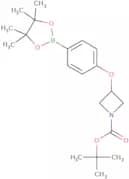
tert-Butyl 3-(4-(4,4,5,5-tetramethyl-1,3,2-dioxaborolan-2-yl)phenoxy)azetidine-1-carboxylate
CAS :<p>Tert-Butyl 3-(4-(4,4,5,5-tetramethyl-1,3,2-dioxaborolan-2-yl)phenoxy)azetidine-1-carboxylate is a high quality reagent that can be used as an intermediate in the synthesis of complex compounds. It has been shown to have various uses as a fine chemical or speciality chemical. Tert-butyl 3-(4-(4,4,5,5-tetramethyl-1,3,2-dioxaborolan-2-yl)phenoxy)azetidine 1 carboxylate is also a versatile building block and can serve as a reaction component.</p>Formule :C20H30BNO5Degré de pureté :Min. 95%Couleur et forme :PowderMasse moléculaire :375.3 g/mol2-Iodoethanol - stabilised with copper
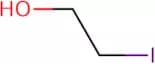
CAS :<p>2-Iodoethanol is a chemical compound that has the chemical formula CH2CHIO2. It is used as a reagent in analytical chemistry, as well as in pharmaceutical preparations and polymerase chain reactions. The hydroxyl group on the ethoxy side of this molecule is important for its reactivity, with 2-iodoethanol having an electron affinity of 5.4 eV. This reactivity can also be seen when it is reacted with sodium carbonate to form sodium ethoxide, which has been shown to have anti-hyperproliferative properties. 2-Iodoethanol has been shown to be particularly effective against plant metabolites, such as 5-membered heteroaryl compounds.</p>Formule :C2H5IODegré de pureté :Min. 98.5 Area-%Couleur et forme :PowderMasse moléculaire :171.96 g/mol7H-Imidazo[4,5-d]pyrimidine
CAS :<p>7H-imidazo[4,5-d]pyrimidine is a small molecule that exhibits receptor activity against toll-like receptors. It has been shown to inhibit the production of proinflammatory cytokines and chemokines in HL60 cells. 7H-imidazo[4,5-d]pyrimidine also inhibits the activities of enzymes involved in purine metabolism and cellular metabolic processes, as well as intracellular targets including protein kinases, phosphatases and transcription factors. 7H-imidazo[4,5-d]pyrimidine has been shown to be effective against solid tumours such as murine sarcoma virus and plant tumors. This drug also inhibits the enzymatic activity of p2y receptors that are involved in inflammation and platelet aggregation.</p>Formule :C5H4N4Degré de pureté :Min. 95%Couleur et forme :PowderMasse moléculaire :120.11 g/mol2-Isopropylbenzoic acid
CAS :<p>2-Isopropylbenzoic acid is a fine chemical that belongs to the group of aromatic compounds and has the molecular formula C8H10O2. This compound is used in research as an intermediate for organic synthesis, such as the production of pharmaceuticals. 2-Isopropylbenzoic acid is also a versatile building block for complex molecules, such as dyes and fragrances. It can be used as a reagent or speciality chemical in research and development, such as in polymer chemistry. 2-Isopropylbenzoic acid can be used as a reaction component for synthesis of other chemicals, such as pharmaceuticals. As an intermediate, it can be used in the production of synthetic drugs and other bioactive molecules that are difficult to synthesize by other means due to its high quality.</p>Formule :C10H12O2Degré de pureté :Min. 95%Couleur et forme :White PowderMasse moléculaire :164.2 g/mol2-Isocyanatopyridine
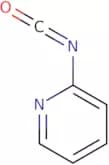
CAS :<p>2-Isocyanatopyridine is a synthetic chemical that has been shown to be an effective anti-cancer agent. It is a hemibasic, heterocyclic compound with two isomers, cis and trans. The cis form exhibits more potent antitumor activity than the trans form. 2-Isocyanatopyridine has been synthesized using mesoporous silica, which provides the molecule with a high surface area and good adsorption properties. Hydrogen bonding between the isocyanate group and hydrogen atoms in the naphthyridine ring are responsible for its functionalizing effects. 2-Isocyanatopyridine binds to receptors on cancer cells and inhibits cell proliferation by interfering with cell signaling pathways.<br>2-Isocyanatopyridine has been shown to inhibit tumor growth in mice bearing human colon carcinoma xenografts.</p>Formule :C6H4N2ODegré de pureté :Min. 95%Couleur et forme :Brown PowderMasse moléculaire :120.11 g/molIndole-3-pyruvic acid
CAS :<p>Thiostrepton is an antibiotic that inhibits the synthesis of proteins by binding to the α subunit of the bacterial ribosome. It also has a polymerase chain reaction (PCR) amplification activity. Thiostrepton's inhibitory effect on protein synthesis is due to its ability to bind to the α subunit of the ribosome, which results in inhibition of enzyme activities and physiological function. The thiostrepton-resistant mutants have been found in skin cells and plants. The resistant mutants are mostly due to point mutations in amino acid residues on the surface of the ribosomal target site, which alters its affinity for thiostrepton. This antibiotic has been shown to be active against wild-type strains of bacteria, as well as methicillin-resistant Staphylococcus aureus (MRSA). Thiostrepton's active form is metabolized through hydroxylation and conjugation with glutathione or glucur</p>Formule :C11H9NO3Degré de pureté :Area-% Min. 95 Area-%Couleur et forme :Off-White Yellow PowderMasse moléculaire :203.20 g/molIndole-3-propionamide
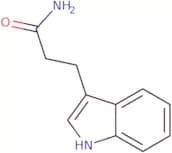
CAS :<p>Indole-3-propionamide is a synthetic molecule that has been shown to have preventative effects against autoimmune diseases. It inhibits the production of IL-2, an important cytokine in the immune system, and also has an inhibitory effect on energy metabolism. Indole-3-propionamide has been shown to be neuroprotective in animal models and clinical studies have shown it to be safe for use in humans. Studies have also revealed its ability to bind to the IL2 receptor and inhibit cell proliferation.</p>Formule :C11H12N2ODegré de pureté :Min. 98 Area-%Couleur et forme :PowderMasse moléculaire :188.23 g/molIndole-5-carboxylic acid ethyl ester
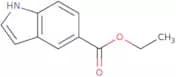
CAS :Indole-5-carboxylic acid ethyl ester is a formamide activated analog of piperidine. It is an effective antibacterial agent against Staphylococcus aureus. Indole-5-carboxylic acid ethyl ester inhibits the growth of bacteria by binding to the extracellular surface and interfering with cell membrane permeability. The compound also has anti-cancer properties, and may be used in pharmaceuticals as a pyrazole derivative.Formule :C11H11NO2Degré de pureté :Min. 95%Couleur et forme :PowderMasse moléculaire :189.21 g/molIndole-3-carboxylic acid methyl ester
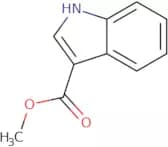
CAS :Produit contrôléIndole-3-carboxylic acid methyl ester is a quinoline derivative that is structurally related to the well-known antibiotic, ciprofloxacin. It has been shown to be cytotoxic against a variety of bacterial strains including Pseudomonas aeruginosa and Staphylococcus aureus. The mechanism of action for this compound is not yet fully understood, but it has been shown to inhibit collagen production in cell cultures and induce neuronal death in mice. Indole-3-carboxylic acid methyl ester also possesses anti-cancer properties and inhibits fatty acid synthesis. This compound also has antifungal effects against Candida albicans and other fungi.Formule :C10H9NO2Degré de pureté :Min. 98 Area-%Couleur et forme :PowderMasse moléculaire :175.18 g/molIndole-2-carboxylic acid ethyl ester
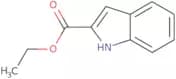
CAS :<p>Indole-2-carboxylic acid ethyl ester is a synthetic compound that binds to cancer cells. It has been shown to inhibit the growth of leukemia cells and breast cancer cells in vitro. Indole-2-carboxylic acid ethyl ester inhibits the binding of collagen to cells, which may be due to its ability to bind to β-carboline alkaloids on collagen. The binding of indole-2-carboxylic acid ethyl ester with these alkaloids prevents them from binding to collagen, thereby preventing the formation of new collagen fibers. This drug also inhibits aldehyde production, which is important for DNA synthesis in cancer cells.</p>Formule :C11H11NO2Degré de pureté :Min. 95%Couleur et forme :PowderMasse moléculaire :189.21 g/molIndole-3-butyric acid, potassium salt
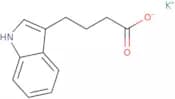
CAS :Plant hormone; auxin; inducer of root development; used in plant rootingFormule :C12H12KNO2Couleur et forme :White Yellow PowderMasse moléculaire :241.33 g/mol5-Fluoro-4-methylpyridin-3-amine
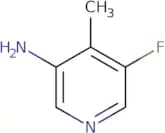
CAS :<p>Versatile small molecule scaffold</p>Formule :C6H7FN2Degré de pureté :Min. 95%Couleur et forme :PowderMasse moléculaire :126.13 g/molIsopentyl 4-methoxycinnamate
CAS :Isopentyl 4-methoxycinnamate is a fluorescent molecule that is used to measure otoacoustic emissions in neonates. The viscosity of isopentyl 4-methoxycinnamate can be measured by using an analytical method for determining the melting point. Isopentyl 4-methoxycinnamate has been shown to inhibit the growth of bacteria such as Staphylococcus aureus, which is resistant to ciprofloxacin. Isopentyl 4-methoxycinnamate has also been shown to have potent inhibition activity against Escherichia coli and Pseudomonas aeruginosa, but not against Enterobacter cloacae. The fluorescence intensity of isopentyl 4-methoxycinnamate can be enhanced by adding glycerin or sodium citrate to the solution. It can also be prepared as a particle by adding sodium chloride or potassium chlorideFormule :C15H20O3Degré de pureté :Min. 95%Couleur et forme :PowderMasse moléculaire :248.32 g/molIsovanillin
CAS :<p>Isovanillin is a naturally occurring compound in plants and has been shown to have biological effects on the mitochondria of cells. It has been found to inhibit the mitochondrial membrane potential of k562 cells, which is associated with cell death. Isovanillin has also been shown to affect bacterial strains, such as Acinetobacter baumannii, by inhibiting their growth. This x-ray crystal structure was determined using a lc-MS/MS method and it was found that isovanillin reacts with p-hydroxybenzoic acid to form methyl ethyl benzoate. Isovanillin is toxic and has been found to cause cellular physiology changes when administered at high concentrations.</p>Formule :C8H8O3Degré de pureté :Min. 95%Couleur et forme :White PowderMasse moléculaire :152.15 g/mol4-Iodobenzoic acid
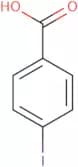
CAS :<p>4-Iodobenzoic acid is a chiral compound that can be used as a nutrient solution in the laboratory. It has been shown to be effective at removing p-hydroxybenzoic acid and 4-dimethylaminobenzoic acid from wastewater. The reaction mechanism of 4-iodobenzoic acid involves intramolecular hydrogen transfer from the hydroxyl group on the benzoic side chain to the iodine atom, which forms an intermediate that reacts with a second molecule of benzoic acid. This reaction mechanism is similar to that found in caproic acid, except for the substitution of hydrogen with iodine. The addition of sodium hypochlorite or potassium permanganate can lead to the oxidation of 4-iodobenzoic acid and its eventual decomposition into carbon dioxide and water.</p>Formule :C7H5IO2Degré de pureté :Min. 95%Couleur et forme :PowderMasse moléculaire :248.02 g/mol4-Isobutylacetophenone
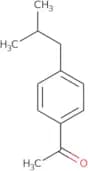
CAS :<p>4-Isobutylacetophenone is a nonsteroidal anti-inflammatory drug that can be used in the preparation of samples for membrane systems. It also has been shown to be an efficient contactor for the hydrogenation of methyl ketones. The reaction mechanism starts with the generation of intramolecular hydrogen, which is then transferred to the substrate and leads to the formation of the desired product. FTIR spectroscopy has been used to show that 4-isobutylacetophenone can be used as a solid catalyst for neutral pH reactions. Hydrochloric acid and hydrofluoric acid are both strong acids that can be used for this purpose.</p>Formule :C12H16ODegré de pureté :Min. 95%Couleur et forme :Colorless Clear LiquidMasse moléculaire :176.25 g/moln-Heptyl 4-hydroxybenzoate
CAS :<p>n-Heptyl 4-hydroxybenzoate is a preservative and antimicrobial agent that is used in cosmetics, pharmaceuticals, and food. It is primarily used to inhibit the growth of bacteria and fungi. The mechanism by which heptyl 4-hydroxybenzoate inhibits the growth of microorganisms is not well understood. It has been shown to be an effective inhibitor of Gram-positive bacteria such as Bacillus subtilis, but not against Gram-negative bacteria such as Escherichia coli. Heptyl 4-hydroxybenzoate has been shown to have no effect on the growth of probiotic bacteria such as Lactobacillus acidophilus.<br>The chemical structure of n-heptyl 4-hydroxybenzoate includes a glycol ether moiety and two parabens that are linked by hydrogen bonds. These bonds can be broken by enzymes found in rat liver microsomes, leading to the release of n-</p>Formule :C14H20O3Degré de pureté :Min. 95%Couleur et forme :White Off-White PowderMasse moléculaire :236.31 g/mol4-Hydroxybenzoic acid
CAS :<p>4-Hydroxybenzoic acid is a plant metabolite that is found in many plants and fruits. 4-Hydroxybenzoic acid has been shown to have anti-diabetic effects in vitro. This compound also has anti-inflammatory properties, which may be due to its ability to inhibit the production of effector proteins such as nitric oxide synthase and cyclooxygenase. The biological activity of 4-hydroxybenzoic acid is dependent on the concentration; at low concentrations it inhibits glucose uptake by cells, while at high concentrations it prevents cell growth.</p>Formule :C7H6O3Degré de pureté :Min. 98 Area-%Couleur et forme :White Off-White PowderMasse moléculaire :138.12 g/molm-Hydroxybenzonitrile
CAS :<p>m-Hydroxybenzonitrile is a cationic surfactant that has the ability to form hydrogen bonds with an intramolecular hydrogen. It is used in the production of detergents, textile processing aids, and inks. m-Hydroxybenzonitrile inhibits fatty acids by forming an inhibitory complex at the surface of the cell membrane. This complex disrupts lipid bilayers and inhibits protein synthesis. m-Hydroxybenzonitrile also has been shown to have vibrational properties that can be seen when it absorbs ultraviolet light.</p>Formule :C7H5NODegré de pureté :Min. 95%Couleur et forme :Off-White PowderMasse moléculaire :119.12 g/mol4-Hydroxy-3-methoxybenzylamine hydrochloride
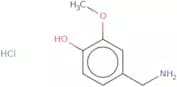
CAS :<p>4-Hydroxy-3-methoxybenzylamine hydrochloride is a reagent, complex compound and useful intermediate for the production of speciality chemicals. CAS No. 7149-10-2 is not a hazardous chemical and does not pose any significant risk to human health or the environment when used as intended. This chemical has many uses including being a useful scaffold in organic synthesis, a useful building block for the preparation of other compounds, and a versatile building block for the preparation of various compounds. It also has many applications in research such as being an intermediate for the synthesis of other compounds, or as a reactant in various reactions.</p>Formule :C8H12NO2ClDegré de pureté :Min. 98 Area-%Couleur et forme :White PowderMasse moléculaire :189.64 g/mol

![7H-Imidazo[4,5-d]pyrimidine](/_next/image/?url=https%3A%2Fstatic.cymitquimica.com%2Fproducts%2F3D%2Fthumb-webp%2FFI34476.webp&w=3840&q=75)