Building Blocks
Cette section contient des produits fondamentaux pour la synthèse de composés organiques et biologiques. Building blocks sont les matériaux de départ essentiels utilisés pour construire des molécules complexes à travers diverses réactions chimiques. Ils jouent un rôle crucial dans la découverte de médicaments, la science des matériaux et la recherche chimique. Chez CymitQuimica, nous offrons une gamme diversifiée de building blocks de haute qualité pour soutenir vos recherches innovantes et projets industriels, en vous assurant de disposer des composants essentiels pour une synthèse réussie.
Sous-catégories appartenant à la catégorie "Building Blocks"
- Acides boroniques et dérivés de l'acide boronique(5.778 produits)
- Building Blocks Chiraux(1.242 produits)
- Building Blocks Hydrocarbonés(6.098 produits)
- Building Blocks organiques(61.059 produits)
199580 produits trouvés pour "Building Blocks"
Trier par
Degré de pureté (%)
0
100
|
0
|
50
|
90
|
95
|
100
3-Methylbenzamide
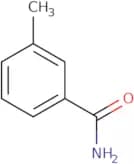
CAS :<p>3-Methylbenzamide is an organic compound that belongs to the class of benzamides. It has been shown to cause a decrease in blood pressure and a decrease in viscosity, as well as an increase in blood flow to the testes. 3-Methylbenzamide has also been shown to inhibit the enzyme that catalyzes the conversion of tyrosine into dopamine and may be used for the treatment of Parkinson's disease with mild symptoms. The chemical ionization technique was used to study the binding of 3-methylbenzamide with rat plasma proteins and showed that this molecule binds with high affinity to albumin and alpha 1-acid glycoprotein. This binding was found to be reversible, which suggests that 3-methylbenzamide may not be metabolized by liver enzymes.</p>Formule :C8H9NODegré de pureté :Min. 95%Couleur et forme :White PowderMasse moléculaire :135.16 g/molMES monohydrate
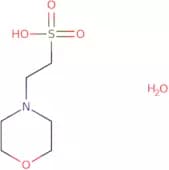
CAS :<p>MES buffer is a synthetic buffer commonly used in biological and biochemical experiments. It's known for its buffering capacity within the pH range of 5.5 to 6.7, making it suitable for various applications. It has good water solubility, chemical stability, and minimal interaction with metal ions, which is crucial for many biological systems.</p>Formule :C6H13NO4S·H2OCouleur et forme :White Off-White PowderMasse moléculaire :213.25 g/molMethyl 2-bromobenzoate
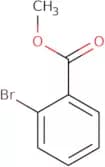
CAS :<p>Methyl 2-bromobenzoate is a chemical compound that can be used as a light emitting material. It is also used as a component of organic electrochemical cells (OECs) for the conversion of solar energy to electricity and can be used in the treatment of hepatitis. The reaction product is generated from the reaction of the halide with benzoate and light, which leads to an emission spectrum in the visible region. Methyl 2-bromobenzoate has been shown to be an efficient catalyst for Friedel-Crafts reactions, and it's pharmacokinetic properties have been studied in rats.<br>Methyl 2-bromobenzoate can also be used as a solid catalyst for the synthesis of bicyclic heterocycles.</p>Formule :C8H7BrO2Degré de pureté :Min. 95%Couleur et forme :Colorless Clear LiquidMasse moléculaire :215.04 g/molMethyl 4-methoxybenzoate
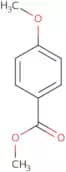
CAS :Methyl 4-methoxybenzoate is a white, crystalline powder that is soluble in alcohol and ether. The chemical formula for methyl 4-methoxybenzoate is C8H10O4. It has a molecular weight of 196.19 g/mol and a melting point of 136°C. Methyl 4-methoxybenzoate has been used as an organic reagent, as well as a pharmaceutical intermediate and additive in food manufacturing. It also has biological properties such as being an anti-inflammatory agent and being able to inhibit the growth of infectious diseases like tuberculosis and malaria. Methyl 4-methoxybenzoate can be synthesized by reacting benzoic acid with methanol, phosphoric acid, or hydrochloric acid. This molecule can also be synthesized from p-hydroxybenzoic acid by electrophilic substitution with methyl iodide followed by hydrolysis using sodium hydroxide. The chemicalFormule :C9H10O3Degré de pureté :Min. 98%Couleur et forme :PowderMasse moléculaire :166.17 g/molMethyl 2-methoxybenzoate
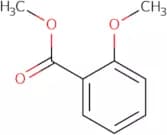
CAS :<p>Methyl 2-methoxybenzoate is a synthetic chemical that is used in the treatment of wastewater. It inhibits the activity of enzymes such as fatty acid synthase, which are involved in the synthesis of long-chain fatty acids. Methyl 2-methoxybenzoate has been found to be an efficient method for the synthesis of prenyl compounds. This product is also an active methylene and hydrogen bond donor, and it can form products with carboxylic acid conjugates through acid catalysis. Methyl 2-methoxybenzoate has been used as a reagent for analytical chemistry, including gas chromatography and liquid chromatography.</p>Formule :C9H10O3Degré de pureté :Min. 95%Couleur et forme :Colorless Clear LiquidMasse moléculaire :166.17 g/mol4-(Methylamino)pyridine
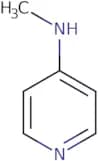
CAS :4-(Methylamino)pyridine (4-MAP) is an anticancer drug that belongs to the class of aromatic heterocyclic compounds. It has been shown to have a broad spectrum of anticancer activity with no toxic effects on normal cells. 4-MAP is immobilized on the surface of nanotubes and has demonstrated a high degree of stability in acidic and alkaline solutions. 4-MAP can be used as a carrier for transfection experiments and for the immobilization of enzymes, proteins, or other biomolecules. The most significant limitation with this material is its relatively low solubility in water.Formule :C6H8N2Degré de pureté :Min. 95%Couleur et forme :PowderMasse moléculaire :108.14 g/molMethyl 4-formylbenzoate
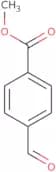
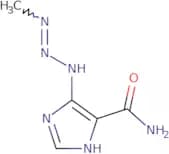
CAS :<p>Methyl 4-formylbenzoate is a trifluoroacetic acid derivative that inhibits the conversion of androgens to estrogens. It has been shown to inhibit aromatase activity in human serum and cell culture, as well as in vitro cultured rat hepatocytes. Methyl 4-formylbenzoate also binds to copper(II) by forming a complex with copper(II) ions, which prevents the formation of an enzyme-substrate complex. The binding of methyl 4-formylbenzoate to copper(II) prevents the production of malonic acid from acetoacetate, which inhibits fatty acid synthesis. This compound also acts as an analytical reagent for the detection of acylation reactions, such as those involving benzimidazole compounds.</p>Formule :C9H8O3Degré de pureté :Min. 95%Couleur et forme :PowderMasse moléculaire :164.16 g/molMonomethyl triazeno imidazole carboxamide
CAS :<p>Monomethyl triazeno imidazole carboxamide (MTIC) is a drug that is used to treat cancer. It has been shown to inhibit the proliferation of tumor cells and induce apoptosis by inhibiting the expression of proteins, such as Bcl-2, which are involved in regulating mitochondrial membrane potential. MTIC has also been shown to inhibit protein synthesis and cell signaling pathways, such as the PI3K/Akt pathway. The use of MTIC for diagnosis purposes can be achieved using electrochemical impedance spectroscopy. A concentration–time curve can be obtained by incubating a biological sample with MTIC and measuring cell response using an impedance spectrophotometer. The clinical properties of MTIC include its ability to be administered orally or intravenously, have low toxicity, and inhibit the growth of tumor cells in vivo and in vitro.</p>Formule :C5H8N6ODegré de pureté :(¹H-Nmr) Min. 95 Area-%Couleur et forme :White PowderMasse moléculaire :168.16 g/mol2-Methyl-3-biphenylmethanol
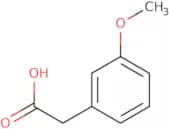
CAS :<p>2-Methyl-3-biphenylmethanol (2MBPM) is a low potency chemical that is used as a surrogate for 2,4,6-trinitrotoluene (TNT). It has been shown to bind to the same sites on the death protein as TNT and other nitroaromatic compounds. 2MBPM can be synthesized by coupling biphenyl with methylmagnesium bromide in the suzuki coupling reaction. 2MBPM inhibits the growth of cancer cells by inhibiting PD-L1 expression. This compound also has oxidative properties and can act as an oxidation catalyst.</p>Formule :C14H14ODegré de pureté :Min. 95%Couleur et forme :PowderMasse moléculaire :198.26 g/mol3-Methoxyphenylacetic acid
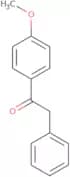
CAS :<p>3-Methoxyphenylacetic acid is a molecule that belongs to the class of fatty acids. It can be synthesized by the Friedel-Crafts reaction between 3-methoxyphenol and acetic anhydride in an organic solvent. The molecule has been shown to inhibit the growth of k562 cells and subtilis, which are both bacteria, at low concentrations. 3-Methoxyphenylacetic acid is also used as a reagent for solid phase synthesis of organic molecules. Immobilization of this molecule is done by covalent linkage to silica gel, polystyrene, or other insoluble supports. This immobilization prevents the loss of 3-methoxyphenylacetic acid during reaction conditions such as heating, vacuum distillation, or exposure to air. 3-Methoxyphenylacetic acid has been shown to have a diameter of approximately 2 nm and hydrogen bonding capability with anhyd</p>Formule :C9H10O3Degré de pureté :Min. 95%Couleur et forme :PowderMasse moléculaire :166.17 g/mol1-(4-Methoxyphenyl)acetophenone
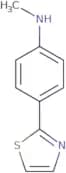
CAS :<p>1-(4-Methoxyphenyl)acetophenone is an enantiomer of the naturally occurring compound melatonin. It has been shown to have insecticidal activities and is effective against insects at temperatures below 10°C. 1-(4-Methoxyphenyl)acetophenone undergoes a cyclodehydration reaction with loss of water and formation of a six-membered ring, which is catalysed by acid, inorganic bases, or metal salts. This reaction can be modified by substituting diacids, halides, or electrolysing agents for water. The resulting products are unsymmetrical and soluble in organic solvents.</p>Formule :C15H14O2Degré de pureté :Min. 95%Couleur et forme :PowderMasse moléculaire :226.27 g/molN-Methyl-4-(1,3-thiazol-2-yl)aniline
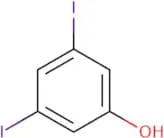
CAS :<p>Versatile small molecule scaffold</p>Formule :C10H10N2SDegré de pureté :Min. 95%Couleur et forme :PowderMasse moléculaire :190.27 g/mol3,5-Diiodophenol
CAS :<p>Versatile small molecule scaffold</p>Formule :C6H4I2ODegré de pureté :Min. 95%Masse moléculaire :345.9 g/mol[Hydroxy(propan-2-yl)carbamoyl]formic acid
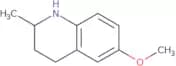
CAS :<p>Hydroxy(propan-2-yl)carbamoyl formic acid is a metabolite of formaldehyde. It is used to measure formaldehyde in biological samples such as blood, serum, and urine. It also acts as a precursor for the production of other metabolites which are related to bowel disease and cardiac function. Hydroxy(propan-2-yl)carbamoyl formic acid has been shown to be a good indicator of iron homeostasis in vivo and in vitro models. This compound can be detected by chemiluminescence methods and can be used with zirconium oxide to study the effects on axonal growth.</p>Formule :C5H9NO4Degré de pureté :Min. 95%Masse moléculaire :147.13 g/mol6-Methoxy-2-methyl-1,2,3,4-tetrahydroquinoline
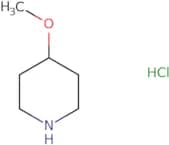
CAS :<p>Versatile small molecule scaffold</p>Formule :C11H15NODegré de pureté :Min. 95%Couleur et forme :PowderMasse moléculaire :177.24 g/mol4-Methoxypiperidine hydrochloride
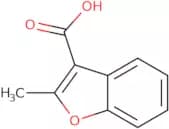
CAS :4-Methoxypiperidine hydrochloride is an organic compound that belongs to the chemical class of aminomethylpiperidines. It is a cycloaddition reaction product of 5-hydroxyisoquinoline and an aldehyde, and it has been used to synthesize aminomethylene derivatives. 4-Methoxypiperidine hydrochloride is also reductively aminated with ammonia or ammonium salts to form alkylamine derivatives. The ring system in 4-methoxypiperidine hydrochloride can be modified by substituting the methyl group with other groups, such as ethyl or phenyl.Formule :C6H13NO•HClDegré de pureté :Min. 95%Masse moléculaire :151.63 g/mol2-Methyl-1-benzofuran-3-carboxylic acid
CAS :<p>2-Methyl-1-benzofuran-3-carboxylic acid is a type of carboxylic acid that is cytotoxic to cancer cells. It is a major metabolite of the anticancer drug 2,4,5-trimethoxybenzaldehyde and has been shown to be effective against human breast cancer cells. The ester hydrochloride salt form of this compound has been shown to be an effective inhibitor of esterase activity in vitro. This inhibition leads to increased accumulation of 2-methyl-1-benzofuran-3-carboxylic acid in tumor tissue, which may be due to its ability to inhibit the synthesis of proteins required for the transport and metabolism of other drugs. The x-ray structure analysis revealed that this compound binds to the active site of beta lactamases in an orientation that overlaps with substrate binding sites. This binding prevents the formation of a covalent bond between penicillin G</p>Formule :C10H8O3Degré de pureté :Min. 95%Couleur et forme :PowderMasse moléculaire :176.17 g/mol[4-Amino-3-(hydroxymethyl)phenyl]methanol
CAS :4-Amino-3-(hydroxymethyl)phenyl]methanol is a molecule that is used to diagnose cancer. It binds to monomers of 4-nitroaniline, which are present in the cell nucleus and can be detected by positron emission tomography (PET) or magnetic resonance imaging (MRI). The molecular structure of this molecule includes a nitro group, an optical property, an inhibitory potency, and a methoxy group. The molecule reacts with azides to form a new chemical structure with a carbonyl group that has been shown to be useful in molecular imaging for diagnosis. This compound is also found endogenously in the body and has been shown to react with hydrogen bonds as well as other reaction intermediates.Formule :C8H11NO2Degré de pureté :Min. 95%Couleur et forme :PowderMasse moléculaire :153.18 g/molLithium bis(trifluoromethanesulfonimide)
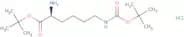
CAS :<p>Lithium bis(trifluoromethanesulfonimide) is a salt that is used in analytical chemistry as a reagent for the preparation of lithium salts. The sample should be dissolved in an organic solution and then reacted with lithium bis(trifluoromethanesulfonimide). Lithium bis(trifluoromethanesulfonimide) has been shown to have good transport properties, but the reaction mechanism is not well-understood. It has an activation energy of approximately 18 kcal/mol and can decompose at high temperatures. Lithium bis(trifluoromethanesulfonimide) can also react with strong acids or bases, so it is necessary to use an electrolyte when preparing the solution.</p>Formule :C2F6LiNO4S2Degré de pureté :Min 98%Couleur et forme :White Off-White PowderMasse moléculaire :287.09 g/molLys(Boc)-OtBu,HCl
CAS :<p>Lys(Boc)-OtBu,HCl is a versatile building block and research chemical that can be used for the synthesis of complex compounds. This compound is a useful intermediate and reaction component in organic chemistry. It is also a reagent that can be used to synthesize high-quality chemical products.</p>Formule :C15H30N2O4·HClDegré de pureté :Min. 95%Couleur et forme :White PowderMasse moléculaire :338.87 g/mol


![[Hydroxy(propan-2-yl)carbamoyl]formic acid](/_next/image/?url=https%3A%2Fstatic.cymitquimica.com%2Fproducts%2F3D%2Fthumb-webp%2FHFA41803.webp&w=3840&q=75)
![[4-Amino-3-(hydroxymethyl)phenyl]methanol](/_next/image/?url=https%3A%2Fstatic.cymitquimica.com%2Fproducts%2F3D%2Fthumb-webp%2FJQB31488.webp&w=3840&q=75)