Building Blocks
Cette section contient des produits fondamentaux pour la synthèse de composés organiques et biologiques. Building blocks sont les matériaux de départ essentiels utilisés pour construire des molécules complexes à travers diverses réactions chimiques. Ils jouent un rôle crucial dans la découverte de médicaments, la science des matériaux et la recherche chimique. Chez CymitQuimica, nous offrons une gamme diversifiée de building blocks de haute qualité pour soutenir vos recherches innovantes et projets industriels, en vous assurant de disposer des composants essentiels pour une synthèse réussie.
Sous-catégories appartenant à la catégorie "Building Blocks"
- Acides boroniques et dérivés de l'acide boronique(5.756 produits)
- Building Blocks Chiraux(1.242 produits)
- Building Blocks Hydrocarbonés(6.095 produits)
- Building Blocks organiques(61.055 produits)
199650 produits trouvés pour "Building Blocks"
Trier par
Degré de pureté (%)
0
100
|
0
|
50
|
90
|
95
|
100
2-Bromo-1,3-diethylbenzene
CAS :<p>2-Bromo-1,3-diethylbenzene is a reactive intermediate that can be used for the synthesis of styrene derivatives. It is also used as an anesthetic agent and has been shown to have cognition-enhancing properties. This compound reacts with electrophiles to form monoadducts, which are useful for protein targetting. The pharmacophore of 2-bromo-1,3-diethylbenzene consists of vinyl groups and halides. Radiation induces substitution reactions on the vinyl groups. Pharmacophores are important in drug design because they help identify specific chemical features that are necessary for binding to a particular protein target or protein targets.</p>Formule :C10H13BrDegré de pureté :Min. 95%Couleur et forme :Clear LiquidMasse moléculaire :213.11 g/mol3-Butenoic acid
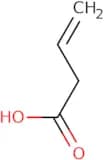
CAS :<p>3-Butenoic acid is a fatty acid that belongs to the group of short chain carboxylic acids. It is used in detergent compositions where it functions as a cationic surfactant and has a hydroxyl group that can be used for polymerization reactions. 3-Butenoic acid is also used as an analytical reagent, e.g., in electrochemical impedance spectroscopy, in which it has been shown to have phase transition temperature of around 38°C. 3-Butenoic acid can be synthesized by reacting butanol with hydrochloric acid and copper chloride in the presence of a cationic surfactant such as alkyltrimethylammonium chloride or benzalkonium chloride. 3-Butenoic acid also acts as a Jak1 inhibitor and has receptor activity against all types of receptors, including those for histamine, acetylcholine, dopamine, serotonin, and GABA (gamma aminob</p>Formule :C4H6O2Degré de pureté :Min. 95 Area-%Couleur et forme :Colorless Clear LiquidMasse moléculaire :86.09 g/mol7-Bromoindole
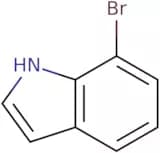
CAS :<p>7-Bromoindole is a synthetic compound that has been used as an analog for indole. It has been shown to have some biological activity in vivo, but it is not known if this activity is due to the drug itself or its breakdown products. 7-Bromoindole can be decarboxylated under acid conditions and saponified with sodium hydroxide. The isolated yield of this reaction is about 2 grams per mole of reactant. 7-Bromoindole shows hemolytic activity against human pathogens such as Staphylococcus aureus and Escherichia coli, but not against Bacillus subtilis or Pseudomonas aeruginosa.</p>Formule :C8H6BrNCouleur et forme :PowderMasse moléculaire :196.04 g/mol2-Bromophenylacetic acid
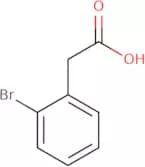
CAS :<p>2-Bromophenylacetic acid is a potent inhibitor of the human enzyme COX-2. It has been shown to have anticancer activity, which may be due to its ability to inhibit cellular proliferation and induce apoptosis in cancer cells. This compound has been tested in a variety of experimental models, including chromatographic assays and striatal membrane preparations, with promising results. 2-Bromophenylacetic acid also has potent inhibitory activity on the human enzyme COX-2 and can be used as a dietary supplement for anticancer therapy.<br>COX-2 inhibitors are usually administered as ethyl esters or solutes in order to prevent degradation by esterases or glucuronidases. The 2-bromophenyl group is electron donating and this may increase the reactivity of the carbon adjacent to it and lead to an acylation reaction with nucleophilic groups such as thiols or amines.</p>Formule :C8H7BrO2Degré de pureté :Min. 95%Couleur et forme :White PowderMasse moléculaire :215.04 g/mol7-Bromo-1H-indole-3-carboxylic acid
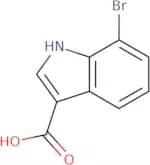
CAS :<p>Please enquire for more information about 7-Bromo-1H-indole-3-carboxylic acid including the price, delivery time and more detailed product information at the technical inquiry form on this page</p>Formule :C9H6BrNO2Degré de pureté :Min. 95%Couleur et forme :PowderMasse moléculaire :240.05 g/moltert-Butyl 1-piperazinecarboxylate
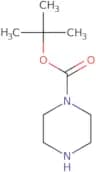
CAS :<p>tert-Butyl 1-piperazinecarboxylate is an antimicrobial agent that belongs to the group of aryl halides. It has been shown to have high affinity for the 5-HT1A receptor and inhibit its function. Tert-butyl 1-piperazinecarboxylate inhibits the kinase activity of protein tyrosine phosphatase 1B (PTP1B) and prevents the activation of this enzyme, which is involved in a number of cellular processes. This compound has been shown to inhibit the growth factor amines, such as NGF, IGF-1, PDGF and GHRH. Hydrogen bonds are formed between tert-butyl 1-piperazinecarboxylate molecules through hydrophobic interactions with aromatic rings, which may account for its potency against resistant mutants.</p>Formule :C9H18N2O2Degré de pureté :Min. 95%Couleur et forme :PowderMasse moléculaire :186.25 g/molBiotin alkyne
CAS :<p>Biotin alkyne is a reactive molecule that can be used as a diagnostic or therapeutic agent. It is a bioreactor for the synthesis of amino acid sequences and can be used in the diagnosis and treatment of cancer. Biotin alkyne is also useful in the detection of disease-causing bacteria, as it reacts with their amino acids to form fluorescent products. The reaction between biotin alkyne and azide creates an unstable intermediate that undergoes an addition reaction with nucleophiles such as DNA or RNA. This reaction yields a product that emits light upon excitation by ultraviolet light, which can be detected using fluorescence microscopy or flow cytometry. This product can also be used to label proteins for diagnostics or functionalizing cell surfaces for immunological purposes.</p>Formule :C24H40N4O7SDegré de pureté :Min. 95%Couleur et forme :PowderMasse moléculaire :528.66 g/mol(S)-1-Boc-3-hydroxypiperidine
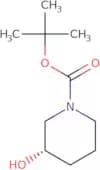
CAS :<p>Intermediate in the synthesis of ibrutinib</p>Formule :C10H19NO3Degré de pureté :Min. 97 Area-%Couleur et forme :White PowderMasse moléculaire :201.26 g/mol2,2'-Bipyridine-4,4'-dicarboxamide
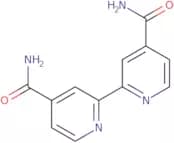
CAS :<p>2,2'-Bipyridine-4,4'-dicarboxamide is a catalyst that can be used in a variety of reactions. It has been used as an additive to increase yields and to accelerate catalytic reactions. The compound also has the ability to oxidize picolinic acid and form formic acid. This product can be used in glycerol synthesis or hydrogen peroxide production. 2,2'-Bipyridine-4,4'-dicarboxamide is a ligand that binds to picolinic acid and peroxide ions, forming an ion pair with the peroxide ion. This complex increases the efficiency of hydrogen peroxide evolution from water by up to 100%.</p>Formule :C12H10N4O2Degré de pureté :Min. 95%Couleur et forme :PowderMasse moléculaire :242.23 g/mol(2-Bromoethyl)benzene
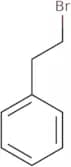
CAS :<p>2-Bromoethylbenzene is a nucleophilic substitutive agent that can be used in organic synthesis. It reacts with an electron-rich compound to form a covalent bond and release bromine. 2-Bromoethylbenzene has been shown to have therapeutic effects on autoimmune diseases such as arthritis and lupus erythematosus. It also has the ability to inhibit protease activity, which may be due to its hydroxy derivative. The reaction mechanism of 2-bromoethylbenzene is not fully understood, but it is known that halides can increase the rate of the substitution reaction. This chemical also has pharmaceutical applications, including as a precursor in amphetamine synthesis and as a reagent in kinetic studies of enzymes.</p>Formule :C8H9BrDegré de pureté :Min. 95%Couleur et forme :Colorless Clear LiquidMasse moléculaire :185.06 g/mol2,2'-Biquinoline-4,4'-dicarboxylic acid disodium salt
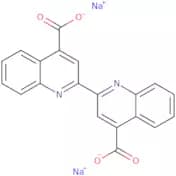
CAS :2,2'-Biquinoline-4,4'-dicarboxylic acid disodium salt is a model system for studying the sequence and hydrogen bonding interactions of polymers. It is a biocompatible polymer that has been shown to have inhibitory properties in response to atherosclerotic lesions. 2,2'-Biquinoline-4,4'-dicarboxylic acid disodium salt has shown optical properties that can be used as a signal in recording sequences. This polymerase chain reaction (PCR) substrate is able to bind with DNA and protein molecules when they are present in an appropriate buffer. The sequence of 2,2'-biquinoline-4,4'-dicarboxylic acid disodium salt is controlled by the coordination geometry of the metal ions involved in its formation.Formule :C20H10N2Na2O4Degré de pureté :Min. 95%Couleur et forme :PowderMasse moléculaire :388.28 g/molO-Benzyl-L-tyrosine
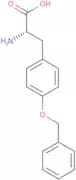
CAS :O-Benzyl-L-tyrosine is an alkylated aromatic amino acid, which is synthesized by the reaction of chloromethyl ketone with proctolin. It has been shown to have anti-obesity properties in mice and rats. O-Benzyl-L-tyrosine has also been used to encapsulate a variety of drugs, including insulin, as well as small drug molecules like chemotherapeutic agents. The drug is immobilized in an organic polymer film through ester linkage. The film can be removed from the drug by dissolving it in chloroformate, or by exposing it to light and heat.Formule :C16H17NO3Degré de pureté :Min. 95%Couleur et forme :White/Off-White SolidMasse moléculaire :271.31 g/mol(S)-3-N-Boc-Aminopiperidine
CAS :<p>Intermediate in the synthesis of linagliptin</p>Formule :C10H20N2O2Degré de pureté :Min. 95%Couleur et forme :White PowderMasse moléculaire :200.28 g/mol5-Bromo-2-chloropyrimidine
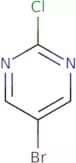
CAS :<p>Intermediate in the synthesis of macitentan; building block</p>Formule :C4H2BrClN2Degré de pureté :Min. 95%Couleur et forme :White PowderMasse moléculaire :193.43 g/mol1-Bromo-2-methoxy-3-nitrobenzene
CAS :<p>1-Bromo-2-methoxy-3-nitrobenzene is a high quality chemical that is used as a reagent and building block in organic synthesis. It is also a versatile intermediate and can be used in the synthesis of complex compounds. This chemical has been shown to have anti-inflammatory properties, which may be due to its inhibition of prostaglandin synthesis.</p>Formule :C7H6BrNO3Degré de pureté :Min. 95%Couleur et forme :PowderMasse moléculaire :232.03 g/mol4-Bromo-2-hydroxybenzaldehyde
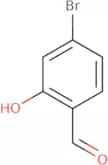
CAS :<p>4-Bromo-2-hydroxybenzaldehyde is a chemical compound that is used in the synthesis of azides. It has a molecular formula of C6H5BrO, a diameter of 197.037 pm, and a structural formula of CHBrO. 4-Bromo-2-hydroxybenzaldehyde can be prepared by reacting bromine with hydroxybenzaldehyde in the presence of an amine catalyst. This product has been shown to have synergistic effects when used in combination with other anticancer agents such as aminopyrimidines, coumarin derivatives, or 2-(4'-hydroxyphenyl) benzoxazole. The photophysical properties of 4-bromo-2-hydroxybenzaldehyde are characterized by its fluorescence emission at 272 nm and its absorption at 270 nm. This product also shows low detection levels in human liver tissue samples, which may be due to its high water sol</p>Formule :C7H5BrO2Degré de pureté :Min. 95%Couleur et forme :White PowderMasse moléculaire :201.02 g/molL-Tryptophan
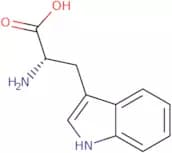
CAS :<p>L-tryptophan is a non-essential amino acid that is used as a building block in the synthesis of proteins. It has been used in research and as a starting material for the production of other chemicals. L-tryptophan has also been shown to have antidepressant effects, although it is not approved by the FDA for this use. L-tryptophan can be found in protein-rich foods such as meat, eggs, and soybeans.</p>Formule :C11H12N2O2Degré de pureté :Min. 98.0 Area-%Masse moléculaire :204.23 g/molRef: 3D-T-8320
1kgÀ demander100gÀ demander250gÀ demander500gÀ demander2500gÀ demander-Unit-kgkgÀ demanderD-Tryptophan
CAS :<p>D-Tryptophan is a versatile building block that has many applications in the field of fine chemicals, research chemicals, and speciality chemicals. D-Tryptophan is a useful building block for complex compounds and can be used as a reagent or reaction component. It is also a useful scaffold in organic synthesis.</p>Formule :C11H12N2O2Degré de pureté :Min. 98.0 Area-%Masse moléculaire :204.23 g/mol5-Bromoisothiazole
CAS :<p>5-Bromoisothiazole is a conformationally constrained isoform of isothiazole. It has significant antifungal activity and binds to a number of kinases. 5-Bromoisothiazole has been shown to have chemokine inhibitory effects in human breast carcinoma cells. This molecule also inhibits the production of cyclooxygenase-2, and may be used to treat inflammatory diseases such as rheumatoid arthritis. 5-Bromoisothiazole also inhibits the synthesis of nitric oxide by inhibiting the enzyme nitrosylating reductase, which is involved in the conversion of nitrate to nitrite. The biological function of this molecule is not yet well understood, but it may play a role in cellular metabolism or cell signaling.</p>Formule :C3H2BrNSDegré de pureté :Min. 95%Couleur et forme :Brown Liquid.Masse moléculaire :164.02 g/mol5-Bromo-2,4-dichloropyrimidine
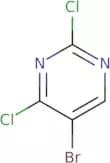
CAS :<p>5-Bromo-2,4-dichloropyrimidine is an aryl halide compound that is synthesized from 2,4-dichloropyrimidine and bromine. It has been shown to have inhibitory activities against cancer cells in vitro. 5-Bromo-2,4-dichloropyrimidine is used in the synthesis of the drug palbociclib (also known as PLX4720), which prevents mitotic progression by binding to the mitotic checkpoint protein (e.g., cyclin B). The reaction yield for this compound is low and its absorption enhancer properties are not well understood. 5-Bromo-2,4-dichloropyrimidine has also been used in conjunction with crotonic acid as a potential anticancer agent.</p>Formule :C4HBrCl2N2Degré de pureté :Min. 95%Couleur et forme :Off-White Clear LiquidMasse moléculaire :227.87 g/mol