Building Blocks
Cette section contient des produits fondamentaux pour la synthèse de composés organiques et biologiques. Building blocks sont les matériaux de départ essentiels utilisés pour construire des molécules complexes à travers diverses réactions chimiques. Ils jouent un rôle crucial dans la découverte de médicaments, la science des matériaux et la recherche chimique. Chez CymitQuimica, nous offrons une gamme diversifiée de building blocks de haute qualité pour soutenir vos recherches innovantes et projets industriels, en vous assurant de disposer des composants essentiels pour une synthèse réussie.
Sous-catégories appartenant à la catégorie "Building Blocks"
- Acides boroniques et dérivés de l'acide boronique(5.756 produits)
- Building Blocks Chiraux(1.242 produits)
- Building Blocks Hydrocarbonés(6.095 produits)
- Building Blocks organiques(61.055 produits)
199650 produits trouvés pour "Building Blocks"
Trier par
Degré de pureté (%)
0
100
|
0
|
50
|
90
|
95
|
100
Temsavir
CAS :<p>Temsavir is a cyclic peptide that is chemically similar to the HIV-1 gp120 protein. It binds to the gp120 receptor on the outside of the virus and inhibits viral life, inhibiting viral replication and infectivity. Temsavir has been shown to be an inhibitor of HIV-1 in vivo human pharmacokinetics. The oral prodrug temsavir has been shown to be effective for the treatment of infectious diseases caused by HIV-1, such as hepatitis C virus (HCV) co-infection. Temsavir can also be used for hepatic impairment, which may not respond well to other drugs because they are primarily metabolized in the liver.</p>Formule :C24H23N7O4Degré de pureté :Min. 98 Area-%Couleur et forme :PowderMasse moléculaire :473.48 g/mol3-Bromo-1-propanol
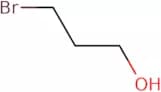
CAS :<p>3-Bromo-1-propanol is a chemical compound that contains a hydroxyl group and an asymmetric carbon atom. This molecule has been used as a model system to study the reaction mechanism of alcohol dehydrogenase, which is the enzyme responsible for the oxidation of ethanol. 3-Bromo-1-propanol has been shown to inhibit the growth of bacteria such as Staphylococcus aureus, which are resistant to penicillin. The pharmacokinetic properties of 3-bromo-1-propanol have been studied in dogs with congestive heart failure.</p>Formule :C3H7BrODegré de pureté :Min. 97 Area-%Couleur et forme :Colorless Clear LiquidMasse moléculaire :138.99 g/mol5-Bromosalicylic acid
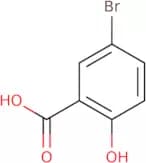
CAS :5-Bromosalicylic acid is a derivative of p-hydroxybenzoic acid that is used in wastewater treatment. The reaction of 5-bromosalicylic acid with the 1,3-benzodioxole-5-carboxylic acid leads to the formation of a new compound, which can be used as an intermediate in organic synthesis. 5-Bromosalicylic acid has been shown to inhibit the growth of hepg2 cells and K562 cells by damaging DNA. It also inhibits the suzuki coupling reaction by acting as a hydrogen sink and stabilizing the transition state through intramolecular hydrogen bonding interactions. A possible mechanism for this inhibition is that 5-bromosalicylic acid reacts with hydroxide ions to form bromohydroxylated products, which then react with amine compounds to produce carboxylates that can hydrogen bond with other molecules.Formule :C7H5BrO3Degré de pureté :Min. 95%Couleur et forme :White PowderMasse moléculaire :217.02 g/molCyclopentanecarbaldehyde
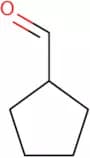
CAS :<p>Cyclopentanecarbaldehyde is a reactive molecule that is used as a ligand in coordination chemistry. It has been shown to bind to the toll-like receptor and may be useful for treating autoimmune diseases. Cyclopentanecarbaldehyde binds with nitrogen atoms in the active site of chelate ligands, which can cause changes in coordination geometry. This reaction mechanism is similar to that of other heterocycles such as 2-picolylhydrazine and 4-picolylhydrazine, which have been shown to be effective in treating Parkinson's disease.</p>Formule :C6H10ODegré de pureté :Min. 95%Couleur et forme :Colorless Yellow Clear LiquidMasse moléculaire :98.14 g/mol2-Bromo-4-cyanobenzaldehyde
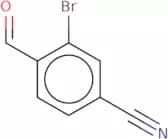
CAS :<p>2-Bromo-4-cyanobenzaldehyde is a potent protease inhibitor and can be used as an antiviral agent. It inhibits the NS3 protease of hepatitis C virus (HCV) with IC50 of 0.2 μM. 2-Bromo-4-cyanobenzaldehyde has been evaluated for its ability to inhibit replicons from HCV genotypes 1, 2, 3, 4 and 5 with varying degrees of potency. In vitro studies have shown that 2-bromo-4-cyanobenzaldehyde is a potent inhibitor of HCV NS3 protease, demonstrating activity against all major HCV genotypes in cell culture. This molecule has also been shown to inhibit the replication of HIV, herpes simplex virus type 1 and human rhinovirus type 2 in cell culture.</p>Formule :C8H4BrNODegré de pureté :Min. 95%Couleur et forme :PowderMasse moléculaire :210.03 g/mol2-(Chloromethyl)pyrimidine HCl
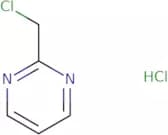
CAS :<p>2-(Chloromethyl)pyrimidine HCl is a chlorinated aromatic compound that is used in the manufacturing of nylon and other synthetic fibers. It is an intermediate for the production of polychloroparaffins, which are used as solvents and raw materials in the chemical industry. 2-(Chloromethyl)pyrimidine HCl has been shown to undergo a chlorination reaction with alcohols to produce 4-chloro-2-methyl-1,3-dioxolane. This reaction can be catalyzed by calcium hydroxide or magnesium chloride, which are both common chemicals found in household cleaners.</p>Formule :C5H5ClN2·HClDegré de pureté :Min. 95%Couleur et forme :Yellow PowderMasse moléculaire :165.02 g/mol1-Boc-4-bromomethylpiperidine
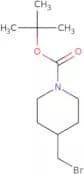
CAS :<p>1-Boc-4-bromomethylpiperidine is a versatile building block for the synthesis of complex compounds with diverse biological activity. It is an excellent reagent for the synthesis of 1,2,3-triazoles, which are useful scaffolds in the synthesis of high quality pharmaceuticals. This compound can be used as a reaction component and as a useful intermediate in various chemical reactions.</p>Formule :C11H20BrNO2Degré de pureté :Min. 97 Area-%Couleur et forme :PowderMasse moléculaire :278.19 g/mol5-Chloro-2-mercaptobenzothiazole
CAS :<p>5-Chloro-2-mercaptobenzothiazole (5CMB) is a thione that binds to hydrogen fluoride (HF) and sodium salts. 5CMB has been used in the synthesis of fluorinated drugs, such as 5-chloro-2-(4'-fluorophenylsulfonyl)benzothiazole, which is used for the treatment of cancer. 5CMB has also been shown to be a potential drug candidate for the treatment of Alzheimer's disease. The structure of 5CMB can be determined using crystallography techniques. Its binding constants with HF and sodium salts can be determined using matrix-assisted laser desorption ionization mass spectrometry (MALDI MS). The toxicity studies of 5CMB have been conducted on animals including mice and rats. These studies show that the LD50 value for 5CMB is 3200 mg/kg bodyweight.</p>Formule :C7H4ClNS2Degré de pureté :Min. 98 Area-%Couleur et forme :PowderMasse moléculaire :201.7 g/mol4-Cyanopiperidine
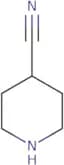
CAS :<p>4-Cyanopiperidine is an organic compound that belongs to the class of medicines and has a cyclohexane ring with two functional groups. It is a part of the compound class of dehydrating agents. 4-Cyanopiperidine is most commonly used as an intermediate in the synthesis of other compounds, but can also be used as a medicine. 4-Cyanopiperidine has been shown to be effective against pain, cancer, and seizures. The inhibitory effect of 4-cyanopiperidine on cyclic AMP causes it to have potent inhibitory activity against cb1 receptor, which is responsible for the psychoactive effects caused by tetrahydrocannabinol (THC). This drug also has potent antagonistic effects on pethidine and related drugs such as fentanyl, morphine, and oxycodone.</p>Formule :C6H10N2Degré de pureté :Min. 95%Couleur et forme :Colorless Clear LiquidMasse moléculaire :110.16 g/molChloro-7-deazapurine
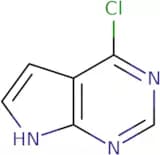
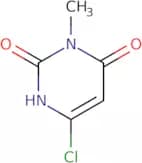
CAS :<p>Intermediate in the synthesis of baricitinib</p>Formule :C6H4ClN3Degré de pureté :Min. 95%Couleur et forme :Off-White PowderMasse moléculaire :153.57 g/mol6-Chloro-3-methyluracil
CAS :<p>Intermediate in the synthesis of alogliptin</p>Formule :C5H5ClN2O2Degré de pureté :Min. 98 Area-%Couleur et forme :Off-White PowderMasse moléculaire :160.56 g/mol3,5-Dihydroxyacetophenone
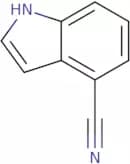
CAS :<p>3,5-Dihydroxyacetophenone is a chemical intermediate that is used as a building block in organic synthesis. It can be used to synthesize other chemicals, such as pharmaceuticals, dyes, and perfumes. 3,5-Dihydroxyacetophenone is also an important reagent for the production of α-hydroxyketones. It can react with nucleophiles such as amines or alcohols to form esters or ethers. 3,5-Dihydroxyacetophenone is a versatile building block that can serve as a reaction component in various reactions. This compound is also used as a useful scaffold for the construction of complex molecules.</p>Formule :C8H8O3Masse moléculaire :152.15 g/mol4-Cyanoindole
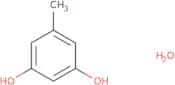
CAS :<p>The 4-cyanoindole is a fluorescent molecule that binds to proteins and affects protein homeostasis. It has been shown to bind to the sodium salt form of proteins, which are typically found in human liver cells. The binding of 4-cyanoindole to these proteins leads to its reduction by borohydride and fluorescence resonance energy transfer (FRET) between the molecule and the protein. This binding can be detected using a fluorescence lifetime spectroscopy technique, which detects changes in the fluorescence's lifetime as well as intensity. The binding of 4-cyanoindole to proteins has been shown to have anti-cancer properties. It has also been used for detection of monoclonal antibodies against cancer cells or for fluorescent labeling of cancer cells for immunofluorescent microscopy.</p>Formule :C9H6N2Couleur et forme :White PowderMasse moléculaire :142.16 g/mol3,5-Dihydroxytoluene monohydrate
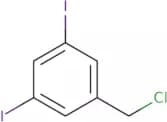
CAS :<p>3,5-Dihydroxytoluene monohydrate (3,5-DHMT) is a glycan that is extracted from soybean. It has been shown to have antimicrobial properties and can be used in the treatment of hypoxic tumors. 3,5-DHMT binds to fatty acids on the surface of bacteria and prevents them from attaching to the cell wall. This prevents the bacteria from multiplying and causes their death. 3,5-DHMT has been shown to inhibit bacterial growth by binding to the molecule at an activation energy that is lower than other glycosidic bonds such as those found in glucose or ribose. The molecule also inhibits gland cells in humans which produce surfactant proteins, inhibiting mucus production and potentially reducing asthma symptoms.</p>Formule :C7H8O2·H2ODegré de pureté :(%) Min. 98%Couleur et forme :White Clear LiquidMasse moléculaire :142.15 g/mol1-(Chloromethyl)-3,5-diiodobenzene
CAS :<p>1-(Chloromethyl)-3,5-diiodobenzene is a versatile and high quality chemical building block that is useful for research purposes. It can be used as a reagent or speciality chemical in the synthesis of other compounds. This compound has been shown to be an intermediate for the synthesis of more complex compounds, such as pharmaceuticals, agrochemicals, and fine chemicals. 1-(Chloromethyl)-3,5-diiodobenzene has many uses in organic chemistry including as a reaction component or scaffold for the construction of complex molecules.</p>Formule :C7H5ClI2Degré de pureté :Min. 95%Couleur et forme :PowderMasse moléculaire :378.37 g/mol2,2-Diphenylpropionic acid
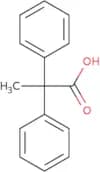
CAS :<p>2,2-Diphenylpropionic acid is an ester of 2,2-diphenylpropanoyl chloride and a carboxylic acid. It is used as a local anesthetic. The electron distribution in the molecule includes one unpaired electron on the carbon atom adjacent to the carboxylic acid group. The thermodynamic stability of this molecule is due to intramolecular hydrogen bonding between the carboxylic acid and ester moieties. This compound has anticholinergic, antimuscarinic, and spermatozoa effects that are due to its ability to inhibit acetylcholine release from neurons. 2,2-Diphenylpropionic acid has been shown to have acidic properties with an approximate pKa of 3.5.</p>Formule :C15H14O2Degré de pureté :Min. 95%Couleur et forme :PowderMasse moléculaire :226.27 g/mol3-Butenoic acid
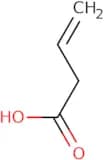
CAS :<p>3-Butenoic acid is a fatty acid that belongs to the group of short chain carboxylic acids. It is used in detergent compositions where it functions as a cationic surfactant and has a hydroxyl group that can be used for polymerization reactions. 3-Butenoic acid is also used as an analytical reagent, e.g., in electrochemical impedance spectroscopy, in which it has been shown to have phase transition temperature of around 38°C. 3-Butenoic acid can be synthesized by reacting butanol with hydrochloric acid and copper chloride in the presence of a cationic surfactant such as alkyltrimethylammonium chloride or benzalkonium chloride. 3-Butenoic acid also acts as a Jak1 inhibitor and has receptor activity against all types of receptors, including those for histamine, acetylcholine, dopamine, serotonin, and GABA (gamma aminob</p>Formule :C4H6O2Degré de pureté :Min. 95 Area-%Couleur et forme :Colorless Clear LiquidMasse moléculaire :86.09 g/mol2-Bromo-1,3-diethylbenzene
CAS :<p>2-Bromo-1,3-diethylbenzene is a reactive intermediate that can be used for the synthesis of styrene derivatives. It is also used as an anesthetic agent and has been shown to have cognition-enhancing properties. This compound reacts with electrophiles to form monoadducts, which are useful for protein targetting. The pharmacophore of 2-bromo-1,3-diethylbenzene consists of vinyl groups and halides. Radiation induces substitution reactions on the vinyl groups. Pharmacophores are important in drug design because they help identify specific chemical features that are necessary for binding to a particular protein target or protein targets.</p>Formule :C10H13BrDegré de pureté :Min. 95%Couleur et forme :Clear LiquidMasse moléculaire :213.11 g/molBis(2-ethylbutyl)phthalate
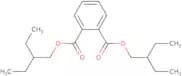
CAS :<p>Bis(2-ethylbutyl)phthalate (BEBP) is a chemical that has been used in the production of polyvinyl chloride (PVC) plastics, and as a stabilizer for PVC resins. BEBP is found in low levels in human tissue samples and sediments. Levels of BEBP have been measured through gas chromatography-mass spectrometry and liquid chromatography-mass spectroscopy methods. The environmental concentrations of BEBP can be calculated using the linear regression equation. Biota are also exposed to this chemical, which may be due to its use as an additive in certain food packaging materials.</p>Formule :C20H30O4Degré de pureté :Min. 95%Couleur et forme :Colourless To Pale Yellow LiquidMasse moléculaire :334.45 g/mol4-(Bromomethyl)-4'-methyl-2,2'-bipyridyl
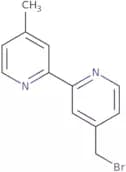
CAS :<p>4-(Bromomethyl)-4'-methyl-2,2'-bipyridyl is a high quality reagent with versatile applications. It is a complex compound that can be used as an intermediate or building block in the synthesis of other compounds. 4-(Bromomethyl)-4'-methyl-2,2'-bipyridyl has been shown to be useful in the synthesis of speciality chemicals and research chemicals. This product is a versatile building block that can be used as a reaction component in many organic syntheses.</p>Formule :C12H11BrN2Degré de pureté :Min. 95%Couleur et forme :PowderMasse moléculaire :263.13 g/mol