Building Blocks
Sous-catégories appartenant à la catégorie "Building Blocks"
- Acides boroniques et dérivés de l'acide boronique(5.784 produits)
- Building Blocks Chiraux(1.242 produits)
- Building Blocks Hydrocarbonés(6.105 produits)
- Building Blocks organiques(61.065 produits)
205418 produits trouvés pour "Building Blocks"
4,4-Dimethylcycloheptane-1-carboxylic acid
CAS :Versatile small molecule scaffold
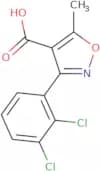
Formule :C10H18O2Degré de pureté :Min. 95%Masse moléculaire :170.2 g/mol3-(2,3-Dichlorophenyl)-5-methyl-1,2-oxazole-4-carboxylic acid
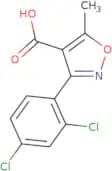
CAS :Versatile small molecule scaffoldFormule :C11H7Cl2NO3Degré de pureté :Min. 95%Masse moléculaire :272.08 g/mol3-(2,4-Dichlorophenyl)-5-methyl-1,2-oxazole-4-carboxylic acid
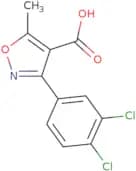
CAS :Versatile small molecule scaffoldFormule :C11H7Cl2NO3Degré de pureté :Min. 95%Masse moléculaire :272.08 g/mol3-(3,4-Dichlorophenyl)-5-methyl-1,2-oxazole-4-carboxylic acid
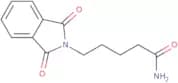
CAS :Versatile small molecule scaffoldFormule :C11H7Cl2NO3Degré de pureté :Min. 95%Masse moléculaire :272.08 g/mol5-(1,3-Dioxo-2,3-dihydro-1H-isoindol-2-yl)pentanamide
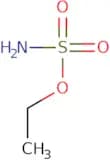
CAS :Versatile small molecule scaffoldFormule :C13H14N2O3Degré de pureté :Min. 95%Masse moléculaire :246.26 g/molEthyl sulfamate
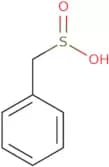
CAS :Ethyl sulfamate is a drug that has been developed as an agrochemical and as a potential anticancer agent. It is an aziridine-forming reagent that is used to convert epidermal growth factor (EGF) into EGF-2, which has been shown to have anticancer properties. The mechanism of action of ethyl sulfamate is not yet fully understood, but it appears to be related to its ability to inhibit the kinase activities of protein tyrosine kinases and protein serine/threonine kinases. In addition, ethyl sulfamate inhibits the activity of acid catalyst and enhances the activity of depression in rats. Ethyl sulfamate can also be used as a selective growth factor for erythrocyte progenitor cells in culture.Formule :C2H7NO3SDegré de pureté :Min. 95%Masse moléculaire :125.15 g/molBenzylsulfinic acid
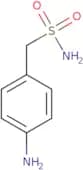
CAS :Benzylsulfinic acid is a hydroxyl group containing compound. It is an antihypertensive agent and it has been shown to have antioxidant properties. Benzylsulfinic acid is photosensitive and should not be used in the presence of light. This compound has been shown to inhibit the production of tiglic acid, which is a component of bowel disease, in the small intestine. Benzylsulfinic acid can also be converted into other compounds that are involved in biochemical reactions, such as hydrochloric acid, a cationic surfactant, or methyl ethyl sulfate. This conversion process can lead to metabolic disorders, as well as hydrogen bond and methyl ethyl sulfonium ion formation.Formule :C7H8O2SDegré de pureté :Min. 95%Masse moléculaire :156.2 g/mol(4-aminophenyl)methanesulfonamide
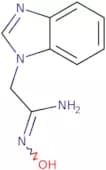
CAS :Versatile small molecule scaffoldFormule :C7H10N2O2SDegré de pureté :Min. 95%Masse moléculaire :186.23 g/mol2-(1H-1,3-Benzodiazol-1-yl)-N'-hydroxyethanimidamide
CAS :Versatile small molecule scaffoldFormule :C9H10N4ODegré de pureté :Min. 95%Masse moléculaire :190.2 g/mol1-(Piperidin-1-yl)pentan-3-one
CAS :Versatile small molecule scaffold
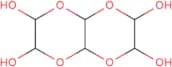
Formule :C10H19NODegré de pureté :Min. 95%Masse moléculaire :169.3 g/molGlyoxal hydrate trimer
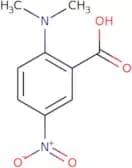
CAS :Glyoxal hydrate trimer is a growth factor that interacts with integrin receptors to activate the intracellular signaling pathway. It can also inhibit the aggregation of amyloid protein and is used in the treatment of inflammatory diseases. Glyoxal hydrate trimer has been shown to be an antagonist of γ-secretase, which is an enzyme involved in the processing of amyloid precursor protein into amyloid β-protein (Aβ). This leads to a reduction in Aβ production, as well as reducing inflammation associated with Alzheimer's disease.Formule :C6H10O8Degré de pureté :Min. 95%Masse moléculaire :210.14 g/mol2-(dimethylamino)-5-nitrobenzoic acid
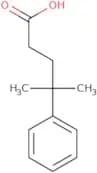
CAS :Versatile small molecule scaffoldFormule :C9H10N2O4Degré de pureté :Min. 95%Masse moléculaire :210.2 g/mol4-Methyl-4-phenylpentanoic acid
CAS :4-Methyl-4-phenylpentanoic acid is an organic compound that is used as a starting material in the preparation of other compounds. It reacts with cobaltic oxide (CoO) to form an organometallic complex. The mechanism for this reaction has been studied and it was found that the oxidation of 4-methyl-4-phenylpentanoic acid proceeds via a stepwise oxidation process. This reaction is substantiated by the formation of two products, one from each oxidation step. The mechanistic pathway for this reaction can be summarized as follows:
1) 4-methyl-4-phenylpentanoic acid + CoO → [Co(CH)]
2) [Co(CH)] + O → [Co(OH)] + CH3CHO
3) [Co(OH)] → HO + CO2
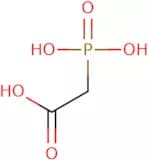
4) CO2 → CO + H2OFormule :C12H16O2Degré de pureté :Min. 95%Masse moléculaire :192.25 g/molPhosphonoacetic acid
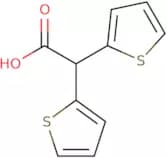
CAS :Phosphonoacetic acid is a phosphonoacetic acid. It inhibits the polymerase enzyme, which is essential for the replication of DNA. Phosphonoacetic acid inhibits the polymerase enzyme by competing with adenosine triphosphate and forming stable complexes with dna template. This blocks the progression of DNA polymerization and prevents the formation of a strand complementary to the template strand. This chemical has been shown to be effective against wild-type strains of virus, as well as resistant mutants that are unable to replicate in the presence of phosphonoacetic acid.Formule :C2H5O5PDegré de pureté :Min. 95%Masse moléculaire :140.03 g/mol2,2-Bis(thiophen-2-yl)acetic acid
CAS :2,2-Bis(thiophen-2-yl)acetic acid is an inorganic compound that has been shown to have a bidentate ligand with alkali metals such as zinc and copper. It is also known to be a linear polymer, which means it is composed of repeating units of monomeric subunits. 2,2-Bis(thiophen-2-yl)acetic acid can be used for the production of coatings or in organic synthesis reactions.
Formule :C10H8O2S2Degré de pureté :Min. 95%Masse moléculaire :224.3 g/molDodec-2-enoic acid
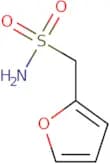
CAS :Dodec-2-enoic acid is a fatty acid that is produced by the oxidation of dodecanoic acid. It has been shown to inhibit the growth of bladder cancer cells and human pathogens, including Escherichia coli, Salmonella enterica, Staphylococcus aureus, and Pseudomonas aeruginosa. Dodec-2-enoic acid also inhibits efflux pumps in bacteria and has been shown to be a potential polymerase chain reaction (PCR) substrate. Dodec-2-enoic acid can be produced from fatty acids found in animal feedstocks. Dodec-2-enoic acid is an amide with an angular shape and isomerizes into its cis form when heated.Formule :C12H22O2Degré de pureté :Min. 95%Masse moléculaire :198.3 g/mol(Furan-2-yl)methanesulfonamide
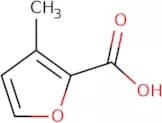
CAS :Versatile small molecule scaffoldFormule :C5H7NO3SDegré de pureté :Min. 95%Masse moléculaire :161.2 g/mol3-Methyl-2-furoic acid
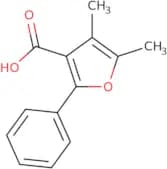
CAS :3-Methyl-2-furoic acid is a heterocycle that is used in the synthesis of azelaic acid and nicotine. It is also used as an analytical reagent for the separation of halides by liquid chromatography, as well as for the separation of aldehydes. 3-Methyl-2-furoic acid has been shown to have anti-inflammatory effects on inflammatory diseases such as rheumatoid arthritis, and could be used as an antibiotic against bacteria that are resistant to other antibiotics.Formule :C6H6O3Degré de pureté :Min. 95%Masse moléculaire :126.11 g/mol4,5-Dimethyl-2-phenylfuran-3-carboxylic acid
CAS :Versatile small molecule scaffold
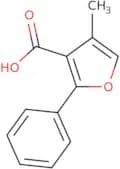
Formule :C13H12O3Degré de pureté :Min. 95%Masse moléculaire :216.23 g/mol4-Methyl-2-phenylfuran-3-carboxylic acid
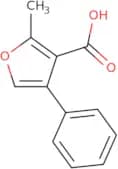
CAS :Versatile small molecule scaffoldFormule :C12H10O3Degré de pureté :Min. 95%Masse moléculaire :202.21 g/mol2-Methyl-4-phenylfuran-3-carboxylic acid
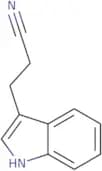
CAS :Versatile small molecule scaffoldFormule :C12H10O3Degré de pureté :Min. 95%Masse moléculaire :202.21 g/mol3-(1H-Indol-3-yl)propanenitrile
CAS :Versatile small molecule scaffold
Formule :C11H10N2Degré de pureté :Min. 95%Masse moléculaire :170.21 g/mol2-Cyclobutylpropanedioic acid
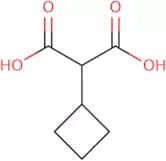
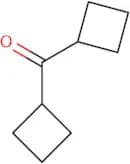
CAS :2-Cyclobutylpropanedioic acid is a hydrophobic compound that is used in the production of vaccines. It is also known as a polypeptide antibiotic and has been used to clone organisms and genetically engineer them. 2-Cyclobutylpropanedioic acid is an extender for chemokines and can be used to biosynthesize proteins. This compound binds to the receptor activity of chemokines, which may lead to its anti-inflammatory properties.Formule :C7H10O4Degré de pureté :Min. 95%Masse moléculaire :158.15 g/molDicyclobutylmethanone
CAS :Dicyclobutylmethanone is an active substance that has been shown to inhibit the growth of cancer cells in vitro. It has also been shown to be effective against skin cancer cells and has a high photostability. Dicyclobutylmethanone may have immunomodulatory effects and can be used for the treatment of a variety of cancers, such as prostate cancer, breast cancer and brain tumors. This compound has also been shown to be effective against diabetic neuropathy. Dicyclobutylmethanone is an amide that interacts with fatty acids, ns3 protease and other protein-modifying enzymes, which may contribute to its biological properties.
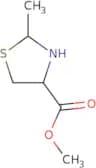
Formule :C9H14ODegré de pureté :Min. 95%Masse moléculaire :138.21 g/molMethyl 2-methyl-1,3-thiazolidine-4-carboxylate
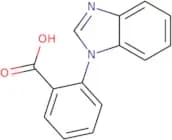
CAS :Versatile small molecule scaffoldFormule :C6H11NO2SDegré de pureté :Min. 95%Masse moléculaire :161.2 g/mol2-(1H-1,3-Benzodiazol-1-yl)benzoic acid
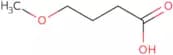
CAS :Versatile small molecule scaffoldFormule :C14H10N2O2Degré de pureté :Min. 95%Masse moléculaire :238.24 g/mol4-Methoxybutanoic acid
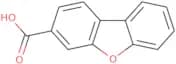
CAS :Produit contrôlé4-Methoxybutanoic acid is an isomer of 4-hydroxybutanoic acid, but with a methoxy group added to the second carbon atom. It can be found in fatty acids and prednisolone, which is a type of steroid hormone. This chemical also has antioxidant properties and can act as an oxidant or glutamate. It also reacts with magnesium, causing allergic reactions such as skin redness and itching. 4-Methoxybutanoic acid can be chemically synthesized by reacting butanol with magnesium in the presence of hydrogen peroxide. This compound has been shown to have antihistamine properties when it binds to histamine H1 receptors. The molecular formula for 4-methoxybutanoic acid is C5H11O2. This molecule contains one oxygen atom, two carbon atoms, four hydrogen atoms, and one oxygen atom. The molecular weight of this molecule is 117.17 grams per mole.Formule :C5H10O3Degré de pureté :Min. 95%Masse moléculaire :118.13 g/mol3-Dibenzofurancarboxylic acid
CAS :3-Dibenzofurancarboxylic acid is an aliphatic alcohol that is used as a reagent to synthesize metal salts or metal salt. 3-Dibenzofurancarboxylic acid can be prepared by the reaction of 2-hydroxydibenzofuran with alkali metal. The metal salt is obtained by adding an alkali and carbon atoms to 3-dibenzofurancarboxylic acid.
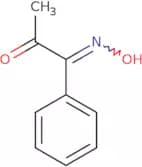
Formule :C13H8O3Degré de pureté :Min. 95%Masse moléculaire :212.2 g/mol1-(N-Hydroxyimino)-1-phenylpropan-2-one
CAS :Produit contrôléVersatile small molecule scaffold
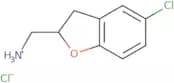
Formule :C9H9NO2Degré de pureté :Min. 95%Masse moléculaire :163.17 g/mol1-(5-Chloro-2,3-dihydro-1-benzofuran-2-yl)methanamine hydrochloride
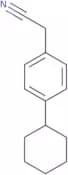
CAS :Versatile small molecule scaffoldFormule :C9H11Cl2NODegré de pureté :Min. 95%Masse moléculaire :220.09 g/mol2-(4-Cyclohexylphenyl)acetonitrile
CAS :2-(4-Cyclohexylphenyl)acetonitrile is a prophylactic agent that prevents inflammation. It is an amidated carboxylic acid and has been shown to have chemotherapeutic and prophylactic properties. 2-(4-Cyclohexylphenyl)acetonitrile can be used as a radical scavenger, preventing the formation of reactive oxygen species that may lead to cell damage. This drug also inhibits the production of inflammatory cytokines by inhibiting cyclooxygenase enzymes.Formule :C14H17NDegré de pureté :Min. 95%Masse moléculaire :199.29 g/mol2-[4-(1-Benzofuran-2-amido)phenyl]acetic acid
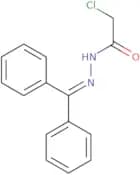
CAS :2-[4-(1-Benzofuran-2-amido)phenyl]acetic acid (BAPAA) is a research tool that belongs to the class of ligands. It has been shown to inhibit ion channels and receptor proteins in the cell membrane. BAPAA binds to peptides and receptors on cells, which leads to activation of those receptors and subsequent changes in the cell. This drug also has been shown to be a potent activator of protein interactions with antibodies.Formule :C17H13NO4Degré de pureté :Min. 95%Masse moléculaire :295.29 g/mol2-Chloro-N'-(diphenylmethylidene)acetohydrazide
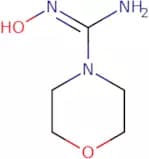
CAS :2-Chloro-N'-(diphenylmethylidene)acetohydrazide is a β-lactam antibiotic that contains a 2-chloro-N'-hydrazino group and an acetamide substituent. It has been shown to be effective in the treatment of Gram-positive bacterial infections, such as MRSA and penicillin resistant Staphylococcus aureus, but not Gram negative bacteria. 2-Chloro-N'-(diphenylmethylidene)acetohydrazide has been used as a starting point for the synthesis of other antibiotics with improved activity against Gram negative bacteria. This drug is also active against Mycobacterium tuberculosis (Mtb), which causes tuberculosis in humans. The heterocycles substituents are responsible for its reactivity and biological properties.Formule :C15H13ClN2ODegré de pureté :Min. 95%Masse moléculaire :272.73 g/molN'-Hydroxymorpholine-4-carboxamidine
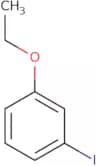
CAS :Versatile small molecule scaffoldFormule :C5H11N3O2Degré de pureté :Min. 95%Masse moléculaire :145.16 g/mol1-Ethoxy-3-iodobenzene
CAS :Versatile small molecule scaffold
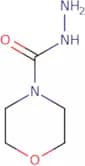
Formule :C8H9IODegré de pureté :Min. 95%Masse moléculaire :248.06 g/molMorpholine-4-carbohydrazide
CAS :Morpholine-4-carbohydrazide is a carbamate that can be used as a fluorescent sensor. The fluorescence of this compound can be easily detected visually and its intensity can be titrated. Fluorescein is the most common fluorophore used in fluorescent sensors and it has been shown to have a strong interaction with metal ions, which may lead to fluorescence quenching. Morpholine-4-carbohydrazide has been optimized for use as a fluorescent sensor by replacing the fluorescein with semicarbazides, which are not sensitive to metal ions and do not quench the fluorescence. This compound also has an improved emission spectrum in the visible range, which makes it suitable for many applications.Formule :C5H11N3O2Degré de pureté :Min. 95%Masse moléculaire :145.16 g/mol7-Bromo-4-chlorothieno[3,2-c]pyridine
CAS :Versatile small molecule scaffold
Formule :C7H3BrClNSDegré de pureté :Min. 95%Masse moléculaire :248.53 g/mol3-Bromo-4-chloro-thieno[3,2-c]pyridine
CAS :3-Bromo-4-chloro-thieno[3,2-c]pyridine is a boronic acid that has been shown to be an effective electron donor in the Suzuki reaction. This compound is substituted with a cyclic amine and a fluorescing substituent. The cyclic amine and substituent are orthogonal to each other, which leads to different fluorescence properties. The 3-bromo substituent has been shown to have strong fluorescence properties, while the 4-chloro substituent has weak fluorescence properties.Formule :C7H3BrClNSDegré de pureté :Min. 95%Masse moléculaire :248.53 g/mol2-Chloro-3,6,7-trimethylquinoxaline
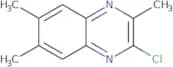
CAS :Versatile small molecule scaffoldFormule :C11H11ClN2Degré de pureté :Min. 95%Masse moléculaire :206.67 g/mol3-(1-Methylethyl)-5(4H)-isoxazolone
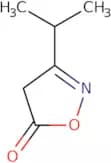
CAS :Versatile small molecule scaffoldFormule :C6H9NO2Degré de pureté :Min. 95%Masse moléculaire :127.14 g/mol3-(2-Hydroxyethyl)-5,5-dimethylimidazolidine-2,4-dione
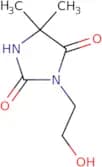
CAS :Versatile small molecule scaffoldFormule :C7H12N2O3Degré de pureté :Min. 95%Masse moléculaire :172.18 g/mol1-Ethyl-3-ethynylbenzene
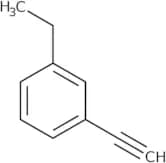
CAS :Versatile small molecule scaffold
Formule :C10H10Degré de pureté :Min. 95%Masse moléculaire :130.19 g/mol7-Chloro-4H,5H-thieno[3,2-c]pyridin-4-one
CAS :Versatile small molecule scaffoldFormule :C7H4ClNOSDegré de pureté :Min. 95%Masse moléculaire :185.63 g/mol7-Bromothieno[3,2-c]pyridin-4(5H)-one
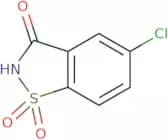
CAS :Versatile small molecule scaffoldFormule :C7H4BrNOSDegré de pureté :Min. 95%Masse moléculaire :230.08 g/mol5-Chloro-2,3-dihydro-1,2-benzothiazole-1,1,3-trione
CAS :5-Chloro-2,3-dihydro-1,2-benzothiazole-1,1,3-trione is an organic compound that belongs to the group of anthranilate compounds. It is a white solid with a melting point of 120°C and a boiling point of about 345°C. The chemical formula for 5-chloro-2,3-dihydro-1,2-benzothiazole is C7H5ClNOS. This compound has been used as a dye intermediate and in the synthesis of pharmaceuticals. The most common impurities in 5CHT are carbonyl groups and fatty acids. In animal studies, 5CHT has shown anticancer effects on bladder cancer cells.
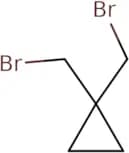
Formule :C7H4ClNO3SDegré de pureté :Min. 95%Masse moléculaire :217.63 g/mol1,1-Bis(bromomethyl)cyclopropane
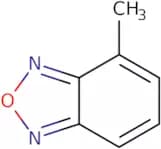
CAS :1,1-Bis(bromomethyl)cyclopropane (1,1-BMC) is a brominated derivative of the cyclopropane molecule that has been used as a tracer to investigate atmospheric reactions. 1,1-BMC can be used as an anion indicator in electrochemical experiments because it is sensitive to the charge on the electrode surface. Kinetic studies have shown that 1,1-BMC reacts with ozone at low concentrations and with hydrogen peroxide at high concentrations. This reactivity is consistent with the sensitivity of 1,1-BMC to anions. The sensitivity of 1,1-BMC may be due to its ability to form enamines or imines when exposed to ozone or hydrogen peroxide. As a result of these reactions, 1,1-BMC becomes oxidized and forms positive charges that are detected by voltmeters. This electrochemical analysis technique has been applied to air samples from the troposphereFormule :C5H8Br2Degré de pureté :Min. 95%Masse moléculaire :227.94 g/mol4-Methyl-2,1,3-benzoxadiazole
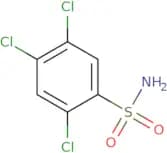
CAS :4-Methyl-2,1,3-benzoxadiazole is a hexamethylenetetramine derivative that is used as an excipient in pharmaceuticals. It has been shown to have high yield and good solubility properties. 4-Methyl-2,1,3-benzoxadiazole can be hydrolyzed by acidolysis to form the corresponding carboxylic acid. The optimal reaction time for this process is between 5 and 10 minutes at room temperature. The product of this reaction can be purified by boiling with water or cooled with ether. 4-Methyl-2,1,3-benzoxadiazole can react with bromosuccinimide to form the corresponding bromohydrin derivative in a peroxide reaction. The optimal reaction time for this process is between 2 and 3 hours at room temperature. Hydrolysis of the bromohydrin yields the corresponding alcohol. This product canFormule :C7H6N2ODegré de pureté :Min. 95%Masse moléculaire :134.14 g/mol2,4,5-Trichlorobenzenesulphonamide
CAS :Versatile small molecule scaffold
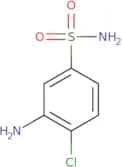
Formule :C6H4Cl3NO2SDegré de pureté :Min. 95%Masse moléculaire :260.53 g/mol3-Amino-4-chloro-benzenesulfonamide
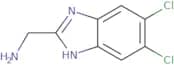
CAS :Versatile small molecule scaffoldFormule :C6H7ClN2O2SDegré de pureté :Min. 95%Masse moléculaire :206.65 g/mol1-(5,6-Dichloro-1H-1,3-benzodiazol-2-yl)methanamine
CAS :Versatile small molecule scaffoldFormule :C8H7Cl2N3Degré de pureté :Min. 95%Masse moléculaire :216.06 g/mol


![2-[4-(1-Benzofuran-2-amido)phenyl]acetic acid](/_next/image/?url=https%3A%2Fstatic.cymitquimica.com%2Fproducts%2F3D%2Fthumb-webp%2FEBA03777.webp&w=3840&q=75)
![7-Bromo-4-chlorothieno[3,2-c]pyridine](/_next/image/?url=https%3A%2Fstatic.cymitquimica.com%2Fproducts%2F3D%2Fthumb-webp%2FEBA06476.webp&w=3840&q=75)
![3-Bromo-4-chloro-thieno[3,2-c]pyridine](/_next/image/?url=https%3A%2Fstatic.cymitquimica.com%2Fproducts%2F3D%2Fthumb-webp%2FEBA06482.webp&w=3840&q=75)
![7-Chloro-4H,5H-thieno[3,2-c]pyridin-4-one](/_next/image/?url=https%3A%2Fstatic.cymitquimica.com%2Fproducts%2F3D%2Fthumb-webp%2FEBA07993.webp&w=3840&q=75)
![7-Bromothieno[3,2-c]pyridin-4(5H)-one](/_next/image/?url=https%3A%2Fstatic.cymitquimica.com%2Fproducts%2F3D%2Fthumb-webp%2FEBA07994.webp&w=3840&q=75)