Building Blocks
Sous-catégories appartenant à la catégorie "Building Blocks"
- Acides boroniques et dérivés de l'acide boronique(5.780 produits)
- Building Blocks Chiraux(1.241 produits)
- Building Blocks Hydrocarbonés(6.100 produits)
- Building Blocks organiques(61.024 produits)
205297 produits trouvés pour "Building Blocks"
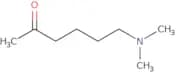
6-(Dimethylamino)hexan-2-one
CAS :Versatile small molecule scaffoldFormule :C8H17NODegré de pureté :Min. 95%Masse moléculaire :143.23 g/mol1H-1,2,3-Triazole-1-acetic acid ethyl ester
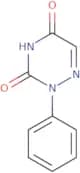
CAS :Versatile small molecule scaffoldFormule :C6H9N3O2Degré de pureté :Min. 95%Masse moléculaire :155.15 g/mol2-Phenyl-2,3,4,5-tetrahydro-1,2,4-triazine-3,5-dione
CAS :2-Phenyl-2,3,4,5-tetrahydro-1,2,4-triazine-3,5-dione (Toltrazuril) is a coccidiostatic drug that inhibits the growth of coccidia by inhibiting the synthesis of adenosine triphosphate. It has been used for chemotherapy in veterinary medicine. Toltrazuril acts as a competitive inhibitor of ATP synthase and is effective against Eimeria tenella and Eimeria acervulina.
Formule :C9H7N3O2Degré de pureté :Min. 95%Masse moléculaire :189.17 g/mol5-Bromo-4-methoxypyrimidine
CAS :5-Bromo-4-methoxypyrimidine is a versatile compound with a wide range of applications. It can be used as a building block in the synthesis of various organic compounds, including pharmaceuticals, agrochemicals, and research chemicals. The benzylic nature of this compound makes it highly reactive and allows for easy functionalization. Additionally, 5-Bromo-4-methoxypyrimidine has been shown to enhance the production of biomass and promote the growth of certain microorganisms. This compound also exhibits potential therapeutic effects, such as increasing collagen synthesis and promoting the production of growth factors like TGF-β1. Whether you're a researcher or a chemist looking for a reliable source of high-quality chemicals, 5-Bromo-4-methoxypyrimidine is an essential addition to your laboratory inventory.
Formule :C5H5BrN2ODegré de pureté :Min. 95%Masse moléculaire :189.01 g/mol5-Bromo-4-chloro-6-methoxypyrimidine
CAS :Versatile small molecule scaffold
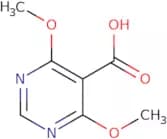
Formule :C5H4BrClN2ODegré de pureté :Min. 95%Masse moléculaire :223.46 g/mol4,6-Dimethoxypyrimidine-5-carboxylic acid
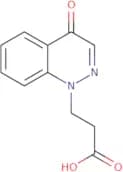
CAS :Versatile small molecule scaffoldFormule :C7H8N2O4Degré de pureté :Min. 95%Masse moléculaire :184.14 g/mol3-(4-Oxo-1,4-dihydrocinnolin-1-yl)propanoic acid
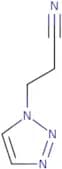
CAS :Versatile small molecule scaffoldFormule :C11H10N2O3Degré de pureté :Min. 95%Masse moléculaire :218.21 g/mol3-(1H-1,2,3-Triazol-1-yl)propanenitrile
CAS :Versatile small molecule scaffold
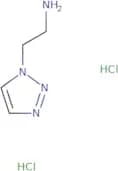
Formule :C5H6N4Degré de pureté :Min. 95%Masse moléculaire :122.13 g/mol2-(1H-1,2,3-Triazol-1-yl)ethan-1-amine dihydrochloride
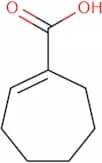
CAS :Versatile small molecule scaffoldFormule :C4H10Cl2N4Degré de pureté :Min. 95%Masse moléculaire :185.05 g/molCyclohept-1-ene-1-carboxylic acid
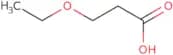
CAS :Cyclohept-1-ene-1-carboxylic acid is a methyl ester. It can be synthesized by the reaction of benzyl chloride, methanol, and bromine in the presence of an alkali metal as a catalyst. The product is then treated with chlorine to give cyclohept-1-ene-1-carboxylic acid. Cyclohept-1-ene-1-carboxylic acid can be used as an esterification agent or as a precursor for other compounds such as tribromocycloheptane, which is used in the synthesis of polychlorinated biphenyls (PCBs). This compound has been found to react with carbon tetrachloride and trichloromethanes to form chlorocarbon tetrachlorides. Cyclohept-1-ene carboxylic acid may be prepared by reacting benzyl chloride with methanol andFormule :C8H12O2Degré de pureté :Min. 95%Masse moléculaire :140.18 g/mol3-Ethoxypropionic acid
CAS :3-Ethoxypropionic acid is a glycidic compound that is used as a pharmaceutical intermediate. It is a hydroxyl group with a cinnamic acid derivative. 3-Ethoxypropionic acid has been shown to be effective in the treatment of autoimmune diseases and inflammatory diseases. The chemical stability of this compound makes it an excellent candidate for use in pharmaceutical preparations. 3-Ethoxypropionic acid was isolated with an isolated yield of 73%. The chirality of this compound was determined by NMR spectroscopy, which showed that the molecule is unsymmetrical, containing both left-handed and right-handed configurations. This immiscible solvents can be synthesized using a chiral catalyst at the ph optimum of 10.5Formule :C5H10O3Degré de pureté :Min. 95%Couleur et forme :Clear LiquidMasse moléculaire :118.13 g/mol3-[(2-Aminophenyl)sulfanyl]propanenitrile
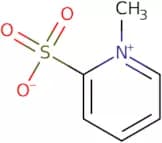
CAS :Versatile small molecule scaffoldFormule :C9H10N2SDegré de pureté :Min. 95%Masse moléculaire :178.26 g/mol1-Methylpyridin-1-ium-2-sulfonate
CAS :Versatile small molecule scaffoldFormule :C6H7NO3SDegré de pureté :Min. 95%Masse moléculaire :173.19 g/mol{[(2-Chloroethyl)sulfanyl]methyl}benzene
CAS :2-Chloroethylbenzene is an alkylating agent that reacts with a nucleophile to form a new carbon-carbon bond. It is used as a synthetic intermediate for the production of 2-chloroethyl sulfide and episulfide. 2-Chloroethylbenzene can be synthesized by the reaction of benzyl chloride with ethylene, amines, or other alkylating agents in the presence of sodium hydroxide. 2-Chloroethylbenzene can also be synthesized by the debenzylation of 2-chloroethenylbenzene with hydrochloric acid and potassium hydroxide.
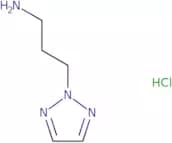
Fluorination of 2-chloroethylbenzene will yield 2-chloroethyl fluoroformate, which is an important precursor to pesticides.Formule :C9H11ClSDegré de pureté :Min. 95%Masse moléculaire :186.7 g/mol3-(2H-1,2,3-Triazol-2-yl)propan-1-amine hydrochloride
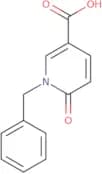
CAS :Versatile small molecule scaffoldFormule :C5H11ClN4Degré de pureté :Min. 95%Masse moléculaire :162.62 g/mol1-Benzyl-6-oxo-1,6-dihydro-3-pyridinecarboxylic acid
CAS :Versatile small molecule scaffold
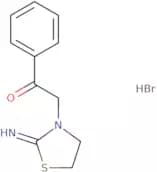
Formule :C13H11NO3Degré de pureté :Min. 95%Masse moléculaire :229.24 g/mol2-(2-Imino-1,3-thiazolidin-3-yl)-1-phenylethanone hydrobromide
CAS :Versatile small molecule scaffold
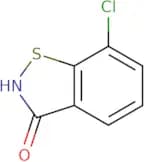
Formule :C11H13BrN2OSDegré de pureté :Min. 95%Masse moléculaire :301.2 g/mol7-Chloro-2,3-dihydro-1,2-benzothiazol-3-one
CAS :Versatile small molecule scaffoldFormule :C7H4ClNOSDegré de pureté :Min. 95%Masse moléculaire :185.63 g/mol2H,3H-[1,2]Thiazolo[5,4-b]pyridin-3-one
CAS :Versatile small molecule scaffold
Formule :C6H4N2OSDegré de pureté :Min. 95%Masse moléculaire :152.18 g/mol{Tricyclo[2.2.1.0,2,6]heptan-3-yl}methanol
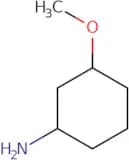
CAS :Versatile small molecule scaffoldFormule :C8H12ODegré de pureté :Min. 95%Masse moléculaire :124.18 g/mol3-Methoxy-cyclohexylamine
CAS :Versatile small molecule scaffoldFormule :C7H15NODegré de pureté :Min. 95%Masse moléculaire :129.2 g/mol4-Propoxycyclohexan-1-amines
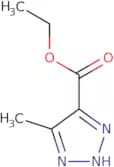
CAS :Versatile small molecule scaffoldFormule :C9H19NODegré de pureté :Min. 95%Masse moléculaire :157.3 g/molEthyl 5-methyl-1H-1,2,3-triazole-4-carboxylate
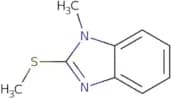
CAS :Versatile small molecule scaffoldFormule :C6H9N3O2Degré de pureté :Min. 95%Masse moléculaire :155.15 g/mol1-Methyl-2-(methylsulfanyl)-1H-1,3-benzodiazole
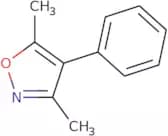
CAS :1-Methyl-2-(methylsulfanyl)-1H-1,3-benzodiazole is an alkylating agent that undergoes a regiospecific reaction with N-methylmorpholine and dimethylformamide to produce the desired 1-(methylsulfanyl)benzene. This process can be carried out in the presence of activated carbon to remove any byproducts. The kinetics of the reaction are dependent on temperature, which can be adjusted by using different solvents. The product is then purified through techniques such as recrystallization or distillation.Formule :C9H10N2SDegré de pureté :Min. 95%Masse moléculaire :178.26 g/mol3,5-Dimethyl-4-phenyl-1,2-oxazole
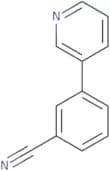
CAS :Versatile small molecule scaffoldFormule :C11H11NODegré de pureté :Min. 95%Masse moléculaire :173.21 g/mol3-(Pyridin-3-yl)benzonitrile
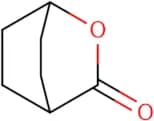
CAS :Versatile small molecule scaffoldFormule :C12H8N2Degré de pureté :Min. 95%Masse moléculaire :180.2 g/mol4-Hydroxy-1-cyclohexanecarboxylic Acid '-Lactone
CAS :4-Hydroxy-1-cyclohexanecarboxylic acid ´-lactone is a lactone that is used as an initiator in the production of polyesters. It has also been used as a reactant for synthesizing organolithium compounds. It has been shown that 4-hydroxy-1-cyclohexanecarboxylic acid ´-lactone can be polymerized with styrene and toluene to form a copolymer. This copolymer has been studied by spectroscopy and calorimetry. The enthalpy of this reaction was determined to be -2,979 kJ/mol. The structure of 4-hydroxy-1-cyclohexanecarboxylic acid ´-lactone has been confirmed using crystallography.
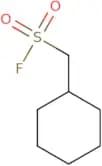
Formule :C7H10O2Degré de pureté :Min. 95%Masse moléculaire :126.16 g/molCyclohexylmethanesulfonyl fluoride
CAS :Versatile small molecule scaffold
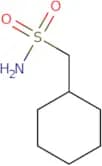
Formule :C7H13FO2SDegré de pureté :Min. 95%Masse moléculaire :180.24 g/molCyclohexylmethanesulfonamide
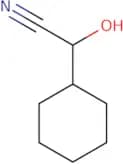
CAS :Cyclohexylmethanesulfonamide is a quinoline derivative that has been shown to have affinity for the CB1 receptor. It has been used in animal studies as an anti-inflammatory agent and may also have cancer chemopreventive properties. The compound has also been shown to inhibit the activity of the NS5B polymerase, which is involved in viral RNA synthesis. Cyclohexylmethanesulfonamide binds to the C1-C6 alkyl group and alkylsulfonyl group on the enzyme, inhibiting its ability to replicate viral RNA. It has been suggested that this drug may be useful in treating psychotic disorders because it can cross the blood brain barrier.Formule :C7H15NO2SDegré de pureté :Min. 95%Masse moléculaire :177.27 g/mol2-Cyclohexyl-2-hydroxyacetonitrile
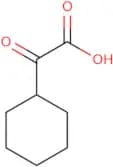
CAS :2-Cyclohexyl-2-hydroxyacetonitrile is a reaction mixture that can be used to synthesize an amide, dialkyl, or carbonate. It is a high yield reaction with hydrogen chloride and carbonate as reagents. The reactants are cyanohydrin and alkoxide or halide. The product of this reaction is an anhydride. 2-Cyclohexyl-2-hydroxyacetonitrile can also be used to make phosgene by reacting with phosgene gas in the presence of metallic chloride or other halides.Formule :C8H13NODegré de pureté :Min. 95%Masse moléculaire :139.19 g/mol2-Cyclohexyl-2-oxoacetic acid
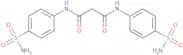
CAS :2-Cyclohexyl-2-oxoacetic acid (2C2OA) is a quaternary ammonium salt that has been used in the synthesis of benzyl esters. 2C2OA is also reactive and can be used as an organic solvent. It reacts with Friedel-Crafts reaction to produce enantiomeric cyclohexanones, which are useful for the preparation of acyl halides and hydroxyl groups. 2C2OA is not an acid but can react with inorganic acids to form condensation products. Hydrogen chloride (HCl) will react with 2C2OA to produce cyclohexene and cyclohexanone chlorides, which are both volatile compounds. 2C2OA can also act as an acyl halide by reacting with acyl halides.Formule :C8H12O3Degré de pureté :Min. 95%Masse moléculaire :156.18 g/molN,N'-Bis(4-sulfamoylphenyl)propanediamide
CAS :Versatile small molecule scaffold
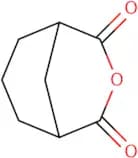
Formule :C15H16N4O6S2Degré de pureté :Min. 95%Masse moléculaire :412.4 g/molcis-1,3-Cyclohexanedicarboxylic anhydride
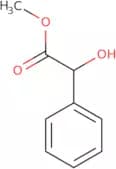
CAS :Versatile small molecule scaffoldFormule :C8H10O3Degré de pureté :Min. 95%Masse moléculaire :154.17 g/molMethyl DL-Mandelate
CAS :Methyl DL-Mandelate is a chiral compound that has been shown to have an inhibitory effect on the growth of bacteria. It binds to bacterial cell surface receptors and causes lysis by creating holes in the membrane. Methyl DL-Mandelate also has high resistance against wastewater treatment; it is not removed during conventional treatment processes and can be used in the treatment of infectious diseases. The mechanism for this inhibition is unknown, but it has been hypothesized that methyl DL-Mandelate acts as an adsorbent, which blocks or inhibits the binding sites of other antibiotics or toxins.
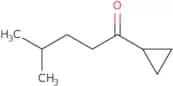
Formule :C9H10O3Degré de pureté :Min. 95%Masse moléculaire :166.18 g/mol1-Cyclopropyl-4-methylpentan-1-one
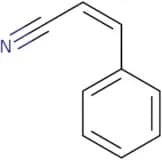
CAS :Versatile small molecule scaffoldFormule :C9H16ODegré de pureté :Min. 95%Masse moléculaire :140.22 g/mol3-Phenylacrylonitrile
CAS :3-Phenylacrylonitrile is an enzyme inhibitor that binds to the active site of the diphenolase enzyme, thereby inhibiting its function. The nitrile group in 3-phenylacrylonitrile is responsible for binding to the enzyme and forming a hydrogen bond with a zirconium oxide group. Hydroxyl groups on the phenyl ring also contribute to this reaction by making polar bonds with water molecules. This reaction is reversible and can be reversed by adding hydrochloric acid or by heating it at high temperatures. This reversibility provides a way to determine when 3-phenylacrylonitrile has bound to the active site of diphenolase by measuring the amount of heat released during the reaction.
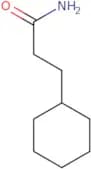
Formule :C9H7NDegré de pureté :Min. 95%Masse moléculaire :129.16 g/mol3-Cyclohexylpropionamide
CAS :3-Cyclohexylpropionamide is a reactivating agent that inhibits the growth of cancer cells by binding to their receptors. 3-Cyclohexylpropionamide has been shown to reactivate tumor cells that have become resistant to certain drugs, such as phenylacetate. This drug also has inhibitory effects on the growth of tumor cell lines and in animal tests has shown efficacy against drug-resistant breast cancer and colon cancer models. 3-Cyclohexylpropionamide binds to the protein receptor at a site near the active site, which prevents it from activating the catalytic site. This binding prevents the formation of an enzyme-drug complex with the enzyme that is required for cell division, inhibiting protein synthesis and cell division.Formule :C9H17NODegré de pureté :Min. 95%Masse moléculaire :155.24 g/mol3-Cyclohexylbutanoic acid
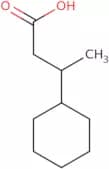
CAS :Versatile small molecule scaffold
Formule :C10H18O2Degré de pureté :Min. 95%Masse moléculaire :170.25 g/mol3-Cyclohexyl-2-phenylpropanoic acid
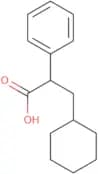
CAS :Versatile small molecule scaffold
Formule :C15H20O2Degré de pureté :Min. 95%Masse moléculaire :232.32 g/mol4-Chloromethyl-2,2-dimethyl-1,3-dioxolane
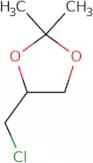
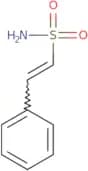
CAS :4-Chloromethyl-2,2-dimethyl-1,3-dioxolane is a chemical compound that is used as a marker to identify the presence of fatty acids in plant tissues. It can be synthesized by reacting chloroacetaldehyde with methanol and sodium hydroxide. This compound has a cyclic structure and is chiral. It is also used for mass spectrometric analysis of fatty acid composition in plants. The synthesis of 4-chloromethyl-2,2-dimethyl-1,3-dioxolane involves four steps: (i) chlorination of acetaldehyde with sodium hypochlorite; (ii) hydrolysis of the resulting chloroacetaldehyde with methanol and sodium hydroxide; (iii) oxidation of the resulting chloroformate with hydrogen peroxide; and (iv) hydrolysis of the resulting 4-chloromethyloxymethanol with water.Formule :C6H11ClO2Degré de pureté :Min. 95%Masse moléculaire :150.6 g/mol2-Phenylethene-1-sulfonamide
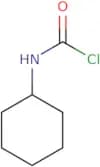
CAS :2-Phenylethene-1-sulfonamide is a heterocyclic compound that is a disulfide. It is used in the biomedical field as an intramolecular crosslinker for polystyrene and polyacrylonitrile. 2-Phenylethene-1-sulfonamide has been shown to react with acetone, forming carbon disulfide, which is toxic to living cells. 2-Phenylethene-1-sulfonamide has also been shown to be a basic chemical with life science applications. This heterocyclic compound can be synthesized by cyclization of styrene and it's derivatives.Formule :C8H9NO2SDegré de pureté :Min. 95%Masse moléculaire :183.23 g/molN-Cyclohexylcarbamoyl chloride
CAS :N-Cyclohexylcarbamoyl chloride is a phenoxy, diphenyl ether (DPDE) analog that acts as a competitive inhibitor of the enzyme RNA polymerase. It binds to the DPDE binding site on RNA polymerase and blocks the binding of DPDE substrates, thereby inhibiting transcription. This compound has been shown to be expressed in plants and its profile primarily includes chlorides, alkynyl groups, alicyclic, carbonyl groups, and c1-6 alkylsulfonyls.Formule :C7H12ClNODegré de pureté :Min. 95%Masse moléculaire :161.63 g/mol2-[(4-tert-Butylphenyl)sulfanyl]acetic Acid
CAS :Versatile small molecule scaffold
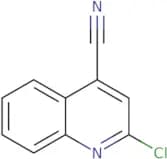
Formule :C12H16O2SDegré de pureté :Min. 95%Masse moléculaire :224.31 g/mol2-Chloroquinoline-4-carbonitrile
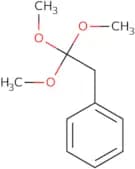
CAS :2-Chloroquinoline-4-carbonitrile is a nucleophilic substitution reaction with methanol as the electrophile. The reaction has been studied kinetically, and the rate of reaction was found to depend on the substituents on the chloroquinoline ring. The substituent effect can be described by mesomeric interactions. The rate of reaction is also dependent on the concentration of methoxide ion, which is a reactant in this substitution reaction. 2-Chloroquinoline-4-carbonitrile is an organic compound that contains two methyl groups substituted onto the 2 and 4 positions of the quinoline ring. This organic compound reacts with methanol to form a substituted quinoline product and hydrogen gas.Formule :C10H5ClN2Degré de pureté :Min. 95%Masse moléculaire :188.61 g/mol(2,2,2-Trimethoxyethyl)benzene
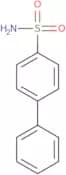
CAS :Versatile small molecule scaffoldFormule :C11H16O3Degré de pureté :Min. 95%Masse moléculaire :196.24 g/mol4-Phenylbenzene-1-sulfonamide
CAS :4-Phenylbenzenesulfonamide (4PBSA) is a phenoxy compound that binds to the active site of histone deacetylase and inhibits its activity. It has been shown that 4PBSA can inhibit acetylation at nanomolar concentrations and it may be an effective treatment for cancer. The effects of 4PBSA were studied in two different assays, one using cisplatin and the other using nitro. Nitro was found to have a more potent effect than cisplatin, but both compounds had similar results in the assays. 4PBSA has also been shown to be an estrogen receptor antagonist, which may explain some of its anticancer properties. This drug may also inhibit DNA replication by binding to human estrogen receptors and preventing transcriptional activation.Formule :C12H11NO2SDegré de pureté :Min. 95%Masse moléculaire :233.29 g/molMethyl[phenyl(pyridin-2-yl)methyl]amine
CAS :Versatile small molecule scaffold
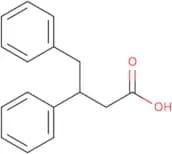
Formule :C13H14N2Degré de pureté :Min. 95%Masse moléculaire :198.26 g/mol3,4-Diphenylbutanoic acid
CAS :3,4-Diphenylbutanoic acid is a fungicide that belongs to the class of phenoxyethanol esters. It is an oily liquid that is soluble in petroleum ether and benzene. The molecule has a chemical formula of C14H12O3, with a molecular weight of 240.3 g/mol, and it contains two phenoxy groups (-OCH2-), one methoxy group (-OCH3) and one chlorine atom (-Cl). 3,4-Diphenylbutanoic acid has been shown to be effective against certain fungi such as Botrytis cinerea, Sclerotinia sclerotiorum, Alternaria alternata and Fusarium oxysporum; it may also have some activity against pathogenic fungi such as Candida albicans.Formule :C16H16O2Degré de pureté :Min. 95%Masse moléculaire :240.3 g/mol2-Hydroxy-2-methyl-4-phenylbutanoic acid
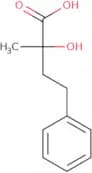
CAS :Naproxen is a nonsteroidal anti-inflammatory drug (NSAID) that is used to treat pain and inflammation. It inhibits the enzyme cyclooxygenase, which is required for the production of prostaglandins. Naproxen has high enantioselectivity when reacting with nitriles and dinitriles because it acts as a diacid or amid acid in these reactions. This means that naproxen preferentially reacts with the 2-hydroxy group of an acyl chloride or ester, forming an amide or amidine respectively. It also has an ability to inhibit bacterial strains such as those from Streptococcus pyogenes and Staphylococcus aureus. Naproxen may act by substituting for the carboxylic acid groups of the bacterial cell wall, where it can form a covalent bond with glutamic acid residues on the cell wall surface.
Formule :C11H14O3Degré de pureté :Min. 95%Masse moléculaire :194.23 g/mol4-Isothiocyanatobutanoic acid
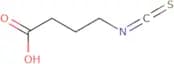
CAS :4-Isothiocyanatobutanoic acid is an antimicrobial that is used as a derivatization agent for the production of a microbicidal compound. It has been shown to be active against bacteria such as Escherichia coli, Staphylococcus aureus, and Bacillus subtilis. 4-Isothiocyanatobutanoic acid is also autolytic, which means it breaks down into other substances when exposed to water. The hydrolysis product of 4-isothiocyanatobutanoic acid is methyl ester and this can be extracted from the reaction mixture with organic solvents. 4-Isothiocyanatobutanoic acid has been shown to have antibiotic activity against human pathogens in laboratory experiments.Formule :C5H7NO2SDegré de pureté :Min. 95%Masse moléculaire :145.18 g/mol




![3-[(2-Aminophenyl)sulfanyl]propanenitrile](/_next/image/?url=https%3A%2Fstatic.cymitquimica.com%2Fproducts%2F3D%2Fthumb-webp%2FEAA32752.webp&w=3840&q=75)
![{[(2-Chloroethyl)sulfanyl]methyl}benzene](/_next/image/?url=https%3A%2Fstatic.cymitquimica.com%2Fproducts%2F3D%2Fthumb-webp%2FEAA33251.webp&w=3840&q=75)
![2H,3H-[1,2]Thiazolo[5,4-b]pyridin-3-one](/_next/image/?url=https%3A%2Fstatic.cymitquimica.com%2Fproducts%2F3D%2Fthumb-webp%2FEAA33760.webp&w=3840&q=75)
![{Tricyclo[2.2.1.0,2,6]heptan-3-yl}methanol](/_next/image/?url=https%3A%2Fstatic.cymitquimica.com%2Fproducts%2F3D%2Fthumb-webp%2FEAA33795.webp&w=3840&q=75)
![2-[(4-tert-Butylphenyl)sulfanyl]acetic Acid](/_next/image/?url=https%3A%2Fstatic.cymitquimica.com%2Fproducts%2F3D%2Fthumb-webp%2FEAA36563.webp&w=3840&q=75)
![Methyl[phenyl(pyridin-2-yl)methyl]amine](/_next/image/?url=https%3A%2Fstatic.cymitquimica.com%2Fproducts%2F3D%2Fthumb-webp%2FEAA37244.webp&w=3840&q=75)