Building Blocks
Cette section contient des produits fondamentaux pour la synthèse de composés organiques et biologiques. Building blocks sont les matériaux de départ essentiels utilisés pour construire des molécules complexes à travers diverses réactions chimiques. Ils jouent un rôle crucial dans la découverte de médicaments, la science des matériaux et la recherche chimique. Chez CymitQuimica, nous offrons une gamme diversifiée de building blocks de haute qualité pour soutenir vos recherches innovantes et projets industriels, en vous assurant de disposer des composants essentiels pour une synthèse réussie.
Sous-catégories appartenant à la catégorie "Building Blocks"
- Acides boroniques et dérivés de l'acide boronique(5.778 produits)
- Building Blocks Chiraux(1.243 produits)
- Building Blocks Hydrocarbonés(6.098 produits)
- Building Blocks organiques(61.057 produits)
200716 produits trouvés pour "Building Blocks"
Trier par
Degré de pureté (%)
0
100
|
0
|
50
|
90
|
95
|
100
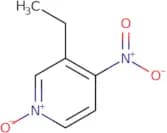
3-Ethyl-4-nitropyridin-1-ium-1-olate
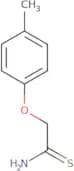
CAS :Versatile small molecule scaffoldFormule :C7H8N2O3Degré de pureté :Min. 95%Masse moléculaire :168.15 g/mol2-(4-Methylphenoxy)ethanethioamide
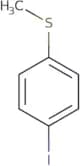
CAS :Versatile small molecule scaffoldFormule :C9H11NOSDegré de pureté :Min. 95%Masse moléculaire :181.26 g/mol4-Iodothioanisole
CAS :<p>4-Iodothioanisole is a synthetic molecule that is used in organic chemistry as a reagent for the formation of carbon-carbon bonds. It reacts with electrophiles to form carbon-iodine bonds and can be used to make cross-coupling reactions. 4-Iodothioanisole also enhances the fluorescence of some molecules and has been used in supramolecular chemistry. The optical properties of 4-iodothioanisole depend on its environment. In solution, it shows a yellowish color due to intramolecular excitation of the cyclopentene system, while in the solid state it is orange because of free rotation around the carbon-iodine bond.</p>Formule :C7H7ISDegré de pureté :Min. 95%Masse moléculaire :250.09 g/mol2-Amino-3-(2-methylphenyl)propan-1-ol
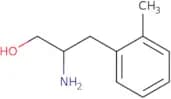
CAS :<p>Versatile small molecule scaffold</p>Formule :C10H15NODegré de pureté :Min. 95%Masse moléculaire :165.23 g/mol2-Amino-3-(4-fluorophenyl)propan-1-ol
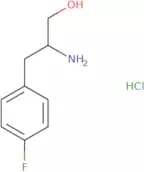
CAS :Versatile small molecule scaffoldFormule :C9H13ClFNODegré de pureté :Min. 95%Masse moléculaire :205.66 g/molMethyl 7-oxoheptanoate
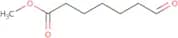
CAS :<p>Methyl 7-oxoheptanoate is a synthetic anticancer agent that inhibits cell growth. It has been shown to inhibit cancer cells and induce apoptosis in HL-60 human leukemia cells. Methyl 7-oxoheptanoate is converted to methyl heptanoate by the enzyme enantiopure, which is then hydrolyzed into diacid and cyclopentenone. The cyclopentenones are synthesized from the diacid and cyclopentenone and are used as pharmaceuticals.</p>Formule :C8H14O3Degré de pureté :Min. 95%Masse moléculaire :158.19 g/mol1-(3-Chlorophenyl)propan-2-amine hydrochloride
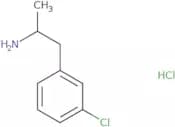
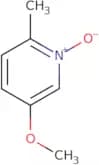
CAS :Produit contrôlé<p>Versatile small molecule scaffold</p>Formule :C9H13Cl2NDegré de pureté :Min. 95%Masse moléculaire :206.11 g/mol2-Methyl-5-methoxypyridine-N-oxide
CAS :<p>Versatile small molecule scaffold</p>Formule :C7H9NO2Degré de pureté :Min. 95%Masse moléculaire :139.15 g/molMethyl 2-[4-(acetyloxy)phenyl]acetate
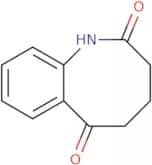
CAS :<p>Versatile small molecule scaffold</p>Formule :C11H12O4Degré de pureté :Min. 95%Masse moléculaire :208.21 g/mol1,2,3,4,5,6-Hexahydro-1-benzazocine-2,6-dione
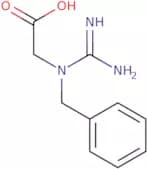
CAS :Versatile small molecule scaffoldFormule :C11H11NO2Degré de pureté :Min. 95%Masse moléculaire :189.21 g/mol2-(1-Benzylcarbamimidamido)acetic acid
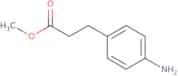
CAS :<p>Versatile small molecule scaffold</p>Formule :C10H13N3O2Degré de pureté :Min. 95%Masse moléculaire :207.23 g/molmethyl 3-(4-aminophenyl)propanoate
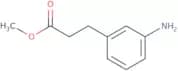
CAS :<p>Versatile small molecule scaffold</p>Formule :C10H13NO2Degré de pureté :Min. 95%Masse moléculaire :179.2 g/molMethyl 3-(3-aminophenyl)propanoate
CAS :Versatile small molecule scaffoldFormule :C10H13NO2Degré de pureté :Min. 95%Masse moléculaire :179.22 g/molN-[(Hydrazinecarbonyl)methyl]pyridine-3-carboxamide
CAS :Versatile small molecule scaffoldFormule :C8H10N4O2Degré de pureté :Min. 95%Masse moléculaire :194.19 g/mol2-Bromoethyl ethyl sulfide
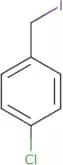
CAS :2-Bromoethyl ethyl sulfide (2BEES) is a colorless liquid with a strong, sulfur-like odor. It is soluble in water, but not in organic solvents. 2BEES is a nucleophilic reagent that reacts with electrophiles at the carbon atom adjacent to the electron-donating group. The reaction of 2BEES with an electron-deficient aromatic ring can lead to substitution or elimination reactions. 2BEES has a boiling point of 108°C and its spectral data corresponds to that of chlorine. The activation energy for this reaction is 29 kJ/mol.Formule :C4H9BrSDegré de pureté :Min. 95%Masse moléculaire :169.08 g/mol1-Chloro-4-(iodomethyl)benzene
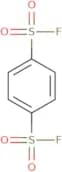
CAS :<p>1-Chloro-4-(iodomethyl)benzene (1CI) is a chlorinating agent that is used to produce aliphatic chlorinated compounds. It can be used for the alkylation of alcohols, as well as the chlorination of halides. 1CI has been shown to react with benzene in a synergistic manner when irradiated. In addition, it can be used for the preparation of iodides by reacting with sodium or potassium iodide in the presence of an alcohol and a catalyst. 1CI reacts with chloride ions to produce cyclic compounds in the microwave region. The reaction requires an electron transfer agent, such as copper chloride or silver nitrate, and yields are dependent on the type of alcohol used, which can be either aliphatic or cyclic.</p>Formule :C7H6ClIDegré de pureté :Min. 95%Masse moléculaire :252.48 g/molBenzene-1,4-disulfonyl difluoride
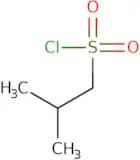
CAS :<p>Versatile small molecule scaffold</p>Formule :C6H4F2O4S2Degré de pureté :Min. 95%Masse moléculaire :242.2 g/mol2-Methylpropane-1-sulfonyl chloride
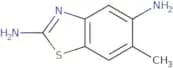
CAS :<p>2-Methylpropane-1-sulfonyl chloride is a ligand that binds to anilinoquinoline derivatives, such as the triazoles. It is also used in pharmaceuticals and as an antibacterial agent. 2-Methylpropane-1-sulfonyl chloride has been shown to inhibit Alzheimer's disease by preventing the accumulation of beta amyloid protein. This drug also inhibits bacterial growth by binding to the hydroxyl group on the outside of thiols, which are sulfur-containing compounds found in bacteria. 2-Methylpropane-1-sulfonyl chloride is structurally similar to pyridazine, a heterocyclic compound that acts as an inhibitor of DNA synthesis and protein synthesis in bacteria.</p>Formule :C4H9ClO2SDegré de pureté :Min. 95%Masse moléculaire :156.63 g/mol6-Methyl-1,3-benzothiazole-2,5-diamine
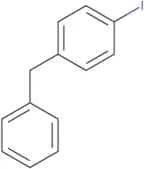
CAS :<p>Versatile small molecule scaffold</p>Formule :C8H9N3SDegré de pureté :Min. 95%Masse moléculaire :179.24 g/mol4-Iododiphenylmethane
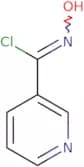
CAS :<p>4-Iododiphenylmethane is an organic compound that contains the methylene group (CH2) and is a substituted diphenylmethane. It can be prepared by the substitution of a methyl group for one of the phenyl groups on the benzene ring, followed by iodination. The reaction is catalyzed by hypophosphorous acid. This product has a number of substitutions, which creates steric effects in its reactivity. 4-Iododiphenylmethane can undergo an attack at the position one carbon away from the iodine atom. This attack leads to hypoiodite as a product. 4-Iododiphenylmethane also reacts with phenyl phosphine to form biphenyl, which is one possible way it can be used in industry.</p>Formule :C13H11IDegré de pureté :Min. 95%Masse moléculaire :294.13 g/molN-Hydroxypyridine-3-carbonimidoyl chloride
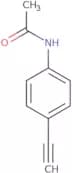
CAS :Versatile small molecule scaffoldFormule :C6H5ClN2ODegré de pureté :Min. 95%Masse moléculaire :156.57 g/molN-(4-Ethynylphenyl)acetamide
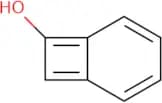
CAS :<p>Versatile small molecule scaffold</p>Formule :C10H9NODegré de pureté :Min. 95%Masse moléculaire :159.18 g/mol1-Hydroxy-benzocyclobutene
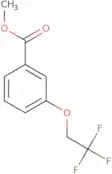
CAS :<p>1-Hydroxy-benzocyclobutene is a molecule that has been isolated from the marine sponge, Tethya crypta. It is a thioether that has been shown to inhibit the growth of Clostridium perfringens. This effect may be due to 1-hydroxy-benzocyclobutene's ability to bind primary amines in the bacterial cell wall and prevent the formation of an enzyme-inhibitor complex with the enzyme cell wall synthesis required for cell wall biosynthesis. 1-Hydroxy-benzocyclobutene also has been shown to have antioxidant properties, which may be due to its ability to absorb uv radiation and form reactive oxygen species (ROS).</p>Formule :C8H8ODegré de pureté :Min. 95%Masse moléculaire :120.15 g/molMethyl 3-(2,2,2-trifluoroethoxy)benzoate
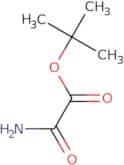
CAS :Versatile small molecule scaffoldFormule :C10H9F3O3Degré de pureté :Min. 95%Masse moléculaire :234.17 g/moltert-butyl 2-amino-2-oxoacetate
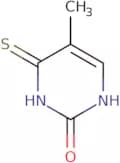
CAS :<p>Tert-butyl 2-amino-2-oxoacetate is a chiral molecule that can be used to produce enantiomerically pure amines by enzymatic reduction of ketones. This reaction is catalyzed by the enzyme alcohol dehydrogenase and proceeds with high enantioselectivities. Tert-butyl 2-amino-2-oxoacetate has also been shown to be a good substrate for enzymes that reduce other carbonyl compounds, such as esters, oximes, and nitriles. The kinetic studies showed that the enzymatic reduction of tert-butyl 2-amino-2-oxoacetate was first order in both the substrate and the enzyme and had an apparent second order rate constant for the formation of tert-butanol.</p>Formule :C6H11NO3Degré de pureté :Min. 95%Masse moléculaire :145.16 g/mol5-Methyl-4-thioxo-3,4-dihydropyrimidin-2(1H)-one
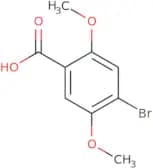
CAS :<p>5-Methyl-4-thioxo-3,4-dihydropyrimidin-2(1H)-one is a compound that interacts with DNA duplexes. It binds to the sugar residues of the DNA duplex in a manner that alters its photophysical and biological properties. 5-Methyl-4-thioxo-3,4-dihydropyrimidin-2(1H)-one has been shown to bind to dna binding proteins such as p53 and p300. This compound can also interact with oligodeoxynucleotides and is able to inhibit the synthesis of RNA by interacting with ribonucleotide reductase. The interaction of 5-methyl 4 thioxo 3,4 dihydropyrimidin 2(1H) one with ribonucleotide reductase leads to the formation of silver ions, which are toxic to cells and lead to cell death.</p>Formule :C5H6N2OSDegré de pureté :Min. 95%Masse moléculaire :142.18 g/mol4-Bromo-2,5-dimethoxybenzoic acid
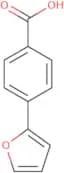
CAS :<p>4-Bromo-2,5-dimethoxybenzoic acid (BDMA) is a chemical compound that has been used as an intermediate in the synthesis of pharmaceuticals. It is also used as a precursor for the synthesis of other compounds. BDMA has been shown to be toxic to both humans and monkeys, with toxic effects including convulsions, dyspnea, mydriasis, vomiting, and coma. The toxicological profile is not well understood because it has not been extensively studied. Studies have shown that BDMA undergoes oxidative deamination to form 4-bromo-2,5-dimethoxyamphetamine (DOB), which can cause hallucinations and nausea when ingested.</p>Formule :C9H9BrO4Degré de pureté :Min. 95%Masse moléculaire :261.07 g/mol4-(Fur-2-yl)benzoic acid
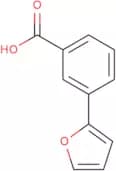
CAS :<p>4-(Fur-2-yl)benzoic acid is a palladium catalyst for Suzuki coupling reactions with boronic acids. It is also used as a modulator for furyl and benzamide synthesis. 4-(Fur-2-yl)benzoic acid has pharmacokinetic properties that are similar to those of other substituted benzoic acids. This compound is soluble in organic solvents and may be used as the solvent in high yield optimization of pharmacokinetic properties.</p>Formule :C11H8O3Degré de pureté :Min. 95%Masse moléculaire :188.18 g/mol3-(Fur-2-yl)benzoic acid
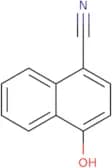
CAS :<p>Versatile small molecule scaffold</p>Formule :C11H8O3Degré de pureté :Min. 95%Masse moléculaire :188.18 g/mol4-Hydroxynaphthalene-1-carbonitrile
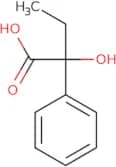
CAS :4-Hydroxynaphthalene-1-carbonitrile is a white crystalline solid that can be prepared by the reaction of naphthalene with ethynyl chloride. It has been shown to have fluorescent properties and can be used as an indicator for the presence of certain metal ions in a solution, such as copper and iron. The fluorescence intensity is dependent on the concentration of the metal ion in solution. This compound also has photophysical properties, which are dependent on the wavelength of light used to excite it. br>Formule :C11H7NODegré de pureté :Min. 95%Masse moléculaire :169.18 g/mol2-Hydroxy-2-phenylbutanoic acid
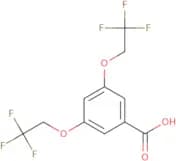
CAS :<p>2-Hydroxy-2-phenylbutanoic acid is a ligand that can bind to metal ions. It has a molecular electrostatic potential of -0.07 and a low vibrational frequency of 0.01. It has been shown that this ligand can be immobilized on surfaces where it can be used for the determination of amino acids, expressed proteins, and chiral compounds. This ligand has been shown to have good binding affinity for metal ions which makes it a useful tool in immobilization studies. 2-Hydroxy-2-phenylbutanoic acid is an amide that contains two hydroxy groups, one phenyl group, and one carboxylic acid group. It is also chiral due to its asymmetric carbon atom which means that there are two different forms of the molecule, one being levorotary (R) and the other being dextrorotary (S). The functional theory shows that 2-hydroxy-2</p>Formule :C10H12O3Degré de pureté :Min. 95%Masse moléculaire :180.2 g/mol3,5-Bis(2,2,2-trifluoroethoxy)benzoic acid
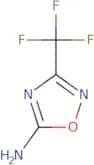
CAS :Versatile small molecule scaffoldFormule :C11H8F6O4Degré de pureté :Min. 95%Masse moléculaire :318.17 g/mol3-(Trifluoromethyl)-1,2,4-oxadiazol-5-amine
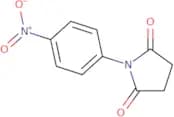
CAS :Versatile small molecule scaffoldFormule :C3H2F3N3ODegré de pureté :Min. 95%Masse moléculaire :153.06 g/mol1-(4-Nitrophenyl)pyrrolidine-2,5-dione
CAS :<p>Versatile small molecule scaffold</p>Formule :C10H8N2O4Degré de pureté :Min. 95%Masse moléculaire :220.18 g/mol2-Methoxy-3,5-dimethylaniline
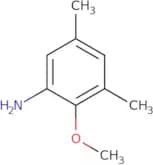
CAS :Versatile small molecule scaffoldFormule :C9H13NODegré de pureté :Min. 95%Masse moléculaire :151.21 g/molTrans-methyl 2-(hydroxymethyl)-cyclopropanecarboxylate
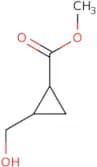
CAS :Versatile small molecule scaffoldFormule :C6H10O3Degré de pureté :Min. 95%Masse moléculaire :130.14 g/mol2,3-Dichloro-4-methoxybenzene-1-sulfonyl chloride
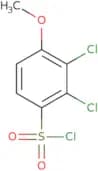
CAS :Versatile small molecule scaffoldFormule :C7H5Cl3O3SDegré de pureté :Min. 95%Masse moléculaire :275.5 g/mol4-(4-Chlorophenyl)-1H-imidazole
CAS :<p>4-(4-Chlorophenyl)-1H-imidazole is a fluorescent probe that has been used to study the substrate binding site of the enzyme cytochrome P450. This probe has been shown to bind to the cavity of the enzyme, which is located at the interface between two domains of the α-subunit. The binding of 4-(4-chlorophenyl)-1H-imidazole has been shown to inhibit catalysis by interfering with substrate binding. Crystallographic analysis and X-ray crystallographic structures have shown that this compound is a tight inhibitor of cytochrome P450. The inhibitor binds in a way that blocks access to the active site, resulting in an increase in Km and decrease in kcat for substrates bound at this site. Functional studies have also shown that 4-(4-chlorophenyl)-1H-imidazole inhibits cytochrome P450 activity, reducing levels of NADPH oxidase and other reactive</p>Formule :C9H7ClN2Degré de pureté :Min. 95%Masse moléculaire :178.62 g/mol1-[2-Chloro-4-(methylsulfanyl)phenyl]ethan-1-one
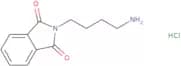
CAS :Versatile small molecule scaffoldFormule :C9H9ClOSDegré de pureté :Min. 95%Masse moléculaire :200.69 g/mol2-(4-Aminobutyl)-2,3-dihydro-1H-isoindole-1,3-dione hydrochloride
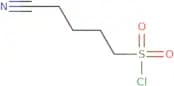
CAS :Versatile small molecule scaffoldFormule :C12H15ClN2O2Degré de pureté :Min. 95%Masse moléculaire :254.71 g/mol4-Cyanobutane-1-sulfonyl chloride
CAS :<p>Versatile small molecule scaffold</p>Formule :C5H8ClNO2SDegré de pureté :Min. 95%Masse moléculaire :181.64 g/mol2-(Chloromethyl)bicyclo[2.2.1]heptane
CAS :<p>Versatile small molecule scaffold</p>Formule :C8H13ClDegré de pureté :Min. 95%Masse moléculaire :144.64 g/molMethyl bicyclo[2.2.1]heptane-2-carboxylate
CAS :Versatile small molecule scaffoldFormule :C9H14O2Degré de pureté :Min. 95%Masse moléculaire :154.21 g/mol2,3-Diamino-6-methylpyrimidin-4(3H)-one
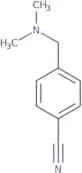
CAS :2,3-Diamino-6-methylpyrimidin-4(3H)-one (2,3-DMP) is an acetoacetate derivative that stabilizes the pyrazole ring and prevents it from undergoing a condensation reaction. It has been shown to chelate metal ions and produce ethyl acetoacetate as a result of the condensation reaction. 2,3-DMP also has aminoguanidine-like activity in the treatment of diabetic neuropathy and may be used for the treatment of other neurological disorders.Formule :C5H8N4ODegré de pureté :Min. 95%Masse moléculaire :140.15 g/mol4-((Dimethylamino)methyl)benzonitrile
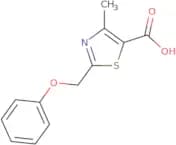
CAS :<p>4-((Dimethylamino)methyl)benzonitrile is a chemical pesticide that belongs to the group of insecticides. It has been shown to be effective against a wide range of insects, including mosquitoes and cockroaches. 4-((Dimethylamino)methyl)benzonitrile is found in many household products, such as flea repellents, ant baits, and mosquito coils. This compound has been shown to have no adverse effects on humans or mammals when used at low concentrations. However, it may cause skin irritation and respiratory problems at higher concentrations. 4-((Dimethylamino)methyl)benzonitrile has also been shown to have some biological activity against soil bacteria.</p>Formule :C10H12N2Degré de pureté :Min. 95%Masse moléculaire :160.22 g/mol4-Methyl-2-(phenoxymethyl)-1,3-thiazole-5-carboxylic acid
CAS :<p>Versatile small molecule scaffold</p>Formule :C12H11NO3SDegré de pureté :Min. 95%Masse moléculaire :249.29 g/molDimethoxy-1,2-thiazole-4-carbonitrile
CAS :Versatile small molecule scaffoldFormule :C6H6N2O2SDegré de pureté :Min. 95%Masse moléculaire :170.19 g/molN,3-Dimethyl-1,2,4-Thiadiazol-5-Amine
CAS :<p>Versatile small molecule scaffold</p>Formule :C4H7N3SDegré de pureté :Min. 95%Masse moléculaire :129.18 g/mol6,7,8,9-Tetrahydro-5H-benzo[7]annulen-5-ol
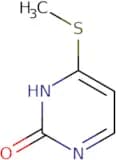
CAS :Tetrabenazine is a dopamine receptor antagonist that is used to treat Parkinson's disease. It has been shown to have a high affinity for the D2 dopamine receptor, which is associated with the symptoms of Parkinson's disease. Tetrabenazine inhibits the binding of dopamine to the D2 receptor by occupying its site and blocking it, thereby reducing the effect of dopamine on neurons.Formule :C11H14ODegré de pureté :Min. 95%Masse moléculaire :162.23 g/mol4-(Methylsulfanyl)-1,2-dihydropyrimidin-2-one
CAS :4-(Methylsulfanyl)-1,2-dihydropyrimidin-2-one is a thione that has been studied in electrochemistry, photochemistry, and magnetic properties. The UV absorption spectrum of 4-(methylsulfanyl)-1,2-dihydropyrimidin-2-one displays the cyclic nature of this molecule. The structural features of the molecule have been elucidated by x-ray crystallography and functional theory. The tautomeric form has been characterized using magnetic studies and cyclic voltammetry. These studies reveal that the tautomeric form is more stable than the other forms at low pH values and increases in stability with increased electron density on sulfur atoms. Disulphide derivatives were obtained by reacting 4-(methylsulfanyl)-1,2-dihydropyrimidin-2-one with sodium dithionite.Formule :C5H6N2OSDegré de pureté :Min. 95%Masse moléculaire :142.18 g/mol

![Methyl 2-[4-(acetyloxy)phenyl]acetate](/_next/image/?url=https%3A%2Fstatic.cymitquimica.com%2Fproducts%2F3D%2Fthumb-webp%2FKBA40015.webp&w=3840&q=75)
![N-[(Hydrazinecarbonyl)methyl]pyridine-3-carboxamide](/_next/image/?url=https%3A%2Fstatic.cymitquimica.com%2Fproducts%2F3D%2Fthumb-webp%2FKBA41823.webp&w=3840&q=75)

![1-[2-Chloro-4-(methylsulfanyl)phenyl]ethan-1-one](/_next/image/?url=https%3A%2Fstatic.cymitquimica.com%2Fproducts%2F3D%2Fthumb-webp%2FKBA51531.webp&w=3840&q=75)
![2-(Chloromethyl)bicyclo[2.2.1]heptane](/_next/image/?url=https%3A%2Fstatic.cymitquimica.com%2Fproducts%2F3D%2Fthumb-webp%2FKBA52066.webp&w=3840&q=75)
![Methyl bicyclo[2.2.1]heptane-2-carboxylate](/_next/image/?url=https%3A%2Fstatic.cymitquimica.com%2Fproducts%2F3D%2Fthumb-webp%2FKBA52081.webp&w=3840&q=75)



![6,7,8,9-Tetrahydro-5H-benzo[7]annulen-5-ol](/_next/image/?url=https%3A%2Fstatic.cymitquimica.com%2Fproducts%2F3D%2Fthumb-webp%2FKBA55094.webp&w=3840&q=75)