Building Blocks
Cette section contient des produits fondamentaux pour la synthèse de composés organiques et biologiques. Building blocks sont les matériaux de départ essentiels utilisés pour construire des molécules complexes à travers diverses réactions chimiques. Ils jouent un rôle crucial dans la découverte de médicaments, la science des matériaux et la recherche chimique. Chez CymitQuimica, nous offrons une gamme diversifiée de building blocks de haute qualité pour soutenir vos recherches innovantes et projets industriels, en vous assurant de disposer des composants essentiels pour une synthèse réussie.
Sous-catégories appartenant à la catégorie "Building Blocks"
- Acides boroniques et dérivés de l'acide boronique(5.778 produits)
- Building Blocks Chiraux(1.243 produits)
- Building Blocks Hydrocarbonés(6.098 produits)
- Building Blocks organiques(61.057 produits)
200710 produits trouvés pour "Building Blocks"
Trier par
Degré de pureté (%)
0
100
|
0
|
50
|
90
|
95
|
100
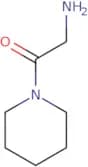
2-Amino-1-(1-piperidinyl)-1-ethanone hydrochloride
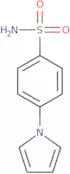
CAS :2-Amino-1-(1-piperidinyl)-1-ethanone hydrochloride is an achiral and enantioselective chiral catalyst. It has been shown to catalyze the transfer of alkyl groups from one molecule to another, including imine, initially alkylated, and chiral substrates. 2-Amino-1-(1-piperidinyl)-1-ethanone hydrochloride has been used in asymmetric synthesis of levobupivacaine with high optical purity.Formule :C7H15ClN2ODegré de pureté :Min. 95%Masse moléculaire :178.66 g/mol4-(1H-Pyrrol-1-yl)benzene-1-sulfonamide
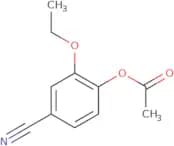
CAS :<p>Versatile small molecule scaffold</p>Formule :C10H10N2O2SDegré de pureté :Min. 95%Masse moléculaire :222.27 g/mol4-Cyano-2-ethoxyphenyl acetate
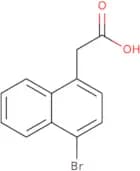
CAS :<p>Versatile small molecule scaffold</p>Formule :C11H11NO3Degré de pureté :Min. 95%Masse moléculaire :205.21 g/mol2-(4-Bromonaphthalen-1-yl)acetic acid
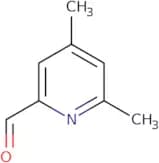
CAS :Versatile small molecule scaffoldFormule :C12H9BrO2Degré de pureté :Min. 95%Masse moléculaire :265.1 g/mol4,6-Dimethylpyridine-2-carbaldehyde
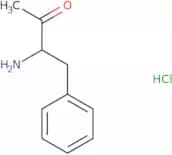
CAS :<p>Versatile small molecule scaffold</p>Formule :C8H9NODegré de pureté :Min. 95%Masse moléculaire :135.16 g/mol3-Amino-4-phenylbutan-2-one hydrochloride
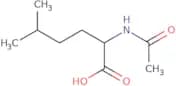
CAS :Versatile small molecule scaffoldFormule :C10H14ClNODegré de pureté :Min. 95%Masse moléculaire :199.68 g/mol2-Acetamido-5-methylhexanoic acid
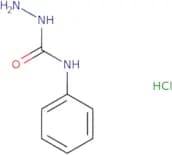
CAS :2-Acetamido-5-methylhexanoic acid is a postulated compound that is synthesized in two steps from 2-methyl-3-buten-2-ol. The first step involves the sequential dehydration of an α,β unsaturated ketone with aqueous sodium hydroxide and then phosphoric acid. The second step entails the addition of an acetylamino group to the β position of the carboxyl group, forming the desired compound. The synthesis of 2-acetamido-5 methylhexanoic acid was confirmed by spectroscopic methods, including IR, NMR, and MS. This chemical has been shown to be catalytic in allylic alcohols and isomerized allylic alcohols.Formule :C9H17NO3Degré de pureté :Min. 95%Masse moléculaire :187.24 g/mol4-Phenylsemicarbazide hydrochloride
CAS :<p>4-Phenylsemicarbazide hydrochloride is a compound that is created by the oxidation of selenium or selenium salts. 4-Phenylsemicarbazide hydrochloride is used as a photoelectron to generate energy in the metabolism of fatty acids. It has been shown to decrease levels of chloride in rats and mice, which may be due to its ability to reduce monochloride. The biochemical pathways for this substance are not well understood, but it has been shown to have health effects on animals such as aluminum toxicity and lipid peroxidation.</p>Formule :C7H9N3O·HClDegré de pureté :Min. 95%Masse moléculaire :187.63 g/molN-Methyl-2-nitrobenzylamine Hydrochloride
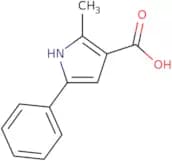
CAS :Versatile small molecule scaffoldFormule :C8H11ClN2O2Degré de pureté :Min. 95%Masse moléculaire :202.64 g/mol2-Methyl-5-phenyl-1H-pyrrole-3-carboxylic acid
CAS :Versatile small molecule scaffoldFormule :C12H11NO2Degré de pureté :Min. 95%Masse moléculaire :201.22 g/mol2-Cyclohexyl-1-propanol
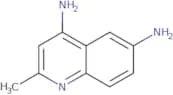
CAS :<p>2-Cyclohexyl-1-propanol (2CYP) is a chemical compound that is an alkali metal. It can be used to remove the sulfate from benzyl alcohol, which is a precursor in the production of polystyrene. 2CYP is also used as a catalyst for the hydrogenation of alkenes and alkynes to produce hydrogenated hydrocarbons. The elucidation of the mechanism by which 2CYP reduces sulfate has been shown to involve two steps: dehydrogenation of 2CYP followed by addition of sulfate to form elemental sulfur. In environmental health, 2CYP has been shown to reduce chloride levels and was found to be more effective than sodium hydroxide or sodium chloride.<br>2CYP also reduces levels of lead and cadmium in water samples.</p>Formule :C9H18ODegré de pureté :Min. 95%Masse moléculaire :142.24 g/mol2-Methylquinoline-4,6-diamine
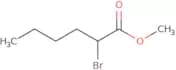
CAS :Versatile small molecule scaffoldFormule :C10H11N3Degré de pureté :Min. 95%Masse moléculaire :173.21 g/molMethyl 2-Bromohexanoate
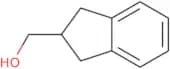
CAS :<p>Methyl 2-bromohexanoate is a reactive chemical that has been found in the urine of healthy volunteers. It is used as an intermediate for pharmaceutical preparations and can be introduced into the body through inhalation, ingestion, or skin contact. Methyl 2-bromohexanoate also has potential use as a biomarker for cancer, since it has been detected in patients with cervical cancer and environmental exposure to benzene. This compound reacts with sulfoxide in the environment to form polymers and phosphates. It also exhibits optical properties when polymerized.</p>Formule :C7H13BrO2Degré de pureté :Min. 95%Masse moléculaire :209.08 g/mol(2,3-Dihydro-1H-inden-2-yl)methanol
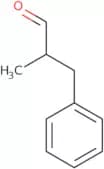
CAS :<p>(2,3-Dihydro-1H-inden-2-yl)methanol is an organometallic compound that has the chemical formula CH(CH)CHO. It is classified as an aromatic alcohol based on its substituent. (2,3-Dihydro-1H-inden-2-yl)methanol has a linear structure with a hydrogen atom at the end of each carbon chain and two carbonyl groups. The equilibrium between this compound and its isomers can be determined by calculating the difference in energy between each form. The properties of this compound depend on the solvent it is mixed with, as well as its solvents’ polarity. This compound can be used for perfuming or for cyclohexanol production.</p>Formule :C10H12ODegré de pureté :Min. 95%Masse moléculaire :148.2 g/mol2-Methyl-3-phenylpropanal
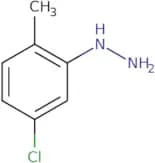
CAS :2-Methyl-3-phenylpropanal is a volatile compound that has been identified as a major component of the odor of fresh cilantro. It has been found to be a pheromone for the crambid moth, which suggests that it may play a role in mating behavior. 2-Methyl-3-phenylpropanal is an allyl ligand that has shown to bind to odorant binding proteins. It also has been shown to have hydrogen bonding and fluorescence properties. This molecule is not active against lepidoptera or gamma-terpinene, but it does show binding activity against the latter.Formule :C10H12ODegré de pureté :Min. 95%Masse moléculaire :148.2 g/mol5-Chloro-2-methylphenylhydrazine hydrochloride
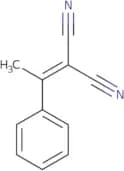
CAS :5-Chloro-2-methylphenylhydrazine hydrochloride (5CMPH) is an arylhydrazine that is used as a reagent in organic chemistry. It can be prepared from 2,6-dichloroacetamide and methyl phenyldiazonium chloride. 5CMPH has the molecular formula CHClN and a molecular weight of 182.8 g/mol. This compound is soluble in water and ethanol, but insoluble in ethers and benzene. 5CMPH has been shown to react with 6-membered heterocycles such as guanidinium chloride to form dialdehydes. When substituted at the 2 position with chlorine, it forms chlorinated arylhydrazines such as 6-chloro-N-(2-chlorophenyl)-2,4-dinitrobenzenamine, which have been shown to have antiinflammatory activities.Formule :C7H10Cl2N2Degré de pureté :Min. 95%Masse moléculaire :193.07 g/mol2-(1-Phenylethylidene)malononitrile
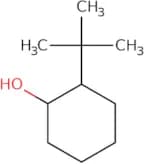
CAS :<p>2-(1-Phenylethylidene)malononitrile (2-PMAN) is a chemical compound that is used as starting material for the manufacture of other chemicals. It can be obtained by the reaction of anthranilic acid with trichloroacetonitrile in the presence of hydride transfer agents. The product is purified by crystallization and recrystallization, and then reacts with carbon disulfide to form 2-phenylethanamine. 2-PMAN has been shown to have nematocidal activity, which may be due to its ability to inhibit protein synthesis by interfering with the uptake of amino acids into cells. Additionally, 2-PMAN can undergo dimerization or isomerisation reactions which affect its biological activity.</p>Formule :C11H8N2Degré de pureté :Min. 95%Masse moléculaire :168.19 g/molrac-(1R,2S)-2-tert-Butylcyclohexan-1-ol
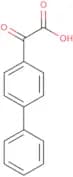
CAS :Rac-1,2-cyclohexan-1,2-diol is a synthetic chemical that is used in the production of hydrogenated oils. It is produced by the hydrogenation of rac-dimethyl carbonate, which can be synthesized from cyclohexanol and tert-butyl chloride. Rac-1,2-cyclohexan-1,2-diol can be quantified using gas chromatography with a flame ionization detector (GC/FID) or high performance liquid chromatography (HPLC). The catalyst used for this reaction is typically a solid material such as platinum on carbon. The reaction requires anhydrous conditions and takes place at low temperatures. Racemic 1,2 cyclohexan-1,2 diol can also be produced through the dehydrogenation of racemic 2,3 cyclohexanedione with a palladium on charcoal catalyst. This process requires anhydrous conditions and takes place at high temperatures.Formule :C10H20ODegré de pureté :Min. 95%Masse moléculaire :156.26 g/mol2-Oxo-2-(4-phenylphenyl)acetic acid
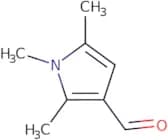
CAS :<p>Versatile small molecule scaffold</p>Formule :C14H10O3Degré de pureté :Min. 95%Masse moléculaire :226.23 g/mol1,2,5-Trimethyl-1H-pyrrole-3-carbaldehyde
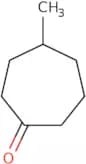
CAS :Versatile small molecule scaffoldFormule :C8H11NODegré de pureté :Min. 95%Masse moléculaire :137.18 g/mol4-Methylcycloheptan-1-one
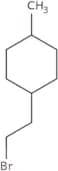
CAS :4-Methylcycloheptan-1-one is an organic compound with a methoxy group, mesylate group and a single optical isomer. This compound has been synthesized by the nucleophilic substitution of 4-methylcycloheptanone with methoxymethyl chloride. The enantiomeric excess of the product can be determined by optical rotation measurements. The reaction system was racemized in a chiral environment. The reaction products are solvents, which must be deuterated to yield the desired chiral product.Formule :C8H14ODegré de pureté :Min. 95%Masse moléculaire :126.2 g/mol1-(2-Bromoethyl)-4-methylcyclohexane
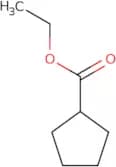
CAS :<p>Versatile small molecule scaffold</p>Formule :C9H17BrDegré de pureté :Min. 95%Masse moléculaire :205.13 g/molEthyl cyclopentane carboxylate
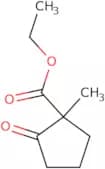
CAS :<p>Ethyl cyclopentane carboxylate is a cell signaling molecule that is synthesized from an amide and diacylglycerol. It has been shown to have therapeutic effects in autoimmune diseases, cancer, inflammatory diseases, bowel disease, and transfer reactions. Ethyl cyclopentane carboxylate inhibits the MCL-1 protein and CB2 receptor in the immune system. Ethyl cyclopentane carboxylate has also been shown to inhibit the inflammatory response in experimental models of inflammatory bowel disease by inhibiting the activity of the Cb2 receptor.</p>Formule :C8H14O2Degré de pureté :Min. 95%Masse moléculaire :142.2 g/molethyl 1-methyl-2-oxocyclopentane-1-carboxylate
CAS :Ethyl 1-methyl-2-oxocyclopentane-1-carboxylate is a cyclopentenone that has been shown to be effective against epidermoid carcinoma cells and lymphocytic leukemia. It has antitumor activity in vivo, with a good cytotoxicity profile. This compound binds to the DNA of tumor cells, causing mismatched base pairing through its diastereomeric interactions. This binding leads to disruption of the DNA helix, which causes cell death by apoptosis. Ethyl 1-methyl-2-oxocyclopentane-1-carboxylate also inhibits the growth of tissue culture cells. The toxic effects on these cells are dose dependent and can be reduced by irradiation or ethylene gas treatment.Formule :C9H14O3Degré de pureté :Min. 95%Masse moléculaire :170.21 g/molEthyl 1-methyl-2-oxocyclohexane-1-carboxylate
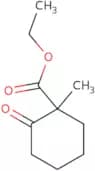
CAS :Ethyl 1-methyl-2-oxocyclohexane-1-carboxylate (EMOC) is a synthetic retinoid that was designed to have biological properties similar to those of retinoic acid. EMOC has been shown to inhibit the growth of cancer cells in vitro and in vivo, as well as to induce differentiation in these cells. It inhibits DNA replication by binding to chloride ions, which are essential for the enzymatic activity of DNA polymerase. EMOC also binds to the carbonyl group of diltiazem hydrochloride, a drug used for the treatment of high blood pressure and angina pectoris. The chemical structures of both compounds are similar, with one difference being that EMOC has an additional methyl group on its terminal half-life.Formule :C10H16O3Degré de pureté :Min. 95%Masse moléculaire :184.23 g/mol2-(2,3-Dihydro-1H-inden-5-yl)acetic acid
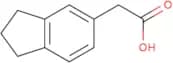
CAS :2-(2,3-Dihydro-1H-inden-5-yl)acetic acid is an antiinflammatory drug used for the relief of acute or chronic pain and inflammation. It works by blocking the production of prostaglandins, which are chemical messengers that cause pain and inflammation. 2-(2,3-Dihydro-1H-inden-5-yl)acetic acid has been found to be effective in relieving pain and inflammation in a variety of conditions including osteoarthritis, rheumatoid arthritis, ankylosing spondylitis and psoriatic arthritis. The drug also has a role in preventing the formation of kidney stones because it prevents calcium oxalate crystals from forming. This compound can be reconstituted with water or alcohols to produce a solution for oral administration. 2-(2,3-Dihydro-1H-inden-5-yl)acetic acidFormule :C11H12O2Degré de pureté :Min. 95%Masse moléculaire :176.21 g/mol1,3-Diphenylpropan-1-amine hydrochloride
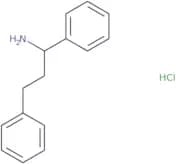
CAS :<p>Versatile small molecule scaffold</p>Formule :C15H18ClNDegré de pureté :Min. 95%Masse moléculaire :247.76 g/mol2-Methylcyclopentanamine hydrochloride
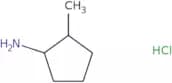
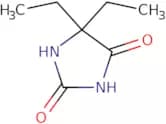
CAS :Versatile small molecule scaffoldFormule :C6H14ClNDegré de pureté :Min. 95%Masse moléculaire :135.64 g/mol5,5-Diethyl-imidazolidine-2,4-dione
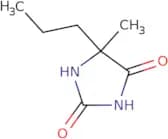
CAS :<p>5,5-Diethyl-imidazolidine-2,4-dione is an n-nitrosodiethylamine (NDELA) metabolite that binds to the cytochrome P450 enzyme and inhibits the activity of hydantoinase. It is also a ligand for the immunoreactive form of the enzyme in rats. 5,5-Diethyl-imidazolidine-2,4-dione has been shown to inhibit carcinogenesis in rats and enhance enzyme activities. This compound also interacts with drugs such as warfarin and phenytoin by enhancing their concentrations.</p>Formule :C7H12N2O2Degré de pureté :Min. 95%Masse moléculaire :156.18 g/mol5-Methyl-5-propylimidazolidine-2,4-dione
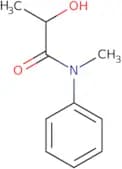
CAS :<p>5-Methyl-5-propylimidazolidine-2,4-dione is an antimicrobial agent that inhibits the growth of bacteria. It has been shown to inhibit the growth of Staphylococcus aureus and other bacteria on cellulose surfaces. This drug also reacts with epoxides in cell walls and is effective against Gram-positive and Gram-negative bacteria. The reaction solution for 5-Methyl-5-propylimidazolidine-2,4-dione was prepared by dissolving the drug in a mixture of methylene chloride and methanol. The stability tests were conducted over a long period at room temperature or at 4°C. The results showed that this drug maintained its potency for extended periods of time when stored at these temperatures.</p>Formule :C7H12N2O2Degré de pureté :Min. 95%Masse moléculaire :156.18 g/mol2-Hydroxy-N-methyl-N-phenylpropanamide
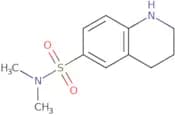
CAS :<p>Versatile small molecule scaffold</p>Formule :C10H13NO2Degré de pureté :Min. 95%Masse moléculaire :179.22 g/molN,N-Dimethyl-1,2,3,4-tetrahydroquinoline-6-sulfonamide
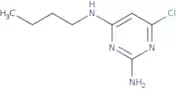
CAS :<p>Versatile small molecule scaffold</p>Formule :C11H16N2O2SDegré de pureté :Min. 95%Masse moléculaire :240.32 g/mol4-N-Butyl-6-chloropyrimidine-2,4-diamine
CAS :<p>Versatile small molecule scaffold</p>Formule :C8H13ClN4Degré de pureté :Min. 95%Masse moléculaire :200.67 g/mol3-[(2-Hydroxyethyl)amino]propanoic acid
CAS :3-[(2-Hydroxyethyl)amino]propanoic acid is a primary alcohol that has hydrogens, a propanoic acid, and propanoic. It is an amino compound.Formule :C5H11NO3Degré de pureté :Min. 95%Masse moléculaire :133.15 g/molN-Butyl cyanoacetate
CAS :N-Butyl cyanoacetate is a colorless liquid that has a strong, unpleasant odor. It is used in the production of industrial chemicals and as an active methylene reagent in organic synthesis. It can be used to make diazonium salts and c1-c4 haloalkyl compounds. N-Butyl cyanoacetate is known to cause allergic reactions and has been shown to have an effect on the central nervous system, causing low energy levels and receptor activity.Formule :C7H11NO2Degré de pureté :Min. 95%Masse moléculaire :141.17 g/mol4-Methoxycyclohexan-1-amine hydrochloride
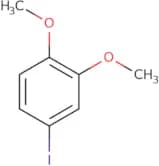
CAS :Versatile small molecule scaffoldFormule :C7H16ClNODegré de pureté :Min. 95%Masse moléculaire :165.66 g/mol3,4-Dimethoxyiodobenzene
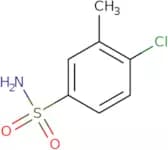
CAS :<p>3,4-Dimethoxyiodobenzene is a synthetic compound that is used in the synthesis of isoalantolactone. It is an aromatic halide with two methoxy groups attached to the terminal alkyne groups. 3,4-Dimethoxyiodobenzene can be prepared by reacting iodine and hydrochloric acid. The reaction rate for this reaction is dependent on the concentration of iodine and hydrochloric acid. This compound can also be obtained by reacting chloroform with ethylene oxide in the presence of sodium hydroxide. The yield of 3,4-dimethoxyiodobenzene from this reaction is very high, but it requires a long period of time to complete.</p>Formule :C8H9IO2Degré de pureté :Min. 95%Masse moléculaire :264.06 g/mol4-Chloro-3-methylbenzene-1-sulfonamide
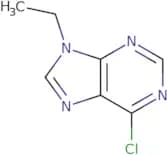
CAS :<p>Versatile small molecule scaffold</p>Formule :C7H8ClNO2SDegré de pureté :Min. 95%Masse moléculaire :205.66 g/mol6-Chloro-9-ethyl-9H-purine
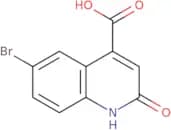
CAS :6-Chloro-9-ethyl-9H-purine (6C9E) is a deaminated nucleoside that can be synthesized from the purine nucleosides, 6-chloropurine and 9-ethyladenine. The terminal alkynes of 6C9E are able to react with azides to form triazoles. This reaction is an example of nucleophilic substitution and has been shown to be reversible. 6C9E has potential as a fluorescent marker in organic synthesis due to its ability to fluoresce under UV light. It also reacts with carbon tetrachloride leading to the formation of chloroform and hydrogen chloride gas, which can be detected by smell or by luminescence.Formule :C7H7ClN4Degré de pureté :Min. 95%Masse moléculaire :182.61 g/mol6-Bromo-2-oxo-1,2-dihydroquinoline-4-carboxylic acid
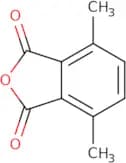
CAS :6-Bromo-2-oxo-1,2-dihydroquinoline-4-carboxylic acid is a corrosion inhibitor with potentiodynamic polarization. It is a potent inhibitor of chloride ion transport in electrochemical systems. 6-Bromo-2-oxo-1,2-dihydroquinoline-4-carboxylic acid has been shown to inhibit the corrosion of steel in hydrochloric acid solutions and to have an efficiency that is greater than that of other known inhibitors. The inhibition efficiency of 6BQCA can be modeled using impedance spectroscopy, which is a functional theory for the study of diffusion of current through electrolytic solutions.Formule :C10H6BrNO3Degré de pureté :Min. 95%Masse moléculaire :268.06 g/mol4,7-Dimethyl-1,3-dihydro-2-benzofuran-1,3-dione
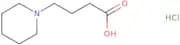
CAS :<p>4,7-Dimethyl-1,3-dihydro-2-benzofuran-1,3-dione is a functional theory that stabilizes the molecule by preventing the formation of an intermediate. It can be used to prevent the generation of reactive radicals and other undesirable side reactions. 4,7-Dimethyl-1,3-dihydro-2-benzofuran-1,3-dione is uncatalyzed and reacts with water to form a cyclic compound that has a section of two functional groups that are bifunctional in nature. The parameters for this reaction include acid as a catalyst and proton as an acceptor. In catalysis, hydrogen bond forms between hydrogen fluoride and one of the hydroxyl groups on the 4,7 dimethyl benzofuran ring. This bond breaks down during dehydration when hydrogen fluoride leaves the molecule to form water.</p>Formule :C10H8O3Degré de pureté :Min. 95%Masse moléculaire :176.17 g/molPiperidin-1-ylbutanoic acid hydrochloride
CAS :Versatile small molecule scaffoldFormule :C9H18ClNO2Degré de pureté :Min. 95%Masse moléculaire :207.7 g/mol6-Hydrazinyl-1-methyl-1H,4H,5H-pyrazolo[3,4-d]pyrimidin-4-one
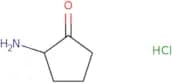
CAS :Versatile small molecule scaffoldFormule :C6H8N6ODegré de pureté :Min. 95%Masse moléculaire :180.17 g/mol2-Aminocyclopentan-1-one hydrochloride
CAS :<p>Versatile small molecule scaffold</p>Formule :C5H10ClNODegré de pureté :Min. 95%Masse moléculaire :135.59 g/molEthane-1,1,2,2-tetracarboxylic acid tetramethylester
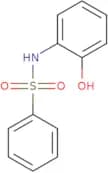
CAS :Ethane-1,1,2,2-tetracarboxylic acid tetramethylester (ETM) is a triamide that can be used as a stabilizing agent in organic synthesis. It is believed to increase the yields of reactions by acting as an estimator for the population of carbenes that are generated during chemical reactions. ETM has been shown to be an isomerizer and can stabilize molecules with electron-deficient carbonyls. ETM has also been shown to exist in both solid and liquid phases and its mechanism of stabilization is hypothesized to involve coordination between the ETM molecule and the substrate molecule. The coexistence of two different phases may be due to the ability of ETM to catalyze electrolysis reactions.Formule :C10H14O8Degré de pureté :Min. 95%Masse moléculaire :262.21 g/molN-(2-Hydroxyphenyl)benzenesulfonamide
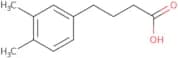
CAS :<p>Versatile small molecule scaffold</p>Formule :C12H11NO3SDegré de pureté :Min. 95%Masse moléculaire :249.29 g/mol4-(3,4-Dimethylphenyl)butanoic acid
CAS :<p>Versatile small molecule scaffold</p>Formule :C12H16O2Degré de pureté :Min. 95%Masse moléculaire :192.25 g/mol2-Ethyl-2-phenyl-butyricacid
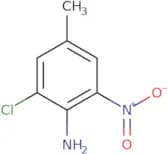
CAS :<p>Versatile small molecule scaffold</p>Formule :C12H16O2Degré de pureté :Min. 95%Masse moléculaire :192.25 g/mol2-Chloro-4-methyl-6-nitroaniline
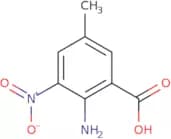
CAS :<p>Versatile small molecule scaffold</p>Formule :C7H7ClN2O2Degré de pureté :Min. 95%Masse moléculaire :186.6 g/mol2-Amino-5-methyl-3-nitrobenzoic acid
CAS :<p>2-Amino-5-methyl-3-nitrobenzoic acid is a heterocyclic compound that has been shown to rearrange under acidic conditions. It can be synthesized by the reaction of 2-amino-5-methylbenzoic acid and sodium nitrite in the presence of benzotriazole. This compound is used as a reagent for spectroscopy, such as NMR and IR. The IR spectrum of this compound shows absorption bands at 3351, 1707, 1671, 1533, 1492, 1377, 1283, 1166 cm−1.</p>Formule :C8H8N2O4Degré de pureté :Min. 95%Masse moléculaire :196.16 g/mol


![3-[(2-Hydroxyethyl)amino]propanoic acid](/_next/image/?url=https%3A%2Fstatic.cymitquimica.com%2Fproducts%2F3D%2Fthumb-webp%2FFAA45899.webp&w=3840&q=75)


![6-Hydrazinyl-1-methyl-1H,4H,5H-pyrazolo[3,4-d]pyrimidin-4-one](/_next/image/?url=https%3A%2Fstatic.cymitquimica.com%2Fproducts%2F3D%2Fthumb-webp%2FFAA46393.webp&w=3840&q=75)