Building Blocks
Cette section contient des produits fondamentaux pour la synthèse de composés organiques et biologiques. Building blocks sont les matériaux de départ essentiels utilisés pour construire des molécules complexes à travers diverses réactions chimiques. Ils jouent un rôle crucial dans la découverte de médicaments, la science des matériaux et la recherche chimique. Chez CymitQuimica, nous offrons une gamme diversifiée de building blocks de haute qualité pour soutenir vos recherches innovantes et projets industriels, en vous assurant de disposer des composants essentiels pour une synthèse réussie.
Sous-catégories appartenant à la catégorie "Building Blocks"
- Acides boroniques et dérivés de l'acide boronique(5.778 produits)
- Building Blocks Chiraux(1.242 produits)
- Building Blocks Hydrocarbonés(6.098 produits)
- Building Blocks organiques(61.034 produits)
199601 produits trouvés pour "Building Blocks"
Trier par
Degré de pureté (%)
0
100
|
0
|
50
|
90
|
95
|
100
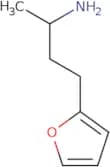
3-Furan-2-yl-1-methyl-propylamine
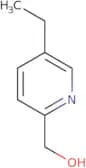
CAS :<p>Versatile small molecule scaffold</p>Formule :C8H13NODegré de pureté :Min. 95%Masse moléculaire :139.2 g/mol(5-Ethylpyridin-2-yl)methanol
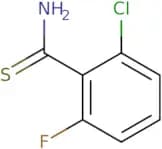
CAS :<p>Versatile small molecule scaffold</p>Formule :C8H11NODegré de pureté :Min. 95%Masse moléculaire :137.18 g/mol2-Chloro-6-fluorobenzene-1-carbothioamide
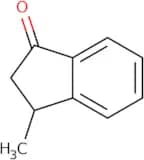
CAS :<p>2-Chloro-6-fluorobenzene-1-carbothioamide is a chemical that is used in the production of insecticides. Research has been done to investigate the insecticidal properties of 2-chloro-6-fluorobenzene-1-carbothioamide and how it can be synthesized in an organic process.</p>Formule :C7H5ClFNSDegré de pureté :Min. 95%Masse moléculaire :189.64 g/mol(3R)-3-Methyl-2,3-dihydro-1H-inden-1-one
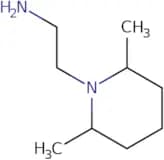
CAS :<p>Versatile small molecule scaffold</p>Formule :C10H10ODegré de pureté :Min. 95%Masse moléculaire :146.19 g/mol2-(2,6-Dimethylpiperidin-1-yl)ethan-1-amine
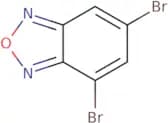
CAS :<p>Versatile small molecule scaffold</p>Formule :C9H20N2Degré de pureté :Min. 95%Masse moléculaire :156.27 g/mol4,6-Dibromo-2,1,3-benzoxadiazole
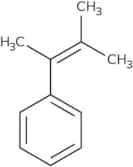
CAS :<p>4,6-Dibromo-2,1,3-benzoxadiazole is an azide compound that is used as a precursor for the synthesis of other compounds. The structure of this molecule consists of two benzene rings with a single oxygen atom in between. It contains four bromine atoms and one fluorine atom. This molecule has an isomeric relationship to 2,1,3-benzoxyazetidine and 2,1,3-benzothiadiazetidine because it has two identical groups on each ring. 4,6-Dibromo-2,1,3-benzoxadiazole can be synthesized by reacting phenols with sodium azide or fluorine atoms in the presence of a catalytic amount of copper(II) chloride.</p>Formule :C6H2Br2N2ODegré de pureté :Min. 95%Masse moléculaire :277.9 g/mol(3-Methylbut-2-en-2-yl)benzene
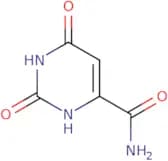
CAS :<p>(3-Methylbut-2-en-2-yl)benzene is a cyclopentyl compound with a hydrophilized molecule. It has an acidic nature and can be used as a crosslinker, linking amino acids together to form polymers. (3-Methylbut-2-en-2-yl)benzene can also be used as a linker in the synthesis of linear polymers, which are made up of repeating units. This chemical reacts with hydroxyl groups to form esters and amides. (3-Methylbut-2-en-2-yl)benzene is used as a polymerization initiator in organic solvents to produce linear polymers that have functional groups on the end of each molecule. The number of daltons in this chemical determines its solubility in water.</p>Formule :C11H14Degré de pureté :Min. 95%Masse moléculaire :146.23 g/mol2,6-Dioxo-1,2,3,6-tetrahydropyrimidine-4-carboxamide
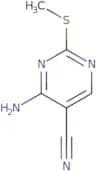
CAS :2,6-Dioxo-1,2,3,6-tetrahydropyrimidine-4-carboxamide (DOTPC) is a monomer that can be used to stabilize duplexed and triplexed nucleic acid structures. DOTPC binds to the amine groups in RNA and DNA molecules, which stabilizes the structure of nucleic acids by preventing the formation of undesirable hydrogen bonds between nucleotides. The compound has been shown to be effective in hybridizing duplexes and triplexes with complementary strands containing uracil or thymine bases. DOTPC is synthesized from orotic acid by reacting it with an amine in a carboxamide reaction.Formule :C5H5N3O3Degré de pureté :Min. 95%Masse moléculaire :155.11 g/mol4-Amino-2-(methylthio)pyrimidine-5-carbonitrile
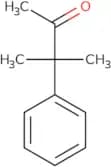
CAS :<p>Versatile small molecule scaffold</p>Formule :C6H6N4SDegré de pureté :Min. 95%Masse moléculaire :166.21 g/mol3-Methyl-3-phenylbutan-2-one
CAS :<p>3-Methyl-3-phenylbutan-2-one is a ketone that is damaging to benzene and horticultural olefinic methoxy. It has been shown to be an antidopaminergic agent and has been used in the kinetic scheme as a competitive inhibitor of dopamine. 3-Methyl-3-phenylbutan-2-one is reactive with chloride, alcohols, and aluminium. This chemical has also been shown to have dehydrating effects on organic substances.</p>Formule :C11H14ODegré de pureté :Min. 95%Masse moléculaire :162.23 g/mol1,5-Difluoro-3-iodo-2-nitrobenzene
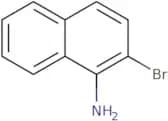
CAS :<p>Versatile small molecule scaffold</p>Formule :C6H2F2INO2Degré de pureté :Min. 95%Masse moléculaire :284.99 g/mol1-Amino-2-bromonaphthalene
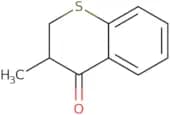
CAS :<p>1-Amino-2-bromonaphthalene is a synthetic compound that is used as a recyclable reagent. It has been shown to have an inhibitory effect on cancer cells and tissue, stabilizing the DNA molecule and preventing it from being broken down. 1-Amino-2-bromonaphthalene also has affinity for cancer cells and stabilizes the cell membrane by inhibiting phosphonate degradation. The drug has been envisaged as a potential candidate for cancer therapy due to its ability to stabilize the cell membrane and inhibit phosphonates, which are involved in cell division.</p>Formule :C10H8BrNDegré de pureté :Min. 95%Masse moléculaire :222.09 g/mol3-Methyl-3,4-dihydro-2H-1-benzothiopyran-4-one
CAS :<p>3-Methyl-3,4-dihydro-2H-1-benzothiopyran-4-one is a pentacyclic compound with a molecular formula of C9H10O2. It has a melting point of 175 °C and a boiling point of 270 °C. 3-methyl-3,4-dihydrobenzo[b]thiopyran-4(3H)-one has been shown to react with dimethyl acetylenedicarboxylate in the presence of pyrrolidine to form an adduct. This adduct can then be converted into an enamine by reacting with dimethyl. The resulting enamine can be reacted with pentacyclic compound to form the title product, which has been shown to have antibiotic activity against gram positive bacteria such as Staphylococcus aureus and Streptococcus pneumoniae.</p>Formule :C10H10OSDegré de pureté :Min. 95%Masse moléculaire :178.25 g/mol2-Fluoro-4-methylquinoline
CAS :<p>2-Fluoro-4-methylquinoline is an antibacterial agent that inhibits the growth of bacteria by binding to their ribosomes. The structure of this compound is similar to that of fluoroquinolones, but it is not a member of this group. 2-Fluoro-4-methylquinoline has been shown to be effective against Staphylococcus aureus and Salmonella typhimurium cells in vitro and in animal models. This drug binds to the bacterial ribosomes, preventing protein synthesis and cell division. It also inhibits the growth of mammalian cells in culture, but does not inhibit DNA replication or repair.</p>Formule :C10H8FNDegré de pureté :Min. 95%Masse moléculaire :161.18 g/mol1-(2,2,2-Trifluoroethyl)-2,5-dihydro-1H-pyrrole-2,5-dione
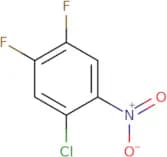
CAS :Versatile small molecule scaffoldFormule :C6H4F3NO2Degré de pureté :Min. 95%Masse moléculaire :179.1 g/mol1-Chloro-4,5-difluoro-2-nitrobenzene
CAS :<p>1-Chloro-4,5-difluoro-2-nitrobenzene is a water soluble, colorless liquid that is soluble in chloroform and reacts with hydrochloric acid to form 1-chloro-4,5-difluoro-2-nitrobenzene hydrochloride. It is a catalyst for the conversion of chloroformates to nitro radicals. 1,4,5-Trichloronitrobenzenes are used as catalysts in the nitration of aromatic compounds. The reaction temperature should be between 0 and 10 degrees Celsius.</p>Formule :C6H2ClF2NO2Degré de pureté :Min. 95%Masse moléculaire :193.54 g/mol4-Amino-2-(methylthio)pyrimidine-5-carboxylic acid
CAS :<p>4-Amino-2-(methylthio)pyrimidine-5-carboxylic acid (4AMP) is a molecule that inhibits protein kinase. It does this by binding to the ATP site of the enzyme, preventing ATP from binding and thus inhibiting the phosphorylation of proteins. 4AMP has been shown to inhibit the activity of various protein kinases including cAMP-dependent protein kinase, tyrosine kinase, and serine/threonine kinases. 4AMP is also an acidic functional group that can be used in organic chemistry as a nucleophile or electrophile. This compound can be dissolved in vacuo or in solvents such as methanol, acetone, dichloromethane, and ethanol.</p>Formule :C6H7N3O2SDegré de pureté :Min. 95%Masse moléculaire :185.21 g/mol1-Phenyl-1-cyclohexene
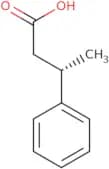
CAS :<p>1-Phenyl-1-cyclohexene is a phenolic compound that is synthesized by the cleavage of trifluoroacetic acid. It can be hydrogenated to form cyclohexylbenzene and hydroxylated to form cyclohexanone. 1-Phenyl-1-cyclohexene has been shown to have a locomotor activity in mice, which may be due to its effect on the central nervous system. This compound also reacts with phenol and cyclohexanone to form 1,2,3,4-tetrahydroquinoline and 1,2,3,4-tetrahydropyridine respectively. Kinetic data for this reaction were obtained using the catalyst (palladium) and reaction solution (dimethylformamide). Nitrogen atoms are observed in the reaction mechanism as they bind with oxygen atoms from water molecules in order to produce hydroxide ions. Reaction conditions</p>Formule :C12H14Degré de pureté :Min. 95%Masse moléculaire :158.24 g/mol(S)-3-Phenylbutyric Acid
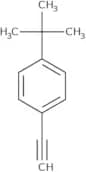
CAS :<p>(S)-3-Phenylbutyric Acid is a chiral compound that has been synthesized using the asymmetric synthesis method. The conformational properties of this compound have been studied in detail and its optical activity has been determined. Its hydrolysis products are cinnamic acid and phenylacetic acid, which can be analyzed through spectrometry. It is used as an analytical tool for determining the enantiomeric purity of butyric acid, as well as being used for optimization purposes. (S)-3-Phenylbutyric Acid also shows high uptake in bacteria, yeast, and mammalian cells, which may be due to its magnetic resonance properties.</p>Formule :C10H12O2Degré de pureté :Min. 95%Masse moléculaire :164.2 g/mol1-(tert-Butyl)-4-ethynylbenzene
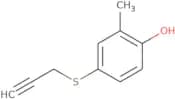
CAS :<p>1-(tert-Butyl)-4-ethynylbenzene is a ruthenium complex that reacts with terminal alkynes to form an aromatic hydrocarbon. The reaction system is homogeneous and the catalyst is a coordination geometry, which is electron microscopic and reactive. 1-(tert-Butyl)-4-ethynylbenzene has been shown to be nonpolar solvents such as benzene, chloroform, ether, or hexane. It also emits light when excited by ultraviolet radiation.</p>Formule :C12H14Degré de pureté :Min. 95%Masse moléculaire :158.24 g/mol2-Methyl-4-(prop-2-yn-1-ylsulfanyl)phenol
CAS :<p>Versatile small molecule scaffold</p>Formule :C10H10OSDegré de pureté :Min. 95%Masse moléculaire :178.25 g/mol3-Bromo-4-methoxybenzyl Cyanide
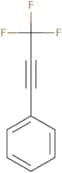
CAS :<p>3-Bromo-4-methoxybenzyl Cyanide is a desorption agent that specifically targets the ribonucleic acid (RNA) template strand of DNA and prevents the synthesis of proteins. 3-Bromo-4-methoxybenzyl Cyanide has been shown to be effective against Gram-positive bacteria and has a synergistic effect when used in combination with antibiotics such as chloramphenicol and erythromycin. This compound is also active against Gram-negative bacteria, but it is not effective against thermally resistant bacteria such as Mycobacterium smegmatis. The antibacterial activity of 3-Bromo-4-methoxybenzyl Cyanide may be due to its ability to inhibit protein synthesis by preventing the binding of aminoacyl tRNA to the ribosome.</p>Formule :C9H8BrNODegré de pureté :Min. 95%Masse moléculaire :226.07 g/mol(3,3,3-Trifluoroprop-1-yn-1-yl)benzene
CAS :<p>(3,3,3-Trifluoroprop-1-yn-1-yl)benzene is a reaction product that can be used to inhibit the activity of metalloprotease and as an anti-cancer agent. This compound inhibits the enzyme that causes chronic kidney disease and degenerative diseases. It is a potent inhibitor of metalloprotease, which is involved in cancer progression, fatty acid synthesis and bone formation. The effective dose for this drug is between 1 and 10mg/kg body weight. It has been shown to have an asymmetric synthesis with the use of amido groups. (3,3,3-Trifluoroprop-1-yn-1-yl)benzene also has antirheumatic properties due to its ability to inhibit proteases such as matrix metalloproteinases and cathepsins.</p>Formule :C9H5F3Degré de pureté :Min. 95%Masse moléculaire :170.13 g/mol4-Methoxybicyclo[2.2.2]octane-1-carboxylic acid
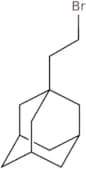
CAS :Versatile small molecule scaffoldFormule :C10H16O3Degré de pureté :Min. 95%Masse moléculaire :184.23 g/mol1-(2-Bromoethyl)-adamantane
CAS :<p>1-(2-Bromoethyl)-adamantane is a chemical intermediate that is used as a starting material for the synthesis of benzhydryl, phenoxymethyl, and phenacyl. It has been used in the production of cephalosporins and trimethylsilyl aralkyl methoxy intermediates. 1-(2-Bromoethyl)-adamantane can also be used to synthesize benzyl penicillins.</p>Formule :C12H19BrDegré de pureté :Min. 95%Masse moléculaire :243.18 g/mol2-Benzyl-2-methyl-1,3-thiazolidine
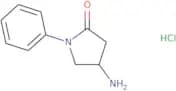
CAS :<p>Versatile small molecule scaffold</p>Formule :C11H12N2O4Degré de pureté :Min. 95%Masse moléculaire :236.22 g/mol4-amino-1-phenylpyrrolidin-2-one hydrochloride
CAS :Versatile small molecule scaffoldFormule :C10H13ClN2ODegré de pureté :Min. 95%Masse moléculaire :212.68 g/mol5-Bromo-[2,3']bipyridinyl
CAS :<p>Versatile small molecule scaffold</p>Formule :C10H7BrN2Degré de pureté :Min. 95%Masse moléculaire :235.09 g/mol(2,4-Dichlorophenoxy)acetyl chloride
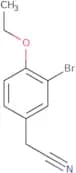
CAS :<p>2,4-Dichlorophenoxy)acetyl chloride is a chloroacetyl chloride that can be used as an herbicide. It is soluble in organic solvents and has been reported to inhibit the growth of weeds in agricultural fields. 2,4-Dichlorophenoxy)acetyl chloride inhibits weed growth by inhibiting the synthesis of enzymes needed for photosynthesis, which results in the death of plants. The herbicide is also insoluble in water, meaning it does not leach into the soil and contaminate groundwater. 2,4-Dichlorophenoxy)acetyl chloride has been shown to be toxic to fish at high concentrations.<br>2,4-Dichlorophenoxy)acetyl chloride reacts with phosphorus pentoxide to form a dichlorophenyldiphenylmethane (DDPM). DDPM is an acceptor molecule that can be used as a starting point for synthesizing other molecules.</p>Formule :C8H5Cl3O2Degré de pureté :Min. 95%Masse moléculaire :239.49 g/mol2-(3-Bromo-4-ethoxyphenyl)acetonitrile
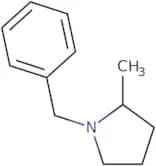
CAS :<p>Versatile small molecule scaffold</p>Formule :C10H10BrNODegré de pureté :Min. 95%Masse moléculaire :240.1 g/mol1-Benzyl-2-methylpyrrolidine
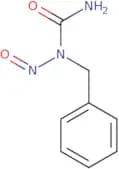
CAS :<p>1-Benzyl-2-methylpyrrolidine is a chemical reagent that is used in organic synthesis as an oxidant, dehydrogenation agent, and alkylation agent. 1-Benzyl-2-methylpyrrolidine is also used to generate amines from thioacetals and anilines. It can be used to synthesize carbonyl compounds via the oxidation of alcohols with hydroxylamine or sodium carbonate. This chemical reagent has been shown to catalyze the aromatization of benzene derivatives with Raney nickel or cyclic systems. Furthermore, it has been shown to inactivate various types of microorganisms such as bacteria and yeast cells by reacting with their enzymes.</p>Formule :C12H17NDegré de pureté :Min. 95%Masse moléculaire :175.27 g/mol1-Benzyl-1-nitrosourea
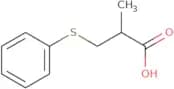
CAS :<p>1-Benzyl-1-nitrosourea is a nitrosourea alkylating agent that induces DNA methylation. It is hepatotoxic and carcinogenic in rats, but not in mice. This drug does not cause DNA methylation at high substrate concentrations, but does so at low concentrations. The carcinogenic effects of this drug have been observed in the liver, mammary glands, and other tissues. The carcinogenic activity of 1-Benzyl-1-nitrosourea has been shown to be dependent on the strain of animal used and the dose administered.</p>Formule :C8H9N3O2Degré de pureté :Min. 95%Masse moléculaire :179.18 g/mol2-Methyl-3-(phenylsulfanyl)propanoic acid
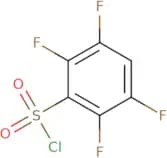
CAS :Versatile small molecule scaffoldFormule :C10H12O2SDegré de pureté :Min. 95%Masse moléculaire :196.27 g/mol2,3,5,6-Tetrafluorobenzenesulfonyl chloride
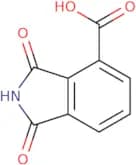
CAS :<p>Versatile small molecule scaffold</p>Formule :C6HClF4O2SDegré de pureté :Min. 95%Masse moléculaire :248.58 g/mol1,3-Dioxo-2,3-dihydro-1H-isoindole-4-carboxylic acid
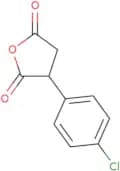
CAS :Versatile small molecule scaffoldFormule :C9H5NO4Degré de pureté :Min. 95%Masse moléculaire :191.14 g/mol3-(4-Chlorophenyl)oxolane-2,5-dione
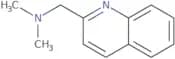
CAS :<p>3-(4-Chlorophenyl)oxolane-2,5-dione is a telechelic monomer with a hydroxyl group at one end and an alkynyl group at the other. This molecule has functional groups that can be used in polymerization reactions to create polymers. It is often used as a precursor for polyesters, polyurethanes, and polyamides. 3-(4-Chlorophenyl)oxolane-2,5-dione reacts with metal ions to form polymers that emit light when excited by light. The fatty acid component of this molecule makes it soluble in hydrocarbon solvents such as hexane and heptane. 3-(4-Chlorophenyl)oxolane-2,5-dione can also be used to produce biodegradable plastics from renewable resources such as vegetable oils or soybean oil.</p>Formule :C10H7ClO3Degré de pureté :Min. 95%Masse moléculaire :210.61 g/molDimethyl(quinolin-2-ylmethyl)amine
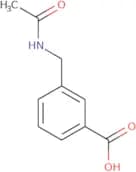
CAS :<p>Dimethyl(quinolin-2-ylmethyl)amine is a chemical compound that has shown anti-cancer activity in humans. It is a precursor of the drug quinacrine, which is used to treat some types of cancer. Dimethyl(quinolin-2-ylmethyl)amine and related compounds are believed to work by interfering with DNA synthesis, preventing the proliferation of cancer cells.</p>Formule :C12H14N2Degré de pureté :Min. 95%Masse moléculaire :186.25 g/mol3-(Acetamidomethyl)benzoic acid
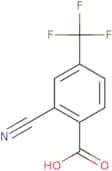
CAS :<p>Versatile small molecule scaffold</p>Formule :C10H11NO3Degré de pureté :Min. 95%Masse moléculaire :193.2 g/mol2-Cyano-4-(trifluoromethyl)benzoic acid
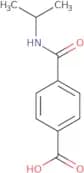
CAS :<p>Versatile small molecule scaffold</p>Formule :C9H4F3NO2Degré de pureté :Min. 95%Masse moléculaire :215.13 g/molN-Isopropylterephthalamic acid
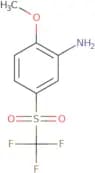
CAS :<p>N-Isopropylterephthalamic acid is a metabolite of terephthalic acid and is formed by the oxidation of isopropyl alcohol. The metabolism of N-isopropylterephthalamic acid in humans has been shown to be catalyzed by cytochrome P450 enzymes, which are expressed in the liver. This reaction occurs through a series of oxidation steps that convert the alcohol group to an aldehyde group and then to an acid group. The final product, N-isopropylterephthalamic acid, can be quantified using gas chromatography with electron capture detection or high performance liquid chromatography with fluorescence detection. These techniques can be used for monitoring human exposure to this metabolite.</p>Formule :C11H13NO3Degré de pureté :Min. 95%Masse moléculaire :207.23 g/mol2-Methoxy-5-trifluoromethanesulfonylaniline
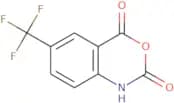
CAS :Versatile small molecule scaffoldFormule :C8H8F3NO3SDegré de pureté :Min. 95%Masse moléculaire :255.22 g/mol6-(Trifluoromethyl)-2,4-dihydro-1H-3,1-benzoxazine-2,4-dione
CAS :<p>6-(Trifluoromethyl)-2,4-dihydro-1H-3,1-benzoxazine-2,4-dione is a potent inhibitor of tumor cell growth. It inhibits the stepwise oxidation of 4-chloro-5-methylisatin to 4-chloroimidazole. 6-(Trifluoromethyl)-2,4-dihydro-1H-3,1-benzoxazine-2,4-dione is an analog of the antitumor agent 5-(trifluoromethyl)isatin. The reaction mechanism involves the formation of an iminium ion that undergoes a condensation with a thiophene and subsequent bromination. This forms an intermediate that can be isolated and identified as 6-(trifluoromethyl)-N-[(6'-bromohexyl)oxy]-2,4'-d</p>Formule :C9H4F3NO3Degré de pureté :Min. 95%Masse moléculaire :231.13 g/mol1-chloro-4-[chloro(4-chlorophenyl)methyl]benzene
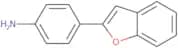
CAS :<p>Versatile small molecule scaffold</p>Formule :C13H9Cl3Degré de pureté :Min. 95%Masse moléculaire :271.57 g/mol4-(1-Benzofuran-2-yl)aniline
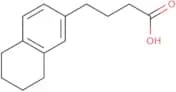
CAS :<p>Versatile small molecule scaffold</p>Formule :C14H11NODegré de pureté :Min. 95%Masse moléculaire :209.24 g/mol4-(5,6,7,8-Tetrahydronaphthalen-2-yl)butanoic acid
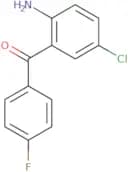
CAS :<p>Versatile small molecule scaffold</p>Formule :C14H18O2Degré de pureté :Min. 95%Masse moléculaire :218.29 g/mol4-Chloro-2-(4-fluorobenzoyl)aniline
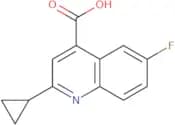
CAS :<p>Versatile small molecule scaffold</p>Formule :C13H9ClFNODegré de pureté :Min. 95%Masse moléculaire :249.67 g/mol2-Cyclopropyl-6-fluoroquinoline-4-carboxylic acid
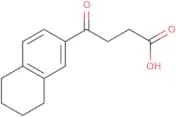
CAS :<p>Versatile small molecule scaffold</p>Formule :C13H10FNO2Degré de pureté :Min. 95%Masse moléculaire :231.22 g/mol4-Oxo-4-(5,6,7,8-tetrahydronaphthalen-2-yl)butanoic acid
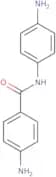
CAS :<p>Versatile small molecule scaffold</p>Formule :C14H16O3Degré de pureté :Min. 95%Masse moléculaire :232.27 g/mol4,4²-Diaminobenzanilide
CAS :<p>4,4²-Diaminobenzanilide is a molecule that contains an amide group. It undergoes hydrogen bonding interactions with sodium carbonate and biphenyl. The thermal expansion coefficient of 4,4²-diaminobenzanilide is 1.5 x 10^5 K/mol. This substance has a molecular weight of 218.2 grams per mole and a density of 1.08 grams per cubic centimeter. The solubility of 4,4²-diaminobenzanilide in water at 20 degrees Celsius is 3.2 grams per 100 milliliters, and it does not dissolve in hydrochloric acid or water vapor at 20 degrees Celsius. The proton NMR spectroscopic data for this compound show the presence of hydroxyl groups and carbonyl groups in addition to the amine group found in the molecule's structure. FTIR spectroscopy confirms the presence of these functional groups as well</p>Formule :H2NC6H4CONHC6H4NH2Degré de pureté :Min. 95%Masse moléculaire :227.26 g/molEthyl 4-phenethylbenzoate
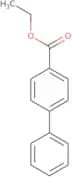
CAS :<p>Versatile small molecule scaffold</p>Formule :C17H18O2Degré de pureté :Min. 95%Masse moléculaire :254.32 g/mol






![4-Methoxybicyclo[2.2.2]octane-1-carboxylic acid](/_next/image/?url=https%3A%2Fstatic.cymitquimica.com%2Fproducts%2F3D%2Fthumb-webp%2FAAA77334.webp&w=3840&q=75)

![5-Bromo-[2,3']bipyridinyl](/_next/image/?url=https%3A%2Fstatic.cymitquimica.com%2Fproducts%2F3D%2Fthumb-webp%2FAAA77453.webp&w=3840&q=75)
![1-chloro-4-[chloro(4-chlorophenyl)methyl]benzene](/_next/image/?url=https%3A%2Fstatic.cymitquimica.com%2Fproducts%2F3D%2Fthumb-webp%2FAAA78208.webp&w=3840&q=75)