Building Blocks
Sous-catégories appartenant à la catégorie "Building Blocks"
- Acides boroniques et dérivés de l'acide boronique(5.778 produits)
- Building Blocks Chiraux(1.243 produits)
- Building Blocks Hydrocarbonés(6.098 produits)
- Building Blocks organiques(61.036 produits)
205240 produits trouvés pour "Building Blocks"
Benzyl 2-aopropanoate hydrochloride
CAS :Versatile small molecule scaffold
Formule :C10H14ClNO2Degré de pureté :Min. 95%Masse moléculaire :215.67 g/mol3-Methyl-2-phenylbutanenitrile
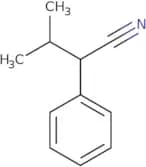
CAS :3-Methyl-2-phenylbutanenitrile is a synthetic, nucleophilic blocker that binds to the active site of the enzyme and inhibits its function. 3-Methyl-2-phenylbutanenitrile is able to bind to calcium antagonist sites on the enzyme and inhibit their function. This product has been shown to be efficient in multigram amounts. The synthesis of this product has been optimized by using a cavitation reaction rate efficient method that is not limited by the solubility of reactants or products. Crystallography revealed that this product contains an amine group, which can act as a nucleophile in reactions with alkylthio groups, such as those found in proteins. 3-Methyl-2-phenylbutanenitrile is immobilized through dioxolane chemistry, which prevents it from interacting with other chemical species.Formule :C11H13NDegré de pureté :Min. 95%Masse moléculaire :159.23 g/mol1-(Bicyclo[2.2.2]oct-1-yl)methanamine hydrochloride
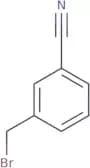
CAS :Versatile small molecule scaffoldFormule :C9H17N·ClHDegré de pureté :Min. 95%Masse moléculaire :175.7 g/molalpha-Bromo-m-tolunitrile
CAS :Silver trifluoromethanesulfonate (AgOTf) is a precursor in the synthesis of alpha-bromo-m-tolunitrile. It is a colorless, odorless solid that can be prepared by the reaction of silver ions with bromine and toluene in an aqueous medium. The profile of AgOTf has been studied by titration method and it has been shown to have an oxadiazole group. This molecule also has anticancer activity against cancer cells. Alpha-Bromo-m-tolunitrile is currently being investigated for its potential use as a drug candidate for the treatment of cancer, with particular interest in the inhibition of angiogenesis and metastasis.
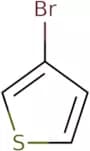
Formule :C8H6BrNDegré de pureté :Min. 95%Couleur et forme :PowderMasse moléculaire :196.04 g/mol3-Bromothiophene
CAS :3-Bromothiophene is a homogeneous catalyst that can be used in organic synthesis. It has been shown to convert all-trans retinoic acid into 9-cis,11-trans retinoic acid. This conversion occurs through nucleophilic attack of the bromide ion on the carbon atom adjacent to the double bond in the carboxyl group of all-trans retinoic acid. 3-Bromothiophene has also been shown to have light emission properties in polymer films and metal halides.Formule :C4H3BrSDegré de pureté :Min. 98%Couleur et forme :Colorless Clear LiquidMasse moléculaire :163.04 g/moltert-Butyl azetidine-3-carboxylate
CAS :Please enquire for more information about tert-Butyl azetidine-3-carboxylate including the price, delivery time and more detailed product information at the technical inquiry form on this page
Formule :C8H15NO2Degré de pureté :Min. 95%Masse moléculaire :157.21 g/molBis(ethylamino)-1,3,5-triazin-2-ol hydrochloride
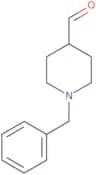
CAS :Please enquire for more information about Bis(ethylamino)-1,3,5-triazin-2-ol hydrochloride including the price, delivery time and more detailed product information at the technical inquiry form on this pageFormule :C7H13N5O•HClDegré de pureté :Min. 95%Masse moléculaire :219.67 g/mol1-Benzyl-4-piperidine-carboxaldehyde
CAS :1-Benzyl-4-piperidine-carboxaldehyde is a polymorphic compound with two crystalline forms: the α form and β form. The α form has a molecular weight of 174.2 g/mol and the β form has a molecular weight of 178.3 g/mol. Both forms are soluble in organic solvents but not in water. It is insoluble in hydrochloric acid, n-hexane, and acetonitrile. It is stable at room temperature but unstable at temperatures above 60°C. 1-Benzyl-4-piperidinecarboxaldehyde is an inhibitor of liver function, which may be due to its inhibition of CYP450 enzymes or other unknown mechanisms that lead to haemodynamic effects such as hypotension and tachycardia.Formule :C13H17NODegré de pureté :Min. 95%Couleur et forme :Yellow PowderMasse moléculaire :203.28 g/moltrans-1-Boc-4-amino-piperidine-3-carboxylic acid ethyl ester hydrochloride
CAS :Please enquire for more information about trans-1-Boc-4-amino-piperidine-3-carboxylic acid ethyl ester hydrochloride including the price, delivery time and more detailed product information at the technical inquiry form on this pageFormule :C13H24N2O4•HClDegré de pureté :Min. 95%Masse moléculaire :308.8 g/molN-[(2-Bromo-4,5-dimethoxyphenyl)methyl]-N-(2-chloroethyl)morpholine bromide
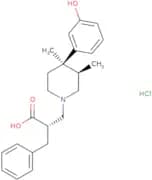
Please enquire for more information about N-[(2-Bromo-4,5-dimethoxyphenyl)methyl]-N-(2-chloroethyl)morpholine bromide including the price, delivery time and more detailed product information at the technical inquiry form on this pageFormule :C15H22Br2ClNO3Degré de pureté :Min. 95%Masse moléculaire :459.6 g/mol(3R,4R)-1-((2S)-2-Benzyl-2-carboxyethyl)-4-(3-hydroxyphenyl)-3,4-dimethylpiperidine hydrochloride
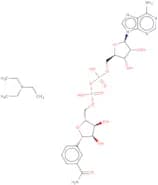
CAS :Please enquire for more information about (3R,4R)-1-((2S)-2-Benzyl-2-carboxyethyl)-4-(3-hydroxyphenyl)-3,4-dimethylpiperidine hydrochloride including the price, delivery time and more detailed product information at the technical inquiry form on this pageFormule :C23H29NO3•HClDegré de pureté :Min. 95%Masse moléculaire :403.94 g/molBenzamide adenine dinucleotide triethylamine
CAS :Please enquire for more information about Benzamide adenine dinucleotide triethylamine including the price, delivery time and more detailed product information at the technical inquiry form on this page
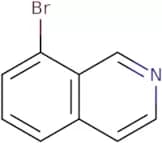
Formule :C22H28N6O14P2•C6H15NDegré de pureté :Min. 95%Masse moléculaire :763.63 g/mol8-Bromoisoquinoline
CAS :8-Bromoisoquinoline is a bifunctional alkylating agent that is used to synthesize esters and amides. It is commonly used for the synthesis of amino acids, peptides, and other biologically active molecules. 8-Bromoisoquinoline has been shown to have a synergistic effect with hydroxyalkyl carbamates, which may be due to its ability to form an ionic bond with the carboxylic acid in these compounds. This chemical can also react with nitro groups and serve as a chlorinating agent, as well as react with anions such as phosphate and acetate. 8-Bromoisoquinoline can be synthesized by reacting ethyl bromoacetate with tetrahydroisoquinolinium chloride in hydrochloric acid or isopropyl alcohol.
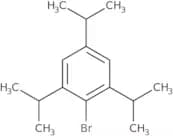
Formule :C9H6BrNDegré de pureté :Min. 95%Couleur et forme :PowderMasse moléculaire :208.05 g/mol2-Bromo-1,3,5-triisopropylbenzene
CAS :2-Bromo-1,3,5-triisopropylbenzene is an ethylene acetal that is prepared by the catalyzed reaction of aryl chlorides and anhydrous zinc bromide in the presence of triethylamine. The selectivities of this method are high because it can produce mainly a single isomer. The stereoselectivity is also high because the reaction proceeds with the formation of only one stereoisomer. The mechanism for this reaction involves a nucleophilic substitution of the halogenated aryl chloride with the trialkylborane, which generates two different products. This product has been used in the synthesis of biphenyls and nitro compounds.
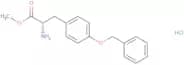
Formule :C15H23BrDegré de pureté :Min. 95%Couleur et forme :Colorless Clear LiquidMasse moléculaire :283.25 g/molO-Benzyl-L-tyrosine methyl ester hydrochloride
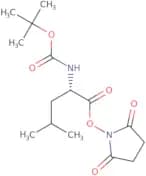
CAS :Please enquire for more information about O-Benzyl-L-tyrosine methyl ester hydrochloride including the price, delivery time and more detailed product information at the technical inquiry form on this pageFormule :C17H19NO3·HClDegré de pureté :Min. 95%Couleur et forme :PowderMasse moléculaire :321.8 g/molBoc-L-leucine N-hydoxysuccinimide ester
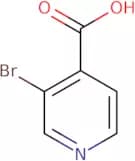
CAS :The Boc-L-leucine N-hydoxysuccinimide ester is a synthetic molecule that is often used as a model for studying the effects of lysine on the activity of glutamic acid. This compound is biodegradable and has been shown to be less toxic than other compounds in its class. The Boc-L-leucine N-hydoxysuccinimide ester has potent inhibitory activity against mammalian cells, which may be due to its ability to inhibit chloride transport across membranes.Formule :C15H24N2O6Degré de pureté :Min. 95%Couleur et forme :White/Off-White SolidMasse moléculaire :328.36 g/mol3-Bromo-4-pyridinecarboxylic acid
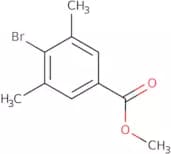
CAS :3-Bromo-4-pyridinecarboxylic acid is a naphthyridine derivative that is used in drug development. It is a crystalline solid that can be dissolved in organic solvents. 3-Bromo-4-pyridinecarboxylic acid has been shown to have antiinflammatory properties and can be used as an oxidant. 3-Bromo-4-pyridinecarboxylic acid is being investigated as a receptor subtype for inflammatory diseases, and it has also been used to study the mechanism of chronic inflammatory diseases.Formule :C6H4BrNO2Degré de pureté :Min. 95%Masse moléculaire :202.01 g/mol4-Bromo-3,5-dimethylbenzoic acid methyl ester
CAS :4-Bromo-3,5-dimethylbenzoic acid methyl ester is a versatile building block that is used in the synthesis of complex compounds. 4-Bromo-3,5-dimethylbenzoic acid methyl ester is an intermediate in the synthesis of speciality chemicals and research chemicals. It is also a useful scaffold for the synthesis of high quality and useful reagents as well as reaction components.Formule :C10H11BrO2Degré de pureté :Min. 95%Couleur et forme :White PowderMasse moléculaire :243.1 g/mol4-Bromo-2-phenylthiazole
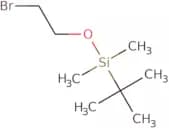
CAS :4-Bromo-2-phenylthiazole is a reactive arylating agent that has been used in the Suzuki reaction to form biaryl compounds. It is also used in the synthesis of heterocycles and alkene cross-coupling reactions. The 4-bromo group can be replaced by other halides, such as chlorides, bromides, or iodides. The substituents on the phenyl ring can be varied to yield different products. Reactive groups are an important factor in optimizing yields and preventing side reactions. This molecule is a useful starting point for the synthesis of complex molecules with functional groups.Formule :C9H6BrNSDegré de pureté :Min. 95%Masse moléculaire :240.12 g/mol(2-Bromoethoxy)-tert-butyldimethylsilane
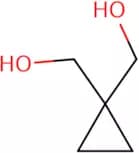
CAS :2-Bromoethoxy-tert-butyldimethylsilane is a conjugate that has been shown to have anticancer efficacy in vivo. It is a pyrimidine derivative and inhibits the viral enzyme RNA polymerase, thereby inhibiting viral replication. 2-Bromoethoxy-tert-butyldimethylsilane also inhibits glyceraldehyde 3-phosphate dehydrogenase, which is an enzyme that catalyzes the conversion of glucose into glyceraldehyde 3-phosphate and plays an important role in glycolysis. The compound has been shown to be active against mouse tumors, which are associated with endogenous retroviruses. The compound has also been shown to inhibit gapdh, an enzyme involved in energy metabolism and cancer therapy.Formule :C8H19BrOSiDegré de pureté :Min. 95%Couleur et forme :Colorless Clear LiquidMasse moléculaire :239.23 g/mol1,1-Bis(hydroxymethyl)cyclopropane
CAS :Disulfonates are a class of compounds that have a sulfonyl group bound to two adjacent carbon atoms. They are typically synthetic and rarely occur in nature. Disulfonates are used as industrial solvents, such as for the manufacture of polyurethane foams and plastics. The most common disulfonate is 1,1-Bis(hydroxymethyl)cyclopropane (HMC). HMC is synthesized from 2-hydroxypropene by the addition of hydrogen chloride, followed by conversion to the imine and then hydrolysis to the final product. In addition to being an industrial solvent, HMC has been shown to be an effective inhibitor of HIV replication. It binds to chemokine receptors on cells, preventing HIV entry into the cell. HMC also inhibits the growth of cancer cells in vitro and exhibits anti-inflammatory properties that may be due to its ability to inhibit prostaglandin synthesis. END>Formule :C5H10O2Degré de pureté :Min. 95%Masse moléculaire :102.13 g/mol4-Cyanobenzoic acid
CAS :4-Cyanobenzoic acid (4CB) is a benzene derivative that inhibits the activity of tyrosinase, an enzyme involved in the production of melanin. It is synthesized by reacting 2,4-dichlorobenzoic acid with sodium hydroxide and acetone. 4CB has been shown to have a potent inhibitory effect on the enzyme, with an isolated yield of up to 83%. The compound also shows strong hydrogen bonding interactions with water molecules and coordinates in a geometry where one of its oxygen atoms is double bonded to two nitrogen atoms. This structural analysis suggests that 4 CB may bind to tyrosinase through adsorption mechanism.
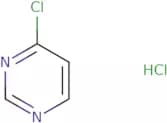
Formule :C8H5NO2Degré de pureté :Min. 95%Couleur et forme :White PowderMasse moléculaire :147.13 g/mol4-Chloropyrimidine HCl
CAS :4-Chloropyrimidine HCl is a covalent molecule that contains 4-chloropyridine and hydrogen chloride. It exists as two tautomers, the enol form and the keto form. The protonation of the proton on nitrogen will determine which tautomer it will exist in. When there is no proton present, the molecule will exist in its enol form. Resonance is also an important factor with this molecule because it can have a variety of resonance forms. Resonance spectrometry has been used to identify 4-chloropyrimidine HCl because it produces a specific resonance pattern when exposed to magnetic fields. 4-Chloropyridinium trifluoroacetate is another name for this compound that is formed when the chlorine atom bonds with trifluoroacetic acid. This chemical does not have any interactions with azide but can react with tetrazole to produce a stable compound, which can be easily
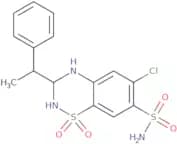
Formule :C4H3ClN2·HClDegré de pureté :Min. 95%Couleur et forme :PowderMasse moléculaire :150.99 g/mol6-Chloro-3,4-dihydro-3-(a-methylbenzyl)-2H-1,2,4-benzothiadiazine-7-sulfonamide 1,1-dioxide
CAS :6-Chloro-3,4-dihydro-3-(a-methylbenzyl)-2H-1,2,4-benzothiadiazine-7-sulfonamide 1,1-dioxide is an active metabolite of the drug benzbromarone. It is primarily administered as a diuretic to treat high blood pressure and congestive heart failure. The pharmacodynamics of this drug are related to its ability to inhibit the activity of sodium channels in vascular smooth muscle cells and thereby reduce the force of contraction and relax the vessel wall. 6CBDMTD has shown an increase in glomerular filtration rate in patients with congestive heart failure. This drug also decreases the plasma concentration of fatty acids by inhibiting the formation of lipoprotein particles. 6CBDMTD has been shown to be effective at lowering diastolic and systolic blood pressure levels in patients with hypertension.Formule :C15H16ClN3O4S2Degré de pureté :Min. 95%Masse moléculaire :401.89 g/molChlorobutanol
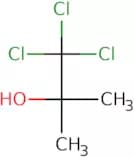
CAS :Chlorobutanol is an antimicrobial agent that is used in the preservation of pharmaceuticals, cosmetics, and other products. It has been shown to be effective against a variety of bacterial and fungal organisms. Chlorobutanol is also used as a preservative in topical ophthalmic preparations. In addition, chlorobutanol has been found to be a potent inhibitor of histone deacetylase (HDAC) activity, which may be due to its ability to bind to the active site of HDACs. This binding prevents acetylation of lysine residues on histones, thereby preventing transcriptional activation.Formule :C4H7OCl3Degré de pureté :Min. 95%Couleur et forme :White To Off-White SolidMasse moléculaire :177.46 g/molClonidine hydrochloride
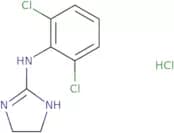
CAS :Clonidine hydrochloride is a drug used in the treatment of hypertension and other cardiac diseases. It belongs to the class of drugs called centrally acting alpha-2 adrenergic agonists. Clonidine hydrochloride is also used for its antihypertensive effects in patients with neurogenic orthostatic hypotension, diabetic neuropathy, and glomerular filtration rate. The long-term efficacy and safety profile of clonidine hydrochloride has been established in clinical trials that have shown it to be effective in reducing symptoms of chronic pain and opioid withdrawal, as well as improving quality of life. Clonidine hydrochloride may be administered orally or transdermally. Clonidine binds to both alpha-1 and alpha-2 adrenergic receptors, which are responsible for vasoconstriction, inhibition of renin secretion from the kidneys, decreased sympathetic nerve activity, and increased parasympathetic nerve activity. This drug also has a protective effect on bone cancer cells
Formule :C9H9Cl2N3•HClDegré de pureté :Min. 95%Couleur et forme :PowderMasse moléculaire :266.55 g/molDL-10-Camphorsulfonic acid
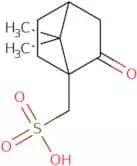
CAS :DL-10-Camphorsulfonic acid is a reaction component, reagent, and useful scaffold that can be used as a high quality research chemical. DL-10-Camphorsulfonic acid is a versatile building block for complex compounds with many uses, including as a speciality chemical for use in pharmaceuticals or as an intermediate for fine chemicals. It is also useful in the manufacture of many types of chemical products, such as pesticides and herbicides. DL-10-Camphorsulfonic acid can be used to produce dl-camphor sulfonic acid, which is an important ingredient in the production of plastics. CAS No. 5872-08-2.Formule :C10H16O4SDegré de pureté :Min. 95%Couleur et forme :PowderMasse moléculaire :232.3 g/mol4-Chloro-1H-imidazo[4,5-c]pyridine
CAS :4-Chloro-1H-imidazo[4,5-c]pyridine (4CI) is a nucleoside analog that inhibits the replication of RNA and DNA. It has significant inhibitory activity against herpes simplex virus type 1 and human immunodeficiency virus type 1 (HIV-1). 4CI inhibits the synthesis of adenosine, an important component in the synthesis of RNA and DNA. This drug also has antiviral properties against influenza A and B viruses. 4CI's effect on plasma cholesterol levels is thought to be due to inhibition of 3-hydroxy-3-methylglutaryl coenzyme A reductase.Formule :C6H4ClN3Degré de pureté :Min. 95%Couleur et forme :Off-White SolidMasse moléculaire :153.57 g/mol2-(Chloromethyl)-4-methylquinazoline
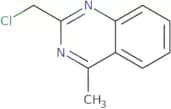
CAS :Inhibitor of SIRT1 deacetylase
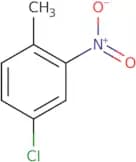
Formule :C10H9ClN2Degré de pureté :Min. 95%Couleur et forme :Off-White To Yellow SolidMasse moléculaire :192.64 g/mol4-Chloro-2-nitrotoluene
CAS :4-Chloro-2-nitrotoluene is a chemical compound that is a nitro derivative of toluene. It is a white crystalline solid with the formula CHClNO. 4-Chloro-2-nitrotoluene has been shown to have constant boiling point, vibrational frequency and zirconium content at constant pressure. The thermodynamic properties of this compound are also constant, with values for free energy and entropy being -28.5 and 115.5 respectively. The molecule can be described by the functional theory, which states that it contains one nitro group and one monocarboxylic acid group in its molecular structure. 4-Chloro-2-nitrotoluene can be optimised using computational methods such as databases or molecular modeling software where it can be introduced into other molecules to form new compounds.BR>BR> 4-Chloro-2-nitrotoluene (CH
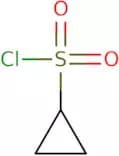
Formule :C7H6ClNO2Degré de pureté :Min. 95%Masse moléculaire :171.58 g/molCyclopropanesulfonyl chloride
CAS :Cyclopropanesulfonyl chloride (CPSC) is a bicyclic heterocycle that has been shown to have potent inhibitory activity against the human pathogens hepatitis B virus, dengue virus, and influenza A virus. CPSC inhibits the NS3 protease of these viruses by forming hydrogen bonding interactions with the nucleophilic nitrogen atom of the enzyme and also by competing with a chloride ion for binding to the chlorine atom on the enzyme. It also inhibits HIV-1 infection in cell culture experiments. CPSC has been found to be effective in preventing inflammation caused by cytokines, such as interleukin-1β, tumor necrosis factor-α, and prostaglandin E2. The inhibition of inflammatory cytokines may be due to its ability to bind glucocorticoid receptors.
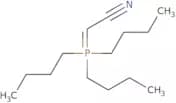
Formule :C3H5ClO2SDegré de pureté :Min. 99.0%Couleur et forme :Clear LiquidMasse moléculaire :140.59 g/molCyanomethylenetributylphosphorane
CAS :Cyanomethylenetributylphosphorane (CMTP) is an agent used for the diagnosis of body formation. It is a chemical compound that can be used to produce images of tissue and organs by detecting apoptosis, or programmed cell death. CMTP binds to the glucose-dependent insulinotropic polypeptide receptor (GIPR), stimulating the release of insulin in the pancreas. CMTP also has therapeutic potential for metabolic disorders, as it has been shown to reduce triglycerides and increase HDL cholesterol levels in human serum. CMTP is synthesized from trifluoroacetic acid, which is then reacted with a cyclic peptide containing an amino acid derivative and 1-methyl-2-pyrrolidinone. This reaction produces a molecule with one free amino group at one end and two free carboxylic acid groups at the other end. The molecule can be reacted with epidermal growth factor (EGF) or insulin to
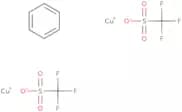
Formule :C14H28NPDegré de pureté :Min. 95%Couleur et forme :Yellow To Dark Brown Clear LiquidMasse moléculaire :241.35 g/molCopper(I) trifluoromethanesulfonate benzene complex
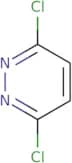
CAS :Copper trifluoromethanesulfonate is a copper complex that inhibits the activity of thrombin receptor and other diazo compounds. It has been shown to inhibit the activity of the cannabinoid receptors, sodium channels, and voltage-gated potassium channels. Copper trifluoromethanesulfonate can be used in organic chemistry as an alkylating agent or to form thioacetals. The activity of this compound is chiral, meaning that it can exist as two different enantiomers: (1) (S)-(+)-Copper(I) trifluoromethanesulfonate benzene complex and (2) (R)-(-)-Copper(I) trifluoromethanesulfonate benzene complex. These two enantiomers have different chemical properties, including their ability to bind to protein receptors.Formule :(CF3SO3Cu)2•C6H6Degré de pureté :Min. 95%Couleur et forme :PowderMasse moléculaire :503.34 g/mol3,6-Dichloropyridazine
CAS :3,6-Dichloropyridazine is a chemical compound that belongs to the group of heterocycles. It is used as an intermediate for the production of other chemicals such as pharmaceuticals and pesticides. 3,6-Dichloropyridazine can be used in the treatment of inflammatory diseases by inhibiting cyclic nucleotide phosphodiesterase and preventing the accumulation of cyclic nucleotides. 3,6-Dichloropyridazine has been shown to inhibit cancer cells by binding to α7 nicotinic acetylcholine receptors in the cell membrane. The chlorine atom at position 3 on the pyridine ring is responsible for this effect. In addition, 3,6-dichloropyridazine has been shown to react with both nucleophilic and electrophilic groups. This chemical also displays a wide range of chemical diversity due to its three chlorine atoms.Formule :C4H2Cl2N2Degré de pureté :Min. 95%Couleur et forme :Red PowderMasse moléculaire :148.98 g/mol1-Docosanol
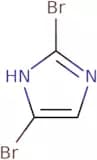
CAS :Docosanol is a drug that is used for the treatment of various skin disorders, including psoriasis, eczema, and ichthyosis. It is also used as an adjuvant in the treatment of chronic obstructive pulmonary disease. Docosanol is a lipid molecule that has been shown to have antiviral, antibacterial, antifungal, and antiprotozoal properties. It can be used as a carrier for topical medications and has been shown to have anti-inflammatory effects. The mechanism of action for docosanol is not well understood but may involve its ability to bind to Toll-like receptors on macrophages and neutrophils in the skin. This binding inhibits the synthesis of inflammatory mediators such as prostaglandins and leukotrienes. Docosanol also has physiological effects on water balance by acting as a surfactant in the lungs and preventing water vapor from escaping through respiratory membranes in the nose or mouth. DocosanolFormule :C22H46ODegré de pureté :Min. 95%Couleur et forme :PowderMasse moléculaire :326.6 g/mol2,4-Dibromo-1H-imidazole
CAS :2,4-Dibromo-1H-imidazole is a boronate. It is used in the synthesis of heterocyclic compounds. In this process, 2,4-dibromo-1H-imidazole reacts with an alkyl or aryl halide to form a boronic acid that can be coupled with other molecules to form new products. The boronic acids made from 2,4-dibromo-1H-imidazole are versatile intermediates for organic synthesis and can be used as starting materials for the preparation of pharmaceuticals and other useful substances. 2,4-Dibromo-1H-imidazole is also used in Suzuki reactions to form carbon–carbon bonds. This reaction uses palladium as a catalyst to generate new carbon–carbon bonds between two different organic molecules.Formule :C3H2Br2N2Degré de pureté :Min. 95%Masse moléculaire :225.87 g/molDocosane
CAS :Please enquire for more information about Docosane including the price, delivery time and more detailed product information at the technical inquiry form on this page
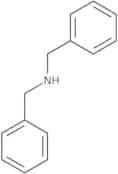
Formule :C22H46Degré de pureté :Min. 95%Masse moléculaire :310.6 g/molN,N-Dibenzylamine
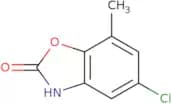
CAS :N,N-Dibenzylamine is a pyrimidine compound that is used as a model system to study the fatty acid-pyrimidine interactions. The iminodibenzyl group on N,N-dibenzylamine reacts with the ethylene diamine moiety in a reaction mechanism that is analogous to the reactions of natural nucleic acids. This reaction can be used to determine the water vapor pressure, which is useful in predicting locomotor activity and pharmacokinetic properties. This compound has been found to have antidepressant effects when administered orally in rats.Formule :C14H15NDegré de pureté :Min. 95%Couleur et forme :Clear LiquidMasse moléculaire :197.28 g/mol5-Chloro-7-methyl-2,3-dihydro-1,3-benzoxazol-2-one
CAS :Versatile small molecule scaffoldFormule :C8H6ClNO2Degré de pureté :Min. 95%Masse moléculaire :183.59 g/molBenzo[1,3]dioxole-5-carboxamidine hydrochloride
CAS :Versatile small molecule scaffoldFormule :C8H9ClN2O2Degré de pureté :Min. 95%Couleur et forme :PowderMasse moléculaire :200.62 g/mol2-Phenylpyrazolo[1,5-a]pyridine-3-carboxylic acid
CAS :2-Phenylpyrazolo[1,5-a]pyridine-3-carboxylic acid is a reagent that is used to fluorinate methyl esters. It can be used to monitor the reaction by spectroscopy. 2-Phenylpyrazolo[1,5-a]pyridine-3-carboxylic acid reacts with acid methyl esters to form acid methyl esters in the presence of selectfluor. The product can be purified by extraction with ethanol and recrystallization or by column chromatography.Formule :C14H10N2O2Degré de pureté :Min. 95%Masse moléculaire :238.24 g/mol2-Methylpyrazolo[1,5-a]pyridine-3-carboxylic acid
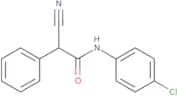
CAS :Versatile small molecule scaffoldFormule :C9H8N2O2Degré de pureté :Min. 95%Masse moléculaire :176.17 g/molN-(4-Chlorophenyl)-2-cyano-2-phenylacetamide
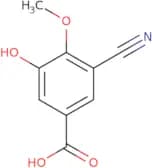
CAS :Versatile small molecule scaffoldFormule :C15H11ClN2ODegré de pureté :Min. 95%Masse moléculaire :270.71 g/mol3-Cyano-5-hydroxy-4-methoxybenzoic acid
CAS :Versatile small molecule scaffold
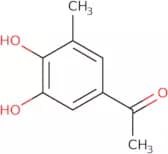
Formule :C9H7NO4Degré de pureté :Min. 95%Masse moléculaire :193.16 g/mol1-(3,4-Dihydroxy-5-methylphenyl)ethan-1-one
CAS :Versatile small molecule scaffoldFormule :C9H10O3Degré de pureté :Min. 95%Masse moléculaire :166.17 g/mol(R)-(+)-2-[(1-Phenylethyl)amino]ethanol
CAS :Versatile small molecule scaffoldFormule :C10H15NODegré de pureté :Min. 95%Masse moléculaire :165.23 g/molTetrahydrothiophene-2-Carboxylic Acid 1,1-Dioxide
CAS :Versatile small molecule scaffoldFormule :C5H8O4SDegré de pureté :Min. 95%Masse moléculaire :164.18 g/mol4-(Chloromethyl)-8-oxa-3,5-diazatricyclo[7.4.0.0,2,7]trideca-1(13),2(7),3,9,11-pentaen-6-one
CAS :Versatile small molecule scaffold
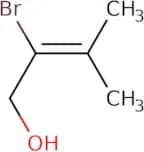
Formule :C11H7ClN2O2Degré de pureté :Min. 95%Masse moléculaire :234.64 g/mol2-Bromo-3-methylbut-2-en-1-ol
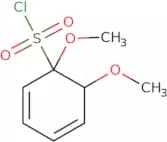
CAS :Versatile small molecule scaffoldFormule :C5H9BrODegré de pureté :Min. 95%Masse moléculaire :165.03 g/mol3,5-dimethoxybenzene-1-sulfonyl chloride
CAS :Versatile small molecule scaffoldFormule :C8H9ClO4SDegré de pureté :Min. 95%Masse moléculaire :236.67 g/mol

![1-(Bicyclo[2.2.2]oct-1-yl)methanamine hydrochloride](/_next/image/?url=https%3A%2Fstatic.cymitquimica.com%2Fproducts%2F3D%2Fthumb-webp%2FFAA56174.webp&w=3840&q=75)


![N-[(2-Bromo-4,5-dimethoxyphenyl)methyl]-N-(2-chloroethyl)morpholine bromide](/_next/image/?url=https%3A%2Fstatic.cymitquimica.com%2Fproducts%2F3D%2Fthumb-webp%2FFB183793.webp&w=3840&q=75)


![4-Chloro-1H-imidazo[4,5-c]pyridine](/_next/image/?url=https%3A%2Fstatic.cymitquimica.com%2Fproducts%2F3D%2Fthumb-webp%2FFC32403.webp&w=3840&q=75)


![Benzo[1,3]dioxole-5-carboxamidine hydrochloride](/_next/image/?url=https%3A%2Fstatic.cymitquimica.com%2Fproducts%2F3D%2Fthumb-webp%2FFDA53115.webp&w=3840&q=75)
![2-Phenylpyrazolo[1,5-a]pyridine-3-carboxylic acid](/_next/image/?url=https%3A%2Fstatic.cymitquimica.com%2Fproducts%2F3D%2Fthumb-webp%2FFDA53707.webp&w=3840&q=75)
![2-Methylpyrazolo[1,5-a]pyridine-3-carboxylic acid](/_next/image/?url=https%3A%2Fstatic.cymitquimica.com%2Fproducts%2F3D%2Fthumb-webp%2FFDA53708.webp&w=3840&q=75)
![(R)-(+)-2-[(1-Phenylethyl)amino]ethanol](/_next/image/?url=https%3A%2Fstatic.cymitquimica.com%2Fproducts%2F3D%2Fthumb-webp%2FFDA54831.webp&w=3840&q=75)
![4-(Chloromethyl)-8-oxa-3,5-diazatricyclo[7.4.0.0,2,7]trideca-1(13),2(7),3,9,11-pentaen-6-one](/_next/image/?url=https%3A%2Fstatic.cymitquimica.com%2Fproducts%2F3D%2Fthumb-webp%2FFDA55076.webp&w=3840&q=75)