Building Blocks
Cette section contient des produits fondamentaux pour la synthèse de composés organiques et biologiques. Building blocks sont les matériaux de départ essentiels utilisés pour construire des molécules complexes à travers diverses réactions chimiques. Ils jouent un rôle crucial dans la découverte de médicaments, la science des matériaux et la recherche chimique. Chez CymitQuimica, nous offrons une gamme diversifiée de building blocks de haute qualité pour soutenir vos recherches innovantes et projets industriels, en vous assurant de disposer des composants essentiels pour une synthèse réussie.
Sous-catégories appartenant à la catégorie "Building Blocks"
- Acides boroniques et dérivés de l'acide boronique(5.778 produits)
- Building Blocks Chiraux(1.243 produits)
- Building Blocks Hydrocarbonés(6.098 produits)
- Building Blocks organiques(61.057 produits)
200710 produits trouvés pour "Building Blocks"
Trier par
Degré de pureté (%)
0
100
|
0
|
50
|
90
|
95
|
100
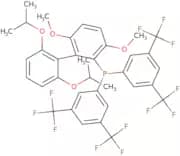
Bis(3,5-bis(trifluoromethyl)phenyl)(2²,6²-bis(isopropoxy)-3,6-dimethoxybiphenyl-2-yl)phosphine
CAS :<p>Versatile small molecule scaffold</p>Formule :C36H31F12O4PDegré de pureté :Min. 95%Masse moléculaire :786.58 g/mol2,4-Dichloroimidazo[2,1-F][1,2,4]triazine
CAS :Versatile small molecule scaffoldFormule :C5H2Cl2N4Degré de pureté :Min. 95%Masse moléculaire :189 g/mol2,4,6-Trichloronicotinaldehyde
CAS :<p>Versatile small molecule scaffold</p>Formule :C6H2Cl3NODegré de pureté :Min. 95%Masse moléculaire :210.45 g/mol3-chloro-4-cyanobenzoic acid
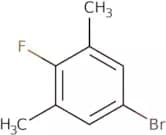
CAS :Versatile small molecule scaffoldFormule :C8H4ClNO2Degré de pureté :Min. 95%Masse moléculaire :181.58 g/mol5-Bromo-2-fluoro-1,3-dimethylbenzene
CAS :Please enquire for more information about 5-Bromo-2-fluoro-1,3-dimethylbenzene including the price, delivery time and more detailed product information at the technical inquiry form on this pageFormule :C8H8BrFDegré de pureté :Min. 95%Couleur et forme :Clear Colourless To Yellow LiquidMasse moléculaire :203.05 g/mol2-Octyldecanoic acid
CAS :<p>2-Octyldecanoic acid is a fatty acid that is used as a stabilizer in detergent compositions. This stabilizer is also utilizable at high alkali metal concentrations, which makes it suitable for use in hard water conditions. 2-Octyldecanoic acid has a low viscosity at room temperature, and the nature of its hydrocarbon chain leads to increased stability against decomposition when heated or exposed to carbon tetrachloride. It can be synthesized from an aliphatic hydrocarbon, such as octane, to form a macrocyclic ring structure. 2-Octyldecanoic acid also has optical properties that depend on the configuration of the carbon atoms. The molecule has two chiral centers and can exist in four different forms: erythro (E), threo (T), dithreo (D) and meso (M). The optical activity of 2-octyldecanoic acid depends</p>Formule :C18H36O2Degré de pureté :Min. 95%Masse moléculaire :284.5 g/mol2-(Bromomethyl)-6-fluorobenzonitrile
CAS :Versatile small molecule scaffoldFormule :C8H5BrFNDegré de pureté :Min. 95%Masse moléculaire :214.04 g/mol3-Bromo-2-fluoro-6-methylpyridine
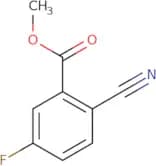
CAS :<p>Please enquire for more information about 3-Bromo-2-fluoro-6-methylpyridine including the price, delivery time and more detailed product information at the technical inquiry form on this page</p>Formule :C6H5BrFNDegré de pureté :Min. 95%Masse moléculaire :190.01 g/molMethyl 2-cyano-5-fluorobenzoate
CAS :<p>Versatile small molecule scaffold</p>Formule :C9H6FNO2Degré de pureté :Min. 95%Masse moléculaire :179.15 g/molPentanimidamide hydrochloride
CAS :Pentanimidamide hydrochloride is a drug that belongs to the group of aromatic hydrocarbon drugs. It is a potent antihypertensive agent with a rapid onset and long duration of action. Pentanimidamide hydrochloride has been shown to inhibit the production of reactive oxygen species, which are generated by the respiratory chain in mitochondria, and to prevent the formation of pyrazinoic acid, an inhibitor of blood vessel relaxation. This drug also has been shown to reduce blood pressure in animal models by binding to specific receptors on cells in the cardiovascular system. The active form is bound to plasma proteins such as albumin and alpha-1-acid glycoprotein, which are found in high concentrations in erythrocytes. Pentanimidamide hydrochloride also binds to alkynyl groups and phenyl groups, which may be due to its ability to form covalent bonds with these functional groups.Formule :C5H13ClN2Degré de pureté :Min. 95%Masse moléculaire :136.62 g/mol1-tert-butyl 2-methyl (2R,4S)-4-aminopyrrolidine-1,2-dicarboxylate hydrochloride
CAS :<p>Versatile small molecule scaffold</p>Formule :C11H21ClN2O4Degré de pureté :Min. 95%Masse moléculaire :280.7 g/mol5-Bromo-2-dimethylaminopyridine
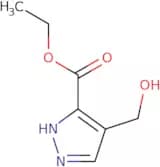
CAS :Produit contrôléPlease enquire for more information about 5-Bromo-2-dimethylaminopyridine including the price, delivery time and more detailed product information at the technical inquiry form on this pageFormule :C7H9BrN2Degré de pureté :Min. 95%Masse moléculaire :201.01 g/molEthyl 4-(hydroxymethyl)-1H-pyrazole-3-carboxylate
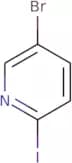
CAS :Versatile small molecule scaffoldFormule :C7H10N2O3Degré de pureté :Min. 95%Masse moléculaire :170.17 g/mol5-Bromo-2-iodopyridine
CAS :<p>5-Bromo-2-iodopyridine is an antibiotic that is used to treat bacterial infections. It has been shown to inhibit the growth of bacteria by binding to the 50S ribosomal subunit. This drug also has a toxic effect on respiratory system cells, which may be due to its ability to induce apoptosis. 5-Bromo-2-iodopyridine interacts with DNA in a triazine ring and inhibits bacterial growth by inhibiting protein synthesis. The drug binds to the 50S ribosomal subunit at a site that is different from that of rifampin and other antibiotics. The reaction is catalyzed by palladium at high temperatures and takes place in organic solvents such as chloroform or benzene. This synthetic process can be made more efficient by using inexpensive starting materials, such as bromine, iodine, and acetone, rather than expensive starting materials like platinum or gold salts.</p>Formule :C5H3BrINDegré de pureté :Min. 95%Couleur et forme :Slightly Yellow PowderMasse moléculaire :283.89 g/mol2-(Chloromethyl)-4-methoxy-3-methylpyridine hydrochloride
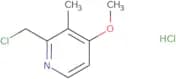
CAS :<p>2-(Chloromethyl)-4-methoxy-3-methylpyridine hydrochloride is a lead compound that belongs to the family of pyridine derivatives. It has been shown to be a potent inhibitor of bacterial RNA synthesis, with an IC50 value of 1.2 μM for Escherichia coli and 8 μM for Bacillus subtilis. 2-(Chloromethyl)-4-methoxy-3-methylpyridine hydrochloride also inhibits the growth of Gram negative bacteria such as Pseudomonas aeruginosa and Enterobacter cloacae. The compound binds to the nucleophilic site on ribosomes, which prevents the formation of peptide bonds between amino acids in protein synthesis. This leads to cell death by inhibiting protein synthesis, leading to cell division.</p>Formule :C8H11Cl2NODegré de pureté :Min. 95%Masse moléculaire :208.08 g/mol4-Bromopyridine hydrochloride
CAS :<p>4-Bromopyridine HCl is a chemical compound with the molecular formula C6H5BrN. It is an aromatic heterocycle and is used in organic synthesis as a coupling partner in cross-coupling reactions. The bromine atom of 4-bromopyridine is replaced by chloride, resulting in 4-chloropyridine. The chlorination reaction can be conducted using either hydrochloric acid or thionyl chloride. This process can be done on an industrial scale and the chlorinated product has been used in the manufacture of pharmaceuticals, dyes, and pesticides. The reaction mechanism for this substitution reaction involves a nucleophilic attack by chlorine on the pyridine ring at carbon atom 2 followed by displacement of hydrogen from the adjacent position on nitrogen atom 3. Acylation reactions are oxidation processes that involve conversion of carboxylic acids to acyl halides or acyl chlorides through treatment with acidified halogenating agents such</p>Formule :C5H4BrN•HClDegré de pureté :Min. 95%Couleur et forme :White PowderMasse moléculaire :194.46 g/molN-Boc-3-Azetidinol
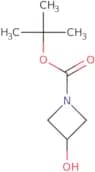
CAS :This linker is chemically stable and not cleavable under standard intracellular or extracellular conditions. N-Boc-3-Azetidinol is also a versatile organic intermediate used primarily in the pharmaceutical industry for synthesizing a wide range of drugs, including antibacterials, immunosuppressants, and cancer therapies.Formule :C8H15NO3Degré de pureté :Min. 95%Masse moléculaire :173.21 g/mol(1R,2S)-rel-Ethyl 2-aminocyclopentanecarboxylate hydrochloride
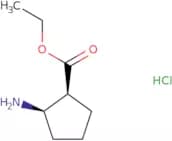
CAS :Versatile small molecule scaffoldFormule :C8H16ClNO2Degré de pureté :Min. 95%Masse moléculaire :193.67 g/mol(R)-2-(N-Boc-aminomethyl)morpholine
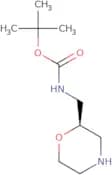
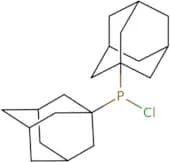
CAS :<p>Versatile small molecule scaffold</p>Formule :C10H20N2O3Degré de pureté :Min. 95%Masse moléculaire :216.28 g/molDi(1-adamantyl)chlorophosphine
CAS :<p>Di(1-adamantyl)chlorophosphine is a bifunctional ligand that can be used for the palladium-catalyzed coupling of aryl chlorides and amines. Di(1-adamantyl)chlorophosphine is synthesized from adamantane, phosphorous pentachloride, and anhydrous ammonia in the presence of catalytic amounts of palladium. Di(1-adamantyl)chlorophosphine is immobilized on silica gel to prevent hydrolysis. This ligand reacts with primary amines to form iminophosphoranes, which can then be reacted with aryl chlorides to form aryl chloroamines.</p>Formule :C20H30ClPDegré de pureté :Min. 95%Masse moléculaire :336.88 g/mol6-Chloro-1H-benzimidazol-2-amine
CAS :<p>Aminoguanidine is a drug that inhibits the activity of the enzyme guanidinoacetate methyltransferase (GAMT). It is used to treat some types of cancer, such as bladder cancer. Aminoguanidine has been shown to inhibit tumour growth and induce apoptosis in animal models. It has also been reported to be effective in a number of other cancers, including breast cancer, prostate cancer and colon cancer. Aminoguanidine binds with high affinity to protein targets, including x-ray crystallography, magnetic resonance imaging and devices. The binding site on the ligand is highly conserved among different proteins, which may explain the broad spectrum of its activity. Aminoguanidine is dose-dependent and can be administered either stepwise or as one large dose.</p>Formule :C7H6ClN3Degré de pureté :Min. 95%Masse moléculaire :167.6 g/mol6-chloro-1H-pyrazolo[3,4-d]pyrimidin-4-amine
CAS :Versatile small molecule scaffoldFormule :C5H4ClN5Degré de pureté :Min. 95%Masse moléculaire :169.6 g/moltert-Butyl 3,9-diazaspiro[5.5]undecane-3-carboxylate hydrochloride
CAS :<p>Versatile small molecule scaffold</p>Formule :C14H27ClN2O2Degré de pureté :Min. 95%Masse moléculaire :290.83 g/mol2-(Chloromethyl)-4H,6H,7H-pyrano[4,3-d][1,3]thiazole
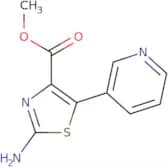
CAS :Versatile small molecule scaffoldFormule :C7H8ClNOSDegré de pureté :Min. 95%Masse moléculaire :189.66 g/molMethyl 2-amino-5-pyridin-3-yl-1,3-thiazole-4-carboxylate
CAS :<p>Versatile small molecule scaffold</p>Formule :C10H9N3O2SDegré de pureté :Min. 95%Masse moléculaire :235.26 g/mol3,3²-Dithiobis(propionitrile)
CAS :<p>3,3²-Dithiobis(propionitrile) is a molecule that includes sodium hydroxide solution and acrylonitrile. It reacts with 3-mercaptopropionic acid to form sodium hydrogen ester compounds. This reaction takes place in a sealed container and is catalyzed by carbonic and hydrochloric acids. The product of this reaction is 3-thiocyanatoacrylic acid.</p>Formule :C6H8N2S2Degré de pureté :Min. 95%Masse moléculaire :172.27 g/mol1-Phenyl-1-butanol
CAS :<p>1-Phenyl-1-butanol (1PB) is a chiral compound that forms hydrogen bonds with itself. It is a colorless liquid that is soluble in organic solvents and has a boiling point of 61 °C. 1PB has been found to inhibit the growth of Pseudomonas aeruginosa by inhibiting fatty acid synthesis, which may be due to its ability to inhibit β-hydroxylase activity. 1PB also inhibits the growth of some bacteria (e.g., Staphylococcus aureus) by blocking the synthesis of fatty acids, which are important for bacterial cell membrane integrity. The hydroxyl group in 1PB helps it form hydrogen bonds with other molecules, including proteins and DNA strands, which makes it useful for chromatographic separation and as an antioxidant in food preservation.</p>Formule :C10H14ODegré de pureté :Min. 95%Masse moléculaire :150.22 g/mol2-Bromo-6-fluoro-3-methylpyridine
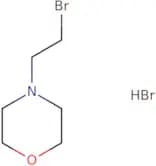
CAS :<p>Versatile small molecule scaffold</p>Formule :C6H5BrFNDegré de pureté :Min. 95%Masse moléculaire :190.02 g/mol4-(2-Bromoethyl)morpholine hydrobromide
CAS :<p>4-(2-Bromoethyl)morpholine hydrobromide is a solvent that is used as an agent in the production of other chemicals. It is a colorless, crystalline solid with a constant melting point of 130 to 131 degrees Celsius. 4-(2-Bromoethyl)morpholine hydrobromide is soluble in acetone, ethanol, ether, and water. This chemical has been shown to be toxic and should be handled with care.</p>Formule :C6H13Br2NODegré de pureté :Min. 95%Masse moléculaire :274.98 g/mol(2R,3S)-Benzyl 6-oxo-2,3-diphenylmorpholine-4-carboxylate
CAS :(2R,3S)-Benzyl 6-oxo-2,3-diphenylmorpholine-4-carboxylate is a molecule with an enantioselective synthesis and a preparative method. It has been catalysed by chiral reagents such as chiral catalysts, chiral auxiliaries, and chiral ligands. This molecule can be synthesized in racemic form or in the form of its two enantiomers. The two enantiomers have different physical properties and biological activities. (2S,3S)-Benzyl 6-oxo-2,3-diphenylmorpholine-4-carboxylate is known to be an inhibitor of protein kinase C (PKC) that causes the release of intracellular calcium ions from cytoplasmic stores. The other enantiomer (2R,3S)-benzyl 6-oxo-2,3-dFormule :C24H21NO4Degré de pureté :Min. 95%Masse moléculaire :387.43 g/mol2,2-Difluorobenzo[d][1,3]dioxol-5-ol
CAS :<p>Versatile small molecule scaffold</p>Formule :C7H4F2O3Degré de pureté :Min. 95%Masse moléculaire :174.1 g/mol3-Bromo-2-hydroxy-5-iodopyridine
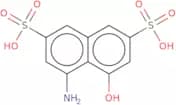
CAS :<p>Versatile small molecule scaffold</p>Formule :C5H3BrINODegré de pureté :Min. 95%Masse moléculaire :299.89 g/mol4-Amino-5-hydroxy-2,7-naphthalenedisulfonic acid
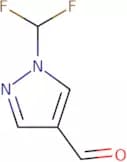
CAS :4-Amino-5-hydroxy-2,7-naphthalenedisulfonic acid (4-AHNDS) is a hydroxyl group and nitrogen containing molecule. It is a reactive compound that can be used to extract anions from water. 4-AHNDS has been shown to react with sodium ions in the presence of water, forming a salt that is soluble in water. This chemical also reacts with organic molecules and forms stable complexes. The reaction mechanism of 4-AHNDS has been studied by kinetic analysis and surface methodology measurements.Formule :C10H9NO7S2Degré de pureté :Min. 95%Couleur et forme :PowderMasse moléculaire :319.31 g/mol1-(Difluoromethyl)-1H-pyrazole-4-carbaldehyde
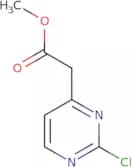
CAS :<p>Versatile small molecule scaffold</p>Formule :C5H4F2N2ODegré de pureté :Min. 95%Masse moléculaire :146.09 g/molMethyl 2-(2-chloropyrimidin-4-yl)acetate
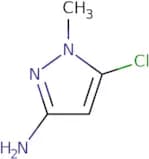
CAS :<p>Versatile small molecule scaffold</p>Formule :C7H7ClN2O2Degré de pureté :Min. 95%Masse moléculaire :186.59 g/mol5-Chloro-1-methyl-1H-pyrazol-3-amine
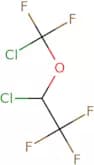
CAS :<p>Versatile small molecule scaffold</p>Formule :C4H6N3ClDegré de pureté :Min. 95%Masse moléculaire :131.56 g/mol2-Chloro-2-(chlorodifluoromethoxy)-1,1,1-trifluoroethane
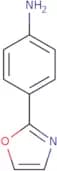
CAS :<p>2-Chloro-2-(chlorodifluoromethoxy)-1,1,1-trifluoroethane (HFC-152a) is a chemical compound that belongs to the group of chlorofluorocarbons. It has been used as a refrigerant and aerosol propellant. HFC-152a is an azeotrope with methyl ethyl ketone and ethyl ketone. It has also been reported to have properties as an ether, acetone, and difluoromethyl.</p>Formule :C3HCl2F5ODegré de pureté :Min. 95%Masse moléculaire :218.94 g/mol4-(Oxazol-2-yl)aniline
CAS :<p>Versatile small molecule scaffold</p>Formule :C9H8N2ODegré de pureté :Min. 95%Masse moléculaire :160.17 g/molMethyl 3-bromopyrrole-2-carboxylate
CAS :<p>Versatile small molecule scaffold</p>Formule :C6H6BrNO2Degré de pureté :Min. 95%Masse moléculaire :204.02 g/mol4-(1H-Pyrazol-4-yl)-7-((2-(trimethylsilyl)ethoxy)methyl)-7H-pyrrolo[2,3-d]pyrimidine
CAS :4-(1H-Pyrazol-4-yl)-7-((2-(trimethylsilyl)ethoxy)methyl)-7H-pyrrolo[2,3-d]pyrimidine is a synthetic compound that can be used to discriminate between the left and right hands of the body. It has been shown to have a high affinity for the enzyme kinases with an IC50 of 0.5 μM. 4-(1H-Pyrazol-4-yl)-7-((2-(trimethylsilyl)ethoxy)methyl)-7H-pyrrolo[2,3-d]pyrimidine has been used as a tool in elucidating the mechanism of action of these enzymes by measuring their kinase activity and identifying their substrate specificity. It also has applications in inflammatory diseases as it shifts immune cells from a proinflammatory state to an antiinflammatory state.Formule :C15H21N5OSiDegré de pureté :Min. 95%Masse moléculaire :315.45 g/molPyridazin-4-ylmethanol
CAS :<p>Versatile small molecule scaffold</p>Formule :C5H6N2ODegré de pureté :Min. 95%Masse moléculaire :110.11 g/mol5-{2-Ethoxy-5-[(4-methylpiperazin-1-yl)sulfonyl]phenyl}-1-methyl-3-(2-methylpropyl)-1H,6H,7H-pyrazolo[4,3-d]pyrimidin-7-one
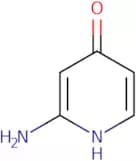
CAS :<p>Tadalafil is a synthetic drug that is used as a treatment for erectile dysfunction. It works by inhibiting the PDE5 enzyme, which is responsible for breaking down cGMP. Tadalafil has been shown to be effective in the treatment of male erectile dysfunction and pulmonary hypertension, with few side effects. This drug is taken orally, with a meal or without one, and can be administered with or without food. To improve absorption, tadalafil should be taken at least 30 minutes before sexual activity. The dosage of tadalafil ranges from 2.5 to 20 mg, and it should not exceed 40 mg per day.</p>Formule :C23H32N6O4SDegré de pureté :Min. 95%Masse moléculaire :488.6 g/mol2-Amino-4-hydroxypyridine
CAS :<p>2-Amino-4-hydroxypyridine (2AH) is a synthetic, isomeric compound that has been synthesized in two different forms: 3-bromo-5-hydroxypyridine and hydroxy group. 2AH has been shown to be chemically stable at room temperature and pH levels of less than 7. It also withstands the loss of membrane fluidity induced by amides, such as 3-amino-2-bromopyridine. 2AH can be used to synthesize oxindole derivatives, which are found in natural gas, and piperidines. This chemical can also be used for aminations with pyrrole or 2 amino 4 hydroxypyridine.</p>Formule :C5H6N2ODegré de pureté :Min. 95%Couleur et forme :PowderMasse moléculaire :110.11 g/molN-(4-Aminophenyl)-N-methyl-2-(4-methylpiperazin-1-yl)acetamide
CAS :N-(4-Aminophenyl)-N-methyl-2-(4-methylpiperazin-1-yl)acetamide is an environmental and industrial chemical that is used as a formate, benzoate, and methyl benzoate intermediate. It reacts with nitric acid to form N-(4-aminophenyl)-N-methyl-2-(4-nitrophenoxy)acetamide (NPA). NPA has been shown to have antiangiogenic properties. NPA inhibits the proliferation of endothelial cells by interfering with the cell cycle and inducing apoptosis.Formule :C14H22N4ODegré de pureté :Min. 95%Masse moléculaire :262.35 g/mol5-(Methylamino)nicotinic acid
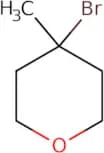
CAS :<p>Versatile small molecule scaffold</p>Formule :C7H8N2O2Degré de pureté :Min. 95%Masse moléculaire :152.15 g/mol4-Bromo-4-methyltetrahydropyran
CAS :<p>Versatile small molecule scaffold</p>Formule :C6H11BrODegré de pureté :Min. 95%Masse moléculaire :179.06 g/mol(R)-(-)-3-Amino-3-phenylpropionic acid
CAS :(R)-(-)-3-Amino-3-phenylpropionic acid is a hydrogenated, stereoselective β-amino acid that is involved in the biosynthesis of animal health. The enzyme acylase catalyzes this reaction by binding with chiral pyridoxal phosphate to form an acylation product. The stereospecificity of the reaction is determined by whether the enzyme has a preference for L or D amino acids. Acylases are found in organisms such as mammals and bacteria.Formule :C9H11NO2Degré de pureté :Min. 95%Couleur et forme :PowderMasse moléculaire :165.19 g/mol(2S)-3-Hydroxy-2-phenylpropanoic acid
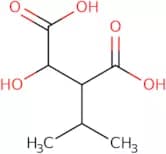
CAS :<p>(2S)-3-Hydroxy-2-phenylpropanoic acid is an unlabelled, naturally occurring compound. It is the citric acid analog of L-phenylalanine. The structure of (2S)-3-Hydroxy-2-phenylpropanoic acid is a skeleton that consists of one hydroxyl group and one carboxylic acid group. The carboxylic acid group has a double bond in the alpha position to the carboxyl carbon, which gives this molecule an acidic character. The chloride ion is also present in this structure. This molecule can be synthesized by a kinetic reaction that involves fatty acids and brugmansia as catalysts. It can also be synthesized through a catalysed reaction using thionyl chloride as a catalyst.</p>Formule :C9H10O3Degré de pureté :Min. 95%Masse moléculaire :166.17 g/mol2-Hydroxy-3-(1-methylethyl)-butanedioic acid
CAS :2-Hydroxy-3-(1-methylethyl)-butanedioic acid is an organic compound that is a metabolite of the amino acid methionine. It is formed by the oxidation of the methyl group on the 2 position in methionine. The protein subunits are expressed in liver cells and it has been shown to have antioxidant properties. The analytical methods used for this compound include LC-MS/MS, which separates it into its individual isomers. This method can be used to determine the purity of 2-hydroxy-3-(1-methylethyl)-butanedioic acid. The carbonyl group in this molecule makes it susceptible to steric interactions with other molecules, which may lead to it being oxidized or reduced. It has been found that 2-hydroxy-3-(1-methylethyl)-butanedioic acid shows thermophilic and enterocolitic properties.Formule :C7H12O5Degré de pureté :Min. 95%Masse moléculaire :176.17 g/mol2-Bromo-4-(4-fluorophenyl)-1,3-thiazole
CAS :Versatile small molecule scaffoldFormule :C9H5NFSBrDegré de pureté :Min. 95%Masse moléculaire :258.11 g/mol

![2,4-Dichloroimidazo[2,1-F][1,2,4]triazine](/_next/image/?url=https%3A%2Fstatic.cymitquimica.com%2Fproducts%2F3D%2Fthumb-webp%2FKXC70089.webp&w=3840&q=75)









![6-chloro-1H-pyrazolo[3,4-d]pyrimidin-4-amine](/_next/image/?url=https%3A%2Fstatic.cymitquimica.com%2Fproducts%2F3D%2Fthumb-webp%2FFAA41778.webp&w=3840&q=75)
![tert-Butyl 3,9-diazaspiro[5.5]undecane-3-carboxylate hydrochloride](/_next/image/?url=https%3A%2Fstatic.cymitquimica.com%2Fproducts%2F3D%2Fthumb-webp%2FLJA40647.webp&w=3840&q=75)
![2-(Chloromethyl)-4H,6H,7H-pyrano[4,3-d][1,3]thiazole](/_next/image/?url=https%3A%2Fstatic.cymitquimica.com%2Fproducts%2F3D%2Fthumb-webp%2FSDC46081.webp&w=3840&q=75)



![2,2-Difluorobenzo[d][1,3]dioxol-5-ol](/_next/image/?url=https%3A%2Fstatic.cymitquimica.com%2Fproducts%2F3D%2Fthumb-webp%2FLYB53982.webp&w=3840&q=75)


![4-(1H-Pyrazol-4-yl)-7-((2-(trimethylsilyl)ethoxy)methyl)-7H-pyrrolo[2,3-d]pyrimidine](/_next/image/?url=https%3A%2Fstatic.cymitquimica.com%2Fproducts%2F3D%2Fthumb-webp%2FRMB68527.webp&w=3840&q=75)

![5-{2-Ethoxy-5-[(4-methylpiperazin-1-yl)sulfonyl]phenyl}-1-methyl-3-(2-methylpropyl)-1H,6H,7H-pyraz…](/_next/image/?url=https%3A%2Fstatic.cymitquimica.com%2Fproducts%2F3D%2Fthumb-webp%2FRFC05395.webp&w=3840&q=75)