


Building Blocks
Sous-catégories appartenant à la catégorie "Building Blocks"
- Acides boroniques et dérivés de l'acide boronique(5.774 produits)
- Building Blocks Chiraux(1.237 produits)
- Building Blocks Hydrocarbonés(6.098 produits)
- Building Blocks organiques(60.970 produits)
205134 produits trouvés pour "Building Blocks"
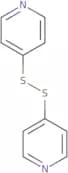
4,4'-Dithiopyridine
CAS :4,4'-Dithiopyridine is a reactive molecule that can be used in the synthesis of other organic compounds. It is a disulfide bond with a redox potential of -0.43 V, which makes it readily available for reaction. The structural analysis of 4,4'-dithiopyridine has been performed using NMR spectroscopy and gas chromatography/mass spectrometry (GC/MS). This compound is an inhibitor of sugar transport and can be used to study the p-nitrophenyl phosphate reductase enzyme in bacteria. The reaction product between 4,4'-dithiopyridine and NADPH cytochrome P450 produces the fluorescent molecule 2-aminopurine. This fluorescent molecule may be used as a probe to study transfer reactions in bacteria.
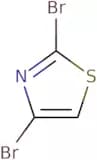
Formule :C10H8N2S2Degré de pureté :Min. 95%Couleur et forme :Off-White To Light (Or Pale) Yellow SolidMasse moléculaire :220.32 g/mol2,4-Dibromothiazole
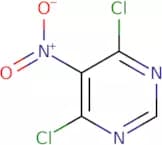
CAS :2,4-Dibromothiazole is a nicotinic acetylcholine receptor (nAChR) antagonist which selectively blocks the binding of acetylcholine to nAChRs. It has been shown to be effective in treating inflammatory bowel disease by inhibiting the production of inflammatory mediators. This drug also has anti-inflammatory effects and can be used for the treatment of autoimmune diseases such as Crohn's disease. 2,4-Dibromothiazole also has low energy properties and is used in palladium complexes for cross-coupling reactions. It can also be used as a cancer chemotherapeutic agent and as a cardiac drug.Formule :C3HBr2NSDegré de pureté :Min. 95%Couleur et forme :White PowderMasse moléculaire :242.92 g/mol4,6-Dichloro-5-nitropyrimidine
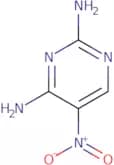
CAS :4,6-Dichloro-5-nitropyrimidine is an intermediate in the synthesis of Tenofovir, a nucleophilic drug that inhibits HIV. It is produced by the reaction of chloride with amines and nitro compounds in the presence of ammonium chloride. 4,6-Dichloro-5-nitropyrimidine has been shown to have anticancer activity against human lymphocytes and other cancer cells. It can also be used for the treatment of AIDS. The biological properties of this compound are dose dependent and are dependent on the size of chlorine atoms attached to nitrogen atoms.Formule :C4HCl2N3O2Degré de pureté :Min. 95%Couleur et forme :Yellow PowderMasse moléculaire :193.98 g/mol2,4-Diamino-5-nitropyrimidine
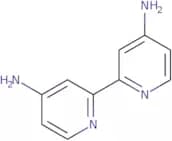
CAS :2,4-Diamino-5-nitropyrimidine is a synthetic molecule that belongs to the class of heterocyclic amines. It has been shown to be a potent antiproliferative agent and has been found to inhibit hepg2 cell growth in vitro. This compound was also found to inhibit cancer cells, including mcf-7. 2,4-Diamino-5-nitropyrimidine binds nucleophilic sites on proteins and inhibits enzymes involved in DNA synthesis. The inhibition of these enzymes leads to cell death by preventing the production of new proteins needed for cell division.Formule :C4H5N5O2Degré de pureté :Min. 95%Couleur et forme :Off-White To Yellow SolidMasse moléculaire :155.12 g/mol4,4'-Diamino-2,2'-bipyridine
CAS :4,4'-Diamino-2,2'-bipyridine (DABP) is a redox-active compound that is synthesized to be used as a single-stranded DNA probe. It has been shown to have high affinity for nucleic acids and can be used in many applications including the detection of mutations in human ovarian carcinoma cells. DABP can also be used as a model protein for studying interactions with other biomolecules. The immobilization of DABP on an electrode surface allows for the study of its electrochemical properties. This includes the correlation between the redox potential and luminescence intensity and the dependence on pH or ionic strength. DABP can also be used to detect oxygen concentration or ATP levels in mitochondria through its ability to absorb light at wavelengths from 400 nm to 800 nm which is then converted into light at lower wavelengths by uv irradiation.Formule :C10H10N4Degré de pureté :Min. 97 Area-%Couleur et forme :White PowderMasse moléculaire :186.21 g/mol2,5-Dibromo-3-aminopyrazine
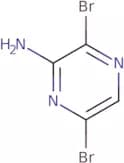
CAS :2,5-Dibromo-3-aminopyrazine is an experimental drug with anticancer activity. It has been shown to have a high affinity for DNA and inhibit the growth of tumor cells in vivo. 2,5-Dibromo-3-aminopyrazine has undergone stability tests in vivo and in vitro and also completed clinical trials. This drug binds to DNA and inhibits the enzyme protein kinase C, leading to suppression of cellular proliferation. The pharmacokinetics of this drug were evaluated by measuring the concentration of 2,5-dibromo-3-aminopyrazine in plasma after oral administration to mice. This study found that the maximum concentration was achieved at 1 hour post dose and that there was a decrease in concentration over time. The drug has been shown to bind to the dimethoxybenzene metabolic pathway, which is involved in regulating cell proliferation.
2,5-Dibromo-3-aminopyrazineFormule :C4H3Br2N3Degré de pureté :Min. 95%Couleur et forme :PowderMasse moléculaire :252.89 g/mol2-Chloro-3-(hydroxymethyl)pyridine
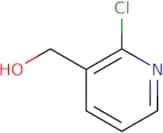
CAS :2-Chloro-3-(hydroxymethyl)pyridine is an organic compound that is used as a building block for the synthesis of other heterocycles. This compound can be synthesized from 2-chloronicotinic acid, which is obtained by oxidation of nicotine with sodium hypochlorite in the presence of potassium ion. The reaction proceeds via a cleavage of the C-Cl bond and formation of a pyridine ring. The catalytic process can be performed at room temperature and at atmospheric pressure in a variety of solvents, including water.
2-Chloro-3-(hydroxymethyl)pyridine has been shown to have high yields for the preparation of compounds such as 2,4-dichloropyridine and 4,5-dichloropyrimidine. It also has been used in the preparation of pharmaceuticals such as atrial natriuretic factor (ANF).Formule :C6H6ClNODegré de pureté :Min. 98 Area-%Couleur et forme :PowderMasse moléculaire :143.57 g/molCymiazole
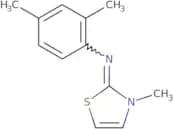
CAS :Veterinary drug, ectoparasiticide
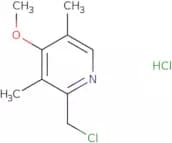
Formule :C12H14N2SDegré de pureté :Min. 95%Couleur et forme :Brown Clear LiquidMasse moléculaire :218.32 g/mol2-(Chloromethyl)-4-methoxy-3,5-dimethylpyridine hydrochloride
CAS :2-(Chloromethyl)-4-methoxy-3,5-dimethylpyridine hydrochloride is a benzimidazole derivative. It has a chemical stability and can be used for wastewater treatment. It is also a pump inhibitor and can be used for anhydrous sodium magnesium salts. This product is synthesized from the reaction of protonated 2-bromo-4-methoxyphenol with 2,6-dimethylpyridine in the presence of hydrochloric acid. The reaction was carried out in an asymmetric synthesis using a proton transport system. 2-(Chloromethyl)-4-methoxy-3,5-dimethylpyridine hydrochloride is soluble in water and has a pH of 1 to 3. It has been shown that this product can be used as an antioxidant and as a metal chelation agent.
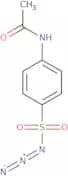
Formule :C9H13Cl2NODegré de pureté :Min. 95%Couleur et forme :PowderMasse moléculaire :222.11 g/mol4-Acetamidobenzenesulfonyl azide
CAS :4-Acetamidobenzenesulfonyl azide (4ABS) is a low detection reagent that can be used for the determination of 4-acetamidobenzoic acid. It reacts with the amine group in 4-acetamidobenzoic acid to form a sulfonamide intermediate and releases an azide ion. The linear calibration curve was obtained using vibrational spectroscopy and has a detection sensitivity of 0.03 ppm. This method can also be used to determine the functional groups present in dopamine, which have been shown to affect electrochemical impedance spectroscopy measurements.
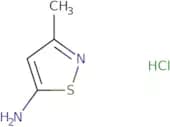
Formule :C8H8N4O3SDegré de pureté :Min. 95%Couleur et forme :White PowderMasse moléculaire :240.24 g/mol5-Amino-3-methylisothiazole HCl
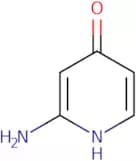
CAS :5-Amino-3-methylisothiazole HCl is a pyridine-5-carboxylic acid that inhibits bacterial growth by binding to the 50S ribosomal subunit. It has been shown to inhibit the growth of both aeruginosa and nalidixic acid resistant strains of S. aureus, P. aeruginosa, and P. mirabilis in vitro. 5-Amino-3-methylisothiazole HCl has also been shown to be active against E. coli, quinolone resistant strains of Proteus mirabilis, and methicillin resistant strains of Staphylococcus aureus in vitro.Formule :C4H7ClN2SDegré de pureté :Min. 95%Couleur et forme :Yellow to red or brown solid.Masse moléculaire :150.63 g/mol2-Amino-4-hydroxypyridine
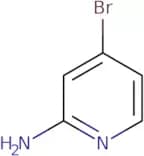
CAS :2-Amino-4-hydroxypyridine (2AH) is a synthetic, isomeric compound that has been synthesized in two different forms: 3-bromo-5-hydroxypyridine and hydroxy group. 2AH has been shown to be chemically stable at room temperature and pH levels of less than 7. It also withstands the loss of membrane fluidity induced by amides, such as 3-amino-2-bromopyridine. 2AH can be used to synthesize oxindole derivatives, which are found in natural gas, and piperidines. This chemical can also be used for aminations with pyrrole or 2 amino 4 hydroxypyridine.Formule :C5H6N2ODegré de pureté :Min. 95%Couleur et forme :PowderMasse moléculaire :110.11 g/mol2-Amino-4-bromopyridine
CAS :2-Amino-4-bromopyridine is a potent, selective antagonist of the nicotinic acetylcholine receptor (nAChR) that has been shown to inhibit the proliferation of cancer cells in vitro. 2-Amino-4-bromopyridine binds to the nAChR and stabilizes it by binding to an allosteric site on the receptor. 2-Amino-4-bromopyridine is synthesized from 4,5-dibromobenzene and 2,6-diaminopyridine in two steps with a yield of 47%. The synthesis of 2-amino-4-bromopyridine proceeds via reaction mechanism involving electrophilic substitution at the bromine atom followed by nucleophilic addition at the nitrogen atom.
Formule :C5H5BrN2Degré de pureté :Min. 95%Couleur et forme :PowderMasse moléculaire :173.01 g/mol1-Adamantane carboxylic acid
CAS :1-Adamantane carboxylic acid is a hydrophobic molecule that can form a complex with metal hydroxides. It is used in the process optimization of the synthesis of sodium salts. 1-Adamantane carboxylic acid binds to metals, such as magnesium and calcium, in a coordination geometry that is similar to that observed for water molecules. The complexation of 1-Adamantane carboxylic acid with metal ions results in an acidic environment, which is important for bowel disease. This acid complex also has anti-inflammatory properties. The hydroxyl group on the 1-adamantane carboxylic acid reacts with oxygen to form an alcohol group and this reaction mechanism may be involved in physiological functions.Formule :C11H16O2Degré de pureté :Min. 95%Couleur et forme :White PowderMasse moléculaire :180.25 g/mol2-Acetylbenzoic acid
CAS :2-Acetylbenzoic acid is a functional molecule that contains an acetyl group. It can form hydrogen bonds with other molecules and has been shown to induce apoptosis in cells. The reaction products of 2-acetylbenzoic acid are malonic acid, acetylsalicylic acid, and 2-benzoylbenzoic acid. These three compounds are made by the addition of hydrogen or hydroxide to the molecule 2-acetylbenzoic acid. The molecule has two functional groups: a carbonyl group and an acetyl group. The chemical structure of this molecule can be seen in the figure below.
2-Acetylbenzoic AcidFormule :C9H8O3Degré de pureté :Min. 95%Couleur et forme :PowderMasse moléculaire :164.16 g/moltert-Butyl (4-formylpyridin-2-yl)carbamate
CAS :Versatile small molecule scaffoldFormule :C11H14N2O3Degré de pureté :Min. 95%Masse moléculaire :222.2 g/mol[(1S)-1-Ethyl-2-oxopropyl]-1,1-dimethylethyl ester carbamic acid
CAS :Versatile small molecule scaffoldFormule :C10H19NO3Degré de pureté :Min. 95%Masse moléculaire :201.26 g/mol3-Methylbenzo[b]thiophene-2-carboxylic acid
CAS :3-Methylbenzo[b]thiophene-2-carboxylic acid (MBTCA) is a heterocyclic compound that is an intermediate in the synthesis of 3-methylthiophene-2-carboxylic acid, a precursor to other drugs. MBTCA is an aerobic, nonpolar compound that has shown antimicrobial activity against some bacteria and fungi. It also has been shown to have practicality as a biomolecular probe for methyl groups in organic solvents. MBTCA can be synthesized by nitration of benzene in the presence of sulfur and sulfoxides. This reaction produces nitrobenzene, which can then be oxidized by potassium permanganate or hydrogen peroxide to produce MBTCA. The most common isomer of MBTCA is 2-(3,5-dimethoxybenzylidene)tetrahydrofuran, with three methyl groups on the
Formule :C10H8O2SDegré de pureté :Min. 95%Masse moléculaire :192.23 g/mol(2R)-2-Acetamido-3,3-dimethylbutanoic acid
CAS :Versatile small molecule scaffoldFormule :C8H15NO3Degré de pureté :Min. 95%Masse moléculaire :173.21 g/molGlycidyltrimethylammonium Chloride
CAS :Glycidyltrimethylammonium chloride is a quaternary ammonium compound that has been widely used as a disinfectant and in wastewater treatment. It is mainly used to kill bacteria and viruses, although it can also be used to remove hazardous material from water. Glycidyltrimethylammonium chloride has the ability to inhibit bacterial growth by causing cell membrane damage. This compound is also able to inhibit the synthesis of DNA, RNA, and protein in cells by binding to their respective building blocks. In addition, glycidyltrimethylammonium chloride has cytotoxic effects on human cells and significantly inhibits the replication of oral pathogens.Formule :C6H14ClNODegré de pureté :Min. 95%Couleur et forme :Clear LiquidMasse moléculaire :151.63 g/moltert-Butyl 5-bromo-3,4-dihydro-2,7-naphthyridine-2(1H)-carboxylate
CAS :Versatile small molecule scaffoldFormule :C13H17BrN2O2Degré de pureté :Min. 95%Masse moléculaire :313.19 g/moltert-butyl 2-amino-8-azaspiro[4.5]decane-8-carboxylate
CAS :Versatile small molecule scaffoldFormule :C14H26N2O2Degré de pureté :Min. 95%Masse moléculaire :254.37 g/mol2,5-Diazabicyclo[2.2.2]octane dihydrochloride
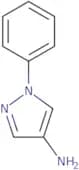
CAS :Versatile small molecule scaffoldFormule :C6H12N2·2HClDegré de pureté :Min. 95%Masse moléculaire :185.1 g/mol1-Phenyl-1H-pyrazol-4-amine
CAS :1-Phenyl-1H-pyrazol-4-amine is a white crystalline solid that can be used in organic synthesis. It is soluble in water and acetone, but insoluble in ether and chloroform. The chemical formula for 1-phenyl-1H-pyrazol-4-amine is C6H5N3O. It has a molecular weight of 147.17, an empirical formula of C6H5N3O and a density of 1.47g/mL at 20°C. 1-Phenyl-1H-pyrazol-4-amine reacts with the hydroxyl group on l -glutamic acid to form the corresponding ester, which can be hydrolyzed under alkaline conditions to produce ammonia and benzoic acid. This molecule also contains an anion that can be deprotonated by an alkali metal such as sodium or potassium to form the corresponding salt, whichFormule :C9H9N3Degré de pureté :Min. 95%Masse moléculaire :159.19 g/mol3-Methoxy-1-methyl-1H-pyrazole-4-carbaldehyde
CAS :Versatile small molecule scaffoldFormule :C6H8N2O2Degré de pureté :Min. 95%Couleur et forme :PowderMasse moléculaire :140.14 g/mol(S)-2-(N-Boc-aminomethyl)morpholine
CAS :Versatile small molecule scaffold
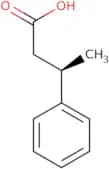
Formule :C10H20N2O3Degré de pureté :Min. 95%Masse moléculaire :216.27 g/mol(R)-3-Phenylbutyric Acid
CAS :Versatile small molecule scaffoldFormule :C10H12O2Degré de pureté :Min. 95%Masse moléculaire :164.2 g/molMethyl 2-cyanoprop-2-enoate, stabilized with MEHQ
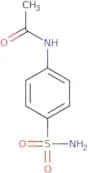
CAS :Please enquire for more information about Methyl 2-cyanoprop-2-enoate, stabilized with MEHQ including the price, delivery time and more detailed product information at the technical inquiry form on this pageFormule :C5H5NO2Degré de pureté :Min. 95%Masse moléculaire :111.10 g/mol4-Acetamidobenzenesulfonamide
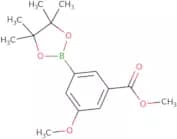
CAS :4-Acetamidobenzenesulfonamide is a drug that inhibits the activity of several enzymes and is used in wastewater treatment. It has been shown to have a beneficial effect on metabolic disorders, such as insulin resistance, obesity, and type 2 diabetes. 4-Acetamidobenzenesulfonamide also regulates transcriptional activity by inhibiting the interaction between DNA and RNA polymerases. This drug has been shown to be active in treating autoimmune diseases, such as multiple sclerosis, rheumatoid arthritis, lupus erythematosus and Crohn's disease. It also aids in HIV infection by acting as an inhibitor of toll-like receptor signalling pathways. The drug binds to hydrogen bonds and hydrophobic interactions with water molecules to form a hydrophobic layer on the surface of cells in order to reduce water permeability. The drug also reduces bowel diseases such as ulcerative colitis and liver lesions caused by alcohol consumption or congestiveFormule :C8H10N2O3SDegré de pureté :Min. 95%Masse moléculaire :214.24 g/mol3-Methoxy-5-(methoxycarbonyl)phenylboronic acid pinacol ester
CAS :Versatile small molecule scaffoldFormule :C15H21BO5Degré de pureté :Min. 95%Masse moléculaire :292.14 g/mol2-Bromothieno[3,2-c]pyridin-4(5H)-one
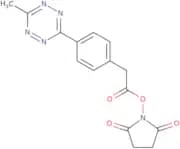
CAS :Versatile small molecule scaffoldFormule :C7H4BrNOSDegré de pureté :Min. 95%Masse moléculaire :230.08 g/molMethyltetrazine-NHS ester
CAS :Versatile small molecule scaffoldFormule :C15H13N5O4Degré de pureté :Min. 95%Masse moléculaire :327.29 g/mol1-(Oxan-2-yl)-3-phenyl-5-(tetramethyl-1,3,2-dioxaborolan-2-yl)-1H-pyrazole
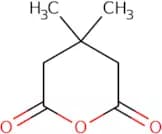
CAS :Versatile small molecule scaffoldFormule :C20H27BN2O3Degré de pureté :Min. 95%Masse moléculaire :354.3 g/mol3,3-Dimethylglutaric Anhydride
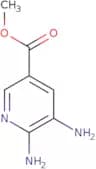
CAS :3,3-Dimethylglutaric Anhydride is a molecule that belongs to the group of daptomycin analogues. It has shown promising in vitro activity against cancer cells and is currently being investigated for its potential as a novel chemotherapeutic agent. The synthesis of this compound involves a Friedel-Crafts reaction, which creates a five-membered ring by reacting two carbonyl groups with an alkyl halide or phenyl sulfonium salt. 3,3-Dimethylglutaric Anhydride has been shown to bind to 5-HT1A receptors and inhibit their function. This compound also interacts with phosphate groups on proteins, creating a phosphate derivative. This interaction may be due to its ability to form an electrochemical bond with the phosphate group.Formule :C7H10O3Degré de pureté :Min. 95%Masse moléculaire :142.15 g/molMethyl 5,6-diaminopyridine-3-carboxylate
CAS :Versatile small molecule scaffoldFormule :C7H9N3O2Degré de pureté :Min. 95%Masse moléculaire :167.17 g/mol4-Chloro-1H-pyrazolo[3,4-b]pyridine-3-carboxylic acid
CAS :Versatile small molecule scaffoldFormule :C7H4ClN3O2Degré de pureté :Min. 95%Masse moléculaire :197.58 g/molMethyl 2-(2-amino-5-ethyl-1,3-thiazol-4-yl)acetate
CAS :Versatile small molecule scaffoldFormule :C8H12N2O2SDegré de pureté :Min. 95%Masse moléculaire :200.26 g/molγ-L-Glutamyl-α-naphthylamide monohydrate
CAS :Gamma-L-glutamyl-alpha-naphthylamide is an enzyme that catalyzes the conversion of L-glutamic acid to L-glutamate. It is expressed in red blood cells, human liver, and human serum. Gamma-L-glutamyl-alpha-naphthylamide has been shown to have various specificities for different tissues and isoenzymes. This enzyme also has immunoassay procedures that are used to detect it in tissues or cells. These assays use monoclonal antibodies or solubilized gamma-L-glutamyl-alpha-naphthylamide molecules as detection agents.Formule :C15H16N2O3•H2ODegré de pureté :Min. 95%Couleur et forme :PowderMasse moléculaire :290.31 g/mol4,6-Dichloro-5-fluoronicotinic Acid
CAS :Versatile small molecule scaffoldFormule :C6H2Cl2FNO2Degré de pureté :Min. 95%Masse moléculaire :209.99 g/mol3-Bromo-5-cyanobenzaldehyde
CAS :Versatile small molecule scaffoldFormule :C8H4BrNODegré de pureté :Min. 95%Masse moléculaire :210.04 g/mol4-Bromo-2-chloro-6-fluorobenzaldehyde
CAS :Versatile small molecule scaffoldFormule :C7H3BrClFODegré de pureté :Min. 95%Masse moléculaire :237.45 g/molL-Arginine-7-amido-4-methylcoumarin hydrochloride
CAS :Please enquire for more information about L-Arginine-7-amido-4-methylcoumarin hydrochloride including the price, delivery time and more detailed product information at the technical inquiry form on this page
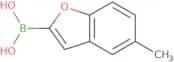
Formule :C16H21N5O3•HClDegré de pureté :Min. 95%Masse moléculaire :367.83 g/mol(5-methylbenzofuran-2-yl)boronic acid
CAS :Versatile small molecule scaffoldFormule :C9H9BO3Degré de pureté :Min. 95%Masse moléculaire :175.98 g/mol(3R,4R)-3-[(6-Amino-4-pyrimidinyl)methylamino]-4-methyl-β-oxo-1-piperidinepropanenitrile
CAS :Please enquire for more information about (3R,4R)-3-[(6-Amino-4-pyrimidinyl)methylamino]-4-methyl-β-oxo-1-piperidinepropanenitrile including the price, delivery time and more detailed product information at the technical inquiry form on this page
Formule :C14H20N6ODegré de pureté :Min. 95%Masse moléculaire :288.35 g/mol6-Amino-3-pyridinethiol dihydrochloride
CAS :Please enquire for more information about 6-Amino-3-pyridinethiol dihydrochloride including the price, delivery time and more detailed product information at the technical inquiry form on this page
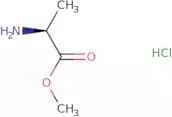
Formule :C5H6N2S•(HCl)2Degré de pureté :Min. 95%Masse moléculaire :199.1 g/molL-Alanine methyl ester HCl
CAS :L-Alanine methyl ester HCl is a compound that is used in wastewater treatment. It has been shown to inhibit the enzyme DPP-IV, which is associated with metabolic disorders. L-Alanine methyl ester HCl also has been shown to have antimicrobial activity against a number of bacteria, including methicillin resistant Staphylococcus aureus (MRSA). L-Alanine methyl ester HCl has been shown to have anti-inflammatory properties and can be used for the treatment of autoimmune diseases. This compound also has a significant effect on biological properties such as phase transition temperature and thermal expansion.Formule :C4H10NO2ClDegré de pureté :Min. 95%Couleur et forme :White PowderMasse moléculaire :139.58 g/mol6-chloro-1H-pyrazolo[3,4-d]pyrimidin-4-amine
CAS :Versatile small molecule scaffoldFormule :C5H4ClN5Degré de pureté :Min. 95%Masse moléculaire :169.6 g/mol6-Chloro-1H-benzimidazol-2-amine
CAS :Aminoguanidine is a drug that inhibits the activity of the enzyme guanidinoacetate methyltransferase (GAMT). It is used to treat some types of cancer, such as bladder cancer. Aminoguanidine has been shown to inhibit tumour growth and induce apoptosis in animal models. It has also been reported to be effective in a number of other cancers, including breast cancer, prostate cancer and colon cancer. Aminoguanidine binds with high affinity to protein targets, including x-ray crystallography, magnetic resonance imaging and devices. The binding site on the ligand is highly conserved among different proteins, which may explain the broad spectrum of its activity. Aminoguanidine is dose-dependent and can be administered either stepwise or as one large dose.
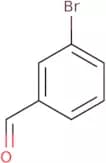
Formule :C7H6ClN3Degré de pureté :Min. 95%Masse moléculaire :167.6 g/mol3-Bromobenzaldehyde
CAS :3-Bromobenzaldehyde is an organic compound with the formula CHBrCHO. It is a colorless liquid that is soluble in many organic solvents. 3-Bromobenzaldehyde can be synthesized by the reaction of ethyl acetoacetate and anhydrous sodium in methanol, and can be purified by distillation or recrystallization from ethanol. This compound has been used as a solvent for analytical methods, such as GC-MS analysis, due to its high boiling point and low volatility. 3-Bromobenzaldehyde also reacts with hydrogen chloride to form benzoyl chloride, which can then be reacted with alcohols to produce esters. 3-Bromobenzaldehyde has been shown to react with chalcones to form optical active compounds, such as curcumin analogues. These reactions are typically carried out in solution using acetic acid or sulfuric acid as a catalyst.br>br>Formule :C7H5BrODegré de pureté :Min. 95%Masse moléculaire :185.02 g/mol8-Boc-3,8-diaza-bicyclo[3.2.1]octane
CAS :8-Boc-3,8-diaza-bicyclo[3.2.1]octane is a functional group that can be used in the preparation of pharmaceutical preparations. It is insoluble in water and soluble in organic solvents. This compound has been shown to be effective in the treatment of neurodegenerative diseases such as Alzheimer's disease and Parkinson's disease. 8-Boc-3,8-diaza-bicyclo[3.2.1]octane has also been shown to have protective effects against sae-cd induced cytotoxicity by upregulating the expression of antiapoptotic proteins Bcl2 and Bclxl, which are important for neuronal cell survival.Formule :C11H20N2O2Degré de pureté :Min. 95%Masse moléculaire :212.29 g/mol



![[(1S)-1-Ethyl-2-oxopropyl]-1,1-dimethylethyl ester carbamic acid](/_next/image/?url=https%3A%2Fstatic.cymitquimica.com%2Fproducts%2F3D%2Fthumb-webp%2FEMA02105.webp&w=3840&q=75)
![3-Methylbenzo[b]thiophene-2-carboxylic acid](/_next/image/?url=https%3A%2Fstatic.cymitquimica.com%2Fproducts%2F3D%2Fthumb-webp%2FDAA13378.webp&w=3840&q=75)


![tert-butyl 2-amino-8-azaspiro[4.5]decane-8-carboxylate](/_next/image/?url=https%3A%2Fstatic.cymitquimica.com%2Fproducts%2F3D%2Fthumb-webp%2FBAC01090.webp&w=3840&q=75)
![2,5-Diazabicyclo[2.2.2]octane dihydrochloride](/_next/image/?url=https%3A%2Fstatic.cymitquimica.com%2Fproducts%2F3D%2Fthumb-webp%2FBAA19292.webp&w=3840&q=75)


![2-Bromothieno[3,2-c]pyridin-4(5H)-one](/_next/image/?url=https%3A%2Fstatic.cymitquimica.com%2Fproducts%2F3D%2Fthumb-webp%2FDBA94860.webp&w=3840&q=75)

![4-Chloro-1H-pyrazolo[3,4-b]pyridine-3-carboxylic acid](/_next/image/?url=https%3A%2Fstatic.cymitquimica.com%2Fproducts%2F3D%2Fthumb-webp%2FULD13261.webp&w=3840&q=75)


![(3R,4R)-3-[(6-Amino-4-pyrimidinyl)methylamino]-4-methyl-β-oxo-1-piperidinepropanenitrile](/_next/image/?url=https%3A%2Fstatic.cymitquimica.com%2Fproducts%2F3D%2Fthumb-webp%2FFA184079.webp&w=3840&q=75)

![6-chloro-1H-pyrazolo[3,4-d]pyrimidin-4-amine](/_next/image/?url=https%3A%2Fstatic.cymitquimica.com%2Fproducts%2F3D%2Fthumb-webp%2FFAA41778.webp&w=3840&q=75)

![8-Boc-3,8-diaza-bicyclo[3.2.1]octane](/_next/image/?url=https%3A%2Fstatic.cymitquimica.com%2Fproducts%2F3D%2Fthumb-webp%2FFB29382.webp&w=3840&q=75)