


Building Blocks
Sous-catégories appartenant à la catégorie "Building Blocks"
- Acides boroniques et dérivés de l'acide boronique(5.778 produits)
- Building Blocks Chiraux(1.243 produits)
- Building Blocks Hydrocarbonés(6.099 produits)
- Building Blocks organiques(61.038 produits)
205376 produits trouvés pour "Building Blocks"
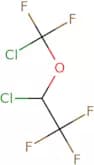
2-Chloro-2-(chlorodifluoromethoxy)-1,1,1-trifluoroethane
CAS :2-Chloro-2-(chlorodifluoromethoxy)-1,1,1-trifluoroethane (HFC-152a) is a chemical compound that belongs to the group of chlorofluorocarbons. It has been used as a refrigerant and aerosol propellant. HFC-152a is an azeotrope with methyl ethyl ketone and ethyl ketone. It has also been reported to have properties as an ether, acetone, and difluoromethyl.
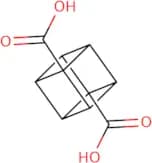
Formule :C3HCl2F5ODegré de pureté :Min. 95%Masse moléculaire :218.94 g/mol1,4-Cubanedicarboxylic acid
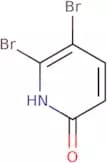
CAS :1,4-Cubanedicarboxylic acid is an organic compound that is a diacid. It has been shown to be an inhibitor of chloride secretion in the intestine, and can also decrease the rate at which hydrogen ions are released into the intestinal lumen. 1,4-Cubanedicarboxylic acid is also a cross-linking agent that can be used in organic solvents for large-scale synthesis. The optical properties of 1,4-cubanedicarboxylic acid have been studied using FTIR spectroscopy. This agent has been found to react with intramolecular hydrogen to form a six membered ring.Formule :C10H8O4Degré de pureté :Min. 95%Masse moléculaire :192.17 g/mol5,6-Dibromopyridin-2-ol
CAS :Versatile small molecule scaffold
Formule :C5H3Br2NODegré de pureté :Min. 95%Masse moléculaire :252.89 g/molmethyl 4-bromo-3-formylbenzoate
CAS :Versatile small molecule scaffoldFormule :C9H7BrO3Degré de pureté :Min. 95%Masse moléculaire :243.1 g/molMito-TEMPO
CAS :Mito-TEMPO is a mitochondrial-targeted antioxidant that scavenges reactive oxygen species (ROS) and protects against oxidative injury. It has been shown to be effective in reducing oxidative damage in the heart and liver, as well as in models of neuronal death. Mito-TEMPO is also a potent inhibitor of lipid peroxidation and is able to prevent the formation of aldehydes. This drug has minimal toxicity, which may be due to its ability to accumulate in mitochondria without disrupting mitochondrial functions. Mito-TEMPO has been tested on healthy individuals with no observed side effects.Formule :C29H35ClN2O2PDegré de pureté :Min. 95%Masse moléculaire :510.03 g/mol5-(2-Aminoethyl)thiophene-2-sulfonamide hydrochloride
CAS :Versatile small molecule scaffoldFormule :C6H11ClN2O2S2Degré de pureté :Min. 95%Masse moléculaire :242.8 g/mol2-Oxa-spiro[3.3]heptan-6-ol
CAS :Versatile small molecule scaffoldFormule :C6H10O2Degré de pureté :Min. 95%Masse moléculaire :114.14 g/mol2-Amino-5-fluoro-4-methoxybenzoic acid
CAS :Versatile small molecule scaffoldFormule :C8H8FNO3Degré de pureté :Min. 95%Masse moléculaire :185.15 g/mol6-Oxa-2-azaspiro[3.4]octane HCl
CAS :Versatile small molecule scaffold
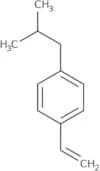
Formule :C6H12ClNODegré de pureté :Min. 95%Masse moléculaire :149.62 g/molp-Isobutylstyrene-d7
CAS :p-Isobutylstyrene-d7 is a solid catalyst that can be used in the synthesis of organic compounds. It has been shown to have good activity for the transfer of acid chloride groups to aromatic ring systems and for the synthesis of thiadiazoles. p-Isobutylstyrene-d7 has been shown to be an excellent catalyst for the conversion of hydrochloric acid into hydrogen chloride, which can then be recycled. The toxicity studies on this compound have shown that it is not toxic to bacterial strains, which may make it a good candidate for use as a catalyst in bioremediation or a growth substrate. This catalyst has also been shown to have photocatalytic activity and may be used in the purification of water contaminated with heavy metals.Formule :C12H9D7Degré de pureté :Min. 95%Masse moléculaire :167.3 g/molMethyl 3-oxocyclohexanecarboxylate
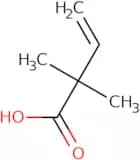
CAS :Methyl 3-oxocyclohexanecarboxylate is a chiral molecule that belongs to the class of β-unsaturated ketones. It has been shown to interact with enzymes from horse liver, dehydrogenase and carbanion. Methyl 3-oxocyclohexanecarboxylate is unreactive under most conditions and does not react with other molecules. The compound can be used as a starting material for the synthesis of olefinic compounds.Formule :C8H12O3Degré de pureté :Min. 95%Masse moléculaire :156.18 g/mol2,2-Dimethylbut-3-enoic acid
CAS :2,2-Dimethylbut-3-enoic acid is a bioactive compound that is used to synthesize other compounds. It has been shown to have a number of functions, such as being an electrolyte and having an electron deficient group in its structure. 2,2-Dimethylbut-3-enoic acid reacts with electrophilic functional groups at high temperatures to form allylation products. This reaction is called cheletropic and has been shown to be reversible.
Formule :C6H10O2Degré de pureté :Min. 95%Masse moléculaire :114.14 g/mol2-Cyclopropylphenol
CAS :2-Cyclopropylphenol is a hydrogen chloride derivative of 2-cyclohexen-1-one. It has been shown to have high affinity for the α receptor, which is a functional group in the integrin receptor that mediates cell adhesion. 2-Cyclopropylphenol has been shown to be effective for the treatment of hepatitis. 2-Cyclopropylphenol also forms an organometallic complex with platinum, which can be used as an anticancer agent and shows good antiviral activity against hepatitis C virus (HCV). The molecular modeling of this compound was done by using quantum chemical calculations and NMR spectra. The synthesis of this compound was developed from benzene and ethynylbenzene. The photochemical properties of this compound were investigated by methane monooxygenase reconstitution studies.
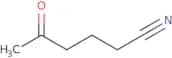
Formule :C9H10ODegré de pureté :Min. 95%Masse moléculaire :134.18 g/mol5-Ketohexanenitrile
CAS :5-Ketohexanenitrile is a liquid that is used in the production of medicine. The compound has been shown to be an effective inhibitor of the enzyme, dehydrogenase, which catalyzes the conversion of 5-ketohexanoic acid to hexadecanoic acid. This reaction is important for the oxidation of fatty acids and can be found in all living organisms. 5-Ketohexanenitrile has also been shown to inhibit the enzyme, hydrogen peroxide oxidase, which catalyzes the conversion of hydrogen peroxide to water and oxygen gas. 5-Ketohexanenitrile is also an intermediate in acrylonitrile production. It can be produced by vaporizing hexadecanoic acid with a catalyst such as trimethylpyridine or acetic acid. 5-Ketohexanenitrile can exist as two isomers: cis and trans. It is a primary amine that reacts with alkali metals such asFormule :C6H9NODegré de pureté :Min. 95%Masse moléculaire :111.14 g/mol(3R)-3-Methylpyrrolidine hydrochloride
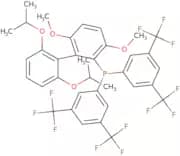
CAS :Versatile small molecule scaffoldFormule :C5H11N•HClDegré de pureté :Min. 95%Masse moléculaire :121.5 g/molBis(3,5-bis(trifluoromethyl)phenyl)(2²,6²-bis(isopropoxy)-3,6-dimethoxybiphenyl-2-yl)phosphine
CAS :Versatile small molecule scaffold
Formule :C36H31F12O4PDegré de pureté :Min. 95%Masse moléculaire :786.58 g/mol(2S)-3-(3,4-dihydroxyphenyl)-2-{[(9H-fluoren-9-ylmethoxy)carbonyl]amino}propanoic acid
CAS :3,4-Dihydroxyphenylalanine (3,4-DOPA) is a non-protein amino acid that is an intermediate in the synthesis of dopamine and norepinephrine. 3,4-DOPA is metabolized by the enzyme dopa decarboxylase to dopamine and then by catechol-O-methyl transferase to norepinephrine. 3,4-DOPA has antioxidant properties and has been shown to have anticancer effects in animals. It also has been shown to interact with other biomolecules such as proteins and nucleic acids. 3,4-DOPA binds strongly to metal ions through its carboxylic acid group and can chelate metals such as copper or iron. This property may be used for coatings on metal surfaces or for interacting with other molecules.br>br> 3,4-Dopa contains a chiral center due to the presence of two stereogenic carbons on the phenFormule :C24H21NO6Degré de pureté :Min. 95%Masse moléculaire :419.4 g/mol2,4-Dichloroimidazo[2,1-F][1,2,4]triazine
CAS :Versatile small molecule scaffoldFormule :C5H2Cl2N4Degré de pureté :Min. 95%Masse moléculaire :189 g/molethyl 6-benzyl-2-oxa-6-azaspiro[3.4]octane-8-carboxylate
CAS :Versatile small molecule scaffold
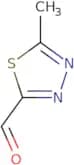
Formule :C16H21NO3Degré de pureté :Min. 95%Masse moléculaire :275.35 g/mol5-Methyl-1,3,4-thiadiazole-2-carbaldehyde
CAS :Versatile small molecule scaffold
Formule :C4H4N2OSDegré de pureté :Min. 95%Masse moléculaire :128.16 g/molMethyl 4-(2-Bromoethyl)benzoate
CAS :Methyl 4-(2-bromoethyl)benzoate is a potent HDAC6 inhibitor. It has been shown to inhibit cancer cell growth and induce apoptosis in vitro and in vivo. Methyl 4-(2-Bromoethyl)benzoate is also an anti-cancer agent that inhibits the histone deacetylase enzyme, which then prevents the transcription of genes involved in cancer development. In addition, this agent inhibits the production of prostaglandin E2, which may contribute to its anti-cancer activity. The most common side effects are nausea and vomiting.Formule :C10H11BrO2Degré de pureté :Min. 95%Masse moléculaire :243.1 g/moltert-Butyl 3,9-diazaspiro[5.5]undecane-3-carboxylate hydrochloride
CAS :Versatile small molecule scaffoldFormule :C14H27ClN2O2Degré de pureté :Min. 95%Masse moléculaire :290.83 g/mol6-Bromo-2-methoxyquinoline
CAS :6-Bromo-2-methoxyquinoline is a versatile compound with various applications. It is commonly used as a disinfectant in ceramic compositions and research chemicals. Additionally, it has been found to have potential therapeutic benefits. Studies have shown that 6-Bromo-2-methoxyquinoline exhibits antioxidant properties and can inhibit the production of inflammatory mediators such as arachidonic acid and prostaglandins. Furthermore, it has been found to modulate potassium channels, which play a crucial role in cellular function. This compound also shows promise in the development of copolymers and other materials due to its unique chemical structure. With its wide range of applications, 6-Bromo-2-methoxyquinoline is an essential compound for various industries.Formule :C10H8BrNODegré de pureté :Min. 95%Couleur et forme :PowderMasse moléculaire :238.08 g/mol2-(4-Amino-1h-pyrazol-1-yl)ethanol
CAS :Versatile small molecule scaffold
Formule :C5H9N3ODegré de pureté :Min. 95%Masse moléculaire :127.15 g/mol6-Bromo-1-methylpyridin-2(1H)-one
CAS :Versatile small molecule scaffold
Formule :C6H6BrNODegré de pureté :Min. 95%Masse moléculaire :188.02 g/molFG-2216
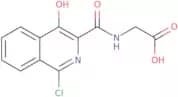
CAS :FG-2216 is a peptide that activates the G protein-coupled receptor, leading to increased intracellular calcium. FG-2216 is a potent agonist of the GPRC6A receptor and has been shown to inhibit pain perception in animal models. FG-2216 has been shown to have no effect on ion channels and does not affect cellular proliferation or migration. FG-2216 may be useful as a research tool for studying the function of the GPRC6A receptor in animal models.Formule :C12H9ClN2O4Degré de pureté :Min. 95%Masse moléculaire :280.66 g/mol4,7-dibromo-1H-benzo[d]imidazole
CAS :Versatile small molecule scaffoldFormule :C7H4Br2N2Degré de pureté :Min. 95%Masse moléculaire :275.93 g/mol1-Methyl-3-(3-sulfopropyl)-1H-imidazol-3-ium
CAS :Versatile small molecule scaffoldFormule :C7H12N2O3SDegré de pureté :Min. 95%Couleur et forme :PowderMasse moléculaire :204.25 g/mol4-Acetamidobenzenesulfonamide
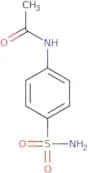
CAS :4-Acetamidobenzenesulfonamide is a drug that inhibits the activity of several enzymes and is used in wastewater treatment. It has been shown to have a beneficial effect on metabolic disorders, such as insulin resistance, obesity, and type 2 diabetes. 4-Acetamidobenzenesulfonamide also regulates transcriptional activity by inhibiting the interaction between DNA and RNA polymerases. This drug has been shown to be active in treating autoimmune diseases, such as multiple sclerosis, rheumatoid arthritis, lupus erythematosus and Crohn's disease. It also aids in HIV infection by acting as an inhibitor of toll-like receptor signalling pathways. The drug binds to hydrogen bonds and hydrophobic interactions with water molecules to form a hydrophobic layer on the surface of cells in order to reduce water permeability. The drug also reduces bowel diseases such as ulcerative colitis and liver lesions caused by alcohol consumption or congestiveFormule :C8H10N2O3SDegré de pureté :Min. 95%Masse moléculaire :214.24 g/molMethyl 2-cyanoprop-2-enoate, stabilized with MEHQ
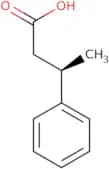
CAS :Please enquire for more information about Methyl 2-cyanoprop-2-enoate, stabilized with MEHQ including the price, delivery time and more detailed product information at the technical inquiry form on this pageFormule :C5H5NO2Degré de pureté :Min. 95%Masse moléculaire :111.10 g/mol(R)-3-Phenylbutyric Acid
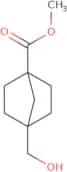
CAS :Versatile small molecule scaffoldFormule :C10H12O2Degré de pureté :Min. 95%Masse moléculaire :164.2 g/molMethyl 4-(hydroxymethyl)norbornane-1-carboxylate
CAS :Versatile small molecule scaffoldFormule :C10H16O3Degré de pureté :Min. 95%Masse moléculaire :184.23 g/mol4-Bromo-2-ethyliodobenzene
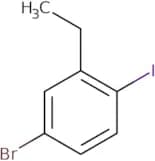
CAS :Versatile small molecule scaffold
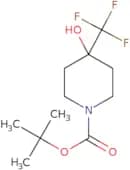
Formule :C8H8BrIDegré de pureté :Min. 95%Masse moléculaire :310.96 g/moltert-Butyl 4-hydroxy-4-(trifluoromethyl)piperidine-1-carboxylate
CAS :Versatile small molecule scaffoldFormule :C11H18F3NO3Degré de pureté :Min. 95%Masse moléculaire :269.26 g/moltert-Butyl N-[3-(tetramethyl-1,3,2-dioxaborolan-2-yl)propyl]carbamate
CAS :Versatile small molecule scaffoldFormule :C14H28BNO4Degré de pureté :Min. 95%Masse moléculaire :285.19 g/molBromo-PEG3-azide
CAS :Bromo-PEG3-azide is a PEG compound with two different functional groups (also known as heterobifunctional). Unlike homobifunctional PEG compounds (same functional group on both ends), this type of compounds are more versatile as have two different anchor points. Bromo-PEG3-azide is used as a linker and spacer to add a PEG moiety, via pegylation (a bioconjugation technique) to proteins, peptides, oligonucleotides, small molecules and nanoparticles.Formule :C8H16BrN3O3Degré de pureté :Min. 95%Couleur et forme :Clear LiquidMasse moléculaire :282.14 g/mol2-Bromo-3-hydroxy-benzaldehyde
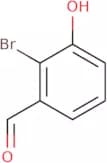
CAS :2-Bromo-3-hydroxy-benzaldehyde is a nitrate that has been shown to have anti-cancer properties. It inhibits the growth of cancer cells by binding to bromodomains in their DNA, thereby preventing transcription and replication. 2-Bromo-3-hydroxy-benzaldehyde also inhibits the production of nitric oxide, which may lead to an inhibitory effect on tumour angiogenesis. The stereoisomers of this compound are used as precursors for the synthesis of ammonium nitrate, which is used as a fertilizer and explosive. 2-Bromo-3-hydroxy-benzaldehyde is also used in organic synthesis as a precursor for acetylation or halide reactions with palladium complexes or halides.Formule :C7H5BrO2Degré de pureté :Min. 95%Masse moléculaire :201.02 g/moltert-Butyl 3-(piperidin-3-yl)azetidine-1-carboxylate
CAS :Versatile small molecule scaffoldFormule :C13H24N2O2Degré de pureté :Min. 95%Masse moléculaire :240.35 g/mol3-(3-Bromopropyl)thiophene
CAS :Versatile small molecule scaffoldFormule :C7H9BrSDegré de pureté :Min. 95%Masse moléculaire :205.12 g/mol4-bromo-3-fluoro-1h-pyrazole
CAS :Versatile small molecule scaffold
Formule :C3H2BrFN2Degré de pureté :Min. 95%Masse moléculaire :164.97 g/molBromo-PEG4-azide
CAS :Bromo-PEG4-azide is a PEG compound with two different functional groups (also known as heterobifunctional). Unlike homobifunctional PEG compounds (same functional group on both ends), this type of compounds are more versatile as have two different anchor points. Bromo-PEG4-azide is used as a linker and spacer to add a PEG moiety, via pegylation (a bioconjugation technique) to proteins, peptides, oligonucleotides, small molecules and nanoparticles.
Formule :C10H20BrN3O4Degré de pureté :Min. 95%Masse moléculaire :326.19 g/molMethyl 3,3-bis(methylthio)-2-cyanoacrylate
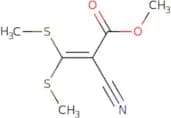
CAS :Methyl 3,3-bis(methylthio)-2-cyanoacrylate is a diphenyl ether that is used as a bactericide. It has been shown to be effective against both Gram-positive and Gram-negative bacteria. Methyl 3,3-bis(methylthio)-2-cyanoacrylate is synthesized by the reaction of malonate with dimethylamine chloride in the presence of hydrochloric acid salt in order to produce chloride ions. The reaction is then heated, which causes the methyl 3,3-bis(methylthio)-2-cyanoacrylate to form. This compound is soluble in organic solvents such as formic acid and can be purified by recrystallization or by distillation.Formule :C7H9NO2S2Degré de pureté :Min. 95%Masse moléculaire :203.28 g/molPiperidine-3-sulfonamide hydrochloride
CAS :Versatile small molecule scaffoldFormule :C5H13ClN2O2SDegré de pureté :Min. 95%Masse moléculaire :200.69 g/moltert-Butyl 4-(5-aminoisoxazol-3-yl)piperidine-1-carboxylate
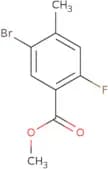
CAS :Versatile small molecule scaffoldFormule :C13H21N3O3Degré de pureté :Min. 95%Masse moléculaire :267.32 g/molMethyl 5-bromo-2-fluoro-4-methylbenzoate
CAS :Versatile small molecule scaffoldFormule :C9H8BrFO2Degré de pureté :Min. 95%Masse moléculaire :247.06 g/mol7-(Bromomethyl)isoquinoline hydrobromide
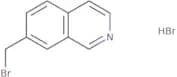
CAS :Versatile small molecule scaffoldFormule :C10H8BrN·HBrDegré de pureté :Min. 95%Masse moléculaire :303 g/mol6-Hydroxyquinoline-4-carboxylic acid
CAS :Versatile small molecule scaffoldFormule :C10H7NO3Degré de pureté :Min. 95%Masse moléculaire :189.17 g/mol5-Oxotetrahydrofuran-2-carboxylic acid
CAS :5-Oxotetrahydrofuran-2-carboxylic acid is a solid phase extraction compound that can be used to extract and purify compounds from biological samples. It is synthesized by an asymmetric synthesis of the acetate ester of 5-hydroxytetrahydrofuran-2-carboxylic acid, which is then hydrolyzed to give the desired product. 5-Oxotetrahydrofuran-2-carboxylic acid has been used in cell culture studies as a diagnostic agent for cancer cells. The reactive nature of this molecule allows it to react with chloride ions and fatty acids, which leads to the death of cancer cells.Formule :C5H6O4Degré de pureté :Min. 95%Masse moléculaire :130.1 g/mol4-Bromo-2,6-dimethoxybenzaldehyde
CAS :Versatile small molecule scaffold
Formule :C9H9BrO3Degré de pureté :Min. 95%Masse moléculaire :245.07 g/mol2-{[2-(2,6-Dioxopiperidin-3-yl)-1-oxo-2,3-dihydro-1H-isoindol-4-yl]oxy}acetic acid
CAS :Versatile small molecule scaffoldFormule :C15H14N2O6Degré de pureté :Min. 95%Masse moléculaire :318.28 g/mol



![2-Oxa-spiro[3.3]heptan-6-ol](/_next/image/?url=https%3A%2Fstatic.cymitquimica.com%2Fproducts%2F3D%2Fthumb-webp%2FNEC38108.webp&w=3840&q=75)

![6-Oxa-2-azaspiro[3.4]octane HCl](/_next/image/?url=https%3A%2Fstatic.cymitquimica.com%2Fproducts%2F3D%2Fthumb-webp%2FJEC65612.webp&w=3840&q=75)



![(2S)-3-(3,4-dihydroxyphenyl)-2-{[(9H-fluoren-9-ylmethoxy)carbonyl]amino}propanoic acid](/_next/image/?url=https%3A%2Fstatic.cymitquimica.com%2Fproducts%2F3D%2Fthumb-webp%2FMFA01893.webp&w=3840&q=75)
![2,4-Dichloroimidazo[2,1-F][1,2,4]triazine](/_next/image/?url=https%3A%2Fstatic.cymitquimica.com%2Fproducts%2F3D%2Fthumb-webp%2FKXC70089.webp&w=3840&q=75)
![ethyl 6-benzyl-2-oxa-6-azaspiro[3.4]octane-8-carboxylate](/_next/image/?url=https%3A%2Fstatic.cymitquimica.com%2Fproducts%2F3D%2Fthumb-webp%2FLBC69289.webp&w=3840&q=75)

![tert-Butyl 3,9-diazaspiro[5.5]undecane-3-carboxylate hydrochloride](/_next/image/?url=https%3A%2Fstatic.cymitquimica.com%2Fproducts%2F3D%2Fthumb-webp%2FLJA40647.webp&w=3840&q=75)


![4,7-dibromo-1H-benzo[d]imidazole](/_next/image/?url=https%3A%2Fstatic.cymitquimica.com%2Fproducts%2F3D%2Fthumb-webp%2FYFA18566.webp&w=3840&q=75)

![tert-Butyl N-[3-(tetramethyl-1,3,2-dioxaborolan-2-yl)propyl]carbamate](/_next/image/?url=https%3A%2Fstatic.cymitquimica.com%2Fproducts%2F3D%2Fthumb-webp%2FAZC30580.webp&w=3840&q=75)







![2-{[2-(2,6-Dioxopiperidin-3-yl)-1-oxo-2,3-dihydro-1H-isoindol-4-yl]oxy}acetic acid](/_next/image/?url=https%3A%2Fstatic.cymitquimica.com%2Fproducts%2F3D%2Fthumb-webp%2FEPD97616.webp&w=3840&q=75)