Building Blocks
Sous-catégories appartenant à la catégorie "Building Blocks"
- Acides boroniques et dérivés de l'acide boronique(5.778 produits)
- Building Blocks Chiraux(1.243 produits)
- Building Blocks Hydrocarbonés(6.099 produits)
- Building Blocks organiques(61.038 produits)
205375 produits trouvés pour "Building Blocks"
3,5-Dibromopyridin-4-ol
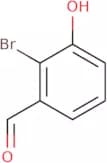
CAS :Versatile small molecule scaffoldFormule :C5H3Br2NODegré de pureté :Min. 95%Masse moléculaire :252.89 g/mol2-Bromo-3-hydroxy-benzaldehyde
CAS :2-Bromo-3-hydroxy-benzaldehyde is a nitrate that has been shown to have anti-cancer properties. It inhibits the growth of cancer cells by binding to bromodomains in their DNA, thereby preventing transcription and replication. 2-Bromo-3-hydroxy-benzaldehyde also inhibits the production of nitric oxide, which may lead to an inhibitory effect on tumour angiogenesis. The stereoisomers of this compound are used as precursors for the synthesis of ammonium nitrate, which is used as a fertilizer and explosive. 2-Bromo-3-hydroxy-benzaldehyde is also used in organic synthesis as a precursor for acetylation or halide reactions with palladium complexes or halides.Formule :C7H5BrO2Degré de pureté :Min. 95%Masse moléculaire :201.02 g/molIsocytosine
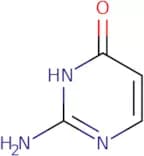
CAS :Isocytosine is a prodrug that has been synthesized with the intramolecular hydrogen on the nitrogen atoms, which makes it more chemically stable. Isocytosine is a reactive molecule, and can react with tautomers to form isocytosine derivatives. Isocytosine contains three hydrogen atoms that are transferable through reactions to other molecules. The chemical stability of isocytosine allows for its use in wastewater treatment. It also has metabolic effects, such as the inhibition of colorectal adenocarcinoma and metabolic disorders. Isocytosine can be used as a model system for studying transfer reactions and reaction mechanisms.
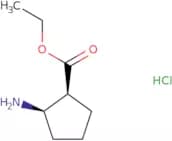
Formule :C4H5N3ODegré de pureté :Min. 95%Couleur et forme :PowderMasse moléculaire :111.1 g/mol(1R,2S)-rel-Ethyl 2-aminocyclopentanecarboxylate hydrochloride
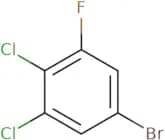
CAS :Versatile small molecule scaffoldFormule :C8H16ClNO2Degré de pureté :Min. 95%Masse moléculaire :193.67 g/mol3,4-Dichloro-5-fluorobromobenzene
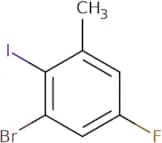
CAS :Versatile small molecule scaffoldFormule :C6H2BrCl2FDegré de pureté :Min. 95%Masse moléculaire :243.88 g/mol3-Bromo-5-fluoro-2-iodotoluene
CAS :Versatile small molecule scaffold
Formule :C7H5BrFIDegré de pureté :Min. 95%Masse moléculaire :314.92 g/mol1-Methyl-3-(3-sulfopropyl)-1H-imidazol-3-ium
CAS :Versatile small molecule scaffoldFormule :C7H12N2O3SDegré de pureté :Min. 95%Couleur et forme :PowderMasse moléculaire :204.25 g/mol3-(3-Bromopropyl)thiophene
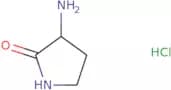
CAS :Versatile small molecule scaffoldFormule :C7H9BrSDegré de pureté :Min. 95%Masse moléculaire :205.12 g/mol3-aminopyrrolidin-2-one hcl
CAS :3-Aminopyrrolidin-2-one hcl is an antibiotic that is used to treat tuberculosis. It inhibits the enzyme transacylase, which catalyses the conversion of L-lysine into L-pipecolic acid in bacteria. This antibiotic has been shown to be effective against Mycobacterium tuberculosis and Mycobacterium avium complex. 3-Aminopyrrolidin-2-one hcl has a broad spectrum of activity against gram positive and gram negative bacteria, but it is not active against acid-fast bacteria.
Formule :C4H9ClN2ODegré de pureté :Min. 95%Masse moléculaire :136.58 g/moln-Butyl methanesulfonate
CAS :N-butyl methanesulfonate is a genotoxic agent that inhibits the growth of bacteria by binding to the DNA. N-butyl methanesulfonate is effective against typhimurium and has shown carcinogenic effects in hamster cells. N-butyl methanesulfonate is also capable of inhibiting quinoline derivatives, which are carcinogens that are found in tobacco smoke. This chemical can be used as a natural compound for the treatment of diabetic neuropathy and cryptococcus neoformans. It may also be used as an antiviral agent for the treatment of influenza virus.Formule :C5H12O3SDegré de pureté :Min. 95%Masse moléculaire :152.21 g/mol4-bromo-3-fluoro-1h-pyrazole
CAS :Versatile small molecule scaffold
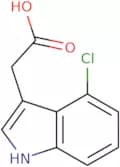
Formule :C3H2BrFN2Degré de pureté :Min. 95%Masse moléculaire :164.97 g/mol4-Chloroindole-3-acetic acid
CAS :4-Chloroindole-3-acetic acid is a fine chemical that is used as a building block in the synthesis of complex compounds. It is also used as a reagent and speciality chemical. The compound is versatile and can be used as a reaction component or as an intermediate to produce useful scaffolds. 4-Chloroindole-3-acetic acid has been shown to be effective in the synthesis of certain pharmaceuticals, such as antipsychotics, antidepressants, and antihistamines. It has also been shown to have antiviral properties against HIV and HSV viruses.Formule :C10H8ClNO2Degré de pureté :Min. 95.0 Area-%Masse moléculaire :209.63 g/mol1-Bromo-4-isobutylbenzene
CAS :1-Bromo-4-isobutylbenzene is a ketone that can be synthesized by the reaction of benzene with acetonitrile in the presence of a catalytic amount of oxone. The synthesis is an example of an arylation, which is the addition of an aromatic group to another molecule. It has been shown experimentally that 1-bromo-4-isobutylbenzene undergoes a transition from the x-ray structure analysis to the crystal x-ray structure when dissolved in acetonitrile and heated to 100°C. The final product is then purified by recrystallization with ethylene as a solvent.Formule :C10H13BrDegré de pureté :Min. 95%Masse moléculaire :213.11 g/mol2-Imidazolidone-4-carboxylic acid
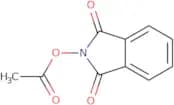
CAS :2-Imidazolidone-4-carboxylic acid is a potent inhibitor of matrix metalloproteinases, which are enzymes that break down proteins in the extracellular matrix. 2-Imidazolidone-4-carboxylic acid inhibits the activity of both serine protease and matrix metalloproteinase, two enzymes involved in the inflammation process. 2-Imidazolidone-4-carboxylic acid has been shown to inhibit the transport of amino acids, leading to decreased protein synthesis and cell growth. It also inhibits cancer cells by disrupting their ability to grow new blood vessels and invade other tissues.Formule :C4H6N2O3Degré de pureté :Min. 95%Masse moléculaire :130.1 g/mol1,3-Dioxo-2,3-dihydro-1H-isoindol-2-yl acetate
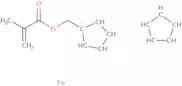
CAS :1,3-Dioxo-2,3-dihydro-1H-isoindol-2-yl acetate is a reactive intermediate that can be used as a starting material for the synthesis of other organic compounds. It is synthesized by the reaction of an acid with an aldehyde or ketone in the presence of a base. The rate of this reaction depends on the functional groups present in both reactants and their relative concentrations. This intermediate can be converted to another chemical compound through various reactions, including hydroxymethylation, decarboxylation and oxidation. This chemical has been used as a cocatalyst for the production of 5-hydroxymethylfurfural (HMF).Formule :C10H7NO4Degré de pureté :Min. 95%Masse moléculaire :205.17 g/molFerrocenylmethyl methacrylate
CAS :Ferrocenylmethyl methacrylate is a reactive, irreversible oxidation agent. It is used in the synthesis of hydroxylated polymers and redox-active biological sensors. Ferrocenylmethyl methacrylate has been used as a component in polymerization reactions to produce polymers with recording potential. It has also been used for the detection of cancer cells and for the diagnosis of prostate cancer.Formule :C15H16FeO2Degré de pureté :Min. 95%Masse moléculaire :284.13 g/mol(1R,2S)-2-Phenylcyclopropane-1-carboxylic acid
CAS :(1R,2S)-2-Phenylcyclopropane-1-carboxylic acid is a dicarboxylic acid that is produced from the decarboxylation of benzyne. This compound has been shown to be a precursor of benzene and ozonolysis. The stereospecifically of (1R,2S)-2-Phenylcyclopropane-1-carboxylic acid has been determined using lead tetraacetate as the substrate. (1R,2S)-2-Phenylcyclopropane-1-carboxylic acid is an asymmetric molecule.
Formule :C10H10O2Degré de pureté :Min. 95%Masse moléculaire :162.18 g/mol5-bromo-6-methoxy-1h-indole
CAS :5-bromo-6-methoxy-1H-indole is a synthetic, nonsteroidal compound that is structurally related to prednisolone. It has been shown to induce the synthesis of collagen by stimulating fibroblasts in culture. This drug also has anti-inflammatory and modulating effects on s1p receptors, which may be due to its ability to inhibit the production of proinflammatory cytokines such as tumor necrosis factor alpha (TNFα). 5-bromo-6-methoxy-1H-indole is a potent inhibitor of acid methyl esters, which are involved in inflammation and tissue destruction. 5-bromo-6-methoxy-1H--indole also has an effect on dermal cells, which may be due to its ability to inhibit the production of matrix metalloproteinase enzymes. This drug can also cause atrophy in granuloma cells and prevent the development of inflammatory
Formule :C9H8BrNODegré de pureté :Min. 95%Masse moléculaire :226.07 g/molMethyl 2-(chloromethyl)nicotinate
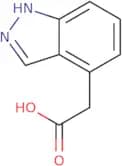
CAS :Methyl 2-(chloromethyl)nicotinate is an organic compound that belongs to the class of esters. It is a reaction product of methyl 3-hydroxybenzoate and nitrous acid. This compound has antimicrobial activity and can be used to treat bacterial infections. Methyl 2-(chloromethyl)nicotinate has been shown to inhibit the growth of various bacteria, including methicillin-resistant Staphylococcus aureus (MRSA), Escherichia coli, Klebsiella pneumoniae, Pseudomonas aeruginosa, Salmonella typhi, and Salmonella typhimurium. The cyano group in this molecule may be responsible for its antibacterial activity. The efficiency of methyl 2-(chloromethyl)nicotinate varies with different types of bacteria. For example, it was more effective against MRSA than against Escherichia coli or Klebsiella pneumoniaeFormule :C8H8ClNO2Degré de pureté :Min. 95%Masse moléculaire :185.61 g/mol(1H-Indazol-4-yl)acetic acid
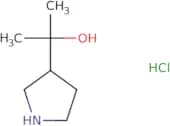
CAS :(1H-Indazol-4-yl)acetic acid is a cation that has been shown to have pharmacological activity. It is hydrolyzable and is used as an anti-inflammatory agent. This compound also decarboxylates and hydrolyzes, which are processes that produce carboxyl and fluoro groups. (1H-Indazol-4-yl)acetic acid has been shown to be an anti-inflammatory agent, with effects against inflammation in the central nervous system. This drug also inhibits the production of inflammatory cytokines, including tumor necrosis factor alpha (TNFα), interleukin 1β (IL1β), and IL6.Formule :C9H8N2O2Degré de pureté :Min. 95%Masse moléculaire :176.17 g/mol(S)-2-(3-Pyrrolidinyl)-2-propanol Hydrochloride ee
CAS :Versatile small molecule scaffold
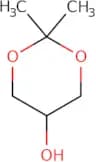
Formule :C7H16ClNODegré de pureté :Min. 95%Masse moléculaire :165.66 g/mol2,2-Dimethyl-1,3-dioxan-5-ol
CAS :2,2-Dimethyl-1,3-dioxan-5-ol is a chemical compound that has been shown to have catalytic properties. It has also been used as an additive in organic synthesis reactions to activate carboxylic acids. 2,2-Dimethyl-1,3-dioxan-5-ol is an oxygenated compound that can be synthesized by the reaction of pyridine and formaldehyde. This substance can be used in acidic conditions and must be activated by solketal or dioxane before use. The physical properties of this chemical are shown using FTIR spectroscopy on corncob samples and physicochemical parameters were determined using standard techniques.
Formule :C6H12O3Degré de pureté :Min. 95%Masse moléculaire :132.16 g/mol2-Bromothieno[3,2-c]pyridin-4(5H)-one
CAS :Versatile small molecule scaffoldFormule :C7H4BrNOSDegré de pureté :Min. 95%Masse moléculaire :230.08 g/mol6-Chloro-2-methyl-4-pyrimidinol
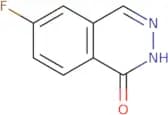
CAS :6-Chloro-2-methyl-4-pyrimidinol is an aldehyde that reacts with hydrazine to form a monoxide, which reacts with carbon monoxide to form a hydrazide.Formule :C5H5ClN2ODegré de pureté :Min. 95%Masse moléculaire :144.56 g/mol6-fluoro-1,2-dihydrophthalazin-1-one
CAS :Versatile small molecule scaffold
Formule :C8H5FN2ODegré de pureté :Min. 95%Masse moléculaire :164.14 g/molN-(4-Bromophenyl)-N-phenylacrylamide
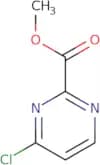
CAS :Versatile small molecule scaffoldFormule :C15H12BrNODegré de pureté :Min. 95%Couleur et forme :PowderMasse moléculaire :302.16 g/molMethyl 4-chloropyrimidine-2-carboxylate
CAS :Versatile small molecule scaffoldFormule :C6H5ClN2O2Degré de pureté :Min. 95%Masse moléculaire :172.57 g/mol2-Cyano-5-fluorophenol
CAS :2-Cyano-5-fluorophenol is an organic compound that is used as a precursor to medicines and other chemicals. It reacts with calcium hydroxide in water to form 2-cyano-5-hydroxyfluorobenzene, which can be hydrolyzed to form 2-cyano-5-chlorofluorobenzene. This compound can also react with sodium hydroxide to produce sodium cyanate, which can be hydrolyzed to form sodium chloride and hydrogen cyanide gas. The alkali metal ions are needed for this reaction, which is why the product should not be exposed to water or moisture. 2-Cyano-5-fluorophenol has been shown to have liquid crystal properties and is used in the production of certain types of polymers. 2Cyano-5Fluorophenol crystals are also used in some medicines such as acetaminophen (paracetamol).
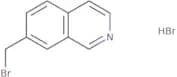
Formule :C7H4FNODegré de pureté :Min. 95%Masse moléculaire :137.11 g/mol7-(Bromomethyl)isoquinoline hydrobromide
CAS :Versatile small molecule scaffoldFormule :C10H8BrN·HBrDegré de pureté :Min. 95%Masse moléculaire :303 g/mol6-Hydroxyquinoline-4-carboxylic acid
CAS :Versatile small molecule scaffoldFormule :C10H7NO3Degré de pureté :Min. 95%Masse moléculaire :189.17 g/mol5-Oxotetrahydrofuran-2-carboxylic acid
CAS :5-Oxotetrahydrofuran-2-carboxylic acid is a solid phase extraction compound that can be used to extract and purify compounds from biological samples. It is synthesized by an asymmetric synthesis of the acetate ester of 5-hydroxytetrahydrofuran-2-carboxylic acid, which is then hydrolyzed to give the desired product. 5-Oxotetrahydrofuran-2-carboxylic acid has been used in cell culture studies as a diagnostic agent for cancer cells. The reactive nature of this molecule allows it to react with chloride ions and fatty acids, which leads to the death of cancer cells.Formule :C5H6O4Degré de pureté :Min. 95%Masse moléculaire :130.1 g/moltert-Butyl 2-bromo-2-methylpropanoate
CAS :tert-Butyl 2-bromo-2-methylpropanoate is a versatile compound with various applications. It is commonly used as a cytotoxic agent in the pharmaceutical industry and as an amide intermediate in organic synthesis. This compound has also been studied for its potential therapeutic effects, such as its ability to inhibit the growth of cancer cells. tert-Butyl 2-bromo-2-methylpropanoate is often utilized in research settings to study the efficacy of drugs like rabeprazole and tripterygium. Additionally, it finds applications in the production of polymers, catalysts, and hydrogen atom transfer reactions. With its wide range of uses, tert-Butyl 2-bromo-2-methylpropanoate is a valuable compound for researchers and industries alike.Formule :C8H15BrO2Degré de pureté :Min. 95%Masse moléculaire :223.11 g/mol4-Iodo-1-methyl-1h-pyrazole-5-carbonitrile
CAS :4-Iodo-1-methyl-1H-pyrazole-5-carbonitrile is a tetrazole molecule that has been shown to have potent and selective inhibitory activity against human PCSK9. This compound binds to the catalytic site of PCSK9 and prevents the formation of an active enzyme, therefore inhibiting the production of LDL cholesterol. 4-Iodo-1-methyl-1H-pyrazole-5-carbonitrile is a prodrug that is metabolized by acetaldehyde dehydrogenase to form an active inhibitor. The reaction proceeds in a chiral and enantioselective manner, which allows for the synthesis of racemic mixtures of this drug.Formule :C5H4IN3Degré de pureté :Min. 95%Masse moléculaire :233.01 g/moltert-Butyl 3-bromo-1,4,6,7-tetrahydro-5H-pyrazolo[4,3-c]pyridine-5-carboxylate
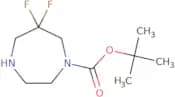
CAS :Versatile small molecule scaffoldFormule :C11H16BrN3O2Degré de pureté :Min. 95%Masse moléculaire :302.17 g/moltert-butyl 6,6-difluoro-1,4-diazepane-1-carboxylate
CAS :Versatile small molecule scaffoldFormule :C10H18F2N2O2Degré de pureté :Min. 95%Masse moléculaire :236.3 g/moltert-butyl 4-(4,4,5,5-tetramethyl-1,3,2-dioxaborolan-2-yl)phenethylcarbamate
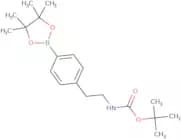
CAS :Versatile small molecule scaffold
Formule :C19H30BNO4Degré de pureté :Min. 95%Masse moléculaire :347.26 g/molMethyl 2-cyano-5-fluorobenzoate
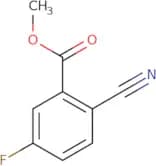
CAS :Versatile small molecule scaffold
Formule :C9H6FNO2Degré de pureté :Min. 95%Masse moléculaire :179.15 g/mol4-Bromo-2-chloro-6-fluorobenzaldehyde
CAS :Versatile small molecule scaffoldFormule :C7H3BrClFODegré de pureté :Min. 95%Masse moléculaire :237.45 g/mol3,5-Bis(trifluoromethyl)-1H-pyrazole-4-carboxylic acid
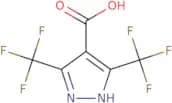
CAS :3,5-Bis(trifluoromethyl)-1H-pyrazole-4-carboxylic acid is a chiral compound that has been shown to be an active building block for coordination frameworks. It is prepared from the reaction of 3,5-bis(trifluoromethyl)-1H-pyrazole with a carboxylic acid and can be used in the synthesis of metalloporphyrins. 3,5-Bis(trifluoromethyl)-1H-pyrazole-4-carboxylic acid has been shown to form stable coordination complexes with ligands such as bidentate or tridentate phosphoramidites and dimethylammonium chloride. This compound undergoes thermal treatment during the preparation process and reacts with various solvents and reagents.Formule :C6H2F6N2O2Degré de pureté :Min. 95%Masse moléculaire :248.08 g/molSodium 4-hydroxybenzenesulfonate dihydrate
CAS :Sodium 4-hydroxybenzenesulfonate dihydrate is a hydrogenated compound with reactive properties. It is used in the production of optical materials and is used to produce hydrogen peroxide, which is a strong oxidizing agent. Sodium 4-hydroxybenzenesulfonate dihydrate has been shown to react with calcium ions to form calcium sulfinates. The luminescence property of this compound can be enhanced by mixing it with other compounds such as x-ray diffraction study, functional groups, or hydrogen peroxide. The reaction time for the formation of sodium 4-hydroxybenzenesulfonate dihydrate can be shortened by adding anions such as sulfamic acid.Formule :C6H5NaO4S·2H2ODegré de pureté :Min. 95%Couleur et forme :White To Off-White SolidMasse moléculaire :232.19 g/molH-beta-Cyclohexyl-Ala-OMe·HCl
CAS :Please enquire for more information about H-beta-Cyclohexyl-Ala-OMe·HCl including the price, delivery time and more detailed product information at the technical inquiry form on this pageFormule :C10H19NO2·HClDegré de pureté :Min. 95%Masse moléculaire :221.72 g/molChloroiodomethane, stabilised with copper
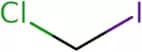
CAS :Chloroiodomethane is a chemical that is used as an intermediate in the production of other chemicals. It is a colourless liquid with a strong odour. 3-Bromopropylamine hydrobromide reacts with chloroiodomethane to form 3-bromopropyl bromide, which can be reacted with hydrogen chloride to form the corresponding acid chloride. This reaction product can then be reacted with β-amino acids to form amides or esters. The reaction mechanism of this process involves nucleophilic substitution of chloroiodomethane by the amino group of the β-amino acid to produce an intermediate α,β-unsaturated carbonyl chloride, which undergoes elimination to give the final product. Chloroiodomethane also reacts rapidly with fatty acids and hydroxyl groups in biological systems, leading to inflammatory diseases such as HIV infection.Formule :CH2ClIDegré de pureté :Min. 95%Couleur et forme :Colorless Clear LiquidMasse moléculaire :176.38 g/molCyclobutanesulfonyl chloride
CAS :Cyclobutanesulfonyl chloride is a reagent that is used for the synthesis of 1-6-alkylcyclobutanes. It can be used to synthesize heterocyclic compounds, including those with high optical purity. Cyclobutanesulfonyl chloride has been shown to have antiviral and antiproliferative properties. It has also been shown to exhibit anticancer activity in vitro and in vivo. The mechanism of action for this compound is unclear, but it may inhibit protein synthesis by attacking the amino acid methionine in proteins or by inhibiting DNA replication.Formule :C4H7ClO2SDegré de pureté :Min. 95%Couleur et forme :Clear LiquidMasse moléculaire :154.62 g/mol4-Chlorobenzenethiol
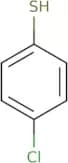
CAS :4-Chlorobenzenethiol is a chemical compound that contains a fatty acid. It is an intramolecular hydrogen donor with the ability to form a disulfide bond. The compound also has high stability and can be used in organic synthesis reactions involving reactive sulfur groups. 4-Chlorobenzenethiol reacts with sodium carbonate to produce sodium thiocarbonate and chloroform, which are then reacted with phosphorus pentoxide for oxidation. The reaction mechanism is similar to that of the Diels-Alder reaction and the model system involves dinucleotide phosphate. 4-Chlorobenzenethiol can be reacted with hydrochloric acid or trifluoroacetic acid as an oxidizing agent.
Formule :C6H5ClSDegré de pureté :Min. 95%Couleur et forme :White PowderMasse moléculaire :144.62 g/mol1,1'-Carbonimidoylbis-1H-imidazole
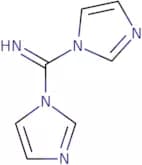
CAS :1,1'-Carbonimidoylbis-1H-imidazole is a ligand that binds to amines and isosteres. It can be activated with electrophilic reagents to form an activated linker. This ligand has been shown to inhibit the growth of xenograft tumor cells in mice by binding to functional groups on the cell surface. This drug also has been shown to bind to the receptor for advanced glycation end products (RAGE) and inhibit its function. 1,1'-Carbonimidoylbis-1H-imidazole has also been evaluated as a cancer therapeutic agent in animal models.
Formule :C7H7N5Degré de pureté :Min. 95%Couleur et forme :White PowderMasse moléculaire :161.16 g/mol2,5-Dibromo-3-aminopyrazine
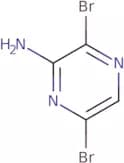
CAS :2,5-Dibromo-3-aminopyrazine is an experimental drug with anticancer activity. It has been shown to have a high affinity for DNA and inhibit the growth of tumor cells in vivo. 2,5-Dibromo-3-aminopyrazine has undergone stability tests in vivo and in vitro and also completed clinical trials. This drug binds to DNA and inhibits the enzyme protein kinase C, leading to suppression of cellular proliferation. The pharmacokinetics of this drug were evaluated by measuring the concentration of 2,5-dibromo-3-aminopyrazine in plasma after oral administration to mice. This study found that the maximum concentration was achieved at 1 hour post dose and that there was a decrease in concentration over time. The drug has been shown to bind to the dimethoxybenzene metabolic pathway, which is involved in regulating cell proliferation.
2,5-Dibromo-3-aminopyrazineFormule :C4H3Br2N3Degré de pureté :Min. 95%Couleur et forme :PowderMasse moléculaire :252.89 g/mol4,4'-Diamino-2,2'-bipyridine
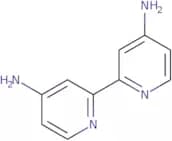
CAS :4,4'-Diamino-2,2'-bipyridine (DABP) is a redox-active compound that is synthesized to be used as a single-stranded DNA probe. It has been shown to have high affinity for nucleic acids and can be used in many applications including the detection of mutations in human ovarian carcinoma cells. DABP can also be used as a model protein for studying interactions with other biomolecules. The immobilization of DABP on an electrode surface allows for the study of its electrochemical properties. This includes the correlation between the redox potential and luminescence intensity and the dependence on pH or ionic strength. DABP can also be used to detect oxygen concentration or ATP levels in mitochondria through its ability to absorb light at wavelengths from 400 nm to 800 nm which is then converted into light at lower wavelengths by uv irradiation.Formule :C10H10N4Degré de pureté :Min. 97 Area-%Couleur et forme :White PowderMasse moléculaire :186.21 g/mol2,4-Diamino-5-nitropyrimidine
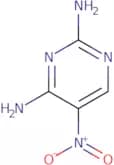
CAS :2,4-Diamino-5-nitropyrimidine is a synthetic molecule that belongs to the class of heterocyclic amines. It has been shown to be a potent antiproliferative agent and has been found to inhibit hepg2 cell growth in vitro. This compound was also found to inhibit cancer cells, including mcf-7. 2,4-Diamino-5-nitropyrimidine binds nucleophilic sites on proteins and inhibits enzymes involved in DNA synthesis. The inhibition of these enzymes leads to cell death by preventing the production of new proteins needed for cell division.Formule :C4H5N5O2Degré de pureté :Min. 95%Couleur et forme :Off-White To Yellow SolidMasse moléculaire :155.12 g/mol4,6-Dichloro-5-nitropyrimidine
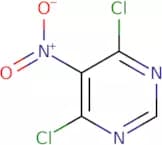
CAS :4,6-Dichloro-5-nitropyrimidine is an intermediate in the synthesis of Tenofovir, a nucleophilic drug that inhibits HIV. It is produced by the reaction of chloride with amines and nitro compounds in the presence of ammonium chloride. 4,6-Dichloro-5-nitropyrimidine has been shown to have anticancer activity against human lymphocytes and other cancer cells. It can also be used for the treatment of AIDS. The biological properties of this compound are dose dependent and are dependent on the size of chlorine atoms attached to nitrogen atoms.Formule :C4HCl2N3O2Degré de pureté :Min. 95%Couleur et forme :Yellow PowderMasse moléculaire :193.98 g/mol2,4-Dibromothiazole
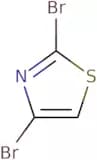
CAS :2,4-Dibromothiazole is a nicotinic acetylcholine receptor (nAChR) antagonist which selectively blocks the binding of acetylcholine to nAChRs. It has been shown to be effective in treating inflammatory bowel disease by inhibiting the production of inflammatory mediators. This drug also has anti-inflammatory effects and can be used for the treatment of autoimmune diseases such as Crohn's disease. 2,4-Dibromothiazole also has low energy properties and is used in palladium complexes for cross-coupling reactions. It can also be used as a cancer chemotherapeutic agent and as a cardiac drug.Formule :C3HBr2NSDegré de pureté :Min. 95%Couleur et forme :White PowderMasse moléculaire :242.92 g/mol










![2-Bromothieno[3,2-c]pyridin-4(5H)-one](/_next/image/?url=https%3A%2Fstatic.cymitquimica.com%2Fproducts%2F3D%2Fthumb-webp%2FDBA94860.webp&w=3840&q=75)





![tert-Butyl 3-bromo-1,4,6,7-tetrahydro-5H-pyrazolo[4,3-c]pyridine-5-carboxylate](/_next/image/?url=https%3A%2Fstatic.cymitquimica.com%2Fproducts%2F3D%2Fthumb-webp%2FLCD42906.webp&w=3840&q=75)