Building Blocks
Sous-catégories appartenant à la catégorie "Building Blocks"
- Acides boroniques et dérivés de l'acide boronique(5.778 produits)
- Building Blocks Chiraux(1.243 produits)
- Building Blocks Hydrocarbonés(6.098 produits)
- Building Blocks organiques(61.036 produits)
205240 produits trouvés pour "Building Blocks"
3-Methoxy-benzenesulfonic acid
CAS :Versatile small molecule scaffold
Formule :C7H8O4SDegré de pureté :Min. 95%Masse moléculaire :188.2 g/molL-Arginine-7-amido-4-methylcoumarin hydrochloride
CAS :Please enquire for more information about L-Arginine-7-amido-4-methylcoumarin hydrochloride including the price, delivery time and more detailed product information at the technical inquiry form on this page
Formule :C16H21N5O3•HClDegré de pureté :Min. 95%Masse moléculaire :367.83 g/mol(3R,4R)-3-[(6-Amino-4-pyrimidinyl)methylamino]-4-methyl-β-oxo-1-piperidinepropanenitrile
CAS :Please enquire for more information about (3R,4R)-3-[(6-Amino-4-pyrimidinyl)methylamino]-4-methyl-β-oxo-1-piperidinepropanenitrile including the price, delivery time and more detailed product information at the technical inquiry form on this page
Formule :C14H20N6ODegré de pureté :Min. 95%Masse moléculaire :288.35 g/mol6-Amino-3-pyridinethiol dihydrochloride
CAS :Please enquire for more information about 6-Amino-3-pyridinethiol dihydrochloride including the price, delivery time and more detailed product information at the technical inquiry form on this page
Formule :C5H6N2S•(HCl)2Degré de pureté :Min. 95%Masse moléculaire :199.1 g/molBenzophenone-4-carboxylic acid
CAS :Organic intermediate
Formule :C14H10O3Degré de pureté :Min. 98 Area-%Couleur et forme :White PowderMasse moléculaire :226.23 g/mol2-Methoxy-benzenesulfonic acid
CAS :2-Methoxy-benzenesulfonic acid is a synthetic chemical compound that is used in the production of polymers and other ester compounds. It can be produced by reacting benzenesulfonyl chloride with methanol in the presence of a strong acid catalyst. 2-Methoxy-benzenesulfonic acid reacts with radiation to produce reactive oxygen species that are capable of damaging cellular structures. The molecule contains an intramolecular hydrogen bond, which stabilizes the structure and helps to form hydrogen bonds with other molecules. 2-Methoxy-benzenesulfonic acid also has a hydroxyl group, which allows it to function as an acidic compound that can react with water and cause inflammation. This functional group also makes it soluble in water, allowing it to penetrate tissue structures.
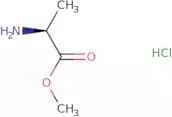
Formule :C7H8O4SDegré de pureté :Min. 95%Masse moléculaire :188.2 g/molL-Alanine methyl ester HCl
CAS :L-Alanine methyl ester HCl is a compound that is used in wastewater treatment. It has been shown to inhibit the enzyme DPP-IV, which is associated with metabolic disorders. L-Alanine methyl ester HCl also has been shown to have antimicrobial activity against a number of bacteria, including methicillin resistant Staphylococcus aureus (MRSA). L-Alanine methyl ester HCl has been shown to have anti-inflammatory properties and can be used for the treatment of autoimmune diseases. This compound also has a significant effect on biological properties such as phase transition temperature and thermal expansion.Formule :C4H10NO2ClDegré de pureté :Min. 95%Couleur et forme :White PowderMasse moléculaire :139.58 g/mol4-Acetylimidazole
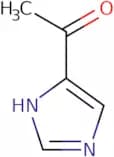
CAS :4-Acetylimidazole is a histidine analogue that has been shown to have anticancer activity in breast cancer cells. It can react with amines and form imidazoles. The hydroxyl group on the 4-position of the imidazole ring is able to undergo dehydration, which leads to the formation of a chloride ion. This reaction mechanism is reversible and can be used in organic synthesis. 4-Acetylimidazole can also act as an h2 receptor antagonist, although it does not bind to the zwitterionic site of the h2 receptor. NMR spectra show that 4-acetylimidazole exists as a zwitterion in water solution, but becomes a monovalent ion when dissolved in an organic solvent such as methanol or acetone. 4-Acetylimidazole is chemically stable and does not react with poloxamer.
Formule :C5H6N2ODegré de pureté :Min. 95%Couleur et forme :Yellow PowderMasse moléculaire :110.11 g/molmethyl 4-bromo-3-formylbenzoate
CAS :Versatile small molecule scaffoldFormule :C9H7BrO3Degré de pureté :Min. 95%Masse moléculaire :243.1 g/mol4-Bromopyridine-2,3-diamine
CAS :Versatile small molecule scaffoldFormule :C5H6N3BrDegré de pureté :Min. 95%Masse moléculaire :188.02 g/mol3,4,5-Trimethoxybenzoyl chloride
CAS :3,4,5-Trimethoxybenzoyl Chloride is a reactive, active chemical that is used in the synthesis of cytotoxic amides. It is prepared by reacting 3,4,5-trimethoxybenzoic acid with an amine or ammonia in the presence of a base. The reaction yields an amide substituted at the 3- and 4-positions with trimethoxyphenyl groups.
Formule :C10H11ClO4Degré de pureté :Min. 95%Masse moléculaire :230.64 g/mol3-(iodomethyl)oxetane
CAS :Versatile small molecule scaffold
Formule :C4H7IODegré de pureté :Min. 95%Masse moléculaire :198 g/molOctahydro-2,6-naphthyridin-1(2H)-one acetate
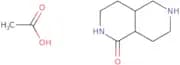
CAS :Produit contrôléPlease enquire for more information about Octahydro-2,6-naphthyridin-1(2H)-one acetate including the price, delivery time and more detailed product information at the technical inquiry form on this page
Formule :C8H14N2O•C2H4O2Degré de pureté :Min. 95%Masse moléculaire :214.26 g/mol4-Bromobenzaldehyde
CAS :4-Bromobenzaldehyde is a chemical compound that belongs to the group of aromatic compounds. It has been shown to have a potent stimulatory effect on locomotor activity in mice, which may be due to its ability to increase levels of epidermal growth factor and gamma-aminobutyric acid in the brain. 4-Bromobenzaldehyde can be synthesized from 2,4-dibromophenol and anhydrous copper chloride in the presence of sodium hydroxide. The reaction mechanism for this synthesis is believed to involve an intermediate enamine form of 4-bromobenzaldehyde, which can then undergo hydrolysis into 2,4-dibromophenol and benzaldehyde. This product is used as a reagent in organic synthesis because it can be used to form esters with trifluoroacetic acid or hydrochloric acid in high yield.
Formule :C7H5BrODegré de pureté :Min. 90 Area-%Couleur et forme :White PowderMasse moléculaire :185.02 g/mol1-Benzofuran-5-carbaldehyde
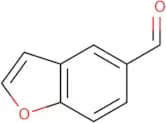
CAS :1-Benzofuran-5-carbaldehyde is a synthetic compound that inhibits the enzyme ido1. It has been shown to have potent cytotoxicity, potent inhibition, and neurotrophic properties in a number of cell lines. 1-Benzofuran-5-carbaldehyde also exhibits inhibitory effects on the enzymes hydrolyzing dopamine, which is involved in the synthesis of norepinephrine and epinephrine. The chemical structure of 1-benzofuran-5-carbaldehyde closely resembles that of dopamine and its derivatives, and can be used for the treatment of neurodegenerative diseases such as Parkinson's disease.Formule :C9H6O2Degré de pureté :Min. 95%Couleur et forme :Yellow To Brown SolidMasse moléculaire :146.14 g/mol10-Oxooctadecanoic acid
CAS :Please enquire for more information about 10-Oxooctadecanoic acid including the price, delivery time and more detailed product information at the technical inquiry form on this pageFormule :C18H34O3Degré de pureté :Min. 95%Masse moléculaire :298.5 g/molMethyl 3-oxoisoindoline-5-carboxylate
CAS :Versatile small molecule scaffoldFormule :C10H9NO3Degré de pureté :Min. 95%Masse moléculaire :191.18 g/mol5-(1-Oxodithiolan-3-yl)pentanoic acid
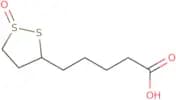
CAS :Please enquire for more information about 5-(1-Oxodithiolan-3-yl)pentanoic acid including the price, delivery time and more detailed product information at the technical inquiry form on this pageFormule :C8H14O3S2Degré de pureté :Min. 95%Masse moléculaire :222.3 g/mol4-Benzyloxy-1-butanol
CAS :Produit contrôléVersatile small molecule scaffold
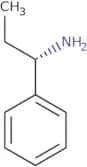
Formule :C11H16O2Degré de pureté :Min. 95%Masse moléculaire :180.24 g/mol(S)-(-)-1-Phenylpropylamine
CAS :(S)-(-)-1-Phenylpropylamine is a compound that can be synthesized by the asymmetric synthesis of 1-phenylethylamine. It is an amine that is used in the production of other compounds and has been shown to be reactive with a number of different compounds. The chemical profile of (S)-(-)-1-Phenylpropylamine consists mainly of aldehydes, amides, amines, and alkylating agents. This chiral molecule can be used for the production of drugs or as a precursor for other chemicals.
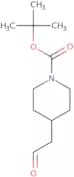
Formule :C9H13NDegré de pureté :Min. 95%Masse moléculaire :135.21 g/molN-Boc-4-piperidineacetaldehyde
CAS :N-Boc-4-piperidineacetaldehyde is a chiral, stable, and readily available aldehyde. It has been used in the synthesis of various biologically active molecules including imidazolidinones, which are important for their use as catalysts in organic chemistry. The synthesis of this molecule by the condensation of 4-piperidineacetic acid with acetaldehyde followed by reduction with sodium borohydride is an example of this type of reaction. N-Boc-4-piperidineacetaldehyde can be used to synthesize imines and linkers that are covalently bonded to the protein backbone. This molecule also has conformational stability and is not susceptible to oxidation or radiation damage.
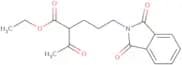
Formule :C12H21NO3Degré de pureté :Min. 95%Masse moléculaire :227.3 g/molEthyl 2-(3-phthalimidopropyl)acetoacetate
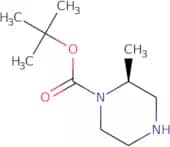
CAS :Please enquire for more information about Ethyl 2-(3-phthalimidopropyl)acetoacetate including the price, delivery time and more detailed product information at the technical inquiry form on this pageFormule :C17H19NO5Degré de pureté :Min. 95%Masse moléculaire :317.34 g/mol(S)-1-N-Boc-2-methylpiperazine
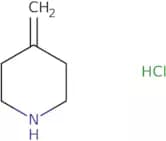
CAS :(S)-1-N-Boc-2-methylpiperazine is a quinolone synthon that has been shown to have antibacterial activity against bacteria. The synthesis of this compound is done through the condensation of piperazine with an N-Boc protected 2,6-dichloroquinoline. This reaction proceeds in good yield and enantioselectivity. The antibacterial properties of (S)-1-N-Boc-2-methylpiperazine are not yet known.Formule :C10H20N2O2Degré de pureté :Min. 95%Couleur et forme :White PowderMasse moléculaire :200.28 g/mol4-Methylenepiperidine hydrochloride
CAS :4-Methylenepiperidine hydrochloride is a synthetic, ethylene oxide derivative that is used as an antifungal drug. It is also used in the synthesis of other compounds and as a reagent in organic chemistry. 4-Methylenepiperidine hydrochloride can be synthesized by reacting ethylene with an alkoxide, followed by adding a metal halide such as organolithium reagents to form the desired product. The yield rate of this reaction is high and it is easy to perform on a large scale.Formule :C6H11N·HClDegré de pureté :Min. 95%Couleur et forme :White PowderMasse moléculaire :133.62 g/mol2-Methyl-2H-indazol-5-ylamine
CAS :Please enquire for more information about 2-Methyl-2H-indazol-5-ylamine including the price, delivery time and more detailed product information at the technical inquiry form on this pageFormule :C8H9N3Degré de pureté :Min. 95%Masse moléculaire :147.18 g/mol2-Bromo-5-methylpyridin-3-ol
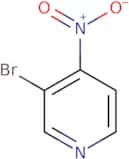
CAS :Versatile small molecule scaffoldFormule :C6H6BrNODegré de pureté :Min. 95%Masse moléculaire :188.02 g/mol3-Bromo-4-nitropyridine
CAS :3-Bromo-4-nitropyridine is a pyridine compound that has been identified as an environmental contaminant. It is used to synthesize other compounds, such as 4-(3-bromopyridin-2-yl)morpholine, which is used in the synthesis of acetonitrile. 3-Bromo-4-nitropyridine undergoes nucleophilic substitution reactions with amines, leading to homoconjugation and bond cleavage. This reaction may be followed by nitration to give 3-(3'-nitro)pyridine. 3-Bromo-4-nitropyridine can be converted into its n-oxide form or into the ionic form by treatment with acetonitrile.Formule :C5H3BrN2O2Degré de pureté :Min. 95%Couleur et forme :Yellow PowderMasse moléculaire :202.99 g/mol6-Maleimidocaproic acid N-hydroxysuccinimide ester
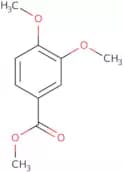
CAS :6-Maleimidocaproic acid N-hydroxysuccinimide ester (6MCA-NHS) is a fluorescent probe that reacts with the hydroxyl group of fatty acids in human serum and other biological samples. 6MCA-NHS binds to the carboxylic acid group at the end of a fatty acid molecule, forming a covalent bond. This process generates light emission that can be detected by a fluorescence probe to measure changes in pH or other chemical properties within the solution. 6MCA-NHS has been used as a tumor treatment, where laser ablation is used to break up tumor cells and release 6MCA-NHS into the cytoplasm. The drug can then bind to DNA molecules and inhibit protein synthesis, which results in cell death.Formule :C14H16N2O6Degré de pureté :Min. 95%Couleur et forme :White Off-White PowderMasse moléculaire :308.29 g/molMethyl 3,4-dimethoxybenzoate
CAS :Methyl 3,4-dimethoxybenzoate is an acetate extract that has been shown to inhibit tyrosinase activity. This compound also has a potent inhibitory effect on the production of p-hydroxybenzoic acid. Methyl 3,4-dimethoxybenzoate can be synthesized from protocatechuic acid and methoxy groups. It is a chemical reaction involving three steps: condensation, dehydration, and reduction. Tyrosinase is an enzyme in the melanin biosynthetic pathway that catalyzes the conversion of tyrosine to dopaquinone. Tyrosinase activity can be inhibited by methyl 3,4-dimethoxybenzoate through competitive inhibition or by its ability to reduce the availability of substrate for this enzyme.Formule :C10H12O4Degré de pureté :Min. 95%Couleur et forme :PowderMasse moléculaire :196.2 g/mol3-Methyl-2-(methylthio)benzo[d]thiazol-3-ium iodide
CAS :Please enquire for more information about 3-Methyl-2-(methylthio)benzo[d]thiazol-3-ium iodide including the price, delivery time and more detailed product information at the technical inquiry form on this pageFormule :C9H10NS2•IDegré de pureté :Min. 95%Masse moléculaire :323.22 g/mol5-bromo-3-iodopyrazolo[1,5-a]pyridine
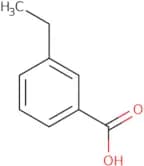
CAS :Versatile small molecule scaffoldFormule :C7H4BrIN2Degré de pureté :Min. 95%Masse moléculaire :322.9 g/molc3-Ethylbenzoic acid
CAS :C3-Ethylbenzoic acid is an organic compound that can be synthesized from the reactants ethyl bromide, propylene oxide, and acetic anhydride. The synthesis of C3-Ethylbenzoic acid is a stepwise process in which the starting materials are converted to intermediates and then reacted to form the desired product. The reaction mechanism involves bond cleavage, which generates a carboxylic acid group on one end of the molecule and a phenyl group on the other end. C3-Ethylbenzoic acid interacts with clausamine and isoprene during transport through cell membranes. This interaction may lead to increased permeability of cell membranes by c3-ethylbenzoic acid.Formule :C9H10O2Degré de pureté :Min. 95%Masse moléculaire :150.17 g/mol(R)-tert-Butyl 2-methylpiperazine-1-carboxylate
CAS :(R)-tert-Butyl 2-methylpiperazine-1-carboxylate is a versatile building block that can be used for the synthesis of complex compounds. The compound is a reagent, speciality chemical, and useful building block in research. It can be used as a reaction component or scaffold in synthesis. (R)-tert-Butyl 2-methylpiperazine-1-carboxylate has been shown to react with nucleophiles such as amines and alcohols to form stable products. This product has high quality and is useful for chemical reactions involving carbonyl groups.Formule :C10H20N2O2Degré de pureté :Min. 95%Couleur et forme :White PowderMasse moléculaire :200.28 g/mol(1S,4S)-tert-Butyl 2,5-diazabicyclo[2.2.1]heptane-2-carboxylate
CAS :Please enquire for more information about (1S,4S)-tert-Butyl 2,5-diazabicyclo[2.2.1]heptane-2-carboxylate including the price, delivery time and more detailed product information at the technical inquiry form on this pageDegré de pureté :Min. 95%Ethyl 3-amino-5-bromo-1H-pyrazole-4-carboxylate
CAS :Versatile small molecule scaffoldFormule :C6H8BrN3O2Degré de pureté :Min. 95%Masse moléculaire :234.05 g/mol2-Bromobenzo[d]thiazol-6-amine
CAS :Please enquire for more information about 2-Bromobenzo[d]thiazol-6-amine including the price, delivery time and more detailed product information at the technical inquiry form on this pageFormule :C7H5BrN2SDegré de pureté :Min. 95%Masse moléculaire :229.1 g/molMCPA 2-ethylhexyl ester
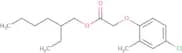
CAS :Please enquire for more information about MCPA 2-ethylhexyl ester including the price, delivery time and more detailed product information at the technical inquiry form on this pageFormule :C17H25ClO3Degré de pureté :Min. 95%Masse moléculaire :312.83 g/mol(R)-4-N-Boc-2-hydroxymethyl-piperazine
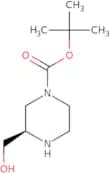
CAS :Please enquire for more information about (R)-4-N-Boc-2-hydroxymethyl-piperazine including the price, delivery time and more detailed product information at the technical inquiry form on this page
Formule :C10H20N2O3Degré de pureté :Min. 95%Masse moléculaire :216.28 g/mol1-Bromo-5-fluoropentane
CAS :1-Bromo-5-fluoropentane is a colorless liquid with a high viscosity. It is an inhibitor of enzymes that catalyze fatty acid synthesis, and can be used to treat hepatitis C. 1-Bromo-5-fluoropentane has been shown to have anti-HIV activity in vitro, inhibiting the infection of human cells by HIV. This compound blocks the cb2 receptor, which is involved in the inflammatory process. 1-Bromo-5-fluoropentane also inhibits hydroxylase and thiolase activities in human liver cells. This agent is a synthetic cannabinoid that is structurally similar to THC, but does not bind to CB1 or CB2 receptors. It has a liquid crystal composition at room temperature, but becomes a solid crystal at higher temperatures. 1-Bromo-5-fluoropentane exhibits spontaneous activity when heated to about 100°C. It reactsFormule :C5H10BrFDegré de pureté :Min. 95%Couleur et forme :Colorless Slightly Yellow Clear LiquidMasse moléculaire :169.04 g/mol2,4-Dichloro-3-nitropyridine
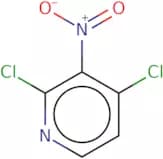
CAS :2,4-Dichloro-3-nitropyridine is a halogenated pyridinium salt that has been shown to inhibit the influenza virus in vitro. This compound is also reactive with nucleophilic groups such as amines, alcohols, and thiols. 2,4-Dichloro-3-nitropyridine has been used for the synthesis of quinoline derivatives that have potential applications in autoimmune diseases or cancer. 2,4-Dichloro-3-nitropyridine has also been found to be an inhibitor of tumor necrosis factor alpha (TNFα) production by LPS stimulated human monocytes.Formule :C5H2Cl2N2O2Degré de pureté :Min. 95%Couleur et forme :White PowderMasse moléculaire :192.99 g/mol4-tert-Butoxybenzaldehyde
CAS :4-tert-Butoxybenzaldehyde is a colorless liquid that has a viscosity of 0.3 mm2/s at 25 °C. It can be synthesized by reacting pyridine with hydrochloric acid in the presence of a Grignard reagent. 4-tert-Butoxybenzaldehyde reacts with phenolic antioxidants to form an ester, which can be used as an industrial solvent. The crystal x-ray diffraction pattern of 4-tert-Butoxybenzaldehyde exhibits peaks at 2θ = 8.0, 11.5, and 18.5° corresponding to the (100), (200), and (220) planes, respectively. This chemical can also undergo reactions that lead to termination or transfer reactions, including diethyl ketomalonate formation with diethyl malonate in the presence of water as a solvent and potassium hydroxide as a catalyst for transfer reactions.END>Formule :C11H14O2Degré de pureté :Min. 95%Couleur et forme :PowderMasse moléculaire :178.23 g/molEthyl 4,6-dihydroxypyridazine-3-carboxylate
CAS :Versatile small molecule scaffold
Formule :C7H8N2O4Degré de pureté :Min. 95%Masse moléculaire :184.15 g/molMethyl 2-Bromo-5-iodobenzoate
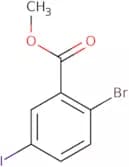
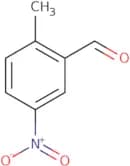
CAS :Please enquire for more information about Methyl 2-Bromo-5-iodobenzoate including the price, delivery time and more detailed product information at the technical inquiry form on this pageFormule :C8H8BrIO2Degré de pureté :Min. 95%Masse moléculaire :340.94 g/mol2-Methyl-5-nitrobenzaldehyde
CAS :2-Methyl-5-nitrobenzaldehyde is a nitro compound that is used in the synthesis of dobutamine. It has been shown to undergo rearrangements, with the formation of 2-methyl-5-nitrophenol. Kinetic studies have shown that chlorine can be substituted for hydrogen at the 2 position, and this substitution leads to an increase in reactivity. 2-methyl-5-nitrobenzaldehyde also reacts with dopamine to form a ketone. The hydroxy group on this molecule is nucleophilic and can attack electrophiles, making it useful as an active site for synthetic reactions. This compound is also pyrophoric, which means it will spontaneously ignite in air and burn until all its fuel is consumed.
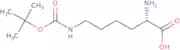
Formule :C8H7NO3Degré de pureté :Min. 95%Couleur et forme :Off-White PowderMasse moléculaire :165.15 g/molH-Lys(Boc)-OH
CAS :H-Lys(Boc)-OH is an ε-amino-protected lysine that plays a pivotal role in solution phase peptide synthesis. Strategically protected at the ε-amino group, it allows controlled peptide assembly, and it serves as intermediate for synthesizing β-peptides. The bulky Boc (tert-butyloxycarbonyl) group shields its epsilon amine (NH2) group, acting as a protective measure to prevent unwanted side reactions.Formule :C11H22N2O4Couleur et forme :White PowderMasse moléculaire :246.3 g/moltert-Butyl 7-bromoheptanoate
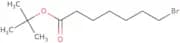
CAS :Versatile small molecule scaffold
Formule :C11H21BrO2Degré de pureté :Min. 95%Masse moléculaire :265.19 g/mol(S)-Laudanosine
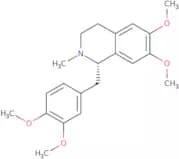
CAS :Laudanosine is a gamma-aminobutyric acid (GABA) analog that is metabolized by the liver to form laudanosine. Laudanosine has been shown to be a competitive antagonist of benzodiazepine binding sites, including those of atracurium, mivacurium chloride, and diazepam. Laudanosine has also been shown to inhibit cyclic nucleotide phosphodiesterases in vitro, with clinical relevance for its use as an anti-epileptic drug.
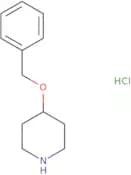
Formule :C21H27NO4Degré de pureté :Min. 95%Masse moléculaire :357.44 g/mol4-(Benzyloxy)piperidine HCl
CAS :4-(Benzyloxy)piperidine HCl is a versatile building block that is used in the synthesis of complex compounds such as research chemicals, reagents and speciality chemicals. 4-(Benzyloxy)piperidine HCl is also a useful intermediate in organic synthesis and can be used as a reaction component. 4-(Benzyloxy)piperidine HCl has CAS number 81151-68-0 and is a useful scaffold for chemical syntheses.Formule :C12H17NOHClDegré de pureté :Min. 95%Couleur et forme :White PowderMasse moléculaire :227.73 g/mol4-Hydroxybenzenesulfonic acid, 65% aqueous solution
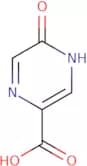
CAS :4-Hydroxybenzenesulfonic acid is a chemical compound that is used as an antimicrobial agent in industrial applications. It is commonly used as a corrosion inhibitor, a chelating agent, and an additive for detergents and other cleaning products. 4-Hydroxybenzenesulfonic acid has been shown to inhibit the growth of bacteria by binding to fatty acids in the cell membrane and preventing them from being incorporated into the cell wall. This process causes the cell wall to weaken and eventually rupture. The reaction mechanism of 4-hydroxybenzenesulfonic acid is similar to that of p-hydroxybenzoic acid, which also inhibits bacterial growth by attacking fatty acids in the cell membrane. 4-Hydroxybenzenesulfonic acid may be preferable because it can be produced from renewable sources rather than from petroleum or natural gas.Formule :C6H6O4SDegré de pureté :65%MinCouleur et forme :Red PowderMasse moléculaire :174.18 g/mol5-Hydroxypyrazine-2-carboxylic acid
CAS :5-Hydroxypyrazine-2-carboxylic acid is a drug that inhibits the activation of proteins involved in cell signaling pathways. It has been shown to have an inhibitory effect on the activation of protein kinase C, which plays a key role in the proliferation and differentiation of cells. 5-Hydroxypyrazine-2-carboxylic acid also inhibits sorafenib, a drug used for the treatment of cancer. Sorafenib is metabolized in rats by cytochrome P450 (CYP) enzymes, which are found in human liver tissue as well. The metabolism rate of sorafenib can be reduced by coadministration with caffeine or other substances that induce CYP activity. 5-Hydroxypyrazine-2-carboxylic acid is not active against pyrazinoic acid and pyrazine-2 carboxylate, which are metabolites produced by CYP enzymes.Formule :C5H4N2O3Degré de pureté :Min. 98 Area-%Couleur et forme :Brown PowderMasse moléculaire :140.1 g/mol


![(3R,4R)-3-[(6-Amino-4-pyrimidinyl)methylamino]-4-methyl-β-oxo-1-piperidinepropanenitrile](/_next/image/?url=https%3A%2Fstatic.cymitquimica.com%2Fproducts%2F3D%2Fthumb-webp%2FFA184079.webp&w=3840&q=75)











![3-Methyl-2-(methylthio)benzo[d]thiazol-3-ium iodide](/_next/image/?url=https%3A%2Fstatic.cymitquimica.com%2Fproducts%2F3D%2Fthumb-webp%2FFM184304.webp&w=3840&q=75)
![5-bromo-3-iodopyrazolo[1,5-a]pyridine](/_next/image/?url=https%3A%2Fstatic.cymitquimica.com%2Fproducts%2F3D%2Fthumb-webp%2FCEC88182.webp&w=3840&q=75)

![(1S,4S)-tert-Butyl 2,5-diazabicyclo[2.2.1]heptane-2-carboxylate](/_next/image/?url=https%3A%2Fstatic.cymitquimica.com%2Fproducts%2F3D%2Fthumb-webp%2FFB45380.webp&w=3840&q=75)

![2-Bromobenzo[d]thiazol-6-amine](/_next/image/?url=https%3A%2Fstatic.cymitquimica.com%2Fproducts%2F3D%2Fthumb-webp%2FFB144124.webp&w=3840&q=75)