Building Blocks
Sous-catégories appartenant à la catégorie "Building Blocks"
- Acides boroniques et dérivés de l'acide boronique(5.775 produits)
- Building Blocks Chiraux(1.238 produits)
- Building Blocks Hydrocarbonés(6.099 produits)
- Building Blocks organiques(60.996 produits)
205207 produits trouvés pour "Building Blocks"
Imipenem monohydrate
CAS :Imipenem monohydrate
Formule :C12H17N3O4S·H2ODegré de pureté :95% (nmr) (Typical Value in Batch COA)Couleur et forme : yellow solidMasse moléculaire :317.36g/molPiperidin-4-one hydrochloride hydrate
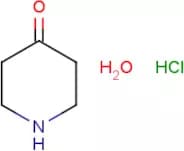
CAS :Piperidin-4-one hydrochloride hydrate
Formule :C5H9NO·ClH·H2ODegré de pureté :97%Couleur et forme : white crystalline solidMasse moléculaire :153.61g/mol2-Bromo-4,5,6,7-tetrahydrothiazolo[4,5-c]pyridine
CAS :2-Bromo-4,5,6,7-tetrahydrothiazolo[4,5-c]pyridine
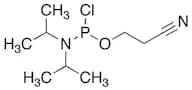
Formule :C6H7BrN2SDegré de pureté :95%Couleur et forme :SolidMasse moléculaire :219.10g/molCyanoethyl N,N-Diisopropyl Phosphoamidochloridite
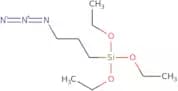
CAS :Formule :C9H18ClN2OPCouleur et forme :Colourless to Yellow OilMasse moléculaire :236.683-(Azidopropyl)triethoxysilane
CAS :3-(Azidopropyl)triethoxysilane is a chemical compound that is used as an immobilization agent for metal ions. It is typically synthesized by reacting triethoxysilane with azide and can be used to immobilize metal ions on the surface of various materials, such as glass, silicon, or other substrates. 3-(Azidopropyl)triethoxysilane has been shown to have anticancer activity in vitro against MCF-7 cells. This compound induces cancer cell death by binding to the cell membrane and disrupting its lipid bilayer. 3-(Azidopropyl)triethoxysilane also has a diameter of 6.3 nm, which allows it to cross the membrane easily.
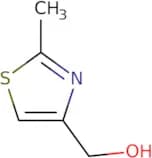
Formule :C9H21N3O3SiDegré de pureté :Min. 95 Area-%Couleur et forme :Clear LiquidMasse moléculaire :247.37 g/mol4-(Hydroxymethyl)-2-methylthiazole
CAS :4-(Hydroxymethyl)-2-methylthiazole (4HMT) is a scaffold that can be used as a building block for complex compounds. 4HMT has been shown to be an excellent reagent for the synthesis of heterocycles and other useful compounds. It is also useful in research, where it is often used as a reaction component. The high quality of 4HMT ensures that it is an excellent choice for use as a fine chemical or speciality chemical.
Formule :C5H7NOSDegré de pureté :Min. 95%Couleur et forme :PowderMasse moléculaire :129.18 g/molSodium methanethiolate
CAS :Methanethiol is a compound that occurs naturally in the environment. It is used as a fungicide, insecticide and herbicide. Methanethiol inhibits the growth of microorganisms by binding to metal ions on the surface of cells. This prevents DNA replication and protein synthesis, leading to cell death. Methanethiol also has anti-inflammatory properties which may be due to its ability to inhibit adenosine A1 receptor activity in humans.
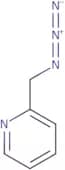
Formule :CH3NaSDegré de pureté :Min. 95%Couleur et forme :White PowderMasse moléculaire :70.09 g/mol2-(Azidomethyl)pyridine
CAS :2-(Azidomethyl)pyridine (2-AP) is an organopalladium complex with a molecular weight of 206.2 g/mol. It has been used in magnetic resonance spectroscopy and has been shown to bind to all-trans retinoic acid, which is an active metabolite of vitamin A. 2-AP has also been shown to inhibit the growth of cancer cells by binding to the glycan on cell surfaces. The copper complex has been shown to have anti-inflammatory properties and can inhibit the activity of enzymes such as cyclooxygenase and lipoxygenase, which are involved in inflammatory responses. 2-AP is a second-order rate constant for the exothermic reaction between hydrogen peroxide and azide ion, which produces nitrous oxide ((NO)) and water molecules.
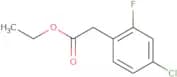
Formule :C6H6N4Degré de pureté :Min. 95%Couleur et forme :Brown PowderMasse moléculaire :134.14 g/mol(4-Chloro-2-fluorophenyl)acetic acid ethyl ester
CAS :4-Chloro-2-fluorophenyl)acetic acid ethyl ester is a fine chemical that can be used as a scaffold for building more complex molecules, or it can be used as a versatile building block in the synthesis of research chemicals. It is also an intermediate in many reactions and can be used as a speciality chemical. 4-Chloro-2-fluorophenyl)acetic acid ethyl ester has been shown to have high quality and it is useful for research on complex compounds. It can also be used as a reagent in organic synthesis.
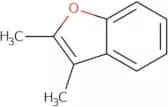
Formule :C10H10ClFO2Degré de pureté :Min. 95%Couleur et forme :SolidMasse moléculaire :216.64 g/mol2,3-Dimethylbenzofuran
CAS :2,3-Dimethylbenzofuran (2,3-DBF) is a specific interaction that is an inorganic chemical. It has shown genotoxic effects, such as DNA damage and chromosomal aberrations, in hl-60 cells. 2,3-DBF can be acetylated by the activity of acetyltransferases to form 2,3-dimethylbenzoic acid (DMBA). DMBA is oxidized by cytochrome P450 enzymes to form DMBA quinone. DMBA quinone reacts with deuterium isotope to form an ionizable compound which can then be hydrolyzed into benzoic acid and methyl alcohol. The oxidation products of 2,3-DBF have been studied using analytical methods such as gas chromatography and mass spectrometry. These analyses showed the presence of acidic hydrolysis products and ionizable compounds.
Formule :C10H10ODegré de pureté :Min. 98 Area-%Couleur et forme :Clear LiquidMasse moléculaire :146.19 g/mol6-Azaindole
CAS :6-Azaindole is a fine chemical that can be used as a reagent, building block, and intermediate. It is a versatile compound that has been shown to have high quality and complex chemistry. 6-Azaindole is an important reaction component in the synthesis of other compounds with pharmaceutical applications such as amide synthons, amino acid esters, and pharmaceutical intermediates. 6-Azaindole can also be used as a scaffold for the preparation of indoles. CAS No: 271-29-4
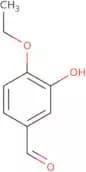
Formule :C7H6N2Masse moléculaire :118.14 g/mol4-Ethoxy-3-hydroxybenzaldehyde
CAS :4-Ethoxy-3-hydroxybenzaldehyde (4EHB) is a thioacetal that has been shown to be an effective precursor for the synthesis of many other molecules, such as combretastatin a-4. It is prepared by reaction of ethylmagnesium bromide and acetone. 4EHB has been shown to have antifungal properties in vitro, and can be used in the treatment of cancer cells. This compound is volatile and can be easily detected with headspace techniques. The functional group of this molecule is an alcohol group, which is found on the ring structure. Spectroscopic analysis shows that it has a carbonyl group with an OH group attached to it.
Formule :C9H10O3Degré de pureté :Min. 95%Couleur et forme :Colorless PowderMasse moléculaire :166.17 g/molDL-Asparagine monohydrate
CAS :DL-Asparagine monohydrate is a white crystalline powder that is soluble in water. It has been used as a building block for the synthesis of various compounds and as a reaction component in chemical research.
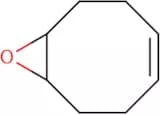
Formule :C4H10N2O4Masse moléculaire :150.14 g/mol1,2-Epoxy-5-cyclooctene
CAS :1,2-Epoxy-5-cyclooctene is a cyclic epoxide that undergoes ring opening with the addition of a nucleophile. This reaction is catalyzed by a bromonium ion, which acts as the electrophile. The product of this reaction is 2-hydroxy-1,2-epoxycyclohexane. 1,2-Epoxy-5-cyclooctene has been used in synthesizing various compounds such as monoepoxides and hydrosilanes. It can also be used to produce compounds that are difficult to access through other methods. 1,2-Epoxy-5-cyclooctene has been studied using x-ray crystallography and conformational analysis.
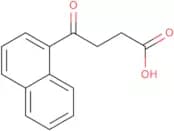
Formule :C8H12ODegré de pureté :Min. 98 Area-%Couleur et forme :Clear LiquidMasse moléculaire :124.18 g/mol1-(3-Carboxypropionyl)naphthalene
CAS :1-(3-Carboxypropionyl)naphthalene is a drug that belongs to the class of reactive drugs. It is a prodrug that is metabolized by cytochrome P450 enzymes to 1-(3-carboxypropionyl)naphthoquinone (1CPRNQ). Its main mechanism of action is through binding to magnesium, which induces cell membrane permeability and results in apoptosis. 1-(3-Carboxypropionyl)naphthalene has shown an antibody response to eye disorders and cardiovascular diseases, as well as anti-angiogenic properties. It also has been shown to inhibit the proliferation of tumor cells and induce leukocyte antigen expression.
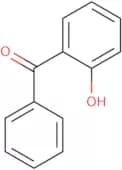
Formule :C14H12O3Degré de pureté :Min. 95%Couleur et forme :Off-White PowderMasse moléculaire :228.24 g/mol2-Hydroxybenzophenone
CAS :2-Hydroxybenzophenone is a phenolic compound that has been used as an intermediate in the production of other organic compounds. It is also used to study the reaction mechanism of 2-hydroxylation reactions and protonation reactions. Protonation of 2-hydroxybenzophenone with calcium stearate yields calcium 2,2'-dihydroxybenzoate, which is then hydrolyzed to release hydrogen gas. The hydroxyl group on the benzene ring coordinates with the phosphate group on phosphite to form a hydrogen bond. This process can be catalyzed by sodium carbonate. The uv absorption spectra show two maxima at 254 and 280 nm due to the presence of both hydroxyl groups and carbonyl groups.
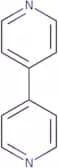
Formule :C13H10O2Degré de pureté :Min. 98 Area-%Couleur et forme :PowderMasse moléculaire :198.22 g/mol4,4'-Dipyridyl - 98%
CAS :4,4'-Dipyridyl is a cyclic peptide with a basic structure. It has been found to have inhibitory effects against the growth of bacteria in human serum and group P2. The x-ray crystal structures reveal that it has strong intermolecular hydrogen bonding interactions. Experimental solubility data and coordination models show that 4,4'-dipyridyl is soluble in anhydrous sodium. Structural analysis and kinetic energy calculations indicate that the inhibitor binding site is located on the hydroxyl groups of the backbone of the molecule. This ligand also binds to metal ions such as copper or zinc.
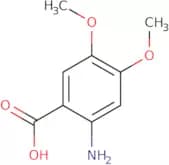
Formule :C10H8N2Couleur et forme :Off-White PowderMasse moléculaire :156.19 g/mol2-Amino-4,5-dimethoxybenzoic acid
CAS :2-Amino-4,5-dimethoxybenzoic acid is a potent antitumor agent that inhibits the growth of tumor cells. It has been shown to inhibit the production of epidermal growth factor (EGF) and plays a role in the inhibition of tumor cell proliferation in vitro. 2-Amino-4,5-dimethoxybenzoic acid has also been shown to have photochemical properties and can be activated by light. This compound can be used as an indicator for gravimetric analysis because it reacts with diazonium salts and produces a colored product. 2-Amino-4,5-dimethoxybenzoic acid is also reactive and may be used in Suzuki coupling reactions. This chemical compound is chemically related to other inhibitors such as mcf7 and suzuki coupling reactions.
Formule :C9H11NO4Degré de pureté :Min. 95%Couleur et forme :Beige PowderMasse moléculaire :197.19 g/mol1,4-Diazabicyclo[3.2.2]nonane dihydrochloride
CAS :1,4-Diazabicyclo[3.2.2]nonane dihydrochloride is a fine chemical that is used as an intermediate in the synthesis of other chemicals. It has been shown to be a versatile building block for research chemicals and as a reaction component in the synthesis of complex compounds. 1,4-Diazabicyclo[3.2.2]nonane dihydrochloride is also useful in the synthesis of pharmaceuticals and other speciality chemicals due to its high quality and ability to function as a reagent.
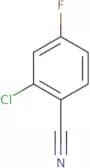
1,4-Diazabicyclo[3.2.2]nonane dihydrochloride has been shown to have anti-inflammatory properties by inhibiting prostaglandin synthesis and can be used for the treatment of asthma, arthritis, and other inflammatory conditions.Formule :C7H14N2·2HClDegré de pureté :Min. 95%Couleur et forme :SolidMasse moléculaire :199.12 g/mol2-Chloro-4-fluorobenzonitrile
CAS :2-Chloro-4-fluorobenzonitrile is a drug that has been shown to have antitumor effects by binding to the CB2 receptor. It inhibits hydrogenation reduction of the molecule, which may be due to its ability to react with both functional groups. 2-Chloro-4-fluorobenzonitrile has also been shown to inhibit progesterone receptor, which may lead to an increase in progesterone levels and a decrease in estrogen levels. The pharmacokinetic properties of this compound are not yet known.
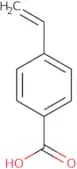
Formule :C7H3ClFNDegré de pureté :Min. 95%Couleur et forme :White PowderMasse moléculaire :155.56 g/mol4-Vinylbenzoic acid
CAS :4-Vinylbenzoic acid is a water-insoluble polymer that has been shown to have bacteriostatic and fungistatic properties. 4-Vinylbenzoic acid inhibits bacterial growth by binding to the enzyme diphenolase, which is involved in the synthesis of cell wall precursors. This polymer also binds to cationic surfactants and is soluble in organic solvents such as ethanol and acetone. The mechanism of inhibition of fungal growth is not known, but it may be due to hydrogen bonding interactions with the cell membrane.
4-Vinylbenzoic acid has been shown to be effective against human serum, although it does not inhibit bacterial growth in this medium.Formule :C9H8O2Degré de pureté :Min. 95%Couleur et forme :White PowderMasse moléculaire :148.16 g/molPutrescine dihydrochloride
CAS :Putrescine is a polyamine plant growth regulator affecting the synthesis of macromolecules. Promotes adventitious root formation. Precursor of spermidine.
Formule :C4H14Cl2N2Degré de pureté :Min. 98.0 Area-%Masse moléculaire :161.08 g/molRef: 3D-P-8000
Produit arrêté4H-Cyclopenta[2,1-b:3,4-b']dithiophene
CAS :4H-Cyclopenta[2,1-b:3,4-b']dithiophene is a molecule that has been shown to be photovoltaic. It has an optical absorption spectrum that peaks in the UV region and is able to absorb light from 300 to 400 nm. 4H-Cyclopenta[2,1-b:3,4-b']dithiophene can be fabricated into devices by means of cyclic voltammetry or other techniques. As a result of its high electron mobility and its ability to absorb visible light, this molecule may lead to high efficiency solar cells. Photovoltaic devices made with 4H-Cyclopenta[2,1-b:3,4-b']dithiophene have been shown to have efficiencies as high as 2%.
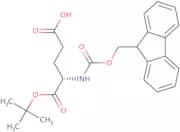
Formule :C9H6S2Degré de pureté :Min. 95%Couleur et forme :PowderMasse moléculaire :178.28 g/molFmoc-L-Glu-OtBu
CAS :Fmoc-L-Glu-OtBu is a synthetic ligand that is used as a fluorescent probe in vivo. It has been shown to bind to semaglutide with high affinity, and it can be used to study the function of semaglutide in the cell. Fmoc-L-Glu-OtBu has also been found to have an inhibitory effect on cancer cells. This ligand can be synthesized by solid-phase synthesis and purified by column chromatography. The purity of Fmoc-L-Glu-OtBu is confirmed by elemental analysis, and its impurities are determined by fluorescence spectroscopy. The carboxylate group of Fmoc-L-Glu-OtBu is activated with sulfuric acid to form the corresponding active ester, which can then be conjugated with other molecules.
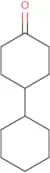
Formule :C24H27NO6Degré de pureté :Min. 95%Couleur et forme :White PowderMasse moléculaire :425.47 g/mol4-Cyclohexylcyclohexan-1-one
CAS :4-Cyclohexylcyclohexan-1-one is an organic solvent that has a high boiling point and low vapor pressure. It is a colorless liquid with a sweet odor. 4-Cyclohexylcyclohexan-1-one is used in the production of hydrochloride salts and cyclic hydrocarbons, as well as in organic synthesis reactions involving boron nitride, reaction mechanisms, and efficient methods. Exposure to 4-cyclohexylcyclohexan-1-one can lead to chronic health effects such as dehydration and reduced lung function. The functional theory of 4-cyclohexylcyclohexan-1-one is that it reacts with water molecules to produce hydrogen chloride gas. Hydrochloric acid is produced when 4CCHC reacts with hydrochlorides salts. This reaction produces particles that are small enough to be inhaled into the lungs, which can cause particle toxicity, respiratory irritation, and pulmonary
Formule :C12H20ODegré de pureté :Min. 95%Couleur et forme :PowderMasse moléculaire :180.29 g/mol3,3',5,5'-Tetramethylbenzidine, free base
CAS :3,3',5,5'-Tetramethylbenzidine is a high quality chemical that has been used as a research chemical and in the synthesis of other chemicals. It is also used as an intermediate in the synthesis of various building blocks such as benzylidene-p-dioxanone, 3-chloro-2-methylbenzoyl chloride, and 3-phenylpropionitrile. The compound can be used to synthesize a wide range of compounds including pharmaceuticals, pesticides, dyes, and perfumes. It is also useful for the production of drugs such as haloperidol and chloroquine phosphate.
Formule :C16H20N2Masse moléculaire :240.35 g/mol3,3',5,5'-Tetramethylbenzidine, free base
CAS :Please enquire for more information about 3,3',5,5'-Tetramethylbenzidine, free base including the price, delivery time and more detailed product information at the technical inquiry form on this page
Formule :C16H20N2Degré de pureté :Min. 99.0 Area-%Masse moléculaire :240.35 g/mol[3-(Morpholinomethyl)phenyl]methylamine
CAS :3-(Morpholinomethyl)phenyl]methylamine (3-MP) is a modified form of the drug 3-morpholinoaniline. It is an organic compound that has been used as a stabilizer in polyolefins, such as polyethylene, to prevent degradation by heat and light. 3-MP is also used to modify copolymers of polypropylene and polyethylene. This modification prevents the copolymer from being degraded by heat, light, or oxygen. The polymerization reaction creates a cross-linked structure that protects the copolymer from degradation.
Formule :C12H18N2ODegré de pureté :Min. 95%Couleur et forme :Clear LiquidMasse moléculaire :206.29 g/mol4-Aminobutylphosphonic acid
CAS :4-Aminobutylphosphonic acid is a potent antagonist of the ganglion cell nicotinic acetylcholine receptors. It has been shown to produce irreversible oxidation of the ganglion cell membrane by inhibiting the enzyme catalase, which is responsible for the removal of hydrogen peroxide produced by cells. 4-Aminobutylphosphonic acid also inhibits gamma-aminobutyric acid (GABA) synthesis and increases locomotor activity in frogs. This drug also binds to functional groups on the frog’s muscle cells and stimulates a nerve impulse that causes muscle contraction. The molecule has been shown to be an effective inhibitor of x-ray diffraction data from calf thymus DNA, vinyl alcohol, and glass slides.
Formule :C4H12NO3PDegré de pureté :Min. 95%Couleur et forme :PowderMasse moléculaire :153.12 g/mol4-Nitroindole
CAS :4-Nitroindole is a versatile building block with a variety of applications. It can be used in the synthesis of complex compounds, research chemicals, and reagents. 4-Nitroindole is also useful in the synthesis of speciality chemicals and as an intermediate for the preparation of other compounds. This compound is high quality and has many uses as a reaction component or scaffold.
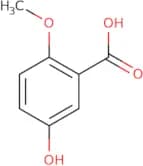
Formule :C8H6N2O2Masse moléculaire :162.15 g/mol5-Hydroxy-2-methoxybenzoic acid
CAS :Apigenin is a flavonoid found in plants of the genus Labiatae, such as chamomile and feverfew. It is a potent anti-inflammatory agent that may be due to its ability to inhibit cyclooxygenase (COX) enzymes and subsequent production of proinflammatory prostaglandins, leukotrienes, and thromboxanes. Apigenin has also been shown to inhibit cancer cell growth by binding to DNA and inhibiting transcription. Apigenin is chemically stable at room temperature and has been used in techniques such as liquid chromatography-mass spectrometry (LC-MS).
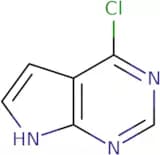
Formule :C8H8O4Degré de pureté :Min. 95%Couleur et forme :PowderMasse moléculaire :168.14 g/molChloro-7-deazapurine
CAS :Intermediate in the synthesis of baricitinib
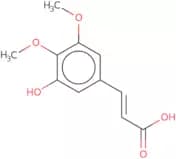
Formule :C6H4ClN3Degré de pureté :Min. 95%Couleur et forme :Off-White PowderMasse moléculaire :153.57 g/mol3,4-Dimethoxy-5-hydroxycinnamic acid
CAS :3,4-Dimethoxy-5-hydroxycinnamic acid is a monoterpenoid indole alkaloid that belongs to the class of biochemical compounds. It is a promiscuous compound and can be found in many plants, such as coffee beans, black pepper, cinnamon, and thyme. 3,4-Dimethoxy-5-hydroxycinnamic acid has been shown to have antimicrobial properties against bacteria and fungi. The metabolomics study showed that this compound may also have anti-inflammatory effects. 3,4-Dimethoxy-5-hydroxycinnamic acid was shown to enhance the transcription of ferulic acid in E. coli cells. This compound was also shown to decrease the levels of transcripts for genes involved in lipid metabolism and fatty acid biosynthesis in human liver cells.
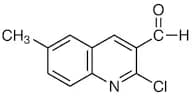
Formule :C11H12O5Degré de pureté :Min. 98 Area-%Couleur et forme :PowderMasse moléculaire :224.21 g/mol2-Chloro-6-methylquinoline-3-carboxaldehyde
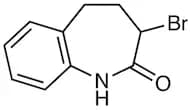
CAS :Formule :C11H8ClNODegré de pureté :>96.0%(GC)Couleur et forme :Light orange to Yellow to Green powder to crystalMasse moléculaire :205.643-Bromo-1,3,4,5-tetrahydro-2H-1-benzazepin-2-one
CAS :Formule :C10H10BrNODegré de pureté :>98.0%(GC)Couleur et forme :White to Almost white powder to crystalMasse moléculaire :240.102-Chloro-5-(trifluoromethyl)phenol
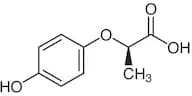
CAS :Formule :C7H4ClF3ODegré de pureté :>98.0%(GC)Couleur et forme :Light orange to Yellow to Green clear liquidMasse moléculaire :196.55(R)-(+)-2-(4-Hydroxyphenoxy)propionic Acid
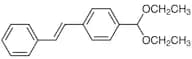
CAS :Formule :C9H10O4Degré de pureté :>98.0%(GC)(T)Couleur et forme :White to Light yellow powder to crystalMasse moléculaire :182.184-(Diethoxymethyl)-trans-stilbene
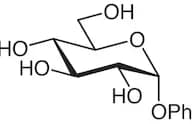
CAS :Formule :C19H22O2Degré de pureté :>98.0%(GC)Couleur et forme :White to Almost white powder to crystalMasse moléculaire :282.38Phenyl α-D-Glucopyranoside
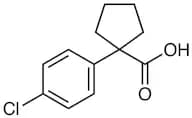
CAS :Formule :C12H16O6Degré de pureté :>97.0%(GC)Couleur et forme :White to Light yellow powder to crystalMasse moléculaire :256.251-(4-Chlorophenyl)-1-cyclopentanecarboxylic Acid
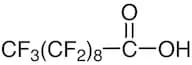
CAS :Formule :C12H13ClO2Degré de pureté :>98.0%(GC)(T)Couleur et forme :White to Almost white powder to crystalMasse moléculaire :224.68Nonadecafluorodecanoic Acid
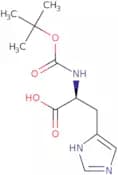
CAS :Formule :C10HF19O2Degré de pureté :>98.0%(T)Couleur et forme :White to Almost white powder to crystalineMasse moléculaire :514.09Boc-L-Histidine
CAS :Boc-L-histidine is a histidine derivative with a boronic acid group that can be used to synthesize imines. It is an organic solvent and can be used in magnetic resonance spectroscopy. Boc-L-histidine has been shown to inhibit the tyrosine activity of tyrosinase, which is involved in melanin synthesis. This compound also inhibits cancer cells by inhibiting the cellular process of protein synthesis and, as such, may be useful for the treatment of cancers.
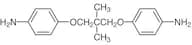
Formule :C11H17N3O4Degré de pureté :Min. 98 Area-%Couleur et forme :White PowderMasse moléculaire :255.27 g/molNeopentyl Glycol Bis(4-aminophenyl) Ether
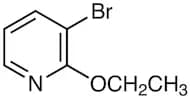
CAS :Formule :C17H22N2O2Degré de pureté :>97.0%(T)Couleur et forme :White to Light yellow to Light orange powder to crystalMasse moléculaire :286.383-Bromo-2-ethoxypyridine
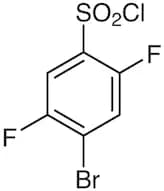
CAS :Formule :C7H8BrNODegré de pureté :>97.0%(GC)(T)Couleur et forme :Colorless to Light yellow clear liquidMasse moléculaire :202.054-Bromo-2,5-difluorobenzenesulfonyl Chloride
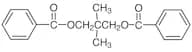
CAS :Formule :C6H2BrClF2O2SDegré de pureté :>98.0%(GC)(T)Couleur et forme :White to Light yellow to Light orange powder to crystalMasse moléculaire :291.49Neopentyl Glycol Dibenzoate
CAS :Formule :C19H20O4Degré de pureté :>98.0%(GC)Couleur et forme :White to Almost white powder to crystalMasse moléculaire :312.372-Mesitylethanol
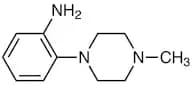
CAS :Formule :C11H16ODegré de pureté :>98.0%(GC)Couleur et forme :White to Almost white powder to crystalMasse moléculaire :164.252-(4-Methyl-1-piperazinyl)aniline
CAS :Formule :C11H17N3Degré de pureté :>98.0%(GC)(T)Couleur et forme :White to Light yellow powder to crystalMasse moléculaire :191.282-Bromo-3-fluorobenzotrifluoride
CAS :Formule :C7H3BrF4Degré de pureté :>98.0%(GC)Couleur et forme :Colorless to Light yellow to Light orange clear liquidMasse moléculaire :243.00


![2-Bromo-4,5,6,7-tetrahydrothiazolo[4,5-c]pyridine](/_next/image/?url=https%3A%2Fstatic.cymitquimica.com%2Fproducts%2F54%2Fthumb-webp%2FOR300257.webp&w=3840&q=75)





![1,4-Diazabicyclo[3.2.2]nonane dihydrochloride](/_next/image/?url=https%3A%2Fstatic.cymitquimica.com%2Fproducts%2F3D%2Fthumb-webp%2FFD07110.webp&w=3840&q=75)

![4H-Cyclopenta[2,1-b:3,4-b']dithiophene](/_next/image/?url=https%3A%2Fstatic.cymitquimica.com%2Fproducts%2F3D%2Fthumb-webp%2FFC13994.webp&w=3840&q=75)


![[3-(Morpholinomethyl)phenyl]methylamine](/_next/image/?url=https%3A%2Fstatic.cymitquimica.com%2Fproducts%2F3D%2Fthumb-webp%2FRDA27183.webp&w=3840&q=75)