Alcools
Sous-catégories appartenant à la catégorie "Alcools"
5814 produits trouvés pour "Alcools"
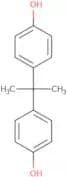
Bisphenol A
CAS :Bisphenol A is a chemical compound used to make polycarbonate plastics and epoxy resins. It is also used in the production of some dental sealants and composites. Bisphenol A has been shown to have an adverse effect on human health, as it has been linked to various diseases such as coronary heart disease, type 2 diabetes, and breast cancer. The most sensitive route of exposure is through the maternal blood during pregnancy. This chemical can be found in some common food containers, including baby bottles and food cans. Bisphenol A binds to estrogen receptors and alters their activity levels by mimicking the natural hormone estradiol. The optimum concentration for binding varies depending on the cell type and receptor present. Bisphenol A can also increase or decrease certain enzyme activities in vitro depending on the concentrations used. Bisphenol A is also an analytical reagent that can be used for polymerase chain reactions (PCR) to identify genes from specificFormule :C15H16O2Degré de pureté :Min. 95%Couleur et forme :PowderMasse moléculaire :228.29 g/mol3-O-Methyl 17a-estradiol
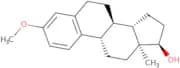
CAS :Produit contrôléPlease enquire for more information about 3-O-Methyl 17a-estradiol including the price, delivery time and more detailed product information at the technical inquiry form on this pageFormule :C19H26O2Degré de pureté :Min. 95%Masse moléculaire :286.41 g/mol4-Hydroxy ethynyl estradiol
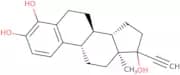
CAS :4-Hydroxy ethynyl estradiol is a synthetic estrogen that is used in the treatment of hormone-dependent cancers, such as breast cancer. It has been shown to induce cellular proliferation and promote tumor growth by binding to estrogen receptors and inhibiting the synthesis of proteins in cells. 4-Hydroxy ethynyl estradiol may be carcinogenic due to its ability to form covalent adducts with DNA, which causes mutations that may lead to cancer. The drug also damages protein targets, including enzymes responsible for regulating cell division or protecting against oxidative stress.Formule :C20H24O3Degré de pureté :Min. 95%Masse moléculaire :312.4 g/mol1,1,1-Trichloro-3-(1-methyl-1H-benzimidazol-2-yl)propan-2-ol
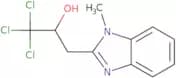
CAS :Produit contrôléPlease enquire for more information about 1,1,1-Trichloro-3-(1-methyl-1H-benzimidazol-2-yl)propan-2-ol including the price, delivery time and more detailed product information at the technical inquiry form on this page
Formule :C11H11Cl3N2ODegré de pureté :Min. 95%Masse moléculaire :293.58 g/molDesmethoxy ranolazine
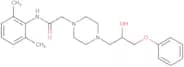
CAS :Please enquire for more information about Desmethoxy ranolazine including the price, delivery time and more detailed product information at the technical inquiry form on this pageFormule :C23H31N3O3Degré de pureté :Min. 95%Masse moléculaire :397.51 g/mol3,4-Dihydro-7-(4-chlorobutoxy)-2(1H)-Quinolinone
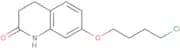
CAS :3,4-Dihydro-7-(4-chlorobutoxy)-2(1H)-Quinolinone is a crystalline organic base. It is used as an intermediate in the synthesis of piperazine derivatives. 3,4-Dihydro-7-(4-chlorobutoxy)-2(1H)-Quinolinone can be used to acetylate phenols and amines. This compound also has been shown to be useful in the industrial production of carbostyril and other pharmaceuticals. 3,4-Dihydro-7-(4-chlorobutoxy)-2(1H)-Quinolinone is also a high yield coupling agent for the production of heterocyclic compounds such as 1,5,6,8-tetrahydropyrimidines and benzimidazoles.Degré de pureté :Min. 95%2,6-Dichlorophenol
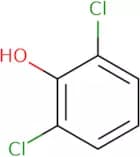
CAS :2,6-Dichlorophenol is a hydrogen-bond inhibitor that inhibits the reaction of receptors with their specific treatment. It has been shown to have an inhibitory effect on the light-induced activation of receptor cells and to inhibit the reaction mechanism of analytical methods. 2,6-Dichlorophenol has also been shown to be effective in synchronous fluorescence spectroscopy as a probe for detecting hydrogen bonds in biological samples. The chemical structure of 2,6-dichlorophenol is C6H4Cl2O. It is soluble in water and reacts with acids to form hydrogen chloride gas and 2,6-dichlorophenol hydrochloride (C6H3Cl2O).Formule :C6H4Cl2ODegré de pureté :Min. 95%Couleur et forme :White PowderMasse moléculaire :163 g/mol4-Propylphenol
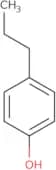
CAS :Produces a fluorogenic signal in the presence of peroxidaseDegré de pureté :Min. 95%1,3-Dioleoyl-2-palmitoylglycerol
CAS :Dipalmitoylglycerol is a fatty acid that is naturally found in catfish. The optimal conditions for the synthesis of dipalmitoylglycerol from tripalmitin have been determined by surface methodology to be at pH 5 and at 0°C. Dipalmitoylglycerol has been shown to bind to the enzyme acetyl-CoA carboxylase, which is involved in the synthesis of fatty acids, and prevent its activation. As a result, there is no production of malonyl CoA, which is an important precursor in the synthesis of fatty acids. This may be beneficial for infants because it prevents them from developing allergies and asthma.Formule :C55H102O6Degré de pureté :Min. 95%Masse moléculaire :859.39 g/mol2-(2-Methoxyphenoxy)ethanol
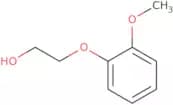
CAS :2-(2-Methoxyphenoxy)ethanol (2-MPE) is a metabolite of propanediol, which is a precursor in the synthesis of polyurethanes. 2-MPE can be oxidized by monooxygenases to form syringyl and other reactive metabolites. Basic hydrolysis may also produce monomers such as phenols, alcohols, and carboxylic acids. Syringyl is one of the metabolic products of 2-MPE, which has been shown to be resistant to degradation by basidiomycete fungi.
Formule :C9H12O3Degré de pureté :Min. 95%Masse moléculaire :168.19 g/mol4,4'-Bis(dimethylamino)diphenyl carbinol
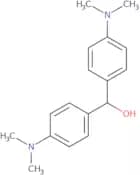
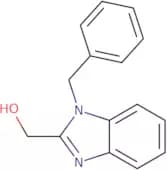
CAS :4,4'-Bis(dimethylamino)diphenyl carbinol is a bathochromic compound that belongs to the group of amines. It has been synthesized from 4,4'-diaminodiphenylmethane and hydrochloric acid. This molecule has been shown to react with protonated nitrogen atoms in an oxidation-reduction reaction. The protonation process occurs via kinetic, thermodynamic, and photophysical mechanisms. 4,4'-Bis(dimethylamino)diphenyl carbinol was used to study the proton transfer reactions between chlorine and nitrogen atoms in molecular modeling studies. On the other hand, this molecule has been shown to have fluorescence properties due to its carbonyl group.Formule :C17H22N2ODegré de pureté :Min. 95%Couleur et forme :White PowderMasse moléculaire :270.37 g/mol(1-Benzyl-1H-benzimidazol-2-yl)methanol
CAS :Produit contrôléPlease enquire for more information about (1-Benzyl-1H-benzimidazol-2-yl)methanol including the price, delivery time and more detailed product information at the technical inquiry form on this page
Formule :C15H14N2ODegré de pureté :Min. 95%Masse moléculaire :238.28 g/mol2'-[(1H-Tetrazol-5-yl)biphenyl-4-yl]methanol
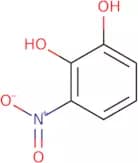
CAS :Please enquire for more information about 2'-[(1H-Tetrazol-5-yl)biphenyl-4-yl]methanol including the price, delivery time and more detailed product information at the technical inquiry form on this pageFormule :C14H12N4ODegré de pureté :Min. 95%Masse moléculaire :252.27 g/mol3-Nitro-benzene-1,2-diol
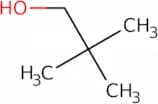
CAS :3-Nitro-benzene-1,2-diol is an inhibitor of catechol-o-methyltransferase (COMT), which catalyzes the transfer of a methyl group from S-adenosyl methionine to dopamine. This results in the formation of 3-O-(methylamino) catechol. COMT inhibitors are used as pharmaceutical preparations for the treatment of Parkinson's disease and other diseases involving dopamine. 3-Nitro-benzene-1,2-diol has been shown to inhibit COMT and prevent the breakdown of dopamine in the brain, which may be beneficial for treating Parkinson's disease and other nervous system diseases.Formule :C6H5NO4Degré de pureté :Min. 95%Masse moléculaire :155.11 g/mol2,2-Dimethyl-1-propanol
CAS :2,2-Dimethyl-1-propanol (DMPA) is an inorganic acid that can be used as a coagulant for wastewater treatment. It has been shown to be effective in removing malonic acid from water at pH 4.0 and below. The reaction mechanism of DMPA is not fully understood, but it is thought to involve the formation of a hydroxyl group on the methyl group of DMPA, which then reacts with the acid and releases hydrogen ions. The hydrogen ions react with sodium carbonate to form sodium bicarbonate and release water vapor. This process continues until all the DMPA has reacted or until there is no more acid present. Asymmetric synthesis of DMPA is possible using neopentyl alcohol and fatty acids as starting materials.
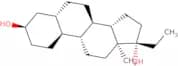
Formule :C5H12ODegré de pureté :Min. 95%Couleur et forme :White Clear LiquidMasse moléculaire :88.15 g/mol(3a,5a,17a)-19-Norpregnane-3,17-diol
CAS :Produit contrôléPlease enquire for more information about (3a,5a,17a)-19-Norpregnane-3,17-diol including the price, delivery time and more detailed product information at the technical inquiry form on this pageFormule :C20H34O2Degré de pureté :Min. 95%Masse moléculaire :306.48 g/molErgosta-5,24(28)-diene-3,7,16-triol
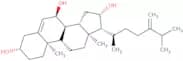
CAS :Produit contrôléPlease enquire for more information about Ergosta-5,24(28)-diene-3,7,16-triol including the price, delivery time and more detailed product information at the technical inquiry form on this pageFormule :C28H46O3Degré de pureté :Min. 95%Masse moléculaire :430.66 g/mol3,17-Di-O-acetyl androsta-5,14,16-triene-3b,17-diol
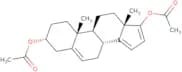
CAS :Produit contrôléPlease enquire for more information about 3,17-Di-O-acetyl androsta-5,14,16-triene-3b,17-diol including the price, delivery time and more detailed product information at the technical inquiry form on this pageFormule :C23H30O4Degré de pureté :Min. 95%Masse moléculaire :370.48 g/moltrans-Decahydroquinoline
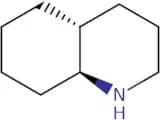
CAS :Trans-decahydroquinoline is a chiral compound that can be synthesized by an asymmetric synthesis. It is an amide with a carbonyl group and a dialkylamino group. Trans-decahydroquinoline can be used to synthesize different compounds, such as enantiopure drugs, pharmaceuticals, and agrochemicals. The synthesis of trans-decahydroquinoline can be accomplished through the aldol cyclization or the addition of an acid to the carbonyl group. The magnetic resonance spectroscopy (NMR) and molecular modeling techniques have been used to study its structure and properties.
Formule :C9H17NDegré de pureté :Min. 95%Masse moléculaire :139.24 g/mol4-Pregnen-17a,20b-diol-3-one
CAS :Produit contrôlé4-Pregnen-17a,20b-diol-3-one is a synthetic androgen with anabolic and androgenic activity. It has been shown in animal studies to increase maximal responses of the reproductive tract to gonadotropin stimulation. 4-Pregnen-17a,20b-diol-3-one binds to the activin receptor on the cell membrane, which leads to increased expression of a gene encoding for 3β-hydroxysteroid dehydrogenase (3βHSD), an enzyme involved in testosterone synthesis. This drug also increases the sensitivity of ovarian follicles to gonadotropins and decreases basal plasma levels of LH and FSH. 4-Pregnen-17a,20b-diol-3-one has not been found to be toxicologically significant at doses up to 10 mg/kg body weight per day.
Formule :C21H32O3Degré de pureté :Min. 95%Masse moléculaire :332.48 g/molDiphenyl Phosphite (contains about 5% Phenol)
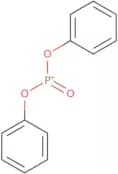
CAS :Diphenyl Phosphite is a white, crystalline solid that is soluble in organic solvents. It has a molecular weight of 226.17g/mol and a melting point of 176°C. The chemical formula for this compound is C6H5O2P. Its reactivity can be described as phenol-like, due to the presence of a hydroxyl group on one end of the molecule. This compound reacts with air and light exposure, which causes it to degrade over time. Diphenyl Phosphite's antimicrobial activity may be due to its ability to cause oxidative stress in bacteria. It also possesses antioxidative properties, which protect cells from damage that may lead to heart diseases or other health problems.Formule :C12H11O3PDegré de pureté :Min. 95%Couleur et forme :Clear LiquidMasse moléculaire :234.19 g/molL-Alaninol-2-chlorotrityl resin
Please enquire for more information about L-Alaninol-2-chlorotrityl resin including the price, delivery time and more detailed product information at the technical inquiry form on this page
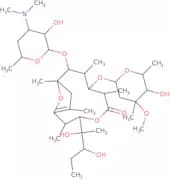
Degré de pureté :Min. 95%Pseudoerythromycin A enol ether
CAS :Pseudoerythromycin A enol ether (PSEA) is an analog of erythromycin and has been used as a predictive model for the diagnosis of urinary tract infections. It is used in the treatment of bacterial infections caused by E. coli, Proteus mirabilis, Enterococcus faecalis, and Klebsiella pneumoniae. PSEA is an acidic compound that reacts with water to form hydroxyethyl pseudo-erythromycine (HEPE). HEPE can be detected in human urine following dehydration, which may be due to its reaction rate with water at pH 5.5-6.0. PSEA has also been used as a reagent for the detection of alkynyl group and ethyl group in liquid chromatography methods.br>br>Formule :C37H65NO12Degré de pureté :Min. 95%Masse moléculaire :715.91 g/molrac 1,2-dioleoyl-3-chloropropanediol
CAS :Rac-1,2-dioleoyl-3-chloropropanediol is a fatty acid and can be used for the preparation of isotopically labelled fatty acids. Rac-1,2-dioleoyl-3-chloropropanediol has been used as an internal standard in the quantification of fatty acid esters in plant oils. The use of rac 1,2-dioleoyl-3-chloropropanediol was found to be appropriate for calibrating liquid chromatography with a quadrupole mass spectrometer.
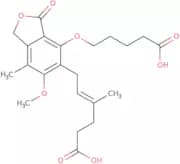
Formule :C39H71ClO4Degré de pureté :Min. 95%Masse moléculaire :639.43 g/molMycophenolic acid carboxybutoxy ether
CAS :Mycophenolic acid carboxybutoxy ether is an active form of mycophenolic acid. It has been shown to activate the immune system by increasing the production of lymphokines, including interleukin-2 and gamma-interferon. Mycophenolic acid carboxybutoxy ether has been shown to be effective in vivo in models for autoimmune diseases and cancer. This compound has a high affinity for glycoside derivatives, which are important for the formation of body tissues, such as collagen and elastin. The drug binds to monoclonal antibodies that are used in diagnostic tests for cervical cancer and other cancers. Mycophenolic acid carboxybutoxy ether also binds to x-ray diffraction data, which aids in the structural analysis of glycoside derivatives. This drug can be analyzed using surface methodology.Formule :C22H28O8Degré de pureté :Min. 95%Masse moléculaire :420.45 g/mol5-Methoxyquinoline
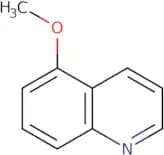
CAS :5-Methoxyquinoline (5MQ) is a chemical compound that belongs to the quinoline derivatives. It has shown anticancer activity in tumor models through a proton-transfer mechanism. 5MQ reacts with an acidic proton, such as the hydronium ion, to produce a reactive intermediate that can react with DNA and other cellular macromolecules. The drug also has been shown to inhibit the growth of bacteria by inhibiting protein synthesis. This inhibition is due to its ability to transfer protons from one molecule to another, which alters the charge distribution on that molecule and prevents it from reacting with other molecules.Formule :C10H9NODegré de pureté :Min. 95%Couleur et forme :LiquidMasse moléculaire :159.18 g/mol8-Hydroxyquinoline copper(II)
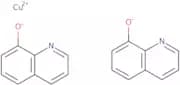
CAS :8-Hydroxyquinoline copper(II) salt is a metal chelate that can be used as an analytical reagent. It is prepared by the reaction of ethylene diamine with 8-hydroxyquinoline and copper(II) chloride. The product has been found to emit light when irradiated with UV light. This product is also used as a substrate for methyl transferase, which is an enzyme involved in the metabolism of drugs. 8-Hydroxyquinoline copper(II) salt has been shown to inhibit the activity of P-glycoprotein (Pgp), which is a drug transporter protein found in mammalian cells that functions to pump xenobiotics from the inside of cells out into the bloodstream. When Pgp is inhibited, it causes cellular accumulation of certain drugs, such as cyclosporin A and tacrolimus.Formule :C18H12CuN2O2Degré de pureté :Min. 95%Couleur et forme :PowderMasse moléculaire :351.85 g/mol5-Benzyl-4-methyl-4H-1,2,4-triazole-3-thiol
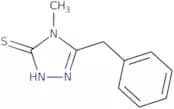
CAS :Please enquire for more information about 5-Benzyl-4-methyl-4H-1,2,4-triazole-3-thiol including the price, delivery time and more detailed product information at the technical inquiry form on this pageFormule :C10H11N3SDegré de pureté :Min. 95%Masse moléculaire :205.28 g/moltrans-4-Aminocyclohexanol
CAS :Trans-4-aminocyclohexanol is a cell signaling molecule that belongs to the class of heterocyclic compounds. It has been shown to have an anti-inflammatory effect and inhibit the production of pro-inflammatory cytokines in vitro. Trans-4-aminocyclohexanol also inhibits cyclooxygenase (COX) activity, which is responsible for the conversion of arachidonic acid into prostaglandins. This inhibition leads to decreased inflammation and pain. Trans-4-aminocyclohexanol is orally bioavailable and can be detected in the blood plasma within one hour after administration. The compound has been shown to bind to the enzyme protein kinase C, which is involved in cell signaling pathways, and inhibit its activity.
Formule :C6H13NODegré de pureté :Min. 95%Couleur et forme :PowderMasse moléculaire :115.17 g/mol3-Methyl-1-butanethiol
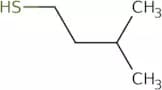
CAS :3-Methyl-1-butanethiol is a chemical compound that belongs to the class of sulfonic acids. It has been shown to be an effective inhibitor of the formation of sulfonated compounds in urine samples. 3-Methyl-1-butanethiol also possesses a hydroxyl group and chlorine atom, which are responsible for its inhibitory effects on the polymerization initiator. The hydroxyl group is involved in the synthesis of 3-methyl-1-butanol and 3,3′,5′-trimethylhexane by reacting with methanol and ethylene oxide respectively. The chlorine atom acts as a nucleophile in the reaction with sodium chloride to form chloroacetic acid. This chemical compound also contains a divalent magnesium ion that can act as a cocatalyst for polymerization reactions.Formule :C5H12SDegré de pureté :Min. 95%Masse moléculaire :104.21 g/mol1-(2-Nitrophenyl)-1,2-ethanediol
CAS :1-(2-Nitrophenyl)-1,2-ethanediol is a chemical that has been shown to inhibit the glutamate-induced increase in cytosolic Ca2+ concentration. It also prevents the loss of membrane integrity and protects against cell death by inhibiting apoptosis. 1-(2-Nitrophenyl)-1,2-ethanediol also inhibits amp-activated protein kinase activity and increases ATP production. These effects may be due to its ability to reduce intracellular Ca2+ levels and prevent Ca2+ overload in mitochondria. 1-(2-Nitrophenyl)-1,2-ethanediol has been shown to have a protective effect on isolated heart cells and ventricular myocytes from hypoxia/reoxygenation injury and is an effective model system for investigating biochemical properties of glutamate excitotoxicity.Formule :C8H9NO4Degré de pureté :Min. 95%Couleur et forme :PowderMasse moléculaire :183.16 g/mol1-Pentadecanethiol
CAS :1-Pentadecanethiol is a monocarboxylic acid that has been used as a polymerization initiator for the production of polyethylene. It reacts with aliphatic hydrocarbons, such as n-hexane and caproic acid, to form polymers. 1-Pentadecanethiol is also used in the synthesis of contactors and chromatographic science. The surface of metals can be converted to hydrophilic by reacting with 1-pentadecanethiol. The optical properties of 1-pentadecanethiol are similar to those of water, which makes it useful in studying water surface structures.Degré de pureté :Min. 95%1,4-Bis[3,4-dihydro-2(1H)-quinolinon-7-oxy]butane
CAS :Produit contrôléPlease enquire for more information about 1,4-Bis[3,4-dihydro-2(1H)-quinolinon-7-oxy]butane including the price, delivery time and more detailed product information at the technical inquiry form on this pageFormule :C22H24N2O4Degré de pureté :Min. 95%Masse moléculaire :380.44 g/molPentafluorobenzenethiol
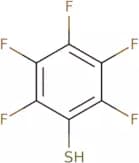
CAS :Pentafluorobenzenethiol is an organosulfur compound that is synthesized by the nucleophilic attack of deuterium on a hydrogenated aliphatic hydrocarbon. It is a colorless liquid with a characteristic low boiling point and high volatility. Pentafluorobenzenethiol has been shown to react with chelate rings and to form irreversible oxidation products. This chemical has analytical applications in the determination of potassium, sodium, and lithium in water samples; it also has semiconductor properties. The diameter of pentafluorobenzenethiol is 6.2 Å, which makes it a low energy aromatic hydrocarbon that can be easily transported through porous media.Formule :C6HF5SDegré de pureté :Min. 95%Couleur et forme :Colorless Clear LiquidMasse moléculaire :200.13 g/mol4-Nitro-1H-imidazole-1-ethanol
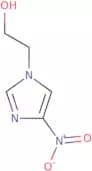
CAS :Please enquire for more information about 4-Nitro-1H-imidazole-1-ethanol including the price, delivery time and more detailed product information at the technical inquiry form on this page
Formule :C5H7N3O3Degré de pureté :Min. 95%Couleur et forme :Beige PowderMasse moléculaire :157.13 g/molD-alpha-Tocotrienol
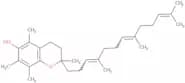
CAS :D-alpha-Tocotrienol is an antioxidant that belongs to the vitamin E family. It has been shown to have many beneficial effects in humans, including lowering of cholesterol and reducing the risk of heart disease. This compound also has antioxidant function and may be used for the prevention of certain cancers. D-alpha-Tocotrienol is a natural form of alpha-tocopherol, which is found in high concentrations in plants. It can be found in lipoproteins, phosphatidylcholine, and vulgare l., as well as hexane.Formule :C29H44O2Degré de pureté :Min. 95%Masse moléculaire :424.66 g/mol(R)-1-Phenylethanol
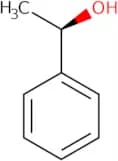
CAS :(R)-1-Phenylethanol is an organic compound that belongs to the class of aldehydes. It has an optimal redox potential and is used as a reactive intermediate in surface methodology. The kinetic data for this compound have been reported, including its reaction solution, kinetic, and stereoselective properties. (R)-1-Phenylethanol can be used to synthesize aromatic hydrocarbons with acyl chains or amines, using enzymatic reactions. It can also be used as an asymmetric synthesis reagent for the preparation of chiral alcohols and amines.
Formule :C8H10ODegré de pureté :Min. 95%Couleur et forme :Colourless To Yellow LiquidMasse moléculaire :122.16 g/mol3-Deoxy-3-oxo-20(S)-protopanaxatriol
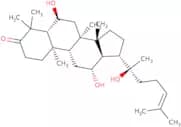
CAS :Produit contrôlé3-Deoxy-3-oxo-20(S)-protopanaxatriol is a compound that has been shown to have cardioprotective effects in vitro. This compound inhibits the production of malondialdehyde (MDA), an end product of lipid peroxidation, and increases the glutathione content of rat heart tissue. 3-Deoxy-3-oxo-20(S)-protopanaxatriol also protects against ischemic injury by lowering creatine kinase levels and preserving the myocardium during reperfusion. It has been shown to inhibit oxidative stress and reduce tissue damage in rats with induced myocardial infarction. 3-Deoxy-3-oxo-20(S)-protopanaxatriol is orally active, but must be injected for pharmacological studies due to its high molecular weight. This molecule has also been shown to have antioxidant properties in vitro, which may be due to its ability toFormule :C30H50O4Degré de pureté :Min. 95%Masse moléculaire :474.72 g/mol9-cisRetinol
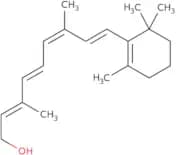
CAS :9-cisRetinol is a form of vitamin A that plays an important role in the synthesis of lipids and proteins. It has been shown to inhibit acid formation in the liver and to stimulate growth in some types of cancer cells. 9-cisRetinol is converted to all-trans retinoic acid, which is a nuclear hormone receptor that regulates gene expression. It also has been shown to be effective in clinical studies for the treatment of congenital amaurosis and cancer. 9-cisRetinol can inhibit phospholipase A2, which prevents the release of arachidonic acid from membrane phospholipids, as well as inhibit prostaglandin synthesis. The optimum pH for 9-cisRetinol activity is between 7 and 8.Formule :C20H30ODegré de pureté :Min. 95%Masse moléculaire :286.45 g/molAndrostanolone
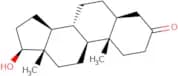
CAS :Produit contrôléDihydrotestosterone is a potent androgen that is used in hormone replacement therapy to treat conditions such as testosterone deficiency, delayed puberty, and impotence. It is also used to treat breast cancer in women and prostate cancer in men. Dihydrotestosterone binds to the androgen receptor, which alters the expression of genes by altering their nucleotide sequences. It has been shown to have anti-tumor effects on prostate cells in vitro, but not on breast or ovarian carcinoma cell lines. The drug has been shown to be active against HIV replication in cell culture models.
Formule :C19H30O2Degré de pureté :Min. 95%Couleur et forme :SolidMasse moléculaire :290.44 g/mol2,2,4-Trimethyl-1,2-dihydroquinolin-6-yl phenylacetate
CAS :Produit contrôléPlease enquire for more information about 2,2,4-Trimethyl-1,2-dihydroquinolin-6-yl phenylacetate including the price, delivery time and more detailed product information at the technical inquiry form on this pageFormule :C20H21NO2Degré de pureté :Min. 95%Masse moléculaire :307.39 g/mol2(2-Ethoxyethoxy)ethanol
CAS :2(2-Ethoxyethoxy)ethanol is a glycol ether that is used as a substrate film in analytical methods, such as thin layer chromatography. It has been shown to be toxic to the liver and kidney, but not the heart. 2(2-Ethoxyethoxy)ethanol is also an experimental solubility data and can be used to measure the hydrophobic effect of organic compounds. This substance has high values for solubility, which may be due to its glycol ester type. 2(2-Ethoxyethoxy)ethanol does not show toxicity to the heart when administered orally or by inhalation, but does show toxicity to the liver and kidney at high doses.Formule :C6H14O3Degré de pureté :Min. 98 Area-%Couleur et forme :PowderMasse moléculaire :134.17 g/mol3-Amino-2-methylpropan-1-ol
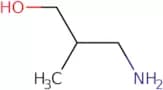
CAS :3-Amino-2-methylpropan-1-ol is a reactive chemical that can be used as a reactant in the synthesis of other chemicals. It is an alkanolamine and can be found in small amounts in water vapor. 3-Amino-2-methylpropan-1-ol has been shown to have low energy and it reacts with water vapor to form 3,4-dihydroxybutanal, which is a product that can be converted into other useful chemicals. 3-Amino-2-methylpropan-1-ol also reacts with high energy photons to form new substances, such as 3,4,5,6 tetrahydroxymethylbenzaldehyde. 3Amino - 2 - methylpropan - 1 - ol has been shown to have many uses including the production of low molecular weight polymers and resins for paints and coatings.
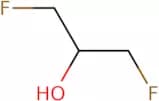
Formule :C4H11NODegré de pureté :Min. 95%Masse moléculaire :89.14 g/mol1,3-Difluoro-2-propanol
CAS :1,3-Difluoro-2-propanol is a hydrogen bond donor. It is used as an animal repellent and insecticide. It has been shown to be effective against the larvae of mosquitoes and flies. 1,3-Difluoro-2-propanol has also been found to be effective against some fungi, although it is not active against bacteria. The octanol/water partition coefficient (log Kow) of 1,3-difluoro-2-propanol is -0.86. 1,3-Difluoro-2-propanol has been shown to inhibit biochemical reactions in animals by inhibiting ATPase and phosphate uptake in mitochondria. This inhibition leads to the accumulation of metabolites such as lactic acid and pyruvic acid which are responsible for the symptoms seen with exposure to this chemical. 1,3-Difluoro-2-propanol has also been shown
Formule :C3H6F2ODegré de pureté :Min. 99 Area-%Couleur et forme :Colorless Clear LiquidMasse moléculaire :96.08 g/molΔ9,11-estradiol
CAS :Produit contrôléDelta9,11-Estradiol is an estrogen that has been found to bind to the estrogen receptor α. The growth factor activity of this drug is mediated through the binding of this receptor and the activation of various intracellular signaling pathways. This drug is effective in treating eye disorders such as macular degeneration. Delta9,11-Estradiol also has a protective effect on ganglion cells by reducing oxidative stress, inhibiting apoptosis, and modulating inflammatory responses. The hydroxyl group in Delta9,11-Estradiol can be used as a corrosion inhibitor in eye drops and other ophthalmic solutions. It binds to viral gene promoters and inhibits transcriptional activity of these genes.
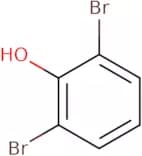
Formule :C18H22O2Degré de pureté :Min. 95%Couleur et forme :SolidMasse moléculaire :270.37 g/mol2,6-Dibromophenol
CAS :2,6-Dibromophenol is a chemical compound that is used as an analytical reagent in the determination of bromide ion concentrations. It can be prepared by the debromination of 2-bromophenols using hydrochloric acid and heating to 150°C. This reaction mechanism is best described by kinetic data and a model system. The reaction product of this process is 2,6-dibromo-3-hydroxyphenol. This compound has been shown to have a higher dry weight in strains with high levels of hydroxy group activity.
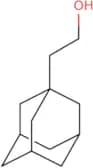
Formule :C6H4Br2ODegré de pureté :Min. 95%Masse moléculaire :251.9 g/mol1-Adamantane ethanol
CAS :1-Adamantane ethanol (1AE) is a red blood cell membrane lipid that has been shown to have antimicrobial properties. 1AE is synthesized from 1-adamantanol, which is produced by the hydrolysis of the acyl chain in cholesterol. The acyl chains on 1AE are saturated and contain methoxy groups. The synthesis of 1-adamantanol involves transfer reactions with phthalimides and hydroxide ions. 1-Adamantane ethanol inhibits the growth of staphylococcus, including methicillin resistant strains, through its minimal inhibitory concentrations (MICs). It also has anti-inflammatory effects, inhibiting prostaglandin synthesis in red blood cells.Formule :C12H20ODegré de pureté :Min. 95%Couleur et forme :PowderMasse moléculaire :180.29 g/mol2-Morpholinoethanol
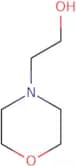
CAS :2-Morpholinoethanol is a potent inhibitor of the enzyme nitric oxide synthase, which is involved in the synthesis of nitric oxide. Nitric oxide is an important molecule that regulates many physiological processes, such as inflammation and blood flow. 2-Morpholinoethanol has been shown to have high resistance to thermal expansion, due to its intramolecular hydrogen bonding. It also inhibits the activity of amine oxidases, which are enzymes that catalyze reactions involving amines and oxygen. The mechanism of action of 2-morpholinoethanol has been studied by using group P2 fatty acids and amines as substrates for nitric oxide synthase.
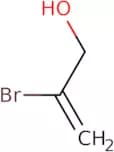
Formule :C6H13NO2Degré de pureté :Min. 95%Masse moléculaire :131.17 g/mol2-Bromoallyl alcohol
CAS :2-Bromoallyl alcohol is a halogenated aromatic hydrocarbon that is an analyte in the chemical analysis of soil. It is also used as a reagent for the debromination of 2-bromopropane and as a dehalogenating agent for the removal of bromine from organic compounds. 2-Bromoallyl alcohol can be distilled at high temperatures, but it will volatilize if heated to 80°C or higher. It has been reported that 2-bromoallyl alcohol was found to be present in all replicates analyzed. The recovery of this compound ranged from 83% to 114%. 2-Bromoallyl alcohol is used as a reagent in organic synthesis, such as in palladium catalyzed couplings with boronic acids and esters. This compound may also be used to synthesize N-(2-hydroxyethyl)hydroxylamines by reacting with sodium hydroxideFormule :C3H5BrODegré de pureté :Min. 95%Masse moléculaire :136.98 g/mol5-Benzofuranol
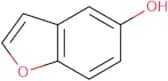
CAS :5-Benzofuranol is a potent cytotoxic natural product that has been isolated from the fungus Cryptococcus neoformans. It possesses a terminal alkyne group and a sulfonic acid group, which are both important for its cytotoxicity. 5-Benzofuranol inhibits the growth of cells in vitro by inhibiting their ability to synthesize DNA. 5-Benzofuranol shows significant cytotoxicity against various cancer cell lines, as well as potent inhibition against Candida albicans, Aspergillus niger, and Saccharomyces cerevisiae strains in vitro. This compound's functional groups make it an effective antifungal agent.
Formule :C8H6O2Degré de pureté :Min. 95%Masse moléculaire :134.13 g/mol


![2'-[(1H-Tetrazol-5-yl)biphenyl-4-yl]methanol](/_next/image/?url=https%3A%2Fstatic.cymitquimica.com%2Fproducts%2F3D%2Fthumb-webp%2FFT28188.webp&w=3840&q=75)





![1,4-Bis[3,4-dihydro-2(1H)-quinolinon-7-oxy]butane](/_next/image/?url=https%3A%2Fstatic.cymitquimica.com%2Fproducts%2F3D%2Fthumb-webp%2FFB18792.webp&w=3840&q=75)