Alcools
Sous-catégories appartenant à la catégorie "Alcools"
5814 produits trouvés pour "Alcools"
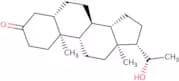
5alpha-Pregnan-20beta-Ol-3-one
CAS :Produit contrôléPlease enquire for more information about 5alpha-Pregnan-20beta-Ol-3-one including the price, delivery time and more detailed product information at the technical inquiry form on this page
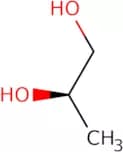
Degré de pureté :Min. 95%R-(-)-1,2-Propanediol
CAS :R-(-)-1,2-Propanediol is a diol that is used as an additive in pharmaceutical preparations. It has been shown to inhibit the growth of several genera of bacteria and fungi, including Actinomyces, Bacillus, Clostridium, Corynebacterium, Enterobacteriaceae (Escherichia coli), Lactobacillus, Micrococcus, Mycobacteria (M. tuberculosis), Nocardia, Pseudomonas aeruginosa. R-(-)-1,2-Propanediol also inhibits the production of carbon source from glucose by inhibiting the enzyme pyruvate dehydrogenase which catalyzes the conversion of pyruvate to acetyl coenzyme A. R-(-)-1,2-Propanediol does not show any significant effect on bacterial growth when it is used at concentrations below 100mM. It has been shown that optimal reaction with R-(-)-
Formule :C3H8O2Degré de pureté :Min. 98 Area-%Couleur et forme :Colorless Clear LiquidMasse moléculaire :76.09 g/mol3-Caffeoyl-1,5-quinolactone(3-Caffeoyl-gamma-quinide)
CAS :3-Caffeoyl-1,5-quinolactone (3-Caffeoyl-gamma-quinide) is a coffee-derived compound, identified as a phytochemical present in roasted coffee beans. It is primarily formed during the roasting process through the complex transformation of caffeoylquinic acids, which are abundant in green coffee beans. This compound is gaining attention for its notable biological properties, particularly its antioxidant and enzyme inhibitory activities.
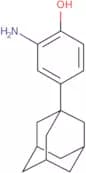
Formule :C16H16O8Degré de pureté :Min. 95%Couleur et forme :PowderMasse moléculaire :336.29 g/mol4-(1-Adamantyl)-2-aminophenol
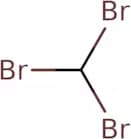
CAS :Please enquire for more information about 4-(1-Adamantyl)-2-aminophenol including the price, delivery time and more detailed product information at the technical inquiry form on this pageFormule :C16H21NODegré de pureté :Min. 95%Masse moléculaire :243.34 g/molBromoform - Stabilized with ethanol
CAS :Bromoform is a colorless, sweet-smelling liquid that was formerly used as an industrial solvent and disinfectant. Bromoform is a potent liver toxin and has been implicated in the development of liver cancer. In animal studies, bromoform causes significant genotoxic effects, including DNA single-strand breaks and chromosomal aberrations. Bromoform also inhibits the activity of enzymes involved in lipid metabolism, which may be due to its ability to bind to proteins in the cell membrane and alter their function. Bromoform is absorbed through the lungs or gastrointestinal tract after inhalation or ingestion. It undergoes rapid metabolism by oxidation followed by conjugation with glutathione, which renders it non-toxic and allows for its elimination from the body.Formule :CHBr3Degré de pureté :Min. 95%Couleur et forme :Clear LiquidMasse moléculaire :252.73 g/mol2(2-Ethoxyethoxy)ethanol
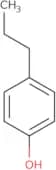
CAS :2(2-Ethoxyethoxy)ethanol is a glycol ether that is used as a substrate film in analytical methods, such as thin layer chromatography. It has been shown to be toxic to the liver and kidney, but not the heart. 2(2-Ethoxyethoxy)ethanol is also an experimental solubility data and can be used to measure the hydrophobic effect of organic compounds. This substance has high values for solubility, which may be due to its glycol ester type. 2(2-Ethoxyethoxy)ethanol does not show toxicity to the heart when administered orally or by inhalation, but does show toxicity to the liver and kidney at high doses.Formule :C6H14O3Degré de pureté :Min. 98 Area-%Couleur et forme :PowderMasse moléculaire :134.17 g/mol4-Propylphenol
CAS :Produces a fluorogenic signal in the presence of peroxidaseDegré de pureté :Min. 95%Arjunolic acid
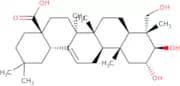
CAS :Produit contrôléArjunolic acid is a hypoglycemic agent that belongs to the group of pharmacological agents. It is a reactive compound, which can be found in pueraria lobata and melaleuca alternifolia. Studies have shown that arjunolic acid has an effect on mitochondrial membrane potential, enzyme activities, and cardiac function. This compound also has anti-inflammatory activity and could be used for the treatment of inflammation. Arjunolic acid may have many other effects due to its ability to inhibit proinflammatory transcription factors such as NF-κB and AP-1.Formule :C30H48O5Degré de pureté :(Hplc-Ms) Min. 95 Area-%Couleur et forme :PowderMasse moléculaire :488.7 g/mol1-Cyclopropyl-7-(2,8-diazabicyclo[4.3.0]non-8-yl)-6-fluoro-8-methoxy-4-oxoquinoline-3-carboxylic acid
CAS :This is a broad-spectrum antibacterial agent that inhibits bacterial DNA gyrase. It is active against atypical bacterial species, such as Chlamydia and Mycoplasma, and has been shown to be effective against certain strains of the methicillin-resistant Staphylococcus aureus (MRSA) bacteria. This drug also inhibits the growth of other bacteria by binding to their DNA. The drug is used in combination with other antibiotics to treat infections caused by Clostridium difficile, Helicobacter pylori, Borrelia burgdorferi, and Salmonella enterica. However, this drug does not work against Pseudomonas aeruginosa or Enterobacteriaceae infections.Formule :C21H24FN3O4Degré de pureté :Min. 95%Couleur et forme :PowderMasse moléculaire :401.43 g/molD-alpha-Tocotrienol
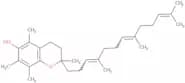
CAS :D-alpha-Tocotrienol is an antioxidant that belongs to the vitamin E family. It has been shown to have many beneficial effects in humans, including lowering of cholesterol and reducing the risk of heart disease. This compound also has antioxidant function and may be used for the prevention of certain cancers. D-alpha-Tocotrienol is a natural form of alpha-tocopherol, which is found in high concentrations in plants. It can be found in lipoproteins, phosphatidylcholine, and vulgare l., as well as hexane.Formule :C29H44O2Degré de pureté :Min. 95%Masse moléculaire :424.66 g/mol17-Methylestra-3,5-diene-3,17b-diol diacetate
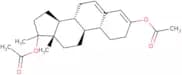
CAS :Produit contrôléPlease enquire for more information about 17-Methylestra-3,5-diene-3,17b-diol diacetate including the price, delivery time and more detailed product information at the technical inquiry form on this page
Formule :C23H32O4Degré de pureté :Min. 95%Masse moléculaire :372.5 g/mol1-Benzyl-4-piperidinol
CAS :1-Benzyl-4-piperidinol is a n-hexane soluble synthetic compound. It has been shown to inhibit the cholesterol acyltransferase enzyme in rat liver microsomes, which is involved in the synthesis of cholesterol. 1-Benzyl-4-piperidinol can also be used for the treatment of cancers, such as prostate adenocarcinoma, due to its potent antagonistic activity against prostate cancer cells. This compound has also been shown to induce apoptosis in cancer cells and inhibit growth. The mechanism of action may be due to bond cleavage and inhibition of protein synthesis.Formule :C12H17NODegré de pureté :Min. 95%Masse moléculaire :191.27 g/molDibromochloromethane (stabilized with ethanol)
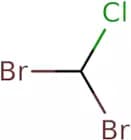
CAS :Dibromochloromethane (DBCM) is a chemical that is used as a solvent and cleaning agent. It was found to be genotoxic, with the potential to cause cancer in humans. DBCM causes cardiac effects in animals, including arrhythmias and an increase in heart rate. DBCM is not volatile and has a low vapor pressure, which makes it hazardous if inhaled or ingested. DBCM can also cause renal toxicity and liver injury in rats. Dibromochloromethane has been shown to have a toxic effect on the heart, lungs, kidneys and liver when administered at high doses in animals. It has been shown to damage DNA by causing mutations or cross-linking with DNA strands.
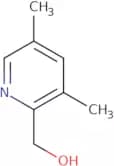
Formule :CHBr2ClDegré de pureté :Min. 95%Masse moléculaire :208.28 g/mol(3,5-Dimethylpyridin-2-yl)methanol
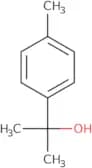
CAS :3,5-Dimethylpyridin-2-yl)methanol is a compound used in the synthesis of esomeprazole. It is not considered an impurity or a target compound and does not need to be analyzed. 3,5-Dimethylpyridin-2-yl)methanol is synthesized by reacting 3,5-dimethylpyridine with methanol.Formule :C8H11NODegré de pureté :Min. 95%Masse moléculaire :137.18 g/molp,a,a-Trimethylbenzyl alcohol
CAS :p,a,a-Trimethylbenzyl alcohol is a naturally occurring compound that is found in the essential oils of plants. It has been shown to have an antifungal effect on Streptococcus faecalis and Candida glabrata. p,a,a-Trimethylbenzyl alcohol also inhibits the growth of bacteria by binding to fatty acids. The mechanism of action for this inhibition is unknown but may be due to its ability to interfere with various enzymatic reactions that are necessary for lipid synthesis. This alcohol has been shown to be a potent inhibitor of bacterial growth with minimal inhibitory concentrations below 1ug/ml and has also been shown to have anti-inflammatory effects in animal studies.Formule :C10H14ODegré de pureté :Min. 90%Couleur et forme :Colorless Clear LiquidMasse moléculaire :150.22 g/mol4-(2-Fluorophenyl)-4-piperidinol
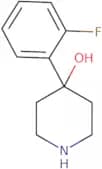
CAS :Please enquire for more information about 4-(2-Fluorophenyl)-4-piperidinol including the price, delivery time and more detailed product information at the technical inquiry form on this page
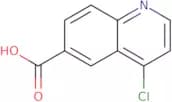
Formule :C11H14FNODegré de pureté :Min. 95%Masse moléculaire :195.23 g/mol4-Chloroquinoline-6-carboxylicacid
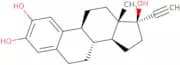
CAS :Please enquire for more information about 4-Chloroquinoline-6-carboxylicacid including the price, delivery time and more detailed product information at the technical inquiry form on this pageFormule :C10H6ClNO2Degré de pureté :Min. 95%Masse moléculaire :207.61 g/mol2-Hydroxy ethynyl estradiol
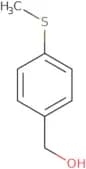
CAS :2-Hydroxy ethynyl estradiol is a synthetic estrogen that has been used in animal studies to study the effects of estrogens on the brain. It is active as an antiestrogen at high doses and has been shown to be a potent inhibitor of brain norepinephrine uptake. 2-Hydroxy ethynyl estradiol has been used as a marker for cytochrome P450 enzymes and NADPH-cytochrome P450 reductase in rat brain. This compound also binds to estrogen receptors in women, although it does not have any biological activity due to its lack of a 17β-hydroxyl group. The drug has also been shown to inhibit noradrenergic neurons in the central nervous system.Formule :C20H24O3Degré de pureté :Min. 95%Masse moléculaire :312.4 g/mol4-(Methylthio)benzyl Alcohol
CAS :4-(Methylthio)benzyl Alcohol (MSBA) is a sulfate salt of 4-(methylthio)benzol, which is used as an inhibitor for cytochrome P450 enzymes. MSBA forms a covalent bond with cytochrome P450 and inhibits the oxidation of substrates to form reactive metabolites. This inhibitor can also be used to identify the active site of cytochrome P450 enzymes by docking analysis. The inhibition by MSBA has been demonstrated in recombinant cytochrome P450s using acetonitrile and stilbene derivatives as substrates. The inhibitory potency of MSBA is related to its methoxy groups and sulfate salt groups, which are important for binding with the enzyme. MSBA has been shown to metabolize into primary alcohols, such as 2-propynyl ethyl alcohol, that have inhibitory activities against cytochrome P450 enzymes.
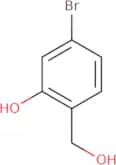
Formule :C8H10OSDegré de pureté :Min. 95%Masse moléculaire :154.23 g/mol5-Bromo-2-(hydroxymethyl)phenol
CAS :5-Bromo-2-(hydroxymethyl)phenol (5-BHP) is a synthetic small molecule that activates the death receptor CD95. It has been shown to induce tumor regression in experimental models of cancer. 5-BHP can be used as a cancer therapeutic or for the treatment of inflammatory conditions such as rheumatoid arthritis and psoriasis. 5-BHP binds to the death protein pd-l1, which initiates downstream signaling pathways that lead to activation of caspases and apoptosis. This agent also interacts with programmed death ligand 1 (PD-L1), which is expressed on activated T cells and may be involved in antitumor responses. These interactions are being investigated for their potential use in drug development, including optimization and biochemical techniques to characterize the binding affinity of 5-BHP with PD-L1.Formule :C7H7BrO2Degré de pureté :Min. 95%Masse moléculaire :203.03 g/molKushenol X
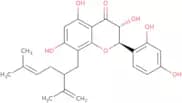
CAS :Kushenol X is a bioactive flavonoid compound, which is derived from the traditional Chinese medicinal plant Sophora flavescens. Known for its diverse pharmacological activities, Kushenol X primarily exerts its effects through the modulation of various cellular pathways. This compound has been found to interact with signaling molecules and pathways implicated in inflammation and cancer, exhibiting both anti-inflammatory and anticancer properties.Degré de pureté :Min. 95%2-[(4-Methylbenzenesulfonyl)oxy]ethan-1-ol
CAS :2-[(4-Methylbenzenesulfonyl)oxy]ethan-1-ol is a compound that contains a benzene ring and an ethyl chain. It has the following chemical structure: It is structurally related to benzodiazepine, but with an amide group instead of a diazepine ring. 2-[(4-Methylbenzenesulfonyl)oxy]ethan-1-ol is a membrane stabilizer that inhibits thrombin and can be used as an anticoagulant. This compound also has growth factor activity and can be used in the synthesis of heterocyclic compounds.
Formule :C9H12O4SDegré de pureté :Min. 95%Couleur et forme :Clear LiquidMasse moléculaire :216.26 g/mol3-Methyl-1-butanethiol
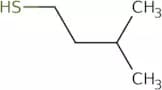
CAS :3-Methyl-1-butanethiol is a chemical compound that belongs to the class of sulfonic acids. It has been shown to be an effective inhibitor of the formation of sulfonated compounds in urine samples. 3-Methyl-1-butanethiol also possesses a hydroxyl group and chlorine atom, which are responsible for its inhibitory effects on the polymerization initiator. The hydroxyl group is involved in the synthesis of 3-methyl-1-butanol and 3,3′,5′-trimethylhexane by reacting with methanol and ethylene oxide respectively. The chlorine atom acts as a nucleophile in the reaction with sodium chloride to form chloroacetic acid. This chemical compound also contains a divalent magnesium ion that can act as a cocatalyst for polymerization reactions.Formule :C5H12SDegré de pureté :Min. 95%Masse moléculaire :104.21 g/molDesmethoxy ranolazine
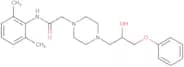
CAS :Please enquire for more information about Desmethoxy ranolazine including the price, delivery time and more detailed product information at the technical inquiry form on this pageFormule :C23H31N3O3Degré de pureté :Min. 95%Masse moléculaire :397.51 g/mol(1R,2S)-2-[N-Benzyl-N-(mesitylenesulfonyl)amino]-1-phenyl-1-propanol
CAS :Produit contrôléPlease enquire for more information about (1R,2S)-2-[N-Benzyl-N-(mesitylenesulfonyl)amino]-1-phenyl-1-propanol including the price, delivery time and more detailed product information at the technical inquiry form on this pageFormule :C25H29NO3SDegré de pureté :Min. 95%Masse moléculaire :423.57 g/molPseudoerythromycin A enol ether
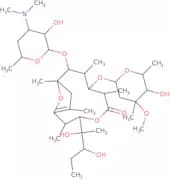
CAS :Pseudoerythromycin A enol ether (PSEA) is an analog of erythromycin and has been used as a predictive model for the diagnosis of urinary tract infections. It is used in the treatment of bacterial infections caused by E. coli, Proteus mirabilis, Enterococcus faecalis, and Klebsiella pneumoniae. PSEA is an acidic compound that reacts with water to form hydroxyethyl pseudo-erythromycine (HEPE). HEPE can be detected in human urine following dehydration, which may be due to its reaction rate with water at pH 5.5-6.0. PSEA has also been used as a reagent for the detection of alkynyl group and ethyl group in liquid chromatography methods.br>br>Formule :C37H65NO12Degré de pureté :Min. 95%Masse moléculaire :715.91 g/molDoxorubicinol,mixture of diastereomers
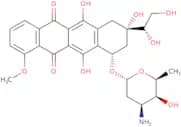
CAS :Doxorubicinol, a mixture of diastereomers, is an anthracycline antibiotic that inhibits the growth of cells by binding to DNA and preventing the production of RNA. Doxorubicinol has been shown to be effective in treating breast cancer and solid tumours, including those resistant to doxorubicin. This drug has also been shown to inhibit the production of matrix metalloproteinases that are involved in tumor invasion and metastasis. The concentration-time curve for doxorubicinol can be determined experimentally by blood sampling and measuring its metabolites. The ryanodine receptor is a calcium channel found on the surface membrane of cardiac muscle cells that regulates intracellular calcium levels. Doxorubicinol may bind to this receptor, which could account for its cardiotoxic effects.Formule :C27H31NO11Degré de pureté :(%) Min. 90%Masse moléculaire :545.54 g/mol4-Nitrophenol
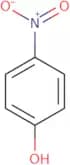
CAS :4-Nitrophenol is a chemical compound that is used in wastewater treatment to remove iron and copper ions. 4-Nitrophenol has been shown to catalyze the oxidation of picolinic acid by copper chloride, forming oxalic acid. The redox potential of 4-nitrophenol is -0.53 V, which makes it a suitable electron acceptor for the reaction. The reaction mechanism of this process involves the formation of a nitroso radical intermediate, which reacts with copper ions to form copper nitroso complexes and then reacts with oxygen to form hydroxylamine radicals. This reaction can also be followed using fluorescence probe measurements or electrochemical impedance spectroscopy (EIS).Formule :C6H5NO3Degré de pureté :Min. 95%Couleur et forme :PowderMasse moléculaire :139.11 g/mol(1-Isopropyl-1H-benzimidazol-2-yl)methanol
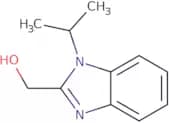
CAS :Produit contrôléPlease enquire for more information about (1-Isopropyl-1H-benzimidazol-2-yl)methanol including the price, delivery time and more detailed product information at the technical inquiry form on this page
Formule :C11H14N2ODegré de pureté :Min. 95%Masse moléculaire :190.24 g/mol5-Benzyl-4-methyl-4H-1,2,4-triazole-3-thiol
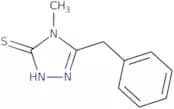
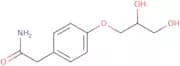
CAS :Please enquire for more information about 5-Benzyl-4-methyl-4H-1,2,4-triazole-3-thiol including the price, delivery time and more detailed product information at the technical inquiry form on this pageFormule :C10H11N3SDegré de pureté :Min. 95%Masse moléculaire :205.28 g/molDes(isopropylamino) atenolol diol
CAS :Des(isopropylamino) atenolol diol is a synthetic, high-performance liquid chromatography (HPLC) analyte with an absorbance maximum of 254 nm. It is a white/off-white solid that is soluble in water and has a molecular weight of 187.5 g/mol. This compound can be analyzed using multichannel or liquid chromatographic techniques. Des(isopropylamino) atenolol diol can be used to measure the concentration of various compounds, such as impurities, by elution from the column. The elution profile has been shown to be dependent on the type of sample and technique used for analysis.
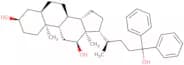
Formule :C11H15NO4Degré de pureté :Min. 95%Masse moléculaire :225.24 g/mol3,12-Dihydroxy-nor-cholanyldiphenylcarbinol
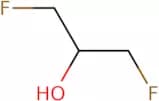
CAS :Produit contrôléPlease enquire for more information about 3,12-Dihydroxy-nor-cholanyldiphenylcarbinol including the price, delivery time and more detailed product information at the technical inquiry form on this pageFormule :C36H50O3Degré de pureté :Min. 95%Masse moléculaire :530.78 g/mol1,3-Difluoro-2-propanol
CAS :1,3-Difluoro-2-propanol is a hydrogen bond donor. It is used as an animal repellent and insecticide. It has been shown to be effective against the larvae of mosquitoes and flies. 1,3-Difluoro-2-propanol has also been found to be effective against some fungi, although it is not active against bacteria. The octanol/water partition coefficient (log Kow) of 1,3-difluoro-2-propanol is -0.86. 1,3-Difluoro-2-propanol has been shown to inhibit biochemical reactions in animals by inhibiting ATPase and phosphate uptake in mitochondria. This inhibition leads to the accumulation of metabolites such as lactic acid and pyruvic acid which are responsible for the symptoms seen with exposure to this chemical. 1,3-Difluoro-2-propanol has also been shown
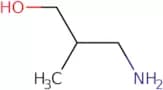
Formule :C3H6F2ODegré de pureté :Min. 99 Area-%Couleur et forme :Colorless Clear LiquidMasse moléculaire :96.08 g/mol3-Amino-2-methylpropan-1-ol
CAS :3-Amino-2-methylpropan-1-ol is a reactive chemical that can be used as a reactant in the synthesis of other chemicals. It is an alkanolamine and can be found in small amounts in water vapor. 3-Amino-2-methylpropan-1-ol has been shown to have low energy and it reacts with water vapor to form 3,4-dihydroxybutanal, which is a product that can be converted into other useful chemicals. 3-Amino-2-methylpropan-1-ol also reacts with high energy photons to form new substances, such as 3,4,5,6 tetrahydroxymethylbenzaldehyde. 3Amino - 2 - methylpropan - 1 - ol has been shown to have many uses including the production of low molecular weight polymers and resins for paints and coatings.
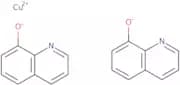
Formule :C4H11NODegré de pureté :Min. 95%Masse moléculaire :89.14 g/mol8-Hydroxyquinoline copper(II)
CAS :8-Hydroxyquinoline copper(II) salt is a metal chelate that can be used as an analytical reagent. It is prepared by the reaction of ethylene diamine with 8-hydroxyquinoline and copper(II) chloride. The product has been found to emit light when irradiated with UV light. This product is also used as a substrate for methyl transferase, which is an enzyme involved in the metabolism of drugs. 8-Hydroxyquinoline copper(II) salt has been shown to inhibit the activity of P-glycoprotein (Pgp), which is a drug transporter protein found in mammalian cells that functions to pump xenobiotics from the inside of cells out into the bloodstream. When Pgp is inhibited, it causes cellular accumulation of certain drugs, such as cyclosporin A and tacrolimus.Formule :C18H12CuN2O2Degré de pureté :Min. 95%Couleur et forme :PowderMasse moléculaire :351.85 g/mol2,2,4-Trimethyl-1,2-dihydroquinolin-6-yl phenylacetate
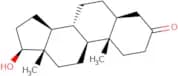
CAS :Produit contrôléPlease enquire for more information about 2,2,4-Trimethyl-1,2-dihydroquinolin-6-yl phenylacetate including the price, delivery time and more detailed product information at the technical inquiry form on this pageFormule :C20H21NO2Degré de pureté :Min. 95%Masse moléculaire :307.39 g/molAndrostanolone
CAS :Produit contrôléDihydrotestosterone is a potent androgen that is used in hormone replacement therapy to treat conditions such as testosterone deficiency, delayed puberty, and impotence. It is also used to treat breast cancer in women and prostate cancer in men. Dihydrotestosterone binds to the androgen receptor, which alters the expression of genes by altering their nucleotide sequences. It has been shown to have anti-tumor effects on prostate cells in vitro, but not on breast or ovarian carcinoma cell lines. The drug has been shown to be active against HIV replication in cell culture models.
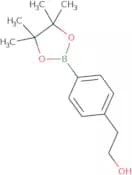
Formule :C19H30O2Degré de pureté :Min. 95%Couleur et forme :SolidMasse moléculaire :290.44 g/mol2-(4-(4,4,5,5-Tetramethyl-l.3,2-dioxaborolan-2-yl)phenyl)ethanol
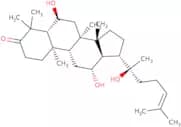
CAS :2-(4-(4,4,5,5-Tetramethyl-l,3,2-dioxaborolan-2-yl)phenyl)ethanol is a fine chemical that has been used as a reagent and as a building block for the synthesis of complex compounds. It is also an intermediate in organic reactions and has been used as a reaction component in the synthesis of various drugs and agrochemicals. 2-(4-(4,4,5,5-Tetramethyl-l,3,2-dioxaborolan-2-yl)phenyl)ethanol is useful as a scaffold in organic synthesis. This compound can be converted to other useful chemicals such as tetrahydropyranones and dibenzalacetone derivatives. 2-(4-(4,4,5,5-Tetramethyl-l,3,2-dioxaborolan-2-yl)phenyl)ethanolFormule :C14H21BO3Degré de pureté :Min. 95%Couleur et forme :White PowderMasse moléculaire :248.13 g/mol3-Deoxy-3-oxo-20(S)-protopanaxatriol
CAS :Produit contrôlé3-Deoxy-3-oxo-20(S)-protopanaxatriol is a compound that has been shown to have cardioprotective effects in vitro. This compound inhibits the production of malondialdehyde (MDA), an end product of lipid peroxidation, and increases the glutathione content of rat heart tissue. 3-Deoxy-3-oxo-20(S)-protopanaxatriol also protects against ischemic injury by lowering creatine kinase levels and preserving the myocardium during reperfusion. It has been shown to inhibit oxidative stress and reduce tissue damage in rats with induced myocardial infarction. 3-Deoxy-3-oxo-20(S)-protopanaxatriol is orally active, but must be injected for pharmacological studies due to its high molecular weight. This molecule has also been shown to have antioxidant properties in vitro, which may be due to its ability toFormule :C30H50O4Degré de pureté :Min. 95%Masse moléculaire :474.72 g/mol2-Hydroxyquinoline-4-carboxylic acid
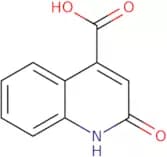
CAS :2-Hydroxyquinoline-4-carboxylic acid is a carboxylate that is structurally classified as a multidrug. It has been shown to inhibit bacterial efflux pumps and target enzymes, such as cancer cells and multidrug resistant bacteria. 2-Hydroxyquinoline-4-carboxylic acid also has potent antibacterial activity against Streptococcus faecalis, an opportunistic pathogen that causes infections in the urinary tract and on skin wounds. The fluorescence properties of this compound can be used for fluorescent labeling of biomolecules or for sensing applications.Formule :C10H7NO3Degré de pureté :Min. 95%Couleur et forme :PowderMasse moléculaire :189.17 g/mol(1-Chloroisoquinolin-4-yl)boronic acid
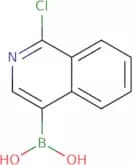
CAS :Please enquire for more information about (1-Chloroisoquinolin-4-yl)boronic acid including the price, delivery time and more detailed product information at the technical inquiry form on this pageFormule :C9H7BClNO2Degré de pureté :Min. 95%Masse moléculaire :207.42 g/molRITA
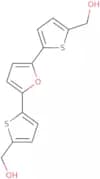
CAS :RITA is a novel compound that has been shown to have anticancer activity in vivo in a rat model. RITA is a small molecule with high potency and low toxicity. It binds selectively to the α subunit of the enzyme topoisomerase II, which is involved in DNA replication and repair. RITA has been shown to induce apoptosis in cancer cells by pro-apoptotic proteins such as Bax and Bak. These proteins are known for their ability to induce apoptosis by increasing mitochondrial membrane permeability, inhibiting mitochondrial functions, or destabilizing the mitochondrial membrane potential. The compound class of RITA is not yet known, but it has been shown to be chemically stable at physiological pH levels and does not require metabolic activation for its cytotoxicity. The pharmacokinetics of this drug have also been studied in human liver cells and humans, indicating that this drug may be able to cross the blood-brain barrier.
Formule :C14H12O3S2Degré de pureté :Min. 95%Masse moléculaire :292.38 g/molT2 toxin triol
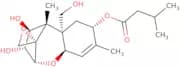
CAS :Produit contrôléT2 toxin triol is a bacterial strain that is used as a model system for the study of zearalenone. It has been shown to inhibit the growth of trifluoroacetic acid-treated cells and prevent the formation of glucuronide conjugates. T2 toxin triol has also been shown to be toxic to rat liver microsomes in vitro, but not to tissue culture or monoclonal antibody-transfected cells. The toxicity was found to be due to its basic structure, which causes an increase in intracellular levels of reactive oxygen species and lipid peroxidation.
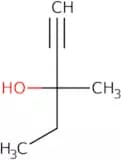
Formule :C20H30O7Degré de pureté :Min. 95%Masse moléculaire :382.45 g/mol3-Methyl-1-pentyn-3-ol
CAS :Produit contrôlé3-Methyl-1-pentyn-3-ol is a chemical that has been shown to have interactive effects on the metabolism of urea nitrogen and low light. 3-Methyl-1-pentyn-3-ol has been shown to produce a depressant effect in animals, which may be due to its ability to inhibit the production of acetylcholine by blocking the enzyme cholinesterase. This chemical has also been shown to react with hydroxyl groups, producing a pharmacological agent. The reaction mechanism for 3-methyl pentynol is via hydrolysis by hydrochloric acid or pentobarbital sodium.
Formule :C6H10ODegré de pureté :Min. 95%Masse moléculaire :98.14 g/mol3-[(4-Aminopiperidin-1-yl)methyl]phenol
CAS :Please enquire for more information about 3-[(4-Aminopiperidin-1-yl)methyl]phenol including the price, delivery time and more detailed product information at the technical inquiry form on this page
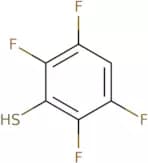
Formule :C12H18N2ODegré de pureté :Min. 95%Masse moléculaire :206.28 g/mol2,3,5,6-Tetrafluorothiophenol
CAS :2,3,5,6-Tetrafluorothiophenol is a backup chemical that can be used in place of the more expensive 2,4,5-trichlorophenol. It is a chemical intermediate that has been shown to react with fatty acids to form chromatographic products. FTIR spectroscopy and sample preparation techniques have been developed for this application. The light emission from FTIR spectroscopy can also be used as a means of controlling a microcontroller in telecommunications devices. A telecommunication company has successfully downloaded this information on their website. 2,3,5,6-Tetrafluorothiophenol has also been shown to inhibit the growth of Pseudomonas aeruginosa and Staphylococcus epidermidis bacteria by interfering with the synthesis of fatty acids and increasing the production of hydroxyl groups.END> Rifapentine is an anti-tuberculosis drug thatFormule :C6H2F4SDegré de pureté :Min. 95%Couleur et forme :Clear LiquidMasse moléculaire :182.14 g/mol{1-[2-(4-Methylphenoxy)ethyl]-1H-benzimidazol-2-yl}methanol
CAS :Produit contrôléPlease enquire for more information about {1-[2-(4-Methylphenoxy)ethyl]-1H-benzimidazol-2-yl}methanol including the price, delivery time and more detailed product information at the technical inquiry form on this page
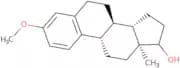
Formule :C17H18N2O2Degré de pureté :Min. 95%Masse moléculaire :282.34 g/mol3-Methylether-estradiol
CAS :Produit contrôlé3-Methylether-estradiol is a naturally occurring estrogen that is found in humans and other mammals. It binds to estrogen receptors on the plasma membrane, which stimulates cell growth, protein synthesis, and modulates the immune system. 3-Methylether-estradiol has been shown to inhibit taurocholic acid induced hypertension in rats by blocking the conversion of angiotensin I to angiotensin II. In addition, this compound has been shown to have anti-inflammatory properties and can be used as an antihypertensive agent. 3-Methylether-estradiol has also been shown to increase blood pressure in pregnant rats when given at bolus doses. This drug should not be prescribed for use during pregnancy because it can cause fetal death.Formule :C19H26O2Degré de pureté :Min. 95%Masse moléculaire :286.41 g/molD-Tryptophanol
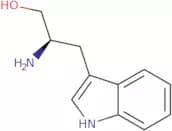
CAS :Produit contrôléD-Tryptophanol is a synthetic, enantiopure, hydroxymethylated tryptamine. It is a maltobionic molecule and it can be prepared by the hydrolysis of L-tryptophan with sodium hydroxide in water. D-Tryptophanol can also be synthesized from 3,4-diaminopyridine in the presence of a base and catalytic amount of copper(II) chloride. The chemical stability of D-tryptophanol has been studied using HPLC methods. Molecular modeling studies have shown that the compound forms hydrogen bonds with its neighboring molecules and has a high affinity for binding to human liver cells. D-Tryptophanol has been found to inhibit cancer cell growth at nanomolar concentrations, making it an attractive candidate for chemotherapeutic drugs. Calixarenes are used as chiral synthons to produce racemic mixtures of D-tryptophanol that could be
Formule :C11H14N2ODegré de pureté :Min. 95%Masse moléculaire :190.24 g/mol6b-Hydroxy triamcinolone acetonide
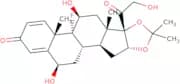
CAS :Please enquire for more information about 6b-Hydroxy triamcinolone acetonide including the price, delivery time and more detailed product information at the technical inquiry form on this page
Formule :C24H31FO7Degré de pureté :(%) Min. 95%Couleur et forme :White Off-White PowderMasse moléculaire :450.5 g/mol


![1-Cyclopropyl-7-(2,8-diazabicyclo[4.3.0]non-8-yl)-6-fluoro-8-methoxy-4-oxoquinoline-3-carboxylic a…](/_next/image/?url=https%3A%2Fstatic.cymitquimica.com%2Fproducts%2F3D%2Fthumb-webp%2FFC102529.webp&w=3840&q=75)

![2-[(4-Methylbenzenesulfonyl)oxy]ethan-1-ol](/_next/image/?url=https%3A%2Fstatic.cymitquimica.com%2Fproducts%2F3D%2Fthumb-webp%2FFM171828.webp&w=3840&q=75)
![(1R,2S)-2-[N-Benzyl-N-(mesitylenesulfonyl)amino]-1-phenyl-1-propanol](/_next/image/?url=https%3A%2Fstatic.cymitquimica.com%2Fproducts%2F3D%2Fthumb-webp%2FFB59938.webp&w=3840&q=75)

![3-[(4-Aminopiperidin-1-yl)methyl]phenol](/_next/image/?url=https%3A%2Fstatic.cymitquimica.com%2Fproducts%2F3D%2Fthumb-webp%2FFA116167.webp&w=3840&q=75)
![{1-[2-(4-Methylphenoxy)ethyl]-1H-benzimidazol-2-yl}methanol](/_next/image/?url=https%3A%2Fstatic.cymitquimica.com%2Fproducts%2F3D%2Fthumb-webp%2FFM135811.webp&w=3840&q=75)