Alcools
Les alcools sont une large gamme de molécules organiques dérivées des hydrocarbures et contenant un ou plusieurs groupes hydroxyle (groupe OH). Ces composés sont essentiels dans diverses réactions chimiques et sont largement utilisés en laboratoire pour la synthèse, comme solvants et en chimie analytique. Chez CymitQuimica, nous proposons des alcools de haute qualité préparés pour une utilisation en laboratoire, soutenant vos recherches et applications industrielles avec des produits fiables et efficaces. Notre sélection garantit que vous disposez des alcools adaptés à vos besoins spécifiques, que ce soit pour des travaux de laboratoire de routine ou des projets de recherche spécialisés.
Sous-catégories appartenant à la catégorie "Alcools"
5814 produits trouvés pour "Alcools"
Trier par
Degré de pureté (%)
0
100
|
0
|
50
|
90
|
95
|
100
2-(3,4-Dichlorophenyl)ethanol
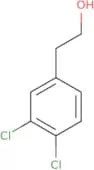
CAS :<p>2-(3,4-Dichlorophenyl)ethanol is a high quality reagent for the synthesis of complex compounds, useful as an intermediate in organic synthesis and as a building block for speciality chemicals. This chemical is also used as a research chemical in the synthesis of versatile building blocks. It can be used as a reaction component in various reactions such as Suzuki coupling, Negishi coupling, Heck reaction, and Sonogashira coupling.</p>Formule :C8H8Cl2ODegré de pureté :Min. 95%Masse moléculaire :191.05 g/mol7-Hydroxyquinoline
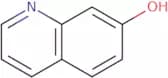
CAS :7-Hydroxyquinoline is a molecule that has been extensively studied in the context of transfer reactions. It is a sodium salt that contains an intermolecular hydrogen bond and an intramolecular hydrogen bond. The proton of 7-hydroxyquinoline can be transferred to the nitrogen atom of a protonated amine, forming an acid complex. This reaction mechanism is kinetically controlled and stabilizes the tautomers of 7-hydoxyquinoline. The hydroxyl group on the quinoline ring can form hydrogen bonds with various groups on other molecules, such as n-dimethyl formamide or deuterium isotope.Formule :C9H7NODegré de pureté :Min. 95%Couleur et forme :Brown PowderMasse moléculaire :145.16 g/molCalcipotriol monohydrate
CAS :<p>Calcipotriol is a synthetic vitamin D3 analog that has been shown to be effective in the treatment of bone cancer. It has a film-forming property and is used in pharmaceutical preparations as well as for wastewater treatment. Calcipotriol monohydrate is made by reacting calcipotriol with hydrochloric acid, which produces an ester bond between the hydroxyl group and the carboxylic acid group. The reaction also produces water, methanol, and methyl ethyl ether. Studies have shown that calcipotriol monohydrate has a chemical stability of over 30 days at room temperature, indicating it can be stored for long periods without degradation.</p>Formule :C27H40O3·H2ODegré de pureté :(%) Min. 96%Couleur et forme :PowderMasse moléculaire :430.62 g/mol2,2'-Biquinoline
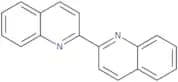
CAS :<p>2,2'-Biquinoline is a coordination compound that has been used as an analytical reagent in the determination of copper and nitrogen. It has been shown to be stable in a variety of matrices, including human serum and copper chloride. 2,2'-Biquinoline is also used as an antimicrobial agent against Gram-positive bacteria, including Staphylococcus aureus. The redox potentials of this compound are dependent on the number of nitrogen atoms present.</p>Formule :C18H12N2Degré de pureté :Min. 95%Masse moléculaire :256.3 g/mol(2-Chlorophenyl)diphenylmethanol
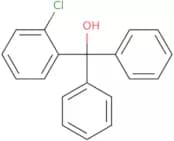
CAS :<p>2-Chlorophenyl)diphenylmethanol is an antifungal drug that blocks the function of a calcium ionophore in fungal cells. It has been shown to be effective against a variety of filamentous fungi, including Aspergillus fumigatus, Candida albicans, and Trichosporon cutaneum. This drug is used as a topical antifungal agent for treatment of skin infections caused by these fungi. 2-Chlorophenyl)diphenylmethanol has been shown to have anti-inflammatory properties in animal models of kidney fibrosis and cell binding. Clinical data suggests that it can be used for the prevention or treatment of stem cell transplantation complications such as graft versus host disease and leukemia.</p>Formule :C19H15ClODegré de pureté :Min. 95%Couleur et forme :PowderMasse moléculaire :294.77 g/mol4-Chlorophenethyl alcohol
CAS :4-Chlorophenethyl alcohol is a synthetic, primary alcohol. It can be synthesized by reacting 2,4-dichlorobenzoic acid with a Grignard reagent. The reaction produces 4-chlorophenethyl alcohol, which is insoluble in water and reacts with chloride to form chloroform. This procedure can be used to produce other chlorinated alcohols. 4-Chlorophenethyl alcohol has been shown to have acute toxicities that are similar to those of trifluoroacetic acid and it is believed that the toxicity is due to its ability to react with proteins and nucleic acids.Formule :C8H9ClODegré de pureté :Min. 95%Couleur et forme :PowderMasse moléculaire :156.61 g/molDodecylbenzenesulfonic acid, 70% in isopropanol
CAS :Dodecylbenzenesulfonic acid is a sulfonic acid that is used in the production of polyaniline. It is also used as an organic reagent that can be applied in organic synthesis, including polymerization and electrochemical studies. Dodecylbenzenesulfonic acid has been shown to react with sodium salts to form dodecyl benzene, which can be observed by synchronous fluorescence spectroscopy. This chemical has a phase transition temperature of -9°C and a boiling point of 176°C. Dodecylbenzenesulfonic acid is soluble in water vapor, but insoluble in ethanol or acetone.Formule :C18H30O3SDegré de pureté :Min. 95%Couleur et forme :Clear LiquidMasse moléculaire :326.5 g/molL-allo-Threoninol
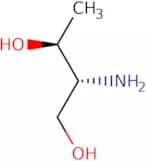
CAS :Please enquire for more information about L-allo-Threoninol including the price, delivery time and more detailed product information at the technical inquiry form on this pageFormule :C4H11NO2Degré de pureté :Min. 95%Couleur et forme :Colourless To Pale Yellow LiquidMasse moléculaire :105.14 g/molcis-Verbenol
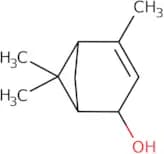
CAS :Cis-Verbenol is a natural compound that has shown to be an inhibitor of the enzyme proton pump H+,K+-ATPase. It also has been shown to inhibit the growth of some cancer cells in vitro. Cis-Verbenol is a terpene alcohol, which is extracted from plants such as the leaves of rosemary and lavender. It is commonly used in food composition as a flavoring agent and preservative. Cis-Verbenol can be detected by gas chromatography with flame ionization detection (GC/FID) or gas chromatography with mass spectrometry (GC/MS).Formule :C10H16ODegré de pureté :85%MinMasse moléculaire :152.23 g/mol4-Chloro-6-methoxyquinoline
CAS :<p>4-Chloro-6-methoxyquinoline is an inhibitor of bacterial DNA gyrase. It has antibacterial activity against Gram-positive and Gram-negative bacteria, including Staphylococcus aureus, Enterococcus faecalis, and Pseudomonas aeruginosa. 4-Chloro-6-methoxyquinoline is a synthetic compound that was reinvestigated for its antibacterial activity. It has been shown to be effective in the treatment of Staphylococcal infections. The mechanism of action may involve inhibition of topoisomerase II or interference with the synthesis of DNA by binding to the enzyme bacterial DNA gyrase. Quinidine and cinchonidine are quinine derivatives that have been found to inhibit bacterial DNA gyrase. These compounds are found in the bark of Cinchona species, which includes Cinchona ledgeriana, Cinchona officinalis, and Cinchona succirub</p>Formule :C10H8ClNODegré de pureté :Min. 95%Masse moléculaire :193.029445-Bromoquinolin-8-amine
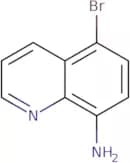
CAS :5-Bromoquinolin-8-amine is a topoisomerase inhibitor that can be used as an antitumor agent. It has been shown to inhibit the growth of tumor cell lines and suppress the growth of colon carcinoma cells in rats and human colon carcinomas in mice. 5-Bromoquinolin-8-amine interacts with DNA, specifically inhibiting the formation of supercoiled DNA. This interaction may lead to the inhibition of tumor cell growth. 5-Bromoquinolin-8-amine also inhibits protein synthesis by interacting with proteins at the ribosomal level, leading to inhibited cell growth.Formule :C9H7BrN2Degré de pureté :Min. 95%Masse moléculaire :223.07 g/mol2-Chloro-4-Hydroxybenzyl alcohol
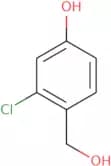
CAS :2-Chloro-4-hydroxybenzyl alcohol is an organic compound that has been shown to be soluble in aqueous alkali metal solutions, but insoluble in water. It is also insoluble in polymer solvents such as acetone and ethyl ether. 2-Chloro-4-hydroxybenzyl alcohol is a sugar alcohol with 3 hydroxyl groups. The molecule has a molecular weight of 150.17 g/mol, melting point of -123°C (-198°F), boiling point of 179°C (354°F), and refractive index of 1.5774 at 20°C (68°F). This chemical can be used in the synthesis of polyhydric alcohols such as glycerol or hexanol. 2-Chloro-4-hydroxybenzyl alcohol is not soluble in hydrochloric acid, benzene or chloroform, and does not react to form any esFormule :C7H7ClO2Degré de pureté :Min. 95%Masse moléculaire :158.58 g/mol5-Nitro-2-aminophenol
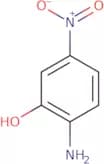
CAS :5-Nitro-2-aminophenol is an aminophenol that has been shown to be a carcinogen in animal studies. It can cause allergic reactions and has been shown to have oxidative DNA damage, which can lead to cancer. 5-Nitro-2-aminophenol is used as a chemical intermediate in the preparation of other chemicals and pharmaceuticals. This chemical has been studied extensively for its analytical properties and is used as a reagent in chromatography. The coordination geometry of 5-nitro-2-aminophenol is octahedral, with nitro groups occupying one axial site each. The toxicity of this compound in animals has been studied extensively, including carcinogenic potential and mutagenicity studies, and it has been shown to inhibit the growth of cultured cells at high concentrations.Formule :C6H6N2O3Degré de pureté :Min. 95%Masse moléculaire :154.12 g/mol1,1,2,2-Tetrahydroperfluoro dodecanol
CAS :<p>1,1,2,2-Tetrahydroperfluoro dodecanol (1HFPD) is a chemical substance used in analytical chemistry as an internal standard for gas chromatography. It is also used to prepare samples for analysis by particle-induced X-ray emission. 1HFPD has been shown to have a high uptake in preschool children and can be detected in human serum at levels of 0.5 micrograms per milliliter. The use of 1HFPD has been linked to adverse health effects such as kidney and liver damage.</p>Formule :C12H5F21ODegré de pureté :Min. 95%Masse moléculaire :564.13 g/molcis,trans-2-Buten-1,4-diol
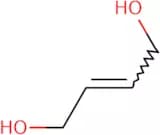
CAS :<p>Product FB158451, cis, trans-2-Buten-1,4-diol, is a versatile chemical compound with the CAS number 110-64-5. It is used a key building block in various chemical synthesis processes, making it an essential component for researchers and industrial applications. Its versatile nature allows it to be employed in the production of polymers, resins, and specialty chemicals, making it a valuable asset for a wide range of applications.</p>Formule :C4H8O2Degré de pureté :Min. 95%Couleur et forme :Clear LiquidMasse moléculaire :88.11 g/mol1-[(3,3-Diphenylpropyl)methylamino]-2-methyl-2-propanol
CAS :1-[(3,3-Diphenylpropyl)methylamino]-2-methyl-2-propanol is an epoxy that can be synthesized from benzene and lercanidipine. It has been used in the production of cinnamic acid and other molecules. This molecule can be prepared by reacting cinnamic acid with chloromethyl methyl ether in a ring-opening reaction. The chloride ion is utilized as a nucleophile to react with the amide nitrogen atom of the cinnamic acid molecule to form the amide bond. The large-scale production of 1-[(3,3-diphenylpropyl)methylamino]-2-methyl-2-propanol utilizes refluxing to remove water and other byproducts that are formed during the process.Formule :C20H27NODegré de pureté :Min. 95%Masse moléculaire :297.43 g/mol6-Chloro-1,7-naphthyridin-4-ol
CAS :<p>Please enquire for more information about 6-Chloro-1,7-naphthyridin-4-ol including the price, delivery time and more detailed product information at the technical inquiry form on this page</p>Degré de pureté :Min. 95%Bisphenol A glycerolate dimethacrylate
CAS :Bisphenol A glycerolate dimethacrylate is a synthetic polymer that has been used in various applications, including dental sealants and composites. It is a white or yellowish viscous liquid that is soluble in water and alcohol. Bisphenol A glycerolate dimethacrylate is used as a sealant due to its high viscosity. The molecular weight of this compound ranges from 2000 to 6000 Da. It also has an epoxy group that can form hydrogen bonds with other molecules. The major application for bisphenol A glycerolate dimethacrylate is in the dental industry as it provides an excellent sealant due to its high viscosity. This material is also used in composites due to its ability to form hydrogen bonding interactions with the polymer matrix. Bisphenol A glycerolate dimethacrylate is also known for its hemolytic activity and sugar transport properties, which are important for lactic acidFormule :C29H36O8Degré de pureté :Min. 95%Couleur et forme :Clear LiquidMasse moléculaire :512.59 g/mol5-Bromo-3-fluorophenol
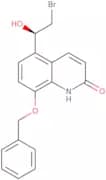
CAS :5-Bromo-3-fluorophenol is a chemical compound that is modified by hydrogen bonding. It displays anti-cancer activity against various human cancer cells, including breast and prostate cancer cells. 5-Bromo-3-fluorophenol also inhibits nicotinic acetylcholine receptors and the enzyme acetylcholinesterase, which are important for the function of the nervous system. This drug has been shown to interact with acetylcholine receptor sites on the surface of tumor cells, which may lead to apoptosis. The pharmacophore for 5-bromo-3-fluorophenol is a phenolic OH group linked to an aromatic ring with two nitro groups.Formule :C6H4BrFODegré de pureté :Min. 95%Couleur et forme :PowderMasse moléculaire :191 g/mol8-Benzyloxy-5-((R)-2-bromo-1-hydroxyethyl)-1H-quinolinone
CAS :<p>8-Benzyloxy-5-((R)-2-bromo-1-hydroxyethyl)-1H-quinolinone is a potassium channel blocker. It binds to the central cavity of the channel pore and blocks potassium ion flux, inhibiting the function of potassium channels. 8-Benzyloxy-5-(2-(R)-bromo-1,3-dihydroxypropyl)quinolinone has been shown to inhibit voltage gated channels in a number of different tissues, including cardiomyocytes from rat hearts.</p>Formule :C18H16BrNO3Degré de pureté :Min. 95%Masse moléculaire :374.23 g/mol14-Azido-3,6,9,12-tetraoxatetradecanol
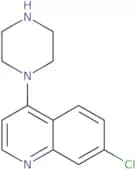
CAS :Please enquire for more information about 14-Azido-3,6,9,12-tetraoxatetradecanol including the price, delivery time and more detailed product information at the technical inquiry form on this pageFormule :C10H21N3O5Degré de pureté :Min. 95%Masse moléculaire :263.29 g/mol7-Chloro-4-piperazinylquinoline
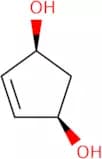
CAS :<p>7-Chloro-4-piperazinylquinoline is a quinoline derivative that belongs to the group of organic solvents. It has anticancer activity and is used as a medicine. 7-Chloro-4-piperazinylquinoline is used as an intermediate in the preparation of sorafenib, which is a potent inhibitor of the protein tyrosine kinase. Sorafenib inhibits cancer cell proliferation and tumor growth by blocking the activity of tyrosine kinases, which are necessary for cellular proliferation and survival. It also inhibits phospholipase A2, which leads to cell death by apoptosis.</p>Formule :C13H14ClN3Degré de pureté :Min. 95%Masse moléculaire :247.72 g/molcis-4-Cyclopentene-1,3-diol
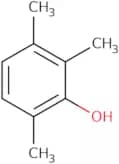
CAS :<p>cis-4-Cyclopentene-1,3-diol is a useful chemical intermediate that can be converted to diacetate, acetylation, or chloroacetate. It has a reactive functional group that can be used for synthesizing polymers and other compounds. cis-4-Cyclopentene-1,3-diol is also an excellent substrate for lipase reactions and it reacts with hydrogen fluoride to give desired products. This section has conformational properties that make it suitable for hydrogen bonding and can act as a ligand in coordination chemistry. cis-4-Cyclopentene-1,3-diol is also able to undergo substitution at the carbonyl carbon atom by various reagents such as fluorine.</p>Formule :C5H8O2Degré de pureté :Min. 95%Couleur et forme :PowderMasse moléculaire :100.12 g/mol2,3,6-Trimethylphenol
CAS :<p>2,3,6-Trimethylphenol is an industrial chemical that is produced by the acylation of 2,6-dimethylaniline with formaldehyde. The optimal reaction conditions for this process are at a temperature of 100°C and a pressure of 10 bar. This chemical has been shown to be an effective catalyst for the chlorination of hydrocarbons. Trimethylphenol is also used as a reagent in the preparation of other chemicals and is found in many products due to its low energy requirements. The logistic regression model has been used to assess the relationship between population growth and industrial preparation. It has been shown that there is a positive correlation between these two variables. 2,3,6-Trimethylphenol can also be found in polluted environments where it reacts with chloride ions to produce hydrogen chloride gas or methyl chloride gas. Redox potential values have been measured for this compound and it was found that the reduction potential is -0.07</p>Formule :C9H12ODegré de pureté :Min. 95%Masse moléculaire :136.19 g/molMethallyl alcohol
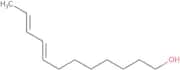
CAS :<p>Methallyl alcohol is a reactive hydroxide solution that is used as an intermediate in the industrial synthesis of polycarboxylic acids, glycol ethers, and other compounds. It reacts with hydrogen chloride to form methallyl chloride, which can be used to produce polymers. Methallyl alcohol can also be used as a reagent for the synthesis of various esters, amides, and other organic compounds. The enzyme inhibitors it produces inhibit reactions involving fatty acid and aliphatic hydrocarbon oxidation. Methallyl alcohol is produced by the reaction of methanol with allyl chloride. This reaction occurs in vivo under acidic conditions.</p>Formule :C4H8ODegré de pureté :Min. 98 Area-%Couleur et forme :Colorless Clear LiquidMasse moléculaire :72.11 g/mol(8E,10E)-Dodeca-8,10-dien-1-ol
CAS :<p>Codlemone is a pheromone that is secreted by the female codling moth (Cydia pomonella) to attract males for mating. This compound has been shown to have pesticidal activity against various insect species, including codling moths, fruit flies, and aphids. Codlemone is an odorant that binds to olfactory receptors in insects and mammals. It has been shown to bind to the OR1 receptor in mammalian cells and may be involved in physiological functions such as reproduction, stress response, and sexual behavior. The biosynthesis of codlemone starts with the conversion of fatty acid into fatty acid esters by means of transfer reactions with alcohols or alkyl halides. These esters are then converted into dienols by the action of aldehyde oxidase. The dienols are then converted into the final product by means of a palladium-catalyzed coupling reaction with acetaldehyde.</p>Formule :C12H22ODegré de pureté :90%MinCouleur et forme :Clear LiquidMasse moléculaire :182.3 g/mol3,4-Diethoxybenzylalcohol
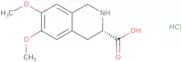
CAS :<p>3,4-Diethoxybenzylalcohol is a metabolite produced by the fungus Ustilago maydis. It has been shown to have pleiotropic effects on the metabolism of the organism. 3,4-Diethoxybenzylalcohol is involved in lignin biosynthesis and bond cleavage reactions. In addition to functioning as an intermediate in the pentose phosphate pathway, it is involved in the nature of the basidiomycete cell wall and also plays a role in carbon source utilization.</p>Formule :C11H16O3Degré de pureté :Min. 95%Couleur et forme :PowderMasse moléculaire :196.24 g/mol(S)-(-)-6,7-Dimethoxy-1,2,3,4-tetrahydroisoquinoline-3-carboxylic acid hydrochloride
CAS :(S)-(-)-6,7-Dimethoxy-1,2,3,4-tetrahydroisoquinoline-3-carboxylic acid hydrochloride is a synthetic chiral compound that is used to study the role of glyoxylate in biochemical reactions. This drug is an enolate and alkylating agent that can react with nucleophiles such as amines and thiols. It has been shown to be effective against perchlorates by hydrolyzing them into chlorine and oxygen gas. This drug has also been shown to inhibit the growth of Rhodobacter sphaeroides by inhibiting glyoxylate metabolism.Formule :C12H15NO4·HClDegré de pureté :Min. 95%Couleur et forme :White PowderMasse moléculaire :273.71 g/molTriglycerol monolaurate
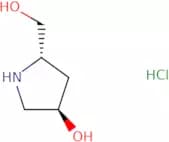
CAS :<p>Triglycerol monolaurate (GLA) is a fatty acid that can be synthesized by reacting glycerol with lauric acid. It has been shown to have antimicrobial properties, inhibiting the growth of fungi such as flavus and staphylococcus. GLA also inhibits the production of lipase and protease, enzymes that are required for the digestion of dietary fats. GLA has been used in infant formulas to inhibit the growth of bacteria, such as p. aeruginosa, which may cause infantile diarrhea. Triglycerol monolaurate is also used as dietary supplement to treat eczema due to its inhibitory effect on inflammatory cytokines such as tumor necrosis factor-α (TNF-α).</p>Formule :C21H42O8Degré de pureté :Min. 95%Masse moléculaire :422.55 g/mol(3R,5S)-5-(Hydroxymethyl)pyrrolidin-3-ol hydrochloride
CAS :<p>Please enquire for more information about (3R,5S)-5-(Hydroxymethyl)pyrrolidin-3-ol hydrochloride including the price, delivery time and more detailed product information at the technical inquiry form on this page</p>Degré de pureté :Min. 95%12-Fluorododecan-1-ol
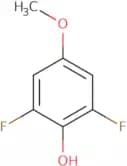
CAS :<p>12-Fluorododecan-1-ol is a volatile chemical compound that is found in the exoskeleton of termites. It has been shown to be a major component of the termiticide, FluoroCitrate. 12-fluorododecan-1-ol can be used to control the growth of insect populations by interfering with their ability to synthesize fatty acids and alcohols. It also has an effect on protein synthesis and inhibits the activity of citrate synthase, which is an enzyme involved in glycolate metabolism. This compound is also toxic to some species of insects such as Rhinotermitidae. 12-fluorododecan-1-ol can be used as a marker for Reticulitermes flavipes (a type of wood eating cockroach) and it can be used to distinguish between different species or strains of termites.</p>Formule :C12H25FODegré de pureté :Min. 95%Couleur et forme :Clear LiquidMasse moléculaire :204.32 g/mol2,6-Difluoro-4-methoxyphenol
CAS :<p>Please enquire for more information about 2,6-Difluoro-4-methoxyphenol including the price, delivery time and more detailed product information at the technical inquiry form on this page</p>Formule :C7H6F2O2Degré de pureté :Min. 95%Couleur et forme :PowderMasse moléculaire :160.12 g/mol4-(2-Oxiranylmethoxy)benzeneethanol
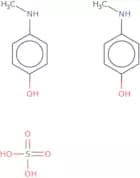
CAS :Please enquire for more information about 4-(2-Oxiranylmethoxy)benzeneethanol including the price, delivery time and more detailed product information at the technical inquiry form on this pageFormule :C11H14O3Degré de pureté :Min. 95%Masse moléculaire :194.23 g/mol4-Methylaminophenol sulfate
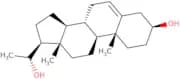
CAS :4-Methylaminophenol sulfate is an enzyme substrate that is used in the analytical method for determining the concentration of potassium dichromate. It is prepared by reacting 4-methylaminophenol with sulfuric acid, and its optimum concentration is 0.2 mM. The linear calibration curve was obtained at a pH range of 2 to 5.4 and a temperature range of 25 to 37°C. The analytical method can be applied to human serum samples and has been shown to be applicable for studies on autoimmune diseases and anthelmintics.Formule :C7H9NO•(H2O4S)0Degré de pureté :Min. 95%Couleur et forme :White PowderMasse moléculaire :344.39 g/mol20b-Dihydro pregnenolone
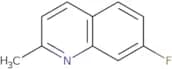
CAS :Produit contrôlé<p>Pregnenolone is a steroid hormone that is synthesized from cholesterol and secreted into the blood. It can be converted to other steroids such as progesterone, testosterone, and estradiol. Pregnenolone sulfate (PS) is a metabolite of pregnenolone that is produced by the enzyme steroid sulfatase. PS is an endogenous steroid hormone that has been shown to have potentiating effects on memory. This drug also inhibits the activity of sulfatase enzymes, which are responsible for breaking down steroids in the body.</p>Formule :C21H34O2Degré de pureté :Min. 95%Couleur et forme :PowderMasse moléculaire :318.49 g/mol7-Fluoro-2-methylquinoline
CAS :<p>7-Fluoro-2-methylquinoline is a multistep synthetic compound that belongs to the family of quinoxalines. It has been shown to have potent antibacterial activity against a wide range of bacteria, including methicillin-resistant Staphylococcus aureus (MRSA) and Mycobacterium tuberculosis. 7-Fluoro-2-methylquinoline was developed as an analog of the natural product quinoxaline. The key step in its synthesis is the reaction between an aldehyde and hydroxyalkylating reagent in the presence of iron catalyst. This process results in the formation of functional groups such as hydroxyls, alkoxy, or halogens.</p>Formule :C10H8FNDegré de pureté :Min. 95%Couleur et forme :White PowderMasse moléculaire :161.18 g/mol5-glutinen-3-ol
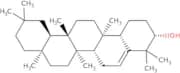
CAS :Produit contrôlé<p>5-Glutinen-3-ol is an antiinflammatory compound that belongs to the group of bioactive phenolic compounds. It has significant cytotoxicity and can be used in cancer therapy. 5-Glutinen-3-ol has been shown to inhibit the proliferation of cervical cancer cells by inducing apoptosis through a mechanism involving the activation of gamma-aminobutyric acid (GABA) receptors. This compound also inhibits oxidative stress induced by reactive oxygen species and protects cells from DNA damage, which may protect against cancer. 5-Glutinen-3-ol also has antioxidant properties, which can help prevent or alleviate metabolic disorders such as diabetes mellitus and atherosclerosis.</p>Formule :C30H50ODegré de pureté :Min. 95%Masse moléculaire :426.72 g/molLinolenic acid - 85%
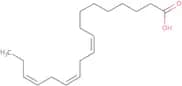
CAS :Linolenic acid is a polyunsaturated fatty acid that is found in plants, animals, and human cells. Linolenic acid has been shown to suppress the growth of cancer cells by inhibiting the production of linoleic acid, which can stimulate the growth of cancer cells. Linolenic acid has also been shown to cause skin reactions such as erythema and pruritus when applied topically or taken orally. Linolenic acid may be used for the treatment of ovarian follicles. In addition, linolenic acid has been shown to have an allergic response in humans when it is injected into the vein. It is important to note that linolenic acid can inhibit T-cell proliferation and cytokine production in a dose-dependent manner. Furthermore, linolenic acid inhibits lipopolysaccharide-induced acute lung injury in mice by reducing inflammatory cell infiltration and neutrophil activation.Formule :C18H30O2Degré de pureté :Min. 95%Masse moléculaire :278.43 g/mol2-[(Ethylamino)methyl]-4-aminophenol dihydrochloride
CAS :Please enquire for more information about 2-[(Ethylamino)methyl]-4-aminophenol dihydrochloride including the price, delivery time and more detailed product information at the technical inquiry form on this pageFormule :C9H14N2O•(HCl)2Degré de pureté :Min. 95%Couleur et forme :PowderMasse moléculaire :239.14 g/mol5-Amino-4-methyl-4H-1,2,4-triazole-3-thiol
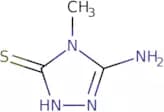
CAS :Please enquire for more information about 5-Amino-4-methyl-4H-1,2,4-triazole-3-thiol including the price, delivery time and more detailed product information at the technical inquiry form on this pageFormule :C3H6N4SDegré de pureté :Min. 95%Masse moléculaire :130.17 g/mol1-Oleoyl-2-docosahexaenoyl phosphatidylcholine
CAS :1-Oleoyl-2-docosahexaenoyl phosphatidylcholine is a fatty acid derived from the biogenesis of phosphatidylcholine, which is an important component of all cell membranes.Formule :C48H82NO8PDegré de pureté :Min. 95%Masse moléculaire :832.14 g/mol10-Fluorodecan-1-Ol
CAS :Please enquire for more information about 10-Fluorodecan-1-Ol including the price, delivery time and more detailed product information at the technical inquiry form on this pageFormule :C10H21FODegré de pureté :Min. 95%Masse moléculaire :176.27 g/mol5,5'-(1-Methylethylidene)-bis-[1,1'-(bisphenyl)-2-ol]
CAS :<p>5,5'-(1-Methylethylidene)-bis-[1,1'-(bisphenyl)-2-ol] (BPE) is an organic compound that is used in coatings. BPE has a high thermal expansion coefficient and can be used as a plasticizer to make polymers more flexible. BPE hydrolyzes under acidic conditions to produce mercaptoacetic acid, which is corrosive and toxic. It also reacts with proteins, like albumin, at pH 7.4. In wastewater treatment systems, BPE can react with chlorine at a rate of 3% per day to form chlorobenzene, which is known to cause cancer in humans. The use of BPE in the bioreactor process leads to the release of reactive functional groups that are not easily degraded by microbes. In addition, it has been shown that this chemical binds to nuclear hormone receptors and has estrogenic effects on animals.</p>Formule :C27H24O2Degré de pureté :Min. 98 Area-%Couleur et forme :PowderMasse moléculaire :380.48 g/mol(4S)-3,4-Dihydro-2-(3-methoxypropyl)-2H-thieno[3,2-e]-1,2-thiazin-4-ol 1,1-dioxide
CAS :<p>Please enquire for more information about (4S)-3,4-Dihydro-2-(3-methoxypropyl)-2H-thieno[3,2-e]-1,2-thiazin-4-ol 1,1-dioxide including the price, delivery time and more detailed product information at the technical inquiry form on this page</p>Formule :C10H15NO4S2Degré de pureté :Min. 95%Masse moléculaire :277.36 g/mol7-[(2S,3R)-3-Amino-2-methyl-azetidin-1-yl]-1-(2,4-difluorophenyl)-6-fluoro-4-oxo-quinoline-3-carboxylic acid
CAS :7-[(2S,3R)-3-Amino-2-methyl-azetidin-1-yl]-1-(2,4-difluorophenyl)-6-fluoro-4-oxo-quinoline-3-carboxylic acid (ABT) is a drug that binds to bacterial enzymes and inhibits their ability to synthesize proteins. ABT is a conjugate of fluoroquinolone and an amino acid. As the drug is degradable by hydrolysis, it has been shown to be less toxic in Sprague Dawley rats than other fluoroquinolones. This drug has been used in diagnostic tests as a ligand for affinity ligands, but has not been approved for human use. The drug also possesses functional groups that are important for binding to reconstituted enzymes.br>br>ABT's ester linkages are degradable by hydrolysis and can beFormule :C20H16F3N3O3Degré de pureté :Min. 95%Masse moléculaire :403.35 g/mol(3b,24S)-Stigmast-5-En-3-Ol
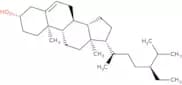
CAS :Produit contrôlé(3b,24S)-Stigmast-5-En-3-Ol is a natural compound that belongs to the group of beta-sitosterols. It is used in cosmetics, as well as in water vapor treatments for skin tumors. This compound has antiinflammatory activity and cholesterol lowering effects. It also has a protective effect on the liver against hepatotoxicity induced by p-hydroxybenzoic acid and other compounds. (3b,24S)-Stigmast-5-En-3-Ol can be found in wastewater treatment plants where it binds with heavy metals such as lead and zinc. The toxicity of this compound has been studied extensively and it is not toxic to cells at concentrations below 1mM.Formule :C29H50ODegré de pureté :Min. 95%Couleur et forme :PowderMasse moléculaire :414.71 g/mol2-Hydroxyamino-3-methyl-3H-imidazo[4,5-f]quinoline
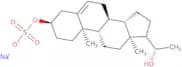
CAS :2-Hydroxyamino-3-methyl-3H-imidazo[4,5-f]quinoline (2HAIQ) is a reactive compound that binds to DNA. It has been shown to be a potent inhibitor of the enzyme cytosolic protein kinase C, which plays an important role in regulating cellular metabolism. 2HAIQ also inhibits the activity of enzymes such as hydroxylases and polymerases. The binding of 2HAIQ to DNA is thought to inhibit transcription by preventing RNA polymerase from transcribing DNA. 2HAIQ may also inhibit replication by binding to the dinucleotide phosphate molecule, which is essential for DNA synthesis.Formule :C11H10N4ODegré de pureté :Min. 95%Masse moléculaire :214.22 g/mol20a-Dihydro pregnenolone 3-sulfate sodium salt
CAS :<p>Please enquire for more information about 20a-Dihydro pregnenolone 3-sulfate sodium salt including the price, delivery time and more detailed product information at the technical inquiry form on this page</p>Formule :C21H33NaO5SDegré de pureté :Min. 95%Masse moléculaire :420.54 g/mol4-Amino-2-methyl-1-butanol
CAS :Formule :C5H13NODegré de pureté :>98.0%(GC)(T)Couleur et forme :Colorless to Almost colorless clear liquidMasse moléculaire :103.17Veratryl Alcohol
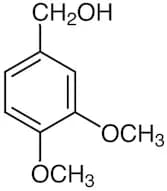
CAS :Formule :C9H12O3Degré de pureté :>98.0%(GC)Couleur et forme :Colorless to Light yellow clear liquidMasse moléculaire :168.19






![1-[(3,3-Diphenylpropyl)methylamino]-2-methyl-2-propanol](/_next/image/?url=https%3A%2Fstatic.cymitquimica.com%2Fproducts%2F3D%2Fthumb-webp%2FFD22513.webp&w=3840&q=75)







![2-[(Ethylamino)methyl]-4-aminophenol dihydrochloride](/_next/image/?url=https%3A%2Fstatic.cymitquimica.com%2Fproducts%2F3D%2Fthumb-webp%2FFE23131.webp&w=3840&q=75)


![5,5'-(1-Methylethylidene)-bis-[1,1'-(bisphenyl)-2-ol]](/_next/image/?url=https%3A%2Fstatic.cymitquimica.com%2Fproducts%2F3D%2Fthumb-webp%2FFM29711.webp&w=3840&q=75)
![(4S)-3,4-Dihydro-2-(3-methoxypropyl)-2H-thieno[3,2-e]-1,2-thiazin-4-ol 1,1-dioxide](/_next/image/?url=https%3A%2Fstatic.cymitquimica.com%2Fproducts%2F3D%2Fthumb-webp%2FFD21960.webp&w=3840&q=75)
![7-[(2S,3R)-3-Amino-2-methyl-azetidin-1-yl]-1-(2,4-difluorophenyl)-6-fluoro-4-oxo-quinoline-3-carbo…](/_next/image/?url=https%3A%2Fstatic.cymitquimica.com%2Fproducts%2F3D%2Fthumb-webp%2FFA30404.webp&w=3840&q=75)
![2-Hydroxyamino-3-methyl-3H-imidazo[4,5-f]quinoline](/_next/image/?url=https%3A%2Fstatic.cymitquimica.com%2Fproducts%2F3D%2Fthumb-webp%2FFH24305.webp&w=3840&q=75)