Alcools
Sous-catégories appartenant à la catégorie "Alcools"
5816 produits trouvés pour "Alcools"
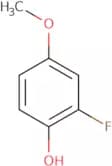
2-Fluoro-4-methoxyphenol
CAS :2-Fluoro-4-methoxyphenol is a white crystalline solid with a melting point of 100°C. It is soluble in water, ethanol and ether and insoluble in chloroform. The compound has been shown to be an intermediate for the synthesis of other organic compounds, such as 2-fluoro-4-(2,2,2-trifluoroethoxy)benzaldehyde, 2-fluoro-4-(3,3,3-trifluoropropoxy)benzaldehyde and 4-(2,2,2-trifluoroethoxy)-3'-nitroacetophenone. 2-Fluoro-4-methoxyphenol can also be used as a building block for speciality chemicals including research chemicals.Formule :C7H7FO2Degré de pureté :Min. 95%Couleur et forme :Clear LiquidMasse moléculaire :142.13 g/mol1,2-Dioleoyl-sn-glycero-3-phosphocholine
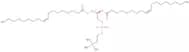
CAS :1,2-Dioleoyl-sn-glycero-3-phosphocholine is a phospholipid that has been shown to have antimicrobial activity. It has been observed to inhibit the growth of bacteria by disrupting cell membrane systems and inhibiting protein synthesis. 1,2-Dioleoyl-sn-glycero-3-phosphocholine is able to permeate membranes and enter cells, where it interacts with the cell nuclei and inhibits DNA synthesis. This compound is also found in biological studies as a growth factor for neutrophils and as a model system for studying the mechanism of action of antimicrobial peptides. The phase transition temperature of this compound is low, making it useful for studies in chemical biology.
Formule :C44H84NO8PDegré de pureté :Min. 95%Couleur et forme :PowderMasse moléculaire :786.11 g/mol4-Methoxy 17b-estradiol
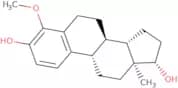
CAS :Produit contrôlé4-Methoxy 17β-estradiol is a synthetic estrogen that is used as a pharmaceutical drug in the treatment of menopausal symptoms and to prevent osteoporosis. It can be taken orally or administered by injection. 4-Methoxy 17β-estradiol has been found to have interactive effects with other drugs, such as fatty acids and catechol-o-methyltransferase (COMT). It also has an effect on body mass index in vivo, which can lead to cancerous cell proliferation. The matrix effect of 4-methoxy 17β-estradiol on tissues depends on the hydrogen bonds it forms with amino acids in the protein matrix. The hydrogen bonds are different for each tissue type and this may contribute to the differences in carcinogenic potential between tissues. This drug is not active against MCF-7 human breast cancer cells, but does inhibit growth of MDA MB 231 human breast cancer cells.
Formule :C19H26O3Degré de pureté :Min. 95%Couleur et forme :PowderMasse moléculaire :302.41 g/mol5-Hydroxyisoquinoline
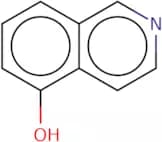
CAS :5-Hydroxyisoquinoline is a quinoline derivative that is synthesized from aziridine. It has been shown to be a potent insulin sensitizing agent in mice with type 2 diabetes mellitus. 5-Hydroxyisoquinoline has been shown to inhibit the activity of purified enzymes preparations and show high selectivity for chloride channels, which are responsible for the transport of chloride ions across cell membranes. This inhibition leads to an influx of protons into the cell, which may lead to a change in the redox potential and changes in the molecular structure of the molecule. The reaction mechanism involves substitution at position 5 of the isoquinoline ring by hydroxy groups (OH).Formule :C9H7NODegré de pureté :Min. 95%Couleur et forme :Yellow PowderMasse moléculaire :145.16 g/mol4-Fluoroisoquinoline
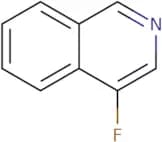
CAS :4-Fluoroisoquinoline is a synthetic compound that can be produced by the reduction of an acetonitrile-chlorinated isoquinoline compound. It is also possible to produce 4-fluoroisoquinoline by the reaction of chlorinating agents with an aldehyde, followed by the addition of phosphorus oxychloride and fluorine. The reductive sulfonation of 4-fluoroisoquinoline can be achieved by reacting it with sulfur trioxide, which is in turn generated from phosphorous oxychloride and sulfur dioxide. This process produces the desired product in good yields.
Formule :C9H6FNDegré de pureté :Min. 95%Couleur et forme :Brown PowderMasse moléculaire :147.15 g/mol4-Ethoxy-3-methoxybenzyl alcohol
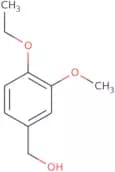
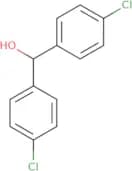
CAS :4-Ethoxy-3-methoxybenzyl alcohol is a metabolite of the drug benzocaine. It is formed by hydrolysis of the ester linkages in benzocaine and is then further metabolized to form 4-hydroxy-3-methoxybenzyl alcohol. 4-Ethoxy-3-methoxybenzyl alcohol has been shown to have antinociceptive effects in rats, which may be due to its ability to inhibit pain signals from the peripheral nerves.Formule :C10H14O3Degré de pureté :Min. 95%Couleur et forme :PowderMasse moléculaire :182.22 g/molbis-(4-Chlorophenyl)-carbinol
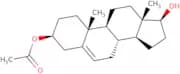
CAS :Bis-(4-chlorophenyl)-carbinol is a nonpolar compound with a linear plot. It is used as an intermediate in the synthesis of herbicides, insecticides, and pharmaceuticals. Bis-(4-chlorophenyl)-carbinol has been shown to bind to cylindrospermum, which is a type of marine algae that can be found in ecosystems such as the Great Barrier Reef. This binding reaction is the result of diphenylmethane, which is an aromatic compound that binds to bis-(4-chlorophenyl)-carbinol's electron-donating groups. The binding reaction was studied using dispersive solid-phase extraction (DSPE) and carbon source experiments on soil microorganisms. Cytochrome P450 enzymes are responsible for metabolizing bis-(4-chlorophenyl)-carbinol into unidentified metabolites.Formule :C13H10Cl2ODegré de pureté :Min. 95%Masse moléculaire :253.12 g/molAndrostenediol 3-acetate
CAS :Produit contrôléAndrostenediol 3-acetate is an oxime that is used as a coupling agent in organic synthesis. It uncouples oxidative phosphorylation by forming a covalent bond to the enzyme cytochrome-c oxidase, which is involved in the electron transport chain of mitochondria. This inhibits ATP production and forces the cell to rely on anaerobic glycolysis for energy. The efficiency of this reaction was determined through nuclear magnetic resonance spectroscopy and found to be about 60%. Androstenediol 3-acetate has been shown to increase myocardial contractility and cause cardiac hypertrophy in rats.Formule :C21H32O3Degré de pureté :Min. 95%Couleur et forme :PowderMasse moléculaire :332.48 g/mol(3,4,5-Trimethoxyphenyl)methyl carbinol
CAS :(3,4,5-Trimethoxyphenyl)methyl carbinol is a neuroprotective compound that belongs to the class of benzyl alcohols. It has been shown to have neuroprotective effects against daldinia-induced oxidative stress and biotoxicity. This compound has high electron transfer rates and can be used as an electron donor in enzymatic reactions. (3,4,5-Trimethoxyphenyl)methyl carbinol exhibits a high reactivity with alcohols and can be used in the synthesis of other compounds by transferring its alcohol group onto other molecules. The addition of deuterium atoms to this molecule has been shown to increase its reactivity with oxidants.
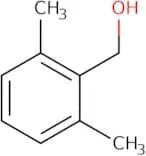
Formule :C11H16O4Degré de pureté :Min. 95%Couleur et forme :LiquidMasse moléculaire :212.24 g/mol2,6-Dimethylbenzyl alcohol
CAS :2,6-Dimethylbenzyl alcohol is a carboxylic acid that can be found in nature. It is a synthetic compound that has been shown to have stereoselective properties. The mechanism of 2,6-Dimethylbenzyl alcohol is not well known, but it has been hypothesized to react with amines and form an imine intermediate. This mechanism is supported by the presence of an alkene and primary alcohol on its structure. Some functional groups include chloride and benzoate, which are both anions. This compound has been shown to have echolocation capabilities in bats.Formule :C9H12ODegré de pureté :Min. 95%Couleur et forme :SolidMasse moléculaire :136.19 g/mol2-Tributyltin-allyl-1-ol
CAS :Produit contrôlé2-Tributyltin-allyl-1-ol is a research chemical that has shown potential in various areas of study. It has been found to interact with epidermal growth factor (EGF) and may have implications in the development of new therapies targeting EGF receptors. Additionally, 2-Tributyltin-allyl-1-ol has been studied for its potential interactions with drugs such as afatinib and paroxetine, indicating its possible role in drug metabolism and pharmacokinetics.
Formule :C15H32OSnDegré de pureté :Min. 95%Couleur et forme :Colorless Clear LiquidMasse moléculaire :347.12 g/molIsostearylalcohol
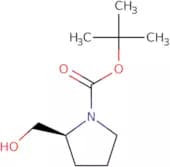
CAS :18 carbon branched aliphatic alcohol mixture; component of cosmetic formulationsFormule :C18H38ODegré de pureté :Min 95%Couleur et forme :Clear LiquidMasse moléculaire :270.49 g/molN-Boc-L-prolinol
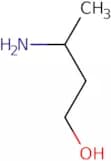
CAS :N-Boc-L-prolinol is a chiral proline derivative that has been modified with an allyl group. It is a potent nicotinic acetylcholine antagonist, and it has been shown to have immune functions in vitro. The synthesis of N-Boc-L-prolinol occurs through a three-step process involving the use of organocatalysts, asymmetric synthesis, and stereoselective reactions. This molecule is also useful for the study of apoptotic signaling pathways in cells.Formule :C10H19NO3Degré de pureté :Min. 95%Couleur et forme :White PowderMasse moléculaire :201.26 g/mol3-Aminobutan-1-ol
CAS :3-Aminobutan-1-ol is an amine that is synthesized industrially by the reduction of soybean trypsin with borohydride. This chemical has been used as a substrate in asymmetric synthesis and can be detected by high detection sensitivity. 3-Aminobutan-1-ol binds to the carbonyl group of amino acid residues and causes a reaction with chloride ions for detection. The product of this reaction is an enantiomer, which can be separated from other reaction products by purified chiral stationary phases. 3-Aminobutan-1-ol is also involved in the biosynthesis of proteins and enzymes. It reacts with hydrochloric acid to form a salt, which can then be used as an enzyme inhibitor.
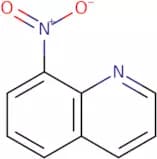
Formule :C4H11NODegré de pureté :Min. 95%Couleur et forme :Clear LiquidMasse moléculaire :89.14 g/mol8-Nitroquinoline
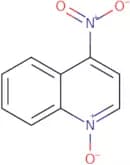
CAS :8-Nitroquinoline is a nitrogenous compound that has been used as an inhibitor of Leishmania, a parasite that causes leishmaniasis. 8-Nitroquinoline inhibits the growth of Leishmania by inhibiting the enzyme hepg2, which is involved in the synthesis of lipids and cholesterol. The inhibition of this enzyme leads to the accumulation of malonic acid, which inhibits the production of ATP. This inhibition may lead to cell death or inhibitory effects on other enzyme activities. 8-Nitroquinoline has been shown to be effective against Leishmania parasites in vivo.Formule :C9H6N2O2Degré de pureté :Min. 95%Couleur et forme :PowderMasse moléculaire :174.16 g/mol4-Nitroquinoline-N-oxide
CAS :4-Nitroquinoline-N-oxide is a polymerase chain reaction (PCR) inhibitor that blocks the activity of methyltransferases, which are enzymes involved in DNA replication and repair. The mechanism of action has been shown to be due to the inhibition of the activities of these enzymes in cancer tissues. The efficacy of 4-Nitroquinoline-N-oxide has been demonstrated using an experimental model system composed of cells from Candida glabrata and other cancers, as well as a model system for carcinogenesis in vitro. This compound also shows antiinflammatory activity and can be used as a natural compound for chemotherapy. Chromatographic analysis has revealed that 4-Nitroquinoline-N-oxide is not toxic to wild type strains, but it is toxic to cancer cells with mutations in their DNA repair mechanisms.Formule :C9H6N2O3Degré de pureté :Min. 95%Couleur et forme :PowderMasse moléculaire :190.16 g/mol1,4-Cyclohexanedimethanol diglycidyl ether
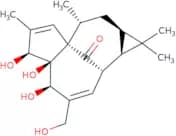
CAS :1,4-Cyclohexanedimethanol diglycidyl ether is a symmetrical molecule with cyclohexyl core and 2 terminal epoxide groups on ether linkers. 1,4-Cyclohexanedimethanol diglycidyl ether is an epoxy resin used with phenol or amine hardeners.Formule :C14H24O4Couleur et forme :Clear LiquidMasse moléculaire :256.34 g/molIngenol
CAS :Ingenol is a natural product, which belongs to the group of ingenol esters. It has been shown to have significant cytotoxic effects on solid tumours in vitro and in vivo. Ingenol is metabolized by esterases and glucuronidases, or hydrolyzed by esterases or glucuronidases, leading to the release of methyl ethyl erythritol tetranitrate (MEETN). The MEETN molecule is then converted into a nitrate radical that causes cell death. Ingenol is also effective against skin cancers. Studies have shown that it inhibits the growth of skin cancer cells through mitochondrial membrane potential and cytosolic calcium levels. This drug has a chemical stability of less than one week at room temperature.Formule :C20H28O5Degré de pureté :Min. 95%Couleur et forme :SolidMasse moléculaire :348.43 g/molNonoxynol-8-carboxylic acid - Average Mn - 600
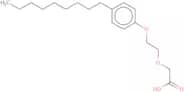
CAS :Nonoxynol-8-carboxylic acid (NONOX) is a benzyl ester of octanoic acid. It has been extensively studied in micellar environment. NONOX has been found to be an effective surfactant with good environmental compatibility and chemical stability.
Formule :C17H26O3·(C2H4O)nCouleur et forme :Clear Liquid(1-Methylpyrrolidin-2-yl)methanol
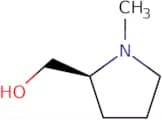
CAS :(1-Methylpyrrolidin-2-yl)methanol (MPPM) is an organic chemical compound that is used as a surfactant. It belongs to the class of gemini surfactants that have a chiral center in the molecule. MPPM interacts with other molecules, forming homochiral complexes. This interaction leads to stereoselectivity in reactions and can be observed by cryo-electron microscopy. The receptor subtype for MPPM has been identified as GPCR, which are proteins that bind to neurotransmitters and hormones. When MPPM binds to GPCR, it inhibits the binding of neurotransmitters and hormones, preventing their activation of downstream signaling pathways. MPPM is also an acrylate and an aldehyde. Acrylates are compounds that react with alcohols or phenols to form polymers or copolymers, while aldehydes react with amines to form imines orFormule :C6H13NODegré de pureté :Min. 95%Couleur et forme :Clear LiquidMasse moléculaire :115.17 g/mol4-Hydroxythiophenol
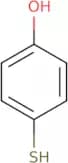
CAS :4-Hydroxythiophenol is an organic compound with the molecular formula C6H4OHO. It is a white crystalline solid that is soluble in water and ethanol. 4-Hydroxythiophenol has been shown to inhibit the growth of bacteria by reacting with free intracellular hydroxyl groups, which are necessary for the biosynthesis of cell walls. This molecule also reacts with other biological molecules, such as nucleic acids and proteins, to form covalent bonds. 4-Hydroxythiophenol has been shown to be effective against both Gram-positive and Gram-negative bacteria in vitro assays.Formule :C6H6OSDegré de pureté :(%) Min. 75%Couleur et forme :PowderMasse moléculaire :126.18 g/mol3-Fluorobenzene-1,2-diol
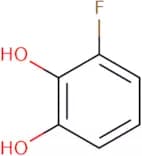
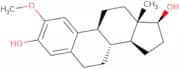
CAS :3-Fluorobenzene-1,2-diol is a chemical that belongs to the group of phenols. It has an effective dose of 0.1 mM and inhibits bacterial growth by reacting with the diphenyl ether and benzoate reaction intermediates. 3-Fluorobenzene-1,2-diol is able to inhibit the growth of Gram positive bacteria and thus can be used for the treatment of infections caused by these bacteria. 3-Fluorobenzene-1,2-diol has been shown to inhibit bacterial growth at concentrations greater than or equal to 1 mM. 3-Fluorobenzene-1,2-diol also binds to triclosan which causes a conformational change in the enzyme protein that leads to a reduction in its activity.Formule :C6H5FO2Degré de pureté :Min. 95%Couleur et forme :PowderMasse moléculaire :128.1 g/mol2-Methoxy 17b-estradiol
CAS :Produit contrôlé2-Methoxy 17b-estradiol is a synthetic estrogen that binds to DNA and alters the transcriptional process. It has been shown to induce apoptosis by activating the pro-apoptotic protein Bax and inhibiting the anti-apoptotic protein Bcl-2. This drug inhibits the metabolic response of cancer cells to chemotherapy, leading to a decrease in tumor size, and can be used as an implantable device for treating cancer. 2-Methoxy 17b-estradiol also has minimal toxicity in comparison to other estrogens, with no significant cytotoxicity observed in cells of reproductive tissues or endocrine organs, nor any significant toxic effects on liver function tests or serum lipids.Formule :C19H26O3Degré de pureté :Min. 95%Couleur et forme :White/Off-White SolidMasse moléculaire :302.41 g/molFmoc-Cysteinol(Trt)
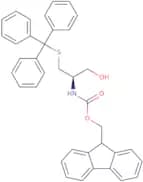
CAS :Fmoc-Cysteinol(Trt) is a versatile building block that can be used in the production of complex compounds and research chemicals. This compound is a high quality, useful building block that is used to synthesize many other compounds. It can also be used as a reagent or speciality chemical. Fmoc-Cysteinol(Trt) has been classified as a CAS No. 215954-72-6 and is a useful scaffold for chemical reactions.Formule :C37H33NO3SDegré de pureté :Min. 95%Couleur et forme :PowderMasse moléculaire :571.73 g/mol4-Acetamidobenzyl alcohol
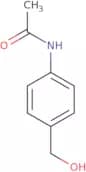
CAS :4-Acetamidobenzyl alcohol is a white crystalline solid that is soluble in water. It is used as a reagent in organic synthesis, and also as a chemical intermediate. 4-Acetamidobenzyl alcohol has been shown to catalyze the oxidation of potassium with liquid phase oxygen. The mechanism of this reaction may be due to an amidation followed by an oxidative deamination or an oxidative decarboxylation of the amide. 4-Acetamidobenzyl alcohol has been shown to oxidize primary alcohols in the presence of hydrogen peroxide, yielding an acetaldehyde and a ketone.Formule :C9H11NO2Degré de pureté :Min. 95%Couleur et forme :PowderMasse moléculaire :165.19 g/mol4-(2-(Dimethylamino)-1-(1-hydroxycyclohexyl)ethyl)phenol
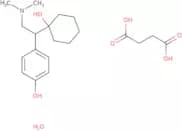
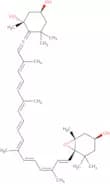
CAS :Produit contrôléVenlafaxine is a selective serotonin and norepinephrine reuptake inhibitor (SNRI) that is used to treat depression. Venlafaxine inhibits the reuptake of serotonin and norepinephrine into the presynaptic neuron, increasing their availability in the synaptic cleft. Venlafaxine has been shown to be effective in treating major depressive disorder and other depressive disorders, such as dysthymia and post-partum depression. The antidepressant effects of venlafaxine are believed to be due to its ability to block the uptake of serotonin and norepinephrine in the brain, resulting in an increased concentration of these neurotransmitters. Venlafaxine is metabolized by CYP2D6, CYP3A4, CYP1A2 and CYP2C19 enzymes, which may result in drug interactions with other drugs metabolized by these enzymes. To control for this effect, venlafaxine bloodFormule :C16H25NO2Degré de pureté :Min. 97 Area-%Couleur et forme :PowderMasse moléculaire :263.38 g/mol9'-cis-Neoxanthin - solution in ethanol (sold by weight of solution)
CAS :9'-cis-Neoxanthin is a carotenoid that belongs to the class of xanthophylls. It is found in high concentrations in the seeds of peas, spinach, and corn. 9'-cis-Neoxanthin has been shown to inhibit prostate cancer cells by targeting their transcriptional regulation. 9'-cis-Neoxanthin is a precursor for violaxanthin, which is a powerful antioxidant that can scavenge free radicals. This molecule also binds to DNA polymerase and inhibits its activity. The structural analysis of 9'-cis-Neoxanthin has revealed that it contains two chromophores: one with an oxygenated end (the neoxanthin side chain) and one with an unsaturated end (the other side chain).
Formule :C40H56O4Degré de pureté :Min. 97 Area-%Couleur et forme :Clear LiquidMasse moléculaire :600.87 g/mol6-Bromo-4-chloroquinoline
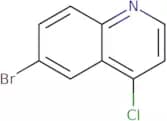
CAS :6-Bromo-4-chloroquinoline is a chemical compound with the molecular formula C8H6BrClN. It belongs to the class of heterocyclic compounds and has been used in the synthesis of other compounds, such as pharmaceuticals. 6-Bromo-4-chloroquinoline has been shown to be an effective anticancer drug, with measurable levels in the blood after oral administration. This drug interacts with hydrogen bonding interactions with thp-1 cells, which are erythrocytes derived from human peripheral blood lymphocytes. 6-Bromo-4-chloroquinoline also interacts with sodium sulfide, which is found in human liver and kidney cells. The pharmacokinetic properties of 6-bromo-4-chloroquine have been studied in rats and mice.
Formule :C9H5BrClNDegré de pureté :Min. 95%Couleur et forme :PowderMasse moléculaire :242.5 g/mol(8S,9S,11R,13S,14S,17S)-11-(2-Fluoroethyl)-13-Methyl-6,7,8,9,11,12,14,15,16,17-Decahydrocyclopenta[a]Phenanthrene-3,17-Diol
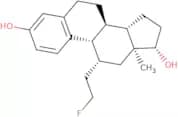
CAS :Produit contrôlé(8S,9S,11R,13S,14S,17S)-11-(2-Fluoroethyl)-13-Methyl-6,7,8,9,11,12,14,15,16,17-Decahydrocyclopenta[a]Phenanthrene-3,17-Diol is a light emitting diode (LED) that emits light in the near infrared spectrum. This LED is composed of a single layer of CdTe nanowires and has an emission wavelength of 760 nm. It also has a high quantum efficiency and low energy requirements for fabrication. The lifetime of this device is also long and its optical properties are stable over time. This device can be used to replace traditional incandescent bulbs or to emit light in specific wavelengths for biomedical applications.Formule :C20H27FO2Degré de pureté :Min. 95%Masse moléculaire :318.43 g/molPhenol
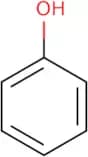
CAS :Phenol is an aromatic organic compound and belongs to the class of compounds known as phenols. Phenol consists of a benzene ring (a six-membered carbon ring with alternating single and double bonds) with a hydroxyl (-OH) group attached to one of the carbon atoms. The chemical structure can be represented as: Phenol is a white crystalline solid at room temperature and has a distinct, sweet, and medicinal odor. It was initially isolated from coal tar, but it can also be produced through various chemical processes. Phenol has numerous applications in industry. It is used in the production of plastics, resins, dyes, detergents, pharmaceuticals, and various chemical intermediates. It also has antiseptic properties and was historically used as a disinfectant and topical anesthetic. However, its use for these purposes has diminished due to its potential toxicity. It's important to note that phenol can be corrosive and toxic, and exposure should be handled with care. Various derivatives and substitutes have been developed for specific applications to mitigate some of the drawbacks associated with phenol itself.Formule :C6H6ODegré de pureté :Min. 98 Area-%Couleur et forme :PowderMasse moléculaire :94.11 g/mol6-[4-(1-Cyclohexyl-1H-tetrazol-5-yl)butoxy]-3,4-dihydro-2(1H)-quinolinone
CAS :Cilostazol is a drug that binds to ATP-binding cassette (ABC) transporters, which are proteins that transport molecules across membranes. It decreases the production of cyclic nucleotides and phosphodiesterase, which are important in the regulation of blood vessel tone. Cilostazol has been shown to be effective in treating heart failure and atherosclerosis. Cilostazol also inhibits cyclase activity, an enzyme involved in the synthesis of cyclic nucleotides, which leads to vasodilation by increasing the concentration of cAMP. The drug is available in both immediate-release and controlled-release preparations. Cilostazol can have serious side effects such as congestive heart failure or stroke if it is taken with other drugs that inhibit platelet aggregation such as aspirin or warfarin.Formule :C20H27N5O2Degré de pureté :Min. 95%Couleur et forme :White PowderMasse moléculaire :369.46 g/mol1-Chloro-3-[4-(2-methoxyethyl)phenoxy]-2-propanol
CAS :1-Chloro-3-[4-(2-methoxyethyl)phenoxy]-2-propanol is a potent antihypertensive agent that is synthesized by the chemoenzymatic process. It differs from other antihypertensive drugs in that it incorporates an oxirane group, which makes it more hydrophobic than other drugs. 1-Chloro-3-[4-(2-methoxyethyl)phenoxy]-2-propanol is a crystalline solid with a melting point of 128°C and a density of 1.0 g/mL. The chemical name for this drug is 4-[(1E)-1-(chloromethoxy)propyl]phenol, which has potent antihypertensive activity and high enantioselectivity.
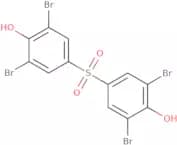
Formule :C12H17ClO3Degré de pureté :Min. 95%Masse moléculaire :244.71 g/molTetrabromobisphenol S
CAS :Tetrabromobisphenols (TBB) are skin conditioners that are used in the cosmetic industry. They are derived from fatty acids and have a structural formula of C10H8Br4. TBBs have a fluorine atom at their central position and have been shown to react with bacterial strains and produce reaction products, such as hydrogen chloride, calcium carbonate, and carbonic acid. TBBs form hydrogen bonds with the membrane system of cells and affect physiological functions. TBBs are able to penetrate the skin and enter the bloodstream, which can lead to toxic side effects in humans.Formule :C12H6Br4O4SDegré de pureté :Min. 95%Couleur et forme :PowderMasse moléculaire :565.86 g/mol(R)-(+)-3,3'-Dibromo-5,5',6,6',7,7',8,8'-octahydro-1,1'-bi-2,2'-naphthalenediol
CAS :(R)-(+)-3,3'-Dibromo-5,5',6,6',7,7',8,8'-octahydro-1,1'-bi-2,2'-naphthalenediol is a synthetic compound that is used as a ligand for asymmetric catalysis. It is an optically active compound and can be used in catalytic reactions to produce compounds that are not available through other methods. (R)-(+)-3,3'-Dibromo-5,5',6,6',7,7',8,8'-octahydro-1,1'-bi-2,2'-naphthalenediol is a reactive compound and can be used as a ligand in Diels-Alder reactions. The synthesis of this product can be achieved with high yield by using the synthetic method described.Formule :C20H20Br2O2Degré de pureté :Min. 98 Area-%Couleur et forme :White PowderMasse moléculaire :452.18 g/mol2,2,2-Tribromoethanol
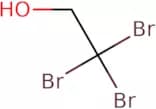
CAS :Produit contrôlé2,2,2-tribromoethanol or TBE derives from ethanol, where the hydrogen atoms from one carbon are substituted by bromine. 2,2,2-tribromoethanol is frequently used as initiator for synthesising functionalised polymers with end hydroxyl groups. In addition, 2,2,2-tribromoethanol is also often used in a labroatory setting to anaethetise mice.
Formule :C2H3Br3ODegré de pureté :Min. 98 Area-%Couleur et forme :PowderMasse moléculaire :282.76 g/mol2-Hydroxyphenethylalcohol
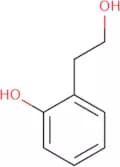
CAS :2-Hydroxyphenethylalcohol is a chemical compound with the molecular formula C8H10O2. It has a hydroxyl group on its phenyl ring and one hydroxy group on the alcohol side chain. 2-Hydroxyphenethylalcohol is used as a reaction solution for chemical ionization in mass spectrometry to identify unknown compounds by their molecular weight or other properties. The compound is also used in magnetic resonance spectroscopy as a model system to study the reactions of organic molecules with water and acids.Formule :C8H10O2Degré de pureté :Min. 97 Area-%Couleur et forme :Colorless Clear LiquidMasse moléculaire :138.16 g/mol3-Mercapto-1-hexanol
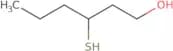
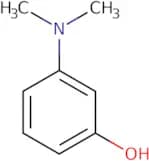
CAS :3-Mercapto-1-hexanol is a chemical compound that belongs to the group of thiols. It has been shown to have high values for in vitro assays and analytical method, as well as a matrix effect. The transcriptional regulation is interactive with other compounds and natural compounds, like isovaleric acid. 3-Mercapto-1-hexanol can be used in sample preparation, type strain, and synthetic pathway.Formule :C6H14OSDegré de pureté :Min. 95%Couleur et forme :Clear LiquidMasse moléculaire :134.24 g/mol3-(Dimethylamino)phenol
CAS :3-(Dimethylamino)phenol is a chemical that is used as an additive in cosmetics. It has been shown to inhibit the production of epidermal growth factor and to have a growth-inhibiting effect on cells. 3-(Dimethylamino)phenol is found in many different types of products, including sunscreens, hair dyes, shampoos, and skin lotions. It has also been used as a preservative in food products, although it can be toxic at high doses. 3- (Dimethylamino)phenol has been shown to inhibit the production of fatty acids by inhibiting the activity of the enzyme lipoxygenase.
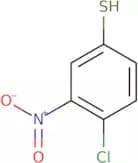
Formule :C8H11NODegré de pureté :Min. 98 Area-%Couleur et forme :PowderMasse moléculaire :137.18 g/mol4-Chloro-3-nitrobenzenethiol
CAS :4-Chloro-3-nitrobenzenethiol (4CNBT) is a micropet that is used as a radiotracer to measure the uptake of serotonin in the brain. This compound has been shown to bind to the serotonin transporter, which is responsible for reuptake of serotonin from the synapse. The radiolabeled 4CNBT can be used for positron emission tomography (PET) scanning and postinjection autoradiography. 4CNBT has also been used as a ligand in pharmacological studies on serotonin transporters.
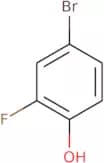
Formule :C6H4ClNO2SDegré de pureté :Min. 95%Couleur et forme :White PowderMasse moléculaire :189.62 g/mol4-Bromo-2-fluorophenol
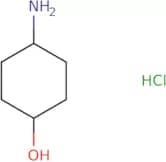
CAS :4-Bromo-2-fluorophenol is a mesomorphic substance that has a helical structure. It has been shown to have ferroelectric properties and light emission, as well as being spontaneously polar. 4-Bromo-2-fluorophenol is a dipole molecule with two hydrogen bonds on each side of the molecule. The fluorine atom in 4-bromo-2-fluorophenol interacts with chlorine atoms through an intramolecular hydrogen bond.Formule :C6H4BrFODegré de pureté :Min. 95%Couleur et forme :Clear LiquidMasse moléculaire :191 g/moltrans-4-Aminocyclohexanol hydrochloride
CAS :Trans-4-aminocyclohexanol hydrochloride is a monomer that has been used in the synthesis of polymers, which are used in the production of medical devices. Trans-4-aminocyclohexanol hydrochloride has shown anticancer activity and is used to inhibit the growth of murine leukemia cells. It has also shown uptake in different tissues and amination reaction with amino acids. The melting point of trans-4-aminocyclohexanol hydrochloride is 198°C, constant at 1.0, and impurities are less than 0.2%. Trans-4-aminocyclohexanol hydrochloride has been found to be a colorless solid with a molecular weight of 154.2 g/mol, an amorphous morphology, and a particle size distribution between 5 nm and 10 μm.Formule :C6H13NO·HClCouleur et forme :White Off-White PowderMasse moléculaire :151.63 g/molIndole-3-propanol
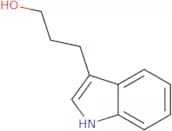
CAS :Indole-3-propanol is a reversible inhibitor of the enzyme dihydrofolate reductase that blocks the synthesis of purine nucleotides. It has been shown to have a regulatory effect on bacterial growth and may be used as an antimicrobial agent. Indole-3-propanol is an inhibitor of the enzyme dihydrofolate reductase, which catalyzes the reduction of dihydrofolic acid to tetrahydrofolic acid. This conversion is essential for DNA synthesis and repair in bacteria. Indole-3-propanol inhibits this reaction reversibly by binding to the hydroxy group in the active site of the enzyme, thereby blocking access to substrate analogues such as phosphoribosyl pyrophosphate (PRPP). The compound also inhibits human serum proteins, such as albumin, which are involved in metabolizing drugs. Molecular modeling studies suggest that indole-3-propanol binds to two lFormule :C11H13NODegré de pureté :Min. 95%Couleur et forme :Clear LiquidMasse moléculaire :175.23 g/mol1,2-Dimyristoyl-sn-glycerol
CAS :Dimyristoyl-sn-glycerol is a lipid that has a phase transition temperature of 42.6°C and melts at 44.6°C. It is found in the membrane of cells, where it interacts with other lipids to form structures that are essential for cellular function. Dimyristoyl-sn-glycerol has been shown to be an inhibitor of cycloheximide and can bind to the surface glycoprotein on the surface of some gram-negative bacteria, such as Escherichia coli. These interactions may play a role in protein synthesis and growth factor activation.Formule :C31H60O5Degré de pureté :Min. 98 Area-%Couleur et forme :PowderMasse moléculaire :512.81 g/mol2,2-Bis(hydroxymethyl)-2,2',2''-nitrilotriethanol
CAS :Bis-Tris is a Bis(2-hydroxyethyl) amine buffer that forms metal chelates and can be used with proteins and nucleic acids. This buffering agent has an optimal pH range of 5.8-7.2 and a pKa of 6.46.Formule :C8H19NO5Degré de pureté :Min. 98%Couleur et forme :PowderMasse moléculaire :209.24 g/mol2-Amino-5-chlorothiophenol
CAS :2-Amino-5-chlorothiophenol is an aminothiophene derivative that has been shown to be an effective antibacterial agent. It is a substrate in the synthesis of polyesters and is used as a precursor in the synthesis of ciprofloxacin, a broad spectrum antibiotic. 2-Amino-5-chlorothiophenol has been shown to catalyze the reaction between phenyl groups and heterocycles, which is an important step in the synthesis of ciprofloxacin and fluconazole. The optimal reaction temperature for this process is between 150°C - 180°C. The irradiation time for this process varies depending on the intensity of light used, with optimal results obtained after 10 minutes at 25 kGy.Formule :C6H6ClNSDegré de pureté :Min. 95 Area-%Couleur et forme :PowderMasse moléculaire :159.64 g/mol3-(Diethylamino)-1-propanol
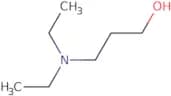
CAS :3-(Diethylamino)-1-propanol is a chemical species that has been shown to inhibit the growth of epidermal cells in a model system. 3-(Diethylamino)-1-propanol inhibits the production and release of epidermal growth factor, which is required for cell proliferation. The chemical binds to the receptor for epidermal growth factor, thereby inhibiting its activity. The low energy activation energies of this compound make it an excellent candidate for use in radiation therapy, as it can be easily activated by low levels of radiation and will not break down before reaching the target tissue. 3-(Diethylamino)-1-propanol also has inhibitory properties against other amines, such as histamine and acetylcholine.Formule :C7H17NODegré de pureté :Min. 95%Couleur et forme :Clear LiquidMasse moléculaire :131.22 g/mol3-(tert-Butoxy)benzyl alcohol
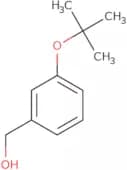
CAS :3-(tert-Butoxy)benzyl alcohol is a high quality reagent that can be used as an intermediate in the synthesis of complex compounds. It is also a useful intermediate for the production of fine chemicals, pharmaceuticals, and speciality chemicals. 3-(tert-Butoxy)benzyl alcohol is a versatile building block that can be used as a reactant in many chemical reactions. This compound has been used as a research chemical to study its properties and has potential uses as a starting point for the synthesis of other compounds.Formule :C11H16O2Degré de pureté :Min. 95%Masse moléculaire :180.24 g/mol2-Boc-6-Chloro-3,4-dihydro-1H-isoquinoline-1-carboxylic acid
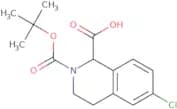
CAS :2-Boc-6-Chloro-3,4-dihydro-1H-isoquinoline-1-carboxylic acid is a useful scaffold for the production of various chemical compounds. It is a versatile building block that can be used as an intermediate in various chemical reactions or as a speciality chemical. 2-Boc-6-Chloro-3,4-dihydro-1H-isoquinoline-1 carboxylic acid has been shown to be a high quality and reliable reagent for use in research and development.Formule :C15H18ClNO4Degré de pureté :Min. 95%Couleur et forme :White PowderMasse moléculaire :311.76 g/mol2-(4-Methoxyphenoxy)ethanol
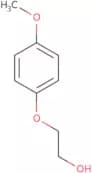
CAS :2-(4-Methoxyphenoxy)ethanol is a carboxylic acid. It has been used as a hydrogen peroxide donor in catalytic reactions, and as an ethylene glycol ether in the production of polyester resins. 2-(4-Methoxyphenoxy)ethanol has been shown to be useful in multilayer coatings with optimal reaction rates, and is a good oxidant for many organic compounds.Formule :C9H12O3Degré de pureté :Min. 95%Couleur et forme :PowderMasse moléculaire :168.19 g/mol2-Bromo-4-tert-octylphenol
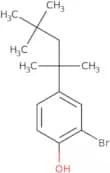
CAS :2-Bromo-4-tert-octylphenol is a high quality chemical that can be used in research. It is an organic compound that reacts as a building block to create other complex compounds. 2-Bromo-4-tert-octylphenol is also a versatile building block, useful intermediate, and useful building block for the creation of speciality chemicals. This reagent has been shown to be effective as a reaction component in the synthesis of reagents, such as with the synthesis of 1,3-bis(2,4,6-trimethylbenzoyl)benzene.Formule :C14H21BrODegré de pureté :Min. 95 Area-%Couleur et forme :Clear LiquidMasse moléculaire :285.22 g/mol





![6-[4-(1-Cyclohexyl-1H-tetrazol-5-yl)butoxy]-3,4-dihydro-2(1H)-quinolinone](/_next/image/?url=https%3A%2Fstatic.cymitquimica.com%2Fproducts%2F3D%2Fthumb-webp%2FFC03161.webp&w=3840&q=75)
![1-Chloro-3-[4-(2-methoxyethyl)phenoxy]-2-propanol](/_next/image/?url=https%3A%2Fstatic.cymitquimica.com%2Fproducts%2F3D%2Fthumb-webp%2FFC27415.webp&w=3840&q=75)