Alcools
Sous-catégories appartenant à la catégorie "Alcools"
5816 produits trouvés pour "Alcools"
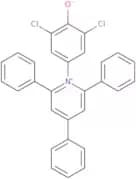
2,6-Dichloro-4-(2,4,6-triphenyl-1-pyridinio)phenolate
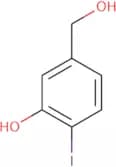
CAS :2,6-Dichloro-4-(2,4,6-triphenyl-1-pyridinio)phenolate is a protonated form of the anion of 2,6-dichloro-4-(2,4,6-triphenyl-1-pyridinio)phenolate. It has hydrophobic properties and a low solubility in water. The solution temperature is close to 0°C. It can be analyzed by regression and chloride or physicochemical methods. This compound has a polarizability that is similar to that of nitrogen atoms and hydrogen bonds with chloride ions.Formule :C29H19Cl2NODegré de pureté :Min. 95%Couleur et forme :PowderMasse moléculaire :468.37 g/mol3-Hydroxy-4-iodobenzyl alcohol
CAS :3-Hydroxy-4-iodobenzyl alcohol is a nucleophile that can be used as an affinity label for proteins and nucleic acids. 3-Hydoxy-4-iodobenzyl alcohol is capable of disrupting the linker between two molecules, which allows for analysis of protein/nucleic acid interactions. 3-Hydroxy-4-iodobenzyl alcohol can be used to label molecules, but it is not covalently bound to them. It has been shown to show tumor growth inhibition in glioma cells, which may be due to its ability to disrupt factor 1, a transcription factor that regulates cell proliferation and differentiation.
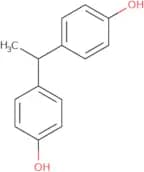
Formule :C7H7IO2Degré de pureté :Min. 95%Couleur et forme :PowderMasse moléculaire :250.03 g/mol4,4'-Ethylidenebisphenol
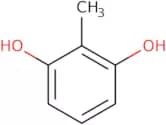
CAS :4,4'-Ethylidenebisphenol is a phenolic compound that has hydroxyl groups in its structure. It is used as a chemical intermediate in the production of resins and coatings. 4,4'-Ethylidenebisphenol is also used as an analytical reagent. It reacts with hydrogen peroxide to form a reactive radical intermediate that can be detected by electron spin resonance spectroscopy. The mechanism of this reaction involves the formation of an intermolecular hydrogen bond between the hydroxyl group on 4,4'-ethylidenebisphenol and the hydrogen peroxide molecule. The reaction solution contains 4-hydroxybenzaldehyde and 2,2-diphenyl-1-picrylhydrazyl radical as intermediates.Formule :C14H14O2Degré de pureté :Min. 95%Masse moléculaire :214.26 g/mol2-Methylresorcinol, technical
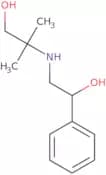
CAS :2-Methylresorcinol, technical is the sodium salt of 2-methylresorcinol. It has been shown to be chemically stable at high temperatures and can be used in magnetic resonance spectroscopy. The nmr spectra of 2-methylresorcinol are different from those of other compounds. It is a molecule with a carbonyl group and one methyl group that reacts with hydrochloric acid to produce a reaction product with a chlorine atom, which reacts with trifluoroacetic acid or trifluoromethanesulfonic acid to produce an activated intermediate that can react with a second molecule to form another reaction product. This mechanism may be useful in the synthesis of anti-tuberculosis drugs.Formule :C7H8O2Degré de pureté :Min. 95%Couleur et forme :PowderMasse moléculaire :124.14 g/molFepradinol
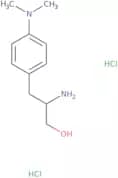
CAS :Fepradinol is a potent inhibitor of microbial infection. It is a coordination complex that inhibits the growth of bacteria, fungi, and viruses by interfering with the synthesis of proteins required for the cell-wall biosynthesis. The diameter of this particle is between 10 and 100 nanometers, with an average particle size of 20 nanometers. It has been shown to be effective against eye diseases such as choroidal neovascularization due to its anti-inflammatory activity. Fepradinol has also been shown to inhibit the production of prostaglandins in animal models, which may be responsible for its anti-inflammatory activity.Formule :C12H19NO2Degré de pureté :Min. 95%Couleur et forme :PowderMasse moléculaire :209.28 g/mol2-Amino-3-(4-dimethylaminophenyl)propanol dihydrochloride
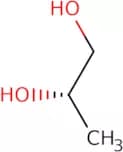
CAS :2-Amino-3-(4-dimethylaminophenyl)propanol dihydrochloride is a perovskite with the chemical formula CHN. It is a crystalline solid that has been found in the nasal cavity of Typhlopidae and Rostral rostral, dorsum, dorsal profile advances. 2-Amino-3-(4-dimethylaminophenyl)propanol dihydrochloride has not been determined to be either an organic or inorganic compound. The nature of this material is unclear, but it has been shown to have crystallization properties.Formule :C11H18N2O•2HClDegré de pureté :Min. 95%Masse moléculaire :267.19 g/mol(S)-(+)-1,2-Propanediol
CAS :(S)-(+)-1,2-Propanediol is a diol that is a chemical compound with the molecular formula HOCHCHOH. It has an asymmetric carbon atom and can exist as two enantiomers (S)-(+)-1,2-propanediol and (R)-(-)-1,2-propanediol. The compound is produced in the laboratory by oxidation of propylene with hydrogen peroxide in the presence of a metal catalyst. It undergoes dehydration reactions to form sugars such as erythritol and xylitol. This process also occurs naturally in some plants and bacteria where glucose is oxidized to form glycerol. The conversion of propane-1,2-diol to glycerol is catalyzed by alcohol dehydrogenase from yeast or fungi such as Candida boidinii or Candida kefyr. It also reacts with other molecules such as proteins via amide formation to form new compounds called aFormule :C3H8O2Degré de pureté :Min. 98%Couleur et forme :Colorless Slightly Yellow Clear LiquidMasse moléculaire :76.09 g/mol(1R,4aS,7S,7aR)-Hexahydro-4,7-dimethylcyclopenta[c]pyran-1-ol
CAS :(1R,4aS,7S,7aR)-Hexahydro-4,7-dimethylcyclopenta[c]pyran-1-ol is a chemical compound that belongs to the group of speciality chemicals. It is an intermediate for a number of different reactions in the synthesis of complex molecules and can be used as a building block for new compounds. This compound has a number of industrial applications and can be used in research as well as in the production of pharmaceuticals. The CAS number for this compound is 109215-55-6.
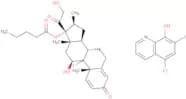
Formule :C10H16O2Degré de pureté :Min. 95%Couleur et forme :Colorless PowderMasse moléculaire :168.23 g/mol(11β,16β)-9-Fluoro-11,21-dihydroxy-16-methyl-17-((1-oxopentyl)oxy)-Pregna-1,4-diene-3,20-dione mixt. with 5-chloro-7-iodo-8-qu inolinol
CAS :Produit contrôléClioquinol is a topical corticosteroid that is used to treat skin disorders such as pemphigoid, psoriasis, and eczema. It is also used to treat the inflammation associated with acne. Clioquinol has been shown to be effective in treating bacterial infections of the skin by inhibiting the growth of bacteria. This drug also has anti-inflammatory properties and can be used for the treatment of various inflammatory skin conditions. Clioquinol is not absorbed through the skin and does not affect the blood's ability to clot.
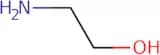
Formule :C36H42ClFINO7Degré de pureté :Min. 95%Masse moléculaire :782.08 g/molMonoethanolamine
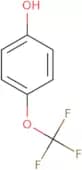
CAS :Monoethanolamine is an organic compound that is the simplest type of amine. It is a colorless liquid with a mild, neutral odor. Monoethanolamine has been shown to be an effective antimicrobial agent, inhibiting bacterial growth by reacting with water vapor and nitrogen atoms in the environment. Monoethanolamine has also been shown to inhibit the production of nitric oxide and other reactive nitrogen species, which may account for its antimicrobial properties. The inhibition of nitric oxide synthesis may also account for monoethanolamine's ability to improve locomotor activity in mice. This chemical can be used as a reagent in analytical methods such as gas chromatography and solid phase microextraction.Formule :C2H7NODegré de pureté :Min. 95%Couleur et forme :Colorless Clear LiquidMasse moléculaire :61.08 g/mol4-(Trifluoromethoxy)phenol
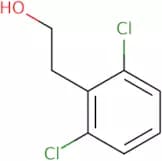
CAS :4-(Trifluoromethoxy)phenol is an anti-tuberculosis drug. It is a diode that has been shown to have pharmacokinetic properties in rats and mice. 4-(Trifluoromethoxy)phenol has been shown to act as a prodrug, which is activated by conversion to the active form. This active form inhibits the growth of Mycobacterium tuberculosis by binding to the 50S ribosomal subunit and preventing bacterial transcription and replication. The molecular structure of 4-(trifluoromethoxy)phenol is similar to phenoxypropanoid compounds, such as biphenyl, which may be responsible for its anti-tuberculosis effects. 4-(Trifluoromethoxy)phenol also binds DNA at specific sites with high affinity and specificity, inhibiting gene expression and RNA synthesis.Formule :C7H5F3O2Degré de pureté :Min. 95%Couleur et forme :Clear LiquidMasse moléculaire :178.11 g/mol2,6-Dichlorophenethyl alcohol
CAS :2,6-Dichlorophenethyl alcohol is a chlorinated primary alcohol. It undergoes intramolecular cyclization to form cyclohexenone. This reaction is catalyzed by the chloride ion and requires an intramolecular nucleophile such as methyl chloride or hydrochloric acid. The 2,6-dichlorophenethyl alcohol is functionalized by the addition of a chloride group to one of the hydroxyl groups. This functional group can then undergo an intramolecular cyclization with another molecule of 2,6-dichlorophenethyl alcohol in the presence of a chloride salt like silver chloride to produce cyclohexenone.Formule :C8H8Cl2ODegré de pureté :Min. 95%Couleur et forme :PowderMasse moléculaire :191.05 g/mol3-Bromo-5-methylphenol
CAS :3-Bromo-5-methylphenol is an enolate that can be used to synthesize methicillin-resistant dibenzofurans. The synthesis of these compounds is a multistep process, which includes the formation of an enolate from 3-bromo-5-methylphenol and subsequent displacement with a variety of electrophiles. The use of 3-bromo-5-methylphenol as an enolate allows for high yields in the synthesis of dibenzofurans. Further, this compound has antibacterial properties and is effective against both gram positive and negative bacteria. 3-Bromo-5-methylphenol also has chloride and sulfonation properties, which have been used to make advances in the development of antibacterial agents.
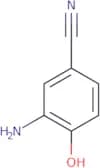
Formule :C7H7BrODegré de pureté :Min. 95%Couleur et forme :PowderMasse moléculaire :187.03 g/mol2-Amino-4-cyano-phenol
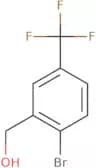
CAS :2-Amino-4-cyano-phenol is a compound that has been shown to have antitubercular activity. It modulates the activity of cromakalim, which is a drug used for the treatment of tuberculosis. 2-Amino-4-cyano-phenol is also an antibacterial agent and has been shown to activate bacterial DNA replication and protein synthesis. The mechanism of action of this compound is thought to be due in part to its ability to bind with the ribosomes on the outside surface of cells and inhibit their function. 2-Amino-4-cyano-phenol has also been shown to have structural similarities with phenylephrine, which inhibits bacterial growth by binding to DNA gyrase, thereby preventing transcription and replication.Formule :C7H6N2ODegré de pureté :Min. 95%Couleur et forme :PowderMasse moléculaire :134.14 g/mol2-Bromo-5-(trifluoromethyl)benzyl alcohol
CAS :2-Bromo-5-(trifluoromethyl)benzyl alcohol is a fine chemical that is used as an intermediate in the synthesis of other chemicals. It can be used to synthesize novel organic compounds, such as pharmaceuticals and pesticides. This chemical has been shown to react with various other organic compounds, including amines, thiols, and carboxylic acids. 2-Bromo-5-(trifluoromethyl)benzyl alcohol is also known for its ability to form complexes with metals.Formule :C8H6BrF3ODegré de pureté :Min. 95%Masse moléculaire :255.03 g/mol2-(4-Octylphenyl)ethanol
CAS :Produit contrôléApplications 2-(4-Octylphenyl)ethanol (cas# 162358-05-6) is a compound useful in organic synthesis.
Formule :C16H26OCouleur et forme :NeatMasse moléculaire :234.381,4-Cyclohexanediol (Cis/Trans Mixture)
CAS :Produit contrôléApplications 1,4-Cyclohexanediol is used as a reagent in the development of noviomimetics as C-terminal Hsp90 inhibitors.
References Anyika, M., et al.: ACS Med. Chem. Lett., 7, 67 (2016)Formule :C6H12O2Couleur et forme :NeatMasse moléculaire :116.16N-Benzylethanolamine
CAS :Produit contrôléApplications N-Benzylethanolamine is used in the synthesis of imidazoles as potent calcitonin (CGRP) antagonists. Also it aids in the preparation of benzofused hydroxamix acids, as useful fragments for the synthesis of histone deacetylase inhibitors.
References Tora, G. et al.: Bioorg. Med. Chem. Lett., 23, 5684 (2013); Marastoni, E. et al.: Bioorg. Med. Chem. Lett., 23, 4091 (2013);Formule :C9H13NOCouleur et forme :NeatMasse moléculaire :151.21(1R,2R)-1,2-Cyclopentanedimethanol
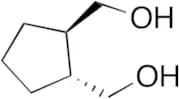
CAS :Produit contrôléApplications (1R,2R)-1,2-Cyclopentanedimethanol is an intermediate in the synthesis of trans-1,2-Dimethylcyclopentane (D464925). trans-1,2-Dimethylcyclopentane was found in sedimentary rocks and was one of the hydrocarbons used to determine its maturation history.
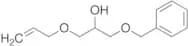
References Schaefer, R.G., Littke, R.: Org. Geochem., 13, 887 (1988)Formule :C7H14O2Couleur et forme :NeatMasse moléculaire :130.181-(Phenylmethoxy)-3-(2-propen-1-yloxy)-2-propanol
CAS :Produit contrôléApplications 1-(Phenylmethoxy)-3-(2-propen-1-yloxy)-2-propanol (cas# 83016-75-5) is a compound useful in organic synthesis.
Formule :C13H18O3Couleur et forme :NeatMasse moléculaire :222.28cis-3-(2-Chloro-3,3,3-trifluoro-1-propen-1-yl)-2,2-dimethyl-cyclopropanemethanol
CAS :Produit contrôléApplications cis-3-(2-Chloro-3,3,3-trifluoro-1-propen-1-yl)-2,2-dimethyl-cyclopropanemethanol is a reactant used in the preparation of pyrethroid compounds as pesticides.
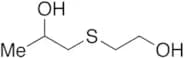
Formule :C9H12ClF3OCouleur et forme :NeatMasse moléculaire :228.639Hydroxyethylthio Propanol
CAS :Produit contrôléApplications Hydroxyethylthio Propanol (cas# 6713-03-7) is a compound useful in organic synthesis.
Formule :C5H12O2SCouleur et forme :NeatMasse moléculaire :136.213-(3-(3-(Benzyloxy)propoxy)propoxy)propan-1-ol
Produit contrôléApplications 3-(3-(3-(Benzyloxy)propoxy)propoxy)propan-1-ol is an intermediate in the synthesis of 3,3'-[Oxybis(3,1-propanediyloxy)]bis[1-propanol] (O870290). 3,3'-[Oxybis(3,1-propanediyloxy)]bis[1-propanol] is derived from 3-(Benzyloxy)propyl 4-Toluenesulfonate (B288830), which is used as a reagent in the synthesis of Silodosin (S465000); an antidysuria drug. 3-(Benzyloxy)propyl 4-Toluenesulfonate is also used as a reagent in the preparation of aryloxyalkyl derivatives of adenine which have antiviral activity.
References Calogero, F., et al.: Eur. J. Org. Chem., 2015, 6011 (2015); Petrov, V.I., et al.: Chem. Heterocyc. Compd., 39, 1218 (2003)Formule :C16H26O4Couleur et forme :NeatMasse moléculaire :282.3753-Hexyn-1-ol
CAS :Produit contrôléApplications 3-Hexyn-1-ol is an unsaturated alcohol that, when subjected to stereoselective hydrogenation, produces cis-3-Hexen-1-ol (H295005), a compound that is important in the fragrance industry. 3-Hexyn-1-ol also exhibits antifungal properties against Aspergillus oryzae, a fungus that is used to produce fermented foods and beverages in Japan.
References Machida, M., et al.: Nature, 438, 1157 (2005); Sachse, A., et al.: Dalt. Trans., 42, 1378 (2013); Witte, P., et al.: Stud. Surf. Sci. Catal., 175, 135 (2010)Formule :C6H10OCouleur et forme :NeatMasse moléculaire :98.148-Bromooctan-1-ol
CAS :Produit contrôléApplications 8-Bromooctan-1-ol (cas# 50816-19-8) is a useful research chemical.
Formule :C8H17BrOCouleur et forme :NeatMasse moléculaire :209.123-[(tert-Butyldimethylsilyl)oxy]-1-propanol
CAS :Produit contrôléApplications 3-[(tert-Butyldimethylsilyl)oxy]-1-propanol (cas# 73842-99-6) is a compound useful in organic synthesis.
Formule :C9H22O2SiCouleur et forme :NeatMasse moléculaire :190.361-Butanol (n-Butyl Alcohol)
CAS :Produit contrôléApplications 1-Butanol is a common chemical reagent used in biodiesel production. Also it has been used in the study the polarization of vapor-deposited 1-butanol films (1) as well as in the preparation of bioavailable CB1 antagonists (2) . Drinking water contaminant candidate list 3 (CCL 3) compound as per United States Environmental Protection Agency (EPA), environmental, and food contaminants.
Not a dangerous good if item is equal to or less than 1g/ml and there is less than 100g/ml in the package
References 1. Gavra, I. et al.: J. Chem. Phys. 2017 Mar 14;146(10):104701.2. Röver, S. et al.: J. Med. Chem. 2013 Dec 27;56(24):9874-96.Formule :C4H10OCouleur et forme :ColourlessMasse moléculaire :74.122-Heptyn-1-ol
CAS :Produit contrôléApplications 2-HEPTYN-1-OL (cas# 1002-36-4) is a useful research chemical.
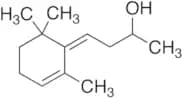
Formule :C7H12OCouleur et forme :NeatMasse moléculaire :112.17(Z)-retro-α-Ionol
CAS :Produit contrôléApplications Intermediate for preparation of optically active theaspirane and β-Damascenone.
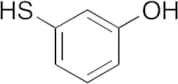
References Gertraut, S., et al.: J. Agric. Food Chem., 40, 1188 (1992), Campagnole, M., et al.: Syn. Comm., 37, 1077 (2007).Formule :C13H22OCouleur et forme :NeatMasse moléculaire :194.313-Mercaptophenol
CAS :Produit contrôléApplications 3-Mercaptophenol is a versatile reactant used in the study of mechanism and catalysis of the native chemical ligation reaction. It was also used as a reactant in the synthesis and biological evaluation of HSP90 inhibitors based on molecular dynamic calculated conformational analysis of radicicol and its analogs.
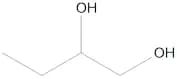
References Moulin, E., et al.: J. Am. Chem. Soc., 127, 6999 (2005); Johnson, E., Kent, S.: J. Am. Chem. Soc., 128, 6640 (2006);Formule :C6H6OSCouleur et forme :NeatMasse moléculaire :126.181,2-Butanediol
CAS :Produit contrôléApplications 1,2-Butanediol is a glycol in human serum.
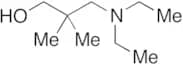
References Imbert, L., et al.: J. Anal. Toxicol., 38, 676 (2014)Formule :C4H10O2Couleur et forme :NeatMasse moléculaire :90.123-(Diethylamino)-2,2-dimethylpropanol
CAS :Produit contrôléApplications 3-(Diethylamino)-2,2-dimethylpropanol is a reactant used in the preparation of herbicides, several local anesthetics and histamine H3 receptor antagonists.
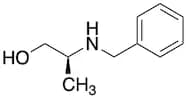
Formule :C9H21NOCouleur et forme :NeatMasse moléculaire :159.27(S)-2-(Benzylamino)propan-1-ol
CAS :Produit contrôléApplications (S)-2-(Benzylamino)propan-1-ol is a useful research chemical for the preparation of cross-benzoin products of heteroaromatic aldehydes and amino aldehydes.
References Haghshenas, P., et al.: J. Org. Chem., 81, 12075-83 (2016);Formule :C10H15NOCouleur et forme :NeatMasse moléculaire :165.236-Chloro-1-hexanol
CAS :Produit contrôléApplications 6-Chloro-1-hexanol is used as a reagent in the synthesis of 3-(4-Chloro butyl)-1H-indole-5-carbonitrile; a key intermediate of the antidepressant drug Vilazodone (V265000).
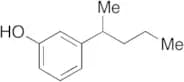
References Anitha, N., et al.: Synthetic Commun., 44, 3563 (2014)Formule :C6H13ClOCouleur et forme :NeatMasse moléculaire :136.623-(2-Pentyl)phenol
CAS :Produit contrôléApplications 3-(2-Pentyl)phenol is an intermediate in the synthesis of Bufencarb (B689385), a carbamate pesticide used mainly as an insecticide.
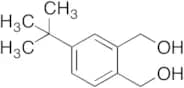
References Nesterova, T.N., et al.: J. Chem. Thermodyn., 21, 385 (1989);Formule :C11H16OCouleur et forme :NeatMasse moléculaire :164.24(4-(tert-Butyl)-1,2-phenylene)dimethanol
CAS :Produit contrôléApplications (4-(tert-Butyl)-1,2-phenylene)dimethanol is an intermediate in the synthesis of 4-tert-Butyl-1,2-bis(chloromethyl)benzene (B807070). 4-tert-Butyl-1,2-bis(chloromethyl)benzene is used as a reactant in the preparation of dihydronaphthalenes/naphthalenes via cobalt-catalyzed formal [4+2] cycloaddition of α,α'-dichloro-ortho-xylenes with alkynes.
References Komeyama, K., et al.: Angew. Chem. Int. Ed., 53, 11325 (2014)Formule :C12H18O2Couleur et forme :NeatMasse moléculaire :194.272,2-Diethoxyethanol
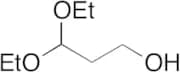
CAS :Produit contrôléApplications 2,2-Diethoxyethanol is used in the synthesis of neooxazolomycin, part of the oxazolomycin family of antibiotics. Also used in the synthesis of pyrimidine based inhibitors of phosphodiesterase 7 (PDE7).
References Onyango, E. et al.: Angew. Chem. Int. Ed., 46, 6703 (2007); Kempson, J. et al.: Bioorg. Med. Chem. Lett., 15, 1829 (2005);Formule :C6H14O3Couleur et forme :NeatMasse moléculaire :134.173-[[(1,1-Dimethylethyl)diphenylsilyl]oxy]-1,2-propanediol
CAS :Produit contrôléApplications 3-[[(1,1-Dimethylethyl)diphenylsilyl]oxy]-1,2-propanediol is an intermediate in the synthesis of 1,2-Dioleoyl-rac-glycerol (D482175), which is an analog of 1,3-Dioleoylglycerol (D484210) which is used in the synthesis of amphiphilic gadolinium complexes as MRI contrast agents.
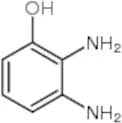
References Accardo, A., et. al.: J. Mater. Chem. B., 1, 617 (2013)Formule :C19H26O3SiCouleur et forme :NeatMasse moléculaire :330.492,3-Diaminophenol
CAS :Produit contrôléApplications 2,3-Diaminophenol
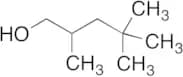
Formule :C6H8N2OCouleur et forme :NeatMasse moléculaire :124.142,4,4-Trimethyl-1-pentanol
CAS :Produit contrôléApplications 2,4,4-Trimethyl-1-pentanol is the principal metabolite of 2,2,4-trimethylpentane (T796535), a general solvent used in organic synthesis..
Not a dangerous good if item is equal to or less than 1g/ml and there is less than 100g/ml in the package
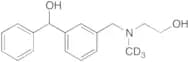
References Gaur, R. et al.: Asian J. Biochem., 10, 52 (2015);Formule :C8H18OCouleur et forme :NeatMasse moléculaire :130.232-((3-Hydroxy(phenyl)methyl)benzyl)(methyl)amino)ethanol
Produit contrôléApplications (3-(((2-Hydroxyethyl)(methyl)amino)methyl)phenyl)(phenyl)methanone-d3 is an intermediate in the synthesis of Nefopam-d3 (N389402), a cyclized labelled analog of orphenadrine and diphenhydramine; representative of a new class of centrally acting skeletal muscle relaxants.
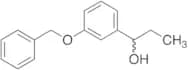
References Bassett, et al.: Br. J. Pharmacol., 37, 69 (1969), Klohs, et al.: Arzneim.-Forsch., 22, 132 (1972), Hell, et al.: Drugs, 19, 249 (1980),Formule :C17D3H18NO2Couleur et forme :NeatMasse moléculaire :274.373rac-1-(3-Benzyloxyphenyl)-1-propanol
CAS :Produit contrôléApplications An intermediate used in the production of various ectoparasiticides, drug metabolites and analgesic agents.
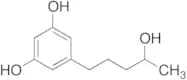
References Rastogi, S., et al.: J. Med. Chem., 16, 797 (1973), Maguire, J., et al.: Drug Metab. Disposition, 9, 393 (1981),Formule :C16H18O2Couleur et forme :NeatMasse moléculaire :242.315-(4-Hydroxypentyl)-1,3-benzenediol
CAS :Produit contrôléApplications 5-(4-Hydroxypentyl)-1,3-benzenediol is an intermediate used in the synthesis of 4''-Hydroxycannabidiol (H824830), which is a metabolite of Canabidiol (C175300), a major constituents in marijuana. 4''-Hydroxycannabidiol be used to investigate canabidiol metabolism and human liver microsomes that metabolize Canabidiol into 6α-Hydroxycannabidiol.
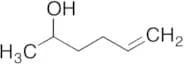
References Jiang, R., et al.: Life Sci. 89, 165 (2011); Lander, N., et al.: Science 169, 611 (1970)Formule :C11H16O3Couleur et forme :NeatMasse moléculaire :196.24Hexen-5-ol
CAS :Produit contrôléApplications Hexen-5-ol is an intermediate in he synthesis of 5-Chloro-1-hexene which is a reagent with difluoroacetic acid that results in the formation of 5-chloro-2-hexyl-2-d trifluoro-acetate and 1,4-chlorine shift.
References Peterson, P. E., et al.: J. Am. Chem. Soc., 86, 4503-4 (1964)Formule :C7H4ClF3O2Couleur et forme :NeatMasse moléculaire :212.554(E)-2-Hexadecen-1-ol
CAS :Produit contrôléApplications (E)-2-Hexadecen-1-ol (cas# 26993-32-8) is a compound useful in organic synthesis.
Formule :C16H32OCouleur et forme :NeatMasse moléculaire :240.4210-Amino-1-decanol
CAS :Produit contrôléApplications 10-Amino-1-decanol (cas# 23160-46-5) is a compound useful in organic synthesis.
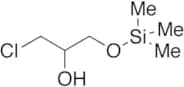
References Lee, T., et al.: J. Biol. Chem., 270, 5375 (1995),Formule :C10H23NOCouleur et forme :NeatMasse moléculaire :173.3rac 1-O-Trimethylsilyl 3-Chloro-1,2-propanediol
CAS :Produit contrôléApplications rac 1-O-Trimethylsilyl 3-Chloro-1,2-propanediol (cas# 1246820-26-7) is a compound useful in organic synthesis.
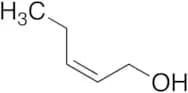
Formule :C6H15ClO2SiCouleur et forme :NeatMasse moléculaire :182.72(2Z)-2-Penten-1-ol
CAS :Produit contrôléApplications (2Z)-2-Penten-1-ol is one of the aroma volatiles in basil and thyme leaves with antioxidant activity.
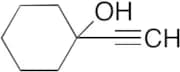
References Lee, S., et al.: Food Chem., 91 131 (2004);Formule :C5H10OCouleur et forme :NeatMasse moléculaire :86.131-Ethynylcyclohexanol
CAS :Produit contrôléApplications 1-Ethynylcyclohexanol is used in the preparation of 9-methyladenines used as adenosine receptor antagonists. Also used in the cycloadition of alkynes to organic azides.
Not a dangerous good if item is equal to or less than 1g/ml and there is less than 100g/ml in the package
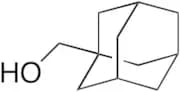
References Harada, H. et al.: J. Med. Chem. 44, 170 (2001); Zhang, L. et al.: J. Am. Chem. Soc., 127, 15998 (2005);Formule :C8H12OCouleur et forme :NeatMasse moléculaire :124.181-Adamantanemethanol
CAS :Produit contrôléApplications 1-Adamantanemethanol is used as a reagent in the synthesis of adamantane and noradamantane based histone deacetylase (HDAC) inhibitors for the treatment of cancer. It is also used as a reagent in the synthesis of (1-adamantyl)methyl glycidyl ether, a versatile building block for living polymerization.
References Gopalan, B., et al.: Bioorg. Med. Chem. Lett., 23, 2532 (2013); Suzuki, T., et al.: J. Med. Chem., 55, 9562 (2012); Moers, C., et al.: Macromol. Rapid Comm., 35, 1075 (2014)Formule :C11H18OCouleur et forme :NeatMasse moléculaire :166.26

![(1R,4aS,7S,7aR)-Hexahydro-4,7-dimethylcyclopenta[c]pyran-1-ol](/_next/image/?url=https%3A%2Fstatic.cymitquimica.com%2Fproducts%2F3D%2Fthumb-webp%2FFH106458.webp&w=3840&q=75)








![3-[(tert-Butyldimethylsilyl)oxy]-1-propanol](/_next/image/?url=https%3A%2Fstatic.cymitquimica.com%2Fproducts%2FTR%2Fthumb-webp%2FB691575.webp&w=3840&q=75)



![3-[[(1,1-Dimethylethyl)diphenylsilyl]oxy]-1,2-propanediol](/_next/image/?url=https%3A%2Fstatic.cymitquimica.com%2Fproducts%2FTR%2Fthumb-webp%2FD182005.webp&w=3840&q=75)