Amines
Les amines sont un ensemble de molécules contenant un groupe fonctionnel amino (dérivé de l'ammoniac). Cette catégorie inclut les amines à tous les niveaux de substitution : primaires, secondaires, tertiaires et sels d'ammonium. Les amines sont fondamentales dans la synthèse organique et sont largement utilisées dans les produits pharmaceutiques, les agrochimiques et les sciences des matériaux. Chez CymitQuimica, nous proposons une sélection complète d'amines pour répondre à vos besoins de recherche et industriels. Notre gamme assure l'accès à diverses amines pour divers processus chimiques et recherches innovantes.
Sous-catégories appartenant à la catégorie "Amines"
- Nitrosamines(2.606 produits)
- Amines primaires(30.947 produits)
- Cations d'ammonium quaternaire(1.100 produits)
- Amines secondaires(20.886 produits)
- Amines tertiaires(17.193 produits)
8780 produits trouvés pour "Amines"
Trier par
Degré de pureté (%)
0
100
|
0
|
50
|
90
|
95
|
100
2-Amino-3-methoxybenzoic acid hydrochloride
CAS :<p>2-Amino-3-methoxybenzoic acid hydrochloride is a synthetic monosubstituted hydroxy analog of the natural alkaloids, which are substituted with an amino group. It is produced by the demethylation of 2-amino-3-hydroxypyridine and reacts with caprolactam to form 2,6-dihydroxybenzaldehyde. It has been used in the synthesis of methoxyanthranilic acid, which is a synthetic analogue of anthranilic acid. Hydrochloric acid can be added to 2-amino-3-methoxybenzoic acid hydrochloride to produce 2,6-dihydroxybenzoyl chloride. This compound also undergoes condensation reactions with methoxyanthranilic acid to form 2,6-dimethoxybenzaldehyde.</p>Formule :C8H9NO3•HClDegré de pureté :Min. 95%Couleur et forme :PowderMasse moléculaire :203.62 g/mol(R)-N-Methyl-3-(1-naphthoxy)-3-(2-thienyl)propylamine hydrochloride
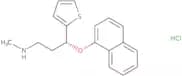
CAS :Produit contrôlé<p>(R)-N-Methyl-3-(1-naphthoxy)-3-(2-thienyl)propylamine hydrochloride is a nonsteroidal anti-inflammatory drug that has been shown to be effective for the treatment of osteoarthritis, rheumatoid arthritis, ankylosing spondylitis, and chronic low back pain. This drug can also be used for other inflammatory conditions such as psoriasis and Crohn's disease. The mechanism of action of (R)-N-Methyl-3-(1-naphthoxy)-3-(2-thienyl)propylamine hydrochloride is not fully understood. It may work by blocking the synthesis of prostaglandins in the body. This drug is metabolized in the liver to its active form, which binds to cyclooxygenase 1 and 2 enzymes to inhibit the production of prostaglandins. It also inhibits human serum x-ray</p>Formule :C18H19NOS•HClDegré de pureté :Min. 95%Couleur et forme :White To Off-White SolidMasse moléculaire :333.88 g/molAmmonium metatungstate hydrate
CAS :<p>Ammonium metatungstate hydrate is a catalyst that is used for the efficient production of fatty acids from vegetable oils. It has been shown to be an effective catalyst in the reaction of deionized water and particle at various reaction temperatures. The cationic surfactant, optical properties, and morphology of the fatty acid are all dependent on the type of carbon source used in the reaction. Ammonium metatungstate hydrate is also used as a photocatalyst for gas sensors.</p>Formule :(H4N)6•H2O40W12•(H2O)xDegré de pureté :Min. 85%Couleur et forme :PowderMasse moléculaire :2,956.3 g/mol(1R,2R)-(+)-1,2-Diaminocyclohexane-N,N'-bis(2'-diphenylphosphinobenzoyl)
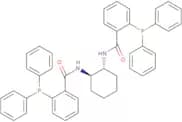
CAS :<p>(+)-1,2-Diaminocyclohexane-N,N'-bis(2'-diphenylphosphinobenzoyl) is an important chemical building block and intermediate that can be used in a wide range of organic synthesis. This compound is a versatile building block with high quality and has been shown to be useful for the synthesis of complex compounds. (+)-1,2-Diaminocyclohexane-N,N'-bis(2'-diphenylphosphinobenzoyl) can be used as a reagent in many reactions. CAS No. 138517-61-0 is a fine chemical that has been widely used in research laboratories around the world.</p>Formule :C44H40N2O2P2Degré de pureté :Min. 95%Couleur et forme :White PowderMasse moléculaire :690.75 g/mol2-(3,5-Dimethyl-1H-pyrazol-1-yl)quinolin-8-amine
CAS :2-(3,5-Dimethyl-1H-pyrazol-1-yl)quinolin-8-amine is a fine chemical that belongs to the group of versatile building blocks. It can be used as a reagent or as a speciality chemical in research and development. 2-(3,5-Dimethyl-1H-pyrazol-1-yl)quinolin-8-amine is also a useful scaffold for the synthesis of complex compounds and has been shown to be an effective inhibitor of protein tyrosine kinases.Formule :C14H14N4Degré de pureté :Min. 95%Couleur et forme :PowderMasse moléculaire :238.29 g/molDimethylammonium tetrafluoroborate
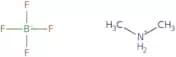
CAS :Produit contrôlé<p>Dimethylammonium tetrafluoroborate is a reagent that is used in organic chemistry. It is a solid with a melting point of -56°C and can be synthesized by the reaction of ethyl amine and hexafluoro-2-butyne. This reagent has been used to synthesize quaternary ammonium salts, anions, and aliphatic hydrocarbons. Dimethylammonium tetrafluoroborate is also employed as a solvent for some devices due to its physicochemical properties, including its low boiling point and high dielectric constant.</p>Formule :C2H8BF4NDegré de pureté :Min. 95%Masse moléculaire :132.9 g/mol4-Benzyloxybenzylamine
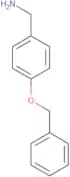
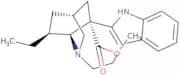
CAS :<p>4-Benzyloxybenzylamine is a synthetic analogue of the amino acid phenylalanine. It is a potent inhibitor of the enzyme tyrosinase and has been shown to be effective in inhibiting cell proliferation and inducing apoptosis in melanoma cells. The drug also has a potential for use as an anti-aging agent, which may be due to its ability to block tyrosinase activity, thereby preventing the formation of melanin. 4-Benzyloxybenzylamine also shows strong antimicrobial effects against both gram-positive and gram-negative bacteria. This drug is being investigated for use as a skin protectant, especially in cases where there are immunosuppressive conditions such as human immunodeficiency virus (HIV) or organ transplantation.</p>Formule :C14H15NODegré de pureté :Min. 95%Couleur et forme :PowderMasse moléculaire :213.28 g/molIbogamine-18-carboxylic acid methyl ester
CAS :<p>Ibogamine is a naturally occurring alkaloid that is found in the roots of plants from the Apocynaceae family. It has been shown to be low-potency and act as an α7 nicotinic acetylcholine receptor agonist. Ibogamine also possesses transport properties through the blood-brain barrier. In addition, it has been shown to inhibit coronaridine-induced convulsions in mice and alkaloids have been isolated from its leaves. Molecular docking analysis has shown that ibogamine binds to the protein data of hep-2 cells, which are used for tissue culture. Ibogamine is a monoterpenoid indole alkaloid with anti-inflammatory properties. It has been shown to have activity against infectious diseases such as tissue culture and plate test experiments, which are used to study fatty acid synthesis and β-oxidation respectively.</p>Formule :C21H26N2O2Degré de pureté :Min. 98 Area-%Couleur et forme :PowderMasse moléculaire :338.44 g/molcis-2-Amino-1-cyclohexane-carboxylic acid
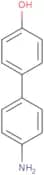
CAS :<p>Cis-2-Amino-1-cyclohexane-carboxylic acid (ACCA) is a β-amino acid that binds to peptides and cyclohexane rings. ACCA has been shown to have high resistance against denaturation, which may be due to its ability to form hydrogen bonds with water molecules. It also has an analog, cis-2-(aminomethyl)cyclohexanol (CAMCH), which is used in the treatment of Gram-positive bacterial infections. ACCA can be found in glycopeptide antibiotics such as vancomycin and teicoplanin, which are used for the treatment of resistant bacteria including methicillin resistant Staphylococcus aureus (MRSA).</p>Formule :C7H13NO2Degré de pureté :Min. 95%Couleur et forme :PowderMasse moléculaire :143.18 g/mol4-Hydroxy-4'-aminobiphenyl
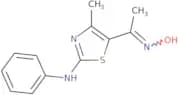
CAS :<p>4-Hydroxy-4'-aminobiphenyl (4-OH-4'ABP) is a test compound that is an aromatic aminobiphenyl and has been shown to be carcinogenic. This compound has been found in the urine and serum of human subjects as well as in the liver, lung and brain of experimental animals. 4-OH-4'ABP has been shown to cause cancer in target organs such as the liver and lung. It is also considered a carcinogen due to its ability to bind to DNA, inhibit protein synthesis, and induce oxidative stress. 4-OH-4'ABP can be hydroxylated at position 3 or 4 by cytochrome P450 enzymes into reactive metabolites which are then able to bind covalently with cellular macromolecules like DNA, proteins, or lipids. This binding can lead to mutations or cell death.</p>Formule :C12H11NODegré de pureté :Min. 95%Couleur et forme :PowderMasse moléculaire :185.22 g/mol(3-((hydroxyimino)ethyl)-4-methyl(2,5-thiazolyl))phenylamine
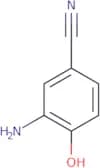
CAS :<p>Please enquire for more information about (3-((hydroxyimino)ethyl)-4-methyl(2,5-thiazolyl))phenylamine including the price, delivery time and more detailed product information at the technical inquiry form on this page</p>Formule :C12H13N3OSDegré de pureté :Min. 95%Couleur et forme :Clear LiquidMasse moléculaire :247.32 g/mol2-Amino-4-cyano-phenol
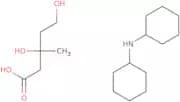
CAS :<p>2-Amino-4-cyano-phenol is a compound that has been shown to have antitubercular activity. It modulates the activity of cromakalim, which is a drug used for the treatment of tuberculosis. 2-Amino-4-cyano-phenol is also an antibacterial agent and has been shown to activate bacterial DNA replication and protein synthesis. The mechanism of action of this compound is thought to be due in part to its ability to bind with the ribosomes on the outside surface of cells and inhibit their function. 2-Amino-4-cyano-phenol has also been shown to have structural similarities with phenylephrine, which inhibits bacterial growth by binding to DNA gyrase, thereby preventing transcription and replication.</p>Formule :C7H6N2ODegré de pureté :Min. 95%Couleur et forme :PowderMasse moléculaire :134.14 g/molD,L-Mevalonic acid dicyclohexylammonium salt
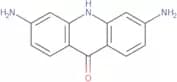
CAS :Produit contrôlé<p>Mevalonic acid dicyclohexylammonium salt is a reagent, compound, and fine chemical that is used in the synthesis of complex compounds. It has CAS No. 1215802-31-5 and is a useful intermediate, building block, and scaffold for the synthesis of many speciality chemicals. Mevalonic acid dicyclohexylammonium salt is also a versatile building block that can be used as a reaction component in many organic syntheses. This product can be used in research chemicals or as an intermediate for pharmaceuticals.</p>Formule :C18H35NO4Degré de pureté :Min. 95%Couleur et forme :PowderMasse moléculaire :329.47 g/mol3,6-Diamino-9(10H)-acridone
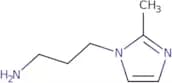
CAS :<p>3,6-Diamino-9(10H)-acridone is a nucleophilic compound that is used as a catalyst in peptide synthesis. It can be used to selectively introduce an acridine group into a peptide or other organic molecule. 3,6-Diamino-9(10H)-acridone is an example of a hypervalent organometallic compound that has been shown to catalyze the iodocyclization of aromatic rings. It also has been shown to catalyze the substitution of electron-deficient alkenes with electrophiles.</p>Formule :C13H11N3ODegré de pureté :Min. 97 Area-%Couleur et forme :Yellow PowderMasse moléculaire :225.25 g/mol2-Methyl-1H-imidazole-1-propanamine
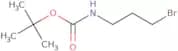
CAS :<p>2-Methyl-1H-imidazole-1-propanamine is a byproduct of the reaction that produces acrylonitrile. It is a polar compound that has been shown to be an effective viscosity modifier for various types of formulations. 2-Methyl-1H-imidazole-1-propanamine can be used as an additive in pharmaceutical formulations, such as those for thiamine pyrophosphate, and is nonpolluting. The optimum concentration for this product is between 0.5% and 1%.</p>Formule :C7H13N3Degré de pureté :Min. 95 Area-%Couleur et forme :Clear LiquidMasse moléculaire :139.2 g/mol3-(Boc-amino)propyl bromide
CAS :<p>3-(Boc-amino)propyl bromide is an antimicrobial agent that has been shown to be a potent inhibitor of cancer cell growth in vitro. The mechanism of action of 3-(Boc-amino)propyl bromide is not yet known, but it may be due to its ability to inhibit the uptake of radiotracers by mda-mb-231 cells. 3-(Boc-amino)propyl bromide has also been shown to have a high affinity for proteins and is able to hydrogen bond with them. This property may explain the high salt requirement for its solubility, as well as its toxicity towards bacteria and other microorganisms.</p>Formule :C8H16BrNO2Degré de pureté :Min. 95 Area-%Couleur et forme :Colorless PowderMasse moléculaire :238.12 g/mol1H-Pyrrolo[3,2-b]pyridin-7-amine
CAS :1H-Pyrrolo[3,2-b]pyridin-7-amine is a potent inhibitor of cyclization catalysed by 7-azaindole. It was synthesized as a modification of the 7-azaindole synthesis and has been shown to be a lipophilic heterocycle. This compound is not readily soluble in water and can be used for the synthesis of other heterocycles with similar properties. The yields are high and the modifications are easy to make, making this compound an excellent candidate for use in research.Degré de pureté :Min. 95%Couleur et forme :PowderMasse moléculaire :133.15 g/mol(1-Ethylcyclopropyl)amine hydrochloride
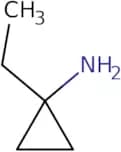
CAS :1-Ethylcyclopropyl)amine hydrochloride is a fine chemical that is used as a versatile building block and reaction component. It has been shown to be an effective intermediate in the synthesis of complex compounds. 1-Ethylcyclopropyl)amine hydrochloride has been used in the synthesis of useful scaffolds for drug discovery, such as cycloprolyl-diamine, which is a useful building block for the preparation of other compounds. Additionally, 1-Ethylcyclopropyl)amine hydrochloride is a reagent for the preparation of pharmaceutically active compounds.Formule :C5H11N·HClDegré de pureté :Min. 95%Couleur et forme :White PowderMasse moléculaire :121.61 g/molThiamine sulfate inner salt
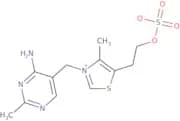
CAS :<p>Thiamine sulfate inner salt is a hyaluronic acid that is used in skin cancer treatment. It has been shown to have antimicrobial properties, which may be due to its ability to disrupt the cell membrane. Thiamine sulfate inner salt has also been shown to increase the germination rate of damaged seeds and can be used as a stabilizer for carrageenan. This compound is an acidic substance with a pH of 2-3. It is soluble in water and hydrochloric acid and reacts with magnesium salts, ethylene diamine, diamine tetraacetic acid, and antimicrobial peptides.</p>Formule :C12H16N4O4S2Degré de pureté :Min. 95%Couleur et forme :White PowderMasse moléculaire :344.41 g/mol(E)-N-(3-Methylaminopropyl)-2-thiopheneacrylamide hydrochloride
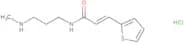
CAS :<p>(E)-N-(3-Methylaminopropyl)-2-thiopheneacrylamide hydrochloride is a high quality, reagent, complex compound, useful intermediate, fine chemical. It has CAS No. 1449108-90-0 and is used as a research chemical and building block in the synthesis of other compounds. (E)-N-(3-Methylaminopropyl)-2-thiopheneacrylamide hydrochloride can be used as a versatile building block in organic synthesis reactions and is an important reaction component for the preparation of speciality chemicals.</p>Formule :C11H17N2OSClDegré de pureté :Min. 95%Couleur et forme :White PowderMasse moléculaire :260.78 g/molN-Cyclopropyl-N-tetrahydro-2H-pyran-4-ylamine HCl
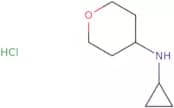
CAS :<p>N-Cyclopropyl-N-tetrahydro-2H-pyran-4-ylamine HCl is a fine chemical used as a building block in the synthesis of many compounds. It is also used in research and development, as a reagent, and as a speciality chemical. N-Cyclopropyl-N-tetrahydro-2H-pyran-4-ylamine HCl has been shown to be an excellent intermediate for the synthesis of many different products. This product is versatile and can be used as a building block or scaffold for synthesizing other compounds. N-Cyclopropyl-N-tetrahydro-2H-pyran-4-ylamine HCl has a CAS number of 1158426–65–3.</p>Formule :C8H16NOClDegré de pureté :Min. 95%Couleur et forme :PowderMasse moléculaire :177.67 g/molN-Amino-2-methylindoline hydrochloride
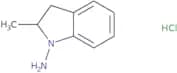
CAS :<p>N-Amino-2-methylindoline HCl is an organic chemical compound that belongs to the class of acylating agents. It is a colorless solid that is soluble in water and methanol. The compound has been used in the acylation reaction with triethylamine and chloride to synthesize dioxane. N-Amino-2-methylindoline HCl is also a substance that can be found in nature, such as in the leaves of plants. Organic chemistry deals with the study of compounds and their reactions, which includes N-Amino-2-methylindoline HCl and its uses.</p>Formule :C9H12N2•HClDegré de pureté :Min. 95%Couleur et forme :PowderMasse moléculaire :184.67 g/mol(1H-Indazol-7-yl)methanamine
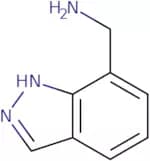
CAS :Please enquire for more information about (1H-Indazol-7-yl)methanamine including the price, delivery time and more detailed product information at the technical inquiry form on this pageFormule :C8H9N3Degré de pureté :Min. 95%Couleur et forme :PowderMasse moléculaire :147.18 g/molp-Xylylenediamine
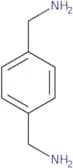
CAS :<p>p-Xylylenediamine is a chemical compound that has hydrogen bonding interactions with its environment and is a substrate for film deposition. It also has the ability to form hydrogen bonds with other molecules such as DNA duplexes and sodium salts. p-Xylylenediamine is soluble in water and can be used to coat the surface of objects, which can result in reduced transport properties. This molecule has been found to be present in urine samples and may be used as a biomarker for prostate cancer diagnosis.</p>Formule :C8H12N2Degré de pureté :Min. 95%Couleur et forme :White PowderMasse moléculaire :136.19 g/molEthyl 3-amino-4-(cyclohexylamino)benzoate
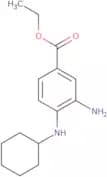
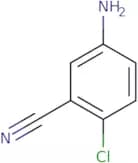
CAS :<p>Ethyl 3-amino-4-(cyclohexylamino)benzoate is a potent inhibitor of cellular death. It induces ferroptosis, a caspase-independent cell death mechanism, in cells that are normally resistant to apoptosis. Ethyl 3-amino-4-(cyclohexylamino)benzoate has been shown to induce the release of iron from ferritin and inhibit iron uptake by macrophages. This drug has also been shown to protect against oxidative injury and radiation, as well as neuronal death. Ethyl 3-amino-4-(cyclohexylamino)benzoate may be beneficial for treating bowel disease by reducing inflammation and protecting against damage from radiation therapy.</p>Formule :C15H22N2O2Degré de pureté :Min. 95%Couleur et forme :PowderMasse moléculaire :262.35 g/mol5-Amino-2-chlorobenzonitrile
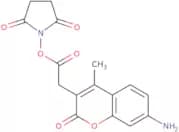
CAS :<p>5-Amino-2-chlorobenzonitrile is a functional theory that has been optimised for the synthesis of pesticides. It has been shown to have high affinity constants and to be a good potential for monitoring. 5-Amino-2-chlorobenzonitrile is synthesized in the form of monoclonal antibodies, which are then optimised using vibrational frequencies. The parameters of these molecules are optimized by comparing the calculated frequencies with those obtained from experimental data. This theory can be used to develop new pesticides that are less harmful to humans and animals, as well as being more environmentally friendly.</p>Formule :C7H5ClN2Degré de pureté :Min. 95%Couleur et forme :PowderMasse moléculaire :152.58 g/mol7-Amino-4-methyl-3-coumarinacetic acid N-succinimidyl ester
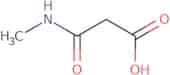
CAS :<p>7-Amino-4-methyl-3-coumarinacetic acid N-succinimidyl ester is a synthetic amino acid with a reactive carboxylic acid group. It is used as a crosslinker in biochemistry and has been shown to have biological properties in plants. 7-Amino-4-methyl-3-coumarinacetic acid N-succinimidyl ester reacts with the acidic groups of proteins, DNA, or RNA, and is an important component of some second order rate constants. This chemical is also used for the neutralization of histological stains such as haematoxylin.</p>Formule :C16H14N2O6Degré de pureté :Min. 90 Area-%Couleur et forme :PowderMasse moléculaire :330.29 g/mol3-(Methylamino)-3-oxopropanoic acid
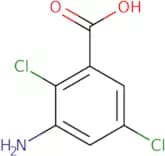
CAS :<p>3-(Methylamino)-3-oxopropanoic acid is a metabolite of nitroprusside. It is a potent inhibitor of the uptake of nitrates by cells, which causes cell lysis. 3-(Methylamino)-3-oxopropanoic acid has been shown to inhibit the uptake and transport chain of amino acids in the human metabolism. This results in an accumulation of metabolites that are toxic to cells and can lead to necrosis. 3-(Methylamino)-3-oxopropanoic acid is also a biocide with anti-inflammatory properties. It inhibits monoclonal antibody production by blocking protein synthesis and has been shown to be effective against tumor growth in animal models.</p>Formule :C4H7NO3Degré de pureté :Min. 95%Couleur et forme :PowderMasse moléculaire :117.1 g/mol3-Amino-2,5-dichlorobenzoic acid
CAS :<p>2,5-Dichlorobenzoic acid is a chemical compound that is used as an intermediate in the production of herbicides and other agricultural chemicals. It is also used for the synthesis of pharmaceuticals and dyes. 2,5-Dichlorobenzoic acid has been shown to have significant physiological effects at high doses. The use of 2,5-dichlorobenzoic acid may cause death in humans through kidney failure, although it has not been shown to be toxic to humans at low doses. The mechanism by which this effect occurs is not known.<br>2,5-Dichlorobenzoic acid has been found to be moderately toxic in animal studies with acute oral LD50 values ranging from 1,000 mg/kg body weight (mg/kg BW) to 10,000 mg/kg BW depending on the animal species tested.</p>Formule :C7H5Cl2NO2Degré de pureté :Min. 95%Couleur et forme :White PowderMasse moléculaire :206.03 g/mol(S)-Fmoc-2-amino-heptanedioic acid-7-tert-butyl ester
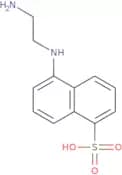
CAS :<p>Please enquire for more information about (S)-Fmoc-2-amino-heptanedioic acid-7-tert-butyl ester including the price, delivery time and more detailed product information at the technical inquiry form on this page</p>Formule :C26H31NO6Degré de pureté :Min. 95%Masse moléculaire :453.53 g/molN-(Aminoethyl)-5-naphthylamine-1-sulfonic acid
CAS :The Michaelis-Menten kinetics of N-(Aminoethyl)-5-naphthylamine-1-sulfonic acid (NENSA) have been determined by studying the reaction of NENSA with a variety of acceptors. Basic fibroblasts were found to be a good substrate for this compound and it was shown that proteolytic activity is required for the hydrolysis of NENSA. The toxin is also reactive with the enzyme polymerase chain, which inhibits bacterial growth. In the presence of epidermal growth factor, NENSA has been shown to inhibit proliferation in fetal bovine retinal cells and human epidermal keratinocytes.Formule :C12H14N2O3SDegré de pureté :Min. 97 Area-%Couleur et forme :Yellow PowderMasse moléculaire :266.32 g/mol2-[Ethyl-[2-(3-hydroxy-2,6-dimethyl-anilino)-2-oxo-ethyl]amino]-N-(3-hydroxy-2,6-dimethyl-phenyl)acetamide
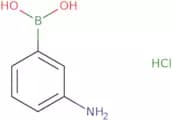
CAS :<p>2-[Ethyl-[2-(3-hydroxy-2,6-dimethyl-anilino)-2-oxo-ethyl]amino]-N-(3-hydroxy-2,6-dimethylphenyl)acetamide is a reaction component that is used in the synthesis of complex compounds. It is a versatile building block and useful intermediate for the synthesis of fine chemicals. This chemical has been shown to be an effective reagent for the preparation of high quality research chemicals. CAS No. 2200280-96-0</p>Formule :C22H29N3O4Degré de pureté :Min. 95%Couleur et forme :White to off-white solid.Masse moléculaire :399.48 g/mol(3-Aminophenyl)boronic acid hydrochloride
CAS :<p>3-Aminophenylboronic acid hydrochloride is a chemical compound that is used for analytical chemistry, bioconjugate chemistry, and clinical diagnostics. The compound binds to model proteins with high affinity and specificity. 3-Aminophenylboronic acid hydrochloride has been shown to have low binding constants with polyols, which make it ideal for use in cell culture. 3-Aminophenylboronic acid hydrochloride has a pK of 2.7 at pH 7.4, making it acidic at this pH. The compound also has a pK of 9.3 at pH 4.5, making it neutral at this pH. 3-Aminophenylboronic acid hydrochloride is an electrochemically active molecule and can be used as an electrode material in electrochemical impedance spectroscopy experiments.</p>Formule :C6H9BClNO2Degré de pureté :Min. 95%Couleur et forme :PowderMasse moléculaire :173.4 g/mol[3-(Methylamino)-5,6-dihydro-2H-1,4-thiazin-2-ylidene]hydroxylamine HCl
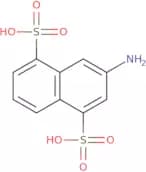
CAS :<p>3-(Methylamino)-5,6-dihydro-2H-1,4-thiazin-2-ylidene]hydroxylamine HCl is a fine chemical that can be used as a versatile building block. It has been shown to be a useful intermediate in the synthesis of various compounds and for the preparation of research chemicals. 3-(Methylamino)-5,6-dihydro-2H-1,4-thiazin-2-ylidene]hydroxylamine HCl is a complex compound and can be used as a reagent or reaction component. 3-(Methylamino)-5,6-dihydro-2H-1,4-thiazin-2-ylidene]hydroxylamine HCl is also an excellent quality chemical.</p>Formule :C5H9N3OS·HClDegré de pureté :Min. 95%Couleur et forme :PowderMasse moléculaire :195.67 g/mol2-Amino-4,8-naphthalenedisulfonic acid
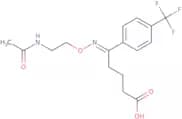
CAS :<p>2-Amino-4,8-naphthalenedisulfonic acid is a structural analog of the natural amino acid phenylalanine. It is an inhibitor of the enzyme tyrosinase, which participates in the oxidation of dopamine to DOPA and subsequent conversion to melanin. 2-Amino-4,8-naphthalenedisulfonic acid has been shown to inhibit the growth of probiotic bacteria and can be used as a food additive. The compound also inhibits the oxidation catalyst that is required for some analytical chemistry tests. 2-Amino-4,8-naphthalenedisulfonic acid has been shown to have toxicological properties in animal studies and this toxicity is exacerbated by its ability to bind with pyridine nucleotides found in cells. The toxicological effects are thought to be related to the inhibition of protein synthesis that leads to cell death.</p>Formule :C10H9NO6S2Degré de pureté :Min. 95%Couleur et forme :PowderMasse moléculaire :303.31 g/molN-Acetyl fluvoxamine acid
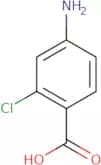
CAS :<p>N-Acetyl fluvoxamine acid is a versatile building block that can be used as a reagent, speciality chemical, or useful scaffold. It has uses in research and as a building block for complex compounds. N-Acetyl fluvoxamine acid is also a useful intermediate and reaction component. This compound has CAS number 88699-87-0.</p>Formule :C16H19F3N2O4Degré de pureté :Min. 95%Couleur et forme :PowderMasse moléculaire :360.33 g/mol4-Amino-2-chlorobenzoic acid - 98%
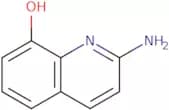
CAS :4-Amino-2-chlorobenzoic acid (4ACBA) is a pharmaceutical chemical that is used in the preparation of pharmaceutical preparations. 4ACBA has been shown to be absorbed through the maternal blood and have an inhibitory effect on rat sciatic nerve. The uptake of 4ACBA was found to be dose dependent, with a maximum concentration reached after 30 minutes. The pharmacokinetic properties of 4ACBA have been shown to be nonlinear, with plasma concentrations decreasing as dosage increases.Formule :C7H6ClNO2Degré de pureté :Min. 95%Couleur et forme :PowderMasse moléculaire :171.58 g/mol2-Amino-8-hydroxyquinoline
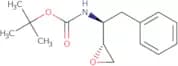
CAS :<p>2-Amino-8-hydroxyquinoline is a molecule that has been shown to have optical properties. 2-Amino-8-hydroxyquinoline has also been shown to be reactive in vitro and inhibit the growth of cancer cells. It is thought that this inhibition may be due to its ability to bind to the active site of DNA polymerase, preventing DNA replication. 2-Amino-8-hydroxyquinoline has also been shown in vitro studies and vivo studies to have potent inhibition activity against human serum albumin (HSA). The molecules that are used as linkers to attach 2-amino 8 hydroxyquinoline to other molecules are thermodynamically stable. The isomers of 2 amino 8 hydroxyquinoline have also been studied by X-ray crystallography and nuclear magnetic resonance spectroscopy, which provides information about the structure of the molecule. Finally, 2 amino 8 hydroxyquinoline has been found to be an odorant</p>Formule :C9H8N2ODegré de pureté :Min. 98%Couleur et forme :Off-White PowderMasse moléculaire :160.17 g/mol(2R,3S)-3-(tert-Butoxycarbonyl)amino-1,2-epoxy-4-phenylbutane
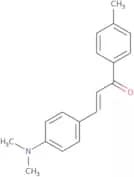
CAS :<p>The compound (2R,3S)-3-(tert-Butoxycarbonyl)amino-1,2-epoxy-4-phenylbutane is an epoxide with a thionyl chloride mediated reaction. This compound has been shown to react with amines and nucleophiles to form epoxides. The time required for this reaction was found to be dependent on the concentration of the amine. The reaction was also found to be chiral as it produced a mixture of diastereomers. When irradiated, this compound undergoes a stereoselective reaction that leads to a new epoxide product.</p>Formule :C15H21NO3Degré de pureté :Min. 95%Couleur et forme :Off-White PowderMasse moléculaire :263.34 g/mol4-Dimethylamino-4'-methylchalcone
CAS :4-Dimethylamino-4'-methylchalcone is a versatile building block that can be used in synthesis of fine chemicals, research chemicals, and reagents. It can also be used as a speciality chemical or useful intermediate for the preparation of other compounds. 4-Dimethylamino-4'-methylchalcone has been shown to react with many different functional groups and is useful as a scaffold for the synthesis of complex molecules. It has been shown to have high quality, making it an excellent choice for use in reactions.Formule :C18H19NODegré de pureté :Min. 95%Couleur et forme :PowderMasse moléculaire :265.35 g/mol7-Amino-2-bromo-9-fluorenone
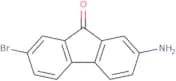
CAS :<p>7-Amino-2-bromo-9-fluorenone is a dye that can be used to label or visualize β-amyloid plaques in the brain. It has high binding affinity for β-amyloid, and can be used to identify the presence of this protein in the brain. 7-Amino-2-bromo-9-fluorenone is also useful for monitoring β-amyloid plaques in transgenic mice. This dye was injected into the brains of transgenic mice, and then stained with a fluorescent dye. Autoradiography was then used to identify where 7-Amino-2-bromo-9-fluorenone binds to β amyloid plaques.<br>7 - Amino - 2 - bromo - 9 - fluorenone</p>Formule :C13H8BrNODegré de pureté :Min. 95%Masse moléculaire :274.11 g/mol2-Chloro-5-methylbenzylamine hydrochloride
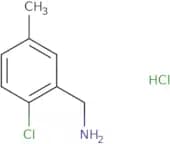
CAS :<p>2-Chloro-5-methylbenzylamine hydrochloride is a chemical that is used as a versatile building block in the synthesis of complex compounds. It has a wide range of uses, including as a research chemical, reagent, and speciality chemical. 2-Chloro-5-methylbenzylamine hydrochloride is also used as an intermediate in the synthesis of other chemicals and can be used as an organic building block, reaction component, and scaffold. This product can be used to produce high-quality products, such as pharmaceuticals and agrochemicals.</p>Formule :C8H10ClN•HClDegré de pureté :Min. 95%Masse moléculaire :192.09 g/mol(S)-2-((((9H-Fluoren-9-yl)methoxy)carbonyl)amino)-3-(1H-pyrrolo[2,3-b]pyridin-3-yl)propanoic acid
CAS :<p>Please enquire for more information about (S)-2-((((9H-Fluoren-9-yl)methoxy)carbonyl)amino)-3-(1H-pyrrolo[2,3-b]pyridin-3-yl)propanoic acid including the price, delivery time and more detailed product information at the technical inquiry form on this page</p>Formule :C25H21N3O4Degré de pureté :Min. 95%Masse moléculaire :427.45 g/mol4-Aminobenzamidine dihydrochloride
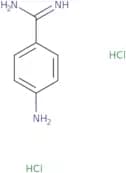
CAS :<p>4-Aminobenzamidine dihydrochloride is used as an analytical reagent for protease activity in tissue culture. It can also be used to inhibit the transcription-polymerase chain reaction (PCR) by binding to the catalytic site of the serine protease, which prevents DNA synthesis and transcription. 4-Aminobenzamidine dihydrochloride has been shown to inhibit platelet aggregation and possesses anti-inflammatory properties. It does not induce any adverse effects on skin or hair. The drug also binds with metal ions such as copper, iron, and zinc, preventing their absorption by the body. 4-Aminobenzamidine dihydrochloride is a metal chelate that also inhibits epidermal growth factor (EGF) and monoclonal antibodies.</p>Formule :C7H9N3·2HClDegré de pureté :Min. 95%Couleur et forme :PowderMasse moléculaire :208.09 g/molEthyl 4-aminophenylacetate
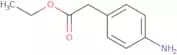
CAS :<p>Ethyl 4-aminophenylacetate is a synthetic compound that has been shown to have anticancer activity in vitro. It has been shown to inhibit the activation of mouse splenocytes by carbonyl group-containing compounds, which are induced by lipopolysaccharide (LPS). Ethyl 4-aminophenylacetate also inhibits the binding of primary amines to opioid receptors in vitro. This compound has not been tested in vivo for its anticancer activity.</p>Formule :C10H13NO2Degré de pureté :Min. 95%Couleur et forme :PowderMasse moléculaire :179.22 g/mol(3-Aminomethyl)benzoic acid hydrochloride
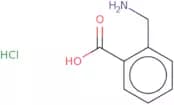
CAS :(3-Aminomethyl)benzoic acid hydrochloride is a high-quality, versatile compound that can be used as a reagent or scaffold for the synthesis of complex compounds. It is a fine chemical that can be used as an intermediate in organic chemistry and has been shown to be useful in the synthesis of speciality chemicals. The CAS number for this chemical is 876-03-9. This chemical is also a versatile building block for reactions, and has been shown to be an excellent reaction component for research purposes.Formule :C8H9NO2•HClDegré de pureté :Min. 95%Couleur et forme :PowderMasse moléculaire :187.62 g/mol3-Acetylamino-1-adamantane acetic acid
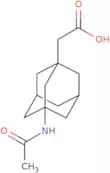
CAS :<p>3-Acetylamino-1-adamantane acetic acid is an epoxide that is soluble in water. It can be readily prepared from 3-aminoadamantan-1-ol by acylation with acetyl chloride. The yields of the reaction are high, and the product is soluble in water. This compound has a number of analogs that are also soluble in water and isosteric with it. The solubility of these analogs can be enhanced by substituting the amine group with a hydrophilic group such as methyl or carboxylic acid esters. 3-Acetylamino-1-adamantane acetic acid is a polycyclic molecule that contains two epoxide groups and therefore can act as an inhibitor for polycyclic hydrocarbon hydroxylases. It also inhibits the enzyme epoxide hydrolase, which catalyzes the conversion of epoxides to alcohols and oxiranes. In</p>Formule :C14H21NO3Degré de pureté :Min. 95%Masse moléculaire :251.32 g/molN-(Aminoethyl)-5-naphthylamine-1-sulfonic acid sodium
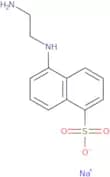
CAS :<p>N-(Aminoethyl)-5-naphthylamine-1-sulfonic acid sodium salt (NAES) is a fluorescent dye that has been used to study the structure of proteins. NAES binds to acceptor sites on the protein, which can be either amino acid side chains or other ions in solution. The fluorescence of NAES depends on the environment and the number of acceptors present. This dye has been used in assays for staphylococcus, as it is resistant to staining by Gram stain and stains brightly with fluorescence assay. NAES has also been shown to have a high kinetic rate and sensitivity, making it an effective virus assay.</p>Formule :C12H14N2O3S•NaDegré de pureté :Min. 95%Masse moléculaire :289.31 g/mol4-Amino-2-chlorophenylboronic acid pinacol ester
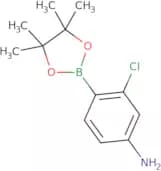
CAS :<p>4-Amino-2-chlorophenylboronic acid pinacol ester is a versatile building block that is used in the synthesis of complex compounds. It can be used as a research chemical, reagent, or speciality chemical depending on the desired use. 4-Amino-2-chlorophenylboronic acid pinacol ester reacts with nucleophiles to form covalent bonds and is also useful as a scaffold for synthesizing other compounds. This compound has been shown to be useful in the synthesis of many different types of chemicals.</p>Formule :C12H17BClNO2Degré de pureté :Min. 95%Couleur et forme :PowderMasse moléculaire :253.53 g/mol6-Chlorogramine
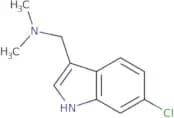
CAS :<p>6-Chlorogramine is a chemical compound with the molecular formula CHN. It is a colorless liquid that is soluble in organic solvents, such as dimethylformamide and chloroform. 6-Chlorogramine can be used as a source of dimethylamine, which is used for the production of various amines. This compound also reacts with formaldehyde to produce cyanide.</p>Formule :C11H13ClN2Degré de pureté :Min. 95%Masse moléculaire :208.69 g/mol4,6-Dimethyl-N-phenylpyrimidin-2-amine
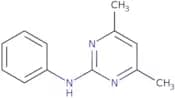
CAS :4,6-Dimethyl-N-phenylpyrimidin-2-amine is a fungicide that is effective against the production of nitrite ion in the liver. It has been shown to be a potent inhibitor of hepatic steatosis. 4,6-Dimethyl-N-phenylpyrimidin-2-amine was also shown to have an inhibitory effect on the growth of fungal strains in vitro. This compound has been demonstrated to be active against a number of plant pathogens and may be useful in postharvest applications. 4,6-Dimethyl-N-phenylpyrimidin-2-amine interacts with the hippocampus formation and may play a role in preventing neurodegenerative diseases such as Alzheimer's disease or Parkinson's disease.Formule :C12H13N3Degré de pureté :Min. 95%Couleur et forme :PowderMasse moléculaire :199.25 g/mol4-Hydroxy-3-nitrophenylethylamine nitrate
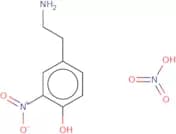
CAS :Produit contrôlé<p>4-Hydroxy-3-nitrophenylethylamine nitrate is a chemical that has been used as a reagent and reaction component. It can be used in the synthesis of complex compounds such as pharmaceuticals, agrochemicals, and high quality specialty chemicals. 4-Hydroxy-3-nitrophenylethylamine nitrate is an intermediate or building block for many organic syntheses due to its versatility. This compound has been shown to have a variety of useful applications including the production of antihistamines, anticonvulsants, antidepressants, antipsychotics, appetite suppressants, and decongestants.</p>Formule :C8H10N2O3•HNO3Degré de pureté :Min. 95%Couleur et forme :PowderMasse moléculaire :245.19 g/mol2-(Phenylthio)ethanamine hydrochloride
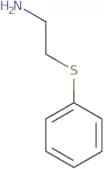
CAS :<p>2-Phenylthioethanamine hydrochloride is a synthetic, water soluble and lipophilic compound with a molecular weight of 171.2 g/mol. It is an antagonist of the -receptor and binds to the transporter protein. This drug is used for diagnostic purposes in angiography, phthalate determination, stable complexes for diagnosis and polymerase chain reaction (PCR) enzyme activities. 2-Phenylthioethanamine hydrochloride has been found to inhibit tumor growth in mice treated with radiation or chemotherapy. It has also been shown to be effective in the treatment of popliteal tumors in rats. The drug has been shown to be effective against bacteria that are resistant to antibiotics such as methicillin and amoxicillin. This drug also has effects on clinical relevance by inhibiting enzymes involved in clinical relevance such as acetylcholinesterase, phosphodiesterase and lipases.</p>Formule :C8H11NSDegré de pureté :Min. 95%Couleur et forme :PowderMasse moléculaire :153.25 g/molBoc-1-amino-4,7,10-trioxa-13-tridecanamine
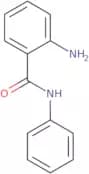
CAS :<p>Boc-1-amino-4,7,10-trioxa-13-tridecanamine (BocAT) is a triazine compound that has been used to synthesize azides as well as to inhibit the growth of cancer cells. The inhibition of tumor cells is achieved through the covalent attachment of BocAT to lysine residues on the cell surface. This process leads to cell death by preventing the synthesis of proteins necessary for cell division and metabolism. BocAT has also been shown to bind gadolinium and other metal ions with high specificity. It can be used in vivo for tumor tissue localization and imaging with magnetic resonance imaging (MRI).</p>Formule :C15H32N2O5Degré de pureté :Min. 95%Couleur et forme :Yellow LiquidMasse moléculaire :320.43 g/mol2-Aminobenzanilide
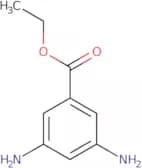
CAS :<p>2-Aminobenzanilide is a chemical compound that has been found to have antimycobacterial activity. It is an allosteric inhibitor of the ribosome-inactivating protein (RIP) which inhibits the production of tnf-α, a proinflammatory cytokine. 2-Aminobenzanilide has also been shown to inhibit the growth of cancer cells in various in vitro assays and inhibits tumor growth in vivo. It binds to sulfonic acid groups on the surface of bacterial cell walls and alters their permeability, thus inhibiting the synthesis of proteins vital for cell division. 2-Aminobenzanilide has also been shown to react with acetylated salicylic acid ligands.</p>Formule :C13H12N2ODegré de pureté :Min. 98 Area-%Couleur et forme :PowderMasse moléculaire :212.25 g/molEthyl 3,5-diaminobenzoate
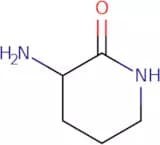
CAS :<p>Ethyl 3,5-diaminobenzoate is a monoacid with a reactive functional group. It is soluble in organic solvents and forms stable linkages with other molecules. Ethyl 3,5-diaminobenzoate has been used as a diagnostic tool for the identification of rhesus monkeys. The residue of this compound is degradable and can be degraded by conjugates or cavitation.</p>Formule :C9H12N2O2Degré de pureté :Min. 95%Couleur et forme :PowderMasse moléculaire :180.2 g/mol3-Amino-2-piperidinone
CAS :<p>3-Amino-2-piperidinone is a metabolite of ornithine, which is a nonessential amino acid. It is produced by the metabolism of arginine and lysine, both of which are essential amino acids. 3-Amino-2-piperidinone has been found in urine samples from patients with bladder cancer and hyperornithinemia. It has also been detected in saccharomyces cerevisiae strain during energy metabolism experiments. This metabolite can be identified using chromatographic techniques such as gas chromatography and mass spectrometry.<br>3-Amino-2-piperidinone can be used to identify the presence of cancer or metabolic disorders such as hyperornithinemia by measuring its concentration in urine samples or reaction solutions.</p>Formule :C5H10N2ODegré de pureté :Min. 95%Couleur et forme :PowderMasse moléculaire :114.15 g/mol6-amino-4-(2-methoxyphenyl)-3-methyl-4H-pyrano[3,2-d]pyrazole-5-carbonitrile
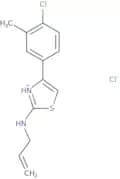
CAS :<p>Please enquire for more information about 6-amino-4-(2-methoxyphenyl)-3-methyl-4H-pyrano[3,2-d]pyrazole-5-carbonitrile including the price, delivery time and more detailed product information at the technical inquiry form on this page</p>Formule :C15H14N4O2Degré de pureté :Min. 95%Couleur et forme :PowderMasse moléculaire :282.30 g/mol(4-(4-chloro-3-methylphenyl)(2,5-thiazolyl))prop-2-enylamine, hydrochloride
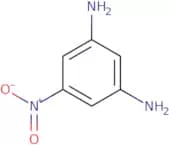
CAS :Please enquire for more information about (4-(4-chloro-3-methylphenyl)(2,5-thiazolyl))prop-2-enylamine, hydrochloride including the price, delivery time and more detailed product information at the technical inquiry form on this pageDegré de pureté :Min. 95%5-Nitro-m-phenylenediamine
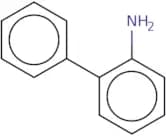
CAS :<p>5-Nitro-m-phenylenediamine is an organic compound that has the chemical formula CHNO. It is a white crystalline solid with a melting point of 158 °C. The compound is soluble in water and other polar solvents but insoluble in nonpolar solvents such as hexane. 5-Nitro-m-phenylenediamine can be prepared by nitration of m-phenylenediamine, which produces the desired product in about 30% yield and with impurities that must be removed by fractional crystallization. The compound is used as an intermediate for making dyes and pharmaceuticals.</p>Formule :C6H7N3O2Degré de pureté :Min. 95%Couleur et forme :PowderMasse moléculaire :153.14 g/mol2-Aminobiphenyl
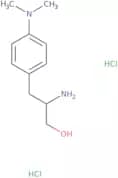
CAS :<p>2-Aminobiphenyl is a chemical compound with the molecular formula C6H5CH2NH. It has been found to be carcinogenic in animals. 2-Aminobiphenyl is metabolized by the liver and excreted in urine, and is also excreted into breast milk. 2-Aminobiphenyl binds to epidermal growth factor receptors (EGFR) and triggers the activation of cell proliferation. The tissue culture studies show that it induces tumor formation at higher doses, but not at lower doses. 2-Aminobiphenyl has been shown to bind to DNA through intramolecular hydrogen bonds and form adducts with guanine bases. This binding leads to an increase in DNA strand breaks and inhibition of DNA synthesis, which may lead to cancer or other diseases affecting cells that divide rapidly such as bladder cancer or cancer of the skin.</p>Formule :C12H11NDegré de pureté :Min. 95%Couleur et forme :White PowderMasse moléculaire :169.22 g/mol2-Amino-3-(4-dimethylaminophenyl)propanol dihydrochloride
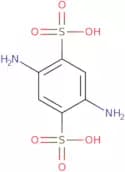
CAS :2-Amino-3-(4-dimethylaminophenyl)propanol dihydrochloride is a perovskite with the chemical formula CHN. It is a crystalline solid that has been found in the nasal cavity of Typhlopidae and Rostral rostral, dorsum, dorsal profile advances. 2-Amino-3-(4-dimethylaminophenyl)propanol dihydrochloride has not been determined to be either an organic or inorganic compound. The nature of this material is unclear, but it has been shown to have crystallization properties.Formule :C11H18N2O•2HClDegré de pureté :Min. 95%Masse moléculaire :267.19 g/molp-Phenylenediamine-2,5-disulphonic acid
CAS :P-Phenylenediamine-2,5-disulphonic acid is a diazonium salt that is used as a chemical in the textile industry. It can be activated with chlorine and hydrolyzed to form 2,5-dichloro-p-phenylenediamine (DCPD). DCPD is a viscose activator, which increases the viscosity of the viscose solution. The activation of p-Phenylenediamine-2,5-disulphonic acid with chlorine produces cyanuric chloride as an intermediate product. Cyanuric chloride has been shown to have a yellow colour when dissolved in water.Formule :C6H8N2O6S2Degré de pureté :Min. 95%Couleur et forme :PowderMasse moléculaire :268.27 g/molAmmonium acetate
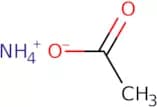
CAS :<p>Ammonium acetate is a salt that is used in the laboratory to synthesize ubiquitin ligases. It has been shown to have receptor activity and can be used to study the interaction between ammonium ions and sodium citrate. Ammonium acetate is a chemical reagent that is used to synthesize ubiquitin ligases, which are proteins that are involved in the degradation of other proteins. Ammonium acetate can also be used as an experimental model for myocardial infarct. The reaction between ammonium and water vapor yields ammonia gas, which can be analyzed with electrochemical impedance spectroscopy (EIS). A solution of ammonium acetate and palladium on zirconium oxide is suitable for coupling reactions, such as amination reactions. This compound has been used as an analytical method for the structural analysis of organic compounds.</p>Formule :C2H7NO2Couleur et forme :White Clear LiquidMasse moléculaire :77.08 g/mol1-Aminophthalazine
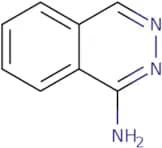
CAS :<p>1-Aminophthalazine is a drug that has been used to treat cancer and other diseases. It has the ability to react with nitrogen atoms in the body, which can cause adverse reactions such as psychosis and drug reactions. 1-Aminophthalazine also blocks tyrosine kinases, which are involved in cell growth and differentiation. 1-Aminophthalazine is a reactive compound that can form diazonium salts with an oxidizing agent such as hydrogen peroxide or peracetic acid. The diazonium salt is then able to react with DNA, and is selective for bacterial DNA when it lacks organic material for the diazonium salt to react with. This makes 1-aminophthalazine a specific treatment for bacterial infections.</p>Formule :C8H7N3Degré de pureté :Min. 95%Couleur et forme :PowderMasse moléculaire :145.16 g/molDodecyltrimethylammonium chloride
CAS :Dodecyltrimethylammonium chloride is a surfactant that belongs to the group of cationic surfactants. It has been shown to be effective as an adsorbent for phosphate ions in micelles. Dodecyltrimethylammonium chloride has also been shown to act as a detergent in solutions, and can be used as a cleaning agent. It is commonly used as a surfactant in various industrial processes, such as the production of glycol ethers. The chemical structure of dodecyltrimethylammonium chloride consists of dodecanol and trimethylamine (CH3(CH2)12N(CH3)(OH)3).Formule :C15H34NClDegré de pureté :Min. 95%Couleur et forme :PowderMasse moléculaire :263.89 g/mol2-Bromo-5-(trifluoromethyl)benzylamine hydrochloride
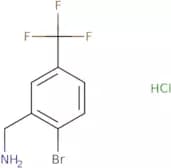
CAS :<p>2-Bromo-5-(trifluoromethyl)benzylamine hydrochloride is a fine chemical with CAS No. 1214331-01-7 that has been used as a building block in the synthesis of various complex compounds, such as pharmaceuticals and agrochemicals. 2-Bromo-5-(trifluoromethyl)benzylamine hydrochloride is also a versatile building block for the preparation of useful intermediates and scaffolds.</p>Formule :C8H7BrF3N•HClDegré de pureté :Min. 95%Masse moléculaire :290.51 g/mola-[2-(Methylamino)ethyl]benzyl alcohol
CAS :<p>a-[2-(Methylamino)ethyl]benzyl alcohol is a zwitterion that forms an imine when reacted with piperazine. It has been shown to have antibacterial activity in subcritical water extraction and HPLC analysis. This compound also has a profile of impurities, including β-unsaturated aldehydes and pseudoephedrine.</p>Formule :C10H15NODegré de pureté :Min. 95%Couleur et forme :PowderMasse moléculaire :165.23 g/mol1,3-Dipalmitoyl-glycero-2-phosphoethanolamine
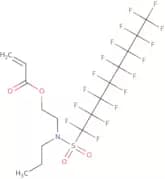
CAS :<p>Please enquire for more information about 1,3-Dipalmitoyl-glycero-2-phosphoethanolamine including the price, delivery time and more detailed product information at the technical inquiry form on this page</p>Formule :C37H74NO8PDegré de pureté :ReportedCouleur et forme :White/Off-White SolidMasse moléculaire :691.96 g/molPerfluorooctylsulfonylpropylaminoethyl acrylate
CAS :Produit contrôlé<p>Perfluorooctylsulfonylpropylaminoethyl acrylate is a sulfonate, which is a chemical that can be found in mixtures. It is a chemical substance that has the ability to connect with other chemicals. This chemical has not been classified as hazardous by the National Institute for Occupational Safety and Health (NIOSH).</p>Formule :C16H14F17NO4SDegré de pureté :Min. 95%Masse moléculaire :639.33 g/mol4-Aminoindole
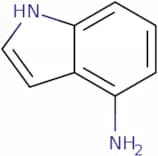
CAS :<p>4-Aminoindole is a heterocycle with a carboxy group and four nitrogen atoms. It can be synthesized by reacting hydrochloric acid with nitrobenzene. 4-Aminoindole has shown potential as a drug target, which may be due to its ability to inhibit the enzyme carboxamidase. The compound is also acidic in water, making it an ideal candidate for use as an acid catalyst. Electropolymerization of 4-aminoindole has been achieved using Pt electrodes in the presence of an acidic environment. This reaction results in the formation of functional groups on the metal surface that are not found in most other electropolymerization reactions.</p>Formule :C8H8N2Couleur et forme :PowderMasse moléculaire :132.16 g/molPiperacillin
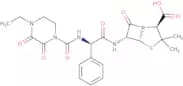
CAS :<p>Piperacillin is a β-lactam antibiotic that inhibits the synthesis of bacterial cell walls by binding to penicillin-binding proteins. It is used for the treatment of serious infections caused by gram-negative organisms such as Aerogenes, Enterobacter, and Klebsiella. Piperacillin has a high MIC90 value against Staphylococcus and other gram-positive bacteria, but it is not active against β-lactamase producing strains of bacteria such as E. coli or Klebsiella pneumoniae. The MIC90 values are determined through an analytical method on different strains of bacteria and validated with a sample preparation before use in clinical trials.</p>Formule :C23H27N5O7SDegré de pureté :Min. 95 Area-%Couleur et forme :White PowderMasse moléculaire :517.56 g/mol4-Amino-3-bromobenzonitrile
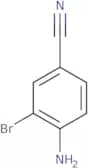
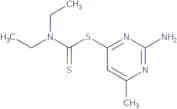
CAS :<p>4-Amino-3-bromobenzonitrile is a chemical compound that is synthesized by the reaction of 4-amino-2-bromobenzonitrile and NaBH4. It can be used as a ligand for copper, nickel, and cobalt ions. The crystalline form of 4-amino-3-bromobenzonitrile has been studied using x-ray diffraction and ultraviolet irradiation. The absorption spectra of the compound are in agreement with its nature as an azobenzene derivative.</p>Formule :C7H5BrN2Degré de pureté :Min. 95%Couleur et forme :PowderMasse moléculaire :197.03 g/mol(2-Amino-6-methylpyrimidin-4-ylthio)(diethylamino)methane-1-thione
CAS :<p>Please enquire for more information about (2-Amino-6-methylpyrimidin-4-ylthio)(diethylamino)methane-1-thione including the price, delivery time and more detailed product information at the technical inquiry form on this page</p>Formule :C10H16N4S2Degré de pureté :Min. 95%Couleur et forme :PowderMasse moléculaire :256.39 g/mol1,2-Diaminoethane trityl resin
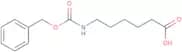
CAS :<p>1,2-Diaminoethane trityl resin is a versatile solid support widely used in peptide synthesis and proteomics research. This resin comprises a trityl group attached to a polystyrene backbone, functionalized with 1,2-diaminoethane groups, enabling its role as a covalent cross-linker for plasma membrane binding. The resin's primary applications include solid-phase peptide synthesis, antibody immobilization for immunoassays, and various proteomics studies. Its unique structure allows for the synthesis of peptidyl-aminoethylamines using Fmoc solid-phase peptide synthesis (SPPS) techniques, which offers a free primary amine at the C-terminus for further modifications. Its trityl linker allows mild cleavage conditions using TFA, compatible with most Fmoc-protected amino acids. The resin's lower loading capacity benefits challenging sequence synthesis to optimize coupling efficiency with typical coupling agents (e.g. HATU, PyBOP, HBTU, and HOBt), especially for initial amino acids, as the ethylenediamine spacer may affect these reactions. The resulting peptides, featuring a flexible C-terminal amine, are valuable for creating peptide-drug conjugates, fluorescent probes, and other bioactive molecules.</p>Degré de pureté :Min. 95%N-Benzyloxycarbonyl-6-aminocaproic acid
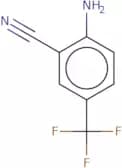
CAS :<p>N-Benzyloxycarbonyl-6-aminocaproic acid is a synthetic molecule that has been shown to inhibit ubiquitin ligases. It may be used as an antigen for the detection of cancer cells, and it can also serve as a potential drug for inhibiting the growth of cancer cells. This molecule is a peptidomimetic that mimics the structure of ubiquitin. N-Benzyloxycarbonyl-6-aminocaproic acid binds to ubiquitin through hydrogen bonding interactions and can interfere with the protein's function by forming crosslinks with other proteins. N-Benzyloxycarbonyl-6-aminocaproic acid has been found to have a high molecular weight (MW) and viscosity, which makes it difficult to use in biological systems. However, this molecule can be used as an e3 ubiquitin ligase inhibitor in supramolecular systems because it does not interfere with other</p>Formule :C14H19NO4Degré de pureté :Min. 95%Couleur et forme :White PowderMasse moléculaire :265.31 g/mol2-Amino-5-(trifluoromethyl)benzonitrile
CAS :<p>2-Amino-5-(trifluoromethyl)benzonitrile is a versatile chemical building block that can be used in a variety of reactions. It has been used as a reagent and intermediate for research, as well as a speciality chemical. This compound has been found to have applications in the synthesis of complex compounds, such as pharmaceuticals and agrochemicals. 2-Amino-5-(trifluoromethyl)benzonitrile is also a useful scaffold for organic synthesis, due to its high quality and versatility.</p>Formule :C8H5F3N2Degré de pureté :Min. 95%Couleur et forme :solid.Masse moléculaire :186.13 g/mol2-(Tributylstannyl)pyrimidin-5-amine
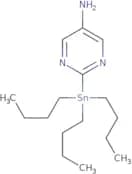
CAS :Produit contrôléPlease enquire for more information about 2-(Tributylstannyl)pyrimidin-5-amine including the price, delivery time and more detailed product information at the technical inquiry form on this pageFormule :C16H31N3SnDegré de pureté :Min. 95%Masse moléculaire :384.15 g/mol3-Hydroxyphenethylamine hydrobromide
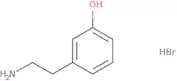
CAS :<p>3-Hydroxyphenethylamine hydrobromide is a synthetic compound that binds to the adenosine A1 receptor. 3-Hydroxyphenethylamine hydrobromide is used to study the interaction of adenosine A1 receptors with other compounds and its role in neuropathic pain. This drug has been shown to inhibit the contractions of guinea-pig trachea, which may be due to its ability to act as a fluorescent probe. Compounds that are able to bind to this receptor will have affinity constants (Ki) in the micromolar range. The interactions between 3-hydroxyphenethylamine hydrobromide and other compounds can also be studied using fluorescence probes, which allow for advances in research involving amines and their conjugates.</p>Formule :C8H11NO•HBrDegré de pureté :Min. 95%Couleur et forme :White to off-white solid.Masse moléculaire :218.09 g/mol8-Methoxy-2-methylquinolin-5-amine monohydrochloride
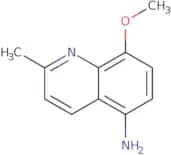
CAS :<p>8-Methoxy-2-methylquinolin-5-amine monohydrochloride is a fine chemical that is used as a versatile building block in the synthesis of complex compounds. 8-Methoxy-2-methylquinolin-5-amine monohydrochloride is an intermediate for the production of research chemicals and pharmaceuticals. It can be used to synthesize speciality chemicals, useful scaffolds, and reagents. It also has a wide range of applications as a reaction component in synthetic organic chemistry. 8-Methoxy-2-methylquinolin-5-amine monohydrochloride has high purity and quality.</p>Formule :C11H12N2O•HClDegré de pureté :Min. 95 Area-%Couleur et forme :PowderMasse moléculaire :224.73 g/mol5-Carboxy-X-rhodamine
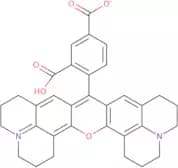
CAS :<p>Single isomer of 5(6)-ROX is a fluorescent dye used in RT-PCR methods as an internal reference to determine fluorescence variation that is not associated with the amplification process (plastic of the wells, small differences in concentration or volume, instrument measurements). It produces a constant fluorescence emission signal during the PCR process that is used to normalise the emission produced by the reporter. The fluorescence signal is compatible with that of most reporters. It is used to label the 5â end of oligonucleotides as a reporter in the presence of a quencher at the 3â end (dual labelled probe). During the amplification process, the dye is cleaved, and the fluorescence increases proportionally with the amount of the specific sequence amplified during the PCR process. The development of the fluorescence signal is therefore specifically related to the amplification of the target sequence. 6-ROX with NHS-activated carboxylic acids reacts with primary amines.</p>Formule :C33H30N2O5Degré de pureté :Min. 95%Couleur et forme :PowderMasse moléculaire :534.6 g/molButenafine
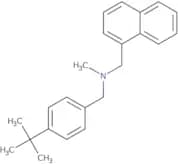
CAS :<p>Butenafine hydrochloride is a mycological agent that is used to treat tinea. It has been shown to have an antifungal activity in vitro against wild-type strains of c. glabrata. Butenafine hydrochloride inhibits the synthesis of ergosterol, which is a vital component of fungal cell membranes, by blocking the conversion of squalene to lanosterol through inhibition of 14alpha-demethylase. It also has antimicrobial properties, which may be due to its ability to inhibit bacterial growth.</p>Formule :C23H27NDegré de pureté :Min. 95%Masse moléculaire :317.47 g/mol(2-methoxyethyl)((2-nitrophenyl)sulfonyl)amine
CAS :<p>Please enquire for more information about (2-methoxyethyl)((2-nitrophenyl)sulfonyl)amine including the price, delivery time and more detailed product information at the technical inquiry form on this page</p>Degré de pureté :Min. 95%Ethyl (3-amino-3-cyanopropyl)methylphosphinate
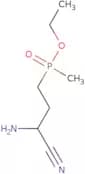
CAS :<p>Ethyl (3-amino-3-cyanopropyl)methylphosphinate is a versatile building block that can be used as a reagent, speciality chemical, or research chemical. It is useful as an intermediate for complex compounds and can be used as a reaction component in the synthesis of high quality compounds. Ethyl (3-amino-3-cyanopropyl)methylphosphinate is also a useful scaffold in organic synthesis.</p>Formule :C7H15N2O2PDegré de pureté :Min. 95%Couleur et forme :PowderMasse moléculaire :190.18 g/molFmoc-12-amino-4,7,10-trioxadodecanoic acid
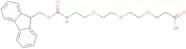
CAS :Fmoc-12-amino-4,7,10-trioxadodecanoic acid is a PEG compound with two different functional groups (also known as heterobifunctional). Unlike homobifunctional PEG compounds (same functional group on both ends), this type of compounds are more versatile as have two different anchor points. Fmoc-12-amino-4,7,10-trioxadodecanoic acid is used as a linker and spacer to add a PEG moiety, via pegylation (a bioconjugation technique) to proteins, peptides, oligonucleotides, small molecules and nanoparticles.Formule :C24H29NO7Degré de pureté :Min. 97 Area-%Couleur et forme :White Off-White Solidified MassMasse moléculaire :443.49 g/molAmylamine
CAS :<p>Amylamine is a nitrite ion that is used in analytical chemistry to measure the concentration of nitrite ions. It is often used as a control analysis in vitro assays to compare the effects of different treatments on biological systems. Amylamine is also used to produce p-nitrophenyl phosphate, which can be detected by electrochemical impedance spectroscopy. This chemical has been shown to induce autoimmune diseases and inhibit the growth of resistant breast cancer cells.</p>Formule :C5H13NDegré de pureté :Min. 95%Couleur et forme :Clear LiquidMasse moléculaire :87.16 g/mol2-(2-Methoxyphenoxy)ethylamine hydrochloride
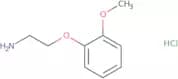
CAS :<p>2-(2-Methoxyphenoxy)ethylamine hydrochloride is a fine chemical with the CAS No. of 64464-07-9. It is a versatile building block that can be used as an intermediate for research chemicals, reaction components and specialty chemicals. This compound has been shown to work as a reagent in high quality synthesis.</p>Formule :C9H14ClNO2Degré de pureté :Min. 95%Couleur et forme :PowderMasse moléculaire :203.67 g/molEthyl 3-aminobut-2-enoate
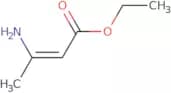
CAS :<p>Ethyl 3-aminobut-2-enoate is an organic compound that belongs to the class of amides. It can be prepared from the reaction of ethyl acetoacetate with ammonia and sodium ethoxide in a solvent such as ethanol or water. Ethyl 3-aminobut-2-enoate has been used as a substrate for the synthesis of felodipine, which is a drug used to treat high blood pressure. The molecule has efficient hydrogen bonding properties and can form acid conjugates with chloride ions and alcohols. This compound can also form intermolecular hydrogen bonds between different molecules to give crystalline structures with vibrational, rotational, and electronic spectra that have been studied using nmr spectroscopy and crystallography.</p>Formule :C6H11NO2Degré de pureté :Min. 95%Couleur et forme :PowderMasse moléculaire :129.16 g/mol(2-Aminophenyl)boronic acid hydrochloride
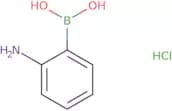
CAS :<p>(2-Aminophenyl)boronic acid hydrochloride is an analytical reagent that is used in the cross-coupling reaction between aryl bromides and organoboron compounds. It has been synthesized from 2-aminophenylboronic acid, which can be produced by the alkylation of phenol with 3-bromoquinoline. This compound has been shown to have antimalarial activity against the human malaria parasite Plasmodium falciparum in vitro. (2-Aminophenyl)boronic acid hydrochloride has also been shown to have a high intestinal absorption rate when given orally to rats. In vivo studies are needed to determine whether this chemical is safe for humans.</p>Formule :C6H9BClNO2Degré de pureté :Min. 95%Couleur et forme :PowderMasse moléculaire :173.41 g/mol4-Bromobutan-1-amine hydrobromide
CAS :<p>4-Bromobutan-1-amine hydrobromide is a microtubule stabilizer that blocks the polymerization of tubulin and prevents cell division. It is activated by protonation and can be used to probe for cisplatin sensitivity. 4-Bromobutan-1-amine hydrobromide has been shown to have a high degree of specificity for cancer cells in culture, as well as sensitivity in animal models. This drug also has an excellent safety profile in humans and is an FDA approved chemotherapeutic agent.</p>Formule :C4H11Br2NDegré de pureté :Min. 95%Couleur et forme :PowderMasse moléculaire :232.94 g/molMethyl 2-amino-3-bromobenzoate
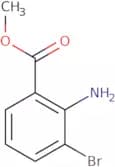
CAS :<p>Methyl 2-amino-3-bromobenzoate is a high quality, versatile building block that is used as a reagent and intermediate in the synthesis of biologically active compounds. Methyl 2-amino-3-bromobenzoate is a complex compound that has proven useful as an intermediate in the synthesis of various fine chemicals, such as speciality chemicals. The compound also serves as a useful scaffold for the preparation of other compounds, such as research chemicals. Methyl 2-amino-3-bromobenzoate can be used in reactions with other reagents to form new compounds. It is also used to make important reaction components, such as CAS No. 104670-74-8.</p>Formule :C8H8BrNO2Degré de pureté :Min. 95%Couleur et forme :PowderMasse moléculaire :230.06 g/mol6-Benzylamino-7-deazapurine
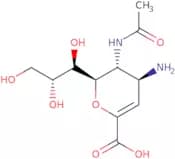
CAS :<p>6-Benzylamino-7-deazapurine is a drug that has been shown to be effective in the treatment of pancreatic cancer. It is a monomer that reacts with nucleophiles such as 6-mercaptopurine, which are present in the human lung. The reaction generates an exergonic molecule that can be used to generate ATP and regenerate NAD+ during irradiation. This process has been observed using kinetic studies on human colon adenocarcinoma cells. 6-Benzylamino-7-deazapurine can also react with triazole compounds to form a linker and increase the rate of polymerization. The optimization of this reaction time could lead to more efficient cancer treatments.</p>Formule :C13H12N4Degré de pureté :Min. 95%Couleur et forme :PowderMasse moléculaire :224.26 g/molZanamivir amine
CAS :<p>Anti-viral; influenza neuraminidase inhibitor</p>Formule :C11H18N2O7Degré de pureté :Min. 95%Couleur et forme :PowderMasse moléculaire :290.27 g/mol1-Pyrrolidinecarbodithioic acid,ammonium
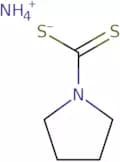
CAS :1-Pyrrolidinecarbodithioic acid, ammonium salt is an inhibitor of the NMDA receptor. It blocks the activation of this receptor by glutamate, a neurotransmitter that plays an important role in pain transmission and memory formation. 1-Pyrrolidinecarbodithioic acid, ammonium salt has been shown to inhibit the growth of human pathogenic fungi in cell culture. The polymerase chain reaction (PCR) technique was used to detect the presence of this drug in solutions and phase microextraction was used for chromatographic analysis. The control method for these experiments was pyrrolidine dithiocarbamate, which is a structural analog of 1-pyrrolidinecarbodithioic acid, ammonium salt. Pyrrolidine dithiocarbamate inhibits NF-κB pathway and is used to treat injury. This drug also has anti-inflammatory properties due to its inhibition of nuclear factor kappa B (NF-Formule :C5H9NS2•NH3Degré de pureté :Min. 95%Couleur et forme :PowderMasse moléculaire :164.29 g/molFluvoxamine maleate
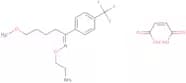
CAS :Produit contrôlé<p>Serotonin reuptake inhibitor; anti-depressant</p>Formule :C15H21F3N2O2·C4H4O4Degré de pureté :(Hplc) Min. 98.0%Couleur et forme :PowderMasse moléculaire :434.41 g/mol(S)-1-(2-Fluorophenyl)ethylamine
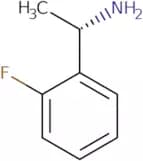
CAS :<p>(S)-1-(2-Fluorophenyl)ethylamine is a fine chemical that is used as a versatile building block and reaction component. It has been shown to be an intermediate in the synthesis of other compounds such as (±) -N-benzyl-2,4-dioxo-3-piperidinamine. This compound can also be used as a reagent for the preparation of other high quality chemicals. The CAS Registry Number for this compound is 68285-25-6.</p>Formule :C8H10FNDegré de pureté :Min. 95%Couleur et forme :Colorless Clear LiquidMasse moléculaire :139.17 g/mol2-((2,4-Dichlorophenyl)amino)-1,3-thiazole-4-carboxylic acid
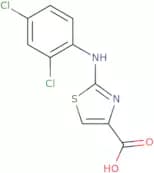
CAS :Please enquire for more information about 2-((2,4-Dichlorophenyl)amino)-1,3-thiazole-4-carboxylic acid including the price, delivery time and more detailed product information at the technical inquiry form on this pageDegré de pureté :Min. 95%Methyl 4-aminocinnamate
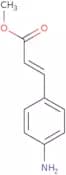
CAS :<p>Methyl 4-aminocinnamate is an inhibitor of the integrase enzyme. It inhibits HIV-1 integrase and has been shown to be selective for this enzyme over other cellular enzymes. Methyl 4-aminocinnamate has been shown to inhibit cervical carcinoma, breast carcinoma, and esters as well as inhibiting the growth of human cancer cells in culture. The IC50 for methyl 4-aminocinnamate against cervical carcinoma was found to be in the micromolar range, which is considerably less than that of other anti-cancer agents.</p>Formule :C10H11NO2Degré de pureté :Min. 95%Couleur et forme :Off-White PowderMasse moléculaire :177.2 g/mol3-Chloro-1-aminoadamantane hydrochloride
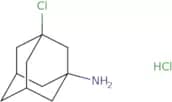
CAS :3-Chloro-1-aminoadamantane hydrochloride is a versatile building block that can be used to synthesize a variety of complex compounds. It has been shown to be an effective reagent for the synthesis of new chemical compounds and has also been used in the synthesis of pharmaceuticals, agrochemicals, and other useful organic compounds. 3-Chloro-1-aminoadamantane hydrochloride can be used as a high quality intermediate for the synthesis of other chemicals or as a reaction component for organic reactions. This compound is also an important scaffold for the construction of biologically active molecules.Formule :C10H16ClN•HClDegré de pureté :Min. 95%Couleur et forme :PowderMasse moléculaire :222.15 g/mol4-Amino-3-chlorophenol hydrochloride
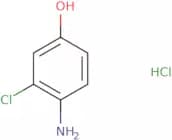
CAS :Intermediate in the synthesis of lenvatinibFormule :C6H7Cl2NODegré de pureté :Min. 95%Couleur et forme :PowderMasse moléculaire :180.03 g/mol





![1H-Pyrrolo[3,2-b]pyridin-7-amine](/_next/image/?url=https%3A%2Fstatic.cymitquimica.com%2Fproducts%2F3D%2Fthumb-webp%2FFP142011.webp&w=3840&q=75)

![2-[Ethyl-[2-(3-hydroxy-2,6-dimethyl-anilino)-2-oxo-ethyl]amino]-N-(3-hydroxy-2,6-dimethyl-phenyl)a…](/_next/image/?url=https%3A%2Fstatic.cymitquimica.com%2Fproducts%2F3D%2Fthumb-webp%2FFE145458.webp&w=3840&q=75)
![[3-(Methylamino)-5,6-dihydro-2H-1,4-thiazin-2-ylidene]hydroxylamine HCl](/_next/image/?url=https%3A%2Fstatic.cymitquimica.com%2Fproducts%2F3D%2Fthumb-webp%2FFM164854.webp&w=3840&q=75)
![(S)-2-((((9H-Fluoren-9-yl)methoxy)carbonyl)amino)-3-(1H-pyrrolo[2,3-b]pyridin-3-yl)propanoic acid](/_next/image/?url=https%3A%2Fstatic.cymitquimica.com%2Fproducts%2F3D%2Fthumb-webp%2FFF154979.webp&w=3840&q=75)

![6-amino-4-(2-methoxyphenyl)-3-methyl-4H-pyrano[3,2-d]pyrazole-5-carbonitrile](/_next/image/?url=https%3A%2Fstatic.cymitquimica.com%2Fproducts%2F3D%2Fthumb-webp%2FFA169804.webp&w=3840&q=75)

![a-[2-(Methylamino)ethyl]benzyl alcohol](/_next/image/?url=https%3A%2Fstatic.cymitquimica.com%2Fproducts%2F3D%2Fthumb-webp%2FFM02610.webp&w=3840&q=75)