Amines
Les amines sont un ensemble de molécules contenant un groupe fonctionnel amino (dérivé de l'ammoniac). Cette catégorie inclut les amines à tous les niveaux de substitution : primaires, secondaires, tertiaires et sels d'ammonium. Les amines sont fondamentales dans la synthèse organique et sont largement utilisées dans les produits pharmaceutiques, les agrochimiques et les sciences des matériaux. Chez CymitQuimica, nous proposons une sélection complète d'amines pour répondre à vos besoins de recherche et industriels. Notre gamme assure l'accès à diverses amines pour divers processus chimiques et recherches innovantes.
Sous-catégories appartenant à la catégorie "Amines"
- Nitrosamines(2.606 produits)
- Amines primaires(30.947 produits)
- Cations d'ammonium quaternaire(1.100 produits)
- Amines secondaires(20.886 produits)
- Amines tertiaires(17.193 produits)
8780 produits trouvés pour "Amines"
Trier par
Degré de pureté (%)
0
100
|
0
|
50
|
90
|
95
|
100
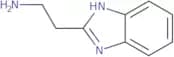
2-(1H-Benzoimidazol-2-yl)-ethylamine
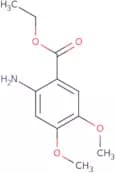
CAS :2-(1H-Benzoimidazol-2-yl)-ethylamine is a metal complex that has energies of 2.8 and 2.6 eV. It is an equimolar mixture of the two compounds pyridoxal, pyridoxamine, or their derivatives with a molecular weight of 214.2 g/mol. The crystal structure of this compound was determined by single-crystal x-ray diffraction analysis to be [C(NCH)NH][Mn(OH)(HO)]. This compound has been shown to have an X-ray crystallographic structure that is consistent with the molecular structure and electronic properties reported in the literature.Formule :C9H11N3Degré de pureté :Min. 95%Couleur et forme :PowderMasse moléculaire :161.2 g/molEthyl 6-aminoveratrate
CAS :<p>Ethyl 6-aminoveratrate (EAOV) is a urea derivative that has been shown to have analgesic effects in vitro and in vivo. EAOV was found to be more potent than morphine, but with less side effects. EAOV's antinociceptive effects are due to its ability to inhibit the activity of protein kinase C and phosphorylate the extracellular signal-regulated kinases ERK1/2. EAOV also showed metabolic stability and chemical stability, which may be due to its lack of reactive functional groups. The low potency of EAOV makes it an attractive candidate for research into the development of a new generation of painkillers.</p>Formule :C11H15NO4Degré de pureté :Min. 95%Couleur et forme :PowderMasse moléculaire :225.24 g/mol4-Aminosalicylic acid hydrazide
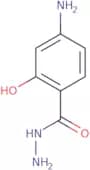
CAS :<p>4-Aminosalicylic acid hydrazide is a reactive functional group that is used as an intermediate in organic synthesis. It has a structural formula of C6H7N3O2 and is a white solid. 4-Aminosalicylic acid hydrazide has been shown to be highly resistant to mycobacterium avium, and can be used for the treatment of tuberculosis. The reactivity of this compound was studied by gravimetric analysis. This reaction is also degradable due to the presence of chloride ions and amido groups.</p>Formule :C7H9N3O2Degré de pureté :Min. 95%Couleur et forme :PowderMasse moléculaire :167.17 g/mol3-Amino-1-adamantanol hydrochloride
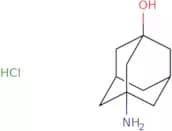
CAS :3-Amino-1-adamantanol hydrochloride (3AAAH) is a versatile building block that can be used for the synthesis of complex compounds. It has been shown to have a high quality and is useful as a reagent, research chemical, speciality chemical, or useful scaffold in organic synthesis.Formule :C10H17NO·HClDegré de pureté :Min. 95%Masse moléculaire :203.71 g/molChlorpheniramine maleate
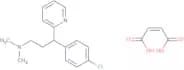
CAS :<p>Histamine (H1) antagonist; used to treat allergies</p>Formule :C16H19ClN2•C4H4O4Degré de pureté :Min. 95%Couleur et forme :White PowderMasse moléculaire :390.86 g/molN,N-Diethyl-2-[4-[(Z)-1-(4-Fluorophenyl)-2-Phenylethenyl]Phenoxy]Ethanamine
CAS :Produit contrôléDiethylstilbestrol (DES) is a synthetic, nonsteroidal estrogen that is used to treat breast cancer and other estrogen-dependent conditions. DES binds to the estrogen receptor and acts as an agonist. It has minimal liver toxicity and is not metabolized by the body because it is rapidly excreted in urine. DES can be synthesized from benzyl chloride and diethylstolbesterol. This process requires two steps: first, benzyl chloride reacts with diethylstilbesterol to form a triazene intermediate; second, treatment of the triazene intermediate with hydrogen chloride yields DES.Formule :C26H28FNODegré de pureté :Min. 95%Masse moléculaire :389.51 g/mol2-Amino-5-chlorobenzoic acid
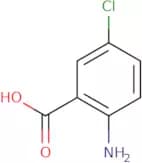
CAS :<p>2-Amino-5-chlorobenzoic acid is a drug that inhibits the enzyme dopamine beta-hydroxylase. It has been used to treat Parkinson's disease, as well as schizophrenia and depression. This drug binds to the enzyme by forming a coordination complex with the 5th position of the substrate, which prevents it from binding to other substrates. 2-Amino-5-chlorobenzoic acid also inhibits prostaglandin E2 synthesis by inhibiting cyclooxygenase activity in rats. The inhibitory properties of this drug are enhanced when it is dissolved in hydroxide solution or in solutions containing sodium hydroxide. The synthesis of 2-amino-5-chlorobenzoic acid involves reacting 3,4-dihydroxybenzeneacetic acid with hydrochloric acid and sodium hydroxide solution. This reaction produces a carboxylate anion that reacts with hydrogen chloride gas to form</p>Degré de pureté :Min. 95%Couleur et forme :PowderMasse moléculaire :171.58 g/molCapstone product B
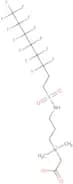
CAS :<p>Capstone product B is a magnetic resonance spectroscopy agent that has been deacetylated. It can be broken down by photolysis, and is metabolized by hydrocarbon-degrading enzymes. Capstone product B contains a betaine group that is sensitive to light, and can be detected by resonance spectroscopy. The experiment was conducted on soil samples with the use of a surfactant to increase the solubility of the analyte in water.</p>Formule :C15H19F13N2O4SDegré de pureté :(Elemental Analysis) Min. 95%Couleur et forme :PowderMasse moléculaire :570.37 g/molα-Aminoisobutyric acid methyl ester hydrochloride
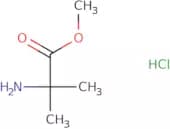
CAS :<p>Alpha-aminoisobutyric acid methyl ester hydrochloride (AABME) is an amino acid that is a metabolite of the neurotransmitter GABA. It has been shown to be transported across the blood-brain barrier by a carrier-mediated transport system and is taken up by neurons via a solute carrier family 38 member 2 transporter. AABME has been observed at physiological levels in maternal blood plasma, urine, cerebrospinal fluid, and brain tissue. It has also been studied in vitro using 3T3-L1 preadipocytes as a model for adipogenesis. In this context, it has been shown to increase cell proliferation and inhibit apoptosis.</p>Formule :C5H11NO2•HClCouleur et forme :PowderMasse moléculaire :153.61 g/mol7-Fluorobenzo-2-oxa-1,3-diazole-4-sulfonic acid ammonium
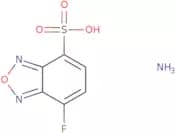
CAS :<p>7-Fluorobenzo-2-oxa-1,3-diazole-4-sulfonic acid ammonium is a fluorescent derivative that is used in clinical pathology to study human metabolism. The compound reacts with blood cells to form a fluorescent derivative that can be detected by use of a fluorescence detector. A sample preparation technique is required to prepare the blood samples before analysis. 7-Fluorobenzo-2-oxa-1,3-diazole-4-sulfonic acid ammonium has been shown to react with disulfide bonds and endogenous substances, such as glutathione, dopamine and serotonin. The detection sensitivity for this compound is approximately 10 pM.</p>Formule :C6H6FN3O4SDegré de pureté :Min. 95%Couleur et forme :White PowderMasse moléculaire :235.19 g/mol1-(3-Chlorophenyl)biguanide hydrochlorid
CAS :N-(3-Chlorophenyl)-N'-(diaminomethylene)guanidine is a 5-HT3 receptor antagonist that binds to the 5-HT3 receptor in the gastrointestinal tract and blocks the voltage-dependent calcium channels. It has been shown to have a protective effect on the bowel by reducing inflammation and increasing the rate of recovery after colitis. N-(3-Chlorophenyl)-N'-(diaminomethylene)guanidine also has been shown to be effective in treating Parkinson's disease, although its mechanism of action is not yet fully understood.Formule :C8H10ClN5•HClDegré de pureté :Min. 95%Couleur et forme :PowderMasse moléculaire :248.11 g/mol3-Amino-4-carbomethoxybenzoic acid
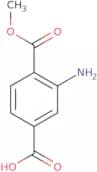
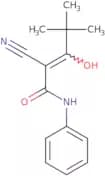
CAS :<p>3-Amino-4-carbomethoxybenzoic acid is a compound that has not yet been labeled with a function. It has been shown to be an intermediate in the synthesis of polymers, such as polyamides and polyesters. 3-Amino-4-carbomethoxybenzoic acid is involved in biological functions related to butyric acid, which is a metabolite of the amino acids phenylalanine and tyrosine, or from the degradation of proteins. It is also used as a precursor for amines and may be an intermediate in the synthesis of glycoconjugates. The compound was found to have anticancer properties when used in combination with other drugs, such as doxorubicin and etoposide. Furthermore, it was found to have anti-inflammatory activities by inhibiting prostaglandin synthesis.</p>Formule :C9H9NO4Degré de pureté :Min. 95%Couleur et forme :PowderMasse moléculaire :195.17 g/mol2-(2,2-dimethylpropanoyl)-3-hydroxy-3-(phenylamino)prop-2-enenitrile
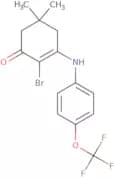
CAS :<p>Please enquire for more information about 2-(2,2-dimethylpropanoyl)-3-hydroxy-3-(phenylamino)prop-2-enenitrile including the price, delivery time and more detailed product information at the technical inquiry form on this page</p>Degré de pureté :Min. 95%2-bromo-5,5-dimethyl-3-((4-(trifluoromethoxy)phenyl)amino)cyclohex-2-en-1-one
CAS :<p>Please enquire for more information about 2-bromo-5,5-dimethyl-3-((4-(trifluoromethoxy)phenyl)amino)cyclohex-2-en-1-one including the price, delivery time and more detailed product information at the technical inquiry form on this page</p>Degré de pureté :Min. 95%N-Benzylhydroxylamine hydrochloride
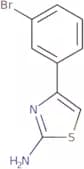
CAS :N-Benzylhydroxylamine HCl is a quinolizidine alkaloid with a hydroxamic acid group. It is used in the synthesis of various organic compounds and pharmaceuticals, such as hydroxamic acids, bisected tetrahydrofurans, and β-amino acids. N-Benzylhydroxylamine HCl is also a substrate for gelatinase. The reaction yield depends on the choice of solvent; methyl alcohol yields higher yields than does ethyl alcohol. The asymmetric synthesis of this compound is stereoselective and can be achieved through different methods, including bisection or tetrahydrofuran (THF) synthesis.Formule :C7H9NO•HClDegré de pureté :Min. 95%Masse moléculaire :159.61 g/mol4-(3-Bromophenyl)-1,3-thiazol-2-amine
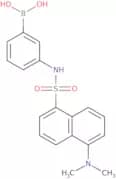
CAS :4-(3-Bromophenyl)-1,3-thiazol-2-amine is an inhibitor of enzymes such as cholinesterase and covalent binding. It has been shown to inhibit the activity of cholinesterase in vitro. This drug is not active against erythromycin or lincomycin. 4-(3-Bromophenyl)-1,3-thiazol-2-amine also has a phenylthiazole linkage that can be conjugated with other molecules for use as a therapeutic agent.Formule :C9H7BrN2SDegré de pureté :Min. 95%Couleur et forme :PowderMasse moléculaire :255.14 g/mol3-Dansylaminophenylboronic acid
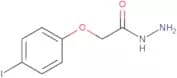
CAS :<p>3-Dansylaminophenylboronic acid is a boronic acid that forms reversible covalent bonds with dopamine. It can be used in the diagnosis of cancer, as it binds to histone lysine and magnetic particles. The fluorescence resonance of 3-Dansylaminophenylboronic acid can also be used in the diagnosis of cancer, as it produces a strong signal. This compound has been shown to have homogeneous assays for the detection of dopamine and lipoprotein lipase in urine samples. 3-Dansylaminophenylboronic acid has also been found to be effective against cancer cells in culture, although it is not active against polysialic-expressing cells.</p>Formule :C18H19BN2O4SDegré de pureté :Min. 95%Couleur et forme :PowderMasse moléculaire :370.23 g/molN-Amino-2-(4-iodophenoxy)ethanamide
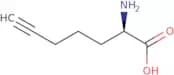
CAS :<p>Please enquire for more information about N-Amino-2-(4-iodophenoxy)ethanamide including the price, delivery time and more detailed product information at the technical inquiry form on this page</p>Formule :C8H9IN2O2Degré de pureté :Min. 95%Couleur et forme :PowderMasse moléculaire :292.07 g/mol(2R)-2-Aminohept-6-ynoic acid
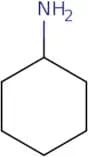
CAS :<p>2-Aminohept-6-ynoic acid is a useful building block and can be used as a reagent in organic synthesis. It is a versatile building block, and can be used as an intermediate or scaffold in the preparation of complex compounds. CAS No. 211054-03-4</p>Formule :C7H11NO2Degré de pureté :Min. 95%Couleur et forme :PowderMasse moléculaire :141.17 g/molCyclohexylamine
CAS :<p>Cyclohexylamine is a basic organic compound with the molecular formula CH(NH). It can be synthesized by the reaction of anhydrous sodium with p-nitrophenyl phosphate. Cyclohexylamine has been shown to have synergistic effects when combined with metal hydroxides and metal carbonyls, which may be due to its ability to reduce their potential for oxidation. Cyclohexylamine has been used as a model compound in an electrochemical impedance spectroscopy study of the interaction between enzyme activity and metal ions. In addition, cyclohexylamine has been found to have carcinogenic properties in cell line studies.</p>Formule :C6H13NDegré de pureté :Min. 98%Couleur et forme :Clear LiquidMasse moléculaire :99.17 g/molN-(1R,8S,9s)-Bicyclo[6.1.0]non-4-yn-9-ylmethyloxycarbonyl-1,8-diamino-3,6-dioxaoctane
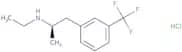
CAS :<p>N-(1R,8S,9s)-Bicyclo[6.1.0]non-4-yn-9-ylmethyloxycarbonyl-1,8-diamino-3,6-dioxaoctane is a polymerase that has been developed for use in vaccines and as an agrochemical for the control of plant diseases. This enzyme has been shown to have high activity against cancer cells, including lung cancer cells and breast cancer cells. It is also autofluorescent and can be used as a cell marker in flow cytometry experiments. N-(1R,8S,9s)-Bicyclo[6.1.0]non-4-yn-9-ylmethyloxycarbonyl-1,8-diamino-3,6-dioxaoctane also has antiinflammatory effects on macrophages by inhibiting the production of proinflammatory cytokines such as IL 12p</p>Formule :C17H28N2O4Degré de pureté :Min. 95%Couleur et forme :Colorless Clear LiquidMasse moléculaire :324.42 g/mol(R)-(-)-Fenfluramine hydrochloride
CAS :Produit contrôlé<p>Serotonin reuptake inhibitor; anorectic</p>Formule :C12H17ClF3NDegré de pureté :Min. 95%Masse moléculaire :267.72 g/molN-(5-Aminopentyl) methotrexate amide
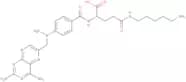
CAS :<p>N-(5-Aminopentyl) methotrexate amide is a fluorescent probe that is used to study the transport of drugs across cell membranes. It binds to the plasma membrane of cells and can be visualized with a fluorescence microscope. N-(5-Aminopentyl) methotrexate amide has been shown to bind to leukemia cells in murine leukemia models. It has a high affinity for drug-resistant cells, which makes it useful for studying drug resistance mechanisms. This probe can be used at nanomolar concentrations for imaging studies, as well as for measuring the uptake of drugs into cancer cells by flow cytometry.</p>Formule :C25H34N10O4Degré de pureté :Min. 95%Couleur et forme :Yellow PowderMasse moléculaire :538.6 g/molMethyl 2-aminothiazole-5-carboxylate
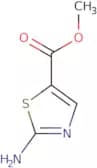
CAS :<p>Methyl 2-aminothiazole-5-carboxylate is a molecule that has been shown to have anticancer effects in vivo. It is an aromatic heterocycle with the chemical formula C6H4N2S. Methyl 2-aminothiazole-5-carboxylate has been found to inhibit the chloride channel ClC-2, which leads to decreased cell proliferation and cancer progression. This molecule also demonstrated synergistic effects when used with other anticancer therapeutics, such as chloroquinoxaline.<br>Methyl 2-aminothiazole-5-carboxylate is a synthetic compound that can be used as an anticancer drug for the treatment of cancer.</p>Formule :C5H6N2O2SDegré de pureté :Min. 95%Masse moléculaire :158.18 g/mol2-Aminoethyl diphenylborinate
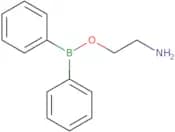
CAS :2-Aminoethyl diphenylborinate (2-APB) is a pharmacological agent that has been shown to be an effective inhibitor of growth factor-β1. This compound also has minimal toxicity, and it is a natural product. 2-APB inhibits the activity of borate channels in cell membranes and blocks intracellular calcium channels, which prevents the influx of calcium into cells. This compound has been shown to act as an inhibitor molecule by blocking the channel or 2-aminoethoxydiphenyl borate, which is an intracellular inhibitor molecule.Formule :C14H16BNODegré de pureté :(%) Min. 97%Couleur et forme :PowderMasse moléculaire :225.09 g/molTetramethylammonium bisulfate hydrate
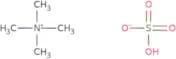
CAS :Tetramethylammonium bisulfate hydrate is an inorganic acid that is used as a reagent for analytical chemistry. It can be found in urine samples and has been used to determine the concentration of metal hydroxides in these samples. Tetramethylammonium bisulfate hydrate has been shown to inhibit the growth of bacteria, including polycarboxylic acid-producing strains, at concentrations of 100 mM. This property may be due to its ability to chelate metal ions required for bacterial growth. The magnesium salt of tetramethylammonium bisulfate hydrate is also used as a pharmaceutical dosage form. A chromatographic method involving co2 flow has been developed for the analysis of tetramethylammonium bisulfate hydrate.Formule :C4H12N•HSO4•(H2O)xDegré de pureté :Area-% Min. 95 Area-%Couleur et forme :PowderMasse moléculaire :171.22 g/molAncamine T
CAS :<p>Ancamine T is an amine curing agent, which is derived from synthetic chemical processes, specifically developed for use in epoxy systems. Its mode of action involves catalyzing the cross-linking reaction between epoxide groups in epoxy resins, leading to the formation of a highly cross-linked, thermoset polymer network. This curing process is essential for achieving the desired mechanical, thermal, and chemical resistance properties of the final product.</p>Degré de pureté :Min. 95%(3-Chloropropyl)-trimethylammonium chloride
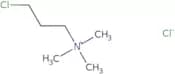
CAS :<p>Please enquire for more information about (3-Chloropropyl)-trimethylammonium chloride including the price, delivery time and more detailed product information at the technical inquiry form on this page</p>Formule :C6H15ClN•ClDegré de pureté :Min. 95%Masse moléculaire :172.1 g/molProtamine sulfate
CAS :Protamine sulfate is a fusogenic protein that is used to maintain the pH balance in the blood. It binds to hematopoietic cells and inhibits their uptake by macrophages, which reduces the removal of immune complexes. Protamine sulfate can also inhibit erythrocyte aggregation and reduce the production of reactive oxygen species. Protamine sulfate has been shown to be effective in vitro against HIV infection and fusogenic viruses such as influenza virus and herpes simplex virus. Protamine sulfate has also been shown to be effective in vivo for the treatment of autoimmune diseases such as multiple sclerosis.Couleur et forme :White PowderN,N,N',N'-Tetraacetylethylenediamine
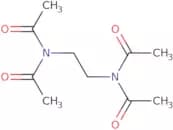
CAS :<p>Tetraacetylethylenediamine is a model system that has been shown to be effective in inhibiting the growth of bacteria. It has an inhibitory dose of 0.2 mg/L, and it can be used as a wastewater treatment agent. Tetraacetylethylenediamine inhibits bacterial growth by reacting with nitrogen atoms in the cell wall and forming an inorganic acid that destroys the cell membrane. This compound also has high antibacterial efficacy against various surface-associated bacteria, including Staphylococcus aureus, Pseudomonas aeruginosa, and Escherichia coli.</p>Formule :C10H16N2O4Degré de pureté :Min. 95%Couleur et forme :PowderMasse moléculaire :228.25 g/mol4-(N,N-Diethylamino)salicylaldehyde
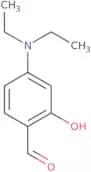
CAS :<p>4-(N,N-Diethylamino)salicylaldehyde is a coumarin derivative that has been shown to be a fluorescent probe for proton transfer. It emits light at around 400 nm when the probe is excited by light of wavelength greater than 300 nm. The emission spectrum changes from green to red as the pH increases. 4-(N,N-Diethylamino)salicylaldehyde also exhibits fluorescence enhancement in the presence of metal ions such as Fe3+, Cu2+, or Cr3+. This compound can be used as a fluorescent probe for hydrogen bonding interactions and metal hydroxides.</p>Formule :C11H15NO2Degré de pureté :Min. 95%Couleur et forme :PowderMasse moléculaire :193.24 g/mol3-Amino-2-hydroxy-5-methylacetophenone
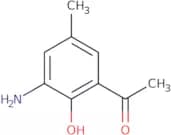
CAS :<p>3-Amino-2-hydroxy-5-methylacetophenone is a reagent for organic synthesis, which is used as a building block for the preparation of various chemical compounds. 3-Amino-2-hydroxy-5-methylacetophenone has been shown to be an intermediate in the synthesis of pharmaceuticals. Due to its versatility, this compound can be used as a reaction component, and is also used as a building block in the preparation of speciality chemicals. This product has high quality, and can be used as a useful scaffold or building block in research chemicals. The CAS number for 3-amino-2 hydroxy 5 methyl acetophenone is 70977 71 8.</p>Formule :C9H11NO2Degré de pureté :Min. 95%Masse moléculaire :165.19 g/mol4-Amino-3-chlorobenzoic acid
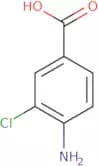
CAS :<p>4-Amino-3-chlorobenzoic acid is a white solid with a molecular weight of 170.1 g/mol, melting point of 158.5°C and boiling point of 267°C. It has the molecular formula C6H5ClNO2 and the IUPAC name 4-(aminomethyl)-3-chlorobenzoic acid. The chemical structure of this compound is shown in Figure 1.</p>Formule :C7H6ClNO2Degré de pureté :Min. 95%Couleur et forme :PowderMasse moléculaire :171.58 g/molClomipramine hydrochloride
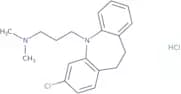
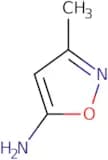
CAS :Produit contrôlé<p>Clomipramine hydrochloride is the hydrochloride salt form of clomipramine, an amphiphilic drug, derivative of dibenzazepine. It is presumed that this tricyclic compound affects serotonin uptake in the brain increasing thus the activity of serotonin. Also, clomipramine reduces the re-uptake of norepinephrine (active metabolite desmethylclomipramine) and binds to alpha-adrenergic, histaminergic, and cholinergic receptors (side effects). Clomipramine is antidepressant, used to treat obsessive compulsive disorder, panic disorders and cataplexy. Clomipramine is shown to modulate immune activation, shows constant anti-inflammatory properties at therapeutic concentrations by consistently decreasing pro- inflammatory cytokines. Clomipramine could be a good candidate to counteract SARS-CoV-2 infection worsening thanks to its high penetration in the brain and its anti-inflammatory effects.</p>Formule :C19H24Cl2N2Degré de pureté :Min. 95%Couleur et forme :SolidMasse moléculaire :351.31 g/mol5-Amino-3-methylisoxazole
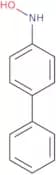
CAS :<p>5-Amino-3-methylisoxazole is a tetronic acid that can be switched between two forms, the cis and trans form. It is a structural analogue of salicylaldehyde and has a similar functional theory. 5-Amino-3-methylisoxazole is an intermediate in the synthesis of quinoline derivatives, sulfa drugs and other chemicals. It can also be used as an antibacterial agent because it has been shown to have activity against E. coli and Staphylococcus aureus. The cis form of 5-amino-3-methylisoxazole is formed when it reacts with chloride ions or sodium salts under ultrasonication. This activated form has been shown to have antimicrobial activity against gram negative bacteria such as E. coli and Salmonella typhi, although not for gram positive bacteria such as S. aureus or Proteus vulgaris. The trans form of the molecule contains no</p>Formule :C4H6N2ODegré de pureté :Min. 95%Masse moléculaire :98.1 g/molN-Hydroxy-4-aminobiphenyl
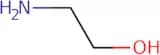
CAS :<p>N-Hydroxy-4-aminobiphenyl is a chemical compound that is metabolized by microbial enzymes. It has been shown to be effective against typhimurium and resistant mutants such as those found in the bladder. N-Hydroxy-4-aminobiphenyl can be synthesized from 4-aminobiphenyl, which is first hydrolyzed by HCl to form hydrochloride acid, then reacted with acetic anhydride and nitrobenzene. This product can also be synthesized from 4-aminophenol and sodium acetate. The product of this reaction is N-hydroxyacetanilide, which reacts with nitric acid to form N-hydroxyaminobenzonitrile. Nitration of the aminobenzonitrile leads to formation of the desired product, N-hydroxyphenylamine.</p>Formule :C12H11NODegré de pureté :Min. 95%Couleur et forme :Yellow PowderMasse moléculaire :185.22 g/molMonoethanolamine
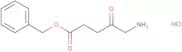
CAS :<p>Monoethanolamine is an organic compound that is the simplest type of amine. It is a colorless liquid with a mild, neutral odor. Monoethanolamine has been shown to be an effective antimicrobial agent, inhibiting bacterial growth by reacting with water vapor and nitrogen atoms in the environment. Monoethanolamine has also been shown to inhibit the production of nitric oxide and other reactive nitrogen species, which may account for its antimicrobial properties. The inhibition of nitric oxide synthesis may also account for monoethanolamine's ability to improve locomotor activity in mice. This chemical can be used as a reagent in analytical methods such as gas chromatography and solid phase microextraction.</p>Formule :C2H7NODegré de pureté :Min. 95%Couleur et forme :Colorless Clear LiquidMasse moléculaire :61.08 g/mol5-Amino-4-oxopentanoic acid benzyl ester hydrochloride
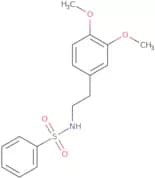
CAS :<p>Please enquire for more information about 5-Amino-4-oxopentanoic acid benzyl ester hydrochloride including the price, delivery time and more detailed product information at the technical inquiry form on this page</p>Formule :C12H15NO3·HClDegré de pureté :Min. 97%Couleur et forme :PowderMasse moléculaire :257.71 g/mol(2-(3,4-dimethoxyphenyl)ethyl)(phenylsulfonyl)amine
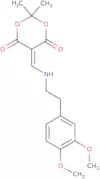
CAS :<p>Please enquire for more information about (2-(3,4-dimethoxyphenyl)ethyl)(phenylsulfonyl)amine including the price, delivery time and more detailed product information at the technical inquiry form on this page</p>Degré de pureté :Min. 95%5-(((2-(3,4-dimethoxyphenyl)ethyl)amino)methylene)-2,2-dimethyl-1,3-dioxane-4,6-dione
CAS :Please enquire for more information about 5-(((2-(3,4-dimethoxyphenyl)ethyl)amino)methylene)-2,2-dimethyl-1,3-dioxane-4,6-dione including the price, delivery time and more detailed product information at the technical inquiry form on this pageDegré de pureté :Min. 95%N-Methylisoamylamine
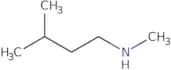
CAS :<p>N-Methylisoamylamine is a molecule that has been found to bind to opioid receptors in the brain, leading to pain relief. It also binds to monoamine oxidase (MAO) and prevents it from breaking down neurotransmitters such as dopamine and serotonin. The drug is an enantiomer of methylamine. This means that it has two chiral centers, which are not identical. N-Methylisoamylamine binds to phosphine in deionized water, forming a cycloaliphatic compound. This reaction is catalyzed by aminotriazole, which is present in tobacco leaves. N-Methylisoamylamine can be used as a binder for hydrogen peroxide and hydrochloric acid, or as a peroxide decomposition catalyst for sulfophenyl compounds. It may also be used as a silicon additive in the manufacturing of semiconductors.</p>Formule :C6H15NDegré de pureté :Min. 97 Area-%Couleur et forme :Clear LiquidMasse moléculaire :101.19 g/mol7-Bromo-9H-fluoren-2-amine
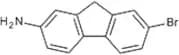
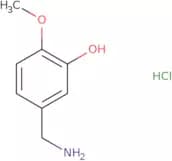
CAS :<p>7-Bromo-9H-fluoren-2-amine is a constant analog of the naturally occurring hormone progesterone. It is used in biological studies as a fluorescence probe for the study of progesterone receptor. 7-Bromo-9H-fluoren-2-amine has been shown to have efficient absorption and emission spectra, as well as photophysical properties. This compound has been shown to enhance the fluorescence of other molecules, such as amines, which may be due to its ability to act as an energy transfer agent. This chemical has also been shown to be pharmacokinetically active and increase the fluorescence emissions from cells in culture.</p>Formule :C13H10BrNDegré de pureté :Min. 95%Masse moléculaire :260.13 g/mol3-Hydroxy-4-methoxybenzylamine hydrochloride
CAS :3-Hydroxy-4-methoxybenzylamine hydrochloride is a vanilloid receptor 1 (VR1) antagonist. It has been shown to inhibit the growth of prostate cancer cells in cell-based assays and to have potential as a therapeutic for prostate cancer patients with high triglycerides. 3-Hydroxy-4-methoxybenzylamine hydrochloride is also an inhibitor of guanosine, which is involved in the production of energy. It has been shown to enhance the antitumor effects of cetuximab, an antibody that targets the epidermal growth factor receptor (EGFR). 3-Hydroxy-4-methoxybenzylamine hydrochloride is soluble in water and can be used as a solvent for other compounds. 3-Hydroxy-4-methoxybenzylamine hydrochloride is also known by its chemical name, N-(3,4 dimethylphenyl)-Formule :C8H12ClNO2Degré de pureté :Min. 95%Couleur et forme :PowderMasse moléculaire :189.64 g/mol6-Aminouracil
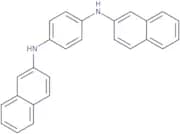
CAS :<p>6-Aminouracil is a hydroxylated form of uracil. It has inhibitory properties against protein synthesis in bacteria, acting as an inhibitor of the enzyme dihydroorotase. 6-Aminouracil has been shown to be effective against PC3 cells and has high resistance to hydrolysis by acid or alkali. The reaction mechanism for the conversion of uracil to 6-aminouracil is unclear; however, it may involve a nucleophilic attack on the hydroxyl group.</p>Formule :C4H5N3O2Degré de pureté :Min. 95%Couleur et forme :PowderMasse moléculaire :127.1 g/molN,N'-Di-2-naphthyl-1,4-phenylenediamine
CAS :<p>N,N'-Di-2-naphthyl-1,4-phenylenediamine is a chemical compound that is used in the production of polyvinyl chloride (PVC). It can be used as an antimicrobial agent to prevent the growth of bacteria and fungi. It is also used as a crosslinking agent in the production of PVC. The reaction solution consists of hydrochloric acid and methyl ethyl chloride. The monochloride is then reacted with 2-naphthol, followed by reaction with benzalkonium chloride. The final product is N,N'-di-(2-naphthyl)-1,4-(phenylene) diamine monochloride.</p>Formule :C26H20N2Degré de pureté :Min. 95 Area-%Couleur et forme :PowderMasse moléculaire :360.45 g/mol7-Methylgramine
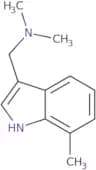
CAS :Please enquire for more information about 7-Methylgramine including the price, delivery time and more detailed product information at the technical inquiry form on this pageFormule :C12H16N2Degré de pureté :Min. 95%Couleur et forme :PowderMasse moléculaire :188.27 g/mol2-(((4-ethoxyphenyl)amino)methylene)indane-1,3-dione
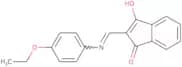
CAS :<p>Please enquire for more information about 2-(((4-ethoxyphenyl)amino)methylene)indane-1,3-dione including the price, delivery time and more detailed product information at the technical inquiry form on this page</p>Degré de pureté :Min. 95%2-Fluoro-6-hydroxybenzylamine hydrochloride
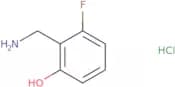
CAS :<p>2-Fluoro-6-hydroxybenzylamine hydrochloride is a chemical intermediate that can be used for the synthesis of more complex compounds. It reacts with acetic anhydride to produce 2-fluoro-6-acetoxybenzamide. It also reacts with chloroacetic acid to produce 2,6-dichloroquinoline. This compound has been shown to be useful in research and development as a versatile building block or a reagent for the synthesis of various complex compounds. CAS No. 2094868-94-5.</p>Formule :C7H8FNO•HClDegré de pureté :Min. 95%Couleur et forme :PowderMasse moléculaire :177.6 g/molN-α-Fmoc-N β-Boc-L-2,3-diaminopropionic acid
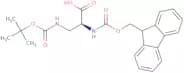
CAS :<p>N-alpha-Fmoc-Nbeta-Boc-L-2,3-diaminopropionic acid is a supramolecular compound that has antiproliferative effects on cancer cells. It can be used to inhibit the activity of tyrosine phosphatases, which are enzymes that regulate cell proliferation and differentiation. This compound has been shown to have synergistic effects with other chemotherapeutic agents in vitro and in vivo. It has also been shown to have a high binding affinity for polyacrylamide gels and is stable under various conditions.</p>Formule :C23H26N2O6Degré de pureté :Min. 95%Couleur et forme :PowderMasse moléculaire :426.46 g/mol3-Aminobenzhydrazide
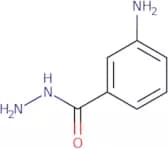
CAS :<p>3-Aminobenzhydrazide is a monomer that belongs to the group of hydrophobic molecules. It can be used as a chemical treatment for protein denaturation in vitro. 3-Aminobenzhydrazide is synthesized by bacteria and fungi through biosynthesis, which is catalyzed by the enzyme anilinohydrolase. 3-Aminobenzhydrazide has been shown to have no effect on water permeability or osmosis, but does have a significant effect on chloride ion permeability. This molecule also has functional groups such as a nitro group and amino group, which are responsible for its solubility in organic solvents and its ability to react with other compounds. 3-Aminobenzhydrazide can be used in vitro to remove chlorides from solutions containing high concentrations of chloride ions.</p>Formule :C7H9N3ODegré de pureté :Min. 95%Couleur et forme :PowderMasse moléculaire :151.17 g/molBenfotiamine
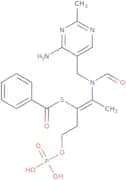
CAS :<p>Benfotiamine is a thiamine derivative that is structurally similar to thiamine. It has been shown to have pharmacological effects in experimental models of diabetic complications and may be a potential therapeutic agent for the treatment of these conditions. Benfotiamine binds to the response element on the nuclear DNA, which leads to an increase in calcium pantothenate, a cofactor necessary for energy metabolism in mitochondria. The enzyme activities of benfotiamine are also modulated by calcium and magnesium ions. Benfotiamine can be used as an analytical method for nonsteroidal anti-inflammatory drugs (NSAIDs) by measuring the levels of benzoquinone imines and fluoroquinolones in urine.</p>Formule :C19H23N4O6PSDegré de pureté :Min. 95%Couleur et forme :White PowderMasse moléculaire :466.45 g/mol3-((3-Cholamidopropyl)dimethylammonium)-1-propanesulfonate
CAS :<p>Non-denaturing, zwitterionic detergent</p>Formule :C32H58N2O7SDegré de pureté :Min. 95%Couleur et forme :White PowderMasse moléculaire :614.88 g/mol1-Adamantanemethylamine hydrochloride
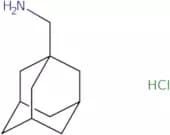
CAS :Rimantadine hydrochloride is a drug that belongs to the class of antiviral agents and is used for the prevention and treatment of influenza. It acts by blocking the uncoating of influenza virus, inhibiting viral RNA synthesis, and preventing virus-induced cytopathic effects in humans and animals. Rimantadine hydrochloride is an amantadine derivative that has been shown to be effective against influenza A viruses in humans. The drug also has a prophylactic efficacy against influenza B viruses. Rimantadine hydrochloride is localized in the lungs due to its intranasal application, which limits its effect on other parts of the body. It is metabolized into ammonium formate, chloride, and formamide before being excreted by the kidneys.Formule :C11H20ClNDegré de pureté :Min. 95%Couleur et forme :PowderMasse moléculaire :201.74 g/molMethyl 4-amino-5-chloro-2-methoxybenzoate
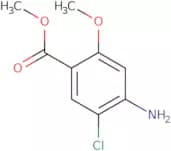
CAS :<p>Methyl 4-amino-5-chloro-2-methoxybenzoate is an organic compound with the chemical formula CH3C6H4(OCH3)2Cl. It is a useful building block, reagent, and speciality chemical. This compound can be used as a versatile building block for the synthesis of complex compounds. Methyl 4-amino-5-chloro-2-methoxybenzoate can also be used as a reaction component or a useful intermediate.</p>Formule :C9H10ClNO3Degré de pureté :Min. 95%Couleur et forme :PowderMasse moléculaire :215.63 g/mol1,2,3,4-Tetrahydro-1-naphthylamine hydrochloride
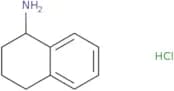
CAS :<p>1,2,3,4-Tetrahydro-1-naphthylamine hydrochloride is a high quality reagent that can be used as an intermediate in the synthesis of various organic compounds. It has been shown to be a useful building block for the synthesis of complex compounds and speciality chemicals. Tetrahydro-1-naphthylamine hydrochloride is also a versatile building block for reactions involving amines or other nucleophiles. Tetrahydro-1-naphthylamine hydrochloride is an interesting scaffold for research chemicals due to its ability to react with various functional groups.</p>Formule :C10H13N•HClDegré de pureté :Min. 95%Couleur et forme :PowderMasse moléculaire :183.68 g/mol5-Chloro-3-pyridinamine
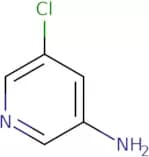
CAS :<p>5-Chloro-3-pyridinamine is a catalyst that is used in the synthesis of polymers. It can be used in ring-opening polymerization reactions and is reactive with a variety of functional groups, including aliphatic and aromatic rings. 5-Chloro-3-pyridinamine also has high activity for ring opening polymerizations, which makes it an ideal choice for the synthesis of polymers. This catalyst can be used to control the molecular weight of polymers by dilution or by altering the amount of catalyst used. 5-Chloro-3-pyridinamine has been shown to be biocompatible and biodegradable, making it a good choice for biomedical applications.</p>Formule :C5H5ClN2Degré de pureté :Min. 95%Couleur et forme :PowderMasse moléculaire :128.56 g/mol2-(2-(2-Aminoethylamino)ethylamino)ethanol trihydrochloride
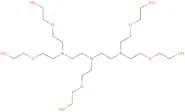
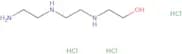
CAS :<p>2-(2-(2-Aminoethylamino)ethylamino)ethanol trihydrochloride is a chemical compound that is used as a reaction component and as a reagent in the synthesis of other chemicals. 2-(2-(2-Aminoethylamino)ethylamino)ethanol trihydrochloride is an intermediate for many organic compounds, including pharmaceuticals and pesticides. It has also been used to synthesize drugs for treating bacterial infections. 2-(2-(2-Aminoethylamino)ethylamino)ethanol trihydrochloride can be used in research or as a specialty chemical.</p>Formule :C6H17N3O·3HClDegré de pureté :Min. 95%Couleur et forme :PowderMasse moléculaire :256.6 g/molDidecyl dimethyl ammonium bromide
CAS :<p>Didecyl dimethyl ammonium bromide is an antimicrobial peptide that has high resistance to antibiotic-resistant strains. It is a phosphonate compound that is used in the analytical method of titration calorimetry. The didecyl dimethyl ammonium bromide molecule can be seen as having two reactive centers, one on the phosphorus atom and one on the methyl group. These reactive centers are involved in intramolecular hydrogen transfer reactions and transfer reactions with other molecules, leading to its antimicrobial activity. Didecyl dimethyl ammonium bromide can also be used as a disinfectant or as a monoethyl ether for organic synthesis.</p>Formule :C22H48BrNDegré de pureté :Min. 98%Couleur et forme :PowderMasse moléculaire :406.53 g/mol5-Acetamido-6-amino-3-methyluracil hydrate
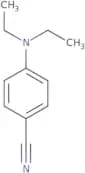
CAS :<p>5-Acetamido-6-amino-3-methyluracil hydrate (AAU) is a drug that is used as an analytical reagent in the determination of caffeine, 5-hydroxytryptophan, and other compounds. It can be used to assess interactions between drugs and enzyme activities. AAU has been shown to be a suitable substrate for many enzymes, including alcohol dehydrogenase, acetylcholinesterase, catalase, and glucose oxidase. The sample preparation procedure is performed by dissolving the compound in water or ethanol. The sample is then filtered before it is analyzed using high performance liquid chromatography (HPLC). The chemical properties of AAU are such that it can be easily transported from one place to another without undergoing significant changes in physical properties. AAU has been shown to have no effect on biological samples when exposed to radiation.</p>Formule :C7H10N4O3·H2ODegré de pureté :Min. 95%Couleur et forme :Slightly Yellow PowderMasse moléculaire :216.2 g/mol4-Diethylaminobenzonitrile
CAS :<p>4-Diethylaminobenzonitrile is a molecule with the chemical formula C6H14N2. It is a colorless liquid that has an aromatic smell. It can be synthesized from acetonitrile and benzonitrile by UV irradiation. This compound has been used in cavity studies where it was found to have a large dipole moment, high exothermic reaction, and high emissions of uv radiation. The compound can also be used as an electrophotographic developer or in analytical chemistry to identify aromatic hydrocarbons. 4-Diethylaminobenzonitrile also has binding constants in hexane that are similar to benzene, which may be due to its resonance effect.</p>Formule :C11H14N2Degré de pureté :Min. 95%Couleur et forme :PowderMasse moléculaire :174.24 g/mol5-Amino-1,3-benzoxazol-2(3H)-one hydrochloride
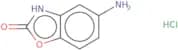
CAS :<p>5-Amino-1,3-benzoxazol-2(3H)-one hydrochloride is a fine chemical that belongs to the group of compounds known as benzoxazoles. Benzoxazoles are used as building blocks for the preparation of other compounds. 5-Amino-1,3-benzoxazol-2(3H)-one hydrochloride is soluble in water, and it can be used as a research chemical or intermediate in organic synthesis. This compound has a CAS number of 77408-77-6 and can be purchased at high quality.</p>Formule :C7H6N2O2·HClDegré de pureté :Min. 95%Couleur et forme :Off-White PowderMasse moléculaire :186.6 g/mol4'-Amino-4-hydroxystilbene
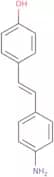
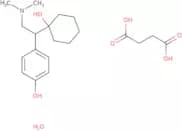
CAS :<p>4'-Amino-4-hydroxystilbene is a hydrocarbon that has been extracted from various plant sources. It can be dissolved in acetone and is soluble in alkanes. 4'-Amino-4-hydroxystilbene has been analyzed for its aromatic hydrocarbons, including naphthalene. This chemical can be used as a solvent extraction agent and may also have applications as an analytical reagent.</p>Formule :C14H13NODegré de pureté :Min. 95%Couleur et forme :PowderMasse moléculaire :211.26 g/mol4-(2-(Dimethylamino)-1-(1-hydroxycyclohexyl)ethyl)phenol
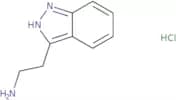
CAS :Produit contrôléVenlafaxine is a selective serotonin and norepinephrine reuptake inhibitor (SNRI) that is used to treat depression. Venlafaxine inhibits the reuptake of serotonin and norepinephrine into the presynaptic neuron, increasing their availability in the synaptic cleft. Venlafaxine has been shown to be effective in treating major depressive disorder and other depressive disorders, such as dysthymia and post-partum depression. The antidepressant effects of venlafaxine are believed to be due to its ability to block the uptake of serotonin and norepinephrine in the brain, resulting in an increased concentration of these neurotransmitters. Venlafaxine is metabolized by CYP2D6, CYP3A4, CYP1A2 and CYP2C19 enzymes, which may result in drug interactions with other drugs metabolized by these enzymes. To control for this effect, venlafaxine bloodFormule :C16H25NO2Degré de pureté :Min. 97 Area-%Couleur et forme :PowderMasse moléculaire :263.38 g/mol2-(1H-Indazol-3-yl)ethanamine hydrochloride
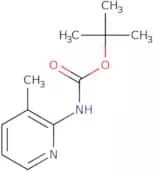
CAS :2-(1H-Indazol-3-yl)ethanamine hydrochloride is a chemical building block that can be used as a reaction component, reagent or useful scaffold. It is also a versatile building block in organic synthesis and can be used to make fine chemicals, speciality chemicals and research compounds. 2-(1H-Indazol-3-yl)ethanamine hydrochloride has been shown to have high purity and is suitable for use in pharmaceuticals, agrochemicals, dyestuffs, flavors and fragrances.Formule :C9H12ClN3Degré de pureté :Min. 95%Couleur et forme :PowderMasse moléculaire :197.66 g/mol2-(Boc-amino)-3-methylpyridine
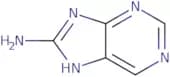
CAS :<p>2-(Boc-amino)-3-methylpyridine is a cytotoxic agent that has been shown to inhibit the proliferation of cancer cells. It is a potent cytotoxic agent that can be used to treat cancer. 2-(Boc-amino)-3-methylpyridine inhibits the growth of cancer cells by inhibiting the activity of B-Raf, a protein involved in cell proliferation and apoptosis. The anticancer properties are due to its ability to inhibit protein synthesis in cells by inhibiting the enzyme carbinolamine N-methyltransferase, which is required for the synthesis of methionine. 2-(Boc-amino)-3-methylpyridine also inhibits DNA and RNA synthesis in cells. This drug has been shown to have antiangiogenic effects, which may be due to its ability to inhibit vascular endothelial growth factor (VEGF) production.<br>END></p>Formule :C11H16N2O2Degré de pureté :Min. 95%Couleur et forme :PowderMasse moléculaire :208.26 g/mol8-Aminopurine
CAS :<p>8-Aminopurine is an aminopurine that is used as a research tool in magnetic resonance spectroscopy. The proton magnetic resonance spectrum of 8-aminopurine shows two characteristic peaks at 3.0 and 4.2 ppm, which are assigned to the aminopurine tautomers (3-HPA, 4-HPA). The kinetic stability of 8-aminopurine in water is pH dependent and has been shown to be strongly dependent on the presence of aldehyde oxidase (AO) activity. AO activity can be inhibited by the addition of dimethylformamide or other non-specific inhibitors such as 2,6-dichloroisonicotinic acid.</p>Formule :C5H5N5Degré de pureté :Min. 95%Couleur et forme :White PowderMasse moléculaire :135.13 g/mol(R)-(+)-3-Dimethylamino pyrrolidine
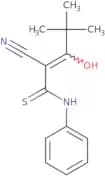
CAS :<p>(R)-(+)-3-Dimethylamino pyrrolidine is a potent inhibitor of protein kinase C (PKC) with micromolar inhibitory concentrations. It binds to the enzyme and inhibits PKC activity by preventing the phosphorylation of threonine residues on the PKC substrate. 3DAP has been shown to be selective for PKC, as it does not inhibit other kinases or phosphatases at similar concentrations. 3DAP has also been shown to have antituberculosis activity in human cells and has been shown to have a high affinity for PKC in humans, which may be due to its selectivity for PKC over other kinases.</p>Formule :C6H14N2Degré de pureté :Min. 95%Couleur et forme :PowderMasse moléculaire :114.19 g/mol2-(2,2-dimethylpropanoyl)-3-(phenylamino)-3-sulfanylprop-2-enenitrile
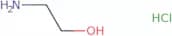
CAS :Please enquire for more information about 2-(2,2-dimethylpropanoyl)-3-(phenylamino)-3-sulfanylprop-2-enenitrile including the price, delivery time and more detailed product information at the technical inquiry form on this pageDegré de pureté :Min. 95%Ethanolamine hydrochloride
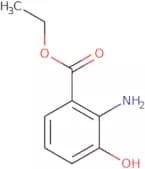
CAS :<p>Ethanolamine hydrochloride is an ethylene diamine salt of ethanolamine. It has been shown to have a receptor activity in amines, such as human serum and monoclonal antibodies. Ethanolamine hydrochloride is used in sample preparation for the detection of proteins by western blotting and immunohistochemistry. It is also used for the production of monoclonal antibodies, which are used to detect antigens on cells.</p>Formule :C2H7NO·HClDegré de pureté :Min. 98%Couleur et forme :PowderMasse moléculaire :97.54 g/mol2-Amino-3-hydroxybenzoic acid ethyl ester
CAS :<p>2-Amino-3-hydroxybenzoic acid ethyl ester is soluble in organic solvents and is a catalyst for the hydrolysis of phenoxazinones. It has been shown to be the most active among the amino acid esters at pH 7. The optimum temperature for this enzyme is 37 degrees Celsius. The substrate specificity of this enzyme, which was purified by fractionation, is 3-hydroxyanthranilic acid and 3-hydroxyanthranilic acid with metals such as copper or zinc ions. This enzyme also catalyses the hydrolysis of proteins and peptides containing hydrophobic amino acids.</p>Formule :C9H11NO3Degré de pureté :Min. 95%Couleur et forme :PowderMasse moléculaire :181.19 g/mol7-Benzyloxytryptamine
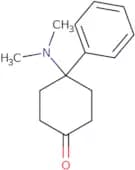
CAS :Produit contrôlé<p>7-Benzyloxytryptamine is a tryptamine derivative that binds to the 5-HT2A serotonin receptor. It has been shown to have antidepressant properties in ovary cells and other assays. 7-Benzyloxytryptamine acts as a psychostimulant and produces an increase in synaptic activity in the brain. This compound also has high affinity for 5-hydroxytryptamine (5-HT) receptors, which may be responsible for its antidepressant effects. The compound has been shown to be selective for 5-HT2A receptors, but not for other serotonin receptors such as 5-HT1A or 5-HT2C.</p>Formule :C17H18N2OCouleur et forme :PowderMasse moléculaire :266.34 g/mol4-(Dimethylamino)-4-phenylcyclohexan-1-one
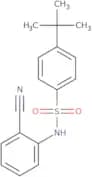
CAS :Produit contrôlé<p>Dimethylphencyclidine is a potent analgesic with high affinity for opioid receptors. It is an agonist at the μ-opioid receptor and κ-opioid receptor. Dimethylphencyclidine may also act as a nociceptive agent and has been shown to modulate pain in animals. This drug has also been shown to be neuropathic, as it inhibits the development of chronic constriction injury (CCI) in rats by reducing the formation of reactive oxygen species and increasing the expression of brain-derived neurotrophic factor (BDNF). Dimethylphencyclidine has undergone clinical trials for the treatment of neuropathic pain and is currently in phase II clinical development.<br>The pharmacological properties of dimethylphencyclidine are due to its ability to act on opioid receptors and other neurotransmitter systems, including serotonin, dopamine, acetylcholine, glutamate, and glycine. The chemical name for this drug is 4-(Dimethylamino)-4-phen</p>Formule :C14H19NODegré de pureté :Min. 95%Masse moléculaire :217.31 g/mol2-(((4-(tert-butyl)phenyl)sulfonyl)amino)benzenecarbonitrile
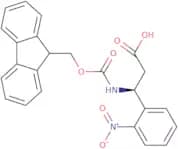
CAS :Please enquire for more information about 2-(((4-(tert-butyl)phenyl)sulfonyl)amino)benzenecarbonitrile including the price, delivery time and more detailed product information at the technical inquiry form on this pageDegré de pureté :Min. 95%Fmoc-(S)-3-amino-3-(2-nitrophenyl)propionic acid
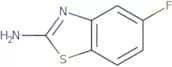
CAS :<p>Please enquire for more information about Fmoc-(S)-3-amino-3-(2-nitrophenyl)propionic acid including the price, delivery time and more detailed product information at the technical inquiry form on this page</p>Formule :C24H20N2O6Degré de pureté :Min. 95%Couleur et forme :White PowderMasse moléculaire :432.43 g/mol2-Amino-5-fluorobenzothiazole
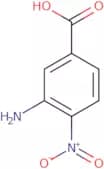
CAS :2-Amino-5-fluorobenzothiazole is a synthetic compound that is used as an agrochemical. It has low efficiency and can be found in tissue culture. The biological properties of this compound are not fully understood. It has been shown to have potential antitumor activity and may be able to inhibit tyrosine kinase. 2-Amino-5-fluorobenzothiazole is also found in the inorganic section of the periodic table. This compound is water soluble, but does not dissolve well in organic solvents such as acetone or chloroform. 2-Amino-5-fluorobenzothiazole also has agricultural applications, being used as a pesticide and for controlling tuberculosis in animals.Formule :C7H5FN2SDegré de pureté :Min. 95%Couleur et forme :PowderMasse moléculaire :168.19 g/mol3-Amino-4-nitrobenzoic acid
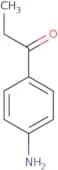
CAS :<p>3-Amino-4-nitrobenzoic acid is a synthetic compound, which has been shown to inhibit the activity of trypanothione reductase. This inhibition of the enzyme causes an increase in the level of intracellular trypanothione, which is then acetylated by ATP sulfurylase and converted to trypanothione. 3-Amino-4-nitrobenzoic acid is also a potent inhibitor of fxa, which is a coagulation factor necessary for blood clotting. The active site of 3-amino-4-nitrobenzoic acid contains two nitroarenes that are responsible for its antithrombotic properties.</p>Formule :C7H6N2O4Degré de pureté :Min. 95%Couleur et forme :PowderMasse moléculaire :182.13 g/mol4'-Aminopropiophenone
CAS :<p>4'-Aminopropiophenone is an oxygen-carrying molecule that has been shown to have genotoxic effects. It can be used as a control agent in toxicity studies. 4'-Aminopropiophenone also has locomotor activity in animals and affects the function of neurons. This compound has not yet been tested on humans, but it is suspected that it may have a similar effect on the human body. The analytical method for this compound is based on the spectrophotometric measurement of amines. The test for this compound is done by injecting a dose into an animal and measuring the concentration of creatinine sulfate in its blood sample over time with a spectrophotometer. Radiation can alter the shape of the molecules and change their color, so it must be kept away from this chemical during testing. 4'-Aminopropiophenone has dose-dependent effects, meaning that higher doses will produce more negative effects than lower doses.</p>Formule :C9H11NODegré de pureté :Min. 95%Couleur et forme :Off-White PowderMasse moléculaire :149.19 g/mol2-Aminodiphenylamine
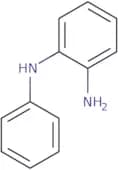
CAS :<p>2-Aminodiphenylamine is a chemical compound with the molecular formula CHN. It is a white solid that has a melting point of about 170°C and a boiling point of about 360°C. 2-Aminodiphenylamine can be synthesized by reacting diphenylmethane with hydrochloric acid, followed by hydrogenation of the resulting diaminodiphenyl methane. It is an aromatic amine that has two nitrogen atoms in its structure. The molecule has a redox potential of -0.2 volts and can exist as either an acidic or basic form depending on pH levels. 2-Aminodiphenylamine also reacts with azobenzene to form coumarin derivatives, which are used in analytical chemistry for titration calorimetry, electrochemical impedance spectroscopy, and structural analysis.</p>Formule :C12H12N2Degré de pureté :Min. 95%Couleur et forme :PowderMasse moléculaire :184.24 g/molEthyl 4-amino-3-nitrobenzoate
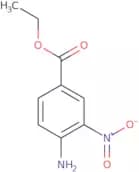
CAS :Ethyl 4-amino-3-nitrobenzoate is a molecule that is used as an inhibitor of butyrylcholinesterase. It has been shown to have inhibitory effects on enzymes such as cholinesterase, which are involved in the breakdown of acetylcholine and other neurotransmitters. Ethyl 4-amino-3-nitrobenzoate is a dihydrate and it has been found to be an efficient inhibitor of butyrylcholinesterase with a KI value of 0.2 mM. Single crystal x-ray diffraction analysis showed that the compound was centrosymmetric with hydrogen bonding interactions. The parameters were rationalized by this analysis, which led to the discovery of a more efficient method for synthesizing this molecule.Formule :C9H10N2O4Degré de pureté :Min. 95%Couleur et forme :PowderMasse moléculaire :210.19 g/mol2-Amino-5-bromothiazole-4-carboxylic acid methyl ester
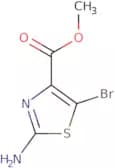
CAS :<p>2-Amino-5-bromothiazole-4-carboxylic acid methyl ester is a reagent that can be used as a building block for the synthesis of complex compounds. It is also an intermediate in the synthesis of other chemical compounds with therapeutic potential. 2-Amino-5-bromothiazole-4-carboxylic acid methyl ester is a fine chemical, which is useful for research purposes. The CAS number for this product is 850429-60-6.</p>Formule :C5H5BrN2O2SDegré de pureté :Min. 95%Couleur et forme :PowderMasse moléculaire :237.08 g/mol5-Fluoro-2-(trifluoromethyl)pyridin-4-amine
CAS :5-Fluoro-2-(trifluoromethyl)pyridin-4-amine is a fine chemical that is used to create other organic compounds. This compound is an intermediate in the production of pharmaceuticals, pesticides, and herbicides. It can also be used as a reagent or a speciality chemical in research. 5-Fluoro-2-(trifluoromethyl)pyridin-4-amine can be used as a reaction component to synthesize other compounds and has been shown to have versatile functions as a building block for complex molecules. This compound is not classified by the Chemical Abstract Service (CAS) and does not have any reported toxic effects on humans.Formule :C6H4F4N2Degré de pureté :Min. 95 Area-%Couleur et forme :PowderMasse moléculaire :180.1 g/mol6-Carboxytetramethylrhodamine succinimidyl ester
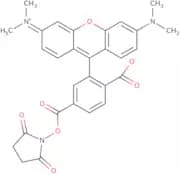
CAS :<p>6-Carboxytetramethylrhodamine (TAMRA) is a widely employed fluorescent dye (orange-red) suitable for different uses. In PCR applications, it has been used both as a reporter at the 5â or as a quencher at the 3â end. TAMRA-labelled oligonucleotides have been used to study interactions with DNA or DNA/proteins interactions. It is an excellent fluorescent acceptor for FRET applications with a suitable dye pair. It is used as a protein/antibody labelling agent for structural studies, immunochemistry and flow cytometry. Bioconjugation is generally performed through coupling of the carboxylic acid to a primary amine at the N-terminus of a protein, on lysine side chains or amino-modified oligonucleotide. Carboxylic acids activated with succinimidyl esters react with primary amines.</p>Formule :C29H25N3O7Degré de pureté :Min. 95 Area-%Couleur et forme :PowderMasse moléculaire :527.52 g/mol(R)-4-(Boc-amino)-3-(Z-amino)butyric acid
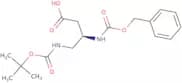
CAS :(R)-4-(Boc-amino)-3-(Z-amino)butyric acid is a synthetic ligand that binds to dna. The binding of this ligand can be monitored by the thermodynamic interaction between the ligand and dna. (R)-4-(Boc-amino)-3-(Z-amino)butyric acid has been shown to bind to the phosphate groups on dna, which are apolar in nature. This ligand also interacts with the vector group of dna, and it has a multivalency of two. It is water soluble and neutral, making it suitable for use in supramolecular chemistry. (R)-4-(Boc-amino)-3-(Z-amino)butyric acid is not very polar and does not have any charges or functional groups that would make it an ionizable species. It can form complexes with carbohydrates because it is neutral, and its interactions with them areFormule :C17H24N2O6Degré de pureté :Min. 98 Area-%Couleur et forme :PowderMasse moléculaire :352.38 g/molAminophylline
CAS :Produit contrôlé<p>Phosphodiesterase inhibitor</p>Formule :(C7H8N4O2)2•C2H8N2Degré de pureté :Min. 95%Couleur et forme :White PowderMasse moléculaire :420.43 g/mol2-Amino-3-[[[4-(2-methylpropyl)phenyl]methylene]amino]-2-butenedinitrile
CAS :Please enquire for more information about 2-Amino-3-[[[4-(2-methylpropyl)phenyl]methylene]amino]-2-butenedinitrile including the price, delivery time and more detailed product information at the technical inquiry form on this pageFormule :C15H16N4Degré de pureté :Min. 95%Couleur et forme :PowderMasse moléculaire :252.31 g/molFmoc-cis-1-amino-4-phenyl-cyclohexane carboxylic acid
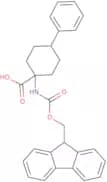
CAS :<p>Fmoc-cis-1-amino-4-phenyl-cyclohexane carboxylic acid is a fine chemical, useful building block, and research chemical. It is a versatile building block that can be used in the synthesis of complex compounds such as pharmaceuticals and agrochemicals. Fmoc-cis-1-amino-4-phenyl-cyclohexane carboxylic acid has been shown to react with various other compounds to form useful intermediates, which can be used to produce more complex molecules. This compound has also been shown to have reagent properties.</p>Formule :C28H27NO4Degré de pureté :Min. 95%Couleur et forme :PowderMasse moléculaire :441.52 g/molDiethylenetriamine
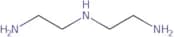
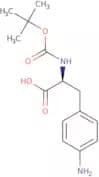
CAS :Produit contrôlé<p>Diethylenetriamine is a chemical compound that has been studied extensively in the field of biological research. It is a metal chelator, meaning it binds to heavy metals, and can be used to remove them from the body. Diethylenetriamine is also an antimicrobial agent that has been shown to have a protective effect on the liver against gadolinium-induced lesions. It is used for wastewater treatment as well as metal carbonyls and metal-hydroxides reactions, such as electrochemical impedance spectroscopy. Diethylenetriamine can also be used in human immunoglobulin synthesis and Langmuir adsorption isotherm studies. Diethylenetriamine has been shown to bind with human serum proteins by hydrogen bonding interactions, which may explain its effects on the liver.</p>Formule :C4H13N3Degré de pureté :Min. 98 Area-%Couleur et forme :Clear LiquidMasse moléculaire :103.17 g/molBoc-L-4-Aminophenylalanine
CAS :<p>Boc-L-4-Aminophenylalanine is an amino acid that has been shown to be synthesized by cancer cells in breast cancer cell lines, and can also be conjugated with anticancer drugs. It has been shown to have a high affinity for cancer cells. Boc-L-4-Aminophenylalanine is a substrate for L type amino acid transporters and can be used for the treatment of breast cancer. This compound may also be useful in the treatment of other cancers due to its ability to inhibit the uptake of endogenous amino acids.</p>Formule :C14H20N2O4Degré de pureté :Min. 97 Area-%Couleur et forme :White PowderMasse moléculaire :280.32 g/mol2-[N-[(3,5-Difluorophenyl)carbamoylamino]-C-methylcarbonimidoyl]pyridine-3-carboxylic acid
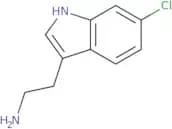
CAS :<p>2-[N-[(3,5-Difluorophenyl)carbamoylamino]-C-methylcarbonimidoyl]pyridine-3-carboxylic acid (2FPC) is a potent herbicide that inhibits the fatty acid synthase enzyme and blocks cellular energy production. Fatty acid synthase is an important enzyme in the synthesis of essential fatty acids and this inhibition can lead to a number of health complications. 2FPC also inhibits epidermal growth factor receptor (EGFR) and glucocorticoid receptors, which can lead to autoimmune diseases. The compound has been shown to produce neurotoxic effects in animals and humans, including optical sensor activation and cation channel modulation.<br>2FPC is used as a herbicide to control weeds such as knapweed. It is also used as an anti-inflammatory agent in the treatment of rheumatoid arthritis.</p>Formule :C15H12F2N4O3Degré de pureté :Min. 97 Area-%Couleur et forme :PowderMasse moléculaire :334.28 g/mol6-Chlorotryptamine
CAS :Produit contrôlé<p>6-Chlorotryptamine is an indole alkaloid that is found in plants such as "Inula helenium". It has vasoconstrictive properties, which is due to its ability to inhibit the enzyme tryptophan decarboxylase. This inhibition leads to a decrease in serotonin levels, which causes blood vessels to narrow and slows blood flow. 6-Chlorotryptamine also inhibits protein synthesis by preventing the cross-coupling of amino acids. The compound can be found in a number of natural sources, including aerocolonigenes and plant species such as "Inula helenium" and "Lysimachia nummularia".</p>Formule :C10H11ClN2Degré de pureté :Min. 98 Area-%Couleur et forme :PowderMasse moléculaire :194.66 g/molCetyltrimethylammonium bromide
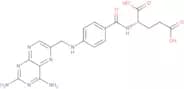
CAS :<p>Cetyltrimethylammonium bromide is a cationic surfactant that is used in analytical methods. It functions as a carrier for nanoparticles and has been used to prepare sephadex g-100, an affinity chromatography matrix. Cetrimide is an organic compound that has antimicrobial activity against Gram-positive bacteria. The antimicrobial activity can be increased by adding benzalkonium chloride, which inhibits the enzyme cyclase. Cetrimide also has the ability to inhibit the synthesis of bacterial proteins by binding to 16S ribosomal RNA. This protein synthesis inhibition leads to cell death by inhibiting the production of proteins vital for cell division.</p>Formule :C19H42BrNDegré de pureté :Min. 95%Couleur et forme :White PowderMasse moléculaire :364.45 g/molAminopterin
CAS :<p>Aminopterin is an antineoplastic agent and antifolate, which is a synthetic derivative of pteroylglutamic acid. It functions as a chemotherapeutic agent by inhibiting dihydrofolate reductase, an enzyme crucial in the folic acid pathway, thereby preventing the conversion of dihydrofolate to tetrahydrofolate. This disruption leads to impaired synthesis of purine nucleotides and thymidylate, which are essential for DNA synthesis and cell division.</p>Formule :C19H20N8O5Degré de pureté :Min. 97 Area-%Couleur et forme :Slightly Yellow PowderMasse moléculaire :440.41 g/mol5-Aminophthalide
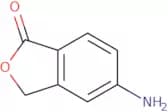
CAS :<p>5-Aminophthalide is a chemical compound that can be found as an oxidation product in cellular structures. It has been shown to have cancer-inhibiting properties and may be used for the treatment of prostate carcinoma. 5-Aminophthalide is a molecule that has two isomers, one with two chlorine atoms and one with three chlorine atoms. The molecule contains functional groups such as carbonyl, amine, and nitro groups. These functional groups are important for its activity and can bind to the enzyme dehydrogenase in bacteria, which is involved in the biosynthesis of guanine nucleotides. 5-Aminophthalide inhibits bacterial growth by binding to this enzyme and preventing it from functioning normally. This causes an accumulation of guanine nucleotides within cells, which prevents them from dividing.</p>Formule :C8H7NO2Degré de pureté :Min. 95%Couleur et forme :Off-White PowderMasse moléculaire :149.15 g/mol(1-(4-Diethylamino)phenyl)-2-nitroethane
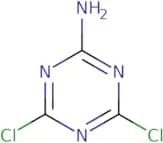
CAS :1-(4-Diethylamino)phenyl)-2-nitroethane is a reagent that is used as a building block in the synthesis of various heterocycles. It has been shown to be useful for the preparation of many heterocyclic compounds. The compound is also used as a research chemical and as a precursor to other organic compounds. 1-(4-Diethylamino)phenyl)-2-nitroethane is also an intermediate in the production of other speciality chemicals, such as pharmaceuticals, dyes, and pesticides.Formule :C12H18N2O2Degré de pureté :Min. 95%Masse moléculaire :222.28 g/mol2-Amino-4,6-dichloro-s-triazine
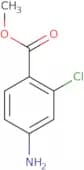
CAS :<p>2-Amino-4,6-dichloro-s-triazine is a chemical compound that is used as an antimicrobial agent in wastewater treatment. It inhibits the growth of bacteria by binding to cell walls and disrupting the formation of crosslinks between peptidoglycan strands, thereby inhibiting the synthesis of proteins necessary for bacterial growth and reproduction. 2-Amino-4,6-dichloro-s-triazine has been shown to be effective against group p2 bacteria in cell culture experiments. This drug also displays antiinflammatory properties and has been shown to inhibit HIV infection in vitro.</p>Formule :C3H2Cl2N4Degré de pureté :Min. 95%Couleur et forme :White To Light (Or Pale) Yellow SolidMasse moléculaire :163.965654-Amino-2-chlorobenzoic acid methyl ester
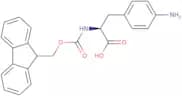
CAS :<p>4-Amino-2-chlorobenzoic acid methyl ester (4ACBME) is a chemical compound that has been used in the treatment of autoimmune diseases. It acts as an immunoreceptor and regulatory molecule by binding to specific receptors on the surface of lymphocytes, which are cells that play a central role in the immune system. 4ACBME also inhibits the production of inflammatory molecules, such as TNF-α, IL-1β, IL-6 and IL-8. The regression of tissue inflammation was observed in animal models after 4ACBME treatment. This compound has been shown to have no genotoxic impurities in vitro studies and its molecular descriptors are consistent with those found for other immunoreceptors.</p>Formule :C8H8ClNO2Degré de pureté :Min. 95%Couleur et forme :White PowderMasse moléculaire :185.61 g/molFmoc-4-amino-L-phenylalanine
CAS :<p>Fmoc-4-amino-L-phenylalanine is a molecule with the amino acid, aminophenylalanine, that is used in devices to detect epithelial cells. It has been functionalized with a fluoro group and can be used as a fluorescent probe for the detection of epithelial cells. Fmoc-4-amino-L-phenylalanine can also be used to diagnose tumors and tumor cells by detecting their presence in urine samples. This peptide has been shown to have anti-tumor properties when it interacts with the tumor cell membrane, which may be due to its ability to inhibit protein synthesis and induce apoptosis.</p>Formule :C24H22N2O4Degré de pureté :Min. 97 Area-%Couleur et forme :Off-White PowderMasse moléculaire :402.44 g/mol1-[[5-(p-Nitrophenyl)furfurylidene]amino]-hydantoin sodium
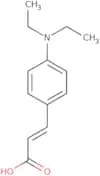
CAS :<p>Dantrolene sodium is a muscle relaxant that belongs to the group of pharmacological agents. It is used to treat muscle spasms and hyperactivity in patients with neuromuscular disorders. Dantrolene sodium inhibits calcium release by blocking the activity of the enzyme ryanodine receptor in skeletal muscle cells. This inhibition prevents uncontrolled contraction of muscles and reduces their energy consumption. The drug also has an effect on malignant hyperthermia, which is caused by an increase in the production of adenosine triphosphate (ATP) due to increased cellular metabolism. Dantrolene sodium can inhibit ATP synthesis, thus reducing energy production and stabilizing cell membranes, thereby preventing cell death in neurons and other tissues.</p>Formule :C14H10N4O5•NaDegré de pureté :Min. 95%Couleur et forme :Yellow PowderMasse moléculaire :337.24 g/mol4-(N,N-Diethylamino)cinnamic acid
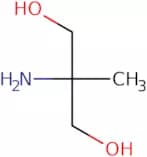
CAS :<p>4-(N,N-Diethylamino)cinnamic acid is a dye-sensitized solar cell sensitizer that has been synthesized from thiophene and acrylic acid. This compound is efficient in dye-sensitized solar cells and can be used to produce solar cells with an efficiency of over 10%.</p>Formule :C13H17NO2Degré de pureté :Min. 95%Couleur et forme :PowderMasse moléculaire :219.28 g/molAMPD
CAS :<p>AMPD, also known as 2-Amino-2-methyl-1,3-propanediol, is a buffer solution with a pH range of 7.8-9.7 and a pKa of 8.8. This chemical buffer is used in molecular biology, protein studies, enzyme assays, and separation techniques such as isatachophoresis (ITP) and SDS-gradient gel electrophoresis.</p>Formule :C4H11NO2Degré de pureté :Min. 95%Couleur et forme :PowderMasse moléculaire :105.14 g/mol

![N,N-Diethyl-2-[4-[(Z)-1-(4-Fluorophenyl)-2-Phenylethenyl]Phenoxy]Ethanamine](/_next/image/?url=https%3A%2Fstatic.cymitquimica.com%2Fproducts%2F3D%2Fthumb-webp%2FFD99813.webp&w=3840&q=75)


![N-(1R,8S,9s)-Bicyclo[6.1.0]non-4-yn-9-ylmethyloxycarbonyl-1,8-diamino-3,6-dioxaoctane](/_next/image/?url=https%3A%2Fstatic.cymitquimica.com%2Fproducts%2F3D%2Fthumb-webp%2FFB60339.webp&w=3840&q=75)








![2-Amino-3-[[[4-(2-methylpropyl)phenyl]methylene]amino]-2-butenedinitrile](/_next/image/?url=https%3A%2Fstatic.cymitquimica.com%2Fproducts%2F3D%2Fthumb-webp%2FFA168997.webp&w=3840&q=75)
![2-[N-[(3,5-Difluorophenyl)carbamoylamino]-C-methylcarbonimidoyl]pyridine-3-carboxylic acid](/_next/image/?url=https%3A%2Fstatic.cymitquimica.com%2Fproducts%2F3D%2Fthumb-webp%2FFD101726.webp&w=3840&q=75)


![1-[[5-(p-Nitrophenyl)furfurylidene]amino]-hydantoin sodium](/_next/image/?url=https%3A%2Fstatic.cymitquimica.com%2Fproducts%2F3D%2Fthumb-webp%2FFN44999.webp&w=3840&q=75)