Amines
Les amines sont un ensemble de molécules contenant un groupe fonctionnel amino (dérivé de l'ammoniac). Cette catégorie inclut les amines à tous les niveaux de substitution : primaires, secondaires, tertiaires et sels d'ammonium. Les amines sont fondamentales dans la synthèse organique et sont largement utilisées dans les produits pharmaceutiques, les agrochimiques et les sciences des matériaux. Chez CymitQuimica, nous proposons une sélection complète d'amines pour répondre à vos besoins de recherche et industriels. Notre gamme assure l'accès à diverses amines pour divers processus chimiques et recherches innovantes.
Sous-catégories appartenant à la catégorie "Amines"
- Nitrosamines(2.605 produits)
- Amines primaires(30.947 produits)
- Cations d'ammonium quaternaire(1.099 produits)
- Amines secondaires(20.886 produits)
- Amines tertiaires(17.193 produits)
8780 produits trouvés pour "Amines"
Trier par
Degré de pureté (%)
0
100
|
0
|
50
|
90
|
95
|
100
4-Amino-5-chloro-2,3-dihydro-N-[1-(3-methoxypropyl)-4-piperidinyl]-7-benzofurancarboxamide
CAS :The drug 4-Amino-5-chloro-2,3-dihydro-N-[1-(3-methoxypropyl)-4-piperidinyl]-7-benzofurancarboxamide (BZP) is a histamine H2 receptor antagonist. It binds to the histamine H2 receptor in the stomach and duodenum, thereby blocking stomach acid production. BZP has been shown to be effective for treating symptoms of constipation or diarrhoea caused by inflammatory bowel disease or abdominal surgery. BZP also reduces the risk of relapse after surgery but does not affect long term efficacy. This drug is not available in the United States and has significant interactions with other drugs and symptoms including constipation, bowel disease, long term efficacy, and analytical method.Formule :C18H26ClN3O3Degré de pureté :Min. 95%Couleur et forme :White PowderMasse moléculaire :367.87 g/molN-Hydroxy-4-aminobiphenyl
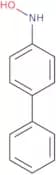
CAS :N-Hydroxy-4-aminobiphenyl is a chemical compound that is metabolized by microbial enzymes. It has been shown to be effective against typhimurium and resistant mutants such as those found in the bladder. N-Hydroxy-4-aminobiphenyl can be synthesized from 4-aminobiphenyl, which is first hydrolyzed by HCl to form hydrochloride acid, then reacted with acetic anhydride and nitrobenzene. This product can also be synthesized from 4-aminophenol and sodium acetate. The product of this reaction is N-hydroxyacetanilide, which reacts with nitric acid to form N-hydroxyaminobenzonitrile. Nitration of the aminobenzonitrile leads to formation of the desired product, N-hydroxyphenylamine.Formule :C12H11NODegré de pureté :Min. 95%Couleur et forme :Yellow PowderMasse moléculaire :185.22 g/mol3-Aminobenzamide
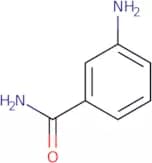
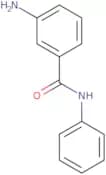
CAS :<p>3-Aminobenzamide is a drug that has been shown to be effective in the treatment of temozolomide-induced neuronal death. 3-Aminobenzamide inhibits the synthesis of ATP and blocks its binding to the atp-binding cassette transporter, which prevents the transport of this nucleotide into cells. This results in cell death due to insufficient energy metabolism and inability to repair DNA damage. 3-Aminobenzamide also increases production of reactive oxygen species, which are involved in reperfusion injury and myocardial infarcts. 3-Aminobenzamide is used as a model system for studying DNA repair and energy metabolism.</p>Formule :C7H8N2ODegré de pureté :Min. 95%Couleur et forme :PowderMasse moléculaire :136.15 g/mol7-Amino-5-chloro-2(3H)-benzoxazolone
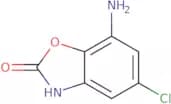
CAS :<p>7-Amino-5-chloro-2(3H)-benzoxazolone is a high quality, versatile building block that has been used in the synthesis of many complex compounds. It has been used as an intermediate for the synthesis of reagents and fine chemicals. 7-Amino-5-chloro-2(3H)-benzoxazolone can be used as a speciality chemical and research chemical. CAS No. 889884-60-0.</p>Formule :C7H5ClN2O2Degré de pureté :Min. 95%Masse moléculaire :184.58 g/molN,N-Bis(2-hydroxyethyl)-p-phenylenediamine sulphate
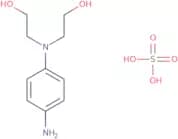
CAS :N,N-Bis(2-hydroxyethyl)-p-phenylenediamine sulphate is a chemical that is used in the production of textile dyes. It has been shown to have haematological and histological effects on rats, but it is not known whether these effects are also present in humans. The compound can cause irritation of the skin and eyes. In vivo studies have shown that exposure to N,N-bis(2-hydroxyethyl)-p-phenylenediamine sulphate can lead to DNA damages and histological changes in the liver and kidney. The use of this substance should be terminated if it shows any signs of being an irritant or damaging to tissues.Formule :C10H16N2O2·H2SO4Degré de pureté :Min. 95%Couleur et forme :White PowderMasse moléculaire :294.33 g/mol4-Amino-2-nitrobenzoic acid
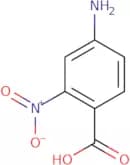
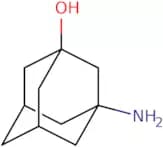
CAS :<p>4-Amino-2-nitrobenzoic acid is a chemical compound that can be found in human urine. It belongs to the group of amides and is an acidic substance. The pH optimum for 4-Amino-2-nitrobenzoic acid is between 1 and 2. This compound can be hydrolyzed by acidic conditions, forming an amide derivative. The uptake of 4-Amino-2-nitrobenzoic acid in humans and animals depends on the glomerular filtration rate, which influences how much of the compound will be excreted by the kidneys. The uptake also depends on the acetylation status of the compound, which is determined by its metabolism with phosphatase enzymes. Organic acids are also present in human urine, which may result in the formation of 4-Amino-2-nitrobenzoic acid as well as other compounds with similar structures.</p>Formule :C7H6N2O4Degré de pureté :Min. 95%Couleur et forme :SolidMasse moléculaire :182.13 g/mol3-Amino-1-adamantanol
CAS :<p>Intermediate in the synthesis of vildagliptin</p>Degré de pureté :Min. 95%Couleur et forme :PowderMasse moléculaire :167.25 g/molButenafine
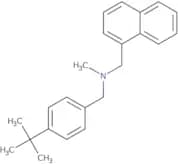
CAS :<p>Butenafine hydrochloride is a mycological agent that is used to treat tinea. It has been shown to have an antifungal activity in vitro against wild-type strains of c. glabrata. Butenafine hydrochloride inhibits the synthesis of ergosterol, which is a vital component of fungal cell membranes, by blocking the conversion of squalene to lanosterol through inhibition of 14alpha-demethylase. It also has antimicrobial properties, which may be due to its ability to inhibit bacterial growth.</p>Formule :C23H27NDegré de pureté :Min. 95%Masse moléculaire :317.47 g/mol4,6-Diamino-2-nitro-m-xylene
CAS :<p>Please enquire for more information about 4,6-Diamino-2-nitro-m-xylene including the price, delivery time and more detailed product information at the technical inquiry form on this page</p>Formule :C8H11N3O2·2ClHDegré de pureté :Min. 95%Masse moléculaire :254.10 g/molN,O-Dimethylhydroxylamine hydrochloride
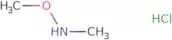
CAS :N,O-Dimethylhydroxylamine hydrochloride is a methyl ketone that is used as an affinity ligand. It is synthesized by the reaction of hydrochloric acid and amide. N,O-Dimethylhydroxylamine hydrochloride has been shown to have growth factor β activity and can be used in the synthesis of analogs. The compound has been shown to have biological properties and can be used as a synthetic pathway for other compounds. N,O-Dimethylhydroxylamine hydrochloride reacts with hydroxyl groups in the presence of a base to form an ether linkage or with amines to form an amide linkage. This compound also has nmr spectra that are similar to those of growth factor.Formule :C2H7NO•HClDegré de pureté :Min. 95%Couleur et forme :White PowderMasse moléculaire :97.54 g/mol2-Amino-7-chloro-9H-thioxanthen-9-one
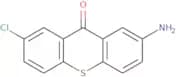
CAS :Please enquire for more information about 2-Amino-7-chloro-9H-thioxanthen-9-one including the price, delivery time and more detailed product information at the technical inquiry form on this pageFormule :C13H8ClNOSDegré de pureté :Min. 95%Masse moléculaire :261.73 g/molIsopentylamine
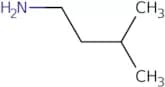
CAS :<p>Isopentylamine is a chemical compound that belongs to the class of amines. It has been shown to be an agonist of the nicotinic acetylcholine receptor, which is a type of neurotransmitter receptor found in the central and peripheral nervous systems. Isopentylamine has been shown to have clinical relevance for congestive heart failure. This drug binds to the hydroxyl group on the receptor and increases the rate of diffusion into cells by increasing membrane permeability. The basic structure of isopentylamine is shown below:</p>Formule :C5H13NDegré de pureté :Min. 98%Couleur et forme :Clear LiquidMasse moléculaire :87.16 g/mol2-[(2,6-Dibromo-4-methylphenyl)amino]acetohydrazide
CAS :2-[(2,6-Dibromo-4-methylphenyl)amino]acetohydrazide is a chemical compound that is used as a building block for the synthesis of diverse heterocyclic compounds. 2-[(2,6-Dibromo-4-methylphenyl)amino]acetohydrazide is prepared from 2,6-dibromo-4-methylbenzaldehyde and acetohydrazide in the presence of triethylamine. The compound has been reported to be a useful scaffold for the synthesis of various heterocycles. The following are some examples of its applications: 1. Fine chemical 2. Useful building block 3. Research chemicals 4. Reagent 5. CAS No. 882760-46-5 6. Speciality chemical 7. High quality 8. Complex compound 9. Versatile building blockFormule :C9H11Br2N3ODegré de pureté :Min. 95%Couleur et forme :White PowderMasse moléculaire :337.01 g/mol6-Aminouracil
CAS :<p>6-Aminouracil is a hydroxylated form of uracil. It has inhibitory properties against protein synthesis in bacteria, acting as an inhibitor of the enzyme dihydroorotase. 6-Aminouracil has been shown to be effective against PC3 cells and has high resistance to hydrolysis by acid or alkali. The reaction mechanism for the conversion of uracil to 6-aminouracil is unclear; however, it may involve a nucleophilic attack on the hydroxyl group.</p>Formule :C4H5N3O2Degré de pureté :Min. 95%Couleur et forme :PowderMasse moléculaire :127.1 g/mol3-[1-(Dimethylamino)ethyl]phenol
CAS :<p>Intermediate in the synthesis of rivastigmine</p>Formule :C10H15NODegré de pureté :Min. 95%Couleur et forme :White PowderMasse moléculaire :165.23 g/molAc-Asp-Glu-Val-Asp-AMC ammonium salt
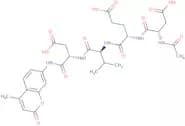
CAS :<p>Ac-Asp-Glu-Val-Asp-AMC ammonium salt is a small molecule that is used as a tool to study apoptosis in vitro. Ac-Asp-Glu-Val-Asp-AMC ammonium salt induces apoptosis by blocking the mitochondrial membrane potential and inducing the release of cytochrome c from mitochondria into the cytoplasm. This drug also induces activation of caspase 3, which initiates the cascade of events leading to cell death. Ac-Asp-Glu-Val-Asp-AMC ammonium salt has been shown to have an antiangiogenic effect on hl60 cells. This effect may be due to its ability to inhibit expression of survivin, a protein that protects cells from apoptosis. The efficacy of this drug in an experimental model has been shown to be dependent on toll like receptor (TLR) signaling pathways and mitochondrial function.br></p>Formule :C30H37N5O13•NH3Degré de pureté :Min. 97 Area-%Couleur et forme :PowderMasse moléculaire :692.67 g/molN,N'-Di-2-naphthyl-1,4-phenylenediamine
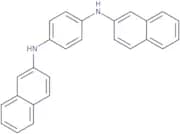
CAS :<p>N,N'-Di-2-naphthyl-1,4-phenylenediamine is a chemical compound that is used in the production of polyvinyl chloride (PVC). It can be used as an antimicrobial agent to prevent the growth of bacteria and fungi. It is also used as a crosslinking agent in the production of PVC. The reaction solution consists of hydrochloric acid and methyl ethyl chloride. The monochloride is then reacted with 2-naphthol, followed by reaction with benzalkonium chloride. The final product is N,N'-di-(2-naphthyl)-1,4-(phenylene) diamine monochloride.</p>Formule :C26H20N2Degré de pureté :Min. 95 Area-%Couleur et forme :PowderMasse moléculaire :360.45 g/mol7-[(Dimethylamino)methyl]-2,2,4-trimethyl-1,2-dihydroquinolin-6-ol
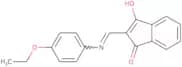
CAS :<p>7-[(Dimethylamino)methyl]-2,2,4-trimethyl-1,2-dihydroquinolin-6-ol is a chemical compound that belongs to the group of fine chemicals. It is a versatile building block and useful intermediate for research chemicals. 7-[(Dimethylamino)methyl]-2,2,4-trimethyl-1,2-dihydroquinolin-6-ol is also a speciality chemical with high purity and quality. CAS No. 300690-44-2</p>Formule :C15H22N2ODegré de pureté :Min. 95 Area-%Couleur et forme :PowderMasse moléculaire :246.35 g/mol2-(((4-ethoxyphenyl)amino)methylene)indane-1,3-dione
CAS :<p>Please enquire for more information about 2-(((4-ethoxyphenyl)amino)methylene)indane-1,3-dione including the price, delivery time and more detailed product information at the technical inquiry form on this page</p>Degré de pureté :Min. 95%5-Aminovaleric acid
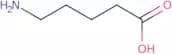
CAS :<p>5-Aminovaleric acid is a cyclic peptide that is an antagonist of the enzyme 5-aminovaleric acid hydrolase that catalyzes the conversion of 5-aminovaleric acid to succinic semialdehyde. The physiological function of 5-aminovaleric acid hydrolase is not known, but it has been implicated in a number of neurological disorders, such as Alzheimer's disease, Parkinson's disease, and amyotrophic lateral sclerosis. The reaction solution contains 5-aminovaleric acid (5AVA), hydrogen fluoride (HF), and l-lysine (Lys). Upon addition of HF to the solution, it reacts with Lys to form a dinucleotide phosphate intermediate. This intermediate then reacts with 5AVA to form an intramolecular hydrogen bond with the amino group of Lys and release hydrogen gas. The detection sensitivity for this reaction can be increased by using a cyclic peptide inhibitor.</p>Formule :C5H11NO2Degré de pureté :Min. 95%Couleur et forme :Off-White PowderMasse moléculaire :117.15 g/mol[(N-Acryloylamino)phenyl]mercuric chloride
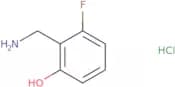
CAS :Produit contrôlé<p>[(N-Acryloylamino)phenyl]mercuric chloride is a compound that can be used to treat bladder cancer. It is a small molecule that has been shown to inhibit the growth of bladder cancer cells in vitro, and it may have potential as a treatment for primary tumors in other tissues. The therapeutic efficacy of [(N-acryloylamino)phenyl]mercuric chloride was investigated in two multicenter phase II trials conducted by the National Cancer Institute. The results of these trials showed that it had a response rate of 30% and an overall survival rate of 59%. This drug is effective against primarily women with body mass index greater than or equal to 25 kg/m2. It binds to the receptor on the surface of cells, which inhibits proliferation and induces cell death.</p>Formule :C9H8ClHgNODegré de pureté :Min. 95%Couleur et forme :White PowderMasse moléculaire :382.21 g/mol2-Fluoro-6-hydroxybenzylamine hydrochloride
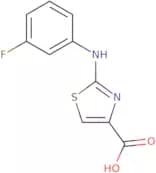
CAS :<p>2-Fluoro-6-hydroxybenzylamine hydrochloride is a chemical intermediate that can be used for the synthesis of more complex compounds. It reacts with acetic anhydride to produce 2-fluoro-6-acetoxybenzamide. It also reacts with chloroacetic acid to produce 2,6-dichloroquinoline. This compound has been shown to be useful in research and development as a versatile building block or a reagent for the synthesis of various complex compounds. CAS No. 2094868-94-5.</p>Formule :C7H8FNO•HClDegré de pureté :Min. 95%Couleur et forme :PowderMasse moléculaire :177.6 g/mol2-((3-Fluorophenyl)amino)-1,3-thiazole-4-carboxylic acid
CAS :<p>Please enquire for more information about 2-((3-Fluorophenyl)amino)-1,3-thiazole-4-carboxylic acid including the price, delivery time and more detailed product information at the technical inquiry form on this page</p>Formule :C10H7FN2O2SDegré de pureté :Min. 95%Couleur et forme :PowderMasse moléculaire :238.24 g/mol(S)-2-((((9H-Fluoren-9-yl)methoxy)carbonyl)amino)-3-(1H-pyrrolo[2,3-b]pyridin-3-yl)propanoic acid
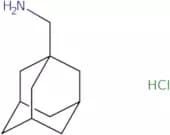
CAS :<p>Please enquire for more information about (S)-2-((((9H-Fluoren-9-yl)methoxy)carbonyl)amino)-3-(1H-pyrrolo[2,3-b]pyridin-3-yl)propanoic acid including the price, delivery time and more detailed product information at the technical inquiry form on this page</p>Formule :C25H21N3O4Degré de pureté :Min. 95%Masse moléculaire :427.45 g/mol1-Adamantanemethylamine hydrochloride
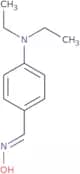
CAS :Rimantadine hydrochloride is a drug that belongs to the class of antiviral agents and is used for the prevention and treatment of influenza. It acts by blocking the uncoating of influenza virus, inhibiting viral RNA synthesis, and preventing virus-induced cytopathic effects in humans and animals. Rimantadine hydrochloride is an amantadine derivative that has been shown to be effective against influenza A viruses in humans. The drug also has a prophylactic efficacy against influenza B viruses. Rimantadine hydrochloride is localized in the lungs due to its intranasal application, which limits its effect on other parts of the body. It is metabolized into ammonium formate, chloride, and formamide before being excreted by the kidneys.Formule :C11H20ClNDegré de pureté :Min. 95%Couleur et forme :PowderMasse moléculaire :201.74 g/mol4-Diethylaminobenzaldoxime
CAS :<p>4-Diethylaminobenzaldoxime is a reaction component that is used in the synthesis of complex compounds. It has been shown to be a useful scaffold for the construction of novel chemical entities. It also has high quality, and can be used as a reagent in research or as a speciality chemical. 4-Diethylaminobenzaldoxime is versatile and can be used as an intermediate or building block in organic chemistry. This chemical has CAS No. 54376-65-7 and is classified as a fine chemical.</p>Formule :C11H16N2ODegré de pureté :Min. 95%Couleur et forme :PowderMasse moléculaire :192.26 g/mol2-(Methylamino)ethanesulfonic acid
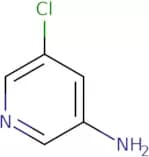
CAS :<p>2-(Methylamino)ethanesulfonic acid is a detergent composition that is a sodium salt of N-methyltaurine. It can be used as an ingredient in various detergent compositions to help remove grease and oil from surfaces. 2-(Methylamino)ethanesulfonic acid has been shown to have anti-inflammatory properties in primary sclerosing cholangitis, an autoimmune disease where bile ducts become inflamed and scarred. The chemical also has been shown to exhibit cationic surfactant properties, which may contribute to its ability to remove oils and dirt.</p>Formule :C3H9NO3SDegré de pureté :Min. 95%Couleur et forme :Clear LiquidMasse moléculaire :139.17 g/mol5-Chloro-3-pyridinamine
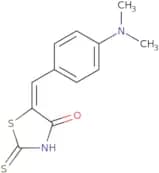
CAS :<p>5-Chloro-3-pyridinamine is a catalyst that is used in the synthesis of polymers. It can be used in ring-opening polymerization reactions and is reactive with a variety of functional groups, including aliphatic and aromatic rings. 5-Chloro-3-pyridinamine also has high activity for ring opening polymerizations, which makes it an ideal choice for the synthesis of polymers. This catalyst can be used to control the molecular weight of polymers by dilution or by altering the amount of catalyst used. 5-Chloro-3-pyridinamine has been shown to be biocompatible and biodegradable, making it a good choice for biomedical applications.</p>Formule :C5H5ClN2Degré de pureté :Min. 95%Couleur et forme :PowderMasse moléculaire :128.56 g/mol4-(Dimethylaminobenzylidene)rhodanine
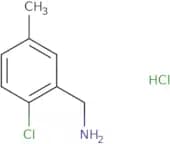
CAS :4-(Dimethylaminobenzylidene)rhodanine is a monosodium salt of the drug rhodanine. Rhodanine is a small-molecule, kinetically stable, and surface active agent that inhibits tumor growth by binding to sulfamoyl chloride, inhibiting the synthesis of DNA. Rhodanine has been shown to inhibit the growth of colon cancer cells in mice and human leukemia cells in vitro. This drug also inhibits the proliferation of erythrocytes and platelets. Rhodanine binds to chloride ions on cell surfaces and forms a complex with silver ions that can then be detected by electron microscopy or profiling studies using hydroxide solutions. The efficacy of 4-(dimethylaminobenzylidene)rhodanine as an anticancer agent is dependent on its concentration. A blood sample containing 4% dimethylaminobenzylidene rhodanine was found to have anti-tFormule :C12H12N2OS2Degré de pureté :Min. 95%Couleur et forme :PowderMasse moléculaire :264.37 g/mol2-Chloro-5-methylbenzylamine hydrochloride
CAS :<p>2-Chloro-5-methylbenzylamine hydrochloride is a chemical that is used as a versatile building block in the synthesis of complex compounds. It has a wide range of uses, including as a research chemical, reagent, and speciality chemical. 2-Chloro-5-methylbenzylamine hydrochloride is also used as an intermediate in the synthesis of other chemicals and can be used as an organic building block, reaction component, and scaffold. This product can be used to produce high-quality products, such as pharmaceuticals and agrochemicals.</p>Formule :C8H10ClN•HClDegré de pureté :Min. 95%Masse moléculaire :192.09 g/molDidecyl dimethyl ammonium bromide
CAS :<p>Didecyl dimethyl ammonium bromide is an antimicrobial peptide that has high resistance to antibiotic-resistant strains. It is a phosphonate compound that is used in the analytical method of titration calorimetry. The didecyl dimethyl ammonium bromide molecule can be seen as having two reactive centers, one on the phosphorus atom and one on the methyl group. These reactive centers are involved in intramolecular hydrogen transfer reactions and transfer reactions with other molecules, leading to its antimicrobial activity. Didecyl dimethyl ammonium bromide can also be used as a disinfectant or as a monoethyl ether for organic synthesis.</p>Formule :C22H48BrNDegré de pureté :Min. 98%Couleur et forme :PowderMasse moléculaire :406.53 g/mol5-Acetamido-6-amino-3-methyluracil hydrate
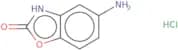
CAS :<p>5-Acetamido-6-amino-3-methyluracil hydrate (AAU) is a drug that is used as an analytical reagent in the determination of caffeine, 5-hydroxytryptophan, and other compounds. It can be used to assess interactions between drugs and enzyme activities. AAU has been shown to be a suitable substrate for many enzymes, including alcohol dehydrogenase, acetylcholinesterase, catalase, and glucose oxidase. The sample preparation procedure is performed by dissolving the compound in water or ethanol. The sample is then filtered before it is analyzed using high performance liquid chromatography (HPLC). The chemical properties of AAU are such that it can be easily transported from one place to another without undergoing significant changes in physical properties. AAU has been shown to have no effect on biological samples when exposed to radiation.</p>Formule :C7H10N4O3·H2ODegré de pureté :Min. 95%Couleur et forme :Slightly Yellow PowderMasse moléculaire :216.2 g/mol5-Amino-1,3-benzoxazol-2(3H)-one hydrochloride
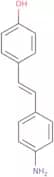
CAS :<p>5-Amino-1,3-benzoxazol-2(3H)-one hydrochloride is a fine chemical that belongs to the group of compounds known as benzoxazoles. Benzoxazoles are used as building blocks for the preparation of other compounds. 5-Amino-1,3-benzoxazol-2(3H)-one hydrochloride is soluble in water, and it can be used as a research chemical or intermediate in organic synthesis. This compound has a CAS number of 77408-77-6 and can be purchased at high quality.</p>Formule :C7H6N2O2·HClDegré de pureté :Min. 95%Couleur et forme :Off-White PowderMasse moléculaire :186.6 g/mol4'-Amino-4-hydroxystilbene
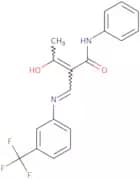
CAS :<p>4'-Amino-4-hydroxystilbene is a hydrocarbon that has been extracted from various plant sources. It can be dissolved in acetone and is soluble in alkanes. 4'-Amino-4-hydroxystilbene has been analyzed for its aromatic hydrocarbons, including naphthalene. This chemical can be used as a solvent extraction agent and may also have applications as an analytical reagent.</p>Formule :C14H13NODegré de pureté :Min. 95%Couleur et forme :PowderMasse moléculaire :211.26 g/mol2-acetyl-N-phenyl-3-((3-(trifluoromethyl)phenyl)amino)prop-2-enamide
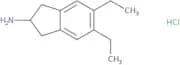
CAS :<p>Please enquire for more information about 2-acetyl-N-phenyl-3-((3-(trifluoromethyl)phenyl)amino)prop-2-enamide including the price, delivery time and more detailed product information at the technical inquiry form on this page</p>Formule :C18H15F3N2O2Degré de pureté :Min. 95%Couleur et forme :PowderMasse moléculaire :348.32 g/mol5,6-Diethyl-2,3-dihydro-1H-inden-2-amine hydrochloride
CAS :Produit contrôlé<p>5,6-Diethyl-2,3-dihydro-1H-inden-2-amine hydrochloride is the salt form of a chemical compound that belongs to the group of acetylation agents. This chemical is highly soluble in water and is used as a reagent to acetylate amines. The industrial process for this compound begins with an acetone solution of 2,3-dihydroindene. Acetyl chloride reacts with 2,3-dithiobenzoyl chloride in an acid environment to produce 5,6-diethyl-2,3-dihydroindane. The product is treated with hydrogen chloride gas to produce 5,6-diethyl-2,3 dihydroindanamine hydrochloride. This compound has been shown to be toxic for aquatic life and can cause environmental pollution when released into the environment.</p>Formule :C13H19N•HClDegré de pureté :Min. 95%Couleur et forme :White PowderMasse moléculaire :225.76 g/mol3-[(4-Fluorophenyl)amino]cyclohex-2-en-1-one
CAS :<p>3-[(4-Fluorophenyl)amino]cyclohex-2-en-1-one is a drug that has been shown to have both inotropic and chronotropic effects on the heart. It also has a hypotensive activity, which may be due to its ability to reduce peripheral resistance by blocking alpha 1 receptors. 3-[(4-Fluorophenyl)amino]cyclohex-2-en-1-one is an anaesthetic agent with the potential for use in surgical procedures. The structural similarity of 3-[(4-Fluorophenyl)amino]cyclohex-2-en-1-one to acrylonitrile suggests that this drug may be toxic to the heart, as acrylonitrile is a known cardiotoxin.</p>Formule :C12H12FNODegré de pureté :Min. 95%Couleur et forme :PowderMasse moléculaire :205.23 g/mol1,3-Bis[tris(hydroxymethyl)methylamino]propane
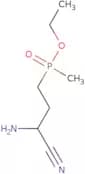
CAS :<p>1,3-Bis[tris(hydroxymethyl)methylamino]propane, most commonly known as Bis-TRIS propane, is often referred to as the universal buffer because of its wide buffering range from pH 6.3 to 9.5. Its dual pKa values (~ 6.8 and 9.0) allow it to stabilize the pH in a variety of biological applications, including molecular biology, biochemistry, and electrophoresis.</p>Formule :C11H26N2O6Degré de pureté :Min. 95%Couleur et forme :PowderMasse moléculaire :282.3 g/molEthyl (3-amino-3-cyanopropyl)methylphosphinate
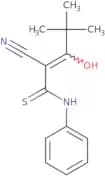
CAS :<p>Ethyl (3-amino-3-cyanopropyl)methylphosphinate is a versatile building block that can be used as a reagent, speciality chemical, or research chemical. It is useful as an intermediate for complex compounds and can be used as a reaction component in the synthesis of high quality compounds. Ethyl (3-amino-3-cyanopropyl)methylphosphinate is also a useful scaffold in organic synthesis.</p>Formule :C7H15N2O2PDegré de pureté :Min. 95%Couleur et forme :PowderMasse moléculaire :190.18 g/mol2-(2,2-dimethylpropanoyl)-3-(phenylamino)-3-sulfanylprop-2-enenitrile
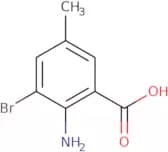
CAS :Please enquire for more information about 2-(2,2-dimethylpropanoyl)-3-(phenylamino)-3-sulfanylprop-2-enenitrile including the price, delivery time and more detailed product information at the technical inquiry form on this pageDegré de pureté :Min. 95%2-Amino-3-bromo-5-methylbenzoic acid
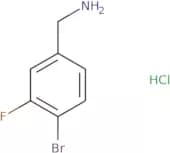
CAS :2-Amino-3-bromo-5-methylbenzoic acid is a fatty acid that belongs to the group of undescribed organic acids. It is found in soil as well as in organisms such as bacteria and fungi. The 2-Amino-3-bromo-5-methylbenzoic acid molecule has been shown to be an antibiotic, inhibiting the growth of bacterial strains belonging to the phyla Actinobacteria and Proteobacteria. It may also be present in plants, where it is channeled out through the roots. This fatty acid also has nucleobase properties, which are essential for DNA replication.br>br> span style="font-size: 12px;">2 Amino 3 bromo 5 methyl benzoic acid (2ABMB) was first isolated from soil samples collected from a site near Beijing, China. It is one of many undescribed organic acids that are foundFormule :C8H8BrNO2Degré de pureté :Min. 95%Couleur et forme :PowderMasse moléculaire :230.06 g/mol4-Bromo-3-fluorobenzylamine hydrochloride
CAS :4-Bromo-3-fluorobenzylamine hydrochloride (4BFBAH) is a compound that has been used in the past as a chemical intermediate. It is now being studied for use in boosting and stratigraphic research. This compound can be produced by reacting 4-bromo-3-fluorobenzoic acid with ammonia, and it has been shown to have waterlogging properties. 4BFBAH has also been shown to be useful in the analysis of infrastructures and socioeconomic conditions.Formule :C7H8BrClFNDegré de pureté :Min. 95%Couleur et forme :PowderMasse moléculaire :240.5 g/mol3-Amino-4-nitrobenzoic acid
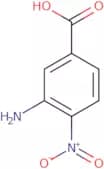
CAS :<p>3-Amino-4-nitrobenzoic acid is a synthetic compound, which has been shown to inhibit the activity of trypanothione reductase. This inhibition of the enzyme causes an increase in the level of intracellular trypanothione, which is then acetylated by ATP sulfurylase and converted to trypanothione. 3-Amino-4-nitrobenzoic acid is also a potent inhibitor of fxa, which is a coagulation factor necessary for blood clotting. The active site of 3-amino-4-nitrobenzoic acid contains two nitroarenes that are responsible for its antithrombotic properties.</p>Formule :C7H6N2O4Degré de pureté :Min. 95%Couleur et forme :PowderMasse moléculaire :182.13 g/molSodium ammonium phosphate tetrahydrate
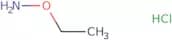
CAS :Sodium ammonium phosphate tetrahydrate is an inorganic compound that is a salt. It is used as a test compound to measure the inhibition of viral growth. The test compound binds to the virus and prevents it from binding to cells, thus inhibiting viral replication. Sodium ammonium phosphate tetrahydrate can also be used as a means of preventing cavities by lowering the pH level in the mouth and inhibiting bacterial growth. Selenium compounds have been shown to have antiviral properties when tested on the typhimurium virus. Selenium compounds are not active against herpes simplex virus, but protocatechuic acid has been shown to inhibit herpes simplex virus replication in vitro and in vivo. Protocatechuic acid has also been shown to inhibit fatty acid synthesis and chloride ion uptake into cells, which may be responsible for its anti-viral properties.Formule :NaNH5PO4·4H2ODegré de pureté :Min. 95%Couleur et forme :PowderMasse moléculaire :209.07 g/molEthoxyamine hydrochloride
CAS :<p>Ethoxyamine hydrochloride is an organic compound that contains a hydroxyl group and a chlorine atom. It is an amine with properties of an acid. Ethoxyamine hydrochloride can be used in the treatment of metabolic disorders, such as nitro, dehydrogenase deficiency and amino acid transport disorder. The compound also has been shown to have anti-inflammatory effects, which may be due to its ability to inhibit the production of prostaglandin synthesis. This drug has been found to have no significant toxicity in humans and animals, and it has been shown to be safe for use in humans.</p>Formule :C2H7NO·HClDegré de pureté :Min. 95%Couleur et forme :White PowderMasse moléculaire :97.54 g/mol1-Aminopyridinium iodide
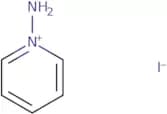
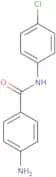
CAS :<p>1-Aminopyridinium iodide is a reactive compound that can bind to receptors, including the epidermal growth factor receptor. It is also a pyridinium salt and a type of chlorine. The compound has been shown to be effective in inhibiting cancer cell growth and has been used in chemotherapy treatments. 1-Aminopyridinium iodide binds to the glycogen synthase kinase 3 enzyme, which regulates cellular processes such as cell division, and inhibits its activity. This causes the process of glycogen synthesis to stop and leads to cell death by apoptosis. 1-Aminopyridinium iodide is most commonly used in cancer research because of its ability to inhibit tumor growth.</p>Formule :C5H7IN2Degré de pureté :Min. 95%Couleur et forme :PowderMasse moléculaire :222.03 g/mol(4-Aminophenyl)-N-(4-chlorophenyl)formamide
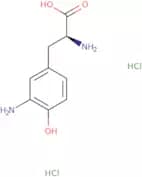
CAS :<p>Please enquire for more information about (4-Aminophenyl)-N-(4-chlorophenyl)formamide including the price, delivery time and more detailed product information at the technical inquiry form on this page</p>Formule :C13H11ClN2ODegré de pureté :Min. 95%Couleur et forme :PowderMasse moléculaire :246.69 g/mol3-Amino-L-tyrosine dihydrochloride
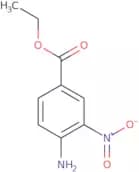
CAS :<p>Please enquire for more information about 3-Amino-L-tyrosine dihydrochloride including the price, delivery time and more detailed product information at the technical inquiry form on this page</p>Formule :C9H12N2O3•(HCl)2Degré de pureté :Min. 95%Masse moléculaire :269.12 g/molEthyl 4-amino-3-nitrobenzoate
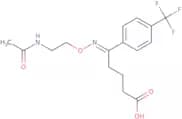
CAS :Ethyl 4-amino-3-nitrobenzoate is a molecule that is used as an inhibitor of butyrylcholinesterase. It has been shown to have inhibitory effects on enzymes such as cholinesterase, which are involved in the breakdown of acetylcholine and other neurotransmitters. Ethyl 4-amino-3-nitrobenzoate is a dihydrate and it has been found to be an efficient inhibitor of butyrylcholinesterase with a KI value of 0.2 mM. Single crystal x-ray diffraction analysis showed that the compound was centrosymmetric with hydrogen bonding interactions. The parameters were rationalized by this analysis, which led to the discovery of a more efficient method for synthesizing this molecule.Formule :C9H10N2O4Degré de pureté :Min. 95%Couleur et forme :PowderMasse moléculaire :210.19 g/molN-Acetyl fluvoxamine acid
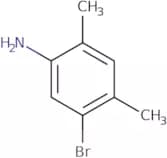
CAS :N-Acetyl fluvoxamine acid is a versatile building block that can be used as a reagent, speciality chemical, or useful scaffold. It has uses in research and as a building block for complex compounds. N-Acetyl fluvoxamine acid is also a useful intermediate and reaction component. This compound has CAS number 88699-87-0.Formule :C16H19F3N2O4Degré de pureté :Min. 95%Couleur et forme :PowderMasse moléculaire :360.33 g/mol4-Bromo-6-amino-m-xylene
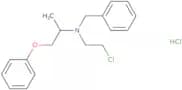
CAS :<p>4-Bromo-6-amino-m-xylene is a chemical that is used to synthesize other chemicals. It is a versatile building block and can be used as an intermediate in organic synthesis. It has been shown to react with nucleophiles, such as alcohols, amines, and thiols. 4-Bromo-6-amino-m-xylene also reacts with metal halides to form complexes. This compound has been shown to have high quality and can be used in research or as a reagent for further reactions.</p>Formule :C8H10BrNDegré de pureté :Min. 95%Couleur et forme :PowderMasse moléculaire :200.08 g/molPhenoxybenzamine hydrochloride
CAS :<p>Phenoxybenzamine hydrochloride is a drug with pharmacological properties, which is used in the treatment of carcinoid syndrome. It is a combination therapy group that can be used to treat patients with neurological disorders. Phenoxybenzamine inhibits the activity of the 5-HT2 receptors and has been shown to reduce neuronal death. In addition, it has been shown to increase chemiluminescence in cells infected with HIV. Phenoxybenzamine also has effects on cardiac function and can be used to treat congestive heart failure as well as high levels of natriuretic peptides in maternal blood during pregnancy. It has also been shown to be effective against infectious diseases, such as tuberculosis and malaria.</p>Formule :C18H23Cl2NODegré de pureté :Min. 90 Area-%Couleur et forme :PowderMasse moléculaire :340.29 g/mol2-Chloro-9-cyclohexyl-N-[4-(4-morpholinyl)phenyl]-9H-purin-6-amine
CAS :<p>2-Chloro-9-cyclohexyl-N-[4-(4-morpholinyl)phenyl]-9H-purin-6-amine is a synthetic chemical that has been used as a reaction component, reagent, and high quality research chemical. It has CAS No. 737005-53-7 and can be used as a useful scaffold for the synthesis of complex compounds. Other names for this compound are: 2C9H6N2ClN4P</p>Formule :C21H25ClN6ODegré de pureté :Min. 95%Couleur et forme :Beige PowderMasse moléculaire :412.92 g/molGemcitabine monophosphate disodium monohydrate
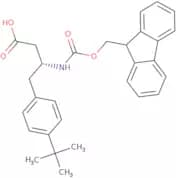
CAS :<p>Please enquire for more information about Gemcitabine monophosphate disodium monohydrate including the price, delivery time and more detailed product information at the technical inquiry form on this page</p>Formule :C9H12F2N3O7P•Na2•H2ODegré de pureté :90%Min By HplcCouleur et forme :PowderMasse moléculaire :407.16 g/molFmoc-(R)-3-amino-4-(4-tert-butyl-phenyl)-butyric acid
CAS :<p>Fmoc-3-Amino-4-(4-tertbutylphenyl)butyric acid is a versatile building block that can be used in the synthesis of complex compounds. Fmoc-3-Amino-4-(4-tertbutylphenyl)butyric acid is an intermediate for the production of speciality chemicals and reagents. It is also a useful scaffold in chemical reactions, as well as a reaction component. Fmoc-(R)-3-Amino-4-(4-tertbutylphenyl)butyric acid is soluble in ethanol and ether, but insoluble in water.</p>Formule :C29H31NO4Degré de pureté :Min. 95%Couleur et forme :White To Off-White SolidMasse moléculaire :457.56 g/mol6-Bromo-naphthalen-2-ylamine
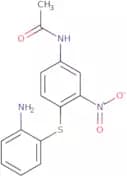
CAS :<p>6-Bromo-naphthalen-2-ylamine is a chromophore that has been used for the development of novel imaging techniques. This compound has been shown to have synaptic properties and can be used in the study of neurodegenerative diseases. It has also been shown to be an anticancer drug, with staining properties that are useful for the identification of motoneurons. 6-Bromo-naphthalen-2-ylamine is also useful as a fluorescent probe for studies of mechanisms of reaction yield and optical properties.</p>Formule :C10H8BrNDegré de pureté :Min. 98%Couleur et forme :PowderMasse moléculaire :222.08 g/mol4-Acetamido-2'-amino-2-nitrophenyl sulphide
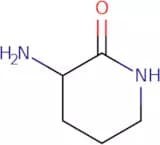
CAS :<p>4-Acetamido-2'-amino-2-nitrophenyl sulphide is a versatile building block that is used as a reagent, speciality chemical, and useful scaffold. It is a complex compound with CAS No. 1017060-37-5. This compound has been shown to be useful in the synthesis of fine chemicals and other research chemicals. 4-Acetamido-2'-amino-2-nitrophenyl sulphide can also be used as an intermediate in reactions or as a reaction component, making it an important building block for high quality compounds.</p>Formule :C14H13N3O3SDegré de pureté :Min. 95%Couleur et forme :PowderMasse moléculaire :303.34 g/mol3-Amino-2-piperidinone
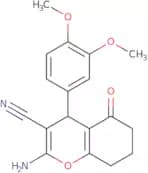
CAS :<p>3-Amino-2-piperidinone is a metabolite of ornithine, which is a nonessential amino acid. It is produced by the metabolism of arginine and lysine, both of which are essential amino acids. 3-Amino-2-piperidinone has been found in urine samples from patients with bladder cancer and hyperornithinemia. It has also been detected in saccharomyces cerevisiae strain during energy metabolism experiments. This metabolite can be identified using chromatographic techniques such as gas chromatography and mass spectrometry.<br>3-Amino-2-piperidinone can be used to identify the presence of cancer or metabolic disorders such as hyperornithinemia by measuring its concentration in urine samples or reaction solutions.</p>Formule :C5H10N2ODegré de pureté :Min. 95%Couleur et forme :PowderMasse moléculaire :114.15 g/mol2-amino-4-(3,4-dimethoxyphenyl)-5-oxo-4,6,7,8-tetrahydro2H-chromene-3-carbonitrile
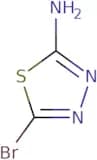
CAS :<p>Please enquire for more information about 2-amino-4-(3,4-dimethoxyphenyl)-5-oxo-4,6,7,8-tetrahydro2H-chromene-3-carbonitrile including the price, delivery time and more detailed product information at the technical inquiry form on this page</p>Formule :C18H18N2O4Degré de pureté :Min. 95%Couleur et forme :PowderMasse moléculaire :326.35 g/mol5-Bromo-1,3,4-thiadiazol-2-amine
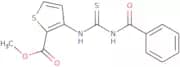
CAS :<p>5-Bromo-1,3,4-thiadiazol-2-amine is a synthetic antiplatelet agent that belongs to the thiosemicarbazide class. It has been shown to have broad-spectrum antimicrobial activity against Gram-positive and Gram-negative bacteria. 5-Bromo-1,3,4-thiadiazol-2-amine is an orally bioavailable drug that can be used in the treatment of bacterial infections caused by Gram negative bacteria. The molecular modeling study suggests that this compound binds to the enzyme active site of DNA gyrase and inhibits its activity. 5Bromo-1,3,4-thiadiazol-2 amine is deuterated and can be used for molecular modeling studies because it is soluble in organic solvents.</p>Formule :C2H2BrN3SDegré de pureté :Min. 95%Couleur et forme :PowderMasse moléculaire :180.03 g/molMethyl 3-(((phenylcarbonylamino)thioxomethyl)amino)thiophene-2-carboxylate
CAS :Please enquire for more information about Methyl 3-(((phenylcarbonylamino)thioxomethyl)amino)thiophene-2-carboxylate including the price, delivery time and more detailed product information at the technical inquiry form on this pageFormule :C14H12N2O3S2Degré de pureté :Min. 95%Couleur et forme :PowderMasse moléculaire :320.39 g/molN-Amino-D-proline
CAS :<p>N-Amino-D-proline is a hydrogen bond donor that has phytotoxic properties. It is synthesized from the reaction of ethanolamine, sulfoxide, and hydrochloric acid in the presence of lysine residues. N-Amino-D-proline may be used to treat death due to tissue injury or degeneration. The compound can also be used in chromatographic techniques as a hydrogen bond acceptor.</p>Formule :C5H10N2O2Degré de pureté :Min. 95%Couleur et forme :PowderMasse moléculaire :130.15 g/molN-Methyldioctylamine
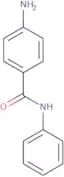
CAS :<p>N-Methyldioctylamine is a biodegradable, water soluble, and non-toxic chemical that can be used as an alternative to caustic soda for wastewater treatment. It removes organic matter from industrial effluents by breaking down long chain hydrocarbons into smaller fragments and reacts with the hydroxyl group of proteins to form hydroxylamines. N-Methyldioctylamine has been shown to inhibit protease activity in wild-type strains of bacteria, such as Escherichia coli and Pseudomonas aeruginosa. It also inhibits hematopoietic cells from developing into mature cells by disrupting the biochemical composition of their membranes. N-Methyldioctylamine is reactive with fatty acids and amines found in mammalian tissue samples. This compound can be used as a sample preparation agent or analytical reagent for caproic acid, which is used in process optimization applications.</p>Formule :C17H37NDegré de pureté :Min. 95%Couleur et forme :Clear LiquidMasse moléculaire :255.48 g/mol4-Aminobenzanilide
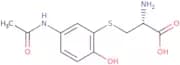
CAS :4-Aminobenzanilide is an antimicrobial agent that is synthesized from 2-aminobenzamide and 4-aminophenol. It has been shown to be effective against a number of bacteria, including Staphylococcus aureus and Streptococcus pyogenes. 4-Aminobenzanilide has also been shown to inhibit the growth of Mycoplasma pneumoniae in mammalian cells, which may be due to its ability to block DNA replication and transcription. This compound can also disrupt the synthesis of amides by inhibiting the enzyme aminopeptidase N. The low energy required for this reaction makes it possible for this compound to work as an antimicrobial agent with minimal toxicity.Formule :C13H12N2ODegré de pureté :Min. 95%Couleur et forme :PowderMasse moléculaire :212.25 g/mol3-Cysteinylacetaminophen trifluoroacetic acid salt
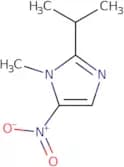
CAS :<p>Acetaminophen is a common pain reliever and fever reducer. It is available over-the-counter in many countries. Acetaminophen is a member of the class of drugs known as analgesic, antipyretic, and anti-inflammatory drugs (APAP). The drug has been shown to be effective for acute pain relief, but not for chronic pain. Acetaminophen has also been found to be an effective analgesic when taken at high doses (above 1000 mg per day) for more than one week. In vivo studies have shown that acetaminophen inhibits mitochondrial membrane potential in hk-2 cells and cd-1 mice. This inhibition leads to apoptosis and cell death. Acetaminophen is not associated with serious side effects when used at the recommended dose, although it can lead to liver damage if taken in large quantities or on a prolonged basis.</p>Formule :C11H14N2O4S·xC2HO2F3Degré de pureté :(%) Min. 95%Couleur et forme :Brown PowderMasse moléculaire :270.31 g/molN-(3-Methyl-2-propan-2-ylimidazol-4-Yl)-N-oxidohydroxylamine
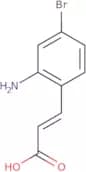
CAS :<p>N-(3-Methyl-2-propan-2-ylimidazol-4-yl)-N-oxidohydroxylamine is a chemical compound that has been shown to have antimicrobial activity in vitro. It interacts with the matrix effect and can be used as a chemotherapeutic agent. The molecule is also an analytical method for detection of cancer cells, which can be performed using a lc-ms/ms method.</p>Formule :C7H11N3O2Degré de pureté :Min. 95%Couleur et forme :PowderMasse moléculaire :169.18 g/mol2-Amino-4-bromocinnamic acid
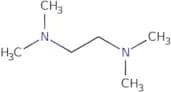
CAS :<p>2-Amino-4-bromocinnamic acid is a fine chemical with a CAS number of 914636-63-8. It is used in the synthesis of complex compounds and useful building blocks, as well as in research. This compound has been shown to be an intermediate for the preparation of derivatives with potential pharmaceutical applications, such as antihistamines, antipsychotics, and antibiotics. 2-Amino-4-bromocinnamic acid is also an important reagent for organic syntheses.</p>Formule :C9H8BrNO2Degré de pureté :Min. 98 Area-%Couleur et forme :PowderMasse moléculaire :242.07 g/molN,N,N',N'-Tetramethylenediamine
CAS :<p>Initiates acrylamide polymerization in combination with ammonium persulfate</p>Formule :C6H16N2Degré de pureté :Min. 98 Area-%Couleur et forme :Colorless Slightly Yellow Clear LiquidMasse moléculaire :116.2 g/mol2-[2-(2-t-Boc-aminoethoxy)ethoxy]ethanol
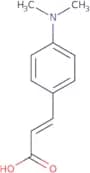
CAS :<p>2-[2-(2-t-Boc-aminoethoxy)ethoxy]ethanol is a versatile chemical building block that can be used to synthesize a variety of compounds. It has been shown to be useful as a reaction component in the synthesis of pharmaceuticals and agrochemicals. The compound is also used as an intermediate for the preparation of other compounds. 2-[2-(2-t-Boc-aminoethoxy)ethoxy]ethanol is soluble in organic solvents, such as chloroform, ethanol, or acetone. It has a CAS number of 139115-92-7 and is relatively easy to purify by recrystallization from methanol.</p>Formule :C11H23NO5Degré de pureté :Min. 95%Couleur et forme :Clear LiquidMasse moléculaire :249.3 g/mol4-Dimethylaminocinnamic acid
CAS :<p>4-Dimethylaminocinnamic acid (DMA) is a natural organic compound found in plants and animals. This compound has been studied for its potential use as a drug, but it is not currently used in medicine. 4-Dimethylaminocinnamic acid can inhibit the activity of certain enzymes by binding to them, including the enzyme polymerase chain that synthesizes DNA. It also can bind to other proteins, such as carbonyl groups and cinnamic acid derivatives, which are found in human liver cells. 4-Dimethylaminocinnamic acid can form hydrogen bonds with other molecules due to its hydroxyl group and carboxylic acid group. It also has a high viscosity due to its long hydrocarbon chain.</p>Formule :C11H13NO2Degré de pureté :Min. 95%Couleur et forme :PowderMasse moléculaire :191.23 g/mol5-Amino-N,N'-bis(2,3-dihydroxypropyl)-2,4,6-triiodo-1,3-benzenedicarboxamide
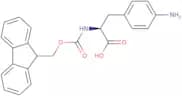
CAS :<p>5-Amino-N,N'-bis(2,3-dihydroxypropyl)-2,4,6-triiodo-1,3-benzenedicarboxamide is an experimental compound that is used in the industrial preparation of pharmaceuticals and agricultural chemicals. It has a molecular weight of 191.14 g/mol. The crystallization process involves the use of ethanol to create supersaturation and then cooling to induce crystallization. This compound can be synthesized by an iodination reaction with x-ray irradiation at low temperatures.</p>Formule :C14H18I3N3O6Degré de pureté :Min. 95%Couleur et forme :White PowderMasse moléculaire :705.02 g/molFmoc-4-amino-L-phenylalanine
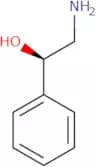
CAS :<p>Fmoc-4-amino-L-phenylalanine is a molecule with the amino acid, aminophenylalanine, that is used in devices to detect epithelial cells. It has been functionalized with a fluoro group and can be used as a fluorescent probe for the detection of epithelial cells. Fmoc-4-amino-L-phenylalanine can also be used to diagnose tumors and tumor cells by detecting their presence in urine samples. This peptide has been shown to have anti-tumor properties when it interacts with the tumor cell membrane, which may be due to its ability to inhibit protein synthesis and induce apoptosis.</p>Formule :C24H22N2O4Degré de pureté :Min. 97 Area-%Couleur et forme :Off-White PowderMasse moléculaire :402.44 g/mol(R)-2-Amino-1-phenylethanol
CAS :<p>(R)-2-Amino-1-phenylethanol is a molecule that has antimicrobial activity. It binds to the active site of bacterial enzymes, such as those involved in the synthesis of cell walls, and inhibits the growth of bacteria through competitive inhibition. This molecule also has a dihedral angle that is similar to that of other molecules with antibacterial activity. (R)-2-Amino-1-phenylethanol is an enantiomer, which means it can be synthesized from either (S)- or (R)-1-phenylethanol. The racemic form is more active than any individual enantiomer.</p>Formule :C8H11NODegré de pureté :Min. 95%Couleur et forme :PowderMasse moléculaire :137.18 g/molDodecyltrimethylammonium chloride
CAS :Dodecyltrimethylammonium chloride is a surfactant that belongs to the group of cationic surfactants. It has been shown to be effective as an adsorbent for phosphate ions in micelles. Dodecyltrimethylammonium chloride has also been shown to act as a detergent in solutions, and can be used as a cleaning agent. It is commonly used as a surfactant in various industrial processes, such as the production of glycol ethers. The chemical structure of dodecyltrimethylammonium chloride consists of dodecanol and trimethylamine (CH3(CH2)12N(CH3)(OH)3).Formule :C15H34NClDegré de pureté :Min. 95%Couleur et forme :PowderMasse moléculaire :263.89 g/molAZD 1152
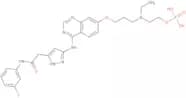
CAS :<p>AZD 1152 is an Aurora kinase inhibitor, which is a type of small-molecule therapeutic agent. It is derived from the pharmaceutical research conducted by AstraZeneca. Its primary mode of action involves the selective inhibition of Aurora B kinase, an enzyme crucial for the regulation of mitosis. By interfering with this enzyme, AZD 1152 disrupts the normal progression of cell division, leading to the inhibition of proliferation and induction of apoptosis in rapidly dividing cells.</p>Formule :C26H31FN7O6PDegré de pureté :Min. 97 Area-%Couleur et forme :Slightly Yellow PowderMasse moléculaire :587.54 g/mol4-(Dimethylamino)chalcone
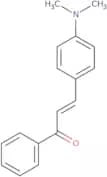
CAS :<p>4-(Dimethylamino)chalcone is a fluorescent molecule that has been used as a fluorescence probe to study the structures of fatty acids and other molecules. It is also used to detect neutral pH in biological studies. 4-(Dimethylamino)chalcone reacts with carbonyl groups to form stable complexes, which are useful for structural analysis. The fluorescence intensity is proportional to the concentration of the carbonyl group. This molecule has been shown to be potently active against human serum, which may be due to its ability to bind with protein and form stable complexes.</p>Formule :C17H17NODegré de pureté :Min. 95%Couleur et forme :PowderMasse moléculaire :251.32 g/mol3,5-Diaminosalicylic acid
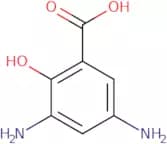
CAS :<p>3,5-Diaminosalicylic acid is a potent antibacterial agent that inhibits the synthesis of bacterial cell walls by inhibiting the enzyme transpeptidase. It is also used as a preservative and stabilizer in pharmaceutical formulations. 3,5-Diaminosalicylic acid has been shown to be active against cochliobolus at an optimum concentration of 2%. The solute is stable in water or dilute acids and alkalis. However, it can be hydrolyzed by strong bases such as sodium hydroxide and potassium hydroxide. Impurities such as nitro groups can be removed by washing with water or ethanol. The drug substance should be analyzed using high performance liquid chromatography (HPLC) methods to ensure stability and purity. 3,5-Diaminosalicylic acid forms crystalline needles that are colorless to white in solution. They will dissolve when heated but form precipitates when cooled. The crystals are</p>Formule :C7H8N2O3Degré de pureté :Min. 95%Couleur et forme :Brown PowderMasse moléculaire :168.15 g/mol3-Aminobenzanilide
CAS :<p>3-Aminobenzanilide is an organic compound that is used as a starting material in the synthesis of other compounds. It is also used in the synthesis of ethylenediamine and benzamide, which are used in the production of rubber. 3-Aminobenzanilide can be synthesized by reacting benzoyl chloride with ammonia or ethylenediamine. The reaction with ammonia produces 3-aminobenzamide, while that with ethylenediamine produces 3-aminobenzene. This compound has been shown to induce pentylenetetrazol convulsions and to produce neurological symptoms when administered at high doses.</p>Formule :C13H12N2ODegré de pureté :Min. 95%Couleur et forme :White/Off-White SolidMasse moléculaire :212.25 g/mol6-Benzyloxytryptamine
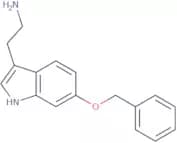
CAS :Produit contrôlé6-Benzyloxytryptamine is a drug that is metabolized by hydroxylation of the 6-hydroxyl group and glucuronidation. It is a positional isomer of tryptamine, with the methyl group on the 6 position instead of the 3 position. The 6-benzyloxytryptamine has been shown to have stimulatory effects in animals, but its effect on humans is not known.Formule :C17H18N2ODegré de pureté :Min. 98.0 Area-%Couleur et forme :PowderMasse moléculaire :266.34 g/molFarnesyl pyrophosphate triammonium salt
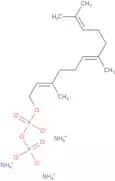
CAS :<p>Farnesyl pyrophosphate triammonium salt is a proteolytic cancer drug that has been shown to be effective against cancer cells. Farnesyl pyrophosphate triammonium salt is an active analog of farnesyl pyrophosphate, which is an intermediate in the synthesis of cholesterol and other steroids. Farnesyl pyrophosphate triammonium salt inhibits protein synthesis by inhibiting the methylation of proteins and the transfer of methyl groups from S-adenosylmethionine to protein substrates. This leads to a decrease in the expression of proteins necessary for cell division, such as DNA polymerase α and RNA polymerase II.</p>Formule :C15H37N3O7P2Degré de pureté :Min. 95%Couleur et forme :PowderMasse moléculaire :433.42 g/mol3-Amino-2,5-dichlorobenzoic acid
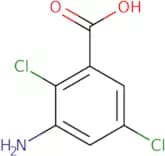
CAS :2,5-Dichlorobenzoic acid is a chemical compound that is used as an intermediate in the production of herbicides and other agricultural chemicals. It is also used for the synthesis of pharmaceuticals and dyes. 2,5-Dichlorobenzoic acid has been shown to have significant physiological effects at high doses. The use of 2,5-dichlorobenzoic acid may cause death in humans through kidney failure, although it has not been shown to be toxic to humans at low doses. The mechanism by which this effect occurs is not known. 2,5-Dichlorobenzoic acid has been found to be moderately toxic in animal studies with acute oral LD50 values ranging from 1,000 mg/kg body weight (mg/kg BW) to 10,000 mg/kg BW depending on the animal species tested.Formule :C7H5Cl2NO2Degré de pureté :Min. 95%Couleur et forme :White PowderMasse moléculaire :206.03 g/molBenzylhydroxylamine hydrochloride
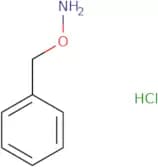
CAS :<p>Benzylhydroxylamine hydrochloride is an antimicrobial agent that has inhibitory properties against a range of microorganisms, including bacteria and fungi. Benzylhydroxylamine hydrochloride was shown to have anticancer activity in a mouse model of bowel disease. It also inhibits the production of inflammatory cytokines, such as TNF-α, IL-1β, and IL-6, from human monocytes. This agent also has been shown to be effective in animal models of autoimmune diseases such as multiple sclerosis and rheumatoid arthritis. The mechanism by which this drug exerts its effects is not well understood but may involve the inhibition of dopamine β-hydroxylase in the brain or nitrogen atoms that are important for protein synthesis. Benzylhydroxylamine hydrochloride can react with trifluoroacetic acid (TFA) to form a reactive intermediate that can covalently bind to proteins and cause toxicity.</p>Formule :C7H9ON·HClDegré de pureté :Min. 95%Couleur et forme :PowderMasse moléculaire :159.61 g/mol(2S)-({[(4-Methyl-2-oxo-2H-chromen-7-yl)oxy]acetyl}amino)(phenyl)acetic acid
CAS :<p>(2S)-({[(4-Methyl-2-oxo-2H-chromen-7-yl)oxy]acetyl}amino)(phenyl)acetic acid is a kind of fine chemical that belongs to the class of reagents and speciality chemicals. It is a versatile building block which can be used in research, as well as in the production of pharmaceuticals and other fine chemicals. This compound can be used in reactions as a building block or intermediate, as well as a scaffold for complex compounds.</p>Formule :C20H17NO6Degré de pureté :Min. 95 Area-%Couleur et forme :PowderMasse moléculaire :367.35 g/mol4-Bromobutan-1-amine hydrobromide
CAS :<p>4-Bromobutan-1-amine hydrobromide is a microtubule stabilizer that blocks the polymerization of tubulin and prevents cell division. It is activated by protonation and can be used to probe for cisplatin sensitivity. 4-Bromobutan-1-amine hydrobromide has been shown to have a high degree of specificity for cancer cells in culture, as well as sensitivity in animal models. This drug also has an excellent safety profile in humans and is an FDA approved chemotherapeutic agent.</p>Formule :C4H11Br2NDegré de pureté :Min. 95%Couleur et forme :PowderMasse moléculaire :232.94 g/molTetramethylammonium acetate monohydrate
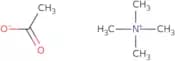
CAS :<p>Tetramethylammonium acetate monohydrate is an on-line, inorganic acid that reacts with other reagents to form hydrogen bonds. Tetramethylammonium acetate monohydrate is used as a reactive solvent for organic solutes and has been used in hydrophilic interaction chromatography to separate fatty acids and phenolic acids. This compound has been shown to be effective in the treatment of chronic bronchitis due to its ability to break down mucus.</p>Formule :C6H15NO2•H2OCouleur et forme :White PowderMasse moléculaire :151.2 g/mol3-Aminophenylboronic acid hemisulphate
CAS :<p>3-Aminophenylboronic acid hemisulphate is a cross-linking agent that has been shown to induce apoptosis in mammalian cells. It also has the ability to bind to glycan, a sugar molecule on the surface of cells. The binding of 3-aminophenylboronic acid hemisulphate induces morphogenetic protein (MP) secretion, which leads to cell death. This compound is used as an adjuvant in vaccines and also as a research reagent for studying protein sequences and antigen/antibody interactions.</p>Formule :C6H8BNO2•(H2SO4)0Degré de pureté :Min. 95%Couleur et forme :White PowderMasse moléculaire :185.98 g/mol4-Pentylbenzylamine
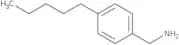
CAS :Please enquire for more information about 4-Pentylbenzylamine including the price, delivery time and more detailed product information at the technical inquiry form on this pageFormule :C12H19NDegré de pureté :Min. 98.0 Area-%Couleur et forme :Clear LiquidMasse moléculaire :177.29 g/mol3,4-Dimethylbenzylamine hydrochloride
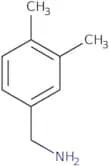
CAS :<p>3,4-Dimethylbenzylamine hydrochloride is an efficient primary alkylating agent that reacts with amines to form N,N'-bis(3,4-dimethylbenzyl)urea. This reaction can be carried out in a solvent such as ethanol or dichloromethane using one of the many amines and isocyanides listed below. This reagent is used for the synthesis of 3-aminopyridine from malononitrile and ethanol. It also has been used for the synthesis of 2-pyridinamine from 1-aminoethane and isocyanides.</p>Formule :C9H13N·HClDegré de pureté :Min. 95%Masse moléculaire :171.67 g/mol5-Bromo-4,6-dimethylpyrimidin-2-amine
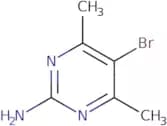
CAS :<p>Please enquire for more information about 5-Bromo-4,6-dimethylpyrimidin-2-amine including the price, delivery time and more detailed product information at the technical inquiry form on this page</p>Formule :C6H8BrN3Degré de pureté :Min. 95%Couleur et forme :PowderMasse moléculaire :202.05 g/molMethyl 3-amino-5,6-dichloro-2-pyrazine carboxylate
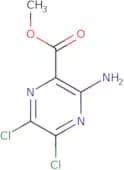
CAS :<p>Methyl 3-amino-5,6-dichloro-2-pyrazine carboxylate is a synthetic molecule that has been synthesized from dimethylamiloride. This chemical has been labeled and used for a variety of homologous and synthetic modifications. It may be used in labeling experiments to identify an unknown compound or to determine the structure of a known compound. The methyl 3-amino-5,6-dichloro-2-pyrazine carboxylate can also be used as a ligand to bind with subunits of proteins or nucleic acids. Photolabile methyl 3-amino-5,6-dichloro-2-pyrazine carboxylate can be synthesized by using light energy to cleave the ester bonds in the chemical. This chemical is useful for assays and techniques such as spectroscopy and nuclear magnetic resonance (NMR).</p>Formule :C6H5Cl2N3O2Degré de pureté :Min. 96.5 Area-%Couleur et forme :PowderMasse moléculaire :222.03 g/mol3-Amino-4-methoxybenzoic acid ethyl ester
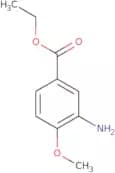
CAS :<p>3-Amino-4-methoxybenzoic acid ethyl ester is a chemical building block that can be used in the synthesis of various organic compounds. It is an important reaction component, and can also be used as a reagent or useful scaffold. 3-Amino-4-methoxybenzoic acid ethyl ester is soluble in organic solvents and has a high quality. This chemical has been shown to be useful for research purposes.</p>Formule :C10H13NO3Degré de pureté :Min. 95%Couleur et forme :PowderMasse moléculaire :195.22 g/mol2-Amino-4-chlorobenzonitrile
CAS :<p>2-Amino-4-chlorobenzonitrile is a synthetic molecule that can be synthesized in a metal chelator. It has potent inhibitory activities against amines, choline, and other molecules. 2-Amino-4-chlorobenzonitrile also has fluorescence properties. The reaction mechanism of 2-Amino-4-chlorobenzonitrile is not well understood, but it is believed to inhibit the synthesis of proteins by binding to their functional groups. This chemical can also enhance the rate of reactions by removing a hydrogen ion from the reactant.</p>Formule :C7H5ClN2Degré de pureté :Min. 95%Couleur et forme :PowderMasse moléculaire :152.58 g/mol2-[(4-Amino-2-methyl-5-nitrylbenzyl)amino]ethylalcohol
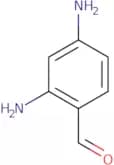
CAS :<p>2-[(4-Amino-2-methyl-5-nitrylbenzyl)amino]ethylalcohol is a reactive, hydrated, colorant that belongs to the group of hydroxy compounds. It has a chromophore and is used in the production of cosmetics. 2-[(4-Amino-2-methyl-5-nitrylbenzyl)amino]ethylalcohol is used for alkalization and in the production of particle pigments. This compound can be found in fatty acid esters, as it has a long hydrocarbon chain, which makes it soluble. It also has fatty acids and an amine group that provides color.</p>Formule :C9H13N3O3Degré de pureté :Min. 95%Masse moléculaire :211.22 g/mol2,4-Diaminobenzaldehyde
CAS :<p>2,4-Diaminobenzaldehyde is a chemical compound that is used as an intermediate in the synthesis of drugs and other organic chemicals. It can be oxidized with periodate to produce 2,4-diaminophenol. This reaction system can then be desilyated to produce 2,4-diaminoanisole. Reaction time has a significant effect on the yield of this reaction system. The optimal dosage of periodate for this reaction system is 0.5 mM for 2,4-diaminophenol and 0.1 mM for 2,4-diaminoanisole. This reaction system can also be carried out using lavendamycin or tosyl chloride instead of periodate. The conversion efficiency of this reaction system is dependent on the presence or absence of methyl esters in the starting material and product.<br>END></p>Formule :C7H8N2ODegré de pureté :Min. 95%Couleur et forme :White Yellow PowderMasse moléculaire :136.15 g/molAmmonium acetate
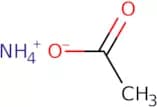
CAS :<p>Ammonium acetate is a salt that is used in the laboratory to synthesize ubiquitin ligases. It has been shown to have receptor activity and can be used to study the interaction between ammonium ions and sodium citrate. Ammonium acetate is a chemical reagent that is used to synthesize ubiquitin ligases, which are proteins that are involved in the degradation of other proteins. Ammonium acetate can also be used as an experimental model for myocardial infarct. The reaction between ammonium and water vapor yields ammonia gas, which can be analyzed with electrochemical impedance spectroscopy (EIS). A solution of ammonium acetate and palladium on zirconium oxide is suitable for coupling reactions, such as amination reactions. This compound has been used as an analytical method for the structural analysis of organic compounds.</p>Formule :C2H7NO2Couleur et forme :White Clear LiquidMasse moléculaire :77.08 g/mol3-(N-Methyl-N-pentylamino)propionic acid hydrochloride
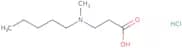
CAS :Trichloroethylene is a chlorinated hydrocarbon that is primarily used as a solvent. The propionic acid is the monosodium salt of 3-(N-Methyl-N-pentylamino)propionic acid hydrochloride, which is an organic compound. The monohydrate and trichloride are two polymorphic forms of this substance. Acetone and unreacted Trichloroethylene are substances that may be formed during the chemical process. The alkaline form of Trichloroethylene may be obtained by refluxing the substance with sodium hydroxide in water or with potassium hydroxide in alcohol. This substance can also exist in a polymorphic form.Formule :C9H20ClNO2Degré de pureté :Min. 95%Couleur et forme :PowderMasse moléculaire :209.71 g/mol5-(2-Aminoethyl)-1,3,4-thiadiazol-2-amine dihydrochloride
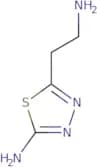
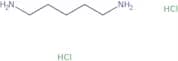
CAS :<p>5-(2-Aminoethyl)-1,3,4-thiadiazol-2-amine dihydrochloride (5AET) is a fine chemical useful as a scaffold for building complex compounds. It is also an intermediate in the synthesis of research chemicals and speciality chemicals. 5AET can also be used as a reactant in organic reactions. This product has high purity, making it a great building block for many different types of compounds. 5AET reacts with other chemicals to form new molecules that are useful in many applications.</p>Formule :C4H10Cl2N4SDegré de pureté :Min. 95%Couleur et forme :PowderMasse moléculaire :217.12 g/mol1,5-Diaminopentanedihydrochloride
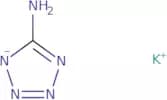
CAS :<p>1,5-Diaminopentanedihydrochloride (1,5-DAHP) is a chemical compound that can be used in the preparation of biological samples for analysis. It is able to bind to protein molecules and thus alter their properties. 1,5-DAHP has been shown to inhibit cancer cell growth by interfering with the matrix effect. The fluorescence detector can be used for detection of amines, which are known to be produced at high levels in cancer cells. A study was conducted on the use of 1,5-DAHP as an analytical tool in urine samples. It was found that 1,5-DAHP could successfully detect coryneform bacteria in urine cultures and also showed a high specificity for identifying lysine residues at pH 6.0 and pH 8.0</p>Formule :C5H16Cl2N2Degré de pureté :Min. 95%Couleur et forme :PowderMasse moléculaire :175.1 g/mol5-Amino-1H-tetrazole potassium salt
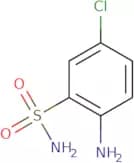
CAS :5-Amino-1H-tetrazole potassium salt is a chemical compound that is used as a reagent for the alkylation of organic compounds. It can be synthesized by reacting sodium with 5-amino-1H-tetrazole in the presence of dimethylformamide and ether. The yield of this reaction is high, but it is not an efficient process because it requires large quantities of starting materials. The potassium salt can be isolated from the mixture by adding water to produce a precipitate, which can then be dried.Formule :CH2KN5Degré de pureté :Min. 95%Couleur et forme :Slightly Yellow PowderMasse moléculaire :123.16 g/mol2-Amino-5-chlorobenzenesulfonamide
CAS :2-Amino-5-chlorobenzenesulfonamide is a synthetic chemical that is used in the manufacture of amides and diazoxide. It is also found naturally in humans as a metabolite of the amino acid histidine. 2-Amino-5-chlorobenzenesulfonamide has been shown to be a potent receptor for the modulation of acetylcholine release by binding to muscarinic receptors, including M1 and M2 subtypes, and inhibiting the enzyme hydrolysis of acetylcholine. This chemical has been shown to be chemically stable at pH 5 or higher, and it has been found to be resistant to hydrolysis by enzymes such as esterases, glucuronidases, glutathione reductase, and cytochrome P450. 2-Amino-5-chlorobenzenesulfonamide is also an enantiomer that can bind to collagen in the humanFormule :C6H7ClN2O2SDegré de pureté :Min. 95%Couleur et forme :PowderMasse moléculaire :206.65 g/mol
![4-Amino-5-chloro-2,3-dihydro-N-[1-(3-methoxypropyl)-4-piperidinyl]-7-benzofurancarboxamide](/_next/image/?url=https%3A%2Fstatic.cymitquimica.com%2Fproducts%2F3D%2Fthumb-webp%2FFA27248.webp&w=3840&q=75)

![2-[(2,6-Dibromo-4-methylphenyl)amino]acetohydrazide](/_next/image/?url=https%3A%2Fstatic.cymitquimica.com%2Fproducts%2F3D%2Fthumb-webp%2FFD115486.webp&w=3840&q=75)

![3-[1-(Dimethylamino)ethyl]phenol](/_next/image/?url=https%3A%2Fstatic.cymitquimica.com%2Fproducts%2F3D%2Fthumb-webp%2FFD22323.webp&w=3840&q=75)
![7-[(Dimethylamino)methyl]-2,2,4-trimethyl-1,2-dihydroquinolin-6-ol](/_next/image/?url=https%3A%2Fstatic.cymitquimica.com%2Fproducts%2F3D%2Fthumb-webp%2FFD129815.webp&w=3840&q=75)
![[(N-Acryloylamino)phenyl]mercuric chloride](/_next/image/?url=https%3A%2Fstatic.cymitquimica.com%2Fproducts%2F3D%2Fthumb-webp%2FFA17210.webp&w=3840&q=75)
![(S)-2-((((9H-Fluoren-9-yl)methoxy)carbonyl)amino)-3-(1H-pyrrolo[2,3-b]pyridin-3-yl)propanoic acid](/_next/image/?url=https%3A%2Fstatic.cymitquimica.com%2Fproducts%2F3D%2Fthumb-webp%2FFF154979.webp&w=3840&q=75)



![3-[(4-Fluorophenyl)amino]cyclohex-2-en-1-one](/_next/image/?url=https%3A%2Fstatic.cymitquimica.com%2Fproducts%2F3D%2Fthumb-webp%2FFF123027.webp&w=3840&q=75)
![1,3-Bis[tris(hydroxymethyl)methylamino]propane](/_next/image/?url=https%3A%2Fstatic.cymitquimica.com%2Fproducts%2F3D%2Fthumb-webp%2FFB09448.webp&w=3840&q=75)

![2-Chloro-9-cyclohexyl-N-[4-(4-morpholinyl)phenyl]-9H-purin-6-amine](/_next/image/?url=https%3A%2Fstatic.cymitquimica.com%2Fproducts%2F3D%2Fthumb-webp%2FFC20176.webp&w=3840&q=75)




![2-[2-(2-t-Boc-aminoethoxy)ethoxy]ethanol](/_next/image/?url=https%3A%2Fstatic.cymitquimica.com%2Fproducts%2F3D%2Fthumb-webp%2FFB18924.webp&w=3840&q=75)


![(2S)-({[(4-Methyl-2-oxo-2H-chromen-7-yl)oxy]acetyl}amino)(phenyl)acetic acid](/_next/image/?url=https%3A%2Fstatic.cymitquimica.com%2Fproducts%2F3D%2Fthumb-webp%2FFM124529.webp&w=3840&q=75)



![2-[(4-Amino-2-methyl-5-nitrylbenzyl)amino]ethylalcohol](/_next/image/?url=https%3A%2Fstatic.cymitquimica.com%2Fproducts%2F3D%2Fthumb-webp%2FFA146928.webp&w=3840&q=75)