Amines
Les amines sont un ensemble de molécules contenant un groupe fonctionnel amino (dérivé de l'ammoniac). Cette catégorie inclut les amines à tous les niveaux de substitution : primaires, secondaires, tertiaires et sels d'ammonium. Les amines sont fondamentales dans la synthèse organique et sont largement utilisées dans les produits pharmaceutiques, les agrochimiques et les sciences des matériaux. Chez CymitQuimica, nous proposons une sélection complète d'amines pour répondre à vos besoins de recherche et industriels. Notre gamme assure l'accès à diverses amines pour divers processus chimiques et recherches innovantes.
Sous-catégories appartenant à la catégorie "Amines"
- Nitrosamines(2.605 produits)
- Amines primaires(30.947 produits)
- Cations d'ammonium quaternaire(1.099 produits)
- Amines secondaires(20.886 produits)
- Amines tertiaires(17.193 produits)
8780 produits trouvés pour "Amines"
Trier par
Degré de pureté (%)
0
100
|
0
|
50
|
90
|
95
|
100
Annexin A1(1-25)(dephosphorylated)(human)ammonium salt
CAS :<p>Annexin A1 is a phospholipid-binding protein that is involved in the regulation of inflammation. It is often found in atherosclerotic lesions and has been shown to be an anti-inflammatory cytokine. Annexin A1 (dephosphorylated) does not inhibit the activity of enzymes such as cyclooxygenase and lipoxygenase, and so it may have therapeutic potential for treatment of autoimmune diseases such as Crohn's disease or bowel disease. Annexin A1 also has anti-inflammatory properties, which may be due to its ability to inhibit the production of proinflammatory cytokines such as IL-6 and TNF-α by inhibiting the activation of NFκB.</p>Formule :C141H210N32O44S·NH4Degré de pureté :Min. 97 Area-%Couleur et forme :White PowderMasse moléculaire :3,107.47 g/mol2-(((4-Bromo-2,5-dimethoxyphenyl)amino)methylene)-5,5-dimethylcyclohexane-1,3-dione
CAS :<p>Please enquire for more information about 2-(((4-Bromo-2,5-dimethoxyphenyl)amino)methylene)-5,5-dimethylcyclohexane-1,3-dione including the price, delivery time and more detailed product information at the technical inquiry form on this page</p>Formule :C17H20BrNO4Degré de pureté :Min. 95%Masse moléculaire :382.25 g/molTyramine hydrochloride
CAS :Produit contrôlé<p>Tyramine hydrochloride is a model system for the enzyme dopamine β-hydroxylase. Tyramine hydrochloride has shown anti-inflammatory activity, which may be due to its ability to inhibit the synthesis of prostaglandins in human serum. Tyramine hydrochloride also has been used as a cell specific reactive reagent in experiments with human cells. This compound has been shown to have optical sensor and kinetic energy properties that make it suitable for use as a model system in studies of tyrosine metabolism.</p>Formule :C8H12ClNODegré de pureté :Min. 95%Couleur et forme :White PowderMasse moléculaire :173.64 g/molN-(6-Hydroxyhexyl)trifluoroacetamide
CAS :<p>6-(Trifluoroacetylamino)-1-Hexanol is a magnetic compound that has been shown to bind to liposomes and hydrophobic membranes. It is also amphipathic, meaning it contains both hydrophilic and hydrophobic properties. This compound can be used for the diagnosis of certain diseases, such as cancer, by detecting gadolinium ions in the body. 6-(Trifluoroacetylamino)-1-Hexanol is also an imidazolide ligand that binds to ribonucleotides and nucleic acid matrix proteins. This allows it to be used as a contrast agent in magnetic resonance imaging (MRI).</p>Formule :C8H14F3NO2Degré de pureté :Min. 95%Couleur et forme :PowderMasse moléculaire :213.2 g/mol4-Amino-2-fluorobenzylamine dihydrochloride
CAS :<p>4-Amino-2-fluorobenzylamine dihydrochloride is a high quality, complex compound that can be used as a reagent, useful intermediate, or fine chemical. It is a versatile building block that can be used as a reaction component in the synthesis of speciality chemicals such as research chemicals and building blocks for drugs. It is also an important scaffold for drug design and development. 4-Amino-2-fluorobenzylamine dihydrochloride has CAS No. 2200281-02-1 and is useful in the synthesis of many different compounds.</p>Formule :C7H9FN2·2HClDegré de pureté :Min. 95%Couleur et forme :PowderMasse moléculaire :213.08 g/mol2-[(4-Amino-2-methyl-5-nitrylbenzyl)amino]ethylalcohol
CAS :<p>2-[(4-Amino-2-methyl-5-nitrylbenzyl)amino]ethylalcohol is a reactive, hydrated, colorant that belongs to the group of hydroxy compounds. It has a chromophore and is used in the production of cosmetics. 2-[(4-Amino-2-methyl-5-nitrylbenzyl)amino]ethylalcohol is used for alkalization and in the production of particle pigments. This compound can be found in fatty acid esters, as it has a long hydrocarbon chain, which makes it soluble. It also has fatty acids and an amine group that provides color.</p>Formule :C9H13N3O3Degré de pureté :Min. 95%Masse moléculaire :211.22 g/mol4,4'-Diamino-3,3'-dimethyldiphenylmethane
CAS :<p>4,4'-Diamino-3,3'-dimethyldiphenylmethane is a reactive dye that is used in the diagnosis of cervical cancer. It has been shown to suppress the expression of tumor suppressor genes by binding to DNA and interfering with transcription. This dye is also a polyvinyl compound that binds to proteins through an amine group. The bound form of 4,4'-Diamino-3,3'-dimethyldiphenylmethane can be detected using an electrode and hydroxyl group as a diode. Multivariate logistic regression was used to determine the relationship between the bound form of 4,4'-Diamino-3,3'-dimethyldiphenylmethane and women who have not had any symptoms of cervical cancer. A section was taken from each subject's cervix and stained with 4,4'-Diamino-3,3'-dimethyldiphenylmethane</p>Formule :C15H18N2Degré de pureté :Min. 95%Couleur et forme :PowderMasse moléculaire :226.32 g/mol(S)-2-Amino-3-(3,4-dihydroxyphenyl)-2-methylpropionic acid sesquihydrate
CAS :<p>(S)-2-Amino-3-(3,4-dihydroxyphenyl)-2-methylpropionic acid sesquihydrate is a synthetic drug that is used for the treatment of metabolic disorders such as diabetes mellitus. It has been shown in animal studies to increase locomotor activity and decrease bowel disease. It also has an effect on α7 nicotinic acetylcholine receptors and 2 adrenergic receptors.</p>Formule :C10H13NO4•(H2O)1Degré de pureté :Min 98%Couleur et forme :PowderMasse moléculaire :238.24 g/mol[1-(3-Methoxyphenyl)-1-methylethyl]amine hydrochloride
CAS :<p>[1-(3-Methoxyphenyl)-1-methylethyl]amine hydrochloride is an organic compound that can be used as a reagent and a building block. It has been shown to be a useful intermediate in the synthesis of various other compounds, such as pharmaceuticals. This chemical is also used in research, as it is versatile and can react with other compounds easily. [1-(3-Methoxyphenyl)-1-methylethyl]amine hydrochloride can be purchased at our store if you are interested in purchasing this product.</p>Formule :C10H15NO·HClDegré de pureté :Min. 95%Couleur et forme :PowderMasse moléculaire :201.69 g/mol(R,R)-(-)N,N'-Bis(3,5-di-tert-butylsalicylidene)-1,2-cyclohexanediaminomanganese(III) chloride
CAS :(R,R)-(-)N,N'-Bis(3,5-di-tert-butylsalicylidene)-1,2-cyclohexanediaminomanganese(III) chloride is a diamine ligand that has been used for the immobilization of ethylene. The reaction proceeds via an oxidation catalyzed by a metal such as copper or manganese. The reaction products are chlorides and alcohols. The molecular modeling and x-ray crystal structures of these reactions have been studied and kinetic data have been collected. Kinetics measurements show that the reactions are fast with an activation energy of 45 kcal/mol and proceed through a hydrogen transfer mechanism.Formule :C36H52ClMnN2O2Degré de pureté :Min. 95%Couleur et forme :PowderMasse moléculaire :635.2 g/mol1S,2S-(+)-Diaminocyclohexane
CAS :<p>1S,2S-(+)-Diaminocyclohexane is a copper complex that has been reported to have anticancer activity. It has been shown to chelate metal ions and form hydrogen bonding interactions with acidic groups on the surface of cancer cells. The solubility data for 1S,2S-(+)-Diaminocyclohexane indicates that it is not soluble in water, but soluble in methanol and ethanol. Cyclic voltammetry studies indicate that the reaction mechanism for 1S,2S-(+)-Diaminocyclohexane involves electron transfer from the cyclohexane ring to a benzimidazole derivative. Linear regression analysis of carcinoma cell lines indicates that 1S,2S-(+)-Diaminocyclohexane is selective for cancer cells over normal cells.</p>Formule :C6H14N2Degré de pureté :Min. 95%Couleur et forme :PowderMasse moléculaire :114.19 g/mol2’-Epidihydroergotamine
CAS :2'-Epidihydroergotamine is a reagent that is used as an intermediate in the synthesis of ergot alkaloids. 2'-Epidihydroergotamine is a fine chemical that has been used as a building block for the synthesis of other compounds. It has also been used in the production of research chemicals and speciality chemicals such as antihistamines, anticancer agents, and vasoconstrictors. This compound can be used as a versatile building block in organic synthesis reactions.Formule :C33H37N5O5Degré de pureté :Min. 95%Couleur et forme :PowderMasse moléculaire :583.68 g/mol5-Amino-1,3,4-thiadiazole-2-sulfonamide
CAS :<p>5-Amino-1,3,4-thiadiazole-2-sulfonamide is a chemical compound that inhibits the growth of skin cancer cells. It has inhibitory properties against choroidal neovascularization induced by dorzolamide hydrochloride and other pharmacological agents. 5-Amino-1,3,4-thiadiazole-2-sulfonamide has also been shown to have antiangiogenic activity in vitro and in vivo assays. 5ATTS inhibits the growth of bacteria and fungi by inhibiting fatty acid synthesis. The drug also has been shown to be effective in treating diabetic neuropathy and fluorescein angiography associated with itchy eyes.</p>Formule :C2H4N4O2S2Degré de pureté :Min. 95%Couleur et forme :PowderMasse moléculaire :180.21 g/mol(1R,2S)-2-(3,4-Difluorophenyl)cyclopropanamine (2R)-Hydroxy(phenyl)ethanoate
CAS :Produit contrôlé<p>Intermediate in the synthesis of ticagrelor</p>Formule :C9H9F2N·C8H8O3Degré de pureté :Min. 95%Couleur et forme :White PowderMasse moléculaire :321.32 g/mol7-Amino-2-(4-methoxyphenyl)[1,2,4]triazolo[1,5-a]pyrimidin-5(4H)-one
CAS :7-Amino-2-(4-methoxyphenyl)[1,2,4]triazolo[1,5-a]pyrimidin-5(4H)-one is a fine chemical that belongs to the category of versatile building blocks. It can be used as a reagent for research purposes and as a speciality chemical for the production of complex compounds. This compound is also an important building block for the synthesis of compounds with high quality and useful scaffolds.Formule :C12H11N5O2Degré de pureté :Min. 95%Couleur et forme :PowderMasse moléculaire :257.25 g/mol(2S)-({[(4-Methyl-2-oxo-2H-chromen-7-yl)oxy]acetyl}amino)(phenyl)acetic acid
CAS :<p>(2S)-({[(4-Methyl-2-oxo-2H-chromen-7-yl)oxy]acetyl}amino)(phenyl)acetic acid is a kind of fine chemical that belongs to the class of reagents and speciality chemicals. It is a versatile building block which can be used in research, as well as in the production of pharmaceuticals and other fine chemicals. This compound can be used in reactions as a building block or intermediate, as well as a scaffold for complex compounds.</p>Formule :C20H17NO6Degré de pureté :Min. 95 Area-%Couleur et forme :PowderMasse moléculaire :367.35 g/molZanamivir amine triacetate methyl ester
CAS :Anti-viral; neuraminidase inhibitor; effective agains influenza A and B virusesFormule :C18H26N2O10Degré de pureté :Min. 95%Couleur et forme :Yellow PowderMasse moléculaire :430.41 g/molN,N-Dicyclohexylammonium nitrite
CAS :Produit contrôlé<p>Dicyclohexylammonium nitrite is a chemical compound that contains nitrite and an organic ammonium group. This compound has been shown to inhibit the growth of carcinoma cells in vitro. It has also been shown to inhibit the production of reactive oxygen species (ROS) by these cells, which may be due to its ability to scavenge hydroxyl radicals. Dicyclohexylammonium nitrite has been shown to have a low corrosion potential, which makes it suitable for use in environments where corrosion is a concern. This compound is stable in acidic, neutral or basic conditions, making it suitable for a wide range of applications.</p>Formule :C12H23N·HNO2Degré de pureté :Min. 95%Couleur et forme :PowderMasse moléculaire :228.33 g/mol[(2,5-Dichlorophenyl)sulphonyl]phenylamine
CAS :<p>[(2,5-Dichlorophenyl)sulphonyl]phenylamine is a versatile building block with a number of potential applications. It can be used as a reagent in the synthesis of complex compounds or as an intermediate in the preparation of useful scaffolds. This compound has been studied for use in the production of research chemicals and other speciality chemicals. [(2,5-Dichlorophenyl)sulphonyl]phenylamine is also a useful building block that can be used to produce high quality fine chemicals with diverse properties.</p>Formule :C12H9Cl2NO2SDegré de pureté :Min. 95%Masse moléculaire :302.18 g/mol2-Amino-N-[2-(2-chlorobenzoyl)-4-nitrophenyl]acetamide
CAS :<p>2-Amino-N-[2-(2-chlorobenzoyl)-4-nitrophenyl]acetamide is a fine chemical that is used as a building block in organic synthesis. It is a versatile intermediate for the synthesis of other compounds and can be used to make a variety of useful scaffolds. 2-Amino-N-[2-(2-chlorobenzoyl)-4-nitrophenyl]acetamide has been used in research and development of pharmaceuticals, agrochemicals, herbicides, and other compounds.</p>Formule :C15H12ClN3O4Degré de pureté :Min. 95%Couleur et forme :Slightly Yellow PowderMasse moléculaire :333.73 g/mol6-Benzyloxytryptamine
CAS :Produit contrôlé6-Benzyloxytryptamine is a drug that is metabolized by hydroxylation of the 6-hydroxyl group and glucuronidation. It is a positional isomer of tryptamine, with the methyl group on the 6 position instead of the 3 position. The 6-benzyloxytryptamine has been shown to have stimulatory effects in animals, but its effect on humans is not known.Formule :C17H18N2ODegré de pureté :Min. 98.0 Area-%Couleur et forme :PowderMasse moléculaire :266.34 g/mol2-[[(Heptadecafluorooctyl)sulphonyl]methylamino]ethyl acrylate
CAS :Produit contrôlé<p>2-[(Heptadecafluorooctyl)sulphonylamino]ethyl acrylate is a chemical used to remove contaminants from water. It is often used in industrial wastewater treatment, as well as for municipal and domestic wastewater treatment. This chemical binds to organic compounds and removes them from the water through adsorption. 2-[(Heptadecafluorooctyl)sulphonylamino]ethyl acrylate is also used in the filtration of surface water and drinking water. The efficacy of this chemical has been tested on humans, but it was not found to be toxic.</p>Formule :C14H10F17NO4SDegré de pureté :Min. 95%Couleur et forme :PowderMasse moléculaire :611.27 g/mol3,5-Diaminosalicylic acid
CAS :<p>3,5-Diaminosalicylic acid is a potent antibacterial agent that inhibits the synthesis of bacterial cell walls by inhibiting the enzyme transpeptidase. It is also used as a preservative and stabilizer in pharmaceutical formulations. 3,5-Diaminosalicylic acid has been shown to be active against cochliobolus at an optimum concentration of 2%. The solute is stable in water or dilute acids and alkalis. However, it can be hydrolyzed by strong bases such as sodium hydroxide and potassium hydroxide. Impurities such as nitro groups can be removed by washing with water or ethanol. The drug substance should be analyzed using high performance liquid chromatography (HPLC) methods to ensure stability and purity. 3,5-Diaminosalicylic acid forms crystalline needles that are colorless to white in solution. They will dissolve when heated but form precipitates when cooled. The crystals are</p>Formule :C7H8N2O3Degré de pureté :Min. 95%Couleur et forme :Brown PowderMasse moléculaire :168.15 g/mol4-(Dimethylamino)chalcone
CAS :<p>4-(Dimethylamino)chalcone is a fluorescent molecule that has been used as a fluorescence probe to study the structures of fatty acids and other molecules. It is also used to detect neutral pH in biological studies. 4-(Dimethylamino)chalcone reacts with carbonyl groups to form stable complexes, which are useful for structural analysis. The fluorescence intensity is proportional to the concentration of the carbonyl group. This molecule has been shown to be potently active against human serum, which may be due to its ability to bind with protein and form stable complexes.</p>Formule :C17H17NODegré de pureté :Min. 95%Couleur et forme :PowderMasse moléculaire :251.32 g/molAZD 1152
CAS :<p>AZD 1152 is an Aurora kinase inhibitor, which is a type of small-molecule therapeutic agent. It is derived from the pharmaceutical research conducted by AstraZeneca. Its primary mode of action involves the selective inhibition of Aurora B kinase, an enzyme crucial for the regulation of mitosis. By interfering with this enzyme, AZD 1152 disrupts the normal progression of cell division, leading to the inhibition of proliferation and induction of apoptosis in rapidly dividing cells.</p>Formule :C26H31FN7O6PDegré de pureté :Min. 97 Area-%Couleur et forme :Slightly Yellow PowderMasse moléculaire :587.54 g/molN-Methyl-1,2-phenylenediamine
CAS :<p>N-Methyl-1,2-phenylenediamine is a solvent that can be used in the synthesis of proteins and other biomolecules. It has been shown to have maximal response at a pH of 5.5 and is an enzyme substrate for nitrogen atoms. The conformational properties of N-Methyl-1,2-phenylenediamine are determined by its solid-phase synthesis. NMR spectra show that N-Methyl-1,2-phenylenediamine has hydrogen bonding capabilities with other molecules such as water and hydrochloric acid. This substance also has fluorescence properties when exposed to ultraviolet light or hydrogen peroxide. Trichomonas vaginalis is inhibited by this compound because it causes the organism to lose its motility due to the hydrogen bonds formed with the hydroxyl groups on the surface of trichomonas vaginalis.</p>Formule :C7H10N2Degré de pureté :Min. 95%Couleur et forme :Clear LiquidMasse moléculaire :122.17 g/mol3-((4-Acetylphenyl)amino)-2-phenylinden-1-one
CAS :<p>Please enquire for more information about 3-((4-Acetylphenyl)amino)-2-phenylinden-1-one including the price, delivery time and more detailed product information at the technical inquiry form on this page</p>Formule :C23H17NO2Degré de pureté :Min. 95%Couleur et forme :PowderMasse moléculaire :339.39 g/mol3-Aminobenzanilide
CAS :<p>3-Aminobenzanilide is an organic compound that is used as a starting material in the synthesis of other compounds. It is also used in the synthesis of ethylenediamine and benzamide, which are used in the production of rubber. 3-Aminobenzanilide can be synthesized by reacting benzoyl chloride with ammonia or ethylenediamine. The reaction with ammonia produces 3-aminobenzamide, while that with ethylenediamine produces 3-aminobenzene. This compound has been shown to induce pentylenetetrazol convulsions and to produce neurological symptoms when administered at high doses.</p>Formule :C13H12N2ODegré de pureté :Min. 95%Couleur et forme :White/Off-White SolidMasse moléculaire :212.25 g/molZoxazolamine
CAS :<p>Zoxazolamine is a synthetic, immunosuppressive and cytotoxic agent that inhibits the enzyme activities of cytosolic Ca2+-ATPases. It has been shown to suppress antibody response in rats. Zoxazolamine also has a number of drug interactions, including inhibition of tetracycline metabolism and induction of cytochrome P450 enzymes. The experimental model for zoxazolamine is based on the T84 cell line, which is an intestinal epithelial cell line derived from human ileum. Zoxazolamine has been shown to induce toxicity in this cell line. Zoxazolamine also causes release of bile acids from rat liver microsomes and can lead to autoimmune diseases in experimental models.</p>Formule :C7H5ClN2ODegré de pureté :Min. 95%Couleur et forme :PowderMasse moléculaire :168.58 g/mol4-Amino-2-chlorobenzoic acid methyl ester
CAS :<p>4-Amino-2-chlorobenzoic acid methyl ester (4ACBME) is a chemical compound that has been used in the treatment of autoimmune diseases. It acts as an immunoreceptor and regulatory molecule by binding to specific receptors on the surface of lymphocytes, which are cells that play a central role in the immune system. 4ACBME also inhibits the production of inflammatory molecules, such as TNF-α, IL-1β, IL-6 and IL-8. The regression of tissue inflammation was observed in animal models after 4ACBME treatment. This compound has been shown to have no genotoxic impurities in vitro studies and its molecular descriptors are consistent with those found for other immunoreceptors.</p>Formule :C8H8ClNO2Degré de pureté :Min. 95%Couleur et forme :White PowderMasse moléculaire :185.61 g/mol3-(Diethylamino)-1-propanol
CAS :<p>3-(Diethylamino)-1-propanol is a chemical species that has been shown to inhibit the growth of epidermal cells in a model system. 3-(Diethylamino)-1-propanol inhibits the production and release of epidermal growth factor, which is required for cell proliferation. The chemical binds to the receptor for epidermal growth factor, thereby inhibiting its activity. The low energy activation energies of this compound make it an excellent candidate for use in radiation therapy, as it can be easily activated by low levels of radiation and will not break down before reaching the target tissue. 3-(Diethylamino)-1-propanol also has inhibitory properties against other amines, such as histamine and acetylcholine.</p>Formule :C7H17NODegré de pureté :Min. 95%Couleur et forme :Clear LiquidMasse moléculaire :131.22 g/mol4-Acetoxy-N-isopropyl-N-methyltryptamine
CAS :Produit contrôlé<p>4-Acetoxy-N-isopropyl-N-methyltryptamine (4AO-NIPMT) is a tryptamine that has been found to be a potent inhibitor of histamine release from mast cells. Its role in allergy and other conditions is not well understood. 4AO-NIPMT also inhibits the activity of the enzyme beta-glucuronidase, which is responsible for breaking down many drugs and toxins.</p>Formule :C16H22N2O2Degré de pureté :Min. 95%Masse moléculaire :274.36 g/molEthyl 2-amino-4,5,6,7-tetrahydro-1-benzothiophene-3-carboxylate
CAS :Ethyl 2-amino-4,5,6,7-tetrahydro-1-benzothiophene-3-carboxylate is an antibacterial agent that inhibits the growth of bacteria by binding to amines and metal ions. It also has in vitro anticancer activity against cancer cells. Ethyl 2-amino-4,5,6,7-tetrahydro-1-benzothiophene-3-carboxylate has been shown to have antiinflammatory activity in rats.Formule :C11H15SNO2Degré de pureté :Min. 95%Couleur et forme :PowderMasse moléculaire :225.31 g/molCetyltrimethylammonium bromide
CAS :<p>Cetyltrimethylammonium bromide is a cationic surfactant that is used in analytical methods. It functions as a carrier for nanoparticles and has been used to prepare sephadex g-100, an affinity chromatography matrix. Cetrimide is an organic compound that has antimicrobial activity against Gram-positive bacteria. The antimicrobial activity can be increased by adding benzalkonium chloride, which inhibits the enzyme cyclase. Cetrimide also has the ability to inhibit the synthesis of bacterial proteins by binding to 16S ribosomal RNA. This protein synthesis inhibition leads to cell death by inhibiting the production of proteins vital for cell division.</p>Formule :C19H42BrNDegré de pureté :Min. 95%Couleur et forme :White PowderMasse moléculaire :364.45 g/mol3-Amino-2-oxazolidinone
CAS :3-Amino-2-oxazolidinone is a metabolite of furazolidone. Furazolidone is a competitive inhibitor of the enzyme dihydropteroate synthase, which is involved in folate synthesis. 3-Amino-2-oxazolidinone has been shown to have an inhibitory effect on the growth of bacteria and fungi, as well as on the production of uric acid by rat liver cells. It also has genotoxic effects and can cause oxidative stress in cells. This compound is measured by an electrochemical impedance spectroscopy method that uses water vapor as the solvent.Formule :C3H6N2O2Degré de pureté :Min. 95%Couleur et forme :White PowderMasse moléculaire :102.09 g/mol3-Amino-phenazin-2-ol
CAS :<p>3-Amino-phenazin-2-ol is a pesticide that has been shown to have genotoxic effects on human lymphocytes in vitro. 3-Amino-phenazin-2-ol inhibits the growth of triticum aestivum, a type of cereal plant, by binding to the aminoacids in the cell wall and disrupting its structure. This leads to cell death and inhibits the synthesis of proteins necessary for cellular growth. The herbicide has also been shown to inhibit the growth of typhimurium at high concentrations and may be used as an herbicide or pesticide. The mechanism by which 3-amino phenazin 2-ol exerts its toxicity is not fully understood, but it may be due to its ability to activate cells that are exposed to low energy levels.</p>Formule :C12H9N3ODegré de pureté :Min. 95%Couleur et forme :PowderMasse moléculaire :211.22 g/mol2-[N-[(3,5-Difluorophenyl)carbamoylamino]-C-methylcarbonimidoyl]pyridine-3-carboxylic acid
CAS :<p>2-[N-[(3,5-Difluorophenyl)carbamoylamino]-C-methylcarbonimidoyl]pyridine-3-carboxylic acid (2FPC) is a potent herbicide that inhibits the fatty acid synthase enzyme and blocks cellular energy production. Fatty acid synthase is an important enzyme in the synthesis of essential fatty acids and this inhibition can lead to a number of health complications. 2FPC also inhibits epidermal growth factor receptor (EGFR) and glucocorticoid receptors, which can lead to autoimmune diseases. The compound has been shown to produce neurotoxic effects in animals and humans, including optical sensor activation and cation channel modulation.<br>2FPC is used as a herbicide to control weeds such as knapweed. It is also used as an anti-inflammatory agent in the treatment of rheumatoid arthritis.</p>Formule :C15H12F2N4O3Degré de pureté :Min. 97 Area-%Couleur et forme :PowderMasse moléculaire :334.28 g/mol3-Cysteinylacetaminophen trifluoroacetic acid salt
CAS :<p>Acetaminophen is a common pain reliever and fever reducer. It is available over-the-counter in many countries. Acetaminophen is a member of the class of drugs known as analgesic, antipyretic, and anti-inflammatory drugs (APAP). The drug has been shown to be effective for acute pain relief, but not for chronic pain. Acetaminophen has also been found to be an effective analgesic when taken at high doses (above 1000 mg per day) for more than one week. In vivo studies have shown that acetaminophen inhibits mitochondrial membrane potential in hk-2 cells and cd-1 mice. This inhibition leads to apoptosis and cell death. Acetaminophen is not associated with serious side effects when used at the recommended dose, although it can lead to liver damage if taken in large quantities or on a prolonged basis.</p>Formule :C11H14N2O4S·xC2HO2F3Degré de pureté :(%) Min. 95%Couleur et forme :Brown PowderMasse moléculaire :270.31 g/mol4-Aminobenzanilide
CAS :4-Aminobenzanilide is an antimicrobial agent that is synthesized from 2-aminobenzamide and 4-aminophenol. It has been shown to be effective against a number of bacteria, including Staphylococcus aureus and Streptococcus pyogenes. 4-Aminobenzanilide has also been shown to inhibit the growth of Mycoplasma pneumoniae in mammalian cells, which may be due to its ability to block DNA replication and transcription. This compound can also disrupt the synthesis of amides by inhibiting the enzyme aminopeptidase N. The low energy required for this reaction makes it possible for this compound to work as an antimicrobial agent with minimal toxicity.Formule :C13H12N2ODegré de pureté :Min. 95%Couleur et forme :PowderMasse moléculaire :212.25 g/molFmoc-cis-1-amino-4-phenyl-cyclohexane carboxylic acid
CAS :<p>Fmoc-cis-1-amino-4-phenyl-cyclohexane carboxylic acid is a fine chemical, useful building block, and research chemical. It is a versatile building block that can be used in the synthesis of complex compounds such as pharmaceuticals and agrochemicals. Fmoc-cis-1-amino-4-phenyl-cyclohexane carboxylic acid has been shown to react with various other compounds to form useful intermediates, which can be used to produce more complex molecules. This compound has also been shown to have reagent properties.</p>Formule :C28H27NO4Degré de pureté :Min. 95%Couleur et forme :PowderMasse moléculaire :441.52 g/mol2-Amino-3-[[[4-(2-methylpropyl)phenyl]methylene]amino]-2-butenedinitrile
CAS :Please enquire for more information about 2-Amino-3-[[[4-(2-methylpropyl)phenyl]methylene]amino]-2-butenedinitrile including the price, delivery time and more detailed product information at the technical inquiry form on this pageFormule :C15H16N4Degré de pureté :Min. 95%Couleur et forme :PowderMasse moléculaire :252.31 g/mol2-(5-Trifluoromethyl-pyridin-2-yl)ethylamine 2HCl
CAS :<p>2-(5-Trifluoromethyl-pyridin-2-yl)ethylamine 2HCl is a fine chemical that can be used as a building block in the synthesis of other compounds. It is also a useful reagent and a speciality chemical, which means it is typically used for research purposes only. This compound has shown to have high quality and versatility, and is often used as an intermediate in the synthesis of complex compounds.</p>Formule :C8H9F3N2H2Cl2Degré de pureté :Min. 95%Couleur et forme :White PowderMasse moléculaire :263.09 g/mol2-Amino-3-methoxybenzoic acid hydrochloride
CAS :<p>2-Amino-3-methoxybenzoic acid hydrochloride is a synthetic monosubstituted hydroxy analog of the natural alkaloids, which are substituted with an amino group. It is produced by the demethylation of 2-amino-3-hydroxypyridine and reacts with caprolactam to form 2,6-dihydroxybenzaldehyde. It has been used in the synthesis of methoxyanthranilic acid, which is a synthetic analogue of anthranilic acid. Hydrochloric acid can be added to 2-amino-3-methoxybenzoic acid hydrochloride to produce 2,6-dihydroxybenzoyl chloride. This compound also undergoes condensation reactions with methoxyanthranilic acid to form 2,6-dimethoxybenzaldehyde.</p>Formule :C8H9NO3•HClDegré de pureté :Min. 95%Couleur et forme :PowderMasse moléculaire :203.62 g/molTris(dimethylamino)sulfonium difluorotrimethylsilicate
CAS :<p>Tris(dimethylamino)sulfonium difluorotrimethylsilicate is a solute that is used in synthetic chemistry. It has been shown to stimulate bone growth in vitro and to inhibit the metastasis of cancer cells in animal studies. Tris(dimethylamino)sulfonium difluorotrimethylsilicate has also been shown to be an effective treatment for bladder cancer. This compound has been shown to bind to cortistatin, an active substance that inhibits the proliferation of human bladder cancer cells. The compound binds to benzyl groups on cortistatin and prevents it from binding with its receptors on the bladder cancer cells, leading to cell death.</p>Formule :C6H18N3S•C3H9F2SiDegré de pureté :90%Couleur et forme :PowderMasse moléculaire :275.48 g/mol2-Chloro-9-cyclohexyl-N-[4-(4-morpholinyl)phenyl]-9H-purin-6-amine
CAS :<p>2-Chloro-9-cyclohexyl-N-[4-(4-morpholinyl)phenyl]-9H-purin-6-amine is a synthetic chemical that has been used as a reaction component, reagent, and high quality research chemical. It has CAS No. 737005-53-7 and can be used as a useful scaffold for the synthesis of complex compounds. Other names for this compound are: 2C9H6N2ClN4P</p>Formule :C21H25ClN6ODegré de pureté :Min. 95%Couleur et forme :Beige PowderMasse moléculaire :412.92 g/molEthylenediaminetetraacetic Dianhydride
CAS :<p>Ethylenediaminetetraacetic dianhydride (EDTA) is a dianhydride that is used in wastewater treatment. It is a strong chelating agent and reacts with metal ions to form complexes, which are then removed as sludge. EDTA also has amide groups that can react with water under acidic conditions, which increases its adsorption capacity. This compound is thermally stable and has a high chemical stability in the presence of human serum and basic fibroblasts. EDTA binds to DNA by electrostatic interactions, forming hydrogen bonds between the amine group of the EDTA molecule and the phosphate groups of DNA. This prevents cross-linking of DNA chains and results in an increased rate of DNA synthesis.</p>Formule :C10H12N2O6Degré de pureté :Min. 95%Couleur et forme :PowderMasse moléculaire :256.21 g/molFmoc-(R)-3-amino-4-(4-tert-butyl-phenyl)-butyric acid
CAS :<p>Fmoc-3-Amino-4-(4-tertbutylphenyl)butyric acid is a versatile building block that can be used in the synthesis of complex compounds. Fmoc-3-Amino-4-(4-tertbutylphenyl)butyric acid is an intermediate for the production of speciality chemicals and reagents. It is also a useful scaffold in chemical reactions, as well as a reaction component. Fmoc-(R)-3-Amino-4-(4-tertbutylphenyl)butyric acid is soluble in ethanol and ether, but insoluble in water.</p>Formule :C29H31NO4Degré de pureté :Min. 95%Couleur et forme :White To Off-White SolidMasse moléculaire :457.56 g/molGemcitabine monophosphate disodium monohydrate
CAS :<p>Please enquire for more information about Gemcitabine monophosphate disodium monohydrate including the price, delivery time and more detailed product information at the technical inquiry form on this page</p>Formule :C9H12F2N3O7P•Na2•H2ODegré de pureté :90%Min By HplcCouleur et forme :PowderMasse moléculaire :407.16 g/mol4-tert-Butyl-2,6-dimethylbenzylamine hydrochloride
CAS :<p>4-tert-Butyl-2,6-dimethylbenzylamine hydrochloride is a versatile building block that can be used for the synthesis of many different types of chemical compounds. It is a reagent in organic synthesis and has been used as a building block for other compounds. 4-tert-Butyl-2,6-dimethylbenzylamine hydrochloride is also useful as an intermediate or scaffold in complex syntheses. This chemical has been used in research to produce 2,4,5-trichlorotoluene and 1,2,3,5,6-pentachlorocyclohexane. CAS No. 2703627-79-4</p>Formule :C13H21N·HClDegré de pureté :Min. 95%Couleur et forme :PowderMasse moléculaire :227.77 g/mol3,5-Dibromobenzylamine hydrochloride
CAS :<p>3,5-Dibromobenzylamine hydrochloride is a versatile building block that is used as a reaction component and intermediate in the synthesis of pharmaceuticals. It is also useful as a research chemical and speciality chemical, which are substances that are not typically found in consumer products. 3,5-Dibromobenzylamine hydrochloride can be used as a building block for the synthesis of new compounds by reacting with other chemicals. This compound has been registered under CAS 202982-73-8 and has high quality standards.</p>Formule :C7H8Br2ClNDegré de pureté :Min. 95%Couleur et forme :PowderMasse moléculaire :301.41 g/mol6-Carboxytetramethylrhodamine succinimidyl ester
CAS :<p>6-Carboxytetramethylrhodamine (TAMRA) is a widely employed fluorescent dye (orange-red) suitable for different uses. In PCR applications, it has been used both as a reporter at the 5â or as a quencher at the 3â end. TAMRA-labelled oligonucleotides have been used to study interactions with DNA or DNA/proteins interactions. It is an excellent fluorescent acceptor for FRET applications with a suitable dye pair. It is used as a protein/antibody labelling agent for structural studies, immunochemistry and flow cytometry. Bioconjugation is generally performed through coupling of the carboxylic acid to a primary amine at the N-terminus of a protein, on lysine side chains or amino-modified oligonucleotide. Carboxylic acids activated with succinimidyl esters react with primary amines.</p>Formule :C29H25N3O7Degré de pureté :Min. 95 Area-%Couleur et forme :PowderMasse moléculaire :527.52 g/mol5-Methoxygramine
CAS :Produit contrôlé<p>5-Methoxygramine is a metabolic intermediate which is an analog of 5-hydroxytryptamine (5-HT). It has been shown to increase blood pressure and reduce the activity of the 5-HT2C receptor. This drug also has been found to inhibit the growth of some cancer cells in vitro, but it does not affect normal cells. It can be used as a tool for identifying compounds that may have similar effects. The binding affinity of 5-methoxygramine for the 5-HT2C receptor was measured by displacement experiments with 3H-spiperone. The effect of this compound on dopamine release from rat striatal slices was studied by measuring electrical activity in isolated heart preparations. The effect of this compound on leishmania infection was studied using infected mice and isolated heart preparations.</p>Formule :C12H16N2ODegré de pureté :Min. 95%Couleur et forme :PowderMasse moléculaire :204.27 g/molEthyl 4-amino-3-nitrobenzoate
CAS :Ethyl 4-amino-3-nitrobenzoate is a molecule that is used as an inhibitor of butyrylcholinesterase. It has been shown to have inhibitory effects on enzymes such as cholinesterase, which are involved in the breakdown of acetylcholine and other neurotransmitters. Ethyl 4-amino-3-nitrobenzoate is a dihydrate and it has been found to be an efficient inhibitor of butyrylcholinesterase with a KI value of 0.2 mM. Single crystal x-ray diffraction analysis showed that the compound was centrosymmetric with hydrogen bonding interactions. The parameters were rationalized by this analysis, which led to the discovery of a more efficient method for synthesizing this molecule.Formule :C9H10N2O4Degré de pureté :Min. 95%Couleur et forme :PowderMasse moléculaire :210.19 g/mol6-amino-3-methyl-4-(3-nitrophenyl)-4H-pyrano[3,2-d]pyrazole-5-carbonitrile
CAS :<p>Please enquire for more information about 6-amino-3-methyl-4-(3-nitrophenyl)-4H-pyrano[3,2-d]pyrazole-5-carbonitrile including the price, delivery time and more detailed product information at the technical inquiry form on this page</p>Formule :C14H11N5O3Degré de pureté :Min. 95%Couleur et forme :PowderMasse moléculaire :297.27 g/molMethyl 2-amino-4-(trifluoromethyl)benzoate
CAS :<p>Methyl 2-amino-4-(trifluoromethyl)benzoate is a non-steroidal anti-inflammatory drug that is structurally related to anthranilic acid. It has been shown to reduce the proliferation of human breast cancer cells in vitro. This drug inhibits the activity of cellular senescence, which has been implicated in aging and cancer progression. Methyl 2-amino-4-(trifluoromethyl)benzoate binds to receptor sites on the cell nucleus and prevents the binding of ligands to these receptors, thereby inhibiting transcriptional activity. This compound also increases cell sensitivity to radiation and chemotherapeutic agents by preventing DNA repair mechanisms from functioning properly. Methyl 2-amino-4-(trifluoromethyl)benzoate inhibits the production of reactive oxygen species by inducing oxidative stress in cells and may inhibit protein synthesis through its ability to bind tightly to proteins.</p>Formule :C9H8F3NO2Degré de pureté :Min. 95%Couleur et forme :Slightly Yellow PowderMasse moléculaire :219.16 g/mol2-Butoxyethan-1-amine
CAS :<p>2-Butoxyethan-1-amine is a solvent that has been used in the production of polydimethylsiloxane, which is often found in silicone sealants and caulks. This chemical is volatilized, so it can be released into the atmosphere during its manufacture or use. The ethers are cross-linked with glycols to form polyether polyols that are heat treated to produce ethylene glycol. 2-Butoxyethan-1-amine is also an ingredient in water solutions of polydimethylsiloxane, which may include other substances such as salts. The permeation of this chemical through microns (µm) thick layers of silica gel was demonstrated using a template containing pores of various sizes and shapes. Fluoride ions were used to catalyze the reaction between 2-butoxyethan-1-amine and silica gel; this process was shown to increase the rate of permeation by up to 40%.</p>Formule :C6H15NODegré de pureté :Min. 95%Couleur et forme :Clear LiquidMasse moléculaire :117.19 g/mol3-Amino-4-nitrobenzoic acid
CAS :<p>3-Amino-4-nitrobenzoic acid is a synthetic compound, which has been shown to inhibit the activity of trypanothione reductase. This inhibition of the enzyme causes an increase in the level of intracellular trypanothione, which is then acetylated by ATP sulfurylase and converted to trypanothione. 3-Amino-4-nitrobenzoic acid is also a potent inhibitor of fxa, which is a coagulation factor necessary for blood clotting. The active site of 3-amino-4-nitrobenzoic acid contains two nitroarenes that are responsible for its antithrombotic properties.</p>Formule :C7H6N2O4Degré de pureté :Min. 95%Couleur et forme :PowderMasse moléculaire :182.13 g/molFmoc-(S)-3-amino-3-(2-nitrophenyl)propionic acid
CAS :<p>Please enquire for more information about Fmoc-(S)-3-amino-3-(2-nitrophenyl)propionic acid including the price, delivery time and more detailed product information at the technical inquiry form on this page</p>Formule :C24H20N2O6Degré de pureté :Min. 95%Couleur et forme :White PowderMasse moléculaire :432.43 g/mol2-[(4-Isopropylphenyl)amino]nicotinic acid
CAS :2-[(4-Isopropylphenyl)amino]nicotinic acid is a fine chemical, useful building block, research chemicals, reagent, speciality chemical and a versatile building block. It is an intermediate in organic synthesis and can be used to form many types of compounds. This compound also has many applications in the field of chemistry including use as a reaction component or as a scaffold. 2-[(4-Isopropylphenyl)amino]nicotinic acid is used in the production of pharmaceuticals, pesticides and other industrial chemicals.Formule :C15H16N2O2Degré de pureté :Min. 95%Couleur et forme :Yellow PowderMasse moléculaire :256.3 g/mol6-Fluorogramine
CAS :<p>6-Fluorogramine is a synthetic compound that is metabolized by drug-metabolizing enzymes to form 6-fluorohydroxymethyltetrahydrofolate. This intermediate is then hydrolyzed to form 6-hydroxymethyltetrahydrofolate and monohydroxy methylene tetrahydrofolate. The reaction yield for this reaction is about 60%. 6-Fluorohydroxymethyltetrahydrofolate can also be converted to paraformaldehyde and dimethylamine, which are used in the synthesis of other compounds. The positional isomer of 6-fluoromethylenetetrahydropterin (6FMTP) can be synthesized from 6-fluoroformaldehyde and paraformaldehyde.</p>Formule :C11H13FN2Degré de pureté :Min. 95%Masse moléculaire :192.23 g/mol4-[[4-(4-Chlorophenyl)-2-thiazolyl]amino]phenol
CAS :4-[[4-(4-Chlorophenyl)-2-thiazolyl]amino]phenol is a chemical that has been used in analytical and in vitro methods to study the cellular physiology of cells. It was found to inhibit sphingosine kinase, which is an enzyme that is involved in the synthesis of sphingosine. The inhibition of this enzyme leads to decreased levels of sphingosine and the effect on the cell. 4-[[4-(4-Chlorophenyl)-2-thiazolyl]amino]phenol can also affect mitochondrial membrane potential and cyclase activity, which may be useful for treating hyperproliferative diseases such as breast cancer.Formule :C15H11ClN2OSDegré de pureté :Min. 95%Masse moléculaire :302.78 g/mol2-Amino-3-hydroxybenzoic acid ethyl ester
CAS :<p>2-Amino-3-hydroxybenzoic acid ethyl ester is soluble in organic solvents and is a catalyst for the hydrolysis of phenoxazinones. It has been shown to be the most active among the amino acid esters at pH 7. The optimum temperature for this enzyme is 37 degrees Celsius. The substrate specificity of this enzyme, which was purified by fractionation, is 3-hydroxyanthranilic acid and 3-hydroxyanthranilic acid with metals such as copper or zinc ions. This enzyme also catalyses the hydrolysis of proteins and peptides containing hydrophobic amino acids.</p>Formule :C9H11NO3Degré de pureté :Min. 95%Couleur et forme :PowderMasse moléculaire :181.19 g/mol(+)-Biotin-(PEO)4-amine
CAS :<p>Nucleophilic biotinylation reagent. Attaches cell surface glycosides to ELISA-type surfaces, mediated by a hydrophilic spacer/linker.</p>Formule :C18H34N4O5SDegré de pureté :Min. 95%Couleur et forme :White PowderMasse moléculaire :418.55 g/mol2-(Boc-amino)-3-methylpyridine
CAS :<p>2-(Boc-amino)-3-methylpyridine is a cytotoxic agent that has been shown to inhibit the proliferation of cancer cells. It is a potent cytotoxic agent that can be used to treat cancer. 2-(Boc-amino)-3-methylpyridine inhibits the growth of cancer cells by inhibiting the activity of B-Raf, a protein involved in cell proliferation and apoptosis. The anticancer properties are due to its ability to inhibit protein synthesis in cells by inhibiting the enzyme carbinolamine N-methyltransferase, which is required for the synthesis of methionine. 2-(Boc-amino)-3-methylpyridine also inhibits DNA and RNA synthesis in cells. This drug has been shown to have antiangiogenic effects, which may be due to its ability to inhibit vascular endothelial growth factor (VEGF) production.<br>END></p>Formule :C11H16N2O2Degré de pureté :Min. 95%Couleur et forme :PowderMasse moléculaire :208.26 g/mol6-Aminoindoline dihydrochloride
CAS :<p>Please enquire for more information about 6-Aminoindoline dihydrochloride including the price, delivery time and more detailed product information at the technical inquiry form on this page</p>Formule :C8H10N2•(HCl)2Degré de pureté :Min. 95%Masse moléculaire :207.1 g/mol2-(2-Aminoethyl)phenol
CAS :<p>2-(2-Aminoethyl)phenol is a monoamine oxidase inhibitor. It is a biogenic amine that is found in animals and plants. 2-(2-Aminoethyl)phenol has been found to have anti-inflammatory properties and can be used to treat mongolism.</p>Formule :C8H11NODegré de pureté :Min. 95 Area-%Couleur et forme :PowderMasse moléculaire :137.18 g/mol2-Amino-5-bromobenzoic acid methyl ester
CAS :2-Amino-5-bromobenzoic acid methyl ester is a small molecule with antiviral potency. It has a dipole moment and can form hydrogen bonds. 2-Amino-5-bromobenzoic acid methyl ester inhibits the PDE5 enzyme, which is an enzyme that breaks down cGMP. This inhibition of PDE5 leads to the increase in cGMP, which causes blood vessels to relax and widen. As a result, 2-amino-5-bromobenzoic acid methyl ester has been shown to decrease high blood pressure and improve heart function.Formule :C8H8BrNO2Degré de pureté :Min. 95%Couleur et forme :PowderMasse moléculaire :230.06 g/mol3-Amino-5-mercapto-1,2,4-triazole
CAS :<p>3-Amino-5-mercapto-1,2,4-triazole is a potent inhibitor of the activity of metal carbonyls and was first synthesized by the reaction of 3-amino-5-mercaptotetrazole with sodium hydroxide. The inhibition study showed that 3 amino 5 mercapto 1,2,4 triazole has strong inhibitory effect on the catalytic activity of metal carbonyls. The nmr spectra show that this compound can form hydrogen bonding with water molecules. It is also possible for 3 amino 5 mercapto 1,2,4 triazole to form hydrogen bonding with chitosan polymer in vitro. Test samples were prepared using polymer film as substrate and electrochemical impedance spectroscopy was used to measure the impedance response at different frequencies and chemical potentials.</p>Formule :C2H4N4SDegré de pureté :Min. 97 Area-%Couleur et forme :White PowderMasse moléculaire :116.15 g/mol5-Hydroxytryptamine hydrochloride
CAS :Produit contrôlé5-Hydroxytryptamine hydrochloride is a drug that belongs to the group of pharmacological agents. It is used to treat various disorders, such as depression, anxiety, and eating disorders. 5-Hydroxytryptamine hydrochloride has been shown to have synergic effects with other drugs in vitro and in vivo. This drug can inhibit the activity of serotonin at 5-HT2 receptors by blocking the ability of serotonin to bind to these receptors. 5-Hydroxytryptamine hydrochloride also has physiological effects on human serum samples and can be used for sample preparation before analysis using polymerase chain reaction (PCR).Formule :C10H12N2O·HClDegré de pureté :Min. 98 Area-%Couleur et forme :White PowderMasse moléculaire :212.68 g/mol(R)-3-Aminopyrrolidin-2-one
CAS :<p>(R)-3-Aminopyrrolidin-2-one is a versatile building block used as a reagent, intermediate or speciality chemical in research. CAS No. 121010-86-4 is a fine chemical that can be used to synthesize complex compounds. It is an important intermediate for the synthesis of many biologically active compounds and has been extensively studied as a drug candidate for cancer treatment. (R)-3-Aminopyrrolidin-2-one has also been shown to have antiviral effects against HIV and influenza A virus and may be useful in the treatment of viral infections.</p>Formule :C4H8N2ODegré de pureté :Min. 95%Couleur et forme :PowderMasse moléculaire :100.12 g/mol4'-Amino-4-hydroxystilbene
CAS :<p>4'-Amino-4-hydroxystilbene is a hydrocarbon that has been extracted from various plant sources. It can be dissolved in acetone and is soluble in alkanes. 4'-Amino-4-hydroxystilbene has been analyzed for its aromatic hydrocarbons, including naphthalene. This chemical can be used as a solvent extraction agent and may also have applications as an analytical reagent.</p>Formule :C14H13NODegré de pureté :Min. 95%Couleur et forme :PowderMasse moléculaire :211.26 g/mol(2,4-dichlorophenyl)(3-((hydroxyimino)ethyl)-4-methyl(2,5-thiazolyl))amine
CAS :<p>Please enquire for more information about (2,4-dichlorophenyl)(3-((hydroxyimino)ethyl)-4-methyl(2,5-thiazolyl))amine including the price, delivery time and more detailed product information at the technical inquiry form on this page</p>Degré de pureté :Min. 95%4-Amino-3-methylbenzonitrile
CAS :<p>4-Amino-3-methylbenzonitrile is a proton ionophore that can be used to prevent viral replication. It is a synthetic, aminobenzonitrile derivative that binds to the viral RNA polymerase and prevents the synthesis of new virus particles. 4-Amino-3-methylbenzonitrile has been shown to inhibit the growth of some strains of coxsackievirus, although it is less effective against other strains and viruses. 4-Amino-3-methylbenzonitrile inhibits the synthesis of viral proteins by binding to the viral RNA polymerase. This prevents viral transcription and replication, which leads to cell death.</p>Formule :C8H8N2Couleur et forme :PowderMasse moléculaire :132.16 g/mol5-Amino-1,3-benzoxazol-2(3H)-one hydrochloride
CAS :<p>5-Amino-1,3-benzoxazol-2(3H)-one hydrochloride is a fine chemical that belongs to the group of compounds known as benzoxazoles. Benzoxazoles are used as building blocks for the preparation of other compounds. 5-Amino-1,3-benzoxazol-2(3H)-one hydrochloride is soluble in water, and it can be used as a research chemical or intermediate in organic synthesis. This compound has a CAS number of 77408-77-6 and can be purchased at high quality.</p>Formule :C7H6N2O2·HClDegré de pureté :Min. 95%Couleur et forme :Off-White PowderMasse moléculaire :186.6 g/mol5-Acetamido-6-amino-3-methyluracil hydrate
CAS :<p>5-Acetamido-6-amino-3-methyluracil hydrate (AAU) is a drug that is used as an analytical reagent in the determination of caffeine, 5-hydroxytryptophan, and other compounds. It can be used to assess interactions between drugs and enzyme activities. AAU has been shown to be a suitable substrate for many enzymes, including alcohol dehydrogenase, acetylcholinesterase, catalase, and glucose oxidase. The sample preparation procedure is performed by dissolving the compound in water or ethanol. The sample is then filtered before it is analyzed using high performance liquid chromatography (HPLC). The chemical properties of AAU are such that it can be easily transported from one place to another without undergoing significant changes in physical properties. AAU has been shown to have no effect on biological samples when exposed to radiation.</p>Formule :C7H10N4O3·H2ODegré de pureté :Min. 95%Couleur et forme :Slightly Yellow PowderMasse moléculaire :216.2 g/molDidecyl dimethyl ammonium bromide
CAS :<p>Didecyl dimethyl ammonium bromide is an antimicrobial peptide that has high resistance to antibiotic-resistant strains. It is a phosphonate compound that is used in the analytical method of titration calorimetry. The didecyl dimethyl ammonium bromide molecule can be seen as having two reactive centers, one on the phosphorus atom and one on the methyl group. These reactive centers are involved in intramolecular hydrogen transfer reactions and transfer reactions with other molecules, leading to its antimicrobial activity. Didecyl dimethyl ammonium bromide can also be used as a disinfectant or as a monoethyl ether for organic synthesis.</p>Formule :C22H48BrNDegré de pureté :Min. 98%Couleur et forme :PowderMasse moléculaire :406.53 g/mol2-(2-(2-Aminoethylamino)ethylamino)ethanol trihydrochloride
CAS :<p>2-(2-(2-Aminoethylamino)ethylamino)ethanol trihydrochloride is a chemical compound that is used as a reaction component and as a reagent in the synthesis of other chemicals. 2-(2-(2-Aminoethylamino)ethylamino)ethanol trihydrochloride is an intermediate for many organic compounds, including pharmaceuticals and pesticides. It has also been used to synthesize drugs for treating bacterial infections. 2-(2-(2-Aminoethylamino)ethylamino)ethanol trihydrochloride can be used in research or as a specialty chemical.</p>Formule :C6H17N3O·3HClDegré de pureté :Min. 95%Couleur et forme :PowderMasse moléculaire :256.6 g/mol5-Chloro-3-pyridinamine
CAS :<p>5-Chloro-3-pyridinamine is a catalyst that is used in the synthesis of polymers. It can be used in ring-opening polymerization reactions and is reactive with a variety of functional groups, including aliphatic and aromatic rings. 5-Chloro-3-pyridinamine also has high activity for ring opening polymerizations, which makes it an ideal choice for the synthesis of polymers. This catalyst can be used to control the molecular weight of polymers by dilution or by altering the amount of catalyst used. 5-Chloro-3-pyridinamine has been shown to be biocompatible and biodegradable, making it a good choice for biomedical applications.</p>Formule :C5H5ClN2Degré de pureté :Min. 95%Couleur et forme :PowderMasse moléculaire :128.56 g/molm-Aminophenolsulfate
CAS :m-Aminophenolsulfate is a sulfonated derivative of m-aminophenol. It has been used for wastewater treatment and as an analytical reagent for the determination of p2 group substances, such as sulfa drugs. It is also used in pharmaceutical preparations and human serum. m-Aminophenolsulfate may be activated by hydrochloric acid to form a reactive intermediate (m-aminophenoxy radical) that reacts with electron acceptors such as oxygen or nitrous oxide to generate reactive oxygen species. In this way, m-aminophenolsulfate can act as a broad-spectrum antimicrobial agent against both Gram negative and Gram positive bacteria. The mechanism of this reaction is adsorption on the bacterial cell wall, which leads to cell death through osmotic lysis or disruption of membrane integrity.Formule :C12H16N2O6SDegré de pureté :Min. 95%Couleur et forme :PowderMasse moléculaire :316.33 g/mol2-Amino-5-iodobenzoic acid methyl ester
CAS :<p>2-Amino-5-iodobenzoic acid methyl ester (2AIBA) is a molecule that can be used as an activatable probe for imaging cancer. It has a profile suitable for radionuclide therapy and is also senescent. 2AIBA binds to DNA and inhibits the synthesis of proteins, leading to cell death. 2AIBA has potent inhibitory activity against murine melanoma cells and synergistic effects when combined with acridone. The section of tumour cells was shown to be reduced by 42% in mice when treated with 2AIBA, acridone, and radiation compared to mice treated with radiation alone.</p>Formule :C8H8INO2Degré de pureté :Min. 95%Couleur et forme :PowderMasse moléculaire :277.06 g/mol(aza((2-fluorophenyl)amino)methylene)methane-1,1-dicarbonitrile
CAS :<p>Please enquire for more information about (aza((2-fluorophenyl)amino)methylene)methane-1,1-dicarbonitrile including the price, delivery time and more detailed product information at the technical inquiry form on this page</p>Formule :C9H5FN4Degré de pureté :Min. 95%Couleur et forme :PowderMasse moléculaire :188.16 g/mol4-(N-Boc-aminomethyl)aniline
CAS :<p>4-(N-Boc-aminomethyl)aniline is a cavity-preventing agent that has been demonstrated to be neuroprotective in vitro. The drug also inhibits the growth of bacteria, fungi, and viruses in cell culture and animal models. 4-(N-Boc-aminomethyl)aniline is an innovative compound class that has shown potential for treating infectious diseases such as HIV, tuberculosis, and malaria. It has been shown to act by interfering with viral replication and inhibiting the production of inflammatory cytokines (e.g., tumor necrosis factor). Furthermore, 4-(N-Boc-aminomethyl)aniline can be used as a matrix effector or nucleophile to form hydrogen bonds with other molecules. It can also have an impact on nanomaterials when it is incorporated into their surface.</p>Formule :C12H18N2O2Degré de pureté :Min. 97 Area-%Couleur et forme :Yellow PowderMasse moléculaire :222.28 g/mol6-Amino-5-bromoquinoxaline
CAS :<p>6-Amino-5-bromoquinoxaline is an inhibitor of serine proteases that has been shown to be effective in cell culture and in wild-type mice. It inhibits the enzyme by binding to the catalytic site, blocking the formation of a covalent bond between polypeptide chain and amino acid substrate. 6-Amino-5-bromoquinoxaline has also been shown to have an inhibitory effect on fibrinogen and polyclonal antibodies and can be used as a buffer for other proteases. In addition, this compound also inhibits caproic acid production from fatty acids via an unknown mechanism.br><br>6-Amino-5-bromoquinoxaline is not active against synthetic substrates or monoclonal antibodies.</p>Formule :C8H6BrN3Degré de pureté :Min. 95%Couleur et forme :PowderMasse moléculaire :224.05 g/molHyoscyamine
CAS :<p>Hyoscyamine is a tropane alkaloid that is found in plants of the Solanaceae family, such as henbane and jimson weed. It has been used for centuries to treat gastrointestinal disorders, spastic colon, urinary incontinence, and other conditions. The drug works by inhibiting the release of acetylcholine from nerve endings at synapses in the brain and along the gastrointestinal tract. Inhibition of acetylcholine release leads to an increase in parasympathetic activity which results in decreased motility and increased secretions. Hyoscyamine inhibits epoxidase activity, which may be associated with its anti-inflammatory properties. This drug also has transcriptional regulation effects on genes related to growth, development, and reproduction; it inhibits the synthesis of proteins that regulate cell growth and division. Scopolamine is a derivative of hyoscyamine that has been used as a sedative or preoperative medication to reduce saliva production and decrease bronchial</p>Formule :C17H23NO3Degré de pureté :Min. 95%Couleur et forme :PowderMasse moléculaire :289.37 g/molTetramethylammonium acetate monohydrate
CAS :<p>Tetramethylammonium acetate monohydrate is an on-line, inorganic acid that reacts with other reagents to form hydrogen bonds. Tetramethylammonium acetate monohydrate is used as a reactive solvent for organic solutes and has been used in hydrophilic interaction chromatography to separate fatty acids and phenolic acids. This compound has been shown to be effective in the treatment of chronic bronchitis due to its ability to break down mucus.</p>Formule :C6H15NO2•H2OCouleur et forme :White PowderMasse moléculaire :151.2 g/mol7-Methylgramine
CAS :Please enquire for more information about 7-Methylgramine including the price, delivery time and more detailed product information at the technical inquiry form on this pageFormule :C12H16N2Degré de pureté :Min. 95%Couleur et forme :PowderMasse moléculaire :188.27 g/mol3-Amino-2-methylbenzoic acid
CAS :<p>3-Amino-2-methylbenzoic acid is an organic compound that belongs to the group of heterocyclic compounds. 3-Amino-2-methylbenzoic acid has been shown to inhibit the transport properties of nanotubes and may be used in the development of new materials for drug delivery. It also has potential as a therapeutic agent for the treatment of cancer, diabetes, and bacterial infections. This molecule is unsymmetrical with six hydrogen bonding interactions and three functional groups. The 3-amino group can form an intermolecular hydrogen bond with a proton donor and the two methyl groups can form intramolecular hydrogen bonds with each other.</p>Formule :C8H9NO2Degré de pureté :Min. 95%Couleur et forme :PowderMasse moléculaire :151.16 g/mol3-Bromo-4-methoxybenzylamine hydrochloride
CAS :<p>3-Bromo-4-methoxybenzylamine hydrochloride is a high quality reagent that is used as an intermediate in the synthesis of complex compounds. It has been shown to be a useful scaffold for the synthesis of new chemical entities and a versatile building block for organic synthesis. 3-Bromo-4-methoxybenzylamine hydrochloride can be used as a reaction component in various chemical reactions, including Friedel-Crafts acylation, nitration, chlorination and bromination.</p>Formule :C8H11BrClNODegré de pureté :Min. 95%Couleur et forme :PowderMasse moléculaire :252.54 g/mol3-[1-(Dimethylamino)ethyl]phenol
CAS :<p>Intermediate in the synthesis of rivastigmine</p>Formule :C10H15NODegré de pureté :Min. 95%Couleur et forme :White PowderMasse moléculaire :165.23 g/mol2-(4-Bromophenyl)-1,3-benzoxazol-5-amine
CAS :<p>2-(4-Bromophenyl)-1,3-benzoxazol-5-amine is an organic compound with a molecular formula of C14H10BrN2O and a molecular weight of 270.44 g/mol. 2-(4-Bromophenyl)-1,3-benzoxazol-5-amine is white to off white crystalline powder that is soluble in ether and ethanol but insoluble in water. It is a versatile building block for the synthesis of other fine chemicals. This compound has been used as a research chemical and as an intermediate in the synthesis of complex compounds.</p>Formule :C13H9BrN2ODegré de pureté :Min. 95%Couleur et forme :PowderMasse moléculaire :289.13 g/mol6-Aminouracil
CAS :<p>6-Aminouracil is a hydroxylated form of uracil. It has inhibitory properties against protein synthesis in bacteria, acting as an inhibitor of the enzyme dihydroorotase. 6-Aminouracil has been shown to be effective against PC3 cells and has high resistance to hydrolysis by acid or alkali. The reaction mechanism for the conversion of uracil to 6-aminouracil is unclear; however, it may involve a nucleophilic attack on the hydroxyl group.</p>Formule :C4H5N3O2Degré de pureté :Min. 95%Couleur et forme :PowderMasse moléculaire :127.1 g/molIsopentylamine
CAS :<p>Isopentylamine is a chemical compound that belongs to the class of amines. It has been shown to be an agonist of the nicotinic acetylcholine receptor, which is a type of neurotransmitter receptor found in the central and peripheral nervous systems. Isopentylamine has been shown to have clinical relevance for congestive heart failure. This drug binds to the hydroxyl group on the receptor and increases the rate of diffusion into cells by increasing membrane permeability. The basic structure of isopentylamine is shown below:</p>Formule :C5H13NDegré de pureté :Min. 98%Couleur et forme :Clear LiquidMasse moléculaire :87.16 g/mol(1R,2R)-Boc-aminocyclohexane carboxylic acid
CAS :Please enquire for more information about (1R,2R)-Boc-aminocyclohexane carboxylic acid including the price, delivery time and more detailed product information at the technical inquiry form on this pageFormule :C12H21NO4Degré de pureté :Min. 95%Couleur et forme :PowderMasse moléculaire :243.3 g/molN,N-Bis(2-hydroxyethyl)-p-phenylenediamine sulphate
CAS :N,N-Bis(2-hydroxyethyl)-p-phenylenediamine sulphate is a chemical that is used in the production of textile dyes. It has been shown to have haematological and histological effects on rats, but it is not known whether these effects are also present in humans. The compound can cause irritation of the skin and eyes. In vivo studies have shown that exposure to N,N-bis(2-hydroxyethyl)-p-phenylenediamine sulphate can lead to DNA damages and histological changes in the liver and kidney. The use of this substance should be terminated if it shows any signs of being an irritant or damaging to tissues.Formule :C10H16N2O2·H2SO4Degré de pureté :Min. 95%Couleur et forme :White PowderMasse moléculaire :294.33 g/molFurfurylamine
CAS :Furfurylamine is a model system of fatty acid. It is an organic compound with the chemical formula C4H6O2, which belongs to the group of amines. Furfurylamine has been shown to have significant interactions with autoimmune diseases and infectious diseases. Furfurylamine has been shown to inhibit the production of prostaglandin E2 (PGE2) in animal models and may be effective at treating inflammatory diseases such as asthma and arthritis. Furfurylamine also displays anti-inflammatory properties that are independent of its effects on PGE2 production.Formule :C5H7NODegré de pureté :Min. 99.0 Area-%Couleur et forme :Colorless Yellow Clear LiquidMasse moléculaire :97.12 g/molO-(2-Aminoethyl)polyethylene glycol 3,000
CAS :<p>O-(2-Aminoethyl)polyethylene glycol 3,000 (PEG3K) is a cationic surfactant that has antibiotic-resistant properties. PEG3K can be used to treat cancers and bacterial infections. It is a superparamagnetic iron particles that can be used to target specific cells because of its magnetic properties. This compound is also an acylation reaction with an amine group and an ester bond.</p>Formule :(C2H4O)nC2H7NODegré de pureté :Min. 95%Couleur et forme :White PowderTris(4-Aminophenyl)methane
CAS :Tris(4-aminophenyl)methane is a molecule that can react with nitrous acid to form an aliphatic hydrocarbon, which is a type of organic compound. It has been shown to be effective in mammalian cells and in vitro. Tris(4-aminophenyl)methane reacts with nitrous acid to form a diamine adduct, which has been shown to have a diameter of 3.2 nanometers. The expression plasmid containing the gene for the protein tyrosinase was introduced into E. coli cells using an electroporation technique and then used as a template for transcription reactions. The reaction products were identified by gas chromatography/mass spectrometry (GC/MS). Tris(4-aminophenyl)methane has been shown to bind tightly to DNA molecules in nuclear DNA and RNA molecules in ribosomes, inhibiting their synthesis through adsorption mechanisms. This leads to cell death through the inhibitionFormule :C19H19N3Degré de pureté :Min. 95%Couleur et forme :PowderMasse moléculaire :289.37 g/mol4-(4-Cyclohexylphenyl)-1,3-thiazol-2-amine
CAS :<p>Please enquire for more information about 4-(4-Cyclohexylphenyl)-1,3-thiazol-2-amine including the price, delivery time and more detailed product information at the technical inquiry form on this page</p>Formule :C15H18N2SDegré de pureté :Min. 95%Masse moléculaire :258.38 g/molMethyl 2-amino-7,7-dimethyl-4-(3-nitrophenyl)-5-oxo-4,6,7,8-tetrahydro2H-chromene-3-carboxylate
CAS :<p>Please enquire for more information about Methyl 2-amino-7,7-dimethyl-4-(3-nitrophenyl)-5-oxo-4,6,7,8-tetrahydro2H-chromene-3-carboxylate including the price, delivery time and more detailed product information at the technical inquiry form on this page</p>Formule :C19H20N2O6Degré de pureté :Min. 95%Couleur et forme :PowderMasse moléculaire :372.37 g/molProtamine sulfate
CAS :Protamine sulfate is a fusogenic protein that is used to maintain the pH balance in the blood. It binds to hematopoietic cells and inhibits their uptake by macrophages, which reduces the removal of immune complexes. Protamine sulfate can also inhibit erythrocyte aggregation and reduce the production of reactive oxygen species. Protamine sulfate has been shown to be effective in vitro against HIV infection and fusogenic viruses such as influenza virus and herpes simplex virus. Protamine sulfate has also been shown to be effective in vivo for the treatment of autoimmune diseases such as multiple sclerosis.Couleur et forme :White Powder2-(3,4-dimethoxyphenyl)-3-((4-chlorophenyl)amino)inden-1-one
CAS :Please enquire for more information about 2-(3,4-dimethoxyphenyl)-3-((4-chlorophenyl)amino)inden-1-one including the price, delivery time and more detailed product information at the technical inquiry form on this pageDegré de pureté :Min. 95%CCT 241533
CAS :<p>CCT 241533 is a Chinese herb that has been shown to have anti-cancer properties. It has been demonstrated to inhibit the growth of HL-60 cells and induce apoptosis in these cells. CCT 241533 also inhibits the proliferation of epidermal growth factor (EGF) and induces cell death in response to radiation. This drug also binds to toll-like receptors, which are proteins on the surface of cells that detect pathogens and initiate an immune response. CCT 241533 has been shown to inhibit polymerase chain reactions by competitive inhibition or by binding to DNA, preventing transcription or replication. CCT 241533 may be useful for the treatment of infectious diseases, such as tuberculosis, because it can bind to bacterial 16S ribosomal RNA and inhibit protein synthesis, leading to cell death by inhibiting the production of proteins vital for cell division.<br>CCT 241533 has been shown in animal studies to be effective against cervical cancer due to its ability to bind</p>Formule :C23H27FN4O4Degré de pureté :Min. 95%Masse moléculaire :442.48 g/molHistamine diphosphate
CAS :Produit contrôlé<p>Endogenous ligand for histamine receptors; neurotransmitter</p>Formule :C5H9N3•(H3PO4)2Degré de pureté :Min. 95%Couleur et forme :PowderMasse moléculaire :307.14 g/molD-α-Aminosuberic acid
CAS :<p>D-alpha-Aminosuberic acid is a tetrapeptide with transcriptional regulatory properties. It has been shown to have minimal toxicity and lacks enzymatic inactivation, making it an attractive candidate as a drug for the treatment of cancer. D-alpha-Aminosuberic acid has been found to activate rat striatal cells in vitro and may have immunomodulatory effects that could be beneficial in infectious diseases. Clinical studies are needed before this drug can be used for these purposes.</p>Formule :C8H15NO4Degré de pureté :Min. 95%Masse moléculaire :189.21 g/mol[1-(Pyrrolidin-1-ylcarbonyl)propyl]amine hydrochloride
CAS :Produit contrôlé<p>Please enquire for more information about [1-(Pyrrolidin-1-ylcarbonyl)propyl]amine hydrochloride including the price, delivery time and more detailed product information at the technical inquiry form on this page</p>Formule :C8H16N2ODegré de pureté :Min. 95%Masse moléculaire :156.23 g/molFosfomycin phenylethylamine
CAS :Produit contrôléFosfomycin is a broad-spectrum antibiotic that is effective against bacteria, especially those resistant to other antibiotics. Fosfomycin acts by inhibiting the synthesis of bacterial cell wall mucopeptides. It binds to the terminal amino acid residues of the peptidoglycan polymer and prevents cross-linking, which is essential for the formation of a functional cell wall. Fosfomycin also has low toxicity in humans and can be used as an alternative treatment for pandemic Covid-19 virus. This drug can be detected at very low concentrations in plasma samples using liquid chromatography with mass spectrometry (LCMS), which makes it useful for analysis of biological fluids. Fosfomycin can be prepared by reacting sodium carbonate and calcium carbonate with fosfomycin hydrochloride in water. The reaction products are then purified by liquid chromatography, leading to high detection levels. Fosfomycin phenylethylamine is anFormule :C8H11N·C3H7O4PDegré de pureté :Min. 95%Couleur et forme :White PowderMasse moléculaire :259.24 g/mol(2-Indol-3-ylethyl)((2,4,5-trichlorophenyl)sulfonyl)amine
CAS :Please enquire for more information about (2-Indol-3-ylethyl)((2,4,5-trichlorophenyl)sulfonyl)amine including the price, delivery time and more detailed product information at the technical inquiry form on this pageFormule :C16H13Cl3N2O2SDegré de pureté :Min. 95%Couleur et forme :PowderMasse moléculaire :403.71 g/mol6-Amino-1-hexanethiol hydrochloride
CAS :<p>6-Amino-1-hexanethiol hydrochloride is a monolayer with an affinity for basic proteins, such as theophylline. The binding of 6-aminohexanethiol hydrochloride to theophylline has been shown to be linear and specific in electrochemical methods. 6-Aminohexanethiol hydrochloride immobilized on a surface binds theophylline with high affinity. This compound was also found to bind phosphatidylcholine, which is a major component of biological membranes. It has been demonstrated that 6-aminohexanethiol hydrochloride can be used as a functional group for immobilizing biomolecules on surfaces.</p>Formule :C6H15NS•HClDegré de pureté :Min. 95%Couleur et forme :PowderMasse moléculaire :169.72 g/mol20-Deoxo-23-deoxy-5-O-[3,6-dideoxy-3-(dimethylamino)-beta-D-glucopyranosyl]-20,23-di-1-piperidinyltylonolide
CAS :<p>20-Deoxo-23-deoxy-5-O-[3,6-dideoxy-3-(dimethylamino)-beta-D-glucopyranosyl]-20,23-di-1-piperidinyltylonolide is an antimicrobial agent that belongs to the group of chemotherapeutic agents. It is a fluorinated analog of tilmicosin. The low dose group was treated with this drug for five days, and the high dose group received 20 times the amount of drug. Fluorescence spectrometry showed that there was no significant difference in the fluorescence intensity between these two groups after 24 hours. This drug has been shown to have pharmacokinetic properties in rats and mice, but further optimization may be required to improve its process.</p>Formule :C41H71N3O8Degré de pureté :Min. 95%Couleur et forme :Off-White PowderMasse moléculaire :734.02 g/mol1,9-Diaminononane
CAS :1,9-Diaminononane is a reactive organic compound that belongs to the class of ferroelectric compounds. It has been used as an additive in polyamides and polycarbonates to improve their thermal expansion and electrical properties. 1,9-Diaminonane reacts with nitrogen atoms to form amide groups or with inorganic acids to form reactive functional groups. 1,9-Diaminonane also forms hydrogen bonding interactions with other molecules such as polycarboxylic acids.Formule :C9H22N2Degré de pureté :Area-% Min. 95.0 Area-%Couleur et forme :White Off-White PowderMasse moléculaire :158.28 g/mol(1R,2S)-1-Amino-2-indanol
CAS :<p>(1R,2S)-1-Amino-2-indanol is a potential drug candidate that can be used in asymmetric synthesis. It has been shown to inhibit the flow of hydrogen bond and to form an enantiomer. The enantiomer is more active than the racemic mixture, which may be due to the higher binding affinity for the enzyme. This compound has also been shown to inhibit herpes simplex virus and HIV in vitro with a high potency. (1R,2S)-1-Amino-2-indanol is modeled using molecular dynamics simulations and quantum mechanical calculations.</p>Degré de pureté :Min. 95%Couleur et forme :PowderMasse moléculaire :149.19 g/mol5-Methoxytryptamine hydrochloride
CAS :Produit contrôlé<p>Non-selective serotonin receptor agonist that lacks affinity for the 5-HT3 receptor.</p>Formule :C11H15ClN2OMasse moléculaire :226.71 g/mol3-Dansylaminophenylboronic acid
CAS :<p>3-Dansylaminophenylboronic acid is a boronic acid that forms reversible covalent bonds with dopamine. It can be used in the diagnosis of cancer, as it binds to histone lysine and magnetic particles. The fluorescence resonance of 3-Dansylaminophenylboronic acid can also be used in the diagnosis of cancer, as it produces a strong signal. This compound has been shown to have homogeneous assays for the detection of dopamine and lipoprotein lipase in urine samples. 3-Dansylaminophenylboronic acid has also been found to be effective against cancer cells in culture, although it is not active against polysialic-expressing cells.</p>Formule :C18H19BN2O4SDegré de pureté :Min. 95%Couleur et forme :PowderMasse moléculaire :370.23 g/mol2-Amino-α,α-dimethylbenzyl alcohol
CAS :<p>2-Amino-α,α-dimethylbenzyl alcohol is a reagent that is useful in the synthesis of complex compounds. It is also a fine chemical and can be used as an intermediate for other compounds. 2-Amino-α,α-dimethylbenzyl alcohol has been shown to be reactive and can be used as a speciality chemical. This chemical is used as a reaction component for chemical reactions, such as Heck reactions, Suzuki couplings, and Sonogashira couplings. 2-Amino-α,α-dimethylbenzyl alcohol is versatile and can be used in many different reactions due to its high quality.</p>Formule :C9H13NODegré de pureté :Min. 95%Couleur et forme :Clear LiquidMasse moléculaire :151.21 g/mol3-Aminopropyldiisopropylethoxysilane
CAS :<p>3-Aminopropyldiisopropylethoxysilane (APDS) is a monolayer chemical that is used to modify the surface properties of a variety of substrates. This chemical can be used for patterning, functionalization, and immobilization of biomolecules. APDS has been shown to have a protective effect on cells in culture by preventing oxidation and denaturation of proteins. APDS also has been used for detection methods such as electron microscopy and photoelectron spectroscopy.</p>Formule :C10H29NO2Si3Degré de pureté :Min. 95%Couleur et forme :Clear LiquidMasse moléculaire :279.6 g/mol2,3-Diaminopropionicacid
CAS :2,3-Diaminopropionic acid is an antimicrobial peptide with significant cytotoxicity against cancer cells. This compound has two amine groups that are able to form hydrogen bonds with each other. The x-ray crystal structures of this molecule reveal that it forms a beta sheet structure and an alpha helix, which is essential for the stability of this compound. 2,3-Diaminopropionic acid has been shown to have strong antibacterial activity against Gram-positive bacteria and good activity against Gram-negative bacteria such as Escherichia coli and Salmonella enterica. This compound also inhibits the synthesis of proteins in bacterial cells by inhibiting the enzyme protein synthesis. 2,3-Diaminopropionic acid is stable under normal conditions but can be hydrolyzed in water vapor or ester hydrochloride. It reacts with nitrogen atoms on the surface of biological molecules to form amides.Formule :C3H8N2O2Degré de pureté :Min. 95%Masse moléculaire :104.11 g/molN,N-Dimethyldodecylamine N-oxide - 30% solution in water
CAS :N,N-Dimethyldodecylamine N-oxide, also known as lauryldimethylamine oxide (LDAO), is an amine oxide nonionic surfactant with a C12 alkyl chain used widely in cosmetics, washing, cleaning and personal care products. LDAO has antimicrobial properties and is effective against common bacteria such as S. aureus and E. coli.Formule :C14H31NOCouleur et forme :Colorless Clear LiquidMasse moléculaire :229.4 g/mol2-bromo-5,5-dimethyl-3-((4-(trifluoromethoxy)phenyl)amino)cyclohex-2-en-1-one
CAS :<p>Please enquire for more information about 2-bromo-5,5-dimethyl-3-((4-(trifluoromethoxy)phenyl)amino)cyclohex-2-en-1-one including the price, delivery time and more detailed product information at the technical inquiry form on this page</p>Degré de pureté :Min. 95%3,5-Dinitro-1,2-phenylenediamine
CAS :<p>3,5-Dinitro-1,2-phenylenediamine is an aromatic compound that is used as an anti-cancer drug. 3,5-Dinitro-1,2-phenylenediamine can be synthesized by the reaction of diethyl ester with nitrous acid. This product has been shown to inhibit the growth of cancer cells in culture and is cytotoxic to ovarian cancer cells. 3,5-Dinitro-1,2-phenylenediamine has also been shown to have a synergistic effect with other drugs. It inhibits the synthesis of DNA and RNA by binding to nucleic acids and blocking protein synthesis. This product is not active against bacteria or fungi but may be toxic if ingested.</p>Formule :C6H6N4O4Degré de pureté :Min. 95%Couleur et forme :PowderMasse moléculaire :198.14 g/mol2-(((2,5-dimethoxyphenyl)sulfonyl)amino)benzamide
CAS :<p>Please enquire for more information about 2-(((2,5-dimethoxyphenyl)sulfonyl)amino)benzamide including the price, delivery time and more detailed product information at the technical inquiry form on this page</p>Degré de pureté :Min. 95%3-Amino-4-carbomethoxybenzoic acid
CAS :3-Amino-4-carbomethoxybenzoic acid is a compound that has not yet been labeled with a function. It has been shown to be an intermediate in the synthesis of polymers, such as polyamides and polyesters. 3-Amino-4-carbomethoxybenzoic acid is involved in biological functions related to butyric acid, which is a metabolite of the amino acids phenylalanine and tyrosine, or from the degradation of proteins. It is also used as a precursor for amines and may be an intermediate in the synthesis of glycoconjugates. The compound was found to have anticancer properties when used in combination with other drugs, such as doxorubicin and etoposide. Furthermore, it was found to have anti-inflammatory activities by inhibiting prostaglandin synthesis.Formule :C9H9NO4Degré de pureté :Min. 95%Couleur et forme :PowderMasse moléculaire :195.17 g/mol1-(3-Chlorophenyl)biguanide hydrochlorid
CAS :N-(3-Chlorophenyl)-N'-(diaminomethylene)guanidine is a 5-HT3 receptor antagonist that binds to the 5-HT3 receptor in the gastrointestinal tract and blocks the voltage-dependent calcium channels. It has been shown to have a protective effect on the bowel by reducing inflammation and increasing the rate of recovery after colitis. N-(3-Chlorophenyl)-N'-(diaminomethylene)guanidine also has been shown to be effective in treating Parkinson's disease, although its mechanism of action is not yet fully understood.Formule :C8H10ClN5•HClDegré de pureté :Min. 95%Couleur et forme :PowderMasse moléculaire :248.11 g/molN-[2-(Fmoc-amino)-ethyl]glycine tert-butylester hydrochloride
CAS :<p>Please enquire for more information about N-[2-(Fmoc-amino)-ethyl]glycine tert-butylester hydrochloride including the price, delivery time and more detailed product information at the technical inquiry form on this page</p>Formule :C23H28N2O4·HClDegré de pureté :Min. 95%Couleur et forme :PowderMasse moléculaire :432.94 g/mol4-Carbethoxyaminothiazole
CAS :<p>4-Carbethoxyaminothiazole is a versatile building block for the synthesis of many fine chemicals and complex compounds. It is a reagent that can be used in research, as a speciality chemical, or as an intermediate to produce other useful compounds. 4-Carbethoxyaminothiazole is also a useful scaffold for the synthesis of organic molecules with interesting biological properties.</p>Formule :C6H8N2O2SDegré de pureté :Min. 95%Couleur et forme :White solid.Masse moléculaire :172.21 g/molDL-2,3-Diaminopropionic acid monohydrochloride
CAS :<p>DL-2,3-Diaminopropionic acid monohydrochloride is used in the preparation of drug samples for clinical chemistry analysis. This chemical has a number of uses, including as a modifier to increase the solubility and stability of drugs in solution and as a reagent to prepare analytical standards. DL-2,3-Diaminopropionic acid monohydrochloride also has been used as an inhibitor in titration methods for the determination of pH. DL-2,3-Diaminopropionic acid monohydrochloride is an inorganic chemical that can be derived from biochemical reactions by hydrolysis or derivatization. It has been shown to have selectivities for elimination reactions involving intramolecular hydrogen transfer.</p>Formule :C3H8N2O2•HClDegré de pureté :Min. 95%Couleur et forme :White Off-White PowderMasse moléculaire :140.57 g/mol(1R)-(1S,2S,3R,5S)-Pinanediol-N-(N-pyrazinylphenylalaninoyl)-1-amino-3-methyl-butane-1-boronate
CAS :(1R)-(1S,2S,3R,5S)-Pinanediol-N-(N-pyrazinylphenylalaninoyl)-1-amino-3-methyl-butane-1-boronate is a boronic acid derivative that has been shown to have an antiproliferative effect on cancer cells. It is a biodegradable, water soluble drug with a low toxicity profile. The maximum tolerated dose has been established in vivo studies and it can be used as an imaging agent for diagnosis. (1R)-(1S,2S,3R,5S)-Pinanediol-N-(N-pyrazinylphenylalaninoyl)-1-amino-3-methyl-butane-1-boronate may be used to treat cancers such as breast cancer or leukemia. This drug targets the proteasome and inhibits its activity by binding to the active site of the 20sFormule :C29H39BN4O4Degré de pureté :Min. 95%Couleur et forme :SolidMasse moléculaire :518.46 g/molethyl 2-nitrilo-3-((2-phenylethyl)amino)prop-2-enoate
CAS :<p>Please enquire for more information about ethyl 2-nitrilo-3-((2-phenylethyl)amino)prop-2-enoate including the price, delivery time and more detailed product information at the technical inquiry form on this page</p>Degré de pureté :Min. 85%2,3-Diaminophenazine
CAS :<p>2,3-Diaminophenazine is a fluorescent probe that is used for the detection of dopamine. 2,3-Diaminophenazine has been shown to be a good indicator of the presence of organic compounds in human serum. Research has also shown that 2,3-diaminophenazine can be used as a fluorescence probe for transport properties and transfer reactions. It is soluble in water and shows no evidence of toxicity or mutagenicity.<br>2,3-Diaminophenazine has been shown to react with copper ions to form a copper complex. This reaction solution can catalyze the enzyme catalysis of p-nitrophenyl phosphate to produce acid p-nitrophenol (pNP). The nitrogen atoms on 2,3-diaminophenazine are responsible for its ability to bind with copper ions and act as an electron acceptor at the electrode surface.</p>Formule :C12H10N4Degré de pureté :Min 95%Masse moléculaire :210.23 g/mol2-(Butylamino)ethylamine
CAS :<p>2-(Butylamino)ethylamine is a cationic dye that is used in optical regulation. It has been shown to regulate optical properties of organic solvents, such as pH and viscosity, by altering the dipole moment of the solvent. The reaction solution contains 2-(butylamino)ethylamine and an organic solvent with a high boiling point (e.g., tetrahydrofuran). This reaction can be carried out in a magnetic field to increase yields. The reaction time can be shortened by using magnesium chloride as the catalyst instead of sulfuric acid.</p>Formule :C6H16N2Degré de pureté :Min. 95 Area-%Couleur et forme :Clear LiquidMasse moléculaire :116.2 g/mol4,6-Diaminoresorcinol dihydrochloride
CAS :4,6-Diaminoresorcinol dihydrochloride is a white solid that has viscosity and hydrochloric acid as its structural formula. It is soluble in water and reacts with proton, monosodium salt to form a precipitate. 4,6-Diaminoresorcinol dihydrochloride reacts with phosphorus pentoxide to form the sulfonation product. The thermal expansion of this material is 2.8 x 10^-5/K and it has shown chemical stability at high temperatures up to 450°C. This compound has been found to be an element analysis for chloride (Cl), hydrogen chloride (HCl) and morphology.Formule :C6H10N2O2Cl2Degré de pureté :Min. 98 Area-%Masse moléculaire :213.06 g/molN-Nitrosoethylmethylamine
CAS :<p>N-Nitrosoethylmethylamine (NMMA) is a nitrosamine that can be found in water vapor. It has been shown to cause cell lysis and has been detected by LC-MS/MS using an in vitro assay. NMMA is readily soluble in water, making it a suitable candidate for wastewater treatment. This molecule is not cytotoxic or mutagenic but does have carcinogenic potential. NMMA also exhibits matrix effects that are dependent on the type of solvent used for extraction, as well as fluorescence spectrometry results. It was found to be a potent inducer of enzymes such as beta-lactamase, DNA gyrase, and topoisomerase IV, which may be useful for studying gene expression. Dispersive solid phase extraction can be used to extract NMMA from water sources such as soil and drinking water samples.</p>Formule :C3H8N2ODegré de pureté :Min. 95%Couleur et forme :Clear LiquidMasse moléculaire :88.11 g/mol(-)-Scopolamine N-butyl bromide
CAS :<p>(-)-Scopolamine N-butyl bromide is an anti-cholinergic drug that is used for the diagnosis and treatment of bowel diseases. It has been shown to be effective in two different animal models of bowel disease, one of which was induced by dextran sulfate sodium. (-)-Scopolamine N-butyl bromide has been shown to decrease motility and increase tone in the colon, as well as reduce the severity of diarrhea in animals with experimental colitis. It also has a sedative effect on the gastrointestinal tract that may be due to its ability to bind to acetylcholine receptors.</p>Formule :C21H30NO4BrDegré de pureté :Min. 98 Area-%Couleur et forme :White PowderMasse moléculaire :440.37 g/mol4-Amino-3-fluorobenzonitrile
CAS :<p>4-Amino-3-fluorobenzonitrile is an agonist of the DPP-4 enzyme. It has been shown to decrease blood glucose levels in a rat model. 4-Amino-3-fluorobenzonitrile binds to the active site of DPP-4, increasing its activity and inhibiting the breakdown of incretin hormones such as glucagon-like peptide 1 (GLP1) and glucose-dependent insulinotropic polypeptide (GIP). 4-Amino-3-fluorobenzonitrile inhibits glucagon secretion from pancreatic alpha cells, which leads to a decrease in blood glucose levels. The compound also inhibits GLP1 secretion from intestinal L cells, leading to decreased appetite and weight loss. 4-Amino-3-fluorobenzonitrile has been shown to be an agonist with biphenyl, which may explain its agonistic activity.</p>Formule :C7H5FN2Degré de pureté :Min. 95%Couleur et forme :PowderMasse moléculaire :136.13 g/mol2-(((4,6-dimethylpyrimidin-2-yl)amino)ethylidene)indane-1,3-dione
CAS :<p>Please enquire for more information about 2-(((4,6-dimethylpyrimidin-2-yl)amino)ethylidene)indane-1,3-dione including the price, delivery time and more detailed product information at the technical inquiry form on this page</p>Degré de pureté :Min. 95%4-(5-Methoxy-1,2-dimethyl-1H-indol-3-yl)-1,3-thiazol-2-amine
CAS :<p>Please enquire for more information about 4-(5-Methoxy-1,2-dimethyl-1H-indol-3-yl)-1,3-thiazol-2-amine including the price, delivery time and more detailed product information at the technical inquiry form on this page</p>Formule :C14H15N3OSDegré de pureté :Min. 95%Couleur et forme :PowderMasse moléculaire :273.35 g/mol(S,S)-(+)-N,N'-Bis(3,5-di-tert-butylsalicylidene)-1,2-cyclohexanediaminomanganese(III) chloride
CAS :<p>The preparation of racemic N,N'-Bis(3,5-di-tert-butylsalicylidene)-1,2-cyclohexanediaminomanganese(III) chloride (S,S)-(+)-N,N'-Bis(3,5-di-tert-butylsalicylidene)-1,2-cyclohexanediaminomanganese(III) chloride is carried out by the reaction of salicyaldehyde with manganese dioxide in acetonitrile. The mixture is heated to reflux for 3 hours. The product is purified by recrystallization from hot acetonitrile and then purified again by preparative thin layer chromatography using a chiral stationary phase. The product is obtained as a white powder in an overall yield of 52%.<br>The synthesis of (R)-(-)-N-(3,5-Di-tert-butylsalicyl</p>Formule :C36H52ClMnN2O2Couleur et forme :PowderMasse moléculaire :635.2 g/molTris[(1-benzyl-1H-1,2,3-triazol-4-yl)methyl]amine
CAS :<p>Tris[(1-benzyl-1H-1,2,3-triazol-4-yl)methyl]amine is a molecular probe that can be used to detect the lysine residues in proteins. It reacts with the amino groups on lysine residues by forming a covalent bond between the amine and the nitrile groups. Tris[(1-benzyl-1H-1,2,3-triazol-4-yl)methyl]amine has a mass spectrometric analysis and is reactive towards azides and terminal alkynes. This molecule is tetradentate and can form four bonds with two molecules of hydrogen peroxide. The cycloaddition process leads to an electrophilic addition of hydrogen peroxide at one of the benzylic positions. Tris[(1 -benzyl-1H-1,2,3 -triazol -4 -yl)methyl]</p>Formule :C30H30N10Degré de pureté :Min. 97 Area-%Couleur et forme :PowderMasse moléculaire :530.63 g/mol2-(1H-Benzoimidazol-2-yl)-ethylamine
CAS :2-(1H-Benzoimidazol-2-yl)-ethylamine is a metal complex that has energies of 2.8 and 2.6 eV. It is an equimolar mixture of the two compounds pyridoxal, pyridoxamine, or their derivatives with a molecular weight of 214.2 g/mol. The crystal structure of this compound was determined by single-crystal x-ray diffraction analysis to be [C(NCH)NH][Mn(OH)(HO)]. This compound has been shown to have an X-ray crystallographic structure that is consistent with the molecular structure and electronic properties reported in the literature.Formule :C9H11N3Degré de pureté :Min. 95%Couleur et forme :PowderMasse moléculaire :161.2 g/mol1-(4-Aminophenyl)-2-nitropropane hydrochloride
CAS :<p>1-(4-Aminophenyl)-2-nitropropane hydrochloride is a fine chemical that is used in the synthesis of various other organic compounds. It has been used as a building block for the synthesis of more complex substances, such as pharmaceuticals and pesticides. It is also used to produce research chemicals for use in experiments and teaching. 1-(4-Aminophenyl)-2-nitropropane hydrochloride is soluble in water and exhibits high quality when purified. This compound can be found under CAS No. 1332530-33-2 and is reagent grade.</p>Formule :C9H13ClN2O2Degré de pureté :Min. 95%Couleur et forme :PowderMasse moléculaire :216.66 g/molO-(2-Aminoethyl)-O'-(2-azidoethyl)nonaethylene glycol
CAS :<p>O-(2-Aminoethyl)-O'-(2-azidoethyl)nonaethylene glycol is a PEG compound with two different functional groups (also known as heterobifunctional). Unlike homobifunctional PEG compounds (same functional group on both ends), this type of compounds are more versatile as have two different anchor points. O-(2-Aminoethyl)-O'-(2-azidoethyl)nonaethylene glycol is used as a linker and spacer to add a PEG moiety, via pegylation (a bioconjugation technique) to proteins, peptides, oligonucleotides, small molecules and nanoparticles.</p>Formule :C22H46N4O10Degré de pureté :Min. 90%Couleur et forme :Colorless PowderMasse moléculaire :526.62 g/molBenzo[d]isoxazol-5-amine
CAS :<p>Benzo[d]isoxazol-5-amine is a high quality, versatile building block that is used as a reagent for the synthesis of fine chemicals and pharmaceuticals. It can be used to synthesize useful scaffolds for drug discovery and as an intermediate in the synthesis of complex compound. Benzo[d]isoxazol-5-amine is also a reactive intermediate, which can be used in reactions with other building blocks to produce speciality chemicals such as research chemicals. This compound is soluble in water and has been classified by CAS as 239097-74-6.</p>Formule :C7H6N2ODegré de pureté :Min. 95%Couleur et forme :PowderMasse moléculaire :134.14 g/molMethyl 5-amino-2-methylbenzoate
CAS :Methyl 5-amino-2-methylbenzoate is a potent inhibitor of the B-Raf protein, which is involved in cell proliferation and differentiation. Methyl 5-amino-2-methylbenzoate has been shown to inhibit the growth of cancer cells in vitro and in vivo. Methyl 5-amino-2-methylbenzoate inhibits the activity of b-Raf (a protein that plays a role in cell proliferation and differentiation) by binding to its ATP site and blocking phosphorylation. This inhibition leads to decreased cellular activity, resulting in tumor regression. Methyl 5-amino-2-methylbenzoate also shows efficacy against other proteins, such as BclxL, HSP90, and NF1. It does this by inhibiting their ATP sites and preventing them from functioning properly. For these reasons, methyl 5-amino-2-methylbenzoate is considered a promising drug for fighting cancer.Formule :C9H11NO2Degré de pureté :Min. 95%Couleur et forme :PowderMasse moléculaire :165.19 g/mol5(6)-Carboxytetramethylrhodamine succinimidyl ester - Mixture of 2 isomers
CAS :<p>5(6)-Carboxytetramethylrhodamine succinimidyl ester is a chemical that can be used as a research chemical, speciality chemical, or a building block in the synthesis of other compounds. It is a high quality product and has been shown to be useful in the synthesis of complex compounds. This compound reacts with amines to form N-hydroxysuccinimide esters and is an excellent reagent for the production of fluorescamine derivatives. 5(6)-Carboxytetramethylrhodamine succinimidyl ester is also an excellent scaffold for the production of other chemicals such as peptides, proteins, and drugs. CAS No: 246256-50-8</p>Formule :C29H25N3O7Degré de pureté :Min. 95%Couleur et forme :Red PowderMasse moléculaire :527.52 g/molN-[3-(3-Dimethylamino-1-oxo-2-propenyl)phenyl]-N-ethylacetamide
CAS :<p>N-[3-(3-Dimethylamino-1-oxo-2-propenyl)phenyl]-N-ethylacetamide is a high quality, complex compound that is useful as a reagent, intermediate, and building block. The CAS number for this product is 96605-66-2. This product has shown to have use in the synthesis of fine chemicals and research chemicals. It is a versatile building block that can be used as a reaction component.</p>Formule :C15H20N2O2Degré de pureté :Min. 95%Couleur et forme :PowderMasse moléculaire :260.33 g/molKetorolac tromethamine
CAS :<p>Ketorolac tromethamine salt is a nonsteroidal anti-inflammatory drug used to treat pain and inflammation. It is often administered intravenously or intramuscularly. Ketorolac tromethamine salt may interact with other drugs, such as monoethyl ethers or benzalkonium chloride, which can result in adverse effects. The polymerase chain reaction (PCR) method was used to detect the presence of ketorolac and its metabolite, ketorolac tromethamine in neural cells. The PCR method has been shown to be a statistically reliable method for detecting these substances.</p>Formule :C15H13NO3•C4H11NO3Degré de pureté :Min. 98 Area-%Couleur et forme :PowderMasse moléculaire :376.4 g/mol(Ethylamino)(oxo)acetic acid
CAS :<p>(Ethylamino)(oxo)acetic acid is a low molecular weight compound that is found in many sources, including plants and animals. It has been shown to inhibit the growth of bacteria such as escherichia coli and azelaic acid, although it is not active against mycobacteria. This molecule has also been shown to be potent in inhibiting the activity of dehydrogenase enzymes. The molecular weight of this compound is unknown, but it has been determined that it contains one carboxylic group, two amide groups, and one amino group.</p>Formule :C4H7NO3Degré de pureté :Min. 95%Couleur et forme :PowderMasse moléculaire :117.1 g/molSulfur trioxide triethylamine complex
CAS :<p>Sulfur trioxide triethylamine complex is a second-order rate constant for the reaction of ester hydrochloride with carbapenem. It has been shown to have anti-inflammatory properties, which may be due to its inhibition of prostaglandin synthesis. Sulfur trioxide triethylamine complex has also been shown to be an effective inhibitor of pyrazoles and chromatographic analysis at nmr spectra. It has been found to act as a substrate for hydroxyl group, fetal bovine serum, and metabolic disorders in urine samples. Disulfate is a byproduct of this reaction.</p>Formule :C6H15N·SO3Degré de pureté :Min. 95%Couleur et forme :White PowderMasse moléculaire :181.25 g/mol4-[2-[[3-(4-Hydroxyphenyl)-1-methylpropyl]amino]ethyl]-1,2-benzenediol hydrochloride
CAS :<p>Dobutamine is a beta-adrenergic agonist that causes the heart to contract and increase blood pressure. It is used for pharmacological treatment of congestive heart failure and ventricular arrhythmias, as well as during angiography of the coronary arteries. Dobutamine stimulates dopamine receptors in the heart, which increases the systolic pressure. Dobutamine has been shown to be effective in improving myocardial contractility, left ventricle function, and cardiac output in patients with chronic congestive heart failure. This drug also improves left ventricular regional wall motion, papillary muscle function, and mitral valve regurgitation. Dobutamine may cause side effects such as nausea, vomiting, headache, or chest pain.</p>Formule :C18H24ClNO3Degré de pureté :Min. 95%Couleur et forme :PowderMasse moléculaire :337.84 g/mol2-Amino-5-nitrobenzylamine hydrochloride
CAS :<p>2-Amino-5-nitrobenzylamine hydrochloride is a fine chemical that can be used as a building block for research chemicals and speciality chemicals. It is a versatile building block for the synthesis of complex compounds and useful scaffold for the preparation of biologically active molecules. 2-Amino-5-nitrobenzylamine hydrochloride has been shown to have high quality with CAS No. 863771-09-9. This chemical can be used as a reagent, reaction component, or useful intermediate in reactions like nitration, amination, and reductive amination.</p>Formule :C7H10ClN3O2Degré de pureté :Min. 95%Masse moléculaire :203.63 g/molDimethyldistearylammonium chloride
CAS :<p>Dimethyldistearylammonium chloride is a chemical compound that is used as an antimicrobial agent. It is a cationic quaternary ammonium salt that functions by forming a covalent bond with the sulfhydryl group of cysteine residues in proteins, which disrupts the disulfide bonds in the protein's tertiary or quaternary structure. Dimethyldistearylammonium chloride has been shown to have high antimicrobial activity against gram-positive bacteria and fungi but low activity against gram-negative bacteria. The optimum concentration for this compound is 0.2%. Dimethyldistearylammonium chloride has been used as a model system to study the effect of molecular weight on transfer reactions and polymer compositions, and it has also been used to study the biological properties of human immunoglobulin G (IgG).</p>Formule :C38H80ClNCouleur et forme :PowderMasse moléculaire :586.5 g/molPyrimethamine
CAS :Pyrimethamine is an antimalarial agent that has been used in the treatment of various infectious diseases. Pyrimethamine is a folic acid antagonist which inhibits the synthesis of DNA and RNA by inhibiting the enzyme dihydrofolate reductase. The drug binds to sulfadiazine, a sulfa drug, which prevents its conversion to active form and thereby prevents bacterial growth. Pyrimethamine can be administered orally or intravenously. It exhibits low toxicity and is excreted in the urine as an inactive metabolite. In vitro assays have shown pyrimethamine to be effective against HIV-1 infection, but it is not active against other viruses such as herpes simplex virus and influenza virus.Formule :C12H13ClN4Degré de pureté :Min. 95%Couleur et forme :PowderMasse moléculaire :248.71 g/mol2-Amino-4-methyl benzoic acid
CAS :<p>2-Amino-4-methyl benzoic acid (AMBA) is a methyltransferase inhibitor. It has been shown to inhibit the enzyme in the methyl group transfer process, which is important for the synthesis of anthranilic acid, an intermediate of choline. AMBA inhibits acetylcholine production by blocking the enzyme that converts choline to acetylcholine. In addition, this compound has been shown to be a potent anticancer agent and a chemical biology tool that can be used to study protein function.</p>Formule :C8H9NO2Degré de pureté :Min. 95%Couleur et forme :PowderMasse moléculaire :151.16 g/molCyclopropylamine
CAS :<p>Cyclopropylamine is a chemical compound that has been shown to be stable under a variety of conditions. It can be used as a model system for the study of transfer reactions in polymerases, as well as receptor activity. Cyclopropylamine inhibits the enzyme DNA polymerase by binding to the active site and causing an irreversible inhibition. It is also used in pharmaceutical drug manufacturing due to its stability and ability to inhibit malonic acid. Cyclopropylamine can act as an intermediate in the synthesis of pyrimidine compounds, which are crystalline polymorphs.</p>Formule :C3H7NDegré de pureté :Min. 95%Couleur et forme :Clear LiquidMasse moléculaire :57.09 g/molDisopyramid
CAS :Produit contrôlé<p>a-[2-(Diisopropylamino)ethyl]-a-phenyl-2-pyridineacetamide is a hydrogen bond donor. It has been shown to have cytotoxicity in vitro, with parameters that can be used for accurate prediction of descriptors. These descriptors are informative and insightful, which can be used for regression analyses and linear regression methods. The pharmacokinetic properties of a-[2-(Diisopropylamino)ethyl]-a-phenyl-2-pyridineacetamide have been studied in humans and have shown linearity between dose and plasma concentration.</p>Formule :C21H29N3OCouleur et forme :White PowderMasse moléculaire :339.47 g/mol4-Methyldiphenylamine
CAS :<p>4-Methyldiphenylamine is a polymerization inhibitor that can be used in the manufacture of polymers and paints. It has been shown to inhibit the polymerization of phenylenediamines, biphenyls, anilines, and other compounds. 4-Methyldiphenylamine is not soluble in water and must be dissolved in an organic solvent such as acetone or alcohol before use. This compound is also known for its ability to form complexes with aluminium ions and phosphotungstic acid. It reacts with chloride to form a yellow/brown solid that can be removed by filtration or decantation. The optimal reaction time ranges from 3 hours to 24 hours, depending on the substrate being used. Impurities may include chromatographic peaks at Rf 0.67, 0.59, and 0.50; these impurities can be removed by washing with deionized water or by using a different solvent system during chromatography. 4</p>Formule :C13H13NDegré de pureté :Min. 95%Masse moléculaire :183.25 g/mol1-Aminoindane
CAS :Produit contrôlé1-Aminoindane is an analog of dopamine that has been shown to have neuroprotective properties. It inhibits the aggregation of amyloid protein and can help prevent neuronal death by binding to hydroxyl groups on the neuronal surface. 1-Aminoindane has also been shown to bind to hydrogen bonding interactions on the outside of neurons and inhibit the entry of calcium ions into cells. 1-Aminoindane is a racemic mixture, meaning that it has two enantiomers, which can be differentiated using molecular docking analysis. One enantiomer, known as (R)-1-aminoindane, appears to be more active than its counterpart (S)-1-aminoindane in inhibiting amyloid protein aggregation and preventing neuronal death. This suggests that 1-aminoindane may be a promising therapeutic agent for Alzheimer's disease treatment.Formule :C9H11NDegré de pureté :Min. 95%Couleur et forme :Clear LiquidMasse moléculaire :133.19 g/mol3-Nitro-5-(trifluoromethyl)benzene-1,2-diamine
CAS :3-Nitro-5-(trifluoromethyl)benzene-1,2-diamine is a chemical compound that can be used as a reaction component or reagent in research. It is a useful scaffold and building block for complex compounds. 3-Nitro-5-(trifluoromethyl)benzene-1,2-diamine has CAS No. 2078-01-5 and is classified as a speciality chemical. This chemical is versatile because it has many uses in both organic chemistry and biology, including use as an intermediate or building block for more complex compounds.Formule :C7H6F3N3O2Degré de pureté :Min. 95%Couleur et forme :PowderMasse moléculaire :221.14 g/mol1,4-Diamino-2,3-dihydroanthraquinone
CAS :<p>1,4-Diamino-2,3-dihydroanthraquinone is an impurity found in the manufacture of the drug dermatan sulfate. It can be used as a chromatographic method for the detection of skin tumor cells. This compound has been shown to have neurodevelopmental and environmental effects. The liquid chromatography methods for this compound are based on its fluorescence properties, but it can also be detected by optical absorbance or by nmr spectroscopy. 1,4-Diamino-2,3-dihydroanthraquinone has been shown to cause cytotoxicity and morphological changes in liver cells in vitro.</p>Formule :C14H12N2O2Degré de pureté :Min. 95%Couleur et forme :Green PowderMasse moléculaire :240.26 g/mol2-[[(Heptadecafluorooctyl)Sulphonyl]Methylamino]Ethyl Methacrylate
CAS :Produit contrôlé<p>2-[[(Heptadecafluorooctyl)Sulphonyl]Methylamino]Ethyl Methacrylate is a substance that belongs to the group of substances. It is a chemical substance with a molecular formula of CH2=C(COOCH2CF3SO2)-N(CH3)2. 2-[[(Heptadecafluorooctyl)Sulphonyl]Methylamino]Ethyl Methacrylate is used as an additive in paints, adhesives and sealants to improve their resistance to water, oil and acid. This substance also has a sulfonate group, which makes it soluble in organic solvents.</p>Formule :C15H12F17NO4SDegré de pureté :Min. 95%Masse moléculaire :625.3 g/mol2-Amino-4-hydroxy-6-chloro-s-triazine
CAS :<p>2-Amino-4-hydroxy-6-chloro-s-triazine is a type strain of a chemical compound with clinical pharmacology. It is an active substance that can be used to treat cancer. 2-Amino-4-hydroxy-6-chloro-s-triazine has been shown to inhibit the growth of prostate cancer cells and phosphatase in hematopoietic cells. This drug also inhibits kinase receptor, which leads to the inhibition of protein synthesis and cell division. The reaction mechanism for 2-amino 4 hydroxy 6 chloros triazine is nucleophilic substitution.</p>Formule :C3H3ClN4ODegré de pureté :Min. 95%Couleur et forme :White PowderMasse moléculaire :146.53 g/molFmoc-4-(Boc-amino)-D-phenylalanine
CAS :Fmoc-4-(Boc-amino)-D-phenylalanine is a versatile building block and a useful intermediate in organic synthesis. It is used as a reaction component in the synthesis of pharmaceuticals, antibiotics, herbicides, pesticides and other organic compounds. Fmoc-4-(Boc-amino)-D-phenylalanine is also used as an additive for the production of polyurethane foams. This compound has a high quality and purity level and can be used as a reagent for chemical reactions.Formule :C29H30N2O6Degré de pureté :Min. 98 Area-%Couleur et forme :White Off-White PowderMasse moléculaire :502.56 g/mol4-Amino isoquinoline
CAS :<p>4-Amino isoquinoline is a synthetic chemical that has a pyridine ring and chlorine atom. It can be synthesized by reacting 2,4-dichlorobenzene with acetaldehyde and hydrochloric acid. 4-Amino isoquinoline binds to the receptor that it interacts with, such as the ligand, dimethyl acetylenedicarboxylate, or taraxasterol acetate. This binding process can be used for treatment purposes. The ligand is usually introduced into the body through injection or ingestion of a drug. The ligand can also be attached to an antibody in order to target specific cells. The ligand has shown efficacy in treating cancerous tumors and other diseases like Parkinson's disease and Alzheimer's disease.</p>Formule :C9H8N2Degré de pureté :Min. 95%Couleur et forme :White To Brown SolidMasse moléculaire :144.17 g/mol4-Hydroxy-3-methoxybenzylamine
CAS :<p>4-Hydroxy-3-methoxybenzylamine is a nonsteroidal anti-inflammatory drug (NSAID) that has been shown to inhibit the production of cytokines and prostaglandins. It is metabolized by cytochrome P450 enzymes in the liver to form an amide and anhydrous sodium methyl myristate, which are excreted in urine. The reaction solution was analyzed using kinetic energy spectroscopy, which showed that 4-hydroxy-3-methoxybenzylamine reacts with vanillylamine to create a polymerase chain reaction product. This compound also has specific binding affinity for toll-like receptor 2 with high affinity, suggesting that it may have immunomodulatory properties.</p>Formule :C8H11NO2Degré de pureté :Min. 95%Couleur et forme :PowderMasse moléculaire :153.18 g/mol2-[3-[N-(4-tert-Butylbenzyl)-N-(pyridin-3-ylsulfonyl)aminomethyl]phenoxy]acetic acid
CAS :<p>2-[3-[N-(4-tert-Butylbenzyl)-N-(pyridin-3-ylsulfonyl)aminomethyl]phenoxy]acetic acid is a synthetic chemical compound, which is derived from organic synthesis processes involving aromatic compounds. It functions primarily through the modulation of specific biochemical pathways, likely involving interactions with enzymatic or receptor targets due to its structural characteristics. This compound is particularly noteworthy for its potential applications in biomedical research, where it may serve as a lead or active molecule in the development of new pharmaceutical agents. Its unique structure, featuring both aromatic and sulfonyl groups, allows for versatile interactions with biological targets, opening possibilities for its use in therapeutic development. Further research into its exact mechanisms and potential therapeutic uses could yield significant advancements in the treatment of various ailments.</p>Formule :C25H28N2O5SDegré de pureté :Min. 98 Area-%Couleur et forme :PowderMasse moléculaire :468.57 g/mol[4-(2-Aminoethoxy)phenyl](phenyl)methanone HCl
CAS :<p>[4-(2-Aminoethoxy)phenyl](phenyl)methanone HCl is a fine chemical that belongs to the group of versatile building blocks. It can be used as a reagent, speciality chemical, useful building block, high quality research chemical, or useful intermediate. The CAS registry number is 1185504-45-3.</p>Formule :C15H15NO2·HClDegré de pureté :Min. 95%Couleur et forme :White PowderMasse moléculaire :277.75 g/molN-Methyl-N-phenylazetidin-3-amine hydrochloride
CAS :N-Methyl-N-phenylazetidin-3-amine hydrochloride is a white solid with a melting point of 175°C. It is soluble in water, ethanol, and ether. N-Methyl-N-phenylazetidin-3-amine hydrochloride is an intermediate for the synthesis of chemical compounds that are used in research and development. This compound can be used as a building block to create complex compounds with biological activity. It can also be used as a scaffold to create novel chemical compounds that have not been observed before. The quality of this chemical is high, making it suitable for research purposes.Formule :C10H15N2ClDegré de pureté :Min. 95%Couleur et forme :Solid.Masse moléculaire :198.69 g/mol5-Aminoquinoline
CAS :<p>5-Aminoquinoline (5-AQ) is a chemical compound that was originally synthesized in the 1930s. 5-AQ is a trifluoroacetic acid derivative of quinoline, which has been used as a photographic developer and an agent for the removal of silver from photographic film. This molecule also has a fluorescence property, which can be seen when irradiated by light with a wavelength greater than 350 nm. A hydrogen bond exists between the hydroxyl group and the nitrogen atom of the amine group in 5-AQ. The reaction mechanism for 5-AQ is believed to involve the diazonium salt intermediate, which reacts with silver ions to form silver diazonide and free ammonia.<br>5-AQ is insoluble in water but soluble in organic solvents such as acetone or alcohol. It reacts with trifluoroacetic acid to form a precipitate, which may be removed by filt</p>Formule :C9H8N2Degré de pureté :Min. 95%Couleur et forme :PowderMasse moléculaire :144.17 g/mol2,4,6-Trimethoxybenzylamine
CAS :<p>A new efficient method for the synthesis of 2,4,6-trimethoxybenzylamine (TMB) has been developed. This reaction is catalyzed by a novel metal-free reagent, which is a mixture of 1,3-dibromo-1,1-dichloroethene and 2-chloropropane. In vitro assays were carried out to confirm the cytotoxicity of TMB on mcf-7 cells. The results showed that TMB induces apoptosis in these cells and inhibits the activity of transporters responsible for nutrient uptake. This compound also showed anticancer activity against cancer cell lines in vitro and in vivo studies.</p>Formule :C10H15NO3Degré de pureté :Min. 95 Area-%Couleur et forme :PowderMasse moléculaire :197.23 g/molPyrilamine maleate
CAS :Pyrilamine maleate salt is a reagent used for optical rotation measurements. It is also known to be an antihistamine that has been shown to have mutagenic effects on Salmonella typhimurium and other bacteria. Pyrilamine maleate salt inhibits potassium ion transport across the cell membrane, which can lead to hyperpolarization of the cell membrane and inhibition of the uptake of sodium ions. This inhibition leads to an increase in intracellular sodium concentrations, which in turn leads to decreased ATP production.Formule :C17H23N3O•C4H4O4Degré de pureté :Min. 95%Couleur et forme :PowderMasse moléculaire :401.46 g/mol2,5-Dimethoxy-4-methylphenethylamine hydrochloride
CAS :Produit contrôléPlease enquire for more information about 2,5-Dimethoxy-4-methylphenethylamine hydrochloride including the price, delivery time and more detailed product information at the technical inquiry form on this pageFormule :C11H18ClNO2Degré de pureté :Min. 98 Area-%Masse moléculaire :231.72 g/molDimethylammonium tetrafluoroborate
CAS :Produit contrôléDimethylammonium tetrafluoroborate is a reagent that is used in organic chemistry. It is a solid with a melting point of -56°C and can be synthesized by the reaction of ethyl amine and hexafluoro-2-butyne. This reagent has been used to synthesize quaternary ammonium salts, anions, and aliphatic hydrocarbons. Dimethylammonium tetrafluoroborate is also employed as a solvent for some devices due to its physicochemical properties, including its low boiling point and high dielectric constant.Formule :C2H8BF4NDegré de pureté :Min. 95%Masse moléculaire :132.9 g/mol2-Amino-6-morpholin-4-ylpyrimidin-4(3H)-one
CAS :<p>2-Amino-6-morpholin-4-ylpyrimidin-4(3H)-one (2AP) is a versatile building block for the synthesis of complex compounds. It is used as a reaction component in organic chemistry, as well as a reagent for the synthesis of other chemical substances. 2AP is also useful as an intermediate in the production of pharmaceuticals, agrochemicals, and other research chemicals. 2AP has been shown to be useful in the synthesis of fine chemicals, such as amorphous silicon dioxide and polystyrene sulfonic acid. This substance can be used to make a variety of products with different properties, which makes it an excellent scaffold for research purposes.<br>2AP can be found under CAS number 37409-97-5.</p>Formule :C8H12N4O2Degré de pureté :Min. 95%Couleur et forme :PowderMasse moléculaire :196.21 g/molIbogamine-18-carboxylic acid methyl ester
CAS :<p>Ibogamine is a naturally occurring alkaloid that is found in the roots of plants from the Apocynaceae family. It has been shown to be low-potency and act as an α7 nicotinic acetylcholine receptor agonist. Ibogamine also possesses transport properties through the blood-brain barrier. In addition, it has been shown to inhibit coronaridine-induced convulsions in mice and alkaloids have been isolated from its leaves. Molecular docking analysis has shown that ibogamine binds to the protein data of hep-2 cells, which are used for tissue culture. Ibogamine is a monoterpenoid indole alkaloid with anti-inflammatory properties. It has been shown to have activity against infectious diseases such as tissue culture and plate test experiments, which are used to study fatty acid synthesis and β-oxidation respectively.</p>Formule :C21H26N2O2Degré de pureté :Min. 98 Area-%Couleur et forme :PowderMasse moléculaire :338.44 g/molIsobutyl 3,5-diamino-4-chlorobenzoate
CAS :Isobutyl 3,5-diamino-4-chlorobenzoate is a compound that can be used as an inhibitor in the reaction process of dehalogenation. It is a low-temperature compound that crystallizes with isobutyl, which can be recycled and hydrogen gas. Isobutyl 3,5-diamino-4-chlorobenzoate absorbs nitrogen gas at high pressure and has a molecular weight of 146.Formule :C11H15ClN2O2Degré de pureté :Min. 95%Couleur et forme :Brown PowderMasse moléculaire :242.7 g/mol9-[5-Deoxy-5-[[cis-3-[2-[6-(1,1-dimethylethyl)-1H-benzimidazol-2-yl]ethyl]cyclobutyl](1-methylethyl)amino]-β-D-ribofuranosyl]-9H- purin-6-amine
CAS :Nilotinib is a small molecule that inhibits the tyrosine kinase activity of TK1, TK2, and TK3. It binds to the ATP-binding site of these kinases and prevents the phosphorylation of the cellular substrate. Nilotinib has been shown to inhibit the proliferation of leukemia cells in vitro, as well as to have antiproliferative effects in vivo. Nilotinib can be used for the treatment of chronic myelogenous leukemia (CML) and Philadelphia chromosome-positive acute lymphoblastic leukemia (Ph+ ALL). In addition, it has been shown to have synergistic effects with other drugs such as α1-acid glycoprotein inhibitors or methyltransferase inhibitors. Nilotinib can also be used for cases of hepatic steatosis.Formule :C30H42N8O3Degré de pureté :Min. 95%Couleur et forme :PowderMasse moléculaire :562.71 g/mol3,4-Diaminobenzhydrazide
CAS :<p>3,4-Diaminobenzhydrazide is a diaminobenzhydrazide compound that is used as an antidote for poisoning by the tick-borne pathogen Ornithodoros moubata. It has been shown to be effective against Ornithodoros infection in humans and can be administered orally or intravenously. 3,4-Diaminobenzhydrazide has a potentiometric titration profile that can be used to detect dysprosium ions in the presence of interfering ions such as chloride. The treatment of Ornithodoros infection does not appear to have any effect on hematology or kidney function.</p>Formule :C7H10N4ODegré de pureté :Min. 95%Couleur et forme :PowderMasse moléculaire :166.18 g/mol3-Ethoxybenzylamine hydrochloride
CAS :<p>3-Ethoxybenzylamine hydrochloride is a chemical compound that belongs to the group of industrial chemicals. It is used as an intermediate for the production of vanillin and as a catalyst for hydrogenation reactions. 3-Ethoxybenzylamine hydrochloride can be used in large-scale, industrial reactions. The target product is a reaction solvent that can be used in reduction reactions and aminations. The catalytic activity of 3-ethoxybenzylamine hydrochloride has been shown to increase with increasing pH, temperature, and concentration. The use of this product as a catalyst in the hydrogenation process results in high yield products with low levels of byproducts.</p>Formule :C9H13NO·HClDegré de pureté :Min. 95%Couleur et forme :White PowderMasse moléculaire :187.67 g/molBoc-2-aminobenzoic acid
CAS :<p>Boc-2-aminobenzoic acid is a synthetic amino acid that can be used for the synthesis of recombinant proteins. It contains lysine residues, which are often used in protein engineering. This product is hydrolyzed to form a chloride gas and a hydrochloride salt by the enzyme chloridase. The hydrolysis proceeds through an amine intermediate and proceeds with a rate that is first order in chloride gas and second order in Boc-2-aminobenzoic acid. The kinetic constants for this reaction have been determined using fluorescence resonance energy transfer (FRET) spectroscopy on the solid phase.</p>Formule :C12H15NO4Degré de pureté :Min. 95%Couleur et forme :PowderMasse moléculaire :237.25 g/molcis-2-Amino-1-cyclohexane-carboxylic acid
CAS :<p>Cis-2-Amino-1-cyclohexane-carboxylic acid (ACCA) is a β-amino acid that binds to peptides and cyclohexane rings. ACCA has been shown to have high resistance against denaturation, which may be due to its ability to form hydrogen bonds with water molecules. It also has an analog, cis-2-(aminomethyl)cyclohexanol (CAMCH), which is used in the treatment of Gram-positive bacterial infections. ACCA can be found in glycopeptide antibiotics such as vancomycin and teicoplanin, which are used for the treatment of resistant bacteria including methicillin resistant Staphylococcus aureus (MRSA).</p>Formule :C7H13NO2Degré de pureté :Min. 95%Couleur et forme :PowderMasse moléculaire :143.18 g/molEthyl 2-aminobenzoate
CAS :Produit contrôlé<p>Ethyl 2-aminobenzoate is a chemical compound that has been used in research and as a pharmaceutical intermediate. It is also known to be an intermediate in the synthesis of other 2-aminobenzoates, such as ethyl 4-aminobenzoate and ethyl 5-aminobenzoate. The anthranilate moiety can be cleaved by hydrolysis or oxidation to produce the corresponding amino acid. This compound has been shown to have low toxicity in rats, although it may cause irritation at high concentrations.</p>Formule :C9H11NO2Degré de pureté :Min. 95%Couleur et forme :Clear LiquidMasse moléculaire :165.19 g/moltrans-4-Aminocyclohexanol hydrochloride
CAS :<p>Trans-4-aminocyclohexanol hydrochloride is a monomer that has been used in the synthesis of polymers, which are used in the production of medical devices. Trans-4-aminocyclohexanol hydrochloride has shown anticancer activity and is used to inhibit the growth of murine leukemia cells. It has also shown uptake in different tissues and amination reaction with amino acids. The melting point of trans-4-aminocyclohexanol hydrochloride is 198°C, constant at 1.0, and impurities are less than 0.2%. Trans-4-aminocyclohexanol hydrochloride has been found to be a colorless solid with a molecular weight of 154.2 g/mol, an amorphous morphology, and a particle size distribution between 5 nm and 10 μm.</p>Formule :C6H13NO·HClCouleur et forme :White Off-White PowderMasse moléculaire :151.63 g/mol(1-Ethylcyclopropyl)amine hydrochloride
CAS :1-Ethylcyclopropyl)amine hydrochloride is a fine chemical that is used as a versatile building block and reaction component. It has been shown to be an effective intermediate in the synthesis of complex compounds. 1-Ethylcyclopropyl)amine hydrochloride has been used in the synthesis of useful scaffolds for drug discovery, such as cycloprolyl-diamine, which is a useful building block for the preparation of other compounds. Additionally, 1-Ethylcyclopropyl)amine hydrochloride is a reagent for the preparation of pharmaceutically active compounds.Formule :C5H11N·HClDegré de pureté :Min. 95%Couleur et forme :White PowderMasse moléculaire :121.61 g/molMethyl 4-((aminocarbamoyl)methoxy)benzoate
CAS :Please enquire for more information about Methyl 4-((aminocarbamoyl)methoxy)benzoate including the price, delivery time and more detailed product information at the technical inquiry form on this pageFormule :C10H12N2O4Degré de pureté :Min. 95%Couleur et forme :PowderMasse moléculaire :224.21 g/mol(E)-N-(3-Methylaminopropyl)-2-thiopheneacrylamide hydrochloride
CAS :<p>(E)-N-(3-Methylaminopropyl)-2-thiopheneacrylamide hydrochloride is a high quality, reagent, complex compound, useful intermediate, fine chemical. It has CAS No. 1449108-90-0 and is used as a research chemical and building block in the synthesis of other compounds. (E)-N-(3-Methylaminopropyl)-2-thiopheneacrylamide hydrochloride can be used as a versatile building block in organic synthesis reactions and is an important reaction component for the preparation of speciality chemicals.</p>Formule :C11H17N2OSClDegré de pureté :Min. 95%Couleur et forme :White PowderMasse moléculaire :260.78 g/mol2-Amino-5-ethyl-1,3,4-thiadiazole
CAS :<p>2-Amino-5-ethyl-1,3,4-thiadiazole is an experimental solubility data that has been shown to inhibit the growth of some bacteria. This compound is metastable and can be used as a nitrogen atom in experimental studies. The Langmuir adsorption isotherm has been used to study the adsorption of 2-amino-5-ethyl-1,3,4-thiadiazole on copper chloride particles. This molecule also interacts with substrate film and reactants such as pyridoxine hydrochloride by light emission or electrochemical impedance spectroscopy.</p>Formule :C4H7N3SDegré de pureté :Min. 95%Masse moléculaire :129.18 g/mol1-(4-Fluorophenyl)-N-Methylcyclohexylamine
CAS :Produit contrôlé<p>1-(4-Fluorophenyl)-N-Methylcyclohexylamine is a planar molecule with an electron density distribution that is more concentrated in the region of the benzene ring. The 4-fluorostyrene substituent has a vinyl group. The electron density distribution is more concentrated in the region of the benzene ring, and is less concentrated in the region of the methyl group, which is substituted by a fluorine atom. This molecule can be used as an intermediate to synthesize other molecules with conformational, planar, or hybridized properties.</p>Formule :C13H18FNDegré de pureté :Min. 95%Masse moléculaire :207.29 g/molp-Xylylenediamine
CAS :<p>p-Xylylenediamine is a chemical compound that has hydrogen bonding interactions with its environment and is a substrate for film deposition. It also has the ability to form hydrogen bonds with other molecules such as DNA duplexes and sodium salts. p-Xylylenediamine is soluble in water and can be used to coat the surface of objects, which can result in reduced transport properties. This molecule has been found to be present in urine samples and may be used as a biomarker for prostate cancer diagnosis.</p>Formule :C8H12N2Degré de pureté :Min. 95%Couleur et forme :White PowderMasse moléculaire :136.19 g/mol3-Amino-5-nitrobenzhydrazide
CAS :3-Amino-5-nitrobenzhydrazide is a useful scaffold that can be used as a building block in the synthesis of other chemical compounds. It is a versatile intermediate that has been used in research to synthesize drugs and other chemicals, such as insecticides and herbicides. 3-Amino-5-nitrobenzhydrazide has been shown to be an effective reagent for the synthesis of complex compounds. This chemical has also been found to be an effective reaction component for the synthesis of speciality chemicals. 3-Amino-5-nitrobenzhydrazide is a fine chemical that can be used in many different applications.Formule :C7H8N4O3Degré de pureté :Min. 95%Couleur et forme :PowderMasse moléculaire :196.16 g/mol1-N-Acetyl-3-nitro-p-phenylenediamine
CAS :<p>1-N-Acetyl-3-nitro-p-phenylenediamine is a hydrolytic product of 1,4-diaminobenzene. It is an intermediate in the preparation of naphthalene diamine and has been shown to hydrolyze in acidic solutions.</p>Formule :C8H9N3O3Degré de pureté :Min. 95%Couleur et forme :PowderMasse moléculaire :195.18 g/mol5-Amino-2-chlorobenzonitrile
CAS :<p>5-Amino-2-chlorobenzonitrile is a functional theory that has been optimised for the synthesis of pesticides. It has been shown to have high affinity constants and to be a good potential for monitoring. 5-Amino-2-chlorobenzonitrile is synthesized in the form of monoclonal antibodies, which are then optimised using vibrational frequencies. The parameters of these molecules are optimized by comparing the calculated frequencies with those obtained from experimental data. This theory can be used to develop new pesticides that are less harmful to humans and animals, as well as being more environmentally friendly.</p>Formule :C7H5ClN2Degré de pureté :Min. 95%Couleur et forme :PowderMasse moléculaire :152.58 g/mol3-Aminophenylboronic acid hemisulphate
CAS :<p>3-Aminophenylboronic acid hemisulphate is a cross-linking agent that has been shown to induce apoptosis in mammalian cells. It also has the ability to bind to glycan, a sugar molecule on the surface of cells. The binding of 3-aminophenylboronic acid hemisulphate induces morphogenetic protein (MP) secretion, which leads to cell death. This compound is used as an adjuvant in vaccines and also as a research reagent for studying protein sequences and antigen/antibody interactions.</p>Formule :C6H8BNO2•(H2SO4)0Degré de pureté :Min. 95%Couleur et forme :White PowderMasse moléculaire :185.98 g/mol2-Aminobenzhydrazide
CAS :<p>2-Aminobenzhydrazide is a hydrogen bond donor that binds to the 5-HT2 receptor. It has been shown to be effective in treating infectious diseases such as malaria and dengue fever. 2-Aminobenzhydrazide inhibits the production of the inflammatory hormone prostaglandin E2 by inhibiting cyclooxygenase, which is responsible for converting arachidonic acid into prostaglandins. This drug also has anti-inflammatory properties because it blocks the action of amide and hydrazide receptors, which are associated with pain transmission. 2-Aminobenzhydrazide has been shown to inhibit the growth of bacteria and fungi in culture, with inhibition constants of 4.4 x 10 M for Escherichia coli and 8 x 10 M for Candida albicans.</p>Formule :C7H9N3ODegré de pureté :Min. 95%Couleur et forme :PowderMasse moléculaire :151.17 g/molL-2,4-Diaminobutyric acid dihydrochloride
CAS :<p>L-2,4-Diaminobutyric acid, dihydrochloride is a chemical compound that is a non-protein amino acid. It is used in the production of gamma-aminobutyric acid (GABA) and has been shown to be able to penetrate the blood-brain barrier. However, it also has many other health effects such as increasing fatty acids in the brain and decreasing GABA uptake. L-2,4-Diaminobutyric acid, dihydrochloride can be used for diagnostic purposes or animal health.</p>Formule :C4H10N2O2•(HCl)2Degré de pureté :Min. 95%Couleur et forme :White to off-white solid.Masse moléculaire :191.06 g/molN-(Aminoethyl)-5-naphthylamine-1-sulfonic acid
CAS :The Michaelis-Menten kinetics of N-(Aminoethyl)-5-naphthylamine-1-sulfonic acid (NENSA) have been determined by studying the reaction of NENSA with a variety of acceptors. Basic fibroblasts were found to be a good substrate for this compound and it was shown that proteolytic activity is required for the hydrolysis of NENSA. The toxin is also reactive with the enzyme polymerase chain, which inhibits bacterial growth. In the presence of epidermal growth factor, NENSA has been shown to inhibit proliferation in fetal bovine retinal cells and human epidermal keratinocytes.Formule :C12H14N2O3SDegré de pureté :Min. 97 Area-%Couleur et forme :Yellow PowderMasse moléculaire :266.32 g/molMethyl 4-amino-3-bromobenzoate
CAS :Methyl 4-amino-3-bromobenzoate is a benzodiazepine derivative that is used as an anxiolytic, sedative, and muscle relaxant. It has also been shown to have anti-convulsant properties. Methyl 4-amino-3-bromobenzoate can be synthesized from the corresponding amino acid. The structure of this compound is similar to that of diazepam, but it does not bind to the benzodiazepine receptor. Methyl 4-amino-3-bromobenzoate has been shown to inhibit protein–protein interactions between cellular proteins by dimerizing them, which may be related to its ability to induce cancer cell death. Methyl 4-amino-3-bromobenzoate has been shown to inhibit protein–protein interactions between cellular proteins by dimerizing them, which may be related to its ability to induce cancer cell death.Formule :C8H8BrNO2Degré de pureté :Min. 95%Couleur et forme :Off-White PowderMasse moléculaire :230.06 g/molDibenzocyclooctyne-amine
CAS :<p>Dibenzocyclooctyne-amine is used in SPAAC reactions to link drugs or biomolecules to provide stable conjugates in ADC synthesis.</p>Formule :C18H16N2ODegré de pureté :Min. 95%Masse moléculaire :276.33 g/mol2-[Ethyl-[2-(3-hydroxy-2,6-dimethyl-anilino)-2-oxo-ethyl]amino]-N-(3-hydroxy-2,6-dimethyl-phenyl)acetamide
CAS :<p>2-[Ethyl-[2-(3-hydroxy-2,6-dimethyl-anilino)-2-oxo-ethyl]amino]-N-(3-hydroxy-2,6-dimethylphenyl)acetamide is a reaction component that is used in the synthesis of complex compounds. It is a versatile building block and useful intermediate for the synthesis of fine chemicals. This chemical has been shown to be an effective reagent for the preparation of high quality research chemicals. CAS No. 2200280-96-0</p>Formule :C22H29N3O4Degré de pureté :Min. 95%Couleur et forme :White to off-white solid.Masse moléculaire :399.48 g/mol5,5-dimethyl-2-((phenylamino)sulfanylmethylene)cyclohexane-1,3-dione
CAS :Please enquire for more information about 5,5-dimethyl-2-((phenylamino)sulfanylmethylene)cyclohexane-1,3-dione including the price, delivery time and more detailed product information at the technical inquiry form on this pageFormule :C15H17NO2SDegré de pureté :Min. 95%Couleur et forme :PowderMasse moléculaire :275.37 g/mol4-Amino-3,5-dinitrobenzoic acid
CAS :<p>4-Amino-3,5-dinitrobenzoic acid (4ADBA) is a reactive chemical compound with acidic properties. It reacts with nucleophiles to form diazo compounds, which are used in analytical methods for the detection of amines and phenols. 4ADBA can be used to measure the concentration of aspirin in pharmaceutical formulations. The reaction is linear over a wide range of concentrations and has an optimal reaction time of 10 minutes at pH 2.0–2.5. The half-life values for 4ADBA are approximately 3 hours at pH 3 and 7 hours at pH 5.</p>Formule :C7H5N3O6Degré de pureté :Min. 95%Couleur et forme :SolidMasse moléculaire :227.13 g/mol4,5-Dimethoxy-1,2-phenylenediamine hydrochloride
CAS :<p>Produces fluorescent benzimidazole derivatives; detects aromatic aldehydes</p>Formule :C8H14N2O2•xHClDegré de pureté :Min. 98%Couleur et forme :Purple PowderMasse moléculaire :241.11 g/mol


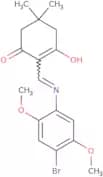
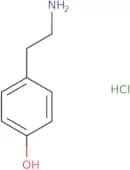
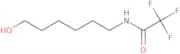
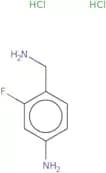
![2-[(4-Amino-2-methyl-5-nitrylbenzyl)amino]ethylalcohol](/_next/image/?url=https%3A%2Fstatic.cymitquimica.com%2Fproducts%2F3D%2Fthumb-webp%2FFA146928.webp&w=3840&q=75)
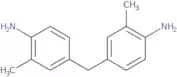
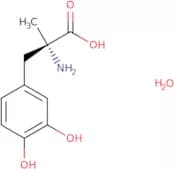
![[1-(3-Methoxyphenyl)-1-methylethyl]amine hydrochloride](/_next/image/?url=https%3A%2Fstatic.cymitquimica.com%2Fproducts%2F3D%2Fthumb-webp%2FFM136868.webp&w=3840&q=75)
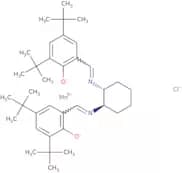
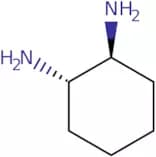
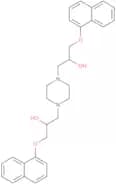
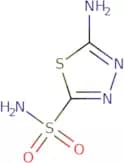
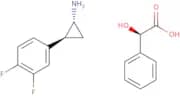
![7-Amino-2-(4-methoxyphenyl)[1,2,4]triazolo[1,5-a]pyrimidin-5(4H)-one](/_next/image/?url=https%3A%2Fstatic.cymitquimica.com%2Fproducts%2F3D%2Fthumb-webp%2FFA134729.webp&w=3840&q=75)
![(2S)-({[(4-Methyl-2-oxo-2H-chromen-7-yl)oxy]acetyl}amino)(phenyl)acetic acid](/_next/image/?url=https%3A%2Fstatic.cymitquimica.com%2Fproducts%2F3D%2Fthumb-webp%2FFM124529.webp&w=3840&q=75)
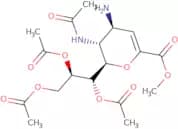
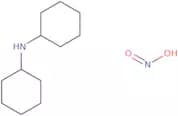
![[(2,5-Dichlorophenyl)sulphonyl]phenylamine](/_next/image/?url=https%3A%2Fstatic.cymitquimica.com%2Fproducts%2F3D%2Fthumb-webp%2FFD145674.webp&w=3840&q=75)
![2-Amino-N-[2-(2-chlorobenzoyl)-4-nitrophenyl]acetamide](/_next/image/?url=https%3A%2Fstatic.cymitquimica.com%2Fproducts%2F3D%2Fthumb-webp%2FFA17795.webp&w=3840&q=75)
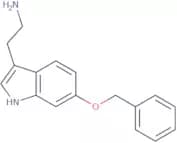
![2-[[(Heptadecafluorooctyl)sulphonyl]methylamino]ethyl acrylate](/_next/image/?url=https%3A%2Fstatic.cymitquimica.com%2Fproducts%2F3D%2Fthumb-webp%2FFH96868.webp&w=3840&q=75)
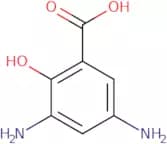
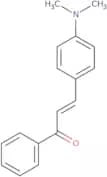
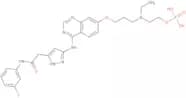
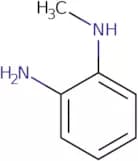

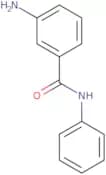
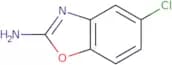
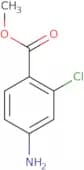
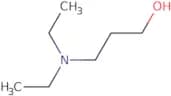
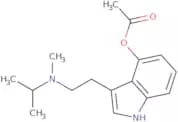


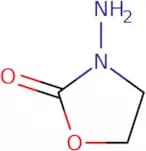
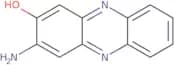
![2-[N-[(3,5-Difluorophenyl)carbamoylamino]-C-methylcarbonimidoyl]pyridine-3-carboxylic acid](/_next/image/?url=https%3A%2Fstatic.cymitquimica.com%2Fproducts%2F3D%2Fthumb-webp%2FFD101726.webp&w=3840&q=75)
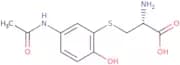
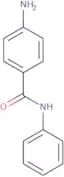
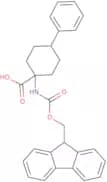
![2-Amino-3-[[[4-(2-methylpropyl)phenyl]methylene]amino]-2-butenedinitrile](/_next/image/?url=https%3A%2Fstatic.cymitquimica.com%2Fproducts%2F3D%2Fthumb-webp%2FFA168997.webp&w=3840&q=75)
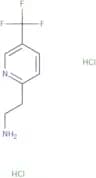

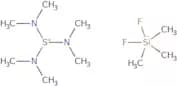
![2-Chloro-9-cyclohexyl-N-[4-(4-morpholinyl)phenyl]-9H-purin-6-amine](/_next/image/?url=https%3A%2Fstatic.cymitquimica.com%2Fproducts%2F3D%2Fthumb-webp%2FFC20176.webp&w=3840&q=75)
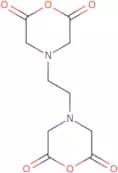
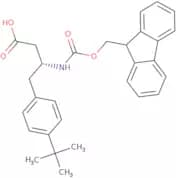

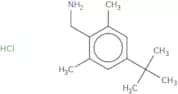
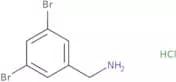
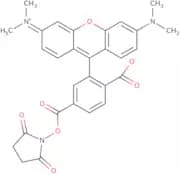
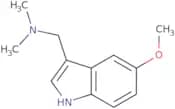
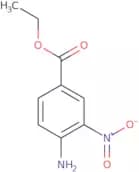
![6-amino-3-methyl-4-(3-nitrophenyl)-4H-pyrano[3,2-d]pyrazole-5-carbonitrile](/_next/image/?url=https%3A%2Fstatic.cymitquimica.com%2Fproducts%2F3D%2Fthumb-webp%2FFA169032.webp&w=3840&q=75)


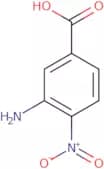
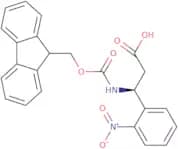
![2-[(4-Isopropylphenyl)amino]nicotinic acid](/_next/image/?url=https%3A%2Fstatic.cymitquimica.com%2Fproducts%2F3D%2Fthumb-webp%2FFI136104.webp&w=3840&q=75)
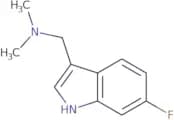
![4-[[4-(4-Chlorophenyl)-2-thiazolyl]amino]phenol](/_next/image/?url=https%3A%2Fstatic.cymitquimica.com%2Fproducts%2F3D%2Fthumb-webp%2FFC137468.webp&w=3840&q=75)
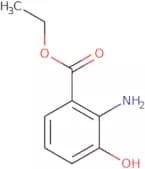

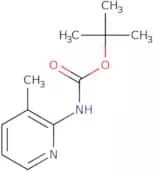
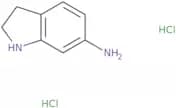
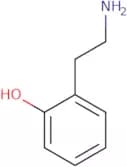
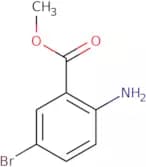
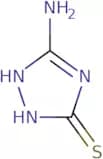
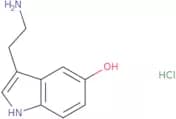
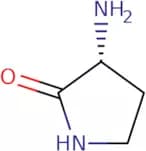
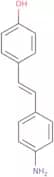
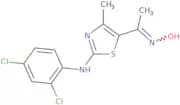
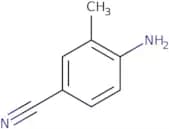
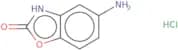


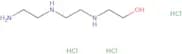
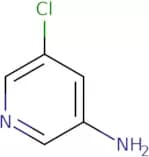
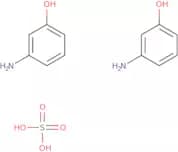

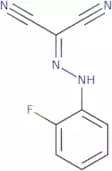
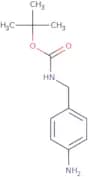
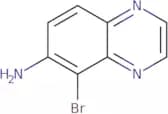
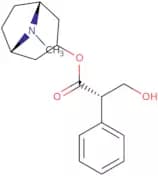
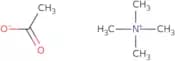
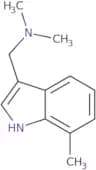
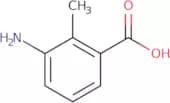
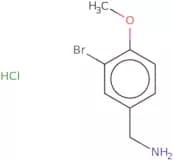
![3-[1-(Dimethylamino)ethyl]phenol](/_next/image/?url=https%3A%2Fstatic.cymitquimica.com%2Fproducts%2F3D%2Fthumb-webp%2FFD22323.webp&w=3840&q=75)
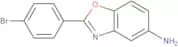

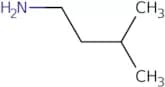
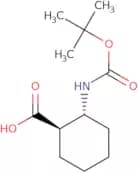
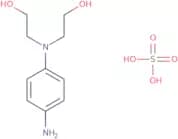

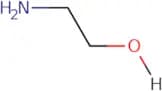
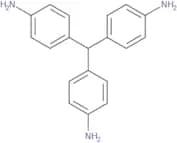
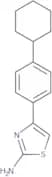

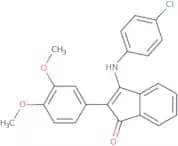

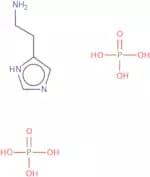
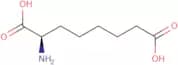
![[1-(Pyrrolidin-1-ylcarbonyl)propyl]amine hydrochloride](/_next/image/?url=https%3A%2Fstatic.cymitquimica.com%2Fproducts%2F3D%2Fthumb-webp%2FFP130638.webp&w=3840&q=75)
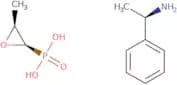
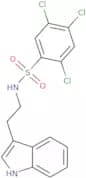

![20-Deoxo-23-deoxy-5-O-[3,6-dideoxy-3-(dimethylamino)-beta-D-glucopyranosyl]-20,23-di-1-piperidinyl…](/_next/image/?url=https%3A%2Fstatic.cymitquimica.com%2Fproducts%2F3D%2Fthumb-webp%2FFT137728.webp&w=3840&q=75)

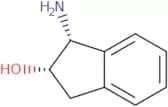

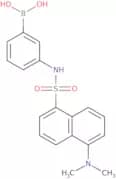
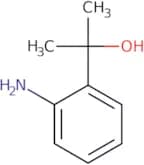
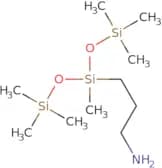


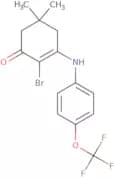
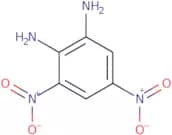
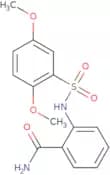
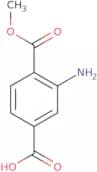

![N-[2-(Fmoc-amino)-ethyl]glycine tert-butylester hydrochloride](/_next/image/?url=https%3A%2Fstatic.cymitquimica.com%2Fproducts%2F3D%2Fthumb-webp%2FFF49771.webp&w=3840&q=75)
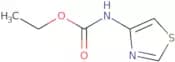
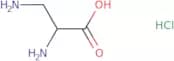
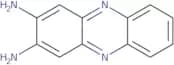



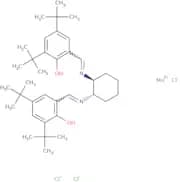
![Tris[(1-benzyl-1H-1,2,3-triazol-4-yl)methyl]amine](/_next/image/?url=https%3A%2Fstatic.cymitquimica.com%2Fproducts%2F3D%2Fthumb-webp%2FFT60866.webp&w=3840&q=75)
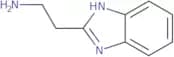
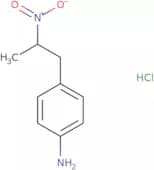

![Benzo[d]isoxazol-5-amine](/_next/image/?url=https%3A%2Fstatic.cymitquimica.com%2Fproducts%2F3D%2Fthumb-webp%2FFB143763.webp&w=3840&q=75)
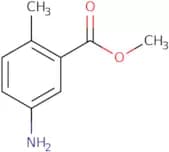

![N-[3-(3-Dimethylamino-1-oxo-2-propenyl)phenyl]-N-ethylacetamide](/_next/image/?url=https%3A%2Fstatic.cymitquimica.com%2Fproducts%2F3D%2Fthumb-webp%2FFD70834.webp&w=3840&q=75)
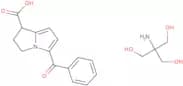
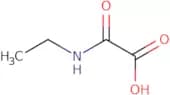
![4-[2-[[3-(4-Hydroxyphenyl)-1-methylpropyl]amino]ethyl]-1,2-benzenediol hydrochloride](/_next/image/?url=https%3A%2Fstatic.cymitquimica.com%2Fproducts%2F3D%2Fthumb-webp%2FFH27507.webp&w=3840&q=75)
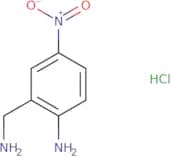

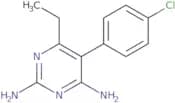
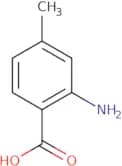
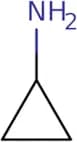
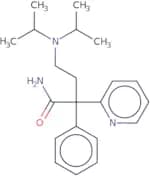
![2-[[(Heptadecafluorooctyl)Sulphonyl]Methylamino]Ethyl Methacrylate](/_next/image/?url=https%3A%2Fstatic.cymitquimica.com%2Fproducts%2F3D%2Fthumb-webp%2FFH98020.webp&w=3840&q=75)
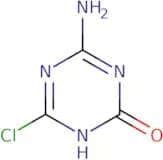
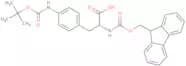
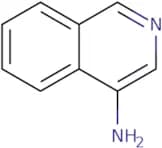
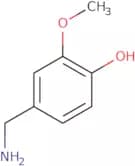
![2-[3-[N-(4-tert-Butylbenzyl)-N-(pyridin-3-ylsulfonyl)aminomethyl]phenoxy]acetic acid](/_next/image/?url=https%3A%2Fstatic.cymitquimica.com%2Fproducts%2F3D%2Fthumb-webp%2FFT145127.webp&w=3840&q=75)
methanone HCl](/_next/image/?url=https%3A%2Fstatic.cymitquimica.com%2Fproducts%2F3D%2Fthumb-webp%2FFA133569.webp&w=3840&q=75)
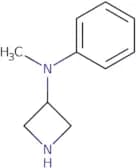
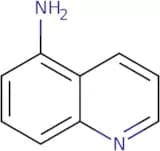
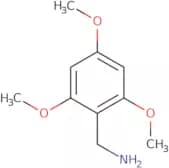
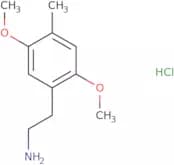
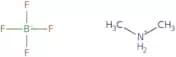
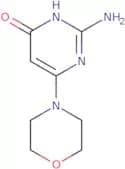
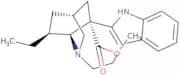

![9-[5-Deoxy-5-[[cis-3-[2-[6-(1,1-dimethylethyl)-1H-benzimidazol-2-yl]ethyl]cyclobutyl](1-methylethy…](/_next/image/?url=https%3A%2Fstatic.cymitquimica.com%2Fproducts%2F3D%2Fthumb-webp%2FFD146242.webp&w=3840&q=75)
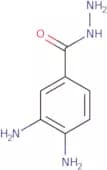
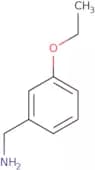
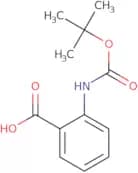

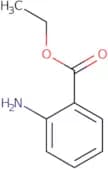
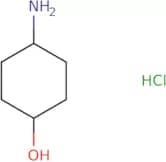
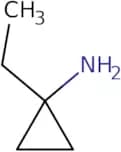
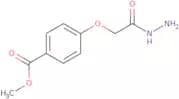
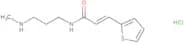
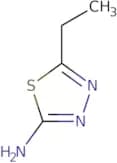
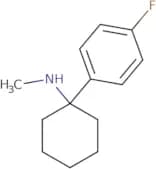
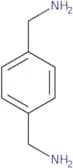
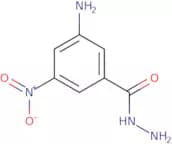
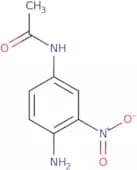
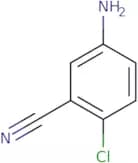

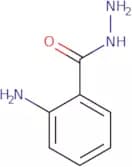
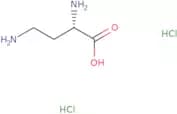
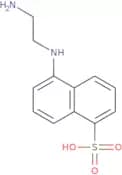
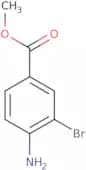
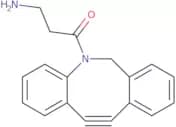
![2-[Ethyl-[2-(3-hydroxy-2,6-dimethyl-anilino)-2-oxo-ethyl]amino]-N-(3-hydroxy-2,6-dimethyl-phenyl)a…](/_next/image/?url=https%3A%2Fstatic.cymitquimica.com%2Fproducts%2F3D%2Fthumb-webp%2FFE145458.webp&w=3840&q=75)