


Amines
Sous-catégories appartenant à la catégorie "Amines"
- Nitrosamines(2.646 produits)
- Amines primaires(30.947 produits)
- Cations d'ammonium quaternaire(1.102 produits)
- Amines secondaires(20.887 produits)
- Amines tertiaires(17.195 produits)
8790 produits trouvés pour "Amines"
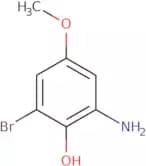
2-Amino-6-bromo-4-methoxyphenol
CAS :2-Amino-6-bromo-4-methoxyphenol (2ABMP) is a benzyl compound that can be used as a substitute for 2,4-diaminophenol. It has been shown to have estrogenic activity and may function as an estrogen receptor agonist. 2ABMP has also been shown to inhibit the growth of breast cancer cells in culture. The role of this drug in the treatment of breast cancer is not yet clear, but it may be useful in combination therapy with other drugs.Formule :C7H8BrNO2Degré de pureté :Min. 95%Couleur et forme :PowderMasse moléculaire :218.05 g/mol4-Diethylaminobenzonitrile
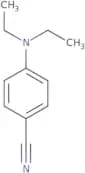
CAS :4-Diethylaminobenzonitrile is a molecule with the chemical formula C6H14N2. It is a colorless liquid that has an aromatic smell. It can be synthesized from acetonitrile and benzonitrile by UV irradiation. This compound has been used in cavity studies where it was found to have a large dipole moment, high exothermic reaction, and high emissions of uv radiation. The compound can also be used as an electrophotographic developer or in analytical chemistry to identify aromatic hydrocarbons. 4-Diethylaminobenzonitrile also has binding constants in hexane that are similar to benzene, which may be due to its resonance effect.Formule :C11H14N2Degré de pureté :Min. 95%Couleur et forme :PowderMasse moléculaire :174.24 g/mol4-Amino-1,8-naphthalimide
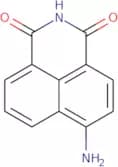
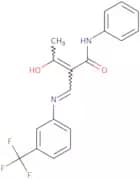
CAS :4-Amino-1,8-naphthalimide is a fluorescent derivative that is used as a probe to detect hydrogen bonds in molecular models. It can be used to study the interactions of molecules with hydrogen bonding partners. 4-Amino-1,8-naphthalimide has been shown to have broad spectrum antimicrobial activity against Gram-positive and Gram-negative bacteria. This compound also enhances the fluorescence of certain compounds by forming an intermolecular hydrogen bond.Formule :C12H8N2O2Degré de pureté :Min. 95%Couleur et forme :Orange PowderMasse moléculaire :212.2 g/mol2-acetyl-N-phenyl-3-((3-(trifluoromethyl)phenyl)amino)prop-2-enamide
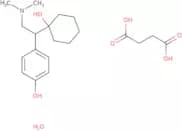
CAS :Please enquire for more information about 2-acetyl-N-phenyl-3-((3-(trifluoromethyl)phenyl)amino)prop-2-enamide including the price, delivery time and more detailed product information at the technical inquiry form on this pageFormule :C18H15F3N2O2Degré de pureté :Min. 95%Couleur et forme :PowderMasse moléculaire :348.32 g/mol4-(2-(Dimethylamino)-1-(1-hydroxycyclohexyl)ethyl)phenol
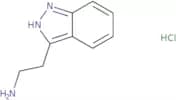
CAS :Produit contrôléVenlafaxine is a selective serotonin and norepinephrine reuptake inhibitor (SNRI) that is used to treat depression. Venlafaxine inhibits the reuptake of serotonin and norepinephrine into the presynaptic neuron, increasing their availability in the synaptic cleft. Venlafaxine has been shown to be effective in treating major depressive disorder and other depressive disorders, such as dysthymia and post-partum depression. The antidepressant effects of venlafaxine are believed to be due to its ability to block the uptake of serotonin and norepinephrine in the brain, resulting in an increased concentration of these neurotransmitters. Venlafaxine is metabolized by CYP2D6, CYP3A4, CYP1A2 and CYP2C19 enzymes, which may result in drug interactions with other drugs metabolized by these enzymes. To control for this effect, venlafaxine bloodFormule :C16H25NO2Degré de pureté :Min. 97 Area-%Couleur et forme :PowderMasse moléculaire :263.38 g/mol2-(1H-Indazol-3-yl)ethanamine hydrochloride
CAS :2-(1H-Indazol-3-yl)ethanamine hydrochloride is a chemical building block that can be used as a reaction component, reagent or useful scaffold. It is also a versatile building block in organic synthesis and can be used to make fine chemicals, speciality chemicals and research compounds. 2-(1H-Indazol-3-yl)ethanamine hydrochloride has been shown to have high purity and is suitable for use in pharmaceuticals, agrochemicals, dyestuffs, flavors and fragrances.Formule :C9H12ClN3Degré de pureté :Min. 95%Couleur et forme :PowderMasse moléculaire :197.66 g/mol2,6-Dichlorobenzylamine
CAS :2,6-Dichlorobenzylamine (2,6-DCBA) is a potent inhibitor of creatine kinase. It has been shown to be a potent inhibitor of the enzyme in muscle cells. 2,6-DCBA binds to the phosphoryl group of creatine kinase and inhibits its activity. This inhibitory effect on muscle cells causes fatigue and weakness during exercise. 2,6-DCBA also inhibits the enzyme cytosolic creatine kinase from eukaryotes and may be a potential inhibitor for treating Duchenne muscular dystrophy.
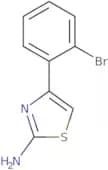
Formule :C7H7Cl2NDegré de pureté :Min. 95%Couleur et forme :Clear LiquidMasse moléculaire :176.04 g/mol4-(2-Bromophenyl)-1,3-thiazol-2-amine
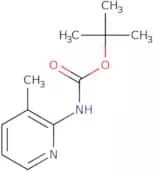
CAS :Please enquire for more information about 4-(2-Bromophenyl)-1,3-thiazol-2-amine including the price, delivery time and more detailed product information at the technical inquiry form on this pageDegré de pureté :Min. 95%2-(Boc-amino)-3-methylpyridine
CAS :2-(Boc-amino)-3-methylpyridine is a cytotoxic agent that has been shown to inhibit the proliferation of cancer cells. It is a potent cytotoxic agent that can be used to treat cancer. 2-(Boc-amino)-3-methylpyridine inhibits the growth of cancer cells by inhibiting the activity of B-Raf, a protein involved in cell proliferation and apoptosis. The anticancer properties are due to its ability to inhibit protein synthesis in cells by inhibiting the enzyme carbinolamine N-methyltransferase, which is required for the synthesis of methionine. 2-(Boc-amino)-3-methylpyridine also inhibits DNA and RNA synthesis in cells. This drug has been shown to have antiangiogenic effects, which may be due to its ability to inhibit vascular endothelial growth factor (VEGF) production.
END>Formule :C11H16N2O2Degré de pureté :Min. 95%Couleur et forme :PowderMasse moléculaire :208.26 g/mol1,3-Bis[tris(hydroxymethyl)methylamino]propane
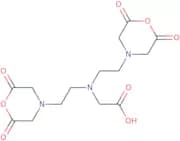
CAS :1,3-Bis[tris(hydroxymethyl)methylamino]propane, most commonly known as Bis-TRIS propane, is often referred to as the universal buffer because of its wide buffering range from pH 6.3 to 9.5. Its dual pKa values (~ 6.8 and 9.0) allow it to stabilize the pH in a variety of biological applications, including molecular biology, biochemistry, and electrophoresis.Formule :C11H26N2O6Degré de pureté :Min. 95%Couleur et forme :PowderMasse moléculaire :282.3 g/molDiethylenetriaminepentaacetic acid dianhydride
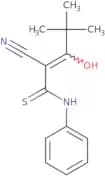
CAS :Diethylenetriaminepentaacetic acid dianhydride (DTPA) is a gadolinium chelate that can be used as a contrast agent. DTPA has been shown to have high affinity for the integrin receptor, which is expressed on the surface of many human cancer cells. This property makes DTPA an effective diagnostic tool for imaging and detecting tumor cells in vivo. DTPA is also useful for diagnosing myeloma cell lines and mouse tumors, due to its ability to bind to metal ions such as iron or copper.Formule :C14H19N3O8Degré de pureté :Min. 95%Couleur et forme :PowderMasse moléculaire :357.32 g/mol2-(2,2-dimethylpropanoyl)-3-(phenylamino)-3-sulfanylprop-2-enenitrile
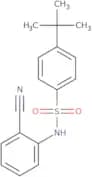
CAS :Please enquire for more information about 2-(2,2-dimethylpropanoyl)-3-(phenylamino)-3-sulfanylprop-2-enenitrile including the price, delivery time and more detailed product information at the technical inquiry form on this pageDegré de pureté :Min. 95%2-(((4-(tert-butyl)phenyl)sulfonyl)amino)benzenecarbonitrile
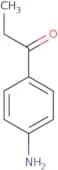
CAS :Please enquire for more information about 2-(((4-(tert-butyl)phenyl)sulfonyl)amino)benzenecarbonitrile including the price, delivery time and more detailed product information at the technical inquiry form on this pageDegré de pureté :Min. 95%4'-Aminopropiophenone
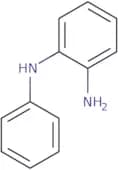
CAS :4'-Aminopropiophenone is an oxygen-carrying molecule that has been shown to have genotoxic effects. It can be used as a control agent in toxicity studies. 4'-Aminopropiophenone also has locomotor activity in animals and affects the function of neurons. This compound has not yet been tested on humans, but it is suspected that it may have a similar effect on the human body. The analytical method for this compound is based on the spectrophotometric measurement of amines. The test for this compound is done by injecting a dose into an animal and measuring the concentration of creatinine sulfate in its blood sample over time with a spectrophotometer. Radiation can alter the shape of the molecules and change their color, so it must be kept away from this chemical during testing. 4'-Aminopropiophenone has dose-dependent effects, meaning that higher doses will produce more negative effects than lower doses.Formule :C9H11NODegré de pureté :Min. 95%Couleur et forme :Off-White PowderMasse moléculaire :149.19 g/mol2-Aminodiphenylamine
CAS :2-Aminodiphenylamine is a chemical compound with the molecular formula CHN. It is a white solid that has a melting point of about 170°C and a boiling point of about 360°C. 2-Aminodiphenylamine can be synthesized by reacting diphenylmethane with hydrochloric acid, followed by hydrogenation of the resulting diaminodiphenyl methane. It is an aromatic amine that has two nitrogen atoms in its structure. The molecule has a redox potential of -0.2 volts and can exist as either an acidic or basic form depending on pH levels. 2-Aminodiphenylamine also reacts with azobenzene to form coumarin derivatives, which are used in analytical chemistry for titration calorimetry, electrochemical impedance spectroscopy, and structural analysis.
Formule :C12H12N2Degré de pureté :Min. 95%Couleur et forme :PowderMasse moléculaire :184.24 g/molMethyl 2-amino-4-(trifluoromethyl)benzoate
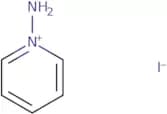
CAS :Methyl 2-amino-4-(trifluoromethyl)benzoate is a non-steroidal anti-inflammatory drug that is structurally related to anthranilic acid. It has been shown to reduce the proliferation of human breast cancer cells in vitro. This drug inhibits the activity of cellular senescence, which has been implicated in aging and cancer progression. Methyl 2-amino-4-(trifluoromethyl)benzoate binds to receptor sites on the cell nucleus and prevents the binding of ligands to these receptors, thereby inhibiting transcriptional activity. This compound also increases cell sensitivity to radiation and chemotherapeutic agents by preventing DNA repair mechanisms from functioning properly. Methyl 2-amino-4-(trifluoromethyl)benzoate inhibits the production of reactive oxygen species by inducing oxidative stress in cells and may inhibit protein synthesis through its ability to bind tightly to proteins.Formule :C9H8F3NO2Degré de pureté :Min. 95%Couleur et forme :Slightly Yellow PowderMasse moléculaire :219.16 g/mol1-Aminopyridinium iodide
CAS :1-Aminopyridinium iodide is a reactive compound that can bind to receptors, including the epidermal growth factor receptor. It is also a pyridinium salt and a type of chlorine. The compound has been shown to be effective in inhibiting cancer cell growth and has been used in chemotherapy treatments. 1-Aminopyridinium iodide binds to the glycogen synthase kinase 3 enzyme, which regulates cellular processes such as cell division, and inhibits its activity. This causes the process of glycogen synthesis to stop and leads to cell death by apoptosis. 1-Aminopyridinium iodide is most commonly used in cancer research because of its ability to inhibit tumor growth.
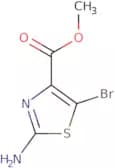
Formule :C5H7IN2Degré de pureté :Min. 95%Couleur et forme :PowderMasse moléculaire :222.03 g/mol2-Amino-5-bromothiazole-4-carboxylic acid methyl ester
CAS :2-Amino-5-bromothiazole-4-carboxylic acid methyl ester is a reagent that can be used as a building block for the synthesis of complex compounds. It is also an intermediate in the synthesis of other chemical compounds with therapeutic potential. 2-Amino-5-bromothiazole-4-carboxylic acid methyl ester is a fine chemical, which is useful for research purposes. The CAS number for this product is 850429-60-6.Formule :C5H5BrN2O2SDegré de pureté :Min. 95%Couleur et forme :PowderMasse moléculaire :237.08 g/mol5-Fluoro-2-(trifluoromethyl)pyridin-4-amine
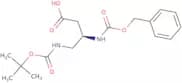
CAS :5-Fluoro-2-(trifluoromethyl)pyridin-4-amine is a fine chemical that is used to create other organic compounds. This compound is an intermediate in the production of pharmaceuticals, pesticides, and herbicides. It can also be used as a reagent or a speciality chemical in research. 5-Fluoro-2-(trifluoromethyl)pyridin-4-amine can be used as a reaction component to synthesize other compounds and has been shown to have versatile functions as a building block for complex molecules. This compound is not classified by the Chemical Abstract Service (CAS) and does not have any reported toxic effects on humans.Formule :C6H4F4N2Degré de pureté :Min. 95 Area-%Couleur et forme :PowderMasse moléculaire :180.1 g/mol(R)-4-(Boc-amino)-3-(Z-amino)butyric acid
CAS :(R)-4-(Boc-amino)-3-(Z-amino)butyric acid is a synthetic ligand that binds to dna. The binding of this ligand can be monitored by the thermodynamic interaction between the ligand and dna. (R)-4-(Boc-amino)-3-(Z-amino)butyric acid has been shown to bind to the phosphate groups on dna, which are apolar in nature. This ligand also interacts with the vector group of dna, and it has a multivalency of two. It is water soluble and neutral, making it suitable for use in supramolecular chemistry. (R)-4-(Boc-amino)-3-(Z-amino)butyric acid is not very polar and does not have any charges or functional groups that would make it an ionizable species. It can form complexes with carbohydrates because it is neutral, and its interactions with them areFormule :C17H24N2O6Degré de pureté :Min. 98 Area-%Couleur et forme :PowderMasse moléculaire :352.38 g/molGemcitabine monophosphate disodium monohydrate
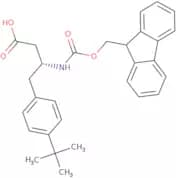
CAS :Please enquire for more information about Gemcitabine monophosphate disodium monohydrate including the price, delivery time and more detailed product information at the technical inquiry form on this pageFormule :C9H12F2N3O7P•Na2•H2ODegré de pureté :90%Min By HplcCouleur et forme :PowderMasse moléculaire :407.16 g/molFmoc-(R)-3-amino-4-(4-tert-butyl-phenyl)-butyric acid
CAS :Fmoc-3-Amino-4-(4-tertbutylphenyl)butyric acid is a versatile building block that can be used in the synthesis of complex compounds. Fmoc-3-Amino-4-(4-tertbutylphenyl)butyric acid is an intermediate for the production of speciality chemicals and reagents. It is also a useful scaffold in chemical reactions, as well as a reaction component. Fmoc-(R)-3-Amino-4-(4-tertbutylphenyl)butyric acid is soluble in ethanol and ether, but insoluble in water.Formule :C29H31NO4Degré de pureté :Min. 95%Couleur et forme :White To Off-White SolidMasse moléculaire :457.56 g/mol1-Deoxy-1-(methylamino)-D-glucitol [3-[[(2R,3S)-2-[(1R)-1-[3,5-bis(trifluoromethyl)phenyl]ethoxy]-3-(4-fluorophenyl)-4-morpholinyl]m ethyl]-2,5-dihydro-5-oxo-1H-1,2,4-triazol-1-yl]phosphonate
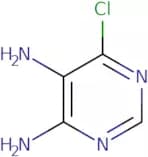
CAS :Fosaprepitant is a drug that belongs to the class of drugs used for chemotherapy. It is a prodrug that is converted in vivo to aprepitant, its active form. Fosaprepitant acts as an antagonist of the neurokinin-1 receptor (NK-1R) and inhibits the binding of substance P, which leads to an anti-inflammatory effect. Fosaprepitant has been shown to inhibit the production of substance P in animal models, leading to a reduction in inflammation. In clinical trials, fosaprepitant has been shown to be safe and well tolerated when used with other drugs such as cisplatin and docetaxel in patients with cancer.Formule :C23H22F7N4O6P•(C7H17NO5)2Degré de pureté :Min. 95%Couleur et forme :White To Off-White SolidMasse moléculaire :1,004.83 g/mol4,5-Diamino-6-chloropyrimidine
CAS :4,5-Diamino-6-chloropyrimidine is a glycosidic compound that has been used for the optimization of drug targets. It has been shown to have antimalarial activity against Plasmodium falciparum in vitro and in vivo. 4,5-Diamino-6-chloropyrimidine binds to the amine groups on nucleotides, specifically purines (adenine and guanine), and amidates the 6-chloropurine ring. This makes it a potential candidate for use in chemotherapy. The structure of 4,5-diamino-6-chloropyrimidine was determined by NMR and mass spectroscopy analysis.Formule :C4H5ClN4Degré de pureté :Min. 95%Masse moléculaire :144.56 g/mol2-Amino-3-[[[4-(2-methylpropyl)phenyl]methylene]amino]-2-butenedinitrile
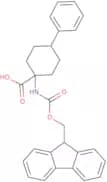
CAS :Please enquire for more information about 2-Amino-3-[[[4-(2-methylpropyl)phenyl]methylene]amino]-2-butenedinitrile including the price, delivery time and more detailed product information at the technical inquiry form on this pageFormule :C15H16N4Degré de pureté :Min. 95%Couleur et forme :PowderMasse moléculaire :252.31 g/molFmoc-cis-1-amino-4-phenyl-cyclohexane carboxylic acid
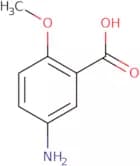
CAS :Fmoc-cis-1-amino-4-phenyl-cyclohexane carboxylic acid is a fine chemical, useful building block, and research chemical. It is a versatile building block that can be used in the synthesis of complex compounds such as pharmaceuticals and agrochemicals. Fmoc-cis-1-amino-4-phenyl-cyclohexane carboxylic acid has been shown to react with various other compounds to form useful intermediates, which can be used to produce more complex molecules. This compound has also been shown to have reagent properties.Formule :C28H27NO4Degré de pureté :Min. 95%Couleur et forme :PowderMasse moléculaire :441.52 g/mol5-Amino-2-methoxybenzoic acid
CAS :5-Amino-2-methoxybenzoic acid (5AMBA) is a hydrogen bond acceptor that binds to peptides and rna. It also has enzymatic activity, which can be used in the treatment of diseases such as Alzheimer's disease. 5AMBA is a small molecule that contains two methoxy groups and one hydrogen. It has been shown to bind to an intramolecular hydrogen bond within a peptide or rna sequence and inhibit enzymatic activity. This inhibition occurs by removing the nucleophile from the enzyme's active site or by sterically hindering access to the enzyme's active site. The luminescent properties of 5AMBA make it an ideal candidate for fluorescent labeling, with applications in biomolecular research.
Formule :C8H9NO3Degré de pureté :Min. 95%Couleur et forme :PowderMasse moléculaire :167.16 g/mol3-Cysteinylacetaminophen trifluoroacetic acid salt
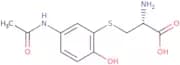
CAS :Acetaminophen is a common pain reliever and fever reducer. It is available over-the-counter in many countries. Acetaminophen is a member of the class of drugs known as analgesic, antipyretic, and anti-inflammatory drugs (APAP). The drug has been shown to be effective for acute pain relief, but not for chronic pain. Acetaminophen has also been found to be an effective analgesic when taken at high doses (above 1000 mg per day) for more than one week. In vivo studies have shown that acetaminophen inhibits mitochondrial membrane potential in hk-2 cells and cd-1 mice. This inhibition leads to apoptosis and cell death. Acetaminophen is not associated with serious side effects when used at the recommended dose, although it can lead to liver damage if taken in large quantities or on a prolonged basis.Formule :C11H14N2O4S·xC2HO2F3Degré de pureté :(%) Min. 95%Couleur et forme :Brown PowderMasse moléculaire :270.31 g/molBoc-L-4-Aminophenylalanine
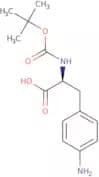
CAS :Boc-L-4-Aminophenylalanine is an amino acid that has been shown to be synthesized by cancer cells in breast cancer cell lines, and can also be conjugated with anticancer drugs. It has been shown to have a high affinity for cancer cells. Boc-L-4-Aminophenylalanine is a substrate for L type amino acid transporters and can be used for the treatment of breast cancer. This compound may also be useful in the treatment of other cancers due to its ability to inhibit the uptake of endogenous amino acids.
Formule :C14H20N2O4Degré de pureté :Min. 97 Area-%Couleur et forme :White PowderMasse moléculaire :280.32 g/molN-(1-Naphthyl)ethylenediamine dihydrochloride
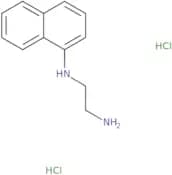
CAS :N-(1-Naphthyl)ethylenediamine 2HCl is a diazonium salt that is used as an analytical reagent for the determination of nitrite ion in biological samples. It can be prepared by reacting 1-naphthylamine with ethylenediamine and hydrochloric acid. The optimum concentration of N-(1-naphthyl)ethylenediamine 2HCl is between 0.5 and 1.0 M, which should be determined before use. Sulphuric acid or sodium hydroxide can be added to adjust the pH of the solution to around 2.5, although this may change the color of the solution from orange to yellow. The reaction product is then extracted into chloroform and dried over anhydrous sodium sulphate or magnesium sulfate, followed by filtration and evaporation under reduced pressure at 40°C until dryness. The final product is stored in a dark place away fromFormule :C12H14N2•2HClDegré de pureté :(Titration) Min. 98%Couleur et forme :White PowderMasse moléculaire :259.17 g/mol3-Amino-phenazin-2-ol
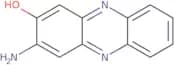
CAS :3-Amino-phenazin-2-ol is a pesticide that has been shown to have genotoxic effects on human lymphocytes in vitro. 3-Amino-phenazin-2-ol inhibits the growth of triticum aestivum, a type of cereal plant, by binding to the aminoacids in the cell wall and disrupting its structure. This leads to cell death and inhibits the synthesis of proteins necessary for cellular growth. The herbicide has also been shown to inhibit the growth of typhimurium at high concentrations and may be used as an herbicide or pesticide. The mechanism by which 3-amino phenazin 2-ol exerts its toxicity is not fully understood, but it may be due to its ability to activate cells that are exposed to low energy levels.
Formule :C12H9N3ODegré de pureté :Min. 95%Couleur et forme :PowderMasse moléculaire :211.22 g/molCetyltrimethylammonium bromide
CAS :Cetyltrimethylammonium bromide is a cationic surfactant that is used in analytical methods. It functions as a carrier for nanoparticles and has been used to prepare sephadex g-100, an affinity chromatography matrix. Cetrimide is an organic compound that has antimicrobial activity against Gram-positive bacteria. The antimicrobial activity can be increased by adding benzalkonium chloride, which inhibits the enzyme cyclase. Cetrimide also has the ability to inhibit the synthesis of bacterial proteins by binding to 16S ribosomal RNA. This protein synthesis inhibition leads to cell death by inhibiting the production of proteins vital for cell division.Formule :C19H42BrNDegré de pureté :Min. 95%Couleur et forme :White PowderMasse moléculaire :364.45 g/molAminopterin
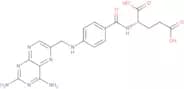
CAS :Aminopterin is an antineoplastic agent and antifolate, which is a synthetic derivative of pteroylglutamic acid. It functions as a chemotherapeutic agent by inhibiting dihydrofolate reductase, an enzyme crucial in the folic acid pathway, thereby preventing the conversion of dihydrofolate to tetrahydrofolate. This disruption leads to impaired synthesis of purine nucleotides and thymidylate, which are essential for DNA synthesis and cell division.Formule :C19H20N8O5Degré de pureté :Min. 97 Area-%Couleur et forme :Slightly Yellow PowderMasse moléculaire :440.41 g/mol5-Aminophthalide
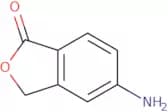
CAS :5-Aminophthalide is a chemical compound that can be found as an oxidation product in cellular structures. It has been shown to have cancer-inhibiting properties and may be used for the treatment of prostate carcinoma. 5-Aminophthalide is a molecule that has two isomers, one with two chlorine atoms and one with three chlorine atoms. The molecule contains functional groups such as carbonyl, amine, and nitro groups. These functional groups are important for its activity and can bind to the enzyme dehydrogenase in bacteria, which is involved in the biosynthesis of guanine nucleotides. 5-Aminophthalide inhibits bacterial growth by binding to this enzyme and preventing it from functioning normally. This causes an accumulation of guanine nucleotides within cells, which prevents them from dividing.
Formule :C8H7NO2Degré de pureté :Min. 95%Couleur et forme :Off-White PowderMasse moléculaire :149.15 g/mol4-Amino-2-chlorobenzoic acid methyl ester
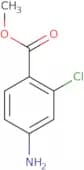
CAS :4-Amino-2-chlorobenzoic acid methyl ester (4ACBME) is a chemical compound that has been used in the treatment of autoimmune diseases. It acts as an immunoreceptor and regulatory molecule by binding to specific receptors on the surface of lymphocytes, which are cells that play a central role in the immune system. 4ACBME also inhibits the production of inflammatory molecules, such as TNF-α, IL-1β, IL-6 and IL-8. The regression of tissue inflammation was observed in animal models after 4ACBME treatment. This compound has been shown to have no genotoxic impurities in vitro studies and its molecular descriptors are consistent with those found for other immunoreceptors.Formule :C8H8ClNO2Degré de pureté :Min. 95%Couleur et forme :White PowderMasse moléculaire :185.61 g/molFmoc-4-amino-L-phenylalanine
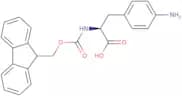
CAS :Fmoc-4-amino-L-phenylalanine is a molecule with the amino acid, aminophenylalanine, that is used in devices to detect epithelial cells. It has been functionalized with a fluoro group and can be used as a fluorescent probe for the detection of epithelial cells. Fmoc-4-amino-L-phenylalanine can also be used to diagnose tumors and tumor cells by detecting their presence in urine samples. This peptide has been shown to have anti-tumor properties when it interacts with the tumor cell membrane, which may be due to its ability to inhibit protein synthesis and induce apoptosis.
Formule :C24H22N2O4Degré de pureté :Min. 97 Area-%Couleur et forme :Off-White PowderMasse moléculaire :402.44 g/mol6-Aminonicotinamide
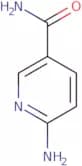
CAS :6-Aminonicotinamide is an experimental drug that has shown promising results in animal studies. This compound may be useful for the treatment of cancer, due to its ability to inhibit reactive oxygen species and maintain mitochondrial membrane potential. 6-Aminonicotinamide also has a protective effect against radiation-induced cell damage, as it prevents oxidative injury to DNA and protein. In addition, 6-aminonicotinamide can stimulate the proliferation of pluripotent cells, which are cells that have the ability to differentiate into any type of cell in the body. Finally, this compound was shown to have antitumor effects by inhibiting squamous carcinoma tumor growth in experimental models.Formule :C6H7N3ODegré de pureté :Min. 95%Couleur et forme :PowderMasse moléculaire :137.14 g/mol1-[[5-(p-Nitrophenyl)furfurylidene]amino]-hydantoin sodium
CAS :Dantrolene sodium is a muscle relaxant that belongs to the group of pharmacological agents. It is used to treat muscle spasms and hyperactivity in patients with neuromuscular disorders. Dantrolene sodium inhibits calcium release by blocking the activity of the enzyme ryanodine receptor in skeletal muscle cells. This inhibition prevents uncontrolled contraction of muscles and reduces their energy consumption. The drug also has an effect on malignant hyperthermia, which is caused by an increase in the production of adenosine triphosphate (ATP) due to increased cellular metabolism. Dantrolene sodium can inhibit ATP synthesis, thus reducing energy production and stabilizing cell membranes, thereby preventing cell death in neurons and other tissues.
Formule :C14H10N4O5•NaDegré de pureté :Min. 95%Couleur et forme :Yellow PowderMasse moléculaire :337.24 g/mol2-[1-(Methylamino)ethyl]indole
CAS :Please enquire for more information about 2-[1-(Methylamino)ethyl]indole including the price, delivery time and more detailed product information at the technical inquiry form on this page
Formule :C11H14N2Degré de pureté :Min. 95%Couleur et forme :PowderMasse moléculaire :174.24 g/molAZD 1152
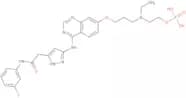
CAS :AZD 1152 is an Aurora kinase inhibitor, which is a type of small-molecule therapeutic agent. It is derived from the pharmaceutical research conducted by AstraZeneca. Its primary mode of action involves the selective inhibition of Aurora B kinase, an enzyme crucial for the regulation of mitosis. By interfering with this enzyme, AZD 1152 disrupts the normal progression of cell division, leading to the inhibition of proliferation and induction of apoptosis in rapidly dividing cells.Formule :C26H31FN7O6PDegré de pureté :Min. 97 Area-%Couleur et forme :Slightly Yellow PowderMasse moléculaire :587.54 g/molN-(Ethoxy-Fluorophosphoryl)-N-Methylmethanamine
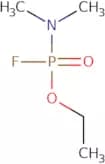
CAS :Produit contrôléEthoxy-Fluorophosphoryl-N-Methylmethanamine is a chemical that belongs to the class of nerve agents. It can be used as an antidote for sarin poisoning. This compound reacts with the enzyme butyrylcholinesterase, which breaks down acetylcholine in the synapses. In this way, it blocks the transmission of nerve impulses and causes muscle paralysis. Ethoxy-Fluorophosphoryl-N-Methylmethanamine acts as an antagonist of acetylcholine receptors in both animals and humans. It also inhibits cholinesterase activity in blood pressure regulation, which leads to increased blood pressure levels. When administered at sublethal doses, this compound induces a long lasting sensitization of the central nervous system to other cholinergic drugs such as atropine or nerve gases such as sarin.Formule :C4H11FNO2PDegré de pureté :Min. 95%Masse moléculaire :155.11 g/mol4-(Dimethylamino)chalcone
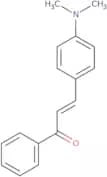
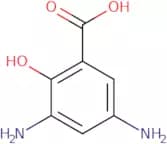
CAS :4-(Dimethylamino)chalcone is a fluorescent molecule that has been used as a fluorescence probe to study the structures of fatty acids and other molecules. It is also used to detect neutral pH in biological studies. 4-(Dimethylamino)chalcone reacts with carbonyl groups to form stable complexes, which are useful for structural analysis. The fluorescence intensity is proportional to the concentration of the carbonyl group. This molecule has been shown to be potently active against human serum, which may be due to its ability to bind with protein and form stable complexes.Formule :C17H17NODegré de pureté :Min. 95%Couleur et forme :PowderMasse moléculaire :251.32 g/mol3,5-Diaminosalicylic acid
CAS :3,5-Diaminosalicylic acid is a potent antibacterial agent that inhibits the synthesis of bacterial cell walls by inhibiting the enzyme transpeptidase. It is also used as a preservative and stabilizer in pharmaceutical formulations. 3,5-Diaminosalicylic acid has been shown to be active against cochliobolus at an optimum concentration of 2%. The solute is stable in water or dilute acids and alkalis. However, it can be hydrolyzed by strong bases such as sodium hydroxide and potassium hydroxide. Impurities such as nitro groups can be removed by washing with water or ethanol. The drug substance should be analyzed using high performance liquid chromatography (HPLC) methods to ensure stability and purity. 3,5-Diaminosalicylic acid forms crystalline needles that are colorless to white in solution. They will dissolve when heated but form precipitates when cooled. The crystals are
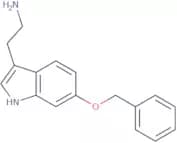
Formule :C7H8N2O3Degré de pureté :Min. 95%Couleur et forme :Brown PowderMasse moléculaire :168.15 g/mol6-Benzyloxytryptamine
CAS :Produit contrôlé6-Benzyloxytryptamine is a drug that is metabolized by hydroxylation of the 6-hydroxyl group and glucuronidation. It is a positional isomer of tryptamine, with the methyl group on the 6 position instead of the 3 position. The 6-benzyloxytryptamine has been shown to have stimulatory effects in animals, but its effect on humans is not known.Formule :C17H18N2ODegré de pureté :Min. 98.0 Area-%Couleur et forme :PowderMasse moléculaire :266.34 g/molAmmonium trifluoroacetate
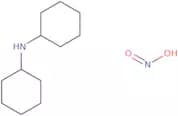
CAS :Ammonium trifluoroacetate is a chemical compound that has two hydroxyl groups. It is used for the treatment of autoimmune diseases, such as rheumatoid arthritis, and in the synthesis of nomegestrol acetate, which is an estrogenic drug. Ammonium trifluoroacetate is also used to study the biological properties of receptors and other proteins. The thermal expansion property of ammonium trifluoroacetate can be used to determine its concentration in a sample. Ammonium trifluoroacetate also has potent antagonistic effects against HIV infection and can be detected with high sensitivity. Studies have shown that ammonium trifluoroacetate is toxic to humans; however, it does not accumulate in the body.Formule :C2H4F3NO2Degré de pureté :Min. 95%Couleur et forme :PowderMasse moléculaire :131.05 g/molN,N-Dicyclohexylammonium nitrite
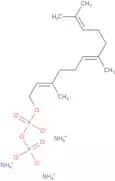
CAS :Produit contrôléDicyclohexylammonium nitrite is a chemical compound that contains nitrite and an organic ammonium group. This compound has been shown to inhibit the growth of carcinoma cells in vitro. It has also been shown to inhibit the production of reactive oxygen species (ROS) by these cells, which may be due to its ability to scavenge hydroxyl radicals. Dicyclohexylammonium nitrite has been shown to have a low corrosion potential, which makes it suitable for use in environments where corrosion is a concern. This compound is stable in acidic, neutral or basic conditions, making it suitable for a wide range of applications.Formule :C12H23N·HNO2Degré de pureté :Min. 95%Couleur et forme :PowderMasse moléculaire :228.33 g/molFarnesyl pyrophosphate triammonium salt
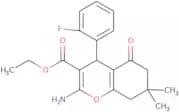
CAS :Farnesyl pyrophosphate triammonium salt is a proteolytic cancer drug that has been shown to be effective against cancer cells. Farnesyl pyrophosphate triammonium salt is an active analog of farnesyl pyrophosphate, which is an intermediate in the synthesis of cholesterol and other steroids. Farnesyl pyrophosphate triammonium salt inhibits protein synthesis by inhibiting the methylation of proteins and the transfer of methyl groups from S-adenosylmethionine to protein substrates. This leads to a decrease in the expression of proteins necessary for cell division, such as DNA polymerase α and RNA polymerase II.Formule :C15H37N3O7P2Degré de pureté :Min. 95%Couleur et forme :PowderMasse moléculaire :433.42 g/molethyl 2-amino-4-(2-fluorophenyl)-7,7-dimethyl-5-oxo-4,6,7,8-tetrahydro2H-chromene-3-carboxylate
CAS :Please enquire for more information about ethyl 2-amino-4-(2-fluorophenyl)-7,7-dimethyl-5-oxo-4,6,7,8-tetrahydro2H-chromene-3-carboxylate including the price, delivery time and more detailed product information at the technical inquiry form on this pageDegré de pureté :Min. 95%(2S)-({[(4-Methyl-2-oxo-2H-chromen-7-yl)oxy]acetyl}amino)(phenyl)acetic acid
CAS :(2S)-({[(4-Methyl-2-oxo-2H-chromen-7-yl)oxy]acetyl}amino)(phenyl)acetic acid is a kind of fine chemical that belongs to the class of reagents and speciality chemicals. It is a versatile building block which can be used in research, as well as in the production of pharmaceuticals and other fine chemicals. This compound can be used in reactions as a building block or intermediate, as well as a scaffold for complex compounds.Formule :C20H17NO6Degré de pureté :Min. 95 Area-%Couleur et forme :PowderMasse moléculaire :367.35 g/mol4-Chloro-2-nitrobenzylamine hydrochloride
CAS :4-Chloro-2-nitrobenzylamine hydrochloride is a fine chemical that can be used as a reagent or speciality chemical. It is also a versatile building block and reaction component for the preparation of various chemical compounds. 4-Chloro-2-nitrobenzylamine hydrochloride has been used as an intermediate in the synthesis of other chemicals, such as 1,2,3,4,5,6-hexahydrobenzo[e]pyrrolo[1,2-a]pyrazine. This compound has been shown to have antibacterial activity against Escherichia coli and Pseudomonas aeruginosa.Formule :C7H7ClN2O2•HClDegré de pureté :Min. 95%Masse moléculaire :223.06 g/mol


![1,3-Bis[tris(hydroxymethyl)methylamino]propane](/_next/image/?url=https%3A%2Fstatic.cymitquimica.com%2Fproducts%2F3D%2Fthumb-webp%2FFB09448.webp&w=3840&q=75)



![1-Deoxy-1-(methylamino)-D-glucitol [3-[[(2R,3S)-2-[(1R)-1-[3,5-bis(trifluoromethyl)phenyl]ethoxy]-…](/_next/image/?url=https%3A%2Fstatic.cymitquimica.com%2Fproducts%2F3D%2Fthumb-webp%2FFD46503.webp&w=3840&q=75)
![2-Amino-3-[[[4-(2-methylpropyl)phenyl]methylene]amino]-2-butenedinitrile](/_next/image/?url=https%3A%2Fstatic.cymitquimica.com%2Fproducts%2F3D%2Fthumb-webp%2FFA168997.webp&w=3840&q=75)

![1-[[5-(p-Nitrophenyl)furfurylidene]amino]-hydantoin sodium](/_next/image/?url=https%3A%2Fstatic.cymitquimica.com%2Fproducts%2F3D%2Fthumb-webp%2FFN44999.webp&w=3840&q=75)
![2-[1-(Methylamino)ethyl]indole](/_next/image/?url=https%3A%2Fstatic.cymitquimica.com%2Fproducts%2F3D%2Fthumb-webp%2FFM25773.webp&w=3840&q=75)

![(2S)-({[(4-Methyl-2-oxo-2H-chromen-7-yl)oxy]acetyl}amino)(phenyl)acetic acid](/_next/image/?url=https%3A%2Fstatic.cymitquimica.com%2Fproducts%2F3D%2Fthumb-webp%2FFM124529.webp&w=3840&q=75)
