Amines
Sous-catégories appartenant à la catégorie "Amines"
- Nitrosamines(2.629 produits)
- Amines primaires(30.947 produits)
- Cations d'ammonium quaternaire(1.101 produits)
- Amines secondaires(20.887 produits)
- Amines tertiaires(17.196 produits)
8790 produits trouvés pour "Amines"
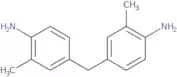
4,4'-Diamino-3,3'-dimethyldiphenylmethane
CAS :4,4'-Diamino-3,3'-dimethyldiphenylmethane is a reactive dye that is used in the diagnosis of cervical cancer. It has been shown to suppress the expression of tumor suppressor genes by binding to DNA and interfering with transcription. This dye is also a polyvinyl compound that binds to proteins through an amine group. The bound form of 4,4'-Diamino-3,3'-dimethyldiphenylmethane can be detected using an electrode and hydroxyl group as a diode. Multivariate logistic regression was used to determine the relationship between the bound form of 4,4'-Diamino-3,3'-dimethyldiphenylmethane and women who have not had any symptoms of cervical cancer. A section was taken from each subject's cervix and stained with 4,4'-Diamino-3,3'-dimethyldiphenylmethane
Formule :C15H18N2Degré de pureté :Min. 95%Couleur et forme :PowderMasse moléculaire :226.32 g/mol2-[(4-Amino-2-methyl-5-nitrylbenzyl)amino]ethylalcohol
CAS :2-[(4-Amino-2-methyl-5-nitrylbenzyl)amino]ethylalcohol is a reactive, hydrated, colorant that belongs to the group of hydroxy compounds. It has a chromophore and is used in the production of cosmetics. 2-[(4-Amino-2-methyl-5-nitrylbenzyl)amino]ethylalcohol is used for alkalization and in the production of particle pigments. This compound can be found in fatty acid esters, as it has a long hydrocarbon chain, which makes it soluble. It also has fatty acids and an amine group that provides color.Formule :C9H13N3O3Degré de pureté :Min. 95%Masse moléculaire :211.22 g/mol2-(5-Trifluoromethyl-pyridin-2-yl)ethylamine 2HCl
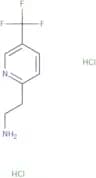
CAS :2-(5-Trifluoromethyl-pyridin-2-yl)ethylamine 2HCl is a fine chemical that can be used as a building block in the synthesis of other compounds. It is also a useful reagent and a speciality chemical, which means it is typically used for research purposes only. This compound has shown to have high quality and versatility, and is often used as an intermediate in the synthesis of complex compounds.Formule :C8H9F3N2H2Cl2Degré de pureté :Min. 95%Couleur et forme :White PowderMasse moléculaire :263.09 g/mol4-Amino-2-fluorobenzylamine dihydrochloride
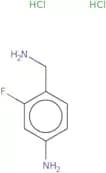
CAS :4-Amino-2-fluorobenzylamine dihydrochloride is a high quality, complex compound that can be used as a reagent, useful intermediate, or fine chemical. It is a versatile building block that can be used as a reaction component in the synthesis of speciality chemicals such as research chemicals and building blocks for drugs. It is also an important scaffold for drug design and development. 4-Amino-2-fluorobenzylamine dihydrochloride has CAS No. 2200281-02-1 and is useful in the synthesis of many different compounds.Formule :C7H9FN2·2HClDegré de pureté :Min. 95%Couleur et forme :PowderMasse moléculaire :213.08 g/mol3-Chloro-N-methyl-5-(trifluoromethyl)-2-pyridinamine
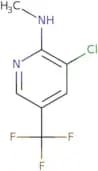
CAS :3-Chloro-N-methyl-5-(trifluoromethyl)-2-pyridinamine is a fine chemical that is used as a versatile building block for the synthesis of other chemical compounds. 3-Chloro-N-methyl-5-(trifluoromethyl)-2-pyridinamine is also useful as an intermediate in research and development, and can be used to produce speciality chemicals. This compound has shown to be a useful reagent and is of high quality.Formule :C7H6ClF3N2Degré de pureté :Min. 95%Masse moléculaire :210.58 g/mol2-(Aminosulfonyl)benzoic acid
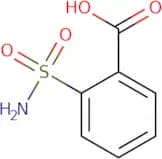
CAS :2-(Aminosulfonyl)benzoic acid is a chemical compound that can be found in urine samples. It is used to detect the presence of saccharin and other artificial sweeteners, which are commonly used as substitutes for sugar. 2-(Aminosulfonyl)benzoic acid is also used to measure the presence of calcium pantothenate in food products. The chemical structure of this compound contains a hydrogen bond between the sulfur atom and the amine group. Hydrochloric acid can be used to break down 2-(Aminosulfonyl)benzoic acid into its constituent parts, which are sulfuric acid and benzoic acid. Uv absorption studies have also shown that 2-(Aminosulfonyl)benzoic acid absorbs ultraviolet light at 280 nm with an extinction coefficient of 20,000 M-1cm-1. This compound has been shown to have toxic effects on diabetic patients when taken orally in doses thatFormule :C7H7NO4SDegré de pureté :Min. 95%Couleur et forme :PowderMasse moléculaire :201.2 g/molN-(6-Hydroxyhexyl)trifluoroacetamide
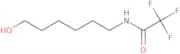
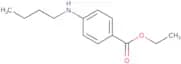
CAS :6-(Trifluoroacetylamino)-1-Hexanol is a magnetic compound that has been shown to bind to liposomes and hydrophobic membranes. It is also amphipathic, meaning it contains both hydrophilic and hydrophobic properties. This compound can be used for the diagnosis of certain diseases, such as cancer, by detecting gadolinium ions in the body. 6-(Trifluoroacetylamino)-1-Hexanol is also an imidazolide ligand that binds to ribonucleotides and nucleic acid matrix proteins. This allows it to be used as a contrast agent in magnetic resonance imaging (MRI).Formule :C8H14F3NO2Degré de pureté :Min. 95%Couleur et forme :PowderMasse moléculaire :213.2 g/molEthyl 4-(butylamino)benzoate
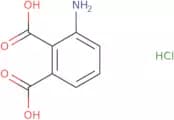
CAS :Ethyl 4-(butylamino)benzoate is a white crystalline solid that has been shown to be an effective local anesthetic. It undergoes hydrolysis by phosphotungstic acid, which releases the active butylamine molecule. The butylamine molecule is then able to form hydrogen bonds with the negatively charged nerve endings in the spine, leading to depolarization and lack of sensation. Ethyl 4-butylamino benzoate has been used for epidural anesthesia, as well as for bronchial and mesomorphic inhalation anaesthetics. This drug also inhibits expiratory flow, which may be due to its ability to form hydrogen bonds with chloride ions in bronchial secretions.Formule :C13H19NO2Degré de pureté :Min. 95%Couleur et forme :PowderMasse moléculaire :221.3 g/mol3-Aminophthalic acid hydrochloride
CAS :3-Aminophthalic acid hydrochloride is a diazonium salt that emits light when it reacts with chloride. This compound has been shown to be photophysically active in the presence of human serum, tumor tissue, and micelles. 3-Aminophthalic acid hydrochloride has also been found to be cytotoxic in a number of cancer models. It may also cause death by chemiexcitation of tissues. Furthermore, 3-aminophthalate and acetyl derivatives have shown anticancer activity.
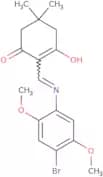
Formule :C8H7NO4HClDegré de pureté :80%Couleur et forme :PowderMasse moléculaire :217.61 g/mol2-(((4-Bromo-2,5-dimethoxyphenyl)amino)methylene)-5,5-dimethylcyclohexane-1,3-dione
CAS :Please enquire for more information about 2-(((4-Bromo-2,5-dimethoxyphenyl)amino)methylene)-5,5-dimethylcyclohexane-1,3-dione including the price, delivery time and more detailed product information at the technical inquiry form on this pageFormule :C17H20BrNO4Degré de pureté :Min. 95%Masse moléculaire :382.25 g/molAnnexin A1(1-25)(dephosphorylated)(human)ammonium salt
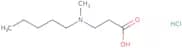
CAS :Annexin A1 is a phospholipid-binding protein that is involved in the regulation of inflammation. It is often found in atherosclerotic lesions and has been shown to be an anti-inflammatory cytokine. Annexin A1 (dephosphorylated) does not inhibit the activity of enzymes such as cyclooxygenase and lipoxygenase, and so it may have therapeutic potential for treatment of autoimmune diseases such as Crohn's disease or bowel disease. Annexin A1 also has anti-inflammatory properties, which may be due to its ability to inhibit the production of proinflammatory cytokines such as IL-6 and TNF-α by inhibiting the activation of NFκB.Formule :C141H210N32O44S·NH4Degré de pureté :Min. 97 Area-%Couleur et forme :White PowderMasse moléculaire :3,107.47 g/mol3-(N-Methyl-N-pentylamino)propionic acid hydrochloride
CAS :Trichloroethylene is a chlorinated hydrocarbon that is primarily used as a solvent. The propionic acid is the monosodium salt of 3-(N-Methyl-N-pentylamino)propionic acid hydrochloride, which is an organic compound. The monohydrate and trichloride are two polymorphic forms of this substance. Acetone and unreacted Trichloroethylene are substances that may be formed during the chemical process. The alkaline form of Trichloroethylene may be obtained by refluxing the substance with sodium hydroxide in water or with potassium hydroxide in alcohol. This substance can also exist in a polymorphic form.Formule :C9H20ClNO2Degré de pureté :Min. 95%Couleur et forme :PowderMasse moléculaire :209.71 g/mol2,3,5,6-Tetramethyl-1,4-phenylenediamine
CAS :2,3,5,6-Tetramethyl-1,4-phenylenediamine is a chemical compound that has been used in clinical pathology and plant physiology. The potential of this molecule as a photosynthetic agent has been studied extensively. It has also been shown to have biochemical properties that are similar to those of chlorophylls. 2,3,5,6-Tetramethyl-1,4-phenylenediamine is able to transfer electrons between molecules in the electron transport chain. It can be found in both prokaryotes and eukaryotes but not in plants or algae. 2,3,5,6-Tetramethyl-1,4-phenylenediamine may be toxic when ingested orally or inhaled and is capable of producing irreversible inhibition when it reacts with oxygen.Formule :C10H16N2Degré de pureté :98 To 102%Couleur et forme :White To Tan SolidMasse moléculaire :164.25 g/mol4-(Dimethylamino)phenylaceticacid
CAS :4-(Dimethylamino)phenylacetic acid (DMAPA) is a chemical inhibitor that binds to fatty acids. It has been shown to have antitumor effects on prostate cancer cells in vitro and in vivo, as well as anti-inflammatory properties. DMAPA also inhibits the synthesis of prostaglandins, which may be due to its binding to amines or the uv irradiation of the molecule. DMAPA has been shown to be effective in preventing the aggregation of serotonin receptors, which may play a role in its potential use for treating depression.Formule :C10H13NO2Degré de pureté :Min. 95%Couleur et forme :PowderMasse moléculaire :179.22 g/molN,N-Dimethylaminoethyl chloride HCl
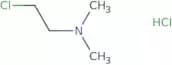
CAS :Produit contrôléN,N-Dimethylaminoethyl chloride HCl is a reactive compound that inhibits the amine binding site on chitosan. It is used for the preparation of chitosan quaternary ammonium salts and esters. N,N-Dimethylaminoethyl chloride HCl has an inhibitory effect on both chitosan and suzuki coupling reactions. This compound also has a safety profile similar to other halides such as chlorine and hydrogen chloride.Formule :C4H10ClN·HClDegré de pureté :Min. 98%Masse moléculaire :144.04 g/mol2-(Boc-amino)-3-methylpyridine
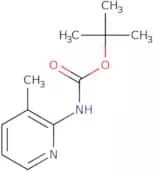
CAS :2-(Boc-amino)-3-methylpyridine is a cytotoxic agent that has been shown to inhibit the proliferation of cancer cells. It is a potent cytotoxic agent that can be used to treat cancer. 2-(Boc-amino)-3-methylpyridine inhibits the growth of cancer cells by inhibiting the activity of B-Raf, a protein involved in cell proliferation and apoptosis. The anticancer properties are due to its ability to inhibit protein synthesis in cells by inhibiting the enzyme carbinolamine N-methyltransferase, which is required for the synthesis of methionine. 2-(Boc-amino)-3-methylpyridine also inhibits DNA and RNA synthesis in cells. This drug has been shown to have antiangiogenic effects, which may be due to its ability to inhibit vascular endothelial growth factor (VEGF) production.
END>Formule :C11H16N2O2Degré de pureté :Min. 95%Couleur et forme :PowderMasse moléculaire :208.26 g/mol1,3-Bis[tris(hydroxymethyl)methylamino]propane
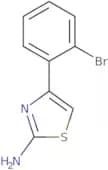
CAS :1,3-Bis[tris(hydroxymethyl)methylamino]propane, most commonly known as Bis-TRIS propane, is often referred to as the universal buffer because of its wide buffering range from pH 6.3 to 9.5. Its dual pKa values (~ 6.8 and 9.0) allow it to stabilize the pH in a variety of biological applications, including molecular biology, biochemistry, and electrophoresis.Formule :C11H26N2O6Degré de pureté :Min. 95%Couleur et forme :PowderMasse moléculaire :282.3 g/mol4-(2-Bromophenyl)-1,3-thiazol-2-amine
CAS :Please enquire for more information about 4-(2-Bromophenyl)-1,3-thiazol-2-amine including the price, delivery time and more detailed product information at the technical inquiry form on this pageDegré de pureté :Min. 95%8-Aminopurine
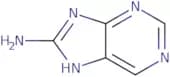
CAS :8-Aminopurine is an aminopurine that is used as a research tool in magnetic resonance spectroscopy. The proton magnetic resonance spectrum of 8-aminopurine shows two characteristic peaks at 3.0 and 4.2 ppm, which are assigned to the aminopurine tautomers (3-HPA, 4-HPA). The kinetic stability of 8-aminopurine in water is pH dependent and has been shown to be strongly dependent on the presence of aldehyde oxidase (AO) activity. AO activity can be inhibited by the addition of dimethylformamide or other non-specific inhibitors such as 2,6-dichloroisonicotinic acid.
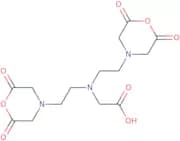
Formule :C5H5N5Degré de pureté :Min. 95%Couleur et forme :White PowderMasse moléculaire :135.13 g/molDiethylenetriaminepentaacetic acid dianhydride
CAS :Diethylenetriaminepentaacetic acid dianhydride (DTPA) is a gadolinium chelate that can be used as a contrast agent. DTPA has been shown to have high affinity for the integrin receptor, which is expressed on the surface of many human cancer cells. This property makes DTPA an effective diagnostic tool for imaging and detecting tumor cells in vivo. DTPA is also useful for diagnosing myeloma cell lines and mouse tumors, due to its ability to bind to metal ions such as iron or copper.Formule :C14H19N3O8Degré de pureté :Min. 95%Couleur et forme :PowderMasse moléculaire :357.32 g/mol6-amino-3-methyl-4-(3-nitrophenyl)-4H-pyrano[3,2-d]pyrazole-5-carbonitrile
CAS :Please enquire for more information about 6-amino-3-methyl-4-(3-nitrophenyl)-4H-pyrano[3,2-d]pyrazole-5-carbonitrile including the price, delivery time and more detailed product information at the technical inquiry form on this pageFormule :C14H11N5O3Degré de pureté :Min. 95%Couleur et forme :PowderMasse moléculaire :297.27 g/mol(+)-Biotin-(PEO)4-amine
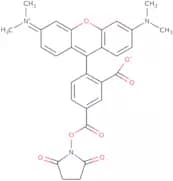
CAS :Nucleophilic biotinylation reagent. Attaches cell surface glycosides to ELISA-type surfaces, mediated by a hydrophilic spacer/linker.Formule :C18H34N4O5SDegré de pureté :Min. 95%Couleur et forme :White PowderMasse moléculaire :418.55 g/mol5-Carboxytetramethylrhodamine succinimidyl ester
CAS :5-Carboxytetramethylrhodamine succinimidyl ester is a widely employed fluorescent dye (orange/red) that is suitable for different uses. In PCR applications, it has been used as both a reporter at the 5â or as a quencher at the 3â end. TAMRA-labelled oligonucleotides have been used to study interactions with DNA or DNA/protein interactions. It is an excellent fluorescent acceptor for FRET applications with a suitable dye pair. It is used as a protein/antibody labelling agent for structural studies, immunochemistry and flow cytometry. Bioconjugation is generally performed through coupling of the carboxylic acid to a primary amine at the N-terminus of a protein, on lysine side chains or amino-modified oligonucleotide. Carboxylic acids that are activated with succinimidyl esters react with primary amines.
Formule :C29H25N3O7Degré de pureté :Min. 95 Area-%Couleur et forme :Red PowderMasse moléculaire :527.52 g/mol(R)-(+)-3-Dimethylamino pyrrolidine
CAS :(R)-(+)-3-Dimethylamino pyrrolidine is a potent inhibitor of protein kinase C (PKC) with micromolar inhibitory concentrations. It binds to the enzyme and inhibits PKC activity by preventing the phosphorylation of threonine residues on the PKC substrate. 3DAP has been shown to be selective for PKC, as it does not inhibit other kinases or phosphatases at similar concentrations. 3DAP has also been shown to have antituberculosis activity in human cells and has been shown to have a high affinity for PKC in humans, which may be due to its selectivity for PKC over other kinases.
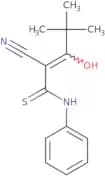
Formule :C6H14N2Degré de pureté :Min. 95%Couleur et forme :PowderMasse moléculaire :114.19 g/mol2-(2,2-dimethylpropanoyl)-3-(phenylamino)-3-sulfanylprop-2-enenitrile
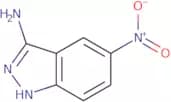
CAS :Please enquire for more information about 2-(2,2-dimethylpropanoyl)-3-(phenylamino)-3-sulfanylprop-2-enenitrile including the price, delivery time and more detailed product information at the technical inquiry form on this pageDegré de pureté :Min. 95%3-Amino-5-nitroindazole
CAS :3-Amino-5-nitroindazole is an anticancer drug that inhibits the growth of cancer cells. It has been shown to inhibit the growth of cancer cells by blocking the synthesis and repair of DNA, leading to cell death. 3-Amino-5-nitroindazole also blocks the production of new proteins, which are needed for cell division. This drug also acts on pathways that are important for tumor development and progression, such as signaling pathways and transcription factors. This compound has been shown to be selective against human squamous cell carcinoma cells and has been studied in combination with other anticancer drugs in clinical trials.
Formule :C7H6N4O2Degré de pureté :Min. 95%Couleur et forme :SolidMasse moléculaire :178.15 g/mol2-[(2,6-Dibromo-4-methylphenyl)amino]acetohydrazide
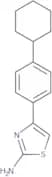
CAS :2-[(2,6-Dibromo-4-methylphenyl)amino]acetohydrazide is a chemical compound that is used as a building block for the synthesis of diverse heterocyclic compounds. 2-[(2,6-Dibromo-4-methylphenyl)amino]acetohydrazide is prepared from 2,6-dibromo-4-methylbenzaldehyde and acetohydrazide in the presence of triethylamine. The compound has been reported to be a useful scaffold for the synthesis of various heterocycles. The following are some examples of its applications: 1. Fine chemical 2. Useful building block 3. Research chemicals 4. Reagent 5. CAS No. 882760-46-5 6. Speciality chemical 7. High quality 8. Complex compound 9. Versatile building blockFormule :C9H11Br2N3ODegré de pureté :Min. 95%Couleur et forme :White PowderMasse moléculaire :337.01 g/mol4-(4-Cyclohexylphenyl)-1,3-thiazol-2-amine
CAS :Please enquire for more information about 4-(4-Cyclohexylphenyl)-1,3-thiazol-2-amine including the price, delivery time and more detailed product information at the technical inquiry form on this page
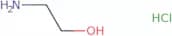
Formule :C15H18N2SDegré de pureté :Min. 95%Masse moléculaire :258.38 g/molEthanolamine hydrochloride
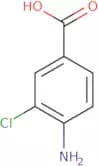
CAS :Ethanolamine hydrochloride is an ethylene diamine salt of ethanolamine. It has been shown to have a receptor activity in amines, such as human serum and monoclonal antibodies. Ethanolamine hydrochloride is used in sample preparation for the detection of proteins by western blotting and immunohistochemistry. It is also used for the production of monoclonal antibodies, which are used to detect antigens on cells.Formule :C2H7NO·HClDegré de pureté :Min. 98%Couleur et forme :PowderMasse moléculaire :97.54 g/mol4-Amino-3-chlorobenzoic acid
CAS :4-Amino-3-chlorobenzoic acid is a white solid with a molecular weight of 170.1 g/mol, melting point of 158.5°C and boiling point of 267°C. It has the molecular formula C6H5ClNO2 and the IUPAC name 4-(aminomethyl)-3-chlorobenzoic acid. The chemical structure of this compound is shown in Figure 1.
Formule :C7H6ClNO2Degré de pureté :Min. 95%Couleur et forme :PowderMasse moléculaire :171.58 g/mol7-Benzyloxytryptamine
CAS :Produit contrôlé7-Benzyloxytryptamine is a tryptamine derivative that binds to the 5-HT2A serotonin receptor. It has been shown to have antidepressant properties in ovary cells and other assays. 7-Benzyloxytryptamine acts as a psychostimulant and produces an increase in synaptic activity in the brain. This compound also has high affinity for 5-hydroxytryptamine (5-HT) receptors, which may be responsible for its antidepressant effects. The compound has been shown to be selective for 5-HT2A receptors, but not for other serotonin receptors such as 5-HT1A or 5-HT2C.Formule :C17H18N2OCouleur et forme :PowderMasse moléculaire :266.34 g/mol3-Hydroxy-4-methoxybenzylamine hydrochloride
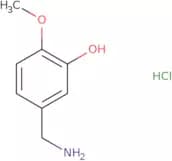
CAS :3-Hydroxy-4-methoxybenzylamine hydrochloride is a vanilloid receptor 1 (VR1) antagonist. It has been shown to inhibit the growth of prostate cancer cells in cell-based assays and to have potential as a therapeutic for prostate cancer patients with high triglycerides. 3-Hydroxy-4-methoxybenzylamine hydrochloride is also an inhibitor of guanosine, which is involved in the production of energy. It has been shown to enhance the antitumor effects of cetuximab, an antibody that targets the epidermal growth factor receptor (EGFR). 3-Hydroxy-4-methoxybenzylamine hydrochloride is soluble in water and can be used as a solvent for other compounds. 3-Hydroxy-4-methoxybenzylamine hydrochloride is also known by its chemical name, N-(3,4 dimethylphenyl)-Formule :C8H12ClNO2Degré de pureté :Min. 95%Couleur et forme :PowderMasse moléculaire :189.64 g/mol4-Aminoindole hydrochloride
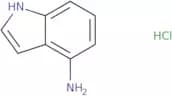
CAS :4-Aminoindole hydrochloride is a white crystalline solid that can be used as a versatile building block in organic synthesis. It is also used as an intermediate in the production of various pharmaceuticals and other chemical compounds. 4-Aminoindole hydrochloride is soluble in most polar solvents, but insoluble in ethers and oils. This compound is also a useful reagent for the conversion of nitrobenzenes to aminobenzoic acids. CAS Number 174854-93-4
Formule :C8H9ClN2Degré de pureté :Min. 95%Couleur et forme :PowderMasse moléculaire :168.62 g/mol2,6-Dichlorobenzylamine
CAS :2,6-Dichlorobenzylamine (2,6-DCBA) is a potent inhibitor of creatine kinase. It has been shown to be a potent inhibitor of the enzyme in muscle cells. 2,6-DCBA binds to the phosphoryl group of creatine kinase and inhibits its activity. This inhibitory effect on muscle cells causes fatigue and weakness during exercise. 2,6-DCBA also inhibits the enzyme cytosolic creatine kinase from eukaryotes and may be a potential inhibitor for treating Duchenne muscular dystrophy.
Formule :C7H7Cl2NDegré de pureté :Min. 95%Couleur et forme :Clear LiquidMasse moléculaire :176.04 g/mol4-(N,N-Diethylamino)salicylaldehyde
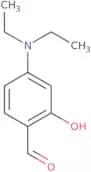
CAS :4-(N,N-Diethylamino)salicylaldehyde is a coumarin derivative that has been shown to be a fluorescent probe for proton transfer. It emits light at around 400 nm when the probe is excited by light of wavelength greater than 300 nm. The emission spectrum changes from green to red as the pH increases. 4-(N,N-Diethylamino)salicylaldehyde also exhibits fluorescence enhancement in the presence of metal ions such as Fe3+, Cu2+, or Cr3+. This compound can be used as a fluorescent probe for hydrogen bonding interactions and metal hydroxides.Formule :C11H15NO2Degré de pureté :Min. 95%Couleur et forme :PowderMasse moléculaire :193.24 g/mol6-Fluorogramine
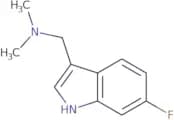
CAS :6-Fluorogramine is a synthetic compound that is metabolized by drug-metabolizing enzymes to form 6-fluorohydroxymethyltetrahydrofolate. This intermediate is then hydrolyzed to form 6-hydroxymethyltetrahydrofolate and monohydroxy methylene tetrahydrofolate. The reaction yield for this reaction is about 60%. 6-Fluorohydroxymethyltetrahydrofolate can also be converted to paraformaldehyde and dimethylamine, which are used in the synthesis of other compounds. The positional isomer of 6-fluoromethylenetetrahydropterin (6FMTP) can be synthesized from 6-fluoroformaldehyde and paraformaldehyde.
Formule :C11H13FN2Degré de pureté :Min. 95%Masse moléculaire :192.23 g/mol5-Amino-1H-tetrazole potassium salt
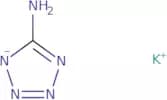
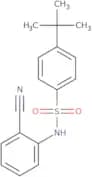
CAS :5-Amino-1H-tetrazole potassium salt is a chemical compound that is used as a reagent for the alkylation of organic compounds. It can be synthesized by reacting sodium with 5-amino-1H-tetrazole in the presence of dimethylformamide and ether. The yield of this reaction is high, but it is not an efficient process because it requires large quantities of starting materials. The potassium salt can be isolated from the mixture by adding water to produce a precipitate, which can then be dried.Formule :CH2KN5Degré de pureté :Min. 95%Couleur et forme :Slightly Yellow PowderMasse moléculaire :123.16 g/mol2-(((4-(tert-butyl)phenyl)sulfonyl)amino)benzenecarbonitrile
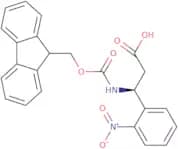
CAS :Please enquire for more information about 2-(((4-(tert-butyl)phenyl)sulfonyl)amino)benzenecarbonitrile including the price, delivery time and more detailed product information at the technical inquiry form on this pageDegré de pureté :Min. 95%Fmoc-(S)-3-amino-3-(2-nitrophenyl)propionic acid
CAS :Please enquire for more information about Fmoc-(S)-3-amino-3-(2-nitrophenyl)propionic acid including the price, delivery time and more detailed product information at the technical inquiry form on this pageFormule :C24H20N2O6Degré de pureté :Min. 95%Couleur et forme :White PowderMasse moléculaire :432.43 g/mol2-Amino-5-fluorobenzothiazole
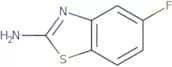
CAS :2-Amino-5-fluorobenzothiazole is a synthetic compound that is used as an agrochemical. It has low efficiency and can be found in tissue culture. The biological properties of this compound are not fully understood. It has been shown to have potential antitumor activity and may be able to inhibit tyrosine kinase. 2-Amino-5-fluorobenzothiazole is also found in the inorganic section of the periodic table. This compound is water soluble, but does not dissolve well in organic solvents such as acetone or chloroform. 2-Amino-5-fluorobenzothiazole also has agricultural applications, being used as a pesticide and for controlling tuberculosis in animals.Formule :C7H5FN2SDegré de pureté :Min. 95%Couleur et forme :PowderMasse moléculaire :168.19 g/molN-(5-Amino-2-methylphenyl)-4-(3-pyridyl)-2-pyrimidineamine
CAS :Imatinib is an anticancer drug that belongs to the class of trimethyls. It is a potent inhibitor of tyrosine-specific protein kinases, including Bcr-Abl and Src family kinases. It has been shown to have antineoplastic properties in human cells in vitro. Imatinib is structurally similar to the anticancer agent lapatinib and inhibits G1 phase cell cycle progression by preventing phosphorylation of retinoblastoma protein (Rb). Imatinib is also genotoxic due to its structural similarity to other known genotoxic compounds such as bromo-2′-deoxyuridine and 2-chloroimidazole.
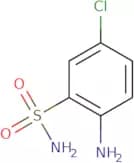
Formule :C16H15N5Degré de pureté :Min. 95%Couleur et forme :PowderMasse moléculaire :277.32 g/mol2-Amino-5-chlorobenzenesulfonamide
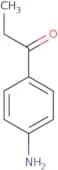
CAS :2-Amino-5-chlorobenzenesulfonamide is a synthetic chemical that is used in the manufacture of amides and diazoxide. It is also found naturally in humans as a metabolite of the amino acid histidine. 2-Amino-5-chlorobenzenesulfonamide has been shown to be a potent receptor for the modulation of acetylcholine release by binding to muscarinic receptors, including M1 and M2 subtypes, and inhibiting the enzyme hydrolysis of acetylcholine. This chemical has been shown to be chemically stable at pH 5 or higher, and it has been found to be resistant to hydrolysis by enzymes such as esterases, glucuronidases, glutathione reductase, and cytochrome P450. 2-Amino-5-chlorobenzenesulfonamide is also an enantiomer that can bind to collagen in the humanFormule :C6H7ClN2O2SDegré de pureté :Min. 95%Couleur et forme :PowderMasse moléculaire :206.65 g/mol4'-Aminopropiophenone
CAS :4'-Aminopropiophenone is an oxygen-carrying molecule that has been shown to have genotoxic effects. It can be used as a control agent in toxicity studies. 4'-Aminopropiophenone also has locomotor activity in animals and affects the function of neurons. This compound has not yet been tested on humans, but it is suspected that it may have a similar effect on the human body. The analytical method for this compound is based on the spectrophotometric measurement of amines. The test for this compound is done by injecting a dose into an animal and measuring the concentration of creatinine sulfate in its blood sample over time with a spectrophotometer. Radiation can alter the shape of the molecules and change their color, so it must be kept away from this chemical during testing. 4'-Aminopropiophenone has dose-dependent effects, meaning that higher doses will produce more negative effects than lower doses.Formule :C9H11NODegré de pureté :Min. 95%Couleur et forme :Off-White PowderMasse moléculaire :149.19 g/molSodium ammonium phosphate tetrahydrate
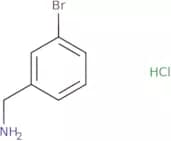
CAS :Sodium ammonium phosphate tetrahydrate is an inorganic compound that is a salt. It is used as a test compound to measure the inhibition of viral growth. The test compound binds to the virus and prevents it from binding to cells, thus inhibiting viral replication. Sodium ammonium phosphate tetrahydrate can also be used as a means of preventing cavities by lowering the pH level in the mouth and inhibiting bacterial growth. Selenium compounds have been shown to have antiviral properties when tested on the typhimurium virus. Selenium compounds are not active against herpes simplex virus, but protocatechuic acid has been shown to inhibit herpes simplex virus replication in vitro and in vivo. Protocatechuic acid has also been shown to inhibit fatty acid synthesis and chloride ion uptake into cells, which may be responsible for its anti-viral properties.Formule :NaNH5PO4·4H2ODegré de pureté :Min. 95%Couleur et forme :PowderMasse moléculaire :209.07 g/mol3-Bromobenzylamine hydrochloride
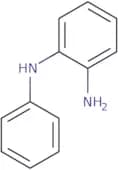
CAS :3-Bromobenzylamine hydrochloride is a chemical compound that belongs to the class of alkylating agents. It is a derivative of allylamine, which is an amine and can be used in the synthesis of tripeptides. 3-Bromobenzylamine hydrochloride has been shown to be able to bind to primary amines, such as histamine, serotonin, and dopamine. It has been found to inhibit the reuptake of these neurotransmitters by blocking the transporter responsible for their uptake. This inhibition leads to increased concentrations of neurotransmitters in tissues.Formule :C7H8BrN•HClCouleur et forme :PowderMasse moléculaire :222.51 g/mol2-Aminodiphenylamine
CAS :2-Aminodiphenylamine is a chemical compound with the molecular formula CHN. It is a white solid that has a melting point of about 170°C and a boiling point of about 360°C. 2-Aminodiphenylamine can be synthesized by reacting diphenylmethane with hydrochloric acid, followed by hydrogenation of the resulting diaminodiphenyl methane. It is an aromatic amine that has two nitrogen atoms in its structure. The molecule has a redox potential of -0.2 volts and can exist as either an acidic or basic form depending on pH levels. 2-Aminodiphenylamine also reacts with azobenzene to form coumarin derivatives, which are used in analytical chemistry for titration calorimetry, electrochemical impedance spectroscopy, and structural analysis.
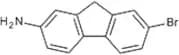
Formule :C12H12N2Degré de pureté :Min. 95%Couleur et forme :PowderMasse moléculaire :184.24 g/mol7-Bromo-9H-fluoren-2-amine
CAS :7-Bromo-9H-fluoren-2-amine is a constant analog of the naturally occurring hormone progesterone. It is used in biological studies as a fluorescence probe for the study of progesterone receptor. 7-Bromo-9H-fluoren-2-amine has been shown to have efficient absorption and emission spectra, as well as photophysical properties. This compound has been shown to enhance the fluorescence of other molecules, such as amines, which may be due to its ability to act as an energy transfer agent. This chemical has also been shown to be pharmacokinetically active and increase the fluorescence emissions from cells in culture.
Formule :C13H10BrNDegré de pureté :Min. 95%Masse moléculaire :260.13 g/molMethyl 2-amino-4-(trifluoromethyl)benzoate
CAS :Methyl 2-amino-4-(trifluoromethyl)benzoate is a non-steroidal anti-inflammatory drug that is structurally related to anthranilic acid. It has been shown to reduce the proliferation of human breast cancer cells in vitro. This drug inhibits the activity of cellular senescence, which has been implicated in aging and cancer progression. Methyl 2-amino-4-(trifluoromethyl)benzoate binds to receptor sites on the cell nucleus and prevents the binding of ligands to these receptors, thereby inhibiting transcriptional activity. This compound also increases cell sensitivity to radiation and chemotherapeutic agents by preventing DNA repair mechanisms from functioning properly. Methyl 2-amino-4-(trifluoromethyl)benzoate inhibits the production of reactive oxygen species by inducing oxidative stress in cells and may inhibit protein synthesis through its ability to bind tightly to proteins.Formule :C9H8F3NO2Degré de pureté :Min. 95%Couleur et forme :Slightly Yellow PowderMasse moléculaire :219.16 g/molEthoxyamine hydrochloride
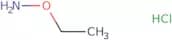
CAS :Ethoxyamine hydrochloride is an organic compound that contains a hydroxyl group and a chlorine atom. It is an amine with properties of an acid. Ethoxyamine hydrochloride can be used in the treatment of metabolic disorders, such as nitro, dehydrogenase deficiency and amino acid transport disorder. The compound also has been shown to have anti-inflammatory effects, which may be due to its ability to inhibit the production of prostaglandin synthesis. This drug has been found to have no significant toxicity in humans and animals, and it has been shown to be safe for use in humans.
Formule :C2H7NO·HClDegré de pureté :Min. 95%Couleur et forme :White PowderMasse moléculaire :97.54 g/mol2-(1H-Indazol-3-yl)ethanamine hydrochloride
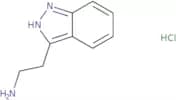
CAS :2-(1H-Indazol-3-yl)ethanamine hydrochloride is a chemical building block that can be used as a reaction component, reagent or useful scaffold. It is also a versatile building block in organic synthesis and can be used to make fine chemicals, speciality chemicals and research compounds. 2-(1H-Indazol-3-yl)ethanamine hydrochloride has been shown to have high purity and is suitable for use in pharmaceuticals, agrochemicals, dyestuffs, flavors and fragrances.Formule :C9H12ClN3Degré de pureté :Min. 95%Couleur et forme :PowderMasse moléculaire :197.66 g/mol

![2-[(4-Amino-2-methyl-5-nitrylbenzyl)amino]ethylalcohol](/_next/image/?url=https%3A%2Fstatic.cymitquimica.com%2Fproducts%2F3D%2Fthumb-webp%2FFA146928.webp&w=3840&q=75)



![1,3-Bis[tris(hydroxymethyl)methylamino]propane](/_next/image/?url=https%3A%2Fstatic.cymitquimica.com%2Fproducts%2F3D%2Fthumb-webp%2FFB09448.webp&w=3840&q=75)
![6-amino-3-methyl-4-(3-nitrophenyl)-4H-pyrano[3,2-d]pyrazole-5-carbonitrile](/_next/image/?url=https%3A%2Fstatic.cymitquimica.com%2Fproducts%2F3D%2Fthumb-webp%2FFA169032.webp&w=3840&q=75)


![2-[(2,6-Dibromo-4-methylphenyl)amino]acetohydrazide](/_next/image/?url=https%3A%2Fstatic.cymitquimica.com%2Fproducts%2F3D%2Fthumb-webp%2FFD115486.webp&w=3840&q=75)