Amines
Sous-catégories appartenant à la catégorie "Amines"
- Nitrosamines(3.123 produits)
- Amines primaires(30.967 produits)
- Cations d'ammonium quaternaire(1.111 produits)
- Amines secondaires(20.913 produits)
- Amines tertiaires(17.219 produits)
8794 produits trouvés pour "Amines"
1-Benzyl-3-[3-(dimethylamino)propoxy]-1H-indazole hydrochloride
CAS :Produit contrôlé1-Benzyl-3-[3-(dimethylamino)propoxy]-1H-indazole hydrochloride is an intubation agent that belongs to the group of benzydamine. It has been shown to have anti-inflammatory properties and may be used for the treatment of throat inflammation, including sore throat caused by squamous cell carcinoma, as well as for other inflammatory conditions such as mucositis, which is a complication from radiation therapy or chemotherapy. This drug can also be used with nonsteroidal anti-inflammatory drugs (NSAIDs) to treat pain and inflammation associated with osteoarthritis. 1-Benzyl-3-[3-(dimethylamino)propoxy]-1H-indazole hydrochloride has been shown to inhibit polymerization reactions by intramolecular hydrogen transfer and may have analytical applications in polymer compositions.Formule :C19H24ClN3ODegré de pureté :Min. 95%Couleur et forme :White PowderMasse moléculaire :345.87 g/mol3,4-(Methylenedioxyphenyl)ethylamine
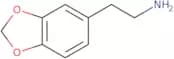
CAS :Produit contrôlé3,4-(Methylenedioxyphenyl)ethylamine (MDPA) is an anticancer drug that is used to treat various types of cancer. It has been shown to inhibit the growth of human colon cancer cells and breast cancer cells by binding to sphingosine kinase. MDPA is also a dietary supplement that can be found in Stephania japonica plants. This compound has a structural formula of C14H18N2O2, with a molar mass of 220.30 g/mol. The chromatographic science technique can be used for the separation and identification of this compound. It binds to dopamine receptors, which are G-protein coupled receptors that mediate the release of various neurotransmitters such as dopamine and serotonin from neurons in the brain. These natural compounds are acylated with amines or amino acids before they react with hydrochloric acid to produce MDPA.br>Formule :C9H11NO2Degré de pureté :Min. 95%Couleur et forme :Clear LiquidMasse moléculaire :165.19 g/mol3-Methoxy-5-(trifluoromethyl)aniline
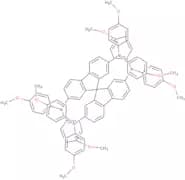
CAS :Formule :C8H8F3NODegré de pureté :>98.0%(GC)(T)Couleur et forme :Light yellow to Brown to Dark red powder to crystalMasse moléculaire :191.152,2',7,7'-Tetrakis-(N,N-di-4-methoxyphenylamino)-9,9'-spirobifluorene - Sublimed grade
CAS :2,2',7,7'-Tetrakis-(N,N-di-4-methoxyphenylamino)-9,9'-spirobifluorene (TPB) is a model system for investigating the transport of light signal in polymers. TPB can be used as a component in solar cells to increase their efficiency and improve their resistance to heat. TPB has shown high resistance to hydrochloric acid and other aggressive chemicals. TPB has been shown to be an effective photoelectron donor with a redox potential that is close to the one of copper; this property can be used for electrochemical impedance spectroscopy.Formule :C81H68N4O8Degré de pureté :Min. 95%Couleur et forme :Off-white to yellow solid.Masse moléculaire :1,225.43 g/mol6-Chloro-2-methyl-4-pyrimidinamine
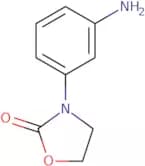
CAS :6-Chloro-2-methyl-4-pyrimidinamine is a molecule that has been studied for anticancer activity. It is an urea nitrogen, which is a hydrogen bond donor. The fructus of the 6-chloro-2-methyl-4-pyrimidinamine molecule has been shown to have anticancer activity in vitro. The anticancer activities of 6-chloro-2-methyl-4-pyrimidinamine are thermodynamic and vibrational, with etridiazole as the most potent inhibitor. The diamine tetraacetic acid (DTA) protonation state of the molecule was found to be 5.6, while the chloride protonation state was 3.6. In addition, it has been shown that 6CHMPA binds to Triticum aestivum cells through ethylene diamine and atomic orbital interactions.Formule :C5H6ClN3Degré de pureté :Min. 95%Couleur et forme :White To Off-White SolidMasse moléculaire :143.57 g/mol3-(3-Aminophenyl)-1,3-oxazolidin-2-one
CAS :3-(3-Aminophenyl)-1,3-oxazolidin-2-one is a fine chemical that is used as a building block for more complex compounds. It has been shown to be an effective reagent for the synthesis of complex compounds and can be used as a reaction component in research. 3-(3-Aminophenyl)-1,3-oxazolidin-2-one is also useful in the production of pharmaceuticals and other specialty chemicals.Formule :C9H10N2O2Degré de pureté :(¹H-Nmr) Min. 95 Area-%Couleur et forme :PowderMasse moléculaire :178.19 g/mol2-Anilino-6-dibutylamino-3-methylfluoran
CAS :2-Anilino-6-dibutylamino-3-methylfluoran is a switchable fluorescent dye that has been used to detect and measure biochemically active substances in living cells. The dye is introduced into the cell, where it binds to specific proteins or nucleic acids, causing a change in fluorescence. This change can then be detected using a microscope with an ultraviolet light source. 2-Anilino-6-dibutylamino-3-methylfluoran has also been used to detect bacteria in wastewater samples. An experiment was conducted to determine the effects of temperature on the reaction time of 2AADMF and metal ion concentration. Increasing the temperature resulted in an increase in reaction time, while increasing the concentration of metal ions had no effect on reaction time. 2AADMF also reacts differently depending on whether it is inside microcapsules or not. Microcapsules with 2AADMF reacted faster than those without it when
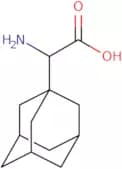
Formule :C35H36N2O3Degré de pureté :Min. 95%Couleur et forme :White PowderMasse moléculaire :532.67 g/mol1-Adamantyl(amino)acetic acid hydrochloride
CAS :1-Adamantyl(amino)acetic acid hydrochloride is an organic compound that is used as a versatile building block and intermediate in the synthesis of complex compounds. It reacts with nitric acid to form 1-Adamantyl nitrate, which is a useful reagent for organic synthesis. This compound has CAS number 16091-96-6 and can be found on the list of speciality chemicals. It is a fine chemical with high quality and is useful for research purposes.
Formule :C12H19NO2·HClDegré de pureté :Min. 95%Couleur et forme :PowderMasse moléculaire :245.75 g/molN,N-Bis(4-bromobenzyl)amine
CAS :Formule :C14H13Br2NDegré de pureté :>98.0%(GC)(T)Couleur et forme :White to Orange to Green powder to crystalMasse moléculaire :355.074-Hydroxy-4'-dimethylaminoazobenzene
CAS :Formule :C14H15N3ODegré de pureté :>98.0%(T)(HPLC)Couleur et forme :Orange to Brown to Dark red powder to crystalMasse moléculaire :241.293-[[3-[(Dimethylamino)carbonyl]-2-hydroxyphenyl]amino]-4-[[(R)-1-(4-isopropylfuran-2-yl)propyl]amino]cyclobut-3-ene-1,2-dione
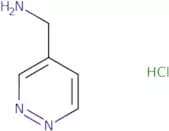
CAS :Please enquire for more information about 3-[[3-[(Dimethylamino)carbonyl]-2-hydroxyphenyl]amino]-4-[[(R)-1-(4-isopropylfuran-2-yl)propyl]amino]cyclobut-3-ene-1,2-dione including the price, delivery time and more detailed product information at the technical inquiry form on this pageFormule :C23H27N3O5Degré de pureté :Min. 95%Masse moléculaire :425.48 g/molPyridazin-4-ylmethanamine hydrochloride
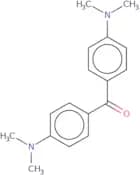
CAS :Pyridazin-4-ylmethanamine hydrochloride is a fine chemical that is used as a building block for more complex molecules. It is an intermediate in the synthesis of many organic compounds and has been used as a reagent to generate new compounds. This compound can be used as a versatile building block, as it can react with other chemicals to form new compounds. Pyridazin-4-ylmethanamine hydrochloride is also an effective scaffold for generating new drugs and pharmaceuticals.Formule :C5H8ClN3Degré de pureté :Min. 95%Couleur et forme :Yellow PowderMasse moléculaire :145.59 g/mol4,4'-Bis(dimethylamino)benzophenone
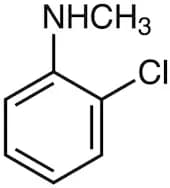
CAS :4,4'-Bis(dimethylamino)benzophenone (4,4'-BDMAB) is an organic molecule that has the potential to cause genotoxic effects at high concentrations. It is a cationic polymerization initiator that has been shown to bind to DNA and inhibit hl-60 cells. 4,4'-BDMAB also reacts with phenoxy groups in nucleotide phosphate chains, forming toxic products. The mechanism of this reaction is not yet clear. Studies have shown that 4,4'-BDMAB can cause cell death by inducing apoptosis as well as necrosis. This molecule can also form ketones through reactions with carbonyl groups in cell culture.Formule :C17H20N2ODegré de pureté :Min. 95%Masse moléculaire :268.35 g/mol2-Chloro-N-methylaniline
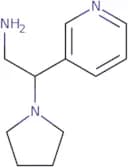
CAS :Formule :C7H8ClNDegré de pureté :>98.0%(GC)(T)Couleur et forme :Colorless to Red to Green clear liquidMasse moléculaire :141.602-(3-Pyridyl)-2-pyrrolidinylethylamine
CAS :2-(3-Pyridyl)-2-pyrrolidinylethylamine is a fine chemical that is used as a versatile building block in the synthesis of complex compounds. It is also used as a reagent and speciality chemical for research purposes. This compound can be used to produce useful intermediates and reaction components in organic synthesis. 2-(3-Pyridyl)-2-pyrrolidinylethylamine is also a useful scaffold for making high quality, useful compounds. CAS No. 855659-43-7
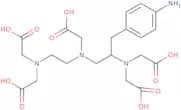
Formule :C11H17N3Degré de pureté :Min. 95%Couleur et forme :Clear LiquidMasse moléculaire :191.27 g/molS-2-(4-Aminobenzyl)-diethylenetriamine pentaacetic acid trifluoroacetic acid salt
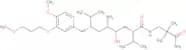
CAS :S-2-(4-Aminobenzyl)-diethylenetriamine pentaacetic acid trifluoroacetic acid salt is a reagent that can be used as a complex building block in the synthesis of organic and inorganic compounds. It is also a useful intermediate, with applications in fine chemical, research chemicals and speciality chemical manufacturing. S-2-(4-Aminobenzyl)-diethylenetriamine pentaacetic acid trifluoroacetic acid salt has been shown to be an excellent reaction component for the synthesis of many different types of compounds, such as natural products and pharmaceuticals.Formule :C21H30N4O10•(C2HF3O2)4Degré de pureté :Area-% Min. 85 Area-%Couleur et forme :PowderMasse moléculaire :954.56 g/mol5-Amino-N-(3-amino-2,2-dimethyl-3-oxopropyl)-4-hydroxy-2-isopropyl-7-[4-methoxy-3-(3-methoxypropoxy)benzyl]-8-methylnonanamide fumar ate
CAS :5-Amino-N-(3-amino-2,2-dimethyl-3-oxopropyl)-4-hydroxy-2-isopropyl-7-[4-methoxy-3-(3-methoxypropoxy)benzyl]-8-methylnonanamide fumar ate is a drug that inhibits the activity of angiotensin II, which is a hormone produced by the body. It is used as monotherapy for treatment of hypertension. 5AMINO has been shown to be effective in lowering blood pressure when administered alone and has been shown to be well tolerated. For this drug, the most frequently reported adverse reactions are nausea and dizziness. This drug should not be taken with other antihypertensive drugs or nonsteroidal antiinflammatory drugs such as ibuprofen (Motrin®). In addition, patients with diabetes should monitor their blood sugar levels carefully while taking this medication.Formule :C30H53N3O6Degré de pureté :Min. 95%Couleur et forme :PowderMasse moléculaire :551.76 g/mol1-Biotinylamino-3,6,9-trioxaundecane-11-bromide
CAS :1-Biotinylamino-3,6,9-trioxaundecane-11-bromide is a high quality reagent that is used in research and development. It has a CAS number of 1041766-91-9. 1-Biotinylamino-3,6,9-trioxaundecane-11-bromide is a versatile building block that can be used as an intermediate or scaffold in chemical reactions. It is also a useful reaction component for the synthesis of fine chemicals.Formule :C18H32BrN3O5SDegré de pureté :Min. 95%Couleur et forme :PowderMasse moléculaire :482.43 g/mol3-[Methyl(methylsulfonyl)amino]benzoic acid
CAS :3-[Methyl(methylsulfonyl)amino]benzoic acid is a chemical compound that is used as a building block for many other compounds. It is also a useful intermediate in the synthesis of various chemicals, such as pharmaceuticals and pesticides. This compound has been shown to be useful as a reaction component in the synthesis of complex compounds and can be used as a reagent in research. 3-[Methyl(methylsulfonyl)amino]benzoic acid has CAS number 89469-46-5 and is available at high quality from our company.Formule :C9H11NO4SDegré de pureté :Min. 95%Couleur et forme :White PowderMasse moléculaire :229.25 g/molFmoc-(1R,2R)-2-aminocyclohexane carboxylic acid
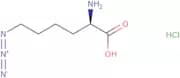
CAS :Fmoc-(1R,2R)-2-aminocyclohexane carboxylic acid is a versatile building block used as a reaction component in the synthesis of chemical compounds. It is classified as a speciality chemical and has been shown to be useful in the synthesis of complex compounds. The CAS number for this compound is 389057-34-5.Formule :C22H23NO4Degré de pureté :Min. 99 Area-%Couleur et forme :PowderMasse moléculaire :365.42 g/mol(R)-2-Amino-6-azidohexanoic acid HCl
CAS :(R)-2-Amino-6-azidohexanoic acid HCl is a chemical intermediate that is used in the synthesis of a number of biologically active compounds. It is also a versatile building block for the construction of complex molecules. This chemical has been shown to be useful in the synthesis of pharmaceuticals, agrochemicals, and other fine chemicals. CAS No. 2098497-01-7Formule :C6H12N4O2·HClDegré de pureté :Min. 95%Couleur et forme :White PowderMasse moléculaire :208.65 g/mol(S)-Pyroglutaminol
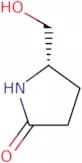
CAS :(S)-Pyroglutaminol is a chiral auxiliary that can be used to synthesize enantiopure amino acid derivatives. It is used in the synthesis of various drugs, such as antivirals and antifungals. The hydroxy group on one side of the molecule reacts with the enolate of an alpha-amino acid or a beta-keto acid to form an ester. The hydroxyl group on the other side of the molecule reacts with ethylene diamine to form an amide. Pyroglutaminol has been shown to reduce carbonyl groups in organic compounds, which may be due to its ability to act as an enantioselective catalyst for asymmetric synthesis.
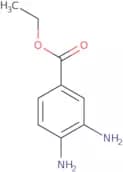
Formule :C5H9NO2Degré de pureté :Min. 95%Couleur et forme :White PowderMasse moléculaire :115.13 g/molEthyl 3,4-diaminobenzoate
CAS :Ethyl 3,4-diaminobenzoate is a molecule that belongs to the family of aldehydes. It has been synthesized by hydrolysis of naphthalene using hydrogen chloride in the presence of ethyl acetate and water. The synthesis process was monitored by gravimetric analysis and X-ray diffraction studies. The product was purified by recrystallization from ethanol before being characterized by single-crystal X-ray diffraction. The crystal structure has revealed two different conformations for the molecule, which are related to its mesoporous nature. The compound is an inhibitor for enzymes that control glycolysis and hydrogen bond formation, such as ferroptosis.Formule :C9H12N2O2Degré de pureté :Min. 95%Masse moléculaire :180.2 g/mol2-[(4-Chlorophenyl)-2-pyridinylmethoxy]-N,N-dimethylethanamine maleate salt
CAS :Produit contrôlé2-[(4-Chlorophenyl)-2-pyridinylmethoxy]-N,N-dimethylethanamine maleate salt (DCLM) is a controlled-release preparation of an antihistamine that is used for the relief of allergic symptoms. It is a prodrug that is hydrolyzed to 2-[(4-chlorophenyl)-2-pyridinylmethoxy]ethanol (DCPEM) in vivo. DCLM has been shown to be effective against viruses and has been found to have receptor activity in human serum. The drug can be administered either orally or by injection. DCLM has also been shown to suppress allergic symptoms in vitro with LC-MS/MS analysis.
Formule :C20H23ClN2O5Degré de pureté :Min. 95%Couleur et forme :White To Off-White SolidMasse moléculaire :406.86 g/mol1,3-Diaminopropane
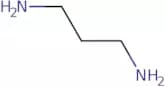
CAS :1,3-Diaminopropane is a molecule that belongs to the group of organic compounds known as diamine. It is a colorless liquid with an unpleasant odor. 1,3-Diaminopropane has inhibitory properties and can be used in the treatment of squamous cell carcinoma and galleria mellonella. The mechanism of action for this compound has been determined by x-ray crystal structures. 1,3-Diaminopropane reacts with picolinic acid (PA) to form an intramolecular hydrogen bond, which inhibits PA's ability to react with other molecules. This results in PA being unable to form reactive intermediates that normally lead to cancerous changes in cells.Formule :C3H10N2Degré de pureté :Min. 95%Couleur et forme :Clear LiquidMasse moléculaire :74.12 g/mol3,5-Diaminobenzoic acid
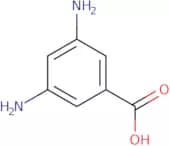
CAS :3,5-Diaminobenzoic acid is an amide compound. It can be used to remove caffeine and other organic compounds from wastewater. 3,5-Diaminobenzoic acid is a fluorescent probe that can be used in the detection of water vapor and 2,4-dichlorobenzoic acid in the atmosphere. This chemical is also capable of removing polymerase chain reactions from DNA samples. 3,5-Diaminobenzoic acid has been shown to have water permeability and a high chemical stability. It has a hydrogen bond with diphenyl ether and can undergo transfer reactions with polymaleic acid and mda-mb-231 breast cancer cells.Formule :C7H8N2O2Degré de pureté :Min. 95%Couleur et forme :White PowderMasse moléculaire :152.15 g/mol7-Amino-3-cephem-4-carboxylic acid
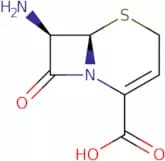
CAS :Used in synthesis of Cephalosporin antibioticsFormule :C7H8N2O3SDegré de pureté :Min. 95%Couleur et forme :White Slightly Yellow PowderMasse moléculaire :200.22 g/mol(S)-3-Amino-3-phenylpropan-1-ol
CAS :The enantiopure (S)-3-Amino-3-phenylpropan-1-ol is a chiral and optically pure amino alcohol compound. It is an antibiotic that inhibits the bacterial enzyme acylase, which catalyzes the hydrolysis of ester bonds in fatty acids. This drug is also an inhibitor of drug substance, as well as an active form of dapoxetine hydrochloride. The (S)-3-Amino-3-phenylpropan-1-ol has been shown to be effective against both Gram positive and Gram negative bacteria, including methicillin resistant Staphylococcus aureus (MRSA) and Mycobacterium tuberculosis.
Formule :C9H13NODegré de pureté :Min. 95%Couleur et forme :Off-White PowderMasse moléculaire :151.21 g/mol2-(4-Benzylpiperidin-1-yl)ethanamine
CAS :2-(4-Benzylpiperidin-1-yl)ethanamine is a fine chemical that is useful for the preparation of versatile building blocks. This compound is an intermediate in the synthesis of a variety of compounds, including research chemicals and speciality chemicals. It has been used as a reaction component in the synthesis of complex compounds with high quality. 2-(4-Benzylpiperidin-1-yl)ethanamine is also a reagent that can be used to synthesize amines and amides. CAS No. 25842-32-4Formule :C14H22N2Degré de pureté :Min. 95%Couleur et forme :LiquidMasse moléculaire :218.34 g/mol4-Fluoro-3-methoxybenzylamine hydrochloride
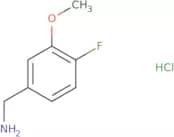
CAS :4-Fluoro-3-methoxybenzylamine hydrochloride is a fine chemical that can be used as a building block in research, as a reagent in the synthesis of complex compounds, and as a versatile scaffold for the synthesis of natural products. This compound is an intermediate for the production of other pharmaceuticals and has been shown to be useful in the production of various drugs. It is also used as a reactant in organic chemistry reactions due to its high quality. 4-Fluoro-3-methoxybenzylamine hydrochloride has CAS No. 869296-41-3 and can be found on the Chemical Abstract Service (CAS) database.Formule :C8H11ClFNODegré de pureté :Min. 95%Masse moléculaire :191.63 g/mol3-Methyl-N-methylbenzylamine
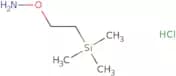
CAS :Formule :C9H13NDegré de pureté :>97.0%(GC)Couleur et forme :Colorless to Light yellow to Light orange clear liquidMasse moléculaire :135.21O-(2-Trimethylsilylethyl)hydroxylamine HCl
CAS :O-(2-Trimethylsilylethyl)hydroxylamine HCl is a fine chemical that can be used as a versatile building block in the synthesis of complex compounds. It is also an intermediate for research chemicals, reagents, and speciality chemicals. O-(2-Trimethylsilylethyl)hydroxylamine HCl can be used as a reaction component in organic synthesis and has been shown to be useful in the synthesis of new scaffolds.
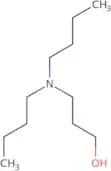
Formule :C5H15NOSi·HClDegré de pureté :Min. 95%Couleur et forme :White PowderMasse moléculaire :169.72 g/mol3-(Dibutylamino)propan-1-ol
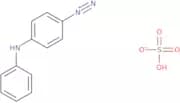
CAS :3-(Dibutylamino)propan-1-ol is an intermediate that is used in the synthesis of procainamide and procaine. It can be prepared by reaction of dibutylamine with propanol. 3-(Dibutylamino)propan-1-ol has a high stability in organic solvents, such as chloroform, as well as in bioreactors and automated synthesizers. This product is also an efficient catalyst for reactions involving esters. 3-(Dibutylamino)propan-1-ol has been shown to be effective at inhibiting the growth of Mycobacterium smegmatis and Mycobacterium tuberculosis.Formule :C11H25NODegré de pureté :Min. 95%Couleur et forme :Clear LiquidMasse moléculaire :187.32 g/mol4-Diazodiphenylamine sulfate
CAS :4-Diazodiphenylamine sulfate is a phosphatase inhibitor that can be used to inhibit tyrosinase activity in the biochemical and enzymatic reactions. The inhibition constant for 4-diazodiphenylamine sulfate against tyrosinase activity is 1.5 μM. This inhibitor has been shown to have a low energy surface-enhanced Raman spectrum, which can be used to detect protein coatings on surfaces such as glass beads or sephadex g-100. It has also been shown to inhibit the phosphatase activity of human urine samples, which may be due to its ability to bind to the enzyme's active site and reduce substrate accessibility. 4-Diazodiphenylamine sulfate is also known for its ability to bind with DNA and form an adduct with p-nitrophenyl phosphate.
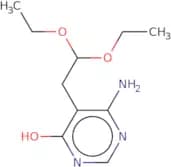
Formule :C12H9N3·H2SO4Degré de pureté :Min. 95%Couleur et forme :PowderMasse moléculaire :293.3 g/mol6-Amino-5(2,2-diethoxyethyl)-4-hydroxy pyrimidine
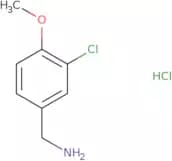
CAS :6-Amino-5(2,2-diethoxyethyl)-4-hydroxy pyrimidine is a reagent that is used in the synthesis of various chemical substances. It is a versatile building block and can be used as an intermediate for the production of fine chemicals. 6-Amino-5(2,2-diethoxyethyl)-4-hydroxy pyrimidine has been shown to have high reactivity and selectivity, making it a useful scaffold for organic synthesis. This compound can be used as an intermediate for the production of complex compounds such as pharmaceuticals, agrochemicals, or perfumes. 6-Amino-5(2,2-diethoxyethyl)-4-hydroxy pyrimidine is also known to be useful in research fields such as biology and medicine.Formule :C10H17N3O3Degré de pureté :Min. 95%Couleur et forme :White PowderMasse moléculaire :227.26 g/mol3-Chloro-4-methoxybenzylamine hydrochloride
CAS :3-Chloro-4-methoxybenzylamine hydrochloride is a quinoline derivative that inhibits the activity of phosphodiesterase 5, an enzyme that breaks down cGMP in the brain. This drug has been shown to increase levels of cGMP and decrease levels of low energy (i.e., low ATP) in synaptosomes. 3-Chloro-4-methoxybenzylamine hydrochloride may be useful for the treatment of Alzheimer's disease, as it has been shown to improve cognitive function and memory in animal models. The mechanism of action is not fully understood but may involve inhibition of cholinergic neurotransmission or activation of nitric oxide synthase.Formule :C8H10ClNO•HClDegré de pureté :Min. 95%Couleur et forme :PowderMasse moléculaire :208.08 g/molPolyethylene Glycol Stearylamine (n=approx. 10)
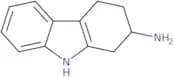
Degré de pureté :min. 90.0 %Couleur et forme :Orange to Brown to Dark red clear liquid2,3,4,9-Tetrahydro-1H-carbazol-2-amine
CAS :2,3,4,9-Tetrahydro-1H-carbazol-2-amine is a fine chemical that has been used as a building block in the synthesis of pharmaceuticals and pesticides. It is also an intermediate in the synthesis of other complex compounds. 2,3,4,9-Tetrahydro-1H-carbazol-2-amine is versatile with many reactions that can be performed on it and it is a useful scaffold for organic synthesis.
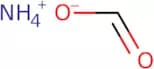
Formule :C12H14N2Degré de pureté :Min. 95%Couleur et forme :Beige SolidMasse moléculaire :186.25 g/molAmmonium formate
CAS :Ammonium formate is a formic acid that is used in the treatment of bowel disease. It also has inhibitory properties against copper chloride and formic acid, which are two chemical compounds that are commonly found in wastewater. Ammonium formate can be used to treat wastewater by inhibiting complex enzymes (e.g., β-oxidoreductase) and preventing the formation of toxic chemicals such as formaldehyde, acetic acid, and hydrogen peroxide. Ammonium formate has been shown to increase the rate of phase transition temperature for zirconium oxide by suppressing its oxidation and reducing its thermal conductivity. The matrix effect of ammonium formate can be used as a model system for studying enzyme activities and biocompatible polymers.
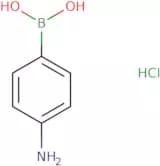
Formule :CH2O2•H3NDegré de pureté :Min. 95%Couleur et forme :White Clear LiquidMasse moléculaire :63.06 g/mol4-Aminophenylboronic acid hydrochloride
CAS :4-Aminophenylboronic acid hydrochloride is a fluorescent probe that can be used to detect hydrogen bonds in proteins. It has been used to measure water vapor in human serum and as an electrochemical impedance spectroscopy probe for the detection of ATP levels. This compound has also been used as a fluorescence probe for the detection of viruses and fetal bovine serum, as well as nanomaterials and matrix effect studies. 4-Aminophenylboronic acid hydrochloride is synthesized through the reaction of 4-aminophenylboronic acid with hydrochloric acid in water at high temperature, which produces a white solid. The thermal expansion coefficient of this compound is 2.6 x 10^-5 K^-1.
Formule :C6H8BNO2•HClDegré de pureté :Min. 95%Couleur et forme :PowderMasse moléculaire :173.4 g/molDaminozide
CAS :Daminozide is a plant growth regulator that belongs to the group of chemical substances called dinitrophenols. It is used in agriculture as a pre-planting seed treatment for potatoes and other vegetables to inhibit sprouting, increase yield, and reduce the incidence of disease. Daminozide has been shown to inhibit the activity of two enzymes, fatty acid desaturase (FAD) and lysine decarboxylase (LDC), in plants. The optimum concentration for daminozide is 0.1 mM, which can be achieved by adding ethylene diamine to tissue culture media at a concentration of 1 mM. Daminozide has not been shown to have any significant physiological effects in plants when applied at this concentration.Formule :C6H12N2O3Degré de pureté :Min. 95%Couleur et forme :PowderMasse moléculaire :160.17 g/mol4,6-Dimethyl-5-nitro-m-phenylenediamine
CAS :4,6-Dimethyl-5-nitro-m-phenylenediamine is a versatile building block that can be used as a reagent or a speciality chemical. It is used in research to test the susceptibility of bacteria to antibiotics and other toxic substances. 4,6-Dimethyl-5-nitro-m-phenylenediamine has been shown to inhibit the growth of Mycobacterium tuberculosis, Mycobacterium avium complex, and some strains of Staphylococcus aureus. This product is also useful for making high quality compounds that are useful scaffolds for drug development.br> 4,6-Dimethyl-5-nitro-m-phenylenediamine is an organic compound with the chemical formula C9H8N2O3. It has two asymmetric carbon atoms and exists as two enantiomers, one of which is more reactive than the other. The (S)-enFormule :C8H11N3O2Degré de pureté :Min. 95%Masse moléculaire :181.19 g/mol4-Ethyl-1,3-thiazol-2-amine
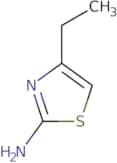
CAS :4-Ethyl-1,3-thiazol-2-amine is a tertiary amine that is used as an alkylating agent. It has been shown to react with alcohols and form tertiary amines. 4-Ethyl-1,3-thiazol-2-amine can also react with carboxylic acids to form esters and with aldehydes to form acetals. This compound has been used in the synthesis of compounds such as aminothiazoles and thiazole.
Formule :C5H8N2SDegré de pureté :Min. 95%Masse moléculaire :128.2 g/molN-Benzyl-N-(2-ethoxyphenoxy)ethylamine
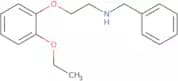
CAS :N-Benzyl-N-(2-ethoxyphenoxy)ethylamine is a fine chemical that belongs to the category of building blocks and research chemicals. It is a versatile intermediate that can be used in the synthesis of a wide range of compounds. This compound has been shown to be useful as a reaction component and scaffold for the construction of complex organic molecules. It has also been used as an intermediate in the synthesis of high quality speciality chemicals.Formule :C17H21NO2Degré de pureté :Min. 95%Couleur et forme :PowderMasse moléculaire :271.35 g/molN-Methyloctadecylamine
CAS :N-Methyloctadecylamine is a cationic surfactant that is used in the production of specialty chemicals, such as emulsifiers and wetting agents. It has been reported to have reactive properties, which may be due to its ability to react with fatty acids or amines. N-Methyloctadecylamine is also known as a lubricity agent, which improves the lubricity of materials. This chemical is an organic solution that contains hydroxyl groups, which are responsible for its high water solubility.
Formule :C19H41NDegré de pureté :Min. 95%Couleur et forme :White/Off-White SolidMasse moléculaire :283.54 g/mol4-Amino-6-chloro-2-(methylthio) pyrimidine
CAS :4-Amino-6-chloro-2-(methylthio) pyrimidine is a reactive chemical that is used in medicine as an antioxidant. It has been shown to have beneficial effects on atherosclerosis, colitis and cancer. 4-Amino-6-chloro-2-(methylthio) pyrimidine has also been shown to inhibit the production of reactive oxygen species (ROS). ROS are generated by lipoxygenase enzymes in soybean oil and cause damage to cells. 4-Amino-6-chloro-2-(methylthio) pyrimidine binds to the enzyme's heme group, preventing it from forming ROS.Formule :C5H6ClN3SDegré de pureté :Min. 95%Masse moléculaire :175.64 g/mol(2S)-Pentan-2-amine hydrochloride
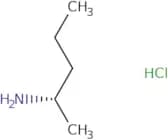
CAS :(2S)-Pentan-2-amine hydrochloride is a versatile building block that can be used as a reaction component, reagent, or useful scaffold for the synthesis of complex organic compounds. It is a high quality chemical that can be used in both research and commercial applications. CAS No. 216237-52-4.
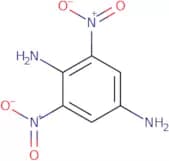
Formule :C5H14ClNDegré de pureté :Min. 95%Couleur et forme :PowderMasse moléculaire :123.62 g/mol2,6-Dinitro-1,4-phenylenediamine
CAS :2,6-Dinitro-1,4-phenylenediamine is a versatile building block that can be used in the synthesis of complex compounds. It is a high quality chemical with excellent stability and purity. This chemical is also useful as an intermediate for the synthesis of other chemicals, and as a reagent for research purposes. 2,6-Dinitro-1,4-phenylenediamine is also useful in organic chemistry as a scaffold for synthesizing important organic molecules.
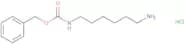
Formule :C6H6N4O4Degré de pureté :Min. 95%Masse moléculaire :198.14 g/molZ-1,6-diaminohexane·HCl
CAS :Z-1,6-Diaminohexane·HCl is a versatile building block that can be used as a reagent, speciality chemical, or useful scaffold. This compound has been shown to be a useful intermediate in the synthesis of other compounds and can also react with metal ions to generate metal complexes. Z-1,6-Diaminohexane·HCl is a high quality compound that is stable and soluble in water, making it suitable for use in reactions at room temperature.Formule :C14H22N2O2·HClDegré de pureté :Min. 95%Couleur et forme :White PowderMasse moléculaire :286.8 g/mol1-Propylpiperidin-4-amine 2HCl
CAS :1-Propylpiperidin-4-amine 2HCl is a cyclic amine. It is an organic compound that has a high absorption rate and can be used as an absorbent. 1-Propylpiperidin-4-amine 2HCl is used in experiments to study the speciation of different compounds, such as carbonates and desorption. The experiment was performed using various solvents with different densities, such as water, ethanol, and acetone, to determine the absorption rate of 1-Propylpiperidin-4-amine 2HCl. The experiment also studied viscosity changes over time while in contact with 1-Propylpiperidin-4-amine 2HCl. This chemical has a molecular structure consisting of one propyl group and four amines.
Formule :C8H20Cl2N2Degré de pureté :Min. 95%Couleur et forme :SolidMasse moléculaire :215.16 g/mol
![1-Benzyl-3-[3-(dimethylamino)propoxy]-1H-indazole hydrochloride](/_next/image/?url=https%3A%2Fstatic.cymitquimica.com%2Fproducts%2F3D%2Fthumb-webp%2FFB18262.webp&w=3840&q=75)







![3-[[3-[(Dimethylamino)carbonyl]-2-hydroxyphenyl]amino]-4-[[(R)-1-(4-isopropylfuran-2-yl)propyl]ami…](/_next/image/?url=https%3A%2Fstatic.cymitquimica.com%2Fproducts%2F3D%2Fthumb-webp%2FFD152335.webp&w=3840&q=75)

![3-[Methyl(methylsulfonyl)amino]benzoic acid](/_next/image/?url=https%3A%2Fstatic.cymitquimica.com%2Fproducts%2F3D%2Fthumb-webp%2FFM136650.webp&w=3840&q=75)

![2-[(4-Chlorophenyl)-2-pyridinylmethoxy]-N,N-dimethylethanamine maleate salt](/_next/image/?url=https%3A%2Fstatic.cymitquimica.com%2Fproducts%2F3D%2Fthumb-webp%2FFC19699.webp&w=3840&q=75)