Amines
Sous-catégories appartenant à la catégorie "Amines"
- Nitrosamines(3.123 produits)
- Amines primaires(30.967 produits)
- Cations d'ammonium quaternaire(1.111 produits)
- Amines secondaires(20.913 produits)
- Amines tertiaires(17.219 produits)
8794 produits trouvés pour "Amines"
2-Amino-4-(2,4-dichlorophenyl)-5-methylthiophene-3-carbonitrile
CAS :The frequency range of 2-Amino-4-(2,4-dichlorophenyl)-5-methylthiophene-3-carbonitrile is between 0.1 and 1.0 GHz. The channel is between 1 and 10 MHz. The algorithm used for this frequency is the Gaussian algorithm. This frequency has been shown to have a frequency range of 0.1 to 1.0 GHz with a channel of 1 to 10 MHz and an algorithm of the Gaussian algorithm.
Formule :C12H8Cl2N2SDegré de pureté :Min. 95%Couleur et forme :Brown PowderMasse moléculaire :283.18 g/mol[2-(6-Methylpyridin-2-yl)ethyl]amine
CAS :2-(6-Methylpyridin-2-yl)ethyl]amine is a reagent that is used as a building block for the synthesis of heterocycles. It is used in the preparation of various complex compounds, such as 2-(6-methylpyridin-2-yl)ethylamine hydrochloride, 2-(6-methylpyridin-2-yl)ethylamine hydrobromide, and 2-[(6-methylpyridin-2-yl)ethyl]amine hydrochloride. This chemical can be used as an intermediate in the synthesis of fine chemicals or speciality chemicals. It has CAS No. 19363-94-1 and is an important research chemical with versatile uses in organic synthesis reactions.Formule :C8H12N2Degré de pureté :Min. 95%Couleur et forme :Colourless LiquidMasse moléculaire :136.19 g/mol9-Amino-1,2,3,4-tetrahydroacridine HCl hydrate
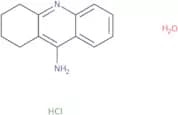
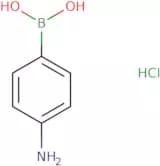
CAS :Produit contrôlé9-Amino-1,2,3,4-tetrahydroacridine HCl hydrate (9AHT) is a cholinergic agent that inhibits the activity of the ns3 protease. It has been shown to inhibit tumor growth and induce apoptosis in prostate cancer cells. 9AHT also exhibits neuroprotective effects through its ability to inhibit acetylcholinesterase and reduce neuronal death. This drug has been used as a biological sample for the detection of amyloid proteins in cell culture. Acetate extract from Astragalus (a medicinal plant) was found to have an inhibitory effect on acetylcholinesterase activity. Protocatechuic acid, which is found in many plants, including grapefruit peel, has also been shown to be an inhibitor of acetylcholinesterase activity.Formule :C13H15ClN2·xH2ODegré de pureté :Min. 95%Couleur et forme :White PowderMasse moléculaire :234.72 g/mol4-Aminophenylboronic acid hydrochloride
CAS :4-Aminophenylboronic acid hydrochloride is a fluorescent probe that can be used to detect hydrogen bonds in proteins. It has been used to measure water vapor in human serum and as an electrochemical impedance spectroscopy probe for the detection of ATP levels. This compound has also been used as a fluorescence probe for the detection of viruses and fetal bovine serum, as well as nanomaterials and matrix effect studies. 4-Aminophenylboronic acid hydrochloride is synthesized through the reaction of 4-aminophenylboronic acid with hydrochloric acid in water at high temperature, which produces a white solid. The thermal expansion coefficient of this compound is 2.6 x 10^-5 K^-1.
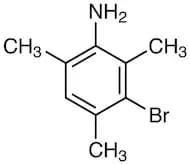
Formule :C6H8BNO2•HClDegré de pureté :Min. 95%Couleur et forme :PowderMasse moléculaire :173.4 g/mol3-Bromo-2,4,6-trimethylaniline
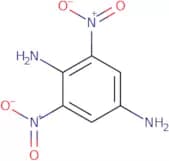
CAS :Formule :C9H12BrNDegré de pureté :>98.0%(GC)(T)Couleur et forme :White to Light yellow to Light orange powder to crystalMasse moléculaire :214.112,6-Dinitro-1,4-phenylenediamine
CAS :2,6-Dinitro-1,4-phenylenediamine is a versatile building block that can be used in the synthesis of complex compounds. It is a high quality chemical with excellent stability and purity. This chemical is also useful as an intermediate for the synthesis of other chemicals, and as a reagent for research purposes. 2,6-Dinitro-1,4-phenylenediamine is also useful in organic chemistry as a scaffold for synthesizing important organic molecules.
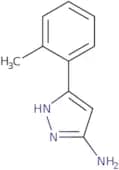
Formule :C6H6N4O4Degré de pureté :Min. 95%Masse moléculaire :198.14 g/mol3-(2-Methylphenyl)-1H-pyrazol-5-amine
CAS :3-(2-Methylphenyl)-1H-pyrazol-5-amine is a chemical compound that can be used as a reactant, reagent, or scaffold in the synthesis of other compounds. It is a useful building block and intermediate for the synthesis of complex compounds. 3-(2-Methylphenyl)-1H-pyrazol-5-amine has been shown to have high purity and quality and is available at a reasonable price. This chemical is also versatile, as it can be used in reactions with other chemicals to form diverse products. 3-(2-Methylphenyl)-1H-pyrazol-5-amine belongs to CAS No. 57860-42-1 and is a fine chemical that can be used for research purposes only.Formule :C10H11N3Degré de pureté :Min. 95%Couleur et forme :Off-White To Light Brown LiquidMasse moléculaire :173.21 g/molFmoc-cis-4-aminocyclohexane carboxylic acid
CAS :Fmoc-cis-4-aminocyclohexane carboxylic acid is a reagent, useful for the synthesis of complex compounds. It is also used as an intermediate in the production of fine chemicals and speciality chemicals. In addition, it is a versatile building block that can be used to synthesize many different types of compounds, including pharmaceuticals and pesticides. Fmoc-cis-4-aminocyclohexane carboxylic acid is a high quality compound with a CAS number of 147900-45-6. It has been shown to be an effective scaffold for the synthesis of novel reaction components.Formule :C22H23NO4Degré de pureté :Min. 95%Couleur et forme :White/Off-White SolidMasse moléculaire :365.42 g/mol3-Methyl-N-methylbenzylamine
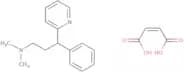
CAS :Formule :C9H13NDegré de pureté :>97.0%(GC)Couleur et forme :Colorless to Light yellow to Light orange clear liquidMasse moléculaire :135.21Pheniramine maleate
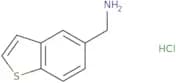
CAS :Histamine receptor H1 antagonistFormule :C16H20N2·C4H4O4Degré de pureté :Min. 95%Couleur et forme :PowderMasse moléculaire :356.42 g/mol(1-Benzothien-5-ylmethyl)amine hydrochloride
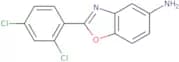
CAS :(1-Benzothien-5-ylmethyl)amine hydrochloride is a white crystalline solid that is soluble in organic solvents. It has been used as a research chemical, reagent, and speciality chemical. It is also an intermediate for the synthesis of other compounds.Formule :C9H9NS·HClDegré de pureté :Min. 95%Couleur et forme :SolidMasse moléculaire :199.7 g/mol2-(2,4-Dichlorophenyl)-1,3-benzoxazol-5-amine
CAS :2-(2,4-Dichlorophenyl)-1,3-benzoxazol-5-amine is a versatile building block that can be used in a wide range of chemical reactions. The compound is a reagent and speciality chemical with CAS No. 293737-83-4. It is an intermediate in the synthesis of pharmaceuticals and pesticides, as well as a useful scaffold for the synthesis of other compounds. 2-(2,4-Dichlorophenyl)-1,3-benzoxazol-5-amine has been shown to have high quality and can be used as a reaction component or building block in research labs.
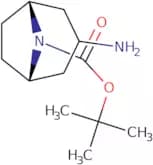
Formule :C13H8Cl2N2ODegré de pureté :Min. 95%Couleur et forme :PowderMasse moléculaire :279.12 g/molN-Boc-endo-3-aminotropane
CAS :N-Boc-endo-3-aminotropane is a useful building block for the synthesis of a variety of chemical compounds. It is a versatile intermediate for the synthesis of diverse chemical compounds and is also used in research as a reagent. N-Boc-endo-3-aminotropane has been shown to be highly reactive and to undergo many reactions, including nucleophilic substitution and addition reactions. The compound can be reacted with alkyl halides to form amines, or with nitroalkanes to form oximes. N-Boc-endo-3-aminotropane can also react with anhydrides or acid chlorides to form carboxylic acids, or with sulfonyl chlorides to form sulfonamides. This compound also reacts with thiols or alcohols to form thioethers and ethers respectively.
Formule :C12H22N2O2Degré de pureté :Min. 95%Couleur et forme :White PowderMasse moléculaire :226.32 g/mol[(1,2-Dimethyl-1H-benzimidazol-5-yl)methyl]amine dihydrochloride
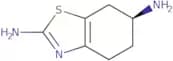
CAS :[(1,2-Dimethyl-1H-benzimidazol-5-yl)methyl]amine dihydrochloride is a reagent that is used as a reaction component in the synthesis of organic and inorganic compounds. It is used as a high quality research chemical for use in the production of fine chemicals and pharmaceuticals. This compound has many uses as a versatile building block, useful intermediate, or useful building block in the synthesis of complex compounds. It can also be used to make various speciality chemicals. [(1,2-Dimethyl-1H-benzimidazol-5-yl)methyl]amine dihydrochloride is stable at room temperature and can be stored under ambient conditions indefinitely.Formule :C10H13N3·2HClDegré de pureté :Min. 95%Couleur et forme :White PowderMasse moléculaire :248.15 g/mol(s)-2,6-Diamino-4,5,6,7-tetrahydrobenzothiazole
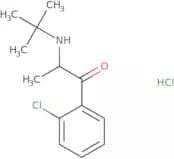
CAS :(S)-2,6-Diamino-4,5,6,7-tetrahydrobenzothiazole is an inhibitor molecule that belongs to the heterocyclic class of molecules. It is synthesized by a chemical reaction between hydrochloric acid and a molecule. The reaction product is then treated with acylation reagents to produce a heterobicyclic compound. The heterobicyclic compound binds to the surface of metal and prevents corrosion reactions from occurring. (S)-2,6-Diamino-4,5,6,7-tetrahydrobenzothiazole has been shown to inhibit leukemia cells and cancer cells in vitro through an unknown mechanism. It also binds to histone H3 proteins and has shown high cytotoxicity against various types of cancer cell lines.Formule :C7H11N3SDegré de pureté :Min. 95%Couleur et forme :White PowderMasse moléculaire :169.25 g/mol2-(tert-Butylamino)-2'-chloropropiophenone hydrochloride
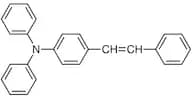
CAS :Produit contrôlé2-(tert-Butylamino)-2'-chloropropiophenone hydrochloride (BAPCH) is a fine chemical that is used as a building block in the synthesis of other compounds. It can be used as a reagent or speciality chemical in research, and is also an intermediate for the synthesis of other chemicals. BAPCH has a CAS number of 1049718-57-1, and is a versatile building block with many reactions. BAPCH has been shown to be useful in complex syntheses that require reactive groups and scaffolds.Formule :C13H19Cl2NODegré de pureté :Min. 95%Couleur et forme :White To Off-White SolidMasse moléculaire :276.2 g/mol4-Styryltriphenylamine
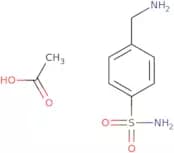
CAS :Formule :C26H21NDegré de pureté :>98.0%(GC)Couleur et forme :Light yellow to Yellow to Green powder to crystalMasse moléculaire :347.464-(Aminomethyl)benzenesulfonamide acetate
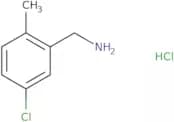
CAS :Produit contrôlé4-(Aminomethyl)benzenesulfonamide acetate is a biocompatible polymer that is used in the treatment of infectious diseases. It has antibacterial efficacy against a range of microorganisms, including methicillin-resistant Staphylococcus aureus and Pseudomonas aeruginosa. This polymer binds to sulfadiazine and antimicrobial peptides, which then act as antimicrobial agents. 4-(Aminomethyl)benzenesulfonamide acetate also exhibits good chemical stability in vivo and has been shown to inhibit the growth of skin cells.Formule :C9H14N2O4SDegré de pureté :Min. 95%Couleur et forme :PowderMasse moléculaire :246.28 g/mol5-Chloro-2-methylbenzylamine hydrochloride
CAS :5-Chloro-2-methylbenzylamine hydrochloride is a chemical reagent used in the production of pharmaceuticals and other chemicals. It is also known as 5-Chloro-2-methylbenzaldehyde, or 5-Methoxyindole. 5-Chloro-2-methylbenzylamine hydrochloride is an important building block for the synthesis of many complex compounds with high purity and quality. This compound is also versatile and can be used as a reaction component or as a reagent. CAS No: 28096-37-9.
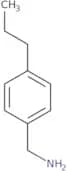
Formule :C8H10ClN·HClDegré de pureté :Min. 95%Masse moléculaire :192.09 g/mol4-Propylbenzylamine
CAS :4-Propylbenzylamine is a chemical compound that is an intermediate for the synthesis of other chemicals. It is a versatile building block that can be used in research to create useful scaffolds or as a reaction component to form complex compounds. 4-Propylbenzylamine has been shown to have high purity, and it is soluble in most solvents. The CAS number for this chemical is 538342-98-2.
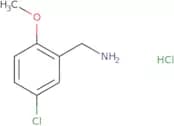
Formule :C10H15NDegré de pureté :Min. 95%Couleur et forme :PowderMasse moléculaire :149.23 g/mol5-Chloro-2-methoxybenzylamine hydrochloride
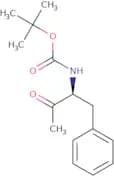
CAS :5-Chloro-2-methoxybenzylamine hydrochloride is a chemical substance that is used as an intermediate in the synthesis of pharmaceuticals and other chemicals. It can be used as a building block to create complex compounds, or it can be used in reactions to produce speciality chemicals. 5-Chloro-2-methoxybenzylamine hydrochloride is a high quality reagent that can be used as a reaction component in research and development. A fine chemical, 5-Chloro-2-methoxybenzylamine hydrochloride has many uses as a versatile building block for organic synthesis. It is also useful for generating research chemicals and complex compounds for use in medicines and other products.Formule :C8H10ClNO·(HCl)Degré de pureté :Min. 95%Couleur et forme :PowderMasse moléculaire :208.08 g/molBoc-(3S)-3-amino-4-phenyl-2-butanone
CAS :Boc-(3S)-3-amino-4-phenyl-2-butanone is a chemical intermediate that is useful as a building block in organic synthesis. It has been used as a reaction component, reagent and high quality research chemical. Boc-(3S)-3-amino-4-phenyl-2-butanone is also a versatile building block and useful intermediate for the preparation of complex compounds. This chemical has shown to have speciality applications in fine chemicals such as pharmaceuticals and agrochemicals.
Formule :C15H21NO3Degré de pureté :Min. 95%Couleur et forme :White to off-white solid.Masse moléculaire :263.33 g/molThiamine monophosphate chloride dihydrate
CAS :Thiamine monophosphate chloride dihydrate is a form of the vitamin thiamine. It has been used in control analysis to measure the activity of enzymes that require thiamine as a cofactor, such as transketolase and pyruvate kinase. Thiamine monophosphate chloride dihydrate has also been studied in biochemical properties, where it was found that this compound can be cleaved by picolinic acid to form thiazole phosphate. The matrix effect is an important factor in polymerase chain reactions and has been shown to be dependent on the presence of dinucleotide phosphate. This compound is an essential component of energy metabolism and plays a role in protein synthesis. Thiamine monophosphate chloride dihydrate also has toxicological studies, including a model system using wild-type strains of yeast. These studies have shown that this compound leads to physiological effects such as inhibition of glycolysis and lactic acid production.
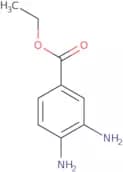
Formule :C12H18N4O4PS•Cl•(H2O)2Degré de pureté :Min. 99 Area-%Couleur et forme :PowderMasse moléculaire :416.82 g/molEthyl 3,4-diaminobenzoate
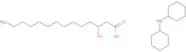
CAS :Ethyl 3,4-diaminobenzoate is a molecule that belongs to the family of aldehydes. It has been synthesized by hydrolysis of naphthalene using hydrogen chloride in the presence of ethyl acetate and water. The synthesis process was monitored by gravimetric analysis and X-ray diffraction studies. The product was purified by recrystallization from ethanol before being characterized by single-crystal X-ray diffraction. The crystal structure has revealed two different conformations for the molecule, which are related to its mesoporous nature. The compound is an inhibitor for enzymes that control glycolysis and hydrogen bond formation, such as ferroptosis.Formule :C9H12N2O2Degré de pureté :Min. 95%Masse moléculaire :180.2 g/mol(R)-3-Hydroxy myristic acid dicyclohexylammonium salt
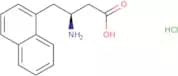
CAS :Produit contrôlé(R)-3-Hydroxy myristic acid dicyclohexylammonium salt is a fine chemical that is used as a versatile building block for the synthesis of complex compounds. It has been used as a reagent and speciality chemical in research and as a high-quality, useful intermediate. It can be used in the synthesis of new drugs, such as anti-inflammatory agents. (R)-3-Hydroxy myristic acid dicyclohexylammonium salt is also an interesting scaffold for the development of new drugs or drug leads against various diseases.Formule :C26H51NO3Degré de pureté :Min. 95%Couleur et forme :White to off-white solid.Masse moléculaire :425.69 g/mol(S)-3-Amino-4-(1-naphthyl)butanoic acid hydrochloride
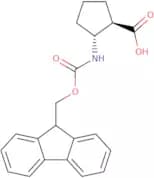
CAS :(S)-3-Amino-4-(1-naphthyl)butanoic acid hydrochloride is a high quality chemical that is used as a reaction component for the synthesis of complex organic compounds. It may also be used to produce fine chemicals, pharmaceuticals, and other useful compounds. This product has a wide variety of uses including as an intermediate in the production of speciality chemicals, as a building block for synthesizing more complex compounds, or as a precursor to producing other useful chemicals.Formule :C14H16ClNO2Degré de pureté :Min. 95%Couleur et forme :White PowderMasse moléculaire :265.74 g/molFmoc-(1R,2R)-2-aminocyclopentane carboxylic acid
CAS :Fmoc-(1R,2R)-2-aminocyclopentane carboxylic acid is a high quality and versatile building block. It can be used as an intermediate in the synthesis of complex compounds or as a reaction component. Fmoc-(1R,2R)-2-aminocyclopentane carboxylic acid is a speciality chemical that has potential uses in research, development and manufacturing of pharmaceuticals, agrochemicals, dyestuff intermediates, perfumes and other fine chemicals. CAS No. 359586-69-9
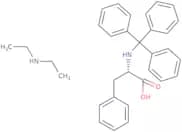
Formule :C21H21NO4Degré de pureté :Min. 95%Couleur et forme :PowderMasse moléculaire :351.4 g/molTrityl-L-phenylalanine diethylamine
CAS :Trityl-L-phenylalanine diethylamine is a reagent that is used in the synthesis of peptides, reagents, and other chemicals. Trityl-L-phenylalanine diethylamine reacts with an azide to form a triazole. It can also be used to convert an acid into an amino acid. This chemical has been shown to be sensitive to plasmin, which may lead to degradation during peptide synthesis.Formule :C28H25NO2·C4H11NDegré de pureté :Min. 95%Couleur et forme :PowderMasse moléculaire :480.64 g/molFmoc-4-amino-tetrahydropyran-4-carboxylic acid
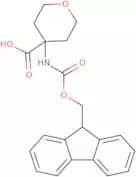
CAS :Fmoc-4-amino-tetrahydropyran-4-carboxylic acid is a versatile building block that can be used for the synthesis of many complex compounds and research chemicals. It is a speciality chemical which has been shown to be a useful intermediate in reactions, as well as being a reagent. Fmoc-4-amino-tetrahydropyran-4-carboxylic acid has also been shown to be an effective scaffold for drug design and development.Formule :C21H21NO5Degré de pureté :Min. 95%Couleur et forme :White/Off-White SolidMasse moléculaire :367.4 g/molO-(N-Boc-2-aminoethyl)-O'-(N-diglycolyl-2-aminoethyl)hexaethyleneglycol
CAS :O-(N-Boc-2-aminoethyl)-O'-(N-diglycolyl-2-aminoethyl)hexaethyleneglycol is a PEG compound with two different functional groups (also known as heterobifunctional). Unlike homobifunctional PEG compounds (same functional group on both ends), this type of compounds are more versatile as have two different anchor points. O-(N-Boc-2-aminoethyl)-O'-(N-diglycolyl-2-aminoethyl)hexaethyleneglycol is used as a linker and spacer to add a PEG moiety, via pegylation (a bioconjugation technique) to proteins, peptides, oligonucleotides, small molecules and nanoparticles.Formule :C25H48N2O13Degré de pureté :Min. 95%Couleur et forme :PowderMasse moléculaire :584.65 g/mol2-Pyridin-4-yl-1,3-benzoxazol-5-amine
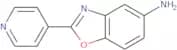
CAS :2-Pyridin-4-yl-1,3-benzoxazol-5-amine is a fine chemical that is useful as a building block in organic synthesis. It can be used in the preparation of other chemicals and pharmaceuticals. This compound is also used as a reagent in research. 2-Pyridin-4-yl-1,3-benzoxazol-5-amine has been shown to be an excellent intermediate for the synthesis of complex compounds. It can also be used as a scaffold for drug design with versatile chemical reactivity.Formule :C12H9N3ODegré de pureté :Min. 95%Couleur et forme :PowderMasse moléculaire :211.22 g/molMethyl 4-methyl-3-[(N-propylalanyl)amino]thiophene-2-carboxylate HCl
CAS :Methyl 4-methyl-3-[(N-propylalanyl)amino]thiophene-2-carboxylate HCl is a local anesthetic. It has been shown to be effective in the treatment of dental pain. Methyl 4-methyl-3-[(N-propylalanyl)amino]thiophene-2-carboxylate HCl acts by inhibiting the sodium channels in nerve cells, thereby blocking the transmission of pain signals and causing muscle relaxation. This drug also provides relief from anxiety, tension, and fear. Methyl 4-methyl-3-[(N-propylalanyl)amino]thiophene-2-carboxylate HCl has a rapid onset of action, with effects lasting up to 45 minutes. The drug is metabolized by hydrolysis to methyl 3-(aminocarbonyl)thiophene carboxylate and excreted in urine as metabolites.Formule :C13H20N2O3S·HClDegré de pureté :Min. 95%Couleur et forme :PowderMasse moléculaire :320.84 g/mol2-Aminopyridine-5-sulfonic acid
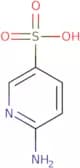
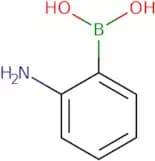
CAS :2-Aminopyridine-5-sulfonic acid is an alkaline hydrolysis product of benzene and water. It is an organic compound that is classified as a heterocyclic amine. The molecule has a pyridine ring with two nitrogen atoms in the ring. 2-Aminopyridine-5-sulfonic acid has been shown to be used as a ligand for coordination of ruthenium metal ions, which has been studied by theory and experiment. This ligand was also found to be able to coordinate halides such as chloride, bromide, or iodide ions. 2-Aminopyridine-5-sulfonic acid can exist in two different isomers: (S)-2-(benzyloxycarbonylamino)pyridine 5 sulfonic acid or (R)-2-(benzyloxycarbonylamino)pyridine 5 sulfonic acid.Formule :C5H6N2O3SDegré de pureté :Min. 95%Couleur et forme :SolidMasse moléculaire :174.18 g/mol2-Aminophenylboronic acid
CAS :2-Aminophenylboronic acid is an organic compound that can be used as a cross-coupling agent in the Suzuki coupling reaction. It has been used to synthesize amides and β-unsaturated ketones. It has also been used to prepare fluorescent molecules for use in clinical diagnostics. The phase transition temperature of 2-aminophenylboronic acid is approximately -6°C, which makes it useful for the synthesis of amides and β-unsaturated ketones at low temperatures. This compound is not reactive towards nucleophiles due to its acidic character, but it can undergo a nucleophilic attack when protonated. Its fluorescence assay can be used to detect the presence of low concentrations of hydrogen sulfide gas in natural gas pipelines.
Formule :C6H8BNO2Degré de pureté :Min. 95%Couleur et forme :PowderMasse moléculaire :136.94 g/mol1-Propylpiperidin-4-amine 2HCl
CAS :1-Propylpiperidin-4-amine 2HCl is a cyclic amine. It is an organic compound that has a high absorption rate and can be used as an absorbent. 1-Propylpiperidin-4-amine 2HCl is used in experiments to study the speciation of different compounds, such as carbonates and desorption. The experiment was performed using various solvents with different densities, such as water, ethanol, and acetone, to determine the absorption rate of 1-Propylpiperidin-4-amine 2HCl. The experiment also studied viscosity changes over time while in contact with 1-Propylpiperidin-4-amine 2HCl. This chemical has a molecular structure consisting of one propyl group and four amines.
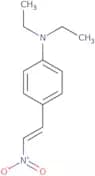
Formule :C8H20Cl2N2Degré de pureté :Min. 95%Couleur et forme :SolidMasse moléculaire :215.16 g/mol(1-(4-Diethylamino)phenyl)-2-nitroethene
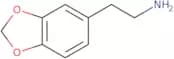
CAS :(1-(4-Diethylamino)phenyl)-2-nitroethene is a fluorescent probe that can be used to measure the growth rate of microorganisms. It is also a polarizable fluorescent molecule that is sensitive to environmental effects such as pH, temperature, and light intensity. This compound has been used as a chromophore in optical devices and has been observed to have linear responses to changes in time constants. The fluorescence of (1-(4-diethylamino)phenyl)-2-nitroethene is proportional to the molecular response of the protein or nucleic acid it binds to. This compound is also an inorganic compound with dipole moments, which are properties that allow it to interact with other compounds.Formule :C12H16N2O2Degré de pureté :Min. 95%Masse moléculaire :220.27 g/mol3,4-(Methylenedioxyphenyl)ethylamine
CAS :Produit contrôlé3,4-(Methylenedioxyphenyl)ethylamine (MDPA) is an anticancer drug that is used to treat various types of cancer. It has been shown to inhibit the growth of human colon cancer cells and breast cancer cells by binding to sphingosine kinase. MDPA is also a dietary supplement that can be found in Stephania japonica plants. This compound has a structural formula of C14H18N2O2, with a molar mass of 220.30 g/mol. The chromatographic science technique can be used for the separation and identification of this compound. It binds to dopamine receptors, which are G-protein coupled receptors that mediate the release of various neurotransmitters such as dopamine and serotonin from neurons in the brain. These natural compounds are acylated with amines or amino acids before they react with hydrochloric acid to produce MDPA.br>Formule :C9H11NO2Degré de pureté :Min. 95%Couleur et forme :Clear LiquidMasse moléculaire :165.19 g/mol1-Biotinylamino-3,6,9-trioxaundecane-11-bromide
CAS :1-Biotinylamino-3,6,9-trioxaundecane-11-bromide is a high quality reagent that is used in research and development. It has a CAS number of 1041766-91-9. 1-Biotinylamino-3,6,9-trioxaundecane-11-bromide is a versatile building block that can be used as an intermediate or scaffold in chemical reactions. It is also a useful reaction component for the synthesis of fine chemicals.Formule :C18H32BrN3O5SDegré de pureté :Min. 95%Couleur et forme :PowderMasse moléculaire :482.43 g/molN-Methyloctadecylamine
CAS :N-Methyloctadecylamine is a cationic surfactant that is used in the production of specialty chemicals, such as emulsifiers and wetting agents. It has been reported to have reactive properties, which may be due to its ability to react with fatty acids or amines. N-Methyloctadecylamine is also known as a lubricity agent, which improves the lubricity of materials. This chemical is an organic solution that contains hydroxyl groups, which are responsible for its high water solubility.
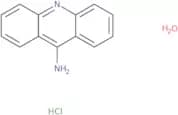
Formule :C19H41NDegré de pureté :Min. 95%Couleur et forme :White/Off-White SolidMasse moléculaire :283.54 g/mol9-Acridinamine hydrochloride hydrate
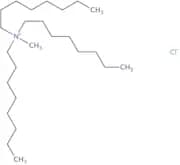
CAS :9-Acridinamine hydrochloride hydrate is a redox agent that has been shown to have genotoxic effects in vitro. It can be used for the treatment of infectious diseases such as tuberculosis and leprosy, but it is not active against gram-positive bacteria. 9-Acridinamine hydrochloride hydrate has been shown to inhibit the growth of bacteria by binding to DNA and preventing transcription, replication, and repair. This compound also inhibits bacterial protein synthesis by forming covalent bonds with amino groups on proteins. 9-Acridinamine hydrochloride hydrate has been shown to be safe when administered orally in animal studies, but it may cause hepatotoxicity.Formule :C13H10N2·HCl·H2ODegré de pureté :Min. 95%Couleur et forme :Yellow PowderMasse moléculaire :248.71 g/molTri(octyl-decyl)methylammonium chloride - R=C8-C10
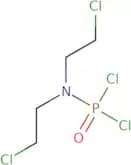
CAS :Tri(octyl-decyl)methylammonium chloride (TODMA) is a quaternary ammonium salt that has been used as a wastewater treatment agent. TODMA has shown to adsorb particles of chitosan, which are positively charged and hydrophilic. Chitosan is an acidic polymer that can be used in the development of nanoparticulate compositions for therapeutic use. TODMA has been shown to have physiological effects in the body, such as lowering blood pressure and heart rate and producing a sense of calmness. It also has been shown to affect chloride levels in the body and inhibit water vapor from leaving the lungs. This compound can be synthesized by reacting hydrogen fluoride with chloroethane. The thermodynamic data for this compound is available on line at http://www.webelements.com/trioctyldecylammoniumchloride/.Formule :C25H54ClNDegré de pureté :Min. 95%Couleur et forme :Colorless Clear LiquidMasse moléculaire :404.16 g/molBis(2-chloroethyl)aminophosphoric dichloride
CAS :Bis(2-chloroethyl)aminophosphoric dichloride is a fatty acid ester that is used as an antibiotic. It binds to the fatty acid of the bacterial cell membrane, thereby inhibiting the production of vital cell components. Bis(2-chloroethyl)aminophosphoric dichloride has been shown to be active against chondrosarcoma cells in rats and tumor tissue in mice. This drug also inhibits bacterial growth by binding to the fatty acids on the surface of Gram-positive bacteria, such as subtilis and staphylococci. Bis(2-chloroethyl)aminophosphoric dichloride has been shown to have antibacterial activity against Gram-negative bacteria, including Escherichia coli and Salmonella enterica serotype Typhimurium. The binding constants for this drug are high for both Gram-positive and Gram-negative bacteria; however, it does not bind to sugar alcohols or l12
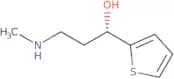
Formule :C4H8Cl4NOPDegré de pureté :Min. 95%Couleur et forme :White PowderMasse moléculaire :258.9 g/mol(S)-3-Methylamino-1-(2-thienyl)-1-propanol
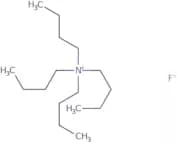
CAS :(S)-3-Methylamino-1-(2-thienyl)-1-propanol is a chiral molecule with two stereogenic centers. It is synthesized by the demethylation of acetylthiophene and the crystallization of the reaction mixture. The class of compounds to which (S)-3-Methylamino-1-(2-thienyl)-1-propanol belongs includes those that have hydroxy groups or diastereomeric salts. The hydroxy group on (S)-3-Methylamino-1-(2-thienyl)-1-propanol can be removed by demethylation, which leads to a mixture of products, including hydroxy and demethylated compounds.Formule :C8H13NOSDegré de pureté :Min. 95%Couleur et forme :White PowderMasse moléculaire :171.26 g/molTetrabutylammonium fluoride - 75 wt. % in H2O
CAS :Tetrabutylammonium fluoride is a strong base which reacts with the hydroxyl group of a carboxylic acid to form a salt and hydrogen fluoride. The nucleophilic nature of tetrabutylammonium and its high polarity make it an excellent catalyst for this reaction. Tetrabutylammonium fluoride has been shown to react with sodium salts in nonpolar solvents, such as benzene or toluene, to form quinoline derivatives. It also has been used in the synthesis of x-ray crystal structures of organic molecules by reacting with carbonyl groups, such as acetaldehyde. Tetrabutylammonium fluoride can interact chemically with other compounds, such as hydrogen bond formation with amines or reactions with amides.Formule :C16H36FNDegré de pureté :Min. 95%Couleur et forme :Clear LiquidMasse moléculaire :261.46 g/molTributylammonium pyrophosphate
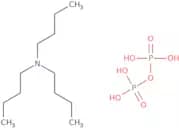
CAS :Produit contrôléTributylammonium pyrophosphate is a phosphorylating reagent used in the synthesis of phosphorylated nucleosides, particularly nucleoside triphosphates used as building blocks for the synthesis of DNA, RNA and sugar nucleotides; as well as a source of cellular energy. Nucleoside triphosphates are typically synthesised by treating free nucleosides with phosphorus oxychloride, then adding tributylammonium pyrophosphate to the reaction intermediate, where the lipophilic tributylammonium salt enhances solubility in organic solvents. Additionally, tributylammonium pyrophosphate was used in the preparation of structurally complex dinucleotide-5’-triphosphates.Formule :(C12H27N)2•H4O7P2Degré de pureté :Min. 95%Couleur et forme :White PowderMasse moléculaire :548.68 g/molFmoc-4-amino-L-phe(t-butyl-carbamoyl)-OH
Fmoc-4-amino-L-phe(t-butyl-carbamoyl)-OH is a versatile building block that is used in the synthesis of complex compounds. This compound has been found to be useful as a reagent, speciality chemical, and reaction component for the synthesis of high quality and useful intermediates. Fmoc-4-amino-L-phe(t-butyl carbamoyl)-OH is also a useful scaffold for the production of novel compounds.Formule :C29H31N3O5Degré de pureté :Min. 95%Couleur et forme :PowderMasse moléculaire :501.57 g/mol[(5-Cyclopropyl-1,2,4-oxadiazol-3-yl)methyl]amine hydrochloride
CAS :[(5-Cyclopropyl-1,2,4-oxadiazol-3-yl)methyl]amine hydrochloride is an intermediate used in the synthesis of a variety of complex compounds. It is also a fine chemical that can be used as a reagent and building block in the manufacture of drugs. [(5-Cyclopropyl-1,2,4-oxadiazol-3-yl)methyl]amine hydrochloride has been shown to be a versatile building block for the synthesis of many types of compounds. This compound has been shown to react with various functional groups, including alcohols and amines. This reagent can also be used as a reaction component with other chemicals such as nitroalkanes or ketones to produce heterocycles or other useful compounds. ([(5-Cyclopropyl-1,2,4-oxadiazol-3-yl)methyl]amine hydrochloride)Formule :C6H10ClN3ODegré de pureté :Min. 95%Couleur et forme :Off-White PowderMasse moléculaire :175.62 g/molMethyl 3-amino-5-methyl thiophene-2-carboxylate
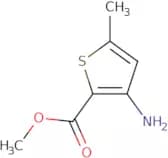
CAS :Methyl 3-amino-5-methyl thiophene-2-carboxylate is a fine chemical that belongs to the group of useful scaffolds, versatile building blocks, useful intermediates for research chemicals and speciality chemicals. It can be used as reaction components in the synthesis of complex compounds. Methyl 3-amino-5-methyl thiophene-2-carboxylate is a high quality reagent with a wide range of applications in organic chemistry.Formule :C7H9NO2SDegré de pureté :Min. 95%Couleur et forme :PowderMasse moléculaire :171.22 g/mol4,5,6-Pyrimidinetriamine sulfate hydrate
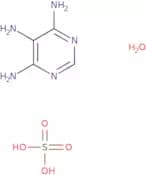
CAS :4,5,6-Pyrimidinetriamine sulfate hydrate is a pyrimidine derivative that can be used as a building block for the synthesis of a wide range of compounds. It is used as a starting material in organic chemistry and pharmaceuticals. 4,5,6-Pyrimidinetriamine sulfate hydrate is also used in research and development as an intermediate or reagent.Formule :C4H7N5·H2SO4·xH2ODegré de pureté :Min. 95%Masse moléculaire :223.21 g/mol1-Adamantyl(amino)acetic acid hydrochloride
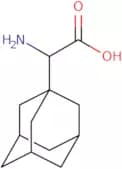
CAS :1-Adamantyl(amino)acetic acid hydrochloride is an organic compound that is used as a versatile building block and intermediate in the synthesis of complex compounds. It reacts with nitric acid to form 1-Adamantyl nitrate, which is a useful reagent for organic synthesis. This compound has CAS number 16091-96-6 and can be found on the list of speciality chemicals. It is a fine chemical with high quality and is useful for research purposes.
Formule :C12H19NO2·HClDegré de pureté :Min. 95%Couleur et forme :PowderMasse moléculaire :245.75 g/mol


![[2-(6-Methylpyridin-2-yl)ethyl]amine](/_next/image/?url=https%3A%2Fstatic.cymitquimica.com%2Fproducts%2F3D%2Fthumb-webp%2FFM123522.webp&w=3840&q=75)



![[(1,2-Dimethyl-1H-benzimidazol-5-yl)methyl]amine dihydrochloride](/_next/image/?url=https%3A%2Fstatic.cymitquimica.com%2Fproducts%2F3D%2Fthumb-webp%2FFD135142.webp&w=3840&q=75)


![Methyl 4-methyl-3-[(N-propylalanyl)amino]thiophene-2-carboxylate HCl](/_next/image/?url=https%3A%2Fstatic.cymitquimica.com%2Fproducts%2F3D%2Fthumb-webp%2FFM130460.webp&w=3840&q=75)




![[(5-Cyclopropyl-1,2,4-oxadiazol-3-yl)methyl]amine hydrochloride](/_next/image/?url=https%3A%2Fstatic.cymitquimica.com%2Fproducts%2F3D%2Fthumb-webp%2FFC121975.webp&w=3840&q=75)