CymitQuimica logo
Cyano-, Nitrile-

Cyano-, Nitrile-

Les composés cyano et nitrile sont des molécules organiques contenant des groupes cyano (C≡N) ou nitrile dans leur structure, caractérisées par la présence d'azote. Ces groupes jouent des rôles importants dans diverses réactions chimiques et applications industrielles. Dans cette catégorie, vous trouverez une large gamme de composés cyano et nitrile, allant de structures simples à complexes. Chez CymitQuimica, nous proposons des composés cyano et nitrile de haute qualité adaptés pour répondre aux besoins de la recherche et de l'industrie. Nos composés sont adaptés à une variété d'applications de synthèse et d'analyse.

9618 produits trouvés pour "Cyano-, Nitrile-"

Trier par

Degré de pureté (%)
0
100
|
0
|
50
|
90
|
95
|
100
produits par page.
  • tert-Butyl 4-cyanobenzylcarbamate

    CAS :
    <p>tert-Butyl 4-cyanobenzylcarbamate (tB4Cbz) is a high quality chemical that can be used as a reagent, complex compound, or useful intermediate in the production of fine chemicals. Tert-Butyl 4-cyanobenzylcarbamate is also a useful scaffold for the synthesis of speciality chemicals and research chemicals. It can be used as a versatile building block for reactions involving amides, nitriles, esters, and amines.</p>
    Formule :C13H16N2O2
    Degré de pureté :Min. 95%
    Couleur et forme :Powder
    Masse moléculaire :232.28 g/mol

    Ref: 3D-FB140510

    1g
    244,00€
    2g
    344,00€
    5g
    679,00€
    10g
    1.137,00€
  • Diphenylacetonitrile

    CAS :
    <p>Diphenylacetonitrile is an organic compound that has a low energy and is used as a nutritional supplement. It is a derivative of mandelonitrile, which can be synthesized by the Friedel-Crafts reaction between chloroform and diphenylacetic acid. Diphenylacetonitrile is an aromatic hydrocarbon with nitrogen atoms and hydroxyl groups, which can be found in the virus or p. aeruginosa. The molecule has been shown to have anti-inflammatory potency in animal models. The synthesis of this compound involves the use of halides, such as hydrogen sulfate or bromide, which are also present in high concentrations in this product. <br>Diphenylacetonitrile (DPCN) is a low-energy nitrile that undergoes Friedel-Crafts reactions with chloroform to produce the corresponding chloride (DPCCl). DPCN has been shown to inhibit inflammatory responses</p>
    Formule :C14H11N
    Degré de pureté :Min. 95%
    Couleur et forme :Powder
    Masse moléculaire :193.24 g/mol

    Ref: 3D-FD38004

    1kg
    135,00€
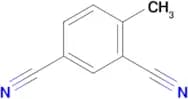
  • 3-Cyano-4-methylnitrobenzene

    CAS :
    <p>3-Cyano-4-methylnitrobenzene is a nitro compound that can be prepared by the reaction of nitric acid with aniline. It has been shown to have a strong affinity for oxygen, which may be due to its pyran ring. 3-Cyano-4-methylnitrobenzene has been found to react with acetonitrile in an electrochemical experiment, leading to the formation of nitronium ion and nitrate ion. The mechanism for this reaction is not well understood, but it offers a convenient way of preparing 3-cyano-4-methylnitrobenzene from nitric acid and aniline.</p>
    Formule :C8H6N2O2
    Degré de pureté :Min. 95%
    Couleur et forme :Powder
    Masse moléculaire :162.15 g/mol

    Ref: 3D-FC55025

    1kg
    291,00€
    250g
    135,00€
    500g
    182,00€
  • 4,4'-Azobis(4-cyanovaleric acid)

    CAS :
    <p>Azobis(4-cyanovaleric acid) is a chemical compound that has reactive functional groups. It is a particle that is soluble in acetate extract and hydrochloric acid. The synthesis of Azobis(4-cyanovaleric acid) involves the reaction of 4-cyanoacrylic acid with 2,2'-azobis(2-methylpropionitrile). It is used as an intermediate in the preparation of polymers. Azobis(4-cyanovaleric acid) is used for the treatment of infectious diseases such as tuberculosis and malaria. The production of chain reactions with other molecules makes this chemical reactive and unstable. Azobis(4-cyanovaleric acid) also reacts with nucleophilic groups, such as hydroxyl groups, to form a covalent bond. This process can be reversed by adding a strong base or oxidant.</p>
    Formule :C12H16N4O4
    Degré de pureté :Min. 95 Area-%
    Couleur et forme :Powder
    Masse moléculaire :280.28 g/mol

    Ref: 3D-FD155718

    1kg
    486,00€
    2kg
    729,00€
    5kg
    1.356,00€
    250g
    218,00€
    500g
    341,00€
  • 2-Fluoro-4-methoxybenzylamine hydrochloride

    CAS :
    <p>2-Fluoro-4-methoxybenzylamine hydrochloride is a potent inhibitor of polymerase (DNA and RNA). It has been shown to inhibit the growth of human breast cancer cells and to induce apoptosis. 2-Fluoro-4-methoxybenzylamine hydrochloride binds to the polymerase, which blocks synthesis of DNA or RNA. The binding site is located near the active site of the enzyme. This drug also has an insulin-like effect by stimulating IGF-I production and increasing protein synthesis in somatotrophic cells.</p>
    Formule :C8H11ClFNO
    Degré de pureté :Min. 95%
    Couleur et forme :Powder
    Masse moléculaire :191.63 g/mol

    Ref: 3D-FF67488

    1g
    725,00€
    2g
    1.067,00€
    100mg
    203,00€
    250mg
    383,00€
    500mg
    598,00€
  • 4-Amino-3-nitrobenzylamine hydrochloride

    CAS :
    <p>4-Amino-3-nitrobenzylamine hydrochloride is a potential vanilloid receptor antagonist with potent antagonistic activities. It has been shown to inhibit the activation of neuronal TRPV1 receptors, as well as the uptake of 4-aminobenzoic acid (4-BA) in rat brain synaptosomes. In addition, this compound can be used to optimize drug structure, acting as an amide and alkyl groups. 4-Amino-3-nitrobenzylamine hydrochloride binds to the vanilloid receptor TRPV1 and blocks its activation. This prevents the release of proinflammatory substances that are responsible for pain, inflammation, and tissue injury.</p>
    Formule :C7H9N3O2·HCl
    Degré de pureté :Min. 95%
    Couleur et forme :Powder
    Masse moléculaire :203.63 g/mol

    Ref: 3D-FA66367

    1g
    381,00€
    2g
    507,00€
    250mg
    185,00€
    500mg
    263,00€
  • 4-Cyano-4'-aminobiphenyl

    CAS :
    <p>4-Cyano-4'-aminobiphenyl is a fluorescent dye that exhibits a strong fluorescence under UV irradiation. The dye has an absorption maximum at about 335 nm and a fluorescence emission maximum at about 455 nm, with excitation maxima of 333 nm and 478 nm. It has been used in the development of photocurrent devices, which are used for photochemical reactions and electrochemistry studies. This compound can also be used for the determination of amino groups in organic molecules such as carbostyril. The compound can be synthesized by reacting an amine with an aldehyde in the presence of acid.</p>
    Formule :C13H10N2
    Couleur et forme :Powder
    Masse moléculaire :194.23 g/mol

    Ref: 3D-FC02179

    10g
    135,00€
    25g
    158,00€
  • 1,2-Diphenyl-1-cyanoethylene

    CAS :
    <p>1,2-Diphenyl-1-cyanoethylene is a molecule that is involved in the cancer process. It has been shown to inhibit the growth of skin cancer cells and other types of cancer cells by binding to mitochondria and inhibiting the formation of proton gradients across mitochondrial membranes. This inhibition leads to a decrease in cellular ATP production and an increase in reactive oxygen species (ROS), resulting in cell death. 1,2-Diphenyl-1-cyanoethylene also has anticancer activity due to its ability to induce light emission from the skin and interfere with the optical properties of holothuria, which are sea cucumbers.</p>
    Formule :C15H11N
    Degré de pureté :Min. 95%
    Couleur et forme :Powder
    Masse moléculaire :205.25 g/mol

    Ref: 3D-FD67321

    1g
    À demander
    2g
    À demander
    -Unit-gg
    À demander
  • [(4-Methylphenyl)sulfonyl]acetonitrile

    CAS :
    <p>[(4-Methylphenyl)sulfonyl]acetonitrile is a synthetic compound that has been shown to inhibit the enzyme SHP2. This inhibition leads to decreased proliferation of cells and may be useful in the treatment of degenerative diseases. [(4-Methylphenyl)sulfonyl]acetonitrile is an organic solvent and a nucleophilic reagent that reacts with metal carbonates, such as calcium carbonate, to form carbanions. The carbanion intermediate can react with nucleophiles, such as acetonitrile, to form a new compound that is structurally related to the original starting material.</p>
    Formule :C9H9SNO2
    Degré de pureté :Min. 95%
    Masse moléculaire :195.24 g/mol

    Ref: 3D-FM58773

    2g
    135,00€
    5g
    147,00€
    10g
    185,00€
    25g
    294,00€
  • (3R,5R)-6-Cyano-3,5-dihydroxy-hexanoic acid tert-butyl ester

    CAS :
    <p>(3R,5R)-6-Cyano-3,5-dihydroxy-hexanoic acid tert-butyl ester is a building block for organic synthesis. It is a versatile intermediate that can be used in the preparation of pharmaceuticals and other organic compounds. The compound is also used as a reagent to study the biological activity of other compounds. CAS No. 125971-93-9 is a fine chemical that has been shown to have high quality and purity.</p>
    Formule :C11H19NO4
    Degré de pureté :Min. 98 Area-%
    Couleur et forme :Yellow Powder
    Masse moléculaire :229.27 g/mol

    Ref: 3D-FC20614

    25mg
    305,00€
    50mg
    459,00€
    100mg
    741,00€
    250mg
    921,00€
    500mg
    1.085,00€
  • 3,4-Difluoro-5-nitrobenzonitrile

    CAS :
    <p>3,4-Difluoro-5-nitrobenzonitrile is a hepatotoxic compound that is found in the environment. It has been shown to cause cirrhosis and overgrowth of the liver. 3,4-Difluoro-5-nitrobenzonitrile also inhibits hepatic encephalopathy and may be used to treat liver disease. This toxicant has been detected in the bowel and duodenum of humans with nonalcoholic steatohepatitis, as well as in the jejunum and duodenum of mice with spontaneous steatohepatitis. It also causes nonalcoholic steatohepatitis when given orally to rats.</p>
    Formule :C7H2F2N2O2
    Degré de pureté :Min. 95%
    Couleur et forme :Yellow Powder
    Masse moléculaire :184.1 g/mol

    Ref: 3D-FD142037

    50mg
    135,00€
    100mg
    190,00€
    250mg
    304,00€
  • 2-Bromo-4-nitrobenzonitrile

    CAS :
    <p>2-Bromo-4-nitrobenzonitrile is a chemical compound that can be used to study the relationship between genetic polymorphism and chromosome structure. This compound has been found to induce polyploidy in Brassica plants, which may have implications for the evolution of these species. 2-Bromo-4-nitrobenzonitrile also has been shown to be a useful marker for phylogenetic and ecological studies of Lepidium species. The compound is diploid in nature, but can be used as a matrix in tetraploid plants.</p>
    Formule :C7H3BrN2O2
    Degré de pureté :Min. 95%
    Couleur et forme :Powder
    Masse moléculaire :227.02 g/mol

    Ref: 3D-FB67665

    2g
    135,00€
    5g
    153,00€
    10g
    218,00€
    25g
    410,00€
  • 4-Cyanobenzyl alcohol

    CAS :
    <p>4-Cyanobenzyl alcohol is a phosphane that reacts with amines to form imines. This reaction can be used as a tool for the identification of amines in protein samples. The reaction time for this reaction is about 3 hours and can only be done at room temperature. 4-Cyanobenzyl alcohol also has potent inhibition activity against cyclopentadienyl, which is an important intermediate of organic synthesis. The ruthenium complex catalyzes this reaction and it can be used as a homogeneous catalyst.</p>
    Formule :C8H7NO
    Degré de pureté :Min. 95%
    Couleur et forme :Powder
    Masse moléculaire :133.15 g/mol

    Ref: 3D-FC70532

    25g
    348,00€
    50g
    525,00€
    100g
    842,00€
    250g
    1.224,00€
    500g
    1.440,00€
  • 2-Cyano-5-fluorobenzoic acid ethyl ester

    CAS :
    <p>2-Cyano-5-fluorobenzoic acid ethyl ester is a chemical compound with the formula C6H4(COOCH2)2FO. The compound is an intermediate in the synthesis of other chemicals, such as pharmaceuticals. It is also used as a building block in other syntheses. 2-Cyano-5-fluorobenzoic acid ethyl ester has been assigned CAS No. 1260751-65-2 and is useful in organic synthesis because it is a versatile building block, complex compound, and fine chemical.</p>
    Formule :C10H8FNO2
    Degré de pureté :Min. 95%
    Masse moléculaire :193.17 g/mol

    Ref: 3D-FC67300

    5g
    135,00€
    10g
    149,00€
    25g
    254,00€
  • 3-Aminobenzonitrile

    CAS :
    <p>3-Aminobenzonitrile is an amine that has been shown to inhibit the growth of bacteria. It was synthesized by the reaction of nitrobenzene with benzamide in the presence of acetic acid. The chemical structure of 3-aminobenzonitrile is similar to that of a group of natural amino acids, including cysteine and tryptophan, which are known inhibitors of bacterial growth. This compound is soluble in organic solvents and can be used as an injection solution. 3-Aminobenzonitrile has been evaluated by kinetic studies and found to have a high affinity for bacterial cells, with an inhibition constant (Ki) value of 0.37 mM. It is also active against other microorganisms such as yeast or mold fungi, but not against plant or animal cells. 3-Aminobenzonitrile inhibits the synthesis of proteins by binding to a number of different sites on the ribosomes where</p>
    Degré de pureté :Min. 95%
    Couleur et forme :Yellow Powder
    Masse moléculaire :118.14 g/mol

    Ref: 3D-FA00688

    1kg
    1.829,00€
    2kg
    3.268,00€
    100g
    310,00€
    250g
    600,00€
    500g
    1.052,00€
  • Mesitylacetonitrile

    CAS :
    <p>Mesitylacetonitrile is a mesityl-substituted acetonitrile. It is used in organic synthesis as a Grignard reagent, which is an organometallic compound containing an alkyl or other carbon group bound to magnesium. Mesitylacetonitrile has been shown to react with chlorides to produce furyl chlorides and chloride. Mesitylacetonitrile can be synthesized by reacting phenylacetonitrile (a byproduct of the synthesis of acetone) with chlorine gas and hydrogen in the presence of a catalyst such as copper(II) chloride. This reaction produces mesitylacetonitrile and hydrogen chloride gas as byproducts. The compound has been used to synthesize corticotropin-releasing factor receptor antagonists that have potential therapeutic applications for the treatment of stress-related disorders.</p>
    Formule :C11H13N
    Degré de pureté :Min. 95%
    Couleur et forme :Powder
    Masse moléculaire :159.23 g/mol

    Ref: 3D-FM71167

    10g
    140,00€
    25g
    200,00€
    50g
    273,00€
    100g
    407,00€
  • 2-Bromophenylacetonitrile

    CAS :
    <p>2-Bromophenylacetonitrile is a synthetic compound that is used in wastewater treatment. It is effective at removing cyanides, phenylpropionic acid, and aldehydes from wastewater. 2-Bromophenylacetonitrile has been shown to be an efficient method for the removal of liriodenine from sewage water and for the removal of 2-bromostyrene from industrial waste water. This process can be used as an analytical method to measure the concentration of these substances in samples of wastewater. The reaction mechanism involves the formation of a nitrilium ion intermediate and subsequent reactions with alcohols to form esters or ethers.</p>
    Formule :C8H6BrN
    Degré de pureté :Min. 95%
    Couleur et forme :Colourless To Pale Yellow Clear Liquid
    Masse moléculaire :196.04 g/mol

    Ref: 3D-FB37199

    25g
    260,00€
    50g
    449,00€
    100g
    736,00€
  • (3-Methoxyphenyl)acetonitrile

    CAS :
    <p>3-Methoxyphenylacetonitrile (3MPAN) is a small molecule that has been shown to inhibit the activity of kinases, which are enzymes that transfer phosphate groups from ATP onto other substrates. 3MPAN has been found to be selective for the estrogen receptor alpha (ERα), with little or no effect on ERβ, and shows promise as a potential drug for hormone-dependent breast cancer. It also inhibits fatty acid synthesis and is active against some viruses. 3MPAN binds to the enzyme's ATP binding site and blocks phosphorylation by preventing access of ATP. This prevents DNA synthesis and protein synthesis, leading to cell death.</p>
    Formule :C9H9NO
    Degré de pureté :Min. 95%
    Couleur et forme :Powder
    Masse moléculaire :147.17 g/mol

    Ref: 3D-FM37273

    50g
    205,00€
    100g
    329,00€
    250g
    511,00€
    25kg
    8.832,00€
    500g
    804,00€
  • 4-Nitrobenzylamine hydrochloride

    CAS :
    <p>4-Nitrobenzylamine hydrochloride is a bifunctional immobilizing agent that can be used for the immobilization of Zn2+. It reacts with nitrogen atoms, forming an amination reaction. The linker is covalently immobilized to the surface and the nature of this chemical is synthetic. 4-Nitrobenzylamine hydrochloride is synthesized by reacting nitric acid with benzaldehyde in ammonia solution at room temperature. This chemical has shown to be effective in reactions where a flow rate is needed or when diamidines are present in the reaction mixture.</p>
    Formule :C7H8N2O2·HCl
    Degré de pureté :Min. 95%
    Couleur et forme :Powder
    Masse moléculaire :188.61 g/mol

    Ref: 3D-FN68039

    25g
    135,00€
    50g
    191,00€
  • 4-Amino-3-nitrobenzonitrile

    CAS :
    <p>4-Amino-3-nitrobenzonitrile is an organic compound that is used as a precursor in the synthesis of drugs to treat infectious diseases. 4-Amino-3-nitrobenzonitrile has been shown to have potent activity against Leishmania species, including L. major and L. braziliensis. It binds to sulfoxides by a nitro group and forms a covalent bond with the sulfoxide. This results in the formation of an intramolecular hydrogen bond between the nitro group and the sulfoxide, which prevents it from forming hydrogen bonds with other molecules. Gel permeation chromatography can be used for analytical determination of this drug. 4-Amino-3-nitrobenzonitrile has also been studied using chemosensors and in vivo studies, showing that it can be used to inhibit protozoa such as Giardia lamblia, Entamoeba histolyt</p>
    Formule :C7H5N3O2
    Degré de pureté :Min. 98%
    Couleur et forme :Powder
    Masse moléculaire :163.13 g/mol

    Ref: 3D-FA17539

    1kg
    1.735,00€
    2kg
    3.168,00€
    100g
    341,00€
    250g
    565,00€
    500g
    949,00€
  • 4-Fluorobenzylamine

    CAS :
    <p>4-Fluorobenzylamine is a chemical compound with the molecular formula CHF. It has been shown to radiosensitize tumor cells by inhibiting the synthesis of cyclin D2, which is required for cell proliferation. 4-Fluorobenzylamine can also be used in asymmetric synthesis reactions such as nitration and trifluoroacetic acid hydrolysis. 4-Fluorobenzylamine has been shown to have synergistic effects on cells when paired with flupirtine or maleate. This synergistic effect is primarily due to its ability to inhibit DNA repair, which leads to cell death through apoptosis or necrosis.</p>
    Formule :C7H8FN
    Degré de pureté :Min. 98 Area-%
    Couleur et forme :Colourless To Pale Yellow Liquid
    Masse moléculaire :125.14 g/mol

    Ref: 3D-FF15932

    1kg
    798,00€
    2kg
    1.253,00€
    5kg
    2.112,00€
    250g
    338,00€
    500g
    535,00€
  • 3-Hydroxyphenylacetonitrile

    CAS :
    <p>3-Hydroxyphenylacetonitrile is a molecule that is the precursor for a number of isothiocyanates, which are phytochemicals with antibacterial properties. It has been shown to have inhibitory effects on dopamine hydroxylase, an enzyme that catalyzes the conversion of dopamine to norepinephrine and epinephrine. 3-Hydroxyphenylacetonitrile also inhibits the activity of other active enzymes such as cytochrome P450. The inhibition of these enzymes by 3-hydroxyphenylacetonitrile may be responsible for its antibacterial properties. This molecule is inactivated by cyanides, which leads to its inability to produce any isothiocyanates. Kinetic studies show that 3-hydroxyphenylacetonitrile saturates at high concentrations, leading to decreased production of cyanide.</p>
    Formule :C8H7NO
    Degré de pureté :Min. 95%
    Couleur et forme :Powder
    Masse moléculaire :133.15 g/mol

    Ref: 3D-FH55493

    1g
    135,00€
    2g
    193,00€
    5g
    356,00€
    10g
    509,00€
    25g
    804,00€
  • 3,4-Dinitrobenzonitrile

    CAS :
    <p>3,4-Dinitrobenzonitrile is a fine chemical that is used as a versatile building block in the synthesis of complex organic compounds. It is also used as a research chemical and a reaction component in organic synthesis. 3,4-Dinitrobenzonitrile is stable against oxidation and hydrolysis, making it an ideal intermediate for other reactions. CAS No. 4248-33-3</p>
    Formule :C7H3N3O4
    Degré de pureté :Min. 95%
    Couleur et forme :Powder
    Masse moléculaire :193.12 g/mol

    Ref: 3D-FD64866

    5g
    203,00€
    10g
    305,00€
    25g
    477,00€
    50g
    724,00€
    100g
    1.212,00€
  • Ethyl acetamidocyanoacetate

    CAS :
    <p>Ethyl acetamidocyanoacetate is an amide which inhibits the enzyme thrombin. It inhibits the conversion of fibrinogen to fibrin, and thus prevents blood clot formation. Ethyl acetamidocyanoacetate has been shown to inhibit serine protease, one of the most abundant enzymes in the human body. This inhibition causes a decrease in inflammatory diseases caused by these enzymes. Ethyl acetamidocyanoacetate also has analog properties that can be used for solid-phase synthesis.</p>
    Formule :C7H10N2O3
    Degré de pureté :Min. 98 Area-%
    Masse moléculaire :170.17 g/mol

    Ref: 3D-FE49114

    10g
    203,00€
    25g
    416,00€
    50g
    541,00€
    100g
    731,00€
    250g
    1.400,00€
  • 2-Benzyloxyphenylacetonitrile

    CAS :
    <p>2-Benzyloxyphenylacetonitrile is a compound that is used in the manufacture of polyester, fibre and crystallized products. It is also used as a solvent for dyes and oils, as well as an industrial chemical intermediate. 2-Benzyloxyphenylacetonitrile can be thermolysed to produce benzoic acid, which can then be oxidized to produce phenol. The residue obtained from this process has been found to have a calorific value of around 2500kcal/kg. This substance has been found to react with oxygen at high temperatures and form an oxygenated product.<br>2-Benzyloxyphenylacetonitrile can be synthesised by reacting benzene with styrene in the presence of water and a catalyst such as sodium hydroxide or calcium oxide. The reaction produces hydrogen gas, benzoic acid and 2-benzyloxyphenylacetonitrile.</p>
    Formule :C15H13NO
    Degré de pureté :Min. 95%
    Couleur et forme :Powder
    Masse moléculaire :223.27 g/mol

    Ref: 3D-FB43185

    5g
    135,00€
  • (5-Bromo-2-methoxyphenyl)acetonitrile

    CAS :
    <p>5-Bromo-2-methoxyphenyl)acetonitrile is a chemical building block that can be used in the synthesis of complex compounds. It is a versatile intermediate that can be used as a reagent in organic reactions. This compound has been shown to be useful as a reaction component and is a high quality product. 5-Bromo-2-methoxyphenyl)acetonitrile has CAS number 7062-40-0 and is listed on the Chemical Abstracts Service (CAS).</p>
    Formule :C9H8BrNO
    Degré de pureté :Min. 95%
    Masse moléculaire :226.07 g/mol

    Ref: 3D-FB66255

    2g
    135,00€
  • 5-Acetyl-2-aminobenzonitrile

    CAS :
    <p>5-Acetyl-2-aminobenzonitrile is a versatile building block that can be used as an intermediate in the synthesis of a wide range of chemicals. It has been used to produce pharmaceuticals and other useful compounds, including research chemicals and speciality chemicals. 5-Acetyl-2-aminobenzonitrile is also a useful reagent for the production of organic products. The compound is available at high purity levels.</p>
    Formule :C9H8N2O
    Degré de pureté :Min. 95%
    Couleur et forme :White Powder
    Masse moléculaire :160.17 g/mol

    Ref: 3D-FA17059

    1g
    134,00€
  • N-(5-Cyano-2-chlorophenyl)acetamide

    CAS :
    <p>N-(5-Cyano-2-chlorophenyl)acetamide is a high quality, reagent, and versatile building block. It is a fine chemical that can be used as a building block for the synthesis of other compounds. N-(5-Cyano-2-chlorophenyl)acetamide is also a speciality chemical that can be used in research or as a reaction component. It has been found to be useful as an intermediate in the synthesis of complex compounds.<br>END&gt;</p>
    Formule :C9H7ClN2O
    Degré de pureté :Min. 95%
    Masse moléculaire :194.62 g/mol

    Ref: 3D-FC66090

    1g
    300,00€
    2g
    457,00€
    500mg
    179,00€
  • 2-(4-tert-Butyl-phenoxy)acetonitrile

    CAS :
    <p>2-(4-tert-Butyl-phenoxy)acetonitrile is a high quality, reagent, complex compound that is useful as a building block in the synthesis of fine chemicals and speciality chemicals. 2-(4-tert-Butyl-phenoxy)acetonitrile can be used as an intermediate in the synthesis of various pharmaceuticals and agrochemicals. It has a CAS number of 50635-24-0. This chemical is also useful for research purposes.</p>
    Formule :C12H15NO
    Degré de pureté :(%) Min. 85%
    Couleur et forme :Powder
    Masse moléculaire :189.25 g/mol

    Ref: 3D-FB36035

    5g
    135,00€
    10g
    136,00€
    25g
    218,00€
    50g
    327,00€
    100g
    478,00€
  • (S,E)-3-(6-Bromopyridin-2-yl)-2-cyano-N-(1-phenylethyl)acrylamide

    CAS :
    <p>(S,E)-3-(6-Bromopyridin-2-yl)-2-cyano-N-(1-phenylethyl)acrylamide (MBI-23) is a potential antineoplastic agent that has been shown to induce regression of bladder cancer in mice. MBI-23 induces apoptosis by inhibiting the proliferation of cancer cells and inducing differentiation of cancer stem cells. It is also shown to inhibit tumor growth and progression in glioma and prostate cancer models. MBI-23 binds to the KDR receptor subtype, which is activated by organic acids and inhibited by inorganic compounds. This binding leads to constitutive activation of the KDR receptor, thereby inducing apoptosis. The tautomers and stereoisomers of MBI-23 have not been fully elucidated yet.</p>
    Formule :C17H14ON3Br
    Degré de pureté :Min. 98 Area-%
    Couleur et forme :White Powder
    Masse moléculaire :356.22 g/mol

    Ref: 3D-FB34118

    1g
    1.248,00€
    50mg
    233,00€
    100mg
    344,00€
    250mg
    595,00€
    500mg
    889,00€
  • m-Hydroxybenzonitrile

    CAS :
    <p>m-Hydroxybenzonitrile is a cationic surfactant that has the ability to form hydrogen bonds with an intramolecular hydrogen. It is used in the production of detergents, textile processing aids, and inks. m-Hydroxybenzonitrile inhibits fatty acids by forming an inhibitory complex at the surface of the cell membrane. This complex disrupts lipid bilayers and inhibits protein synthesis. m-Hydroxybenzonitrile also has been shown to have vibrational properties that can be seen when it absorbs ultraviolet light.</p>
    Formule :C7H5NO
    Degré de pureté :Min. 95%
    Couleur et forme :Off-White Powder
    Masse moléculaire :119.12 g/mol

    Ref: 3D-FH64161

    1kg
    804,00€
    2kg
    2.660,00€
    250g
    304,00€
    500g
    466,00€
  • Ethyl cyanoglyxylate-2-oxyme potassium salt

    CAS :
    <p>Ethyl cyanoglyxylate-2-oxyme potassium salt is a high quality reagent for the production of complex compounds that can be used in fine chemicals, pharmaceuticals, and other speciality chemicals. It has been shown to be an intermediate for the synthesis of useful scaffolds and building blocks. The CAS number is 158014-03-0. This compound is a versatile building block that can be used in research chemicals, as well as reaction components for more complex syntheses.</p>
    Formule :C5H6N2O3K
    Degré de pureté :Min. 95%
    Couleur et forme :Powder
    Masse moléculaire :181.21 g/mol

    Ref: 3D-FK35335

    25g
    182,00€
    50g
    356,00€
    100g
    589,00€
    250g
    1.302,00€
    500g
    1.952,00€
  • 2-(2,3-Dichlorophenyl)-2-guanidinyliminoacetonitrile

    CAS :
    <p>2-(2,3-Dichlorophenyl)-2-guanidinyliminoacetonitrile (2,3-DCPP) is a high quality reagent that is used in the preparation of complex compounds. It is also an intermediate in the synthesis of fine chemicals and useful scaffold and building block for research chemical. 2,3-DCPP has been shown to react with a variety of functional groups including amines, alcohols, thiols, carboxylic acids, organometallic reagents and many others. It is also a versatile building block for the synthesis of chemical substances such as pharmaceuticals, agrochemicals or dyes.</p>
    Formule :C9H7Cl2N5
    Degré de pureté :Min. 95%
    Couleur et forme :White Powder
    Masse moléculaire :256.09 g/mol

    Ref: 3D-FD21705

    50g
    135,00€
    100g
    181,00€
  • 4-Cyanophenol

    CAS :
    <p>4-Cyclohexyphenol is a natural compound that belongs to the class of compounds known as phenols. It has a hydroxyl group and an intramolecular hydrogen bond. The thermal expansion of 4-cyanophenol is approximately 6.6 × 10⁻⁶/°C, which is greater than the thermal expansion of p-hydroxybenzoic acid (approximately 1.8 × 10⁻⁶/°C). The reaction mechanism for 4-cyanophenol involves intramolecular hydrogen bonding, which leads to its rapid degradation. 4-Cyanophenol reacts with trifluoroacetic acid in the presence of sodium carbonate to form p-hydroxybenzoic acid, which can be determined by measuring its absorbance at 290 nm. Hydrogen bonding interactions with the surface are responsible for the high sensitivity and selectivity of this analytical method.<br>4-Cyanophenol may also be detected using plasma mass spect</p>
    Formule :C7H5NO
    Degré de pureté :Min. 95%
    Couleur et forme :Powder
    Masse moléculaire :119.12 g/mol

    Ref: 3D-FC00266

    1kg
    170,00€
    2kg
    218,00€
    5kg
    478,00€
    10kg
    748,00€
    25kg
    1.627,00€
  • 2-Chloro-4-fluorobenzonitrile

    CAS :
    <p>2-Chloro-4-fluorobenzonitrile is a drug that has been shown to have antitumor effects by binding to the CB2 receptor. It inhibits hydrogenation reduction of the molecule, which may be due to its ability to react with both functional groups. 2-Chloro-4-fluorobenzonitrile has also been shown to inhibit progesterone receptor, which may lead to an increase in progesterone levels and a decrease in estrogen levels. The pharmacokinetic properties of this compound are not yet known.</p>
    Formule :C7H3ClFN
    Degré de pureté :Min. 95%
    Couleur et forme :White Powder
    Masse moléculaire :155.56 g/mol

    Ref: 3D-FC35486

    1kg
    509,00€
    100g
    135,00€
    250g
    203,00€
    500g
    358,00€
  • (Cyanomethyl)urea

    CAS :
    <p>Cyanomethyl)urea is a fine chemical that belongs to a class of compounds known as ureas. It is used as a versatile building block in the synthesis of more complex compounds, as a research chemical and as an intermediate. It can be used to synthesize pharmaceuticals, pesticides, and other chemicals. Cyanomethyl)urea is used in the production of polyurethane foams, which are commonly found in mattresses, furniture upholstery and insulation.</p>
    Formule :C3H5N3O
    Degré de pureté :Min. 95%
    Couleur et forme :Brown Powder
    Masse moléculaire :99.09 g/mol

    Ref: 3D-FC149025

    1g
    1.750,00€
    50mg
    344,00€
    100mg
    473,00€
    250mg
    889,00€
    500mg
    1.323,00€
  • 2-Bromo-5-chlorophenylacetonitrile

    CAS :
    <p>2-Bromo-5-chlorophenylacetonitrile is an organic compound that is used as a reagent and building block in the synthesis of other chemicals. It is a colourless liquid that can be used to synthesize complex compounds. 2-Bromo-5-chlorophenylacetonitrile has been shown to be useful in the synthesis of pharmaceuticals, pesticides, and herbicides. This chemical can be used as a versatile intermediate or building block for the production of high quality research chemicals and specialty chemicals. 2-Bromo-5-chlorophenylacetonitrile is not on the list of chemical substances classified as hazardous according to EU regulation (EINECS) No. 231-1003.</p>
    Formule :C8H5BrClN
    Degré de pureté :Min. 95%
    Couleur et forme :Powder
    Masse moléculaire :230.49 g/mol

    Ref: 3D-FB66910

    1g
    200,00€
    2g
    286,00€
    5g
    470,00€
    10g
    717,00€
  • 1-Isocyanoadamantane

    CAS :
    <p>1-Isocyanoadamantane is a compound that exhibits anti-influenza drug activity. It has been shown to inhibit virus replication by interacting with the active site of the influenza virus ribonucleoprotein (RNP) and inhibiting the synthesis of viral proteins. 1-Isocyanoadamantane binds to the RNP through coordination chemistry, which is mediated by nitrogen atoms on the amides and amines in its structure. The reaction mechanism for 1-isocyanoadamantane consists of two steps: reductive elimination followed by functional group activation. In this process, an amide or an amine is eliminated as a hydrogen atom, while a functional group reacts with it to form a new bond.</p>
    Formule :C11H15N
    Degré de pureté :Min. 95%
    Couleur et forme :White Powder
    Masse moléculaire :161.24 g/mol

    Ref: 3D-FI60769

    1g
    167,00€
    2g
    229,00€
    500mg
    134,00€
  • 4-Cyanoheptane

    CAS :
    <p>4-Cyanoheptane is a liquid that has been decarboxylated, which means it contains no CO2 molecules. It is an organic solvent with a boiling point of -2°C and a density of 0.7 g/mL. This product is used in the hydrolysis of carboxylic acids to form carboxylates. 4-Cyanoheptane has been shown to be able to hydrolyze amides, carbones, phenoxy groups, and functional groups as well as produce alkylation reactions with high concentrations.</p>
    Formule :C8H15N
    Degré de pureté :Min. 95%
    Couleur et forme :Clear Liquid
    Masse moléculaire :125.21 g/mol

    Ref: 3D-FC55409

    1g
    514,00€
    2g
    725,00€
    100mg
    203,00€
    250mg
    304,00€
    500mg
    383,00€
  • 2-(2-formyl-6-methoxyphenoxy)acetonitrile

    CAS :
    <p>Please enquire for more information about 2-(2-formyl-6-methoxyphenoxy)acetonitrile including the price, delivery time and more detailed product information at the technical inquiry form on this page</p>
    Formule :C10H9NO3
    Degré de pureté :Min. 95%
    Couleur et forme :Powder
    Masse moléculaire :191.18 g/mol

    Ref: 3D-FF168861

    1g
    135,00€
    2g
    186,00€
    5g
    370,00€
    10g
    560,00€
    25g
    1.063,00€
  • 4-Bromo-3-cyanotoluene

    CAS :
    <p>4-Bromo-3-cyanotoluene is a quinazolinone that can be synthesized by reacting 2-bromotoluene with nitric acid. It is a substrate for the synthesis of other quinazolinones.</p>
    Formule :C8H6BrN
    Degré de pureté :Min. 95%
    Masse moléculaire :196.04 g/mol

    Ref: 3D-FB55743

    5g
    135,00€
    10g
    181,00€
    25g
    249,00€
    50g
    382,00€
  • Methyl 4-(cyanomethyl)benzoate

    CAS :
    <p>Methyl 4-(cyanomethyl)benzoate is a synthetic compound that binds to the H1 receptor, which is part of the histamine family. It is an antagonist of this receptor and inhibits its activity. The affinity of methyl 4-(cyanomethyl)benzoate for the H1 receptor was measured by fluorescence displacement analysis in rat brain membranes. This compound also has potent anti-inflammatory properties, which may be due to its inhibition of prostaglandin synthesis. Methyl 4-(cyanomethyl)benzoate has been shown to be expressed in cells that are chemotactic for neutrophils and natural killer (NK) cells. Methyl 4-(cyanomethyl)benzoate also binds to a prostanoid receptor, CRTh2, leading to an increase in NK cell migration.<br>Methyl 4-(cyanomethyl)benzoate inhibits cyclooxygenase-1 (COX</p>
    Formule :C10H9NO2
    Degré de pureté :Min. 95%
    Couleur et forme :Clear Liquid
    Masse moléculaire :175.18 g/mol

    Ref: 3D-FM32935

    10g
    135,00€
    25g
    149,00€
    50g
    203,00€
    100g
    637,00€
    250g
    1.187,00€
  • 5-Cyano-1H-indole-2-carboxylic acid

    CAS :
    <p>5-Cyano-1H-indole-2-carboxylic acid is a high quality reagent that is used as an intermediate in the synthesis of complex compounds. It can also be used as a building block for the synthesis of speciality chemicals and research chemicals. The versatile nature of this compound makes it useful as a reaction component in the synthesis of many different types of compounds, including fine chemicals and pharmaceuticals. 5-Cyano-1H-indole-2-carboxylic acid is available commercially with CAS No. 169463-44-9.</p>
    Formule :C10H6N2O2
    Degré de pureté :Min. 95%
    Couleur et forme :Powder
    Masse moléculaire :186.17 g/mol

    Ref: 3D-FC140963

    10mg
    135,00€
    25mg
    149,00€
    50mg
    203,00€
    100mg
    305,00€
    250mg
    383,00€
  • 4-Cyanobenzoic acid ethyl ester

    CAS :
    <p>4-Cyanobenzoic acid ethyl ester is a hydrogen-bonding acceptor that is also able to form exciplexes with styrene. It has a conformation that is similar to that of aminobenzoate, which is a hydrogen-bonding donor. 4-Cyanobenzoic acid ethyl ester reacts with solvents such as benzene and chloroform, undergoing hydration reactions to form the corresponding 4-cyanophenol derivatives. It undergoes cyclization when heated in the presence of ruthenium(II) chloride to produce 1,4-dihydropyridine derivatives. The reaction mechanism for this reaction consists of two steps: an intramolecular nucleophilic attack followed by an intramolecular electrophilic substitution. The deionized water used in this synthetic process eliminates the need for drying agents and stabilizers, making it easier to carry out the synthesis.</p>
    Formule :C10H9NO2
    Degré de pureté :Min. 95%
    Couleur et forme :Powder
    Masse moléculaire :175.18 g/mol

    Ref: 3D-FC71232

    25g
    135,00€
    50g
    190,00€
    100g
    253,00€
    250g
    477,00€
    500g
    681,00€
  • 4-Amino-2-cyanotoluene

    CAS :
    <p>4-Amino-2-cyanotoluene is a quinazoline compound that inhibits the synthesis of thymine, which is necessary for DNA replication. This compound binds to the enzyme thymidylate synthetase, thereby inhibiting the synthesis of thymine. The inhibitory effect has been shown in a study using calf thymus DNA. 4-Amino-2-cyanotoluene also inhibits the synthesis of other nucleic acids such as adenine and guanine.</p>
    Formule :C8H8N2
    Degré de pureté :Min. 95%
    Couleur et forme :Powder
    Masse moléculaire :132.16 g/mol

    Ref: 3D-FA55035

    1kg
    296,00€
    250g
    140,00€
    500g
    187,00€
  • 3-Cyanopropionaldehydedimethylacetal

    CAS :
    <p>3-Cyanopropionaldehydedimethylacetal (3CPDMA) is a reactive compound that inhibits the proliferation of muscle cells. It has been shown to inhibit the synthesis of 3-hydroxy-3-methylglutaryl coenzyme A, which is required for the production of cholesterol and fatty acids. This inhibition leads to a decrease in the growth of cells and their ability to divide. 3CPDMA has also been shown to have an inhibitory effect on picolinic acid, which is involved in the activation of receptors that induce cellular proliferation. The inhibition of this receptor may be due to its ability to compete with other ligands for binding sites on the receptor.<br>It has been shown that 3CPDMA acts as an antagonist against acarids, which are mites that feed on skin cells. This property may be due to its antagonistic effects on amino acid composition, which may affect calcium uptake by cells or cell membrane permeability.</p>
    Formule :C6H11NO2
    Degré de pureté :Min. 95%
    Couleur et forme :Powder
    Masse moléculaire :129.16 g/mol

    Ref: 3D-FC139902

    25g
    135,00€
    50g
    188,00€
    100g
    305,00€
  • 2,4,6-Trichlorobenzonitrile

    CAS :
    <p>2,4,6-Trichlorobenzonitrile is a chlorine-containing chemical that has been used as a pesticide. It is a highly toxic substance and can be fatal if ingested. 2,4,6-Trichlorobenzonitrile is converted to chloride in soil and water by microbial action. This chemical can be activated by light or temperature changes and is used in the production of pesticides that are phytotoxic. It also has been shown to have thermodynamic properties that allow it to act as an environmental pollutant. 2,4,6-Trichlorobenzonitrile can react with sulfoxides to form chloromethylation products such as 2,3,5-trichloroethanol. These reactions are catalyzed by metal ions such as Fe(II) and Mn(II).</p>
    Formule :C7H2Cl3N
    Degré de pureté :Min. 95%
    Couleur et forme :Powder
    Masse moléculaire :206.46 g/mol

    Ref: 3D-FT70460

    50g
    238,00€
    100g
    360,00€
    250g
    611,00€
  • Benzylamine

    CAS :
    <p>Substrate of benzylamine oxidase and monoamine oxidase B</p>
    Formule :C7H9N
    Degré de pureté :Min. 98.0 Area-%
    Couleur et forme :Colorless Slightly Yellow Clear Liquid
    Masse moléculaire :107.15 g/mol

    Ref: 3D-FB09449

    1kg
    193,00€
    2kg
    345,00€
    5kg
    637,00€
    500g
    135,00€
  • 2-Cyano-3-trifluoromethylpyridine

    CAS :
    <p>2-Cyano-3-trifluoromethylpyridine is a fine chemical that is used as a versatile building block in the synthesis of complex compounds. It can be used as an intermediate in research chemicals, reaction components, and speciality chemicals. 2-Cyano-3-trifluoromethylpyridine is a high quality reagent that can be used for the synthesis of various derivatives. It is also a useful scaffold for the development of new drugs and other chemical compounds.</p>
    Formule :C7H3F3N2
    Degré de pureté :Min. 95%
    Couleur et forme :liquid.
    Masse moléculaire :172.11 g/mol

    Ref: 3D-FC54380

    100mg
    134,00€
    250mg
    155,00€
    500mg
    215,00€
  • Ethyl S-(+)-4-cyano-3-hydroxybutyrate

    CAS :
    <p>Ethyl S-(+)-4-cyano-3-hydroxybutyrate is a chiral molecule that can be used as a catalyst in the transesterification reaction. It acts by binding to the enzyme and immobilizing it on a solid support, which increases its catalytic activity. The hydroxybutanoate is converted into butyric acid, which is produced at high yield using this method. This process of immobilization increases the kinetic rate of the reaction, making it possible for the product to be obtained more quickly.</p>
    Formule :C7H11NO3
    Degré de pureté :Min. 95%
    Masse moléculaire :157.17 g/mol

    Ref: 3D-FE23069

    10g
    135,00€
    50g
    240,00€
    100g
    320,00€
  • 2,6-Dichlorophenylacetonitrile

    CAS :
    <p>2,6-Dichlorophenylacetonitrile (2,6-DCPA) is a cyanide herbicide that controls weed growth. 2,6-DCPA is used as a preemergent herbicide and is applied to the soil before planting. It can be mixed with calcium oxide or other materials to form a dust, which is then applied to the soil surface. 2,6-DCPA inhibits plant growth by interfering with the photosynthesis process, which may be due to its high cytotoxicity. The exact mechanism of action has not been determined but it may be due to interference with chloride transport or ethyl esters production in plants. This chemical has also been shown to inhibit amine metabolism in plants and animals.<br>2,6-DCPA has two isomers: cis and trans. They differ only in the position of the chlorine atom on the benzene ring: cis (left) and trans (right).</p>
    Formule :C8H5Cl2N
    Degré de pureté :Min. 95%
    Couleur et forme :White Powder
    Masse moléculaire :186.04 g/mol

    Ref: 3D-FD12582

    1kg
    645,00€
    250g
    290,00€
    500g
    457,00€
  • 2-Chloro-5-hydroxybenzonitrile

    CAS :
    <p>2-Chloro-5-hydroxybenzonitrile is a versatile, building block chemical that can be used as a reactant or intermediate in the synthesis of other compounds. It is also an excellent research chemical with a high quality and purity. 2-Chloro-5-hydroxybenzonitrile has many uses, such as being a reagent for organic synthesis, a speciality chemical, and a useful intermediate. This compound is suitable for complex synthesis and has been shown to be useful as a building block or scaffold in the production of other chemicals.</p>
    Formule :C7H4ClNO
    Degré de pureté :Min. 95%
    Couleur et forme :Off-White Powder
    Masse moléculaire :153.57 g/mol

    Ref: 3D-FC67752

    1g
    167,00€
    2g
    229,00€
    5g
    470,00€
    500mg
    134,00€
  • 2-(3-Cyano-1H-1,2,4-triazol-1-yl)acetic acid

    CAS :
    <p>Please enquire for more information about 2-(3-Cyano-1H-1,2,4-triazol-1-yl)acetic acid including the price, delivery time and more detailed product information at the technical inquiry form on this page</p>
    Formule :C5H4N4O2
    Degré de pureté :Min. 95%
    Couleur et forme :Powder
    Masse moléculaire :152.11 g/mol

    Ref: 3D-FC165993

    1g
    928,00€
    50mg
    210,00€
    100mg
    336,00€
    250mg
    493,00€
    500mg
    705,00€
  • 2-Phenoxyphenylacetonitrile

    CAS :
    <p>2-Phenoxyphenylacetonitrile is a pyrethroid n-oxide that is chemically related to other insecticides that are used in agriculture and against insects such as mosquitoes. 2-Phenoxyphenylacetonitrile is a synthetic compound that has been shown to have an optimum pH of 5.5, which makes it difficult to dissolve in water. The compound's high stability at low pH levels means that it can be used in acidic environments. It also has been shown to have strong activity against human serum and food composition, with no detectable activity against bacteria or fungi.</p>
    Formule :C14H11NO
    Degré de pureté :Min. 95%
    Couleur et forme :Clear Liquid
    Masse moléculaire :209.24 g/mol

    Ref: 3D-FP66647

    5g
    208,00€
  • (2-Methoxyphenoxy)acetonitrile

    CAS :
    <p>(2-Methoxyphenoxy)acetonitrile is a versatile building block that has been used in the synthesis of fine chemicals, complex compounds, research chemicals, reagents and speciality chemicals. It is a useful building block for high quality pharmaceuticals. (2-Methoxyphenoxy)acetonitrile can be used as a reaction component or scaffold to synthesize organic molecules with interesting biological activities.</p>
    Formule :C9H9NO2
    Degré de pureté :Min. 95%
    Couleur et forme :Clear Liquid
    Masse moléculaire :163.17 g/mol

    Ref: 3D-FM70485

    1g
    134,00€
    2g
    134,00€
    5g
    286,00€
    10g
    478,00€
  • 2-Cyanobenzamide

    CAS :
    <p>2-Cyanobenzamide is a corrosion inhibitor that is used in the electrochemical industry to protect metals from corrosion. It has been shown to be suitable for use as a corrosion inhibitor in salt water and other corrosive environments. 2-Cyanobenzamide has been shown to have light sensitive properties, which is why it should not be exposed to direct light or stored in dark containers. It also inhibits enzymes that are involved in the production of reactive oxygen species (ROS) such as superoxide anion and hydrogen peroxide. The reaction of 2-cyanobenzamide with aluminium, sodium sulfide, and polymeric matrices has also been studied extensively.<br>2-Cyanobenzamide can be synthesized by reacting benzoyl chloride with ammonia and cyanogen bromide. This reaction produces a mixture of mono-, di-, tri-, and tetramers of 2-cyanobenzamide. These products can then be separated using analytical methods such as</p>
    Formule :C8H6N2O
    Degré de pureté :Min. 95%
    Masse moléculaire :146.15 g/mol

    Ref: 3D-FC67714

    1g
    191,00€
    2g
    306,00€
    5g
    475,00€
    10g
    730,00€
    500mg
    155,00€
  • 5-Cyanoindole

    CAS :
    <p>5-Cyanoindole is a hydrophobic molecule that has been shown to have an inhibitory effect on the trifluoroacetic acid-induced fluorescence in the presence of chloride ions. It is also able to bind peptides and has been used as an antimicrobial peptide. 5-Cyanoindole can be synthesized electrochemically or by electrochemical impedance spectroscopy. The synthesis of 5-cyanoindole can be achieved through a Friedel-Crafts reaction, followed by a hydrolysis with hydrogen peroxide and then a reduction with sodium borohydride.<br>!-- END OF PRODUCT DESCRIPTION --&gt;</p>
    Formule :C9H6N2
    Couleur et forme :White Powder
    Masse moléculaire :142.16 g/mol

    Ref: 3D-FC00158

    1kg
    2.006,00€
    100g
    437,00€
    250g
    776,00€
    500g
    1.248,00€
    2500g
    4.234,00€
  • 2,6-Difluorobenzonitrile

    CAS :
    <p>2,6-Difluorobenzonitrile is a nucleophilic compound that reacts with inorganic acids to form new chemical structures. It has been shown to react with hydrochloric acid, sodium carbonate and phosphotungstic acid. The FT-IR spectroscopy of 2,6-difluorobenzonitrile shows a reaction product with a proton. This means that the molecule is able to transfer a hydrogen ion from one site to another. The reaction between 2,6-difluorobenzonitrile and sodium carbonate produces an insoluble precipitate of sodium phosphate and sodium chloride, which can be analyzed gravimetrically. 2,6-Difluorobenzonitrile has also been shown to have fluorescence properties that are activated by ultraviolet light and naphthalene.</p>
    Formule :C7H3F2N
    Degré de pureté :Min. 95%
    Couleur et forme :Powder
    Masse moléculaire :139.1 g/mol

    Ref: 3D-FD37648

    250g
    135,00€
    500g
    143,00€
  • 4-Amino-3,5-dichlorobenzylamine dihydrochloride

    CAS :
    <p>4-Amino-3,5-dichlorobenzylamine dihydrochloride is a chemical intermediate that can be used as a reagent for the synthesis of other compounds. 4-Amino-3,5-dichlorobenzylamine dihydrochloride is considered to be a high quality chemical with versatile uses. It is listed in the Chemical Abstracts Service (CAS) registry under 164648-75-3, and can be obtained from various suppliers.</p>
    Formule :C7H8Cl2N2·2HCl
    Degré de pureté :Min. 95%
    Couleur et forme :Powder
    Masse moléculaire :263.98 g/mol

    Ref: 3D-FA66698

    5g
    320,00€
    10g
    456,00€
  • 3-Cyanocinnamic acid

    CAS :
    <p>3-Cyanocinnamic acid is a reactive, unreactive, and stepwise cycloaddition compound. It can participate in photochemical reactions with other compounds to form photodimers. 3-Cyanocinnamic acid has an optimal reaction temperature of 100°C and a reaction time of 5 minutes. The diradical nature of 3-cyanocinnamic acid makes it sensitive to UV light, and the photochemical reactions are simulated by quantum mechanics calculations. Photodimerisation simulations show that 3-cyanocinnamic acid is capable of forming photodimers with 2-cyanocinnamic acid or 4-cyanocinnamic acid at room temperature.</p>
    Formule :C10H7NO2
    Degré de pureté :Min. 95%
    Couleur et forme :Powder
    Masse moléculaire :173.17 g/mol

    Ref: 3D-FC46306

    10g
    135,00€
    25g
    140,00€
    50g
    196,00€
    100g
    328,00€
    250g
    577,00€
  • 4,5-Bis(2-cyanoethylthio)-1,3-dithiole-2-thione

    CAS :
    <p>4,5-Bis(2-cyanoethylthio)-1,3-dithiole-2-thione is a fluorescent compound that exists in two orientations, cis and trans. It has been used as a linker for the construction of new compounds with interesting properties. 4,5-Bis(2-cyanoethylthio)-1,3-dithiole-2-thione has been shown to be an effective ligand for palladium cross coupling reactions. This compound can also be used in supramolecular chemistry due to its ability to fluoresce brightly.</p>
    Formule :C9H8N2S5
    Degré de pureté :Min. 95%
    Masse moléculaire :304.5 g/mol

    Ref: 3D-FB61920

    1g
    134,00€
    2g
    200,00€
    5g
    336,00€
  • 4-Hydroxy-3-methoxybenzylamine hydrochloride

    CAS :
    <p>4-Hydroxy-3-methoxybenzylamine hydrochloride is a reagent, complex compound and useful intermediate for the production of speciality chemicals. CAS No. 7149-10-2 is not a hazardous chemical and does not pose any significant risk to human health or the environment when used as intended. This chemical has many uses including being a useful scaffold in organic synthesis, a useful building block for the preparation of other compounds, and a versatile building block for the preparation of various compounds. It also has many applications in research such as being an intermediate for the synthesis of other compounds, or as a reactant in various reactions.</p>
    Formule :C8H12NO2Cl
    Degré de pureté :Min. 98 Area-%
    Couleur et forme :White Powder
    Masse moléculaire :189.64 g/mol

    Ref: 3D-FH61651

    1kg
    863,00€
    2kg
    1.301,00€
    5kg
    2.535,00€
    250g
    410,00€
    500g
    547,00€
  • 4-Cyanobenzylamine HCl

    CAS :
    <p>4-Cyanobenzylamine HCl is a degradable polymer that has been shown to inhibit colonic adenocarcinoma in mice. This compound was synthesized by the reaction of 4-cyanobenzylamine with 3-mercaptopropionic acid and was characterized using IR, 1H NMR, and 13C NMR spectroscopy. It also showed an inhibitory effect on the proliferation of human colon cancer cells. The polymer was found to gel when mixed with different concentrations of acrylamide and methylene bisacrylamide. Gelation occurred at a lower concentration of acrylamide than the amount used in previous studies. This may be due to its functional groups and morphology, which could have contributed to the inhibition of cell growth.</p>
    Formule :C8H8N2·HCl
    Degré de pureté :Min. 95%
    Couleur et forme :Powder
    Masse moléculaire :168.62 g/mol

    Ref: 3D-FC29527

    1kg
    233,00€
    250g
    135,00€
    500g
    149,00€
  • 3,4-Dihydroxybenzonitrile

    CAS :
    <p>3,4-Dihydroxybenzonitrile is a chemical compound that is found in soybean lipoxygenase. The molecule has been shown to be an excellent Michaelis-Menten substrate and hydrogen bonding partner. It also reacts with chlorine to form chlorinating agents such as 3,4-dichlorobenzonitrile and 3,4-dibromobenzonitrile. 3,4-Dihydroxybenzonitrile can act as a nucleophile and forms stable complexes when reacted with hydroxyl group compounds such as protocatechuic acid or reaction solution. This chemical is reactive and can be activated by redox cycling or light.<br>3,4-Dihydroxybenzonitrile has been used to treat protocatechuic acid levels in the blood of patients with chronic liver disease who are being treated for alcoholism.</p>
    Formule :C7H5NO2
    Degré de pureté :Min. 95%
    Couleur et forme :Powder
    Masse moléculaire :135.12 g/mol

    Ref: 3D-FD55010

    50g
    135,00€
    100g
    175,00€
    250g
    240,00€
  • 3-Ethoxy-4-hydroxyphenylacetonitrile

    CAS :
    <p>3-Ethoxy-4-hydroxyphenylacetonitrile is a versatile building block and reagent that is used in the manufacturing of pharmaceuticals, agricultural chemicals, and other chemical products. It has been shown to be an excellent starting material for the synthesis of complex compounds. 3-Ethoxy-4-hydroxyphenylacetonitrile can be used as a high quality research chemical or useful scaffold for organic synthesis. CAS No. 205748-01-2</p>
    Formule :C10H11NO2
    Degré de pureté :Min. 95%
    Couleur et forme :Powder
    Masse moléculaire :177.2 g/mol

    Ref: 3D-FE67908

    25g
    305,00€
    50g
    485,00€
  • 2,5-Diaminobenzonitrile

    CAS :
    <p>2,5-Diaminobenzonitrile is a chemical compound with the molecular formula C6H5N3. It is a white crystalline solid that is insoluble in water and soluble in organic solvents such as acetone, chloroform, and ether. 2,5-Diaminobenzonitrile has been shown to be an effective monomer for polymer synthesis due to its stability and high densities. This chemical also has the ability to undergo hydrogen bonding and form hydrogen peroxide when heated to a temperature of 100 °C. The thermal isomerization of 2,5-diaminobenzonitrile can be slowed by adding other amines or nitrites.</p>
    Formule :C7H7N3
    Degré de pureté :Min. 95%
    Couleur et forme :Powder
    Masse moléculaire :133.15 g/mol

    Ref: 3D-FD32743

    1g
    378,00€
    2g
    538,00€
    5g
    973,00€
    10g
    1.484,00€
    500mg
    258,00€
  • 3,4-Dihydroxybenzylamine hydrobromide

    CAS :
    <p>3,4-Dihydroxybenzylamine hydrobromide is a chemical that reacts with hydrogen peroxide to produce light. It is used as a nutrient for the chemiluminescent reaction in a nutrient solution to detect dopamine, chlorogenic acids, and trifluoroacetic acid. 3,4-Dihydroxybenzylamine hydrobromide can also be used as an analytical method for the measurement of cortisol concentration in plasma and saliva samples. This chemical analogically reacts with monoamine neurotransmitters such as dopamine and gamma-aminobutyric acid (GABA) to form fluorescent probes. 3,4-Dihydroxybenzylamine hydrobromide is not toxic or mutagenic and has been shown to be safe for use in humans.</p>
    Formule :C7H10BrNO2
    Degré de pureté :Min. 95%
    Couleur et forme :Powder
    Masse moléculaire :220.06 g/mol

    Ref: 3D-FD66310

    2g
    229,00€
    5g
    403,00€
    10g
    598,00€
  • 2-Bromo-5-cyanonitrobenzene

    CAS :
    <p>2-Bromo-5-cyanonitrobenzene is a chemical compound that has been shown to have broad-spectrum activity against drug-resistant bacteria. It is able to kill gram-negative and gram-positive bacteria, including drug-resistant strains. The mechanism of action for 2-bromo-5-cyanonitrobenzene is not well understood but it has been observed that the molecule undergoes an oxidative cyclization reaction in the presence of chloride ions or hydroxides. This process leads to the formation of a nitrosobenzene metabolite which reacts with DNA to inhibit protein synthesis and cause cell death. 2-Bromo-5-cyanonitrobenzene has also been shown to be potent against a wide range of different types of bacteria, including those most commonly associated with skin infections, respiratory tract infections, and urinary tract infections.</p>
    Formule :C7H3BrN2O2
    Degré de pureté :Min. 95%
    Couleur et forme :Powder
    Masse moléculaire :227.02 g/mol

    Ref: 3D-FB55388

    50g
    135,00€
    100g
    183,00€
  • 1,4-Diamino-2,3-dicyanoanthraquinone

    CAS :
    <p>1,4-Diamino-2,3-dicyanoanthraquinone is a chemical compound that belongs to the amines group. It has transcription-polymerase chain activity and inhibits the growth of cancer cells by regulating blood pressure and stimulating the production of growth factors. The effect on cancer cells is due to its ability to inhibit kinases. 1,4-Diamino-2,3-dicyanoanthraquinone has shown an inhibitory effect on glutamate decarboxylase and fatty acid synthase, which are enzymes that regulate cell metabolism. This chemical compound also exhibits quinoline derivatives with a redox potential that can be used as hydrogen chloride in organic synthesis reactions.</p>
    Formule :C16H8N4O2
    Degré de pureté :Min. 95%
    Couleur et forme :Blue Powder
    Masse moléculaire :288.26 g/mol

    Ref: 3D-FD29529

    1kg
    1.067,00€
    2kg
    1.920,00€
    5kg
    4.416,00€
    250g
    254,00€
    500g
    403,00€
  • Benzenesulphonylacetonitrile

    CAS :
    <p>Benzenesulphonylacetonitrile is an alkanoic acid nucleophile with a benzimidazole derivative. It has shown potential for use as a cancer drug by inhibiting tumor-associated enzymes and inducing apoptosis in cancer cells. Benzenesulphonylacetonitrile is also active against inflammatory diseases such as rheumatoid arthritis, psoriatic arthritis, and Crohn's disease. This drug can be synthesized by the reaction of sodium salts with benzenesulphonylacetone followed by a nucleophilic substitution reaction with methylene chloride. The synthesis of benzenesulphonylacetonitrile requires anhydrous acetonitrile and palladium-catalyzed coupling reactions in the presence of sodium carbonate. Benzenesulphonylacetonitrile has chemical stability in the presence of acids, bases, and heat.br&gt;</p>
    Formule :C8H7NO2S
    Degré de pureté :Min. 95%
    Couleur et forme :Powder
    Masse moléculaire :181.21 g/mol

    Ref: 3D-FB168840

    50g
    135,00€
  • 4-Cyano-2-hydroxybenzaldehyde

    CAS :
    <p>4-Cyano-2-hydroxybenzaldehyde is a high quality chemical that can be used as a reagent and intermediate in the synthesis of complex compounds. It is also an important building block in the synthesis of fine chemicals. 4-Cyano-2-hydroxybenzaldehyde has been used as a versatile building block in the synthesis of organic compounds, useful scaffolds in medicinal chemistry, and reactive intermediates. It has also been shown to have anti-inflammatory properties and may be a potential treatment for inflammatory bowel disease.</p>
    Formule :C8H5NO2
    Degré de pureté :Min. 95%
    Masse moléculaire :147.13 g/mol

    Ref: 3D-FC41214

    1g
    538,00€
    2g
    951,00€
    100mg
    185,00€
    250mg
    275,00€
    500mg
    437,00€
  • 2-Cyano-N-[2-(3,4-dimethoxyphenyl)ethyl]acetamide

    CAS :
    <p>Please enquire for more information about 2-Cyano-N-[2-(3,4-dimethoxyphenyl)ethyl]acetamide including the price, delivery time and more detailed product information at the technical inquiry form on this page</p>
    Formule :C13H16N2O3
    Degré de pureté :Min. 95%
    Masse moléculaire :248.28 g/mol

    Ref: 3D-FC131318

    1g
    134,00€
    2g
    200,00€
    5g
    336,00€
  • Ethyl (2Z)-2-cyano-3-(2-furyl)acrylate

    CAS :
    <p>Please enquire for more information about Ethyl (2Z)-2-cyano-3-(2-furyl)acrylate including the price, delivery time and more detailed product information at the technical inquiry form on this page</p>
    Formule :C10H9NO3
    Degré de pureté :Min. 95%
    Masse moléculaire :191.18 g/mol

    Ref: 3D-FE133218

    1g
    134,00€
    2g
    167,00€
    5g
    286,00€
    10g
    478,00€
  • Butyl cyanoacrylate

    CAS :
    <p>Butyl cyanoacrylate is a cyanoacrylate, a type of monomer that reacts with water to form a polymer. Cyanoacrylates are used in sealants and tissue adhesives because they form strong bonds with tissues and are biocompatible. Butyl cyanoacrylate has been shown to have an exothermic reaction when it is mixed with water, which can cause burns if the user is not careful. This product also has toxicological studies on fetal bovine and mammalian tissue. Butyl cyanoacrylate has been shown to inhibit vasoactive intestinal peptide release in the nervous system, which may be due to its ability to interfere with fatty acid metabolism.</p>
    Formule :C8H11NO2
    Degré de pureté :Min. 95%
    Couleur et forme :Clear Liquid
    Masse moléculaire :153.18 g/mol

    Ref: 3D-FB31516

    2g
    315,00€
    10g
    478,00€
    25g
    598,00€
  • Lasalocid A sodium salt - 0.1mg/ml, in acetonitrile

    CAS :
    <p>Lasalocid A sodium salt is a sodium salt of lasalocid, which is a macrolide antibiotic that inhibits bacterial growth by binding to the 50S ribosomal subunit. Lasalocid A sodium salt has intramolecular hydrogen bonds and exhibits high solubility in acetonitrile. The experimental solubility data was obtained using an analytical method with quillaja saponaria as a model system. Lasalocid A sodium salt has been used as an experimental model for congestive heart failure and is also used in biological samples such as blood, urine, or tissue. This drug is highly resistant to degradation by bacteria.</p>
    Formule :C34H53NaO8
    Degré de pureté :Min. 90 Area-%
    Couleur et forme :Colorless Clear Liquid
    Masse moléculaire :612.77 g/mol

    Ref: 3D-FL24845

    1g
    244,00€
    2g
    382,00€
  • 1-Adamantyl acetonitrile

    CAS :
    <p>1-Adamantyl acetonitrile is a trifluoroacetic acid derivative that is used in the synthesis of 4-aminoantipyrine, chlorides, acid chlorides, and acetonitrile. 1-Adamantyl acetonitrile can be used to produce a variety of pharmaceuticals, such as aliphatic carboxylic acids, aldehydes, and amide. It can also serve as a reactant for reactions with alcohols or amines.</p>
    Formule :C12H17N
    Degré de pureté :Min. 95%
    Couleur et forme :Powder
    Masse moléculaire :175.27 g/mol

    Ref: 3D-FA67015

    5g
    341,00€
  • 32-Carboxycyanocobalamin

    CAS :
    <p>32-Carboxycyanocobalamin is a fine chemical that is used in the synthesis of complex compounds. It is a versatile building block, which can be used in reactions to synthesize other compounds and as a scaffold for drug discovery. 32-Carboxycyanocobalamin is also a reagent that has been used in organic chemistry and analytical chemistry. CAS No. 121483-62-3</p>
    Formule :C63H87CoN13O15P
    Degré de pureté :Min. 95%
    Masse moléculaire :1,356.35 g/mol

    Ref: 3D-FC165327

    1mg
    766,00€
    2mg
    1.155,00€
    5mg
    1.804,00€
    10mg
    2.811,00€
    25mg
    4.568,00€
  • 3-Cyano-4,6-dimethylcoumarin

    CAS :
    <p>3-Cyano-4,6-dimethylcoumarin is a phenolic compound with potent inhibitory activity against bacteria. It has been shown to bind to the hydroxyl group of the coumarin ring and inhibit the growth of Gram-negative and Gram-positive bacteria. 3-Cyano-4,6-dimethylcoumarin also inhibits the growth of fungi by binding to the hydroxyl group on a phenolic hydroxyl substituent. 3-Cyano-4,6-dimethylcoumarin can be used as an antimicrobial agent for various types of infections.</p>
    Formule :C12H9NO2
    Degré de pureté :Min. 95%
    Couleur et forme :Powder
    Masse moléculaire :199.21 g/mol

    Ref: 3D-FC66374

    1g
    134,00€
    2g
    167,00€
  • 2-Cyano-3-fluoro-4-bromo aniline

    CAS :
    <p>2-Cyano-3-fluoro-4-bromo aniline is a plant growth regulator that can be used to prevent and control the spread of viral diseases in plants. 2-Cyano-3-fluoro-4-bromo aniline inhibits the replication of influenza virus strains by binding to the viral coat protein. It also has been shown to inhibit proteolytic enzymes when applied as a coating on particles. The main mechanism of this compound is through its ability to bind to regulatory proteins, which prevents them from binding with other regulatory proteins and activating transcription factors. The expression profile suggests that this compound may regulate the expression of genes involved in plant development, cell division, and response to stress.</p>
    Formule :C7H4BrFN2
    Degré de pureté :Min. 95%
    Couleur et forme :Powder
    Masse moléculaire :215.02 g/mol

    Ref: 3D-FC30099

    25g
    135,00€
    50g
    178,00€
    100g
    290,00€
  • 7-Cyano-7-deazaguanosine

    CAS :
    <p>7-Cyano-7-deazaguanosine is a nucleoside that belongs to the category of 7-deazapurines. It is an optimized nucleic acid analogue that has been shown to act as a translational inhibitor in vitro and in vivo. This compound has been shown to have high yields in chemical synthesis, which makes it an attractive candidate for optimization and future research. 7-Cyano-7-deazaguanosine is a synthetic nucleotide with anticodon properties, which may be useful for the development of new drugs against bacterial infections.</p>
    Formule :C12H13N5O5
    Degré de pureté :Min. 95%
    Couleur et forme :Powder
    Masse moléculaire :307.26 g/mol

    Ref: 3D-FC144696

    1mg
    401,00€
    2mg
    570,00€
    5mg
    1.019,00€
    10mg
    1.751,00€
    25mg
    3.720,00€
  • 5-Cyano-DL-tryptophan

    CAS :
    <p>5-Cyano-DL-tryptophan is an antimicrobial peptide that exhibits potent antimicrobial activity against Gram-positive and Gram-negative bacteria. It also has a high affinity for the bacterial ribosome, which leads to inhibition of protein synthesis. 5-Cyano-DL-tryptophan can be synthesized by dehydration of tryptophan in a model system. The molecule is an analog of the natural amino acid tryptophan and has fluorescence properties that are sensitive to hydration levels. 5-Cyano-DL-tryptophan binds to the peptide binding site on the ribosome and induces a frequency shift in its fluorescence emission spectrum when bound. This property makes it a useful tool for studying peptide binding sites on the ribosome.</p>
    Formule :C12H11N3O2
    Degré de pureté :Min. 95%
    Couleur et forme :Yellow Powder
    Masse moléculaire :229.23 g/mol

    Ref: 3D-FC52289

    50mg
    135,00€
    100mg
    179,00€
    250mg
    254,00€
    500mg
    308,00€
  • 4-Bromo-2-cyanoanisole

    CAS :
    <p>4-Bromo-2-cyanoanisole is a synthetic compound that can be used as a ligand in the transition metal catalyzed cross-coupling reaction. This chemical has been shown to form complexes with nickel, palladium, and platinum. 4-Bromo-2-cyanoanisole is also a biomolecule that interacts with other molecules and can be used in the study of natural products.</p>
    Formule :C8H6BrNO
    Degré de pureté :Min. 95%
    Couleur et forme :Powder
    Masse moléculaire :212.04 g/mol

    Ref: 3D-FB55228

    25g
    135,00€
  • 4-Ethylbenzonitrile

    CAS :
    <p>4-Ethylbenzonitrile is a chemical that is found in human lung. It is a terminal alkene, which undergoes aerobic photooxidation to form reactive oxygen species such as superoxide radical anion and hydrogen peroxide. 4-Ethylbenzonitrile is also converted to triazine, which has been shown to have tumorigenic properties in the lungs of rats and mice. The functional groups on 4-ethylbenzonitrile are amines, hydroxyls, carbonyls, and nitriles. This compound has an inhibitory effect on lung fibroblasts due to its ability to interfere with the function of β-unsaturated ketones. 4-Ethylbenzonitrile's basic structure contains three carbon atoms, two double bonds, and one triple bond.</p>
    Formule :C9H9N
    Degré de pureté :Min. 95%
    Couleur et forme :Clear Liquid
    Masse moléculaire :131.17 g/mol

    Ref: 3D-FE71179

    5g
    135,00€
    10g
    178,00€
    25g
    254,00€
    50g
    382,00€
  • 4-Bromo-3-cyanopyridine

    CAS :
    <p>4-Bromo-3-cyanopyridine is a reactive chemical that can be used as a building block in organic synthesis. It is often used as a starting material for the synthesis of heterocycles and other complex compounds. 4-Bromo-3-cyanopyridine is a versatile reagent with high quality and can be used in research, pharmaceuticals, agrochemicals, or industrial chemicals. CAS No. 154237-70-4.</p>
    Formule :C6H3BrN2
    Degré de pureté :Min. 95%
    Couleur et forme :Powder
    Masse moléculaire :183.01 g/mol

    Ref: 3D-FB08379

    1g
    382,00€
    2g
    543,00€
    100mg
    135,00€
    250mg
    183,00€
    500mg
    280,00€
  • 4-Cyano-4'-octylbiphenyl

    CAS :
    <p>4-Cyano-4'-octylbiphenyl is a molecule that consists of an aromatic ring with two alkyl chains. This compound has been shown to be a model system for studying solute transport in liquids and gases. 4-Cyano-4'-octylbiphenyl also has the ability to form intramolecular hydrogen bonds, which are important for the fluidity of the substance. At high temperatures, this compound undergoes a phase transition from liquid to solid due to dipole interactions between molecules.</p>
    Formule :C21H25N
    Degré de pureté :Min. 95%
    Couleur et forme :Colorless Powder
    Masse moléculaire :291.43 g/mol

    Ref: 3D-FC32340

    10g
    204,00€
    25g
    383,00€
    50g
    596,00€
    100g
    889,00€
    250g
    1.902,00€
  • Ethyl (3-amino-3-cyanopropyl)methylphosphinate

    CAS :
    <p>Ethyl (3-amino-3-cyanopropyl)methylphosphinate is a versatile building block that can be used as a reagent, speciality chemical, or research chemical. It is useful as an intermediate for complex compounds and can be used as a reaction component in the synthesis of high quality compounds. Ethyl (3-amino-3-cyanopropyl)methylphosphinate is also a useful scaffold in organic synthesis.</p>
    Formule :C7H15N2O2P
    Degré de pureté :Min. 95%
    Couleur et forme :Powder
    Masse moléculaire :190.18 g/mol

    Ref: 3D-FE45303

    2mg
    203,00€
    5mg
    382,00€
    10mg
    509,00€
    25mg
    804,00€
    50mg
    1.213,00€
  • 7-Cyano-7-deaza-2’-deoxyguanosine

    CAS :
    <p>7-Cyano-7-deaza-2’-deoxyguanosine is a pyrrole nucleoside analog that has been shown to inhibit the replication of herpes simplex virus type 1 and 2 in human cell lines. 7-Cyano-7-deaza-2’-deoxyguanosine is a synthetic nucleoside analog that is structurally similar to deoxyadenosine, but with a cyanide group instead of an oxygen atom. This compound has been shown to have the same biochemical properties as deoxyadenosine, including inhibiting the incorporation of uridine into RNA and DNA. In addition, 7-Cyano-7-deaza-2’-deoxyguanosine inhibits the synthesis of proteins from amino acids by competitive inhibition of ribonucleotide reductase, which catalyzes the conversion of ribonucleotides to deoxyribonucleotides. The enzyme's function</p>
    Formule :C12H13N5O4
    Degré de pureté :Min. 95%
    Couleur et forme :Powder
    Masse moléculaire :291.26 g/mol

    Ref: 3D-FC144697

    2mg
    243,00€
    5mg
    364,00€
    10mg
    519,00€
    25mg
    998,00€
    50mg
    1.447,00€
  • 3-Cyanophenylboronic acid

    CAS :
    <p>3-Cyanophenylboronic acid is an organic compound that has been shown to have antimicrobial activity against Pseudomonas aeruginosa. The synthetic pathway of this compound begins with the benzamidine, which reacts with dibutyltin oxide to form 3-cyanophenylboronic acid. This molecule can then be reacted with a cationic polymerization agent such as polyethyleneimine or polyallylamine, producing a polymerized product. When tested in humans, 3-cyanophenylboronic acid showed a high oral bioavailability and low plasma protein binding. It also has a short serum half-life and is metabolized by serine proteases in the liver.</p>
    Formule :C7H6BNO2
    Degré de pureté :Min. 95%
    Couleur et forme :Powder
    Masse moléculaire :146.94 g/mol

    Ref: 3D-FC76258

    50g
    305,00€
    100g
    431,00€
    250g
    804,00€
  • 2-Hydroxy-4-nitrobenzonitrile

    CAS :
    <p>2-Hydroxy-4-nitrobenzonitrile is a nitrile derivative that has an antibacterial activity. This compound interacts with the pyochelin, a siderophore in Pseudomonas aeruginosa. The antibiotic inhibits the uptake of pyochelin by the bacteria and causes cell death by inhibiting the synthesis of proteins necessary for bacterial growth. 2-Hydroxy-4-nitrobenzonitrile can be used as a potential stabilizer for materials such as polystyrene and polyurethane which are susceptible to degradation by hydrolysis or oxidation. In addition, this compound is also useful in gram-negative bacterium due to its ability to inhibit their growth by binding to their ribosomes. The conformational studies have been shown to be important for understanding the biological properties of this molecule.</p>
    Formule :C7H4N2O3
    Degré de pureté :Min. 95%
    Couleur et forme :Powder
    Masse moléculaire :164.12 g/mol

    Ref: 3D-FH70360

    5g
    135,00€
    10g
    140,00€
    25g
    262,00€
    50g
    421,00€
    100g
    687,00€
  • 2,4-Dimethoxybenzylamine

    CAS :
    <p>Tak-659 is an amide compound that inhibits the serine protease activity of a number of enzymes, including cathepsin B and L. Tak-659 has been shown to have inhibitory effects on inflammation in animal models by inhibiting the production of inflammatory cytokines. Tak-659 has also been shown to impair protein synthesis in gram-negative bacteria, such as Escherichia coli and Pseudomonas aeruginosa. The mechanism for this inhibition is not entirely clear but may be due to tak-659 binding to the ribosomal RNA near the peptidyl transferase center, blocking the entry of amino acids into the ribosome. Tak-659 binds with high affinity to adenosine receptors and has been shown to reduce levels of inflammatory cytokines in mouse tumor cells.</p>
    Formule :C9H13NO2
    Degré de pureté :Min. 95%
    Couleur et forme :Colorless Clear Liquid
    Masse moléculaire :167.21 g/mol

    Ref: 3D-FD10761

    25g
    135,00€
    50g
    136,00€
    100g
    223,00€
    250g
    500,00€
  • 3-Methoxy-4-methylbenzonitrile

    CAS :
    <p>3-Methoxy-4-methylbenzonitrile is a reagent that is used in the synthesis of complex compounds, such as pharmaceuticals and fine chemicals. It has been shown to be useful as an intermediate for the synthesis of various drugs, including antibiotics. 3-Methoxy-4-methylbenzonitrile has also been shown to be a useful scaffold for the synthesis of new drugs and other chemical compounds. This compound is listed on the Chemical Abstracts Service registry number 3556-60-3.</p>
    Formule :C9H9NO
    Degré de pureté :Min. 95%
    Couleur et forme :Powder
    Masse moléculaire :147.17 g/mol

    Ref: 3D-FM33076

    25g
    135,00€
    50g
    178,00€
    100g
    209,00€
    250g
    382,00€
  • 2-Amino-6-methoxybenzonitrile

    CAS :
    <p>2-Amino-6-methoxybenzonitrile is an organic compound that belongs to a group of monosubstituted hydroxylamines. It has been used in the synthesis of various analogues, such as caprolactam and methoxyanthranilic acid. Hydrochloric acid reacts with 2-amino-6-methoxybenzonitrile to form 2-amino-6-hydroxybenzonitrile, which can be oxidized to 2-amino-6-(hydroxymethyl)benzonitrile. This reaction is catalyzed by copper or zinc metal.</p>
    Formule :C8H8N2O
    Degré de pureté :Min. 95%
    Couleur et forme :Powder
    Masse moléculaire :148.16 g/mol

    Ref: 3D-FA10519

    5g
    140,00€
    10g
    175,00€
    25g
    332,00€
  • 2-Chloro-3-methylbenzylamine HCl - 90%

    CAS :
    <p>2-Chloro-3-methylbenzylamine HCl is a fine chemical that is a versatile building block for synthesis of pharmaceuticals and research chemicals. It is also a useful intermediate in the production of other compounds, such as speciality chemicals, complex compounds, and reaction components. 2-Chloro-3-methylbenzylamine HCl has many potential applications in both academia and industry because it is a high quality reagent with many uses.</p>
    Formule :C8H10ClN·HCl
    Degré de pureté :Min. 95%
    Couleur et forme :Powder
    Masse moléculaire :192.09 g/mol

    Ref: 3D-FC67370

    1g
    148,00€
    2g
    203,00€
    5g
    429,00€
    10g
    637,00€
  • 3-Acetylbenzonitrile

    CAS :
    <p>3-Acetylbenzonitrile is an isomeric, asymmetric synthesis that has been synthesised in the presence of copper complex and salicylic acid. The reaction was carried out with a gaseous phase, where the chalcone was formed. The experimental techniques used were cross-coupling reactions and molecular modeling techniques. 3-Acetylbenzonitrile has been synthesised by a rationalized enthalpic approach that includes alcohol dehydrogenases and molecular modeling techniques.</p>
    Formule :C9H7NO
    Degré de pureté :Min. 95%
    Couleur et forme :Powder
    Masse moléculaire :145.16 g/mol

    Ref: 3D-FA33577

    1kg
    1.515,00€
    2kg
    2.639,00€
    100g
    226,00€
    500g
    832,00€
  • Ethyl 4-cyano-3-nitrobenzoate

    CAS :
    <p>Ethyl 4-cyano-3-nitrobenzoate is a chemical compound with the structural formula of CHNO. It is a building block for organic synthesis and can be used in the production of high quality research chemicals and speciality chemicals. Ethyl 4-cyano-3-nitrobenzoate has been shown to react with a variety of amines to form urea derivatives that are useful as versatile building blocks or complex compounds. This reagent is also useful as an intermediate in the synthesis of various pharmaceuticals. CAS No. 321162-58-7</p>
    Formule :C10H8N2O4
    Degré de pureté :Min. 95%
    Couleur et forme :Powder
    Masse moléculaire :220.18 g/mol

    Ref: 3D-FE70234

    25g
    135,00€
    50g
    183,00€
    100g
    345,00€
  • Cyanodibenzylamine

    CAS :
    <p>Cyanodibenzylamine is a synthetic, pharmaceutical preparation. It is an amine that undergoes nucleophilic attack by an amide to form a cyanoguanidine. Cyanodibenzylamine can be used as a stabilizer and additive in pharmaceutical preparations. It also has the ability to bind metal hydroxides, which may be due to the presence of basic fibroblast growth factor and isoquinoline compound. Cyanodibenzylamine is also used as a polymerization initiator in organic chemistry, with hydrocarbon solvents such as benzene or toluene as its solvent.</p>
    Formule :C15H14N2
    Degré de pureté :Min. 95%
    Couleur et forme :Powder
    Masse moléculaire :222.29 g/mol

    Ref: 3D-FC67317

    10g
    135,00€
  • N-Nitrosodibenzylamine

    CAS :
    <p>N-Nitrosodibenzylamine is a chemical compound that has genotoxic effects. It is used as an analytical method to identify the presence of amines and to measure their concentration, as well as in the preparation of sodium salts. N-Nitrosodibenzylamine was found to cause damage to DNA in animals and cells in culture. The matrix effect, which is the difference in response between a sample contained in an organic solvent and one contained in water, was investigated using multi-walled carbon nanotubes (MWCNTs). The results showed that MWCNTs produce a significant matrix effect when compared with other solvents. This study also showed that MWNTs have a higher capacity for nitrosamine adsorption than do other solvents.</p>
    Formule :C14H14N2O
    Degré de pureté :Min. 96 Area-%
    Couleur et forme :Off-White Powder
    Masse moléculaire :226.27 g/mol

    Ref: 3D-FN34970

    5mg
    282,00€
    10mg
    413,00€
    25mg
    588,00€
    50mg
    748,00€
    100mg
    1.031,00€
  • 5-Bromo-2-cyano-3-nitropyridine

    CAS :
    <p>5-Bromo-2-cyano-3-nitropyridine is a medication that has been shown to be an effective inhibitor of the RET tyrosine kinase. It has been used in clinical studies to treat chronic kidney disease and has been shown to inhibit the growth of cancer cells. The molecular electrostatic potential (MEP) simulations have shown that 5-bromo-2-cyano-3-nitropyridine interacts with the reactive site of RET, inhibiting its function by binding to the nucleophilic substitutions. 5-Bromo-2-cyano-3-nitropyridine is synthesized from 2,5 dibromopyridine and 3 nitrobenzene at high yield. The molecule is chromatographically separated from impurities such as 4 bromo pyridine.</p>
    Formule :C6H2BrN3O2
    Degré de pureté :Min. 95%
    Couleur et forme :Powder
    Masse moléculaire :228 g/mol

    Ref: 3D-NB67409

    25g
    135,00€
  • 1-Cyano-4-(dimethylamino)pyridinium tetrafluoroborate

    CAS :
    <p>1-Cyano-4-(dimethylamino)pyridinium tetrafluoroborate (CDAP) is an organic cyanylating agent.  It is reactive under acidic conditions giving CDAP an advantage over other sulfhydryl labeling agents, as it can avoid potential thiol-disulfide exchange.</p>
    Formule :C8H10N3BF4
    Degré de pureté :Min. 98 Area-%
    Couleur et forme :Powder
    Masse moléculaire :234.99 g/mol

    Ref: 3D-FC46926

    1g
    548,00€
    2g
    841,00€
    5g
    1.559,00€
    250mg
    310,00€
    500mg
    425,00€
  • 4-Cyano-2-fluorobenzyl alcohol

    CAS :
    <p>4-Cyano-2-fluorobenzyl alcohol is a reagent that is used to produce chlorine and hydrochloric acid. It is also used industrially in the production of potassium chloride, a compound that is used in fertilizers, animal feed supplements, and water treatment. 4-Cyano-2-fluorobenzyl alcohol reacts with chloride ions to form hypochlorous acid (HOCl), which then reacts with water to form hydrogen chloride gas. The reaction with fluoride ions leads to the formation of hydrofluoric acid (HF).</p>
    Formule :C8H6FNO
    Degré de pureté :Min. 95%
    Couleur et forme :White To Beige Solid
    Masse moléculaire :151.14 g/mol

    Ref: 3D-FC98777

    10g
    135,00€
    25g
    182,00€