Cyano-, Nitrile-
Les composés cyano et nitrile sont des molécules organiques contenant des groupes cyano (C≡N) ou nitrile dans leur structure, caractérisées par la présence d'azote. Ces groupes jouent des rôles importants dans diverses réactions chimiques et applications industrielles. Dans cette catégorie, vous trouverez une large gamme de composés cyano et nitrile, allant de structures simples à complexes. Chez CymitQuimica, nous proposons des composés cyano et nitrile de haute qualité adaptés pour répondre aux besoins de la recherche et de l'industrie. Nos composés sont adaptés à une variété d'applications de synthèse et d'analyse.
9674 produits trouvés pour "Cyano-, Nitrile-"
Trier par
Degré de pureté (%)
0
100
|
0
|
50
|
90
|
95
|
100
4-Amino-2-chlorobenzonitrile
CAS :4-Amino-2-chlorobenzonitrile (4ACB) is a copper salt that can be used in antimalarial therapy. It has been shown to have strong antiplasmodial activity against the parasite Plasmodium falciparum and other species of the genus Plasmodium. 4ACB is synthesized by nitro group reduction and ammonolysis, followed by an addition reaction with chloroformate. 4ACB binds to the enzyme ferredoxin reductase and inhibits electron transfer, which leads to inhibition of ATP production and cell death. The molecular modelling study showed that 4ACB is a reactive molecule with high affinity constants for copper ion.Formule :C7H5ClN2Degré de pureté :Min. 95%Couleur et forme :PowderMasse moléculaire :152.58 g/mol1-(4-Cyanophenyl)-2-nitropropene
<p>Please enquire for more information about 1-(4-Cyanophenyl)-2-nitropropene including the price, delivery time and more detailed product information at the technical inquiry form on this page</p>Formule :C10H8N2O2Degré de pureté :Min. 95%Masse moléculaire :188.18 g/molXylene cyanol
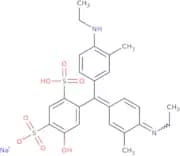
CAS :<p>Xylene cyanol is a chemical compound that belongs to the group of phenols. It has been shown to be active in vitro against human skin cancer cells, and induces cell lysis. Xylene cyanol has also been found to bind to the BCR-ABL kinase domain, which is an enzyme that plays a crucial role in the development of leukemia and other autoimmune diseases. Xylene cyanol binds to dna binding domains on the protein surface and forms an adduct with bcr-abl kinase, which inhibits its activity. This inhibition prevents activation of this enzyme and leads to cell death by preventing DNA synthesis.</p>Formule :C25H27N2O7S2•NaDegré de pureté :Min. 90%Couleur et forme :PowderMasse moléculaire :554.61 g/mol5-Cyanoindole
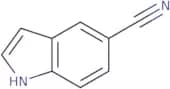
CAS :<p>5-Cyanoindole is a hydrophobic molecule that has been shown to have an inhibitory effect on the trifluoroacetic acid-induced fluorescence in the presence of chloride ions. It is also able to bind peptides and has been used as an antimicrobial peptide. 5-Cyanoindole can be synthesized electrochemically or by electrochemical impedance spectroscopy. The synthesis of 5-cyanoindole can be achieved through a Friedel-Crafts reaction, followed by a hydrolysis with hydrogen peroxide and then a reduction with sodium borohydride.<br>!-- END OF PRODUCT DESCRIPTION --></p>Formule :C9H6N2Couleur et forme :White PowderMasse moléculaire :142.16 g/mol3-Cyanophenylacetic acid
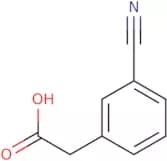
CAS :<p>3-Cyanophenylacetic acid is a versatile building block and useful intermediate that can be used in the synthesis of a wide range of organic compounds. 3-Cyanophenylacetic acid is a fine chemical with CAS No. 1878-71-3 that can be used as a research chemical, reaction component, or speciality chemical. It is an important reagent for making complex organic compounds. 3-Cyanophenylacetic acid is a high quality product with the following characteristics: <br>1) Colorless crystals; <br>2) Soluble in water; <br>3) Soluble in acetone; <br>4) Slightly soluble in ether; <br>5) Reactivity: stable to heat, light, and air; <br>6) pH (1% solution): 2.0 - 4.0; <br>7) Melting point: 129 °C; <br>8) Boiling point: 188 °C at 760 mmH</p>Formule :C9H7NO2Degré de pureté :Min. 95%Masse moléculaire :161.16 g/moltert-Butyl 4-cyanobenzylcarbamate
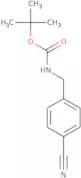
CAS :<p>tert-Butyl 4-cyanobenzylcarbamate (tB4Cbz) is a high quality chemical that can be used as a reagent, complex compound, or useful intermediate in the production of fine chemicals. Tert-Butyl 4-cyanobenzylcarbamate is also a useful scaffold for the synthesis of speciality chemicals and research chemicals. It can be used as a versatile building block for reactions involving amides, nitriles, esters, and amines.</p>Formule :C13H16N2O2Degré de pureté :Min. 95%Couleur et forme :PowderMasse moléculaire :232.28 g/mol1,2-Diphenyl-1-cyanoethylene
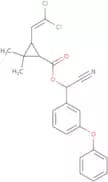
CAS :<p>1,2-Diphenyl-1-cyanoethylene is a molecule that is involved in the cancer process. It has been shown to inhibit the growth of skin cancer cells and other types of cancer cells by binding to mitochondria and inhibiting the formation of proton gradients across mitochondrial membranes. This inhibition leads to a decrease in cellular ATP production and an increase in reactive oxygen species (ROS), resulting in cell death. 1,2-Diphenyl-1-cyanoethylene also has anticancer activity due to its ability to induce light emission from the skin and interfere with the optical properties of holothuria, which are sea cucumbers.</p>Formule :C15H11NDegré de pureté :Min. 95%Couleur et forme :PowderMasse moléculaire :205.25 g/molCyano-3-phenoxybenzyl 3-(2,2-dichloroethenyl)-2,2-dimethylcyclopropanecarboxylate
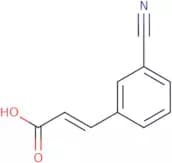
CAS :Cypermethrin is an insecticide that belongs to the family of chemical pesticides. It is used in agriculture and in public health to control malaria-transmitting mosquitoes, head lice, and scabies mites. Cypermethrin disrupts the insect nervous system by inhibiting the function of synapses between nerves, resulting in paralysis and death. The compound also affects signal pathways that regulate locomotor activity and enzyme activities. Cypermethrin has been shown to have a high resistance to degradation by glycol ethers such as ethylene glycol monomethyl ether acetate (EGMEA). It has an optimum concentration of 0.01 ppm for mosquito control and 0.1 ppm for lice control. The analytical method involves liquid chromatography with sodium citrate as an ion-pairing agent and a linear calibration curve using a standard curve generated from known concentrations of cypermethrin.Formule :C22H19Cl2NO3Degré de pureté :Min. 95%Couleur et forme :Colorless Clear LiquidMasse moléculaire :416.3 g/mol3-Cyanocinnamic acid
CAS :3-Cyanocinnamic acid is a reactive, unreactive, and stepwise cycloaddition compound. It can participate in photochemical reactions with other compounds to form photodimers. 3-Cyanocinnamic acid has an optimal reaction temperature of 100°C and a reaction time of 5 minutes. The diradical nature of 3-cyanocinnamic acid makes it sensitive to UV light, and the photochemical reactions are simulated by quantum mechanics calculations. Photodimerisation simulations show that 3-cyanocinnamic acid is capable of forming photodimers with 2-cyanocinnamic acid or 4-cyanocinnamic acid at room temperature.Formule :C10H7NO2Degré de pureté :Min. 95%Couleur et forme :PowderMasse moléculaire :173.17 g/molN-Cyanomorpholine
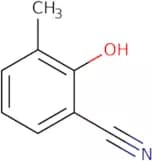
CAS :N-Cyanomorpholine is a synthetic compound that is used as a reagent in organic synthesis. It has been shown to form stable complexes with amines, such as aniline and pyridine. In addition, it can be used in the intramolecular hydrogenation of alkenes, which is catalyzed by palladium on carbon. N-Cyanomorpholine was found to be effective against some viruses, such as herpes simplex virus type 1 and influenza virus type A. It also has been validated for use in the synthesis of dianthus caryophyllus and acrylonitrile.Formule :C5H8N2ODegré de pureté :Min. 95%Masse moléculaire :112.13 g/mol2-Hydroxy-3-methylbenzonitrile
CAS :<p>2-Hydroxy-3-methylbenzonitrile is a high quality chemical that is used as an intermediate in the synthesis of complex compounds. It can be used as a reagent in organic chemistry, and has been shown to be useful for the production of fine chemicals, such as antibiotics. 2-Hydroxy-3-methylbenzonitrile is also a versatile building block for the production of pharmaceuticals and research chemicals. It can be used as a reaction component for the synthesis of speciality chemicals and various building blocks.</p>Formule :C8H7NODegré de pureté :Min. 95%Couleur et forme :PowderMasse moléculaire :133.15 g/mol4-Cyano-4'-octylbiphenyl
CAS :4-Cyano-4'-octylbiphenyl is a molecule that consists of an aromatic ring with two alkyl chains. This compound has been shown to be a model system for studying solute transport in liquids and gases. 4-Cyano-4'-octylbiphenyl also has the ability to form intramolecular hydrogen bonds, which are important for the fluidity of the substance. At high temperatures, this compound undergoes a phase transition from liquid to solid due to dipole interactions between molecules.Formule :C21H25NDegré de pureté :Min. 95%Couleur et forme :Colorless PowderMasse moléculaire :291.43 g/mol2-(Diphenylamino)benzoic acid
CAS :<p>Please enquire for more information about 2-(Diphenylamino)benzoic acid including the price, delivery time and more detailed product information at the technical inquiry form on this page</p>Formule :C19H15NO2Degré de pureté :Min. 95%Masse moléculaire :289.33 g/mol(Cyanomethyl)urea
CAS :<p>Cyanomethyl)urea is a fine chemical that belongs to a class of compounds known as ureas. It is used as a versatile building block in the synthesis of more complex compounds, as a research chemical and as an intermediate. It can be used to synthesize pharmaceuticals, pesticides, and other chemicals. Cyanomethyl)urea is used in the production of polyurethane foams, which are commonly found in mattresses, furniture upholstery and insulation.</p>Formule :C3H5N3ODegré de pureté :Min. 95%Couleur et forme :Brown PowderMasse moléculaire :99.09 g/mol3-Cyano-5-bromopyridine
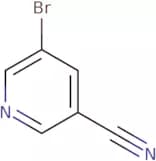
CAS :<p>3-Cyano-5-bromopyridine is an enantiopure organic compound that belongs to the group of halides. It is a functional group that is a reagent in organic synthesis, and it can be used as a precursor to dyestuffs. 3-Cyano-5-bromopyridine has been shown to have antimicrobial activity against bacteria and fungi. It also has a metabotropic glutamate receptor subtype selective affinity, which may be due to its ability to bind with glutamate in complex molecules.</p>Formule :C6H3BrN2Degré de pureté :Min. 95%Couleur et forme :White To Beige To Light (Or Pale) Yellow SolidMasse moléculaire :183.01 g/mol(3-Methoxyphenyl)acetonitrile
CAS :<p>3-Methoxyphenylacetonitrile (3MPAN) is a small molecule that has been shown to inhibit the activity of kinases, which are enzymes that transfer phosphate groups from ATP onto other substrates. 3MPAN has been found to be selective for the estrogen receptor alpha (ERα), with little or no effect on ERβ, and shows promise as a potential drug for hormone-dependent breast cancer. It also inhibits fatty acid synthesis and is active against some viruses. 3MPAN binds to the enzyme's ATP binding site and blocks phosphorylation by preventing access of ATP. This prevents DNA synthesis and protein synthesis, leading to cell death.</p>Formule :C9H9NODegré de pureté :Min. 95%Couleur et forme :PowderMasse moléculaire :147.17 g/molethyl 2-cyano-3-(4-nitrophenyl)prop-2-enoate
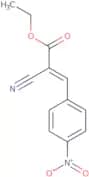
CAS :Ethyl 2-cyano-3-(4-nitrophenyl)prop-2-enoate is a functionalized molecule that contains a dipole. It has high selectivity for 1,3-dipolar cycloadditions because the electron density of the methylene group is greater than that of the aldehyde group. The mechanistic theory for this reaction is that the electron density on the methylene group in ethyl 2-cyano-3-(4-nitrophenyl)prop-2-enoate will cause it to become more reactive than the aldehyde group. The dipoles in this molecule are oriented such that they can react with each other to form an intermediate and then an adduct. This isomerization occurs through either dipolarophilic or electrocyclic mechanisms.Degré de pureté :Min. 95%Ethyl (3-amino-3-cyanopropyl)methylphosphinate
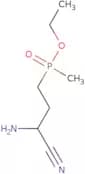
CAS :Ethyl (3-amino-3-cyanopropyl)methylphosphinate is a versatile building block that can be used as a reagent, speciality chemical, or research chemical. It is useful as an intermediate for complex compounds and can be used as a reaction component in the synthesis of high quality compounds. Ethyl (3-amino-3-cyanopropyl)methylphosphinate is also a useful scaffold in organic synthesis.Formule :C7H15N2O2PDegré de pureté :Min. 95%Couleur et forme :PowderMasse moléculaire :190.18 g/mol2-(4-tert-Butyl-phenoxy)acetonitrile
CAS :<p>2-(4-tert-Butyl-phenoxy)acetonitrile is a high quality, reagent, complex compound that is useful as a building block in the synthesis of fine chemicals and speciality chemicals. 2-(4-tert-Butyl-phenoxy)acetonitrile can be used as an intermediate in the synthesis of various pharmaceuticals and agrochemicals. It has a CAS number of 50635-24-0. This chemical is also useful for research purposes.</p>Formule :C12H15NODegré de pureté :(%) Min. 85%Couleur et forme :PowderMasse moléculaire :189.25 g/mol2,5-Dimethoxybenzonitrile
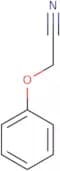
CAS :<p>2,5-Dimethoxybenzonitrile is a polymerized organic compound that belongs to the class of benzene compounds. It is a monomer with two methyl groups on either side of the benzene ring. 2,5-Dimethoxybenzonitrile has been studied in terms of its transition and optimization properties using techniques such as IR and NMR spectroscopy. The frequencies of the chemical bonds have been analyzed, and it has been found that the molecule is centrosymmetric. 2,5-Dimethoxybenzonitrile can also be used to form polymers with other molecules by linking them together through covalent bonds.</p>Formule :C9H9NO2Degré de pureté :Min. 95%Couleur et forme :PowderMasse moléculaire :163.17 g/molPhenoxyacetonitrile
CAS :Phenoxyacetonitrile is an efficient method for the synthesis of ethylene diamine by the reaction of hydrochloric acid, chloride and a carbon source. The nitro group can be reduced to an amine or a hydroxyl group by hydrogen chloride in acetonitrile. This method has been used in the synthesis of drugs such as acyclovir and penciclovir. Phenoxyacetonitrile also inhibits growth factor production, which may be due to its inhibitory properties on the enzyme houben-hoesch reaction.Formule :C8H7NODegré de pureté :Min. 95%Masse moléculaire :133.15 g/mol32-Carboxycyanocobalamin
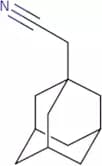
CAS :<p>32-Carboxycyanocobalamin is a fine chemical that is used in the synthesis of complex compounds. It is a versatile building block, which can be used in reactions to synthesize other compounds and as a scaffold for drug discovery. 32-Carboxycyanocobalamin is also a reagent that has been used in organic chemistry and analytical chemistry. CAS No. 121483-62-3</p>Formule :C63H87CoN13O15PDegré de pureté :Min. 95%Masse moléculaire :1,356.35 g/mol1-Adamantyl acetonitrile
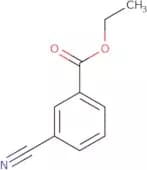
CAS :<p>1-Adamantyl acetonitrile is a trifluoroacetic acid derivative that is used in the synthesis of 4-aminoantipyrine, chlorides, acid chlorides, and acetonitrile. 1-Adamantyl acetonitrile can be used to produce a variety of pharmaceuticals, such as aliphatic carboxylic acids, aldehydes, and amide. It can also serve as a reactant for reactions with alcohols or amines.</p>Formule :C12H17NDegré de pureté :Min. 95%Couleur et forme :PowderMasse moléculaire :175.27 g/mol3-Cyanobenzoic acid ethyl ester
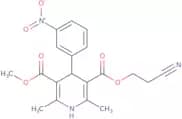
CAS :3-Cyanobenzoic acid ethyl ester is a reaction component that is used in organic synthesis. It is a versatile building block, useful intermediate, and useful building block. 3-Cyanobenzoic acid ethyl ester is a fine chemical that can be used as a reagent for the preparation of other compounds. This compound has been assigned CAS No. 2463-16-3 and has the molecular formula C7H6O2.Formule :C10H9NO2Degré de pureté :Min. 95%Couleur et forme :PowderMasse moléculaire :175.18 g/mol1,4-Dihydro-2,6-dimethyl-4-(3-nitrophenyl)-3,5-pyridinedicarboxylic acid 3-(2-cyanoethyl) 5-methyl ester
CAS :1,4-Dihydro-2,6-dimethyl-4-(3-nitrophenyl)-3,5-pyridinedicarboxylic acid 3-(2-cyanoethyl) 5-methyl ester is a chemical compound that has the CAS number 75130-24-4. It is a white powder with a melting point of 144°C. This chemical is soluble in acetone, ether and chloroform. It can be used as a building block for organic synthesis due to its versatility and useful scaffold.Formule :C19H19N3O6Degré de pureté :Min. 95%Couleur et forme :White to yellow solid.Masse moléculaire :385.37 g/mol3-Methoxy-4-methylbenzonitrile
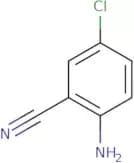
CAS :3-Methoxy-4-methylbenzonitrile is a reagent that is used in the synthesis of complex compounds, such as pharmaceuticals and fine chemicals. It has been shown to be useful as an intermediate for the synthesis of various drugs, including antibiotics. 3-Methoxy-4-methylbenzonitrile has also been shown to be a useful scaffold for the synthesis of new drugs and other chemical compounds. This compound is listed on the Chemical Abstracts Service registry number 3556-60-3.Formule :C9H9NODegré de pureté :Min. 95%Couleur et forme :PowderMasse moléculaire :147.17 g/mol2-Amino-5-chlorobenzonitrile
CAS :2-Amino-5-chlorobenzonitrile is a potent inhibitor of butyrylcholinesterase (BChE) and has been shown to inhibit the activity of this enzyme in cell lung cancer and muscle. 2-Amino-5-chlorobenzonitrile also inhibits the activity of other enzymes, such as acetylcholinesterase (AChE) and phosphatidylcholine esterase (PCE), that are found in the membranes of cells. This inhibition leads to increased levels of acetylcholine in the synaptic cleft, which may lead to an increase in muscular contractions. 2-Amino-5-chlorobenzonitrile is also a product yield enhancer for chromene synthesis.Formule :C7H5ClN2Degré de pureté :Min. 95%Couleur et forme :PowderMasse moléculaire :152.58 g/mol[3-(2-Methylphenyl)-1,2,4-oxadiazol-5-yl]acetonitrile
CAS :Please enquire for more information about [3-(2-Methylphenyl)-1,2,4-oxadiazol-5-yl]acetonitrile including the price, delivery time and more detailed product information at the technical inquiry form on this pageFormule :C11H9N3ODegré de pureté :Min. 95%Couleur et forme :PowderMasse moléculaire :199.21 g/mol4-Cyanobiphenyl
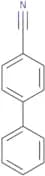
CAS :4-Cyanobiphenyl is a contaminant of the environment. It is a reactive substance that can be found in the air, soil, and water. 4-Cyanobiphenyl is an active substance that can be used as an intermediate for the production of other chemicals. The chemical structure of 4-cyanobiphenyl has been elucidated by using a number of spectroscopic techniques including Raman spectroscopy. 4-Cyanobiphenyl is unstable in acidic conditions and reacts with chloride ions to form crotonic acid and benzoate. This reaction also occurs under basic conditions with biphenyl to form benzoate and low energy products such as benzene or phenol.Formule :C13H9NDegré de pureté :Min. 95%Couleur et forme :Off-White PowderMasse moléculaire :179.22 g/mol7-(Cyanomethoxy)indole
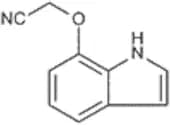
CAS :<p>7-(Cyanomethoxy)indole is a versatile building block that can be used as a scaffold for the synthesis of complex molecules. It has been used as an intermediate in organic synthesis and as a reaction component for the preparation of useful compounds. 7-(Cyanomethoxy)indole is also known to have high quality and is widely used in research laboratories.</p>Formule :C10H8N2ODegré de pureté :Min. 95%Masse moléculaire :172.18 g/mol2-Bromo-6-fluorobenzonitrile
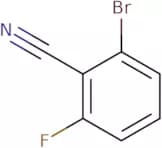
CAS :<p>2-Bromo-6-fluorobenzonitrile is an organic compound with a molecular formula of C6H3BrF. It is a colorless liquid that is used as a precursor in the synthesis of other compounds. 2-Bromo-6-fluorobenzonitrile has been shown to be an efficient fluorophore and can be activated by electron transfer, thermally, or chemically. 2-Bromo-6-fluorobenzonitrile also has a quantum efficiency of 0.5% and transport properties that make it ideal for fluorescence microscopy. The fluorescence intensity of 2-bromo-6-fluorobenzonitrile is proportional to the amount of energy absorbed, which makes it useful for quantifying the concentration of fluorescent molecules in solution. 2-Bromo-6-fluorobenzonitrile has also been shown to have high quantum yields and high efficiency levels when</p>Formule :C7H3BrFNDegré de pureté :Min. 95%Couleur et forme :PowderMasse moléculaire :200.01 g/mol3-Cyanobenzylamine HCl
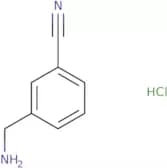
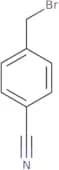
CAS :<p>3-Cyanobenzylamine HCl is a high quality chemical that is used as a reagent, intermediate, or building block in the synthesis of complex compounds. It is a fine chemical and speciality chemical that may be used as a research chemical and versatile building block for the synthesis of organic compounds. 3-Cyanobenzylamine HCl has been shown to react with other chemicals to form useful scaffolds and building blocks, such as amides, amino acid esters, and ureas.</p>Formule :C8H9ClN2Degré de pureté :Min. 95%Couleur et forme :PowderMasse moléculaire :168.62 g/mol4-Cyanobenzyl bromide
CAS :<p>4-Cyanobenzyl bromide is a chemical compound that is stable in the presence of hydrogen bonds and with a palladium-catalyzed coupling reaction. It has been shown to react with amines to form an azobenzene, which is a fluorescent compound. 4-Cyanobenzyl bromide reacts with x-ray diffraction data and molecular modeling to form halides and hydroxy groups. The mechanism of this reaction is not yet known, but it appears that the initial step involves the formation of a hydrogen bond between the 4-cyanobenzyl group and the amine. Magnetic resonance spectroscopy has confirmed that hippuric acid can be formed from this reaction as well.</p>Formule :C8H6BrNDegré de pureté :Min. 95%Couleur et forme :PowderMasse moléculaire :196.04 g/mol2-Cyanoacetamide
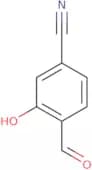
CAS :<p>2-Cyanoacetamide is an organic compound that is used in pharmaceutical preparations. It reacts with malonic acid to form a dioxime, which is a precursor of various drugs. The optimum concentration for the reaction to occur is at 10% (w/v). The reaction mechanism has not been fully elucidated and it involves the transfer of nitrogen from an amide group to a carbonyl group. 2-Cyanoacetamide has shown anti-angiogenic effects in mice by inhibiting the expression of Mcl-1 protein, which is involved in the regulation of apoptosis and inflammation. This drug also has biological functions as a precursor for dopamine, which helps regulate motor and cognitive functions.</p>Formule :C3H4N2ODegré de pureté :Min. 98%Couleur et forme :White Off-White PowderMasse moléculaire :84.08 g/mol4-Cyano-2-hydroxybenzaldehyde
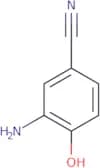
CAS :<p>4-Cyano-2-hydroxybenzaldehyde is a high quality chemical that can be used as a reagent and intermediate in the synthesis of complex compounds. It is also an important building block in the synthesis of fine chemicals. 4-Cyano-2-hydroxybenzaldehyde has been used as a versatile building block in the synthesis of organic compounds, useful scaffolds in medicinal chemistry, and reactive intermediates. It has also been shown to have anti-inflammatory properties and may be a potential treatment for inflammatory bowel disease.</p>Formule :C8H5NO2Degré de pureté :Min. 95%Masse moléculaire :147.13 g/mol2-Amino-4-cyano-phenol
CAS :2-Amino-4-cyano-phenol is a compound that has been shown to have antitubercular activity. It modulates the activity of cromakalim, which is a drug used for the treatment of tuberculosis. 2-Amino-4-cyano-phenol is also an antibacterial agent and has been shown to activate bacterial DNA replication and protein synthesis. The mechanism of action of this compound is thought to be due in part to its ability to bind with the ribosomes on the outside surface of cells and inhibit their function. 2-Amino-4-cyano-phenol has also been shown to have structural similarities with phenylephrine, which inhibits bacterial growth by binding to DNA gyrase, thereby preventing transcription and replication.Formule :C7H6N2ODegré de pureté :Min. 95%Couleur et forme :PowderMasse moléculaire :134.14 g/mol4-Hydroxyphenylacetonitrile
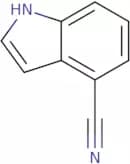
CAS :<p>4-Hydroxyphenylacetonitrile (HPA) is a chemical compound that belongs to the group of nitriles. It is a precursor to the pigment sinalbin, which is found in corynebacterium and related bacteria. HPA has been shown to have an apoptotic effect on human cells, which may be due to its ability to inhibit protein synthesis and induce DNA fragmentation. The synthetic pathway for HPA starts with the conversion of L-phenylalanine into 4-hydroxyphenylpyruvic acid by a wild-type strain or bacterial strain. The 4-hydroxyphenylpyruvic acid is then converted into 4-hydroxybenzaldehyde through polymerase chain reactions or expression plasmids in corynebacterium glutamicum. This molecule can then be transformed into HPA by hydrolysis with hydrochloric acid or enzymatic activity. HPA has also been shown to stimulate</p>Formule :C8H7NODegré de pureté :Min. 95%Couleur et forme :PowderMasse moléculaire :133.15 g/mol4-Cyanoindole
CAS :The 4-cyanoindole is a fluorescent molecule that binds to proteins and affects protein homeostasis. It has been shown to bind to the sodium salt form of proteins, which are typically found in human liver cells. The binding of 4-cyanoindole to these proteins leads to its reduction by borohydride and fluorescence resonance energy transfer (FRET) between the molecule and the protein. This binding can be detected using a fluorescence lifetime spectroscopy technique, which detects changes in the fluorescence's lifetime as well as intensity. The binding of 4-cyanoindole to proteins has been shown to have anti-cancer properties. It has also been used for detection of monoclonal antibodies against cancer cells or for fluorescent labeling of cancer cells for immunofluorescent microscopy.Formule :C9H6N2Couleur et forme :White PowderMasse moléculaire :142.16 g/mol4-Cyano-4'-aminobiphenyl
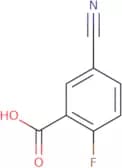
CAS :<p>4-Cyano-4'-aminobiphenyl is a fluorescent dye that exhibits a strong fluorescence under UV irradiation. The dye has an absorption maximum at about 335 nm and a fluorescence emission maximum at about 455 nm, with excitation maxima of 333 nm and 478 nm. It has been used in the development of photocurrent devices, which are used for photochemical reactions and electrochemistry studies. This compound can also be used for the determination of amino groups in organic molecules such as carbostyril. The compound can be synthesized by reacting an amine with an aldehyde in the presence of acid.</p>Formule :C13H10N2Couleur et forme :PowderMasse moléculaire :194.23 g/mol5-Cyano-2-fluorobenzoic acid
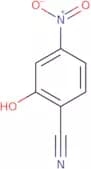
CAS :<p>5-Cyano-2-fluorobenzoic acid is a macrocyclization agent that is used in the synthesis of 16-membered macrocycles. It is a nucleophilic reagent that reacts with an electrophile to form a 5,5'-bifluoro-2,2'-dioxodibenzofuranone. This reaction can be performed under mild conditions and proceeds via a 1,4-addition mechanism. The product has two stereogenic centers and four stereoisomers that are formed by the relative configuration of these centers. 5-Cyano-2-fluorobenzoic acid also has application in the clinic as an analogue for fluoroquinolones.</p>Formule :C8H4FNO2Degré de pureté :Min. 95%Couleur et forme :PowderMasse moléculaire :165.12 g/mol2-Hydroxy-4-nitrobenzonitrile
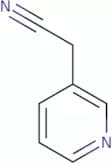
CAS :<p>2-Hydroxy-4-nitrobenzonitrile is a nitrile derivative that has an antibacterial activity. This compound interacts with the pyochelin, a siderophore in Pseudomonas aeruginosa. The antibiotic inhibits the uptake of pyochelin by the bacteria and causes cell death by inhibiting the synthesis of proteins necessary for bacterial growth. 2-Hydroxy-4-nitrobenzonitrile can be used as a potential stabilizer for materials such as polystyrene and polyurethane which are susceptible to degradation by hydrolysis or oxidation. In addition, this compound is also useful in gram-negative bacterium due to its ability to inhibit their growth by binding to their ribosomes. The conformational studies have been shown to be important for understanding the biological properties of this molecule.</p>Formule :C7H4N2O3Degré de pureté :Min. 95%Couleur et forme :PowderMasse moléculaire :164.12 g/molPyridine-3-acetonitrile
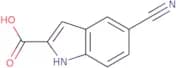
CAS :Pyridine-3-acetonitrile is a coordination complex that can be used for the treatment of diabetes. It has been shown to have a high affinity for plasma glucose and to be selective for biological samples containing amino acids, such as proteins. The molecule is able to bind with carbon disulphide in order to form the active methylene, which has been shown to be an effective bifunctional ligand. The compound has also been shown to have a ph optimum of 9.8 - 10.2 and exhibits an atomic orbital with a molecular electrostatic potential of 0.5 eV. Pyridine-3-acetonitrile binds strongly to nucleophilic groups, such as amines and hydroxyls, making it suitable for use as a ligand in metal complexes. This compound may also have some interesting properties related to its morphology, which can be further investigated using functional theory and molecular electrostatic potential.br>br> br>br>Formule :C7H6N2Degré de pureté :Min. 95%Couleur et forme :Clear LiquidMasse moléculaire :118.14 g/mol5-Cyano-1H-indole-2-carboxylic acid
CAS :5-Cyano-1H-indole-2-carboxylic acid is a high quality reagent that is used as an intermediate in the synthesis of complex compounds. It can also be used as a building block for the synthesis of speciality chemicals and research chemicals. The versatile nature of this compound makes it useful as a reaction component in the synthesis of many different types of compounds, including fine chemicals and pharmaceuticals. 5-Cyano-1H-indole-2-carboxylic acid is available commercially with CAS No. 169463-44-9.Formule :C10H6N2O2Degré de pureté :Min. 95%Couleur et forme :PowderMasse moléculaire :186.17 g/mol2,4,6-Trichlorobenzonitrile
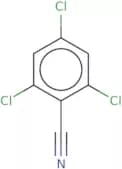
CAS :2,4,6-Trichlorobenzonitrile is a chlorine-containing chemical that has been used as a pesticide. It is a highly toxic substance and can be fatal if ingested. 2,4,6-Trichlorobenzonitrile is converted to chloride in soil and water by microbial action. This chemical can be activated by light or temperature changes and is used in the production of pesticides that are phytotoxic. It also has been shown to have thermodynamic properties that allow it to act as an environmental pollutant. 2,4,6-Trichlorobenzonitrile can react with sulfoxides to form chloromethylation products such as 2,3,5-trichloroethanol. These reactions are catalyzed by metal ions such as Fe(II) and Mn(II).Formule :C7H2Cl3NDegré de pureté :Min. 95%Couleur et forme :PowderMasse moléculaire :206.46 g/mol4-Cyanophenylacetic acid
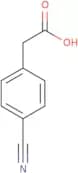
CAS :4-Cyanophenylacetic acid is a thiolated organic compound that can act as a framework for the attachment of other functional groups. The synthesis of this compound has been developed in various ways, such as through the use of photoluminescence or coordination chemistry.Formule :C9H7NO2Degré de pureté :Min. 95%Couleur et forme :PowderMasse moléculaire :161.16 g/mol5-Bromo-2-cyano-3-nitropyridine
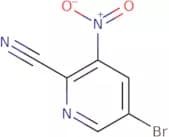
CAS :<p>5-Bromo-2-cyano-3-nitropyridine is a medication that has been shown to be an effective inhibitor of the RET tyrosine kinase. It has been used in clinical studies to treat chronic kidney disease and has been shown to inhibit the growth of cancer cells. The molecular electrostatic potential (MEP) simulations have shown that 5-bromo-2-cyano-3-nitropyridine interacts with the reactive site of RET, inhibiting its function by binding to the nucleophilic substitutions. 5-Bromo-2-cyano-3-nitropyridine is synthesized from 2,5 dibromopyridine and 3 nitrobenzene at high yield. The molecule is chromatographically separated from impurities such as 4 bromo pyridine.</p>Formule :C6H2BrN3O2Degré de pureté :Min. 95%Couleur et forme :PowderMasse moléculaire :228 g/mol4-Cyanophenol
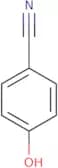
CAS :4-Cyclohexyphenol is a natural compound that belongs to the class of compounds known as phenols. It has a hydroxyl group and an intramolecular hydrogen bond. The thermal expansion of 4-cyanophenol is approximately 6.6 × 10⁻⁶/°C, which is greater than the thermal expansion of p-hydroxybenzoic acid (approximately 1.8 × 10⁻⁶/°C). The reaction mechanism for 4-cyanophenol involves intramolecular hydrogen bonding, which leads to its rapid degradation. 4-Cyanophenol reacts with trifluoroacetic acid in the presence of sodium carbonate to form p-hydroxybenzoic acid, which can be determined by measuring its absorbance at 290 nm. Hydrogen bonding interactions with the surface are responsible for the high sensitivity and selectivity of this analytical method. 4-Cyanophenol may also be detected using plasma mass spectFormule :C7H5NODegré de pureté :Min. 95%Couleur et forme :PowderMasse moléculaire :119.12 g/mol5-Methoxyindole-3-acetonitrile
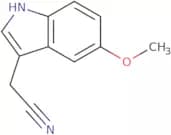
CAS :5-Methoxyindole-3-acetonitrile is a synthetic compound used as a reference for the synthesis of melatonin. It is produced by the addition of magnesium to 5-methoxyindole, followed by reaction with cyanide and nitrile. The synthesis of this compound was first published in 1938 and has since been used as a reference for many other studies. It has been shown that 5-methoxyindole-3-acetonitrile has high performance liquid chromatography properties, with a linear range from 0.5 to 50 mg/mL and an ultraviolet spectrum that falls within the region between 220 nm and 400 nm. A molecular modeling study was conducted on this compound, which showed that it conforms with 4-hydroxy indole ring systems found in natural products such as tryptophan and serotonin. This product also has fluorescent properties, which are caused by its electron withdrawing group (cyano).Formule :C11H10N2ODegré de pureté :Min. 95%Couleur et forme :PowderMasse moléculaire :186.21 g/mol(S,E)-3-(6-Bromopyridin-2-yl)-2-cyano-N-(1-phenylethyl)acrylamide
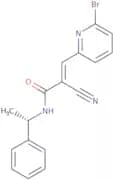
CAS :(S,E)-3-(6-Bromopyridin-2-yl)-2-cyano-N-(1-phenylethyl)acrylamide (MBI-23) is a potential antineoplastic agent that has been shown to induce regression of bladder cancer in mice. MBI-23 induces apoptosis by inhibiting the proliferation of cancer cells and inducing differentiation of cancer stem cells. It is also shown to inhibit tumor growth and progression in glioma and prostate cancer models. MBI-23 binds to the KDR receptor subtype, which is activated by organic acids and inhibited by inorganic compounds. This binding leads to constitutive activation of the KDR receptor, thereby inducing apoptosis. The tautomers and stereoisomers of MBI-23 have not been fully elucidated yet.Formule :C17H14ON3BrDegré de pureté :Min. 98 Area-%Couleur et forme :White PowderMasse moléculaire :356.22 g/mol4-Cyanocinnamic acid
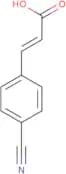
CAS :<p>4-Cyanocinnamic acid is a fatty acid that has been shown to be a substrate for the bacterial enzyme cinnamate 4-hydroxylase. The molecular weight of this compound is 136.16 g/mol, and it has a constant boiling point of 206°C. It can be synthesized from phenylacetic acid and p-coumaric acid using a transesterification reaction. This compound is reactive with carbonyl groups, which makes it useful in the detection of gram-positive bacteria by fluorescent probes or fluorescent dyes. 4-Cyanocinnamic acid is unreactive with esters of carboxylic acids, such as methyl esters, making it useful for the determination of fatty acids in isolates.</p>Formule :C10H7NO2Degré de pureté :Min. 95%Couleur et forme :PowderMasse moléculaire :173.17 g/mol









![[3-(2-Methylphenyl)-1,2,4-oxadiazol-5-yl]acetonitrile](/_next/image/?url=https%3A%2Fstatic.cymitquimica.com%2Fproducts%2F3D%2Fthumb-webp%2FFM127089.webp&w=3840&q=75)