Cyano-, Nitrile-
Les composés cyano et nitrile sont des molécules organiques contenant des groupes cyano (C≡N) ou nitrile dans leur structure, caractérisées par la présence d'azote. Ces groupes jouent des rôles importants dans diverses réactions chimiques et applications industrielles. Dans cette catégorie, vous trouverez une large gamme de composés cyano et nitrile, allant de structures simples à complexes. Chez CymitQuimica, nous proposons des composés cyano et nitrile de haute qualité adaptés pour répondre aux besoins de la recherche et de l'industrie. Nos composés sont adaptés à une variété d'applications de synthèse et d'analyse.
9624 produits trouvés pour "Cyano-, Nitrile-"
Trier par
Degré de pureté (%)
0
100
|
0
|
50
|
90
|
95
|
100
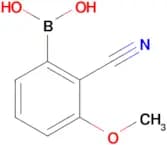
(2-Cyano-3-methoxyphenyl)boronic acid
CAS :Formule :C8H8BNO3Degré de pureté :≥95%Masse moléculaire :176.974′-Butoxy-[1,1′-biphenyl]-4-carbonitrile
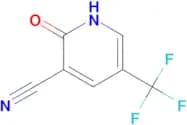
CAS :Formule :C17H17NODegré de pureté :98%Masse moléculaire :251.3292-HYDROXY-5-(TRIFLUOROMETHYL)NICOTINONITRILE
CAS :Formule :C7H3F3N2ODegré de pureté :95.0%Masse moléculaire :188.1092-chloro-5H,7H,8H-pyrano[4,3-b]pyridine-3-carbonitrile
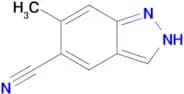
CAS :Formule :C9H7ClN2ODegré de pureté :97%Couleur et forme :No data available.Masse moléculaire :194.626-Methyl-1H-indazole-5-carbonitrile
CAS :Formule :C9H7N3Degré de pureté :97%Masse moléculaire :157.1762-(2,4-Dioxo-1,2,3,4-tetrahydropyrimidin-1-yl)acetonitrile
CAS :Degré de pureté :98%Masse moléculaire :151.1252-(1H-Benzo[d][1,2,3]triazol-1-yl)acetonitrile
CAS :Formule :C8H6N4Degré de pureté :98%+(LC-MS);RGMasse moléculaire :158.164tert-Butyl 7-cyano-5-oxa-2-azaspiro[3.4]octane-2-carboxylate
CAS :Degré de pureté :98+%Masse moléculaire :238.28700265-(4-Chloro-phenyl)-2-hydroxy-nicotinonitrile
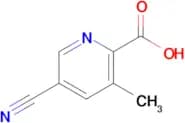
CAS :Formule :C12H7ClN2ODegré de pureté :≥95%Masse moléculaire :230.655-CYANO-3-METHYLPYRIDINE-2-CARBOXYLIC ACID
CAS :Formule :C8H6N2O2Degré de pureté :95.0%Masse moléculaire :162.148(S,E)-3-(6-Bromopyridin-2-yl)-2-cyano-N-(1-phenylethyl)acrylamide
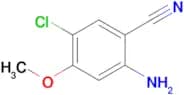
CAS :Formule :C17H14BrN3ODegré de pureté :98%Couleur et forme :Solid, solidMasse moléculaire :356.2232-Amino-5-chloro-4-methoxybenzonitrile
CAS :Formule :C8H7ClN2ODegré de pureté :95.0%Couleur et forme :SolidMasse moléculaire :182.614′-Methoxy-[1,1′-biphenyl]-2-carbonitrile
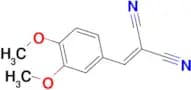
CAS :Formule :C14H11NODegré de pureté :≥95%Masse moléculaire :209.248(3,4-Dimethoxybenzylidene)malononitrile
CAS :Formule :C12H10N2O2Degré de pureté :97%Masse moléculaire :214.2242-{1H-imidazo[4,5-b]pyridin-2-yl}acetonitrile
CAS :Degré de pureté :95+%Masse moléculaire :158.16400152-(1-Ethoxypropylidene)malononitrile
CAS :Formule :C8H10N2ODegré de pureté :95%Couleur et forme :Liquid, Red liquidMasse moléculaire :150.1812-(Benzo[d][1,3]dioxol-5-yl)ethene-1,1,2-tricarbonitrile
CAS :Formule :C12H5N3O2Degré de pureté :95.0%Masse moléculaire :223.191Ethyl 3-cyanobenzoylformate
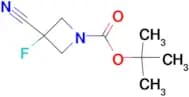
CAS :Formule :C11H9NO3Degré de pureté :≥95%Couleur et forme :LiquidMasse moléculaire :203.197TERT-BUTYL 3-CYANO-3-FLUOROAZETIDINE-1-CARBOXYLATE
CAS :Formule :C9H13FN2O2Degré de pureté :98%Masse moléculaire :200.213Ref: 10-F505020
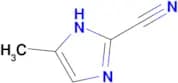
1g124,00€5g357,00€10g570,00€25g1.282,00€50g2.562,00€100g5.121,00€100mg49,00€250mg62,00€500mg99,00€4-Methyl-1H-imidazole-2-carbonitrile
CAS :Formule :C5H5N3Degré de pureté :95%Couleur et forme :Solid, solidMasse moléculaire :107.1163-(HYDROXYMETHYL)BICYCLO[1.1.1]PENTANE-1-CARBONITRILE
CAS :Formule :C7H9NODegré de pureté :97%Couleur et forme :Liquid, OilMasse moléculaire :123.1555-Amino-1-(4-chlorophenyl)-1H-pyrazole-4-carbonitrile
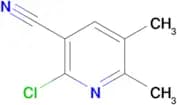
CAS :Formule :C10H7ClN4Degré de pureté :98%Couleur et forme :SolidMasse moléculaire :218.642-chloro-5,6-dimethylnicotinonitrile
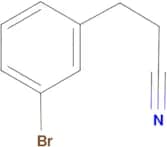
CAS :Formule :C8H7ClN2Degré de pureté :95%Couleur et forme :SolidMasse moléculaire :166.613-(3-Bromophenyl)propionitrile
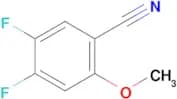
CAS :Formule :C9H8BrNDegré de pureté :98%Couleur et forme :LiquidMasse moléculaire :210.0744,5-Difluoro-2-methoxybenzonitrile
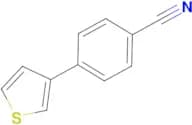
CAS :Formule :C8H5F2NODegré de pureté :98%Couleur et forme :Solid, White powderMasse moléculaire :169.1314-Thiophen-3-yl-benzonitrile
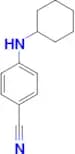
CAS :Formule :C11H7NSDegré de pureté :97%Couleur et forme :SolidMasse moléculaire :185.244-(Cyclohexylamino)-benzonitrile
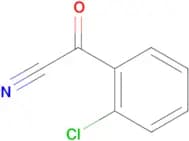
CAS :Formule :C13H16N2Degré de pureté :95.0%Couleur et forme :SolidMasse moléculaire :200.2852-CHLOROBENZOYL CYANIDE
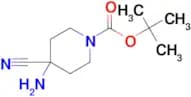
CAS :Formule :C8H4ClNODegré de pureté :95%Couleur et forme :SolidMasse moléculaire :165.58tert-Butyl 4-amino-4-cyanopiperidine-1-carboxylate
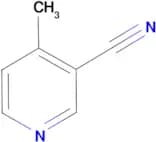
CAS :Formule :C11H19N3O2Degré de pureté :≥97%Couleur et forme :SolidMasse moléculaire :225.2923-Cyano-4-methylpyridine
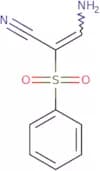
CAS :Formule :C7H6N2Degré de pureté :98%Couleur et forme :SolidMasse moléculaire :118.1392-(Aminomethylene)phenylsulphonyl acetonitrile
CAS :2-(Aminomethylene)phenylsulphonyl acetonitrile is an allylating agent. It reacts with hydrochloric acid to form allyl isothiocyanate, which can be used for the synthesis of thiazoline derivatives. 2-(Aminomethylene)phenylsulphonyl acetonitrile is a reagent that has been used in multicenter trials to study the effects of allylation on cancerous cells.Formule :C9H8N2O2SDegré de pureté :Min. 95%Couleur et forme :PowderMasse moléculaire :208.24 g/mol2-(Dicyanomethylene)indan-1,3-dione
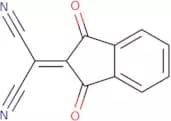
CAS :<p>2-(Dicyanomethylene)indan-1,3-dione is a zwitterion that can be used as an acceptor in organic synthesis. It reacts with nucleophiles (e.g., amines) to form the corresponding adducts and is reversibly hydrolyzed by water or alkali. 2-(Dicyanomethylene)indan-1,3-dione is also known for its ability to undergo nucleophilic attack of the carbonyl group and react with anilines to form the corresponding azine derivatives. This molecule has been shown to be a good candidate for use in uv irradiation due to its high absorption coefficient at 260 nm.</p>Formule :C12H4N2O2Degré de pureté :Min. 95%Couleur et forme :PowderMasse moléculaire :208.17 g/mol2-((4-(tert-butyl)phenyl)sulfonyl)acetonitrile
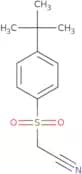
CAS :<p>Please enquire for more information about 2-((4-(tert-butyl)phenyl)sulfonyl)acetonitrile including the price, delivery time and more detailed product information at the technical inquiry form on this page</p>Degré de pureté :Min. 95%4-Isopropylbenzenesulphonylacetonitrile
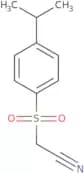
CAS :<p>Please enquire for more information about 4-Isopropylbenzenesulphonylacetonitrile including the price, delivery time and more detailed product information at the technical inquiry form on this page</p>Formule :C11H13NO2SDegré de pureté :Min. 95%Couleur et forme :PowderMasse moléculaire :223.29 g/molN-(3-Cyanophenyl)-2-chloropropanamide
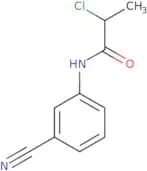
CAS :<p>Please enquire for more information about N-(3-Cyanophenyl)-2-chloropropanamide including the price, delivery time and more detailed product information at the technical inquiry form on this page</p>Degré de pureté :Min. 95%4-(Trifluoromethoxy)benzenesulphonylacetonitrile
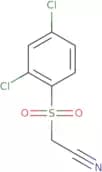
CAS :<p>Please enquire for more information about 4-(Trifluoromethoxy)benzenesulphonylacetonitrile including the price, delivery time and more detailed product information at the technical inquiry form on this page</p>Formule :C9H6F3NO3SDegré de pureté :Min. 95%Couleur et forme :PowderMasse moléculaire :265.21 g/mol2,4-Dichlorobenzenesulphonylacetonitrile
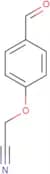
CAS :<p>Please enquire for more information about 2,4-Dichlorobenzenesulphonylacetonitrile including the price, delivery time and more detailed product information at the technical inquiry form on this page</p>Degré de pureté :Min. 95%(4-Formylphenoxy)acetonitrile
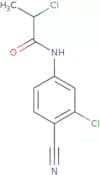
CAS :<p>Please enquire for more information about (4-Formylphenoxy)acetonitrile including the price, delivery time and more detailed product information at the technical inquiry form on this page</p>Formule :C9H7NO2Degré de pureté :Min. 95%Masse moléculaire :161.16 g/mol2-Chloro-N-(3-chloro-4-cyanophenyl)propanamide
CAS :<p>Please enquire for more information about 2-Chloro-N-(3-chloro-4-cyanophenyl)propanamide including the price, delivery time and more detailed product information at the technical inquiry form on this page</p>Degré de pureté :Min. 95%N-(4-Cyanophenyl)-2-chloropropanamide
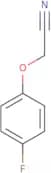
CAS :<p>Please enquire for more information about N-(4-Cyanophenyl)-2-chloropropanamide including the price, delivery time and more detailed product information at the technical inquiry form on this page</p>Degré de pureté :Min. 95%2-(4-Fluorophenoxy)-Acetonitrile
CAS :<p>Please enquire for more information about 2-(4-Fluorophenoxy)-Acetonitrile including the price, delivery time and more detailed product information at the technical inquiry form on this page</p>Formule :C8H6FNODegré de pureté :Min. 95%Masse moléculaire :151.14 g/molethyl 2-cyano-3-[3-(trifluoromethyl)phenyl]acrylate
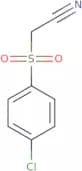
CAS :<p>Please enquire for more information about ethyl 2-cyano-3-[3-(trifluoromethyl)phenyl]acrylate including the price, delivery time and more detailed product information at the technical inquiry form on this page</p>Degré de pureté :Min. 95%2-(4-Chlorobenzenesulphonyl)acetonitrile
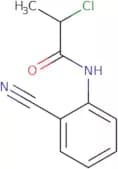
CAS :<p>2-(4-Chlorobenzenesulphonyl)acetonitrile is a reactive chemical that is synthesized from chloroform and acetonitrile. It can be used to synthesize various medicines such as analgesics, muscle relaxants, and x-ray contrast agents. 2-(4-Chlorobenzenesulphonyl)acetonitrile has minimal effects on the human body and is not known to cause any major health problems. It is metabolized in the liver by oxidation of the methyl group to form 4-chlorobenzene sulfonic acid, which is excreted through urine. The chlorine atom in this molecule has a trigonal bipyramidal geometry with a bond length of 1.82 Å, which can be seen in x-ray crystallography studies.</p>Formule :C8H6ClNO2SDegré de pureté :Min. 95%Couleur et forme :PowderMasse moléculaire :215.66 g/molN-(2-Cyanophenyl)-2-chloropropanamide
CAS :<p>Please enquire for more information about N-(2-Cyanophenyl)-2-chloropropanamide including the price, delivery time and more detailed product information at the technical inquiry form on this page</p>Degré de pureté :Min. 95%4-Bromobenzenesulphonylacetonitrile
CAS :<p>Please enquire for more information about 4-Bromobenzenesulphonylacetonitrile including the price, delivery time and more detailed product information at the technical inquiry form on this page</p>Formule :C8H6BrNO2SDegré de pureté :Min. 95%Couleur et forme :PowderMasse moléculaire :260.11 g/mol2-Chloro-N-(4-(cyanomethyl)phenyl)propanamide
<p>Please enquire for more information about 2-Chloro-N-(4-(cyanomethyl)phenyl)propanamide including the price, delivery time and more detailed product information at the technical inquiry form on this page</p>Degré de pureté :Min. 95%Methyl 3-Cyanoropionate
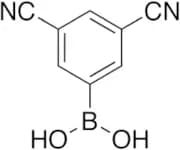
CAS :Produit contrôlé<p>Applications Methyl 3-Cyanoropionate is used in the preparation of anticancer agents. Also used in the design of the ‘dipeptoid’ analogs of cholecystokinin.<br>References Graham, L. et al.: J. Med. Chem., 55, 7817 (2012); Boden, P. et al.: Eur. J. Med. Chem., 28, 47 (1993);<br></p>Formule :C5H7NO2Couleur et forme :NeatMasse moléculaire :113.113,5-Dicyanophenylboronic Acid
CAS :Produit contrôléFormule :C8H5BN2O2Couleur et forme :NeatMasse moléculaire :171.9484-Cyano-4-[(ethylsulfanylthiocarbonyl)sulfanyl]pentanoic Acid
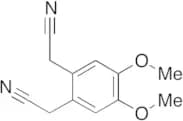
CAS :Produit contrôlé<p>Applications 4-CYANO-4-[(ETHYLSULFANYLTHIOCARBONYL)SULFANYL]PENTANOIC ACID (cas# 1137725-46-2) is a useful research chemical.<br></p>Formule :C9H13NO2S3Couleur et forme :NeatMasse moléculaire :263.44,5-Dimethoxy-1,2-benzenediacetonitrile
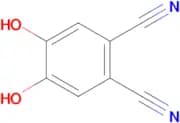
CAS :Produit contrôléFormule :C12H12N2O2Couleur et forme :NeatMasse moléculaire :216.24(3,5-Dimethoxyphenyl)acetonitrile
CAS :Produit contrôlé<p>Applications (3,5-Dimethoxyphenyl)acetonitrile (cas# 13388-75-5) is a compound useful in organic synthesis.<br></p>Formule :C10H11NO2Couleur et forme :NeatMasse moléculaire :177.2Methyl Isocyanoacetate
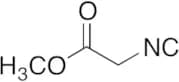
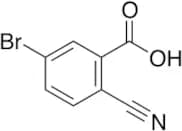
CAS :Produit contrôlé<p>Applications Methyl Isocyanoacetate, is used in the Cu-catalyzed, diastereoselective synthesis of oxazolines (O846550).<br> Not a dangerous good if item is equal to or less than 1g/ml and there is less than 100g/ml in the package<br>References Ideguchi, T., et al.: J. American Chem. Soc., 135, 12568 (2013);<br></p>Formule :C4H5NO2Couleur et forme :NeatMasse moléculaire :99.095-Bromo-2-cyanobenzoic Acid
CAS :Produit contrôléFormule :C8H4BrNO2Couleur et forme :NeatMasse moléculaire :226.027(2-Isocyanoethyl)-benzene
CAS :<p>Applications (2-Isocyanoethyl)-benzene is a useful synthetic intermediate. It is a reagent used in Ugi reactions to synthesize various compounds such as tetrazole and bisamide.<br>References Zhao, T., et al.: Org. Lett., 15, 639 (2013); Brockmeyer, F., et al.: Helv. Chim. Acta., 95, 1857 (2012)<br></p>Formule :C9H9NCouleur et forme :NeatMasse moléculaire :131.1745Benzyl Cyanomethylcarbamate
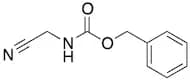
CAS :Produit contrôlé<p>Applications BENZYL CYANOMETHYLCARBAMATE (cas# 3589-41-1) is a useful research chemical.<br></p>Formule :C10H10N2O2Couleur et forme :NeatMasse moléculaire :190.194-Cyanocyclohexanone
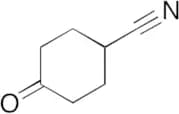
CAS :Produit contrôlé<p>Applications 4-Cyanocyclohexanone is used to prepare nicotinamides as PDE4 D isoenzymes inhibitors. It is also used as an anthranilic acid replacement in niacin receptor agonist.<br>References Marfat, A., et al.: PCT Int. Appl. (1998), WO 9845268 A1 19981015; Schmidt, D., et al.: Bioorg. Med. Chem. lett., 20, 3426 (2010)<br></p>Formule :C7H9NOCouleur et forme :NeatMasse moléculaire :123.15Dichloroacetonitrile
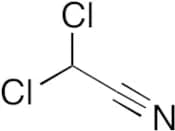
CAS :Produit contrôlé<p>Applications Dichloroacetonitrile is commonly used with gas chromatography-mass spectrometry instrument to evaluate and quantify the common halogenated disinfection by products using the headspace technique.<br> Not a dangerous good if item is equal to or less than 1g/ml and there is less than 100g/ml in the package<br>References Montesinos, I., et al.: J. Chromatogr. A., 1310 113 (2013)<br></p>Formule :C2HCl2NCouleur et forme :NeatMasse moléculaire :109.942-Cyano-3,3-dimethyl-pentanedioic Acid 1,5-Diethyl Ester
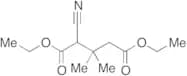
CAS :Produit contrôléFormule :C12H19NO4Couleur et forme :NeatMasse moléculaire :146.141N-[4-Cyano-3-(trifluoromethyl)phenyl]-2-hydroxy-5-nitrobenzamide
Produit contrôléFormule :C15H8F3N3O4Couleur et forme :NeatMasse moléculaire :351.2373-Cyanobenzoic Acid
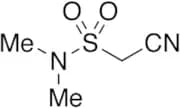
CAS :Produit contrôlé<p>Applications 3-Cyanobenzoic Acid, is a building block used for the synthesis of a variety of 3,5-disubstituted 1,2,4-oxadiazoles from carboxylic acids, that can be used for the synthesis of a metabotropic glutamate subtype 5 (mGlu5) receptor antagonist.<br>References Ramu, T., et al.: Chem. Lett., 42, 722 (2013);<br></p>Formule :C8H5NO2Couleur et forme :NeatMasse moléculaire :147.131-Cyano-N,N-dimethylmethanesulfonamide
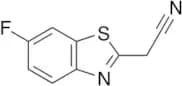
CAS :Produit contrôléFormule :C4H8N2O2SCouleur et forme :NeatMasse moléculaire :148.1846-Fluoro-2-benzothiazoleacetonitrile
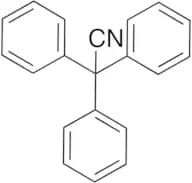
CAS :Produit contrôléFormule :C9H5FN2SCouleur et forme :NeatMasse moléculaire :192.213Triphenylacetonitrile
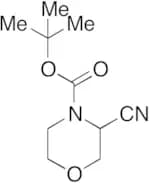
CAS :Produit contrôlé<p>Applications Triphenylacetonitrile is used as a reactant in the rhodium-catalyzed reductive cleavage of carbon-cyano bonds with hydrosilane.<br>References Tobisu, M., et al.: JACS., 131, 3174 (2009)<br></p>Formule :C20H15NCouleur et forme :NeatMasse moléculaire :269.34tert-Butyl 3-Cyanomorpholine-4-carboxylate
CAS :Produit contrôlé<p>Applications tert-Butyl 3-Cyanomorpholine-4-carboxylate is used as a reactant for the synthesis of HIV integrase inhibitors.<br>References Gardelli, C., et. al.: J. Med. Chem., 50, 4953 (2007); Pace, P., et. al.: J. Med. Chem., 50, 2225 (2007); Summa, V., et. al.: J. Med. Chem., 49, 6646 (2006)<br></p>Formule :C10H16N2O3Couleur et forme :NeatMasse moléculaire :212.246N-[[(2R,3S,4R)-4-[Bis[(3-cyanophenyl)methyl]amino]-3-hydroxyoxolan-2-yl]methyl]cyclopropanecarboxamide
CAS :Produit contrôléFormule :C25H26N4O3Couleur et forme :NeatMasse moléculaire :430.4996-Cyano-2-oxaspiro[3.3]heptane-6-carboxylic acid
CAS :Produit contrôlé<p>Applications 6-cyano-2-oxaspiro[3.3]heptane-6-carboxylic acid (cas# 1934971-05-7) is a useful research chemical.<br></p>Formule :C8H9NO3Couleur et forme :NeatMasse moléculaire :167.1623-(2-Cyanopropan-2-yl)phenylboronic acid
CAS :Produit contrôléFormule :C10H12BNO2Couleur et forme :NeatMasse moléculaire :189.019tert-Butyl N-[(4-Cyano-1,3-thiazol-2-yl)methyl]carbamate
CAS :Produit contrôléFormule :C10H13N3O2SCouleur et forme :NeatMasse moléculaire :239.294Methyl 4-Cyanobenzoate
CAS :Produit contrôlé<p>Applications Methyl 4-Cyanobenzoate (cas# 1129-35-7) is a compound useful in organic synthesis.<br></p>Formule :C9H7NO2Couleur et forme :NeatMasse moléculaire :161.16N-(4-Cyanophenyl)-6-benzothiazolecarboxamide
CAS :Produit contrôlé<p>Applications N-(4-Cyanophenyl)-6-benzothiazolecarboxamide is a compound used in the synthesis of piperazines presenting neuro and psychotropic agent with low toxicity.<br></p>Formule :C15H9N3OSCouleur et forme :NeatMasse moléculaire :279.3171-Cyano-2,3-dihydro-1H-indene-1-carboxylic Acid
CAS :Produit contrôléFormule :C11H9NO2Couleur et forme :NeatMasse moléculaire :187.192-Acetyl-4-cyanophenol
CAS :Produit contrôlé<p>Applications 2-Acetyl-4-cyanophenol<br></p>Formule :C9H7NO2Couleur et forme :NeatMasse moléculaire :161.16Diethyl (2-cyanoethyl)phosphonate
CAS :Produit contrôlé<p>Applications Diethyl (2-cyanoethyl)phosphonate, is a useful reactant used in various chemical synthesis such as in synthesis of lipophilic oxoamides with activity against phospholipase A2, Triose phosphate isomerase of muscle inhibitors, and also in base-catalyzed stereospecific anti-Markovnikov addition.<br></p>Formule :C7H14NO3PCouleur et forme :NeatMasse moléculaire :191.16Methyl 5-cyano-2-fluorobenzoate
CAS :Produit contrôlé<p>Applications Methyl 5-cyano-2-fluorobenzoate<br></p>Formule :C9H6FNO2Couleur et forme :NeatMasse moléculaire :179.15Tert-butyl N-[(5-Cyanothiophen-2-yl)methyl]carbamate
CAS :Produit contrôléFormule :C11H14N2O2SCouleur et forme :NeatMasse moléculaire :238.306Ethyl (4-chlorophenyl)cyanoacetate
CAS :Produit contrôléFormule :C11H10ClNO2Couleur et forme :NeatMasse moléculaire :223.656N-[4-Cyano-3-(trifluoromethyl)phenyl]-2-oxopropanamide
CAS :Produit contrôlé<p>Applications N-[4-Cyano-3-(trifluoromethyl)phenyl]-2-oxopropanamide (cas# 87310-69-8) is a compound useful in organic synthesis.<br></p>Formule :C11H7F3N2O2Couleur et forme :NeatMasse moléculaire :256.18Aminoacetonitrile Hydrochloride
CAS :Produit contrôlé<p>Applications Aminoacetonitrile is a useful synthetic intermediate. It is a reagent used to synthesize dipeptide nitriles as reversible and potent cathepsin S inhibitors. It can also used to prepare substituted cyclic ureas as possible HIV protease inhibitors.<br>References Ward, Y., et al.: J. Med. Chem., 45, 5471 (2002); Wilkerson, W., et al.: J. Med. Chem., 40, 4079 (1997)<br></p>Formule :C2H5ClN2Couleur et forme :White To Off-WhiteMasse moléculaire :92.53Ethyl 2,3-Dicyanopropionate
CAS :Produit contrôlé<p>Applications An intermediate for insecticide.<br>References Cole, L., et al.: Pestic. Biochem. Physiol., 46, 47 (1993), Cole, L., et al.: Life Sci., 56, 757 (1995), Hosie, A., et al.: Br. J. Pharmacol., 115, 909 (1995),<br></p>Formule :C7H8N2O2Couleur et forme :NeatMasse moléculaire :152.15Methyl 2-cyanobenzoate
CAS :Produit contrôlé<p>Applications Methyl 2-cyanobenzoate<br></p>Formule :C9H7NO2Couleur et forme :NeatMasse moléculaire :161.16(5-Cyanothiophen-3-yl)boronic Acid
CAS :Produit contrôléFormule :C5H4BNO2SCouleur et forme :NeatMasse moléculaire :152.967Ethyl (2-chlorophenyl)cyanoacetate
CAS :Produit contrôléFormule :C11H10ClNO2Couleur et forme :NeatMasse moléculaire :223.656Diethyl Cyanomethylphosphonate
CAS :Produit contrôlé<p>Applications A Wittig reagent.<br>References Laine, D., et al.: J. Med. Chem., 52, 5241 (2009), Nakao, A., et al.: Bioorg. Med. Chem. Lett., 19, 4607 (2009), Arakawa, Y., et al.: Chem. Pharm. Bull., 57, 167 (2009),<br></p>Formule :C6H12NO3PCouleur et forme :NeatMasse moléculaire :177.142-Amino-4-cyano-phenol
CAS :Produit contrôlé<p>Stability Air Sensitive, Light Sensitive<br>Applications 2-Amino-4-cyano-phenol<br></p>Formule :C7H6N2OCouleur et forme :NeatMasse moléculaire :134.14Benzoylacetonitrile
CAS :Produit contrôlé<p>Applications Used as a building block for the preparation of 4H-pyrans, 2-pyridones, furans and carbocyclics.<br>References Herschhorn, A., et al.: J. Med. Chem., 50, 3402 (2007),<br></p>Formule :C9H7NOCouleur et forme :NeatMasse moléculaire :145.162-Phenyl-2-[(trimethylsilyl)oxy]acetonitrile (90%)
CAS :Produit contrôlé<p>Stability Moisture Sensitive<br>Applications 2-phenyl-2-[(trimethylsilyl)oxy]acetonitrile (cas# 25438-37-3) is a useful research chemical.<br></p>Formule :C11H15NOSiDegré de pureté :90%Couleur et forme :NeatMasse moléculaire :205.33Cyanomethyl Methyl(phenyl)carbamodithioate
CAS :Produit contrôlé<p>Applications Cyanomethyl Methyl(phenyl)carbamodithioate (cas# 76926-16-4) is a useful research chemical.<br></p>Formule :C10H10N2S2Couleur et forme :NeatMasse moléculaire :222.321-(4-Cyanophenyl)cyclobutanecarboxylic Acid
CAS :Produit contrôléFormule :C12H11NO2Couleur et forme :NeatMasse moléculaire :201.221Tetrathiafulvalene - 7,7,8,8-Tetracyanoquinodimethane Complex
CAS :Produit contrôlé<p>Applications Tetrathiafulvalene - 7,7,8,8-Tetracyanoquinodimethane Complex (cas# 40210-84-2) is a useful research chemical.<br></p>Formule :C6H4S4·C12H4N4Couleur et forme :Dark Blue To BlackMasse moléculaire :408.54Pentachlorophenyl Cyanoacetate
CAS :Produit contrôlé<p>Applications Pentachlorophenyl Cyanoacetate is an intermediate used in the synthesis of Cefacetrile (C231500), which is a cephalosporin antibiotic. Antibacterial.<br>References Dajan, A., et al.: Vet. Microbiol., 35, 213 (1993), Becker, M., et al.: Anal. Chim. Acta, 520, 19 (2004), El-Shaboury, S., et al.: J. Pharm. Biomed. Anal., 45, 1 (2007),<br></p>Formule :C9H2Cl5NO2Couleur et forme :NeatMasse moléculaire :333.383Cyclopropanone Cyanohydrin
CAS :Produit contrôléFormule :C4H5NOCouleur et forme :NeatMasse moléculaire :83.089tert-Butyl 3-Amino-4-cyanobenzoate
Produit contrôlé<p>Applications Tert-butyl 3-amino-4-cyanobenzoate is a useful compound for organic synthesis.<br></p>Formule :C12H14N2O2Couleur et forme :NeatMasse moléculaire :218.252p-Biphenylacetonitrile
CAS :Produit contrôlé<p>Applications 4-Biphenylacetonitrile is a useful synthetic intermediate. It was used to study the adsorption orientation of the biphenyl derivatives on the Au colloidal surfaces with α-cyclodextrins. 4-Biphenylacetonitrile on condensation reaction with ethyl phenyl propiolate yields biphenyl derivatives of acetylenic β-ketocyanide.<br>References Lee, J., et al.: Bull. Korean. Chem. Soc., 30, 1637 (2009); Al-Jallo, H., et al.: J. Chem. Eng. Data, 17, 513, (1972)<br></p>Formule :C14H11NCouleur et forme :NeatMasse moléculaire :193.244-Benzyloxyphenylacetonitrile
CAS :Produit contrôlé<p>Applications 4-Benzyloxyphenylacetonitrile is an intermediate in the preparation of Desmethylvenlafaxine, an antidepressant and also in the preparation of RAGE antagonist for the treatment of Alzheimer's disease.<br>References Zhao, J., et al.: Zhongguo Yiyao Gongye Zazhi, 45, 601 (2014); Lee, Y. S., et al.: Bioorg. Med. Chem. Lett., 22, 7555 (2012)<br></p>Formule :C15H13NOCouleur et forme :NeatMasse moléculaire :223.271,4-Dicyanobenzene
CAS :Produit contrôlé<p>Applications 1,4-Dicyanobenzene is used in the preparation of aryl nitriles.<br>References Lee, H.G., et. al.: J. Am. Chem. Soc., 137, 648 (2015)<br></p>Formule :C8H4N2Couleur et forme :NeatMasse moléculaire :128.132,4-Dicyanonitrobenzene
CAS :Produit contrôléFormule :C8H3N3O2Couleur et forme :NeatMasse moléculaire :173.1284-Cyanophenylphosphonic Acid
CAS :Produit contrôléFormule :C7H6NO3PCouleur et forme :NeatMasse moléculaire :183.101α-Amino-4-(trifluoromethoxy)benzeneacetonitrile Hydrochloride
CAS :Produit contrôléFormule :C9H7F3N2OCouleur et forme :NeatMasse moléculaire :216.16(5-Benzyloxyindol-3-yl)acetonitrile
CAS :Produit contrôléFormule :C17H14N2OCouleur et forme :NeatMasse moléculaire :262.306p-Cyanobenzoic Acid Trimer
CAS :Produit contrôlé<p>Applications p-Cyanobenzoic Acid Trimer is used in the synthetic preparation of Terbium Triazinetribenzoate Formate Metal Organic Framework (MOF).<br>References Han, Y., et al.: J. Mater. Chem. A Mater. Energy Sustain., 3, 24525 (2015)<br></p>Formule :C24H15N3O6Couleur et forme :NeatMasse moléculaire :441.391-Cyano-3-isopropylguanidine
CAS :Produit contrôlé<p>Impurity Proguanil EP Impurity A<br>Applications 1-Cyano-3-isopropylguanidine (Proguanil EP Impurity A) is an intermediate commonly used for the synthesis of guanide derivatives.An Impurity in the synthesis of Chlorguanide (C329500).<br>References Jensen, N., et al.: J. Med. Chem., 44, 3925 (2001), Paci, A., et al.: J. Pharm. Biomed. Anal., 27, 1 (2002),<br></p>Formule :C5H10N4Couleur et forme :NeatMasse moléculaire :126.16(Z)-Ethyl 3-Hydroxy-2-isocyanobut-2-enoate
CAS :Produit contrôléFormule :C7H9NO3Couleur et forme :NeatMasse moléculaire :155.1514-Cyano-N,N-dimethylbenzamide
CAS :Produit contrôlé<p>Applications 4-cyano-N,N-dimethylbenzamide (cas# 24167-50-8) is a useful research chemical.<br></p>Formule :C10H10N2OCouleur et forme :NeatMasse moléculaire :174.194-(Cyanophenyl)boronic Acid Pinacol Ester
CAS :Produit contrôlé<p>Applications 4-(Cyanophenyl)boronic Acid Pinacol Ester is used to prepare arylparacyclophanes via Suzuki aryl cross-coupling of bromoparacyclophane with arylboronic acid and arylboronates. It’s also used to prepare tyrosine-modified analogs of α4β7 integrin inhibitor biotin-R8ERY.<br>References Roche, A., et al.: Org. Biomol. Chem.,, 3, 515 (2005); Papst, S., et al.: Bioorg. Med. Chem., 20, 5139 (2012)<br></p>Formule :C13H16BNO2Couleur et forme :NeatMasse moléculaire :229.082-Cyano-thiazole-5-carboxylic Acid
CAS :Produit contrôléFormule :C5H2N2O2SCouleur et forme :NeatMasse moléculaire :154.147Phenoxyacetonitrile
CAS :Produit contrôlé<p>Applications Phenoxyacetonitrile is a building block that has been used as a reactant for the preparation of [[(oxo)pyridazinyl]phenoxy]acetonitrile derivatives to be used as vasodilators.<br>References Bansal, R., et. al.: Drug Dev. Ind. Pharm., 74, 296 (2013)<br></p>Formule :C8H7NOCouleur et forme :NeatMasse moléculaire :133.147a1,a1,5-Trimethyl-1,3-benzenediacetonitrile
CAS :<p>Please enquire for more information about a1,a1,5-Trimethyl-1,3-benzenediacetonitrile including the price, delivery time and more detailed product information at the technical inquiry form on this page</p>Formule :C13H14N2Degré de pureté :Min. 95%Masse moléculaire :198.26 g/mol2-Chloro-6-cyanopyrazine
CAS :<p>2-Chloro-6-cyanopyrazine is a compound that has been shown to have antimycobacterial activity against Mycobacterium avium. It may also have tuberculostatic activity and be useful for the treatment of tuberculosis. 2-Chloro-6-cyanopyrazine inhibits bacterial growth by binding to DNA, RNA, and protein synthesis in mycobacteria. The antibacterial effect is due to its ability to inhibit amidation and alkylation reactions, as well as its nucleophilic properties. 2-Chloro-6-cyanopyrazine is an acidic compound with a pKa of 3.2, which makes it more soluble in water than hydrophobic compounds such as alkanoic acids.</p>Formule :C5H2ClN3Degré de pureté :Min. 95%Masse moléculaire :139.54 g/molEthyl (R)-(-)-4-cyano-3-hydroxybutyrate
CAS :<p>Ethyl (R)-(-)-4-cyano-3-hydroxybutyrate is an asymmetric synthesis of D-(+)-glyceraldehyde. This compound is an acidic, high cholesterol substrate that binds to disaccharides and has hydroxyl groups. It has been shown to reduce low density lipoprotein levels in the blood by inhibiting the production of cholesterol in the liver. The reaction solution is immobilized on a solid support and is used for kinetic studies. Kinetic measurements were performed at different concentrations of hydrochloric acid and immobilized cells as a function of time. The reaction yield was determined using UV absorbance at 275 nm, which was plotted against time.</p>Degré de pureté :Min. 95%Methoxyacetonitrile
CAS :<p>Methoxyacetonitrile is a chemical that is used in the manufacture of acrylate polymers. Acrylate polymers are used in animal health, such as plastics for veterinary use and as a coating on animal feed. Methoxyacetonitrile can be used to create a cationic polymerization reaction with an organic solution. The resulting polymer film has been shown to have good chemical stability. Productivity depends on the temperature and size of the particles, which can be controlled with an electric field or by changing the concentration of reactants. Methoxyacetonitrile may also be used as a dietary supplement because it has been shown to provide relief from chronic coughs.</p>Formule :C3H5NODegré de pureté :Min. 95%Couleur et forme :Clear LiquidMasse moléculaire :71.08 g/molMethyl-2-isocyanoisobutyrate
CAS :<p>Please enquire for more information about Methyl-2-isocyanoisobutyrate including the price, delivery time and more detailed product information at the technical inquiry form on this page</p>Formule :C9H9NO2Degré de pureté :Min. 95%Masse moléculaire :127.14 g/molBromodichloroacetonitrile
CAS :<p>Bromodichloroacetonitrile (BCN) is a chemical with disinfectant properties. It is used in wastewater treatment, as it is able to destroy bacteria and viruses. BCN also has been shown to be effective against the Covid-19 pandemic. BCN can be used as an analytical reagent for the analysis of chloride ions in deionized water. The carcinogenic potential of BCN in humans is unknown, but it has been shown to cause bladder cancer in rats.</p>Formule :C2BrCl2NDegré de pureté :Min. 95%Couleur et forme :Colorless PowderMasse moléculaire :188.84 g/mol2-Chloro-N-(3-cyano-4,5-dimethylthien-2-yl)acetamide
CAS :<p>Please enquire for more information about 2-Chloro-N-(3-cyano-4,5-dimethylthien-2-yl)acetamide including the price, delivery time and more detailed product information at the technical inquiry form on this page</p>Formule :C9H9ClN2OSDegré de pureté :Min. 95%Masse moléculaire :228.7 g/molPotassium dicyanoargenate
CAS :Produit contrôlé<p>Potassium dicyanoargenate is an organic acid that is a precursor to silver nanoparticles. This compound is typically used in the production of cellulose derivatives, and for the activation of polymerization reactions. Potassium dicyanoargenate can also be used to produce insoluble polymers and cationic surfactants by combining it with a metal ion, such as sodium carbonate or hydroxyl groups.</p>Formule :C2AgKN2Degré de pureté :Min. 95%Masse moléculaire :199 g/mol(1-Methyl-1H-benzoimidazol-2-yl)-acetonitrile
CAS :Produit contrôlé<p>(1-Methyl-1H-benzoimidazol-2-yl)-acetonitrile is a nucleophilic compound that reacts with carbanions to form alkyl benzoates. It can also act as an electrophile in the formation of nitroalkenes and amides, as well as an intermediate in the synthesis of phenazines. The potassium salt of this compound is used as a reagent in organic synthesis. (1-Methyl-1H-benzoimidazol-2-yl)-acetonitrile has been shown to react with methylene and aromatize to produce ethyl cyanoacetate, which can be used for the production of malononitrile. This reaction is catalyzed by potassium carbonate and esters.</p>Formule :C10H9N3Degré de pureté :Min. 95%Masse moléculaire :171.2 g/mol1-Methylindole-3-acetonitrile
CAS :Produit contrôlé<p>Please enquire for more information about 1-Methylindole-3-acetonitrile including the price, delivery time and more detailed product information at the technical inquiry form on this page</p>Formule :C11H10N2Degré de pureté :Min. 95%Masse moléculaire :170.21 g/mol4-(Dicyanomethylene)-2-tert-butyl-6-(1,1,7,7-tetramethyljulol
CAS :<p>4-(Dicyanomethylene)-2-tert-butyl-6-(1,1,7,7-tetramethyljulolidinium) (DCJTB) is a red fluorescent dye that emits light when activated by heat. DCJTB is cationic and can be polymerized thermally or chemically. The molecule has been shown to be activated by the addition of an electron donor such as a metal chelate. This reaction takes place in the solution phase. DCJTB has been used for the diagnosis of nonpolar solvents such as gasoline and oil leaks in machine parts. DCJTB has also been used to detect groundwater contamination with trichloroethylene (TCE).</p>Formule :C30H35N3ODegré de pureté :Min. 95%Masse moléculaire :453.62 g/mol4-Cyanobutanoic acid
CAS :<p>4-Cyanobutanoic acid is a colorless organic solvent that is not soluble in water or polar organic solvents. It can be used for the immobilization of proteins, as well as for the desymmetrization and chlorination of aromatic compounds. One of its most common uses is in biocatalysis, where it acts as a substrate binding agent to help catalyze reactions. 4-Cyanobutanoic acid has also been shown to inhibit the growth of bacteria by acting as an electron acceptor during metabolism. This compound can be degraded through hydrolysis with hydrochloric acid or biodegradation.</p>Formule :C5H7NO2Degré de pureté :Min. 95%Couleur et forme :PowderMasse moléculaire :113.11 g/mol3-Cyanothiophene-4-boronic acid pinacol ester
CAS :<p>Please enquire for more information about 3-Cyanothiophene-4-boronic acid pinacol ester including the price, delivery time and more detailed product information at the technical inquiry form on this page</p>Formule :C11H14BNO2SDegré de pureté :Min. 95%Masse moléculaire :235.11 g/molBoc-2-cyano-D-phenylalanine
CAS :<p>Please enquire for more information about Boc-2-cyano-D-phenylalanine including the price, delivery time and more detailed product information at the technical inquiry form on this page</p>Formule :C15H18N2O4Degré de pureté :Min. 95%Masse moléculaire :290.31 g/molCyanomethylenetributylphosphorane
CAS :<p>Cyanomethylenetributylphosphorane (CMTP) is an agent used for the diagnosis of body formation. It is a chemical compound that can be used to produce images of tissue and organs by detecting apoptosis, or programmed cell death. CMTP binds to the glucose-dependent insulinotropic polypeptide receptor (GIPR), stimulating the release of insulin in the pancreas. CMTP also has therapeutic potential for metabolic disorders, as it has been shown to reduce triglycerides and increase HDL cholesterol levels in human serum. CMTP is synthesized from trifluoroacetic acid, which is then reacted with a cyclic peptide containing an amino acid derivative and 1-methyl-2-pyrrolidinone. This reaction produces a molecule with one free amino group at one end and two free carboxylic acid groups at the other end. The molecule can be reacted with epidermal growth factor (EGF) or insulin to</p>Formule :C14H28NPDegré de pureté :Min. 95%Couleur et forme :Yellow To Dark Brown Clear LiquidMasse moléculaire :241.35 g/mol(5R)-6-Cyano-5-hydroxy-3-oxo-hexanoic acid tert-butyl ester
CAS :<p>Please enquire for more information about (5R)-6-Cyano-5-hydroxy-3-oxo-hexanoic acid tert-butyl ester including the price, delivery time and more detailed product information at the technical inquiry form on this page</p>Formule :C11H17NO4Degré de pureté :Min. 95%Masse moléculaire :227.26 g/molPotassium tetracyanoplatinate(II)trihydrate
CAS :Produit contrôlé<p>Potassium tetracyanoplatinate(II)trihydrate (KTP) is a nanomaterial that is made of metal ions, such as ruthenium and copper, and organic molecules. It has the ability to absorb electrons from water, which are then transferred to carbon sources. This process can be used to remove proton in the water, thereby creating an acidic solution. The KTP particles have been shown to produce cavitation when exposed to ultrasound waves or other high-frequency sound waves. Cavitation occurs when bubbles form and rapidly collapse within a liquid. The resulting shockwaves can break down the cell membrane of microorganisms.</p>Formule :C4H6K2N4O3PtDegré de pureté :Min. 95%Masse moléculaire :431.4 g/molThiophene-3-acetonitrile
CAS :<p>Thiophene-3-acetonitrile is a reactive intermediate that is used in the synthesis of active enzymes. It has been shown to be an efficient method for the synthesis of antitubercular agents, such as rifamycins and other drugs. Thiophene-3-acetonitrile is an electron acceptor and can be used to generate active enzymes, such as those involved in DNA replication and transcription. This compound also has a variety of functional groups, which can be used for a number of techniques, including coordination geometry studies.</p>Formule :C6H5NSDegré de pureté :Min. 95%Couleur et forme :Clear LiquidMasse moléculaire :123.18 g/mol3-Cyano-1-azetidinesulfonyl chloride
CAS :<p>Please enquire for more information about 3-Cyano-1-azetidinesulfonyl chloride including the price, delivery time and more detailed product information at the technical inquiry form on this page</p>Formule :C4H5ClN2O2SDegré de pureté :Min. 95%Masse moléculaire :180.61 g/mol2-Fluoro-4-iodobenzonitrile
CAS :<p>2-fluoro-4-iodobenzonitrile is a potent inhibitor of the functions of VEGFR receptors. It inhibits the proliferation and migration of cancer cells by binding to VEGFR receptors, which are tyrosine kinases that regulate cell growth and differentiation. 2-Fluoro-4-iodobenzonitrile has been shown to inhibit angiogenesis, or the formation of new blood vessels, in vitro. This drug also has potent inhibitory activity against tumor growth in vivo. Clinical trials have shown that 2-fluoro-4-iodobenzonitrile can be used to treat various types of cancers, including breast cancer and colon cancer.</p>Formule :C7H3FINDegré de pureté :Min. 95%Couleur et forme :PowderMasse moléculaire :247.01 g/molN'-Cyanobenzenecarboximidamide hydrochloride
CAS :N-Cyanobenzenecarboximidamide hydrochloride (NCBCH) is an intermediate for the synthesis of azomethine dyes. It can be used to produce azo dyes with a methoxy group at the 3 position and a hydrogen atom at the 4 position. NCBCH is also an excellent substrate for chemical reactions involving fragmentation, extraction, or elimination. NCBCH can be synthesized from methyl ether and benzonitrile in the presence of benzamidine. The product is then treated with methanol to give a tautomeric mixture of benzyl and methyl ether.Formule :C8H7N3Degré de pureté :Min. 95%Masse moléculaire :145.16 g/mola-Acetylphenylacetonitrile
CAS :Produit contrôlé<p>a-Acetylphenylacetonitrile is a bifunctional molecule that can be used in the synthesis of new compounds, such as pharmaceuticals, dyes, and perfumes. It is an analytical technique for measuring the concentrations of cyanides in wastewater. The fluorescence properties of this compound are helpful in detecting the presence of phenylacetone by using a kinetic assay. This compound can also be used to synthesize other organic compounds with high enantiopurity.</p>Formule :C10H9NODegré de pureté :Min. 95%Masse moléculaire :159.18 g/mol(4-Fluoro-3-Nitrophenyl)Acetonitrile
CAS :<p>4-Fluoro-3-nitrophenylacetonitrile is a monomer that can be synthesised from the reaction of carbamic acid and diphenyl ether. It is chiral, stereoselective and nucleophilic. 4-Fluoro-3-nitrophenylacetonitrile can also be synthesised by reacting fluoroacetamide with sodium cyanide in water, forming the corresponding amide, which reacts with acetonitrile to form the nitro compound. The anti-cancer properties of 4-fluoro-3 nitrophenylacetonitrile have been studied in vitro and in vivo. This substance has been shown to inhibit growth of cancer cells and induce apoptosis. In addition, this substance has been used as a synthetic strategy for dihydroisoquinolines, which are important for their anti-cancer properties.</p>Formule :C8H5FN2O2Degré de pureté :Min. 95%Masse moléculaire :180.14 g/mol4-Cyano-2-methylphenylboronic acid, pinacol ester
CAS :<p>Please enquire for more information about 4-Cyano-2-methylphenylboronic acid, pinacol ester including the price, delivery time and more detailed product information at the technical inquiry form on this page</p>Formule :C14H18BNO2Degré de pureté :Min. 95%Masse moléculaire :243.11 g/mol2-Cyano-5-fluoropyridine
CAS :<p>2-Cyano-5-fluoropyridine is a potential antitubercular agent that has shown penetrability in the central nervous system and activity against Mycobacterium tuberculosis. It is orally active at low doses, and has been shown to be an effective inhibitor of mycobacterial growth and lipid synthesis. In addition, this compound also has antimycobacterial activity against M. avium complex and M. ulcerans, and is a potent inhibitor of β-amyloid aggregation.</p>Formule :C6H3FN2Degré de pureté :Min. 95%Masse moléculaire :122.1 g/mol2,5-Difluoro-7,7,8,8-tetracyanoquinodimethane
CAS :<p>2,5-Difluoro-7,7,8,8-tetracyanoquinodimethane is a donor molecule that has an acceptor property. It can be used in the fabrication of organic light emitting devices. 2,5-Difluoro-7,7,8,8-tetracyanoquinodimethane is a molecule with a molecular structure that consists of two benzene rings and two quinonediimide groups. The molecule has a fluorine atom at position 5 and another fluorine atom at position 8. This molecule has been shown to have good transport properties and to emit light when irradiated with UV radiation.</p>Formule :C12H2F2N4Degré de pureté :Min. 95%Couleur et forme :PowderMasse moléculaire :240.17 g/molPotassium tetracyanoaurate(III)
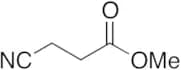
CAS :Produit contrôlé<p>Potassium tetracyanoaurate(III) (K[AuCl4]) is a crystalline, intermetallic compound that has been used in the production of coatings, spherical particles, and electrochemical materials. The pentahydrate form has a diameter of 4.8-5.2 Å and a melting point of ~115°C. K[AuCl4] is stable in air and water but reacts with strong acids to form potassium chloride and potassium tetracyanocuprate(II). This substance also has an optimal pH range of 6-7 and an average solubility range of 0.05-0.1g/100mL at 20°C. The microstructure of K[AuCl4] is not well understood because it is difficult to isolate from other compounds during synthesis.</p>Formule :C4AuN4KDegré de pureté :Min. 95%Couleur et forme :PowderMasse moléculaire :340.13 g/mol3-Cyanopropionic acid methyl ester
CAS :<p>3-Cyanopropionic acid methyl ester is a compound that belongs to the class of aliphatic carboxylic acids. It is an intermediate in the production of adiponitrile and acrylonitrile. This compound is used as a feedstock for the manufacture of vinylene, which can be used to produce c1-6 alkyl. 3-Cyanopropionic acid methyl ester can be produced from propylene and hydrogen cyanide in a high salt, activated reaction system. It has been shown that this compound may have metabolic disorders due to its ability to inhibit fatty acid oxidation and increase viscosity. 3-Cyanopropionic acid methyl ester is a colorless liquid at room temperature with a boiling point of 154°C and a molecular weight of 98.14 g/mol.</p>Formule :C5H7NO2Degré de pureté :Min. 95%Couleur et forme :Clear LiquidMasse moléculaire :113.11 g/mol3-Chloro-4-cyanophenylboronic acid
CAS :Produit contrôlé<p>Please enquire for more information about 3-Chloro-4-cyanophenylboronic acid including the price, delivery time and more detailed product information at the technical inquiry form on this page</p>Formule :C7H5BClNO2Degré de pureté :Min. 95%Masse moléculaire :181.38 g/molα-Acetylphenylacetonitrile
CAS :Produit contrôlé<p>Alpha-acetylphenylacetonitrile is a synthetic chemical compound that is used as a reagent in the analytical methods of wastewater. It has been shown to be an effective bifunctional agent for the treatment of wastewater, with fluorescence properties that can be used for detection and quantification of cyanide. Alpha-acetylphenylacetonitrile can also be used as a reagent in analytical chemistry techniques, such as gas chromatography and high performance liquid chromatography. This chemical compound has been shown to react with naphthalene to form alpha-naphthol by heating at 190 °C, which can then be used to synthesize phenacyl acetate. The acid catalyst may be either sulfuric acid or hydrochloric acid.</p>Formule :C10H9NODegré de pureté :Min. 95%Masse moléculaire :159.18 g/mol(Triphenylphosphoranylidene)acetonitrile
CAS :<p>(Triphenylphosphoranylidene)acetonitrile is a phosphorane that has been shown to have an inhibitory effect on the inflammatory response in animal models of bowel disease. It also has been shown to be effective in treating inflammatory diseases such as arthritis and multiple sclerosis. This drug binds to leukotriene D4, an inflammatory mediator, and inhibits its production by blocking the enzyme 5-lipoxygenase. The compound also has been shown to possess anti-inflammatory properties due to its inhibition of prostaglandin synthesis. (Triphenylphosphoranylidene)acetonitrile is used as a pharmaceutical preparation for the treatment of bowel disease, inflammatory diseases, and other conditions.</p>Formule :C20H16NPDegré de pureté :Min. 95%Masse moléculaire :301.32 g/molEthyl cyanoformate
CAS :<p>Ethyl cyanoformate is a reactive compound that is used in organic synthesis. It has been shown to cause muscle cell proliferation and inhibit the production of gamma-aminobutyric acid, which is responsible for regulating neurotransmitter release. Ethyl cyanoformate also has antimicrobial properties due to its ability to form an oxygenated n-oxide tautomer. The reaction mechanism of ethyl cyanoformate involves the formation of a covalent bond with the sulfhydryl group on the enzyme gamma-aminobutyric acid receptor. This prevents the binding of GABA, inhibiting nerve impulses and reducing inflammation in the bowel.</p>Formule :C4H5NO2Degré de pureté :Min. 95%Couleur et forme :Clear LiquidMasse moléculaire :99.09 g/molN-Cyano-N',S-dimethylisothiourea
CAS :<p>Please enquire for more information about N-Cyano-N',S-dimethylisothiourea including the price, delivery time and more detailed product information at the technical inquiry form on this page</p>Formule :C4H7N3SDegré de pureté :Min. 95%Masse moléculaire :129.18 g/mol5-Cyanopyridine-2-carboxylic acid
CAS :<p>5-Cyanopyridine-2-carboxylic acid is a small molecule that has been found to have significant biological activity in a number of different areas, including neurotherapeutics. It is the result of a scalable synthesis and is soluble in water. The molecule has two chiral centers and can exist as four different stereoisomers (enantiomers). In vitro studies show that 5-cyanopyridine-2-carboxylic acid inhibits fatty acid uptake by blocking the proton pump, which transports lipids into cells. This compound also binds to the cytosolic protein pyrazine 2-carboxylic acid receptor 1 (PYZR1), which may provide an explanation for its effects on fatty acid uptake.</p>Formule :C7H4N2O2Degré de pureté :Min. 95%Masse moléculaire :148.12 g/mol4-(Pyridin-2-yloxy)benzonitrile
CAS :<p>4-(Pyridin-2-yloxy)benzonitrile is a reagent that is used in the synthesis of heterocycles. It is also a useful intermediate for the preparation of highly substituted pyridine derivatives. 4-(Pyridin-2-yloxy)benzonitrile can be used to synthesize complex compounds, such as pharmaceuticals and agricultural chemicals.</p>Formule :C12H8N2ODegré de pureté :Min. 95%Masse moléculaire :196.2 g/mol2-Cyano-N-cyclohexyl-N-methylacetamide
CAS :<p>Please enquire for more information about 2-Cyano-N-cyclohexyl-N-methylacetamide including the price, delivery time and more detailed product information at the technical inquiry form on this page</p>Formule :C10H16N2ODegré de pureté :Min. 95%Masse moléculaire :180.25 g/mol(4S,6S)-6-(Cyanomethyl)-2,2-dimethyl-1,3-dioxane-4-acetic acid tert-butyl ester
CAS :<p>Please enquire for more information about (4S,6S)-6-(Cyanomethyl)-2,2-dimethyl-1,3-dioxane-4-acetic acid tert-butyl ester including the price, delivery time and more detailed product information at the technical inquiry form on this page</p>Formule :C14H23NO4Degré de pureté :Min. 95%Masse moléculaire :269.34 g/molN-(2-Cyano-4-oxo-4H-1-benzopyran-8-yl)-4-(4-phenylbutoxy)benzamide
CAS :<p>Please enquire for more information about N-(2-Cyano-4-oxo-4H-1-benzopyran-8-yl)-4-(4-phenylbutoxy)benzamide including the price, delivery time and more detailed product information at the technical inquiry form on this page</p>Formule :C27H22N2O4Degré de pureté :Min. 95%Masse moléculaire :438.47 g/molD-2-Cyanophenylalanine
CAS :<p>Please enquire for more information about D-2-Cyanophenylalanine including the price, delivery time and more detailed product information at the technical inquiry form on this page</p>Formule :C10H10N2O2Degré de pureté :Min. 95%Masse moléculaire :190.2 g/molDicyclohexylamine 2-cyanoacrylate
CAS :Produit contrôlé<p>Please enquire for more information about Dicyclohexylamine 2-cyanoacrylate including the price, delivery time and more detailed product information at the technical inquiry form on this page</p>Formule :C16H26N2O2Degré de pureté :Min. 95%Masse moléculaire :278.39 g/molEthyl (ethoxymethylene) cyanoacetate
CAS :<p>Ethyl (Ethoxymethylene) cyanoacetate is a chemical compound that belongs to the family of aldehyde compounds. It is a colorless liquid at room temperature, with an odor similar to that of acetic acid. The compound has been used in the synthesis of epidermal growth factor and diazonium salts. It has also been used in the production of anti-cancer drugs such as malonic acid, which inhibits tumor growth by inhibiting protein synthesis. Ethyl (Ethoxymethylene) cyanoacetate reacts with quinoline derivatives to form carbon disulphide, which can be used as an antimicrobial agent and insecticide.</p>Formule :C8H11NO3Degré de pureté :Min. 95%Couleur et forme :PowderMasse moléculaire :169.18 g/mol4-Cyano-2-fluorobenzyl bromide
CAS :<p>4-Cyano-2-fluorobenzyl bromide is a methyl ester that can be used as a reagent for the synthesis of chiral α-amino acids. It can also be used as an enantioselective methylating agent for the synthesis of γ-secretase inhibitors. The methodology for the convergent synthesis of this compound includes alkylation with glycine followed by an enantioselective hydrolysis, which results in optically pure 4-cyano-2-fluorobenzyl bromide.</p>Formule :C8H5BrFNDegré de pureté :Min. 95%Couleur et forme :PowderMasse moléculaire :214.03 g/mol2-Cyanophenothiazine
CAS :<p>2-Cyanophenothiazine is an aliphatic hydrocarbon that belongs to the class of industrial chemicals. It is used as a reactant in organic synthesis, such as for the production of 2-cyanophenols and 2-phenylbenzimidazole. This compound can be produced by reacting n-hexane with amide or n-dimethylformamide. 2-Cyanophenothiazine has been shown to have mitochondrial biogenesis effects and increase mitochondrial membrane potential in thp-1 cells. It also has biological properties, such as being anti-inflammatory and having antitumor activity.</p>Formule :C13H8N2SDegré de pureté :Min. 95%Masse moléculaire :224.28 g/molDiethyl cyanophosphonate
CAS :<p>Diethyl cyanophosphonate is a compound that is used as a fluorescence probe for amides and pyrazole rings. It binds to the ester form of the amide, which can then be detected with a fluorescence detector. The chemical reaction between diethyl cyanophosphonate and the ester form is reversible, so it can be used as a hypoglycemic agent. Diethyl cyanophosphonate has potent antitumor activity and binds to nerve cells, causing them to become electrically active.</p>Formule :C5H10NO3PDegré de pureté :Min. 95%Couleur et forme :PowderMasse moléculaire :163.11 g/molCyanoacetohydrazide
CAS :<p>Cyanoacetohydrazide is a nucleophilic compound that can react with a variety of molecules, including fatty acids and hydroxy methyl groups. The mechanism of this reaction involves the nucleophilic attack of the cyanide ion on the carbonyl group. This type of reaction has been shown to be reversible and involve the formation of an intermediate hemiacetal, which then attacks another molecule. Cyanoacetohydrazide is used as an antimicrobial agent in some products, such as mouthwashes and toothpaste. It also has anticancer activity.</p>Formule :C3H5N3ODegré de pureté :Min. 95%Couleur et forme :PowderMasse moléculaire :99.09 g/mola,a-Dimethyl-1-piperidineacetonitrile
CAS :Produit contrôlé<p>Dimethylcyanamide is an organic compound that can be synthesized from cyanide or cyanic acid. Dimethylcyanamide is a colorless liquid with a strong odor. It has been used in the past as a precursor to other compounds, but it has since been replaced by cheaper and more convenient methods. Dimethylcyanamide reacts with primary amines to form nitriles, which are useful intermediates in organic synthesis. In addition, the reaction of dimethylcyanamide with secondary amines leads to the formation of primary amines. The transamination of dimethylamine-N-oxide yields a-dimethylaminopropionitrile as an intermediate product. The elimination reaction mechanism for this process involves the conversion of ammonia into hydroxide ions and hydrogen gas. This reaction produces high yields for both products and does not require high temperatures or pressures.</p>Formule :C9H16N2Degré de pureté :Min. 95%Masse moléculaire :152.24 g/molCyanoguanidine
CAS :<p>Cyanoguanidine is an antimicrobial agent that inhibits the growth of bacteria by interfering with the synthesis of folic acid. This inhibits the production of DNA and protein, thereby leading to cell death. Cyanoguanidine has been shown to be effective in a model system for blood sampling and has been used as a pharmacological treatment for infectious diseases such as malaria. The optimum concentration for cyanoguanidine is between 5-20 mM, depending on the bacterial species. It can be synthesized from sulfamoyl chloride and dicyandiamide, which are commercially available chemicals. The analytical method for determining the inhibitory effects of cyanoguanidine on bacterial growth is plasma mass spectrometry.</p>Formule :C2H4N4Degré de pureté :Min. 95%Couleur et forme :PowderMasse moléculaire :84.08 g/mol2-Cyanopyridine-4-carboxaldehyde
CAS :<p>Please enquire for more information about 2-Cyanopyridine-4-carboxaldehyde including the price, delivery time and more detailed product information at the technical inquiry form on this page</p>Formule :C7H4N2ODegré de pureté :Min. 95%Masse moléculaire :132.12 g/molEthyl 2-(3-cyano-4-isobutoxyphenyl)-4-methyl-5-thiazolecarboxylate
CAS :<p>Ethyl 2-(3-cyano-4-isobutoxyphenyl)-4-methyl-5-thiazolecarboxylate (ECIT) is a derivative of formyl that has been used as a solvent for industrial and laboratory purposes. ECIT is an amorphous substance with the chemical formula CH3COC6H2CH2COCH=N(C=O)C6H4CN. The compound has been quantified in various solvents, such as n-butyl alcohol and acetonitrile. ECIT is a colorless liquid that boils at 140° C. It has a formyl group and an alkynyl group, which are both reactive groups that can be used to synthesize other compounds. ECIT also contains two stereoisomers: the erythro isomer and the threo isomer. The erythro isomer has the structural formula of CH3COC6H2CH</p>Degré de pureté :Min. 95%2,4,6-Trimethylbenzonitrile
CAS :<p>2,4,6-Trimethylbenzonitrile (TMBN) is a reactive unsaturated ketone that reacts with phosphorus pentachloride to form the corresponding chloroform. It is used in nucleophilic substitution reactions and can be hydrolyzed by hydrochloric acid to form an n-oxide. The reaction mechanism of TMBN with phosphorus pentachloride has been studied using molecular modeling and NMR spectroscopy. TMBN can be converted into an oxide, which can react with hydrogen chloride to form the corresponding chloroform. Reaction products include the 2,4,6-trichlorobenzonitrile (TCBN), which is a carcinogen.</p>Formule :C10H11NDegré de pureté :Min. 95%Couleur et forme :PowderMasse moléculaire :145.2 g/mol3-Cyanoethylbenzoic acid
CAS :<p>3-Cyanoethylbenzoic acid is an anthropogenic compound that is produced by the Friedel-Crafts reaction between benzoyl chloride and acrylonitrile in the presence of a base. 3-Cyanoethylbenzoic acid is used as a solvent for chromatographic methods, such as gradient elution, ion exchange, and reversed phase. 3-Cyanoethylbenzoic acid has been used to determine the optical purity of benzoate salts and amides. This compound can be taken orally in solid oral dosage form or enterically in liquid oral dosage form. 3-Cyanoethylbenzoic acid interacts with other drugs that are metabolized by CYP3A4, such as erythromycin, to produce an active metabolite (N-desmethyldesipramide).</p>Formule :C10H9NO2Degré de pureté :Min. 95%Couleur et forme :PowderMasse moléculaire :175.18 g/molAngiotensin I-Converting Enzyme (ACE) Inactivator Cyanoac-Phe-Phe-OH
CAS :<p>Cyanoac-Phe-Phe-OH is a hydrolytic enzyme that irreversibly inactivates the ACE enzyme. It acts as an inhibitor of angiotensin-converting enzyme and inhibits the conversion of angiotensin I to angiotensin II, which is involved in blood pressure regulation. Cyanoac-Phe-Phe-OH has been shown to be more potent than captopril, another ACE inhibitor. It also has a longer half life and greater selectivity for ACE over other serine proteases.</p>Formule :C21H21N3O4Degré de pureté :Min. 95%Masse moléculaire :379.41 g/molEthyl-2-ethoxy-1-[[(2'-cyanobiphenyl-4-yl) methyl] benzimidazole-7-carboxylate
CAS :<p>Candesartan is a selective angiotensin II receptor antagonist that inhibits the binding of angiotensin II to its receptors, which in turn decreases the activity of angiotensin-converting enzyme. Candesartan cilexetil is an ester prodrug that has been shown to be effective in the treatment of high blood pressure. In the crystalline form, candesartan cilexetil is a white powder with a melting point of 130–135 °C and a solubility in water of >1 g/L. The molecular weight of candesartan cilexetil is 393.8 g/mol and it has a molecular formula C17H21NO2S. The chemical structure consists of two benzimidazole rings coupled together through an ethyl-2-ethoxy linker and attached to a carboxylate group on one end and an amide group on the other</p>Formule :C26H23N3O3Degré de pureté :Min. 95%Masse moléculaire :425.48 g/mol2,2'-(Perchloro-1,2-phenylene)diacetonitrile
CAS :<p>Please enquire for more information about 2,2'-(Perchloro-1,2-phenylene)diacetonitrile including the price, delivery time and more detailed product information at the technical inquiry form on this page</p>Formule :C10H4Cl4N2Degré de pureté :Min. 95%Masse moléculaire :293.96 g/mol1-Cyano-4-(dimethylamino)benzene
CAS :<p>1-Cyano-4-(dimethylamino)benzene is a molecule that has been shown to inhibit the growth of hamster v79 cells. It also inhibits the synthesis of DNA and RNA. The binding constants for this molecule have been determined to be 1.0 x 10^9 M^-1, with an n-octanol/water partition coefficient (log P) of 5.5. This molecule is soluble in nonpolar solvents and may be used as a model system for hydrogen bonding interactions or reaction mechanisms in organic chemistry. This compound contains a deuterium isotope and can be used to study the effects of hydrogen bonding on reactions in organic chemistry at high temperatures, with the use of preparative hplc.</p>Formule :C9H10N2Degré de pureté :Min. 95%Couleur et forme :Beige PowderMasse moléculaire :146.19 g/molEthyl 2,3-dicyanopropionate
CAS :<p>Ethyl 2,3-dicyanopropionate is a white crystalline solid that is soluble in organic solvents. It has the molecular formula CHClNOS and the molecular weight of 138.1 g/mol. This compound has a melting point of 92 °C and can be purchased as a mixture of cis and trans isomers. The cis form melts at 93 °C and the trans form melts at 88 °C. Ethyl 2,3-dicyanopropionate is synthesized from chlorobenzene by dehydrating it with hydrochloric acid in an organic solvent. It can also be prepared by reacting ethyl cyanoacetate with ammonia in an inert atmosphere. Impurities may include chloride, sulfoxide, or imine.</p>Formule :C7H8N2O2Degré de pureté :Min. 95%Masse moléculaire :152.15 g/mol1,6-Bis(cyano-guanidino)hexane
CAS :<p>1,6-Bis(cyano-guanidino)hexane is a bactericidal agent that can be used to remove bacteria from water. The compound has been shown to have a bactericidal activity against Gram-positive and Gram-negative bacteria in concentrations of 100 mg/L and 200 mg/L, respectively. 1,6-Bis(cyano-guanidino)hexane has also been shown to be effective against industrial strains of Bacillus subtilis and Pseudomonas aeruginosa in concentrations of 200 mg/L. This compound is soluble in organic solvents but insoluble in deionized water. It has a viscosity of 30000 cP at 20°C and an anion charge of -1.</p>Formule :C10H18N8Degré de pureté :Min. 95%Couleur et forme :PowderMasse moléculaire :250.3 g/mol1-Boc-5-Cyano-3-hydroxymethylindole
CAS :<p>Please enquire for more information about 1-Boc-5-Cyano-3-hydroxymethylindole including the price, delivery time and more detailed product information at the technical inquiry form on this page</p>Formule :C15H16N2O3Degré de pureté :Min. 95%Masse moléculaire :272.3 g/molp-(Methylthio)phenylacetonitrile
CAS :<p>p-(Methylthio)phenylacetonitrile (p-MTPA) is a synthetic analgesic that belongs to the group of benzyl derivatives. It has analgesic, antiinflammatory and antipyretic properties. p-MTPA is used in organic synthesis as a hydrolysis reagent for benzyl halides. The drug has been shown to be an inhibitor of cyclooxygenase-2 (COX-2) and exerts its effects by decreasing prostaglandin production. P-MTPA is also decarboxylated to produce benzoic acid and phenylacetic acid, which have acidic properties.</p>Formule :C9H9NSDegré de pureté :Min. 95%Masse moléculaire :163.24 g/molIminodiacetonitrile
CAS :<p>Iminodiacetonitrile is a chemical compound that is used in wastewater treatment. It is a nitrite-oxidizing agent that reacts with nitrite ion to form nitric acid, which can be then used to oxidize hexamethylenetetramine and iminodiacetic acid to produce ammonia and cyanide ions. Iminodiacetonitrile has an optimum pH of 7.5, so it will not react at higher or lower pH levels. This reaction occurs in the presence of hydroxide solution, hydrochloric acid, and inorganic acids such as sulfuric acid or phosphoric acid. The reaction mechanism for this process is shown below: C6H11N2O2 + HNO3 → C6H11N2O4 + H+ + NO2- C6H11N2O4 → NH3 + HCN</p>Formule :C4H5N3Degré de pureté :Min. 95%Couleur et forme :Light (Or Pale) Yellow To Brown SolidMasse moléculaire :95.1 g/mol2,4,5-Trimethoxybenzylamine
CAS :<p>2,4,5-Trimethoxybenzylamine is a synthetic compound that can be used as a precursor to the synthesis of other chemicals. It is prepared by reacting phenol with deuterium gas in a process called amination. This reaction is followed by reductive quaternization with cyanide. 2,4,5-Trimethoxybenzylamine is often used as an intermediate for the synthesis of drugs such as tamoxifen and clonidine.</p>Formule :C10H15NO3Degré de pureté :Min. 95%Couleur et forme :PowderMasse moléculaire :197.23 g/molIsocyanomethyl resin (200-400 mesh)
<p>Please enquire for more information about Isocyanomethyl resin (200-400 mesh) including the price, delivery time and more detailed product information at the technical inquiry form on this page</p>Degré de pureté :Min. 95%Couleur et forme :Powder3-Cyano-2-methylphenylboronic acid
CAS :<p>3-Cyano-2-methylphenylboronic acid is a high quality compound that can be used as a reagent, intermediate, or building block in the synthesis of complex compounds. This chemical is also useful as a speciality chemical and research chemical. 3-Cyano-2-methylphenylboronic acid has versatile uses in organic synthesis due to its versatility in reactions and building blocks.</p>Formule :C8H8BNO2Degré de pureté :Min. 95%Couleur et forme :PowderMasse moléculaire :160.97 g/molN-(4-Chlorophenyl)-2-cyanoacetamide
CAS :<p>N-(4-Chlorophenyl)-2-cyanoacetamide is a pyridine compound that can be synthesized from chloroacetonitrile and acetamide. It has been shown to react with an active methylene group in benzene or pyridine to produce a heterocycle. This reaction is reversible and can be used as a preparative method for the synthesis of heterocycles. The 1,3-dipolar cycloaddition of N-(4-chlorophenyl)-2-cyanoacetamide with nitro groups in nitrobenzene produces the corresponding 2-nitropyridines, which are important intermediates in the synthesis of other heterocycles. N-(4-Chlorophenyl)-2-cyanoacetamide has been used as an efficient method for the preparation of nitrogen nucleophiles that are useful for catalysis.</p>Formule :C9H7ClN2ODegré de pureté :Min. 95%Masse moléculaire :194.62 g/mol3-Fluoro-4-hydroxybenzonitrile
CAS :<p>3-Fluoro-4-hydroxybenzonitrile is a compound with an acidic ph and a strain that is dispersive, desorptive, and polyacrylamide gel. It is a colorless liquid at room temperature. 3-Fluoro-4-hydroxybenzonitrile has been shown to react with dodecyl inorganic base and hydrochloric acid to produce 3-fluoroaniline. The localization of the reaction yield is on hydrotalcite activated by fluorine. This chemical has been shown to react at temperatures between 0°C and 140°C.</p>Formule :C7H4FNODegré de pureté :Min. 95%Couleur et forme :White PowderMasse moléculaire :137.11 g/mol[4-(1-Cyano-1-methylethyl)phenyl]boronic acid
CAS :<p>Please enquire for more information about [4-(1-Cyano-1-methylethyl)phenyl]boronic acid including the price, delivery time and more detailed product information at the technical inquiry form on this page</p>Formule :C10H12BNO2Degré de pureté :Min. 95%Masse moléculaire :189.02 g/molFmoc-b-cyano-L-alanine
CAS :<p>Please enquire for more information about Fmoc-b-cyano-L-alanine including the price, delivery time and more detailed product information at the technical inquiry form on this page</p>Formule :C19H16N2O4Degré de pureté :Min. 95%Masse moléculaire :336.34 g/mol3-Cyanopropanoic acid
CAS :<p>3-Cyanopropanoic acid is a reactive compound that forms a complex with palladium. It is produced by the reaction of acrylonitrile and chloride in the presence of a base such as sodium hydroxide. The reaction mechanism is shown below:</p>Formule :C4H5NO2Degré de pureté :Min. 95%Couleur et forme :PowderMasse moléculaire :99.09 g/molImidazol-1-ylacetonitrile
CAS :<p>Imidazol-1-ylacetonitrile is a synthetic compound that belongs to the class of ethyl methanesulfonates. It has been shown to be an effective antifungal drug against Candida spp. and Aspergillus spp., with a minimum inhibitory concentration (MIC) of 0.5 μM in vitro. Imidazol-1-ylacetonitrile has also been shown to have anti-inflammatory properties and was able to reduce bone resorption in mice, as well as inhibit the production of osteoclasts in vitro by inhibiting the activity of cathepsin K, which is an enzyme involved in bone resorption. This compound may be used for the treatment of metabolic disorders such as diabetes mellitus type 2 and hyperglycemia, since it inhibits glucose uptake by decreasing the expression of GLUT4 at the cell membrane level.</p>Formule :C5H5N3Degré de pureté :Min. 95%Masse moléculaire :107.11 g/molN-2-Cyanoethyl-Val-Leu-anilide
CAS :<p>Please enquire for more information about N-2-Cyanoethyl-Val-Leu-anilide including the price, delivery time and more detailed product information at the technical inquiry form on this page</p>Formule :C20H30N4O2Degré de pureté :Min. 95%Masse moléculaire :358.48 g/mol4-Biphenylacetonitrile
CAS :<p>Biphenylacetonitrile is an organic compound that belongs to the group of reactive functional groups and is used as a reagent in organic synthesis. It has been shown to inhibit the growth of cancer cells, likely due to its ability to react with sulfamates. Biphenylacetonitrile inhibits the production of the inflammatory mediator nitric oxide by reacting with trifluoroacetic acid, which may be useful for treating inflammatory diseases such as endometriosis. This drug also has an inhibitory effect on fatty acid metabolism and can thus be used for treating diabetes patients.</p>Formule :C14H11NDegré de pureté :Min. 95%Masse moléculaire :193.24 g/mol4-Bromo-3-cyanoanisole
CAS :<p>4-Bromo-3-cyanoanisole is a potent inhibitor of the tyrosine kinase receptor. The functional theory behind this drug's mechanism of action is that it binds to the ATP binding site of the receptor and blocks ATP from binding, preventing downstream signaling. 4-Bromo-3-cyanoanisole has been shown to be an effective inhibitor of cancer cell proliferation. This drug has also been shown to inhibit microtubule assembly and disrupt cellular function by inhibiting protein synthesis.</p>Formule :C8H6BrNODegré de pureté :Min. 95%Couleur et forme :PowderMasse moléculaire :212.04 g/mol2,3-(Dimethoxyphenyl)acetonitrile
CAS :<p>2,3-(Dimethoxyphenyl)acetonitrile is a chemical intermediate that is used in the synthesis of pharmaceuticals and specialty chemicals. It can be used as a reaction component and reagent for the synthesis of other chemicals. This compound has a high quality and is also a versatile building block for complex compounds. 2,3-(Dimethoxyphenyl)acetonitrile has been shown to be useful in the production of fine chemicals such as pharmaceuticals, agrochemicals, and dyes. The CAS number for this compound is 4468-57-9.</p>Formule :C10H11NO2Degré de pureté :Min. 95%Masse moléculaire :177.2 g/mol2-Cyano-3,4,5,6-tetrachloropyridine
CAS :<p>2-Cyano-3,4,5,6-tetrachloropyridine is a genotoxic compound that is used for the preparation of picolinic acid. It has been shown to induce DNA damage and cytotoxicity in vitro. The reaction products of this compound have also been found to be genotoxic in vitro and in vivo. This chemical has been shown to inhibit the growth of cells in culture as well as cause cell death by releasing hydrogen chloride gas. 2-Cyano-3,4,5,6-tetrachloropyridine is a potent mutagen and carcinogen that can be activated by fluorine or chlorine compounds. This chemical can also form chlorinated derivatives with chlorine. 2-Cyano-3,4,5,6-tetrachloropyridine reacts with phosphorus pentachloride to produce hydrogen chloride gas and other reaction products such as chloride (Cl) or sublimed (P</p>Formule :C6Cl4N2Degré de pureté :Min. 95%Masse moléculaire :241.89 g/mol3,5-Bis(trifluoromethyl)phenylacetonitrile
CAS :<p>3,5-Bis(trifluoromethyl)phenylacetonitrile (3,5-BTFAPN) is a compound that has anticancer activity. It can be used to treat cancer by inhibiting the growth of cancer cells. 3,5-BTFAPN has been shown to be effective against some human cancer cell lines in vitro and in vivo. The drug was found to have cytotoxic effects by inducing apoptosis through changes in mitochondrial membrane potential and cytochrome c release. 3,5-BTFAPN also binds to DNA and forms adducts with guanine residues, which may explain its anticancer activity.</p>Formule :C10H5F6NDegré de pureté :Min. 98 Area-%Couleur et forme :Colorless Yellow Clear LiquidMasse moléculaire :253.14 g/mol4-Isopropylphenylacetonitrile
CAS :<p>4-Isopropylphenylacetonitrile is a nicotinic receptor agonist. It has high affinity for the nicotinic acid receptor, and potentiates the response to other nicotinic receptor agonists. 4-Isopropylphenylacetonitrile was discovered by screening for acid binding compounds and allosteric potentiators of the nicotinic acid receptor. This compound binds to the ion channel in the central nervous system, which leads to increased neuronal excitability and decreased pain sensation. 4-Isopropylphenylacetonitrile also displays antiinflammatory properties due to its ability to inhibit prostaglandin synthesis.</p>Formule :C11H13NDegré de pureté :Min. 95%Masse moléculaire :159.23 g/molN-Allyl-n-(2-chloro-5-cyanophenyl)acetamide
CAS :<p>N-Allyl-n-(2-chloro-5-cyanophenyl)acetamide is a fine chemical that is used as a building block in the synthesis of other compounds. It is also used in research and as a reagent or speciality chemical. N-Allyl-n-(2-chloro-5-cyanophenyl)acetamide has been shown to be an excellent intermediate for complex organic reactions, such as coupling reactions with amines, alcohols, and thiols. In addition, this compound can be used to form new scaffolds for biological studies.</p>Formule :C12H11ClN2ODegré de pureté :Min. 95%Couleur et forme :PowderMasse moléculaire :234.68 g/mol3-(2-Cyanopropan-2-yl)benzoic acid
CAS :<p>Please enquire for more information about 3-(2-Cyanopropan-2-yl)benzoic acid including the price, delivery time and more detailed product information at the technical inquiry form on this page</p>Formule :C11H11NO2Degré de pureté :Min. 95%Masse moléculaire :189.21 g/mol2-[4-(2-Cyanoethylthio)methyl]thiazolyl guanidine
CAS :<p>2-[4-(2-Cyanoethylthio)methyl]thiazolyl guanidine (HCTZ) is a histamine H2 receptor antagonist that belongs to the class of synthetic compounds. It is an effective anti-histamine and has been shown to inhibit acid secretion in the stomach in response to histamine. HCTZ also inhibits the release of gastric acid by blocking the action of histamine on the H2 receptor of parietal cells, which are located in the lining of the stomach. This drug is also used for treating reflux esophagitis and gastroesophageal reflux disease. Other uses include as a proton pump inhibitor for treatment of peptic ulcers, and as an adjunct therapy for ulcerative colitis. The following product details are about a company that sells organic food products:</p>Formule :C8H11N5S2Degré de pureté :Min. 98 Area-%Couleur et forme :White PowderMasse moléculaire :241.34 g/mol2-Chlorobenzonitrile
CAS :<p>2-Chlorobenzonitrile is a white solid that is soluble in organic solvents. It is an aryl halide and has a chemical structure of C6ClCN. 2-Chlorobenzonitrile is used as a raw material for the production of dyes and pharmaceuticals. This compound reacts with hydrochloric acid to form 4-chlorobenzonitrile, which can be used in the synthesis of other chemicals. 2-Chlorobenzonitrile can also react with n-dimethyl formamide in an optimal reaction solution to form 4-chlorobenzonitrile. The FTIR spectroscopy on this compound shows that it has a chloride group at 795 cm−1. The optimum reaction temperature for this compound is between 100 and 120 °C, but it will react with inorganic acids such as sulfuric acid or phosphoric acid at higher temperatures. Synthesis of this compound can be done by reacting</p>Formule :C7H4ClNDegré de pureté :Min. 95%Couleur et forme :White PowderMasse moléculaire :137.57 g/molPhycocyanobilin
CAS :<p>Phycocyanobilin is a chromophore found in blue-green algae and cyanobacteria. It is a component of the holoprotein phycocyanin and aids in the harvesting of light energy. This biliverdin derivative is converted to phycocyanorubin by biliverdin reductase in mammalian cells. The addition of phycocyanobilin to human cells leads to potent inhibition of NADPH oxidase. It also binds to human serum albumin (HSA). Structurally, Phycocyanin shares many similarities to bilirubin and biliverdin.</p>Formule :C33H38N4O6Degré de pureté :Min. 95 Area-%Couleur et forme :Blue PowderMasse moléculaire :586.68 g/mol3'-[2- Cyanoethyl N, N- bis(1- methylethyl) phosphoramidite]-5'- O- [bis(4- methoxyphenyl) phenylmethyl] - 2'- O- methyl- N- [2- [4- (1- methylethyl) phenoxy] acetyl] -guanosine
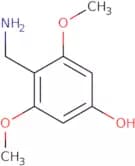
CAS :<p>Please enquire for more information about 3'-[2- Cyanoethyl N, N- bis(1- methylethyl) phosphoramidite]-5'- O- [bis(4- methoxyphenyl) phenylmethyl] - 2'- O- methyl- N- [2- [4- (1- methylethyl) phenoxy] acetyl] -guanosine including the price, delivery time and more detailed product information at the technical inquiry form on this page</p>Formule :C52H62N7O10PDegré de pureté :Min. 95%Masse moléculaire :976.06 g/mol2,6-Dimethoxy-4-hydroxybenzylamine
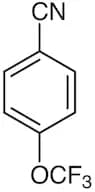
CAS :<p>2,6-Dimethoxy-4-hydroxybenzylamine is a fine chemical that is used as a versatile building block for the synthesis of complex compounds. It is also used as a reagent and reaction component in various chemical reactions. CAS No. 130632-98-3.</p>Formule :C9H13NO3Degré de pureté :Min. 95%Couleur et forme :Yellow PowderMasse moléculaire :183.2 g/mol4-(Trifluoromethoxy)benzonitrile
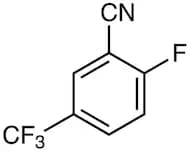
CAS :Formule :C8H4F3NODegré de pureté :>98.0%(GC)Couleur et forme :Colorless to Almost colorless clear liquidMasse moléculaire :187.122-Fluoro-5-(trifluoromethyl)benzonitrile
CAS :Formule :C8H3F4NDegré de pureté :>98.0%(GC)Couleur et forme :Colorless to Almost colorless clear liquidMasse moléculaire :189.111-Pentyl isocyanate, 97%
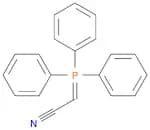
CAS :<p>This Thermo Scientific Chemicals brand product was originally part of the Alfa Aesar product portfolio. Some documentation and label information may refer to the legacy brand. The original Alfa Aesar product / item code or SKU reference has not changed as a part of the brand transition to Thermo Scientific Chemicals.</p>Formule :C6H11NODegré de pureté :97%Couleur et forme :Liquid, Clear colorlessMasse moléculaire :113.162-(Triphenylphosphoranylidene)acetonitrile
CAS :Formule :C20H16NPDegré de pureté :98%Couleur et forme :SolidMasse moléculaire :301.3215

![4′-Butoxy-[1,1′-biphenyl]-4-carbonitrile](/_next/image/?url=https%3A%2Fstatic.cymitquimica.com%2Fproducts%2F10%2Fthumb-webp%2FF324758.webp&w=3840&q=75)

![2-chloro-5H,7H,8H-pyrano[4,3-b]pyridine-3-carbonitrile](/_next/image/?url=https%3A%2Fstatic.cymitquimica.com%2Fproducts%2F10%2Fthumb-webp%2FF541978.webp&w=3840&q=75)

![2-(1H-Benzo[d][1,2,3]triazol-1-yl)acetonitrile](/_next/image/?url=https%3A%2Fstatic.cymitquimica.com%2Fproducts%2F10%2Fthumb-webp%2FF092616.webp&w=3840&q=75)
![tert-Butyl 7-cyano-5-oxa-2-azaspiro[3.4]octane-2-carboxylate](/_next/image/?url=https%3A%2Fstatic.cymitquimica.com%2Fproducts%2F10%2Fthumb-webp%2FF609124.webp&w=3840&q=75)


![4′-Methoxy-[1,1′-biphenyl]-2-carbonitrile](/_next/image/?url=https%3A%2Fstatic.cymitquimica.com%2Fproducts%2F10%2Fthumb-webp%2FF236157.webp&w=3840&q=75)
![2-{1H-imidazo[4,5-b]pyridin-2-yl}acetonitrile](/_next/image/?url=https%3A%2Fstatic.cymitquimica.com%2Fproducts%2F10%2Fthumb-webp%2FF641075.webp&w=3840&q=75)
![2-(Benzo[d][1,3]dioxol-5-yl)ethene-1,1,2-tricarbonitrile](/_next/image/?url=https%3A%2Fstatic.cymitquimica.com%2Fproducts%2F10%2Fthumb-webp%2FF316690.webp&w=3840&q=75)
![3-(HYDROXYMETHYL)BICYCLO[1.1.1]PENTANE-1-CARBONITRILE](/_next/image/?url=https%3A%2Fstatic.cymitquimica.com%2Fproducts%2F10%2Fthumb-webp%2FF504209.webp&w=3840&q=75)





![ethyl 2-cyano-3-[3-(trifluoromethyl)phenyl]acrylate](/_next/image/?url=https%3A%2Fstatic.cymitquimica.com%2Fproducts%2F3D%2Fthumb-webp%2FFE168860.webp&w=3840&q=75)


![4-Cyano-4-[(ethylsulfanylthiocarbonyl)sulfanyl]pentanoic Acid](/_next/image/?url=https%3A%2Fstatic.cymitquimica.com%2Fproducts%2FTR%2Fthumb-webp%2FC998578.webp&w=3840&q=75)


![N-[4-Cyano-3-(trifluoromethyl)phenyl]-2-hydroxy-5-nitrobenzamide](/_next/image/?url=https%3A%2Fstatic.cymitquimica.com%2Fproducts%2FTR%2Fthumb-webp%2FC982240.webp&w=3840&q=75)

![N-[[(2R,3S,4R)-4-[Bis[(3-cyanophenyl)methyl]amino]-3-hydroxyoxolan-2-yl]methyl]cyclopropanecarboxa…](/_next/image/?url=https%3A%2Fstatic.cymitquimica.com%2Fproducts%2FTR%2Fthumb-webp%2FB400145.webp&w=3840&q=75)
![6-Cyano-2-oxaspiro[3.3]heptane-6-carboxylic acid](/_next/image/?url=https%3A%2Fstatic.cymitquimica.com%2Fproducts%2FTR%2Fthumb-webp%2FC277626.webp&w=3840&q=75)
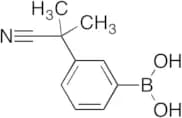
![tert-Butyl N-[(4-Cyano-1,3-thiazol-2-yl)methyl]carbamate](/_next/image/?url=https%3A%2Fstatic.cymitquimica.com%2Fproducts%2FTR%2Fthumb-webp%2FT310991.webp&w=3840&q=75)
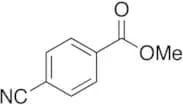
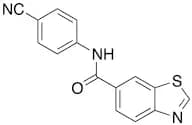
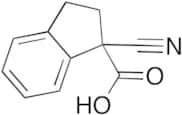
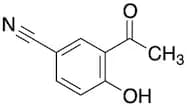
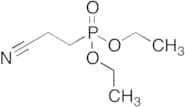
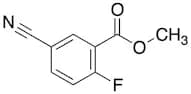
![Tert-butyl N-[(5-Cyanothiophen-2-yl)methyl]carbamate](/_next/image/?url=https%3A%2Fstatic.cymitquimica.com%2Fproducts%2FTR%2Fthumb-webp%2FB815518.webp&w=3840&q=75)
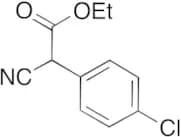
![N-[4-Cyano-3-(trifluoromethyl)phenyl]-2-oxopropanamide](/_next/image/?url=https%3A%2Fstatic.cymitquimica.com%2Fproducts%2FTR%2Fthumb-webp%2FC982160.webp&w=3840&q=75)



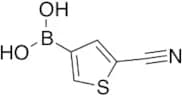
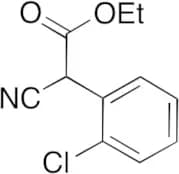
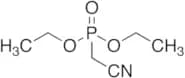

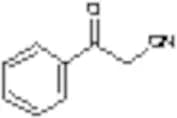
![2-Phenyl-2-[(trimethylsilyl)oxy]acetonitrile (90%)](/_next/image/?url=https%3A%2Fstatic.cymitquimica.com%2Fproducts%2FTR%2Fthumb-webp%2FP321065.webp&w=3840&q=75)
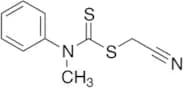
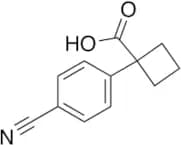
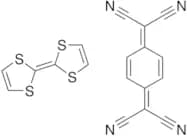
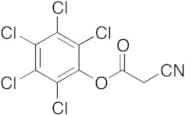

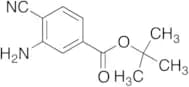
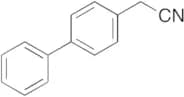
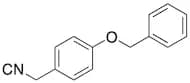
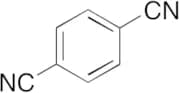
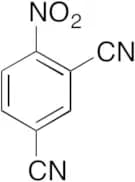
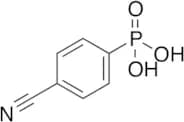
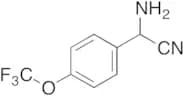

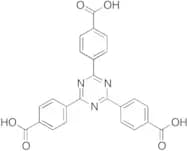
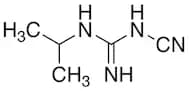

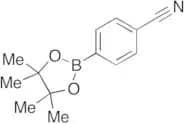
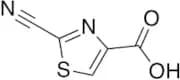
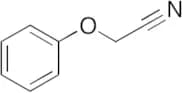
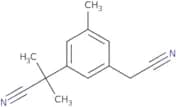
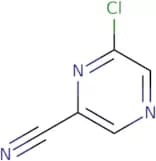
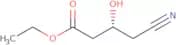
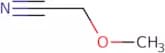
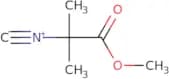
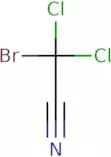
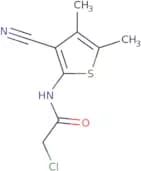
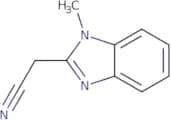
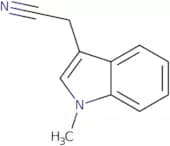
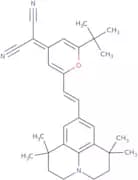
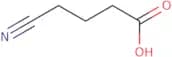
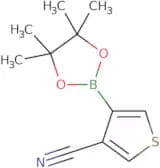
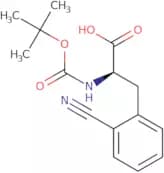
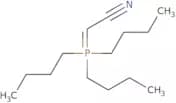
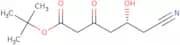

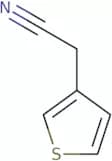
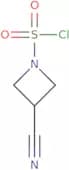
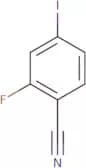
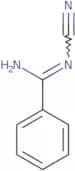

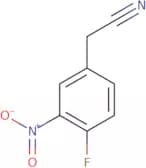
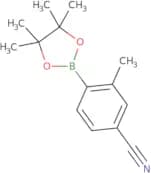
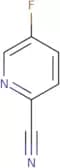
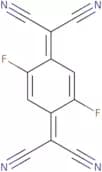
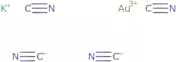
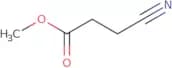
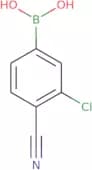
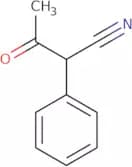
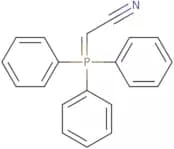
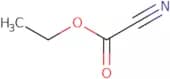
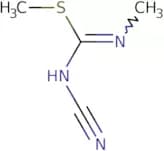
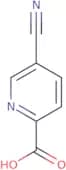
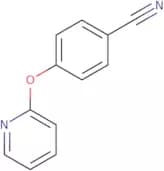
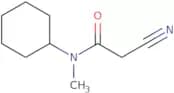
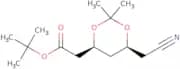
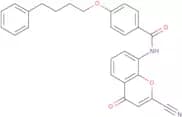
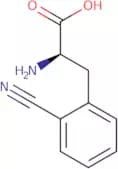
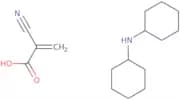
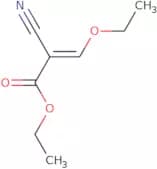
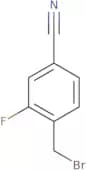
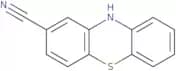
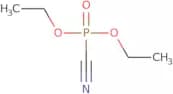

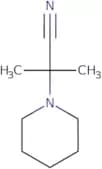
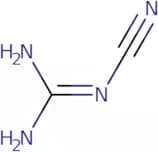
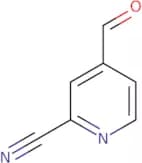
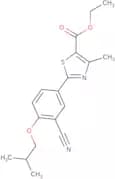

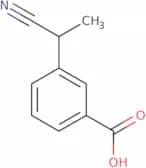

![Ethyl-2-ethoxy-1-[[(2'-cyanobiphenyl-4-yl) methyl] benzimidazole-7-carboxylate](/_next/image/?url=https%3A%2Fstatic.cymitquimica.com%2Fproducts%2F3D%2Fthumb-webp%2FFE31863.webp&w=3840&q=75)
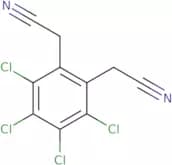
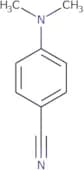

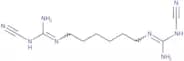
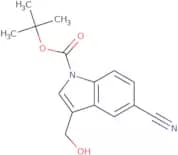
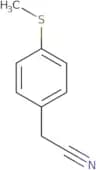
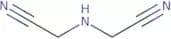
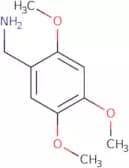

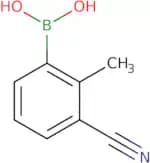
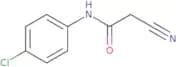
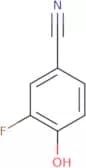
![[4-(1-Cyano-1-methylethyl)phenyl]boronic acid](/_next/image/?url=https%3A%2Fstatic.cymitquimica.com%2Fproducts%2F3D%2Fthumb-webp%2FFC121870.webp&w=3840&q=75)
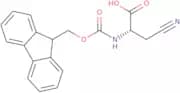
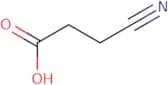
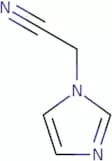
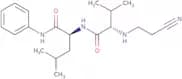
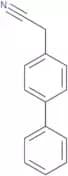
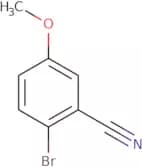
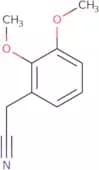
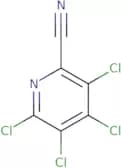
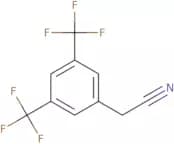
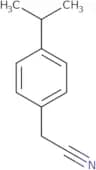

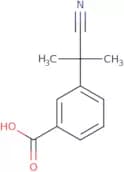
![2-[4-(2-Cyanoethylthio)methyl]thiazolyl guanidine](/_next/image/?url=https%3A%2Fstatic.cymitquimica.com%2Fproducts%2F3D%2Fthumb-webp%2FFC21486.webp&w=3840&q=75)
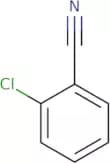
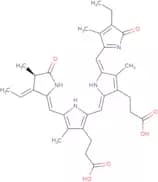
![3'-[2- Cyanoethyl N, N- bis(1- methylethyl) phosphoramidite]-5'- O- [bis(4- methoxyphenyl) phenylm…](/_next/image/?url=https%3A%2Fstatic.cymitquimica.com%2Fproducts%2F3D%2Fthumb-webp%2FFC165570.webp&w=3840&q=75)