Éthers
40904 produits trouvés pour "Éthers"
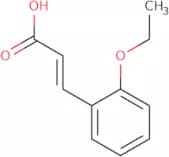
2-Ethoxycinnamic acid
CAS :2-Ethoxycinnamic acid is a metastable molecule that has been obtained by an asymmetric synthesis. It is unreactive, and its reaction products are polyvalent. 2-Ethoxycinnamic acid can be analyzed using analytical methods such as flow system, functional theory, and gas chromatography. 2-Ethoxycinnamic acid has been used in the preparation of cinnamates, which are used in perfumes and flavors. Polymorphs of this molecule have also been observed in crystalline form. There are two different forms of the molecule: α-form and β-form. The α-form is more stable than the β-form because it has a hydrogen bond with the methyl group on the left side of the molecule.
Formule :C11H12O3Degré de pureté :Min. 95%Couleur et forme :PowderMasse moléculaire :192.21 g/mol2-Methoxyphenylacetonitrile
CAS :2-Methoxyphenylacetonitrile is a chemical that is used in the manufacture of pharmaceuticals. It has antibacterial activity and can be used to treat typhoid fever, staphylococcal infections, and mental disorders such as schizophrenia. 2-Methoxyphenylacetonitrile is an alkylating agent that reacts with nucleophiles in proteins, DNA, and RNA. These reactions lead to the destruction of the bacterial cell wall and inhibition of protein synthesis. The mechanism by which 2-methoxyphenylacetonitrile exerts its antibacterial effect may involve formation of a reactive intermediate that inhibits bacterial ribonucleotide reductase. The addition of an electron to this intermediate leads to the formation of a covalent bond with one or more amino acids in the protein acceptor, thereby preventing further growth and division of bacteria.Formule :C9H9NODegré de pureté :Min. 90%Couleur et forme :White PowderMasse moléculaire :147.17 g/mol3-Carbethoxy-2-piperidone
CAS :3-Carbethoxy-2-piperidone is a cycloaddition product of formaldehyde and an amine. This reaction proceeds through the formation of a dicarbonyl intermediate, which then reacts with chloride to form the final product. The absorption maximum of 3-carboxy-2-piperidone is at 270 nm, and its structure can be determined by using infrared spectroscopy. 3-Carbethoxy-2-piperidone has a dipole moment of 1.3 D and is electron deficient due to the absence of a hydrogen atom on the nitrogen atom. It also has an amido group (C=O) that is bonded to the carbonyl group (C=O).
3-Carbethoxy-2-piperidone is not soluble in water, but it does dissolve in polar organic solvents such as acetone or dimethylformamide (DMF). The chemical reactionsFormule :C8H13NO3Couleur et forme :White PowderMasse moléculaire :171.19 g/mol2-Methoxy-1-[(4-methylphenyl)sulphinyl]benzene
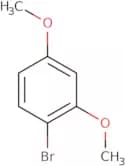
CAS :2-Methoxy-1-[(4-methylphenyl)sulphinyl]benzene is a reagent and useful intermediate that is used in the synthesis of complex compounds. This chemical has been shown to be a useful scaffold for the synthesis of natural products. It can also be used as a building block in the synthesis of speciality chemicals and research chemicals, as well as versatile building blocks in reactions.Formule :C14H14O2SDegré de pureté :Min. 95%Masse moléculaire :246.33 g/mol1-Bromo-2,4-dimethoxybenzene
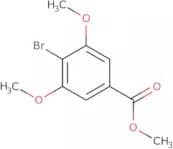
CAS :1-Bromo-2,4-dimethoxybenzene is a functional group that can be found in nanotubes. It is synthesized by the debromination of 2,4-dibromobenzene with n-dimethylformamide and sodium bicarbonate. The reaction mechanism involves nucleophilic attack by the hydroxide ion on the bromine atom of the 1-bromo-2,4-dimethoxybenzene to form a tetrahedral intermediate followed by an elimination reaction. This process leads to the formation of carbon nanotubes. 1-Bromo-2,4-dimethoxybenzene has been shown to have anticancer activity in vitro and in vivo against breast cancer cells.Formule :C8H9BrO2Degré de pureté :Min. 95%Couleur et forme :Clear LiquidMasse moléculaire :217.06 g/mol4-Bromo-3,5-dimethoxybenzoic acid methyl ester
CAS :4-Bromo-3,5-dimethoxybenzoic acid methyl ester is a crystalline solid that can be obtained from the reaction of 4-bromo-3,5-dimethoxybenzoic acid and methyl iodide. It has been shown to undergo an intramolecular cyclization when irradiated with ultraviolet light. This transformation is characterized by an increase in the length of the C=C bond and the appearance of a new C=O bond. The skeleton of 4-bromo-3,5-dimethoxybenzoic acid methyl ester consists of four five membered rings and two six membered rings. The molecule interacts with ligands such as styrene, mesitylene, vinylated benzyl halides, or halides.Formule :C10H11BrO4Degré de pureté :Min. 95%Couleur et forme :PowderMasse moléculaire :275.1 g/mol1-(1-(3-Methoxyphenyl)cyclohexyl)piperidine
CAS :Produit contrôlé1-(1-(3-Methoxyphenyl)cyclohexyl)piperidine is an analog of fentanyl that has been shown to be a potent analgesic. It binds to the μ-opioid receptor in the central nervous system and inhibits the reuptake of neurotransmitters, such as serotonin, norepinephrine, and dopamine. This drug has also been found to cause hypotension by inhibiting noradrenaline release from sympathetic nerve terminals. 1-(1-(3-Methoxyphenyl)cyclohexyl)piperidine may also have clinical relevance for treating drug addiction because it has a high affinity for binding ligands that are involved in this process. The sample preparation for 1-(1-(3-Methoxyphenyl)cyclohexyl)piperidine is not required because it can be measured directly in the urine.
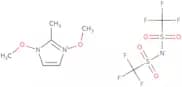
Formule :C18H27NODegré de pureté :Min. 95%Couleur et forme :White To Off-White SolidMasse moléculaire :273.41 g/mol1,3-Dimethoxy-2-methylimidazoliumbis(trifluoromethylsulfonyl)imide
CAS :Please enquire for more information about 1,3-Dimethoxy-2-methylimidazoliumbis(trifluoromethylsulfonyl)imide including the price, delivery time and more detailed product information at the technical inquiry form on this pageFormule :C8H11F6N3O6S2Degré de pureté :Min. 95%Couleur et forme :PowderMasse moléculaire :423.31 g/mol3-Methoxy-4-methylphenylacetone
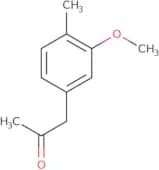
CAS :3-Methoxy-4-methylphenylacetone is a reagent that can be used as a useful intermediate for the synthesis of complex organic compounds. It is soluble in water, but insoluble in most organic solvents. 3-Methoxy-4-methylphenylacetone is also a fine chemical with CAS No. 51814-28-9 and has been shown to be an effective building block for synthetic chemistry. It is used in the synthesis of speciality chemicals and research chemicals, such as pharmaceuticals and agrochemicals. This compound can be used as a versatile building block in many reactions and has been shown to react with epoxide, nitrile, amine, thioether, amide, alcohols, carboxylic acids or esters.Formule :C11H14O2Degré de pureté :Min. 95%Couleur et forme :PowderMasse moléculaire :178.23 g/mol2,4-Dimethoxy-3-methylbenzoic acid
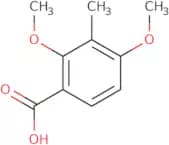
CAS :2,4-Dimethoxy-3-methylbenzoic acid is a fine chemical that is used as a versatile building block in the synthesis of other organic compounds. 2,4-Dimethoxy-3-methylbenzoic acid has been used in research to generate novel compounds with desired properties. It is also used as a reaction component and speciality chemical. The compound can be reacted with sodium methoxide in methanol to form 2,4-dimethoxybenzaldehyde, which is an intermediate for the synthesis of other chemicals. It also reacts with nitric acid to form 2,4-dimethylbenzoic acid and oleum. These reactions are useful for the production of certain drugs or for the synthesis of polymers.Formule :C10H12O4Degré de pureté :Min. 95%Masse moléculaire :196.2 g/mol5-Methoxy-L-tryptophan
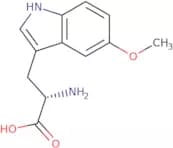
CAS :5-Methoxy-L-tryptophan is a nonsteroidal anti-inflammatory drug that acts by inhibiting the synthesis of prostaglandins. It has been shown to have a clinical relevance in the treatment of cancer and ischemia reperfusion injury. 5-Methoxy-L-tryptophan has also been shown to be effective in the treatment of inflammatory diseases such as rheumatoid arthritis, ulcerative colitis, and Crohn disease. 5-Methoxy-L-tryptophan is a precursor for serotonin, which regulates many physiological functions including pain perception. Tryptophan has also been found to increase epithelial mesenchymal transition (EMT) and repair mechanisms in fibroblasts. X-ray crystal structures have revealed that 5-methoxy tryptophan binds at the active site of xanthine oxidase, which is an enzyme involved in purine metabolism.
Formule :C12H14N2O3Degré de pureté :Min. 98 Area-%Couleur et forme :PowderMasse moléculaire :234.25 g/mol2,6-Dimethoxybenzyl alcohol
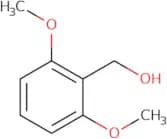
CAS :2,6-Dimethoxybenzyl alcohol is a synthetic compound that is a peroxidase substrate. It is used as an alternative for papaverine in the synthesis of penicillin and cephalosporin antibiotics. 2,6-Dimethoxybenzyl alcohol reacts with Mn2+ ions to form hydronium and hydrogen peroxide. This reaction has been shown to be more efficient than the decomposition of hydrogen peroxide by catalases or superoxide dismutases. 2,6-Dimethoxybenzyl alcohol also forms a reactive congener with erythrocytes and plasma proteins that can cause vasoconstriction in the blood vessels. The dimethoxybenzyl group (DMB) is a monosubstituted phenol group that binds to the active site of enzymes such as cytochrome P450s and glutathione reductase.
Formule :C9H12O3Degré de pureté :Min. 95%Masse moléculaire :168.19 g/mol2'-Hydroxy-2,4,4'-trimethoxychalcone
CAS :2'-Hydroxy-2,4,4'-trimethoxychalcone is a fine chemical that is used as a building block in research and development of pharmaceuticals. It is an intermediate for the production of drugs such as antibiotics, antiviral agents, and antifungals. 2'-Hydroxy-2,4,4'-trimethoxychalcone has also been shown to be useful for the synthesis of complex compounds with versatile applications.Formule :C18H18O5Degré de pureté :Min. 95%Couleur et forme :PowderMasse moléculaire :314.33 g/mol(3,4,5-Trimethoxyphenyl)methyl carbinol
CAS :(3,4,5-Trimethoxyphenyl)methyl carbinol is a neuroprotective compound that belongs to the class of benzyl alcohols. It has been shown to have neuroprotective effects against daldinia-induced oxidative stress and biotoxicity. This compound has high electron transfer rates and can be used as an electron donor in enzymatic reactions. (3,4,5-Trimethoxyphenyl)methyl carbinol exhibits a high reactivity with alcohols and can be used in the synthesis of other compounds by transferring its alcohol group onto other molecules. The addition of deuterium atoms to this molecule has been shown to increase its reactivity with oxidants.
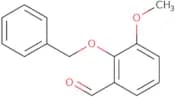
Formule :C11H16O4Degré de pureté :Min. 95%Couleur et forme :LiquidMasse moléculaire :212.24 g/mol2-Benzyloxy-3-methoxybenzaldehyde
CAS :2-Benzyloxy-3-methoxybenzaldehyde is an enantiopure compound that has been shown to have antiproliferative effects on cancer cells. It was also found to have a strong binding affinity for DNA and protein. The antiproliferative effects of 2-Benzyloxy-3-methoxybenzaldehyde were found to be due to its ability to bind to dna and inhibit the enzyme activity of pyrazine-2-carboxylic acid, leading to a decrease in the production of proteins vital for cell division. 2-Benzyloxy-3-methoxybenzaldehyde has been shown to have anticancer activity against colorectal cancer cells and may serve as a lead compound for future drug development.
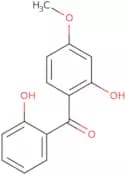
Formule :C15H14O3Degré de pureté :Min. 95%Masse moléculaire :242.27 g/mol2,2'-Dihydroxy-4-methoxybenzophenone
CAS :2,2'-Dihydroxy-4-methoxybenzophenone (DHMB) is a chemical compound used in the manufacturing of sunscreens. It is also used as an antioxidant and antiinflammatory agent in topical preparations. The genotoxic effects of DHMB are well documented, but it is unclear whether these effects are due to UV radiation or other mechanisms. DHMB has been shown to be toxic to cells in vivo and in vitro. There have been reports of skin cancer developing on the ears of rats following chronic exposure to this chemical. DHMB binds to the estrogen receptor, which may be responsible for its genotoxic activity. This chemical has also been shown to inhibit the growth of bacteria such as Pseudomonas aeruginosa and Escherichia coli by binding with fatty acids on the cell membrane surface. DHMB is used for wastewater treatment because it can bind with heavy metals and remove them from water sources.Formule :C14H12O4Degré de pureté :Min. 95%Couleur et forme :Yellow To Dark Yellow SolidMasse moléculaire :244.24 g/mol2,6-Dimethoxy-4-methylbenzyl alcohol
CAS :2,6-Dimethoxy-4-methylbenzyl alcohol is a high quality, versatile building block that is used as a reagent. The chemical has been shown to be a useful intermediate in the production of fine chemicals and speciality chemicals. 2,6-Dimethoxy-4-methylbenzyl alcohol can be used as a reaction component in the production of research chemicals and versatile building blocks. This compound can be found on CAS registry number 875664-51-0.Formule :C10H14O3Degré de pureté :Min. 95%Couleur et forme :PowderMasse moléculaire :182.22 g/mol(3-(2,6-dichlorophenyl)-5-methylisoxazol-4-yl)-N-(2,5-dimethoxyphenyl)formamide
CAS :Please enquire for more information about (3-(2,6-dichlorophenyl)-5-methylisoxazol-4-yl)-N-(2,5-dimethoxyphenyl)formamide including the price, delivery time and more detailed product information at the technical inquiry form on this page
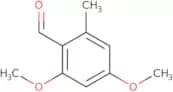
Degré de pureté :Min. 95%2,4-Dimethoxy-6-methylbenzaldehyde
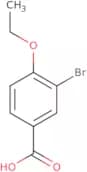
CAS :2,4-Dimethoxy-6-methylbenzaldehyde is a biomolecular that belongs to the class of depsidones. It is a tetracyclic compound that has been isolated from the fungus Antrodia camphorata and the lichen Xanthoria polycarpa. 2,4-Dimethoxy-6-methylbenzaldehyde has been shown to inhibit the growth of fungi by preventing oxidative phosphorylation in mitochondria. This compound also shows regioselectivity for phenanthrenes, which are aromatic hydrocarbons with two benzene rings and one or more methyl groups on each ring. The synthesis of 2,4-dimethoxy-6-methylbenzaldehyde is achieved through a Witting reaction between olefinic compounds and diethyl malonate in the presence of base. 2,4-Dimethoxy-6-methylbenzaldehyde can also be synthesized by oxidizing dibFormule :C10H12O3Degré de pureté :Min. 95%Couleur et forme :PowderMasse moléculaire :180.2 g/mol3-Bromo-4-ethoxybenzoic acid
CAS :3-Bromo-4-ethoxybenzoic acid is an organic compound that has been shown to have biological activity against pathogens. 3-Bromo-4-ethoxybenzoic acid inhibits the growth of bacteria by binding to the enzyme chloride channel and regulating its function. It also has a regulatory effect on chloride channels and can be used as a catalyst for many reactions in organic synthesis.Formule :C9H9BrO3Degré de pureté :Min. 95%Masse moléculaire :245.07 g/mol7-Methoxy-1-tetralone
CAS :7-Methoxy-1-tetralone is a synthetic compound that inhibits the activity of hepg2 cells. It has been shown to induce apoptosis in these cells and inhibit tumor growth in vivo. This substance is a fatty acid derivative that can be synthesized by Friedel-Crafts acylation of 7-methoxycoumarin with oleic acid. 7-Methoxy-1 tetralone has been shown to have antitumor effects in vitro, as well as in vivo animal studies. The inhibition of hepg2 cells may be due to damage to the cell membrane, which leads to the release of lysosomal enzymes and cell death.Formule :C11H12O2Degré de pureté :Min. 95%Couleur et forme :PowderMasse moléculaire :176.21 g/moltrans-3,4,5,4'-Tetramethoxystilbene
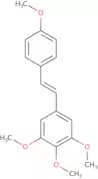
CAS :Trans-3,4,5,4'-tetramethoxystilbene is a potential anti-cancer drug that inhibits the growth of prostate cancer cells. It has been shown to inhibit the activity of cytochrome P450 enzymes and induce apoptosis in prostate cancer cells. Trans-3,4,5,4'-tetramethoxystilbene also has an inhibitory effect on angiogenesis and induces apoptosis in breast cancer cells. This compound is not readily absorbed from the gastrointestinal tract and has low bioavailability due to its chemical properties. Trans-3,4,5,4'-tetramethoxystilbene binds to DNA and inhibits transcription by competitive inhibition of RNA polymerase II and III.Formule :C18H20O4Degré de pureté :Min. 95%Couleur et forme :PowderMasse moléculaire :300.35 g/mol5-Fluoro-4-hydroxy-2-methoxypyrimidine
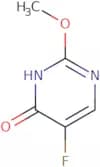
CAS :5-Fluoro-4-hydroxy-2-methoxypyrimidine (5FMMP) is a chemical intermediate that is used in the synthesis of various pharmaceuticals, including antibiotics. It can be obtained by reacting phosphorus oxychloride with activated 2-methoxybenzaldehyde. This chemical intermediate is highly reactive and has been shown to be virulent against some strains of bacteria, such as E. coli and Proteus mirabilis. 5FMMP binds to the bacterial cell wall using its primary amine group, which prevents the formation of an antibiotic-inhibitor complex with the enzyme cell wall synthesis that is required for cell wall biosynthesis, inhibiting protein synthesis and cell division. The chlorinating reaction between 5FMMP and sodium hypochlorite results in hydrochloric acid generation. This chemical intermediate can also be synthesized from recycled chemicals such as ethyl chloride or chloroform.Formule :C5H5FN2O2Degré de pureté :Min. 95%Couleur et forme :PowderMasse moléculaire :144.1 g/mol4,4'-Dimethoxydibenzoyl
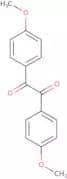
CAS :4,4'-Dimethoxydibenzoyl (DMDB) is a polymerized polycarboxylic acid that has been shown to have antibacterial activity. DMDB inhibits bacterial growth by catalytic reduction of the sulfhydryl group on cysteine residues in cytochrome c oxidase and other enzymes. DMDB also absorbs UV light, which may be related to its inhibition activity. DMDB is a molecule with two methoxy groups on each benzene ring, forming monomers linked by imidazole derivatives. These monomers can be polymerized into polymers or oligomers with the help of a Grignard reagent.Formule :C16H14O4Degré de pureté :Min. 95%Couleur et forme :Yellow PowderMasse moléculaire :270.28 g/mol4'-Methoxy-3',beta-dimethyl-beta-nitrostyrene
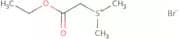
4'-Methoxy-3',beta-dimethyl-beta-nitrostyrene is a fine chemical that belongs to the group of versatile building blocks. It is an intermediate for the synthesis of complex compounds, research chemicals, and speciality chemicals. 4'-Methoxy-3',beta-dimethyl-beta-nitrostyrene is a useful reagent in organic synthesis and can be used as a reaction component or scaffold. It has been shown to have high quality and it can be used as a useful building block.Formule :C11H13NO3Degré de pureté :Min. 95%Couleur et forme :PowderMasse moléculaire :207.23 g/mol(Ethoxycarbonylmethyl)dimethylsulfonium bromide
CAS :(Ethoxycarbonylmethyl)dimethylsulfonium bromide is an isoxazoline. It is used in the synthesis of oxime derivatives, which are bioactive molecules that have a wide range of applications in the field of medicine, including as intermediates for anti-inflammatory, anti-viral and antibacterial drugs. This compound has shown to be active against methicillin resistant Staphylococcus aureus (MRSA). The mechanism by which this molecule inhibits MRSA involves its nitro group and the release of nitric oxide.Formule :C6H13BrO2SDegré de pureté :Min. 97.5 Area-%Couleur et forme :PowderMasse moléculaire :229.14 g/mol5-Methoxyindole
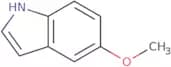
CAS :5-Methoxyindole is a chemical compound that is soluble in water. It has been shown to inhibit tumor growth and induce apoptosis, as well as inhibit the expression of glycogen synthase kinase-3. The structure of 5-methoxyindole was determined by NMR spectroscopy and FT-IR spectroscopy. The compound has been observed to exhibit fluorescence properties at a wavelength of 490 nm when it is excited with UV light. A copper complex of 5-methoxyindole was studied using molecular modeling and FT-IR spectroscopy, which revealed that it can undergo nucleophilic attack by hydrogen bond formation or an acid/base reaction to form a new hydrogen bond. This study also found that 5-methoxyindole is able to form hydrogen bonds with its neighboring molecules, which may contribute to its high solubility in water.Formule :C9H9NOCouleur et forme :PowderMasse moléculaire :147.17 g/mol5-Chloro-2-methoxybenzoic acid
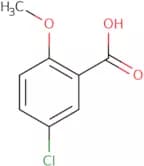
CAS :5-Chloro-2-methoxybenzoic acid is an industrial chemical that is used in the production of pharmaceuticals, plastics, and dyes. It also has hypoglycemic activity and can be used to treat type 2 diabetes. The molecular modeling study of this compound showed that it binds to the chloride ion by forming a hydrogen bond between the oxygen atom of the carboxylic acid group and the nitrogen atom of the chloride ion. This interaction leads to a lower pH value in the environment where 5-chloro-2-methoxybenzoic acid is present. This change in pH may affect other molecules such as glucose, which could lead to a decrease in blood sugar levels. Researchers have found that 5-chloro-2-methoxybenzoic acid has cancer cell growth inhibiting properties and can be used as a potential drug for colorectal adenocarcinoma treatment.Formule :C8H7ClO3Degré de pureté :Min. 95%Masse moléculaire :186.59 g/mol4-(5-Methoxy-1H-indol-3-yl)-1,3-thiazol-2-amine
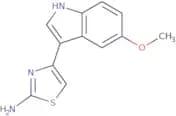
CAS :4-(5-Methoxy-1H-indol-3-yl)-1,3-thiazol-2-amine is a useful scaffold that can be used in the synthesis of drugs and other chemical compounds. 4-(5-Methoxy-1H-indol-3-yl)-1,3-thiazol-2-amine is a fine chemical with CAS no. 3624611454. It has been shown to react as a useful intermediate for the preparation of complex compounds. This compound has also been used in research as a reagent and reaction component.Formule :C12H11N3OSDegré de pureté :Min. 95%Couleur et forme :PowderMasse moléculaire :245.3 g/molMethyl 2-hydroxy-3-methoxybenzoate
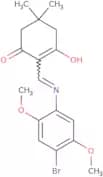
CAS :Methyl 2-hydroxy-3-methoxybenzoate is a tetranuclear synthetic compound that has been reported to have efficient methods for its synthesis. Cryogenic techniques were used in the crystallography and bioassaying of Methyl 2-hydroxy-3-methoxybenzoate. The spectrometric data obtained from this compound are indicative of a hydroxyl group and an isomeric nature. The synthesis of Methyl 2-hydroxy-3-methoxybenzoate occurs through palladium mediated coupling with ethyl 3,4,5,6-tetrahydropyridinecarboxylate. Weevil (Coleoptera) extractable receptors have been shown to bind to this compound.Formule :C9H10O4Degré de pureté :Min. 95%Couleur et forme :PowderMasse moléculaire :182.17 g/mol2-(((4-Bromo-2,5-dimethoxyphenyl)amino)methylene)-5,5-dimethylcyclohexane-1,3-dione
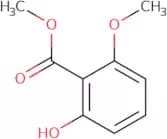
CAS :Please enquire for more information about 2-(((4-Bromo-2,5-dimethoxyphenyl)amino)methylene)-5,5-dimethylcyclohexane-1,3-dione including the price, delivery time and more detailed product information at the technical inquiry form on this pageFormule :C17H20BrNO4Degré de pureté :Min. 95%Masse moléculaire :382.25 g/mol2-Hydroxy-6-methoxybenzoic acid methyl ester
CAS :2-Hydroxy-6-methoxybenzoic acid methyl ester is a biologically active molecule that has been shown to have antibacterial activity. It is structurally similar to the natural compound 2,6-dimethoxyphenol and can be used as a substitute for this compound in bioassays. The antibacterial activity of 2-hydroxy-6-methoxybenzoic acid methyl ester is due to its ability to inhibit enzymes involved in DNA repair and cell division. This compound also inhibits the growth of cancer cells and weevils by interfering with their metabolism.Formule :C9H10O4Degré de pureté :Min. 95%Couleur et forme :PowderMasse moléculaire :182.17 g/mol3-Ethoxycinnamic acid
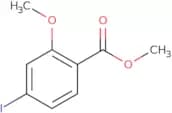
CAS :3-Ethoxycinnamic acid is a polyhydric alcohol that has been shown to inhibit the growth of various microorganisms. 3-Ethoxycinnamic acid inhibits the growth of microorganisms by binding to the alkenyl groups in the cell membrane, thereby preventing them from synthesizing their own fatty acids. The binding of 3-ethoxycinnamic acid to alkali metal ions also prevents their uptake into the cell, which leads to an accumulation of these ions outside the cell and eventually results in cell death. 3-Ethoxycinnamic acid is soluble in water and may be used as a stain or quaternary ammonium compound.Formule :C11H12O3Degré de pureté :Min. 95%Couleur et forme :SolidMasse moléculaire :192.21 g/mol4-Iodo-2-methoxybenzoic acid methyl ester
CAS :4-Iodo-2-methoxybenzoic acid methyl ester is a high quality chemical that can be used as a versatile building block in chemical synthesis. It is a complex compound that has been shown to be an effective reagent for research, which can be used in the synthesis of new complex compounds. 4-Iodo-2-methoxybenzoic acid methyl ester is also useful as an intermediate or reaction component in organic syntheses. This chemical is available for purchase at a CAS number of 148490-97-5.Formule :C9H9IO3Degré de pureté :Min. 95%Couleur et forme :PowderMasse moléculaire :292.07 g/mol4,5-Dimethoxy-2-nitrocinnamic acid
CAS :4,5-Dimethoxy-2-nitrocinnamic acid is a versatile building block that can be used as a reagent or speciality chemical. It is useful for the synthesis of complex compounds, and can be used as a reaction component or scaffold in organic chemistry. 4,5-Dimethoxy-2-nitrocinnamic acid is a high quality intermediate with CAS No. 20567-38-8.
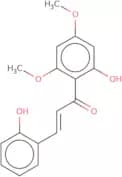
Formule :C11H11NO6Degré de pureté :Min. 95%Masse moléculaire :253.21 g/mol2,2'-Dihydroxy-4',6'-dimethoxychalcone
CAS :2,2'-Dihydroxy-4',6'-dimethoxychalcone (DDMC) is a naturally occurring chalcone with antitumor activity. DDMC inhibits the expression of NF-κB and suppresses tumor growth in animal models. In vitro studies have shown that DDMC inhibited the proliferation of human glioma cells without affecting normal brain cells. It has also been shown to inhibit the proliferation of malignant human glioblastoma cells in a dose-dependent manner, while only minimally affecting normal human astrocytes. DDMC has been found to be non-toxic and safe for use in humans and other mammals. The following are some descriptions for products: 6-Fluoro-3-indoxyl-beta-D-galactopyranoside Rifapentine is an anti-tuberculosis drug that belongs to the class of rifamycins. It is theFormule :C17H16O5Degré de pureté :Min. 95%Couleur et forme :PowderMasse moléculaire :300.31 g/mol2-Amino-3,4-diethoxybenzoic acid
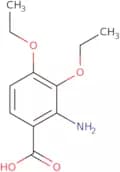
CAS :2-Amino-3,4-diethoxybenzoic acid is a high quality chemical with a CAS No. 61948-72-9. It is an organic compound that belongs to the class of aromatic carboxylic acids and has a molecular weight of 174.2 g/mol. 2DHB is a useful intermediate in the synthesis of fine chemicals, research chemicals, and speciality chemicals like pharmaceuticals, pesticides, and dyes. It can also be used as a building block in the synthesis of many other compounds. The versatility of 2DHB makes it an important component in reactions involving nucleophilic substitution or addition reactions.Formule :C11H15NO4Degré de pureté :Min. 95%Couleur et forme :PowderMasse moléculaire :225.24 g/mol1-(3-Benzyloxy-4-methoxyphenyl)-2-nitroethene
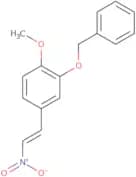
CAS :1-(3-Benzyloxy-4-methoxyphenyl)-2-nitroethene (1BMN) is an ethanamine that has a skeleton of five benzene and one methoxybenzene rings. It is an analogue of lamellarin, which has been shown to have efficient synthetic and biological properties. 1BMN is biologically active as a lamellarin analog and may be useful for the treatment of diseases such as cancer, malaria, hypertension, hyperglycemia, hypercholesterolemia, and ulcerative colitis. 1BMN is synthesized from 2-nitroethanol by reacting with 3-bromobenzaldehyde in the presence of sodium hydroxide. This reaction results in the formation of 1BMN in high yield with few side reactions.
Formule :C16H15NO4Degré de pureté :Min. 95%Couleur et forme :PowderMasse moléculaire :285.29 g/mol6-(3-(Adamantan-1-yl)-4-methoxyphenyl)-2-naphthoic acid
CAS :Produit contrôléAgonist of retinoic acid receptors (RAR-? and RAR-?); pro-apoptoticFormule :C28H28O3Degré de pureté :Min. 95%Couleur et forme :PowderMasse moléculaire :412.52 g/mol8-Hydroxy-7-methoxy-2-oxo-2H-1-benzopyran-3-carboxylic acid
8-Hydroxy-7-methoxy-2-oxo-2H-1-benzopyran-3-carboxylic acid is a versatile building block with a broad range of applications. It has been used in the synthesis of many complex compounds and research chemicals, including CAS No. 1207819-96-6. This chemical can be used as a reagent to produce important biological molecules such as antibiotics, antivirals, and antihypertensives.Formule :C11H7NO8Degré de pureté :Min. 95%Couleur et forme :Green SolidMasse moléculaire :281.18 g/mol1-(2,4-Dimethoxyphenyl)-2-nitropropene
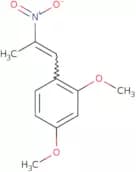
CAS :1-(2,4-Dimethoxyphenyl)-2-nitropropene is a versatile building block that can be used in the synthesis of a wide range of compounds. It is a high quality chemical with a CAS number of 15804-78-1. This compound has been used as an intermediate to synthesize other compounds such as 2-amino-3,5,6-trimethylbenzaldehyde and 1-(2,4-dimethoxyphenyl)-2-(pyrrolidin-1-yl)propene. The compound is also useful as a reagent for reaction components in organic chemistry and biochemistry.
Formule :C11H13NO4Degré de pureté :Min. 95%Couleur et forme :PowderMasse moléculaire :223.23 g/mol4-Hydroxy-3-methoxybenzoic acid ethyl ester
CAS :4-Hydroxy-3-methoxybenzoic acid ethyl ester is a synthetic compound that is converted to protocatechuic acid, an antioxidant found in wine. It has been shown to have antioxidative properties in inflammatory bowel disease by inhibiting the formation of reactive oxygen species. Protocatechuic acid also inhibits the growth of bacterial strains such as Listeria monocytogenes and Bacillus cereus, which are often resistant to antibiotics. The mechanism of action is not well understood, but it may be due to its ability to inhibit the production of p-hydroxybenzoic acid, a precursor for bacterial cell wall synthesis. Protocatechuic acid also has anti-inflammatory properties and can be used as a bioactive phenolic in topical preparations such as creams or ointments.
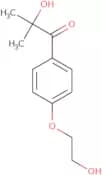
Formule :C10H12O4Degré de pureté :Min. 95%Couleur et forme :PowderMasse moléculaire :196.2 g/mol2-Hydroxy-4'-(2-hydroxyethoxy) -2-methylpropiophenone
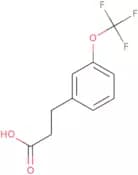
CAS :2-Hydroxy-4'-(2-hydroxyethoxy)-2-methylpropiophenone is a reactive chemical substance that has been shown to have significant cytotoxicity and biological properties. It is used in the treatment of cervical cancer and has been shown to inhibit the growth of cancer cells. This compound is found in a number of commercial products, including sunscreens and hair dyes, but its use may be limited due to its photochemical reactivity. The structure of 2HEPP was determined using nuclear magnetic resonance (NMR) spectroscopy and mass spectrometry. The chemical formula for 2HEPP is C10H14O3. It has a molecular weight of 192.22 g/mol and an empirical formula of C10H14O3. 2HEPP is soluble in methanol, acetone, ether, chloroform, benzene, ethanol, ethyl acetate, diethyl ether, and acetonFormule :C12H16O4Degré de pureté :Min. 95%Couleur et forme :White PowderMasse moléculaire :224.25 g/mol3-(Trifluoromethoxy)hydrocinnamic acid
CAS :3-(Trifluoromethoxy)hydrocinnamic acid is a useful building block that is used in the synthesis of many organic compounds. It has been used as a reagent and as a speciality chemical, and is also a versatile building block for the synthesis of complex compounds. 3-(Trifluoromethoxy)hydrocinnamic acid can be synthesized from cinnamic acid, which is available commercially and can be obtained by reacting benzaldehyde with nitric acid. 3-(Trifluoromethoxy)hydrocinnamic acid has CAS No. 168833-77-0 and can be found under the name 2,4-dichloro-3-(trifluoromethoxy)benzene.
Formule :C10H9F3O3Degré de pureté :Min. 98 Area-%Couleur et forme :Clear LiquidMasse moléculaire :234.17 g/mol(4-Methoxyphenyl)-(2,4,5-trimethoxybenzylidene)-amine
CAS :4-Methoxyphenyl-(2,4,5-trimethoxybenzylidene)-amine is a chemical compound that is used as a research chemical and a building block for the synthesis of other chemicals. It has been shown to be useful as an intermediate in the synthesis of complex compounds. The product is typically used as a reaction component in organic chemistry. It can also be used as a reagent or as an additive to other chemicals. 4-Methoxyphenyl-(2,4,5-trimethoxybenzylidene)-amine is high quality and has many uses in research and industry.Formule :C16H16BrNO3Degré de pureté :Min. 95%Masse moléculaire :350.21 g/mol2,4,5-Trimethoxybenzyl alcohol
CAS :2,4,5-Trimethoxybenzyl alcohol is a metabolite that is produced by the p. pastoris strain. It has been shown to be active against the enzyme glyceraldehyde-3-phosphate dehydrogenase and has been expressed heterologously in yeast. 2,4,5-Trimethoxybenzyl alcohol also has been shown to inhibit peroxidases and may have biochemical applications in pharmaceuticals as an inhibitor of lipid peroxidation.
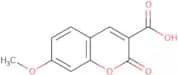
Formule :C10H14O4Degré de pureté :Min. 95%Couleur et forme :White PowderMasse moléculaire :198.22 g/mol7-Methoxycoumarin-3-carboxylicacid
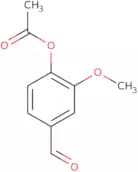
CAS :7-Methoxycoumarin-3-carboxylic acid (MC) is a potent inhibitor of metalloendopeptidases and cyclic peptide receptors. MC has been shown to inhibit protein synthesis, leading to apoptotic cell death. It has also been reported to have anti-inflammatory properties, which may be due to its inhibition of prostaglandin synthesis. The fluorophore 7-methoxycoumarin is derived from the natural product coumarin and can be used as a fluorescent probe for hydrogen bonding in molecular modeling studies.Formule :C11H8O5Degré de pureté :Min. 95%Couleur et forme :PowderMasse moléculaire :220.18 g/mol4-Acetoxy-3-methoxybenzaldehyde
CAS :4-Acetoxy-3-methoxybenzaldehyde is an antimicrobial agent that is used specifically for the treatment of lemongrass oil and eugenol. It has been shown to be effective against a wide range of microorganisms, such as Escherichia coli, Pseudomonas aeruginosa, Salmonella enterica, Staphylococcus aureus, and Streptococcus pneumoniae. 4-Acetoxy-3-methoxybenzaldehyde has been shown to inhibit the growth of bacteria by binding to the 50S ribosomal subunit. The molecule also has hydroxyl group which can react with potassium dichromate and sodium carbonate. This reaction results in the formation of 4-acetoxy-3-hydroxybenzaldehyde through an S N 2 substitution mechanism.
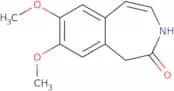
Formule :C10H10O4Degré de pureté :Min. 95%Couleur et forme :PowderMasse moléculaire :194.18 g/mol7,8-Dimethoxy-1,3-dihydro-2H-3-benzazepin-2-one
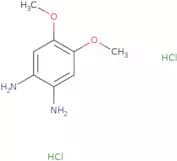
CAS :The compound 7,8-dimethoxy-1,3-dihydro-2H-3-benzazepin-2-one is an amide with a pH of 3. It has a molecular weight of 191.31 and a melting point of 79.7 degrees Celsius. The compound is used in the industrial preparation of pharmaceuticals and can be reacted with trifluoroacetic acid to form 3,4-dimethoxyphenylacetic acid.Formule :C12H13O3NDegré de pureté :Min. 95%Couleur et forme :White PowderMasse moléculaire :219.24 g/mol4,5-Dimethoxy-1,2-phenylenediamine hydrochloride
CAS :Produces fluorescent benzimidazole derivatives; detects aromatic aldehydes
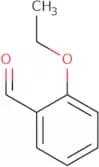
Formule :C8H14N2O2•xHClDegré de pureté :Min. 98%Couleur et forme :Purple PowderMasse moléculaire :241.11 g/mol2-Ethoxybenzaldehyde
CAS :2-Ethoxybenzaldehyde is an organic compound that has been found to be a potential anticancer agent. It inhibits the growth of tumor cells in vitro, by inhibiting the PI3K/Akt signaling pathway. 2-Ethoxybenzaldehyde also has antibacterial activity against Gram-positive bacteria, such as P. aeruginosa, by binding to the nitrogen atoms on the cell wall and disrupting their function. The molecule has a functional group that reacts with metal cations, which helps to explain its chemical nature and its reaction mechanism. The molecule is soluble in water but not in organic solvents. 2-Ethoxybenzaldehyde crystallizes as a white solid with a monoclinic crystal system and can react with salicylaldehyde to produce benzalmalonic acid.Formule :C9H10O2Degré de pureté :Min. 97 Area-%Couleur et forme :Clear LiquidMasse moléculaire :150.17 g/mol3,5-Dimethoxy-4-hydroxyphenylacetic acid
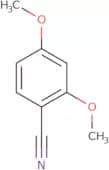
CAS :3,5-Dimethoxy-4-hydroxyphenylacetic acid is a phenolic compound that is found in the leaves of plants. It is a major component of the essential oil from the bark of the cinnamon tree. 3,5-Dimethoxy-4-hydroxyphenylacetic acid has been shown to be a potent inhibitor of plant growth and an effective herbicide for weed control in tobacco. 3,5-Dimethoxy-4-hydroxyphenylacetic acid has also been shown to have antiplatelet activity and may be useful in treating thrombosis.Formule :C10H12O5Degré de pureté :Min. 95%Couleur et forme :Brown PowderMasse moléculaire :212.2 g/mol2,4-Dimethoxybenzonitrile
CAS :2,4-Dimethoxybenzonitrile is a chiral, heterocycle that is used in the synthesis of anilines. The structure of 2,4-dimethoxybenzonitrile consists of two ring structures with a methyl group on one end and a formyl group on the other. The molecular modeling technique has been used to study this molecule. In dimethylformamide (DMF), 2,4-dimethoxybenzonitrile undergoes deprotection with bond cleavage to give the natural product 2-hydroxy-4-methoxybenzaldehyde. This compound has been shown to inhibit the transferase activity in cells and found to be more potent than other formylated compounds.
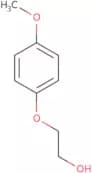
Formule :C9H9NO2Degré de pureté :Min. 95%Masse moléculaire :163.17 g/mol2-(4-Methoxyphenoxy)ethanol
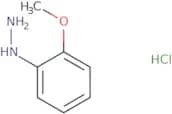
CAS :2-(4-Methoxyphenoxy)ethanol is a carboxylic acid. It has been used as a hydrogen peroxide donor in catalytic reactions, and as an ethylene glycol ether in the production of polyester resins. 2-(4-Methoxyphenoxy)ethanol has been shown to be useful in multilayer coatings with optimal reaction rates, and is a good oxidant for many organic compounds.Formule :C9H12O3Degré de pureté :Min. 95%Couleur et forme :PowderMasse moléculaire :168.19 g/mol2-Methoxyphenylhydrazine hydrochloride
CAS :2-Methoxyphenylhydrazine hydrochloride is a chemical that is used as a research scaffold, building block, or intermediate. It can be used in the synthesis of complex compounds with high quality and purity. This product is soluble in water and alcohols. 2-Methoxyphenylhydrazine hydrochloride has CAS No. 6971-45-5 and a molecular weight of 183.2 g/mol.Formule :C7H10N2O·HClDegré de pureté :Min. 95%Couleur et forme :PowderMasse moléculaire :174.63 g/mol(2-Aminophenyl)-N-((((4-methoxyphenyl)amino)thioxomethyl)amino)formamide
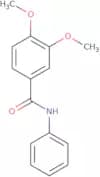
CAS :Please enquire for more information about (2-Aminophenyl)-N-((((4-methoxyphenyl)amino)thioxomethyl)amino)formamide including the price, delivery time and more detailed product information at the technical inquiry form on this pageFormule :C15H16N4O2SDegré de pureté :Min. 95%Couleur et forme :PowderMasse moléculaire :316.38 g/mol3,4-Dimethoxybenzanilide
CAS :3,4-Dimethoxybenzanilide is a synthetic compound that can be synthesized from dimethyl ether and carboxylic acid. It is an amide of 3,4-dimethoxybenzoic acid and can be hydrogenolysed to yield the corresponding carboxylic acid. The lithiated derivative of 3,4-dimethoxybenzanilide has been used in the synthesis of a number of compounds including amides, lithiated derivatives, and dithiocarbamates. This chemical has also been used in the synthesis of a number of advances such as new carboxylic acids and aldehydes.
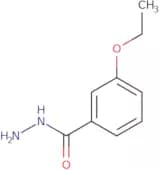
Formule :C15H15NO3Degré de pureté :Min. 95%Masse moléculaire :257.28 g/mol3-Ethoxybenzhydrazide
CAS :3-Ethoxybenzhydrazide is a class of catalyzed, efficient, and carboxylic acid chlorides. The methodology for this class of compounds has been optimized to produce 3-ethoxybenzhydrazides with high yields. This class of compounds has been shown to be efficient in the synthesis of a number of carboxylic acids. This method can be automated and is an advance in the field of chemistry.Formule :C9H12N2O2Degré de pureté :Min. 95%Couleur et forme :PowderMasse moléculaire :180.2 g/mol(6-Bromo-3,4-dimethoxyphenyl)acetone
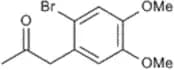
CAS :(6-Bromo-3,4-dimethoxyphenyl)acetone is a fine chemical that can be used as a versatile building block. This compound is typically used in research and development for the synthesis of complex compounds. It has been shown to be useful in the synthesis of high quality pharmaceuticals and speciality chemicals. The CAS number for this chemical is 116145-28-9.Formule :C11H13BrO3Degré de pureté :Min. 95%Masse moléculaire :273.12 g/molMethyl 3,5-diiodo-4-methoxybenzoate
CAS :Please enquire for more information about Methyl 3,5-diiodo-4-methoxybenzoate including the price, delivery time and more detailed product information at the technical inquiry form on this pageFormule :C9H8I2O3Degré de pureté :Min. 95%Couleur et forme :PowderMasse moléculaire :417.97 g/mol3-(1,1,2,2-Tetrafluoroethoxy)aniline
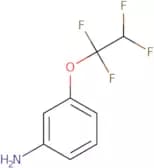
CAS :3-(1,1,2,2-Tetrafluoroethoxy)aniline is a reagent that belongs to the group of complex compounds. It has CAS No. 831-75-4 and is used as an intermediate in the synthesis of fine chemicals, useful scaffolds and building blocks. This versatile chemical can be used as a reaction component for the production of speciality chemicals and research chemicals. 3-(1,1,2,2-Tetrafluoroethoxy)aniline can be used as a starting material for the production of other reagents such as fluoroalkylating agents and fluorinating agents.Formule :C8H7F4NODegré de pureté :Min. 95%Couleur et forme :Colorless Clear LiquidMasse moléculaire :209.14 g/mol2-(((4-ethoxyphenyl)amino)methylene)indane-1,3-dione
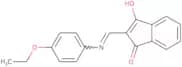
CAS :Please enquire for more information about 2-(((4-ethoxyphenyl)amino)methylene)indane-1,3-dione including the price, delivery time and more detailed product information at the technical inquiry form on this page
Degré de pureté :Min. 95%3,4-Dimethoxypropiophenone
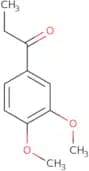
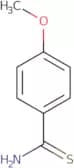
CAS :3,4-Dimethoxypropiophenone is a superacidic electrophile that is oxidized to produce oxidation products. It can be used in the manufacture of dyes and pharmaceuticals. The reaction mechanism for this compound starts with an electrophilic attack by one of the two carbonyl groups on a double bond in the propiophenone molecule. This produces an enol intermediate, which undergoes stepwise oxidation to form a carbonyl group, chloride ion, and acid catalyst. The acid catalyst can be recycled to reduce production costs. 3,4-Dimethoxypropiophenone also has stereoisomers that are chemically identical but have different three-dimensional shapes.Formule :C11H14O3Degré de pureté :Min. 95%Couleur et forme :PowderMasse moléculaire :194.23 g/mol4-Methoxybenzenecarbothioamide
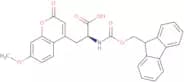
CAS :4-Methoxybenzenecarbothioamide is a urea nitrogen analogue that inhibits the synthesis of urea and other nitrogenous compounds. It is an inhibitor of the enzyme pyruvic transaminase, which converts pyruvate to alanine. The drug is also an inhibitor of the enzyme lactam synthetase, which catalyzes the formation of lactams from amino acids. This activity results in decreased production of cancer cells and renal toxicity. 4-Methoxybenzenecarbothioamide has been shown to have anticancer activity in vitro against a number of human cancer cell lines, including A549 lung carcinoma cells and MCF-7 breast cancer cells.Formule :C8H9NOSDegré de pureté :Min. 98 Area-%Couleur et forme :Off-White Yellow PowderMasse moléculaire :167.23 g/molFmoc-β-(7-methoxy-coumarin-4-yl)-Ala-OH
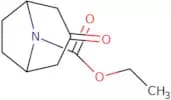
CAS :Fmoc-b-(7-methoxy-coumarin-4-yl)-Ala-OH is a reagent with the CAS No. 524698-40-6, which is used in organic synthesis. It is a versatile building block and useful intermediate that can be used to synthesize other organic compounds. Fmoc-b-(7-methoxy-coumarin-4-yl)-Ala-OH is also used as a reaction component in the synthesis of peptides and proteins, as well as in the preparation of polymers. It has been shown to be an effective building block for complex compounds.Formule :C28H23NO7Degré de pureté :Min. 95%Couleur et forme :PowderMasse moléculaire :485.48 g/molN-Carbethoxy-4-nortropinone
CAS :N-Carbethoxy-4-nortropinone is a high quality, reagent grade chemical that is often used as a complexing agent. It has been shown to be an excellent building block for the synthesis of other compounds and has been used in the production of speciality chemicals. N-Carbethoxy-4-nortropinone is also a versatile building block that can be used in many different types of reactions, making it an excellent reaction component. This compound is available for purchase at Sigma Aldrich with CAS number 32499-64-2.
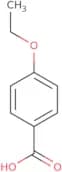
Formule :C10H15NO3Degré de pureté :Min. 95%Masse moléculaire :197.23 g/mol4-Ethoxybenzoic acid
CAS :4-Ethoxybenzoic acid is a phenolic compound that has shown significant cytotoxicity. This molecule has been shown to inhibit the production of tyrosinase, an enzyme that catalyzes the oxidation of tyrosine to produce melanin. 4-Ethoxybenzoic acid also inhibits detoxification enzymes such as glutathione transferases and quinone reductase, which may be responsible for its cytotoxicity. 4-Ethoxybenzoic acid is soluble in organic solvents but insoluble in water. It reacts with other compounds to form insoluble polymers. 4-Ethoxybenzoic acid can react with piperonyl butoxide or caproic acid to form p-hydroxybenzoic acid or friedel-crafts reaction products respectively.Formule :C9H10O3Degré de pureté :Min. 95%Couleur et forme :PowderMasse moléculaire :166.17 g/mol(2-Ethoxyphenyl)acetone
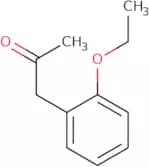
CAS :(2-Ethoxyphenyl)acetone is a monoaminergic compound that has antioxidant and analgesic properties. It also has antidepressant-like effects, which can be attributed to its ability to inhibit the reuptake of serotonin and norepinephrine. (2-Ethoxyphenyl)acetone has been shown to have neuroprotective effects in mice with Parkinson's disease. This compound also exhibits anti-inflammatory properties and may be useful for the treatment of depression.Formule :C11H14O2Degré de pureté :Min. 95%Couleur et forme :PowderMasse moléculaire :178.23 g/mol4-Methoxystyrene
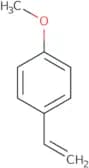
CAS :4-Methoxystyrene is a monomer that can be polymerized to form poly(4-methoxystyrene). It is an ionic monomer that has been used in cationic polymerization reactions. 4-Methoxystyrene can also be used as a fluorescence detector and as a base for the synthesis of polymers with desired properties. The kinetic, radical, and cationic polymerization reactions are all possible with 4-methoxystyrene. This compound has been shown to have intermolecular hydrogen bonding and oxygen nucleophiles, which are both required for the reaction mechanism of this compound. X-ray crystal structures have revealed the structure of this compound.Formule :C9H10ODegré de pureté :Min. 95%Couleur et forme :Colorless Clear LiquidMasse moléculaire :134.18 g/mol9,10-Dihydro-5-methoxy-9-oxo-4-acridinecarboxylic acid
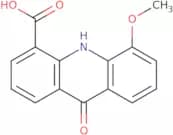
CAS :Please enquire for more information about 9,10-Dihydro-5-methoxy-9-oxo-4-acridinecarboxylic acid including the price, delivery time and more detailed product information at the technical inquiry form on this page
Formule :C15H11NO4Degré de pureté :Min. 95%Couleur et forme :PowderMasse moléculaire :269.25 g/mol(S)-trans-2-Amino-4-(2-aminoethoxy)-3-butenoic acid hydrochloride
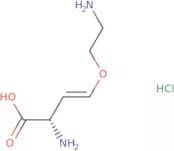
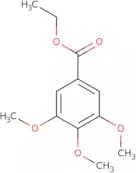
CAS :(S)-trans-2-Amino-4-(2-aminoethoxy)-3-butenoic acid hydrochloride is a chemical pesticide that inhibits the production of ethylene in plants. It is used to control growth and enhance the fruit quality of horticultural crops. It is also used as an inhibitor of serine proteases, which are enzymes that catalyze the hydrolysis of proteins. This product has been shown to act as a growth regulator by inhibiting the activity of serine proteases and blocking the biosynthesis of ethylene. (S)-trans-2-Amino-4-(2-aminoethoxy)-3-butenoic acid hydrochloride also blocks the biosynthesis of human chorionic gonadotropin, a hormone involved in reproduction and development.Formule :C6H13ClN2O3Degré de pureté :Min. 97 Area-%Couleur et forme :Off-White PowderMasse moléculaire :196.63 g/molEthyl 3,4,5-trimethoxybenzoate
CAS :Ethyl 3,4,5-trimethoxybenzoate is a synthetic chemical that is used as a precursor in the synthesis of quinoxalines. Ethyl 3,4,5-trimethoxybenzoate has been shown to have antiviral properties against human immunodeficiency virus and leishmania. It also has potent inhibitory activity against heterocyclic amines and t. rubrum.Formule :C12H16O5Degré de pureté :Min. 95%Couleur et forme :White To Grey SolidMasse moléculaire :240.25 g/mol[1-(Methoxymethyl)cyclopropyl]amine hydrochloride
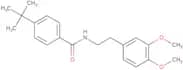
CAS :1-(Methoxymethyl)cyclopropyl]amine hydrochloride is a versatile building block that can be used in the synthesis of complex compounds. It has been shown to be useful as a reagent, speciality chemical, and research chemical. This compound is also a useful intermediate in the synthesis of other compounds and as a reaction component for several chemical reactions. 1-(Methoxymethyl)cyclopropyl]amine hydrochloride is high-quality and has CAS No. 1029716-05-9.Formule :C5H11NO•HClDegré de pureté :Min. 95%Couleur et forme :PowderMasse moléculaire :137.61 g/molN-(2-(3,4-dimethoxyphenyl)ethyl)(4-(tert-butyl)phenyl)formamide
CAS :Produit contrôléPlease enquire for more information about N-(2-(3,4-dimethoxyphenyl)ethyl)(4-(tert-butyl)phenyl)formamide including the price, delivery time and more detailed product information at the technical inquiry form on this page
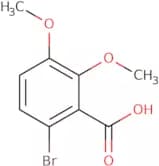
Degré de pureté :Min. 95%6-Bromo-2,3-dimethoxybenzoic acid
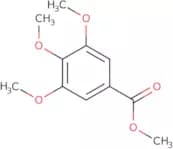
CAS :6-Bromo-2,3-dimethoxybenzoic acid is a synthetic chemical that has been shown to have antibacterial activity. It has been shown to inhibit the growth of bacteria by binding to the imine group in the bacterial cell wall and preventing its synthesis. 6-Bromo-2,3-dimethoxybenzoic acid has also been shown to be synthesised from 2,3-dimethoxybenzoic acid and bromine. This compound is a benzophenanthridine alkaloid that inhibits protein synthesis and cell division.Formule :C9H9BrO4Degré de pureté :Min. 95%Couleur et forme :PowderMasse moléculaire :261.07 g/molMethyl 3,4,5-trimethoxybenzoate
CAS :Methyl 3,4,5-trimethoxybenzoate is a fatty acid that belongs to the group of p2. It is used as an animal health product and as a component of pharmaceutical preparations. Methyl 3,4,5-trimethoxybenzoate has been shown to be a useful model system for studying hydrogen bonding in organic chemistry. When heated with sodium carbonate and chloride in water, the methyl 3,4,5-trimethoxybenzoate reacts with n-dimethyl formamide to produce reaction products. This reaction can be accelerated by adding triticum aestivum and sodium hydroxide solution.
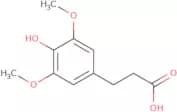
Formule :C11H14O5Degré de pureté :Min. 95%Couleur et forme :PowderMasse moléculaire :226.23 g/mol3-(3,5-Dimethoxy-4-hydroxyphenyl)-propionic acid
CAS :3-(3,5-dimethoxy-4-hydroxyphenyl)-propionic acid (3DMP) is a phenolic compound that is the major metabolite of sinalbin. It has been shown to be a bioactive compound with anti-inflammatory and antiatherosclerotic properties. 3DMP has also been found to have anti-cancer and anti-microbial activities. 3DMP is catabolized in the liver by cytochrome P450. This process produces metabolites including 3,5-dimethoxybenzoic acid, which can be excreted in urine samples. The physiological effects of 3DMP are mediated through binding to ABC transporters as well as G protein coupled receptors on cells such as BV2 microglial cells.Formule :C11H14O5Degré de pureté :Min. 95%Couleur et forme :White PowderMasse moléculaire :226.23 g/mol2'-Ethoxyacetophenone
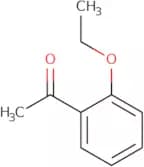
CAS :2'-Ethoxyacetophenone is a Friedel-Crafts acylation agent. It reacts with nucleophilic groups, such as alcohols and amines, to form an acylated product. 2'-Ethoxyacetophenone has been shown to be a useful tool for the synthesis of chiral compounds with high yields and good enantiomeric excesses. This compound can also be used as a precursor in the synthesis of polyaromatic molecules containing a chiral center. The reaction requires low substrate concentrations and short reaction times, making it advantageous for some reactions that are sensitive to these parameters.
Formule :C10H12O2Degré de pureté :Min. 95%Couleur et forme :PowderMasse moléculaire :164.2 g/mol3,5,7,4'-Tetramethoxyflavone
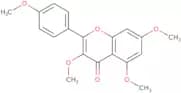
CAS :3,5,7,4'-Tetramethoxyflavone is a flavonoid that has been shown to have antidiabetic effects in animal studies. The mechanism of action of 3,5,7,4'-tetramethoxyflavone is not clear; however it is thought to involve the regulation of insulin sensitivity and energy metabolism. This compound has also been shown to inhibit the growth of Mycobacterium tuberculosis and other bacteria by interacting with their adenosine receptors. 3,5,7,4'-Tetramethoxyflavone binds to the basophilic leukemia cell line and inhibits its uptake of adenosine through the ccaat/enhancer-binding protein complex.
Formule :C19H18O6Degré de pureté :Min. 95%Masse moléculaire :342.34 g/mol3-Cyclohexyl-1-[4-[2-(7-methoxy -4,4-dimethyl-1,3-dioxo-isoquinolin -2-yl)ethyl]phenyl]sulfonyl-urea
CAS :3-Cyclohexyl-1-[4-[2-(7-methoxy -4,4-dimethyl-1,3-dioxo-isoquinolin -2-yl)ethyl]phenyl]sulfonyl-urea is a drug that inhibits the enzyme DPPIV, which breaks down the incretin hormone glucagon-like peptide (GLP)-1. It may be used to treat diabetes by regulating blood glucose levels. This drug has been shown to reduce postprandial blood glucose levels in patients with type 2 diabetes. 3CYCSU is also capable of reducing body weight and food intake in mice. The mechanism of action of this drug is not fully understood, but it appears to have an effect on the cytosolic calcium ion concentration and may reduce inflammatory responses in cells. 3CYCSU is a promising potential treatment for infectious diseases such as Hepatitis C virus (HCV).Formule :C27H33N3O6SCouleur et forme :PowderMasse moléculaire :527.63 g/mol4-(Bromodifluoromethoxy)nitrobenzene
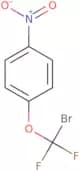
CAS :4-(Bromodifluoromethoxy)Nitrobenzene is a versatile building block that can be used to synthesize a wide variety of organic and inorganic compounds. It is a brominated derivative of nitrobenzene, which is useful for the synthesis of complex compounds and research chemicals. 4-(Bromodifluoromethoxy)Nitrobenzene is also an intermediate for the synthesis of pharmaceuticals and other valuable chemical compounds. This compound has been shown to provide high quality results in reactions with other molecules. 4-(Bromodifluoromethoxy)Nitrobenzene can be used as a scaffold for the construction of more complex molecules.Formule :C7H4BrF2NO3Degré de pureté :Min. 95%Couleur et forme :LiquidMasse moléculaire :268.01 g/mol3-Formyl-4-methoxypyridine
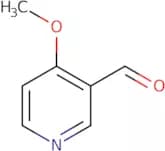
CAS :3-Formyl-4-methoxypyridine is a synthetic compound that belongs to the group of pyrimidine ring compounds. It is synthesized by the reaction of triflic acid with 2,6-dichloropyridine and has been shown to have antiviral and antitumour properties. The compound has also been synthetized as a potential drug for the treatment of malaria. 3-Formyl-4-methoxypyridine is an analog of variolin, which is an alkaloid that can be found in marine organisms such as sponges and tunicates. 3-Formyl-4-methoxypyridine has been shown to inhibit protein synthesis by inhibiting the enzyme RNA polymerase II, which leads to cell death by apoptosis or necrosis.Formule :C7H7NO2Degré de pureté :Min. 95%Couleur et forme :PowderMasse moléculaire :137.14 g/mol2,4,6-Tribromo-3-methoxyphenol
CAS :2,4,6-Tribromo-3-methoxyphenol is a high quality reagent that is used as an intermediate in the production of many fine chemicals. It is also a useful building block for the synthesis of speciality chemicals and research chemicals. This chemical can be used as a versatile building block for reactions with other compounds. 2,4,6-Tribromo-3-methoxyphenol has CAS number 24967-79-1 and can be found at Chemical & Laboratory Equipment.
Formule :C7H5Br3O2Degré de pureté :Min. 95%Masse moléculaire :360.83 g/mol2-Fluoro-4-methoxyphenol
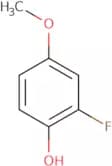
CAS :2-Fluoro-4-methoxyphenol is a white crystalline solid with a melting point of 100°C. It is soluble in water, ethanol and ether and insoluble in chloroform. The compound has been shown to be an intermediate for the synthesis of other organic compounds, such as 2-fluoro-4-(2,2,2-trifluoroethoxy)benzaldehyde, 2-fluoro-4-(3,3,3-trifluoropropoxy)benzaldehyde and 4-(2,2,2-trifluoroethoxy)-3'-nitroacetophenone. 2-Fluoro-4-methoxyphenol can also be used as a building block for speciality chemicals including research chemicals.Formule :C7H7FO2Degré de pureté :Min. 95%Couleur et forme :Clear LiquidMasse moléculaire :142.13 g/mol(5-Bromo-2-methoxyphenyl)acetone
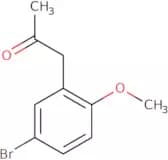
CAS :5-Bromo-2-methoxyphenyl)acetone (BMPA) is a versatile building block used in the synthesis of complex compounds and speciality chemicals. BMPA has been shown to be a useful intermediate for the synthesis of pharmaceuticals, agrochemicals, perfumes, and other products. It is also used as a reagent for research purposes. The compound was first synthesized by the condensation of aniline with acetaldehyde in 1885 by two French chemists, but has since been prepared in various ways. CAS number: 205826-73-9Formule :C10H11BrO2Degré de pureté :Min. 95%Masse moléculaire :243.1 g/mol2,3,4,5-Tetramethoxytoluene
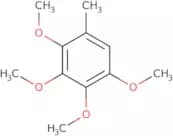
CAS :2,3,4,5-Tetramethoxytoluene is a chlorinated aromatic hydrocarbon that is produced by the chloromethylation of toluene. It can be used in the synthesis of isoquinoline compounds and grignard reagents. 2,3,4,5-Tetramethoxytoluene is also a precursor for the production of 2-chloro-1-(2-chlorophenyl)ethanol (CCPE), which is used as an intermediate for the production of various pesticides and herbicides. Tetramethoxytoluene has been shown to be toxic to fish in water at concentrations as low as 0.1 micrograms per liter. It also has a potential to cause environmental pollution because it reacts with peroxide and alkylates other organic compounds.
Formule :C11H16O4Degré de pureté :Min. 95%Couleur et forme :Clear LiquidMasse moléculaire :212.24 g/mol1,2,3,5-Tetramethoxybenzene
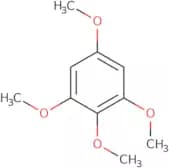
CAS :Produit contrôlé1,2,3,5-Tetramethoxybenzene is a tannin that belongs to the class of arenes. It can be synthesized by Friedel-Crafts acylation of benzene with an acyl chloride in the presence of aluminum chloride. This reaction produces 1,2,3,5-tetramethoxybenzene and triketone as byproducts. The synthetic pathway for this compound is based on techniques such as irradiation and thermally induced rearrangement. The oxidized form has a redox potential of -0.6 V vs NHE (normal hydrogen electrode). Methoxy groups on the aromatic ring increase the electron affinity and lower the redox potential.Formule :C10H14O4Degré de pureté :Min. 95%Couleur et forme :White PowderMasse moléculaire :198.22 g/molEthyl 2,6-dimethoxybenzoate
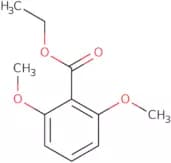
CAS :Ethyl 2,6-dimethoxybenzoate is a ferroelectric material. It is a colorless crystalline solid that can be obtained by the reaction of ethyl acetoacetate with benzoic acid. This compound has been used as a stabilizer for polyvinyl chloride and polyethylene terephthalate plastics. It has also been shown to have antihypertensive effects in rats. The hydroxymethyl group on the ethyl 2,6-dimethoxybenzoate molecule enables it to react with anions such as chloride ions, which in turn stabilize the crystal structure and increase the melting point. Ethyl 2,6-dimethoxybenzoate is also a congener of papaverine, which is used as a vasodilator and antiarrhythmic drug.Formule :C11H14O4Degré de pureté :Min. 95%Couleur et forme :PowderMasse moléculaire :210.23 g/mol(3,4,5-Trimethoxyphenyl)boronic acid
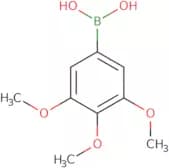
CAS :(3,4,5-Trimethoxyphenyl)boronic acid is an active analogue of 3,4,5-trimethoxybenzoic acid. It has potent anti-inflammatory properties and inhibits cancer cell proliferation. (3,4,5-Trimethoxyphenyl)boronic acid has been shown to inhibit the growth of cancer cells in vitro by binding to the gyrase enzyme. This drug also has biological properties that may be useful for treating human liver diseases such as hepatic steatosis or nonalcoholic fatty liver disease (NAFLD).Formule :C9H13BO5Degré de pureté :Min. 95 Area-%Couleur et forme :PowderMasse moléculaire :212.01 g/mol5-Chloro-2-methoxyacetophenone
CAS :5-Chloro-2-methoxyacetophenone is a byproduct of the synthesis of 2-hydroxybenzofuran. It is also used in the synthesis of tetracyclic benzopyrans, which are known to be potent analgesics and have been found to have anti-inflammatory properties. 5-Chloro-2-methoxyacetophenone can be obtained by decarbonylation (loss of carbon) or elimination reactions.
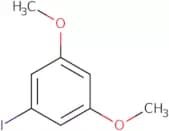
Formule :C9H9ClO2Degré de pureté :Min. 95%Couleur et forme :Clear LiquidMasse moléculaire :184.62 g/mol3,5-Dimethoxyiodobenzene
CAS :3,5-Dimethoxyiodobenzene is an organic molecule that is structurally similar to biphenyl. It has been shown to inhibit the growth of cancer cells by flipping the mcf-7 protein and cross-coupling with pterostilbene. 3,5-Dimethoxyiodobenzene can be used as a substitute for biphenyl in some reactions because it has a similar structure but does not have halogen groups. 3,5-Dimethoxyiodobenzene also inhibits the production of chloride ions in bacteria and causes accumulation of phosphane, which is an enzyme inhibitor. This compound has also been shown to act as a stereoselective inhibitor of enzymes that catalyze the synthesis of phytoalexins, which are plant secondary metabolites produced under biotic stress conditions (e.g., bacterial infection).Formule :C8H9IO2Degré de pureté :Min. 95%Couleur et forme :Light Brown To Brown SolidMasse moléculaire :264.06 g/mol4-Methoxy-3-nitrobenzotrifluoride
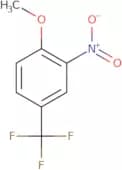
CAS :4-Methoxy-3-nitrobenzotrifluoride is a chemical that belongs to the group of reactants. It is used as a reagent, building block, or intermediate in organic synthesis. 4-Methoxy-3-nitrobenzotrifluoride has been shown to be an effective scaffold for the preparation of complex compounds with versatile building blocks and useful intermediates. It can also be used as a fine chemical with speciality chemical properties.
Formule :C8H6F3NO3Degré de pureté :Min. 95%Couleur et forme :PowderMasse moléculaire :221.13 g/mol2-Methoxypropyl acetate
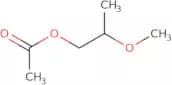
CAS :2-Methoxypropyl acetate is a cross-linking agent that is used in water treatment. It is used as an additive to deionized water and can be found in high concentrations in wastewater. 2-Methoxypropyl acetate reacts with xylene to produce light emission, which makes it suitable for use as a chemical marker. The optimum dose of 2-methoxypropyl acetate ranges from 0.025% to 0.2%. 2-Methoxypropyl acetate has been shown to be toxic when injected into rats at doses of 100 mg/kg body weight, but not at doses of 25 mg/kg body weight or less. This compound was also shown to cause protrusion and necrosis of the nasal septum in rats after administration at doses of 500 mg/kg body weight.Formule :C6H12O3Degré de pureté :Min. 95%Couleur et forme :Colourless LiquidMasse moléculaire :132.16 g/mol1-Iodo-2-methoxybenzene
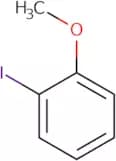
CAS :1-Iodo-2-methoxybenzene is a compound that has shown to have anti-cancer properties. It is an effective inhibitor of protein tyrosine kinases, which are involved in the activation of inflammatory diseases and cancer. The hydroxyl group on the benzenoid ring activates the molecule by hydrogen bonding with the protein target, thereby inhibiting its activity. 1-Iodo-2-methoxybenzene may also be used as a contrast agent for magnetic resonance imaging (MRI) due to its light emission properties.
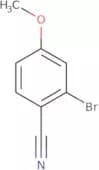
Formule :C7H7IODegré de pureté :Min. 95%Couleur et forme :Clear LiquidMasse moléculaire :234.03 g/mol2-Bromo-4-methoxybenzonitrile
CAS :2-Bromo-4-methoxybenzonitrile is a high quality reagent that is used as a versatile building block in the synthesis of complex organic compounds. It is a useful intermediate and can be used to form 2,4-dimethoxybenzaldehyde. This compound has been used as a reaction component in the production of pharmaceuticals, pesticides, and other fine chemicals. The chemical formula for 2-bromo-4-methoxybenzonitrile is C6H5BrO2.
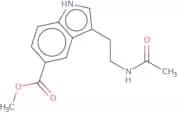
Formule :C8H6BrNODegré de pureté :Min. 95%Masse moléculaire :212.04 g/molN-Acetyl-5-carboxymethoxy tryptamine
CAS :N-Acetyl-5-carboxymethoxy tryptamine is a versatile building block that is used as a reagent and in the synthesis of complex compounds. It can also be used as an intermediate or a reaction component in the synthesis of other compounds. This compound has been shown to have high quality and, when used as an intermediate, can serve as a useful scaffold for the synthesis of new molecules. N-Acetyl-5-carboxymethoxy tryptamine belongs to CAS No. 1397243-36-5, which is a speciality chemical that is not regulated by law.
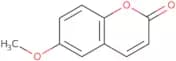
Formule :C14H16N2O3Degré de pureté :Min. 95%Masse moléculaire :260.29 g/mol6-Methoxycoumarin
CAS :6-Methoxycoumarin is a potent inhibitor drug that inhibits the activity of monoamine oxidase (MAO). It has been shown to have anti-feedant properties in laboratory experiments and is used as an antifeedant. 6-Methoxycoumarin also fluoresces under ultraviolet light, which can be used to identify its presence in a solution. 6-Methoxycoumarin is a derivative of coumarin and has the same skeleton with two methoxy groups attached. The compound can be identified by its chemical structure and predictable fluorescence properties. 6-Methoxycoumarin has been shown to bind to amines, which are organic compounds containing nitrogen, on the chromatographic column, allowing for easy detection.Formule :C10H8O3Degré de pureté :Min. 95%Couleur et forme :PowderMasse moléculaire :176.17 g/mol(3,5-Dimethoxyphenyl)acetone
CAS :(3,5-Dimethoxyphenyl)acetone is a plant phenolic compound that has been found in many plants. It is an intermediate in the biosynthesis of lignans and a wide range of other natural products. The production of (3,5-dimethoxyphenyl)acetone by plants is induced by the presence of nitrate, chloride and/or tyrosol. This compound also represses the expression of genes involved in dextrose metabolism and carbon fixation pathways. Furthermore, it can be quantified using isotopic labelling techniques and has been detected at low levels in human urine samples.
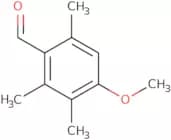
Formule :C11H14O3Degré de pureté :Min. 95%Couleur et forme :Yellow Clear LiquidMasse moléculaire :194.23 g/mol4-Methoxy-2,3,6-trimethylbenzaldehyde
CAS :4-Methoxy-2,3,6-trimethylbenzaldehyde (MTMB) is a chemical intermediate that can be used as a building block for the synthesis of complex compounds. It has a high quality and is a versatile building block. MTMB is also known to react with other chemical compounds to form an aromatic ring. This compound is used in research and development as well as in fine chemical production.Formule :C11H14O2Degré de pureté :Min. 95%Couleur et forme :PowderMasse moléculaire :178.23 g/mol5-Methoxy-3-methylbenzonitrile
CAS :5-Methoxy-3-methylbenzonitrile is a versatile chemical with a wide range of applications in pharmaceuticals, agrochemicals, and other industries. It is used as a reaction component in the synthesis of drugs such as indomethacin and methotrexate. It is also useful for the production of high-quality research chemicals. 5-Methoxy-3-methylbenzonitrile has been shown to be an efficient building block for the synthesis of complex compounds with diverse structures.
Formule :C9H9NODegré de pureté :Min. 95%Couleur et forme :PowderMasse moléculaire :147.17 g/mol


![2-Methoxy-1-[(4-methylphenyl)sulphinyl]benzene](/_next/image/?url=https%3A%2Fstatic.cymitquimica.com%2Fproducts%2F3D%2Fthumb-webp%2FFM66194.webp&w=3840&q=75)
















![[1-(Methoxymethyl)cyclopropyl]amine hydrochloride](/_next/image/?url=https%3A%2Fstatic.cymitquimica.com%2Fproducts%2F3D%2Fthumb-webp%2FFM129588.webp&w=3840&q=75)
![3-Cyclohexyl-1-[4-[2-(7-methoxy -4,4-dimethyl-1,3-dioxo-isoquinolin -2-yl)ethyl]phenyl]sulfonyl-ur…](/_next/image/?url=https%3A%2Fstatic.cymitquimica.com%2Fproducts%2F3D%2Fthumb-webp%2FFG40551.webp&w=3840&q=75)