Éthers
40906 produits trouvés pour "Éthers"
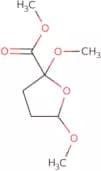
Methyl tetrahydro-2,5-dimethoxy-2-furancarboxylate
CAS :Methyl tetrahydro-2,5-dimethoxy-2-furancarboxylate is a sterically bulky molecule with a nitrogen atom in the ortho position. It has been used for the synthesis of various heterocyclic compounds. The steric bulk of methyl tetrahydro-2,5-dimethoxy-2-furancarboxylate prevents it from being substituted easily. This can be demonstrated by the refluxing of methyl tetrahydro-2,5-dimethoxy-2-furancarboxylate in benzene. The steric bulk also causes electron density to be distributed around methyl tetrahydro-2,5-dimethoxy-2-furancarboxylate, which creates a conjugated system.Formule :C8H14O5Degré de pureté :Min. 95%Couleur et forme :Colourless To Pale Yellow Clear LiquidMasse moléculaire :190.19 g/mol3,5-Dimethyl-4-methoxybenzoic acid
CAS :3,5-Dimethyl-4-methoxybenzoic acid is a disulphide monomer with the chemical formula C7H8O2S. It can be used as a building block for organic synthesis. This compound has been widely studied because it contains a benzyl group, which is the simplest aromatic system. The symmetric and asymmetric vibrational frequencies of 3,5-dimethyl-4-methoxybenzoic acid have been measured by nmr spectroscopy and theory. The thermodynamic properties of this compound have also been studied by molecular dynamics simulations and quantum chemical calculations.Formule :C10H12O3Degré de pureté :Min. 95%Masse moléculaire :180.2 g/mol2-Hydroxy-4-methoxybenzophenone-5-sulfonic acid
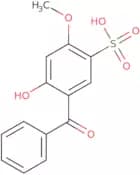
CAS :2-Hydroxy-4-methoxybenzophenone-5-sulfonic acid is a diazonium salt that can be used as a reference standard to measure the microbial metabolism of aromatic compounds. It is stable in air and light, but can undergo photolysis in solution. The monosodium salt form of 2-hydroxy-4-methoxybenzophenone-5-sulfonic acid has been shown to have acute toxicities for fish, rats and rabbits. This compound also has photochemical properties that make it useful for surface methodology, such as determining the degree of hydrophobicity of various types of surfaces. Hydrochloric acid is needed for the preparation of this compound.Formule :C14H12O6SDegré de pureté :Min. 95%Couleur et forme :White To Yellow SolidMasse moléculaire :308.31 g/mol4-[2-(3,4-Dimethoxyphenyl)-1,2-dibromoethyl]-1,2-dimethoxybenzene
CAS :4-[2-(3,4-Dimethoxyphenyl)-1,2-dibromoethyl]-1,2-dimethoxybenzene is a high quality chemical that is an intermediate for the synthesis of other compounds. It has been used as a reagent in the synthesis of complex compounds and has been shown to be useful for the production of fine chemicals. This compound can also be used as a scaffold or building block in organic chemistry. The versatility of 4-[2-(3,4-Dimethoxyphenyl)-1,2-dibromoethyl]-1,2-dimethoxybenzene makes it an important reaction component in organic chemistry and research chemicals.Formule :C18H20Br2O4Degré de pureté :Min. 95%Masse moléculaire :460.16 g/mol2-Amino-6-methoxybenzoic acid
CAS :2-Amino-6-methoxybenzoic acid is a monosubstituted amide, which is synthesized by the hydrolysis of 2-amino-5-methylbenzoic acid with hydrochloric acid in the presence of diacetate. This compound is formed as part of the biosynthesis of aminophenols and heterocycles. It can be used to adsorb metal ions and organic compounds, such as chloride and butyllithium. 2-Amino-6-methoxybenzoic acid is also found in aeruginosa infections due to its ability to inhibit bacterial growth by inhibiting protein synthesis. The synthesis of this compound requires shikimate pathway enzymes.Formule :C8H9NO3Degré de pureté :Min. 95%Couleur et forme :PowderMasse moléculaire :167.16 g/mol3-Chloro-4-methoxybenzylamine hydrochloride
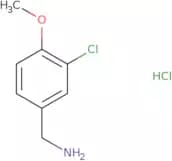
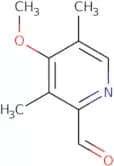
CAS :3-Chloro-4-methoxybenzylamine hydrochloride is a quinoline derivative that inhibits the activity of phosphodiesterase 5, an enzyme that breaks down cGMP in the brain. This drug has been shown to increase levels of cGMP and decrease levels of low energy (i.e., low ATP) in synaptosomes. 3-Chloro-4-methoxybenzylamine hydrochloride may be useful for the treatment of Alzheimer's disease, as it has been shown to improve cognitive function and memory in animal models. The mechanism of action is not fully understood but may involve inhibition of cholinergic neurotransmission or activation of nitric oxide synthase.Formule :C8H10ClNO•HClDegré de pureté :Min. 95%Couleur et forme :PowderMasse moléculaire :208.08 g/mol4-Methoxy-3,5-dimethyl-2-pyridinecarboxaldehyde
CAS :4-Methoxy-3,5-dimethyl-2-pyridinecarboxaldehyde is a trifunctional molecule that has been shown to suppress the growth of cancer cells in mice. This compound is an inhibitor of acid synthesis and has also been shown to be an antirheumatic drug. 4-Methoxy-3,5-dimethyl-2-pyridinecarboxaldehyde inhibits the activity of three enzymes: synthetase, an enzyme that synthesizes fatty acids; 3-ketoacyl CoA synthase, which synthesizes ketones; and enoyl CoA reductase, which produces fatty acids. The long term efficacy of this molecule has not yet been studied in humans.Formule :C9H11NO2Degré de pureté :Min. 95%Couleur et forme :Colourless LiquidMasse moléculaire :165.19 g/mol4-Methoxy-2-methylphenylacetone
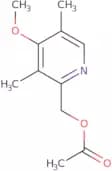
CAS :4-Methoxy-2-methylphenylacetone (4MMPA) is a reagent that is used as an intermediate for the synthesis of high quality fine chemicals. It is also a useful scaffold and building block in organic synthesis. 4MMPA is a versatile building block, which can be used in the synthesis of speciality chemicals, research chemicals, and reaction components. 4MMPA has CAS number 16882-24-9.Formule :C11H14O2Degré de pureté :Min. 95%Masse moléculaire :178.23 g/mol4-Methoxy-3,5-dimethyl-pyridin-2-yl)methyl acetate
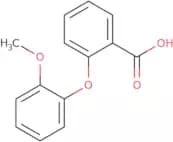
CAS :4-Methoxy-3,5-dimethyl-pyridin-2-yl)methyl acetate is a chemical intermediate that is used in the manufacture of pharmaceuticals and other fine chemicals. It has been found to be a useful scaffold for the synthesis of other compounds. This compound may also be used as a building block or reaction component in research. 4-Methoxy-3,5-dimethyl-pyridin-2-yl)methyl acetate has a CAS number of 91219-90-8 and can be purchased from suppliers such as TCI America.Formule :C11H15NO3Degré de pureté :Min. 95%Couleur et forme :White PowderMasse moléculaire :209.24 g/mol2-(2-Methoxyphenoxy)Benzoic Acid
CAS :2-(2-Methoxyphenoxy)benzoic acid is an organic compound that can be synthesized in the laboratory. It has been shown to dimerize spontaneously in aqueous solutions with the release of hydrogen peroxide and oxygen. The mechanism is thought to involve oxidative dimerization, which may lead to carboxylate bond cleavage, intramolecular radical formation, or mechanistically radical attack. This process also results in the formation of a 2-methoxyphenoxy radical.
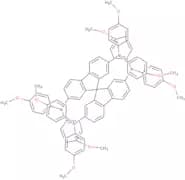
Formule :C14H12O4Degré de pureté :Min. 95%Couleur et forme :PowderMasse moléculaire :244.24 g/mol2,2',7,7'-Tetrakis-(N,N-di-4-methoxyphenylamino)-9,9'-spirobifluorene - Sublimed grade
CAS :2,2',7,7'-Tetrakis-(N,N-di-4-methoxyphenylamino)-9,9'-spirobifluorene (TPB) is a model system for investigating the transport of light signal in polymers. TPB can be used as a component in solar cells to increase their efficiency and improve their resistance to heat. TPB has shown high resistance to hydrochloric acid and other aggressive chemicals. TPB has been shown to be an effective photoelectron donor with a redox potential that is close to the one of copper; this property can be used for electrochemical impedance spectroscopy.Formule :C81H68N4O8Degré de pureté :Min. 95%Couleur et forme :Off-white to yellow solid.Masse moléculaire :1,225.43 g/mol4'-Trifluoromethoxy-β-methyl-β-nitrostyrene
CAS :4'-Trifluoromethoxy-beta-methyl-beta-nitrostyrene is a fine chemical that is a useful building block in organic synthesis. It can be used as a reagent, specialty chemical, or intermediate for the preparation of more complex compounds. This compound has been shown to be useful in the synthesis of natural products and pharmaceuticals.Formule :C10H8F3NO3Degré de pureté :Min. 95%Masse moléculaire :247.17 g/mol3-Chloro-4-methoxybenzoic acid
CAS :3-Chloro-4-methoxybenzoic acid is a hydroxamic acid that is synthesized by the reaction of 3-chloro-4-methoxybenzaldehyde with hydroxylamine. It has anticancer activity and can inhibit the growth of cancer cells. 3-Chloro-4-methoxybenzoic acid has a low potency, which means that it needs to be used in high concentrations in order to be effective as an anticancer agent. The drug is also structurally similar to sorafenib, but has less potent anticancer activity.
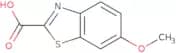
Formule :C8H7ClO3Degré de pureté :Min. 95%Masse moléculaire :186.59 g/mol6-Methoxybenzothiazole-2-carboxylic acid
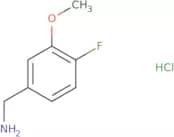
CAS :6-Methoxybenzothiazole-2-carboxylic acid is a synthetic sulfur compound that is used in the synthesis of benzothiazines. It is also an intermediate in the biosynthesis of thiocyanate, a natural product that has been shown to have anti-inflammatory properties. 6-Methoxybenzothiazole-2-carboxylic acid has been shown to be highly efficient as a luciferin, and can be used in the production of bioluminescence. 6-Methoxybenzothiazole-2-carboxylic acid belongs to the family of benzothiazines, which are benzoquinones with two fused rings. Benzothiazines are found in marine natural products such as luciferins and some other nature products.Formule :C9H7NO3SDegré de pureté :Min. 95%Couleur et forme :PowderMasse moléculaire :209.22 g/mol4-Fluoro-3-methoxybenzylamine hydrochloride
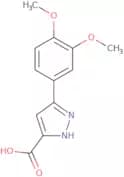
CAS :4-Fluoro-3-methoxybenzylamine hydrochloride is a fine chemical that can be used as a building block in research, as a reagent in the synthesis of complex compounds, and as a versatile scaffold for the synthesis of natural products. This compound is an intermediate for the production of other pharmaceuticals and has been shown to be useful in the production of various drugs. It is also used as a reactant in organic chemistry reactions due to its high quality. 4-Fluoro-3-methoxybenzylamine hydrochloride has CAS No. 869296-41-3 and can be found on the Chemical Abstract Service (CAS) database.Formule :C8H11ClFNODegré de pureté :Min. 95%Masse moléculaire :191.63 g/mol3-(3,4-Dimethoxyphenyl)-1H-pyrazole-5-carboxylic acid
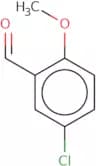
CAS :3-(3,4-Dimethoxyphenyl)-1H-pyrazole-5-carboxylic acid is a fine chemical that is used as a building block for other compounds. It is also a research chemical that can be used in the production of many types of drugs and chemicals. 3-(3,4-Dimethoxyphenyl)-1H-pyrazole-5-carboxylic acid has been shown to be a useful reagent for reactions involving alcohols, amines, and acids. This product is also a versatile building block for the synthesis of complex molecules with many types of substituents.Formule :C12H12N2O4Degré de pureté :Min. 95%Couleur et forme :White PowderMasse moléculaire :248.23 g/mol5-Chloro-2-methoxybenzaldehyde
CAS :5-Chloro-2-methoxybenzaldehyde is a potent inhibitor of the bacterial enzyme acetylcholinesterase. It has been shown to have an interaction with biomolecules, such as chalcones, and can be used in the manufacture of antibacterial agents. 5-Chloro-2-methoxybenzaldehyde has been found to have potent inhibitory activity against organocatalytic aldehydes and atypical aldehydes and can be used as an active ingredient in the synthesis of novel compounds with antibacterial activity.Formule :C8H7ClO2Degré de pureté :Min. 95%Couleur et forme :PowderMasse moléculaire :170.59 g/mol4-Iodo-N-(4-methoxyphenyl)-N-methylbenzamide
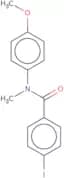
CAS :4-Iodo-N-(4-methoxyphenyl)-N-methylbenzamide is a useful scaffold that can be used in the synthesis of complex compounds. It is also a versatile building block and has been found to be useful as an intermediate and building block. 4-Iodo-N-(4-methoxyphenyl)-N-methylbenzamide is a fine chemical with CAS No. 320734-40-5. This reagent is high quality, research chemicals, and can be used in the synthesis of speciality chemicals.Formule :C15H14INO2Degré de pureté :Min. 95%Masse moléculaire :367.18 g/molPoly[2-methoxy-5-(2-ethylhexyloxy)-1,4-phenylenevinylene] - M.W. average 10,000-100,000
CAS :Poly[2-methoxy-5-(2-ethylhexyloxy)-1,4-phenylenevinylene] (MEH-PPV) is a polymer that has been extensively studied in the past. It has an average molecular weight of 10,000 to 100,000 and exhibits semiconducting properties. MEH-PPV can be synthesized by chemical sulfonation of MEH-PPV with sulfuric acid followed by addition of potassium hydroxide. This process yields a polymer that is soluble in organic solvents. The degree of sulfonation can be controlled by adjusting the ratio of sulfuric acid to MEH-PPV. MEH-PPV can also be synthesized from vinyl alcohol and vinylene monomers by free radical polymerization or copolymerization reactions. In this process, vinyl alcohol and vinylene are copolymerized to form polymers with alternating ethylene glycol and phenylethynyl moieties.Formule :(C17H24O2)nDegré de pureté :Min. 95%Couleur et forme :Red Powder4-Methoxy-3-nitropyridine
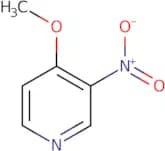
CAS :4-Methoxy-3-nitropyridine (4MNOP) is an organic compound that is a white solid at room temperature. 4MNOP has been shown to interact with alkali metals and can be used in the preparation of emulsifying agents. It also has been found to have pharmacokinetic properties, including a low molecular weight, good solubility in water, and a high degree of absorption. The imidazopyridine ring system is susceptible to reductive amination reactions, which may lead to the formation of amine or surfactant residues.Formule :C6H6N2O3Degré de pureté :Min. 95%Couleur et forme :PowderMasse moléculaire :154.13 g/mol


![4-[2-(3,4-Dimethoxyphenyl)-1,2-dibromoethyl]-1,2-dimethoxybenzene](/_next/image/?url=https%3A%2Fstatic.cymitquimica.com%2Fproducts%2F3D%2Fthumb-webp%2FFD66282.webp&w=3840&q=75)




![Poly[2-methoxy-5-(2-ethylhexyloxy)-1,4-phenylenevinylene] - M.W. average 10,000-100,000](/_next/image/?url=https%3A%2Fstatic.cymitquimica.com%2Fproducts%2F3D%2Fthumb-webp%2FFP165854.webp&w=3840&q=75)