Éthers
Les éthers sont des composés organiques contenant un groupe fonctionnel éther, caractérisé par un atome d'oxygène lié à deux radicaux hydrocarbonés. Ces composés sont précieux en synthèse et servent de solvants dans diverses réactions chimiques. Chez CymitQuimica, nous proposons une sélection d'éthers de haute qualité pour soutenir vos applications de recherche et industrielles, garantissant des résultats fiables et efficaces. Notre gamme d'éthers répond aux divers besoins de laboratoire, des expériences de routine aux recherches avancées.
40902 produits trouvés pour "Éthers"
Trier par
Degré de pureté (%)
0
100
|
0
|
50
|
90
|
95
|
100
N-Ethyl-N-(3-sulfopropyl)-3-methoxyaniline sodium
CAS :<p>N-Ethyl-N-(3-sulfopropyl)-3-methoxyaniline sodium (ESP) is a selective agonist of the CB2 receptor. It is structurally unrelated to other CB2 receptor ligands, and has been shown to act as a selective, low affinity antagonist of the epidermal growth factor receptor. ESP has also been shown to be an ATP binding cassette transporter substrate and acts as a voltage sensor in whole cell recordings. ESP has potential therapeutic applications in diabetic neuropathy and chronic pain.</p>Formule :C12H19NO4S•NaDegré de pureté :Min. 95%Couleur et forme :PowderMasse moléculaire :296.34 g/mol3-Methoxy-4,5-methylenedioxybenzaldehyde
CAS :Produit contrôlé3-Methoxy-4,5-methylenedioxybenzaldehyde (MMDA) is an amine that is used in the synthesis of drugs and pharmaceuticals. It is a major component of myristicin, which is found in nutmeg. MMDA can be synthesized from aluminium chloride, hydrochloric acid and pyridine. The molecule has a skeleton that is recemic at acidic pH values and mesoionic at basic pH values. This compound also reacts with acetyl chloride to form 3,4-dimethoxyacetophenone, which can be chromatographically separated from other compounds. The chromatography produces flavonoid derivatives such as quercetin, 3′-methoxyquercetin and 3′,4′-dimethoxyquercetin. Flavonoids are polyphenolic compounds found in plants that have antioxidant properties. Chromatographic separation of these compounds can be done using spectrometric methods toFormule :C9H8O4Degré de pureté :Min. 95 Area-%Couleur et forme :Off-White PowderMasse moléculaire :180.16 g/mol5-(((2-(3,4-dimethoxyphenyl)ethyl)amino)methylene)-2,2-dimethyl-1,3-dioxane-4,6-dione
CAS :Please enquire for more information about 5-(((2-(3,4-dimethoxyphenyl)ethyl)amino)methylene)-2,2-dimethyl-1,3-dioxane-4,6-dione including the price, delivery time and more detailed product information at the technical inquiry form on this pageDegré de pureté :Min. 95%3,5-Dimethoxybenzyl alcohol
CAS :<p>3,5-Dimethoxybenzyl alcohol is a synthetic compound that exhibits potent inhibitory activity against carcinoma cell lines. It prevents the growth of cancer cells by inhibiting the synthesis of RNA and DNA. The activation energy for this inhibitory activity is 40.6 kJ/mol, which was determined using analytical methods. 3,5-Dimethoxybenzyl alcohol inhibits the growth of cancer cells in vitro and in vivo at concentrations between 50 and 500 µM. Its inhibitory activities are reversible and competitive with respect to chloride ions at concentrations greater than 250 µM. 3,5-Dimethoxybenzyl alcohol has been shown to be an effective inhibitor of phosphatase enzymes in Chinese medicinal herbs such as Polygonum multiflorum Thunb., Phellodendron amurense Rupr., or Pyrus pyrifolia Nakai.</p>Formule :C9H12O3Degré de pureté :Min. 95%Couleur et forme :Off-White PowderMasse moléculaire :168.19 g/mol5-Methoxyuracil
CAS :<p>5-Methoxyuracil is a labile, colorless and crystalline compound that occurs spontaneously in the presence of oxygen. It has a chemical structure similar to thiourea, with one methyl group substituted for the amino group on the heterocycle. 5-Methoxyuracil is used as a precursor for synthesis of thymine and uracil. It also acts as an antioxidant, preventing reactive oxygen species from causing cellular damage. 5-Methoxyuracil can be used in regenerative medicine to increase the production of messenger RNA (mRNA) and ribosomal RNA (rRNA). This drug is used as a prebiotic agent and can be synthetically produced by dimethylation of uridine followed by ethyl formate oxidation.</p>Formule :C5H6N2O3Degré de pureté :Min. 95%Couleur et forme :PowderMasse moléculaire :142.11 g/mol3,4,5-Trimethoxybenzoic acid
CAS :<p>3,4,5-Trimethoxybenzoic acid is an experimental drug that has been shown to have significant cytotoxicity in a chronic oral model. It inhibits the activity of a number of enzymes including esterases, lipases, and proteases. This compound also showed significant cytotoxicity when tested in the water vapor chronic inhalation model. 3,4,5-Trimethoxybenzoic acid may be toxic to humans because it binds to calcium channels and inhibits the release of ryanodine from its storage sites on the sarcoplasmic reticulum. This inhibition may lead to muscle cramps and tetany as well as cardiac arrhythmias. The toxicity of 3,4,5-trimethoxybenzoic acid has been studied in rats using a number of methods including titration calorimetry and chlorogenic acids extraction from rat liver.</p>Formule :C10H12O5Degré de pureté :Min. 95%Couleur et forme :PowderMasse moléculaire :212.2 g/mol4'-Methoxyacetophenone
CAS :<p>4'-Methoxyacetophenone is a compound that belongs to the group of detergent compositions. It has a phase transition temperature of about 75°C and meets the requirements for use in laundry detergents. 4'-Methoxyacetophenone is an antimicrobial agent that can be used in personal care products, such as soaps and lotions. It has been shown to be effective against bacteria, such as Staphylococcus aureus, Pseudomonas aeruginosa, and Escherichia coli. The antibacterial activity of 4'-methoxyacetophenone may be due to its hydroxyl group and phosphotungstic acid moiety. This compound also reacts with thione compounds and carbonyl groups to form acylation reactions.</p>Formule :C9H10O2Degré de pureté :Min. 95%Couleur et forme :White Or Clear Colourless Solid Or Liquid (May Vary)Masse moléculaire :150.17 g/mol3-Methoxybenzylamine
CAS :<p>3-Methoxybenzylamine is a fatty acid amide that is synthesized from benzylamine derivatives. The compound is a viscosity enhancer and antioxidant, and has been shown to inhibit the reaction of 3-hydroxybutyric acid with hydrochloric acid. 3-Methoxybenzylamine has also been used as a dietary supplement in tissue samples to reduce the effects of oxidation on the fatty acid chains. This compound has an asymmetric synthesis, which can be achieved by reacting an amine with an acyl chain.</p>Formule :C8H11NODegré de pureté :Min. 95%Couleur et forme :Clear LiquidMasse moléculaire :137.18 g/mol4'-Chloro-4-methoxychalcone
CAS :4'-Chloro-4-methoxychalcone is a dihedral molecule that has been studied by laser spectroscopy. The wavelength and efficiency of the laser have been shown to be dependent on the chalcone's dipole moment. Chalcones are also used in the synthesis of other compounds, such as benzene, which is an aromatic hydrocarbon. Chalcones are used as optical brighteners in detergents and soaps and can also be used to induce evaporation of organic solvents. 4'-Chloro-4-methoxychalcone is used as an intermediate in crystal x-ray diffraction studies.Formule :C16H13ClO2Degré de pureté :Min. 95%Couleur et forme :PowderMasse moléculaire :272.73 g/mol2-(2-Hydroxy-4-methoxyphenyl)-5,5-dimethyl-4-thiazolidinecarboxylic acid
CAS :<p>Please enquire for more information about 2-(2-Hydroxy-4-methoxyphenyl)-5,5-dimethyl-4-thiazolidinecarboxylic acid including the price, delivery time and more detailed product information at the technical inquiry form on this page</p>Formule :C13H17NO4SDegré de pureté :Min. 95%Couleur et forme :PowderMasse moléculaire :283.34 g/mol2-Methoxybenzaldehyde oxime
CAS :<p>2-Methoxybenzaldehyde oxime is a synthetic amine that is used in the synthesis of peroxides. The reaction rate and nature depend on the type of peroxide being synthesized, but typically, it is used with acetonitrile as a solvent and an acid catalyst. 2-Methoxybenzaldehyde oxime reacts with peracid to create an aldoxime and nitrite. This product can also be made by reacting benzaldehyde with nitrous acid, which will produce dioxane as an intermediate. The reaction time for this process takes about four hours at room temperature.</p>Formule :C8H9NO2Degré de pureté :Min. 95%Couleur et forme :PowderMasse moléculaire :151.16 g/mol3-Carbethoxyquinuclidine
CAS :3-Carbethoxyquinuclidine is an antihistaminic drug that belongs to the class of quinuclidines. It is used in research and has been shown to have a pharmacological effect on the central nervous system, including inhibition of histamine release. 3-Carbethoxyquinuclidine has been found to be anti-inflammatory and analgesic. It also inhibits prostaglandins and other mediators of inflammation, such as leukotrienes, thromboxanes, and platelet activating factor. 3-Carbethoxyquinuclidine is hydrolyzed by acid or alkaline conditions, but can be recrystallized from boiling methanol or ethanol.Formule :C10H17NO2Degré de pureté :Min. 95%Couleur et forme :PowderMasse moléculaire :183.25 g/mol4-(2-Methoxyphenyl)-2(3H)-thiazolone hydrazone
CAS :4-(2-Methoxyphenyl)-2(3H)-thiazolone hydrazone is a versatile building block for the synthesis of complex compounds. It is also a useful intermediate for the preparation of research chemicals, reagents, and speciality chemicals. 4-(2-Methoxyphenyl)-2(3H)-thiazolone hydrazone has been used in the synthesis of a number of biologically active compounds, including hydroxyarylacetamides and 2,5-dioxo-4-(2-methoxybenzoyl)thiazolidine derivatives. This compound can be used as a scaffold to produce novel compounds with biological activity.Formule :C10H11N3OSDegré de pureté :Min. 95%Couleur et forme :Off-White PowderMasse moléculaire :221.28 g/mol3-(Difluoromethoxy)-2,4,5-trifluorobenzoic acid
CAS :<p>3-(Difluoromethoxy)-2,4,5-trifluorobenzoic acid is an antibacterial drug that belongs to the class of fluoroquinolones. It inhibits bacterial growth by binding to DNA gyrase and topoisomerase IV enzymes in bacteria. 3-(Difluoromethoxy)-2,4,5-trifluorobenzoic acid has been shown to be active against a wide variety of bacteria and is used as a treatment for urinary tract infections and skin infections. 3-(Difluoromethoxy)-2,4,5-trifluorobenzoic acid can also be used in combination with other antibiotics such as tetrabutyl ammonium chloride to enhance their effects.</p>Formule :C8H3F5O3Degré de pureté :Min. 95%Couleur et forme :SolidMasse moléculaire :242.1 g/mol2,3,4-Trimethoxybenzonitrile
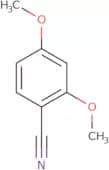
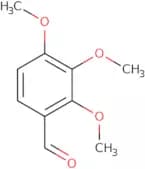
CAS :Please enquire for more information about 2,3,4-Trimethoxybenzonitrile including the price, delivery time and more detailed product information at the technical inquiry form on this pageFormule :C10H11NO3Degré de pureté :Min. 95%Masse moléculaire :193.2 g/mol3-[4-(trifluoromethoxy)phenyl]propanoicacid
CAS :<p>3-[4-(trifluoromethoxy)phenyl]propanoic acid (TFPA) is a versatile building block that can be used as a reagent and research chemical. TFPA has the potential to be used as a useful intermediate in the synthesis of complex compounds and useful scaffolds. It also has been shown to have high quality, which makes it an excellent choice for use in reactions. This compound is also useful for creating speciality chemicals.</p>Formule :C10H9F3O3Couleur et forme :PowderMasse moléculaire :234.17 g/mol2-Methoxy-5-(2-oxopropyl)benzenesulfonamide
CAS :<p>2-Methoxy-5-(2-oxopropyl)benzenesulfonamide is a metal catalyst that can be used in the synthesis of tamsulosin hydrochloride, an alpha blocker that is used to treat benign prostatic hyperplasia. It catalyzes the reaction between 2-methoxybenzenesulfonyl chloride and 3-amino-1,2,4-triazole. The industrial importance of this compound is due to its ability to be used as a catalyst for various chemical reactions.</p>Formule :C10H13NO4SDegré de pureté :Min. 95%Couleur et forme :PowderMasse moléculaire :243.28 g/mol2-Hydroxy-5-iodo-3-methoxybenzaldehyde
CAS :<p>Please enquire for more information about 2-Hydroxy-5-iodo-3-methoxybenzaldehyde including the price, delivery time and more detailed product information at the technical inquiry form on this page</p>Formule :C8H7IO3Degré de pureté :Min. 98%Couleur et forme :PowderMasse moléculaire :278.04 g/mol4-Chloro-4'-methoxychalcone
CAS :<p>4-Chloro-4'-methoxychalcone (4MC) is a chalcone with an antibacterial activity. It is synthesized from 4,4'-dimethoxychalcone by substitution of one or two methoxy groups on the aromatic ring with chlorine atoms. 4MC has shown to be active against a number of different bacterial strains, including Staphylococcus aureus and Pseudomonas aeruginosa.<br>The dilution method is used for the determination of the minimal inhibitory concentrations (MICs). This method involves serial dilutions in which bacteria are grown in liquid media containing increasing concentrations of the test compound. The lowest concentration of the test compound that inhibits bacterial growth is determined and recorded as MIC. <br>Plutella xylostella larvae were found to be resistant to 4MC because they lack esterase enzymes that hydrolyze 4MC. Irradiation can be used to produce esters that are more reactive towards</p>Formule :C16H13ClO2Degré de pureté :Min. 95%Couleur et forme :PowderMasse moléculaire :272.73 g/mol2'-Bromo-5'-methoxyacetophenone
CAS :<p>2'-Bromo-5'-methoxyacetophenone is a perchloric acid catalyst that can be used in the synthesis of ketones, methyl ketones, and other organic compounds. Bromination reactions are catalyzed by hypobromous acid (HOBr), which is generated from bromine and HOCl. The reaction is typically initiated with an acid catalyst such as 2'-bromo-5'-methoxyacetophenone.</p>Formule :C9H9BrO2Degré de pureté :Min. 95%Couleur et forme :Clear LiquidMasse moléculaire :229.07 g/mol3-Ethoxy-2-methylbenzoic acid - 90%
CAS :3-Ethoxy-2-methylbenzoic acid is a white solid that is soluble in organic solvents. It has a molecular weight of 192.3 and an empirical formula of C9H11O3. 3-Ethoxy-2-methylbenzoic acid can be used as a building block for diverse chemical reactions and processes, including the synthesis of pharmaceuticals, pesticides, and other fine chemicals. This compound is also used as a research chemical, reaction component, or speciality chemical in various experiments and projects. 3-Ethoxy-2-methylbenzoic acid provides high quality reagents to scientists for use in research.br>br>Formule :C10H12O3Degré de pureté :Min. 95%Couleur et forme :PowderMasse moléculaire :180.2 g/mol2-bromo-5,5-dimethyl-3-((4-(trifluoromethoxy)phenyl)amino)cyclohex-2-en-1-one
CAS :<p>Please enquire for more information about 2-bromo-5,5-dimethyl-3-((4-(trifluoromethoxy)phenyl)amino)cyclohex-2-en-1-one including the price, delivery time and more detailed product information at the technical inquiry form on this page</p>Degré de pureté :Min. 95%2-Methoxy-5-nitropyridine
CAS :2-Methoxy-5-nitropyridine is an experimental model for the study of nucleophilic substitution reactions. It has been shown to catalyze a variety of nucleophilic substitutions, such as the reaction between dimethylformamide and methoxide. The uptake of 2-methoxy-5-nitropyridine in human cells has been studied using the mitochondrial cytochrome P450 (mt2) receptors, where it has been found that this compound binds to mt2 receptors with high affinity. The optical properties of 2-methoxy-5-nitropyridine have been determined by spectroscopic analysis and found to be similar to those of nitro compounds. Toxicity studies have also demonstrated that 2-methoxy-5-nitropyridine can cause liver damage at high doses, but there is no evidence that it causes cancer or causes reproductive toxicity.Formule :C6H6N2O3Degré de pureté :Min. 95%Couleur et forme :PowderMasse moléculaire :154.12 g/mol3,5-Dimethoxybenzonitrile
CAS :<p>3,5-Dimethoxybenzonitrile is a chemical that has been shown to inhibit the growth of cancer cells in vitro and in vivo. It is also an effective anticancer drug that has been evaluated clinically. The mechanism by which 3,5-dimethoxybenzonitrile inhibits cancer cell growth is not yet known. This chemical binds to the CB2 receptor, which is located on tumor cells and other tissues. It may also inhibit the release of chloride ions from the cell membrane, leading to decreased levels of cyclic AMP. This chemical can be synthesized using a Grignard reagent and reacting it with an ethyl chloride molecule. The synthesis requires two steps: (1) addition of magnesium metal to an ethyl bromide solution; followed by (2) reaction of the magnesium with methyl iodide or methyl sulfate in a solution containing ether and alcohols.</p>Formule :C9H9NO2Degré de pureté :Min. 95%Couleur et forme :PowderMasse moléculaire :163.17 g/mol5-(2-Bromoethoxy)-2,3-dihydro-1,4-benzodioxine
CAS :<p>5-(2-Bromoethoxy)-2,3-dihydro-1,4-benzodioxine is a drug that belongs to the group of local anesthetics. It blocks nerve conduction by inhibiting voltage-gated sodium channels and is used for the treatment of pain. 5-(2-Bromoethoxy)-2,3-dihydro-1,4-benzodioxine has been shown to have two dimensional energies that are greater than those of other drugs in this category. The interactions between molecules are isomorphous and there are strong hydrogen bonds. 5-(2-Bromoethoxy)-2,3-dihydro-1,4-benzodioxine also interacts with the interatomic distance between hydrogens and bromines on adjacent molecules.</p>Formule :C10H11BrO3Degré de pureté :Min. 95%Masse moléculaire :259.1 g/mol5-Methoxygramine
CAS :Produit contrôlé<p>5-Methoxygramine is a metabolic intermediate which is an analog of 5-hydroxytryptamine (5-HT). It has been shown to increase blood pressure and reduce the activity of the 5-HT2C receptor. This drug also has been found to inhibit the growth of some cancer cells in vitro, but it does not affect normal cells. It can be used as a tool for identifying compounds that may have similar effects. The binding affinity of 5-methoxygramine for the 5-HT2C receptor was measured by displacement experiments with 3H-spiperone. The effect of this compound on dopamine release from rat striatal slices was studied by measuring electrical activity in isolated heart preparations. The effect of this compound on leishmania infection was studied using infected mice and isolated heart preparations.</p>Formule :C12H16N2ODegré de pureté :Min. 95%Couleur et forme :PowderMasse moléculaire :204.27 g/mol6-Hydroxy-2,3,4-trimethoxyacetophenone
CAS :<p>6-Hydroxy-2,3,4-trimethoxyacetophenone (6HTMA) is a natural product that has been shown to have potent inhibitory activities against PC12 cells. This compound also possesses neuroprotective and antioxidative properties. 6HTMA was able to inhibit acetylation of proteins, which may be responsible for its neuroprotective activity. Furthermore, 6HTMA has been shown to possess anti-oxidant and anti-tuberculous activities.</p>Formule :C11H14O5Degré de pureté :Min. 95%Couleur et forme :PowderMasse moléculaire :226.23 g/mol4-Amino-2-methoxypyridine
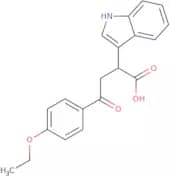
CAS :<p>4-Amino-2-methoxypyridine is an antiviral agent that inhibits the activity of the NS5B polymerase, a key enzyme in the replication of the hepatitis C virus. It is a potent inhibitor with a wide range of activity and can be used for treatment and prevention of infection. 4-Amino-2-methoxypyridine has been shown to inhibit replication of hepatitis C virus in cell culture. This compound is stable in vivo and can be administered orally, making it an attractive candidate for oral prophylaxis against hepatitis C. 4-Amino-2-methoxypyridine also exhibits good pharmacokinetic properties, including a low clearance rate and high volume of distribution, which makes it suitable for chronic administration.</p>Formule :C6H8N2ODegré de pureté :Min. 95%Couleur et forme :White To Light (Or Pale) Orange SolidMasse moléculaire :124.14 g/mol2-(((4-ethoxyphenyl)amino)methylene)indane-1,3-dione
CAS :<p>Please enquire for more information about 2-(((4-ethoxyphenyl)amino)methylene)indane-1,3-dione including the price, delivery time and more detailed product information at the technical inquiry form on this page</p>Degré de pureté :Min. 95%3,5-Dimethoxybenzhydrazide
CAS :<p>3,5-Dimethoxybenzhydrazide is a combretastatin analogue that binds to tubulin to disrupt the polymerization of microtubules. It has been shown to inhibit tumor cell growth in vitro and in vivo. 3,5-Dimethoxybenzhydrazide has an IC50 of 10 nM for tubulin polymerization, which is significantly lower than colchicine (IC50 of 0.2 μM). This drug also interacts with colchicine binding sites and has a selectivity index of 1.3.</p>Formule :C9H12N2O3Degré de pureté :Min. 98 Area-%Couleur et forme :PowderMasse moléculaire :196.2 g/mol4'-Methoxy-α-naphthoflavone
CAS :4'-Methoxy-alpha-naphthoflavone is a flavonoid that has been shown to have inhibitory effects on the metabolism of 3-methylcholanthrene and other xenobiotics. The compound inhibits the oxidation of these compounds by both the cytochrome P450 and NADPH-dependent oxidases. 4'-Methoxy-alpha-naphthoflavone also inhibits the activation of these compounds by hepatic tissues, as well as the metabolism of phenobarbital by rat liver microsomes. The compound may be metabolized in vivo to 4'-hydroxy-alpha-naphthoflavone, which is more potent than 4'-methoxy-alpha-naphthoflavone.Formule :C20H14O3Degré de pureté :Min. 95%Masse moléculaire :302.32 g/mol1-(2,5-Dimethoxyphenyl)-2-nitroethanol
CAS :<p>1-(2,5-Dimethoxyphenyl)-2-nitroethanol is a chiral, asymmetric catalyst that has been shown to be effective in the enantioselective reduction of ketones. This process is important because it allows for the synthesis of chiral amino alcohols, which are then used in a variety of chemical reactions. The reaction can also be carried out with methyl amine as an amine source. 1-(2,5-Dimethoxyphenyl)-2-nitroethanol is an example of a catalyst that participates in catalysis through the lone pair on oxygen and nitrogen atoms.</p>Formule :C10H13NO5Degré de pureté :Min. 95%Couleur et forme :White PowderMasse moléculaire :227.21 g/mol2'-Ethoxy-4'-nitroacetanilide
CAS :2'-Ethoxy-4'-nitroacetanilide is a chemical compound that is used as a building block in the synthesis of other chemicals. It is a versatile building block and can be used to synthesize many different types of compounds, including drugs, pesticides, and dyes. 2'-Ethoxy-4'-nitroacetanilide has been classified as a speciality chemical and is not for human consumption.Formule :C10H12N2O4Degré de pureté :Min. 95%Couleur et forme :PowderMasse moléculaire :224.21 g/mol4-Chloro-2-methoxybenzoic acid
CAS :<p>4-Chloro-2-methoxybenzoic acid is a chloroacetic acid that is used as an antibacterial agent. It has been shown to have a broad spectrum of activity against bacteria, including gram-positive and gram-negative bacteria. 4-Chloro-2-methoxybenzoic acid is active against both stationary and mobile phases of growth. It has also been shown to be effective in inhibiting the growth of fungi, such as Aspergillus niger, Aspergillus fumigatus, Penicillium notatum, and Fusarium oxysporum. This compound can be synthesized from carboxylic acids by reacting them with sodium nitrite in the presence of dry nitrogen gas to form chloroacetic acid. The chemical formula for this compound is CHClOOC(CH)COOH.</p>Formule :C8H7ClO3Degré de pureté :Min. 95%Couleur et forme :PowderMasse moléculaire :186.59 g/mol(2,4,5-Trimethoxyphenyl)acetone
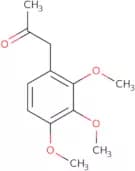
CAS :Produit contrôlé<p>(2,4,5-Trimethoxyphenyl)acetone is an organic compound that inhibits the replication of RNA. It was found to inhibit the activity of beta-asarone and inhibit the conversion of asarone to o-benzoquinones in cell cultures. This agent also has genotoxic effects on human liver cells. (2,4,5-Trimethoxyphenyl)acetone binds to 5-hydroxytryptamine receptors and inhibits their activities, which can lead to a decrease in serotonin concentrations. (2,4,5-Trimethoxyphenyl)acetone is a colorless liquid at room temperature with a molecular weight of 174.24 grams/mol.</p>Formule :C12H16O4Degré de pureté :Min. 95%Masse moléculaire :224.25 g/mol1-(3-Methoxybenzoyl)piperidine-4-carboxylic acid
CAS :<p>1-(3-Methoxybenzoyl)piperidine-4-carboxylic acid is a fine chemical that can be used as a building block in organic synthesis. It has CAS No. 353465-22-2 and is also known as P1. This compound is useful in the preparation of a variety of complex compounds, including pharmaceuticals, agrochemicals, and other specialty chemicals. The compound can be used as a reagent or intermediate for reactions such as Friedel-Crafts acylation, carbonylation, and sulfonylation. 1-(3-Methoxybenzoyl)piperidine-4-carboxylic acid is also an excellent scaffold for the synthesis of complex molecules with versatile functional groups.</p>Formule :C14H17NO4Degré de pureté :Min. 98 Area-%Couleur et forme :PowderMasse moléculaire :263.29 g/mol2-Methoxyphenylacetonitrile
CAS :<p>2-Methoxyphenylacetonitrile is a chemical that is used in the manufacture of pharmaceuticals. It has antibacterial activity and can be used to treat typhoid fever, staphylococcal infections, and mental disorders such as schizophrenia. 2-Methoxyphenylacetonitrile is an alkylating agent that reacts with nucleophiles in proteins, DNA, and RNA. These reactions lead to the destruction of the bacterial cell wall and inhibition of protein synthesis. The mechanism by which 2-methoxyphenylacetonitrile exerts its antibacterial effect may involve formation of a reactive intermediate that inhibits bacterial ribonucleotide reductase. The addition of an electron to this intermediate leads to the formation of a covalent bond with one or more amino acids in the protein acceptor, thereby preventing further growth and division of bacteria.</p>Formule :C9H9NODegré de pureté :Min. 90%Couleur et forme :White PowderMasse moléculaire :147.17 g/moltrans-2,3,4-Trimethoxycinnamic acid
CAS :<p>Trans-2,3,4-trimethoxycinnamic acid is a bioactive chemical that has been shown to have significant antioxidant activity. This compound is a hydrogen peroxide scavenger and can be used in devices to remove hydrogen peroxide from water. Trans-2,3,4-trimethoxycinnamic acid has also been shown to inhibit the production of campesterol and paromomycin in bacteria. Furfural is an inhibitor of trans-2,3,4-trimethoxycinnamic acid and its oxidation products. Trans-2,3,4-trimethoxycinnamic acid can be oxidised by furfural to produce glycerin and formic acid. It also inhibits the formation rate of amides from cinnamyl alcohol.</p>Formule :C12H14O5Degré de pureté :Min. 98 Area-%Couleur et forme :PowderMasse moléculaire :238.24 g/mol2,4-Dimethoxy-5-methylbenzoic acid
CAS :<p>2,4-Dimethoxy-5-methylbenzoic acid is a compound that belongs to the class of useful building blocks. It has a high quality and can be used as a reagent, complex compound, and useful intermediate in the synthesis of fine chemicals. 2,4-Dimethoxy-5-methylbenzoic acid is also a versatile building block that can be used for the production of speciality chemicals such as research chemicals.</p>Formule :C10H12O4Degré de pureté :Min. 95%Masse moléculaire :196.2 g/mol(4aS,6R,8aS)-4a,5,9,10,11,12-Hexahydro-3-methoxy-11-methyl-6H-benzofuro[3a,3,2-ef][2]benzazepin-6-ol
CAS :Produit contrôlé(4aS,6R,8aS)-4a,5,9,10,11,12-Hexahydro-3-methoxy-11-methyl-6H-benzofuro[3a,3,2-ef][2]benzazepin-6-ol is a natural compound that has been shown to be an effective treatment for oxidative injury. It has a cholinergic activity and is able to cross the blood brain barrier. (4aS,6R,8aS)-4a,5,9,10,11,12-Hexahydro-3-methoxy-11-methyl-6Hbenzofuro[3a. 3.2ef][2]benzazepin -6--ol was found to have protective effects in an experimental model of Alzheimer's disease where it significantly reduced neuronal death. The compound also has antiinflammatory properties which mayFormule :C17H21NO3Degré de pureté :Min. 95%Couleur et forme :PowderMasse moléculaire :287.35 g/mol6,9-Dichloro-2-methoxyacridine
CAS :<p>6,9-Dichloro-2-methoxyacridine (DCA) is a fluorescent probe that can be used to measure the cytosolic Ca2+ concentration in mammalian cells. DCA binds to chloride ions and emits a fluorescence signal proportional to the cytosolic Ca2+ concentration. The binding constants for DCA and chloride are low, which makes this probe an ideal candidate for measuring cytosolic Ca2+. DCA has been shown to inhibit cancer cell growth by decreasing mitochondrial membrane potential. This effect may be caused by the inhibition of mitochondrial ATP production or the disruption of ion transport across the mitochondrial membrane.</p>Formule :C14H9Cl2NODegré de pureté :Min. 95%Couleur et forme :Slightly Yellow PowderMasse moléculaire :278.13 g/mol3-Hydroxy-4-methoxybenzoic acid
CAS :3-Hydroxy-4-methoxybenzoic acid is a phenolic acid with antiinflammatory activity. It can be found in the leaves of the plant "Anacardium occidentale" or as an intermediate in the synthesis of protocatechuic acid, which is formed by oxidation of 3-hydroxycinnamic acid. 3-Hydroxy-4-methoxybenzoic acid has been shown to inhibit bacterial growth and fungal infection in vitro. The compound also inhibits proinflammatory cytokine production by human monocytes and macrophages, which may be due to its hydroxyl group that can form hydrogen bonds with nucleophilic centers on proteins. 3-Hydroxy-4-methoxybenzoic acid can be prepared through extraction from acetate (1g) containing pyridine (2mL) and acetone (2mL). The extract is incubated at 50°C for 20 minutes before being cooled. TheFormule :C8H8O4Degré de pureté :Min. 95%Couleur et forme :PowderMasse moléculaire :168.15 g/mol1-Bromo-3,4-dihydroxy-5-methoxybenzene monohydrate
CAS :<p>1-Bromo-3,4-dihydroxy-5-methoxybenzene monohydrate is a versatile building block for the creation of complex compounds. It is a useful intermediate and can be used as a reagent in organic synthesis. This chemical is also used as an additive in plastics and rubber production. 1-Bromo-3,4-dihydroxy-5-methoxybenzene monohydrate is synthesized from 3,4,5-trimethoxyphenol and bromine. It has been assigned the CAS number 205748-04-5.</p>Formule :C7H7BrO3·H2ODegré de pureté :Min. 95%Couleur et forme :PowderMasse moléculaire :237.05 g/mol6-Methoxy-1-tetralone
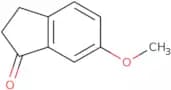
CAS :<p>6-Methoxy-1-tetralone (6MTO) is a quinoline derivative that has been shown to have potent inhibitory activity against human liver cancer. It is related to the compound 1,4-dimethylquinoline, which has been shown to possess anticancer properties in vitro. 6MTO inhibits the growth of carcinoma cell lines by inducing apoptosis and arresting cell cycle at G2/M phase. 6MTO also inhibits isovaleric acid production in thp-1 cells and the proliferation of hepatoma cells, leading to a decrease in the viability of these cells.</p>Formule :C11H12O2Degré de pureté :Min. 95%Couleur et forme :PowderMasse moléculaire :176.21 g/mol1-Keto-6-methoxy-1,2,3,4-tetrahydro-β-carboline
CAS :<p>1-Keto-6-methoxy-1,2,3,4-tetrahydro-beta-carboline is a versatile building block that can be used in the synthesis of various compounds. It is an intermediate that can be used to synthesize other compounds such as 1-methylpiperazine and 1-(2,4-dichlorophenyl)piperazine. It has been shown to have high quality and is useful as a reagent for the synthesis of many different compounds. 1-Keto-6-methoxy-1,2,3,4-tetrahydro-beta carboline is also a useful scaffold for research chemicals and speciality chemicals. CAS No: 128487–09–2</p>Formule :C12H12N2O2Degré de pureté :Min. 95%Masse moléculaire :216.24 g/mol2,4-Dimethoxy-β-nitrostyrene
CAS :<p>2,4-Dimethoxy-beta-nitrostyrene is a high quality, versatile building block for synthesis of complex compounds. It is an intermediate for the production of pharmaceuticals and other fine chemicals. 2,4-Dimethoxy-beta-nitrostyrene is used as a reagent in organic chemistry to produce complex compounds, such as esters and amides. This chemical has also been shown to be useful in research into the synthesis of new drugs.</p>Formule :C10H11NO4Degré de pureté :Min. 95%Masse moléculaire :209.2 g/mol5-Methoxyindole-3-acetonitrile
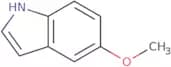
CAS :<p>5-Methoxyindole-3-acetonitrile is a synthetic compound used as a reference for the synthesis of melatonin. It is produced by the addition of magnesium to 5-methoxyindole, followed by reaction with cyanide and nitrile. The synthesis of this compound was first published in 1938 and has since been used as a reference for many other studies. It has been shown that 5-methoxyindole-3-acetonitrile has high performance liquid chromatography properties, with a linear range from 0.5 to 50 mg/mL and an ultraviolet spectrum that falls within the region between 220 nm and 400 nm. A molecular modeling study was conducted on this compound, which showed that it conforms with 4-hydroxy indole ring systems found in natural products such as tryptophan and serotonin. This product also has fluorescent properties, which are caused by its electron withdrawing group (cyano).</p>Formule :C11H10N2ODegré de pureté :Min. 95%Couleur et forme :PowderMasse moléculaire :186.21 g/mol2,3-Dimethoxybenzonitrile
CAS :<p>2,3-Dimethoxybenzonitrile is a useful building block for the synthesis of complex compounds. It is used in the manufacture of pharmaceuticals and agrochemicals. 2,3-Dimethoxybenzonitrile can be used as a reactant or intermediate in organic synthesis. It is also known to have antioxidant properties.</p>Formule :C9H9NO2Degré de pureté :Min. 95%Masse moléculaire :163.17 g/mol3,5-Dimethyl-4-methoxybenzaldehyde
CAS :<p>3,5-Dimethyl-4-methoxybenzaldehyde is a high quality, versatile chemical that can be used as an intermediate to synthesize other fine chemicals. The compound can be reacted with various reagents to produce complex compounds. 3,5-Dimethyl-4-methoxybenzaldehyde can also be used as a building block to synthesize other useful compounds. This chemical has been shown to be a useful scaffold for the production of new compounds and has been used as a reaction component in research and development.</p>Formule :C10H12O2Degré de pureté :Min. 95%Couleur et forme :PowderMasse moléculaire :164.2 g/mol5-Fluoro-4-hydroxy-2-methoxypyrimidine
CAS :5-Fluoro-4-hydroxy-2-methoxypyrimidine (5FMMP) is a chemical intermediate that is used in the synthesis of various pharmaceuticals, including antibiotics. It can be obtained by reacting phosphorus oxychloride with activated 2-methoxybenzaldehyde. This chemical intermediate is highly reactive and has been shown to be virulent against some strains of bacteria, such as E. coli and Proteus mirabilis. 5FMMP binds to the bacterial cell wall using its primary amine group, which prevents the formation of an antibiotic-inhibitor complex with the enzyme cell wall synthesis that is required for cell wall biosynthesis, inhibiting protein synthesis and cell division. The chlorinating reaction between 5FMMP and sodium hypochlorite results in hydrochloric acid generation. This chemical intermediate can also be synthesized from recycled chemicals such as ethyl chloride or chloroform.Formule :C5H5FN2O2Degré de pureté :Min. 95%Couleur et forme :PowderMasse moléculaire :144.1 g/mol2,6-Dimethoxy-4-methylbenzyl alcohol
CAS :<p>2,6-Dimethoxy-4-methylbenzyl alcohol is a high quality, versatile building block that is used as a reagent. The chemical has been shown to be a useful intermediate in the production of fine chemicals and speciality chemicals. 2,6-Dimethoxy-4-methylbenzyl alcohol can be used as a reaction component in the production of research chemicals and versatile building blocks. This compound can be found on CAS registry number 875664-51-0.</p>Formule :C10H14O3Degré de pureté :Min. 95%Couleur et forme :PowderMasse moléculaire :182.22 g/molN-(Methoxycarbonyl) maleimide
CAS :<p>N-(Methoxycarbonyl) maleimide is a synthetic compound that has been shown to inhibit prostate cancer cells. It interacts with the functional group of the proteins, where it forms a cavity by linking two molecules together. This cavity is then filled with a chemical reagent to give an N-substituted maleimide, which can be used for conjugation reactions. The linker can be modified to contain functional groups such as thiols and amines, which are useful for attaching biomolecules such as monoclonal antibodies.</p>Formule :C6H5NO4Degré de pureté :90%Couleur et forme :PowderMasse moléculaire :155.11 g/mol5-Carbomethoxytryptamine hydrochloride
CAS :<p>5-Carbomethoxytryptamine hydrochloride is a chemical building block that can be used as a reaction component for organic synthesis. It is a versatile intermediate and can be used in the production of fine chemicals, such as pharmaceuticals, dyestuffs, and pesticides. 5-Carbomethoxytryptamine hydrochloride is also an important reagent in both organic synthesis and analytical chemistry. The compound belongs to the group of indole alkaloids, which are found in plants of the Apocynaceae family. CAS No.: 74884-81-4.</p>Formule :C12H14N2O2·HClDegré de pureté :Min. 95%Couleur et forme :PowderMasse moléculaire :254.71 g/mol3-Methoxy-5-(trifluoromethyl)aniline
CAS :<p>3-Methoxy-5-(trifluoromethyl)aniline is a chemical building block that is used in the preparation of pharmaceuticals, agrochemicals, dyes, and other chemicals. 3-Methoxy-5-(trifluoromethyl)aniline is also a versatile intermediate that can be used to produce heterocyclic compounds. 3-Methoxy-5-(trifluoromethyl)aniline has been found to be high quality and useful for many reactions. It is an important compound for research use because it can be used as a reagent or scaffold for complex compounds.</p>Formule :C8H8F3NODegré de pureté :Min. 95%Couleur et forme :PowderMasse moléculaire :191.15 g/molN-(2-Hydroxy-3-sulfopropyl)-3,5-dimethoxyaniline sodium
CAS :<p>N-(2-Hydroxy-3-sulfopropyl)-3,5-dimethoxyaniline sodium is a chemical compound that has been shown to have antidiabetic activity in animal studies. It is a competitive inhibitor of the enzyme cholesterol esterase and has been shown to reduce the level of fatty acids and cholesterol in blood plasma. N-(2-Hydroxy-3-sulfopropyl)-3,5-dimethoxyaniline sodium binds to dextran sulfate as well as other amines and can be used for the analysis of test samples. This chemical also binds to monoclonal antibodies, which are proteins produced by B lymphocytes that recognize specific structures on foreign objects such as bacteria or viruses.</p>Formule :C11H16NO6SNaDegré de pureté :Min. 95%Couleur et forme :White PowderMasse moléculaire :313.3 g/mol4-Ethoxysalicylic acid
CAS :<p>4-Ethoxysalicylic acid is a phosphorus oxychloride derivative that is used as an intermediate in the production of xanthones. Xanthones are used in the manufacture of dyes, pharmaceuticals, and fragrances. This compound also reacts with zinc chloride to give 4-ethoxysalicylate, which is an oxidizing agent. 4-Ethoxysalicylic acid has low toxicity and can be filtered from a reaction mixture by filtration or recrystallization. It can act as a monoamine oxidase inhibitor, which may contribute to its antidepressant properties. A hydrophobic molecule, 4-ethoxysalicylic acid will not dissolve in water but can be dissolved in organic solvents such as alcohols or ethers. It also has a high affinity for blood proteins and will bind to them readily. This property makes it useful as an anti-coagulant drug for treating depression and other mental illness.</p>Formule :C9H10O4Degré de pureté :Min. 95%Couleur et forme :PowderMasse moléculaire :182.17 g/mol5-Methoxysalicylic acid sodium
CAS :<p>5-Methoxysalicylic acid sodium (MSAS) is a drug that is used to treat intestinal ulcers. It is also used to reduce the viscosity of blood and as an adjuvant in the treatment of rheumatoid arthritis. The bioavailability of MSAS is increased when it is administered with cefmetazole, which enhances the absorption of this drug in the small intestine. MSAS has a hypoglycemic effect and can be used to treat high blood sugar levels. This drug binds to muscle cells and prevents their contraction, which can lead to relief from muscle pain or spasms. MSAS may also have a pharmacological effect on ligation, which occurs when tissue is cut off from its blood supply.</p>Formule :C8H7O4·NaDegré de pureté :Min. 95%Couleur et forme :PowderMasse moléculaire :190.13 g/mol5-Methoxy-2-methylbenzoic acid
CAS :<p>5-Methoxy-2-methylbenzoic acid is an intermediate in the synthesis of vitamin D3. It can also be used to synthesize calciferol, a configurationally stable form of vitamin D3 that has been shown to be optically active. Lactonic forms are composed of a 5-methoxy group and a 2-methylbenzoic acid moiety. Enantiomers are compounds with the same chemical formula but different arrangements of their atoms in space and each enantiomer is capable of rotating plane polarized light in opposite directions.</p>Formule :C9H10O3Degré de pureté :Min. 95%Couleur et forme :PowderMasse moléculaire :166.17 g/molgamma-Chloropropyl trimethoxysilane
CAS :<p>Gamma-chloropropyl trimethoxysilane (CPS) is a chemical compound with the formula Cl3Si(OCH3)2. It is an organosilicon compound that is used in surface preparation and modification to improve hydrophobicity, chemical stability, and mechanical properties. CPS forms covalent linkages with organic compounds on the surface by reaction with hydroxyl groups. It has been shown to react with fatty acids such as oleic acid, forming a metal chelate. CPS reacts with sodium carbonate (Na2CO3) to form sodium chloropropoxide (NaClOCH3). This reaction is exothermic and can be used for sample preparation. The mechanism of this reaction is thought to involve the formation of a copper complex followed by its hydrolysis.</p>Formule :C6H15ClO3SiDegré de pureté :Min. 95%Couleur et forme :Clear LiquidMasse moléculaire :198.72 g/mol2,5-Dimethoxy-4-methylbenzaldehyde
CAS :<p>2,5-Dimethoxy-4-methylbenzaldehyde is a bioactive chemical that has been shown to have anticancer activity. It has been shown to be an effective inhibitor of cancer cell growth in vitro and in vivo. 2,5-Dimethoxy-4-methylbenzaldehyde has also been shown to inhibit the formation of fatty acids and improve the uptake of glucose by cancer cells. This compound is a metabolite of the amino acid methionine and is used as a marker for mesenchymal cells. The structure of 2,5-dimethoxy-4-methylbenzaldehyde consists of two methoxy groups connected with an aliphatic chain consisting of one or more carbon atoms. This functional group may provide the anticancer activity through radical scavenging activities.</p>Formule :C10H12O3Degré de pureté :Min. 95%Couleur et forme :Off-White PowderMasse moléculaire :180.2 g/mol2-[(2-Ethoxy phenoxy)methyl]morpholine HCl
CAS :<p>2-[(2-Ethoxy phenoxy)methyl]morpholine HCl is a sophisticated chemical compound utilized extensively in scientific research. As a synthetic organic compound, it is derived through a meticulous process involving the reaction of morpholine with ethoxy phenoxy derivatives, followed by hydrochloride salt formation. This synthesis ensures high purity and accurate functionality, making it suitable for precise laboratory studies.</p>Formule :C13H20ClNO3Degré de pureté :Min. 95%Couleur et forme :PowderMasse moléculaire :273.76 g/mol2-(2,4-dichlorophenoxy)-N-(6-methoxy(3-pyridyl))ethanamide
CAS :<p>Please enquire for more information about 2-(2,4-dichlorophenoxy)-N-(6-methoxy(3-pyridyl))ethanamide including the price, delivery time and more detailed product information at the technical inquiry form on this page</p>Degré de pureté :Min. 95%3-(3,4-dimethoxyphenyl)-4-(hydroxyimino)-1,6,6-trimethyl-5,6,7-trihydro1H-indazole
CAS :Please enquire for more information about 3-(3,4-dimethoxyphenyl)-4-(hydroxyimino)-1,6,6-trimethyl-5,6,7-trihydro1H-indazole including the price, delivery time and more detailed product information at the technical inquiry form on this pageDegré de pureté :Min. 90%2-[2-(2-t-Boc-aminoethoxy)ethoxy]ethanol
CAS :<p>2-[2-(2-t-Boc-aminoethoxy)ethoxy]ethanol is a versatile chemical building block that can be used to synthesize a variety of compounds. It has been shown to be useful as a reaction component in the synthesis of pharmaceuticals and agrochemicals. The compound is also used as an intermediate for the preparation of other compounds. 2-[2-(2-t-Boc-aminoethoxy)ethoxy]ethanol is soluble in organic solvents, such as chloroform, ethanol, or acetone. It has a CAS number of 139115-92-7 and is relatively easy to purify by recrystallization from methanol.</p>Formule :C11H23NO5Degré de pureté :Min. 95%Couleur et forme :Clear LiquidMasse moléculaire :249.3 g/moldiethyl 2-(((2,5-dimethoxyphenyl)amino)methylene)propane-1,3-dioate
CAS :Please enquire for more information about diethyl 2-(((2,5-dimethoxyphenyl)amino)methylene)propane-1,3-dioate including the price, delivery time and more detailed product information at the technical inquiry form on this pageDegré de pureté :Min. 95%3-Fluoro-2-methoxybenzaldehyde
CAS :<p>3-Fluoro-2-methoxybenzaldehyde is a synthetic chemical that has been used as a precursor in the synthesis of pharmaceuticals and other organic compounds. 3-Fluoro-2-methoxybenzaldehyde can be prepared through the lithiation, chloromethylation, or trimethylation of 3-fluoroacetophenone. The compound can be oxidized to 3,4-dihydrobenzofuran with peroxide at low temperature. This conversion can be achieved using a variety of reagents, such as boron tribromide or boron trichloride.</p>Formule :C8H7FO2Degré de pureté :Min. 95%Couleur et forme :Colorless PowderMasse moléculaire :154.14 g/mol3-Methoxy-4-methylphenylacetone
CAS :<p>3-Methoxy-4-methylphenylacetone is a reagent that can be used as a useful intermediate for the synthesis of complex organic compounds. It is soluble in water, but insoluble in most organic solvents. 3-Methoxy-4-methylphenylacetone is also a fine chemical with CAS No. 51814-28-9 and has been shown to be an effective building block for synthetic chemistry. It is used in the synthesis of speciality chemicals and research chemicals, such as pharmaceuticals and agrochemicals. This compound can be used as a versatile building block in many reactions and has been shown to react with epoxide, nitrile, amine, thioether, amide, alcohols, carboxylic acids or esters.</p>Formule :C11H14O2Degré de pureté :Min. 95%Couleur et forme :PowderMasse moléculaire :178.23 g/molN-(Ethoxy-Fluorophosphoryl)-N-Methylmethanamine
CAS :Produit contrôlé<p>Ethoxy-Fluorophosphoryl-N-Methylmethanamine is a chemical that belongs to the class of nerve agents. It can be used as an antidote for sarin poisoning. This compound reacts with the enzyme butyrylcholinesterase, which breaks down acetylcholine in the synapses. In this way, it blocks the transmission of nerve impulses and causes muscle paralysis. Ethoxy-Fluorophosphoryl-N-Methylmethanamine acts as an antagonist of acetylcholine receptors in both animals and humans. It also inhibits cholinesterase activity in blood pressure regulation, which leads to increased blood pressure levels. When administered at sublethal doses, this compound induces a long lasting sensitization of the central nervous system to other cholinergic drugs such as atropine or nerve gases such as sarin.</p>Formule :C4H11FNO2PDegré de pureté :Min. 95%Masse moléculaire :155.11 g/molN-[6-Chloro-5-(2-methoxyphenoxy)-(2,2-bipyrimidine)4-4-yl]-(1,1-dimethylethyl)-benzenesulfonamide
CAS :<p>N-[6-Chloro-5-(2-methoxyphenoxy)-(2,2-bipyrimidine)4-4-yl]-(1,1-dimethylethyl)-benzenesulfonamide is a reagent that can be used as a reaction component in the synthesis of complex compounds. It has high quality and is a versatile building block for the synthesis of speciality chemicals. N-[6-Chloro-5-(2-methoxyphenoxy)-(2,2-bipyrimidine)4-4-yl]-(1,1-dimethylethyl)-benzenesulfonamide is also a useful intermediate in the synthesis of fine chemicals.</p>Formule :C25H24ClN5O4SDegré de pureté :Min. 95%Couleur et forme :White PowderMasse moléculaire :526.01 g/mol3,5-Dimethoxy-4-methylbenzoic acid
CAS :3,5-Dimethoxy-4-methylbenzoic acid is an organic compound that has a carboxylate group and a long chain. It is synthesized from 3,5-dimethoxybenzoic acid through the borohydride reduction of the primary alcohols to produce a mixture of 2,3,4-trimethoxybenzoic acid and 3,5-dimethoxybenzoic acid. The nitro group on the phenolic ring can be reduced to the corresponding amine with sodium borohydride. 3,5-Dimethoxy-4-methylbenzoic acid has been found in natural products such as Cephalotaxus fortunei and Acacia confusa.Formule :C10H12O4Degré de pureté :Min. 95%Couleur et forme :PowderMasse moléculaire :196.2 g/mol3-Bromo-2-methoxybenzyl alcohol
CAS :3-Bromo-2-methoxybenzyl alcohol is a reaction component that is used in the synthesis of a number of chemical compounds. It has been shown to be a useful scaffold, with versatile building blocks and intermediates. 3-Bromo-2-methoxybenzyl alcohol is an intermediate for the synthesis of complex compounds such as antihypertensive drugs, anti-inflammatory agents, and immunosuppressant drugs. This compound also has a variety of uses in research including as a reagent for the determination of enzyme activity and as an analytical reference standard.Formule :C8H9BrO2Degré de pureté :Min. 95%Couleur et forme :PowderMasse moléculaire :217.06 g/mol2-Methoxybenzonitrile
CAS :<p>2-Methoxybenzonitrile is a reactive molecule that can undergo a variety of reactions. In simulations, 2-methoxybenzonitrile reacts with carbon tetrachloride to form chlorobenzene and hydrochloric acid. The reaction mechanism involves the metal surface, which is believed to act as a catalyst and transfer the molecule to the receptor binding site on the substrate molecule. 2-Methoxybenzonitrile has been shown to react with various functional groups on a substrate molecule, including ester, amide, nitrile, sulfide, sulfone, and phosphate groups. This reaction system also produces different reaction products depending on the type of functional group.</p>Formule :C8H7NODegré de pureté :Min. 95%Couleur et forme :Clear LiquidMasse moléculaire :133.15 g/mol4-Hydroxy-3,5-dimethoxybenzamide
CAS :<p>4-Hydroxy-3,5-dimethoxybenzamide is a phenolic compound that is soluble in organic solvents. It has been shown to bind to fatty acid sequences and neutral polypeptides in the presence of an acidic or basic environment. 4-Hydroxy-3,5-dimethoxybenzamide has also been shown to have catalytic activity, which may be due to its ability to form a polymeric matrix with other compounds.</p>Formule :C9H11NO4Degré de pureté :Min. 95%Couleur et forme :PowderMasse moléculaire :197.19 g/mol3-(tert-butyl)-4-((2-hydroxy-3-methoxyphenyl)methylene)-1-phenyl-2-pyrazolin-5-one
CAS :<p>Please enquire for more information about 3-(tert-butyl)-4-((2-hydroxy-3-methoxyphenyl)methylene)-1-phenyl-2-pyrazolin-5-one including the price, delivery time and more detailed product information at the technical inquiry form on this page</p>Degré de pureté :Min. 95%4-Methoxy-3-methylbenzyl alcohol
CAS :4-Methoxy-3-methylbenzyl alcohol is a high quality and versatile chemical reagent. It is a complex compound with the CAS number 114787-91-6. 4-Methoxy-3-methylbenzyl alcohol is useful as an intermediate in the synthesis of other fine chemicals, such as pesticides, dyes, and pharmaceuticals. It is also used as a speciality chemical for research purposes or as a building block for more complicated compounds. This compound can be used in reactions to produce new products, such as reaction components that are versatile building blocks.Formule :C9H12O2Degré de pureté :Min. 95%Couleur et forme :Clear LiquidMasse moléculaire :152.19 g/molCandesartan cilexetil methoxy analogue
CAS :<p>Candesartan cilexetil methoxy analogue is a reaction component that is used in the synthesis of a variety of chemical compounds. It has been shown to be a useful scaffold for the production of high-quality, research chemicals with diverse applications. Candesartan cilexetil methoxy analogue is also a versatile building block and intermediate for the production of fine chemicals with complex structures. It can be used as a reagent for the synthesis of pharmaceuticals and other organic compounds, as well as an additive in plastics, polyurethane, and other products. The CAS number for this compound is 1026042-12-5.</p>Formule :C32H32N6O6Degré de pureté :Min. 95 Area-%Couleur et forme :PowderMasse moléculaire :596.63 g/mol4'-Methoxycarbonylbenzo-15-crown 5-ether
CAS :<p>4'-Methoxycarbonylbenzo-15-crown 5-ether (4MBC) is a gestational, microstructural, extracellular and thermodynamic teratogen that has been shown to have a high level of resistance to hyaluronidase. 4MBC binds to hyaluronic acid, which is a component of the synovial fluid in the joints. The binding of 4MBC to hyaluronic acid results in inhibition of cartilage growth, which leads to joint degradation. This drug also has been shown to cause fetal bovine serum proteins to precipitate. 4MBC is associated with an increased risk for body mass index (BMI) greater than 30 kg/m2 and an increased risk of radiofrequency ablation (RFA) for benign uterine masses.</p>Formule :C16H22O7Degré de pureté :Min. 95%Couleur et forme :White PowderMasse moléculaire :326.34 g/mol1,3-Dimethoxy-2-methylimidazoliumbis(trifluoromethylsulfonyl)imide
CAS :Please enquire for more information about 1,3-Dimethoxy-2-methylimidazoliumbis(trifluoromethylsulfonyl)imide including the price, delivery time and more detailed product information at the technical inquiry form on this pageFormule :C8H11F6N3O6S2Degré de pureté :Min. 95%Couleur et forme :PowderMasse moléculaire :423.31 g/mol7,8-Dimethoxy-1,3-dihydro-2H-3-benzazepin-2-one
CAS :<p>The compound 7,8-dimethoxy-1,3-dihydro-2H-3-benzazepin-2-one is an amide with a pH of 3. It has a molecular weight of 191.31 and a melting point of 79.7 degrees Celsius. The compound is used in the industrial preparation of pharmaceuticals and can be reacted with trifluoroacetic acid to form 3,4-dimethoxyphenylacetic acid.</p>Formule :C12H13O3NDegré de pureté :Min. 95%Couleur et forme :White PowderMasse moléculaire :219.24 g/mol7-Amino-2-(4-methoxyphenyl)[1,2,4]triazolo[1,5-a]pyrimidin-5(4H)-one
CAS :7-Amino-2-(4-methoxyphenyl)[1,2,4]triazolo[1,5-a]pyrimidin-5(4H)-one is a fine chemical that belongs to the category of versatile building blocks. It can be used as a reagent for research purposes and as a speciality chemical for the production of complex compounds. This compound is also an important building block for the synthesis of compounds with high quality and useful scaffolds.Formule :C12H11N5O2Degré de pureté :Min. 95%Couleur et forme :PowderMasse moléculaire :257.25 g/mol1,2-Bis(1,1,2,2-tetrafluoroethoxy)ethane
CAS :<p>1,2-Bis(1,1,2,2-tetrafluoroethoxy)ethane is an electrolyte with a balanced composition of sulfur and fluorine. It is also a symmetric compound that can shuttle lithium ions between the two halves of the molecule. This process can be repeated many times without significant degradation. 1,2-Bis(1,1,2,2-tetrafluoroethoxy)ethane has been used as a negative electrode material in lithium ion batteries because it has high capacity and good cycling properties.</p>Formule :C6H6F8O2Degré de pureté :Min. 99 Area-%Masse moléculaire :262.10 g/molDihydro-5-methoxy-2,4(1H,3H)-pyrimidinedione
CAS :<p>Dihydro-5-methoxy-2,4(1H,3H)-pyrimidinedione is a high quality chemical and useful building block. It is a fine chemical and research chemicals as well as a versatile building block that can be used in synthesis of various compounds. Dihydro-5-methoxy-2,4(1H,3H)-pyrimidinedione has been shown to have activity against methicillin resistant Staphylococcus aureus (MRSA) and Clostridium perfringens.</p>Formule :C5H8N2O3Degré de pureté :Min. 95%Couleur et forme :PowderMasse moléculaire :144.13 g/molMethyl 4-methoxyacetoacetate
CAS :<p>Methyl 4-methoxyacetoacetate is a synthetic chemical compound that can be used in the synthesis of other substances. It has been shown to react with diacetates and produce hydroxy compounds during the reaction system. The reaction rate is dependent on the temperature and concentration of the reactants, as well as the presence of a catalyst such as hydrochloric acid. Methyl 4-methoxyacetoacetate has also been shown to form crystals when heated at constant temperature, which have been analyzed by X-ray diffraction. These crystals are composed of 2 molecules of methyl 4-methoxyacetoacetate that are held together through hydrogen bonding.</p>Formule :C6H10O4Degré de pureté :Min. 95%Couleur et forme :Colorless Clear LiquidMasse moléculaire :146.14 g/mol2-(2,3-dimethylphenoxy)-N-(4-(trifluoromethoxy)phenyl)ethanamide
CAS :<p>Please enquire for more information about 2-(2,3-dimethylphenoxy)-N-(4-(trifluoromethoxy)phenyl)ethanamide including the price, delivery time and more detailed product information at the technical inquiry form on this page</p>Degré de pureté :Min. 95%[4-(2-Aminoethoxy)phenyl](phenyl)methanone HCl
CAS :<p>[4-(2-Aminoethoxy)phenyl](phenyl)methanone HCl is a fine chemical that belongs to the group of versatile building blocks. It can be used as a reagent, speciality chemical, useful building block, high quality research chemical, or useful intermediate. The CAS registry number is 1185504-45-3.</p>Formule :C15H15NO2·HClDegré de pureté :Min. 95%Couleur et forme :White PowderMasse moléculaire :277.75 g/molN-((3,4-dimethoxyphenyl)methyl)(3-(2-chlorophenyl)-5-methylisoxazol-4-yl)formamide
CAS :Please enquire for more information about N-((3,4-dimethoxyphenyl)methyl)(3-(2-chlorophenyl)-5-methylisoxazol-4-yl)formamide including the price, delivery time and more detailed product information at the technical inquiry form on this pageDegré de pureté :Min. 95%(4-Methoxyphenyl)-(2,4,5-trimethoxybenzylidene)-amine
CAS :<p>4-Methoxyphenyl-(2,4,5-trimethoxybenzylidene)-amine is a chemical compound that is used as a research chemical and a building block for the synthesis of other chemicals. It has been shown to be useful as an intermediate in the synthesis of complex compounds. The product is typically used as a reaction component in organic chemistry. It can also be used as a reagent or as an additive to other chemicals. 4-Methoxyphenyl-(2,4,5-trimethoxybenzylidene)-amine is high quality and has many uses in research and industry.</p>Formule :C16H16BrNO3Degré de pureté :Min. 95%Masse moléculaire :350.21 g/mol3-Amino-4-methoxybenzoic acid ethyl ester
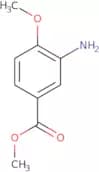
CAS :<p>3-Amino-4-methoxybenzoic acid ethyl ester is a chemical building block that can be used in the synthesis of various organic compounds. It is an important reaction component, and can also be used as a reagent or useful scaffold. 3-Amino-4-methoxybenzoic acid ethyl ester is soluble in organic solvents and has a high quality. This chemical has been shown to be useful for research purposes.</p>Formule :C10H13NO3Degré de pureté :Min. 95%Couleur et forme :PowderMasse moléculaire :195.22 g/mol6-(3-(Adamantan-1-yl)-4-methoxyphenyl)-2-naphthoic acid
CAS :Produit contrôléAgonist of retinoic acid receptors (RAR-? and RAR-?); pro-apoptoticFormule :C28H28O3Degré de pureté :Min. 95%Couleur et forme :PowderMasse moléculaire :412.52 g/mol2,6-Dimethoxynaphthalene
CAS :<p>2,6-Dimethoxynaphthalene is a skeleton that belongs to the naphthalene class of compounds. It is a white crystalline solid that is soluble in organic solvents. This compound has been used as an intermediate for the synthesis of dyes and pharmaceuticals, but it is most commonly used as a precursor to reactive carboxylic acid derivatives. The sulfonation of 2,6-dimethoxynaphthalene with SO3 leads to the formation of ethyl diazoacetate and subsequent acylation reactions can be used to produce esters. The reaction mechanism for these reactions involves proton transport from the sulfur atom to the oxygen atom on ethyl diazoacetate. Supramolecular chemistry studies have shown that this reaction also takes place at low temperatures without the need for an acid catalyst.</p>Formule :C12H12O2Degré de pureté :Min. 98 Area-%Masse moléculaire :188.22 g/mol2-Ethoxybenzyl alcohol
CAS :<p>2-Ethoxybenzyl alcohol is a chemical that belongs to the group of ethyl esters. It is an ether that has been shown to have normalizing activities on frequencies in the range of 2.2-2.4 ppm. The stereochemical configuration at C1 and the carbonyl group are essential for these activities, which are due to the ability of this molecule to act as a hydrogen bond acceptor. 2-Ethoxybenzyl alcohol is commonly found as an impurity in other ethers, such as diethyl ether, and can be used as a marker for their presence in a sample by gas chromatography with chemical ionization detection (GC/CI). 2-Ethoxybenzyl alcohol can also be metabolized by sulfation or biotransformations into methoxy or acetate derivatives. This compound has been shown to be carcinogenic when administered orally to rats.</p>Formule :C9H12O2Degré de pureté :Min. 95%Couleur et forme :Clear LiquidMasse moléculaire :152.19 g/mol4'-Methoxy-3',beta-dimethyl-beta-nitrostyrene
<p>4'-Methoxy-3',beta-dimethyl-beta-nitrostyrene is a fine chemical that belongs to the group of versatile building blocks. It is an intermediate for the synthesis of complex compounds, research chemicals, and speciality chemicals. 4'-Methoxy-3',beta-dimethyl-beta-nitrostyrene is a useful reagent in organic synthesis and can be used as a reaction component or scaffold. It has been shown to have high quality and it can be used as a useful building block.</p>Formule :C11H13NO3Degré de pureté :Min. 95%Couleur et forme :PowderMasse moléculaire :207.23 g/mol3-Ethoxysalicylaldehyde
CAS :3-Ethoxysalicylaldehyde (3ESA) is a colorless liquid that has been shown to be soluble in methanol. 3ESA has a molecular weight of 172.2 and an experimental solubility data of 1.01 g/mL at 25 °C. The compound has a coordination geometry of tetrahedral with one metal ion and three oxygen atoms. The compound also contains one hydroxyl group and two hydrogen bonds, which are intramolecular hydrogen bonds. 3ESA has shown high resistance to human serum, suggesting that it is stable in the presence of human proteins, and is able to bind copper ions to form copper complexes.Formule :C9H10O3Degré de pureté :Min. 95%Couleur et forme :PowderMasse moléculaire :166.17 g/mol5-(Trifluoromethoxy)salicylaldehyde
CAS :<p>5-(Trifluoromethoxy)salicylaldehyde is a ligand that binds to the active site of the enzyme catalysis, thereby inhibiting its activity. It has been shown to be effective in colon cancer and other cancers due to its ability to inhibit protein synthesis. 5-(Trifluoromethoxy)salicylaldehyde also inhibits the production of prostaglandins, which may prevent inflammation. The compound is also used in supramolecular chemistry and biological studies as a tool for studying protein-ligand interactions. 5-(Trifluoromethoxy)salicylaldehyde has been shown to have dose-dependent effects on cell proliferation and protein synthesis.</p>Formule :C8H5F3O3Degré de pureté :Min. 95%Couleur et forme :PowderMasse moléculaire :206.12 g/mol(S)-trans-2-Amino-4-(2-aminoethoxy)-3-butenoic acid hydrochloride
CAS :(S)-trans-2-Amino-4-(2-aminoethoxy)-3-butenoic acid hydrochloride is a chemical pesticide that inhibits the production of ethylene in plants. It is used to control growth and enhance the fruit quality of horticultural crops. It is also used as an inhibitor of serine proteases, which are enzymes that catalyze the hydrolysis of proteins. This product has been shown to act as a growth regulator by inhibiting the activity of serine proteases and blocking the biosynthesis of ethylene. (S)-trans-2-Amino-4-(2-aminoethoxy)-3-butenoic acid hydrochloride also blocks the biosynthesis of human chorionic gonadotropin, a hormone involved in reproduction and development.Formule :C6H13ClN2O3Degré de pureté :Min. 97 Area-%Couleur et forme :Off-White PowderMasse moléculaire :196.63 g/mol4-Chloro-3-methoxybenzoic acid
CAS :<p>4-Chloro-3-methoxybenzoic acid (4CMB) is a putative cancer drug that belongs to the group of imidazole derivatives. 4CMB has been shown to inhibit the growth of human breast and colon cancer cells in culture by altering the metabolism of 3-hydroxyanthranilic acid, which is an acceptor for aromatic amino acid hydroxylase. The effect of 4CMB on this enzyme leads to a decrease in the production of kynurenine, which is a molecule involved in the production of melanin. This reduced amount of kynurenine results in a loss of pigment and decreases the ability of melanocytes to produce pigments such as melanin. This may help explain how 4CMB works against malignant cells and cancer.</p>Formule :C8H7ClO3Degré de pureté :Min. 95%Couleur et forme :PowderMasse moléculaire :186.59 g/mol2-(((4-Bromo-2,5-dimethoxyphenyl)amino)methylene)-5,5-dimethylcyclohexane-1,3-dione
CAS :<p>Please enquire for more information about 2-(((4-Bromo-2,5-dimethoxyphenyl)amino)methylene)-5,5-dimethylcyclohexane-1,3-dione including the price, delivery time and more detailed product information at the technical inquiry form on this page</p>Formule :C17H20BrNO4Degré de pureté :Min. 95%Masse moléculaire :382.25 g/mol1-(1-(3-Methoxyphenyl)cyclohexyl)piperidine
CAS :Produit contrôlé<p>1-(1-(3-Methoxyphenyl)cyclohexyl)piperidine is an analog of fentanyl that has been shown to be a potent analgesic. It binds to the μ-opioid receptor in the central nervous system and inhibits the reuptake of neurotransmitters, such as serotonin, norepinephrine, and dopamine. This drug has also been found to cause hypotension by inhibiting noradrenaline release from sympathetic nerve terminals. 1-(1-(3-Methoxyphenyl)cyclohexyl)piperidine may also have clinical relevance for treating drug addiction because it has a high affinity for binding ligands that are involved in this process. The sample preparation for 1-(1-(3-Methoxyphenyl)cyclohexyl)piperidine is not required because it can be measured directly in the urine.</p>Formule :C18H27NODegré de pureté :Min. 95%Couleur et forme :White To Off-White SolidMasse moléculaire :273.41 g/mol2-Hydroxy-6-methoxybenzoic acid methyl ester
CAS :<p>2-Hydroxy-6-methoxybenzoic acid methyl ester is a biologically active molecule that has been shown to have antibacterial activity. It is structurally similar to the natural compound 2,6-dimethoxyphenol and can be used as a substitute for this compound in bioassays. The antibacterial activity of 2-hydroxy-6-methoxybenzoic acid methyl ester is due to its ability to inhibit enzymes involved in DNA repair and cell division. This compound also inhibits the growth of cancer cells and weevils by interfering with their metabolism.</p>Formule :C9H10O4Degré de pureté :Min. 95%Couleur et forme :PowderMasse moléculaire :182.17 g/mol2-Ethoxy-4-methoxybenzaldehyde
CAS :<p>2-Ethoxy-4-methoxybenzaldehyde is a volatile compound that has been shown to have medicinal properties. It is used to analyze the presence of alcohols and aldehydes in various products. The sensitivity of this compound was optimized by using an analytical method that involved solid phase microextraction (SPME) followed by gas chromatography (GC). The carcinogenicity of this compound was determined by exposing it to rats in a 2 year study, which showed no evidence of carcinogenicity. This compound can also be used as a phenolic or microextraction reagent for the headspace analysis of volatile compounds.</p>Formule :C10H12O3Degré de pureté :Min. 95%Couleur et forme :PowderMasse moléculaire :180.2 g/mol3,5-Difluoro-4-methoxybenzoic acid
CAS :<p>3,5-Difluoro-4-methoxybenzoic acid is a chemical compound that is used as both a starting material and an intermediate in organic synthesis. It can be obtained from the reaction of 2,4-difluoro-3-methoxybenzoyl chloride with 3,5-dimethoxyaniline. 3,5-Difluoro-4-methoxybenzoic acid has been shown to be useful as a building block in the synthesis of other compounds with potent antibiotic activity such as fluoroquinolones. This compound is also used to synthesize aminomethylcyclohexane and methylaminomethylcyclohexane, which are useful in the manufacture of pesticides.</p>Formule :C8H6F2O3Degré de pureté :Min. 95%Couleur et forme :PowderMasse moléculaire :188.13 g/mol4-Methoxybenzaldehyde
CAS :<p>4-Methoxybenzaldehyde is a surfactant with a Langmuir adsorption isotherm. It can be used in analytical methods for the determination of sodium carbonate at concentrations of 1 mg/mL and higher. The redox potentials of 4-methoxybenzaldehyde are +0.37 and -0.35 volts, which corresponds to group P2. The reaction mechanism for 4-methoxybenzaldehyde is the oxidation of the compound by potassium permanganate (KMnO4) in aqueous solution to form 4-hydroxybenzoic acid (4HB). The fluorescent derivative of 4-methoxybenzaldehyde is magnesium salt, which has been shown to react with ryanodine receptors in skeletal muscle cells, leading to a decrease in calcium release from the sarcoplasmic reticulum. Process optimization may be necessary for this product due to its limited applications in analytical chemistry.</p>Formule :C8H8O2Degré de pureté :Min. 95%Couleur et forme :Colorless Clear LiquidMasse moléculaire :136.15 g/mol3,4-Dimethoxy-2-methylcinnamic acid
CAS :<p>3,4-Dimethoxy-2-methylcinnamic acid is a fine chemical that can be used as a building block to produce complex compounds. It is also an intermediate in the synthesis of chemicals such as cinnamyl alcohol, cinnamaldehyde, and 2-methyl-3-(4'-methoxyphenyl)propanoic acid. This compound is useful for research purposes as it has been shown to be an effective reaction component in organic reactions. 3,4-Dimethoxy-2-methylcinnamic acid is a high quality reagent with CAS No. 868562-26-9.</p>Formule :C12H14O4Degré de pureté :Min. 95%Couleur et forme :PowderMasse moléculaire :222.24 g/mol2,3-Dimethoxyphenylboronic acid
CAS :<p>2,3-Dimethoxyphenylboronic acid is a synthetic molecule that contains a boronic acid group. This compound has been shown to interact with histones H3 and L6. It has also been shown to modify lysine residues on the histone H3 protein by methylation. In addition, 2,3-dimethoxyphenylboronic acid interacts with other molecules in a way that changes their conformation and this interaction can be studied using vibrational spectroscopy. Organic chemists may use 2,3-dimethoxyphenylboronic acid as a ligand for biological targets or as a means of modifying proteins.</p>Formule :C8H11BO4Degré de pureté :Min. 95%Couleur et forme :PowderMasse moléculaire :181.98 g/mol3-(2-Ethoxyphenyl)propionic acid
CAS :<p>3-(2-Ethoxyphenyl)propionic acid is a versatile building block that can be used as a reagent, speciality chemical, or useful scaffold in the synthesis of complex compounds. 3-(2-Ethoxyphenyl)propionic acid has been shown to have high quality and is a useful intermediate in the synthesis of fine chemicals. This compound has been used as a reactant in organic reactions such as Michael addition and Diels-Alder reactions.</p>Formule :C11H14O3Degré de pureté :Min. 95%Masse moléculaire :194.23 g/mol2-(4-Methoxyphenoxy)ethanol
CAS :<p>2-(4-Methoxyphenoxy)ethanol is a carboxylic acid. It has been used as a hydrogen peroxide donor in catalytic reactions, and as an ethylene glycol ether in the production of polyester resins. 2-(4-Methoxyphenoxy)ethanol has been shown to be useful in multilayer coatings with optimal reaction rates, and is a good oxidant for many organic compounds.</p>Formule :C9H12O3Degré de pureté :Min. 95%Couleur et forme :PowderMasse moléculaire :168.19 g/mol2-Hydroxy-4-methoxyacetophenone
CAS :<p>2-Hydroxy-4-methoxyacetophenone is a compound that has been shown to have a minimal toxicity profile and a wide range of pharmacological activities. It inhibits the activity of NF-κB, which is an inflammatory signaling protein, and also has antioxidant properties. 2-Hydroxy-4-methoxyacetophenone has been shown to reduce the severity of cardiovascular disease by inhibiting oxidative injury in the mitochondria and reducing oxidative stress. This drug also reduces atherosclerotic lesions and prevents hypoglycemia by increasing glucose uptake in tissues. Moreover, it can be used to treat leukemia inhibitory factor in patients with chronic myeloid leukemia (CML).</p>Formule :C9H10O3Degré de pureté :Min. 95%Couleur et forme :PowderMasse moléculaire :166.17 g/mol2-(2,2-dimethylpropanoyl)-3-(4-hydroxy-3-methoxyphenyl)prop-2-enenitrile
CAS :Please enquire for more information about 2-(2,2-dimethylpropanoyl)-3-(4-hydroxy-3-methoxyphenyl)prop-2-enenitrile including the price, delivery time and more detailed product information at the technical inquiry form on this pageDegré de pureté :Min. 95%8-Hydroxy-7-methoxy-2-oxo-2H-1-benzopyran-3-carboxylic acid
<p>8-Hydroxy-7-methoxy-2-oxo-2H-1-benzopyran-3-carboxylic acid is a versatile building block with a broad range of applications. It has been used in the synthesis of many complex compounds and research chemicals, including CAS No. 1207819-96-6. This chemical can be used as a reagent to produce important biological molecules such as antibiotics, antivirals, and antihypertensives.</p>Formule :C11H7NO8Degré de pureté :Min. 95%Couleur et forme :Green SolidMasse moléculaire :281.18 g/molTrimethylolpropane ethoxylate - average Mn ~450
CAS :<p>Please enquire for more information about Trimethylolpropane ethoxylate - average Mn ~450 including the price, delivery time and more detailed product information at the technical inquiry form on this page</p>Formule :(C2H4O)n•(C2H4O)n•(C2H4O)n•C6H14O3Degré de pureté :Min. 95%2-Bromo-5-methoxybenzaldehyde
CAS :<p>2-Bromo-5-methoxybenzaldehyde is an organic compound that is used as a synthetic intermediate. It has been shown to be a substrate for the acid transporter SLC26A2, which transports it into cells. This compound has also been found in low levels in human tissues and fluids, where it may play a role in the development of cancer. 2-Bromo-5-methoxybenzaldehyde has been shown to inhibit the growth of cancer cells by uv absorption and terminal alkynes. The anticancer activity of this compound is due to its ability to react with functional groups such as benzyl groups and other alkyl groups.</p>Formule :C8H7BrO2Degré de pureté :Min. 95%Couleur et forme :PowderMasse moléculaire :215.04 g/molent-(14S)-3-Methoxy-17-methylmorphinan
CAS :Produit contrôlé<p>Please enquire for more information about ent-(14S)-3-Methoxy-17-methylmorphinan including the price, delivery time and more detailed product information at the technical inquiry form on this page</p>Formule :C18H25NODegré de pureté :Min. 95%Couleur et forme :Colorless Clear LiquidMasse moléculaire :271.4 g/mol3-(Trifluoromethoxy)hydrocinnamic acid
CAS :<p>3-(Trifluoromethoxy)hydrocinnamic acid is a useful building block that is used in the synthesis of many organic compounds. It has been used as a reagent and as a speciality chemical, and is also a versatile building block for the synthesis of complex compounds. 3-(Trifluoromethoxy)hydrocinnamic acid can be synthesized from cinnamic acid, which is available commercially and can be obtained by reacting benzaldehyde with nitric acid. 3-(Trifluoromethoxy)hydrocinnamic acid has CAS No. 168833-77-0 and can be found under the name 2,4-dichloro-3-(trifluoromethoxy)benzene.</p>Formule :C10H9F3O3Degré de pureté :Min. 98 Area-%Couleur et forme :Clear LiquidMasse moléculaire :234.17 g/mol2,2'-Dihydroxy-4-methoxybenzophenone
CAS :<p>2,2'-Dihydroxy-4-methoxybenzophenone (DHMB) is a chemical compound used in the manufacturing of sunscreens. It is also used as an antioxidant and antiinflammatory agent in topical preparations. The genotoxic effects of DHMB are well documented, but it is unclear whether these effects are due to UV radiation or other mechanisms. DHMB has been shown to be toxic to cells in vivo and in vitro. There have been reports of skin cancer developing on the ears of rats following chronic exposure to this chemical. DHMB binds to the estrogen receptor, which may be responsible for its genotoxic activity. This chemical has also been shown to inhibit the growth of bacteria such as Pseudomonas aeruginosa and Escherichia coli by binding with fatty acids on the cell membrane surface. DHMB is used for wastewater treatment because it can bind with heavy metals and remove them from water sources.</p>Formule :C14H12O4Degré de pureté :Min. 95%Couleur et forme :Yellow To Dark Yellow SolidMasse moléculaire :244.24 g/mol4-Methoxybenzyl alcohol
CAS :<p>4-Methoxybenzyl alcohol is an inhibitor that inhibits the enzyme hydroxylase, which catalyzes the conversion of 4-methylphenol to 4-hydroxymandelic acid. The inhibition of this enzyme leads to a decrease in the production of pro-inflammatory factors, such as leukotrienes and prostaglandins. The inhibition of this enzyme also prevents the release of lysosomal enzymes, which may be a therapeutic target for degenerative diseases. Kinetic data has been collected by measuring the rate at which 4-methoxybenzyl alcohol reacts with hydroxylase in vitro and in vivo. This reaction was found to be second order with respect to substrate concentration, with a half-life of 2.8 hours at 37 degrees Celsius and pH 7.4.</p>Formule :C8H10O2Degré de pureté :Min. 98%Couleur et forme :Clear LiquidMasse moléculaire :138.16 g/mol5-Methoxy-2-(trifluoromethyl)benzaldehyde
CAS :<p>5-Methoxy-2-(trifluoromethyl)benzaldehyde (5MFBA) is a potential anticancer compound that has been shown to inhibit the growth of pancreatic cancer cells. 5MFBA is formed by the reaction of methoxybenzene and trifluoromethyl bromide in the presence of copper chloride, which acts as a dehydrogenase. This compound also has prognostic and clinicopathological implications in patients with pancreatic cancer, as well as staining properties in tissues. 5MFBA modulates biological function via reactive oxygen species (ROS) production, which induces cell apoptosis. Research on this compound has been done on cancer tissues from various organs, including breast and prostate cancers.</p>Formule :C9H7F3O2Degré de pureté :Min. 95%Couleur et forme :PowderMasse moléculaire :204.15 g/mol2-Bromo-4-methoxyaniline hydrochloride
CAS :2-Bromo-4-methoxyaniline hydrochloride is a high quality, reagent that is used as a useful intermediate in the production of fine chemicals. This compound has been shown to be a useful scaffold for the synthesis of speciality chemicals and research chemicals. It also functions as an excellent building block for versatile chemical reactions. 2-Bromo-4-methoxyaniline hydrochloride can be used as a reaction component in the preparation of compounds with diverse functional groups.Formule :C7H8BrNO·ClHDegré de pureté :Min. 95%Couleur et forme :White PowderMasse moléculaire :238.51 g/mol4-Chloro-3',4'-dimethoxychalcone
CAS :<p>Please enquire for more information about 4-Chloro-3',4'-dimethoxychalcone including the price, delivery time and more detailed product information at the technical inquiry form on this page</p>Degré de pureté :Min. 95%3-Bromo-4-methoxybenzoic acid methyl ester
CAS :<p>3-Bromo-4-methoxybenzoic acid methyl ester is an isomer of 4-methoxybenzoic acid. It is a natural product that can be found in dihydroisoquinoline and in the ethyl formate oxidation products. There are two ways to synthesize this compound: by oxidation of diphenyl ethers or by hydrolysis of chloride acetaldehyde. 3-Bromo-4-methoxybenzoic acid methyl ester has been shown to have cellular toxicity against human cells and biphenyl.</p>Formule :C9H9BrO3Degré de pureté :Min. 95%Couleur et forme :PowderMasse moléculaire :245.07 g/mol3-Ethoxycinnamic acid
CAS :3-Ethoxycinnamic acid is a polyhydric alcohol that has been shown to inhibit the growth of various microorganisms. 3-Ethoxycinnamic acid inhibits the growth of microorganisms by binding to the alkenyl groups in the cell membrane, thereby preventing them from synthesizing their own fatty acids. The binding of 3-ethoxycinnamic acid to alkali metal ions also prevents their uptake into the cell, which leads to an accumulation of these ions outside the cell and eventually results in cell death. 3-Ethoxycinnamic acid is soluble in water and may be used as a stain or quaternary ammonium compound.Formule :C11H12O3Degré de pureté :Min. 95%Couleur et forme :SolidMasse moléculaire :192.21 g/mol3-Fluoro-2-methoxybenzoic acid
CAS :<p>3-Fluoro-2-methoxybenzoic acid is a chemical compound that is used as a reaction component, reagent, and building block for fine chemicals. It is a versatile intermediate that is useful in the preparation of complex compounds. 3-Fluoro-2-methoxybenzoic acid has been used to synthesize pharmaceuticals, including antipsychotics and anticonvulsants, as well as dyes and pesticides. 3-Fluoro-2-methoxybenzoic acid belongs to the speciality chemical category and can be used in research labs or other specialized settings.<br>3-Fluoro-2-methoxybenzoic acid has CAS No. 106428-05-1.</p>Formule :C8H7FO3Degré de pureté :Min. 95%Couleur et forme :PowderMasse moléculaire :170.14 g/mol4,5-Dimethoxy-1,2-phenylenediamine hydrochloride
CAS :<p>Produces fluorescent benzimidazole derivatives; detects aromatic aldehydes</p>Formule :C8H14N2O2•xHClDegré de pureté :Min. 98%Couleur et forme :Purple PowderMasse moléculaire :241.11 g/mol6,6'-Dihydroxy-5,5'-dimethoxy- [1,1'-biphenyl]-3,3'-dicarboxaldehyde
CAS :6,6'-Dihydroxy-5,5'-dimethoxy-[1,1'-biphenyl]-3,3'-dicarboxaldehyde (DDM) is a molecule that belongs to the class of organic compounds known as phenols. DDM has been shown to be an inhibitor of the enzyme activity of lysine residues and protocatechuic acid production. DDM also inhibits 5-carboxyvanillic acid production by competitively binding to the enzyme's active site. DDM has been shown to have antibacterial activity against wild-type strains of Staphylococcus aureus and Escherichia coli.Formule :C16H14O6Degré de pureté :Min. 95 Area-%Couleur et forme :Yellow PowderMasse moléculaire :302.28 g/mol5-Methoxyindole
CAS :<p>5-Methoxyindole is a chemical compound that is soluble in water. It has been shown to inhibit tumor growth and induce apoptosis, as well as inhibit the expression of glycogen synthase kinase-3. The structure of 5-methoxyindole was determined by NMR spectroscopy and FT-IR spectroscopy. The compound has been observed to exhibit fluorescence properties at a wavelength of 490 nm when it is excited with UV light. A copper complex of 5-methoxyindole was studied using molecular modeling and FT-IR spectroscopy, which revealed that it can undergo nucleophilic attack by hydrogen bond formation or an acid/base reaction to form a new hydrogen bond. This study also found that 5-methoxyindole is able to form hydrogen bonds with its neighboring molecules, which may contribute to its high solubility in water.</p>Formule :C9H9NOCouleur et forme :PowderMasse moléculaire :147.17 g/mol5-Chloro-2-methoxybenzoic acid
CAS :<p>5-Chloro-2-methoxybenzoic acid is an industrial chemical that is used in the production of pharmaceuticals, plastics, and dyes. It also has hypoglycemic activity and can be used to treat type 2 diabetes. The molecular modeling study of this compound showed that it binds to the chloride ion by forming a hydrogen bond between the oxygen atom of the carboxylic acid group and the nitrogen atom of the chloride ion. This interaction leads to a lower pH value in the environment where 5-chloro-2-methoxybenzoic acid is present. This change in pH may affect other molecules such as glucose, which could lead to a decrease in blood sugar levels. Researchers have found that 5-chloro-2-methoxybenzoic acid has cancer cell growth inhibiting properties and can be used as a potential drug for colorectal adenocarcinoma treatment.</p>Formule :C8H7ClO3Degré de pureté :Min. 95%Masse moléculaire :186.59 g/mol4-(2-Hydroxyethoxy)-3-nitroacetanilide
CAS :<p>4-(2-Hydroxyethoxy)-3-nitroacetanilide is a versatile building block that can be used in the synthesis of complex compounds and research chemicals. This compound is also used as a reagent for organic synthesis, or as an intermediate for the production of other chemical substances. 4-(2-Hydroxyethoxy)-3-nitroacetanilide is high quality and has many uses in various reactions. It has been shown to be an effective scaffold for synthetic chemistry.</p>Formule :C10H12N2O5Degré de pureté :90%Couleur et forme :PowderMasse moléculaire :240.21 g/mol3-Trifluoromethoxyphenylboronic acid
CAS :<p>3-Trifluoromethoxyphenylboronic acid is a lead compound that has the potential to be an efficient and water-soluble inhibitor of protein kinases. It has been shown to have a significant inhibitory effect on vismodegib transport. This compound may also have anticancer properties. 3-Trifluoromethoxyphenylboronic acid binds to the active site of protein kinases, blocking their catalytic activity and inhibiting cell proliferation by interfering with the signaling pathway that regulates cancer cells.</p>Formule :C7H6BF3O3Degré de pureté :Min. 90%Couleur et forme :PowderMasse moléculaire :205.93 g/mol(Ethoxycarbonylmethyl)dimethylsulfonium bromide
CAS :(Ethoxycarbonylmethyl)dimethylsulfonium bromide is an isoxazoline. It is used in the synthesis of oxime derivatives, which are bioactive molecules that have a wide range of applications in the field of medicine, including as intermediates for anti-inflammatory, anti-viral and antibacterial drugs. This compound has shown to be active against methicillin resistant Staphylococcus aureus (MRSA). The mechanism by which this molecule inhibits MRSA involves its nitro group and the release of nitric oxide.Formule :C6H13BrO2SDegré de pureté :Min. 97.5 Area-%Couleur et forme :PowderMasse moléculaire :229.14 g/mol2,4,6-Trimethoxybenzylamine
CAS :<p>A new efficient method for the synthesis of 2,4,6-trimethoxybenzylamine (TMB) has been developed. This reaction is catalyzed by a novel metal-free reagent, which is a mixture of 1,3-dibromo-1,1-dichloroethene and 2-chloropropane. In vitro assays were carried out to confirm the cytotoxicity of TMB on mcf-7 cells. The results showed that TMB induces apoptosis in these cells and inhibits the activity of transporters responsible for nutrient uptake. This compound also showed anticancer activity against cancer cell lines in vitro and in vivo studies.</p>Formule :C10H15NO3Degré de pureté :Min. 95 Area-%Couleur et forme :PowderMasse moléculaire :197.23 g/mol3-Ethoxybenzhydrazide
CAS :<p>3-Ethoxybenzhydrazide is a class of catalyzed, efficient, and carboxylic acid chlorides. The methodology for this class of compounds has been optimized to produce 3-ethoxybenzhydrazides with high yields. This class of compounds has been shown to be efficient in the synthesis of a number of carboxylic acids. This method can be automated and is an advance in the field of chemistry.</p>Formule :C9H12N2O2Degré de pureté :Min. 95%Couleur et forme :PowderMasse moléculaire :180.2 g/mol4-Hydroxy-5-iodo-3-methoxybenzyl alcohol
CAS :<p>4-Hydroxy-5-iodo-3-methoxybenzyl alcohol is a polymer that has been synthesized as a model compound for lignin. It is a synthetic compound, which has not been found in nature. 4-Hydroxy-5-iodo-3-methoxybenzyl alcohol is toxic to bacteria and fungi, but not to mammalian cells. The metabolic products of this compound have not yet been identified.</p>Formule :C8H9IO3Degré de pureté :Min. 95%Couleur et forme :PowderMasse moléculaire :280.06 g/mol3-Chloro-4-methoxybenzoic acid ethyl ester
CAS :<p>3-Chloro-4-methoxybenzoic acid ethyl ester is a chemical compound that is used as a reactant in organic synthesis. It has shown high quality and can be used for research. 3-Chloro-4-methoxybenzoic acid ethyl ester can be used as a scaffold to make fine chemicals, pharmaceuticals, and other products. It has been shown to be useful in the synthesis of many complex compounds and as an intermediate or building block for chemical reactions.</p>Formule :C10H11ClO3Degré de pureté :Min. 95%Couleur et forme :PowderMasse moléculaire :214.65 g/mol(3,4,5-Trimethoxyphenyl)methyl carbinol
CAS :<p>(3,4,5-Trimethoxyphenyl)methyl carbinol is a neuroprotective compound that belongs to the class of benzyl alcohols. It has been shown to have neuroprotective effects against daldinia-induced oxidative stress and biotoxicity. This compound has high electron transfer rates and can be used as an electron donor in enzymatic reactions. (3,4,5-Trimethoxyphenyl)methyl carbinol exhibits a high reactivity with alcohols and can be used in the synthesis of other compounds by transferring its alcohol group onto other molecules. The addition of deuterium atoms to this molecule has been shown to increase its reactivity with oxidants.</p>Formule :C11H16O4Degré de pureté :Min. 95%Couleur et forme :LiquidMasse moléculaire :212.24 g/mol1-Fluoro-3-methoxy-2-nitrobenzene
CAS :<p>1-Fluoro-3-methoxy-2-nitrobenzene is a versatile building block that can be used as a scaffold for the synthesis of complex compounds. It is also used as a reaction component in research and development, especially in the production of pharmaceuticals, pesticides and other chemicals. 1-Fluoro-3-methoxy-2-nitrobenzene has many uses in the production of high quality reagents, such as pharmaceutical intermediates, dyes, and explosives.</p>Formule :C7H6FNO3Degré de pureté :Min. 95%Masse moléculaire :171.13 g/mol3,4-Dimethoxybenzyl bromide
CAS :<p>3,4-Dimethoxybenzyl bromide is an organic compound that is used in the synthesis of isoquinoline alkaloids. This chemical has been found to have anticancer activity against human colon cancer cells (HCT116) and low energy properties. The asymmetric synthesis of 3,4-dimethoxybenzyl bromide can be achieved through a Grignard reaction with phenylmagnesium bromide. A linker can be used to attach 3,4-dimethoxybenzyl bromide to other chemicals such as biphenyls or amines.</p>Formule :C9H11BrO2Degré de pureté :Min. 95 Area-%Couleur et forme :White PowderMasse moléculaire :231.09 g/mol(2,3-Dimethoxyphenyl)acetone
CAS :<p>2,3-Dimethoxyphenylacetone is a synthetic compound that has been used as a precursor to other compounds. The synthesis of 2,3-dimethoxyphenylacetone requires the reaction of lithium aluminum hydride with acrylonitrile and hydriodic acid. The molecule can be cyclized in two different ways to form either 2,3-dimethoxybenzaldehyde or 3-methoxybenzaldehyde. The structure of 2,3-dimethoxyphenylacetone is similar to that of hydrazoic acid which has been used as an intermediate in the synthesis of other compounds such as pyrazines.</p>Formule :C11H14O3Degré de pureté :Min. 95%Couleur et forme :PowderMasse moléculaire :194.23 g/mol4-Methoxy-3-nitrobenzoic acid methyl ester
CAS :<p>4-Methoxy-3-nitrobenzoic acid methyl ester (4MNBM) is a potent antitumor agent that inhibits tumor cell proliferation by interfering with DNA replication. 4MNBM selectively binds to the nuclear magnetic resonance and has been shown to inhibit tumor growth in animal models. This drug also shows potent antitumor activity against solid tumor cells, which is due to its ability to induce conformational changes in the DNA of these cells. 4MNBM has been shown to be selective for tumor cells, which may be due to its lack of effect on the metabolism of normal tissue and its ability to bind to proteins in tumor cell nuclei.</p>Formule :C9H9NO5Degré de pureté :Min. 95%Couleur et forme :Clear LiquidMasse moléculaire :211.17 g/mol2,3,4,5-Tetramethoxytoluene
CAS :<p>2,3,4,5-Tetramethoxytoluene is a chlorinated aromatic hydrocarbon that is produced by the chloromethylation of toluene. It can be used in the synthesis of isoquinoline compounds and grignard reagents. 2,3,4,5-Tetramethoxytoluene is also a precursor for the production of 2-chloro-1-(2-chlorophenyl)ethanol (CCPE), which is used as an intermediate for the production of various pesticides and herbicides. Tetramethoxytoluene has been shown to be toxic to fish in water at concentrations as low as 0.1 micrograms per liter. It also has a potential to cause environmental pollution because it reacts with peroxide and alkylates other organic compounds.</p>Formule :C11H16O4Degré de pureté :Min. 95%Couleur et forme :Clear LiquidMasse moléculaire :212.24 g/mol6-Methoxy-1-indanone
CAS :<p>6-Methoxy-1-indanone is a chemical compound that can be found in the form of two structural isomers. They both have the same pharmacokinetic properties and are potent inhibitors of 5-HT1A receptors. 6-Methoxy-1-indanone also has potent inhibitory activity on the MT2 receptors, which are present in the central nervous system. This compound has been shown to be an active methylene group with neurodegenerative disease and has carbonyl groups.</p>Formule :C10H10O2Degré de pureté :Min. 98 Area-%Couleur et forme :PowderMasse moléculaire :162.19 g/mol2-Nitro-3,4,5-trimethoxybenzoic acid
CAS :<p>2-Nitro-3,4,5-trimethoxybenzoic acid (2-NTMB) is a potent anticancer agent that has shown cytotoxic effects in human epidermoid carcinoma cells. It inhibits the growth of cancer cells by interfering with their DNA synthesis and repair. 2-NTMB binds to DNA and blocks the action of enzymes involved in DNA synthesis and repair. This binding leads to cancer cell death through irradiation or by blocking the production of new proteins vital for cell division. 2-NTMB is bioisosteric with combretastatin A4, which means it can be substituted for this drug without significant loss of potency. It also has been shown to be an effective chemotherapeutic agent against breast cancer in mice.</p>Formule :C10H11NO7Degré de pureté :Min. 95%Couleur et forme :PowderMasse moléculaire :257.2 g/mol4'-Methoxyresveratrol
CAS :4'-Methoxyresveratrol is a polyphenol found in red wine and other plants. It has been shown to have anti-angiogenic effects, which may be due to its ability to inhibit vascular endothelial growth factor (VEGF) synthesis. 4'-Methoxyresveratrol has also been shown to have long-term efficacy against autoimmune diseases such as colitis, arthritis and asthma. This compound has not been studied in women or animals for toxicity or carcinogenicity. The most common side effects include gastrointestinal disturbances, headache, dizziness and skin rash.Formule :C15H14O3Degré de pureté :Min. 95%Couleur et forme :White PowderMasse moléculaire :242.27 g/mol3-Bromo-4-methoxycinnamic acid
CAS :<p>3-Bromo-4-methoxycinnamic acid is an organic compound that is used as a reagent, a useful scaffold, and a useful intermediate. It has been shown to be an excellent building block for the synthesis of complex compounds. 3-Bromo-4-methoxycinnamic acid can be used in the production of fine chemicals.</p>Formule :C10H9BrO3Degré de pureté :Min. 95%Couleur et forme :PowderMasse moléculaire :257.08 g/mol4-Chloro-2-methoxyaniline
CAS :<p>4-Chloro-2-methoxyaniline is an organic compound with the chemical formula CHClNO. It is a colorless liquid that smells like benzene. 4-Chloro-2-methoxyaniline reacts with diazonium salt to produce a red-orange dye and is used to create other azo compounds. It also reacts with anionic substances and can be used in fibre production. 4-Chloro-2-methoxyaniline has been shown to have fungicidal properties, which may be due to its ability to oxidize the fungal cell membrane.</p>Formule :C7H8ClNODegré de pureté :Min. 98 Area-%Masse moléculaire :157.6 g/mol5-Methoxy-2-methylaniline
CAS :<p>5-Methoxy-2-methylaniline is a synthetic compound that has been shown to have neurotoxic effects in rats. The neurotoxicity of this substance has been shown to be related to its ability to inhibit monoamine oxidase A (MAO-A). This inhibition leads to an accumulation of the neurotransmitter dopamine, which in turn leads to an increase in the production of free radicals and lipid peroxidation. 5-Methoxy-2-methylaniline also shows neuroprotective properties, which may be due to its ability to inhibit deoxypeganine and hydrochloric acid, two mediators involved in the generation of reactive oxygen species.</p>Formule :C8H11NODegré de pureté :Min. 95 Area-%Couleur et forme :PowderMasse moléculaire :137.18 g/molDimethoxy(methyl)silane - 90%
CAS :<p>Dimethoxy(methyl)silane is a fluorescing hydrocarbon that is used as a sealant. It has been shown to react with calcium carbonate and chloride, forming stable complexes. Dimethoxy(methyl)silane reacts with hydrogen chloride to form a divalent hydrocarbon and can be used to produce polymer films.</p>Formule :C3H10O2SiDegré de pureté :Min. 95%Couleur et forme :Clear LiquidMasse moléculaire :106.2 g/mol2,5-Dichloro-4-ethoxybenzenesulfonyl chloride
CAS :<p>2,5-Dichloro-4-ethoxybenzenesulfonyl chloride is a chlorosulfonyl reagent that is used in the synthesis of organic compounds. It can be used as a building block, a research chemical, or an intermediate compound. This material has been shown to be useful in the synthesis of many different types of compounds and it provides a versatile scaffold for chemical reactions. The reaction component has shown high quality and was obtained from a reliable source.</p>Formule :C8H7Cl3O3SDegré de pureté :Min. 95 Area-%Couleur et forme :PowderMasse moléculaire :289.56 g/mol3-Bromo-4-methoxyphenylacetic acid
CAS :<p>3-Bromo-4-methoxyphenylacetic acid is a benzyl ester of hydroxybenzoic acid. It is used as a synthetic precursor for the synthesis of curare and related compounds. 3-Bromo-4-methoxyphenylacetic acid was first synthesized in 1869 by German chemist Wilhelm Koenigs and has been widely used as a synthetic intermediate in organic chemistry. This compound can be prepared from bromobenzene, methoxybenzene, and acetic acid in the presence of dimethyl ether or nitrite. 3-Bromo-4-methoxyphenylacetic acid is also used to produce nitromethane, an alkylating agent that reacts with amines, alcohols, thiols, and sulfides to form N-substituted nitro compounds.</p>Formule :C9H9BrO3Degré de pureté :Min. 95%Couleur et forme :PowderMasse moléculaire :245.07 g/mol2,2'-Dihydroxy-4',6'-dimethoxychalcone
CAS :<p>2,2'-Dihydroxy-4',6'-dimethoxychalcone (DDMC) is a naturally occurring chalcone with antitumor activity. DDMC inhibits the expression of NF-κB and suppresses tumor growth in animal models. In vitro studies have shown that DDMC inhibited the proliferation of human glioma cells without affecting normal brain cells. It has also been shown to inhibit the proliferation of malignant human glioblastoma cells in a dose-dependent manner, while only minimally affecting normal human astrocytes. DDMC has been found to be non-toxic and safe for use in humans and other mammals. The following are some descriptions for products: 6-Fluoro-3-indoxyl-beta-D-galactopyranoside Rifapentine is an anti-tuberculosis drug that belongs to the class of rifamycins. It is the</p>Formule :C17H16O5Degré de pureté :Min. 95%Couleur et forme :PowderMasse moléculaire :300.31 g/mol4,5-Dimethoxy-2-nitrocinnamic acid
CAS :<p>4,5-Dimethoxy-2-nitrocinnamic acid is a versatile building block that can be used as a reagent or speciality chemical. It is useful for the synthesis of complex compounds, and can be used as a reaction component or scaffold in organic chemistry. 4,5-Dimethoxy-2-nitrocinnamic acid is a high quality intermediate with CAS No. 20567-38-8.</p>Formule :C11H11NO6Degré de pureté :Min. 95%Masse moléculaire :253.21 g/mol2,5-Dimethoxybenzamide
CAS :<p>2,5-Dimethoxybenzamide is a potent inhibitor of the enzyme DECATENASE. This enzyme plays an important role in the biosynthesis of the aromatic amino acids phenylalanine and tyrosine. 2,5-Dimethoxybenzamide has been shown to have anticancer activity in vitro and in vivo. Remoxipride is a synthetic drug that competitively inhibits the action of benzodiazepines on GABA receptors by binding to them with high affinity. It was developed as an antipsychotic agent but was never marketed for this indication due to its adverse effects on motor coordination. Remoxipride has also been shown to have estrogenic activity, which may be due to its ability to bind with high affinity and inhibit the enzyme aromatase, which converts testosterone into estradiol.</p>Formule :C9H11NO3Degré de pureté :Min. 95%Couleur et forme :PowderMasse moléculaire :181.19 g/molTetrafluoro-2-(tetrafluoro-2-iodoethoxy)ethanesulfonyl fluoride
CAS :<p>Tetrafluoro-2-(tetrafluoro-2-iodoethoxy)ethanesulfonyl fluoride (TFEI) is a fluorinated solvent that has been used in the manufacture of organic thin films. TFEI is a colorless liquid with a strong, unpleasant odor. It is soluble in water and has a boiling point of about 140°C. TFEI possesses good thermal stability and can be used as an etchant for silicon or glass surfaces. TFEI is also capable of dissolving polymers such as polyimide, polyamide, polyethylene terephthalate, and polystyrene.<br>TFEI has been shown to be highly toxic to bacteria and fungi and can be used as an antimicrobial agent in household cleaners, paints, adhesives, varnishes, plastics, textiles, and other industrial products.</p>Formule :C4F9IO3SDegré de pureté :Min. 95%Couleur et forme :Clear LiquidMasse moléculaire :426 g/mol2,4-Dimethoxybenzonitrile
CAS :<p>2,4-Dimethoxybenzonitrile is a chiral, heterocycle that is used in the synthesis of anilines. The structure of 2,4-dimethoxybenzonitrile consists of two ring structures with a methyl group on one end and a formyl group on the other. The molecular modeling technique has been used to study this molecule. In dimethylformamide (DMF), 2,4-dimethoxybenzonitrile undergoes deprotection with bond cleavage to give the natural product 2-hydroxy-4-methoxybenzaldehyde. This compound has been shown to inhibit the transferase activity in cells and found to be more potent than other formylated compounds.</p>Formule :C9H9NO2Degré de pureté :Min. 95%Masse moléculaire :163.17 g/mol1-Methoxy-4-(2-propenyl)benzene
CAS :<p>1-Methoxy-4-(2-propenyl)benzene is a natural compound that has been found to have insecticidal properties. It is used in the synthesis of eugenol and estragole, which are important components in the flavor industry. The optimum concentration of 1-methoxy-4-(2-propenyl)benzene for killing insects is around 0.1%. In toxicity studies, it has been shown to be carcinogenic in rats and mice. However, this chemical's effect on humans is not well understood at this time.</p>Formule :C10H12ODegré de pureté :Min. 95%Couleur et forme :Clear LiquidMasse moléculaire :148.2 g/mol3-Bromo-2,6-dimethoxy-5-nitrobenzoic acid
CAS :3-Bromo-2,6-dimethoxy-5-nitrobenzoic acid is a chemical component that can be used as a reagent or building block for the synthesis of other compounds. It is also an intermediate in the synthesis of pesticides and pharmaceuticals. 3-Bromo-2,6-dimethoxy-5-nitrobenzoic acid is a versatile compound with many applications in organic chemistry. This chemical has been shown to have high purity and can be used as a reaction component or reagent in research and development laboratories.Formule :C9H8BrNO6Degré de pureté :Min. 95%Couleur et forme :PowderMasse moléculaire :306.07 g/mol3,4-Dimethoxypropiophenone
CAS :<p>3,4-Dimethoxypropiophenone is a superacidic electrophile that is oxidized to produce oxidation products. It can be used in the manufacture of dyes and pharmaceuticals. The reaction mechanism for this compound starts with an electrophilic attack by one of the two carbonyl groups on a double bond in the propiophenone molecule. This produces an enol intermediate, which undergoes stepwise oxidation to form a carbonyl group, chloride ion, and acid catalyst. The acid catalyst can be recycled to reduce production costs. 3,4-Dimethoxypropiophenone also has stereoisomers that are chemically identical but have different three-dimensional shapes.</p>Formule :C11H14O3Degré de pureté :Min. 95%Couleur et forme :PowderMasse moléculaire :194.23 g/mol4-Ethoxy-3-methoxybenzyl alcohol
CAS :4-Ethoxy-3-methoxybenzyl alcohol is a metabolite of the drug benzocaine. It is formed by hydrolysis of the ester linkages in benzocaine and is then further metabolized to form 4-hydroxy-3-methoxybenzyl alcohol. 4-Ethoxy-3-methoxybenzyl alcohol has been shown to have antinociceptive effects in rats, which may be due to its ability to inhibit pain signals from the peripheral nerves.Formule :C10H14O3Degré de pureté :Min. 95%Couleur et forme :PowderMasse moléculaire :182.22 g/mol(3-glycidoxypropyl)methyldimethoxysilane
CAS :<p>3-Glycidoxypropyl methyldimethoxysilane (3-GPMDMS) is a compound that belongs to the group of organosilicon compounds. It is an organic solvent that has been used for the activation energy of ring-opening reactions. 3-GPMDMS is also suitable for immobilizing polysaccharides, proteins, and enzymes on surfaces or in polymer matrices. 3-GPMDMS has been used to produce polymers with high molecular weight and a wide range of molecular weights by polymerization. 3-GPMDMS can be synthesized by reacting glycidoxypropyltrimethoxysilane with methanol in the presence of hydrochloric acid. The chemical structure includes methoxy groups connected to silicon atoms via methylphenyl groups. 3-GPMDMS has been shown to exhibit excellent magnetic resonance properties and be a potential candidate for use as nanomaterials. It</p>Formule :C9H20O4SiDegré de pureté :Min. 95%Masse moléculaire :220.34 g/mol3,4,5-Triethoxybenzoic acid
CAS :<p>3,4,5-Triethoxybenzoic acid is a synthetic compound that has been shown to have neurotoxic effects in animal studies. It has been shown to inhibit the dephosphorylation of amyloid fibrils and activation energy for polymerization. 3,4,5-Triethoxybenzoic acid also causes teratogenic effects in animals at high doses. This compound is used as a reagent for the synthesis of amyloid fibrils and has been shown to have an effect on the inhibition of phosphodiesterase activity.</p>Formule :C13H18O5Degré de pureté :Min. 95%Couleur et forme :PowderMasse moléculaire :254.28 g/mol4-Ethoxybenzhydrazide
CAS :<p>4-Ethoxybenzhydrazide is a carbonyl compound that is planar and has hydroxyl, carbonyl, and nitro substituents. It has been shown to have an acceptor character in its interactions with other molecules. As a result, it can be used in combinatorial chemistry and optimization studies. 4-Ethoxybenzhydrazide is also able to form hydrogen bonds with the carbonyl group of an alcohol, which may be useful for the synthesis of new molecules.</p>Formule :C9H12N2O2Degré de pureté :Min. 95%Couleur et forme :PowderMasse moléculaire :180.2 g/molN1-(6-Methoxy-8-quinolinyl)-1,4-pentanediamine
CAS :<p>Impurity found in Primaquine diphosphate</p>Formule :C15H21N3ODegré de pureté :Min. 95%Couleur et forme :Yellow PowderMasse moléculaire :259.35 g/mol5-Amino-3-(4-methoxyphenyl)pyrazole
CAS :<p>5-Amino-3-(4-methoxyphenyl)pyrazole (5AMPAP) is an anti-cancer agent that is effective against a number of different cancers, including breast, lung, and prostate. It selectively inhibits the growth of cancer cells by targeting enzymes in the mitochondria that are required for ATP production. 5AMPAP binds to the enzyme pyruvate dehydrogenase kinase, which has been shown to be involved in regulating cell proliferation and apoptosis. In addition, it has been demonstrated that this compound has anti-inflammatory properties. The regioselectivity of 5AMPAP was determined by x-ray crystallography and was found to form a pyrazolopyrimidine ring with two nitrogens on opposite sides of the ring. This regioselectivity is necessary for its anti-cancer activity.</p>Formule :C10H11N3ODegré de pureté :Min. 95%Masse moléculaire :189.21 g/mol2-Bromo-4-methoxybenzyl alcohol
CAS :2-Bromo-4-methoxybenzyl alcohol is a fine chemical that can be used as a versatile building block, intermediate, or reaction component in research. It is also a useful building block for the synthesis of complex compounds. 2-Bromo-4-methoxybenzyl alcohol has been shown to be a reagent with high quality and can be used as a speciality chemical. This compound has been shown to react with ammonia to form an amide bond, which has led to the development of several new drugs.Formule :C8H9BrO2Degré de pureté :Min. 95%Couleur et forme :PowderMasse moléculaire :217.06 g/mol2-(4-Ethoxyphenylamino)-4-(3-methyl-4-fluorophenyl)thiazole
CAS :<p>Please enquire for more information about 2-(4-Ethoxyphenylamino)-4-(3-methyl-4-fluorophenyl)thiazole including the price, delivery time and more detailed product information at the technical inquiry form on this page</p>Degré de pureté :Min. 95%2,3-Dimethoxy-1,4-benzoquinone
CAS :2,3-Dimethoxy-1,4-benzoquinone is a chemical compound that belongs to the class of quinones. It is one of the most potent inhibitors of bacterial growth and has been shown to be effective against Gram-positive bacteria such as Staphylococcus aureus and Mycobacterium tuberculosis. 2,3-Dimethoxy-1,4-benzoquinone inhibits bacterial growth by interfering with fatty acid synthesis. This inhibition is due to its ability to react with methoxy groups on membrane lipids and nucleophilic attack on the carbon atom in the fatty acid chain. The binding constants for this interaction are relatively weak, which may explain why 2,3-dimethoxy-1,4-benzoquinone does not inhibit other types of cells like eukaryotic cells.Formule :C8H8O4Degré de pureté :Min. 95%Couleur et forme :Red PowderMasse moléculaire :168.15 g/mol4-(4-Ethoxyphenyl)-2-indol-3-yl-4-oxobutanoic acid
CAS :<p>Please enquire for more information about 4-(4-Ethoxyphenyl)-2-indol-3-yl-4-oxobutanoic acid including the price, delivery time and more detailed product information at the technical inquiry form on this page</p>Degré de pureté :Min. 90%3-(3,5-Dimethoxyphenyl)propionic acid
CAS :<p>3-(3,5-Dimethoxyphenyl)propionic acid is a metabolite of the drug aminorex that has been found to be a potent cannabinoid receptor agonist. It is an oxygenated analogue of 3,5-dimethoxyamphetamine and is synthesised by demethylation of aminorex followed by alkylation of the resulting 3-(3,5-dimethoxyphenyl)propionyl chloride with methanol. The compound has been found in rat microflora and human intestinal contents.</p>Formule :C11H14O4Degré de pureté :Min. 95%Couleur et forme :PowderMasse moléculaire :210.23 g/mol2-Methoxyphenylhydrazine hydrochloride
CAS :<p>2-Methoxyphenylhydrazine hydrochloride is a chemical that is used as a research scaffold, building block, or intermediate. It can be used in the synthesis of complex compounds with high quality and purity. This product is soluble in water and alcohols. 2-Methoxyphenylhydrazine hydrochloride has CAS No. 6971-45-5 and a molecular weight of 183.2 g/mol.</p>Formule :C7H10N2O·HClDegré de pureté :Min. 95%Couleur et forme :PowderMasse moléculaire :174.63 g/mol2,3,4-Trimethoxybenzaldehyde
CAS :<p>2,3,4-Trimethoxybenzaldehyde is a hydroxylated aromatic compound that is used as a dietary supplement. It is found in the natural form of zirconium oxide and has been shown to have cancer-fighting properties. It has also been shown to be able to inhibit the growth of liver cancer cells in vitro and in vivo models. The mechanism of 2,3,4-trimethoxybenzaldehyde's ability to inhibit cancer growth is not fully understood but it may be due to its ability to react with reactive oxygen species and its ability to bind with methoxy groups and benzyl groups.</p>Formule :C10H12O4Degré de pureté :Min. 95%Couleur et forme :PowderMasse moléculaire :196.2 g/mol2-Methoxy-1,4-benzoquinone
CAS :<p>2-Methoxy-1,4-benzoquinone is a chemical compound that is soluble in organic solvents. It is a redox catalyst that can be used to reduce the hydrogen peroxide (H2O2) concentration in nutrient solutions for plant growth. 2-Methoxy-1,4-benzoquinone has been shown to interact with soybean lipoxygenase and levopimaric acid, which are involved in the biosynthesis of fatty acids. 2-Methoxy-1,4-benzoquinone also interacts with other hydroxyl groups such as those found in fatty acid chains. In this way it can form soluble polymers and alter the redox potential of the cell membrane. The optimum pH for these reactions is around 5.5 and this compound has been shown to have growth factor like effects on cells and tissues.</p>Formule :C7H6O3Degré de pureté :Min. 95%Couleur et forme :PowderMasse moléculaire :138.12 g/mol6-Methoxyindole
CAS :<p>6-Methoxyindole is an acetate extract of the plant 5-methoxyindole. It has been shown to be a 5-HT1A receptor agonist in animals, and has been shown to have cardiac effects in rats. 6-Methoxyindole is also used as a precursor for the synthesis of diphenylacetylindoles. 6-Methoxyindole is one of the molecules that can be recombined to form a batcho-leimgruber indole (BLI).</p>Formule :C9H9NODegré de pureté :Min. 99 Area-%Couleur et forme :PowderMasse moléculaire :147.17 g/mol1-Chloro-2-(2-methoxyethoxy)ethane
CAS :<p>Please enquire for more information about 1-Chloro-2-(2-methoxyethoxy)ethane including the price, delivery time and more detailed product information at the technical inquiry form on this page</p>Formule :C5H11ClO2Degré de pureté :Min. 95%Couleur et forme :Clear Colourless LiquidMasse moléculaire :138.59 g/mol(5-Chloro-4-hydroxy-3-methoxyphenyl)acetone
CAS :<p>(5-Chloro-4-hydroxy-3-methoxyphenyl)acetone is a high quality reagent that is useful as an intermediate in the synthesis of complex compounds. It can be used to synthesize a wide range of fine chemicals, such as pharmaceuticals, pesticides, and fragrances. (5-Chloro-4-hydroxy-3-methoxyphenyl)acetone is also a versatile building block for the synthesis of speciality chemicals. This compound has been shown to react with other compounds to form reaction components for research purposes.</p>Formule :C10H11ClO3Degré de pureté :Min. 95%Masse moléculaire :214.65 g/molN-(2-(3,4-dimethoxyphenyl)ethyl)(2-chloro(3-pyridyl))formamide
CAS :Please enquire for more information about N-(2-(3,4-dimethoxyphenyl)ethyl)(2-chloro(3-pyridyl))formamide including the price, delivery time and more detailed product information at the technical inquiry form on this pageDegré de pureté :Min. 90%2-(3,4-Dimethoxyphenyl)-N-hydroxyacetamide
CAS :<p>2-(3,4-Dimethoxyphenyl)-N-hydroxyacetamide is a versatile building block that can be used in the production of a wide range of research chemicals. It is also useful as a reagent or speciality chemical for the preparation of pharmaceuticals, agrochemicals and other industrial chemicals. 2-(3,4-Dimethoxyphenyl)-N-hydroxyacetamide is an intermediate that can be used to synthesize complex compounds such as benzodiazepines. This compound has been shown to have high quality and can be used as a reaction component in organic synthesis.<br>2-(3,4-Dimethoxyphenyl)-N-hydroxyacetamide has CAS number 33793-80-5 and its molecular weight is 237.27 g/mol.</p>Formule :C10H13NO4Degré de pureté :Min. 95%Couleur et forme :PowderMasse moléculaire :211.21 g/mol(2-Methoxyphenyl)acetone oxime
CAS :<p>2-Methoxyphenyl)acetone oxime is a versatile building block that can be used in the synthesis of complex compounds. It is a colourless crystalline solid with a melting point of 138°C and a boiling point of 188°C. This compound has been assigned CAS No. 43021-97-2 and is soluble in water, ethanol, acetone, benzene, chloroform, ether and ethyl acetate. The chemical structure for this compound is shown below:</p>Formule :C10H13NO2Degré de pureté :Min. 95%Couleur et forme :PowderMasse moléculaire :179.22 g/mol4-(3,4-Dimethoxyphenyl)-1,3-thiazol-2-amine
CAS :<p>Please enquire for more information about 4-(3,4-Dimethoxyphenyl)-1,3-thiazol-2-amine including the price, delivery time and more detailed product information at the technical inquiry form on this page</p>Formule :C11H12N2O2SDegré de pureté :Min. 95%Masse moléculaire :236.29 g/mol2,4'-Dimethoxyacetaphenone
CAS :<p>2,4'-Dimethoxyacetaphenone is a chalcone that has been synthesized by the allylation of 2-hydroxy-5-methylacetophenone with 4-methoxybenzaldehyde. It has potent antibacterial activity and has been shown to inhibit HIV integrase. The chemical structure consists of two methoxy groups on the phenyl ring at positions 4 and 5, respectively. This heterocycle is also a synthetic compound.</p>Formule :C10H12O3Degré de pureté :Min. 95%Couleur et forme :Clear LiquidMasse moléculaire :180.2 g/molMethyl 3-iodo-4-methoxybenzoate
CAS :<p>Methyl 3-iodo-4-methoxybenzoate is a radioactive compound that has been shown to have pharmacological properties. It is used in the treatment of cancer and has demonstrated cytotoxic effects on tumor cells. Methyl 3-iodo-4-methoxybenzoate binds to the cell membrane and causes changes in membrane permeability, leading to cell death. This compound also demonstrates affinity for 4-ibp, a receptor found on cancer cells.</p>Formule :C9H9IO3Degré de pureté :Min. 95%Masse moléculaire :292.07 g/mol9,10-Dihydro-5-methoxy-9-oxo-4-acridinecarboxylic acid
CAS :<p>Please enquire for more information about 9,10-Dihydro-5-methoxy-9-oxo-4-acridinecarboxylic acid including the price, delivery time and more detailed product information at the technical inquiry form on this page</p>Formule :C15H11NO4Degré de pureté :Min. 95%Couleur et forme :PowderMasse moléculaire :269.25 g/mol6-Methoxy-2-naphthoic acid
CAS :<p>6-Methoxy-2-naphthoic acid (MN) is a cavity amide that has been shown to have an inhibitory effect on the growth of cancer cells. MN has been found to be more effective in inhibiting β-amyrin than caffeine, which may be due to its increased lipophilicity. It also has a higher affinity for adriamycin and enhances its anticancer effects. MN has been shown to be beneficial in treating diabetic patients, as it can reduce blood glucose levels by stimulating insulin release. The pharmacokinetic properties of MN are similar to those of other cavity amides, with rapid absorption and distribution throughout the body. This compound is metabolized in the liver by CYP2C8, CYP2C9, CYP3A4 and CYP3A5 enzymes. Molecular docking analysis of MN with β-amyrin showed that there was a strong interaction between them due to their complementary shapes and charge distributions</p>Formule :C12H10O3Degré de pureté :Min. 98 Area-%Couleur et forme :PowderMasse moléculaire :202.21 g/mol2,4-Dichloro-5-ethoxypyrimidine
CAS :<p>2,4-Dichloro-5-ethoxypyrimidine is a chemical compound that is used as a reagent and a reaction component in organic synthesis. It is an intermediate for the production of other chemicals. The high purity of this compound makes it suitable for research purposes. It can be used as a versatile building block or as an intermediate to build complex compounds. 2,4-Dichloro-5-ethoxypyrimidine has CAS No. 280582-25-4. This chemical is also known by the name Et2N2Cl5O2P.</p>Formule :C6H6Cl2N2ODegré de pureté :Min. 95%Couleur et forme :SolidMasse moléculaire :193.03 g/mol(S)-2-Methoxy-2-(1-naphthyl)propanoic acid
CAS :(S)-2-Methoxy-2-(1-naphthyl)propanoic acid is a chiral molecule that can exist in two different forms, each of which has the same physical and chemical properties. The two enantiomers are not optically active, meaning they have the same degree of rotation when passed through a polarizing filter. It is an organic compound that is used as a flavoring agent in food chemistry and as a bioactive compound. (S)-2-Methoxy-2-(1-naphthyl)propanoic acid also has been shown to function as an attractant for hemipteran insects such as mosquitoes, although it is not clear if this property is due to its aromatic or enantiomeric structure.Formule :C14H14O3Degré de pureté :Min. 95%Couleur et forme :PowderMasse moléculaire :230.26 g/mol6-Methoxy-2-naphthaldehyde
CAS :<p>6-Methoxy-2-naphthaldehyde is a nonsteroidal antiinflammatory drug that belongs to the class of naphthalenes. It inhibits the formation of inflammatory prostaglandins, which are mediators of pain and inflammation. 6-Methoxy-2-naphthaldehyde has been shown to have cytotoxic effects on cancer cells and in vitro studies have shown that it can induce cell lysis. It has also been shown to be a potent fluorescence probe for use in biological applications. This compound binds to human serum proteins by hydrogen bonding interactions, which may affect its pharmacokinetic properties. In addition, this compound has been shown to inhibit the activity of detoxification enzymes such as CYP 2C9 and 2D6 at high concentrations, which may lead to unwanted side effects such as nausea or vomiting. The molecular docking analysis of 6-Methoxy-2-naphthaldehyde with the active site of human liver alcohol dehydrogen</p>Formule :C12H10O2Degré de pureté :Min. 98 Area-%Couleur et forme :PowderMasse moléculaire :186.21 g/mol2-Chloro-4-methoxyaniline
CAS :<p>2-Chloro-4-methoxyaniline is a primary amine that has been used in the synthesis of polychlorinated and chlorinated amines. It is an important precursor for the manufacture of herbicides, insecticides, and pharmaceuticals. 2-Chloro-4-methoxyaniline reacts with hydrogen chloride to form chloroacetanilide, which can be hydrolysed to aniline. This reaction proceeds at room temperature and does not require catalysts. The reactivity of this compound is due to its nucleophilic substitutions in the presence of ketocarboxylic acids or vinyl ethers. 2-Chloro-4-methoxyaniline has also been used as a dehydrating reagent in organic synthesis reactions.br>br><br>2-Chloro-4-methoxyaniline is highly reactive because it contains two primary amines (NH2) that</p>Formule :C7H8ClNODegré de pureté :Min. 95%Masse moléculaire :157.6 g/mol3,5-Dimethoxy-4-hydroxycinnamic acid ethyl ester
CAS :<p>3,5-Dimethoxy-4-hydroxycinnamic acid ethyl ester is a redox potential with an acidic character. It can be synthesized from p-hydroxybenzoic acid and acetate extract of the plant Carthamus tinctorius. The synthesis starts with an asymmetric synthesis of protocatechuic acid and its derivatives. This compound is also found in the surface methodology of fatty acids and radiation that has been studied by nmr spectroscopic data. 3,5-Dimethoxy-4-hydroxycinnamic acid ethyl ester has bioactive phenolic properties and can be used for the treatment of various diseases such as cancer or diabetes.</p>Formule :C13H16O5Degré de pureté :Min. 95%Couleur et forme :PowderMasse moléculaire :252.26 g/mol2,4,6-Tribromo-3-methoxyphenol
CAS :<p>2,4,6-Tribromo-3-methoxyphenol is a high quality reagent that is used as an intermediate in the production of many fine chemicals. It is also a useful building block for the synthesis of speciality chemicals and research chemicals. This chemical can be used as a versatile building block for reactions with other compounds. 2,4,6-Tribromo-3-methoxyphenol has CAS number 24967-79-1 and can be found at Chemical & Laboratory Equipment.</p>Formule :C7H5Br3O2Degré de pureté :Min. 95%Masse moléculaire :360.83 g/molDL-4-Hydroxy-3-methoxymandelic acid
CAS :<p>DL-4-Hydroxy-3-methoxymandelic acid is a metabolite of the catecholamines, norepinephrine and epinephrine. It is found in the blood, urine and cerebrospinal fluid of humans. DL-4-Hydroxy-3-methoxymandelic acid is derived from the amino acid tyrosine. When the body's production of catecholamines exceeds its ability to break them down, these molecules accumulate and are excreted in urine as DL-4-hydroxy-3-methoxymandelic acid or as other metabolites. The concentration of DL-4-hydroxy 3 methoxymandelic acid in urine may be used to diagnose pheochromocytoma or neuroblastoma.</p>Formule :C9H10O5Degré de pureté :Min. 95%Couleur et forme :White PowderMasse moléculaire :198.17 g/mol2-Bromo-4-methoxybenzonitrile
CAS :<p>2-Bromo-4-methoxybenzonitrile is a high quality reagent that is used as a versatile building block in the synthesis of complex organic compounds. It is a useful intermediate and can be used to form 2,4-dimethoxybenzaldehyde. This compound has been used as a reaction component in the production of pharmaceuticals, pesticides, and other fine chemicals. The chemical formula for 2-bromo-4-methoxybenzonitrile is C6H5BrO2.</p>Formule :C8H6BrNODegré de pureté :Min. 95%Masse moléculaire :212.04 g/mol(3,4,5-Trimethoxyphenyl)boronic acid
CAS :<p>(3,4,5-Trimethoxyphenyl)boronic acid is an active analogue of 3,4,5-trimethoxybenzoic acid. It has potent anti-inflammatory properties and inhibits cancer cell proliferation. (3,4,5-Trimethoxyphenyl)boronic acid has been shown to inhibit the growth of cancer cells in vitro by binding to the gyrase enzyme. This drug also has biological properties that may be useful for treating human liver diseases such as hepatic steatosis or nonalcoholic fatty liver disease (NAFLD).</p>Formule :C9H13BO5Degré de pureté :Min. 95 Area-%Couleur et forme :PowderMasse moléculaire :212.01 g/mol1-Iodo-2-methoxybenzene
CAS :<p>1-Iodo-2-methoxybenzene is a compound that has shown to have anti-cancer properties. It is an effective inhibitor of protein tyrosine kinases, which are involved in the activation of inflammatory diseases and cancer. The hydroxyl group on the benzenoid ring activates the molecule by hydrogen bonding with the protein target, thereby inhibiting its activity. 1-Iodo-2-methoxybenzene may also be used as a contrast agent for magnetic resonance imaging (MRI) due to its light emission properties.</p>Formule :C7H7IODegré de pureté :Min. 95%Couleur et forme :Clear LiquidMasse moléculaire :234.03 g/mol2-Methoxypropyl acetate
CAS :<p>2-Methoxypropyl acetate is a cross-linking agent that is used in water treatment. It is used as an additive to deionized water and can be found in high concentrations in wastewater. 2-Methoxypropyl acetate reacts with xylene to produce light emission, which makes it suitable for use as a chemical marker. The optimum dose of 2-methoxypropyl acetate ranges from 0.025% to 0.2%. 2-Methoxypropyl acetate has been shown to be toxic when injected into rats at doses of 100 mg/kg body weight, but not at doses of 25 mg/kg body weight or less. This compound was also shown to cause protrusion and necrosis of the nasal septum in rats after administration at doses of 500 mg/kg body weight.</p>Formule :C6H12O3Degré de pureté :Min. 95%Couleur et forme :Colourless LiquidMasse moléculaire :132.16 g/mol2-Indol-3-yl-2-oxo-N-((3-(trifluoromethoxy)phenyl)methyl)ethanamide
CAS :Please enquire for more information about 2-Indol-3-yl-2-oxo-N-((3-(trifluoromethoxy)phenyl)methyl)ethanamide including the price, delivery time and more detailed product information at the technical inquiry form on this pageFormule :C18H13F3N2O3Degré de pureté :Min. 95%Couleur et forme :PowderMasse moléculaire :362.3 g/mol(2,3,4-Trimethoxyphenyl)acetone
CAS :<p>(2,3,4-Trimethoxyphenyl)acetone is a high quality chemical reagent that is used as a complex intermediate for the synthesis of various fine chemicals. It is also a useful scaffold and building block for the synthesis of speciality chemicals or research chemicals. (2,3,4-Trimethoxyphenyl)acetone can be used as a versatile building block in organic syntheses and has been used as a reaction component in the synthesis of substituted phenols. It is also listed on the Chemical Abstracts Service registry with CAS No. 102119-67-5.</p>Formule :C12H16O4Couleur et forme :PowderMasse moléculaire :224.25 g/mol6-Methoxycoumarin
CAS :<p>6-Methoxycoumarin is a potent inhibitor drug that inhibits the activity of monoamine oxidase (MAO). It has been shown to have anti-feedant properties in laboratory experiments and is used as an antifeedant. 6-Methoxycoumarin also fluoresces under ultraviolet light, which can be used to identify its presence in a solution. 6-Methoxycoumarin is a derivative of coumarin and has the same skeleton with two methoxy groups attached. The compound can be identified by its chemical structure and predictable fluorescence properties. 6-Methoxycoumarin has been shown to bind to amines, which are organic compounds containing nitrogen, on the chromatographic column, allowing for easy detection.</p>Formule :C10H8O3Degré de pureté :Min. 95%Couleur et forme :PowderMasse moléculaire :176.17 g/mol3-Amino-4-methoxybenzoic acid methyl ester
CAS :<p>3-Amino-4-methoxybenzoic acid methyl ester is a modified quinoline derivative that exhibits potent antioxidant activity. It has been shown to inhibit the activation of p38 kinase, which is a proinflammatory enzyme. This leads to decreased levels of inflammatory cytokines and chemokines. 3-Amino-4-methoxybenzoic acid methyl ester also has anti-cancer effects and can be used as an anti-cancer agent in the treatment of cancer, such as lung cancer. It induces apoptosis by inhibiting the synthesis of DNA and proteins. The synthesized drug has been shown to have a chiral center, making it a potential candidate for use in pharmaceuticals.</p>Formule :C9H11NO3Degré de pureté :Min. 95%Couleur et forme :PowderMasse moléculaire :181.19 g/mol3,4-Dimethoxy-6-nitrobenzaldehyde
CAS :<p>3,4-Dimethoxy-6-nitrobenzaldehyde is a chemical compound that has been synthesized by the reaction of 3,4-dimethoxybenzaldehyde and nitric acid. The asymmetric synthesis of 3,4-Dimethoxy-6-nitrobenzaldehyde starts with the preparation of the corresponding ester, which is then reacted with nitric acid to produce the desired product. The chemical structure of 3,4-Dimethoxy-6-nitrobenzaldehyde consists of three aromatic rings: a benzene ring fused to a phenyl ring and a pyridine ring. This chemical can be used as an intermediate in the synthesis of epidermal growth factor (EGF). It also has been shown to bind to toll like receptor 4 (TLR4), which activates NFκB signaling pathway and induces apoptosis in monocytes.</p>Formule :C9H9NO5Degré de pureté :Min. 95 Area-%Couleur et forme :White Yellow PowderMasse moléculaire :211.17 g/mol3,5-Dimethoxyiodobenzene
CAS :<p>3,5-Dimethoxyiodobenzene is an organic molecule that is structurally similar to biphenyl. It has been shown to inhibit the growth of cancer cells by flipping the mcf-7 protein and cross-coupling with pterostilbene. 3,5-Dimethoxyiodobenzene can be used as a substitute for biphenyl in some reactions because it has a similar structure but does not have halogen groups. 3,5-Dimethoxyiodobenzene also inhibits the production of chloride ions in bacteria and causes accumulation of phosphane, which is an enzyme inhibitor. This compound has also been shown to act as a stereoselective inhibitor of enzymes that catalyze the synthesis of phytoalexins, which are plant secondary metabolites produced under biotic stress conditions (e.g., bacterial infection).</p>Formule :C8H9IO2Degré de pureté :Min. 95%Couleur et forme :Light Brown To Brown SolidMasse moléculaire :264.06 g/molMethyl 2-hydroxy-5-methoxybenzoate
CAS :<p>Methyl 2-hydroxy-5-methoxybenzoate is a carbonyl compound that has the chemical formula CH3OOC(OH)CH2COOH. It has fluorescence properties and can be used to make other compounds by intramolecular hydrogen transfer, photophysical, and preparative methods. Methyl 2-hydroxy-5-methoxybenzoate is used in the production of salicylic acid and its derivatives. This compound is also used as a precursor for other organic compounds. Methyl 2-hydroxy-5-methoxybenzoate can be prepared by the reaction of methanol with methyl chloroacetate in diethyl ether or oxygen gas. The yields are about 80%.</p>Formule :C9H10O4Degré de pureté :Min. 90%Couleur et forme :Clear LiquidMasse moléculaire :182.17 g/mol1-(3,4,5-Trimethoxyphenyl)-2-nitropropene
CAS :<p>1-(3,4,5-Trimethoxyphenyl)-2-nitropropene is a high quality chemical that is a reagent and useful intermediate. It has been shown to be a useful scaffold for the synthesis of various compounds and as a building block for the synthesis of speciality chemicals. This compound can be used in research and as a versatile building block in organic chemistry.</p>Formule :C12H15NO5Degré de pureté :Min. 97 Area-%Couleur et forme :PowderMasse moléculaire :253.25 g/mol1,2-Bis(2-mercaptoethoxy)ethane
CAS :1,2-Bis(2-mercaptoethoxy)ethane is a functional chemical that belongs to the group of trifluoroacetic acid. It is a liquid that has a viscosity of 0.056 centipoise at 20 degrees Celsius and has primary amino groups in the molecule. The chemical can be used as a polymerization initiator in solid-phase synthesis or as an additive in cell culture media. 1,2-Bis(2-mercaptoethoxy)ethane reacts with 3-mercaptopropionic acid to form ring structures with two disulfide bonds. This reaction mechanism is shown below: The reactive chemical can also be used as a reagent for the formation of benzyl groups from benzal chloride and methylene blue, which are commonly used in the synthesis of carcinoma cell lines and maldi-tof mass spectrometry.Formule :C6H14O2S2Degré de pureté :Min. 95%Couleur et forme :Colorless Clear LiquidMasse moléculaire :182.31 g/mol


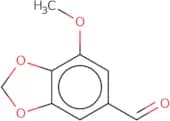
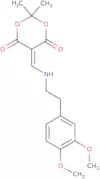
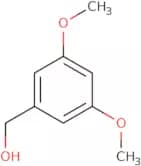

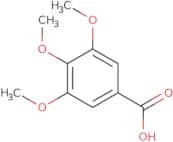
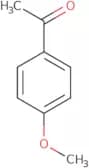
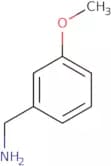
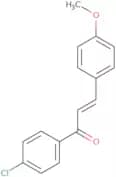
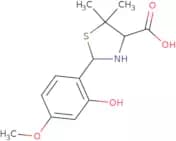
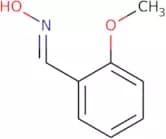
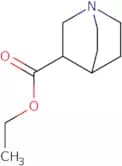
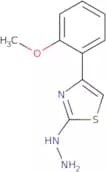
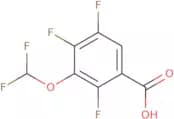
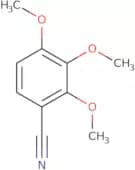
![3-[4-(trifluoromethoxy)phenyl]propanoicacid](/_next/image/?url=https%3A%2Fstatic.cymitquimica.com%2Fproducts%2F3D%2Fthumb-webp%2FFT154405.webp&w=3840&q=75)
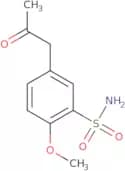
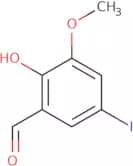
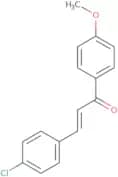
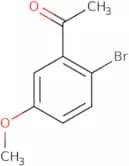
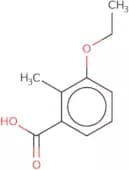
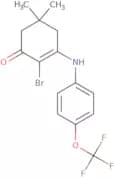

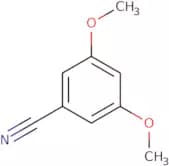
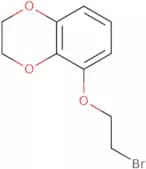
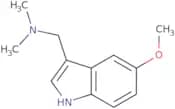
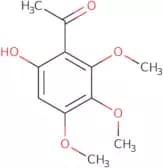

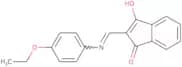
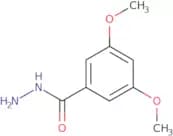
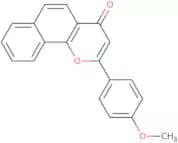
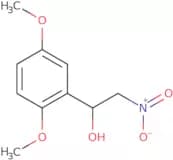
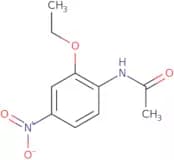
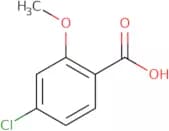
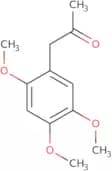
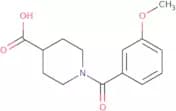

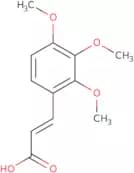
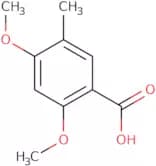
![(4aS,6R,8aS)-4a,5,9,10,11,12-Hexahydro-3-methoxy-11-methyl-6H-benzofuro[3a,3,2-ef][2]benzazepin-6-…](/_next/image/?url=https%3A%2Fstatic.cymitquimica.com%2Fproducts%2F3D%2Fthumb-webp%2FFH15703.webp&w=3840&q=75)

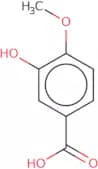

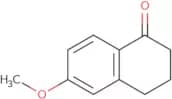
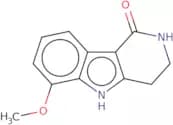
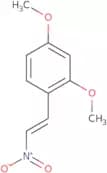
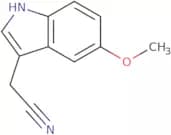
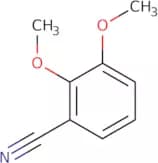
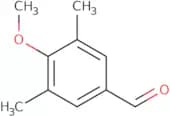
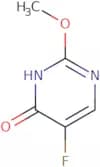

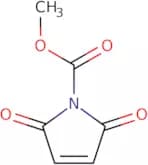
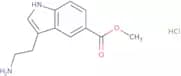
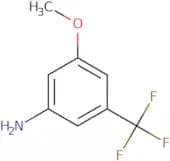
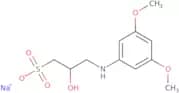

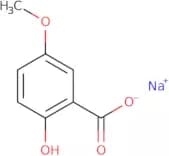
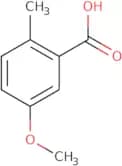
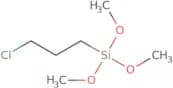
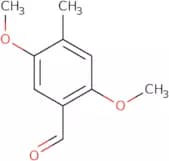
![2-[(2-Ethoxy phenoxy)methyl]morpholine HCl](/_next/image/?url=https%3A%2Fstatic.cymitquimica.com%2Fproducts%2F3D%2Fthumb-webp%2FFE152271.webp&w=3840&q=75)
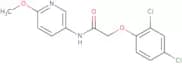
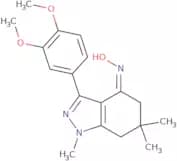
![2-[2-(2-t-Boc-aminoethoxy)ethoxy]ethanol](/_next/image/?url=https%3A%2Fstatic.cymitquimica.com%2Fproducts%2F3D%2Fthumb-webp%2FFB18924.webp&w=3840&q=75)
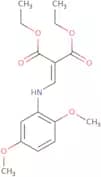
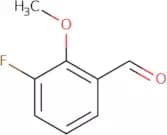
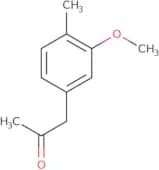
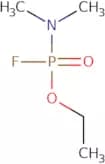
![N-[6-Chloro-5-(2-methoxyphenoxy)-(2,2-bipyrimidine)4-4-yl]-(1,1-dimethylethyl)-benzenesulfonamide](/_next/image/?url=https%3A%2Fstatic.cymitquimica.com%2Fproducts%2F3D%2Fthumb-webp%2FFC20113.webp&w=3840&q=75)
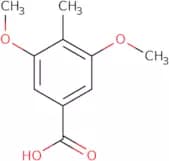
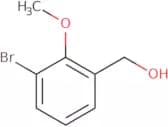
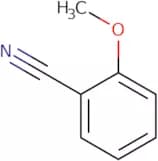
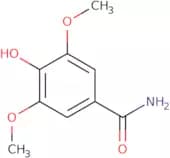

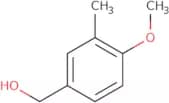
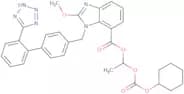
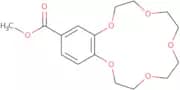
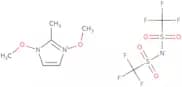
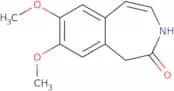
![7-Amino-2-(4-methoxyphenyl)[1,2,4]triazolo[1,5-a]pyrimidin-5(4H)-one](/_next/image/?url=https%3A%2Fstatic.cymitquimica.com%2Fproducts%2F3D%2Fthumb-webp%2FFA134729.webp&w=3840&q=75)
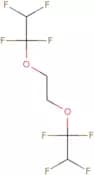
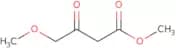
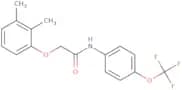
methanone HCl](/_next/image/?url=https%3A%2Fstatic.cymitquimica.com%2Fproducts%2F3D%2Fthumb-webp%2FFA133569.webp&w=3840&q=75)
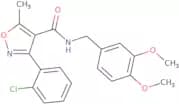

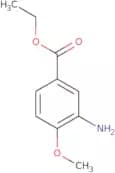

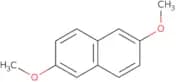
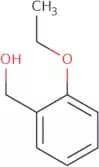
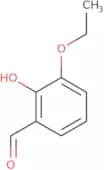
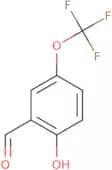
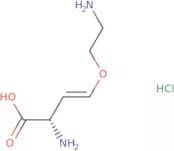
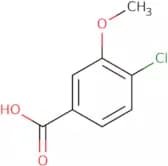
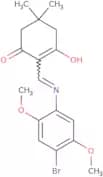

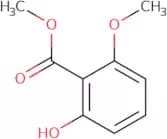
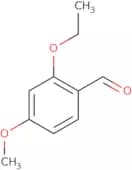
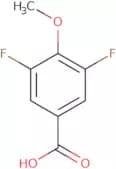
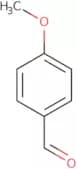


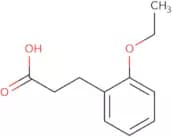
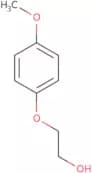
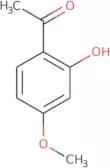
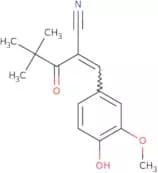
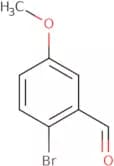
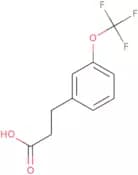
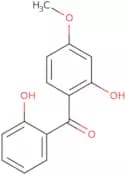
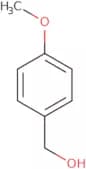
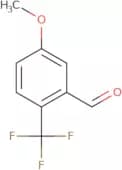
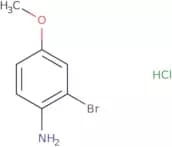
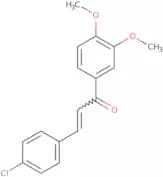
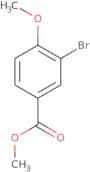

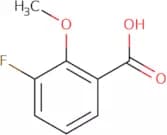
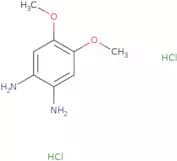
![6,6'-Dihydroxy-5,5'-dimethoxy- [1,1'-biphenyl]-3,3'-dicarboxaldehyde](/_next/image/?url=https%3A%2Fstatic.cymitquimica.com%2Fproducts%2F3D%2Fthumb-webp%2FFD71561.webp&w=3840&q=75)