Éthers
40904 produits trouvés pour "Éthers"
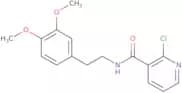
N-(2-(3,4-dimethoxyphenyl)ethyl)(2-chloro(3-pyridyl))formamide
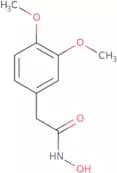
CAS :Please enquire for more information about N-(2-(3,4-dimethoxyphenyl)ethyl)(2-chloro(3-pyridyl))formamide including the price, delivery time and more detailed product information at the technical inquiry form on this pageDegré de pureté :Min. 90%2-(3,4-Dimethoxyphenyl)-N-hydroxyacetamide
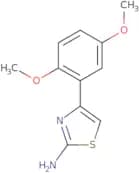
CAS :2-(3,4-Dimethoxyphenyl)-N-hydroxyacetamide is a versatile building block that can be used in the production of a wide range of research chemicals. It is also useful as a reagent or speciality chemical for the preparation of pharmaceuticals, agrochemicals and other industrial chemicals. 2-(3,4-Dimethoxyphenyl)-N-hydroxyacetamide is an intermediate that can be used to synthesize complex compounds such as benzodiazepines. This compound has been shown to have high quality and can be used as a reaction component in organic synthesis. 2-(3,4-Dimethoxyphenyl)-N-hydroxyacetamide has CAS number 33793-80-5 and its molecular weight is 237.27 g/mol.Formule :C10H13NO4Degré de pureté :Min. 95%Couleur et forme :PowderMasse moléculaire :211.21 g/mol4-(2,5-Dimethoxyphenyl)-1,3-thiazol-2-amine
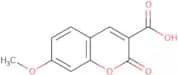
CAS :Please enquire for more information about 4-(2,5-Dimethoxyphenyl)-1,3-thiazol-2-amine including the price, delivery time and more detailed product information at the technical inquiry form on this pageFormule :C11H12N2O2SDegré de pureté :Min. 95%Masse moléculaire :236.29 g/mol7-Methoxycoumarin-3-carboxylicacid
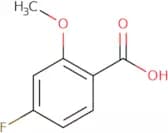
CAS :7-Methoxycoumarin-3-carboxylic acid (MC) is a potent inhibitor of metalloendopeptidases and cyclic peptide receptors. MC has been shown to inhibit protein synthesis, leading to apoptotic cell death. It has also been reported to have anti-inflammatory properties, which may be due to its inhibition of prostaglandin synthesis. The fluorophore 7-methoxycoumarin is derived from the natural product coumarin and can be used as a fluorescent probe for hydrogen bonding in molecular modeling studies.Formule :C11H8O5Degré de pureté :Min. 95%Couleur et forme :PowderMasse moléculaire :220.18 g/mol4-Fluoro-2-methoxybenzoic acid
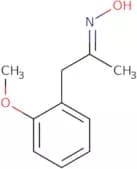
CAS :4-Fluoro-2-methoxybenzoic acid is a versatile building block that is used in the synthesis of many complex compounds. It is a reagent, which means it can be used as an intermediate in the synthesis of other compounds. 4-Fluoro-2-methoxybenzoic acid is also a useful scaffold for the preparation of new chemical entities with specific pharmaceutical properties. The CAS number for this compound is 395-82-4.Formule :C8H7FO3Degré de pureté :Min. 95%Couleur et forme :PowderMasse moléculaire :170.14 g/mol(2-Methoxyphenyl)acetone oxime
CAS :2-Methoxyphenyl)acetone oxime is a versatile building block that can be used in the synthesis of complex compounds. It is a colourless crystalline solid with a melting point of 138°C and a boiling point of 188°C. This compound has been assigned CAS No. 43021-97-2 and is soluble in water, ethanol, acetone, benzene, chloroform, ether and ethyl acetate. The chemical structure for this compound is shown below:
Formule :C10H13NO2Degré de pureté :Min. 95%Couleur et forme :PowderMasse moléculaire :179.22 g/mol3,4-Difluoro-2-methoxybenzoic acid
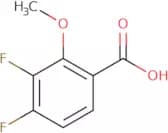
CAS :3,4-Difluoro-2-methoxybenzoic acid is a chemical compound that can be used as a reaction component or reagent. It is also a useful scaffold for organic synthesis of complex compounds and can be used as a building block to produce fine chemicals. 3,4-Difluoro-2-methoxybenzoic acid has the CAS number 875664-52-1 and is listed under the chemical name 3,4-difluoro-2-methoxybenzoic acid.
Formule :C8H6F2O3Degré de pureté :Min. 95%Couleur et forme :PowderMasse moléculaire :188.13 g/mol2-amino-4-(3,4-dimethoxyphenyl)-5-oxo-4,6,7,8-tetrahydro2H-chromene-3-carbonitrile
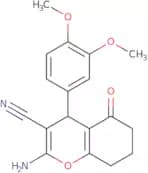
CAS :Please enquire for more information about 2-amino-4-(3,4-dimethoxyphenyl)-5-oxo-4,6,7,8-tetrahydro2H-chromene-3-carbonitrile including the price, delivery time and more detailed product information at the technical inquiry form on this page
Formule :C18H18N2O4Degré de pureté :Min. 95%Couleur et forme :PowderMasse moléculaire :326.35 g/mol4-Hydroxy-3-methoxybenzoic acid ethyl ester
CAS :4-Hydroxy-3-methoxybenzoic acid ethyl ester is a synthetic compound that is converted to protocatechuic acid, an antioxidant found in wine. It has been shown to have antioxidative properties in inflammatory bowel disease by inhibiting the formation of reactive oxygen species. Protocatechuic acid also inhibits the growth of bacterial strains such as Listeria monocytogenes and Bacillus cereus, which are often resistant to antibiotics. The mechanism of action is not well understood, but it may be due to its ability to inhibit the production of p-hydroxybenzoic acid, a precursor for bacterial cell wall synthesis. Protocatechuic acid also has anti-inflammatory properties and can be used as a bioactive phenolic in topical preparations such as creams or ointments.
Formule :C10H12O4Degré de pureté :Min. 95%Couleur et forme :PowderMasse moléculaire :196.2 g/mol2-Hydroxy-5-methoxybenzaldehyde
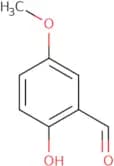
CAS :2-Hydroxy-5-methoxybenzaldehyde is a colorless, water-soluble liquid that has been used as a chemical intermediate in the synthesis of pharmaceuticals. It is also an antiinflammatory agent that inhibits acetylcholinesterase. 2-Hydroxy-5-methoxybenzaldehyde binds to copper ions by means of hydrogen bonding interactions and forms stable complexes with nitrogen atoms such as amides, nitriles, and hydrazones. 2HMB has been shown to have antiinflammatory activity in animal studies. This compound has a redox potential of -0.8 V, which indicates it can be oxidized by strong oxidizing agents or reduced by strong reducing agents.Formule :C8H8O3Degré de pureté :Min. 95%Couleur et forme :Colorless Clear LiquidMasse moléculaire :152.15 g/molMethyl 3-formyl-6-methoxy-1-(4-methoxybenzyl)-1H-indole-2-carboxylate
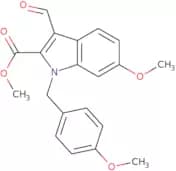
CAS :Produit contrôléPlease enquire for more information about Methyl 3-formyl-6-methoxy-1-(4-methoxybenzyl)-1H-indole-2-carboxylate including the price, delivery time and more detailed product information at the technical inquiry form on this pageFormule :C20H19NO5Degré de pureté :Min. 95%Masse moléculaire :353.37 g/mol3,4-Dimethoxypropiophenone
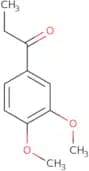
CAS :3,4-Dimethoxypropiophenone is a superacidic electrophile that is oxidized to produce oxidation products. It can be used in the manufacture of dyes and pharmaceuticals. The reaction mechanism for this compound starts with an electrophilic attack by one of the two carbonyl groups on a double bond in the propiophenone molecule. This produces an enol intermediate, which undergoes stepwise oxidation to form a carbonyl group, chloride ion, and acid catalyst. The acid catalyst can be recycled to reduce production costs. 3,4-Dimethoxypropiophenone also has stereoisomers that are chemically identical but have different three-dimensional shapes.Formule :C11H14O3Degré de pureté :Min. 95%Couleur et forme :PowderMasse moléculaire :194.23 g/mol6-(3-(Adamantan-1-yl)-4-methoxyphenyl)-2-naphthoic acid
CAS :Produit contrôléAgonist of retinoic acid receptors (RAR-? and RAR-?); pro-apoptoticFormule :C28H28O3Degré de pureté :Min. 95%Couleur et forme :PowderMasse moléculaire :412.52 g/mol5-Bromo-2-chloro-3-methoxypyridine
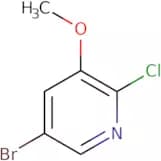
CAS :5-Bromo-2-chloro-3-methoxypyridine is a kinase inhibitor that belongs to the class of compounds called analogues. This compound has been shown to be an efficient, selective and potent inhibitor of the csf1R protein kinase. 5-Bromo-2-chloro-3-methoxypyridine has also been shown to inhibit the activity of other kinases such as cdc2, cdk4, cdk6 and cdk7. The structure of this compound was used as a starting point in the development of a new class of kinase inhibitors.
Formule :C6H5BrClNODegré de pureté :Min. 95%Couleur et forme :SolidMasse moléculaire :222.47 g/mol2,3-Dimethoxybenzaldoxime
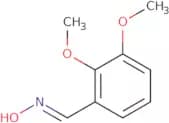
CAS :2,3-Dimethoxybenzaldoxime is an oxime that can be used as a chlorinating agent in organic synthesis. It has been shown to be a good catalyst for the Suzuki coupling of chlorides and boronic acids and for the Miyaura coupling of alkenes and halides. 2,3-Dimethoxybenzaldoxime also reacts with alkenes to form dimers. This reaction is catalyzed by a palladium complex, which may be due to its ability to activate the alkene by oxidative addition or reductive elimination.Formule :C9H11NO3Degré de pureté :Min. 95%Couleur et forme :PowderMasse moléculaire :181.19 g/molFmoc-β-(7-methoxy-coumarin-4-yl)-Ala-OH
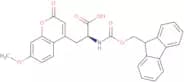
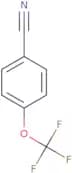
CAS :Fmoc-b-(7-methoxy-coumarin-4-yl)-Ala-OH is a reagent with the CAS No. 524698-40-6, which is used in organic synthesis. It is a versatile building block and useful intermediate that can be used to synthesize other organic compounds. Fmoc-b-(7-methoxy-coumarin-4-yl)-Ala-OH is also used as a reaction component in the synthesis of peptides and proteins, as well as in the preparation of polymers. It has been shown to be an effective building block for complex compounds.Formule :C28H23NO7Degré de pureté :Min. 95%Couleur et forme :PowderMasse moléculaire :485.48 g/molp-(Trifluoromethoxy)benzonitrile
CAS :p-(Trifluoromethoxy)benzonitrile is an organic compound that reacts with electron-rich molecules to form a covalent bond. It has been shown to be reactive in abiotic conditions and can be used as a probe for electron transfer reactions. p-Trifluoromethoxybenzonitrile undergoes a reaction mechanism in which the carbonyl group first reacts with an electron donor, such as acetonitrile, to form an unstable intermediate. This intermediate then reacts with a second electron-rich molecule to form the product. p-Trifluoromethoxybenzonitrile also has been shown to react efficiently with benzonitrile and produce the desired product in one step.
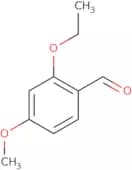
Formule :C8H4F3NODegré de pureté :Min. 95%Couleur et forme :Clear LiquidMasse moléculaire :187.12 g/mol2-Ethoxy-4-methoxybenzaldehyde
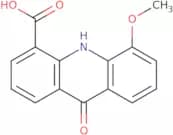
CAS :2-Ethoxy-4-methoxybenzaldehyde is a volatile compound that has been shown to have medicinal properties. It is used to analyze the presence of alcohols and aldehydes in various products. The sensitivity of this compound was optimized by using an analytical method that involved solid phase microextraction (SPME) followed by gas chromatography (GC). The carcinogenicity of this compound was determined by exposing it to rats in a 2 year study, which showed no evidence of carcinogenicity. This compound can also be used as a phenolic or microextraction reagent for the headspace analysis of volatile compounds.Formule :C10H12O3Degré de pureté :Min. 95%Couleur et forme :PowderMasse moléculaire :180.2 g/mol9,10-Dihydro-5-methoxy-9-oxo-4-acridinecarboxylic acid
CAS :Please enquire for more information about 9,10-Dihydro-5-methoxy-9-oxo-4-acridinecarboxylic acid including the price, delivery time and more detailed product information at the technical inquiry form on this page
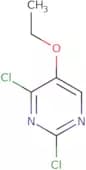
Formule :C15H11NO4Degré de pureté :Min. 95%Couleur et forme :PowderMasse moléculaire :269.25 g/mol2,4-Dichloro-5-ethoxypyrimidine
CAS :2,4-Dichloro-5-ethoxypyrimidine is a chemical compound that is used as a reagent and a reaction component in organic synthesis. It is an intermediate for the production of other chemicals. The high purity of this compound makes it suitable for research purposes. It can be used as a versatile building block or as an intermediate to build complex compounds. 2,4-Dichloro-5-ethoxypyrimidine has CAS No. 280582-25-4. This chemical is also known by the name Et2N2Cl5O2P.
Formule :C6H6Cl2N2ODegré de pureté :Min. 95%Couleur et forme :SolidMasse moléculaire :193.03 g/molMethoxytributyltin
CAS :Produit contrôléMethoxytributyltin is a metathesis reagent that is used in organic synthesis. Methoxytributyltin reacts with carbon disulphide to form a hydroxyl group, which can then be used to create a variety of compounds. The reaction mechanism of methoxytributyltin is similar to the palladium-catalyzed coupling reaction. Methoxytributyltin has been shown to act as an adrenergic receptor agonist and has been shown to have inflammatory properties in vitro. Methoxytributyltin may also be able to cross-link proteins, leading to apoptosis.
Formule :C13H30OSnDegré de pureté :Min. 95%Couleur et forme :Clear LiquidMasse moléculaire :321.09 g/mol[1-(Methoxymethyl)cyclopropyl]amine hydrochloride
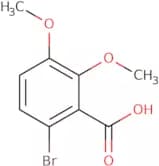
CAS :1-(Methoxymethyl)cyclopropyl]amine hydrochloride is a versatile building block that can be used in the synthesis of complex compounds. It has been shown to be useful as a reagent, speciality chemical, and research chemical. This compound is also a useful intermediate in the synthesis of other compounds and as a reaction component for several chemical reactions. 1-(Methoxymethyl)cyclopropyl]amine hydrochloride is high-quality and has CAS No. 1029716-05-9.Formule :C5H11NO•HClDegré de pureté :Min. 95%Couleur et forme :PowderMasse moléculaire :137.61 g/mol6-Bromo-2,3-dimethoxybenzoic acid
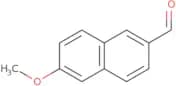
CAS :6-Bromo-2,3-dimethoxybenzoic acid is a synthetic chemical that has been shown to have antibacterial activity. It has been shown to inhibit the growth of bacteria by binding to the imine group in the bacterial cell wall and preventing its synthesis. 6-Bromo-2,3-dimethoxybenzoic acid has also been shown to be synthesised from 2,3-dimethoxybenzoic acid and bromine. This compound is a benzophenanthridine alkaloid that inhibits protein synthesis and cell division.Formule :C9H9BrO4Degré de pureté :Min. 95%Couleur et forme :PowderMasse moléculaire :261.07 g/mol6-Methoxy-2-naphthaldehyde
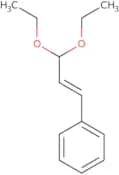
CAS :6-Methoxy-2-naphthaldehyde is a nonsteroidal antiinflammatory drug that belongs to the class of naphthalenes. It inhibits the formation of inflammatory prostaglandins, which are mediators of pain and inflammation. 6-Methoxy-2-naphthaldehyde has been shown to have cytotoxic effects on cancer cells and in vitro studies have shown that it can induce cell lysis. It has also been shown to be a potent fluorescence probe for use in biological applications. This compound binds to human serum proteins by hydrogen bonding interactions, which may affect its pharmacokinetic properties. In addition, this compound has been shown to inhibit the activity of detoxification enzymes such as CYP 2C9 and 2D6 at high concentrations, which may lead to unwanted side effects such as nausea or vomiting. The molecular docking analysis of 6-Methoxy-2-naphthaldehyde with the active site of human liver alcohol dehydrogenFormule :C12H10O2Degré de pureté :Min. 98 Area-%Couleur et forme :PowderMasse moléculaire :186.21 g/mol(3,3-Diethoxyprop-1-en-1-yl)benzene
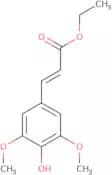
CAS :(3,3-Diethoxyprop-1-en-1-yl)benzene is a compound that has been synthesized in the laboratory. It is a cinnamic acid derivative with a benzene ring. (3,3-Diethoxyprop-1-en-1-yl)benzene has shown to be an inhibitor of serotonin reuptake and damaging to mammalian cells. It also inhibits the synthesis of serotonin by blocking the binding site for serotonin on the cell membrane. The compound may have potential as a treatment for depression and anxiety disorders due to its effects on serotonin levels and its ability to inhibit monoamine oxidase B.Formule :C13H18O2Degré de pureté :Min. 95%Masse moléculaire :206.28 g/mol3,5-Dimethoxy-4-hydroxycinnamic acid ethyl ester
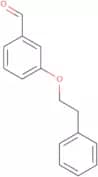
CAS :3,5-Dimethoxy-4-hydroxycinnamic acid ethyl ester is a redox potential with an acidic character. It can be synthesized from p-hydroxybenzoic acid and acetate extract of the plant Carthamus tinctorius. The synthesis starts with an asymmetric synthesis of protocatechuic acid and its derivatives. This compound is also found in the surface methodology of fatty acids and radiation that has been studied by nmr spectroscopic data. 3,5-Dimethoxy-4-hydroxycinnamic acid ethyl ester has bioactive phenolic properties and can be used for the treatment of various diseases such as cancer or diabetes.Formule :C13H16O5Degré de pureté :Min. 95%Couleur et forme :PowderMasse moléculaire :252.26 g/mol3-(2-Phenylethoxy)benzaldehyde
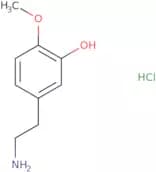
CAS :3-(2-Phenylethoxy)benzaldehyde is a benzaldehyde derivative with an ether group at the 3-position. It is used as a building block for the synthesis of organic compounds and as a reaction component in the preparation of research chemicals, speciality chemicals, and complex compounds. This compound has been shown to have high purity and to be a versatile building block for the synthesis of pharmaceuticals, agrochemicals, and other fine chemicals.Formule :C15H14O2Degré de pureté :Min. 95%Couleur et forme :PowderMasse moléculaire :226.27 g/mol3-Hydroxy-4-methoxyphenethylamine HCl
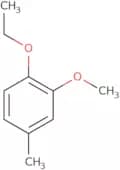
CAS :Produit contrôlé3-Hydroxy-4-methoxyphenethylamine HCl is an amine that is found in plants. It has been shown to be a reactive compound with a carbonyl group and an amine group. 3-Hydroxy-4-methoxyphenethylamine HCl can act as a dopamine receptor agonist, causing the release of serotonin from neurons. This chemical also has anti-inflammatory properties and may be used to treat inflammatory diseases such as asthma. 3-Hydroxy-4-methoxyphenethylamine HCl may also have blood pressure lowering effects.Formule :C9H14ClNO2Degré de pureté :Min. 95%Couleur et forme :White to off-white solid.Masse moléculaire :203.67 g/mol4-Ethoxy-3-methoxytoluene
CAS :4-Ethoxy-3-methoxytoluene is a fine chemical that has been used as a building block in the synthesis of other chemicals. It is also used as a research chemical and a reagent. 4-Ethoxy-3-methoxytoluene can be used to form various compounds with different functional groups. It can be used as an intermediate for the synthesis of drugs or polymers, or as a reaction component in organic reactions. The CAS number for 4-Ethoxy-3-methoxytoluene is 33963-27-8.
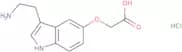
Formule :C10H14O2Degré de pureté :Min. 95%Couleur et forme :PowderMasse moléculaire :166.22 g/mol5-Carboxymethoxytryptamine hydrochloride
CAS :Produit contrôlé5-Carboxymethoxytryptamine hydrochloride (5CMT) is a chemical compound that belongs to the group of useful building blocks. It is a versatile intermediate that can be used in the synthesis of many important compounds. 5CMT reacts with amines and alcohols to form amides and esters. It also reacts with carboxylic acids to form acid halides and anhydrides. 5CMT has been shown to be a useful scaffold in organic synthesis, as it can be converted into various derivatives. 5CMT is soluble in water, methanol, ethanol, acetone, and dichloromethane.Formule :C12H14N2O3•HClDegré de pureté :Min. 95%Masse moléculaire :270.71 g/mol4-Hydroxy-3-methoxystilbene
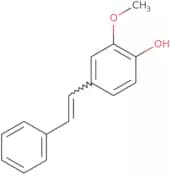
CAS :4-Hydroxy-3-methoxystilbene is a natural phenolic compound found in plants. It is an olefinic peroxide that is unreactive and pressurized under normal conditions. It has been isolated from the leaves of the plant, Stilbocarpa erythrophylla, which grows in the tropical forests of Malaysia. The structure of 4-hydroxy-3-methoxystilbene was determined by chromatographic analysis and hydrogen peroxide plates. Phase chromatography was used to separate 4-hydroxy-3-methoxystilbene from other compounds with similar structures, such as acetylated flavonoids or hydroxylated flavonoids. The melting point of 4-hydroxy-3-methoxystilbene was determined by temperature measurements, and its ultraviolet spectrophotometry was used to detect the presence of a hydroxyl group in its chemical structure.
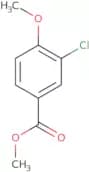
Formule :C15H14O2Degré de pureté :Min. 95%Couleur et forme :PowderMasse moléculaire :226.27 g/mol3-Chloro-4-methoxybenzoic acid methyl ester
CAS :3-Chloro-4-methoxybenzoic acid methyl ester is a potent antiproliferative agent that inhibits the growth of cancer cells and bacteria. It is an amide, which has been synthesized by equilibration between two equivalents of 3-chlorobenzoic acid and methylamine. The copulatory proton profile for this compound has been determined using liquid chromatography with mass spectrometry detection (LCMS). This compound is also a weak inhibitor of tyrosine kinases, but is more potent as an inhibitor of protein kinase C. Sorafenib and dasatinib are examples of compounds that have been shown to be linked to this drug. 3-Chloro-4-methoxybenzoic acid methyl ester can induce the production of TNF-α in thp-1 cells at micromolar concentrations.Formule :C9H9ClO3Degré de pureté :Min. 95%Couleur et forme :PowderMasse moléculaire :200.62 g/mol2,4,6-Tribromo-3-methoxyphenol
CAS :2,4,6-Tribromo-3-methoxyphenol is a high quality reagent that is used as an intermediate in the production of many fine chemicals. It is also a useful building block for the synthesis of speciality chemicals and research chemicals. This chemical can be used as a versatile building block for reactions with other compounds. 2,4,6-Tribromo-3-methoxyphenol has CAS number 24967-79-1 and can be found at Chemical & Laboratory Equipment.
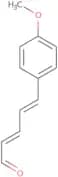
Formule :C7H5Br3O2Degré de pureté :Min. 95%Masse moléculaire :360.83 g/mol4-Methoxycinnamylidene acetaldehyde
CAS :4-Methoxycinnamylidene acetaldehyde is a versatile building block with a CAS number of 27394-81-6. It is used in the research and production of fine chemicals, pharmaceuticals, and high quality reagents. 4-Methoxycinnamylidene acetaldehyde can be used as a useful scaffold for the synthesis of complex compounds. This building block is also a useful intermediate in organic chemistry reactions.
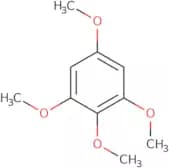
Formule :C12H12O2Degré de pureté :Min. 95%Couleur et forme :PowderMasse moléculaire :188.22 g/mol1,2,3,5-Tetramethoxybenzene
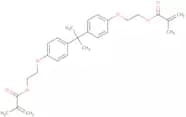
CAS :Produit contrôlé1,2,3,5-Tetramethoxybenzene is a tannin that belongs to the class of arenes. It can be synthesized by Friedel-Crafts acylation of benzene with an acyl chloride in the presence of aluminum chloride. This reaction produces 1,2,3,5-tetramethoxybenzene and triketone as byproducts. The synthetic pathway for this compound is based on techniques such as irradiation and thermally induced rearrangement. The oxidized form has a redox potential of -0.6 V vs NHE (normal hydrogen electrode). Methoxy groups on the aromatic ring increase the electron affinity and lower the redox potential.Formule :C10H14O4Degré de pureté :Min. 95%Couleur et forme :White PowderMasse moléculaire :198.22 g/molBisphenol A ethoxylate dimethacrylate - Average Mn -1700, stabilized with MEHQ 200ppm
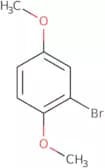
CAS :Bisphenol A ethoxylate dimethacrylate is a polymer that is used as a hydrophilic binder in pharmaceutical preparations. It has been shown to have an affinity for the receptor molecule, which may be due to its ability to form hydrogen bonds with water molecules. The polymer is also able to form cross-links with other polymers. Bisphenol A ethoxylate dimethacrylate has been shown to have radiation-resistant properties and can be used in the production of coatings for x-ray films. The chemical structure of this compound consists of two phenolic rings, one ester group, and one methacrylate group.Degré de pureté :Min. 95%Couleur et forme :Clear LiquidMasse moléculaire :376.441-Bromo-2,5-dimethoxybenzene
CAS :1,2-Bromo-2,5-dimethoxybenzene is a methylating agent that can be used in Friedel-Crafts acylation reactions. It reacts with hydrochloric acid to yield 1,2-dibromoethane and hydrogen peroxide. The product of the reaction is a mixture of chloride and alkylation products. Bromine is released as a byproduct in this reaction. This agent has been shown to be useful in the synthesis of compounds containing C=N bonds such as dienolates and amides.Formule :C8H9BrO2Degré de pureté :Min. 95%Masse moléculaire :217.06 g/mol4-Methoxy-2-methylbenzaldehyde
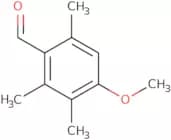
CAS :4-Methoxy-2-methylbenzaldehyde (4MMBA) is a synthetic chemical that is used as an antifungal agent. It interacts with the cellular membranes of fungi and disrupts their ability to maintain homeostasis. 4MMBA inhibits the growth of invasive aspergillosis by inhibiting protein synthesis, which leads to cell death. The mechanism of action for 4MMBA is not well understood, but it has been shown to inhibit the growth of fungi in a model system. It also inhibits the production of pyrylium, which may be responsible for its activity against fungi.Formule :C9H10O2Degré de pureté :90%Masse moléculaire :150.17 g/mol4-Methoxy-2,3,6-trimethylbenzaldehyde
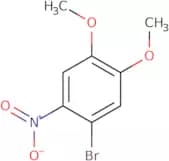
CAS :4-Methoxy-2,3,6-trimethylbenzaldehyde (MTMB) is a chemical intermediate that can be used as a building block for the synthesis of complex compounds. It has a high quality and is a versatile building block. MTMB is also known to react with other chemical compounds to form an aromatic ring. This compound is used in research and development as well as in fine chemical production.Formule :C11H14O2Degré de pureté :Min. 95%Couleur et forme :PowderMasse moléculaire :178.23 g/mol1-Bromo-3,4-dimethoxy-6-nitrobenzene
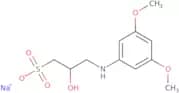
CAS :1-Bromo-3,4-dimethoxy-6-nitrobenzene is a pharmacological agent that has been used as a catalyst and cleavable complex. It can be used to synthesize melamine, anilines and other moieties. The 1,2,3-triazole ring of the molecule is modified by substitution with nitroarenes or nitrobenzene to form a protoberberine alkaloid. This chemical compound has been shown to be a competitive inhibitor of topoisomerase I with an IC50 value of 0.2μM in calf thymus DNA gyrase assays. It also has thermal stability up to 90°C for at least 24 hours when treated with phenol and chloroform for purification purposes.Formule :C8H8BrNO4Degré de pureté :Min. 95%Couleur et forme :PowderMasse moléculaire :262.06 g/molN-(2-Hydroxy-3-sulfopropyl)-3,5-dimethoxyaniline sodium
CAS :N-(2-Hydroxy-3-sulfopropyl)-3,5-dimethoxyaniline sodium is a chemical compound that has been shown to have antidiabetic activity in animal studies. It is a competitive inhibitor of the enzyme cholesterol esterase and has been shown to reduce the level of fatty acids and cholesterol in blood plasma. N-(2-Hydroxy-3-sulfopropyl)-3,5-dimethoxyaniline sodium binds to dextran sulfate as well as other amines and can be used for the analysis of test samples. This chemical also binds to monoclonal antibodies, which are proteins produced by B lymphocytes that recognize specific structures on foreign objects such as bacteria or viruses.Formule :C11H16NO6SNaDegré de pureté :Min. 95%Couleur et forme :White PowderMasse moléculaire :313.3 g/mol2,4,6-Trimethoxy-3-methylbenzaldehyde
CAS :2,4,6-Trimethoxy-3-methylbenzaldehyde is a flavanone that is structurally related to the drug ciprofloxacin. The two molecules share a common molecular framework with the addition of a hydroxyl group on the 2 position of the benzene ring. In molecular docking studies, 2,4,6-Trimethoxy-3-methylbenzaldehyde has shown antitubercular activity against Mycobacterium tuberculosis and Mycobacterium avium complex. It is also an inhibitor of protein tyrosine phosphatase and has been shown to have antibacterial activity against various strains of bacteria.Formule :C11H14O4Degré de pureté :Min. 95%Couleur et forme :PowderMasse moléculaire :210.23 g/mol2-Bromo-4-methoxybenzonitrile
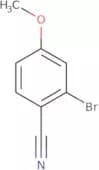
CAS :2-Bromo-4-methoxybenzonitrile is a high quality reagent that is used as a versatile building block in the synthesis of complex organic compounds. It is a useful intermediate and can be used to form 2,4-dimethoxybenzaldehyde. This compound has been used as a reaction component in the production of pharmaceuticals, pesticides, and other fine chemicals. The chemical formula for 2-bromo-4-methoxybenzonitrile is C6H5BrO2.Formule :C8H6BrNODegré de pureté :Min. 95%Masse moléculaire :212.04 g/molBis[3-(triethoxysilyl)propyl]tetrasulfide
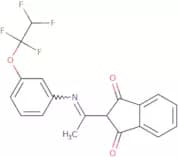
CAS :Bis[3-(triethoxysilyl)propyl]tetrasulfide is a cross-linking agent that can be used to create polymer films. It has been shown to form hydrated films in deionized water, which have been studied with atomic force microscopy. Kinetic data for the polymerization of bis[3-(triethoxysilyl)propyl]tetrasulfide has also been obtained by following the increase in viscosity of a solution containing a small amount of bis[3-(triethoxysilyl)propyl]tetrasulfide and an organic modifier. Bis[3-(triethoxysilyl)propyl]tetrasulfide is typically synthesized using solid-phase synthesis on carbon nanotubes or particles.Formule :C18H42Si2S4O6Degré de pureté :Min. 80%Couleur et forme :Yellow Clear LiquidMasse moléculaire :538.96 g/mol2-(2-Aza-1-methyl-2-(3-(1,1,2,2-tetrafluoroethoxy)phenyl)vinyl)indane-1,3-dione
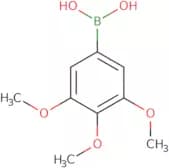
CAS :Please enquire for more information about 2-(2-Aza-1-methyl-2-(3-(1,1,2,2-tetrafluoroethoxy)phenyl)vinyl)indane-1,3-dione including the price, delivery time and more detailed product information at the technical inquiry form on this pageFormule :C19H13F4NO3Degré de pureté :Min. 95%Couleur et forme :PowderMasse moléculaire :379.3 g/mol(3,4,5-Trimethoxyphenyl)boronic acid
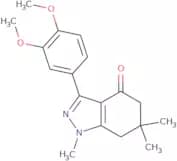
CAS :(3,4,5-Trimethoxyphenyl)boronic acid is an active analogue of 3,4,5-trimethoxybenzoic acid. It has potent anti-inflammatory properties and inhibits cancer cell proliferation. (3,4,5-Trimethoxyphenyl)boronic acid has been shown to inhibit the growth of cancer cells in vitro by binding to the gyrase enzyme. This drug also has biological properties that may be useful for treating human liver diseases such as hepatic steatosis or nonalcoholic fatty liver disease (NAFLD).Formule :C9H13BO5Degré de pureté :Min. 95 Area-%Couleur et forme :PowderMasse moléculaire :212.01 g/mol3-(3,4-dimethoxyphenyl)-1,6,6-trimethyl-5,6,7-trihydro1H-indazol-4-one
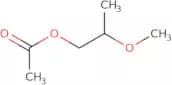
CAS :Please enquire for more information about 3-(3,4-dimethoxyphenyl)-1,6,6-trimethyl-5,6,7-trihydro1H-indazol-4-one including the price, delivery time and more detailed product information at the technical inquiry form on this pageDegré de pureté :Min. 95%2-Methoxypropyl acetate
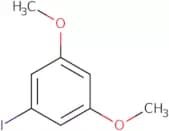
CAS :2-Methoxypropyl acetate is a cross-linking agent that is used in water treatment. It is used as an additive to deionized water and can be found in high concentrations in wastewater. 2-Methoxypropyl acetate reacts with xylene to produce light emission, which makes it suitable for use as a chemical marker. The optimum dose of 2-methoxypropyl acetate ranges from 0.025% to 0.2%. 2-Methoxypropyl acetate has been shown to be toxic when injected into rats at doses of 100 mg/kg body weight, but not at doses of 25 mg/kg body weight or less. This compound was also shown to cause protrusion and necrosis of the nasal septum in rats after administration at doses of 500 mg/kg body weight.Formule :C6H12O3Degré de pureté :Min. 95%Couleur et forme :Colourless LiquidMasse moléculaire :132.16 g/mol3,5-Dimethoxyiodobenzene
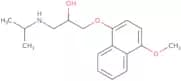
CAS :3,5-Dimethoxyiodobenzene is an organic molecule that is structurally similar to biphenyl. It has been shown to inhibit the growth of cancer cells by flipping the mcf-7 protein and cross-coupling with pterostilbene. 3,5-Dimethoxyiodobenzene can be used as a substitute for biphenyl in some reactions because it has a similar structure but does not have halogen groups. 3,5-Dimethoxyiodobenzene also inhibits the production of chloride ions in bacteria and causes accumulation of phosphane, which is an enzyme inhibitor. This compound has also been shown to act as a stereoselective inhibitor of enzymes that catalyze the synthesis of phytoalexins, which are plant secondary metabolites produced under biotic stress conditions (e.g., bacterial infection).Formule :C8H9IO2Degré de pureté :Min. 95%Couleur et forme :Light Brown To Brown SolidMasse moléculaire :264.06 g/mol4-Methoxy propranolol
CAS :4-Methoxy propranolol is an intermediate in the synthesis of propranolol, a beta blocker.
Formule :C17H23NO3Degré de pureté :Min. 95%Masse moléculaire :289.37 g/mol




![[1-(Methoxymethyl)cyclopropyl]amine hydrochloride](/_next/image/?url=https%3A%2Fstatic.cymitquimica.com%2Fproducts%2F3D%2Fthumb-webp%2FFM129588.webp&w=3840&q=75)



![Bis[3-(triethoxysilyl)propyl]tetrasulfide](/_next/image/?url=https%3A%2Fstatic.cymitquimica.com%2Fproducts%2F3D%2Fthumb-webp%2FFB33713.webp&w=3840&q=75)