Éthers
Les éthers sont des composés organiques contenant un groupe fonctionnel éther, caractérisé par un atome d'oxygène lié à deux radicaux hydrocarbonés. Ces composés sont précieux en synthèse et servent de solvants dans diverses réactions chimiques. Chez CymitQuimica, nous proposons une sélection d'éthers de haute qualité pour soutenir vos applications de recherche et industrielles, garantissant des résultats fiables et efficaces. Notre gamme d'éthers répond aux divers besoins de laboratoire, des expériences de routine aux recherches avancées.
40902 produits trouvés pour "Éthers"
Trier par
Degré de pureté (%)
0
100
|
0
|
50
|
90
|
95
|
100
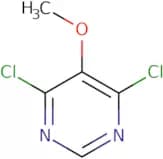
4,6-Dichloro-5-methoxypyrimidine
CAS :4,6-Dichloro-5-methoxypyrimidine is a reactive intermediate in the synthesis of sulfadoxine. It is a chlorinating agent that reacts with alkanes and alkenes to produce halogenated products. 4,6-Dichloro-5-methoxypyrimidine can be used as a reagent to synthesize malonic acid and formamide. This compound has been used as an isotopic label for studies of the efficiency of the reaction between malonic acid and formamide. The chloride ions are used in this study to monitor the reaction rate. 4,6-Dichloro-5-methoxypyrimidine is also an intermediate in the synthesis of sulfanilamide and aminophenol.Formule :C5H4Cl2N2ODegré de pureté :Min. 95%Couleur et forme :PowderMasse moléculaire :179 g/mol3-(Trifluoromethoxy)hydrocinnamic acid
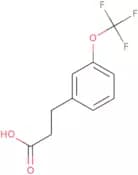
CAS :<p>3-(Trifluoromethoxy)hydrocinnamic acid is a useful building block that is used in the synthesis of many organic compounds. It has been used as a reagent and as a speciality chemical, and is also a versatile building block for the synthesis of complex compounds. 3-(Trifluoromethoxy)hydrocinnamic acid can be synthesized from cinnamic acid, which is available commercially and can be obtained by reacting benzaldehyde with nitric acid. 3-(Trifluoromethoxy)hydrocinnamic acid has CAS No. 168833-77-0 and can be found under the name 2,4-dichloro-3-(trifluoromethoxy)benzene.</p>Formule :C10H9F3O3Degré de pureté :Min. 98 Area-%Couleur et forme :Clear LiquidMasse moléculaire :234.17 g/mol(4-Methoxyphenyl)acetic acid
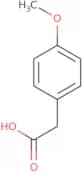
CAS :4-Methoxybenzoic acid is a chemical compound that belongs to the group of phenylacetic acids. It is an organic acid with a carboxylic acid group and a hydroxyl group. 4-Methoxybenzoic acid is used as an intermediate in the synthesis of other compounds, such as 3-methoxyphenylacetic acid and dihydroconiferyl alcohol. 4-Methoxybenzoic acid has been shown to inhibit the growth of breast cancer cells by inducing apoptosis. This effect was found to be increased when combined with tamoxifen (a drug used for the treatment of breast cancer). The mechanism of action is not clear but may involve hydrogen bond formation between 4-methoxybenzoic acid and tamoxifen, leading to increased uptake into cells.Formule :C9H10O3Degré de pureté :Min. 95%Couleur et forme :White PowderMasse moléculaire :166.17 g/molEthyl 4-methoxycinnamate
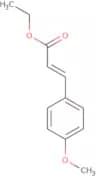
CAS :<p>Ethyl 4-methoxycinnamate is a white crystalline solid that is soluble in water. It is used as a food additive, and has been shown to have anti-bacterial, analgesic, and antioxidant properties. The compound interacts with the β-cyclodextrin molecule when it is dissolved in water. This interaction leads to a decrease in its solubility in water.</p>Formule :C12H14O3Degré de pureté :Min. 95%Couleur et forme :PowderMasse moléculaire :206.24 g/mol5-Iodo-2-methoxybenzonitrile
CAS :5-Iodo-2-methoxybenzonitrile is a fine chemical that is used as a building block in the synthesis of other chemicals or pharmaceuticals. The compound reacts with strong bases to produce an aryl amine and iodoethane, and can be used to make derivatives as well. 5-Iodo-2-methoxybenzonitrile has a number of uses, including as a research chemical, reagent, specialty chemical, and intermediate. It is also useful in the synthesis of other complex compounds. 5-Iodo-2-methoxybenzonitrile belongs to the group of organoiodine compounds that are classified as speciality chemicals. This compound has CAS number 933672-32-3.Formule :C8H6INOCouleur et forme :PowderMasse moléculaire :259.04 g/mol3,5-Dimethoxy-4-hydroxyphenylacetic acid
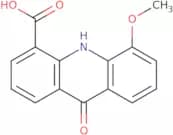
CAS :3,5-Dimethoxy-4-hydroxyphenylacetic acid is a phenolic compound that is found in the leaves of plants. It is a major component of the essential oil from the bark of the cinnamon tree. 3,5-Dimethoxy-4-hydroxyphenylacetic acid has been shown to be a potent inhibitor of plant growth and an effective herbicide for weed control in tobacco. 3,5-Dimethoxy-4-hydroxyphenylacetic acid has also been shown to have antiplatelet activity and may be useful in treating thrombosis.Formule :C10H12O5Degré de pureté :Min. 95%Couleur et forme :Brown PowderMasse moléculaire :212.2 g/mol9,10-Dihydro-5-methoxy-9-oxo-4-acridinecarboxylic acid
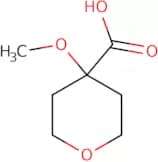
CAS :<p>Please enquire for more information about 9,10-Dihydro-5-methoxy-9-oxo-4-acridinecarboxylic acid including the price, delivery time and more detailed product information at the technical inquiry form on this page</p>Formule :C15H11NO4Degré de pureté :Min. 95%Couleur et forme :PowderMasse moléculaire :269.25 g/mol4-Methoxy-tetrahydro-2h-pyran-4-carboxylic acid
CAS :4-Methoxy-tetrahydro-2h-pyran-4-carboxylic acid is a fine chemical that belongs to the group of research chemicals. It is a versatile building block and useful intermediate in organic synthesis. 4-Methoxy-tetrahydro-2h-pyran-4-carboxylic acid has been used as a reagent for the preparation of the compound 5,5'-dithiobis(4,4'-dimethylvaleronitrile) (CAS No. 1010836-49). This compound has been shown to be an effective antiviral agent against HIV.Formule :C7H12O4Degré de pureté :Min. 95 Area-%Couleur et forme :PowderMasse moléculaire :160.17 g/mol3,4-Dimethoxy-2-methylcinnamic acid
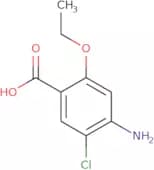
CAS :3,4-Dimethoxy-2-methylcinnamic acid is a fine chemical that can be used as a building block to produce complex compounds. It is also an intermediate in the synthesis of chemicals such as cinnamyl alcohol, cinnamaldehyde, and 2-methyl-3-(4'-methoxyphenyl)propanoic acid. This compound is useful for research purposes as it has been shown to be an effective reaction component in organic reactions. 3,4-Dimethoxy-2-methylcinnamic acid is a high quality reagent with CAS No. 868562-26-9.Formule :C12H14O4Degré de pureté :Min. 95%Couleur et forme :PowderMasse moléculaire :222.24 g/mol4-Amino-5-chloro-2-ethoxybenzoic acid
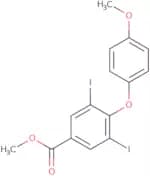
CAS :<p>4-Amino-5-chloro-2-ethoxybenzoic acid is a phenoxy compound that is synthesized in the laboratory. The chemical structure of this compound has been studied using high performance liquid chromatography and it was found to have pharmacokinetic properties that are consistent with those of other drugs in its class. This drug is being developed as an anti-depressant, targeting the 5HT4 receptor. The bioactive metabolite of 4-amino-5-chloro-2-ethoxybenzoic acid is 4-(4′ hydroxybutyl)phenol, which has been shown to be a potent inhibitor of phosphodiesterase activity.</p>Formule :C9H10ClNO3Degré de pureté :Min. 95%Couleur et forme :White Off-White PowderMasse moléculaire :215.63 g/mol3,5-Diiodo-4(4'-methoxyphenoxy)benzoic acid methyl ester
CAS :3,5-Diiodo-4(4'-methoxyphenoxy)benzoic acid methyl ester (DIMBOA) is a hormone analogue that inhibits the growth of cancer cells by interfering with mitochondrial function. DIMBOA binds to the mitochondria of animal cells and prevents adenosine triphosphate (ATP) production. DIMBOA also blocks the synthesis of DNA and RNA in animal cells, which may be due to its ability to interfere with enzyme activities such as protein synthesis, cell proliferation, and apoptosis. 3,5-Diiodo-4(4'-methoxyphenoxy)benzoic acid methyl ester has been shown to inhibit cellular growth by autophagy. This drug has been shown to have no adverse effects on normal fibroblasts or antigen presenting cells in animals.Formule :C15H12I2O4Degré de pureté :Min. 95%Couleur et forme :PowderMasse moléculaire :510.06 g/mol5-Bromo-2-methoxypyridine
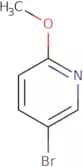
CAS :<p>5-Bromo-2-methoxypyridine is a synthetic organic chemical that is used in organic chemistry. It is a precursor to the HIV integrase inhibitor, PSC 833, and has been shown to be effective in treating idiopathic pulmonary fibrosis. 5-Bromo-2-methoxypyridine is synthesized by reacting phosphorus oxychloride with 2-bromomethoxybenzene. This reaction produces a mixture of products that are then separated using column chromatography. The desired product can be purified by recrystallization or distillation. 5-Bromo-2-methoxypyridine has three pairs of asymmetric carbon atoms and four different functional groups: halides, sulfur trifluoride, bromine, and methoxy groups.</p>Formule :C6H6BrNODegré de pureté :Min. 95%Couleur et forme :Clear LiquidMasse moléculaire :188.02 g/mol4-Methoxy propranolol
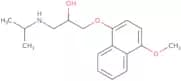
CAS :<p>4-Methoxy propranolol is an intermediate in the synthesis of propranolol, a beta blocker.</p>Formule :C17H23NO3Degré de pureté :Min. 95%Masse moléculaire :289.37 g/mol2-[(2-Amino-5-methoxyphenyl)dithio]-4-methoxyaniline
CAS :2-[(2-Amino-5-methoxyphenyl)dithio]-4-methoxyaniline is a high quality chemical reagent that can be used as a useful intermediate in the synthesis of a variety of complex compounds. This compound has been shown to have a wide range of uses, including as a building block in the synthesis of speciality chemicals and research chemicals. 2-[(2-Amino-5-methoxyphenyl)dithio]-4-methoxyaniline is an important reaction component that can be used in many organic reactions, such as coupling, condensation, substitution, elimination, nucleophilic addition and reduction.Formule :C14H16N2O2S2Degré de pureté :Min. 95%Couleur et forme :PowderMasse moléculaire :308.42 g/mol3-Hydroxy-4-methoxybenzoic acid methyl ester
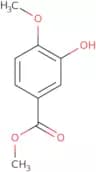
CAS :3-Hydroxy-4-methoxybenzoic acid methyl ester is a phenolic acid that is a potent inhibitor of tyrosinase activity. It has been shown to inhibit the growth of cancer cells by binding to 5-HT2A receptors and inhibiting the production of epidermal growth factor, which leads to a decrease in the expression of tyrosinase. 3-Hydroxy-4-methoxybenzoic acid methyl ester has also been shown to have an inhibitory effect on the synthesis of protocatechuic acid and acetate extract from soybean. This compound was found to be more effective than kojic acid, arbutin, and ascorbic acid.Formule :C9H10O4Degré de pureté :Min. 95%Couleur et forme :PowderMasse moléculaire :182.17 g/mol1-Chloro-2-(2-methoxyethoxy)ethane
CAS :<p>Please enquire for more information about 1-Chloro-2-(2-methoxyethoxy)ethane including the price, delivery time and more detailed product information at the technical inquiry form on this page</p>Formule :C5H11ClO2Degré de pureté :Min. 95%Couleur et forme :Clear Colourless LiquidMasse moléculaire :138.59 g/mol2-Ethoxybenzyl alcohol
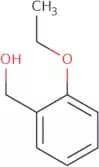
CAS :<p>2-Ethoxybenzyl alcohol is a chemical that belongs to the group of ethyl esters. It is an ether that has been shown to have normalizing activities on frequencies in the range of 2.2-2.4 ppm. The stereochemical configuration at C1 and the carbonyl group are essential for these activities, which are due to the ability of this molecule to act as a hydrogen bond acceptor. 2-Ethoxybenzyl alcohol is commonly found as an impurity in other ethers, such as diethyl ether, and can be used as a marker for their presence in a sample by gas chromatography with chemical ionization detection (GC/CI). 2-Ethoxybenzyl alcohol can also be metabolized by sulfation or biotransformations into methoxy or acetate derivatives. This compound has been shown to be carcinogenic when administered orally to rats.</p>Formule :C9H12O2Degré de pureté :Min. 95%Couleur et forme :Clear LiquidMasse moléculaire :152.19 g/mol1-Ethoxy-2-methoxybenzene
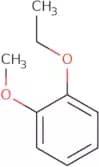
CAS :<p>1-Ethoxy-2-methoxybenzene is an organic compound that belongs to the class of phenols. It has been used as a solvent for pharmaceutical formulations, as an extractant for human serum, and as a demethylating agent in analytical chemistry. 1-Ethoxy-2-methoxybenzene is used in the presence of hydrochloric acid and morpholine to produce dibutyl ether from diethyl ether. This reaction is catalyzed by chloride ions, which are present at high concentrations in the solution. The linear response of this analytical method can be attributed to its acidic properties. The use of microwaves during this reaction allows for increased chemical yields and decreased time needed for the reaction to occur.</p>Formule :C9H12O2Degré de pureté :Min. 95%Couleur et forme :Clear LiquidMasse moléculaire :152.19 g/mol(6-Bromo-3,4-dimethoxyphenyl)acetone
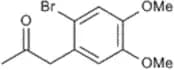
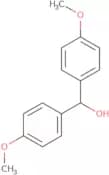
CAS :(6-Bromo-3,4-dimethoxyphenyl)acetone is a fine chemical that can be used as a versatile building block. This compound is typically used in research and development for the synthesis of complex compounds. It has been shown to be useful in the synthesis of high quality pharmaceuticals and speciality chemicals. The CAS number for this chemical is 116145-28-9.Formule :C11H13BrO3Degré de pureté :Min. 95%Masse moléculaire :273.12 g/mol4,4'-Dimethoxybenzhydrol
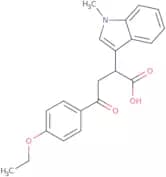
CAS :<p>4,4'-Dimethoxybenzhydrol is a reaction system that has been used to control experiments in which the nucleophile is an iron catalyst. The reaction system was also used to determine the reactivity of various functional groups. The linear plot of the rate of reaction versus concentration of cyclopentenes, hydroxyl group, and dehydrated functionalities indicated that these factors had little effect on the rate of reaction. However, it was found that lactams and trifluorides were able to increase the rate of reaction. Anilines were also found to be effective as they reacted with hydrogen peroxide to form phenoxides.</p>Formule :C15H16O3Degré de pureté :Min. 95%Couleur et forme :White PowderMasse moléculaire :244.29 g/mol4-(4-Ethoxyphenyl)-2-(1-methylindol-3-yl)-4-oxobutanoic acid
CAS :Please enquire for more information about 4-(4-Ethoxyphenyl)-2-(1-methylindol-3-yl)-4-oxobutanoic acid including the price, delivery time and more detailed product information at the technical inquiry form on this pageDegré de pureté :Min. 95%2,3-Dimethoxyphenylboronic acid
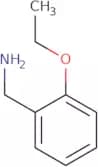
CAS :<p>2,3-Dimethoxyphenylboronic acid is a synthetic molecule that contains a boronic acid group. This compound has been shown to interact with histones H3 and L6. It has also been shown to modify lysine residues on the histone H3 protein by methylation. In addition, 2,3-dimethoxyphenylboronic acid interacts with other molecules in a way that changes their conformation and this interaction can be studied using vibrational spectroscopy. Organic chemists may use 2,3-dimethoxyphenylboronic acid as a ligand for biological targets or as a means of modifying proteins.</p>Formule :C8H11BO4Degré de pureté :Min. 95%Couleur et forme :PowderMasse moléculaire :181.98 g/mol2-Ethoxybenzylamine
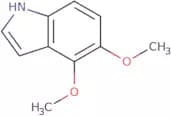
CAS :<p>2-Ethoxybenzylamine is a hydrophobic organic compound. It is an amine that is used as a reagent for the oxidation of primary, secondary, and tertiary amines to their corresponding aldehydes, ketones, and quinones. 2-Ethoxybenzylamine is used in the synthesis of glycopeptides and has been shown to be effective as a surrogate for benzylamine derivatives. This compound may also be an optimised enzyme complex with chloride ions that can activate certain oxidases.</p>Formule :C9H13NODegré de pureté :Min. 95%Couleur et forme :Clear LiquidMasse moléculaire :151.21 g/mol4,5-Dimethoxyindole
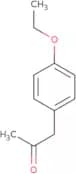
CAS :<p>4,5-Dimethoxyindole is a chemical compound that has been shown to exhibit radical scavenging activity. It is an inhibitor of integrase, which are enzymes involved in the integration of viral DNA into host cell chromosomes. This compound has been synthesized and its optical properties have been studied. The synthesis of 4,5-dimethoxyindole derivatives has also been investigated using molecular modeling. Schrodinger software was used to predict the geometry of these synthesized derivatives. These studies suggest that 4,5-dimethoxyindole may be a potential anti-cancer agent due to its ability to inhibit cancer cell growth and induce apoptosis.</p>Formule :C10H11NO2Degré de pureté :Min. 95%Couleur et forme :SolidMasse moléculaire :177.2 g/mol(4-Ethoxyphenyl)acetone
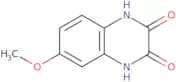
CAS :<p>(4-Ethoxyphenyl)acetone is a versatile building block that can be used as an intermediate in the synthesis of other compounds. It is also an excellent reagent for organic syntheses and can be used in research chemical laboratories. This compound is a useful scaffold, due to its high quality and speciality chemical properties. (4-Ethoxyphenyl)acetone is not listed on the Chemical Abstracts Service Registry Number index, but has CAS number 144818-72-4.</p>Formule :C11H14O2Degré de pureté :Min. 95%Masse moléculaire :178.23 g/mol6-Methoxy-1,4-dihydroquinoxaline-2,3-dione
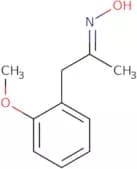
CAS :6-Methoxy-1,4-dihydroquinoxaline-2,3-dione is a nitrile that is generated by the catalytic oxidation of quinoxaline. It is a colorless to yellow solid with a melting point of about 155°C. 6-Methoxy-1,4-dihydroquinoxaline-2,3-dione has been shown to be an effective nitrile for the synthesis of diketene. 6-Methoxy-1,4-dihydroquinoxaline-2,3-dione can be converted into hydrochloric acid and ethanol through hydrolysis with hydrochloric acid or ethanol in the presence of heat. This reaction will proceed more quickly at higher temperatures. The filtration method can be used to remove any unwanted solids from the reaction mixture.Formule :C9H8N2O3Degré de pureté :Min. 95%Couleur et forme :PowderMasse moléculaire :192.17 g/mol(2-Methoxyphenyl)acetone oxime
CAS :<p>2-Methoxyphenyl)acetone oxime is a versatile building block that can be used in the synthesis of complex compounds. It is a colourless crystalline solid with a melting point of 138°C and a boiling point of 188°C. This compound has been assigned CAS No. 43021-97-2 and is soluble in water, ethanol, acetone, benzene, chloroform, ether and ethyl acetate. The chemical structure for this compound is shown below:</p>Formule :C10H13NO2Degré de pureté :Min. 95%Couleur et forme :PowderMasse moléculaire :179.22 g/mol2-Methoxyresorcinol
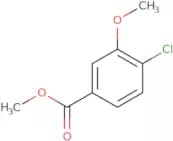
CAS :<p>2-Methoxyresorcinol is a metabolite that is formed by the oxidation of resorcinol. It has two methoxy groups, which are functional groups that are usually found in organic compounds. 2-Methoxyresorcinol has been shown to inhibit the growth of tumour cells in vitro and in vivo. It also inhibits cell growth by decreasing protein synthesis and cell division. This compound is an analytical method for measuring hematocrit levels and can be used as a natural compound for the treatment of chronic kidney disease.</p>Formule :C7H8O3Degré de pureté :Min. 95%Couleur et forme :PowderMasse moléculaire :140.14 g/mol4-Chloro-3-methoxybenzoic acid methyl ester
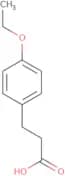
CAS :4-Chloro-3-methoxybenzoic acid methyl ester is a chemical compound that is used as a reagent in organic synthesis. It can be used to produce high quality research chemicals, speciality chemicals, and fine chemicals. This compound has a wide variety of uses because it is versatile and can be used as a reaction component or building block. Its CAS number is 116022-18-5.Formule :C9H9ClO3Degré de pureté :Min. 95%Couleur et forme :SolidMasse moléculaire :200.62 g/mol3-(4-Ethoxyphenyl)propionic acid
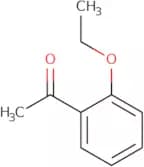
CAS :3-(4-Ethoxyphenyl)propionic acid is a speciality chemical that is used in the production of other complex chemicals. It has been shown to be a useful intermediate in the production of pharmaceuticals, fine chemicals, and agrochemicals. 3-(4-Ethoxyphenyl)propionic acid is also a versatile building block for use in organic synthesis. It has been shown to be a useful building block for the synthesis of natural products, such as antibiotics and natural products with antiviral properties. This compound can also be used as an effective reagent for research purposes. 3-(4-Ethoxyphenyl)propionic acid is a high quality chemical with CAS number 4919-34-0.Formule :C11H14O3Degré de pureté :Min. 95%Couleur et forme :PowderMasse moléculaire :194.23 g/mol2'-Ethoxyacetophenone
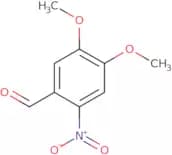
CAS :<p>2'-Ethoxyacetophenone is a Friedel-Crafts acylation agent. It reacts with nucleophilic groups, such as alcohols and amines, to form an acylated product. 2'-Ethoxyacetophenone has been shown to be a useful tool for the synthesis of chiral compounds with high yields and good enantiomeric excesses. This compound can also be used as a precursor in the synthesis of polyaromatic molecules containing a chiral center. The reaction requires low substrate concentrations and short reaction times, making it advantageous for some reactions that are sensitive to these parameters.</p>Formule :C10H12O2Degré de pureté :Min. 95%Couleur et forme :PowderMasse moléculaire :164.2 g/mol3,4-Dimethoxy-6-nitrobenzaldehyde
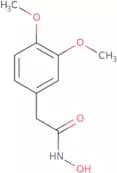
CAS :<p>3,4-Dimethoxy-6-nitrobenzaldehyde is a chemical compound that has been synthesized by the reaction of 3,4-dimethoxybenzaldehyde and nitric acid. The asymmetric synthesis of 3,4-Dimethoxy-6-nitrobenzaldehyde starts with the preparation of the corresponding ester, which is then reacted with nitric acid to produce the desired product. The chemical structure of 3,4-Dimethoxy-6-nitrobenzaldehyde consists of three aromatic rings: a benzene ring fused to a phenyl ring and a pyridine ring. This chemical can be used as an intermediate in the synthesis of epidermal growth factor (EGF). It also has been shown to bind to toll like receptor 4 (TLR4), which activates NFκB signaling pathway and induces apoptosis in monocytes.</p>Formule :C9H9NO5Degré de pureté :Min. 95 Area-%Couleur et forme :White Yellow PowderMasse moléculaire :211.17 g/mol2-(3,4-Dimethoxyphenyl)-N-hydroxyacetamide
CAS :2-(3,4-Dimethoxyphenyl)-N-hydroxyacetamide is a versatile building block that can be used in the production of a wide range of research chemicals. It is also useful as a reagent or speciality chemical for the preparation of pharmaceuticals, agrochemicals and other industrial chemicals. 2-(3,4-Dimethoxyphenyl)-N-hydroxyacetamide is an intermediate that can be used to synthesize complex compounds such as benzodiazepines. This compound has been shown to have high quality and can be used as a reaction component in organic synthesis. 2-(3,4-Dimethoxyphenyl)-N-hydroxyacetamide has CAS number 33793-80-5 and its molecular weight is 237.27 g/mol.Formule :C10H13NO4Degré de pureté :Min. 95%Couleur et forme :PowderMasse moléculaire :211.21 g/molMethyl 2-hydroxy-5-methoxybenzoate
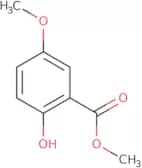
CAS :Methyl 2-hydroxy-5-methoxybenzoate is a carbonyl compound that has the chemical formula CH3OOC(OH)CH2COOH. It has fluorescence properties and can be used to make other compounds by intramolecular hydrogen transfer, photophysical, and preparative methods. Methyl 2-hydroxy-5-methoxybenzoate is used in the production of salicylic acid and its derivatives. This compound is also used as a precursor for other organic compounds. Methyl 2-hydroxy-5-methoxybenzoate can be prepared by the reaction of methanol with methyl chloroacetate in diethyl ether or oxygen gas. The yields are about 80%.Formule :C9H10O4Degré de pureté :Min. 90%Couleur et forme :Clear LiquidMasse moléculaire :182.17 g/mol2-Methoxyphenylhydrazine hydrochloride
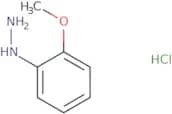
CAS :2-Methoxyphenylhydrazine hydrochloride is a chemical that is used as a research scaffold, building block, or intermediate. It can be used in the synthesis of complex compounds with high quality and purity. This product is soluble in water and alcohols. 2-Methoxyphenylhydrazine hydrochloride has CAS No. 6971-45-5 and a molecular weight of 183.2 g/mol.Formule :C7H10N2O·HClDegré de pureté :Min. 95%Couleur et forme :PowderMasse moléculaire :174.63 g/mol4-Methoxycoumarin
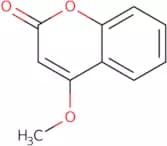
CAS :4-Methoxycoumarin is a type of coumarin derivative that contains a hydroxy group. It is synthesized by the reaction of methoxyphenol and acetoacetic acid in the presence of an acid catalyst. This compound has been used in the synthesis of other coumarin derivatives, such as benzocoumarins, which are used for their cytostatic effects against plant cells. 4-Methoxycoumarin is also found in plants and has been shown to be active against some viruses. 4-Methoxycoumarin can be converted into its monohydroxylated form, which reacts with hydrogen ions to produce a protonated cationic surfactant. The resulting flow system can be used for analytical purposes.Formule :C10H8O3Degré de pureté :Min. 95%Masse moléculaire :176.17 g/molEthyl 2,5-dimethoxyphenylacetate
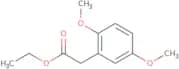
CAS :Ethyl 2,5-dimethoxyphenylacetate is a chemical that has a wide range of uses in the synthesis of complex compounds. It can be used as an intermediate for the production of research chemicals or as a reaction component for speciality chemicals. The compound is also useful in the synthesis of fine chemicals and other useful scaffolds. It has been used as a building block to produce high-quality reagents.Formule :C12H16O4Degré de pureté :Min. 95%Couleur et forme :PowderMasse moléculaire :224.25 g/mol3-Hydroxy-6,2',4',5'-tetramethoxychalcone
CAS :<p>3-Hydroxy-6,2',4',5'-tetramethoxychalcone (3HTMC) is a fine chemical that is used as a versatile building block in the synthesis of various organic compounds. 3HTMC is soluble in most organic solvents and can be used as an intermediate for the preparation of other organic compounds. This chemical has been shown to be effective in the formation of complex compounds with high quality. 3HTMC is available in bulk quantities at competitive prices.</p>Formule :C19H20O6Degré de pureté :Min. 95%Masse moléculaire :344.36 g/mol4-Methoxyphenoxyacetic acid
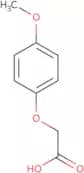
CAS :<p>4-Methoxyphenoxyacetic acid is a chemical compound with molecular formula C10H12O4. It is an alpha-hydroxy acid and is also known as 4-methoxybenzoic acid. 4-Methoxyphenoxyacetic acid has been shown to have reactive properties and can be used as a reagent in organic synthesis. A molecular modeling study of 4-methoxyphenoxyacetic acid has revealed that it could form hydrogen bonding interactions with the hydroxyl group of coumarin derivatives, which may lead to irreversible oxidation reactions. The human serum contains high affinity binding sites for this chemical compound, which is detected by the mefexamide test.</p>Formule :C9H10O4Degré de pureté :Min. 95%Couleur et forme :PowderMasse moléculaire :182.17 g/mol4-Desmethoxy-4-chloro omeprazole sulfide
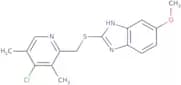
CAS :<p>4-Desmethoxy-4-chloro omeprazole sulfide is a versatile building block in the synthesis of new chemical compounds. The compound can be used as a reagent, speciality chemical, or reaction component and is suitable for use in research or as a building block. 4-Desmethoxy-4-chloro omeprazole sulfide is a valuable intermediate that can be used in the synthesis of many useful scaffolds. CAS No. 220757-74-4</p>Formule :C16H16ClN3OSDegré de pureté :Min. 95%Couleur et forme :Off-white to light pink to pink solid.Masse moléculaire :333.84 g/molEthyl 2,6-dimethoxybenzoate
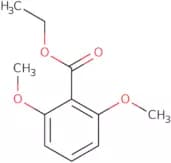
CAS :Ethyl 2,6-dimethoxybenzoate is a ferroelectric material. It is a colorless crystalline solid that can be obtained by the reaction of ethyl acetoacetate with benzoic acid. This compound has been used as a stabilizer for polyvinyl chloride and polyethylene terephthalate plastics. It has also been shown to have antihypertensive effects in rats. The hydroxymethyl group on the ethyl 2,6-dimethoxybenzoate molecule enables it to react with anions such as chloride ions, which in turn stabilize the crystal structure and increase the melting point. Ethyl 2,6-dimethoxybenzoate is also a congener of papaverine, which is used as a vasodilator and antiarrhythmic drug.Formule :C11H14O4Degré de pureté :Min. 95%Couleur et forme :PowderMasse moléculaire :210.23 g/mol3,5-Diiodo-4(4'-methoxyphenoxy)benzoic acid
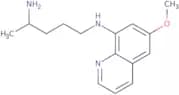
CAS :<p>3,5-Diiodo-4-(4'-methoxyphenoxy)benzoic acid is a chemical intermediate that has been used in the synthesis of pharmaceuticals and agricultural chemicals. It is a versatile building block that can be used to produce pharmaceuticals, such as diazepam and bromazepam, and other useful compounds. 3,5-Diiodo-4-(4'-methoxyphenoxy)benzoic acid is a fine chemical with high quality and speciality chemical. It has been extensively researched for its usefulness as a reagent for organic synthesis reactions.</p>Formule :C14H10I2O4Degré de pureté :Min. 95%Couleur et forme :PowderMasse moléculaire :496.04 g/molN1-(6-Methoxy-8-quinolinyl)-1,4-pentanediamine
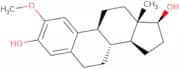
CAS :Impurity found in Primaquine diphosphateFormule :C15H21N3ODegré de pureté :Min. 95%Couleur et forme :Yellow PowderMasse moléculaire :259.35 g/mol2-Methoxy 17b-estradiol
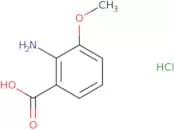
CAS :Produit contrôlé2-Methoxy 17b-estradiol is a synthetic estrogen that binds to DNA and alters the transcriptional process. It has been shown to induce apoptosis by activating the pro-apoptotic protein Bax and inhibiting the anti-apoptotic protein Bcl-2. This drug inhibits the metabolic response of cancer cells to chemotherapy, leading to a decrease in tumor size, and can be used as an implantable device for treating cancer. 2-Methoxy 17b-estradiol also has minimal toxicity in comparison to other estrogens, with no significant cytotoxicity observed in cells of reproductive tissues or endocrine organs, nor any significant toxic effects on liver function tests or serum lipids.Formule :C19H26O3Degré de pureté :Min. 95%Couleur et forme :White/Off-White SolidMasse moléculaire :302.41 g/mol3-Methoxyanthranilic acid hydrochloride
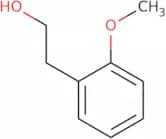
CAS :3-Methoxyanthranilic acid hydrochloride is a synthetic, monosubstituted, hydrochloric acid salt of 3-methoxyanthranilic acid and the hydrochloride. It is a colorless crystalline solid that melts at 166 degrees Celsius. 3-Methoxyanthranilic acid hydrochloride is used as an intermediate in the synthesis of caprolactam, which is then used to produce polyamide fibers. The melting point of 3-Methoxyanthranilic acid hydrochloride can be used to identify other compounds with similar structures. This compound has been shown to have antihistamine effects and may be useful for treating allergies or asthma.Formule :C8H9NO3•HClDegré de pureté :Min. 95%Couleur et forme :PowderMasse moléculaire :203.62 g/mol2-(2-Methoxyphenethyl) alcohol
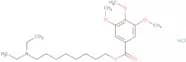
CAS :2-(2-Methoxyphenethyl) alcohol (2MPE) is a ligand that binds to the phenylpropanoid glycosides, which are responsible for the biosynthesis of plant pigments. It has been shown to inhibit tyrosinase and tyrosinase activity in vitro. 2MPE is used in radiopharmaceuticals as a radioactive label. It has also been shown to inhibit melanogenesis and the synthesis of volatile compounds in corncob at high temperatures. 2MPE is found in rhodiola and together with 2-hydroxyphenylacetic acid, it inhibits bacterial growth by inhibiting protein synthesis.Formule :C9H12O2Degré de pureté :Min. 98%Couleur et forme :Clear LiquidMasse moléculaire :152.19 g/mol3,4,5-Trimethoxybenzoic acid 8-(diethylamino)octyl ester, hydrochloride
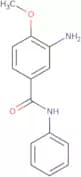
CAS :3,4,5-Trimethoxybenzoic acid 8-(diethylamino)octyl ester, hydrochloride is a chemical substance that binds to the intracellular calcium ion channels and causes an excitatory effect. It has been shown to cause cell lysis in wheat germ and influenza virus. 3,4,5-Trimethoxybenzoic acid 8-(diethylamino)octyl ester, hydrochloride also inhibits the production of TNF-α by activated tubule cells.Formule :C22H38ClNO5Degré de pureté :Min. 95%Couleur et forme :PowderMasse moléculaire :431.99 g/mol3-Amino-4-methoxybenzanilide
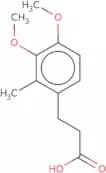
CAS :3-Amino-4-methoxybenzanilide is a white, crystalline solid that is soluble in organic solvents. It reacts with hydrochloric acid to form hydrogen chloride and 3-amino-4-methoxybenzoic acid. 3-Amino-4-methoxybenzanilide is used as an analytical reagent for determining the chloride content of various materials. The heat energy needed for the reaction to occur optimally is between 55 and 75 degrees Celsius. The optimal reaction system includes hydrochloric acid, an organic solvent, and diazonium salt activated by hydrogen chloride gas. The reaction time is 2 hours at room temperature and the analytical method used is titrimetric analysis using triticum aestivum as the particle.Formule :C14H14N2O2Degré de pureté :Min. 95%Couleur et forme :PowderMasse moléculaire :242.27 g/mol3,4-Dimethoxy-2-methylphenylpropionic acid
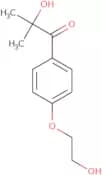
CAS :3,4-Dimethoxy-2-methylphenylpropionic acid is a building block for organic synthesis. It has been used as a research chemical and as a reaction component in the synthesis of other chemicals. 3,4-Dimethoxy-2-methylphenylpropionic acid is also available at high purity levels and can be used as a reagent for analytical purposes.Formule :C12H16O4Degré de pureté :Min. 95%Couleur et forme :PowderMasse moléculaire :224.25 g/mol2-Hydroxy-4'-(2-hydroxyethoxy) -2-methylpropiophenone
CAS :2-Hydroxy-4'-(2-hydroxyethoxy)-2-methylpropiophenone is a reactive chemical substance that has been shown to have significant cytotoxicity and biological properties. It is used in the treatment of cervical cancer and has been shown to inhibit the growth of cancer cells. This compound is found in a number of commercial products, including sunscreens and hair dyes, but its use may be limited due to its photochemical reactivity. The structure of 2HEPP was determined using nuclear magnetic resonance (NMR) spectroscopy and mass spectrometry. The chemical formula for 2HEPP is C10H14O3. It has a molecular weight of 192.22 g/mol and an empirical formula of C10H14O3. 2HEPP is soluble in methanol, acetone, ether, chloroform, benzene, ethanol, ethyl acetate, diethyl ether, and acetonFormule :C12H16O4Degré de pureté :Min. 95%Couleur et forme :White PowderMasse moléculaire :224.25 g/mol




![2-[(2-Amino-5-methoxyphenyl)dithio]-4-methoxyaniline](/_next/image/?url=https%3A%2Fstatic.cymitquimica.com%2Fproducts%2F3D%2Fthumb-webp%2FFA117846.webp&w=3840&q=75)