Éthers
40906 produits trouvés pour "Éthers"
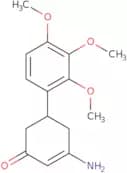
3-Amino-5-(2,3,4-trimethoxyphenyl)cyclohex-2-en-1-one
CAS :Produit contrôléPlease enquire for more information about 3-Amino-5-(2,3,4-trimethoxyphenyl)cyclohex-2-en-1-one including the price, delivery time and more detailed product information at the technical inquiry form on this page
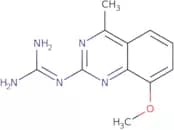
Formule :C15H19NO4Degré de pureté :Min. 95%Masse moléculaire :277.32 g/molN-(8-Methoxy-4-methylquinazolin-2-yl)guanidine
CAS :Please enquire for more information about N-(8-Methoxy-4-methylquinazolin-2-yl)guanidine including the price, delivery time and more detailed product information at the technical inquiry form on this pageFormule :C11H13N5ODegré de pureté :Min. 95%Masse moléculaire :231.25 g/mol(-)-N-[1-(R)-Ethoxycarbonxyl-3-phenylpropyl]-L-alanine
CAS :Please enquire for more information about (-)-N-[1-(R)-Ethoxycarbonxyl-3-phenylpropyl]-L-alanine including the price, delivery time and more detailed product information at the technical inquiry form on this pageFormule :C15H21NO4Degré de pureté :Min. 95%Masse moléculaire :279.33 g/mol6-(Methoxycarbonyl)spiro[3.3]heptane-2-carboxylic acid
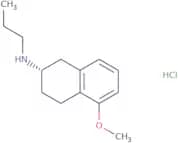
CAS :Please enquire for more information about 6-(Methoxycarbonyl)spiro[3.3]heptane-2-carboxylic acid including the price, delivery time and more detailed product information at the technical inquiry form on this pageFormule :C10H14O4Degré de pureté :Min. 95%Masse moléculaire :198.22 g/mol(S)-1,2,3,4-Tetrahydro-5-methoxy-N-propyl-2-naphthalenamine hydrochloride
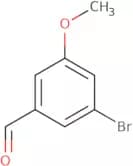
CAS :Produit contrôléPlease enquire for more information about (S)-1,2,3,4-Tetrahydro-5-methoxy-N-propyl-2-naphthalenamine hydrochloride including the price, delivery time and more detailed product information at the technical inquiry form on this pageFormule :C14H22ClNODegré de pureté :Min. 95%Masse moléculaire :255.78 g/mol5-Bromo-3-methoxybenzaldehyde
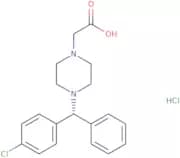
CAS :5-Bromo-3-methoxybenzaldehyde is a type of growth factor that is synthesized by cancer cells. It has been shown to have anticancer activity when used in conjunction with other drugs. 5-Bromo-3-methoxybenzaldehyde has been shown to inhibit tumor growth in mice, which may be due to its ability to prevent the activation of PD-L1. This compound interacts with a tetranuclear ligand and can be activated by light.Formule :C8H7BrO2Degré de pureté :Min. 95%Couleur et forme :PowderMasse moléculaire :215.04 g/mol(R)-De(carboxymethoxy) cetirizine acetic acid hydrochloride
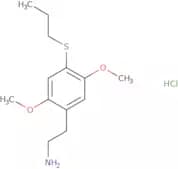
CAS :Please enquire for more information about (R)-De(carboxymethoxy) cetirizine acetic acid hydrochloride including the price, delivery time and more detailed product information at the technical inquiry form on this pageFormule :C19H22Cl2N2O2Degré de pureté :Min. 95%Masse moléculaire :381.3 g/mol2,5-Dimethoxy-4-(propylsulfanyl)phenethylamine hydrochloride
CAS :Produit contrôléPlease enquire for more information about 2,5-Dimethoxy-4-(propylsulfanyl)phenethylamine hydrochloride including the price, delivery time and more detailed product information at the technical inquiry form on this pageFormule :C13H22ClNO2SDegré de pureté :Min. 95%Masse moléculaire :291.84 g/mol3-[1-(2-Methoxyethyl)-1H-indol-3-yl]propanoic acid
CAS :Produit contrôléPlease enquire for more information about 3-[1-(2-Methoxyethyl)-1H-indol-3-yl]propanoic acid including the price, delivery time and more detailed product information at the technical inquiry form on this pageFormule :C14H17NO3Degré de pureté :Min. 95%Masse moléculaire :247.29 g/mol7-(2-Carbomethoxyethyl)-5-(2-chlorophenyl)-thieno-1,4-diazepin-2-one
CAS :Produit contrôléPlease enquire for more information about 7-(2-Carbomethoxyethyl)-5-(2-chlorophenyl)-thieno-1,4-diazepin-2-one including the price, delivery time and more detailed product information at the technical inquiry form on this pageFormule :C17H15ClN2O3SDegré de pureté :Min. 95%Masse moléculaire :362.83 g/molent-(14S)-3-Methoxy-17-methylmorphinan
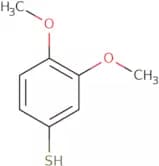
CAS :Produit contrôléPlease enquire for more information about ent-(14S)-3-Methoxy-17-methylmorphinan including the price, delivery time and more detailed product information at the technical inquiry form on this pageFormule :C18H25NODegré de pureté :Min. 95%Couleur et forme :Colorless Clear LiquidMasse moléculaire :271.4 g/mol3,4-Dimethoxythiophenol
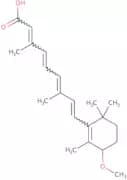
CAS :3,4-Dimethoxythiophenol is a chemical compound that is used as a fluorescence probe to study biological functions in cells. It reacts with hydroxyl groups and other reactive sites on proteins, including sulfhydryl groups, thiols, and amines. 3,4-Dimethoxythiophenol has been shown to inhibit the viability of cancer cells (e.g., prostate cancer cells) by interfering with the function of dehydrogenase enzymes. 3,4-Dimethoxythiophenol also inhibits growth of microglia (cells that protect neurons) in vitro. This inhibition is due to the production of reactive oxygen species by the microglial cells. The chemical structure of this compound includes a hydroxyl group and two methoxy groups.Formule :C8H10O2SDegré de pureté :Min. 95%Couleur et forme :Clear LiquidMasse moléculaire :170.23 g/mol4-Methoxy retinoic acid
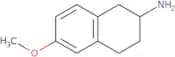
CAS :Please enquire for more information about 4-Methoxy retinoic acid including the price, delivery time and more detailed product information at the technical inquiry form on this pageFormule :C21H30O3Degré de pureté :Min. 95%Masse moléculaire :330.46 g/mol6-Methoxy-1,2,3,4-tetrahydronaphthalen-2-ylamine
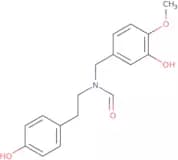
CAS :Produit contrôléPlease enquire for more information about 6-Methoxy-1,2,3,4-tetrahydronaphthalen-2-ylamine including the price, delivery time and more detailed product information at the technical inquiry form on this pageFormule :C11H15NODegré de pureté :Min. 95%Masse moléculaire :177.24 g/molN-(p-Hydroxyphenethyl)-N-(3-hydroxy-4-methoxybenzyl)formamide
CAS :Produit contrôléPlease enquire for more information about N-(p-Hydroxyphenethyl)-N-(3-hydroxy-4-methoxybenzyl)formamide including the price, delivery time and more detailed product information at the technical inquiry form on this page
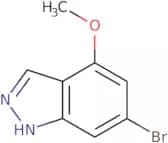
Formule :C17H19NO4Degré de pureté :Min. 95%Masse moléculaire :301.34 g/mol6-Bromo-4-methoxy-1H-indazole
CAS :Please enquire for more information about 6-Bromo-4-methoxy-1H-indazole including the price, delivery time and more detailed product information at the technical inquiry form on this page
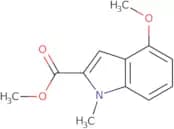
Formule :C8H7BrN2ODegré de pureté :Min. 95%Masse moléculaire :227.06 g/molMethyl 4-methoxy-1-methyl-1H-indole-2-carboxylate
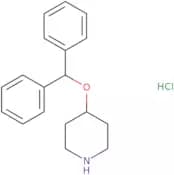
CAS :Produit contrôléPlease enquire for more information about Methyl 4-methoxy-1-methyl-1H-indole-2-carboxylate including the price, delivery time and more detailed product information at the technical inquiry form on this pageFormule :C12H13NO3Degré de pureté :Min. 95%Masse moléculaire :219.24 g/mol4-(Diphenylmethoxy)piperidinium chloride
CAS :Please enquire for more information about 4-(Diphenylmethoxy)piperidinium chloride including the price, delivery time and more detailed product information at the technical inquiry form on this pageDegré de pureté :Min. 95%(S)-1,2,3,4,5,6,7,8-Octahydro-1-[(4-methoxyphenyl)methyl]isoquinoline (acetate salt )
CAS :(S)-1,2,3,4,5,6,7,8-Octahydro-1-[(4-methoxyphenyl)methyl]isoquinoline (acetate salt ) is a diphosphine that can be used as a catalyst to produce formic acid from methanol and carbon monoxide. This product is an enantiomer of picric acid and has been shown to be an effective additive in the crystallization of picric acid. The acetate salt is also optically pure.Degré de pureté :Min. 95%(9Z)-N-[(3-Methoxyphenyl)methyl]-9-octadecenamide
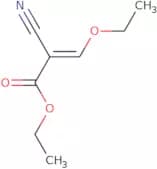
CAS :Please enquire for more information about (9Z)-N-[(3-Methoxyphenyl)methyl]-9-octadecenamide including the price, delivery time and more detailed product information at the technical inquiry form on this pageFormule :C26H43NO2Degré de pureté :Min. 95%Masse moléculaire :401.63 g/molEthyl (ethoxymethylene) cyanoacetate
CAS :Ethyl (Ethoxymethylene) cyanoacetate is a chemical compound that belongs to the family of aldehyde compounds. It is a colorless liquid at room temperature, with an odor similar to that of acetic acid. The compound has been used in the synthesis of epidermal growth factor and diazonium salts. It has also been used in the production of anti-cancer drugs such as malonic acid, which inhibits tumor growth by inhibiting protein synthesis. Ethyl (Ethoxymethylene) cyanoacetate reacts with quinoline derivatives to form carbon disulphide, which can be used as an antimicrobial agent and insecticide.
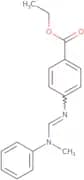
Formule :C8H11NO3Degré de pureté :Min. 95%Couleur et forme :PowderMasse moléculaire :169.18 g/molN-(Ethoxycarbonylphenyl)-N'-methyl-N'-phenylformamidine
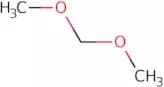
CAS :Please enquire for more information about N-(Ethoxycarbonylphenyl)-N'-methyl-N'-phenylformamidine including the price, delivery time and more detailed product information at the technical inquiry form on this pageFormule :C15H14N2O2Degré de pureté :Min. 95%Masse moléculaire :254.28 g/molDimethoxymethane
CAS :Dimethoxymethane is a colorless liquid with a sweet odor. Dimethoxymethane has been used as an intermediate in organic synthesis, as well as a solvent for various reactions.Formule :C3H8O2Degré de pureté :Min. 95%Masse moléculaire :76.09 g/molN-Methyl-1-(3,4,5-trimethoxyphenyl)methanamine hydrochloride
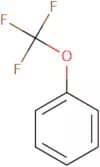
CAS :Produit contrôléPlease enquire for more information about N-Methyl-1-(3,4,5-trimethoxyphenyl)methanamine hydrochloride including the price, delivery time and more detailed product information at the technical inquiry form on this pageFormule :C11H17NO3Degré de pureté :Min. 95%Masse moléculaire :211.26 g/mol(Trifluoromethoxy)benzene
CAS :(Trifluoromethoxy)benzene is a colorless liquid that has a boiling point of 97.1°C and a flashpoint of 23°C. It is an aromatic hydrocarbon with the molecular formula C6H3(OCH2CF3) and a molecular weight of 132.2 g/mol. The compound belongs to group P2, it's soluble in water, and can be prepared by reacting trifluoroacetic acid with methyl pentanoate. (Trifluoromethoxy)benzene has antimicrobial properties, but it also causes autoimmune diseases in animals. It is used as an industrial solvent and as a reagent for the preparation of other chemicals.
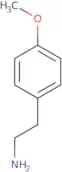
Formule :C7H5OF3Degré de pureté :Min. 95%Masse moléculaire :162.11 g/mol4-Methoxy phenethylamine
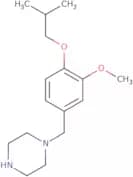
CAS :Produit contrôlé4-Methoxy phenethylamine (4MPEA) is a natural compound that has been found to have biological properties. It is a precursor of dopamine and norepinephrine, which are neurotransmitters in the brain. 4MPEA is an irreversible enzyme inhibitor with a hydroxyl group. The kinetic data for this compound has been determined by nitrogen atoms. Gamma-aminobutyric acid (GABA) is involved in the regulation of neuronal excitability and plays an important role in preventing seizures. 4MPEA may have potential as a drug for treating epilepsy or other neurological disorders.Formule :C9H13NODegré de pureté :Min. 95%Masse moléculaire :151.21 g/mol1-(4-Isobutoxy-3-methoxybenzyl)piperazine
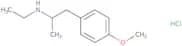
CAS :Produit contrôléPlease enquire for more information about 1-(4-Isobutoxy-3-methoxybenzyl)piperazine including the price, delivery time and more detailed product information at the technical inquiry form on this pageFormule :C16H26N2O2Degré de pureté :Min. 95%Masse moléculaire :278.39 g/molN-Ethyl-4-methoxy amphetamine hydrochloride
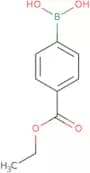
CAS :Produit contrôléPlease enquire for more information about N-Ethyl-4-methoxy amphetamine hydrochloride including the price, delivery time and more detailed product information at the technical inquiry form on this pageFormule :C12H20ClNODegré de pureté :Min. 95%Masse moléculaire :229.75 g/mol4-(Ethoxycarbonyl)phenylboronic acid
CAS :4-(Ethoxycarbonyl)phenylboronic acid is a potential use for picric acid detection. It has been shown to be a chemosensor with an electrochemical impedance spectroscopy response that is sensitive to chloride ions. 4-(Ethoxycarbonyl)phenylboronic acid can be used as a linker in multigram-scale synthesis of aryl halides, and its reaction mechanism has been elucidated by crystal x-ray diffraction. The synthesis of this compound is scalable and involves the formation of an apical carboxylate from ethoxycarbonyl phenyl boronic acid and an aryl halide.Formule :C9H11BO4Degré de pureté :Min. 95%Couleur et forme :PowderMasse moléculaire :193.99 g/mol3,7,4'-Trihydroxy-5-methoxy-8-prenylflavanone, (2R,3S)-
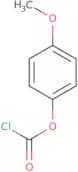
3,7,4'-Trihydroxy-5-methoxy-8-prenylflavanone, (2R,3S)- is a naturally occurring prenylated flavanone, which is primarily sourced from various plant species. This compound is part of the larger flavonoid family and is often found in certain medicinal plants known for their wide range of therapeutic properties. Its structure comprises a flavanone backbone, modified by hydroxyl, methoxy, and prenyl groups that contribute to its distinctive chemical profile.Degré de pureté :Min. 95%4-Methoxyphenyl chloroformate
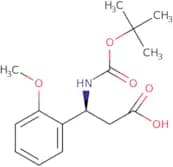
CAS :4-Methoxyphenyl chloroformate is a reactive chemical that can be used to synthesize amides, esters, and anhydrides. It reacts with nucleophiles such as chloride or hydroxide to form an intermediate product. This intermediate product then reacts with the desired molecule to form the desired final product. 4-Methoxyphenyl chloroformate has shown selectivity for binding to opioid receptors, including mu and delta subtypes. This chemical may be used in the synthesis of antibiotic drugs that have similar receptor subtypes. 4-Methoxyphenyl chloroformate also has been shown to modulate G protein signaling pathways in cells, which may lead to improved pharmacokinetic properties.Formule :C8H7ClO3Degré de pureté :Min. 95%Couleur et forme :Clear LiquidMasse moléculaire :186.59 g/molBoc-(S)-3-amino-3-(2-methoxyphenyl)propionic acid
CAS :Please enquire for more information about Boc-(S)-3-amino-3-(2-methoxyphenyl)propionic acid including the price, delivery time and more detailed product information at the technical inquiry form on this page
Formule :C15H21NO5Degré de pureté :Min. 95%Couleur et forme :PowderMasse moléculaire :295.33 g/mol4-(Benzyloxy)-5-methoxy-2-nitrobenzaldehyde
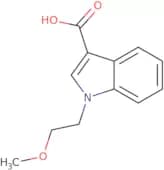
CAS :4-(Benzyloxy)-5-methoxy-2-nitrobenzaldehyde (BOMBA) is an amide with affinity for microtubules. It has been shown to interact with the microtubule lattice and inhibit the polymerization of tubulin. This leads to a decrease in cell viability and cytotoxicity, as well as a decrease in tumor size. In vivo studies have demonstrated that BOMBA inhibits tumor growth by inducing thrombosis and coagulation, which results in reduced blood flow to the tumor. The mechanism of action of BOMBA is thought to be due to its ability to form sulfamates, which are known for their anti-coagulant activity.Formule :C15H13NO5Degré de pureté :Min. 95%Masse moléculaire :287.27 g/mol1-(2-Methoxyethyl)-1H-indole-3-carboxylic acid
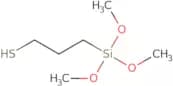
CAS :Produit contrôléPlease enquire for more information about 1-(2-Methoxyethyl)-1H-indole-3-carboxylic acid including the price, delivery time and more detailed product information at the technical inquiry form on this pageFormule :C12H13NO3Degré de pureté :Min. 95%Masse moléculaire :219.24 g/mol(3-Mercaptopropyl)trimethoxysilane
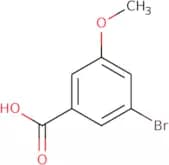
CAS :3-Mercaptopropyl)trimethoxysilane is a molecule made up of three parts: a trimethoxysilane group, a trimethylsilyl group, and a mercapto group. The trimethoxysilane group is hydrophilic in nature and has an electron withdrawing effect on the molecule. The trimethylsilyl group is hydrophobic in nature and has an electron donating effect on the molecule. The mercapto group is reactive in nature and has a high redox potential. 3-Mercaptopropyl)trimethoxysilane can be used as a chemical additive to increase the stability of hydrochloric acid in water vapor by reacting with the hydroxyl groups to form stable compounds. This compound also reacts with hydrogen gas to produce methane gas, which can be used as fuel or as an alternative energy source. 3-Mercaptopropyl)trimethoxysilane also has synergisticFormule :C6H16O3SSiDegré de pureté :Min. 98 Area-%Couleur et forme :Colorless Clear LiquidMasse moléculaire :196.34 g/mol3-Bromo-5-methoxybenzoic acid
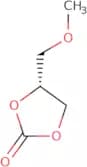
CAS :3-Bromo-5-methoxybenzoic acid is a cytotoxic agent that inhibits the activity of acid transporter, which is involved in the transport of organic acids from the cell to the blood. It is used as an antineoplastic agent for animal studies and has been shown to have a safety profile similar to benzbromarone. 3-Bromo-5-methoxybenzoic acid also inhibits uricosuric activity in mouse hepatocytes and metabolic activation in mice. This compound has inhibitory effects on mouse liver cells and can be used for the treatment of liver cancer.Formule :C8H7BrO3Degré de pureté :Min. 95%Masse moléculaire :231.04 g/mol(R)-(+)-4-(Methoxymethyl)-1,3-dioxolan-2-one
CAS :Please enquire for more information about (R)-(+)-4-(Methoxymethyl)-1,3-dioxolan-2-one including the price, delivery time and more detailed product information at the technical inquiry form on this pageFormule :C5H8O4Degré de pureté :Min. 95%Masse moléculaire :132.11 g/mol4-(Trifluoromethoxy)phenylboronic Acid (contains varying amounts of Anhydride)
CAS :4-(Trifluoromethoxy)phenylboronic acid is a boron-containing compound that has been shown to be a potent inhibitor of the histone deacetylase (HDAC) enzyme. It also has surfactant properties and can be used as a photochemical reagent. 4-(Trifluoromethoxy)phenylboronic acid is orally bioavailable and may have therapeutic potential for neurodegenerative diseases, such as Alzheimer's disease, Parkinson's disease, and Huntington's disease. It also has the ability to inhibit cancer cell growth by inhibiting HDAC activity. This drug has been found to cross-couple with organosilicon compounds in order to form new compounds with potent inhibitory activity against HDAC enzymes.
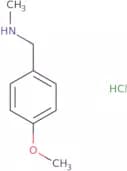
Formule :C7H6BF3O3Degré de pureté :Min. 95%Masse moléculaire :205.93 g/mol4-Methoxy-N-methylbenzylamine hydrochloride
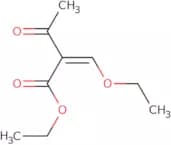
CAS :Please enquire for more information about 4-Methoxy-N-methylbenzylamine hydrochloride including the price, delivery time and more detailed product information at the technical inquiry form on this pageFormule :C9H14NOClDegré de pureté :Min. 95%Masse moléculaire :187.67 g/molEthyl 2-(ethoxymethylene)-3-oxobutanoate
CAS :Ethyl 2-(ethoxymethylene)-3-oxobutanoate is an industrial chemical that is used as a precursor to acetoacetate. It is produced by the condensation of formaldehyde and ethyl acetoacetate, which yields two molecules of ethyl 2-(ethoxymethylene)-3-oxobutanoate. This reaction can be performed in three steps, with the first step involving the addition of formaldehyde and hydrazine to acetoacetate. The second step involves heating the reaction mixture until it boils, followed by cooling and filtering. The third step requires refluxing for six hours before distilling off the liquid. Ethyl 2-(ethoxymethylene)-3-oxobutanoate can also be synthesized from orthoformic acid and ethyl acetoacetate in an experiment that produces 1 mole of product for every mole of starting material.Formule :C9H14O4Degré de pureté :Min. 95%Masse moléculaire :186.21 g/mol3,4,5-Trimethoxybenzoic acid anhydride
CAS :3,4,5-Trimethoxybenzoic acid anhydride is a synthetic chemical compound that is used as a pharmaceutical intermediate. It is mainly used to prepare potent anticancer agents and potent anticancer drugs. 3,4,5-Trimethoxybenzoic acid anhydride reacts with amines in the presence of a base to form substituted amides. This reaction has been shown by crystal x-ray diffraction to be sensitive to the solvent polarity and temperature of the reaction medium. The compound can also react with chloride ion to form 3,4,5-trichlorobenzoic acid anhydride (3TCBA).
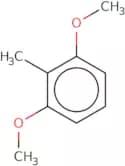
Formule :C20H22O9Degré de pureté :(%) Min. 85%Couleur et forme :PowderMasse moléculaire :406.38 g/mol2,6-Dimethoxytoluene
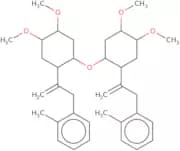
CAS :2,6-Dimethoxytoluene is a regiospecific pentafluorophenyl compound with a thermal isomerization. It is an extractive yield that can be isolated from the reaction of acetaldehyde and formaldehyde in the presence of an imine. The process of making 2,6-dimethoxytoluene begins by reacting chloromethane with oxygenated tetrafluorobenzyne to make an intermediate. Then, this intermediate reacts with methoxylated fatty acids to create the final product. This reaction is stereoselective because it produces only one stereoisomer of 2,6-dimethoxytoluene.Formule :C9H12O2Degré de pureté :Min. 95%Couleur et forme :PowderMasse moléculaire :152.19 g/mol2-(4,5-Dimethoxy-2-(1-((2-methylphenyl)methyl)vinyl)cyclohexyl)ether
CAS :2-(4,5-Dimethoxy-2-(1-((2-methylphenyl)methyl)vinyl)cyclohexyl)ether is a versatile building block for the synthesis of complex compounds. It is also an intermediate in the synthesis of useful scaffolds and reaction components. This compound has a high quality and can be used as a reagent or research chemicals.Formule :C36H50O5Degré de pureté :Min. 95%Masse moléculaire :562.78 g/mol5-Amino-2-methoxy-4-methylpyridine
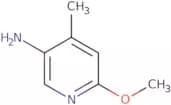
CAS :5-Amino-2-methoxy-4-methylpyridine is a small molecule that inhibits bromodomains. Bromodomains are protein domains that bind to acetylated lysine residues on histones. 5-Amino-2-methoxy-4-methylpyridine binds to the bromodomain, preventing the acetylated lysine residues from binding with other proteins and inhibiting transcription. This drug has been shown to be effective in treating prostate cancer by interacting with the androgen receptor. 5-Amino-2-methoxy-4-methylpyridine also interacts with ATPase, which may lead to increased levels of ATP production, and has been shown to have antitumor effects in vitro.
Formule :C7H10N2ODegré de pureté :Min. 95%Masse moléculaire :138.17 g/mol4-Fluoro-2-methoxy-5-nitroaniline
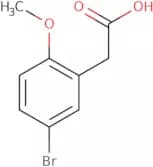
CAS :Intermediate in the synthesis of osimertinib (AZD9291)Formule :C7H7FN2O3Degré de pureté :Min. 95%Masse moléculaire :186.14 g/mol(5-Bromo-2-methoxyphenyl)acetic acid
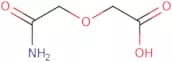
CAS :5-Bromo-2-methoxyphenyl)acetic acid (BMPEA) is a hydroxylated derivative of aspartic acid. It has been shown to induce apoptotic cell death in various cell lines, including human lung cells and rat hippocampal cells. BMPEA is synthesized by the solid-phase method and is characterized by a constant structure. It can be used to treat degenerative diseases and other conditions where apoptosis is desirable, such as Alzheimer's disease, Parkinson's disease, amyotrophic lateral sclerosis, retinitis pigmentosa, and Duchenne muscular dystrophy.Formule :C9H9BrO3Degré de pureté :Min. 95%Couleur et forme :PowderMasse moléculaire :245.07 g/mol(2-Amino-2-oxoethoxy)acetic acid
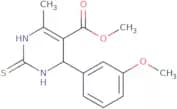
CAS :2-Amino-2-oxoethoxy)acetic acid is a product that can be used as a transport agent in the process of extracting glycosides. It has been shown to have strong adsorption properties and is able to extract glycosides from plant material. 2-Amino-2-oxoethoxy)acetic acid has a high affinity for calcium, which is an important component in the adsorption mechanism.Formule :C4H7NO4Degré de pureté :Min. 95%Masse moléculaire :133.1 g/molMethyl 4-(3-methoxyphenyl)-6-methyl-2-thioxo-1,2,3,4-tetrahydropyrimidine-5-carboxylate
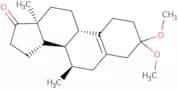
CAS :Please enquire for more information about Methyl 4-(3-methoxyphenyl)-6-methyl-2-thioxo-1,2,3,4-tetrahydropyrimidine-5-carboxylate including the price, delivery time and more detailed product information at the technical inquiry form on this pageFormule :C14H16N2O3SDegré de pureté :85%MinMasse moléculaire :292.35 g/mol7alpha-Methyl-3,3-dimethoxy-5(10)-estrene-17-one
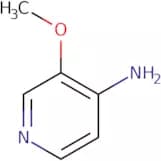
CAS :Produit contrôléPlease enquire for more information about 7alpha-Methyl-3,3-dimethoxy-5(10)-estrene-17-one including the price, delivery time and more detailed product information at the technical inquiry form on this pageFormule :C21H32O3Degré de pureté :Min. 95%Couleur et forme :PowderMasse moléculaire :332.48 g/mol4-Amino-3-methoxypyridine
CAS :4-Amino-3-methoxypyridine (4AMMP) is a naturally occurring amino acid that can be found in the nuclei of innervated tissues. It is an inhibitor of the enzyme tyrosine hydroxylase and inhibits the synthesis of catecholamines. The concentration of 4AMMP in blood was measured by radioactivity. This agent has been used for studies on the thalamic nucleus and cortex, as well as for measuring catecholamine levels in tissue homogenates.
Formule :C6H8N2ODegré de pureté :Min. 95%Masse moléculaire :124.14 g/mol

![(-)-N-[1-(R)-Ethoxycarbonxyl-3-phenylpropyl]-L-alanine](/_next/image/?url=https%3A%2Fstatic.cymitquimica.com%2Fproducts%2F3D%2Fthumb-webp%2FFE22879.webp&w=3840&q=75)
![6-(Methoxycarbonyl)spiro[3.3]heptane-2-carboxylic acid](/_next/image/?url=https%3A%2Fstatic.cymitquimica.com%2Fproducts%2F3D%2Fthumb-webp%2FFM161396.webp&w=3840&q=75)
![3-[1-(2-Methoxyethyl)-1H-indol-3-yl]propanoic acid](/_next/image/?url=https%3A%2Fstatic.cymitquimica.com%2Fproducts%2F3D%2Fthumb-webp%2FFM135770.webp&w=3840&q=75)

![(S)-1,2,3,4,5,6,7,8-Octahydro-1-[(4-methoxyphenyl)methyl]isoquinoline (acetate salt )](/_next/image/?url=https%3A%2Fstatic.cymitquimica.com%2Fproducts%2F3D%2Fthumb-webp%2FFO29465.webp&w=3840&q=75)
![(9Z)-N-[(3-Methoxyphenyl)methyl]-9-octadecenamide](/_next/image/?url=https%3A%2Fstatic.cymitquimica.com%2Fproducts%2F3D%2Fthumb-webp%2FFN165022.webp&w=3840&q=75)