Éthers
40906 produits trouvés pour "Éthers"
ethyl 4-[3-(1,3-dioxo-1,3-dihydro-2H-isoindol-2-yl)propoxy]benzoate
Masse moléculaire :353.37399291992192-[4-(Trifluoromethoxy)phenoxy]isonicotinonitrile
CAS :Degré de pureté :97.0%Masse moléculaire :280.205993652343751-Amino-3-[4-(2-methoxyethyl)phenoxy]propan-2-ol
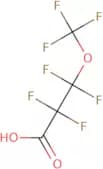
CAS :Degré de pureté :95%Masse moléculaire :225.287994384765622,2,3,3-Tetrafluoro-3-(trifluoromethoxy)propanoic acid
CAS :2,2,3,3-Tetrafluoro-3-(trifluoromethoxy)propanoic acid (TFMP) is a fluorine-containing monomer that can be synthesized in an efficient method. TFMP is a resistant strain and has been shown to react with amines, carbonyls, and carboxylic groups. It can be copolymerized with other monomers to form polymeric materials. TFMP is a fluoride monomer that exhibits properties similar to perfluoroalkyl methacrylate monomers.
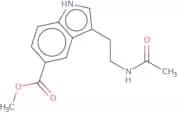
Formule :C4HF7O3Degré de pureté :Min. 95%Couleur et forme :Clear LiquidMasse moléculaire :230.04 g/molN-Acetyl-5-carboxymethoxy tryptamine
CAS :N-Acetyl-5-carboxymethoxy tryptamine is a versatile building block that is used as a reagent and in the synthesis of complex compounds. It can also be used as an intermediate or a reaction component in the synthesis of other compounds. This compound has been shown to have high quality and, when used as an intermediate, can serve as a useful scaffold for the synthesis of new molecules. N-Acetyl-5-carboxymethoxy tryptamine belongs to CAS No. 1397243-36-5, which is a speciality chemical that is not regulated by law.
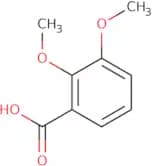
Formule :C14H16N2O3Degré de pureté :Min. 95%Masse moléculaire :260.29 g/mol2,3-Dimethoxybenzoic acid
CAS :2,3-Dimethoxybenzoic acid is a metal chelate that has been shown to have in vitro antifungal activity. It is also a 5-membered heteroaryl amide with inhibitory properties against proinflammatory cytokines such as TNF-α and IL-1β. 2,3-Dimethoxybenzoic acid has been found to have inhibitory effects on the metabolism of cholesterol and other lipids, which may be due to its ability to bind with serum proteins. This compound has also been shown to have antiinflammatory activity in human serum.
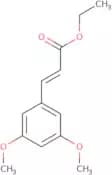
Formule :C9H10O4Degré de pureté :Min. 95%Couleur et forme :White Off-White PowderMasse moléculaire :182.17 g/mol3,5-Dimethoxycinnamic acid methyl ester
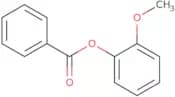
CAS :Please enquire for more information about 3,5-Dimethoxycinnamic acid methyl ester including the price, delivery time and more detailed product information at the technical inquiry form on this pageFormule :C12H14O4Degré de pureté :Min. 95%Masse moléculaire :222.24 g/mol1-Benzoyloxy-2-methoxybenzene
CAS :1-Benzoyloxy-2-methoxybenzene is a diphenyl ether that has been shown to have analgesic, anti-inflammatory and antipyretic properties. It inhibits the secretion of pancreatic enzymes, which may be due to its interaction with the hydroxyl group on the cavity of the enzyme. 1-Benzoyloxy-2-methoxybenzene also inhibits intestinal fluid production in rats with ulcerative colitis, which may be due to its ability to inhibit bond cleavage in lysosomes by interacting with the hydroxy group on the cavity of lysosomal enzymes. When applied topically, 1-Benzoyloxy-2-methoxybenzene has been shown to be effective in alleviating pain from abrasions or other wounds in rats and humans. This drug also has a stereoselective effect on benzoate, inhibiting its action at high concentrations.
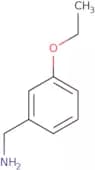
Formule :C14H12O3Degré de pureté :Min. 95%Couleur et forme :PowderMasse moléculaire :228.24 g/mol3-Ethoxybenzylamine hydrochloride
CAS :3-Ethoxybenzylamine hydrochloride is a chemical compound that belongs to the group of industrial chemicals. It is used as an intermediate for the production of vanillin and as a catalyst for hydrogenation reactions. 3-Ethoxybenzylamine hydrochloride can be used in large-scale, industrial reactions. The target product is a reaction solvent that can be used in reduction reactions and aminations. The catalytic activity of 3-ethoxybenzylamine hydrochloride has been shown to increase with increasing pH, temperature, and concentration. The use of this product as a catalyst in the hydrogenation process results in high yield products with low levels of byproducts.
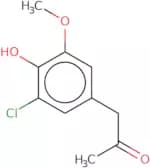
Formule :C9H13NO·HClDegré de pureté :Min. 95%Couleur et forme :White PowderMasse moléculaire :187.67 g/mol(5-Chloro-4-hydroxy-3-methoxyphenyl)acetone
CAS :(5-Chloro-4-hydroxy-3-methoxyphenyl)acetone is a high quality reagent that is useful as an intermediate in the synthesis of complex compounds. It can be used to synthesize a wide range of fine chemicals, such as pharmaceuticals, pesticides, and fragrances. (5-Chloro-4-hydroxy-3-methoxyphenyl)acetone is also a versatile building block for the synthesis of speciality chemicals. This compound has been shown to react with other compounds to form reaction components for research purposes.
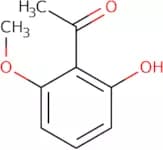
Formule :C10H11ClO3Degré de pureté :Min. 95%Masse moléculaire :214.65 g/mol2-Hydroxy-6-methoxyacetophenone
CAS :2-Hydroxy-6-methoxyacetophenone is a chalcone that belongs to the group of flavonoids. It has been shown to have anticancer properties, inhibiting the growth of colorectal carcinoma cells in a dose-dependent manner. The mechanism of action for 2-hydroxy-6-methoxyacetophenone is not fully understood, but it may be due to its ability to inhibit the enzyme demethylase and induce apoptosis. This compound also has been shown to inhibit the growth of Escherichia coli and Salmonella typhimurium when used at high concentrations. 2-Hydroxy-6-methoxyacetophenone can be synthesized by reacting ethyl acetoacetate with two equivalents of methylamine in the presence of a base such as sodium methoxide or potassium hydroxide.
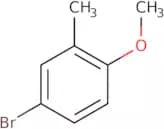
2-Hydroxy-6-methoxyacetophenone has also been shown to inhibitFormule :C9H10O3Degré de pureté :Min. 95%Couleur et forme :PowderMasse moléculaire :166.17 g/mol5-Bromo-2-methoxytoluene
CAS :5-Bromo-2-methoxytoluene is a bromoarene that reacts to form aziridines and phosphotungstic acid. It is used in the synthesis of polyaromatic compounds with steric interactions. 5-Bromo-2-methoxytoluene is also a functional group that can be used as an allosteric modulator. This compound also has stereoisomers that are chiral, meaning they have different structures despite being mirror images of each other. The carbonyl group on the 5-bromo compound is polar, which means it has a charge. The hydrogen bonds between this compound and other molecules are nonpolar, which means they do not have a charge and are more likely to form in a nonpolar solvent.
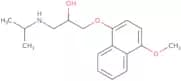
Formule :C8H9BrODegré de pureté :Min. 95%Couleur et forme :PowderMasse moléculaire :201.06 g/mol4-Methoxy propranolol
CAS :4-Methoxy propranolol is an intermediate in the synthesis of propranolol, a beta blocker.
Formule :C17H23NO3Degré de pureté :Min. 95%Masse moléculaire :289.37 g/mol2,4,6-Tribromo-3-methoxyphenol
CAS :2,4,6-Tribromo-3-methoxyphenol is a high quality reagent that is used as an intermediate in the production of many fine chemicals. It is also a useful building block for the synthesis of speciality chemicals and research chemicals. This chemical can be used as a versatile building block for reactions with other compounds. 2,4,6-Tribromo-3-methoxyphenol has CAS number 24967-79-1 and can be found at Chemical & Laboratory Equipment.
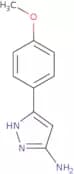
Formule :C7H5Br3O2Degré de pureté :Min. 95%Masse moléculaire :360.83 g/mol5-Amino-3-(4-methoxyphenyl)pyrazole
CAS :5-Amino-3-(4-methoxyphenyl)pyrazole (5AMPAP) is an anti-cancer agent that is effective against a number of different cancers, including breast, lung, and prostate. It selectively inhibits the growth of cancer cells by targeting enzymes in the mitochondria that are required for ATP production. 5AMPAP binds to the enzyme pyruvate dehydrogenase kinase, which has been shown to be involved in regulating cell proliferation and apoptosis. In addition, it has been demonstrated that this compound has anti-inflammatory properties. The regioselectivity of 5AMPAP was determined by x-ray crystallography and was found to form a pyrazolopyrimidine ring with two nitrogens on opposite sides of the ring. This regioselectivity is necessary for its anti-cancer activity.
Formule :C10H11N3ODegré de pureté :Min. 95%Masse moléculaire :189.21 g/mol(3-(2,6-dichlorophenyl)-5-methylisoxazol-4-yl)-N-(2,5-dimethoxyphenyl)formamide
CAS :Please enquire for more information about (3-(2,6-dichlorophenyl)-5-methylisoxazol-4-yl)-N-(2,5-dimethoxyphenyl)formamide including the price, delivery time and more detailed product information at the technical inquiry form on this page
Degré de pureté :Min. 95%[4-(2-Aminoethoxy)phenyl](phenyl)methanone HCl
CAS :[4-(2-Aminoethoxy)phenyl](phenyl)methanone HCl is a fine chemical that belongs to the group of versatile building blocks. It can be used as a reagent, speciality chemical, useful building block, high quality research chemical, or useful intermediate. The CAS registry number is 1185504-45-3.
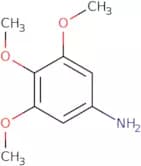
Formule :C15H15NO2·HClDegré de pureté :Min. 95%Couleur et forme :White PowderMasse moléculaire :277.75 g/mol3,4,5-Trimethoxyaniline
CAS :3,4,5-Trimethoxyaniline is a synthetic compound that is an intermediate in the synthesis of phenylacetic acid. It is a nonclassical nitrogen heterocycle with two amine groups and three oxygen atoms. 3,4,5-Trimethoxyaniline has been shown to have potent cytotoxic activity against human liver cancer cells (bel-7402) and human liver cells (human liver). Further studies into the mechanism of action revealed that 3,4,5-trimethoxyaniline inhibited nitrite ion reduction by tetronic acid and increased redox potentials. Computational molecular modeling also suggested that the nitrogen atoms in this molecule are involved in hydrogen bonding.
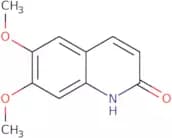
Formule :C9H13NO3Degré de pureté :Min. 95%Couleur et forme :PowderMasse moléculaire :183.2 g/mol6,7-Dimethoxycarbostyril
CAS :6,7-Dimethoxycarbostyril is a small molecule that has been shown to induce cell death in cancer cells by inhibiting the chaperone function of heat shock protein 90 (HSP90). HSP90 is a multifunctional molecular chaperone that affects many cellular processes including cell growth, apoptosis and tumorigenesis. 6,7-Dimethoxycarbostyril binds to the ATP binding site of HSP90, preventing it from performing its chaperone role. This leads to inhibition of cell growth and induction of apoptosis. 6,7-Dimethoxycarbostyril has also been shown to inhibit tumor growth in vivo in mouse models and has successfully completed phase I clinical trials at doses up to 2000 mg/day.
Formule :C11H11NO3Degré de pureté :Min. 95%Couleur et forme :PowderMasse moléculaire :205.21 g/mol9-[2-(Diethylphosphonomethoxy)ethyl]adenine
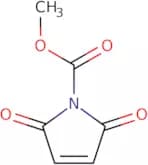
CAS :9-[2-(Diethylphosphonomethoxy)ethyl]adenine is a synthetic analog of adenine that is used as a pharmaceutical agent. It is an antiviral drug that prevents the synthesis of DNA and RNA in viruses, including papillomavirus, paramyxovirus, and filtration. 9-[2-(Diethylphosphonomethoxy)ethyl]adenine is also used to treat bromic conjugates and modifications. The chemical formula for this compound is C14H14N4O2P.Formule :C12H20N5O4PDegré de pureté :Min. 95%Couleur et forme :White PowderMasse moléculaire :329.29 g/molN-(Methoxycarbonyl) maleimide
CAS :N-(Methoxycarbonyl) maleimide is a synthetic compound that has been shown to inhibit prostate cancer cells. It interacts with the functional group of the proteins, where it forms a cavity by linking two molecules together. This cavity is then filled with a chemical reagent to give an N-substituted maleimide, which can be used for conjugation reactions. The linker can be modified to contain functional groups such as thiols and amines, which are useful for attaching biomolecules such as monoclonal antibodies.
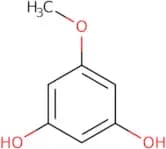
Formule :C6H5NO4Degré de pureté :90%Couleur et forme :PowderMasse moléculaire :155.11 g/mol5-Methoxyresorcinol
CAS :5-Methoxyresorcinol is a plant product that has been shown to inhibit protein synthesis. It was found to have a second-order rate constant of 0.079 M-1s-1 at pH 7, which is much lower than the first order rate constant for urea hydrolysis (0.71 M-1s-1). 5-Methoxyresorcinol has also been shown to demethylate methyl glycosides and synthesize cell cultures. This product inhibits the replication of herpes simplex virus by inhibiting the synthesis of viral proteins in infected cells and blocking the maturation of progeny virus particles.
Formule :C7H8O3Degré de pureté :Min. 95%Couleur et forme :Slightly Yellow PowderMasse moléculaire :140.14 g/mol2,3-Dimethoxyphenylboronic acid
CAS :2,3-Dimethoxyphenylboronic acid is a synthetic molecule that contains a boronic acid group. This compound has been shown to interact with histones H3 and L6. It has also been shown to modify lysine residues on the histone H3 protein by methylation. In addition, 2,3-dimethoxyphenylboronic acid interacts with other molecules in a way that changes their conformation and this interaction can be studied using vibrational spectroscopy. Organic chemists may use 2,3-dimethoxyphenylboronic acid as a ligand for biological targets or as a means of modifying proteins.
Formule :C8H11BO4Degré de pureté :Min. 95%Couleur et forme :PowderMasse moléculaire :181.98 g/mol4-Amino-2-methoxypyridine
CAS :4-Amino-2-methoxypyridine is an antiviral agent that inhibits the activity of the NS5B polymerase, a key enzyme in the replication of the hepatitis C virus. It is a potent inhibitor with a wide range of activity and can be used for treatment and prevention of infection. 4-Amino-2-methoxypyridine has been shown to inhibit replication of hepatitis C virus in cell culture. This compound is stable in vivo and can be administered orally, making it an attractive candidate for oral prophylaxis against hepatitis C. 4-Amino-2-methoxypyridine also exhibits good pharmacokinetic properties, including a low clearance rate and high volume of distribution, which makes it suitable for chronic administration.
Formule :C6H8N2ODegré de pureté :Min. 95%Couleur et forme :White To Light (Or Pale) Orange SolidMasse moléculaire :124.14 g/molRef: 3D-FA33029
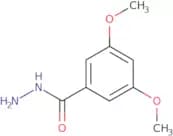
Produit arrêté3,5-Dimethoxybenzhydrazide
CAS :3,5-Dimethoxybenzhydrazide is a combretastatin analogue that binds to tubulin to disrupt the polymerization of microtubules. It has been shown to inhibit tumor cell growth in vitro and in vivo. 3,5-Dimethoxybenzhydrazide has an IC50 of 10 nM for tubulin polymerization, which is significantly lower than colchicine (IC50 of 0.2 μM). This drug also interacts with colchicine binding sites and has a selectivity index of 1.3.
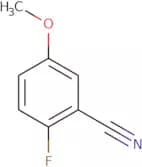
Formule :C9H12N2O3Degré de pureté :Min. 98 Area-%Couleur et forme :PowderMasse moléculaire :196.2 g/mol2-Fluoro-5-methoxybenzonitrile
CAS :2-Fluoro-5-methoxybenzonitrile is a metal catalyst that has been shown to be effective in the synthesis of various organic compounds. The use of ultrasound can increase the yields of reactions involving 2-fluoro-5-methoxybenzonitrile. 2-Fluoro-5-methoxybenzonitrile has also been demonstrated as a pharmacological agent with a number of potential applications. It inhibits the activity of phosphodiesterase 4, which may lead to an improved therapeutic profile for conditions such as asthma and erectile dysfunction. 2-Fluoro-5-methoxybenzonitrile is also used in photochemical reactions, where it acts as an inhibitor to prevent the formation of undesired products.
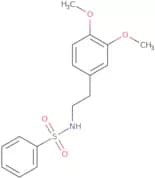
Formule :C8H6FNODegré de pureté :Min. 95%Couleur et forme :PowderMasse moléculaire :151.14 g/mol(2-(3,4-dimethoxyphenyl)ethyl)(phenylsulfonyl)amine
CAS :Please enquire for more information about (2-(3,4-dimethoxyphenyl)ethyl)(phenylsulfonyl)amine including the price, delivery time and more detailed product information at the technical inquiry form on this page
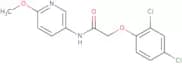
Degré de pureté :Min. 95%2-(2,4-dichlorophenoxy)-N-(6-methoxy(3-pyridyl))ethanamide
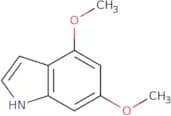
CAS :Please enquire for more information about 2-(2,4-dichlorophenoxy)-N-(6-methoxy(3-pyridyl))ethanamide including the price, delivery time and more detailed product information at the technical inquiry form on this pageDegré de pureté :Min. 95%4,6-Dimethoxyindole
CAS :4,6-Dimethoxyindole is a molecule that can be used as an amide or chloride. The molecular modeling study indicated that the 4,6-dimethoxyindole is hydrophobic and has a molecular weight of 164.4 g/mol. In the acetylation reaction, the 4,6-dimethoxyindole was synthesized with an acetyl group on one side of the molecule and an acetate group on the other side of the molecule. This molecule has shown to have anticholinesterase activity in vitro and can be used as an antibiotic. The synthesis of this molecule was confirmed by X-ray diffraction analysis, which showed that it had a crystal structure with two molecules in space group P2(1)2(1).
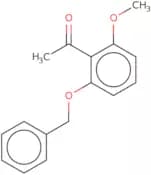
Formule :C10H11NO2Degré de pureté :Min. 95%Masse moléculaire :177.2 g/mol2-Benzyloxy-6-methoxyacetophenone
CAS :2-Benzyloxy-6-methoxyacetophenone is a high quality and versatile chemical that can be used as a reagent or building block in organic synthesis. It is an important intermediate in the synthesis of fine chemicals, pharmaceuticals, and other complex compounds. 2-Benzyloxy-6-methoxyacetophenone has been shown to be useful as a scaffold for the synthesis of novel complex molecules, such as speciality chemicals. The compound also has potential applications in research and development of new drugs.
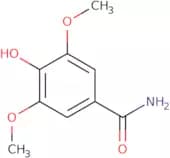
Formule :C16H16O3Degré de pureté :Min. 95%Couleur et forme :PowderMasse moléculaire :256.3 g/mol4-Hydroxy-3,5-dimethoxybenzamide
CAS :4-Hydroxy-3,5-dimethoxybenzamide is a phenolic compound that is soluble in organic solvents. It has been shown to bind to fatty acid sequences and neutral polypeptides in the presence of an acidic or basic environment. 4-Hydroxy-3,5-dimethoxybenzamide has also been shown to have catalytic activity, which may be due to its ability to form a polymeric matrix with other compounds.
Formule :C9H11NO4Degré de pureté :Min. 95%Couleur et forme :PowderMasse moléculaire :197.19 g/mol3-Hydroxy-6,2',4',5'-tetramethoxychalcone
CAS :3-Hydroxy-6,2',4',5'-tetramethoxychalcone (3HTMC) is a fine chemical that is used as a versatile building block in the synthesis of various organic compounds. 3HTMC is soluble in most organic solvents and can be used as an intermediate for the preparation of other organic compounds. This chemical has been shown to be effective in the formation of complex compounds with high quality. 3HTMC is available in bulk quantities at competitive prices.
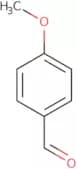
Formule :C19H20O6Degré de pureté :Min. 95%Masse moléculaire :344.36 g/mol4-Methoxybenzaldehyde
CAS :4-Methoxybenzaldehyde is a surfactant with a Langmuir adsorption isotherm. It can be used in analytical methods for the determination of sodium carbonate at concentrations of 1 mg/mL and higher. The redox potentials of 4-methoxybenzaldehyde are +0.37 and -0.35 volts, which corresponds to group P2. The reaction mechanism for 4-methoxybenzaldehyde is the oxidation of the compound by potassium permanganate (KMnO4) in aqueous solution to form 4-hydroxybenzoic acid (4HB). The fluorescent derivative of 4-methoxybenzaldehyde is magnesium salt, which has been shown to react with ryanodine receptors in skeletal muscle cells, leading to a decrease in calcium release from the sarcoplasmic reticulum. Process optimization may be necessary for this product due to its limited applications in analytical chemistry.
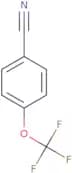
Formule :C8H8O2Degré de pureté :Min. 95%Couleur et forme :Colorless Clear LiquidMasse moléculaire :136.15 g/molp-(Trifluoromethoxy)benzonitrile
CAS :p-(Trifluoromethoxy)benzonitrile is an organic compound that reacts with electron-rich molecules to form a covalent bond. It has been shown to be reactive in abiotic conditions and can be used as a probe for electron transfer reactions. p-Trifluoromethoxybenzonitrile undergoes a reaction mechanism in which the carbonyl group first reacts with an electron donor, such as acetonitrile, to form an unstable intermediate. This intermediate then reacts with a second electron-rich molecule to form the product. p-Trifluoromethoxybenzonitrile also has been shown to react efficiently with benzonitrile and produce the desired product in one step.
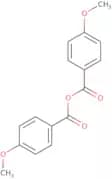
Formule :C8H4F3NODegré de pureté :Min. 95%Couleur et forme :Clear LiquidMasse moléculaire :187.12 g/mol4-Methoxybenzoic anhydride
CAS :4-Methoxybenzoic anhydride is a nonsteroidal anti-inflammatory drug (NSAID) that has a hydroxy group, which makes it susceptible to nucleophilic attack. The reaction mechanism of 4-methoxybenzoic anhydride involves hydroxyl group and phosphorus pentachloride. Kinetic data for the reaction was obtained from kinetic studies. The kinetic study found that the rate of the reaction increased with increasing concentration of amines and amides in the reaction mixture. 4-Methoxybenzoic anhydride has been shown to have antiinflammatory activity in various tests on animals, including rats, guinea pigs, and rabbits. The mechanism of this activity may be due to its ability to inhibit prostaglandin synthesis by blocking cyclooxygenase enzyme activity.
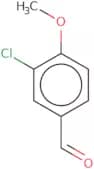
Formule :C16H14O5Degré de pureté :Min. 95%Couleur et forme :PowderMasse moléculaire :286.28 g/mol3-Chloro-4-methoxybenzaldehyde
CAS :3-Chloro-4-methoxybenzaldehyde is a chemical compound that belongs to the class of aromatic compounds. It is synthesized by reacting 3-chlorobenzaldehyde with methoxyacetone in a hydroxylation reaction. The asymmetric synthesis of 3-chloro-4-methoxybenzaldehyde was achieved by using a chiral auxiliary, which is an organic molecule that can be used to control the stereochemistry of other reactions. This product has high cytotoxicity and is able to cause melanogenesis (production of melanin) when applied to rat striatal membranes.
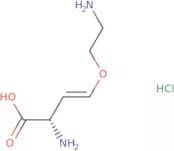
Formule :C8H7ClO2Degré de pureté :Min. 95%Couleur et forme :PowderMasse moléculaire :170.59 g/mol(S)-trans-2-Amino-4-(2-aminoethoxy)-3-butenoic acid hydrochloride
CAS :(S)-trans-2-Amino-4-(2-aminoethoxy)-3-butenoic acid hydrochloride is a chemical pesticide that inhibits the production of ethylene in plants. It is used to control growth and enhance the fruit quality of horticultural crops. It is also used as an inhibitor of serine proteases, which are enzymes that catalyze the hydrolysis of proteins. This product has been shown to act as a growth regulator by inhibiting the activity of serine proteases and blocking the biosynthesis of ethylene. (S)-trans-2-Amino-4-(2-aminoethoxy)-3-butenoic acid hydrochloride also blocks the biosynthesis of human chorionic gonadotropin, a hormone involved in reproduction and development.Formule :C6H13ClN2O3Degré de pureté :Min. 97 Area-%Couleur et forme :Off-White PowderMasse moléculaire :196.63 g/molcis-3,4-Dihydroxy-2,5-dimethoxytetrahydrofuran
CAS :cis-3,4-Dihydroxy-2,5-dimethoxytetrahydrofuran is a tetrahydrofuran derivative that has been shown to have neuroprotective effects. It has been shown to inhibit the formation of crosslinks in rat spinal cord neurons and to inhibit the release of reactive oxygen species (ROS) and nitric oxide (NO), which are known to be neurotoxic. In addition, cis-3,4-dihydroxy-2,5-dimethoxytetrahydrofuran has antibacterial activity against Staphylococcus aureus and Dasycarpus sp. This compound is also a precursor for limonoids and glyceraldehyde.
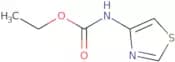
Formule :C6H12O5Degré de pureté :Min. 95%Couleur et forme :PowderMasse moléculaire :164.16 g/mol4-Carbethoxyaminothiazole
CAS :4-Carbethoxyaminothiazole is a versatile building block for the synthesis of many fine chemicals and complex compounds. It is a reagent that can be used in research, as a speciality chemical, or as an intermediate to produce other useful compounds. 4-Carbethoxyaminothiazole is also a useful scaffold for the synthesis of organic molecules with interesting biological properties.
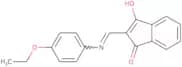
Formule :C6H8N2O2SDegré de pureté :Min. 95%Couleur et forme :White solid.Masse moléculaire :172.21 g/mol2-(((4-ethoxyphenyl)amino)methylene)indane-1,3-dione
CAS :Please enquire for more information about 2-(((4-ethoxyphenyl)amino)methylene)indane-1,3-dione including the price, delivery time and more detailed product information at the technical inquiry form on this page
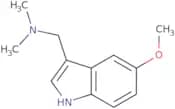
Degré de pureté :Min. 95%5-Methoxygramine
CAS :Produit contrôlé5-Methoxygramine is a metabolic intermediate which is an analog of 5-hydroxytryptamine (5-HT). It has been shown to increase blood pressure and reduce the activity of the 5-HT2C receptor. This drug also has been found to inhibit the growth of some cancer cells in vitro, but it does not affect normal cells. It can be used as a tool for identifying compounds that may have similar effects. The binding affinity of 5-methoxygramine for the 5-HT2C receptor was measured by displacement experiments with 3H-spiperone. The effect of this compound on dopamine release from rat striatal slices was studied by measuring electrical activity in isolated heart preparations. The effect of this compound on leishmania infection was studied using infected mice and isolated heart preparations.
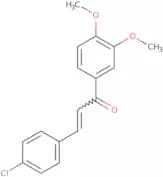
Formule :C12H16N2ODegré de pureté :Min. 95%Couleur et forme :PowderMasse moléculaire :204.27 g/mol4-Chloro-3',4'-dimethoxychalcone
CAS :Please enquire for more information about 4-Chloro-3',4'-dimethoxychalcone including the price, delivery time and more detailed product information at the technical inquiry form on this page
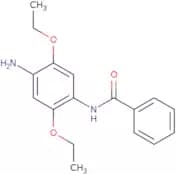
Degré de pureté :Min. 95%N-(4-Amino-2,5-diethoxyphenyl)-benzamide
CAS :4-Amino-2,5-diethoxyphenyl)benzamide is a small molecule that inhibits the enzyme activity of polymerase chain reaction (PCR), DNA topoisomerase I, and DNA gyrase. It has been shown to inhibit the growth of human leukemia cells in culture. 4-Amino-2,5-diethoxyphenyl)benzamide also inhibits rat liver microsomes and can be used for the treatment of neurodegenerative diseases.
Formule :C17H20N2O3Degré de pureté :Min. 95%Couleur et forme :PowderMasse moléculaire :300.35 g/mol2-Cyano-N-[2-(3,4-dimethoxyphenyl)ethyl]acetamide
CAS :Please enquire for more information about 2-Cyano-N-[2-(3,4-dimethoxyphenyl)ethyl]acetamide including the price, delivery time and more detailed product information at the technical inquiry form on this pageFormule :C13H16N2O3Degré de pureté :Min. 95%Masse moléculaire :248.28 g/mol4-Methoxyphenoxyacetic acid
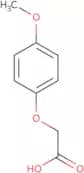
CAS :4-Methoxyphenoxyacetic acid is a chemical compound with molecular formula C10H12O4. It is an alpha-hydroxy acid and is also known as 4-methoxybenzoic acid. 4-Methoxyphenoxyacetic acid has been shown to have reactive properties and can be used as a reagent in organic synthesis. A molecular modeling study of 4-methoxyphenoxyacetic acid has revealed that it could form hydrogen bonding interactions with the hydroxyl group of coumarin derivatives, which may lead to irreversible oxidation reactions. The human serum contains high affinity binding sites for this chemical compound, which is detected by the mefexamide test.
Formule :C9H10O4Degré de pureté :Min. 95%Couleur et forme :PowderMasse moléculaire :182.17 g/mol1,3-Diethoxybenzene
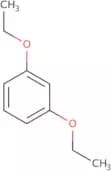
CAS :1,3-Diethoxybenzene is an equimolecular alkylation product that is prepared by the reaction of chloride and diethyl ether. The analysis technique used to identify this compound is GC-MS. This product has been shown to be resistant to vinyl acetate copolymerization with styrene and nitrocellulose polymerization with cyclohexenyl methoxy.
Formule :C10H14O2Degré de pureté :Min. 94.0 Area-%Couleur et forme :Clear LiquidMasse moléculaire :166.22 g/mol4-Amino-3-methoxybenzoic acid methyl ester
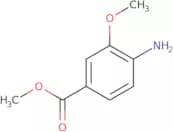
CAS :4-Amino-3-methoxybenzoic acid methyl ester is a reactive molecule that has been used as a radiotracer for positron emission tomography (PET). It is also used in the synthesis of oligodeoxynucleotides and hybridization probes. 4-Amino-3-methoxybenzoic acid methyl ester is not soluble in water, but it can be dissolved in organic solvents such as acetone or methanol. This compound has shown to have anticancer activity and may be useful for treating cancers of the brain, breast, colon, lung, prostate, and stomach.Formule :C9H11NO3Degré de pureté :Min. 95%Couleur et forme :PowderMasse moléculaire :181.19 g/mol2'-Hydroxy-2,4,4',6'-tetramethoxychalcone
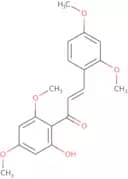
CAS :2'-Hydroxy-2,4,4',6'-tetramethoxychalcone (HTMC) is a bioactive substance that has been shown to have anticancer properties. HTMC has been shown to have allopathic effects in a statistically significant manner and has been used in traditional herbal medicine for centuries. The mechanisms of action are not well understood but may be due to its ability to inhibit the activity of arjunic acid and flavonoids. HTMC is found in plants such as tropical trees and herbs from India, including Acacia catechu and Tinospora cordifolia. It also has pharmacological properties, which may be due to its derivates that are isolated from these plants. HTMC shows no adverse effects on humans when taken orally at doses up to 1 g/day for 28 days.
Formule :C19H20O6Degré de pureté :Min. 95%Couleur et forme :PowderMasse moléculaire :344.36 g/mol


![ethyl 4-[3-(1,3-dioxo-1,3-dihydro-2H-isoindol-2-yl)propoxy]benzoate](/_next/image/?url=https%3A%2Fstatic.cymitquimica.com%2Fproducts%2F10%2Fthumb-webp%2FF518246.webp&w=3840&q=75)
![2-[4-(Trifluoromethoxy)phenoxy]isonicotinonitrile](/_next/image/?url=https%3A%2Fstatic.cymitquimica.com%2Fproducts%2F10%2Fthumb-webp%2FF403465.webp&w=3840&q=75)
![1-Amino-3-[4-(2-methoxyethyl)phenoxy]propan-2-ol](/_next/image/?url=https%3A%2Fstatic.cymitquimica.com%2Fproducts%2F10%2Fthumb-webp%2FF659394.webp&w=3840&q=75)



methanone HCl](/_next/image/?url=https%3A%2Fstatic.cymitquimica.com%2Fproducts%2F3D%2Fthumb-webp%2FFA133569.webp&w=3840&q=75)
![9-[2-(Diethylphosphonomethoxy)ethyl]adenine](/_next/image/?url=https%3A%2Fstatic.cymitquimica.com%2Fproducts%2F3D%2Fthumb-webp%2FFD10109.webp&w=3840&q=75)



![2-Cyano-N-[2-(3,4-dimethoxyphenyl)ethyl]acetamide](/_next/image/?url=https%3A%2Fstatic.cymitquimica.com%2Fproducts%2F3D%2Fthumb-webp%2FFC131318.webp&w=3840&q=75)